
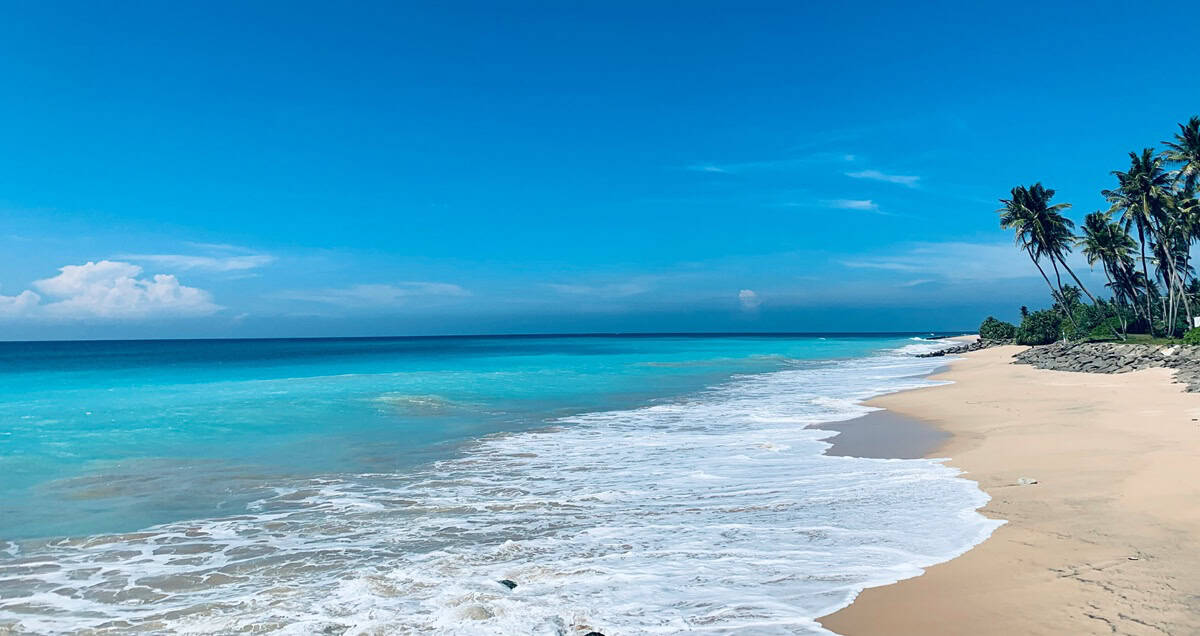
The Hill Country in Sri Lanka, with its cool air, tea estates, and waterfalls within short hops of each other, is a traveller’s paradise. The well-connected train system, which links the towns and trails that start near your door, ensures a seamless transition between hubs, saving you precious time and energy.
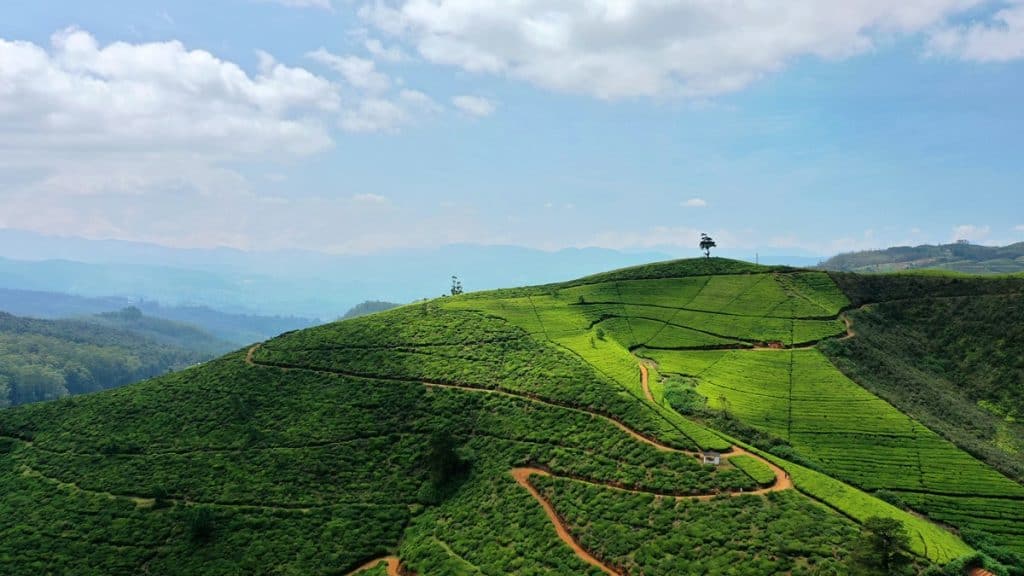
Tea Plantations in Nuwara Eliya (Photo: Juho S, via Unsplash)
Why the Hill Country in Sri Lanka Is Special
Altitude changes the rhythm. Days stay mild, nights cool down, and views run across rows of tea and deep valleys. Scenic trains cross bridges and tunnels between compact towns. Culture and nature sit side by side, so you can visit a temple at dawn and hike a ridge by midmorning. Short transfers give you more time on foot.
If you are new to Sri Lanka, we recommend reading our ultimate travel guide for first-time visitors. Most travellers combine their hill-country experiences with heritage sites, popular beaches, and wildlife & nature attractions. You can find the best combination of experiences for your travel season by reviewing our best Sri Lanka itineraries.
Climate and Weather
Expect 15 to 25 degrees Celsius in higher towns. The Southwest monsoon brings heavier rain to the western hills from May to September, while the Northeast monsoon shifts the showers to the eastern slopes from October to January. January to March is the clearest span for long views. June to August offers workable mornings with clouds later in the day. October and November often bring short bursts of rain. Pack a light jacket and a rain layer year-round.
Best Time to Visit and Why Timing Matters
Pick months that match your goals. Choose January to March for sharp views and sunrise hikes. Choose June to August for steady walking and fewer crowds. Waterfalls appear stronger after rain, although pools are safer once the water flow eases. Plan transport for early starts on clear days—reserve train seats for weekends and holidays. Festival weeks raise demand in Kandy and around Adam’s Peak.
Read more about the Best Time to Visit Sri Lanka.
How to Plan Your Trip Through the Hill Country in Sri Lanka
Use two or three bases and link them by rail or road. Kandy handles heritage, gardens, and lake walks. Nuwara Eliya pairs cool parks with Horton Plains. Ella focuses on viewpoints and rail photos—Haputale lines up sunrise at Lipton’s Seat. Fit Knuckles as a hiking day from Kandy. Consider adding Adam’s Peak for a night climb if your dates align. Use Kegalle as a short stop between the airport and the hills.
Why Is It Special
Kandy, with its serene lakeside location, UNESCO World Heritage Site, and easy access to a world-class botanic garden and a city forest, is a unique destination that comes alive during the day and settles into a peaceful rhythm at night.
Climate and Weather
Days are warm and evenings mild. Dry, bright light is common from December to March. October and November bring more showers. Mornings work best for outdoor visits.
Best Time to Visit and Timing
Plan for December to March if you want clearer skies. The Esala Perahera typically takes place around July or August, so book early if you plan to travel during this time. Visit gardens and forest trails before lunch for cool shade and fewer crowds.
Popular Activities, Culture, and Adventures
Walk the loop around Kandy Lake. Enter the Temple of the Tooth Relic with modest dress. Explore the Peradeniya Botanic Gardens for a unique experience featuring orchids and palms. Ride to Bahirawakanda for a panoramic view of the city. Step into Udawattakele Conservation Forest for quiet trails and a chance to spot a variety of birds.
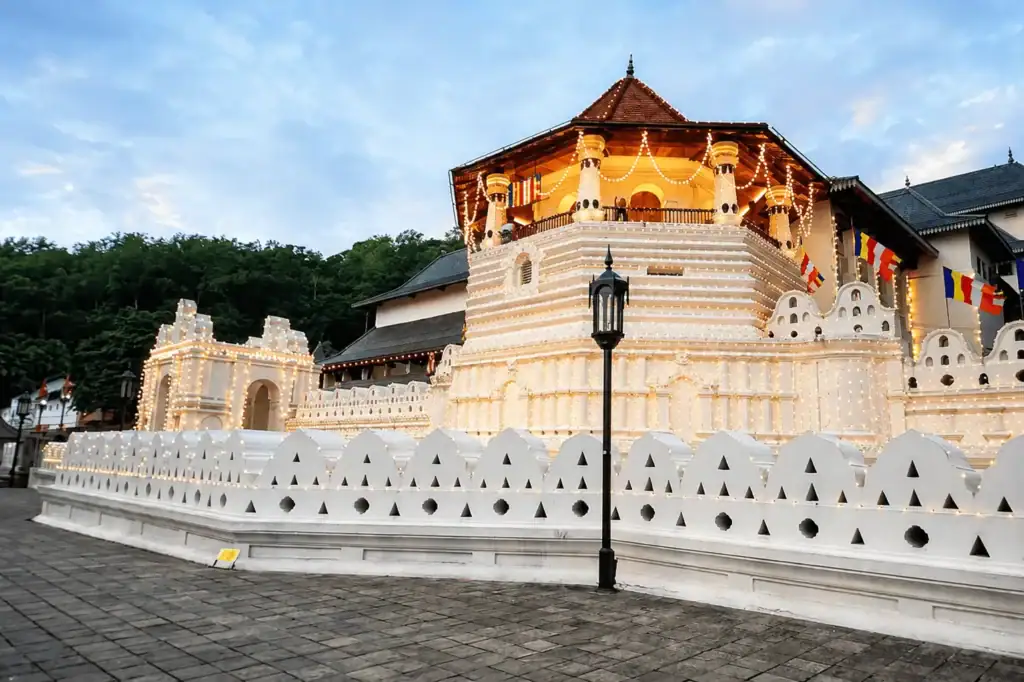
The Temple of the Sacred Tooth Relic in Kandy (Photo: Nalaka Priyantha)
Must Do
Don’t miss the opportunity to visit the Temple of the Tooth Relic during a quieter time, witness the breathtaking sunset over Kandy Lake, explore the enchanting orchid house at Peradeniya, and take a short climb to Bahirawakanda near dusk for a unique perspective of the city.
Do Not Miss
A slow hour in Udawattakele Conservation Forest. A simple loop of the heritage temples west of town with a driver.
Dos and Don’ts
When visiting temples, it’s essential to dress modestly and respect local customs. Please remember to remove your shoes and hats in shrine areas, and refrain from feeding monkeys near the lake. If the rules require a guide, ensure that you use an official one.
Smart Tips and Safety
Stay near the lake for leisurely walks. Use tuk-tuks for short hops. Watch traffic at crossings. Carry small notes for fares.
Must Bring
Light pants, a scarf for the shoulders, comfortable shoes, a compact umbrella, and insect repellent.
Wildlife and Birding
Look for barbets and hornbills in Udawattakele Conservation Forest. The river edge at Peradeniya brings regular sightings. Stay on marked paths.
Plan and Duration
Two or three nights cover the core. Day one is perfect for the temple and the lake. Day two fits Peradeniya and Udawattakele Conservation Forest. Add the west-of-Kandy temple loop if time allows.
Accommodation and Booking
Hotels face the lake. Guesthouses sit on the slopes. Buy temple and garden tickets at the official gates. Ask your hotel for a licensed guide if you want to gain context at the temple or other heritage sites.
The Most Popular Destinations in Kandy
Royal Botanic Gardens at Peradeniya. Riverside grounds with orchids, palms, and long, shaded avenues. Easy half-day near the city.
Temple of Tooth Relic and Esala Perahera. The sacred shrine that anchors Kandy. The annual night procession fills streets with drummers and dancers.
Kandy Lake. Flat path with views of the temple and hills. Best at sunrise or sunset.
Bahirawakanda Temple. Hilltop Buddha and citywide angles. Short tuk-tuk ride from the lake.
Udawattakele Conservation Forest. City-edge sanctuary featuring quiet trails and an abundance of birdlife. Enter early for shade.
Kandy National Museum. Small galleries with royal-era pieces. Quick stop near the temple.
Gadaladeniya, Lankatilaka, and Embekke Temples. Three heritage temples west of town. Easy to combine on a single loop.
Why Is It Special
Ella packs viewpoints, short hikes, and the iconic rail photo into a compact base. Cafes, guesthouses, and trailheads sit close together. Early starts give you space on the paths.
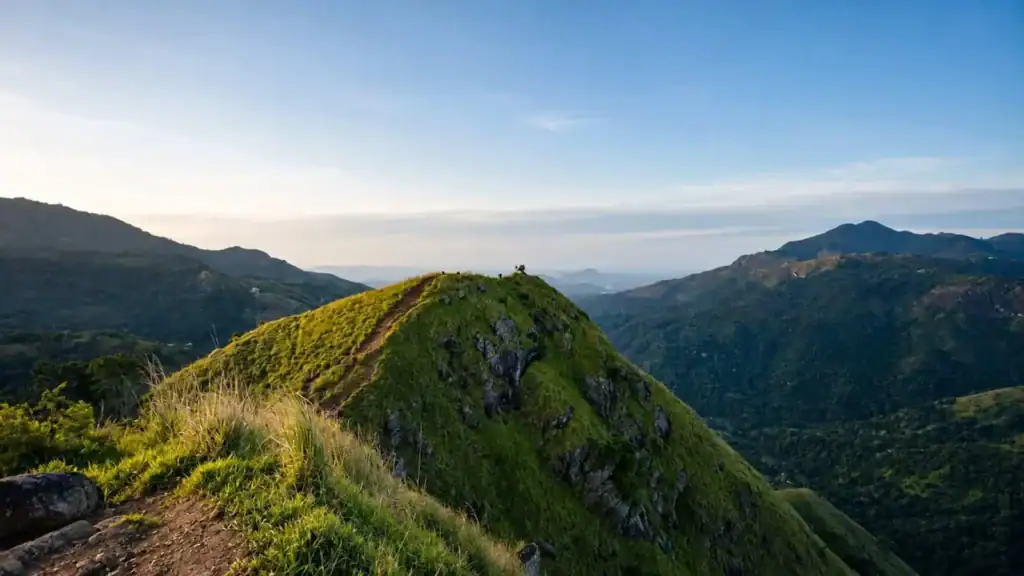
Little Adam’s Peak – Ella (Photo: Nalaka Priyantha)
Climate and Weather
Days stay mild and nights cool. January to March brings crisp light and long views. June to August is ideal for hiking with morning starts. October and November see more showers.
Best Time to Visit and Timing
Visit from January to March or June to August, if the trails align with your plan. Time the Nine Arch Bridge for a train crossing. Start hikes at dawn to avoid crowds and midday heat.
Popular Activities, Culture, and Adventures
Climb Little Adam’s Peak for sunrise. Take the longer ridge to Ella Rock on a clear day. Photograph the Nine Arch Bridge from the tea path. Add the Flying Ravana Zipline in light wind. Visit nearby waterfalls on rest days.
Must Do
Sunrise on Little Adam’s Peak. A train crossing at the Nine Arch Bridge. A half day on the Kandy to Ella Train Ride.
Do Not Miss
A short walk to the Demodara Rail Loop. A safe swim at a waterfall when the flows sit lower.
Dos and Don’ts
Stay off the rails. Keep your distance from cliff edges. Do not swim during peak flows. Respect private land in the tea fields.
Smart Tips and Safety
Wear shoes with grip. Carry water and snacks. Hire a licensed guide for Ella Rock. Check the wind before a zipline ride.
Must Bring
Light jacket, sun hat, sunscreen, refillable bottle, and headlamp for early starts.
Wildlife and Birding
Watch ridge lines for raptors. Expect monkeys near farms. Maintain a safe distance from monkeys and store your food correctly.
Plan and Duration
Two or three nights fit most plans. Day one suits Little Adam’s Peak and the bridge. Day two suits Ella Rock or a waterfall day trip.
Accommodation and Booking
Guesthouses fill the valley. View rooms line the slopes. Reserve rail seats in advance during peak months. Book zipline slots on site or through your hotel.
The Most Popular Destinations in Ella
The Nine Arch Bridge. Stone viaduct on a tea slope. Check train times for the shot.
Kandy to Ella Train Ride. The signature scenic line through tea fields and tunnels. Book seats in advance.
Little Adam’s Peak and Ella Rock. Short sunrise hill and a longer ridge. Pick clear days and start early.
Demodara Rail Loop. A unique curve near the station. Quick photo stop.
Ravana Ella and Ravana’s Cave. Roadside falls and a short cave walk. Best once the rains ease.
Diyaluma Falls and Dunhinda Falls. Major cascades for day trips. Use a guide for Diyaluma’s upper pools.
Tea estate walks and factory tours.—short paths and tastings close to town. Ask before entering private rows.
Flying Ravana Zipline. Long dual line near Little Adam’s Peak. Ride in lighter wind.
Trails in Ella:
- AllTrails Map – Nine Arch Bridge from Ella Rd (1.9 km)
- AllTrails Map – Nine Arch Bridge (1.3 km)
- AllTrails Map – Little Adam’s Peak (1.4 km)
- AllTrails Map – Little Adam’s Peak and Lookout (2.9 km)
- AllTrails Map – Ella – Ella Rock (9.5 km)
- AllTrails Map – Ella Rock Trail (5.6 km)
- AllTrails Map – Amba to Ella via Ella Rock (9.3 km)
- AllTrails Map – Rawana Ella Temple and Rawana Ella Cave (2.3 km)
Why Is It Special
Nuwara Eliya pairs cool air and tea heritage with lakeside paths, gardens, and the nearby Horton Plains National Park, a high plateau. Town life centres on Gregory Lake.
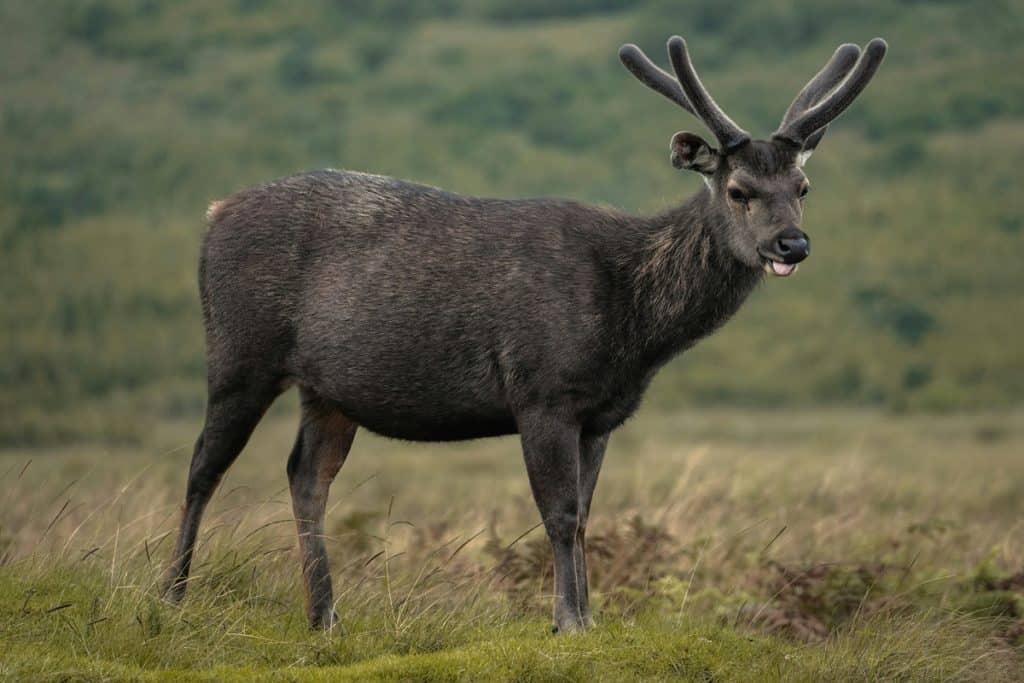
Horton Plains National Park – Nuwara Eliya (Photo: Anupa Uthsara, via Unsplash)
Climate and Weather
Days are mild, nights can be chilly. January to March brings the clearest views. June to August offers workable mornings. October and November see more showers.
Best Time to Visit and Timing
Choose January to March for a visit to Horton Plains. April adds blooms and bigger crowds. Start the Horton Plains loop at dawn for open views before the clouds build.
Popular Activities, Culture, and Adventures
Walk or cycle around Gregory Lake. Visit Victoria Park in the morning. Ride to Moon Plains on a blue day—Hike Horton Plains to World’s End and Baker’s Falls. Take a tour of a tea factory for a tasting experience.
Must Do
Book a dawn transfer to Horton Plains National Park. Loop Gregory Lake at sunset. Taste tea at a working factory.
Do Not Miss
Moon Plains for a 360-degree lookout on a clear morning. Galway’s Land National Park for an easy bird walk.
Dos and Don’ts
Layer up before dawn. Stay on marked paths. Keep clear of cliff edges. Pack your litter out.
Smart Tips and Safety
Prebook the Horton Plains vehicle and tickets in busy months. Ask for an early breakfast pack. Wear a windproof layer on the plateau.
Must Bring
A warm jacket, gloves, a beanie for sunrise days, a rain shell, sturdy shoes, and a small thermos.
Wildlife and Birding
Sambar deer on the road into the park. Highland endemics at forest edges. Easy birding at Galway’s Land National Park.
Plan and Duration
Two or three nights work well. Day one for the lake and parks. Day two for Horton Plains. Day three for Moon Plains or factory visits.
Accommodation and Booking
Hotels ring the lake. Garden bungalows and family stays sit near fields. Purchase park tickets at the gate with a valid ID. Book a licensed vehicle for the park road.

St. Clare’s Falls – Nuwara Eliya (Photo: Amila Tennakoon, CC BY 2.0)
The Most Popular Destinations in Nuwara Eliya
Tea heritage, tea estate, and factory visits. Guided steps through the process with a tasting at the end. Options in Nuwara Eliya, Hatton, and Ella.
Gregory Lake and Lakefront Park. Boats, bikes, and level paths. Good for sunsets.
Tudor-era core. Short streets with old facades and a modest market. Quick photo loop.
Victoria Park. Flower beds, tall trees, and easy paths. Birding near the stream.
Moon Plains and Mini World’s End. A short jeep ride to a high lookout. Best in clear light.
Horton Plains, Baker’s Falls, and World’s End. A fixed loop on a high plateau with a cliff view and a waterfall. Start at dawn.
Lover’s Leap Falls. Small cascade close to town. Safer once the flows settle.
Seetha Amman Temple. Colourful shrine linked to epic stories. Pair with a tea stop.
Galway’s Land National Park. Small forest patch with birds and quiet trails.
Ramboda, St. Clare’s, and Devon Falls. Roadside viewpoints on transfer days.
Hakgala Botanic Gardens. Cool climate beds and tall trees. Calm half day near town.
Trails in Nuwara Eliya:
- AllTrails Map – Ramboda Falls (1.1 km)
- AllTrails Map – Gregory’s Lake Loop (4.5 km)
- AllTrails Map – Lover’s Leap Waterfall (1 km)
- AllTrails Map – Lovers Leap Falls from Gregory’s Lake (12.1 km)
- AllTrails Map – Horton Plains World’s End Trail (8.4 km)
- AllTrails Map – Kirigalpoththa Trail (10.8 km)
- AllTrails Map – Thotupola Mountain Trail (2.7 km)
- AllTrails Map – Nuwara Eliya – Haddon Hill (8.2 km)
- AllTrails Map – Nuwara Eliya – Haddon Hill (7.2 km)
Why Is It Special
Haputale offers expansive views, a famous sunrise, and lighter crowds. Tea slopes wrap the ridge. A historic factory and a monastery add quiet stops.
Climate and Weather
Mornings feel fresh. Some afternoons are cloudy. January to March is clearer. Sunrise views are often available from June to August.
Best Time to Visit and Timing
Fix a dawn ride to Lipton’s Seat on a precise forecast. Walk estate paths early. Visit waterfalls later in the day.
Popular Activities, Culture, and Adventures
Tour Dambatenne Tea Factory. Visit Adisham Bungalow for calm halls and gardens. Hike the Thangamale ridge for stunning views and birdwatching opportunities. Ride the train to Idalgashinna for photos.
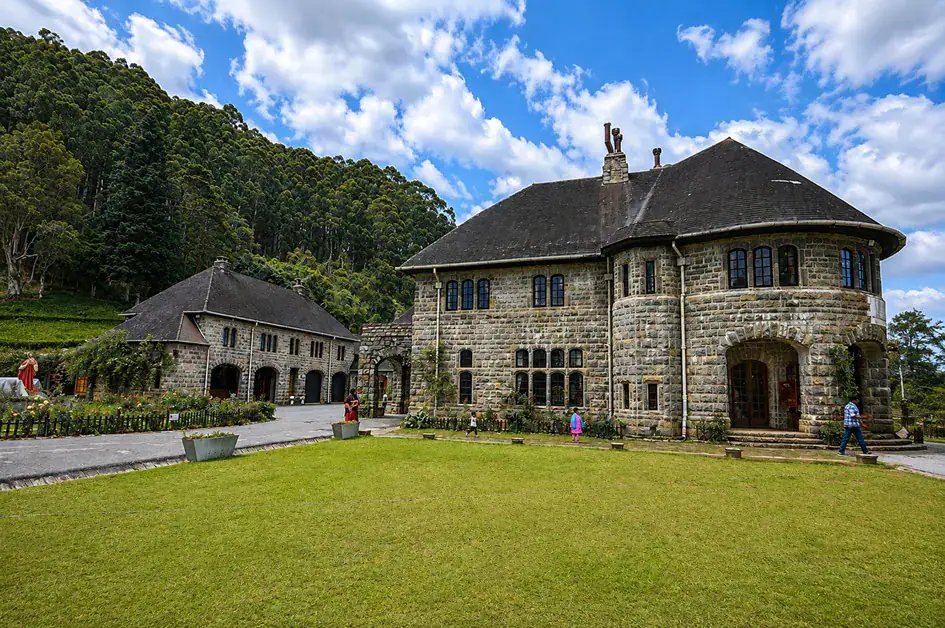
Adisham Bungalow – Haputale (Photo: Nalaka Priyantha)
Must Do
Sunrise at Lipton’s Seat. A guided factory tour at Dambatenne. A short rail hop for ridge views.
Do Not Miss
An hour at Adisham. An easy ridge walk on the sanctuary path.
Dos and Don’ts
Ask before entering the tea rows. Keep voices low at the monastery. Do not litter at viewpoints.
Smart Tips and Safety
Hire your sunrise tuk-tuk the evening before. Carry cash for rural tea stops. Watch footing on damp stone steps.
Must Bring
Warm layer, wind shell, headlamp, snacks, water. Light gloves help at dawn.
Wildlife and Birding
Raptors along cliffs. Small birds at first light in scrub and trees. Butterflies on sunny edges.
Plan and Duration
One or two nights fit well. Day one covers Lipton’s Seat and the factory. Day two covers Adisham and a ridge walk.
Accommodation and Booking
Guesthouses line the main road. Tea bungalows sit above fields. Pay factory entry on site. Check monastery hours before your visit.
The Most Popular Destinations in Haputale
The scenic views. Valleys open wide at dawn. Clouds often build later.
Adisham Bungalow, St. Benedict’s Monastery. Stone home converted into a monastery with quiet rooms and gardens—short, calm visit.
Thangamale Bird Sanctuary. Easy ridge walk with birds and views. Best in the morning.
Idalgashinna Railway Station and Ridge. Windy photo stop above steep drops. It can be reached by a short train ride.
Dambatenne Tea Factory. A historic plant that still processes leaves. Guided tours end with a tasting.
Tea factory tours. Small fees, hair nets, and a tasting. Ask about photo rules.
St. Catherine’s and Lipton’s Seat. Sunrise platform above tea rows. Ride a tuk-tuk or walk from the estate.
Bambarakanda Falls. The tallest waterfall in the country. Day trip with a short final walk.
Pekoe Trail. Waymarked stages across estates and ridges. Pick a nearby section.
Pinnawala Elephant Orphanage
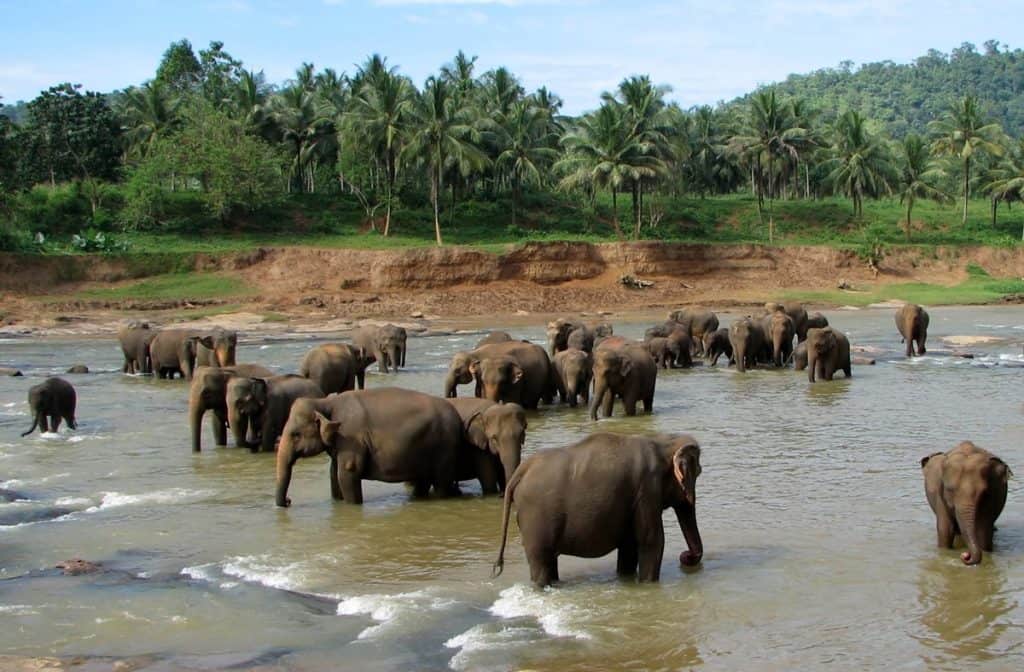
Pinnawala Elephant Orphanage (Photo: Bernard Gagnon, CC BY-SA 3.0)
Why Is It Special
Long-running centre with set viewing windows. Verify schedules and welfare details before a visit. Pinnawala Elephant Orphanage sits on the road between the airport and the hills. It works as a rest stop on transfer days.
Climate and Weather
Warm and humid. Inter monsoon months bring more showers. Mornings are brighter.
Best Time to Visit and Timing
Stop in the morning to avoid heat and traffic. Match arrivals to venue opening hours.
Popular Activities and Must-Do
Some families add an elephant stop here. If you plan a visit, pair it with a meal break to split the drive.
Dos and Don’ts
Use licensed venues. Check welfare standards. Do not ride or feed elephants.
Smart Tips and Safety
Park in marked lots. Cross roads with care.
Must Bring
Water, snacks, a sun hat, light clothing, and a small towel.
Plan and Duration
Allow one to two hours. Most travellers continue to Kandy or Nuwara Eliya for the night.
Accommodation and Booking
Roadside hotels exist, yet most visitors push on. Check official sites for opening times. Confirm by phone before you go.
Why Is It Special
Knuckles delivers ridge walks, cloud forests, and village paths within reach of Kandy. Trails link paddy, tea, and forest edges for varied days out.
Climate and Weather
Cool mornings and misty afternoons. January to March is the clearest. June to August offers stable mornings. October and November often turn wetter.
Best Time to Visit and Timing
Start early for shade and views. Book a guide who knows route options and weather patterns. Match distance to fitness and daylight.
Popular Activities and Must-Do
Day hikes to named peaks. Slow village visits on lower slopes. Sit quietly near forest edges to spot birds.
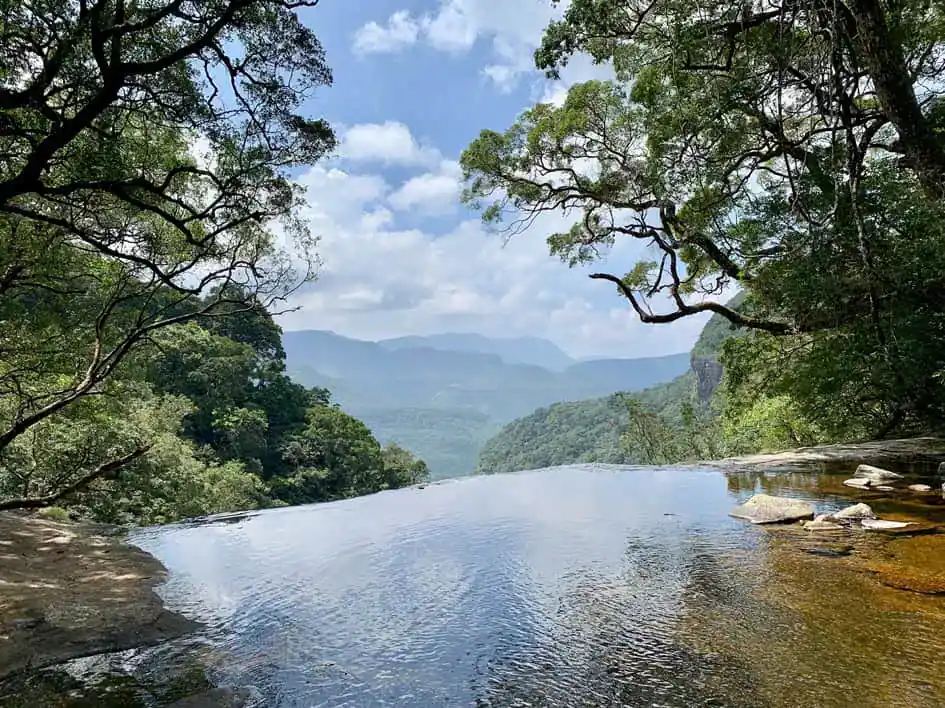
A natural infinity pool – Knuckles Conservation Forest (Photo: Hemaka Pathiranage, CC BY-SA 4.0)
Dos and Don’ts
Register at the trailheads if required. Carry out your waste. Do not light fires: respect fields and water sources.
Smart Tips and Safety
Use licensed guides and 4×4 access where needed. Carry layers and spare socks. Turn back if the cloud closes in or the rain builds.
Must Bring
Hiking shoes with grip, trekking poles, windproof and rain layers, a water filter, snacks, and a headlamp.
Wildlife and Birding
Endemic birds along streams and forest lines. Leeches during wet spells. Salt or leech socks help.
Plan and Duration
One full hiking day fits a tight schedule. Add a second day if the forecast holds.
Accommodation and Booking
Simple lodges and homestays are situated along approach roads. Kandy also works as a base. Book guides through licensed operators.
Trails in Knuckles Mountain Range:
- AllTrails Map – Knuckles 5 Peak Trail (7.7 km)
- AllTrails Map – Corbett’s Gap (11.3 km)
- AllTrails Map – Lebonon Estate to KMP Hut (6.4 km)
- AllTrails Map – Kandasamigala (5.1 km)
Most Walked Trails in the Hill Country.
World’s End loop in Horton Plains pairs a cliff view with Baker’s Falls. Little Adam’s Peak in Ella gives a short sunrise climb. Ella Rock delivers a longer ridge with fewer crowds at dawn. Lipton’s Seat near Haputale offers a sweeping view of the sunrise. Knuckles offers ridge days for stronger legs.
Why Is It Special
Adam’s Peak, also known as Sri Pada, is widely revered as a sacred site. At the summit (2,243 m/7,359 ft), a large boulder bears a prominent footprint, honoured as Lord Buddha’s in Buddhist tradition, Sri Rama’s in Hindu lore, and Prophet Adam’s in Christian and Islamic belief. It combines a night climb with a shared sunrise ritual. Pilgrims and travellers move together toward the summit shrine.
Climate and Weather
Cold wind near the top before dawn. January to March brings clearer skies. Inter monsoon months add showers.
Best Time to Visit and Timing
Climb during the pilgrimage season for lit steps and open services. Aim for a weekday to avoid peak crowds. Start late at night to reach the summit for sunrise.
Popular Activities and Must-Do
Make the ascent and ring the bell at the top. Pause at viewpoints on the descent for photos and rest.
Dos and Don’ts
Dress modestly. Keep voices low at the shrine. Do not push through narrow sections. Respect photo rules.
Smart Tips and Safety
Stay in Nallathanniya or Hatton for a short transfer. Eat a steady meal before the climb. Use headlamps and take breaks on steep sections.
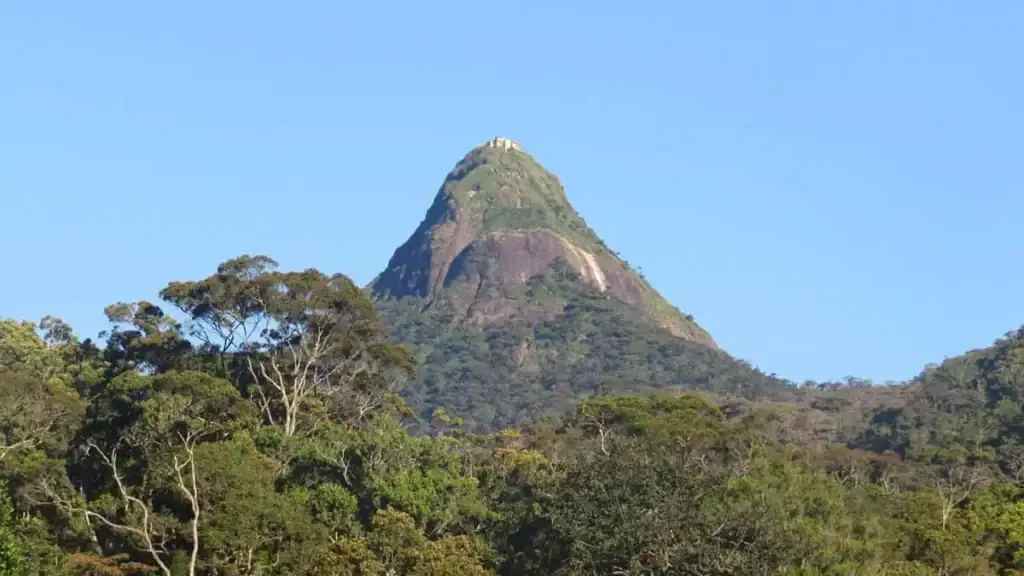
Adam’s Peak (Photo: Nalaka Priyantha)
Must Bring
Warm jacket, gloves, hat, headlamp, snacks, water, and small cash for tea stalls. Spare socks help on the way down.
Wildlife and Birding
Dawn birds near the forest edge. Keep a distance from monkeys. Do not feed wildlife.
Plan and Duration
One night near the base, a night climb, then a slow recovery day. Add a second night if you want to get a complete rest.
Accommodation and Booking
Simple guesthouses line the base road. Larger hotels sit near Hatton. No ticket is required for the climb. Arrange transfers with your hotel.
How to Link Hubs and Keep Days Smooth
Build a loop of Kandy, Nuwara Eliya, Ella, and Haputale in five to eight days. Add Kegalle as a quick stop on the way in or out. Insert a Knuckles hike near Kandy. Add Adam’s Peak if your dates match the season. Ride the train for views and photos. Use drivers for pre-dawn starts and remote falls. Keep a buffer day in October and November. Book early for January to March.
Transport Basics
The Main Line connects Colombo to Kandy, then Nanu Oya for Nuwara Eliya, then Ella, then Badulla. Expressways shorten road legs to Kandy and the southern hills. Tuk-tuks cover the last-mile links.
Money, Entry, and Guides
Carry small notes for tickets and tips. Pay national park fees at gates. Use official counters at cultural sites. Hire licensed guides and keep receipts—store phone copies of your ID.
Food and Drink
Drink bottled or filtered water. Eat at busy places for fresh meals. Try Ceylon Tea tastings at estates. Carry fruit and nuts on hikes.
Health and Safety
The sun burns fast at altitude. Wear a hat and sunscreen. Stone steps can become slick after showers, so slow down and check your footing. Leeches appear in wet months. Salt or leech socks help.
Packing List
Layered clothing, rain shell, hiking shoes, sun hat, sunglasses, headlamp, small first aid kit, dry bag, and power bank.
The Hill Country in Sri Lanka works best with a simple route and the right months. Kandy gives you lakeside walks and a sacred temple. Ella adds Sunrise Hills and the famous rail bridge. Nuwara Eliya offers parks, tea heritage, and a dawn loop at Horton Plains; Haputale lines up Lipton’s Seat for the first light. Kegalle breaks the road between the airport and the hills. Knuckles delivers ridge days near Kandy. Adam’s Peak finishes the circle with a night climb and sunrise. Match your dates to clear mornings, book trains and early transfers, and pack layers with a rain shell. Respect rules at temples and parks. You leave with sharp photos, steady legs, and a route that makes sense from start to finish.
If you are interested in hiking, trekking, and mountains, we recommend reading about the mountains in Sri Lanka.
Planning beyond the hills? Get the broader picture on beaches, wildlife, food, and value across the island. Read “Is Sri Lanka Worth Visiting?” to decide when to go and what to prioritise.