
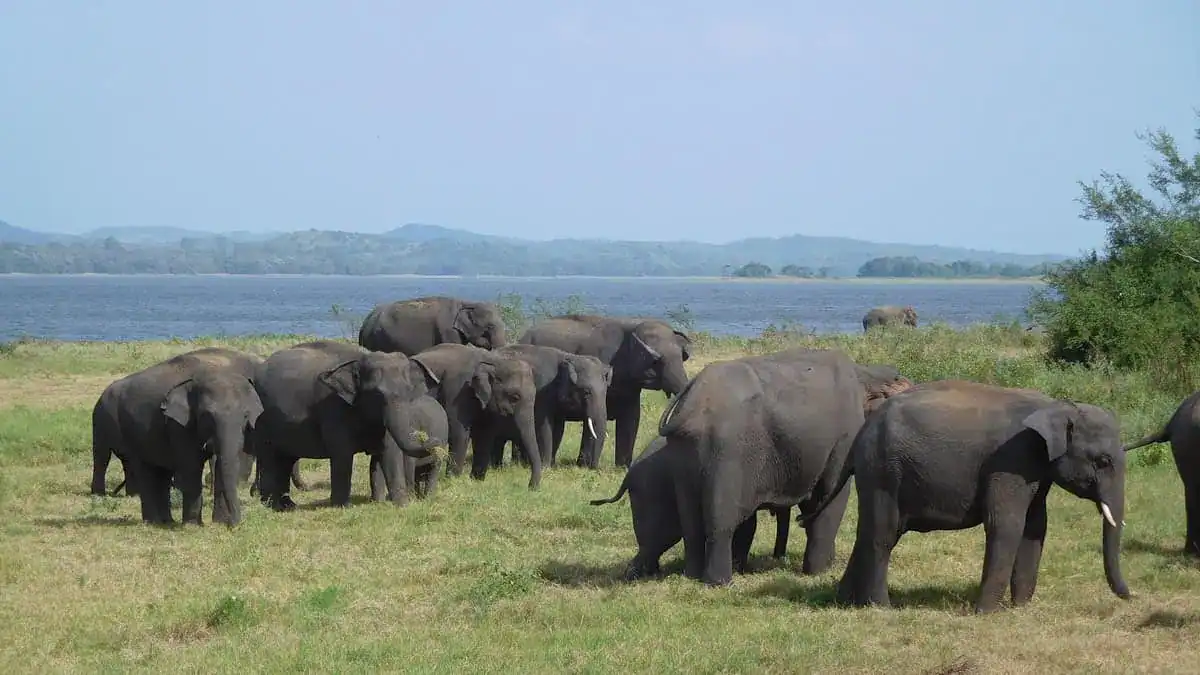

Minneriya National Park stands among the most valued wildlife destinations in Sri Lanka. The park draws visitors seeking raw nature, wide-open grasslands, and one of the largest gatherings of Asian elephants on earth. Travellers planning safaris in Sri Lanka often place Minneriya National Park high on their list. Large herds of elephants in Sri Lanka move across the plains during the dry season. Visitors watch these animals feed, bathe, and move as family groups. The scene stays quiet and direct. Dust rises from the ground. The evening sun turns the tank water gold.
Wildlife lovers, photographers, and nature travellers visit this park for one main reason: the chance to see elephants in large numbers in Sri Lanka. The park also holds many other species. Deer graze along the water’s edge. Birds circle above the wetlands. Crocodiles rest along muddy banks. Each wildlife safari offers a close view of the living systems within Sri Lanka’s dry-zone forests.
Minneriya National Park stands among the most visited national parks in Sri Lanka. The Sri Lanka Tourism Development Authority lists the park as a key wildlife attraction in the Cultural Triangle region. Visitors reach the park from Sigiriya, Dambulla, Habarana, and Polonnaruwa with ease. Safaris take place in open jeeps with trained drivers and trackers. The park holds strong value for wildlife tourism and conservation across the island.
If you are new to Sri Lanka and a wildlife & nature enthusiast, we recommend reading the complete Sri Lanka travel guide for first-time visitors and our Nature and Wildlife in Sri Lanka: Essential Guide.
What Is Minneriya National Park
Minneriya National Park is a protected area in Sri Lanka’s North Central Province. The Department of Wildlife Conservation manages the park. The government declared the area a national park in 1997. The park protects wildlife habitats, water resources, and elephant seasonal migration routes in Sri Lanka.
The park surrounds the Minneriya Tank. King Mahasen built this ancient reservoir during the third century. Farmers in the dry zone region depend on this water system for irrigation. Wildlife also depends on the tank during dry months. Grasslands grow along the exposed tank bed as water levels drop. Elephants gather on these feeding grounds.
The park forms part of a larger elephant corridor. This corridor links Minneriya, Kaudulla, and Wasgamuwa National Parks. Elephants move across these lands in search of water and food. This movement supports the survival of elephants in Sri Lanka.
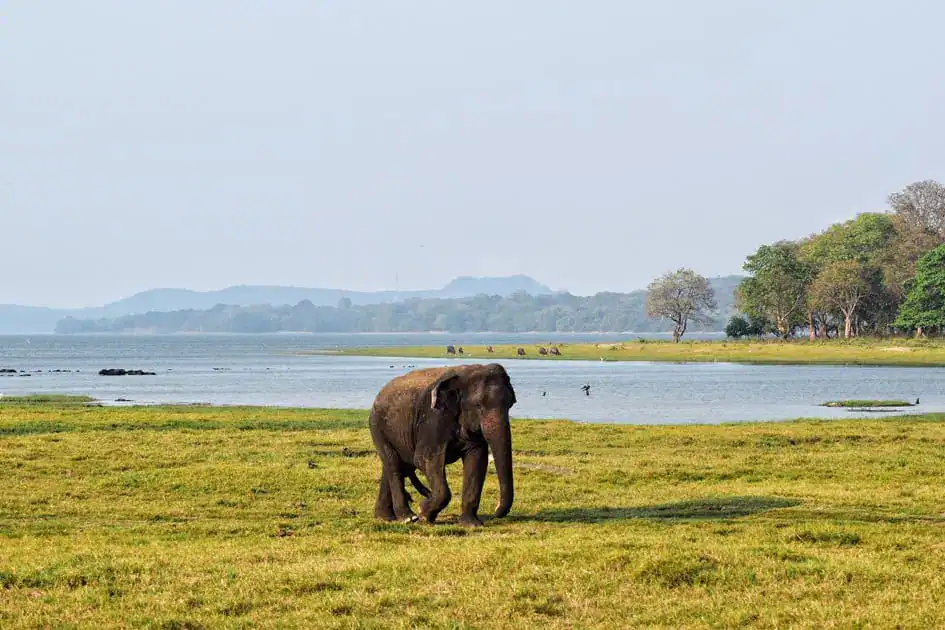
An Elephant and the Minneriya Lake (Photo: Eli Solidum, CC BY-SA 4.0)
Why Minneriya National Park Holds Special Status
Minneriya National Park attracts global attention for one natural event—the Great Elephant Gathering. During the dry months, hundreds of elephants gather near the Minneriya Tank. Researchers from conservation groups record one of the largest known gatherings of Asian elephants in the world.
Studies by wildlife organisations report more than 300 elephants in one location during peak months. Some seasons bring even higher counts. Families arrive from the surrounding forests. Young calves stay close to their mothers. Young males test strength in friendly sparring.
This gathering draws wildlife researchers and photographers from many countries. The event also strengthens the reputation of safaris in Sri Lanka. No zoo or sanctuary matches this natural event. Visitors watch the elephants move, feed, and interact in open land.
Recognition and Tourism Appeal
Tourism authorities in Sri Lanka promote Minneriya National Park as a flagship wildlife site. Travel surveys place the park among the most popular national parks in Sri Lanka for elephant sightings.
Many wildlife tour operators organise safaris from nearby towns. Habarana serves as the main safari hub. The proximity to major heritage sites, such as Sigiriya Rock Fortress and the ancient city of Polonnaruwa, enhances the park’s appeal.
Travel reviews on global travel platforms show strong visitor satisfaction. Travellers praise the elephant sightings and the wide open terrain. Guides share knowledge about animal behaviour and the park’s history. These experiences leave visitors with strong memories.
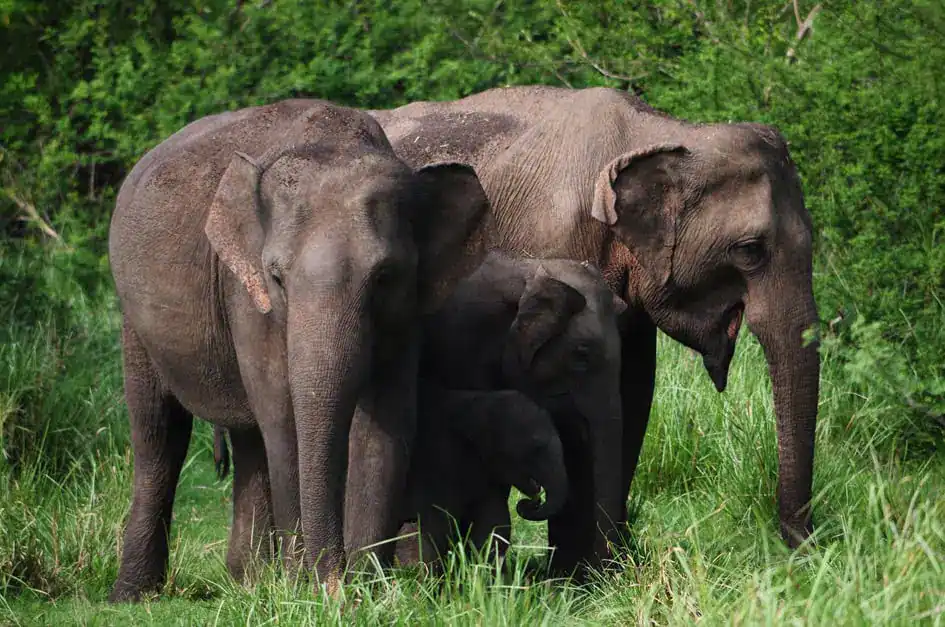
The Protection – An Elephant Family in Minneriya National Park (Photo: Ruchira Sanjeewa, CC BY-SA 4.0)
Location and Geography
Minneriya National Park is located in Sri Lanka’s dry zone. The park lies about 182 kilometres from Colombo. The nearby towns of Habarana and Polonnaruwa serve as main access points.
The land spreads across plains, scrub forest, wetlands, and the large Minneriya reservoir. Seasonal grasslands form when water levels in the tank drop. These grasslands attract elephants and grazing animals.
The terrain stays flat across most areas. Jeep tracks run across open land and forest edges. Visitors gain wide views across the plains. This open terrain makes wildlife observation easy.
Best for Whom
Minneriya National Park suits several types of travellers.
- Wildlife enthusiasts seek close views of elephants in Sri Lanka.
- Bird watchers search for rare and migratory birds near the tank wetlands.
- Photographers capture animal movement during golden evening light.
- Families enjoy short safaris with high chances of animal sightings.
- Nature travellers learn about ecosystems within national parks in Sri Lanka.
Travellers who value wildlife over luxury attractions gain the most from a visit.
Best Time to Visit and Why
The best time to visit Minneriya National Park is from July through October. During these months, the dry season lowers the reservoir’s water levels. Fresh grass grows on the exposed tank bed. Elephants gather in large numbers to feed.
Wildlife researchers and tourism reports confirm high elephant counts during this period. The Great Elephant Gathering reaches peak activity in August and September.
Morning safaris start around six in the morning. Afternoon safaris start around two in the afternoon. Late afternoon offers better light and higher animal activity.
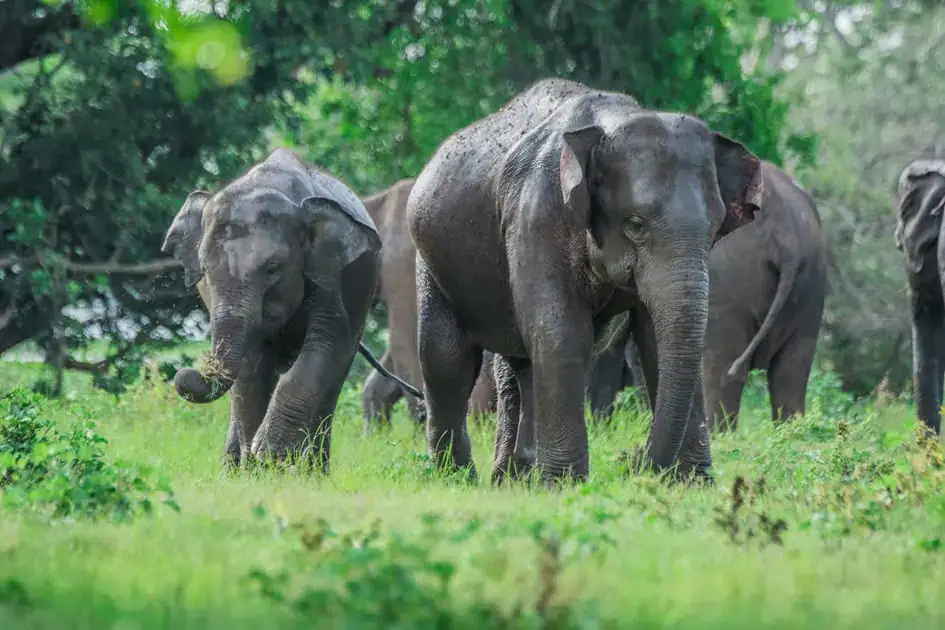
Elephants in Minneriya (Photos: Udara Karunarathna, via Unsplash)
Weather and Conditions
The park lies in the dry zone climate belt of Sri Lanka. Temperatures stay warm throughout the year. Daytime temperatures range from 26 to 34 degrees Celsius.
Rainfall occurs during the Northeast Monsoon season, from October to January. Grass grows thick during these months. Wildlife spreads across larger areas. Elephant gatherings decrease during heavy rain.
Dry months bring clear skies and strong sunlight. Dust rises along jeep tracks. Visitors should prepare for heat and strong light.
If you are planning to combine your visit to Minneriya National Park with other destinations on the island, it is recommended to read “Weather in Sri Lanka“.
Current Weather & Weather Forecast in Minneriya National Park
Size of the Park
Minneriya National Park covers about 8,889 hectares of land. The park holds forest patches, grasslands, wetlands, and the large Minneriya reservoir.
The tank forms the central feature of the park. Wildlife activity concentrates near this water source during dry months. Open land near the tank provides clear views for wildlife safaris.
Main Entrance and Access
Habarana entrance serves as the most common starting point for wildlife safari tours. Safari jeep operators gather near this town. Travel time from Habarana to the park gate takes about fifteen minutes.
Facilities Inside Minneriya National Park
Facilities within the park remain limited to protect wildlife habitats. The Department of Wildlife Conservation maintains basic visitor services.
Visitors will find:
- Ticket counters near the entrance
- Ranger stations
- Designated jeep tracks
- Observation points near the reservoir
No restaurants or shops operate inside the park. Visitors complete safaris in 3-4 hours.
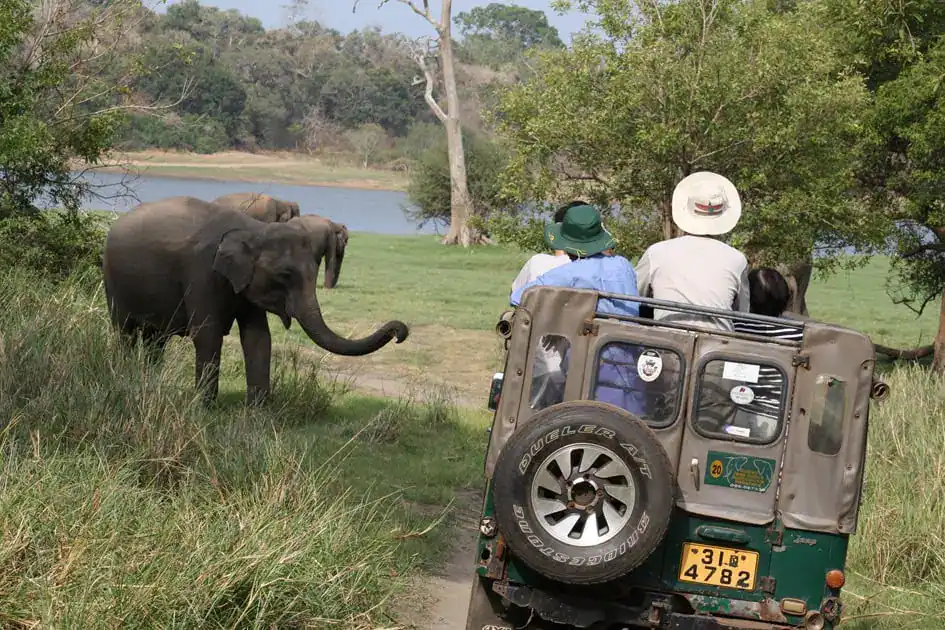
A Safari in Minneriya National Park (Photo: shankar s., CC BY 2.0)
Pre-Booking Safaris
Travellers book wildlife safari tours through hotels, tour operators, or local jeep drivers. Advance booking is especially helpful during peak travel months.
You can also make advance bookings for park permits through the official Wildlife Park Permits Reservation eService.
Safari jeeps hold about six visitors. Each jeep includes a driver who understands animal routes and park rules.
Tour operators arrange entry permits and park tickets before the safari begins. This process saves time at the gate.
How to Reach Minneriya National Park and How to Move Around
Travellers reach Minneriya National Park through several transport routes.
Common travel options include:
- Private car from Colombo through Dambulla
- Train travel to Habarana or Polonnaruwa, followed by a taxi transfer
- Tour vehicle from Sigiriya or Dambulla hotels
Most safaris start from nearby towns in the Cultural Triangle. Travel time from Sigiriya or Habarana stays under 30 minutes.
Movement within the park takes place in Four Wheel Drive safari jeeps. These vehicles move across rough ground and seasonal tracks.
Nature, Flora, and Fauna
Minneriya National Park supports a rich natural system. Forest patches, grasslands, and wetlands create varied habitats for wildlife.
Trees and Plants
The park contains dry zone forest vegetation. Common tree species include palu, weera, satinwood, and kumbuk. Shrubs and thorny plants grow along open plains.
Seasonal grasses appear along the Minneriya Tank bed during dry months. These grasses serve as key food sources for elephants and deer.
Aquatic plants grow near shallow water areas. Lotus and water lily species appear during wet months.
Mammals
Elephants form the main attraction in Minneriya National Park. Large herds move across the plains during the dry season. The park protects one of the most visible elephant populations in Asia.
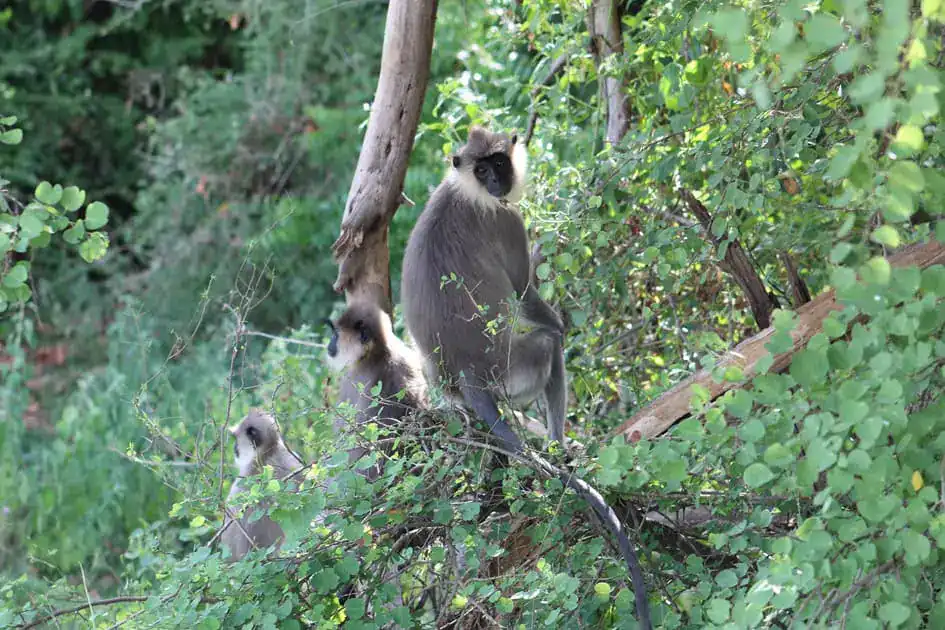
Gray or Hanuman Langurs – Minneriya National Park (Photo: Samitha Silva, CC BY-SA 4.0)
Other mammals include:
- Sri Lankan sambar deer
- Spotted deer
- Wild buffalo
- Sloth bear
- Sri Lankan leopard
- Gray langur
- Toque macaque
Elephants in Sri Lanka show a strong social structure. Female herds move with calves and young members. Older males often move alone or form loose bachelor groups.
Birds
Bird life thrives near wetlands and forest edges. Bird watchers have recorded more than 160 bird species within the park.
Common species include:
- Painted stork
- Grey heron
- Lesser adjutant
- Sri Lanka junglefowl
- Peacock
- Crested serpent eagle
- Asian openbill
Migratory birds arrive during certain seasons. The reservoir attracts waterbirds that feed in shallow areas.
Reptiles and Amphibians
Reptiles play an important role in the ecosystem of Minneriya National Park. The warm climate and wetland habitats support many reptile species. Visitors often spot reptiles along water edges, rocky ground, and forest trails during a wildlife safari.
The mugger crocodile lives in the Minneriya reservoir and nearby wetlands. These crocodiles rest near muddy banks during warm hours. Guides often stop at safe distances so visitors can gain a clear view.
Several snake species live in the park. Common species include the Indian python, rat snake, and cobra. Most snakes avoid human contact and move away once a jeep approaches.
Monitor lizards appear near water bodies and open plains. These large reptiles feed on insects, eggs, and small animals. Visitors often watch them cross dusty tracks during safaris in Sri Lanka.
Frogs and toads appear during rainy periods. Amphibians thrive near shallow water and wet grass areas. Their calls fill the air after sunset during the monsoon months.
Invertebrates
Invertebrates support the ecological balance within Minneriya National Park. Butterflies, dragonflies, beetles, ants, and many other insect species live across grasslands and forests.
Butterflies gather near water sources and flowering plants. Species such as the blue Mormon and crimson rose appear across the park. These insects help pollinate many plants in the dry-zone forests.
Dragonflies move above water areas and wetlands. They feed on smaller insects and help control mosquito populations.
Termites and ants play a key role in soil health. Their underground tunnels help air and enrich the soil. These processes support plant growth and maintain the balance of the ecosystem.
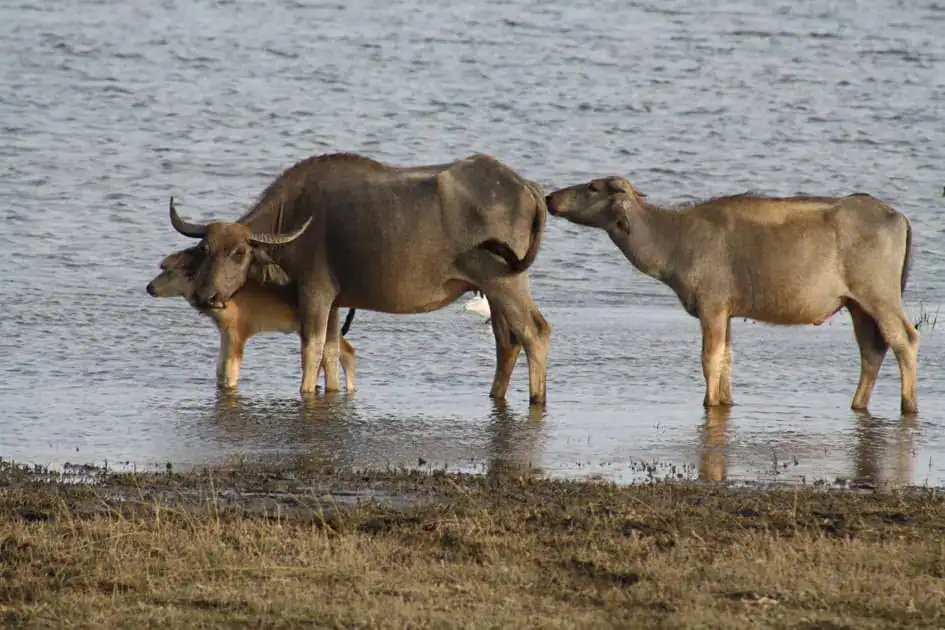
Wild Buffalo – Minneriya Lake (Photo: shankar s, CC BY 2.0)
Preparing for Your Safari
Preparation improves the quality of a wildlife safari in Minneriya National Park. Good planning supports comfort and safety during the trip.
Safaris start early in the morning or in the afternoon. The afternoon safari remains popular due to elephant activity near the reservoir.
Travellers should confirm booking details with safari operators. Entry permits and vehicle arrangements require coordination with the Department of Wildlife Conservation.
A short briefing before the safari helps visitors understand park rules and wildlife behaviour. Experienced guides share knowledge about animal movement and safe observation distances.
What to Bring
Visitors should prepare simple items for a comfortable safari.
- Light cotton clothing suits the warm climate.
- A wide hat protects against strong sunlight.
- Sunglasses help reduce glare from open plains.
- Sunscreen protects skin during afternoon safaris.
- Drinking water keeps visitors hydrated.
- Binoculars improve bird and wildlife observation.
- A camera with a zoom lens helps capture distant animals.
Visitors should wear neutral colours such as green, brown, or beige. Bright colours attract attention and disturb wildlife.
Nearby Attractions
The Cultural Triangle region near Minneriya National Park is home to many historical and natural attractions. Travellers often combine wildlife safaris with visits to ancient sites.
Sigiriya Rock Fortress stands about thirty minutes from the park. This UNESCO World Heritage Site holds ancient palace ruins, fresco paintings, and wide views of the surrounding plains.
The ancient city of Polonnaruwa lies close to Minneriya National Park. This site contains temples, royal buildings, and stone statues from medieval Sri Lanka.
Dambulla Cave Temple attracts many travellers who explore Sri Lanka’s national parks. The temple complex holds ancient Buddhist paintings and statues inside rock caves.
Kaudulla National Park stands within the same elephant corridor as Minneriya. Visitors often choose between the two parks based on elephant movement during different months.
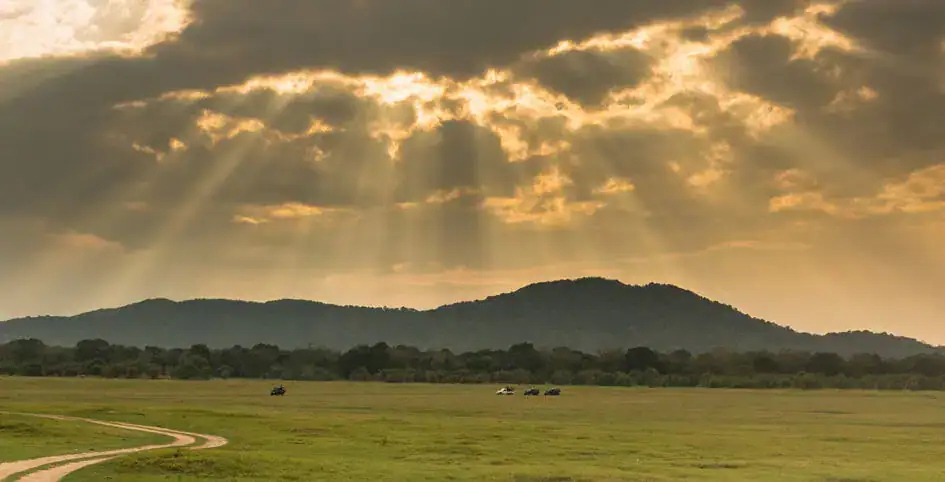
Minneriya National Park (Photo: Jean-Marc Astesana, CC BY-SA 2.0)
Simple and Easy Plans That Work
A short travel plan helps visitors enjoy the park without stress.
Morning arrival in Habarana or Sigiriya works well. Travellers relax during midday heat and prepare for an afternoon safari.
The safari begins around two or three in the afternoon. Jeeps travel towards the reservoir grasslands where elephants gather.
The safari continues until sunset. Visitors return to nearby towns for dinner and rest.
Many travellers stay two nights in the region. One day includes a wildlife safari. The other day includes visits to Sigiriya or Polonnaruwa.
Accommodations and Dining
Several accommodation options exist around Minneriya National Park. Hotels, eco lodges, and guesthouses operate in Habarana, Sigiriya, and Dambulla.
Luxury resorts offer guided safari services and nature programs. Mid-range hotels offer comfortable rooms and transportation. Small guesthouses offer simple and affordable stays.
Local restaurants serve traditional Sri Lankan meals. Rice-and-curry meals remain common in the region. Many hotels prepare an early breakfast or packed snacks for morning safaris.
Special Tips
Visitors who follow simple travel tips gain better wildlife experiences.
- Choose an experienced safari driver who understands elephant movement patterns.
- Select afternoon safaris during the dry season for higher elephant sightings.
- Carry enough water during warm days.
- Stay patient and quiet when observing animals.
Wildlife sightings improve when visitors respect the natural pace of the environment.
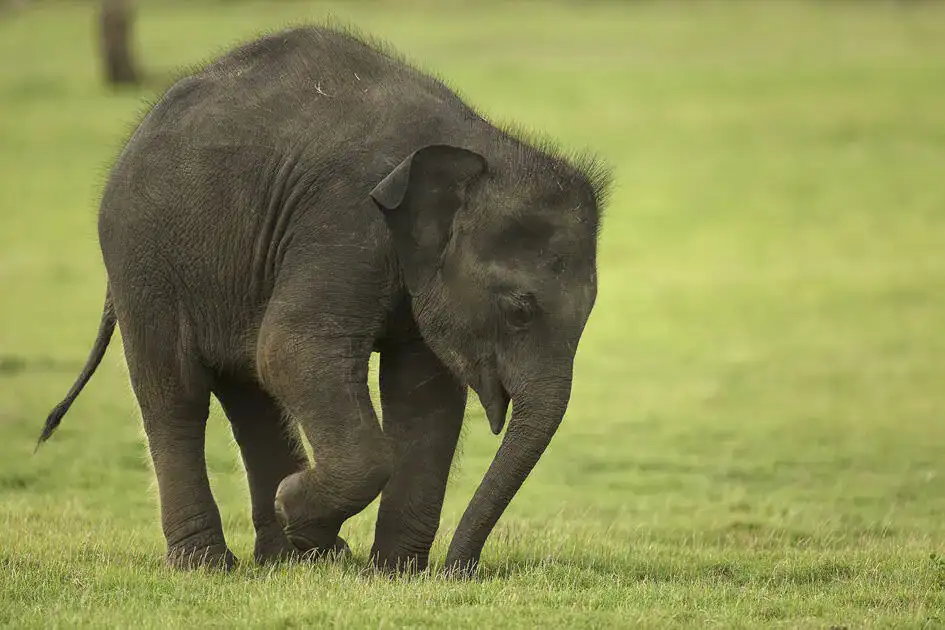
An Elephant Calf – Minneriya (Photo: Rohit Varma, CC BY-SA 2.0)
Photography Tips
Minneriya National Park offers strong opportunities for wildlife photography. Open plains and water edges provide clear backgrounds for animal images.
Use a telephoto lens between 200 and 400 millimetres for elephant photography. This range allows a safe distance while capturing detail.
Photographers should position the sun behind them during evening safaris. Warm light during sunset improves colour and contrast.
Keep the camera ready as you approach the reservoir area. Elephants often move across grasslands during late afternoon hours.
Visitors should avoid sudden movement or loud sounds while photographing animals. Calm behaviour keeps wildlife relaxed.
Do Not Miss
A visit to Minneriya National Park offers several memorable moments.
Watching the Great Elephant Gathering near the Minneriya Tank remains the highlight. Herds move across open grasslands and interact as family groups.
Peacocks spread their feathers near the forest edge during early morning hours.
Painted storks and herons gather in shallow water areas during feeding time.
Sunset over the reservoir creates strong colours across the plains. Many photographers wait for this moment during evening safaris in Sri Lanka.
Dos and Don’ts
Visitors should follow clear guidelines during wildlife safaris.
- Do stay seated inside the safari jeep.
- Do listen to instructions from guides and park rangers.
- Do keep voices low while observing animals.
- Do carry back all personal waste.
- Do not feed wildlife.
- Do not throw plastic or litter inside the park.
- Do not attempt to approach animals on foot.
- Do not block animal movement with vehicles.
These practices protect both visitors and wildlife.
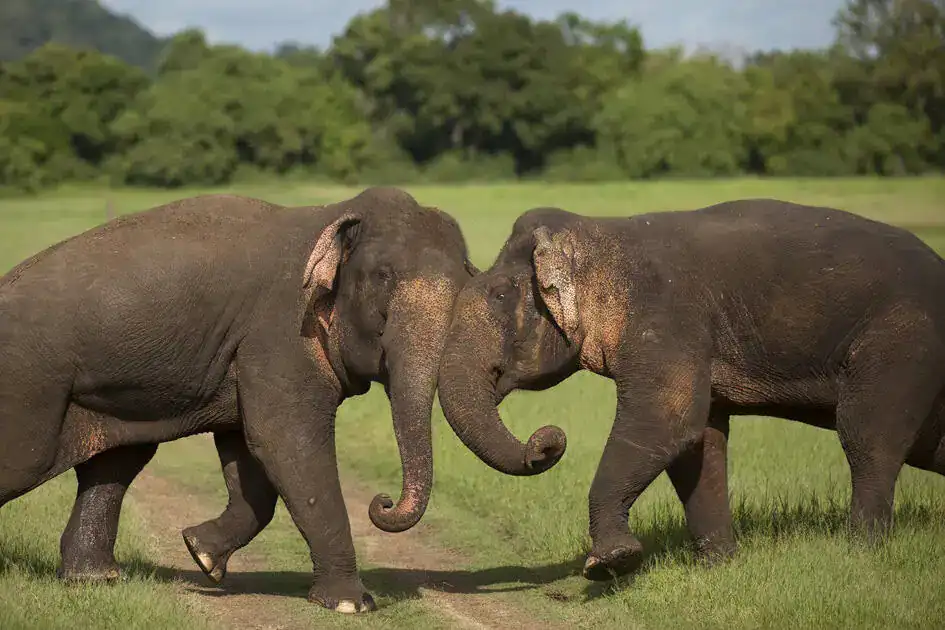
Fighting Elephants – Minneriya (Photo: Rohit Varma, CC BY-SA 2.0)
Handling Animal Encounters
Wildlife encounters often occur during safaris in Minneriya National Park. Elephants sometimes cross jeep tracks as they move towards the reservoir.
Drivers maintain a safe distance from animals. Guides observe elephant behaviour and adjust vehicle position when needed.
Elephants communicate through body language. Ear movement, trunk position, and posture signal their mood. Experienced drivers recognise these signs and keep visitors safe.
Visitors should remain calm and quiet during close encounters. Loud sounds disturb animals and increase the risk.
Visitor Guide and Safety
The Department of Wildlife Conservation manages safety guidelines inside Minneriya National Park. Park rangers patrol the area and monitor safari activity.
Visitors should respect entry times and exit rules. Safaris operate during daylight hours only.
Jeep drivers follow designated tracks to reduce damage to natural habitats. Guides also report wildlife sightings and unusual animal behaviour to rangers.
Travel insurance and basic health preparation support safe travel during safaris in Sri Lanka.
Eco Travel, Responsible Tourism, and Sustainability
Responsible tourism supports the protection of Minneriya National Park and other national parks in Sri Lanka. Wildlife habitats depend on careful visitor behaviour.
Tour operators work with conservation authorities to control safari traffic during peak months. Jeep limits reduce stress on animals and vegetation.
Visitors support conservation by choosing licensed safari operators and trained guides. Responsible travel practices protect elephants in Sri Lanka and other wildlife.
Waste reduction, respectful wildlife viewing, and quiet observation help maintain natural conditions inside the park.
Many conservation groups also study elephant movement across the Minneriya, Kaudulla, and Wasgamuwa corridor. These studies support long-term protection of elephant habitats.
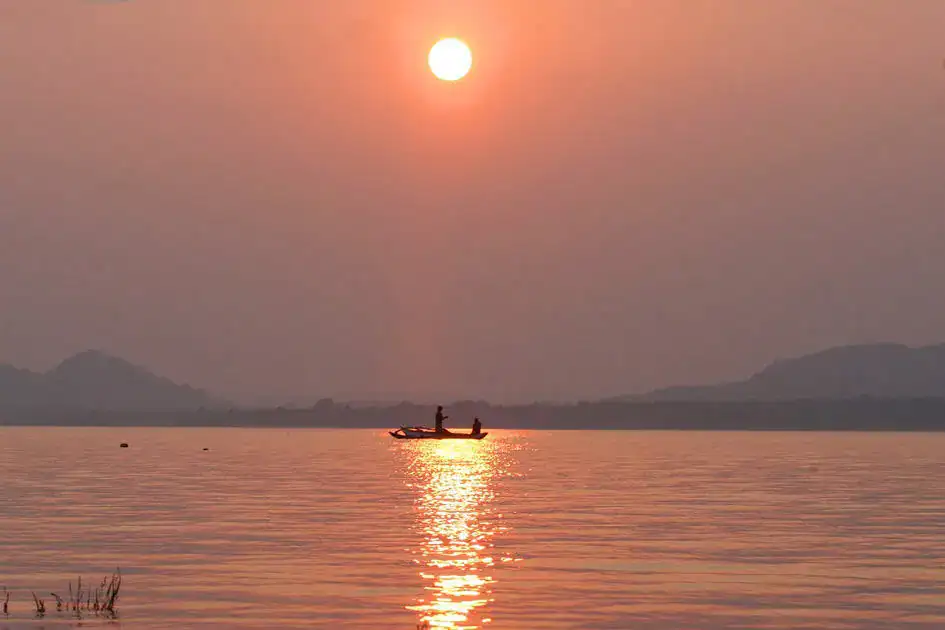
Fishermen and the Sunset – Minneriya Lake (Photo: Dilanthaonline, CC BY-SA 4.0)
Final Thoughts
Minneriya National Park offers one of the most memorable wildlife experiences in Asia. The park combines ancient history, dry-zone forests, wetlands, and open plains into one protected area. The Great Elephant Gathering stands as one of the most important natural wildlife events involving elephants in Sri Lanka.
Visitors who join safaris in Sri Lanka often remember Minneriya for its wide landscapes and close elephant encounters. Families watch calves move beside their mothers. Large herds feed quietly along the reservoir grasslands. Bird life fills the sky above wetlands.
The park holds great importance among Sri Lanka’s national parks due to its ecological value and tourism appeal. Careful management from wildlife authorities and responsible visitors protects this landscape for future generations.
A wildlife safari in Minneriya National Park offers more than animal sightings. The experience shows how land, water, wildlife, and human history remain connected in Sri Lanka’s dry zone. Travellers leave the park with respect for the natural balance, which supports elephants and many other species across the island.
Sources and References:
Information in this article draws from official tourism authorities, wildlife conservation sources, and verified travel research.
- Sri Lanka Tourism Development Authority
- Sri Lanka Tourism Promotion Bureau
- Department of Wildlife Conservation, Sri Lanka
- Fernando, P., Jayewardene, J., Prasad, T., Hendavitharana, W., and Pastorini, J. (2011). Current Status of Asian Elephants in Sri Lanka. Gajah Journal, Issue 35, pages 93–103.
- IUCN Asian Elephant Specialist Group
- TripAdvisor. Traveller reviews and visitor experiences for Minneriya National Park
- Booking.com. Accommodation reviews and regional travel insights
Featured image: Minneriya National Park – Elephant Gathering (Photo: Walter Gehr, CC BY-SA 4.0)

I am a Sri Lankan medical doctor who spends my free time travelling, exploring new destinations, and documenting the beauty of the island I call home. I have journeyed across almost every corner of Sri Lanka with my wife and daughter — from wildlife parks and misty mountains to ancient cities, deep forests, rugged landscapes, and quiet beaches.
Travel is not just a hobby for me — it’s a way of life. I love nature, enjoy road trips, and find joy in wildlife photography. I also read widely about tourism, travel trends, and destination culture. Through my writing, I aim to help travellers experience Sri Lanka through real stories, meaningful insights, and honest recommendations — the same way I explore it with my own family.