
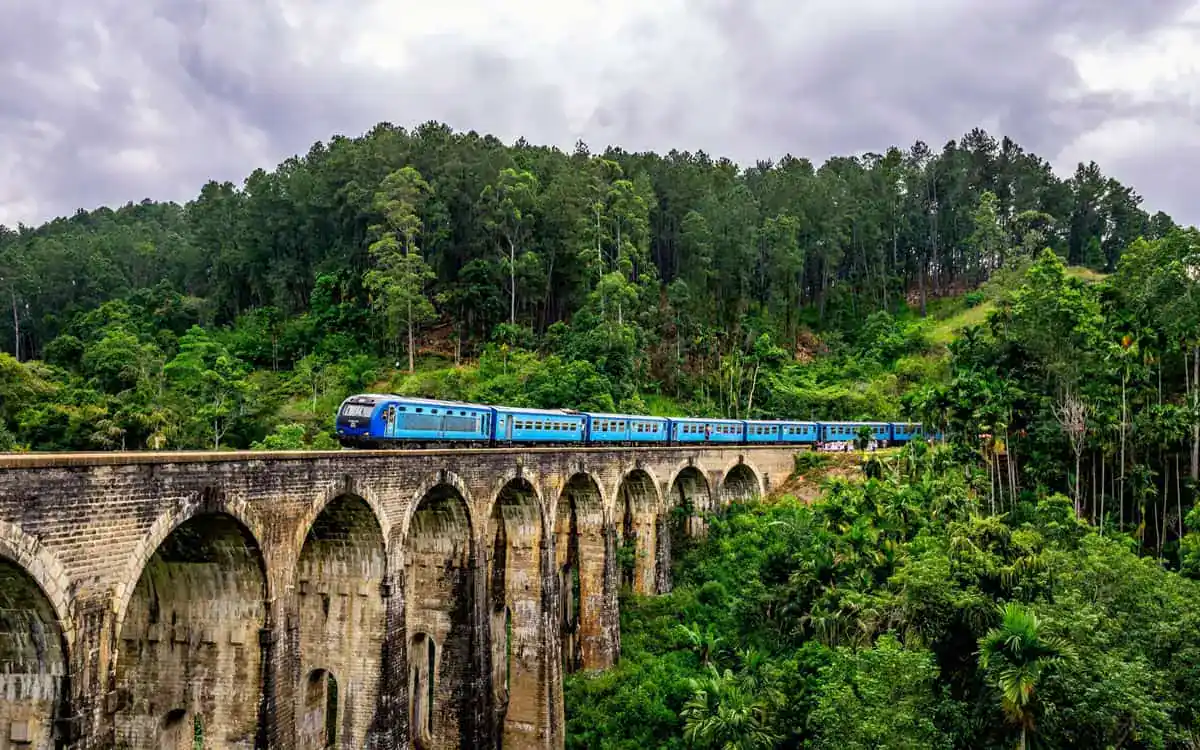

Scenic train rides shape the way you experience Sri Lanka. Many travellers plan their trip around one famous journey. Yet, the island offers several routes with different views and travel styles. You may hear about Kandy to Ella again and again, but you still face a simple question. Which route should you take, and how do you fit it into your plan without wasting time?
This guide answers that question with clarity. You will learn about the most important scenic train rides in Sri Lanka, what each route offers, and how they connect with real Sri Lanka travel itineraries. You will also understand what to expect during the journey and how to make the most of your time on the train. By the end, you will know which scenic train rides match your travel style and schedule.
If you are planning to visit Sri Lanka for the first time, it is recommended to read “Transport in Sri Lanka” and “The Ultimate Sri Lanka Travel Guide“.
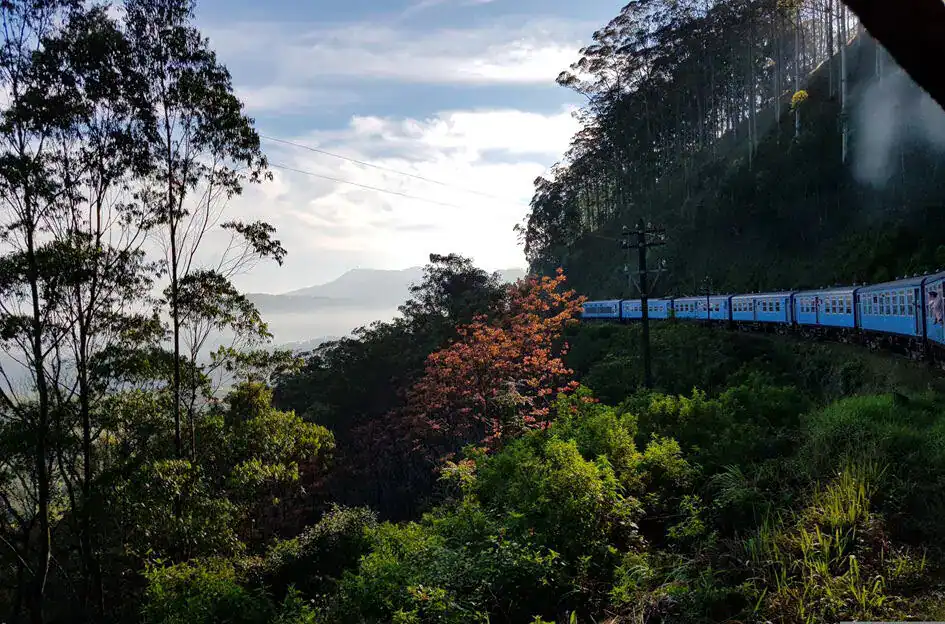
The Scenic Kandy to Ella Train Ride through the Hill Country (Photo: annesebban, via Pixabay)
Why Scenic Train Rides in Sri Lanka Are So Popular
Train travel in Sri Lanka stands out for its accessibility and variety. You move through different landscapes within a few hours. It allows you to experience mountains, forests, and coastlines without long travel days.
Tourism data and travel reviews show strong interest in train journeys. The Kandy to Ella route appears in most first-time itineraries. Travel platforms often rank this journey among the world’s top train experiences. This popularity comes from a mix of scenery, cost, and ease of access.
You also travel in a shared space. Trains in Sri Lanka carry both locals and visitors. It creates a setting in which you observe daily life as you move between destinations. Vendors walk through carriages, and small stations appear along the route. It adds context to your journey.
Expect these key elements during scenic train rides:
- Continuous views of tea plantations in the hill country
- Bridges, tunnels, and curved tracks through mountains
- Open doors and windows for clear views
- Coastal stretches with the ocean close to the railway
- Small towns and rural landscapes between major stops
These features create a travel experience that goes beyond transport. Scenic train rides become part of the journey itself.
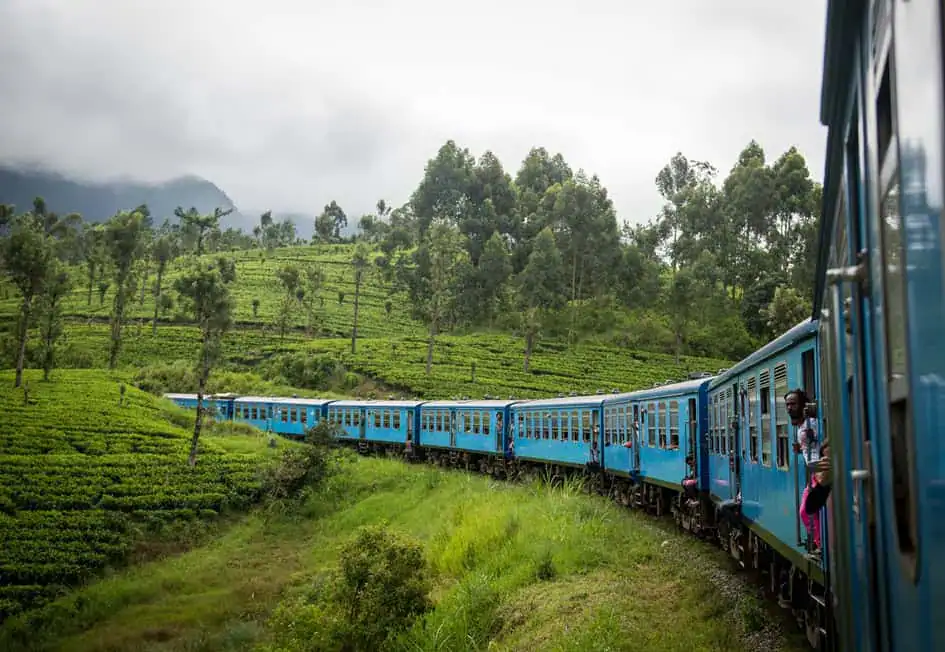
The Scenic Train Ride through Tea Estates (Photo: Oscar Miño Peralta, CC BY-NC-ND 2.0)
Types of Scenic Train Rides in Sri Lanka
Understanding the main types of scenic train rides in Sri Lanka helps you make better choices. Each type offers a different setting and travel experience.
Hill Country Routes
Hill-country routes form the core of scenic train rides in Sri Lanka. These routes run through the central highlands, where elevation changes create cooler climates and layered landscapes.
You see tea plantations across slopes, mist covering valleys in the morning, and narrow tracks cutting through hills. The train moves slowly through many sections due to the terrain, giving you more time to observe the surroundings.
Key routes in this category include Colombo to Kandy, Kandy to Nanu Oya, Nanu Oya to Ella, and Ella to Badulla. These routes attract the most foreign travellers.
Coastal Routes
Coastal routes offer a different visual experience. Instead of mountains, you see popular beaches, fishing boats, and open sea views.
The Colombo-Galle route stands out in this category. In several sections, the train runs close to the ocean. It creates a direct connection between the railway and the coastline.
These scenic train rides are shorter and easier to fit into travel plans. They work well for travellers heading to the South Coast.
Northern and Eastern Routes
Northern and eastern routes offer a less-explored side of Sri Lanka. These areas receive fewer tourists, which creates a quieter travel experience.
You see dry zone landscapes, farmland, and cultural regions. Routes such as Colombo-Anuradhapura and Anuradhapura-Jaffna connect important historical sites.
Eastern routes to Polonnaruwa, Trincomalee, and Batticaloa provide access to coastal regions that are less crowded than those in the South.
These scenic train rides offer variety and a sense of space.
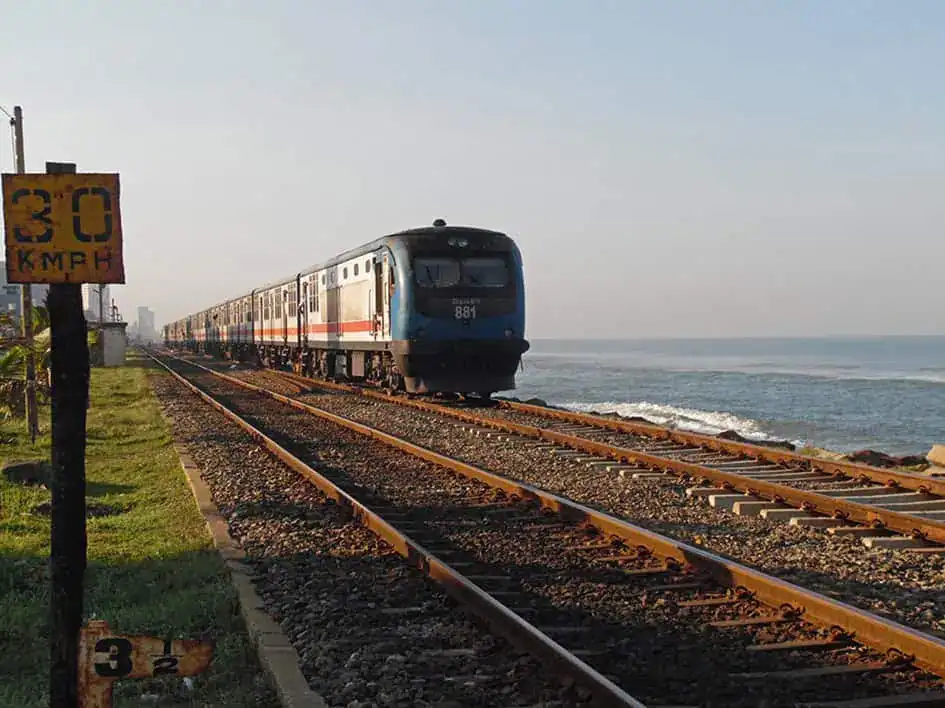
Along the Coastal Line (Photo: Andy Nobes, CC BY 2.0)
Best Scenic Train Rides in Sri Lanka
This section focuses on the most important scenic train rides. Each route serves a clear purpose and fits into specific travel plans.
Hill Country Scenic Train Rides
Kandy to Ella
The Kandy to Ella route is among the most well-known scenic train rides in Sri Lanka. The journey takes about six to seven hours. It connects two major travel points in the hill country.
You pass through tea estates, forested hills, and open valleys. The train crosses bridges and moves through tunnels along curved tracks. Many travellers choose this route for its continuous scenery.
Travel data and reviews indicate that this route attracts the most foreign visitors. It is often included in itineraries that cover the Cultural Triangle, Kandy, and the South Coast.
Best for: First-time visitors
Why choose it: Full hill country experience
Time needed: One full day
Best seat: Left side from Kandy to Ella
Nanu Oya to Ella
This route offers a shorter version of the main journey. Nanu Oya serves as the station for Nuwara Eliya. Many travellers stay in this area before continuing to Ella.
You see similar landscapes, including tea plantations and valleys. The travel time ranges from 3 to 4 hours, making it easier to manage.
Best for: Shorter travel time
Why choose it: Key scenic sections without long duration
Time needed: Half day
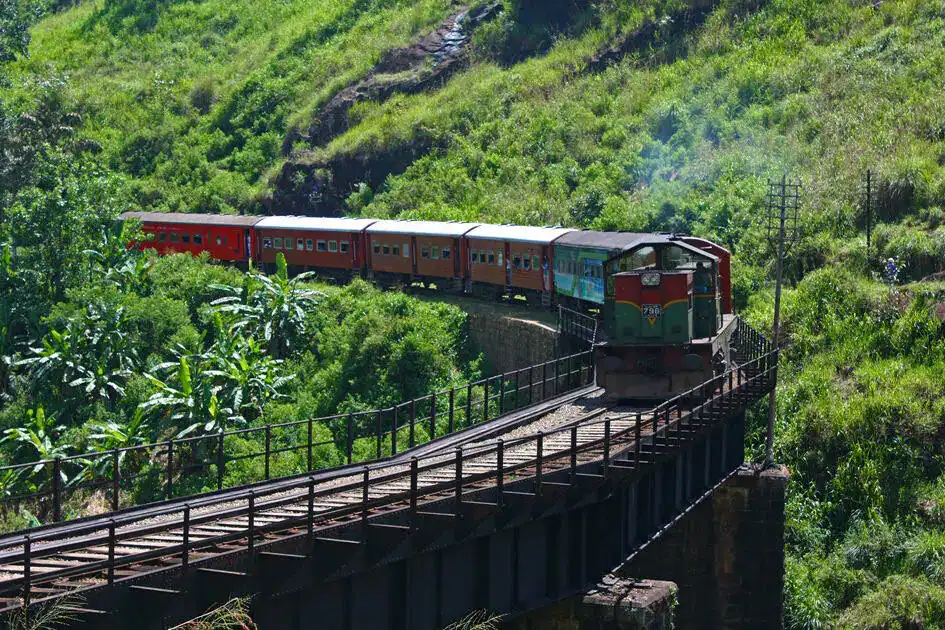
A Train over A Bridge (Photo: AntanO, CC BY-SA 4.0)
Ella to Badulla
This route continues beyond Ella into quieter regions. It is shorter and receives fewer tourists. The journey takes about one to two hours.
You pass through tea estates, small stations, and bridges. The Nine Arches Bridge lies close to this section, which adds interest to the route.
Best for: Fewer crowds
Why choose it: Relaxed travel
Time needed: Short ride
Colombo to Kandy
This route serves as the entry point to scenic train rides in the hill country. It connects the capital with the central region.
You move from flat terrain into rising hills. The scenery improves as the train approaches Kandy. This route is shorter, with a travel time of two to three hours.
Best for: Quick introduction to the hill country
Why choose it: Easy access from Colombo
Time needed: Half day
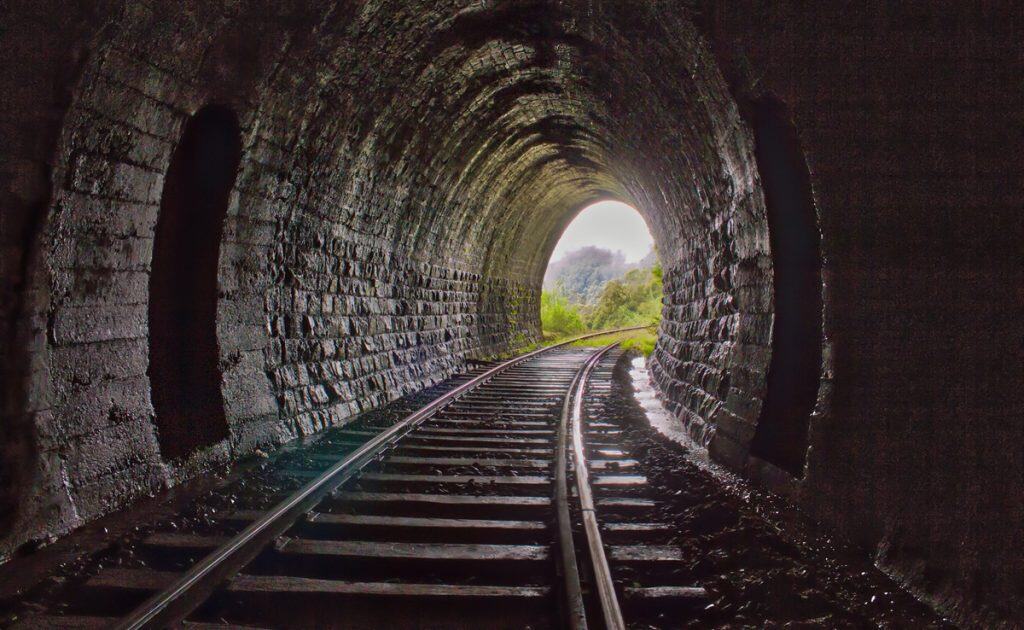
A Railway Tunnel (Photo by Samantha Weerasinghe)
Coastal Scenic Train Rides
Colombo to Galle
This route runs along the Southwestern Coast. It takes about two to three hours. In several sections, the train runs close to the sea.
You see beaches, waves, and fishing activity. This route is popular among travellers heading to Galle, Mirissa, and other coastal areas.
Best for: Ocean views
Why choose it: Short and direct
Time needed: Half day
Galle to Matara
This route extends further South. It is less crowded than the Colombo segment. The journey takes about one hour.
You continue along the coastline with fewer passengers and a quieter setting.
Best for: Quiet coastal travel
Why choose it: Less crowded
Time needed: Short ride
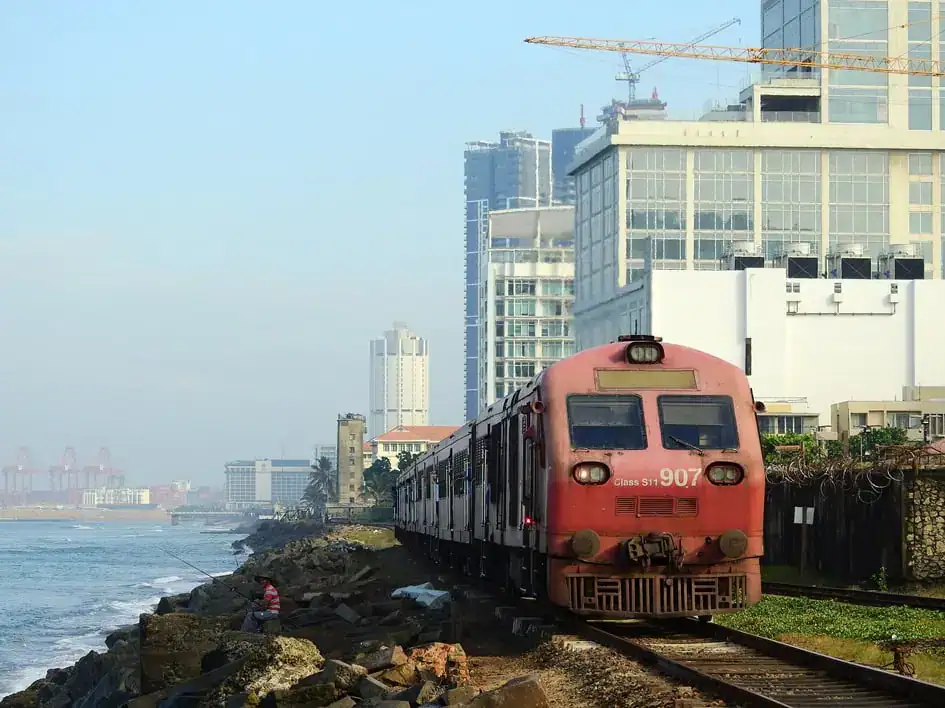
From Colombo Along the Southern Coastal Line (Photo: Rehman Abubakr, CC BY-SA 4.0)
Northern Scenic Train Rides
Colombo to Anuradhapura
This route connects the capital with one of the main cultural destinations. The journey takes about four to five hours.
You pass through rural areas, farmland, and dry landscapes. This route is practical for travellers visiting ancient sites.
Best for: Cultural travel
Why choose it: Direct connection to heritage sites
Time needed: Half day
Anuradhapura to Jaffna
This route moves further north. It takes about four hours. You travel through less developed regions with fewer tourists.
This journey offers a different perspective on Sri Lanka. It suits travellers who want to explore beyond common routes.
Best for: Offbeat travel
Why choose it: Unique experience
Time needed: Half day
Eastern Scenic Train Rides
Colombo to Polonnaruwa
This route connects the central region with the East. The journey takes about six hours.
You pass through flat landscapes and cultural zones. It serves as a link to Polonnaruwa.
Best for: Cultural routes
Why choose it: Access to historical sites
Time needed: Full day
Polonnaruwa to Trincomalee or Batticaloa
These routes extend eastwards. They receive fewer tourists but remain useful for travel planning.
You see open land, lagoons, and coastal areas.
Best for: East Coast travel
Why choose it: Alternative route
Time needed: Several hours
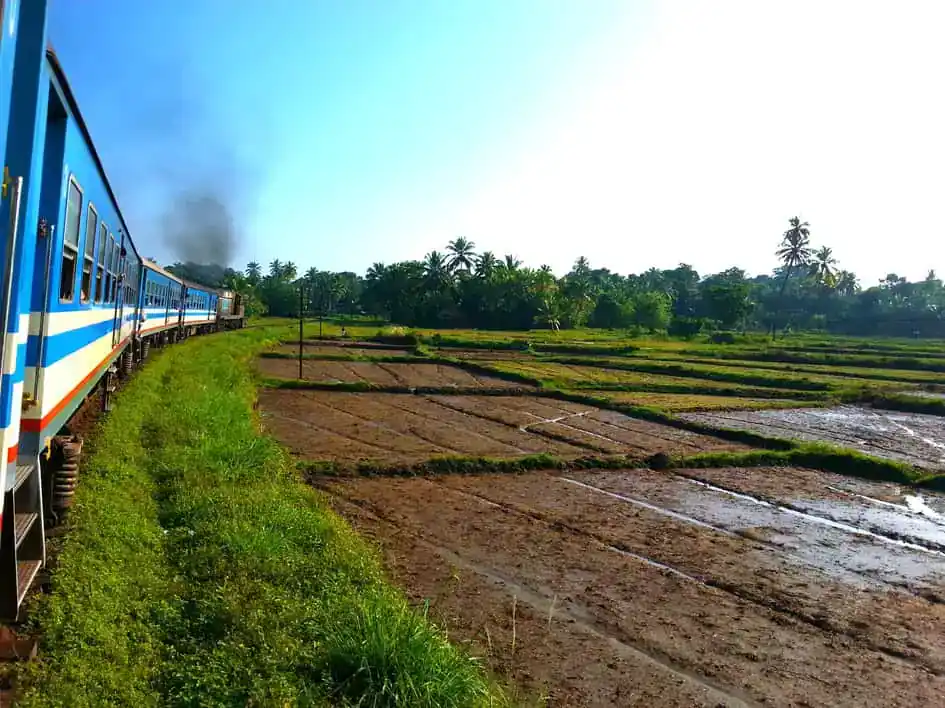
The Batticaloa Train in Pothuhera (Photo: H.M. Lahiru Udara, CC BY-SA 4.0)
Tourist Train Experiences
Ella Odyssey
This train runs between Kandy and Ella. It includes planned stops at key viewpoints. The train moves more slowly, which allows more time for photos.
Best for: Structured travel
Why choose it: Stops at scenic points
Calypso Train
This train operates on selected hill country routes. It focuses on scenic travel and comfort.
Best for: Relaxed journey
Why choose it: Travel-focused experience
Quick Comparison of Scenic Train Rides in Sri Lanka
You now understand the main scenic train rides in Sri Lanka. The next step is to compare them side by side. It helps you choose faster and avoid confusion.
Here is a clear comparison based on real travel patterns and route characteristics.
| Route | Best For | Duration | Experience Level |
| Kandy to Ella | Full scenic journey | 6-7 hours | High demand |
| Nanu Oya to Ella | Short scenic ride | 3-4 hours | High demand |
| Ella to Badulla | Quiet scenic ride | 1-2 hours | Moderate |
| Colombo to Kandy | Easy introduction | 2-3 hours | High demand |
| Colombo to Galle | Coastal views | 2-3 hours | High demand |
| Galle to Matara | Quiet coastal ride | 1 hour | Moderate |
| Colombo to Anuradhapura | Cultural travel | 4-5 hours | Moderate |
| Anuradhapura to Jaffna | Offbeat travel | 4 hours | Low demand |
| Colombo to Polonnaruwa | Cultural connection | 6 hours | Low demand |
| Polonnaruwa to Trincomalee | East Coast access | 3-4 hours | Low demand |
This comparison shows one clear pattern. Most travellers choose either the hill country or the coastal routes. Northern and eastern routes remain less used but are still useful.
How to Choose the Right Scenic Train Ride
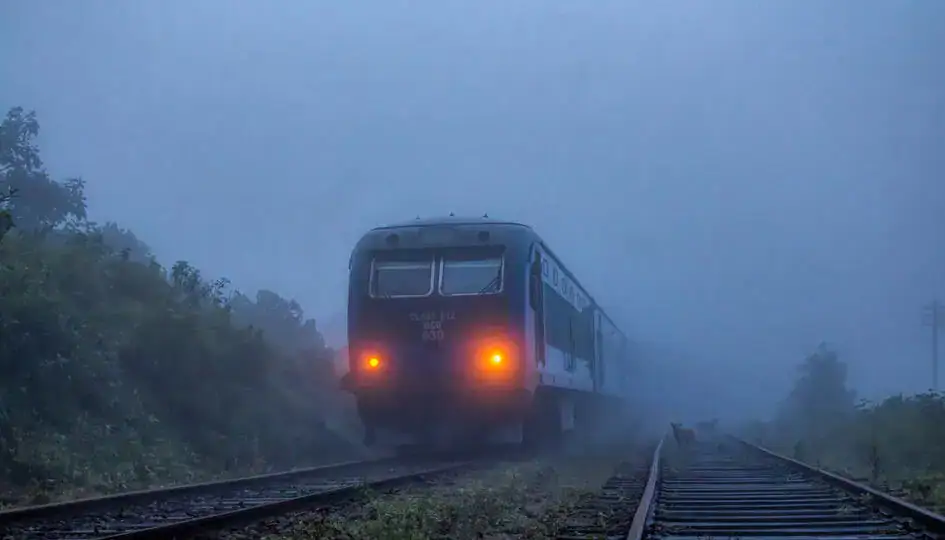
The Blue Train through the Mist (Photo: Samantha Weerasinghe, CC BY 2.0)
Choosing the right scenic train ride depends on your time, route, and interests. You do not need to take every train. One well-chosen journey gives a strong experience.
Start with your available time.
If you have one full day, choose Kandy to Ella. This route offers the most complete experience. You see tea estates, valleys, and mountain landscapes in one journey.
If you have limited time, choose the Nanu Oya-Ella route. You still see key scenery with less travel time.
If you want a short ride, choose Colombo to Kandy or Colombo to Galle. These routes fit easily into your plan without taking a full day.
Next, think about your interests.
If you want mountain views, choose hill country routes. These include Kandy to Ella and Ella to Badulla.
If you want ocean views, choose the Colombo-Galle route. This route gives a direct coastal experience.
If you prefer quiet travel, choose the Ella-Badulla or Galle-Matara route. These routes have fewer tourists.
If you want something different, choose northern routes such as Anuradhapura to Jaffna. These routes show a different side of the island.
Use this quick guide:
- Best overall experience: Kandy to Ella
- Best short scenic ride: Nanu Oya to Ella
- Best coastal ride: Colombo to Galle
- Best quiet ride: Ella to Badulla
- Best offbeat route: Anuradhapura to Jaffna
This approach helps you choose based on your priorities.
Best Time for Scenic Train Rides in Sri Lanka
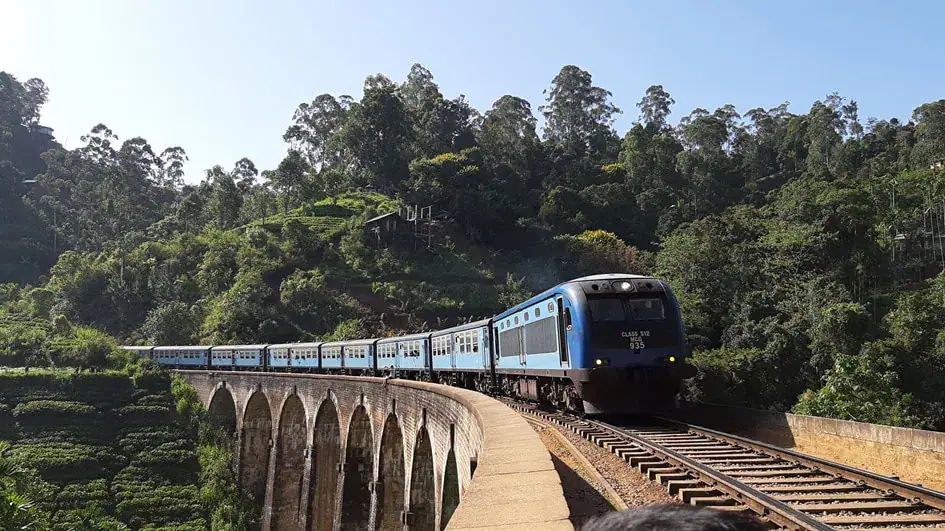
Nine Arch Bridge – Ella City (Photo: Ravindu Thaksara, CC BY-SA 4.0)
Timing affects your experience during scenic train rides in Sri Lanka. Weather conditions change visibility and comfort.
Hill country routes depend on clear skies. Morning hours often offer better visibility. Mist clears after sunrise, and you see valleys and tea estates more clearly.
The best months for Hill Country travel are January through April. During this period, rainfall stays lower, and views remain clearer.
From May to September, rain increases in the hill country. It does not stop travel, but visibility may drop in some sections.
Coastal routes follow a different pattern.
The South Coast, including Colombo to Galle, works best from December to April. During this time, sea conditions remain calm, and skies stay clear.
The East Coast routes work best from May to September. It includes travel towards Trincomalee and Batticaloa.
Time of day also matters.
Morning trains provide softer light and clearer views. Afternoon trains offer warmer light but may be hazier.
Plan your train ride during daylight hours. Avoid night trains if you want to enjoy the scenery.
We recommend reading our weather in Sri Lanka and the best time to visit guides.
Booking Tickets and Choosing the Right Seat
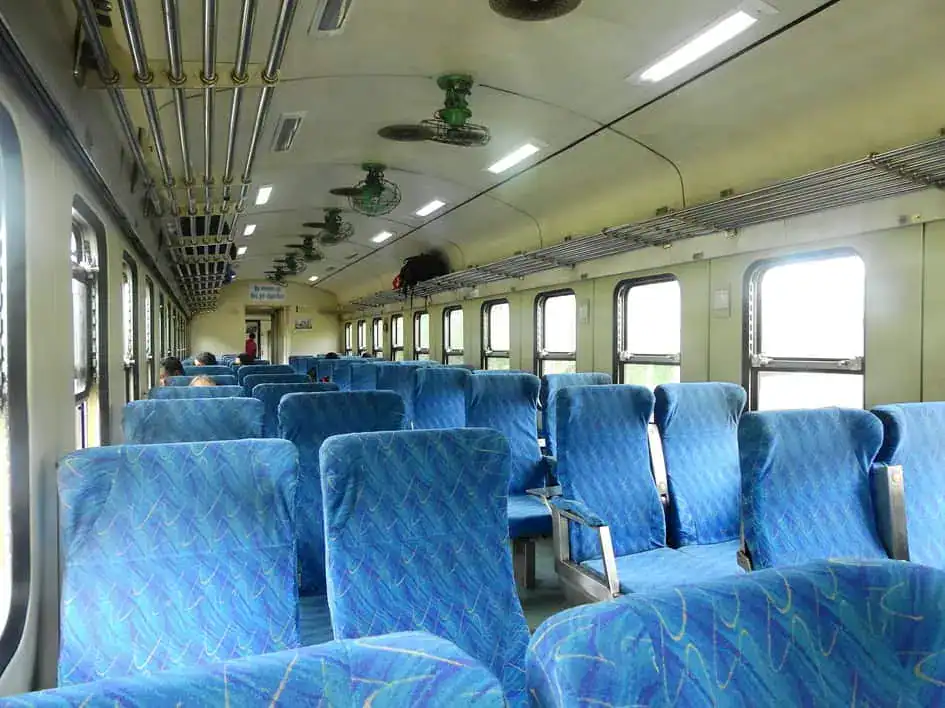
A First Class Wagon – The Northern Line Train (Photo: Rehman Abubakr, CC BY-SA 4.0)
Booking tickets for scenic train rides in Sri Lanka requires planning. Popular routes fill up quickly, especially the Kandy to Ella route.
There are three main classes.
First class offers reserved seats and air conditioning. Windows stay closed, which limits the experience.
Second class offers reserved or unreserved seating. The windows open, which allows better views.
Third class offers basic seating with open windows. This class provides a local experience but may feel crowded.
Most travellers prefer second-class reserved seats. It gives a balance between comfort and access to views.
Follow these booking tips:
- Book tickets at least one to two weeks in advance for popular routes.
- Use official railway counters.
- Choose reserved seats for long journeys.
- Sit on the left side for Kandy to Ella for better views.
- Keep tickets printed or saved on your phone.
If reserved seats are not available, you may still travel in unreserved compartments. Arrive early to secure a seat.
- Find the official train schedule.
- Book train tickets via the Official Online Advance Train Seats Reservation.
What to Expect During Scenic Train Rides
Understanding what to expect helps you enjoy the journey more.
Trains in Sri Lanka do not operate with strict timing. Delays may occur, especially on long routes. You should allow extra time in your schedule.
Carriages may become crowded, particularly on popular routes. It is part of the local travel experience.
You will notice open doors and windows. Many travellers stand near doors to view the scenery. You should remain careful and maintain balance.
Vendors move through trains selling snacks and drinks. It adds to the local atmosphere.
Expect simple facilities. Trains focus on function rather than luxury. The value comes from the views and the journey.
Keep these points in mind:
- Carry water and snacks.
- Keep valuables secure.
- Use comfortable clothing.
- Be patient with delays.
These steps improve your experience.
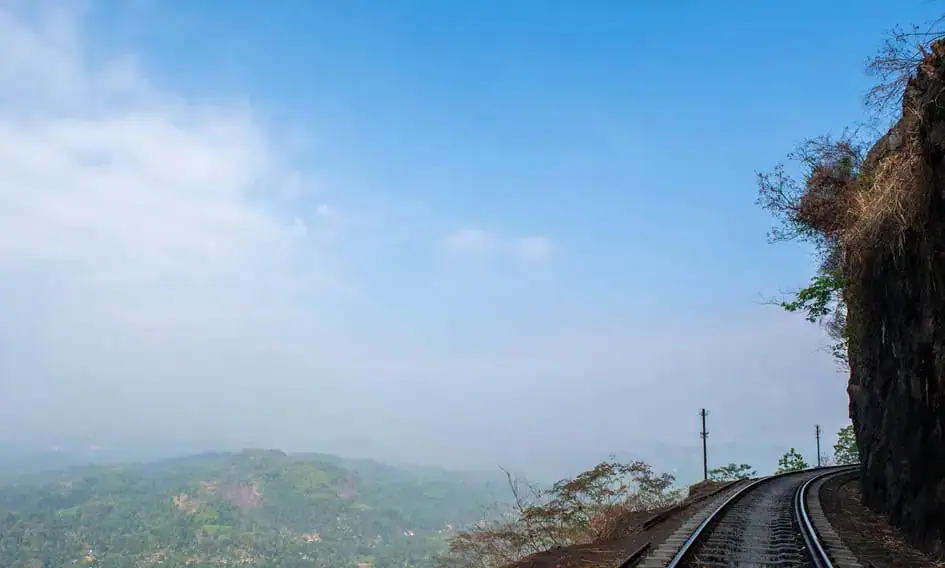
The Hill Country Railway Line (Photo: Ruwantha Wijesundara, via Pexels)
How to Include Scenic Train Rides in Your Sri Lanka Itinerary
Scenic train rides in Sri Lanka fit naturally into common travel routes. You do not need to adjust your entire plan.
Here is how to include them effectively.
If you follow a classic route, start in Colombo and travel to Kandy. From Kandy, continue to Nuwara Eliya and Ella by train. It forms the core of hill country travel.
After Ella, you travel to the South Coast by road. You may include a wildlife safari in Udawalawe or Yala along the way.
If you focus on the coast, take the Colombo-Galle train. It offers a quick, scenic connection to beach destinations.
If you explore the Cultural Triangle, combine train travel with road transport. Use trains for specific segments such as Colombo to Anuradhapura.
If you travel to the East Coast, include train routes towards Polonnaruwa and Trincomalee.
Use this simple structure:
- Colombo to Kandy by train
- Kandy to Ella by train
- Ella to the South Coast by road
- Colombo to Galle by train for coastal travel
This approach keeps your itinerary efficient and balanced.
Practical Tips for Scenic Train Travel
A few simple actions improve your journey.
Arrive at the station early. It helps you find your seat and settle in.
Choose daytime trains. Scenic train rides depend on visibility.
Keep your camera ready. Many views appear quickly and pass fast.
Respect local passengers. Trains serve both tourists and residents.
Stay flexible. Small changes in timing or seating may occur.
Use these tips:
- Carry a light jacket for travel in the hill country.
- Bring snacks for long journeys.
- Avoid large luggage inside carriages.
- Keep your ticket accessible.
These details make your travel smoother.
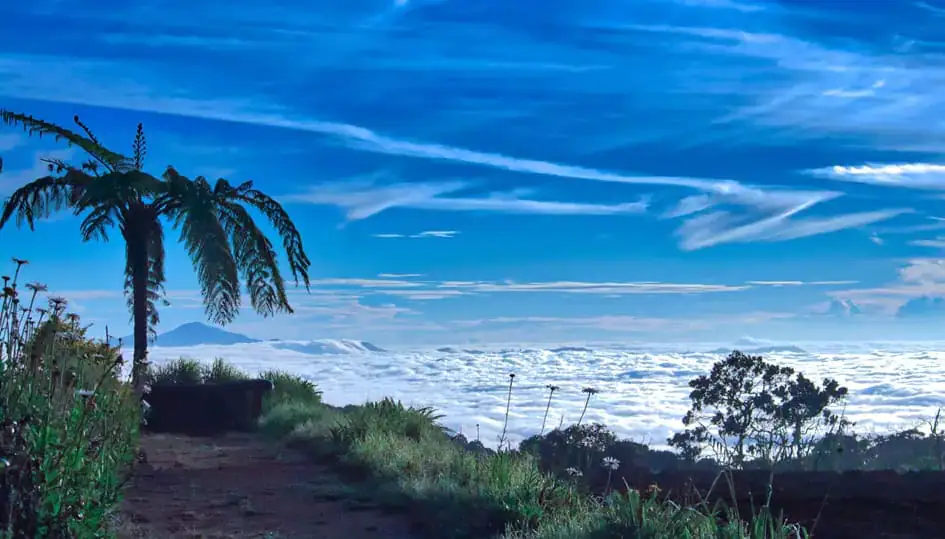
The View Between Pattipola and Idalgashinna – Hill Country Railway Line (Photo: Samantha Weerasinghe, CC BY 2.0)
Final Thoughts on Scenic Train Rides
Scenic train rides offer one of the most memorable ways to travel across Sri Lanka. You move through mountains, coastlines, and rural areas while staying connected to local life. The key is not taking every route. The key is choosing the right journey based on your itinerary and time.
Start with your travel plan. Then select one or two scenic train rides that fit your route. It keeps your schedule efficient and your experience meaningful.
Once you include the right scenic train rides in Sri Lanka, your journey becomes more than transport. It becomes a defining part of your trip.
Sources and References:
- Sri Lanka Tourism Development Authority (SLTDA).
- Sri Lanka Tourism.
- Sri Lanka Railways.
- Department of Meteorology, Sri Lanka.
Featured image: The Blue Train over the Nine Arch Bridge (Photo: Hendrik Cornelissen, via Unsplash)

I am a Sri Lankan medical doctor who spends my free time travelling, exploring new destinations, and documenting the beauty of the island I call home. I have journeyed across almost every corner of Sri Lanka with my wife and daughter — from wildlife parks and misty mountains to ancient cities, deep forests, rugged landscapes, and quiet beaches.
Travel is not just a hobby for me — it’s a way of life. I love nature, enjoy road trips, and find joy in wildlife photography. I also read widely about tourism, travel trends, and destination culture. Through my writing, I aim to help travellers experience Sri Lanka through real stories, meaningful insights, and honest recommendations — the same way I explore it with my own family.