
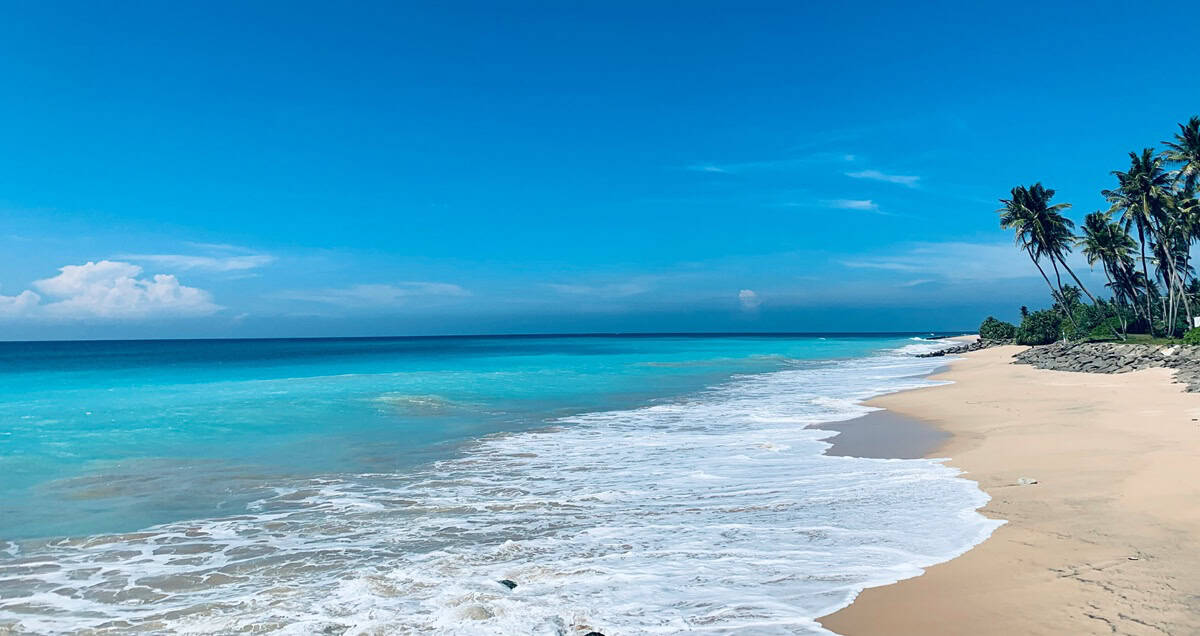
Temples in Sri Lanka, with their serene rituals, living history, and open doors, offer a tranquil escape. You meet monks at dawn, hear bells in the evening, and step into halls filled with art and story. There are steady queues in the Temple of Tooth Relic in Kandy every day. The Dambulla Cave Temple is crowned by a rock with painted chambers. Ruwanweliseya rises above ancient avenues, and Mihintale looks over plains that still feel timeless. This guide shows you what to expect, how to plan, and how to visit with respect.
Cultural heritage in Sri Lanka is deeply rooted in stories, faith, and water on a human scale.
Faith, History, and How to Visit Well
Sri Lanka boasts over two thousand years of recorded Buddhist practice, robust Hindu traditions, profound Christian roots, and extensive Islamic ties established through trade. Shrines stand beside markets and lakes. Pilgrimage calendars still shape village life. You feel this in the quiet before morning puja and in lantern light after sunset.
Respect and etiquette are key at all religious sites in Sri Lanka. Dress with shoulders and knees covered. Remove shoes and hats where asked. Speak softly inside the halls. Follow photography signs. Offerings work best when bought near the gate. Keep your receipts and ticket stubs. Hydrate, carry small notes for donations, and plan temple stops early or late to avoid heat. This mindful approach will ensure a considerate and respectful visit.
Smart visiting tips help at each stop. Read one short overview before you arrive. Check prayer times for the Temple of Tooth Relic and for major kovils. Hold your camera low when crowds move. Buy water outside busy gates to keep lines clear. Pair each landmark with one nearby sight to keep your day balanced.
Carry a light scarf to cover your shoulders. Pack socks for hot paving stones. Keep sunscreen and a hat in your day bag. Carry a refill bottle and hand wipes. Store shoes in a tote so you can find them fast at exit points.
Do respect lines, dress codes, and quiet zones. Do tip licensed guides who add context. Do keep litter with you until you find a bin. Do step aside for worshippers. Do learn one greeting in Sinhala or Tamil. Do not climb on ruins, touch murals, or fly drones without permits. Do not photograph people at prayer without a nod. Do not feed monkeys near shrines.
Buddhist Temples
Temple of the Sacred Tooth Relic
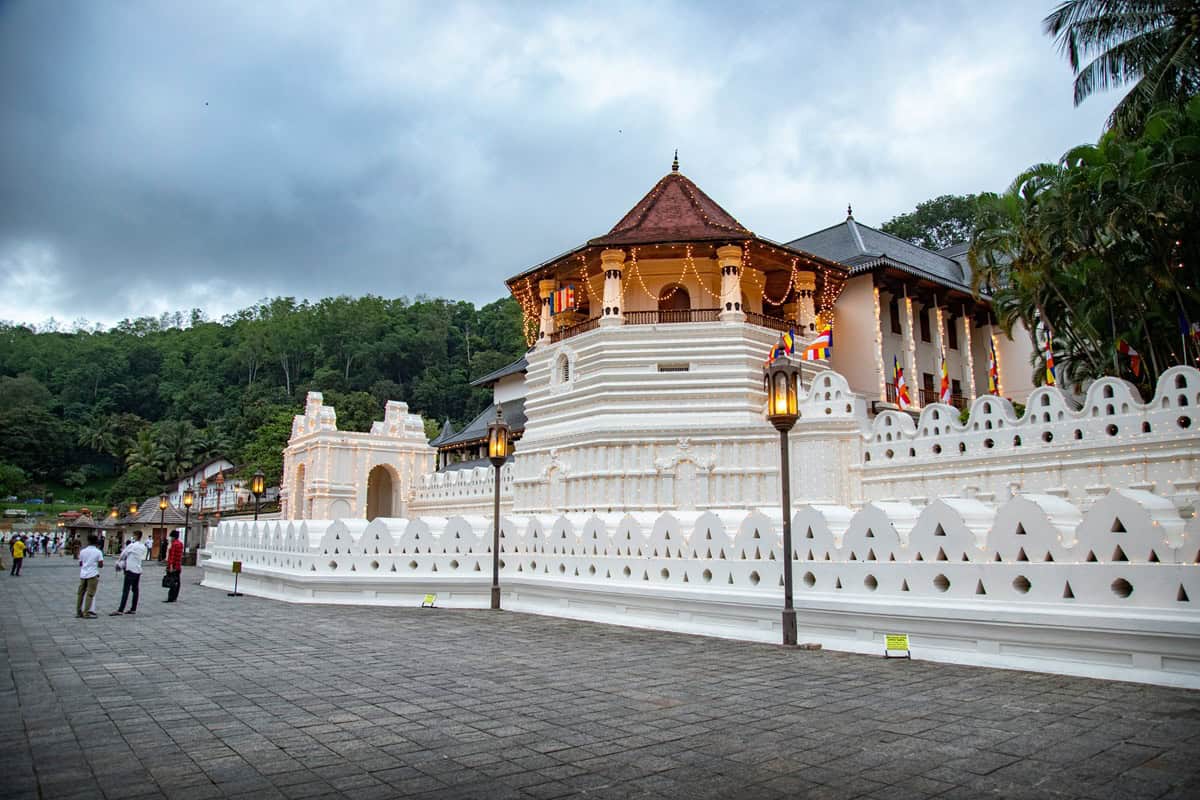
Temple of Tooth Relic (Photo: Chathura Anuradha Subasinghe)
Location: Kandy, near Kandy Lake.
History: The shrine protects the tooth relic of the Buddha, which has been housed in the royal complex since the Kandyan kingdom. Rituals run three times a day with drums and a conch.
What is special? The relic chamber, the golden casket display, and the sound of puja. You feel the city’s pulse here.
How to get there: Trains and buses reach Kandy from Colombo and the hill country. Tuk-tuks and short walks link the lakefront to the temple gates.
Nearby attractions: Kandy Lake walk, the Royal Palace compound, the National Museum, and the market streets.
Best time to visit: Early morning for calm halls or evening puja for the ceremony and sound. Dress modestly and arrive with plenty of time to pass through security. The Esala Perahera typically takes place around July or August, so book early if you plan to travel during this time.
Dambulla
Location: Dambulla town. It is on a rock outcrop above the main road.
History: The Dambulla Cave Temple has been a monastery since the first century BCE, housing a wealth of murals and statues across its five main caves.
What is special? Painted ceilings that run from the entrance to the altar, and long views across plains.
How to get there: Buses and cars link Dambulla with Kandy, Sigiriya, and Habarana. The climb begins at the ticket offices at the base.
Nearby attractions: Sigiriya Rock Fortress, Pidurangala hike, and Ibbankatuwa burial site.
The best time to visit: Early morning, when the steps are cooler and the light is softer in the caves.
Golden Temple of Dambulla
Location: At the base of the Dambulla rock.
History: A modern complex with a large seated Buddha and a museum that frames the site.
What is special? The golden façade and the entry point for many groups before they climb.
How to get there: Walk from the Dambulla Cave Temple ticket area.
Nearby attractions: The same day as the caves, proceed to Sigiriya or Habarana.
Best time to visit: Morning before the bus crowds grow.
Aukana Buddha Statue
Location: Near Kekirawa, north of Dambulla.
History: A tall standing Buddha from the fifth century, carved from a single rock.
What is special? The precision of the robe folds and the serene atmosphere of the shrine. A visit here offers a profound spiritual experience.
How to get there: Drive from Dambulla or Habarana on the A9, then follow local signs.
Nearby attractions: Kala Wewa reservoir, Mihintale, and the ancient city of Anuradhapura.
Best time to visit: Morning for the front light on the statue.
Ruwanweliseya

Ruwanweliseya Stupa (Photo: Ishan Kahapola Arachchi)
Location: Anuradhapura.
History: Built by King Dutugemunu in the 2nd century BCE, it was restored over time.
What is special? A brilliant white dome and long processions. Devotees circle the base with flowers and lamps.
How to get there: Hire a bicycle or tuk-tuk inside the sacred city.
Nearby attractions: Jaya Sri Maha Bodhi, Lovamahapaya (the Brazen Palace), Thuparamaya, and the archaeological museum.
Best time to visit: Late afternoon for soft light and evening worship.
Jaya Sri Maha Bodhi
Location: Maha Vihara, Anuradhapura.
History: It is a branch of the Bodhi tree from Bodh Gaya, planted in the 3rd century BCE, that has been tended through the centuries.
What is special? A living tree at the centre of the pilgrimage. Flags, chants, and quiet steps.
How to get there: Short ride from any point inside the sacred city.
Nearby attractions: Ruwanweliseya, Lovamahapaya ruins, and Isurumuniya.
Best time to visit: Early morning or dusk for a gentle mood.
Samadhi Buddha Statue
Location: Mahamevnāwa Park, Anuradhapura.
History: A fourth or fifth-century seated statue known for perfect stillness.
What is special? The expression and form, are often praised for its grace.
How to get there: Bicycle or tuk-tuk within the sacred area.
Nearby attractions: Abhayagiri precinct and the Kuttam Pokuna twin ponds.
Best time to visit: Morning light for fine detail.
Jetavanaramaya Stupa
Location: Abhayagiri area, Anuradhapura.
History: One of the largest brick structures in the ancient world.
What is special? The scale of the dome and the red tone of old brick.
How to get there: Move around the complex by bicycle or tuk-tuk.
Nearby attractions: Abhayagiri Stupa and the museum.
Best time to visit: Late afternoon, when the brick glows.
Abhayagiri Stupa
Location: Abhayagiri monastic zone.
History: A leading monastery for centuries, with global links in ancient times.
What is special? Broad terraces and forested edges that hold a calm mood.
How to get there: Same internal routes within the sacred city.
Nearby attractions: Samadhi Buddha, twin ponds, and museum halls.
Best time to visit: Morning shade and bird calls around the ruins.
Thuparamaya Stupa
Location: Near Ruwanweliseya.
History: Regarded as the earliest documented stupa on the island.
What is special? Stone pillars and a compact white dome.
How to get there: A short ride within the city area.
Nearby attractions: Jaya Sri Maha Bodhi and the main avenues.
Best time to visit: Early morning, before the heat builds.
Isurumuniya Temple

Isurumuniya Lovers carving – Isurumuniya Temple (Photo: S.G.Seyone)
Location: South of the core ruins in Anuradhapura.
History: A temple featuring carvings such as the Lovers, alongside a pleasant setting by the tank.
What is special? Rock-cut chambers and a quiet pool.
How to get there: Quick drive from any point in the sacred city.
Nearby attractions: Ranmasu Uyana pleasure gardens.
Best time to visit: Late afternoon shade.
Mihintale
Location: East of Anuradhapura.
History: The meeting place of Arahat Mahinda and King Devanampiya Tissa, is regarded as the start of Buddhism on the island.
What is special? Hilltop views, rock steps, and white stupas against the sky.
How to get there: Drive or join a tour from Anuradhapura, then climb the steps.
Nearby attractions: Kaludiya Pokuna and village walks.
Best time to visit: Sunset for views and cooler air.
Gal Vihara
Location: North of modern Polonnaruwa town.
History: Four rock-cut Buddha images from the twelfth century.
What is special? The reclining figure and the seated image under a rock arch.
How to get there: Bicycle or tuk-tuk inside the archaeological park.
Nearby attractions: The Quadrangle, Lankatilaka Image House, and Rankoth Vehera.
Best time to visit: Early morning for soft light on the stone.
Rankoth Vehera
Location: Central Polonnaruwa ruins.
History: A large stupa built by King Nissanka Malla.
What is special? Strong lines and a clean brick dome.
How to get there: Move by bicycle or tuk-tuk between major stops.
Nearby attractions: Gal Vihara and Parakrama Samudra lake edge.
Best time to visit: Late afternoon for warm tones.
Kelaniya Raja Maha Vihara

Kelaniya Raja Maha Vihara (Photo: Jorge Láscar)
Location: North of central Colombo along the river.
History: A revered temple rebuilt in the twentieth century with famous murals.
What is special? Painted walls, a large reclining Buddha, and strong community links.
How to get there: Taxi or tuk-tuk from city hotels, or stop en route from the airport.
Nearby attractions: Colombo National Museum and Viharamahadevi Park on your city day.
Best time to visit: Morning for calm halls, or evening for puja.
Gangaramaya Temple with Seema Malaka
Location: Near Beira Lake, central Colombo.
History: A modern mix of halls, relic rooms, and a lakeside meditation space.
What is special? Seema Malaka pavilions are situated on the water and feature a diverse collection within.
How to get there: Short taxi rides from most districts, easy link to Galle Face for sunset.
Nearby attractions: Seema Malaka itself, the lake paths, and nearby tea rooms.
Best time to visit: Late afternoon light, then a walk by the lake.
Hindu Temples and Kovils
Seeta Amman Temple – Nuwara Eliya
Location: Near Seetha Eliya on the Nuwara Eliya road.
History: Linked by tradition to the Ramayana story.
What is special? Colourful gopuram, streamside shrines, and a cool climate setting.
How to get there: Drive or hire a taxi from Nuwara Eliya.
Nearby attractions: Hakgala Botanic Gardens and Tea Estate Walks.
Best time to visit: Morning when the mist lifts.
Koneswaram Kovil – Trincomalee

Koneswaram Kovil – Trincomalee (Photo: Pierre André Leclercq)
Location: On Swami Rock inside Fort Frederick.
History: An ancient Saivite shrine with a long coastal story.
What is special? Cliff-edge views and a dramatic approach through the fort.
How to get there: Tuk-tuk from Trincomalee or Nilaveli, with a short uphill walk.
Nearby attractions: Dutch Bay, Marble Beach views, and Nilaveli shore time.
Best time to visit: Late afternoon for sea light and gentle breeze.
Nallur Kandaswamy Kovil – Jaffna
Location: Nallur, north of Jaffna town.
History: A prominent Northern shrine, rebuilt and renewed across centuries.
What is special? Tall gopurams, processions, and a famous annual festival (for 25 days in July and August annually).
How to get there: Take a taxi, bicycle, or bus within Jaffna.
Nearby attractions: Jaffna Fort, the library, and Rio, an ice cream stop.
Best time to visit: Evening for bells and lamps, please respect dress rules and leave your cameras inside.
Sri Muthumariamman Temple – Matale
Location: On the Kandy to Dambulla road.
History: A landmark kovil for regional worship.
What is special? Rich sculpture and a vibrant façade.
How to get there: Break your Kandy to Sigiriya transfer for a short visit.
Nearby attractions: Spice gardens around Matale and the Aluvihara rock temple.
Best time to visit: Morning, when traffic runs lighter.

Sri Muthumariamman Temple (Photo: Umapathy)
Kataragama Devalaya – Kataragama
Location: Southern foothills near Yala National Park.
History: A multi-faith complex, active day and night.
What is special? Evening puja, river offerings, and festival season processions.
How to get there: Drive from Tissamaharama or as a stop on a Yala trip.
Nearby attractions: Sithulpawwa rock temple and Tissa lake.
Best time to visit: After sunset, when lamps glow.
Munneswaram Kovil – Chilaw
Location: North of Negombo on the West Coast.
History: A historic Shiva temple with long ties to coastal towns.
What is special? Courtyards and ritual rhythm through the day.
How to get there: Taxi from Negombo or Chilaw.
Nearby attractions: Anawilundawa wetlands for birds.
Best time to visit: Morning before the heat rises.
Catholic and Christian Churches
St. Anthony’s Shrine – Kochchikade, Colombo

St. Anthony’s Shrine – Kochchikade, Colombo (Photo: AntanO)
Location: Close to Pettah and the port.
History: A major site of devotion in the capital.
What is special? A steady flow of worshippers and a strong sense of place.
How to get there: Taxi or tuk-tuk from central hotels.
Nearby attractions: Pettah markets and the Red Mosque views.
Best time to visit: Late morning between services.
St. Lucia’s Cathedral – Kotahena, Colombo
Location: North of the city centre.
History: The main Catholic cathedral of the city.
What is special? A large nave and calm light through stained glass.
How to get there: Taxi from city hotels.
Nearby attractions: Colombo Dutch Museum and Harbour Area Walks.
Best time to visit: Morning, when the interior feels cool.
Wolvendaal Church – Colombo
Location: Hulftsdorp ridge above Pettah.
History: Dutch-era church with old tombstones and heavy timber.
What is special? Quiet pews and thick walls that mute the city.
How to get there: Short taxi ride from Fort or Pettah.
Nearby attractions: Old City Hall and the law courts quarter.
Best time to visit: Late morning for soft interior light.
Dutch Reformed Church – Galle Fort
Location: Inside Galle Fort on Church Street.
History: The colonial church is tied to the fort’s long history.
What is special? High ceilings, old floorstones, and a calm mood.
How to get there: Walk within the fort or ride a tuk-tuk to the gate.
Nearby attractions: Lighthouse sunset and bastion walks.
Best time to visit: Morning during a fort loop.

Dutch Reformed Church – Galle Fort (Photo: Philip Nalangan)
St. Mary’s Church – Negombo
Location: Central Negombo near the lagoon.
History: A key church in an area renowned for its many parishes.
What is special? Painted ceiling and a wide nave.
How to get there: Taxi from the beach strip or from the airport.
Nearby attractions: Fish market, Dutch canal ride, and a sunset on the beach.
Best time to visit: Early evening before dinner.
Islamic Mosques
Jami Ul-Alfar Mosque/Red Mosque – Colombo
Location: Pettah market district.
History: Early twentieth-century mosque with a striped façade.
What is special? Distinct architecture and busy market lanes outside.
How to get there: Walk from Pettah or arrive by tuk-tuk.
Nearby attractions: Old Dutch Hospital dining and Fort Street.
Best time to visit: Non-prayer hours in the late afternoon.

Jami Ul-Alfar Mosque/Red Mosque – Colombo (Photo: Dan Lundberg)
Dewatagaha Jumma Masjid – Colombo
Location: Near Town Hall and Viharamahadevi Park.
History: A noted shrine with a long history of public ties.
What is special? Calm interiors and friendly caretakers.
How to get there: Short taxi ride from most hotels.
Nearby attractions: National Museum and the Viharamahadevi Park.
Best time to visit: Morning, then a park walk.
Meera Mosque – Galle Fort
Location: Lighthouse at the end of the fort.
History: A coastal mosque long tied to traders.
What is special? White façade and sea breeze on the ramparts.
How to get there: Walk from any point inside the fort.
Nearby attractions: Lighthouse, bastions, and sunset tea.
Best time to visit: Late afternoon.
Kechimalai Mosque – Beruwala
Location: On a headland above the sea.
History: Linked to early Muslim settlements on the coast.
What is special? Views across the bay and a quiet prayer hall.
How to get there: Taxi from Bentota, Beruwala, or Kalutara.
Nearby attractions: Brief stops at fish markets and lighthouse points.
Best time to visit: Morning for clear skies.

Kechimalai Mosque – Beruwala (Photo: TheSriLankaLK)
Al Aqsa Grand Jumma Masjith – Kattankudy
Location: South of Batticaloa on the East Coast.
History: A major mosque in a town known for many mosques.
What is special? Strong presence and a large prayer hall.
How to get there: Drive along the coastal road from Batticaloa.
Nearby attractions: Batticaloa lagoon views and Kallady bridge.
Best time to visit: Late afternoon before dusk.
Planning Routes and Timing
First, build a route around clusters.
- Kandy is home to the Temple of Tooth Relic, the lakefront, and various museums.
- Dambulla features the Dambulla Cave Temple and the Golden Temple in a single climb.
- Anuradhapura rewards a full day by bicycle among the sites of Ruwanweliseya, Jaya Sri Maha Bodhi, Jetavanaramaya, Abhayagiri, Thuparamaya, Samadhi Buddha, and Isurumuniya.
- The Polonnaruwa groups, including the Gal Vihara and Rankoth Vehera, are situated within a single park.
- Colombo links Kelaniya Raja Maha Vihara and Gangaramaya Temple with churches and mosques in short rides.
Second, match your month to each region. Kandy and the Cultural Triangle work all year, with the driest weather from June to September in the north-central plains. The West Coast and Colombo feel drier from December to April. Early starts beat heat and crowds every month.
Before planning the visit, it is advisable to check the weather in Sri Lanka and determine the best time to visit.
Third, keep days simple. Choose two large sites and one smaller stop, then rest. Pack water, wear light clothes, and hold space for tea breaks. Your photos improve when you move slowly.
Practical Notes
Tickets and dress checks are available at the gates for major sites. Carry small notes and keep your receipt until you exit. Most places accept cards in nearby shops, but cash is often preferred for donations. Shoe storage varies by site, so a small tote is a valuable accessory. Local guides add dates, names, and stories that make photos feel deeper.
Transport works best with a combination of trains, intercity buses, and short taxis. Trains reach Kandy, Anuradhapura, Polonnaruwa, and Galle. From there, use tuk-tuks to reach gates and trailheads. City walking tours in Colombo help you link Gangaramaya Temple, the Red Mosque, churches, and markets without guesswork. Transport in Sri Lanka weaves through its cities, mountains, and coasts like a living network.
Food and rest sit near every major complex. Look for tea rooms with posted prices and good turnover. Ask for a mild version if you prefer less heat. Drink safe water throughout the day and keep a hat close.
Photography and Respect
Check the signs at each door. Some halls allow photos without flash. Some ban cameras inside. Keep your lens away from faces at prayer unless you receive a nod of approval. Step aside for processions and elders. Thank attendants and caretakers when you leave.
Temples in Sri Lanka, Final Thoughts
Temples in Sri Lanka hold a living faith and an open history across a compact map. The Temple of Tooth Relic brings you inside a daily ritual. Dambulla Cave Temple surrounds you with age and art. Ruwanweliseya lifts the horizon in white, and Mihintale places you on a ridge where a long story began. Koneswaram looks over the blue water. Nallur rings bells as lamps move around the sanctum. The Red Mosque stands bright in a market lane. Churches in Colombo and Galle offer cool, dim lighting and quiet pews.
If you keep your days simple, dress with care, and move with respect, you will leave with more than photos. You will leave with names, sounds, and a route you want to walk again.