
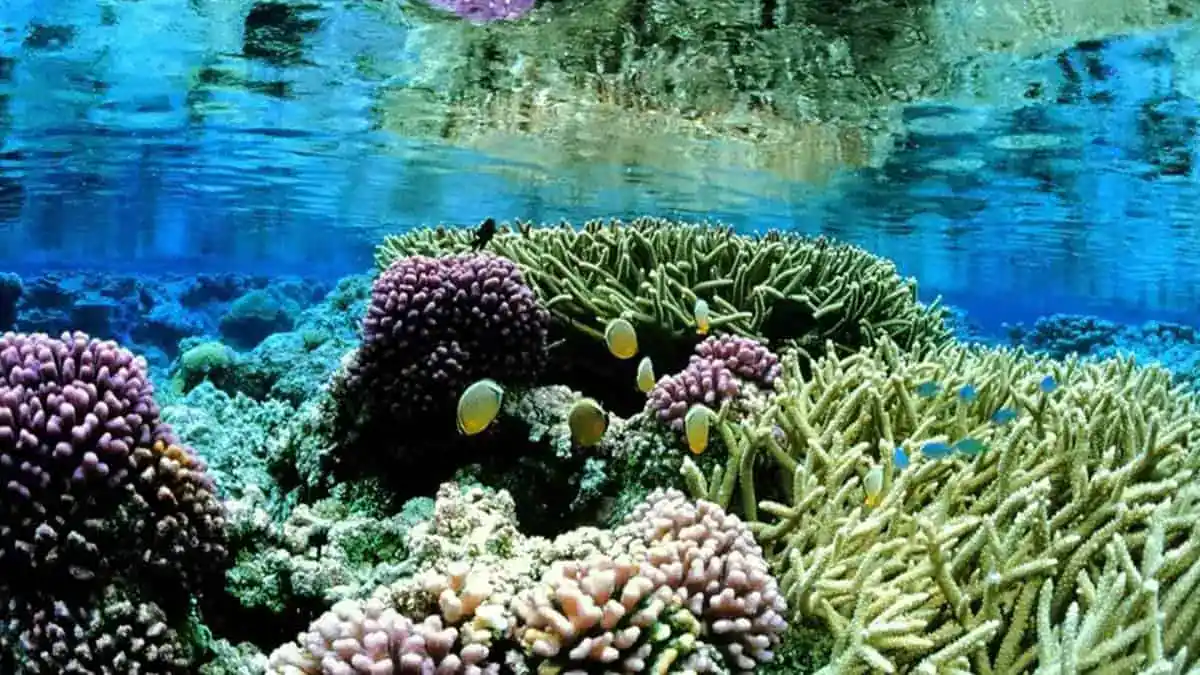

Snorkelling in Sri Lanka offers one of the most accessible ways to experience the island’s coastline and marine environment. Warm water, short travel distances, and reef systems close to shore shape a setting where you enter the ocean with ease and observe life beneath the surface without complex preparation. You float above coral, fish, and sand while fishing boats move along the horizon, and palm-lined beaches frame the shoreline. This experience fits naturally into beach travel, wildlife itineraries, and slow coastal stays.
According to data and statistics published by the Sri Lanka Tourism Development Authority, beach- and marine-related activities remain among the top motivations for international visitors. Snorkelling plays a central role due to low cost, minimal skill requirements, and wide availability across the island. You do not need certification or formal training. You need basic swimming confidence, awareness of local conditions, and respect for marine life. This guide explains snorkelling in Sri Lanka in detail so you can plan correctly, choose suitable locations, and experience the water safely and responsibly.
If you are interested in snorkelling, you may also be interested in the popular beaches in Sri Lanka. It is advisable to read about the top 10 best beaches in Sri Lanka.
Understanding Snorkelling in Sri Lanka
Snorkelling in Sri Lanka involves swimming at the surface using a mask and snorkel to view marine life in shallow coastal areas. The activity focuses on floating rather than diving. This approach aligns with the island’s geography because coral reefs often form near shore and remain visible at the surface.
Sri Lanka differs from many tropical destinations due to its seasonal contrast. One coastline remains calm while another experiences rough seas. This pattern allows snorkelling during most months of the year if you choose the correct region. Understanding this rhythm forms the foundation of successful snorkelling trips.
Local tourism infrastructure supports snorkelling through beach access, equipment rental, and guided sessions. Many locations allow direct entry from sand or rock platforms. This ease of access reduces barriers for beginners and families.
Sri Lanka’s Coastline and Marine Geography
Sri Lanka stretches across more than 1,790 kilometres of coastline shaped by coral reefs, rocky headlands, sandy bays, and lagoons. Marine research identifies fringing reefs along the South, West, and East coasts. These reefs grow parallel to shore and reduce wave energy before it reaches the beach.
The South and West Coasts feature compact reef systems near shore. Entry often involves walking from sand into shallow reef flats. Coral patches appear within swimming distance. These areas are suitable for beginner and intermediate snorkellers.
The East Coast features wide bays with gradual depth changes. Calm seas during the dry season allow long snorkelling sessions with minimal effort. Visibility often remains high due to reduced wave disturbance.
The Northern Coast remains less developed for marine tourism. Reef systems exist around islands and headlands, yet limited infrastructure keeps visitor numbers low. This region suits confident snorkellers who value quiet conditions and cultural immersion.
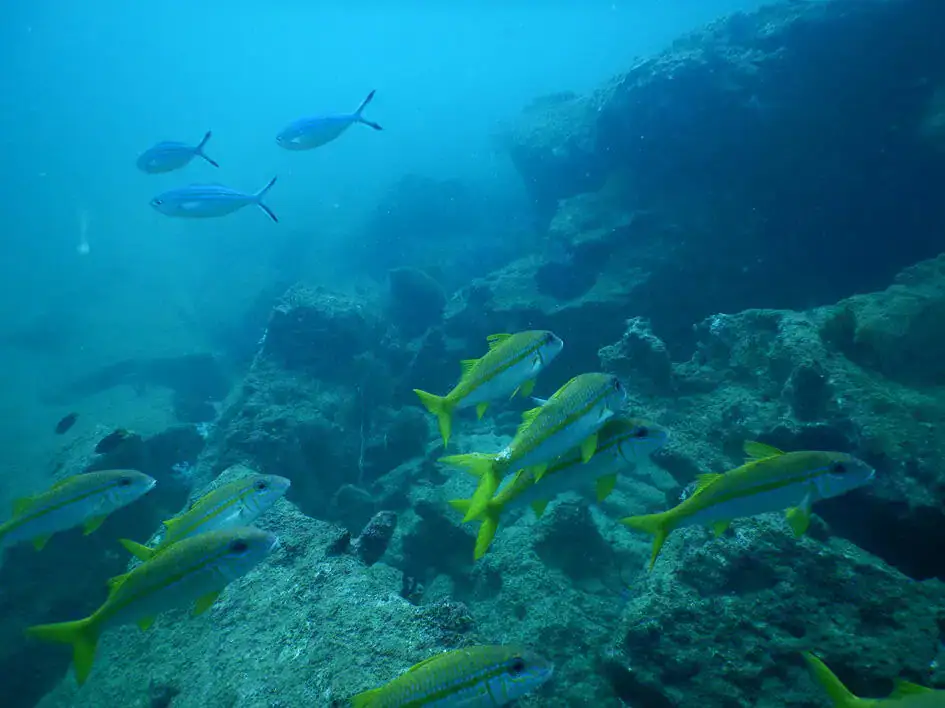
Underwater Image in Unawatuna (Photo: tmc1233, CC BY 2.0)
Best Time for Snorkelling in Sri Lanka
Timing is key to snorkelling success in Sri Lanka. Two monsoon systems shape sea conditions across the island.
The Southwest Monsoon brings changing sea conditions to the South and West Coasts between May and September. During this period, strong winds and rough seas dominate. Visibility drops near shore. Snorkelling quality improves significantly from December to April along these coasts.
The Northeast Monsoon affects the East and North Coasts from October to January. Calm seas dominate from April to September. This window offers the best snorkelling conditions on the East Coast.
Early morning hours offer the most stable conditions across all regions. Wind remains low. Water clarity improves. Planning snorkelling sessions before midday increases comfort and safety.
Choosing the right coast based on the season allows you to snorkel year-round in Sri Lanka. If you are interested in snorkelling in Sri Lanka, it is advisable to read about the weather and the best time to visit.
Best Snorkelling Spots in Sri Lanka
Snorkelling in Sri Lanka spans multiple regions, each offering different reef structures and marine life. Choosing locations based on season and experience level improves results.
South and West Coast Locations
Hikkaduwa remains one of the most popular snorkelling destinations on the South Coast. A designated coral sanctuary protects reef areas near shore. Shallow water supports surface observation of butterflyfish, parrotfish, and angelfish. Sea turtles feed near reef edges. Entry remains easy from sandy beaches.
Unawatuna offers sheltered bays framed by rocky headlands. Reef patches appear near rocks rather than open sand. Calm conditions during the dry season support relaxed snorkelling. Visibility remains good during early mornings.
Polhena Beach near Matara features a natural reef barrier running parallel to the shore. This barrier reduces wave energy and creates calm pools. Sea turtles are often seen near seagrass beds. Families and beginner snorkellers favour this beach due to predictable conditions.
East Coast Locations
Pigeon Island Marine National Park near Trincomalee ranks among the most biodiverse snorkelling sites in Sri Lanka. Shallow coral reefs extend across large areas. Reef fish density remains high. Occasional sightings of blacktip reef sharks occur at a distance. Park regulations limit damage and control visitor flow.
Nilaveli offers long sandy beaches with boat access to offshore reef patches. Calm seas during the East Coast season support clear water and stable floating conditions. Many visitors combine snorkelling with beach stays.
Pasikudah features one of the island’s shallowest bays. You walk far from shore while remaining in waist-deep water. Coral patches appear near the edges of the bay. This environment suits children and cautious snorkellers.
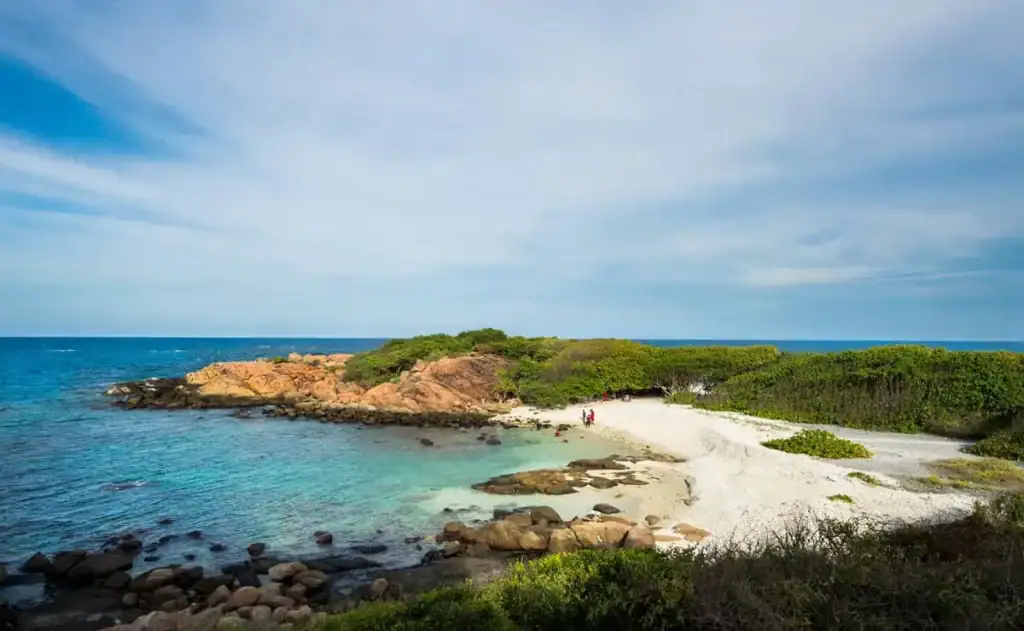
Pigeon Island – Trincomalee (Photo: Chiranmayu Medis, CC BY-SA 4.0)
Beginner-Friendly Snorkelling Areas
Beginner snorkellers benefit from shallow depth, limited currents, and protected entry points. Beaches such as Polhena, Pasikudah, Hikkaduwa, and Nilaveli meet these conditions during the correct season.
These locations allow surface floating without diving. Reef fish remain visible from above. Many local operators rent flotation vests and provide basic guidance. Beginners should avoid rocky entries during swell and choose calm mornings.
Snorkelling Levels Explained
Snorkelling in Sri Lanka suits a range of experience levels. Understanding your level helps you select suitable conditions.
The beginner level involves shallow water where standing remains possible. The focus stays on breathing control, mask comfort, and floating.
The intermediate level involves deeper water, where continuous swimming is required. Light currents appear. Short dives allow closer reef observation.
The advanced level involves open water conditions with stronger currents and limited entry points. Strong swimming ability and awareness of sea movement become essential.
Marine Life You Will See While Snorkelling
Sri Lanka’s reefs support high biodiversity due to warm waters and nutrient-rich currents. Marine studies identify hundreds of reef fish species across coastal waters.
Common sightings include butterflyfish, damselfish, wrasses, and surgeonfish. Parrotfish graze on algae along coral surfaces. Moray eels hide within reef crevices.
Sea turtles remain a major highlight. Green and hawksbill turtles feed near reef and seagrass zones. Rays appear occasionally near sandy areas. Reef sharks appear rarely and avoid human contact.
Respectful observation supports marine health and personal safety.
Coral Reefs and Conservation in Sri Lanka
Snorkelling in Sri Lanka depends on the health of the coral reefs. These reefs protect coastlines, support fisheries, and provide shelter for marine life. Marine surveys conducted by local universities and conservation groups show uneven reef health across the island. Some areas retain strong coral cover. Others show damage from bleaching events, destructive fishing practices, and unplanned coastal development.
Bleaching events linked to rising sea temperatures affected several Sri Lankan reefs over the past two decades. Recovery occurs slowly and depends on reduced human pressure. Marine protected areas play an important role in this process. These zones restrict fishing, anchoring, and uncontrolled tourism activity.
Visitors contribute to reef protection through behaviour. Touching coral breaks fragile structures. Standing on reef flats crushes living organisms. Feeding fish alters natural behaviour and food chains. Responsible snorkelling enables reefs to recover while still supporting tourism livelihoods.
Marine parks such as Pigeon Island operate under specific rules. Rangers limit visitor numbers and monitor activity. Entry fees support reef monitoring and conservation work. Following these rules protects the experience for future visitors.
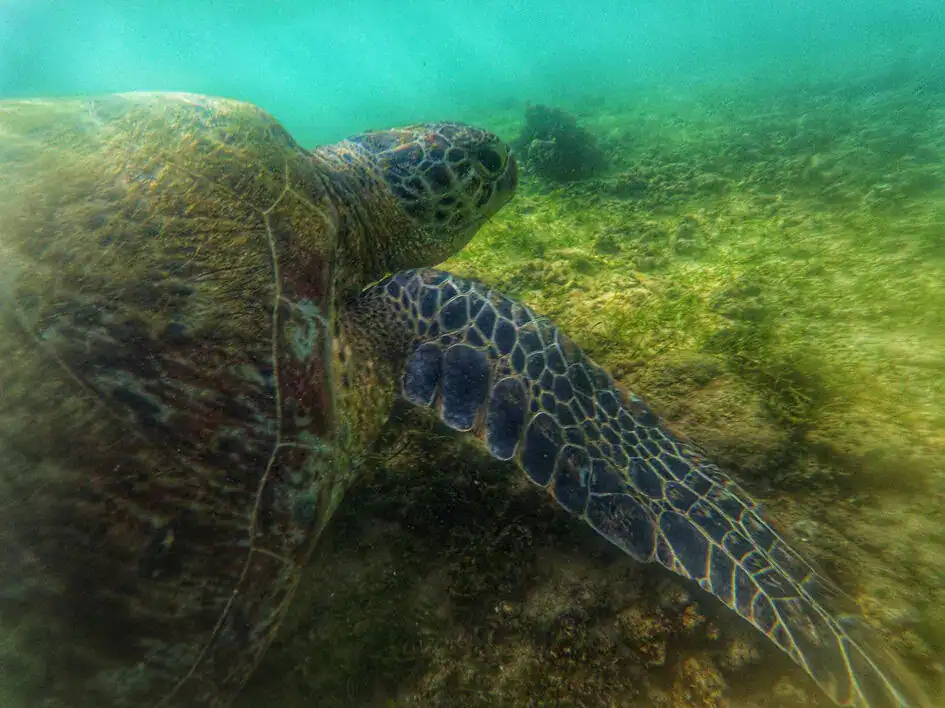
A See Turtle (Photo: Jithma Kalingu, CC BY-SA 4.0)
Snorkelling Safety in Sri Lanka
Safety awareness supports enjoyable snorkelling in Sri Lanka. Ocean conditions shift due to wind, tides, and reef structure. Calm water near shore may hide stronger movement near reef channels or headlands.
Before entering the water, observe the sea for several minutes. Watch wave direction and speed. Identify exit points. Avoid areas where waves break directly on rock or coral.
Snorkelling with a partner improves safety. Fatigue builds faster in warm water than many expect. Exiting the water early prevents exhaustion. Listening to local advice from fishermen and guides reduces risk.
Strong currents often appear near gaps in reef barriers. These channels move water back towards the open sea. Staying clear of such zones improves control and comfort.
Equipment for Snorkelling in Sri Lanka
Proper equipment improves comfort and confidence during snorkelling. A well-fitted mask seals around the face without pressure. Clear lenses improve visibility in shallow water.
A snorkel with a splash guard reduces water entry during surface movement. Fins support efficient movement and reduce effort against a mild current. Water shoes protect feet during rocky or coral entry.
Flotation vests support beginners and children. These aids reduce fatigue and improve confidence without restricting movement.
Rental equipment remains widely available in tourist areas. Personal equipment offers a better fit and hygiene for frequent snorkellers.
Do You Need a Guide for Snorkelling
Guided snorkelling is suitable for first-time visitors and those unfamiliar with the location. Local guides understand entry points, currents, and seasonal changes. Guides also help identify marine life and ensure group safety.
Independent snorkelling suits calm beaches with clear access and low current. Many travellers combine guided sessions with independent exploration during a trip.
Guided trips often include boat transport, safety briefing, and equipment. Independent snorkelling offers flexibility and lower cost.
Snorkelling from the Beach vs Boat Trips
Beach snorkelling offers convenience and control. You choose entry time, session length, and exit point. Shallow reefs near shore support extended floating.
Boat-based snorkelling provides access to offshore reefs with higher coral density. These trips operate on fixed schedules and involve deeper water. Boat trips are suitable for confident swimmers seeking to explore broader reef systems.
Beginners often prefer beach snorkelling because of its shallow depth and easy exit.
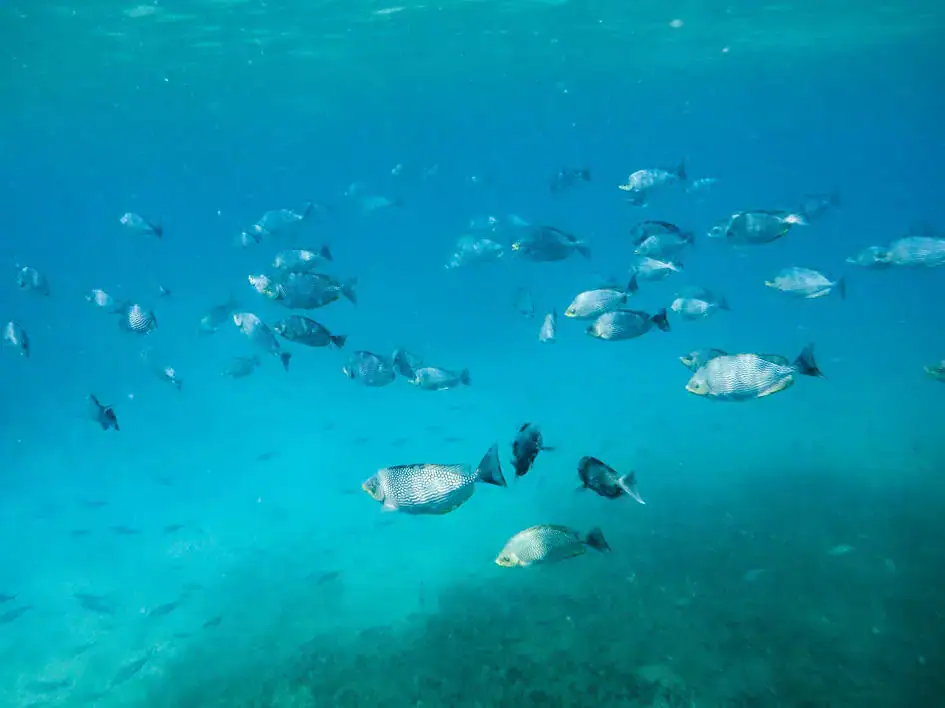
Pigeon Island Marine National Park (Photo: Dennis Binzen, CC BY 2.0)
Snorkelling with Children in Sri Lanka
Family snorkelling requires careful planning. Calm water, shallow depth, and clear visibility support children’s confidence. Beaches such as Pasikudah and Polhena provide suitable conditions during the correct season.
Children benefit from flotation aids and close supervision. Short sessions reduce fatigue. Early morning hours offer calmer seas and better visibility.
Clear rules improve safety. Children should avoid touching coral and chasing fish. Teaching respect for marine life builds long-term awareness.
Ethical and Responsible Snorkelling Practices
Responsible snorkelling protects marine ecosystems and supports sustainable tourism. Avoid standing on coral or reef flats. Maintain distance from turtles and rays. Allow marine life to move freely.
Avoid feeding fish. Artificial feeding alters natural behaviour and increases reef stress. Use reef-safe sunscreen to reduce chemical impact.
Supporting eco-focused operators encourages responsible practices. Many local businesses invest in reef education and conservation.
Photography While Snorkelling
Photography enhances snorkelling experiences when approached responsibly. Shallow water and sunlight improve image clarity. Compact waterproof cameras suit casual use.
Patience improves results. Observing marine life quietly allows natural behaviour to unfold. Avoid chasing animals for images.
Protect equipment with secure straps. Rinse gear with fresh water after use to extend lifespan.
Common Mistakes Snorkellers Make
Many snorkellers ignore seasonal conditions and choose the wrong coast. Others overestimate their swimming ability and enter deeper water too soon.
Poor equipment fit causes discomfort and short sessions. Touching coral can damage reefs and cause injury. Awareness prevents these issues.
Costs and Budget Expectations
Snorkelling in Sri Lanka remains affordable. Beach snorkelling often requires no fee beyond equipment rental. Rental costs stay modest at popular beaches.
Marine parks charge entry fees that support conservation. Boat-based snorkelling trips cost more due to fuel, permits, and guides.
Budget planning allows flexibility. Many snorkelling sessions fit easily into daily travel plans.
Snorkelling vs Other Water Activities in Sri Lanka
Snorkelling suits relaxed exploration with minimal preparation. Scuba diving requires certification and training. Surfing depends on wave conditions and skill level.
Snorkelling offers consistent access across seasons when planned correctly. This flexibility suits travellers seeking a balance between activity and rest.

Unawatuna Beach (Photo: Chathura Anuradha Subasinghe)
Snorkelling and Local Culture
Coastal communities rely on fishing and marine resources for income and food. Snorkelling sites often sit near fishing villages. Observing daily routines adds depth to coastal travel.
Respecting local practices supports positive interaction. Avoid interfering with fishing gear or boats. Purchasing services locally supports community livelihoods.
Planning Your Snorkelling Trip
Effective planning improves snorkelling in Sri Lanka. Choose coastlines based on the season. Allow rest days between water activities. Combine snorkelling with cultural sites and wildlife parks.
Pack reef-safe sunscreen, water shoes, and reusable water bottles. Early morning sessions offer the best conditions. Flexibility allows adjustment to weather changes.
Frequently Asked Questions About Snorkelling in Sri Lanka
Many visitors ask about safety and swimming ability. Calm conditions and proper planning support safe snorkelling. Basic swimming confidence improves comfort. Sharks pose minimal risk in reef areas.
Why Snorkelling in Sri Lanka Is Worth Experiencing
Snorkelling in Sri Lanka offers access to marine life across diverse coastal settings. Short travel distances allow exploration of multiple regions in a single trip. Seasonal contrast supports year-round planning.
Warm water and proximity to the reef support relaxed exploration. The activity fits naturally into beach-focused travel and slower itineraries.
Final Thoughts
Snorkelling in Sri Lanka rewards awareness, preparation, and respect for nature. The island offers beginner-friendly bays, vibrant coral reefs, and seasonal diversity shaped by monsoon patterns. Choosing the right coast at the right time improves safety and visibility. Responsible behaviour protects fragile marine ecosystems and supports local communities. Snorkelling offers a direct, meaningful way to connect with the island’s coastline through simple, well-planned exploration.
Map of the Best Snorkelling Spots in Sri Lanka
Featured image: Coral Reef in Hikkaduwa (Photo: Amila Tennakoon, CC BY 2.0)

I am a Sri Lankan medical doctor who spends my free time travelling, exploring new destinations, and documenting the beauty of the island I call home. I have journeyed across almost every corner of Sri Lanka with my wife and daughter — from wildlife parks and misty mountains to ancient cities, deep forests, rugged landscapes, and quiet beaches.
Travel is not just a hobby for me — it’s a way of life. I love nature, enjoy road trips, and find joy in wildlife photography. I also read widely about tourism, travel trends, and destination culture. Through my writing, I aim to help travellers experience Sri Lanka through real stories, meaningful insights, and honest recommendations — the same way I explore it with my own family.