


Introduction: Travel With Purpose in Sri Lanka
Sustainable travel has become one of the most important ideas shaping modern tourism, and Sri Lanka offers one of the best places to understand why responsible exploration matters. Travellers arrive on this island seeking nature & wildlife encounters, ancient heritage cities, popular tropical beaches, misty mountains, and living cultural traditions. Every journey leaves an impact. The choices you make during travel in Sri Lanka influence nature, communities, and heritage sites. When you travel with awareness, your experience becomes deeper while the destination remains protected for future generations.
Sri Lanka’s tourism industry plays a vital role in the national economy. Information promoted by the Sri Lanka Tourism Development Authority highlights tourism as a major source of employment across accommodation, transport, agriculture, guiding services, handicrafts, and food production. Tourism connects urban centres with rural communities and supports thousands of families. Growth brings opportunity, yet unmanaged tourism places pressure on ecosystems and cultural sites. Sustainable travel provides a balanced approach. You enjoy meaningful experiences while supporting conservation and local livelihoods.
This guide explains how sustainable travel works in Sri Lanka, why responsible travel matters, and how practical decisions during your visit to Sri Lanka support ecotourism, conservation, and community wellbeing.
Understanding Sustainable Travel and Responsible Travelling
Sustainable travel focuses on reducing environmental impact while strengthening cultural preservation and local economies. Responsible travelling means thinking carefully about how you move, where you stay, and how you interact with people and places.
Ecotourism is an essential part of sustainable travel in Sri Lanka. Ecotourism emphasises nature-based experiences designed around education, conservation, and respect for ecosystems. Sri Lanka’s compact geography makes this approach practical. Rainforests, wetlands, mountains, and coastlines are within relatively short travel distances, allowing travellers to plan efficient routes with a lower environmental impact.
Responsible tourism shifts focus away from rushing between attractions. Instead, you slow down and engage more deeply with destinations. You learn from local guides, observe wildlife respectfully, and appreciate cultural traditions. These choices create richer travel experiences while protecting the island’s natural and cultural heritage.
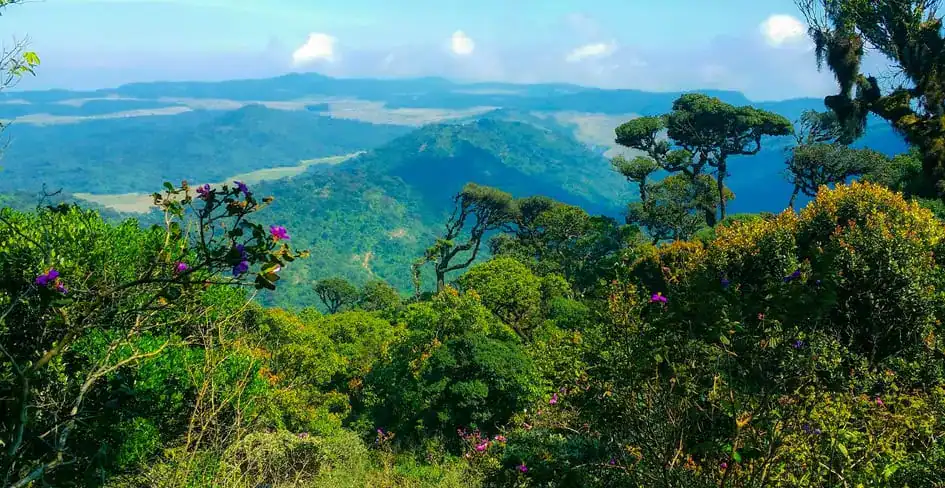
The View From Horton Plains National Park (Photo: Ishan Kahapola Arachchi, via Unsplash)
Why Sustainable Travel Matters for Travel in Sri Lanka
Sri Lanka ranks among global biodiversity hotspots despite its small size. The island contains exceptional ecological diversity, including tropical rainforests, dry zone forests, grasslands, lagoons, coral reefs, and highland ecosystems. Many species found here exist nowhere else in the world.
National parks such as Yala, Wilpattu, Udawalawe, and Horton Plains attract travellers interested in wildlife tourism. Entrance fees collected from visitors contribute to conservation programs, ranger operations, and habitat protection. Responsible travel ensures tourism continues to support conservation rather than harm ecosystems.
Unregulated tourism creates visible challenges. Overcrowded safari routes disturb animals. Plastic waste appears along beaches and trails. Cultural monuments face gradual damage when visitors ignore preservation guidelines. Sustainable travel reduces these pressures through conscious behaviour and informed planning.
When you travel responsibly, you often enjoy quieter spaces and more authentic encounters. Wildlife behaves naturally, local interactions feel genuine, and destinations retain their character.
Eco Tourism Experiences Across Sri Lanka
Eco tourism offers some of the most rewarding experiences available during travel in Sri Lanka. These activities connect you directly with nature while supporting conservation.
Wildlife safaris remain one of the main attractions. Ethical safari operators follow park regulations and maintain safe distances from animals. Skilled naturalist guides explain animal behaviour, migration patterns, and ecological relationships. A safari becomes an educational journey rather than a race for photographs.
Birdwatching continues to grow among eco-travellers. Sri Lanka hosts more than 400 recorded bird species, including many endemic birds. Birdwatching groups move slowly and quietly, creating minimal disturbance to habitats. This activity supports conservation-focused guiding services and encourages habitat protection.
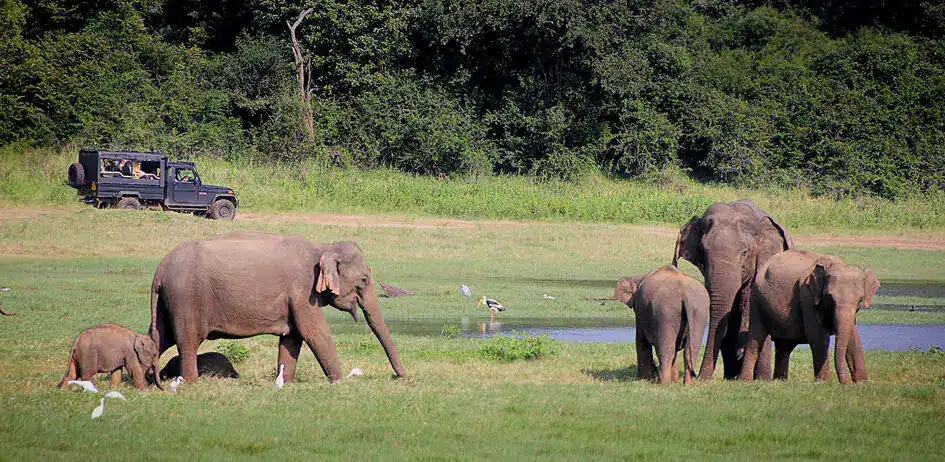
Wildlife Safari from Distance (Photo: Greg Montani, via Pixabay)
Rainforest exploration in the Sinharaja Forest Reserve demonstrates successful ecotourism management. Entry occurs through licensed guides who regulate visitor movement and protect fragile ecosystems. Guided walks generate income for local communities while maintaining conservation standards.
Marine eco tourism includes whale watching off Mirissa and Trincomalee. Responsible operators maintain viewing distances and follow international guidelines to protect marine mammals from stress and disruption.
How Tourism Supports Conservation
Tourism contributes directly to conservation when managed responsibly. Revenue collected through national park entrance fees helps fund wildlife monitoring, habitat restoration, and ranger patrols. Communities living near protected areas gain economic incentives to protect wildlife when tourism provides income.
Udawalawe National Park offers a clear example. Elephant populations benefit from protected habitat, partly supported by tourism revenue. Conservation becomes economically meaningful when local communities recognise long-term value in wildlife protection.
Responsible travelling strengthens conservation through everyday actions:
- Follow park regulations carefully.
- Avoid feeding or approaching wildlife.
- Maintain quiet behaviour in natural areas.
- Respect the guide’s instructions at all times.
These practices ensure wildlife encounters remain safe for both animals and visitors.

Kirigalpoththa Trail (Photo: Chamrith, CC BY-SA 4.0)
Eco Lodges and Sustainable Accommodation in Sri Lanka
Accommodation choices strongly influence travel’s environmental impact. Sri Lanka now offers a growing number of eco lodges and environmentally responsible hotels designed around sustainability principles.
Many eco lodges operate using solar energy, rainwater harvesting systems, and natural ventilation to reduce electricity consumption. Some properties cultivate organic gardens and source food from nearby farmers, thereby reducing transport emissions and supporting local agriculture.
Sustainable accommodation often includes:
- Reduction of single-use plastics.
- Waste separation and recycling systems.
- Employment opportunities for nearby communities.
- Guest education about conservation practices.
Choosing eco-friendly accommodation supports businesses investing in responsible tourism. Your booking decisions influence how tourism develops across the island.

Madulkelle Tea and Eco Lodge (Photo: Max Sat, CC BY-NC-ND 4.0)
Supporting Local Communities Through Responsible Travelling
Tourism affects local communities deeply. Responsible travelling ensures tourism income benefits residents directly rather than bypassing local economies.
Community-based tourism programs allow visitors to experience village life through guided walks, traditional cooking experiences, farming activities, and cultural storytelling. These programs generate income while preserving traditions and local identity.
You support communities through simple decisions:
- Hire certified local guides.
- Eat at locally owned restaurants.
- Purchase handmade crafts directly from artisans.
- Stay in family-run guesthouses.
These actions distribute tourism income more evenly and strengthen rural economies.
Slow Travel and Sustainable Holidays
Sustainable travel connects closely with slow travel principles. Many travellers try to visit too many destinations within a limited time frame. Fast travel increases fuel consumption and reduces meaningful engagement with places.
Sri Lanka’s compact geography allows slower exploration without sacrificing variety. Spending more time in fewer destinations reduces environmental impact while improving cultural understanding.
- Stay several nights in one location.
- Explore towns on foot.
- Use bicycles or local transport.
- Allow time for spontaneous local interaction.
The hill country railway journey between Kandy and Ella is one of the most sustainable ways to travel, offering scenic views and cultural insights.

Sri Lankan Rice and Curries made with fresh vegetables (Photo: KavindaF, via Pixabay)
Zero Waste Travel Tips for Visiting Sri Lanka
Waste management remains a challenge in many tourist destinations. Responsible travellers reduce environmental impact through preparation and daily habits.
Carry reusable essentials:
- A refillable water bottle.
- A reusable shopping bag.
- Reusable cutlery or straw.
- A small food container for takeaway meals.
Many accommodations and cafés now provide refill stations. Avoid purchasing plastic bottles repeatedly when refill options are available.
Additional zero-waste habits include refusing plastic bags, avoiding heavily packaged snacks, and carrying waste until proper disposal facilities appear.
Respecting Culture and Heritage When You Visit Sri Lanka
Sri Lanka’s cultural heritage spans more than two thousand years. Ancient cities, sacred temples & religious landmarks, and colonial towns attract visitors worldwide. Responsible travelling protects these irreplaceable places.
- Dress modestly when visiting religious sites.
- Remove hats and shoes before entering temples.
- Avoid touching ancient murals or carvings.
- Follow photography rules respectfully.
Cultural respect strengthens relationships between travellers and local communities while preserving heritage for future generations.
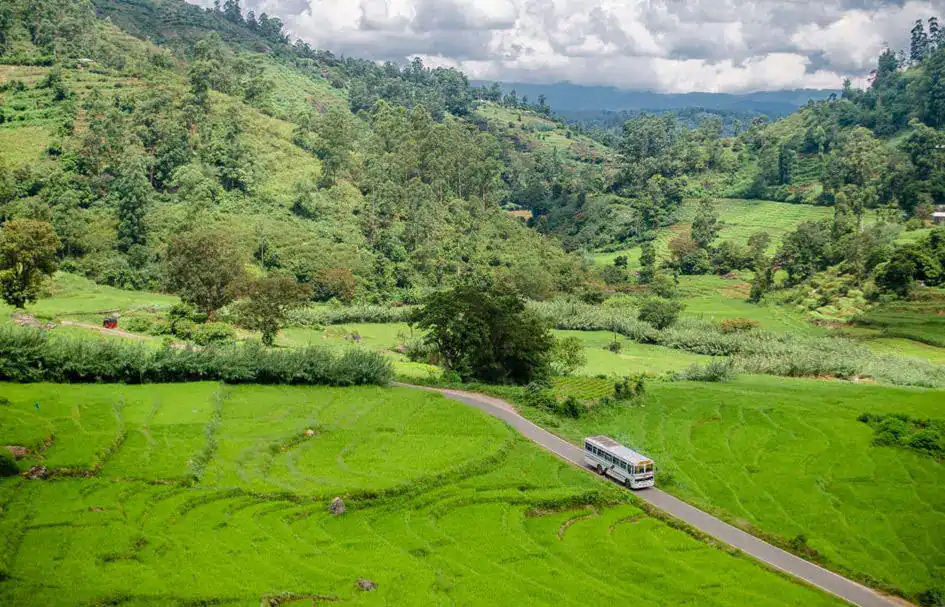
A village road in Sri Lanka (Photo: Raviena Rajapaksha, CC BY-SA 4.0)
Sustainable Food Choices and Supporting Local Agriculture
Food plays an important role in sustainable travel. Yet, many travellers overlook how daily meal choices influence the environment and local economies. Sri Lanka offers a strong advantage for responsible travelling because much of its cuisine depends on locally grown ingredients. Rice, vegetables, spices, coconut, and seafood form the foundation of traditional meals, which reduces dependence on imported products.
When you choose local restaurants instead of international chains, you support farmers, fishermen, and small family businesses. Traditional rice-and-curry meals often use seasonal produce grown in nearby regions. This short supply chain reduces transport emissions while strengthening rural livelihoods.
Many eco lodges and guesthouses now promote farm-to-table dining. Some grow vegetables onsite or source ingredients directly from village farms. Eating locally becomes part of eco tourism itself because food reflects culture, geography, and sustainability.
You support sustainable travel through simple food habits:
- Choose locally owned restaurants.
- Try traditional Sri Lankan dishes prepared with seasonal ingredients.
- Avoid excessive food waste by ordering realistically.
- Carry reusable containers for takeaway meals.
Responsible food choices let you experience authentic flavours while supporting sustainable holidays in Sri Lanka.
Responsible Wildlife and Marine Tourism
Wildlife remains one of the strongest reasons travellers visit Sri Lanka. The island offers opportunities to see elephants, leopards, sloth bears, whales, dolphins, and countless bird species. Responsible travelling ensures these encounters remain ethical and sustainable.
Safari tourism requires careful management. During peak seasons, large numbers of vehicles gather around wildlife sightings, which creates stress for animals. Choosing responsible operators makes a significant difference. Ethical guides maintain distance, avoid blocking animal movement, and prioritise animal welfare over close photography.
Marine tourism also requires attention. Sri Lanka’s coastline supports coral reefs and important marine ecosystems. Whale watching tours operate in areas such as Mirissa and Trincomalee, attracting global visitors.
Follow responsible marine tourism practices:
- Choose operators who follow distance regulations.
- Avoid boats that chase animals aggressively.
- Use reef-safe sunscreen when swimming or snorkelling.
- Avoid touching coral reefs.
- Avoid feeding or touching marine life.
Supporting ethical operators raises industry standards and protects fragile ecosystems.

Kandy to Ella Train (Photo: Matt Dany via Unsplash)
Transportation Choices for Sustainable Travel
Transportation forms one of the largest environmental impacts during travel. Sri Lanka provides several lower-impact options that also improve the travel experience.
Train travel remains one of the most sustainable ways to explore the island. The railway network connects major cities and scenic regions while reducing road congestion and emissions. The hill country train journey between Kandy and Ella is among the most scenic rail journeys in the world and offers an environmentally friendly travel option.
- Find the official train schedule.
- Book train tickets via the official Online Advance Train Seats Reservation.
Shared transportation options reduce fuel consumption compared with private vehicles. Walking tours within heritage areas such as Galle Fort or ancient cities allow deeper cultural engagement while minimising environmental impact.
Cycling experiences continue growing in coastal towns and rural regions. Bicycle tours create immersive travel experiences while producing a minimal environmental footprint.
We recommend reading about “Transport in Sri Lanka: The Best Guide“.
Planning a Sustainable Visit to Sri Lanka
Sustainable travel begins long before arrival. Thoughtful planning reduces environmental impact and improves travel comfort.
Travel during shoulder seasons when possible. Visiting outside peak months reduces overcrowding and spreads tourism income more evenly across the year. Sri Lanka’s dual monsoon climate allows travel somewhere on the island throughout most months.
We recommend reading about the weather in Sri Lanka and the best time to visit guides.
Plan realistic routes. Avoid excessive long-distance transfers by grouping nearby destinations. Spending more time in fewer locations reduces transport emissions and allows deeper exploration.
Choose tour operators who promote ecotourism and responsible travel practices. Ask questions about group size, wildlife guidelines, and waste management policies before booking.
A slower itinerary often leads to more meaningful experiences. Time spent observing daily life, talking with residents, and exploring natural surroundings creates lasting memories.
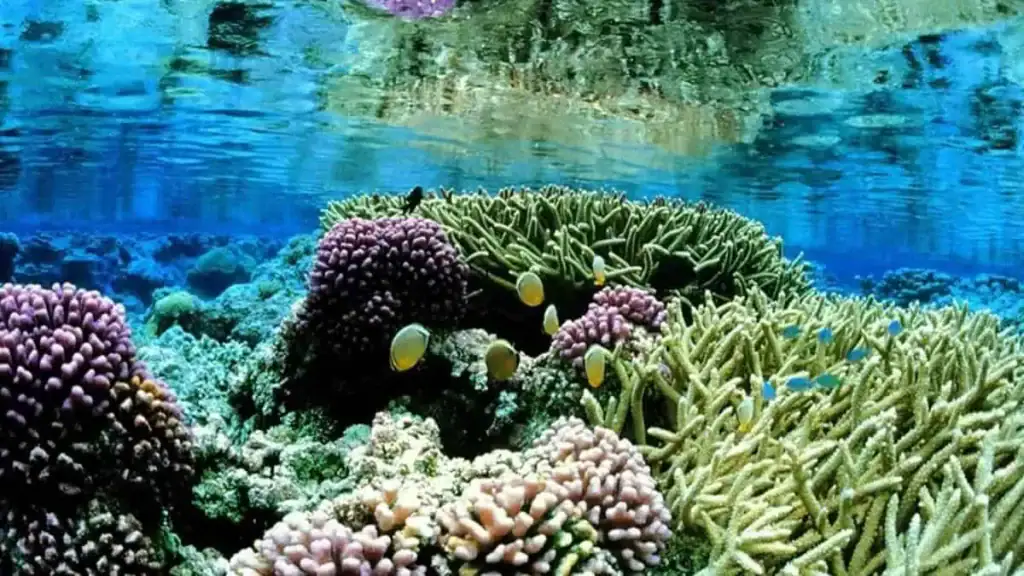
Coral Reef in Hikkaduwa (Photo: Amila Tennakoon, CC BY 2.0)
Water and Energy Conservation During Travel
Tourism increases demand for water and electricity, especially in coastal and dry regions. Responsible travellers reduce pressure on local resources through small daily habits.
Take shorter showers and reuse towels when possible. Turn off the air conditioning when leaving your room. Switch off lights and chargers when not in use. Many eco lodges invest in renewable energy systems and rainwater harvesting. Supporting such accommodations encourages wider adoption of sustainable infrastructure.
Water conservation becomes especially important during dry seasons when local communities rely on limited freshwater resources.
Cultural Sustainability and Respectful Travel
Sustainable travel protects cultural heritage alongside natural environments. Sri Lanka’s traditions, religious practices, crafts, and festivals form living cultural systems that have shaped over the centuries.
Respect local customs during temple visits and ceremonies. Dress appropriately and behave calmly in sacred spaces. Ask permission before photographing people, especially during religious activities.
Support traditional craftsmanship by purchasing handmade products such as batik textiles, wood carvings, or masks directly from artisans. This approach helps preserve cultural skills passed through generations.
Responsible travelling strengthens cultural identity rather than turning traditions into commercial displays.

Visitors – Polonnaruwa Gal Viharaya (Photo: Dan Lundberg, CC BY-SA 2.0)
Community-Based Tourism and Meaningful Connections
Community-based tourism continues to expand across Sri Lanka as part of sustainable tourism development. These experiences allow travellers to connect with everyday life beyond popular tourist routes.
Village walks, home-cooking experiences, and agricultural tours offer insight into local lifestyles. Income generated through these programs supports education, infrastructure, and community development.
Meaningful conversations often become the most memorable parts of travel. When visitors show genuine interest and respect, cultural exchange benefits both travellers and hosts.
Mental and Emotional Benefits of Sustainable Travel
Sustainable travel improves personal wellbeing. Slower travel rhythms reduce stress and encourage mindfulness. Time spent in forests, mountains, and coastal environments supports mental clarity and relaxation.
Ecotourism experiences often create deeper emotional connections than crowded sightseeing schedules. Watching wildlife behave naturally or sharing a meal with a local family leaves lasting impressions.
Responsible travelling shifts the focus from the quantity of attractions to the quality of the experience. Many travellers find greater satisfaction when travel feels purposeful.
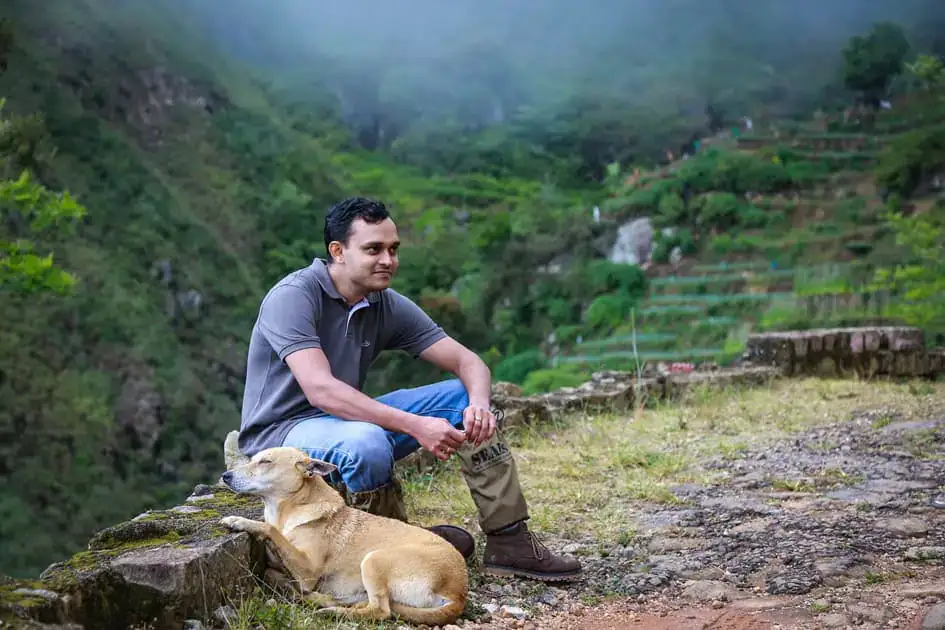
Hiking along the Devil’s Staircase trail (Photo: Xyler2019, CC BY-SA 4.0)
Challenges Facing Sustainable Tourism in Sri Lanka
Despite progress, sustainable tourism faces challenges. Waste management systems vary between regions. Popular wildlife parks experience overcrowding during peak seasons. Some tourism operators continue unsafe wildlife practices.
Traveller awareness helps address these issues. When visitors choose ethical businesses and follow responsible guidelines, market demand encourages better standards across the industry.
Education plays an important role. Tourism authorities and conservation organisations continue promoting sustainable practices among guides, operators, and visitors.
The Future of Sustainable Travel in Sri Lanka
Sri Lanka has strong potential to become a global leader in ecotourism. The island combines biodiversity, cultural richness, and accessibility. National tourism strategies increasingly emphasise sustainability, conservation, and community participation.
Eco lodges expand across forest and coastal regions. Community tourism initiatives grow in rural districts. Travellers are increasingly interested in responsible holidays focused on nature and culture.
Your choices influence this future. Each responsible decision encourages tourism development aligned with conservation and community wellbeing.
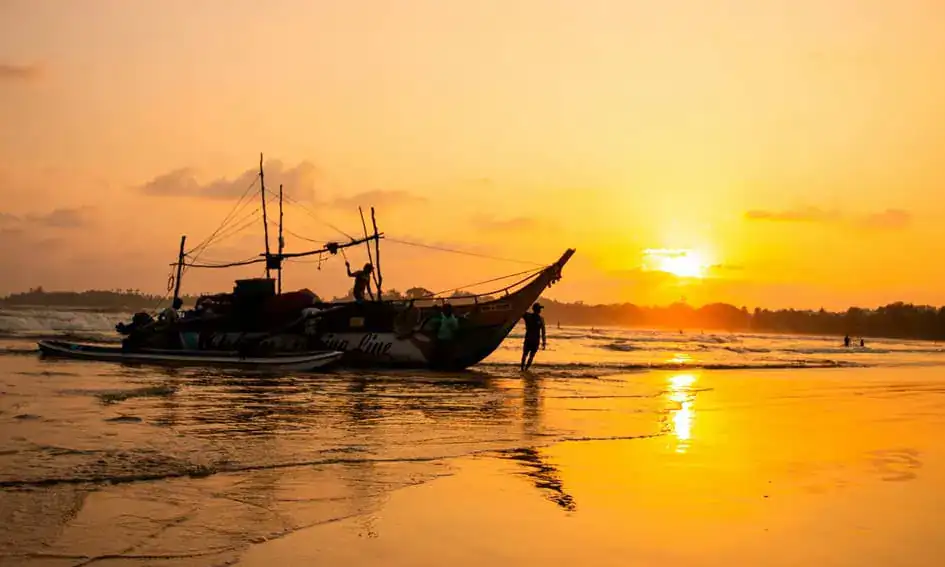
Sunset Silhouettes at Weligama Beach (Photo, cropped: Lucas Klein)
Final Thoughts: Sustainable Travel Creates Meaningful Journeys
Sustainable travel transforms travel in Sri Lanka into a shared responsibility between visitors and destinations. Every decision you make during your journey supports conservation, strengthens communities, and protects cultural heritage.
When you visit Sri Lanka through responsible travelling practices, you help preserve wildlife habitats, forests, oceans, and traditions while gaining a deeper travel experience. Eco tourism allows you to connect with the island in a respectful and meaningful way.
Sustainable travel ensures future travellers experience the same beauty and authenticity that inspires visitors today. Travel thoughtfully. Respect nature and culture. Support local communities. Through sustainable travel, your journey becomes part of protecting Sri Lanka’s future while creating memories grounded in purpose and respect.
Featured image: Bikers at the Corbet’s Gap – Knuckles Mountain Range (Photo: Kasuna, CC BY-SA 4.0)

I am a Sri Lankan medical doctor who spends my free time travelling, exploring new destinations, and documenting the beauty of the island I call home. I have journeyed across almost every corner of Sri Lanka with my wife and daughter — from wildlife parks and misty mountains to ancient cities, deep forests, rugged landscapes, and quiet beaches.
Travel is not just a hobby for me — it’s a way of life. I love nature, enjoy road trips, and find joy in wildlife photography. I also read widely about tourism, travel trends, and destination culture. Through my writing, I aim to help travellers experience Sri Lanka through real stories, meaningful insights, and honest recommendations — the same way I explore it with my own family.