


Introduction: Why Arugam Bay Captures the Spirit of the East Coast
Arugam Bay sits on the East Coast of Sri Lanka. It attracts travellers who enjoy beaches, nature, and surfing in Sri Lanka. The bay forms a long curve of sand beside the Indian Ocean. Warm water, steady waves, and a relaxed village atmosphere shape the experience here. Many travellers arrive with a simple goal. They want to surf, rest by the ocean, and explore a part of Sri Lanka that feels calm and open.
Arugam Bay has grown into one of the most famous surf towns in Asia. Surfers from many countries gather here during the East Coast season. At the same time, many visitors arrive without a surfboard. They come for wildlife parks, quiet lagoons, bird watching, yoga retreats, and slow coastal living.
This guide explains how to experience Arugam Bay practically and enjoyably. You will learn when to visit, how to reach the bay, what to do, and how to include Arugam Bay in your journey across Sri Lanka.
If you are new to Sri Lanka and a beach enthusiast, we recommend reading about the island’s popular beaches and our ultimate travel guide for first-time visitors.
Why Arugam Bay Is Special
Arugam Bay stands apart from many other beaches in Sri Lanka. The area keeps a strong connection with nature and village life. Coconut trees line the shore. Fishing boats rest along the sand. Small cafés and guesthouses appear along the main road beside the beach.
The bay forms a natural point break. Ocean swells bend around the headland and produce long right-hand waves. Surfers ride these waves for long distances along the shoreline. This natural shape has turned Arugam Bay into one of the most respected surf spots for surfing in Sri Lanka.
The environment also shapes the experience. Lagoons, wetlands, and forests surround the coastline. Elephants move through nearby landscapes. Birdlife fills the lagoons during the early morning hours. This blend of ocean and wildlife makes Arugam Bay feel different from crowded resort beaches.
Do you know that Arugam Bay Beach is among the 10 most popular beaches in Sri Lanka?

Surfing in Arugam Bay (Photo: Sylvester S., CC BY 2.0)
Recognition and Tourism Appeal
Arugam Bay receives international attention within the global surf community. The bay has hosted several international surf competitions over the years. Professional surfers visit during the East Coast surf season. Travel magazines and tourism organisations often list the bay among the best surf destinations in Asia.
Sri Lanka Tourism promotes Arugam Bay as a major coastal attraction. The bay draws thousands of visitors each year during the surf season from May to September. Tourism growth has encouraged the development of surf schools, cafés, small hotels, and eco lodges.
Despite this growth, Arugam Bay still feels like a coastal village. The area avoids large resort development. Most accommodation comes from small family guesthouses or independent surf camps.
Best for Whom
Arugam Bay appeals to several types of travellers.
Surfers
The bay ranks among the most reliable spots for surfing in Sri Lanka during the East Coast season.
Nature lovers
Wetlands and national parks surround the area.
Adventure travellers
Wildlife safaris, lagoon trips, and coastal exploration provide many outdoor experiences.
The surf community creates a friendly social atmosphere.
Slow travellers
Visitors who enjoy a relaxed coastal life often stay longer than planned.
Specifically, digital nomads gather in Arugam Bay for several months each year, forming a temporary international community.
Arugam Bay suits travellers who prefer open landscapes and simple beach towns rather than crowded resort areas.
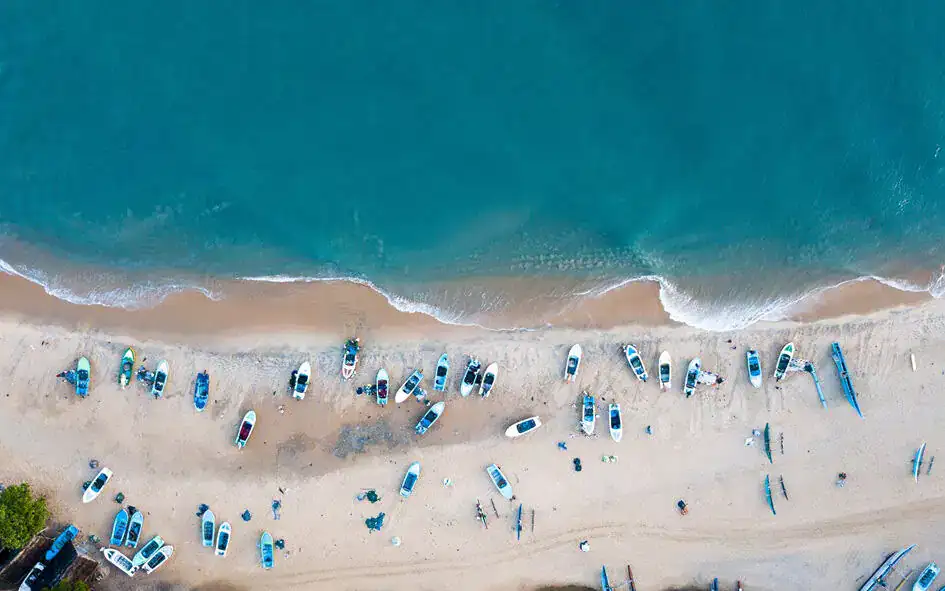
Aerial View of Arugam Bay Beach (Photo: Etienne Boulanger, CC BY 3.0)
Arugam Bay for Every Budget
One reason Arugam Bay remains popular is the wide range of options available for different travel budgets.
Budget travellers
Hostels and surf camps provide affordable rooms. Many backpackers stay near the beach road, where accommodation is affordable.
Mid-range travellers
Small boutique hotels and comfortable guesthouses offer good value. Many include breakfast and surfboard storage.
Luxury travellers
Several boutique resorts now operate outside the main village. These places provide larger rooms, private gardens, and quieter surroundings.
Food also remains affordable. Local cafés serve rice and curry meals, seafood, fresh juices, and tropical fruit.
Best Time to Visit Arugam Bay and Why
Weather and surf conditions determine the best time to visit Arugam Bay.
The main travel season runs from May to September. During these months, ocean swells arrive from the Southeast and create consistent waves along the coastline. The sea stays calm in the morning, and winds increase later in the day.
Rainfall remains lower during this period compared with other parts of the island.
October to January brings heavier rainfall and rough ocean conditions. Many surf camps close during this period.
February to April forms a quiet shoulder season. Some travellers visit for nature and peaceful beaches.
Early mornings offer the best surf conditions. Many surfers enter the water at sunrise when the wind remains light.
To get an idea of the best time to visit Arugam Bay and other destinations in Sri Lanka, it is recommended to read the weather guide.
Current Weather and Forecast in Arugam Bay
Location and How to Get There
Arugam Bay lies in the Ampara District on the Southeast Coast of Sri Lanka. The bay sits near the town of Pottuvil.
Distances from major cities give a sense of travel time.
Colombo to Arugam Bay is about 330 kilometres.
Ella to Arugam Bay is about 135 kilometres.
Batticaloa to Arugam Bay is about 110 kilometres.
Several travel routes lead to the bay.
Many travellers travel through the Hill Country first. They visit Ella, then continue east along mountain roads and through forest landscapes.
Another route runs along the Eastern Coastline from Trincomalee or Batticaloa.
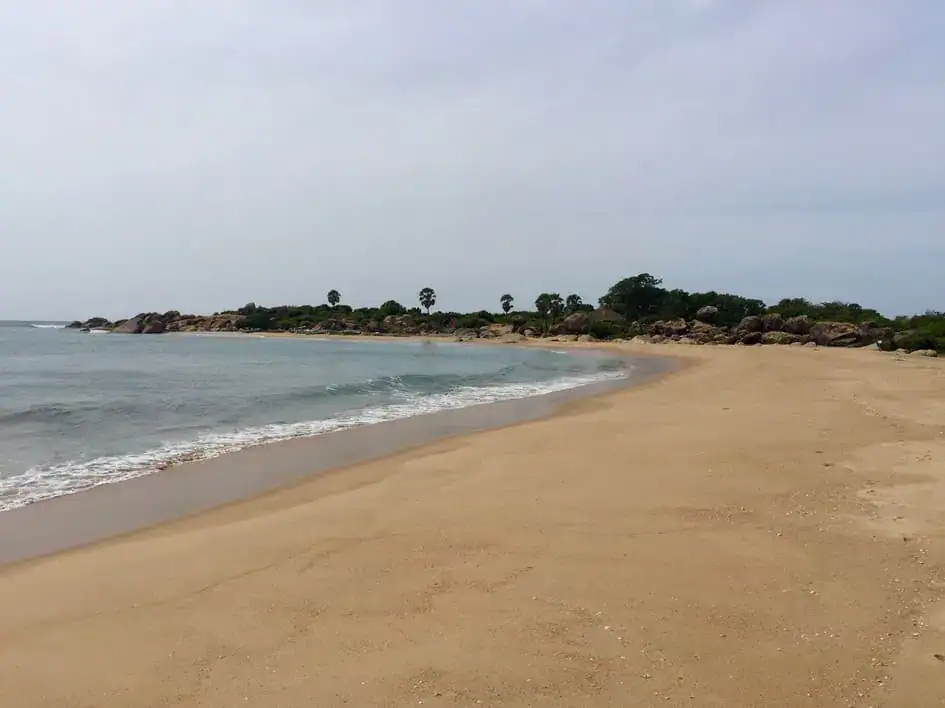
Whiskey Point – Arugam Bay (Photo: Kalana Jayatilake, CC BY-SA 4.0)
Transport, Getting Around, and Parking
Several transport options help travellers reach Arugam Bay.
Private car or taxi
This option offers the easiest travel from Colombo or Ella.
Public bus
Buses connect Pottuvil with several cities across Sri Lanka.
Train
The closest railway stations lie in Batticaloa or Ella. From these stations, travellers continue by road.
Once in Arugam Bay, most places remain within walking distance. The village runs along one main road beside the beach.
Tuk-tuks provide quick transport to nearby surf breaks or lagoons.
Parking areas appear near many guesthouses and restaurants. Traffic remains light compared with larger tourist towns.
To get an idea of transport options in Sri Lanka, we recommend reading our transport guide.
Beach Layout and Conditions
Arugam Bay forms a wide sandy beach that curves around a natural point. Coconut trees grow behind the shoreline. The beach slopes gently into the ocean.
The main surf break sits near the southern headland. Waves roll along the point and travel across the bay.
Water temperatures remain warm year-round. Most surfers wear light surfwear rather than wetsuits.
Early morning conditions often remain calm and glassy. Winds usually increase after midday.
Nature, Flora, and Fauna
Nature surrounds Arugam Bay in many directions. Wetlands and lagoons create habitats for wildlife.
Mangrove forests grow along the edges of the lagoon. These areas support fish, crabs, birds, and reptiles.
Bird watchers often visit early in the morning. Species such as kingfishers, herons, and eagles appear near the lagoons.
Elephants move through nearby forests and grasslands. Some travellers encounter elephants along rural roads at sunset.
Monkeys, water buffalo, and reptiles also appear in the region.
These natural landscapes add depth to the experience beyond the beach itself.
If you are interested in nature, we recommend reading the essential guide on nature and wildlife in Sri Lanka.
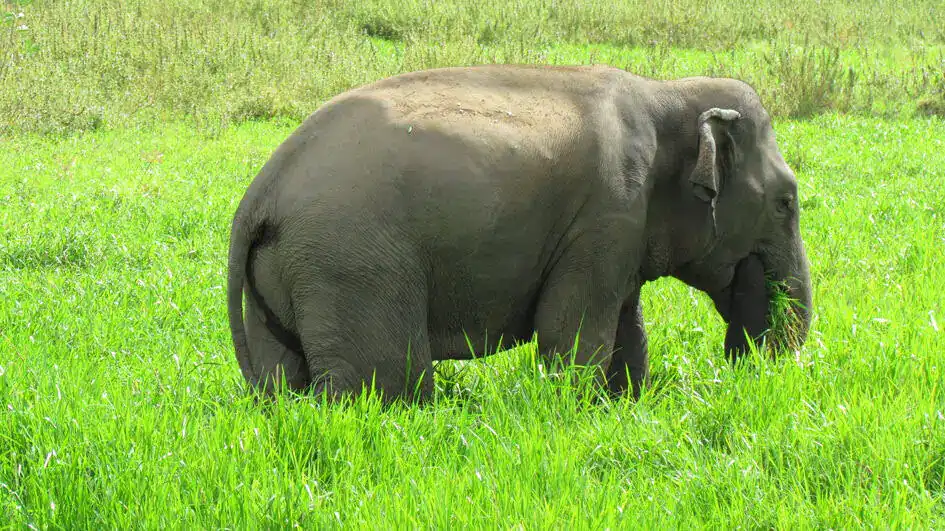
A Wild Elephant near Arugam Bay (Photo: Nalaka Priyantha)
Things to Do, Popular Activities, Experiences, and Events in Arugam Bay
Surfing in Sri Lanka forms the main attraction here. Surfers gather along the coastline during the East Coast season.
Popular surf breaks include:
- Main Point
- Whiskey Point
- Peanut Farm
- Elephant Rock
Each break offers slightly different wave conditions.
Other popular activities include:
- Lagoon boat safaris
- Bird watching trips
- Yoga sessions near the beach
- Fishing village visits
- Sunrise beach walks
Many travellers also enjoy slow days beside the ocean. Reading, swimming, and watching surfers fill much of the daily rhythm.
Surf competitions sometimes take place during peak season. These events attract international surfers and spectators.
Nearby Key Attractions That Pair with Arugam Bay

A Golden Jackal in Kumana National Park (Photo: Nalaka Priyantha)
Several nearby destinations complement a visit to Arugam Bay.
Kumana National Park lies about one hour south of the bay. The park forms part of the Yala ecosystem and supports elephants, crocodiles, and birdlife.
Muhudu Maha Viharaya is located near the coast, south of Pottuvil. This ancient Buddhist temple sits beside the sea.
Panama village offers access to lagoons and coastal forests.
Elephant Rock offers a short hiking trail and one of the best sunrise viewpoints in the region.
These places create opportunities for short day trips beyond the beach.
Culture and Local Life
Arugam Bay reflects the culture of Sri Lanka’s East Coast. Fishing communities live beside the ocean. Small boats leave the shore before sunrise.
Local markets sell vegetables, fruit, and seafood. Many restaurants serve rice and curry dishes prepared with fresh ingredients.
Several religious traditions shape the region. Mosques, temples, and churches appear across nearby villages.
Visitors who spend time in the town begin to notice the daily rhythm. Early mornings feel quiet. Afternoons bring surfers returning from the ocean. Evenings bring travellers gathering in beach cafés.
The atmosphere stays relaxed and welcoming.
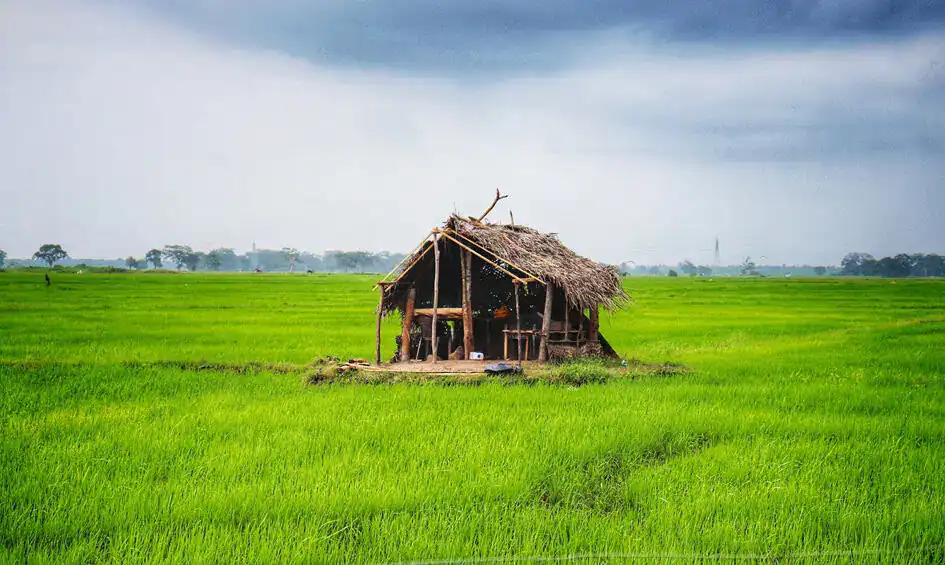
Paddy Fields in Pottuvil (Photo: Milhan Meerasahib, CC BY-SA 4.0)
Where to Stay and Dining
Arugam Bay offers many places to stay for travellers of different styles and budgets.
Guesthouses
Many family-run guesthouses provide comfortable rooms near the beach.
Surf camps
Surf camps combine accommodation, surf lessons, and equipment rental.
Boutique hotels
Some hotels offer garden settings and larger rooms.
Dining remains simple and enjoyable.
Restaurants serve seafood, rice and curry, noodles, grilled fish, and tropical fruit juices. Beach cafés often host evening dinners beside the ocean.
Fresh fish arrives daily from local fishing boats. Many restaurants grill seafood in the evening.
What to Bring and Packing List
Packing simple items makes your stay in Arugam Bay more comfortable.
Useful items include:
- Light clothing
- Swimwear
- Reef-safe sunscreen
- Hat or sun protection
- Reusable water bottle
- Light rain jacket during the shoulder months
- Sandals or beach shoes
Most surf equipment remains available for rent locally. Travellers often rent boards from surf shops along the beach road.
Simple and Easy Plans That Work
A balanced visit to Arugam Bay often follows a relaxed schedule.
- Day 1: Arrive and explore the beach village.
- Day 2: Surf or take a lesson in the morning. Visit Elephant Rock for sunset.
- Day 3: Take a lagoon safari or wildlife trip to Kumana National Park.
- Day 4: Relax on the beach and explore nearby surf breaks.
This pace allows time for both activity and rest.
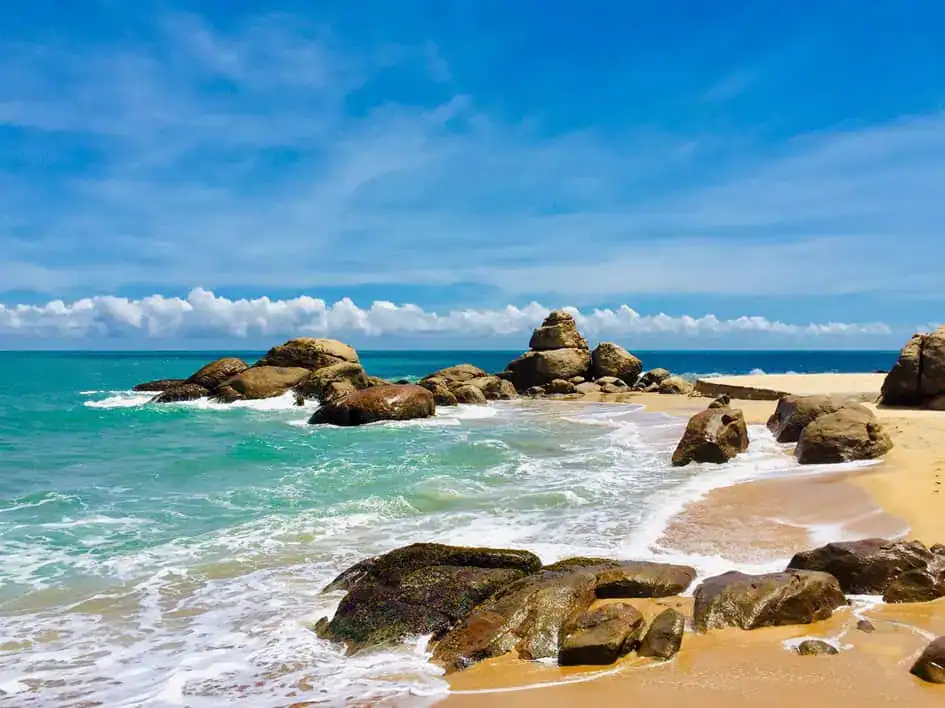
Kottukkal Rock at the Pottuvil Point (Photo: Milhan Meerasahib, CC BY-SA 4.0)
Do Not Miss in Arugam Bay
Several experiences define a visit to Arugam Bay. Missing these moments means missing the true spirit of the coast.
Sunrise at the beach
The beach feels calm at sunrise. Fishermen launch their boats. Surfers paddle out to catch early waves. Soft light spreads across the water.
Surf sessions at Main Point
The famous Point Break attracts surfers from around the world. Watching surfers ride long waves along the shoreline becomes one of the most memorable scenes in Arugam Bay.
Elephant Rock viewpoint
A short walk leads to a rock formation south of the bay. From the top, you see the coastline stretching across the ocean. Early morning offers the best view.
Lagoon safari near Pottuvil
Local guides take visitors through mangrove lagoons. Birdlife fills the wetlands, and elephants sometimes appear near the water.
Evening beach cafés
As the sun sets, travellers gather at beach cafés. Music, seafood dinners, and ocean views create a relaxed evening atmosphere.
Dos and Don’ts
Respect for local culture and nature helps keep Arugam Bay welcoming and sustainable.
Dos
- Respect local customs in nearby villages.
- Dress modestly away from the beach.
- Support local guesthouses and restaurants.
- Follow surf etiquette at crowded surf breaks.
- Carry reusable water bottles.
Don’ts
- Do not leave plastic waste on beaches.
- Do not approach or feed wildlife.
- Do not damage coral or marine habitats.
- Do not disturb fishing boats or nets.
Responsible behaviour protects the natural environment and local community.
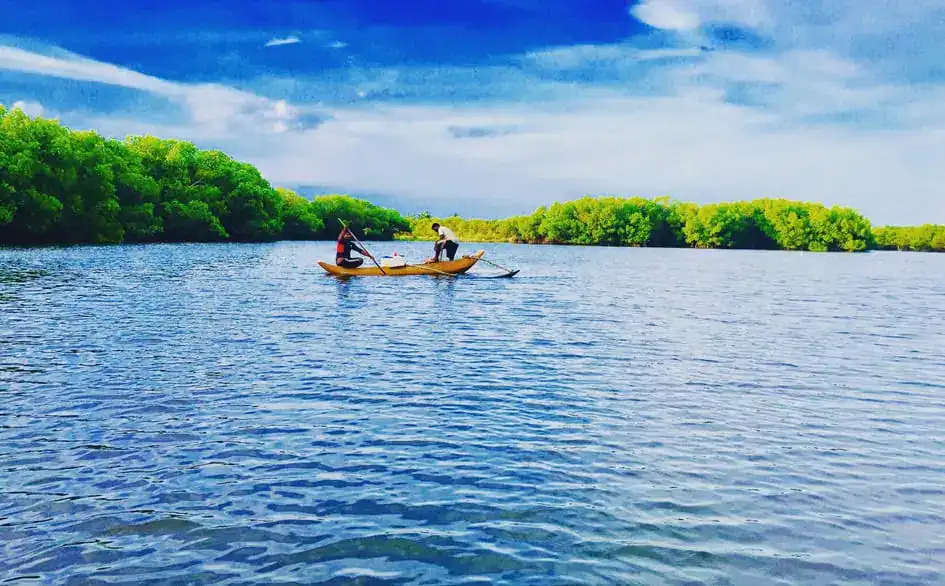
Fishermen in Urani Lagoon – Pottuvil (Photo: Milhan Meerasahib, CC BY-SA 4.0)
Special Tips for Visiting Arugam Bay
A few practical tips improve your experience.
Start activities early. Morning hours bring calm ocean conditions and cooler weather.
Book accommodation in advance during peak season. July and August attract the most visitors.
Carry cash. Small businesses and cafés sometimes accept only cash payments.
Drink enough water. Tropical heat increases dehydration during surf sessions.
Talk with local surfers. They often know the safest entry points and best wave conditions.
Photography Tips
Arugam Bay offers excellent opportunities for travel photography.
Sunrise produces soft light across the beach. Surfers enter the water, and fishing boats move along the horizon.
The main surf point provides action photography. Long waves allow photographers to capture surfers riding along the shoreline.
Lagoon areas offer wildlife photography. Birds gather along mangroves and shallow water channels.
Elephant Rock creates strong landscape images. The coastline curves around the bay, and waves roll towards the shore.
Protect camera equipment from sand and saltwater spray. A waterproof bag helps keep gear safe near the ocean.
Money, Services, and Connectivity
Arugam Bay remains a small coastal town. Services exist but remain simple.
ATMs appear in nearby Pottuvil. Many restaurants and guesthouses accept card payments during peak season.
Mobile networks provide good signal strength across most parts of the town. Internet access appears in cafés and guesthouses.
Small supermarkets and local shops sell snacks, drinks, and travel essentials.
Laundry services are available at many guesthouses and hostels.
Visitors who stay longer often use these services during extended surf trips.

Ancient Ruins in Muhudu Maha Viharaya – Pottuvil (Photo: L Manju, CC BY-SA 4.0)
Fitness, Wellness, and Leisure
Many travellers visit Arugam Bay to relax and maintain an active lifestyle.
Yoga studios operate near the beach. Morning yoga sessions attract surfers and travellers preparing for the day.
Beach walks provide a gentle way to stay active. Long stretches of sand allow quiet walks beside the ocean.
Surfing remains the main physical activity. Paddling and wave riding provide strong full-body exercise.
Some guesthouses offer wellness retreats that include yoga classes, meditation, and healthy meals.
The peaceful setting helps many visitors slow their pace and focus on rest and wellbeing.
Health, Safety, and Comfort
Most visits to Arugam Bay remain safe and comfortable with basic precautions.
Use sunscreen during long hours in the sun.
Drink bottled or filtered water.
Respect ocean conditions. Waves sometimes feel stronger during peak surf periods.
Follow instructions from surf instructors and local guides.
Smaller hospitals and medical clinics operate in nearby towns. Larger hospitals exist in Ampara and Batticaloa.
Mosquito repellent helps reduce insect bites near lagoon areas.
These simple precautions help visitors stay comfortable.
Responsible and Sustainable Travelling
Tourism growth brings both opportunity and responsibility.
Travellers help protect Arugam Bay by choosing sustainable travel habits.
Use reusable water bottles and bags.
Avoid single-use plastic items.
Respect wildlife and natural habitats.
Choose guesthouses that support local employment.
Support small restaurants and markets in the village.
Sustainable travel protects the beaches, lagoons, and wildlife that make the region special.

Sunrise in Arugam Bay (Photo: Sylvester S., CC BY 2.0)
Shopping, Souvenirs, Evenings, and Nightlife
Arugam Bay offers simple shopping experiences rather than large commercial centres.
Small shops sell handmade jewellery, surf clothing, beachwear, and local crafts.
Surf shops provide boards, equipment, and accessories for visitors.
Evenings in Arugam Bay remain relaxed rather than loud. Many travellers gather at beach restaurants for dinner.
Music sometimes plays at surf cafés and beach bars. Travellers share stories from the day as they watch the ocean under the night sky.
The atmosphere stays social yet calm compared with larger party destinations.
Why Arugam Bay Matters for Surfing in Sri Lanka
Arugam Bay plays an important role in the story of surfing in Sri Lanka. The bay offers one of the most reliable point breaks in the region. Surfers return year after year because waves remain consistent during the East Coast season.
The town also shows how surf culture blends with local life. Surf schools train beginners while experienced surfers chase long rides along the point. Local fishermen continue their daily routines beside visiting travellers.
This combination of surf culture, village life, and natural landscapes makes Arugam Bay unique along the Sri Lankan coastline.
Summary: Why Arugam Bay Deserves a Place on Your Travel Route
Arugam Bay offers more than a beach destination. The bay combines nature, surf culture, wildlife, and a relaxed coastal rhythm. Warm water and steady waves attract surfers from many countries. Lagoons and national parks add wildlife experiences to the journey.
Travellers find accommodation for every budget and activities for every travel style. Surf lessons, wildlife safaris, yoga sessions, and beach walks create a balanced travel experience.
Arugam Bay remains one of the most important spots for surfing in Sri Lanka. At the same time, the area rewards visitors who enjoy quiet landscapes, simple coastal living, and time beside the ocean.
For many travellers, a visit to Arugam Bay becomes one of the most memorable parts of their journey across Sri Lanka.
Arugam Bay Map
Sources and References:
- Sri Lanka Tourism Development Authority (SLTDA)
- Sri Lanka Tourism
- Department of Wildlife Conservation, Sri Lanka
- International Surfing Association (ISA)
Featured image: Arugam Bay beach on the east coast of Sri Lanka (Photo: Dennis Sylvester Hurd, CC0 1.0)

I am a Sri Lankan medical doctor who spends my free time travelling, exploring new destinations, and documenting the beauty of the island I call home. I have journeyed across almost every corner of Sri Lanka with my wife and daughter — from wildlife parks and misty mountains to ancient cities, deep forests, rugged landscapes, and quiet beaches.
Travel is not just a hobby for me — it’s a way of life. I love nature, enjoy road trips, and find joy in wildlife photography. I also read widely about tourism, travel trends, and destination culture. Through my writing, I aim to help travellers experience Sri Lanka through real stories, meaningful insights, and honest recommendations — the same way I explore it with my own family.