

Ratnapura greets you with river light, market chatter, and the quiet focus of people who know stones. Traders spread parcels on tables. Miners step out of pits with muddy hands and sharp smiles. You walk a main street lined with gem cutters, old public buildings, and snack shops where tea arrives hot. It is one of the most distinctive Cities in Sri Lanka. The town moves to a rhythm set by the gem trade, the monsoon, and the pilgrimage season for Adam’s Peak. You come for stories and for sightlines across paddy and river bends. You stay for museum rooms, low hills, and the chance to watch uncut gemstones change hands before they reach the world. Many write it as Ratnapura, yet the pulse feels the same. Blue and pink sapphires and rubies pass through here each week, and the market still runs on trust and careful eyes.
Why Ratnapura Is Worth Your Time
Ratnapura is situated approximately 100 kilometres southeast of Colombo. The drive takes three to four hours, depending on traffic and weather. You pass rubber estates and roadside towns, then reach a basin framed by low hills. The city grew around the Kalu Ganga and the older river diggings along its banks. Traders from the low country and the hill country meet here. The place feels practical, direct, and busy. You come to see how stones move from gravel to parcel to polished gem. You can also visit waterfalls in the foothills, forest reserves, old mansions, and shrines that come alive during the Perahera season. The best time for clear days runs from January to March and again from July to September. The Southwest Monsoon brings heavier rain between May and June and again in October. Travel still works then, yet the rivers rise fast. Plan early starts and short afternoon sessions.
To determine the best time to visit Ratnapura, it is advisable to read the Weather in Sri Lanka and the best time to visit the country.
The Current Weather and the Weather Forecast for Ratnapura
How to Get There and Get Around
Express buses run from Colombo’s Bastian Mawatha and Maharagama to Ratnapura. Trains do not serve the town directly, so buses and private cars are the primary means of transportation. Drivers from Colombo are familiar with the route through Avissawella. If you arrive at Bandaranaike International Airport, plan a road transfer that bypasses Avissawella and connects to the A4. Once you arrive, use tuk-tuks for short hops. Hire a car with a driver for waterfall loops or for Adam’s Peak trailheads. Many attractions lie between three and thirty kilometres from the clock tower. Good shoes, a cap, and a refill bottle make days easier. Mobile coverage is decent in town and patchy in forested valleys.
Plan your visits to mines, waterfalls, and Adam’s Peak by using Transport in Sri Lanka. This guide will help you choose the best way to get to Ratnapura and navigate your travel around the area.
First Steps in the City Core
Start at the roundabout where the Clock Tower faces the main junction. The tower marks the civic centre and helps you orient between the market streets, the police station, and the river road. From here, you can walk to the Public Library Building, the old Police Station Building, and the small Dutch Fortress site that anchors the older administrative quarter. These structures set the context for the gem market that still defines Ratnapura. They also frame morning light for clean photos before the day warms up. Pause for tea and a short eat, then cross the river or ride to Kajugaswaththa Temple for a quiet moment before your museum loop.
The Name Behind the Stones
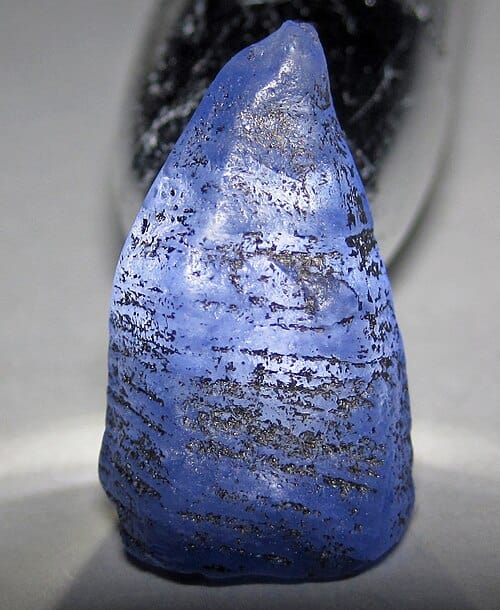
Blue sapphire from Ratnapura (Photo: James St. John)
Ratnapura translates to “City of Gems,” and the work stays visible in the lanes and along the river. You will hear the clink of sieves and the low talk of traders under shade cloth. The focus is on high-value corundum. It includes sapphires and rubies in many different colours. You also meet spinel, chrysoberyl, garnet, zircon, tourmaline, and aquamarine. Dealers show uncut gemstones during morning trading, then walk parcels to cutters. Certification and receipts are crucial at every step. You can watch without buying, and you still learn a lot. The lesson comes fast. Stones are geology, tradition, and trust at the same table.
Where to Sleep and What to Eat
Most visitors choose small hotels and guesthouses within a two-kilometre radius of the roundabout. Look for simple rooms with air conditioning and fans. Breakfast features local flavours. Hoppers, coconut sambol, and sweet tea set the tone. Lunch typically includes rice and curry, with options such as fish, chicken, or vegetables. Dinner might be kottu on a noisy board or grilled freshwater fish by the river. If you prefer less heat, ask for a mild version. Bring cash for small eateries and tea shops. Card payments are accepted at larger outlets and museum shops.
The Core Attractions in Ratnapura
Clock Tower
At the centre of Ratnapura Town stands the clock tower. It was built to honour the servicemen from Ratnapura District who lost their lives during World War I. It serves as your reference point for walks to the gem market, the library, and the river roads. Most travellers photograph it early, then use it to find their way back after a museum loop. You reach it on foot from nearby hotels or in a short tuk-tuk ride. The tower itself speaks to the town’s civic past and its orderly centre.
Public Library Building
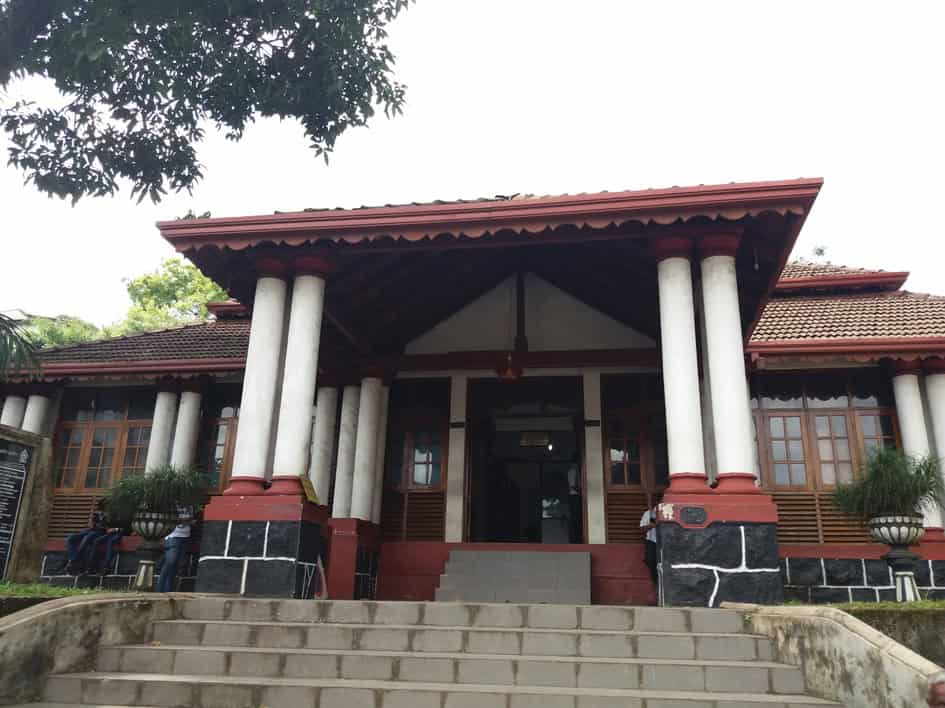
Ratnapura Public Library at the Dutch Fort Premises (Photo: L Manju)
The Public Library Building lies a few minutes from the roundabout. The façade recalls a period (under British rule in 1857) when books and town halls formed a civic thread across the island. Step inside if open hours match your walk. Librarians keep the space calm. You visit for a snapshot of local life and for a quick cool break on hot afternoons.
Dutch Fortress
The Dutch Fortress site anchors the older administrative quarter near the river. The footprint is modest today, yet the position makes sense. Control the river crossing and you shape the gem trade. You come for a photo and a short read of plaques, then you move on to the market streets.
Ratnapura Gem Market
The gem market spreads along streets near the river. Arrive early. Traders lay parcels of rough on cloth and call buyers by name. If you want to observe, stand to one side and keep your hands away from parcels. If you plan to buy, engage a licensed broker or a trusted shop that offers lab reports. The market sits within a kilometre of the Clock Tower, so you walk or ride a tuk-tuk. This stop is the heart of Ratnapura.
Police Station Building
The old Police Station Building (under British rule in 1864) sits near the civic core. It carries the solid lines of administrative work in a frontier trade town. You pass it during a walking loop that ties together the library, the clock tower, and the market streets. It adds to the sense of a working city that has maintained order through vibrant trade.
S. T. Carthigasen Tower
This tower stands in memory of S. T. Carthigasen, District Engineer, who, in the flood of 1913 near the tower area, gave up his life in rescuing others. Drivers will point it out as you pass. Use it as a reference when you head to the museum district or the river. It sits within a short ride of the roundabout and helps you stitch together the town grid.
Kajugaswaththa Temple
Kajugaswaththa Temple is a Buddhist temple with a large Buddha statue in Ratnapura. It sits on a mountain, offering a panoramic view of the town. It lies within a short tuk-tuk ride from the centre. The grounds give space and calm under trees. Locals visit in the morning and at dusk for puja and quiet. You dress modestly, remove shoes, and move with care. It balances the bustle of the gem market.
Pompakele Forest Reserve
Pompakele sits inside the town limits and offers walking paths beneath tall trees. Birds call through the canopy, and the air cools a few degrees. Visit in the morning or late afternoon and bring insect repellent. The reserve sits two to three kilometres from the centre, so a quick tuk-tuk gets you there. You come for the green shade after hours on hot streets.
Gemological Museum
The Gemological Museum is situated near the market streets. Displays explain formation, local geology, mining tools, and the step from rough to cut. If you want to learn fast without sales pressure, start here. Guides talk through each case in clear terms. A visit lasts 45 to 60 minutes and prepares you to read the market more effectively.
National Museum Ratnapura, Old Ehelepola Walauwa
The National Museum is housed in the Old Ehelepola Walauwa, a historic noble house. Rooms hold artefacts from prehistory to the colonial period, along with gem lore and local crafts. The setting helps you envision how the town evolved from a river landing to a regional capital. The museum is a short ride from the centre. Allow one to two hours and then walk the garden.
Sabaragamuwa Saman Devalaya and Perahera
The Saman Devalaya honours the guardian deity of Sabaragamuwa Province. An ancient devalaya stood on the site before the Portuguese occupation. King Keerthi Sri Rajasinghe built the current temple after he destroyed the Portuguese Fort that was there. The devalaya grounds draw steady local devotion through the year. During perahera season (in August and September annually), the precinct fills with light, drums, and processions. Check dates with your hotel or with the devalaya office and arrive early on event nights. Dress modestly and keep to the edges during processions.
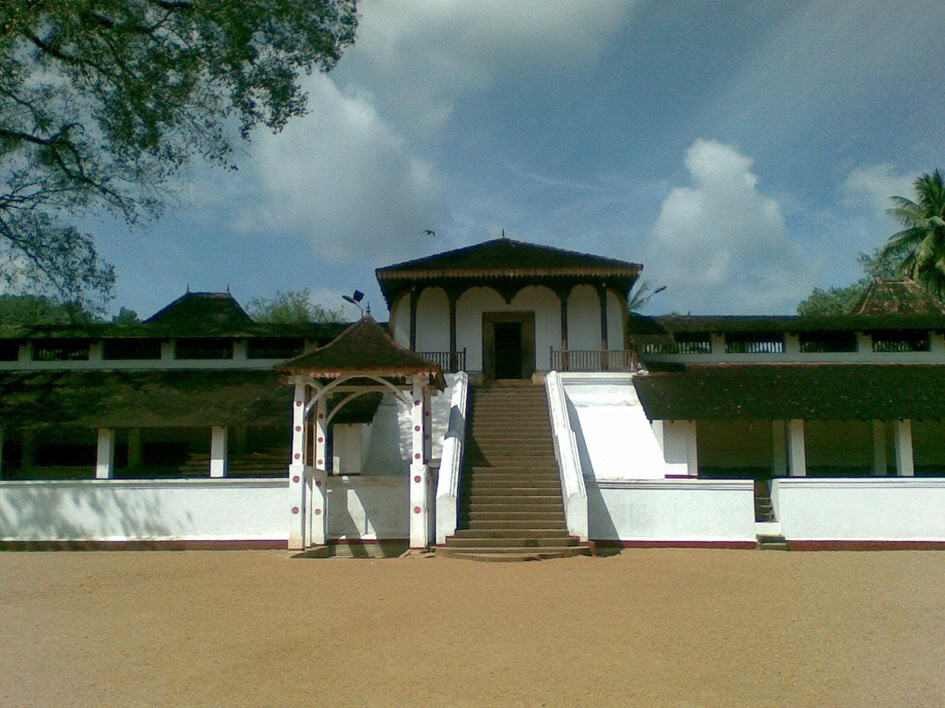
Sabaragamuwa Saman Devalaya (Photo: Amila Tennakoon)
Nearby Attractions for Day Loops
Bopath Ella Falls
Bopath Ella Falls, at 30 meters, lies approximately 15 kilometres from Ratnapura, near Kuruwita. You reach it by road in 30 to 45 minutes. The triangular fall drops into a pool framed by rock and forest. Visit in the morning for fewer crowds and better footing. Do not swim after heavy rain.
Katugas Ella Falls
Katugas Ella Falls, at 6 meters, is situated closer to Kospelavinna, approximately 15 minutes by car from Ratnapura. The double drop flows best after rain. Trails can become slick, so wear sturdy shoes. The stop fits well with Bopath Ella on a half-day loop.
Pothgul Raja Maha Viharaya
Pothgul Rajamaha Viharaya is a beautiful cave temple featuring Buddha statues and fine murals, situated on a hill 7 km from the city centre. You reach it by road in 15 to 30 minutes. It is thought to have been built by King Vatta Gamini Abhaya, also known as King Walagamba (89-77 BC), in the 1st century. King Kirthi Sri Rajasinghe (1747-1781) of the Kandy period later renovated it. Pothgul Viharaya contains two temples that represent these two different periods.
Delgamuwa Raja Maha Viharaya
Delgamuwa lies west of Kuruwita, about an hour from Ratnapura. The temple is renowned in tradition for safeguarding the Sacred Tooth Relic in a grinding stone during times of turmoil. The story connects the town to islandwide faith. Visit in the morning and combine with a Kuruwita snack stop.
Kukuluwa Raja Maha Viharaya
Kukuluwa Rajamaha Viharaya is an ancient cave temple with Buddha statues and fine murals situated in the village of Pimbura, in the Ratanpura District. It rewards a short visit with a guide who understands the murals.
Kirindi Ella Falls
Kirindi Ella Falls, at 116 meters, is located near Pelmadulla, approximately 25 kilometres from Ratnapura. A short walk reaches the viewpoint. The fall plunges into a deep basin, its spray shifting in the light. Start early and watch footing on wet steps.
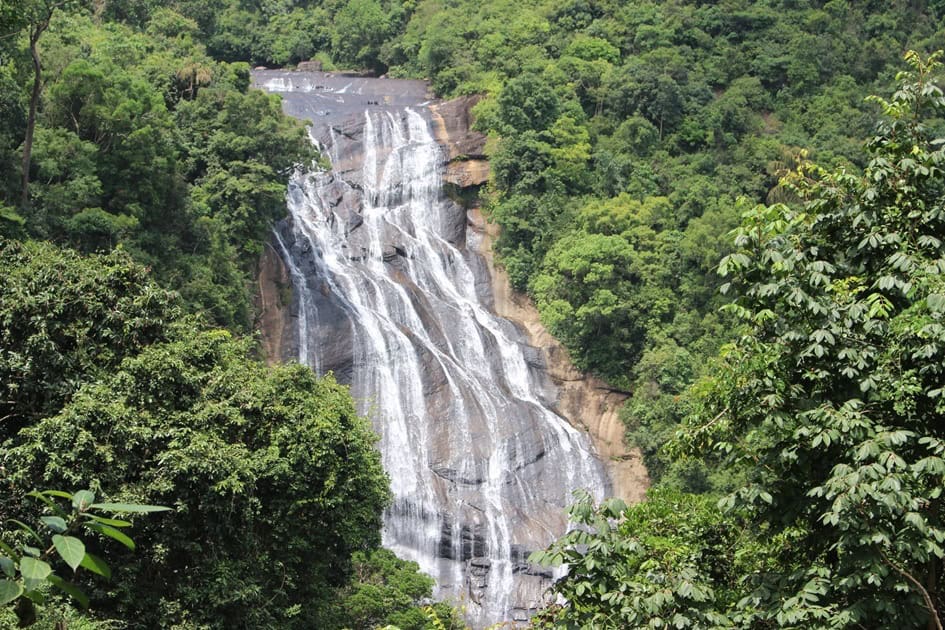
Kirindi Ella Falls (Photo: WMKKalhara)
Duwili Ella Falls and Limestone Pool, Hunugal Pokuna
The height of the waterfalls is approximately 40 m. This pair sits deeper in the district with a drive on more minor roads. The limestone pool holds clear water when the flow stays calm. Visit with a local driver and respect the village land. The trip fills a day when you want green shade and cool water.
Batadombalena
Batadombalena cave lies northwest of the city near Kuruwita. The site links to prehistoric settlements and stone tools. The walk climbs through the forest to an overhang that frames views across the plain. Bring water and shoes with grip. This stop suits travellers who like archaeology and quiet paths.
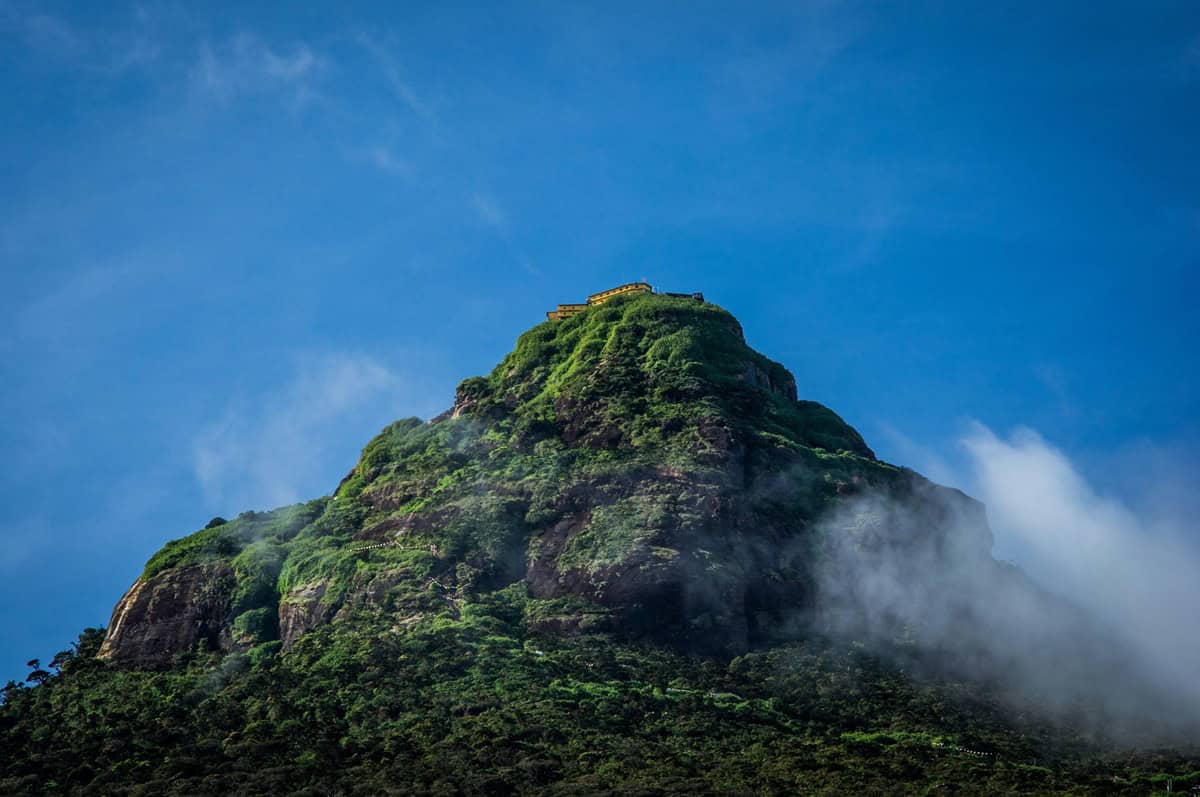
Ratnapura anchors two approaches to Adam’s Peak. The Ratnapura road links to the traditional longer route that starts near Palabaddala, a small village, situated 22 km from the city centre. The Kuruwita-Erathna Road offers an alternative approach from the other side. The main Nallathanniya route from Hatton remains busier, while the Ratnapura side feels more historic. Climb at night in season (December to May) to reach the summit at dawn. Dress in layers, carry a headlamp, and plan transport back to town.
Sinharaja Forest Reserve
Sinharaja is accessible via Kalawana on the northern flank of the reserve. The drive takes two to three hours, then you walk with a licensed tracker. Mixed bird flocks and tall trees set the mood. Leech socks help in wet months. Start at first light and keep voices low.
Trail: AllTrails Map – Sinharaja Rainforest Trail (7.2 km)
Udawalawe lies to the Southeast. The drive from Ratnapura takes around two and a half hours through open farm country. The park features large elephant herds and open grasslands, which enhance sightings. Book a morning or afternoon safari and pair it with an overnight stay near the gate for a relaxing experience.
Sri Sankapala Raja Maha Viharaya
This temple lies on a rock outcrop to the south. Caves and steps lead to shrines and views. The site pairs well with a Udawalawe loop or with Maduwanwela Walawwa.
Maduwanwela Walawwa
Maduwanwela is an old manor house with courtyards and timber. Guides explain how life worked in a rural seat of power. The route clips through villages and paddy. Arrive before noon for cooler air.
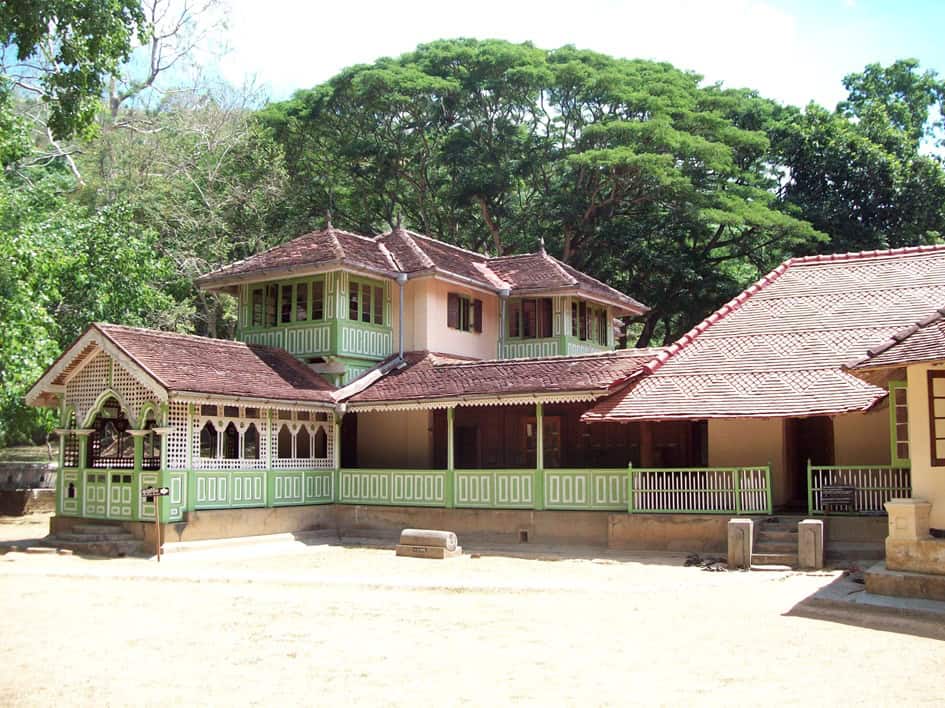
Maduwanwela Walawwa (Photo: Pol van den Scheetek)
Wawulpane Limestone Cave
The cave lies deeper in the district, with a drive on lesser roads. You visit with a guide and carry headlamps. Bats roost inside. Footing turns slick. Plan a patient walk and respect the site.
Trail: AllTrails – Wawulpane Caves (5.1 km)
Nedun Raja Maha Viharaya
Nedun Raja Maha Viharaya is an ancient temple located in the Kiriella area of the Ratnapura district in Sri Lanka. It is famous for containing the longest pair of elephant tusks in Asia and has a history that goes back to the reign of King Rajasinghe I of Sitawaka. The temple is situated in a beautiful setting, surrounded by paddy fields and mountains.
Activities and Experiences You Should Try
Traditional Gem Pit and Gem Mining
Arrange a visit through your hotel or a licensed broker. You will watch crews raise gravel from pits, wash pans in a sluice, and sort for heavy stones. The method looks simple. The skill lies in reading colour, weight, and shape. Wear boots if offered. Do not step near pit edges. Always follow the crew’s lead.
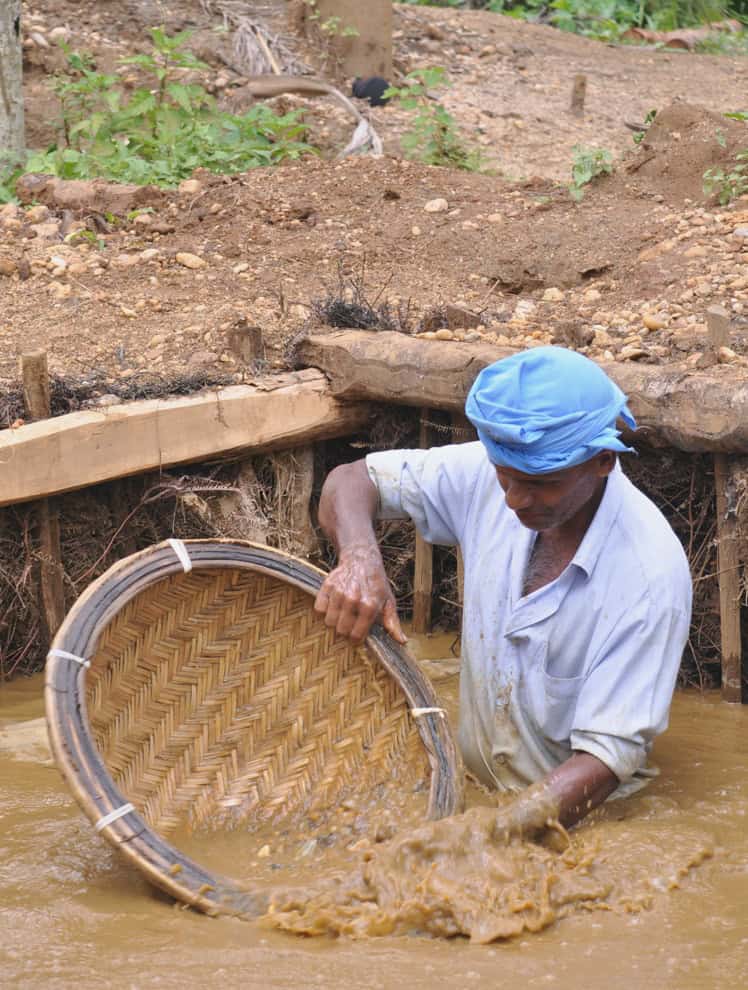
Gem mining in Ratnapura (Photo: Sri Lanka National Gem and Jewellery Authority)
Gem Mining in the River
Along quiet reaches of the Kalu Ganga, miners lift gravel from the riverbed when the water runs low. You will see bamboo frames, nets, and pans. A guide helps you approach with respect. Photos are fine when you ask. Do not disturb the work. Some crews sell small pebbles as souvenirs. If you buy, do it after the shift and request a receipt.
What to Bring for City Days
Carry a light scarf to cover your shoulders at the temples. Pack a hat, sunglasses, and sunscreen for midday heat. Keep small bills for tuk-tuks, shoe racks, and snack stalls. A tote helps with shoes and market buys. A notebook or phone list keeps track of addresses, names, and prices. Closed shoes are essential for visits to pits and forest paths.
Buying Stones With Care
If you plan to buy, pick one or two trusted shops. Request a lab report from a recognised laboratory for any stone of value. Read the report with the seller and confirm the weight and dimensions. Pay by a method that provides a receipt. The safest souvenir from Ratnapura is a small, well-cut stone with a clear report, or a photo of uncut gemstones on a trader’s cloth with his permission.
Dos and Don’ts That Keep Your Days Smooth
Start early to avoid the heat and rain in the afternoon. Dress modestly at religious sites. Do drink water often. Do ask before taking photos in markets and at pits. Do pay parking and camera fees where marked. Do not step on wet rocks at waterfalls. Do not swim in unknown pools after rain. Do not handle gem parcels without permission. Do not litter. Do not play music on speakers at quiet sites.
Simple Planning Tips
Set one anchor each day. A museum loop in the morning. A waterfall after lunch. A temple visit at dusk. Keep driving legs under ninety minutes whenever possible. Check the weather each morning. Rivers rise fast. Book a driver for Adam’s Peak approaches and for Sinharaja routes. Hold one flex day for rain or for a second look at the gem market.
Responsible Travel in a Working Town
Ratnapura is not a theme park. People work to tight margins and schedules. You support them by paying fair entry fees, hiring licensed guides, and tipping when someone takes the time to explain a process. Carry litter back to your hotel or to a proper bin. Keep voices low at shrines and homes. Respect private land, even when a path looks inviting. Leave sites better than you found them.
Ratnapura and Its Place Among Cities in Sri Lanka
Many lists focus on Colombo, Kandy, Galle City, Nuwara Eliya, and Ella. Ratnapura runs in a different lane. It adds the gem story and the working town mood to your route. The best pairing is a loop that joins Ratnapura with Sinharaja and one South Coast base. Another good option runs from Colombo to Ratnapura, then to Udawalawe, and on to the coast. If you want Adam’s Peak from the older side, use the Ratnapura and Kuruwita-Erathna approaches and book a room in town before or after your climb.
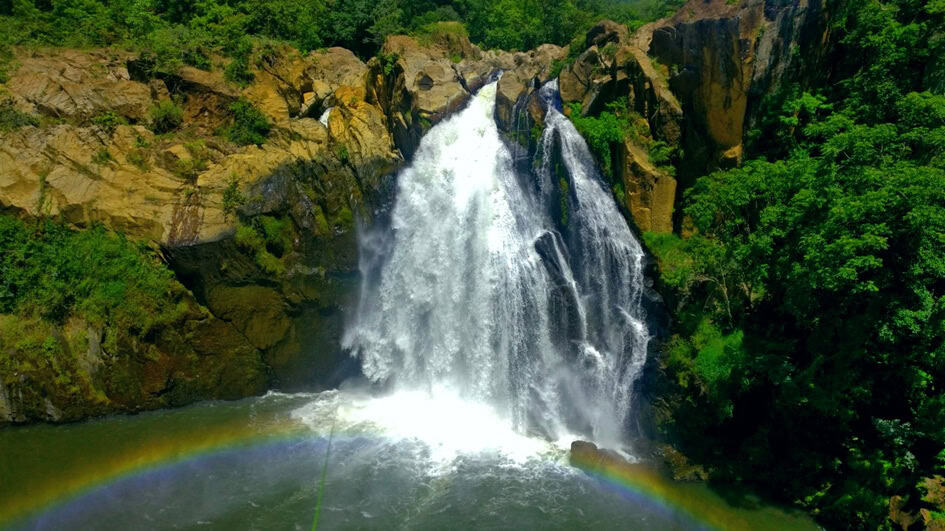
Duwili Ella Falls (Photo: nalingayashan)
A Sample Two-Day Plan
Day one begins at the Clock Tower, followed by the Gemological Museum and the National Museum at Old Ehelepola Walauwa. Lunch sits near the river. The afternoon is spent at Pompakele Forest Reserve. Dusk finds you at Kajugaswaththa Temple. Day two begins at the Ratnapura Gem Market. Hire a driver for Bopath Ella and Katugas Ella. On the way back, stop at Pothgul Raja Maha Viharaya. If the weather holds, add Kirindi Ella the next morning before you roll toward Sinharaja or Udawalawe.
Safety and Practical Notes
Pharmacies line the main roads. The general hospital is situated within a short distance of the centre. When rain starts, watch the river and head for higher ground if levels rise. During the Perahera season, the streets near the Saman Devalaya close. Ask your hotel for the best access routes on event nights.
See the water level and the status of the Kalu Ganga River (Flood Early Warning System).
Why Ratnapura Stays With You
The town gives you faces and names to match famous stones. You see uncut gemstones arrive in cloth bundles. You hear traders debate tone, clarity, and weight. You learn why sapphires and rubies from this region carry strong reputations. You step away from the tables to walk through old halls and tree shade. You drive to a fall where spray catches early light. You end the day with sweet tea and a plate of short eats, then plan the next morning with a map and a pencil.
Ratnapura, a Clear Finish
Ratnapura rewards slow steps and open eyes. It sits a little off the classic loop, yet it adds depth to any plan. The city demonstrates how global trade still relies on river gravel, hard work, and trusted hands. The museums and the devalaya add history and faith to the picture. Nearby hills bring water and shade. Pick a base near the roundabout, plan short days, and leave space for a second pass through the gem stalls. Ratnapura earns its place among Cities in Sri Lanka because it holds a living story. It maintains the connection between Earth and the market on the same street. If you want a route with character, come here with time to watch and learn. Then take the road to Sinharaja or to the South Coast with a clearer sense of what this island can offer.
Map of the Places in Ratnapura
Other cities in Sri Lanka worth visiting:
Featured Image: Adam’s Peak (Photo: Vlada)
I am a Sri Lankan medical doctor who spends my free time travelling, exploring new destinations, and documenting the beauty of the island I call home. I have journeyed across almost every corner of Sri Lanka with my wife and daughter — from wildlife parks and misty mountains to ancient cities, deep forests, rugged landscapes, and quiet beaches.
Travel is not just a hobby for me — it’s a way of life. I love nature, enjoy road trips, and find joy in wildlife photography. I also read widely about tourism, travel trends, and destination culture. Through my writing, I aim to help travellers experience Sri Lanka through real stories, meaningful insights, and honest recommendations — the same way I explore it with my own family.