
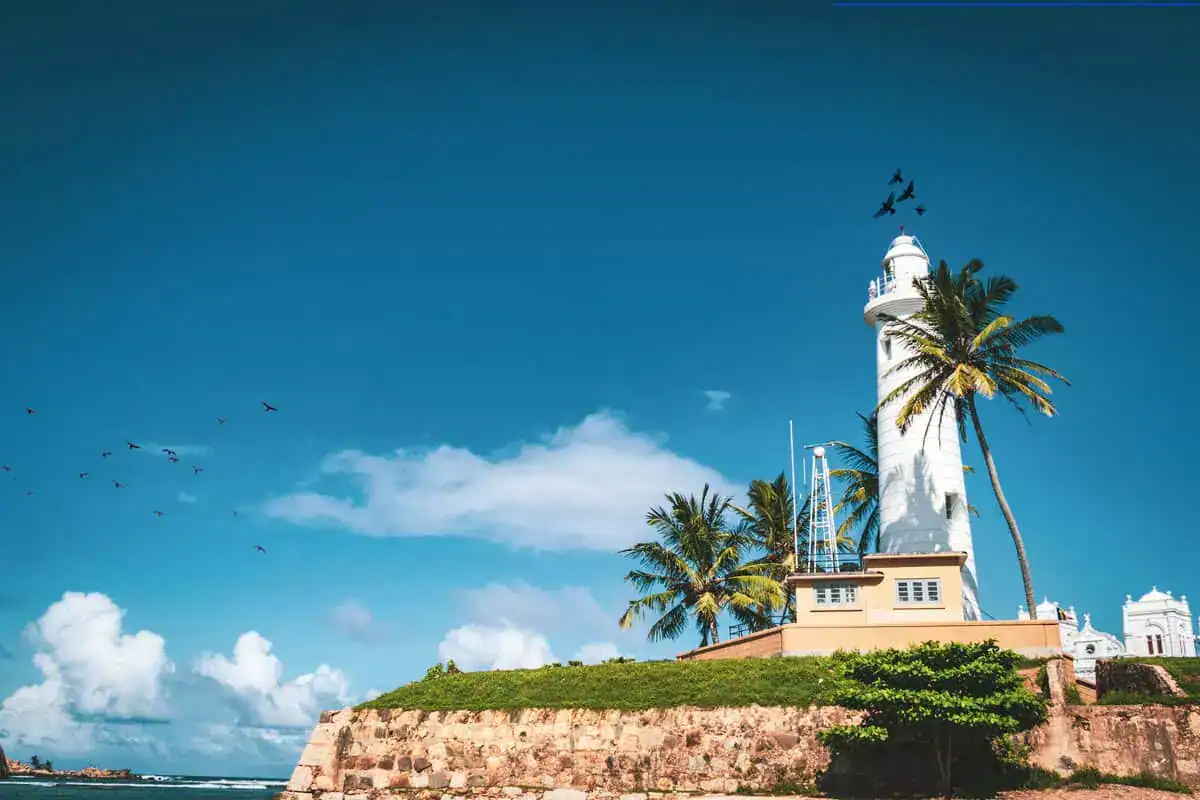

Galle City Where Time and Tide Meet
Galle, nestled on Sri Lanka’s Southern Coast, is a city where history echoes through coral walls and the sea whispers against stone ramparts. It’s a place that seamlessly blends the ancient rhythm of the tropics with centuries of culture, making it feel both old and alive. Inside its walls, Galle Fort stands as a testament to a world shaped by explorers, traders, and dreamers. Beyond the Fort, Galle City buzzes with local life—markets, cricket games, and tuk-tuks weaving between coconut stalls, offering a perfect blend of history and modernity.
For many visitors, Galle is not just another stop along the Southern Coast. It’s a gateway to the island’s soul, a place where the charm of heritage meets the beauty of modern Sri Lanka. History buffs can explore the ancient Fort and churches, while leisure tourists can enjoy the scenic beaches and local markets. You can watch waves break over the fort walls in the morning, sip tea on a colonial veranda by noon, and dine under lanterns beside the sea at night.
If you are interested in Galle, you may also be interested in the other ancient cities and cultural heritage in Sri Lanka.
Where Galle Sits and How to Get There
Galle, located approximately 120 kilometres south of Colombo, is easily accessible by the Southern Expressway or the coastal railway line. The train journey from Colombo to Galle, known for its scenic beauty as it hugs the ocean for most of the way, takes around two and a half hours and costs a little more than a snack. For those who prefer speed, a car or express bus can make the trip in about ninety minutes, ensuring a smooth and convenient journey.
Once you arrive, everything is close. The Fort sits near the station, Galle City spreads out behind it, and the beaches and lakes begin just a few minutes away. Tuk-tuks are everywhere and remain the easiest way to move around. For day trips beyond, local taxis and hotel transfers are the best options. Don’t forget to indulge in the local cuisine, which includes diverse seafood dishes, spicy curries, and sweet treats like coconut pancakes.
Read Transport in Sri Lanka: The Best Guide. It will help you understand how to get there and get around Galle.
A Short History of Galle
The history of Galle dates back over 2,000 years. Traders from Greece, Arabia, and China once docked here for spices, ivory, and gemstones. The Portuguese arrived in 1505 and built the first Fort. The Dutch expanded it in 1640, giving it the form seen today. The British followed in 1796, turning Galle into a colonial port.
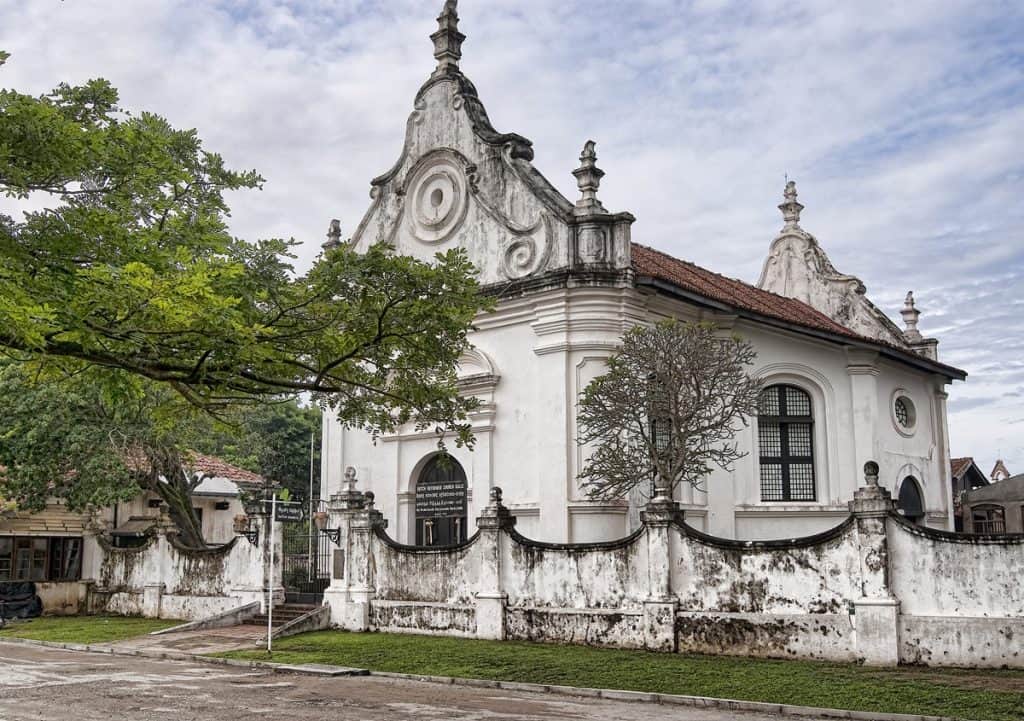
Dutch Reformed Church – Galle (Photo: Philip Nalangan)
Unlike many old ports that fell silent, Galle continued to evolve without losing its identity. Its old town became a living community rather than a museum. Streets such as Church, Pedlar, and Rampart still follow the same grid laid out in the 17th century. Dutch gables, British pillars, and tropical gardens sit side by side. The local community is vibrant, with families living in the same houses for generations, and small businesses thriving in the historic buildings. Walking here feels like tracing time with your feet.
The Layout and First Impressions
Galle naturally divides into two distinct halves: Galle Fort and Galle City. Inside the Fort, the air feels still and golden. Cobbled lanes wind between coral walls, bougainvillaea spills from balconies, and the ocean glints through the gaps. Outside the ramparts, Galle City carries the pulse of modern Sri Lanka. It’s busier, louder, and full of energy. The transition between the two is only a few steps, yet the mood changes completely. One side whispers history, the other hums with life. That contrast gives Galle its unique charm and makes wandering between the two endlessly rewarding.
The Best Time to Visit Galle
The dry season from December to April is the best time to visit. The sky stays clear, the sea calm, and the evenings warm but breezy. These months are perfect for walking tours, photography, and beach days at nearby Unawatuna or Dalawella.
From May to September, the Southwest Monsoon brings rain, which arrives in short, refreshing showers. Travellers who come then find fewer crowds, lower hotel rates, and a more reflective mood inside the Fort’s cafes. The air smells of wet earth and salt, and the streets seem quieter.
It is advisable to read and understand the weather patterns in Sri Lanka and the best time to visit before planning your tour in Galle.
Current Weather & Weather Forecast in Galle
Inside the Fort Walls
Step through the old gate, and you enter a world that feels separate from the rest of Sri Lanka. Galle Fort is a living UNESCO World Heritage site, still home to families who have lived here for generations. Every lane has something to see, from historic churches to pastel-coloured houses.
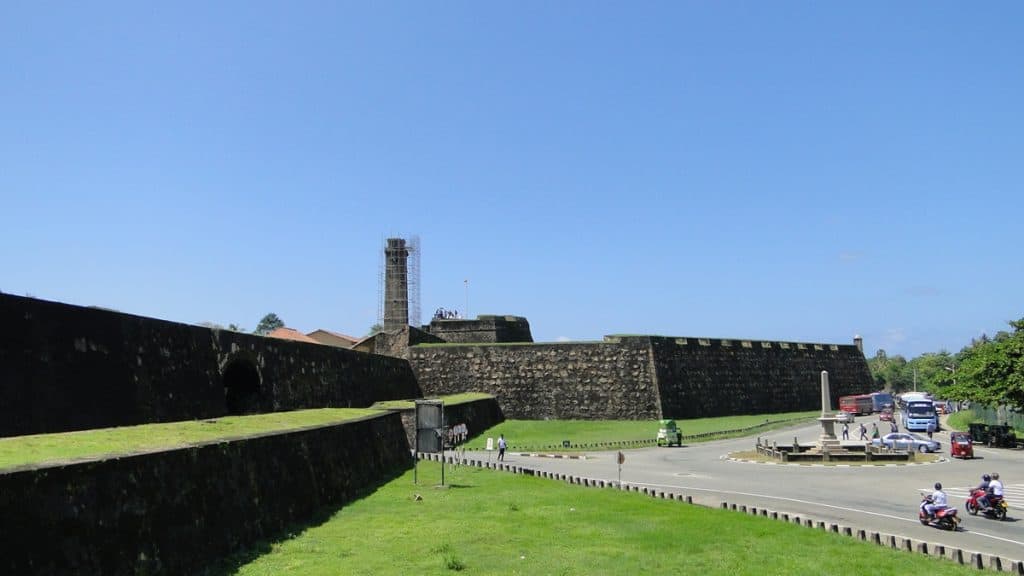
Galle Fort Ramparts (Photo: Ankur Panchbudhe)
The Fort Lighthouse
The Fort Lighthouse stands near the southern ramparts, bright white against the deep blue sea. It remains one of the most photographed spots in Galle, a poignant reminder of the city’s rich maritime heritage. Built in the 1930s, it marks the edge of the Fort and offers a sweeping view of the ocean and nearby bastions.
Flag Rock Bastion
A few steps from the Lighthouse lies Flag Rock Bastion, where people gather each evening to watch the sunset. Locals lean against the walls while travellers set up cameras, waiting for the light to shift. It’s the best place in Galle to feel the sea wind and end the day quietly.
Dutch Reformed Church and All Saints’ Anglican Church
These two churches are located within a short walking distance of each other. The Dutch Reformed Church, dating to 1755, has cool stone floors and Dutch family tombs carved into the floor. All Saints’ Anglican Church, built later by the British, features arched windows and dark timber pews that create a warm, hushed atmosphere.
Meera Mosque
Close to the sea, the Meera Mosque’s white domes shimmer in sunlight. It is one of the oldest mosques in southern Sri Lanka, reflecting the long history of Muslim traders in the Galle area. Visitors are welcome outside of prayer times and are asked to dress modestly.
Temples and Cathedrals
The Sri Sudharmalaya Buddhist Temple adds colour and calm to the Fort, its small stupa tucked among trees. St. Mary’s Cathedral, outside the ramparts, shows the city’s Catholic influence. Both are peaceful places for a quiet moment.
Museums and Mansions
For museum lovers, Galle Fort offers several small but meaningful stops. The Maritime Archaeology Museum displays artefacts from shipwrecks found off the coast. The Galle National Museum focuses on local crafts, masks, and tools that show daily life in the South. The privately owned Historic Mansion Museum feels like walking through an old collector’s home, full of treasures and tales.
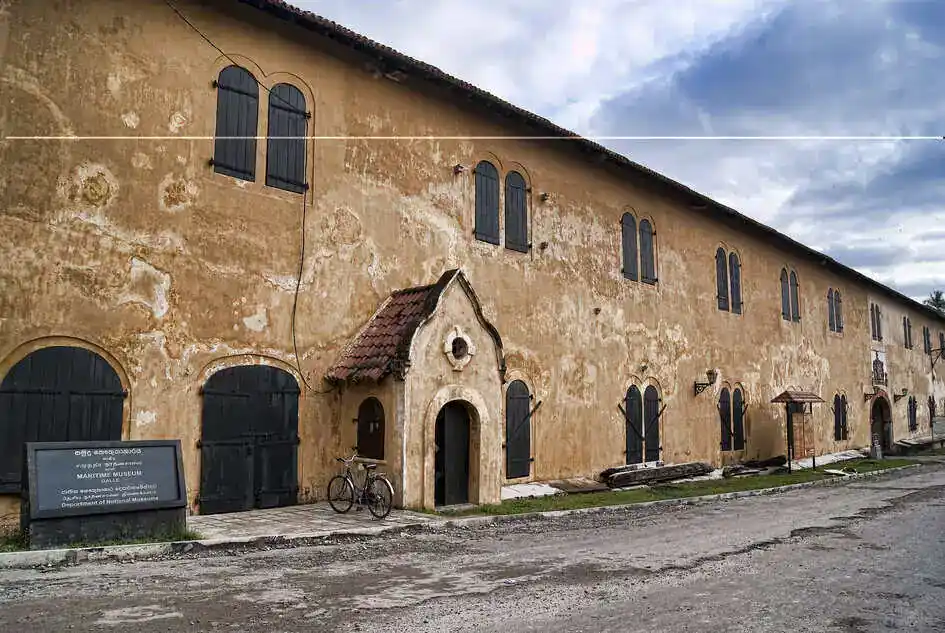
Maritime Archaeology Museum – Galle (Photo: Philip Nalangan)
Amangalla Hotel
Amangalla, once the residence of the Dutch governor, stands as a living piece of history. The building’s high ceilings, antique furniture, and slow rhythm preserve the feeling of old Ceylon. Even if you don’t stay here, afternoon tea in the veranda lounge is an experience worth your time.
Between these landmarks, life moves at a slow pace. You hear footsteps on stone, bicycle bells, and the sound of schoolchildren passing by. The air carries the scent of cinnamon and the sea.
Life Beyond the Walls
Beyond Galle Fort, the coast unfolds into some of Sri Lanka’s most popular beaches.
Unawatuna Beach
Unawatuna is the area’s most famous beach. Its sheltered bay, soft sand, and warm water make it ideal for swimming year-round. The beachfront cafes and small hotels give it a relaxed but lively atmosphere.
Jungle Beach and the Japanese Peace Pagoda
Hidden beneath the forested slopes of Rumassala Hill, Jungle Beach is a smaller and quieter option. A short walk through the trees brings you to calm, turquoise water, perfect for snorkelling. At the summit of Rumassala, the Japanese Peace Pagoda overlooks Galle Bay, a serene white dome constructed for meditation and peace.
Dalawella and Wijaya Beaches
Further along the coast, Dalawella and Wijaya Beaches offer shallow lagoons and coral reefs. Turtles often swim close to the shore, and small cafes serve grilled fish, coconut juice, and fresh fruit. The water is calm enough for families, and sunsets here feel endless.
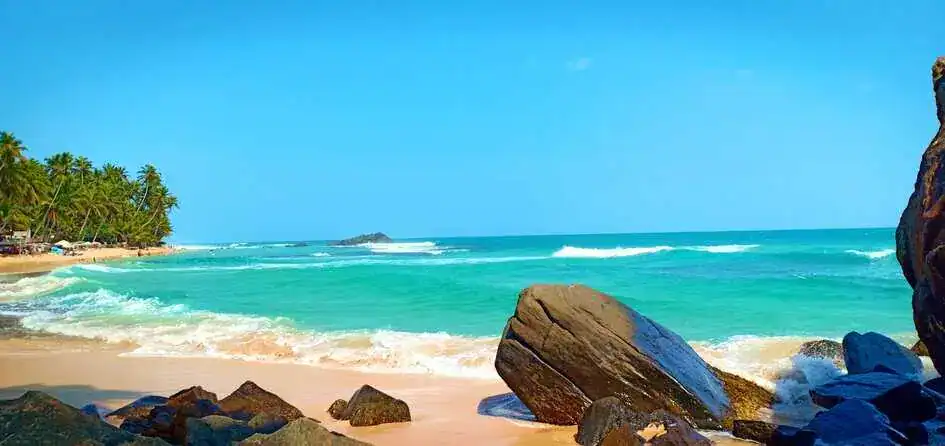
Dalawella Beach, Galle (Photo: Umeshani Wickramanayake)
Stilt Fishermen Near Koggala
Stilt fishermen near Koggala are one of Sri Lanka’s most unique sights. At dawn and dusk, fishermen balance on narrow wooden poles planted in the shallow sea. They cast lines with quiet patience. This centuries-old practice, found only in Sri Lanka, began as a smart way to fish without disturbing the water. Today, it still represents coastal life and tradition. Watching them against the backdrop of the setting sun feels timeless. It offers a glimpse into a rhythm that continues despite the passing years.
Koggala Lake
Inland from the beaches, Koggala Lake stretches through mangroves and cinnamon groves. Boat rides take visitors past tiny islands where villagers peel cinnamon bark and dry it in the sun. The stillness of the lake offers a moment of respite from the coastal energy.
Martin Wickramasinghe Folk Museum
Located near Koggala Lake, this museum celebrates the life and work of one of Sri Lanka’s most renowned writers. The exhibits show village tools, crafts, and costumes that capture the spirit of traditional southern life.
Yatagala Raja Maha Viharaya
A few kilometres inland, Yatagala Temple hides among paddy fields. The rock caves and reclining Buddha statues make it one of the oldest and most tranquil sites near Galle.
Kanneliya Rainforest
For those seeking nature, the Kanneliya Rainforest lies less than two hours away. It offers shaded trails, waterfalls, and a cool escape from the coast’s warmth.
What to Do and Experience
Galle invites slow exploration, but it offers more than wandering.
Guided Walking Tours
Walking tours through the Fort reveal stories behind the coral walls and gates. Local guides share legends and family histories that you won’t find in guidebooks.
Sunset on the Ramparts
Each evening, locals and visitors head to the ramparts to watch the sun dip into the Indian Ocean. Families walk, couples sit quietly, and photographers wait for the perfect moment.
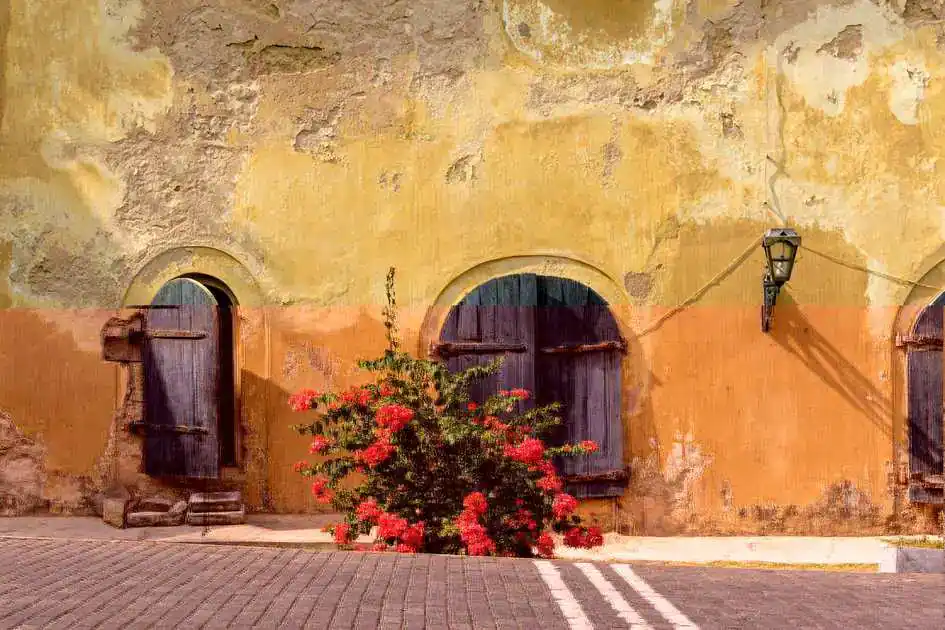
Old but beautiful (Photo: Hector John Periquin)
Cooking Classes and Food Experiences
Cooking classes are a favourite among visitors who want to connect with local culture. Hosts teach you how to make rice and curry, hoppers, and sambol using spices from the local market.
Fish Market Visits
Early risers visit Galle’s fish market near the harbour to watch fishermen bring in their catch. It’s busy, noisy, and full of life—a glimpse of the city’s working side.
Water Activities and Adventure
For water lovers, there’s paddleboarding, kayaking, and diving in nearby bays. Dewata Beach is ideal for learning to surf, while Unawatuna offers snorkelling and swimming opportunities.
Cycling Through the Countryside
Cycling tours wind through rice fields and backroads lined with temples and palms. They show a quieter Sri Lanka, where farmers still work the fields by hand.
Whale Watching from Mirissa
Mirissa, less than an hour away, is the starting point for whale-watching trips. Between December and April, boats depart to see blue whales and dolphins, offering one of the region’s most memorable wildlife experiences.
Culture, Festivals, and Events
Galle’s cultural calendar brings the city to life.
Galle Literary Festival
Every January, the Galle Literary Festival transforms the Fort into a meeting place for writers and readers. Talks, readings, and music spill from cafes and courtyards, creating a lively mix of culture and conversation.
Cricket at Galle International Stadium
Few sporting venues in the world can match the beauty of Galle International Stadium. The backdrop of the sea and the Fort walls makes every match feel special. When Sri Lanka plays here, the whole city hums with pride.
Buddhist and Christian Celebrations
Throughout the year, Galle reflects its religious harmony. Vesak in May fills temples with glowing lanterns, while Christmas brings carols and markets inside the Fort. Both festivals draw people together in a shared sense of community and joy.
Where to Eat and Drink
Food in Galle reflects the island’s abundance. Inside the Fort, small restaurants and cafes line Pedlar Street, serving seafood curries, rice dishes, and tropical juices. Breakfast often means egg hoppers with dhal and sambol, eaten slowly with Ceylon tea.
For lunch, rice and curry remain a staple—served on banana leaves, fragrant with coconut and spice. Fine dining options are available in restored colonial buildings, where chefs blend Sri Lankan flavours with modern presentation. At sunset, rooftop bars and open-air terraces serve grilled fish, prawns, and cocktails as the sky fades.
Outside the walls, Unawatuna and Dalawella offer casual beachfront dining. Tables sit on the sand, candles flicker in the wind, and the sound of waves sets the pace. Every meal feels like a moment rather than an occasion.
Where to Stay
Galle offers three convenient bases for your stay. Opt for the heritage rooms and quiet lanes inside Galle Fort, with charming cafés steps away. Alternatively, consider the coastal strip north of the Fort for stunning ocean views and the convenience of larger hotels.
If you’re a beach lover, Unawatuna or Dalawella are perfect for your morning strolls and quick swims. Families will find ground-floor rooms near shaded gardens or a pool to be a relaxing choice.
Couples often prefer boutique stays inside the Fort for romantic sunset walks and dinner under lanterns. Solo travellers can enjoy the safety and leisurely evenings at small guesthouses near Church Street or Pedlar Street, with everything just a short walk away.
For area picks and hotels by your budget, read our ‘Where to Stay in Galle‘ guide and book the hotel that suits your trip.
Shopping and Souvenirs
Shopping in Galle feels personal. Pedlar Street is lined with small boutiques selling handwoven clothing, jewellery, and antiques. Many of these shops are locally owned and work with village artisans. The Dutch Hospital precinct offers modern design stores and fair-trade outlets.
For a taste of the island to take home, Galle City’s markets offer a variety of teas, cinnamon, and spices. Each scent carries a memory of the South. Buying directly from producers or cooperatives ensures your money supports local work and tradition.
Evenings and Nightlife
As daylight fades, Galle relaxes even more. The streets glow under soft lamps, and the sound of conversation replaces the daytime heat. Inside the Fort, small bars and cafes offer quiet drinks under the open sky. Some host live music or jazz nights, but most maintain a low-key and intimate atmosphere.
In Unawatuna, nightlife is slightly livelier, with beach parties on weekends and bonfires by the shore. Even there, the tone stays easygoing. Galle’s evenings are about calm pleasure, not noise or excess.
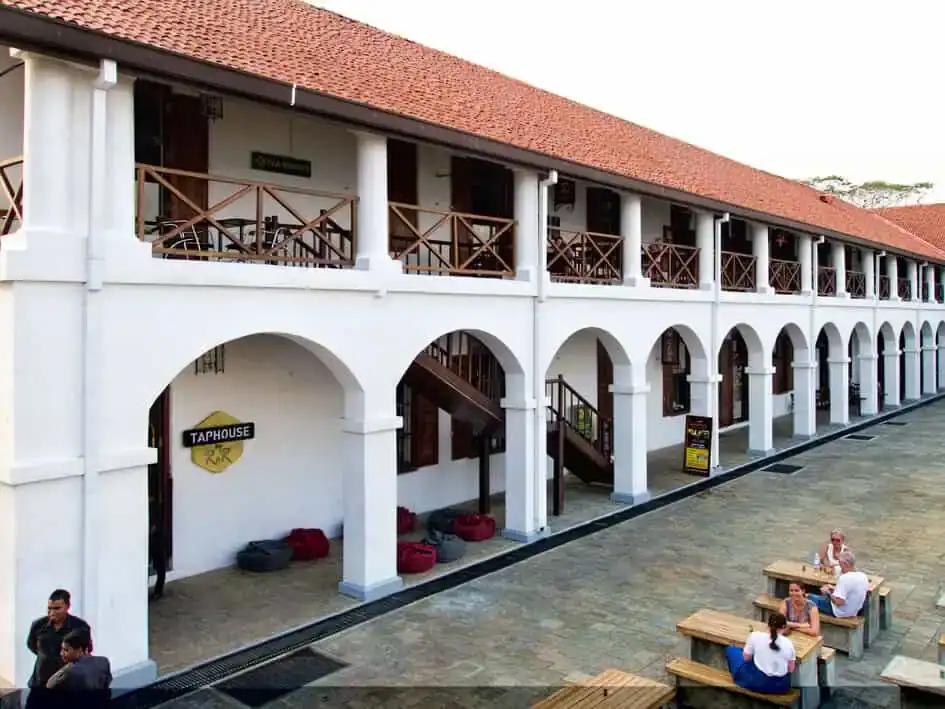
Old Dutch Hospital – Galle (Photo: Dan Lundberg)
Travelling Responsibly
Galle’s beauty depends on care. Travellers can help preserve it by respecting local customs and the community that lives inside the Fort. Dress modestly when visiting temples or churches, ask before photographing people, and avoid littering along the ramparts.
Use a refillable water bottle and top it up at your hotel or cafe instead of buying single-use plastic bottles. Support restaurants and guesthouses that promote recycling and waste reduction. Visit turtle hatcheries that operate ethically and prioritise genuine conservation efforts. The goal is to leave no trace, except for a lasting impression of goodwill.
Galle for Every Kind of Traveller
Families find Galle easy to love. The streets within the Fort are safe for children, and the nearby beaches are gentle and accessible. Many hotels offer family rooms and shaded gardens.
Couples find romance in the city’s rhythm—morning walks on the ramparts, candlelit dinners, and quiet verandas where time slows. For honeymoons or anniversaries, Galle offers intimacy without isolation.
Solo travellers rarely feel alone. The Fort’s cafes, workshops, and walking tours make it easy to meet others. Locals are friendly, and the city feels secure even at night. For those travelling alone, Galle offers both solitude and connection.
Health, Safety, and Comfort
Galle is one of Sri Lanka’s safest and cleanest cities. Carry mosquito repellent, sunscreen, and bottled or filtered water. Pharmacies and ATMs are easily accessible in Galle City, and nearby hospitals offer high-quality care. Most hotels and restaurants accept credit cards, while smaller shops usually prefer cash payments.
Traffic inside the Fort is minimal, and walking is the best way to explore. Always stay aware of the sea’s strength when swimming outside designated safe areas, as currents vary by season.
Practical Planning and Budget
Travelling through Galle suits any budget. Backpackers find comfort and community in affordable guesthouses, while luxury travellers enjoy high-end hotels and fine dining.
A single day lets you explore the Fort and its landmarks. Two days add Unawatuna and Dalawella. Three or four days let you include Koggala Lake, a cooking class, or a cycle tour inland. Whatever your pace, the city never rushes you.
A City of Balance
Galle represents Sri Lanka in balance—heritage, hospitality, and harmony between people and place. Its coral walls have seen centuries of change but still stand strong, watching the tides of time and tourism alike. Every visitor adds to its story in small ways: a shared smile, a conversation, a photograph.
When you leave, what stays with you is not a single sight but a feeling. It’s the mix of sea breeze, temple bells, and footsteps on stone. It’s the quiet pride of a city that has survived and adapted without losing its grace. Galle is both ancient and modern, a place that is at once peaceful and vibrant. It invites you to pause, to listen, and to remember that travel is not about passing through, but about belonging—if only for a while.
The Map of Galle
Featured image: Lighthouse – Galle (Photo: Samal Nadeeshan)

I am a Sri Lankan medical doctor who spends my free time travelling, exploring new destinations, and documenting the beauty of the island I call home. I have journeyed across almost every corner of Sri Lanka with my wife and daughter — from wildlife parks and misty mountains to ancient cities, deep forests, rugged landscapes, and quiet beaches.
Travel is not just a hobby for me — it’s a way of life. I love nature, enjoy road trips, and find joy in wildlife photography. I also read widely about tourism, travel trends, and destination culture. Through my writing, I aim to help travellers experience Sri Lanka through real stories, meaningful insights, and honest recommendations — the same way I explore it with my own family.