
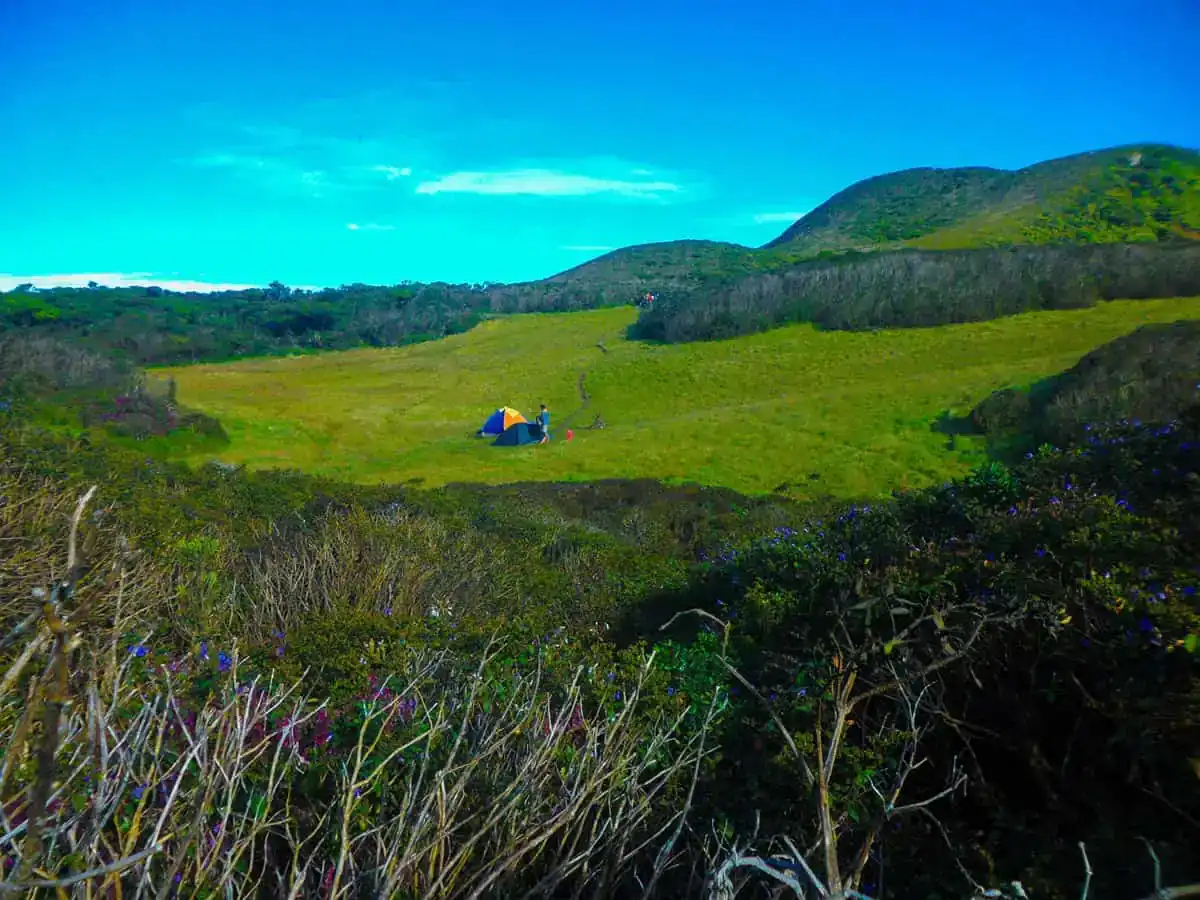

A New Chapter in Travel in Sri Lanka
The Pekoe Trail is changing how travellers see Sri Lanka. For decades, the island’s fame rested on golden beaches, sacred cities, and wildlife parks. Now, a new experience is taking shape in the misty heart of the Central Highlands. The Pekoe Trail, a 300-kilometre walking route that winds through tea plantations, forests, and mountain villages, offers a slower, deeper way to experience the country.
The trail brings together the best of trekking in Sri Lanka: stunning scenery, gentle climbs, fresh mountain air, and friendly communities. It connects Kandy, Hatton, Nuwara Eliya, and the hill country in one continuous path. For travellers searching for authentic things to do in Sri Lanka, this is one of the most rewarding experiences on the island.
Fast Facts
- Total Length: About 300 kilometres
- Number of Stages: 22
- Main Route: Kandy to Nuwara Eliya through Sri Lanka’s Central Highlands
- Elevation Range: 500–2,200 metres
- Best Time to Walk: December to April
- Difficulty: Easy to moderate
- Ideal For: Nature lovers, trekkers, photographers, and cultural travellers
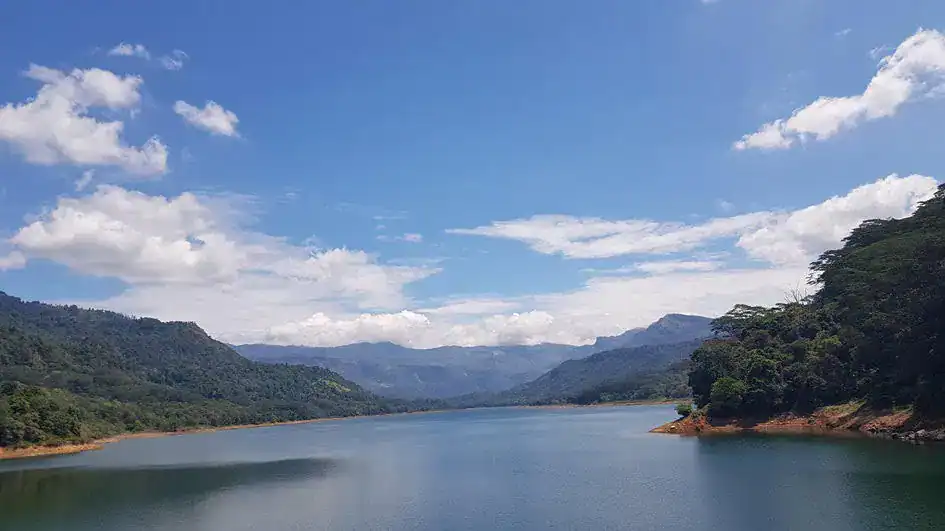
Pekoe Trail – Kotmale Dam View (Photo: M.G.K.T.Vishwajith)
The Story Behind the Pekoe Trail
The Pekoe Trail is a modern project built on old paths. Many of its routes date back to the British colonial era, when tea planters and workers carved small roads through the hills. The name “Pekoe” comes from the tea grading system: “Orange Pekoe” refers to the delicate young leaves that produce high-quality Ceylon Tea. The name honours Sri Lanka’s tea heritage and the people who have kept this tradition alive for over 150 years.
The idea for the trail was born through the vision of Miguel Cunat, a travel entrepreneur who saw the potential of Sri Lanka’s hill country as a world-class hiking destination. With support from the European Union and USAID, the trail was developed to promote sustainable tourism, empower local communities, and protect natural and cultural heritage. By walking the Pekoe Trail, you are not just exploring a beautiful landscape, but also contributing to environmental preservation and empowering local communities, making you a responsible, eco-conscious traveller.
According to the official Pekoe Trail website, the project aims to create one of Asia’s most sustainable trekking networks. It encourages travellers to walk responsibly, stay with local families, and experience the proper rhythm of highland life.
Global Recognition
Since its launch, the Pekoe Trail has received praise from major international publications. TIME magazine included it among the World’s Greatest Places 2025, describing it as one of the most exciting new travel experiences on Earth. National Geographic highlighted it as a reason Sri Lanka belongs among the world’s best hiking destinations. These recognitions from reputable sources assure you of the trail’s quality and its potential to offer a memorable and rewarding travel experience.
These recognitions have drawn attention from hikers across Europe, Australia, and North America. Yet, despite this growing fame, the trail still feels calm and uncrowded. It offers an experience that many well-known global trails have lost—the feeling of quiet discovery.
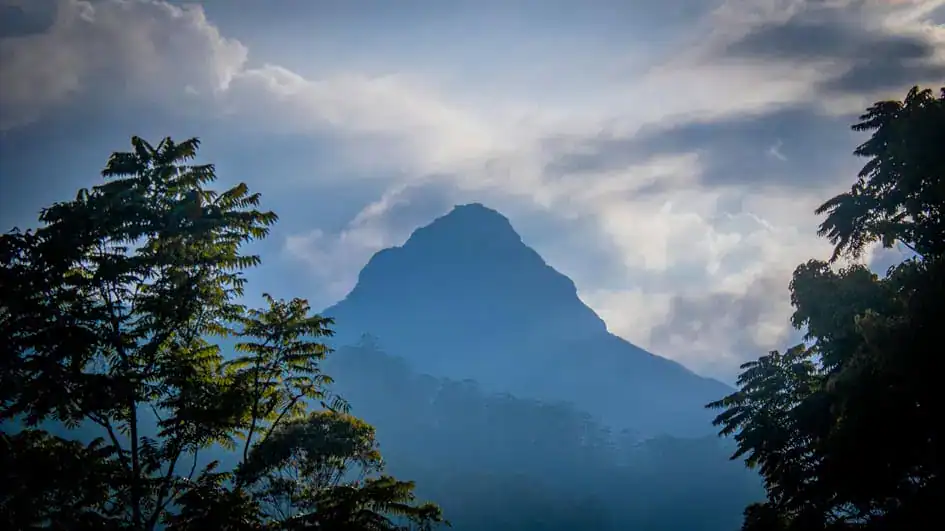
View of Adam’s Peak from Hatton (Photo: Dilen Arunodya)
Why the Pekoe Trail Stands Out
This trail is more than a scenic walk. It offers a journey through the island’s living culture. Along the path, you meet tea pluckers at work, farmers tending small gardens, and schoolchildren waving from the roadside. You pass shrines, colonial-era bridges, and misty waterfalls. These encounters provide a unique cultural immersion, enriching your travel experience and fostering a sense of connection with the local community.
Unlike many popular trekking routes, the Pekoe Trail does not isolate travellers from local life. Every day ends in a town or village where you can stay in a guesthouse or homestay, eat home-cooked food, and talk to people who live in these hills. That mix of nature and culture makes it one of the most meaningful places to see in Sri Lanka.
The Route: From Kandy to Nuwara Eliya
The Pekoe Trail begins in Kandy, Sri Lanka’s cultural capital. From there, it climbs gradually through forest paths, tea plantations, and mountain ridges towards Nuwara Eliya, often called “Little England” for its colonial charm.
The whole trail covers 22 stages, each between 8 and 18 kilometres long. Most travellers take about 20 days to complete it. You can also walk shorter sections as day hikes. The route passes through famous highland regions, including Galaha, Pussellawa, Kotmale, Hatton, Dickoya, and Horton Plains.
Each section brings its own views—rivers, waterfalls, ancient temples, and broad tea valleys that stretch to the horizon. The average elevation rises from around 500 metres near Kandy to over 2,000 metres near Horton Plains.
Stage Highlights
Stage 1–4: Kandy to Pussellawa
These opening stages move through forest reserves and quiet tea villages. You’ll see small Buddhist temples and panoramic views of Kandy Lake far below. Difficulty is low to moderate, making this part ideal for beginners.
Trails:
- AllTrails Map – The Pekoe Trail Stage 01: Hanthana To Galaha (13 km)
- AllTrails Map – The Pekoe Trail Stage 02: Galaha To Loolkandura (15.3 km)
- AllTrails Map – The Pekoe Trail Stage 03: Loolkandura To Tawalantenne (18.7 km)
- AllTrails Map – The Pekoe Trail Stage 04: Tawalantenne to Pundaluoya (14.2 km)
Stage 5–9: Pussellawa to Kotmale
The trail enters deeper hill country. Streams, waterfalls, and bridges appear along the path. Kotmale Reservoir comes into view—a vast lake surrounded by green slopes. These stages balance natural beauty with small community life.
Trails:
- AllTrails Map – The Pekoe Trail Stage 05: Pundaluoya To Watagoda (14.3 km)
- AllTrails Map – The Pekoe Trail Stage 06: Watagoda To Kotagala (15.6 km)
- AllTrails Map – The Pekoe Trail Stage 07: Kotagala To Norwood (By-Pass Hatton) (16.3 km)
- AllTrails Map – The Pekoe Trail Stage 08: Norwood to Bogawantalawa (15.4 km)
- AllTrails Map – The Pekoe Trail Stage 09: Bogawantalawa To Dayagama (16.9 km)
Stage 10–14: Kotmale to Hatton and Dickoya
Here, the scenery becomes more dramatic. The mountains grow taller and the valleys deeper. You walk past old colonial bungalows, expansive tea estates, and viewpoints overlooking Adam’s Peak. This section requires moderate fitness.
Trails:
- AllTrails Map – The Pekoe Trail Stage 10: Dayagama To Horton Plains (15.6 km)
- AllTrails Map – The Pekoe Trail Stage 11: Horton Plains To Udaweriya (13.2 km)
- AllTrails Map – The Pekoe Trail Stage 12: Udaweriya To Haputale (17.5 km)
- AllTrails Map – The Pekoe Trail Stage 13: Haputale To St. Catherine (13.7 km)
- AllTrails Map – The Pekoe Trail Stage 14: St. Catherine (Lipton Seat) To Makulella (9.5 km)
Stage 15–18: Hatton to Nuwara Eliya
The temperature drops as you climb higher. The path cuts through cloud forests and misty ridges. Villages grow smaller, and the scent of eucalyptus fills the air. The views of St. Clair’s and Devon Falls are unforgettable.
Trails:
- AllTrails Map – The Pekoe Trail Stage 15: Makulella To Ella (9.7 km)
- AllTrails Map – The Pekoe Trail Stage 16: Ella To Demodara (8.9 km)
- AllTrails Map – The Pekoe Trail Stage 17: Demodara To Hali-Ela (13.4 km)
- AllTrails Map – The Pekoe Trail Stage 18: Hali-Ela To Ettampitiya (13.5 km)
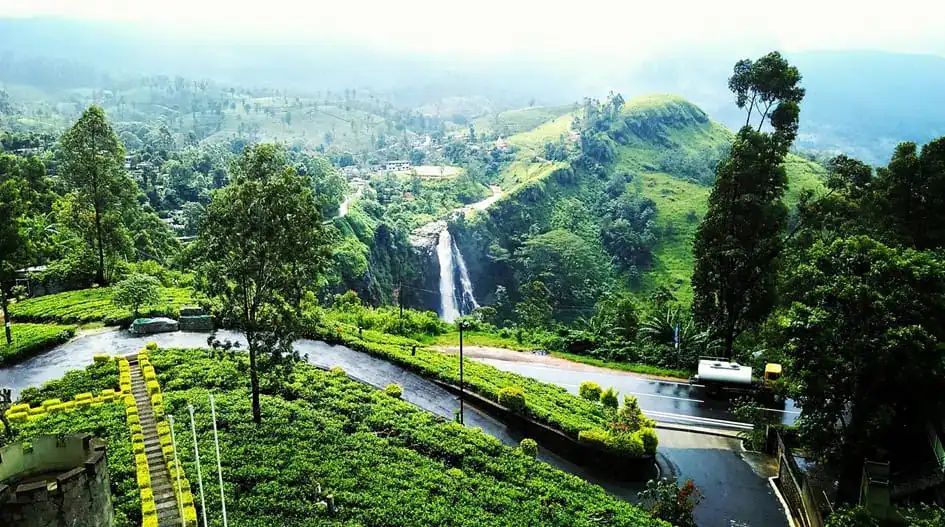
View of Devon Falls from the Mlesna Tea Castle (Photo: Kaushiru90)
Stage 19–22: Nuwara Eliya to Horton Plains and Ohiya
These are the highest and most challenging stages. Open plains replace dense forest. You reach the edge of the Horton Plains National Park, home to World’s End, where the plateau suddenly drops nearly a kilometre. These stages test endurance but reward with unmatched views of Sri Lanka’s heartland.
Trails:
- AllTrails Map – The Pekoe Trail Stage 19: Ettampitiya To Loonuwatte (19.5 km)
- AllTrails Map – The Pekoe Trail Stage 20: Loonuwatte To Uda Pussellawa (12.6 km)
- AllTrails Map – The Pekoe Trail Stage 21: Uda Pussellawa To Kandapola (17.2 km)
- AllTrails Map – The Pekoe Trail Stage 22: Kandapola to Pedro (10.9 km)
Have an idea about all stages of the scenic Pekoe Trail.
Best Time to Walk
The best time to hike the Pekoe Trail is from December to April, when the Central Highlands are dry and clear. Days are sunny, and nights are cool. May to July brings rain and mist, while August to October offers a second, shorter dry window. Early mornings are ideal for walking before clouds gather in the afternoon.
It is better to have an idea of Sri Lanka’s weather patterns and the best time to visit before planning the hike.
Difficulty and Duration
The trail is rated easy to moderate. Some sections have steep climbs, but most are manageable for anyone with average fitness. The whole route takes about 20 days at a relaxed pace, but shorter walks are also popular. You can complete individual stages as weekend hikes.
For Whom the Trail Is Best
The Pekoe Trail appeals to travellers who value authenticity over luxury. It’s for hikers, photographers, and anyone who loves nature. Families with teenagers, couples, and solo walkers will all find suitable routes. It’s also perfect for travellers seeking mindful, low-impact travel in Sri Lanka.
Accommodation and Facilities
Each stage ends near a village or town with accommodation options ranging from homestays to tea bungalows. The official site lists approved stays that support local families. Many places offer warm meals and laundry facilities. Staying local helps spread income across communities and keeps the experience authentic.
Luggage transfers can be arranged through local tour operators if you prefer light walking. In some areas, tea factories and estates offer guided tours and tasting sessions.
You can find the best accommodation options around the Pekoe Trail according to your preferences.
How to Get There
Kandy is the main entry point. Trains and buses run daily from Colombo, taking about 6 hours. From Kandy, you can access the first few stages easily by tuk-tuk or bus. Nuwara Eliya and Ohiya serve as finishing points, both connected by scenic train routes.
Public transport, tuk-tuks, and private drivers are available along the way. If you plan to walk multiple stages, arrange transport between trailheads in advance.
It is advisable to have an idea of transport in Sri Lanka when planning your hike.
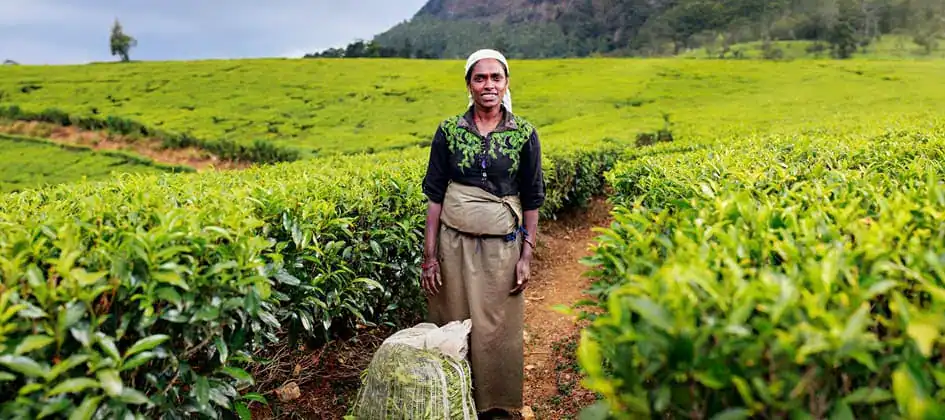
Tea Plantations in Nuwara Eliya (Photo: Curved.kiwix)
Planning Your Trek
Before starting, visit the official Pekoe Trail website to download maps, check updates, and confirm accommodation options. Study the stages, distances, and elevation gains. Bring a paper map as backup.
Book accommodation in advance from December to April. Carry enough cash because ATMs are limited in rural areas. You can walk with or without a guide. Hiring a local guide adds safety and local knowledge.
Read the Planning Guide for the Hike.
Packing and Preparation
Keep your backpack light. Essentials include:
- Comfortable walking shoes with grip
- Two changes of clothes
- Lightweight jacket and rain protection
- Hat, sunscreen, and reusable water bottle
- Snacks and a first-aid kit
- Power bank and flashlight
- Offline maps or GPS
- Leech socks, salt, or repellent
Dress modestly in villages. Avoid single-use plastics. Always carry your trash out.
Trail markers with the official Pekoe Trail logo guide walkers at key junctions. Phone signal is generally good, but it fades in valleys. Download offline maps from Google or AllTrails. GPS works without mobile data. Keep the phone in airplane mode to preserve the battery.
It is recommended that you download and install the Pekoe Trail app on your smartphone. The app provides,
- Real-time GPS tracking
- Offline and interactive maps with navigation
- Comprehensive guide
- Emergency contacts, police, and hospitals through the app
- and many more.
Responsible and Sustainable Travel
The Pekoe Trail was created to promote responsible tourism. Travellers are encouraged to respect local culture, minimise waste, and support small businesses. Avoid loud behaviour, stay on marked paths, and reduce plastic use.
Sustainability is central to the project. The trail’s management team works with communities to train guides, maintain paths, and improve waste management. Walking the trail helps protect natural areas while providing a fair income to local families.
Dos and Don’ts
Do:
- Greet locals with “Ayubowan” or “Vanakkam.”
- Ask before taking photos.
- Buy local products, like tea and crafts.
- Walk early to avoid heat and rain.
- Support community-run guesthouses.
Don’t:
- Leave litter behind.
- Play loud music in nature.
- Stray off the official trail.
- Pick tea leaves or damage crops.
- Use drones near estates without permission.
Pairing the Trail with Other Attractions
You can easily combine the Pekoe Trail with other places to see in Sri Lanka. From Kandy, visit the Temple of the Tooth and Peradeniya Botanical Gardens. After the trail, relax in Ella or Nuwara Eliya, or take the scenic train to Haputale for views from Lipton’s Seat.
If you want more adventure, continue to Yala National Park for wildlife safaris or head south to Mirissa for whale watching. The combination of hiking, history, and coastal relaxation makes for a complete travel experience.
Food and Local Life
The food of the hill country is simple and flavourful. You’ll find rice and curry, roti, hoppers, and fresh vegetables. Tea is served everywhere, from estate workers’ huts to roadside stalls. Many homestays prepare meals using local produce. Sharing meals is a highlight of the trail. It connects travellers and hosts in a natural, friendly way.
Read about the delicious foods and drinks you shouldn’t miss while travelling in Sri Lanka.
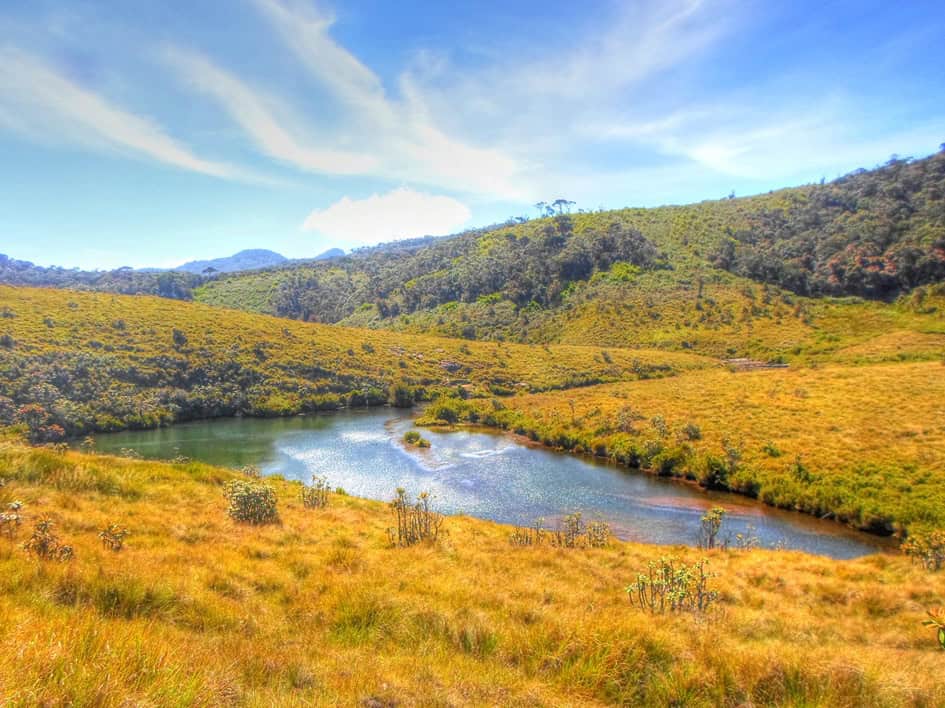
Horton Plains National Park – Nuwara Eliya (Photo: Iamdjceylon)
Photography and Scenery
Photographers love the Pekoe Trail for its variety. Mist over tea fields in the morning, bright sunlight in the valleys by noon, and golden light at sunset. Carry a light camera or smartphone with good storage. Respect people’s privacy when photographing them. For aerial shots, request drone permission from the Civil Aviation Authority of Sri Lanka.
The Trail’s Impact on Communities
One of the most important goals of the Pekoe Trail is to benefit the community. Villages along the route earn income from accommodation, guiding, and food services. The project trains youth in hospitality and promotes small-scale, environmentally friendly tourism.
By walking, you contribute directly to local livelihoods. This community focus makes the Pekoe Trail a model for responsible trekking in Sri Lanka.
Safety on the Trail
The trail is safe, but you should take standard precautions. Inform your accommodation of your route each day. Avoid walking after dark. During the rainy season, check local advice before starting. Leeches appear after heavy rain; salt or repellent helps. Villagers are friendly and often assist hikers in need.
The Future of the Pekoe Trail
According to the official project team, plans include developing side trails, improving signposts, and adding more cultural experiences. The long-term vision is to connect the Pekoe Trail with eco-tourism initiatives across the Central Highlands.
As global recognition grows, the trail is becoming one of the top sustainable activities in Sri Lanka. As more travellers walk these paths, awareness grows about protecting the island’s fragile highlands.
Why the Pekoe Trail Is Worth It
The Pekoe Trail is not about speed or luxury. It’s about slowing down, breathing clean air, and connecting with real people. It reminds travellers that the best journeys happen one step at a time. Whether you walk a single stage or the whole route, you will see a Sri Lanka that most visitors never reach.
Walking through tea fields, crossing hanging bridges, and sharing meals with local families are moments that stay with you long after the trip ends. The trail is peaceful, safe, and full of meaning.
For anyone looking for memorable trekking in Sri Lanka, the Pekoe Trail offers the perfect mix of adventure, culture, and connection.
The Journey That Stays With You
The Pekoe Trail is Sri Lanka’s answer to the world’s great walking routes. It blends history, culture, and natural beauty in one long path through the Central Highlands. Supported by local communities and guided by sustainable values, it gives travellers a new reason to visit the island.
If you are planning a trip to Sri Lanka, make time for the Pekoe Trail. It is more than a hike. It is a journey through the island’s living story—one that brings you face to face with the people, landscapes, and traditions that define the country.
Featured image: Pussellawa (Photo: Gayan Rajapakshe)

I am a Sri Lankan medical doctor who spends my free time travelling, exploring new destinations, and documenting the beauty of the island I call home. I have journeyed across almost every corner of Sri Lanka with my wife and daughter — from wildlife parks and misty mountains to ancient cities, deep forests, rugged landscapes, and quiet beaches.
Travel is not just a hobby for me — it’s a way of life. I love nature, enjoy road trips, and find joy in wildlife photography. I also read widely about tourism, travel trends, and destination culture. Through my writing, I aim to help travellers experience Sri Lanka through real stories, meaningful insights, and honest recommendations — the same way I explore it with my own family.