


Hiking in Sri Lanka offers a side of the island many travellers never see. Beyond famous viewpoints and short nature walks, the country holds long trails that move through tea estates, cloud forests, grasslands, and remote villages. Sri Lanka Tourism Development Authority data shows growing interest among foreign travellers in nature-based travel, trekking, and slow exploration, especially those who stay longer and follow multi-region Sri Lanka itineraries. Many now search for the best hikes that feel quiet, grounded, and shaped by local geography rather than crowds. Hiking in Sri Lanka answers that search well when you step away from the main circuit and onto lesser-used paths.
This guide focuses on hiking trails that sit outside standard sightseeing loops. These routes demand more planning and awareness, yet they reward effort with space, silence, and a strong connection to place. Some trails follow working landscapes. Others cross protected forest or remote highland terrain. All reflect how people and the environment shape movement across the island. This article covers 10 trails that consistently appear in specialist trekking resources, long-form itineraries, and detailed traveller reviews, yet remain far from mass tourism.
1. The Pekoe Trail. Selected Stages in the Central Highlands
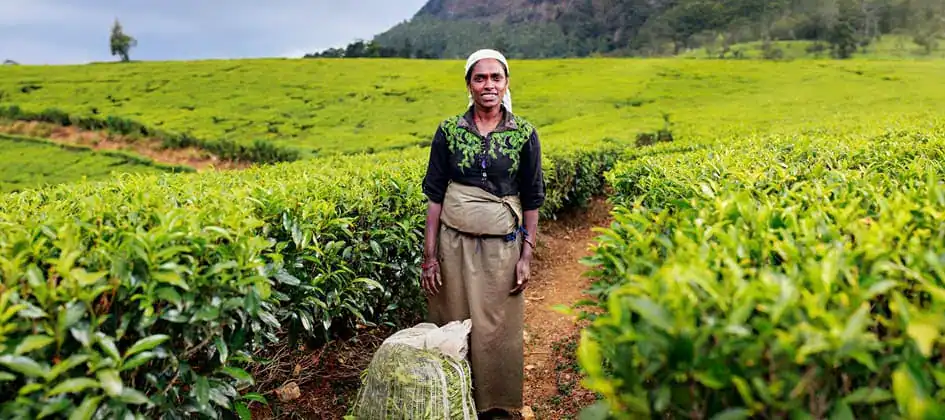
Through tea plantations, the Pekoe Trail (Photo: Curved.kiwix)
Why is it special?
The Pekoe Trail runs through the heart of Sri Lanka’s tea country. Selected stages offer long, steady walks across estate roads, forest edges, and village paths. Terrain stays rolling rather than steep, with a gradual elevation change that suits full-day hiking. You pass tea pluckers at work, old colonial bungalows, stone bridges, and quiet settlements. Birdlife remains active along forest belts, and early mornings often bring mist drifting across ridges. The trail reflects a living landscape shaped by agriculture, labour, and climate.
Why does it fit off the beaten path?
Most visitors see tea estates from a car window or on a factory tour. Walking through them feels different. Many stages pass through areas where tourism remains secondary to daily work. Crowds remain rare, and interactions feel natural rather than staged.
Where it is
The trail stretches across the central highlands. Strong offbeat stages include Udaweriya to Haputale, Hanthana to Galaha, and parts near Hatton.
Where to base
Haputale, Hatton, or Kandy, depending on stage choice.
Difficulty
Moderate. Distance and exposure matter more than steep climbs.
Finding the path
Waymarking appears in many sections. Local guides help with transitions and context.
Distance, elevation change, and time
Most stages range between 10 and 15 kilometres. Elevation gain stays gradual. Expect 5-7 hours at a steady pace.
Best for whom
Walkers who enjoy long days, rural settings, and cultural depth.
Best time and why
December to March offers clearer mornings and drier ground across the highlands.
Special tips
Carry water and snacks. Shops remain limited along estate sections. Respect workers and avoid active plucking areas.
2. Knuckles Range. Corbett’s Gap Walk

Knuckles Mountain Range – Knuckles Forest Reserve (Photo: Astronomyinertia)
Why is it special?
This route crosses high ridges within the Knuckles Mountain Range. The walk opens onto wide views across folded hills, forested valleys, and distant plains—terrain shifts between grassland, dirt track, and rocky viewpoints. Wind patterns change quickly, and clouds often move fast across the ridge. Endemic plants grow close to the path, especially during cooler months.
Why does it fit off the beaten path?
Corbett’s Gap lies far from standard tourist routes. Most travellers never reach this area unless they seek it out. The road itself feels remote, and foot traffic remains light.
Where it is
Near the Matale side of the Knuckles Range, accessible via rural roads.
Where to base
Kandy or Matale with an early morning transfer.
Difficulty
Moderate to challenging. It depends on the weather and wind.
Finding the path
Signage stays minimal. Local knowledge improves safety and route choice.
Distance, elevation change, and time
Around 6-11 kilometres. Elevation change varies by starting point. Allow 3-4 hours.
Best for whom
Hikers who value open views, changing weather, and quiet terrain.
Best time and why
January and February offer better visibility and reduced risk of rain.
Special tips
Start early. Fog often builds later in the day. Carry wind protection.
3. Knuckles Range. Nitro Caves Trek

Another View of Knuckles Mountain Range (Photo: Ruwangiudawattage, CC BY-SA 4.0)
Why is it special?
This trek enters dense forest within the Knuckles region and leads towards limestone cave systems. The trail feels enclosed, with roots, leaf litter, and damp ground underfoot. Tree cover stays thick, and insect life remains constant. The caves add geological interest and require careful footing. Bird calls and forest sounds shape the experience more than views.
Why does it fit off the beaten path?
Forest treks inside Knuckles attract far fewer visitors than roadside viewpoints. The cave route demands planning, fitness, and guidance, which keeps casual visitors away.
Where it is
Central sections of the Knuckles Range, accessed through forest entry points.
Where to base
Deanston area or guided access from Kandy.
Difficulty
Challenging due to uneven terrain and length.
Finding the path
A local guide is essential. Trails branch and visibility drops inside forest sections.
Distance, elevation change, and time
Roughly 10-12 kilometres. Elevation change remains moderate but constant. Expect 5-6 hours.
Best for whom
Experienced hikers who enjoy forest immersion and technical walking.
Best time and why
January to March brings reduced rain and slippery ground.
Special tips
Wear leech protection. Carry enough water and energy food.
4. Knuckles Range. Manigala Trek

The View of Knuckles Mountain Range from the Manigala Trek (Photo: Nalaka Priyantha)
Why is it special?
Manigala offers a long day hike across varied terrain. Paths move through village edges, cultivated land, forest belts, and open grassland. Elevation gain builds steadily rather than sharply. The sense of distance defines the experience, with long stretches between settlements and wide views near higher ground.
Why does it fit off the beaten path?
Manigala lacks a formal visitor infrastructure. Many travellers pass near the area without knowing a trail exists. Those who hike here often travel with local support.
Where it is
Accessed from the Illukkumbura or Pitawala sides of the Knuckles region.
Where to base
Matale district or eco lodges near access roads.
Difficulty
Moderate to challenging due to distance.
Finding the path
Guidance remains important. Trail markers stay limited.
Distance, elevation change, and time
Around 10 kilometres. Elevation change stays gradual. Five to six hours suits most hikers.
Best for whom
Walkers seeking a full day hike with changing scenery.
Best time and why
February offers stable weather and clearer skies.
Special tips
Carry lunch. No food or water sources appear along the route.
5. Riverston. Pitawala Patana to Mini World’s End

Pitawala Patana – Mini World’s End (Photo: Nalaka Priyantha)
Why is it special?
This route crosses open grassland and flat rock expanses near Riverston. Terrain feels exposed, with wide skies and intense light. Sudden drop-offs appear at escarpments, offering long views across valleys. Forest patches add contrast, and endemic plants thrive in cooler conditions.
Why does it fit off the beaten path?
Riverston receives fewer visitors than other highland parks. Longer walks beyond the main viewpoints feel quiet and spacious.
Where it is
Near Riverston in the Matale district.
Where to base
Riverston area or Matale town.
Difficulty
Easy to moderate.
Finding the path
Main paths remain visible near viewpoints. Extended walks require basic orientation.
Distance, elevation change, and time
Four to six kilometres, depending on route choice. Two to three hours suits most walkers.
Best for whom
Hikers who enjoy open views and moderate distances.
Best time and why
December to March offers dry ground and clearer air.
Special tips
Carry sun protection. Shade remains limited across the grassland.
6. Lakegala from Meemure

Lakegala from Meemure (Photo: Nalaka Priyantha)
Why is it special?
Lakegala rises sharply above the forest and village land near Meemure. The climb feels demanding from early on, with forest sections leading into steep rock approaches near the summit—views open gradually, revealing folds of hills and valleys across the Knuckles foothills. The sense of isolation shapes the experience. Birdlife remains active along the lower sections, while rock faces near the top demand focus and steady movement.
Why does it fit off the beaten path?
Meemure ranks among the most remote villages in the country. Access involves long drives on rural roads, and services remain limited. Few travellers commit to the logistics required for this hike.
Where it is
Near Meemure village in the central highlands.
Where to base
Meemure village.
Difficulty
Challenging due to steep terrain and length.
Finding the path
Local guides are essential. Trails blend into forest and rock sections near the summit.
Distance, elevation change, and time
Roughly 8-10 kilometres round trip. Elevation gain builds sharply near the top. Allow 6-8 hours.
Best for whom
Fit hikers with prior experience in steep terrain.
Best time and why
January and February reduce the risk of rain and improve rock grip.
Special tips
Plan accommodation early. Carry enough food and water for a full day.
7. Alagalla Mountain Range

View from the Alagalla Mountain Range (Photo: Nisal Senanayaka, CC BY-SA 4.0)
Why is it special?
The Alagalla range offers ridge walking with steep ascents, forest patches, and exposed rock faces. Paths climb quickly and demand effort. Camping spots along the ridge attract local hiking groups for sunrise and sunset views. The terrain feels raw and physical, with a strong contrast between forest shade and open rock.
Why does it fit off the beaten path?
Despite proximity to major routes, Alagalla rarely appears in foreign traveller itineraries. Most hikers here come from local communities.
Where it is
Along the Colombo to Kandy corridor.
Where to base
Kandy or nearby towns such as Peradeniya.
Difficulty
Challenging.
Finding the path
Local hiking groups or guides help identify safe routes.
Distance, elevation change, and time
Routes vary. Expect 4-6 hours for summit hikes with steep elevation gain.
Best for whom
Adventure-focused hikers seeking a physical challenge.
Best time and why
Dry season months improve safety on steep rock surfaces.
Special tips
Avoid wet conditions. Rock becomes slippery after rain.
8. Bathalegala. Bible Rock

View from Bathalegala (Photo: DevmeeN, CC BY-SA 4.0)
Why is it special?
This short climb ends at a flat rock summit with open views across valleys and distant hills. The path remains direct, with a clear ascent through forest before opening onto exposed rock. The route’s simplicity contrasts with the wide view at the top.
Why does it fit off the beaten path?
Many travellers pass nearby without stopping. The hike rarely features in standard plans despite easy access.
Where it is
Near Aranayake on the Colombo to Kandy route.
Where to base
Transit stop or nearby guesthouses.
Difficulty
Easy to moderate.
Finding the path
A clear trail begins near the base with minimal navigation needs.
Distance, elevation change, and time
Under 2 kilometres round trip. About 1 hour.
Best for whom
Travellers seeking a short hike with a strong payoff.
Best time and why
Early mornings provide clearer views and cooler air.
Special tips
Stay back from the edges near the summit.
9. Idalgashinna to Haputale Railway Walk

Idalgashinna Railway Station (Photo: Samantha Weerasinghe, CC BY 2.0)
Why is it special?
This linear walk follows rail tracks through forest, cuttings, and ridge sections. Mist drifts through trees, and bird calls replace road noise. The route feels intimate and slow, with constant visual interest as the track curves along hillsides.
Why does it fit off the beaten path?
Few travellers attempt railway walks despite their scenic value. Awareness and timing discourage casual visitors.
Where it is
Between Idalgashinna and Haputale stations.
Where to base
Haputale.
Difficulty
Moderate.
Finding the path
Follow the railway line with strict awareness of train schedules and tunnels.
Distance, elevation change, and time
Eight to ten kilometres. Three to four hours.
Best for whom
Walkers, comfortable with linear routes and attentive movement.
Best time and why
January mornings offer clearer conditions and less mist.
Special tips
Avoid tunnels when trains approach. Stay alert at all times.
10. Kirigalpoththa via Horton Plains

Kirigalpoththa Trail (Photo: Chamrith, CC BY-SA 4.0)
Why is it special?
Kirigalpoththa is one of the highest points in Horton Plains and the second-highest mountain in Sri Lanka (2,388 m or 7,835 ft). The hike moves beyond the standard loop into the cloud forest and the open grassland. Distance defines the challenge more than steepness. Clear days reveal layered views across the highlands.
Why does it fit off the beaten path?
Most visitors limit their time to World’s End and Baker’s Falls. The summit route sees far fewer hikers.
Where it is
Inside Horton Plains National Park.
Opening hours of Horton Plains National Park: 6.00 am to 6.00 pm (every day), ticket counters close at 4.00 pm.
Where to base
Ohiya or Nuwara Eliya.
Difficulty
Challenging due to distance.
Finding the path
Park permits required. Trails remain marked but long.
You can book the park tickets/permits online through the official Wildlife Park Permits Reservation eService.
Distance, elevation change, and time
Around 11 kilometres. Five to six hours.
Best for whom
Strong hikers seeking a long summit walk.
Best time and why
Early dry season mornings reduce cloud cover and wind.
Special tips
Carry sufficient water. No services exist beyond the park entrance.

Hiking – Knuckles Mountain Range (Photo: Isuru flicker, CC BY-SA 4.0)
Checklist
- Confirm access rules and permits.
- Download offline maps to your mobile phone.
- Check weather forecasts.
- Arrange transport and accommodation.
- Inform someone of your route.
- Start early.
Packing Essentials
- Proper hiking shoes
- Water and energy snacks
- Sun protection
- Rain layer
- Basic first aid
- Offline maps
Safety Information
Hiking in Sri Lanka requires awareness, preparation, and respect for changing conditions. Weather shifts quickly in the hills and forest regions, especially during early mornings and late afternoons, so you should always check forecasts before starting a hike. Many trails pass through remote areas where mobile signal is weak or unavailable, making planning essential. Therefore, it is recommended to download offline maps to your mobile phone. Inform your accommodation or a local contact about your route and expected return time before setting out.
Inside national parks and protected areas, follow all posted regulations and guidance from park staff. Wildlife encounters are rare on most trails, but maintaining distance and avoiding sudden movement reduce risk. Hydration matters on every hike, even in cooler regions, since steady walking and exposure can lead to fluid loss. Turning back when visibility drops or conditions change shows sound judgment and protects your safety.
Hiking trails in Sri Lanka often pass through fragile ecosystems and working rural landscapes, where daily life continues alongside nature. Staying on established paths helps prevent erosion and protects plant life, especially in grasslands and cloud forests. Carrying out all waste, including food packaging, preserves the cleanliness of trails and villages. Respect local customs when passing through settlements by dressing modestly and greeting residents politely. Wildlife observation should remain passive, with distance maintained and noise kept to a minimum. Choosing local guides, homestays, and small guesthouses supports communities that help protect these areas. Responsible hiking ensures these routes remain open, respected, and meaningful for future visitors.
Final Thoughts
Hiking in Sri Lanka reveals an island shaped by elevation, weather, agriculture, and tradition. These ten trails show how movement across land connects tea workers, forest edges, remote villages, and high ridges into one living system. Walking through these areas offers a deeper understanding of place, far removed from busy roads and familiar viewpoints. Each trail rewards patience and awareness rather than speed, inviting you to move with intention and observe small details along the way.
For travellers who want more than surface-level experiences, hiking in Sri Lanka offers a grounded way to explore off the beaten paths. These routes suit those who value quiet mornings, long days on foot, and meaningful interaction with land and people. With preparation, respect, and care, these hiking trails offer some of the best and most memorable ways to visit Sri Lanka and experience the island beyond the obvious.
Map – 10 Hiking Trails in Sri Lanka
Featured image: Knuckles Mountain Range, Sri Lanka (Photo: Nilantha Sanjeewa, via Unsplash)

I am a Sri Lankan medical doctor who spends my free time travelling, exploring new destinations, and documenting the beauty of the island I call home. I have journeyed across almost every corner of Sri Lanka with my wife and daughter — from wildlife parks and misty mountains to ancient cities, deep forests, rugged landscapes, and quiet beaches.
Travel is not just a hobby for me — it’s a way of life. I love nature, enjoy road trips, and find joy in wildlife photography. I also read widely about tourism, travel trends, and destination culture. Through my writing, I aim to help travellers experience Sri Lanka through real stories, meaningful insights, and honest recommendations — the same way I explore it with my own family.