


Travel between May and September in Sri Lanka rewards travellers who follow the island’s natural rhythm. Rain shapes movement. Seas decide direction. Wildlife responds to water and grass. This 7 Day Sri Lanka Itinerary follows those realities instead of fighting them. The route stays inland and to the East, where dry days, calm seas, and open landscapes define the season. You avoid flooded roads and rough seas. You gain clarity, comfort, and time.
This itinerary speaks to travellers who want structure without rigidity. You move with purpose, yet you never rush. You wake early for climbs and wildlife safaris. You slow down when the heat builds. You eat local food in places where people gather daily. This Sri Lanka Itinerary shows how to visit Sri Lanka during the May to September season with confidence, awareness, and balance. Every day connects clearly to the next. Every stop supports the broader flow of the trip.
Clear Overview of This 7 Day Sri Lanka Itinerary
Title: 7 Day Sri Lanka Itinerary for the East Coast and Cultural Triangle
Destination: Sri Lanka, round trip starting from the Cultural Triangle, Trincomalee, Nilaveli, Passikudah, Arugam Bay, and finishing at Bandaranaike International Airport.
Total duration: 7 days and 6 nights
Best travel season: May to September
Travel style: Cultural heritage, wildlife safaris, marine life, beach time, and regional food
Pace: Moderate and grounded, with space for rest and adjustment
This 7 Day Sri Lanka Itinerary starts inland, where ancient cities and wildlife parks anchor the experience. It then moves east towards the sea, ending in surf towns and calm bays. High-energy activities appear early in the week. Slower coastal days follow. This order protects energy levels and improves enjoyment. The route avoids unnecessary backtracking and long night drives.

Sigiriya Lion’s Rock (Photo: Abishek Palraj, CC BY-SA 4.0)
Transport and Route Logic
Road travel shapes this Sri Lanka Itinerary. Distances look short, yet travel speeds remain slow outside main roads. A private vehicle with a driver offers the best balance of time, comfort, and safety. Drivers are familiar with road conditions, animal crossings, and seasonal traffic patterns. This support reduces stress and improves timing at major sites.
Trains serve Trincomalee and Batticaloa, but schedules rarely align with safari timing or Arugam Bay connections. Buses lower costs but add hours and fatigue. Domestic flights do not suit this route.
The route follows a clean eastward arc. You leave the airport area and move inland first. You then travel towards the Northeast Coast. From there, you follow the shoreline south. Each shift brings a noticeable change in the landscape and pace, keeping the journey engaging.
Route Snapshot by Day
- Day 1: Bandaranaike International Airport to Sigiriya or Habarana
- Day 2: Sigiriya and Dambulla
- Day 3: Minneriya National Park to Trincomalee
- Day 4: Trincomalee and Nilaveli
- Day 5: Trincomalee to Passikudah
- Day 6: Passikudah to Arugam Bay
- Day 7: Arugam Bay

Frescoes in Sigiriya (Photo: Yves Picq, CC BY-SA 4.0)
Approximate Road Times
- Bandaranaike International Airport to Sigiriya or Habarana: Around 4 to 5 hours
- Sigiriya to Dambulla: Around 30 minutes
- Sigiriya to Minneriya National Park: Around 45 minutes
- Minneriya to Trincomalee: Around 2 to 3 hours
- Trincomalee to Nilaveli: Around 30 minutes
- Trincomalee to Passikudah: Around 3 hours
- Passikudah to Arugam Bay: Around 4 to 5 hours
- Arugam Bay to Bandaranaike International Airport: Around 7 to 8 hours
Early departures reduce heat exposure and traffic delays. Short stops for tea, fruit, and fuel improve comfort on longer drives.
Day by Day Sri Lanka Itinerary
Day 1: Bandaranaike International Airport to Sigiriya or Habarana
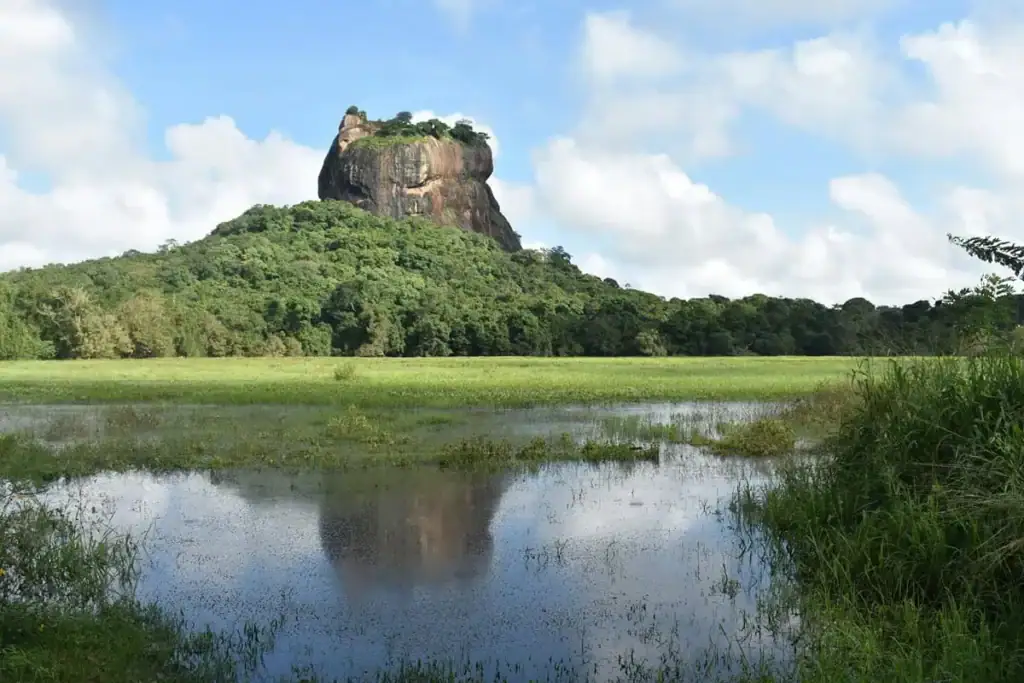
Sigiriya Rock Fortress (Photo: Polina Kocheva, via Unsplash)
Morning
Arrive at Bandaranaike International Airport. Exchange currency and arrange a local SIM card at the arrival hall. Begin the drive inland after breakfast. The road passes coconut groves, small towns, and open farmland. A short tea stop near Kurunegala helps reset after the flight.
Afternoon
Reach Sigiriya or Habarana by early afternoon. Check in and rest. Heat rises during this period. Choose a light meal and stay well hydrated. Later, join a guided village walk or bicycle ride. You pass home gardens, irrigation tanks, and paddy fields. Guides explain farming cycles and water management.
Evening
Climb Pidurangala Rock before sunset. The walk takes about thirty minutes. The summit offers wide views across the forest and plains with Sigiriya Rock in full view. Descend before dark. Return to the hotel for dinner.
Opening hours of the ticket counters of Pidurangala Rock: From 5:00 am to 6:00 pm (every day).
- AllTrails Map – Pidurangala Rock (1.4 km)
Overnight
Recommended area: Sigiriya or Habarana.
- Luxury travellers suit eco lodges set within forest or farmland.
- Families benefit from mid-range resorts with pools and open grounds.
- Budget travellers find clean guesthouses near village centres.
Local food
Rice and curry with dhal, pumpkin, jackfruit, and coconut sambol. Finish with buffalo curd and kithul treacle.
Day 2: Sigiriya Rock Fortress and Dambulla
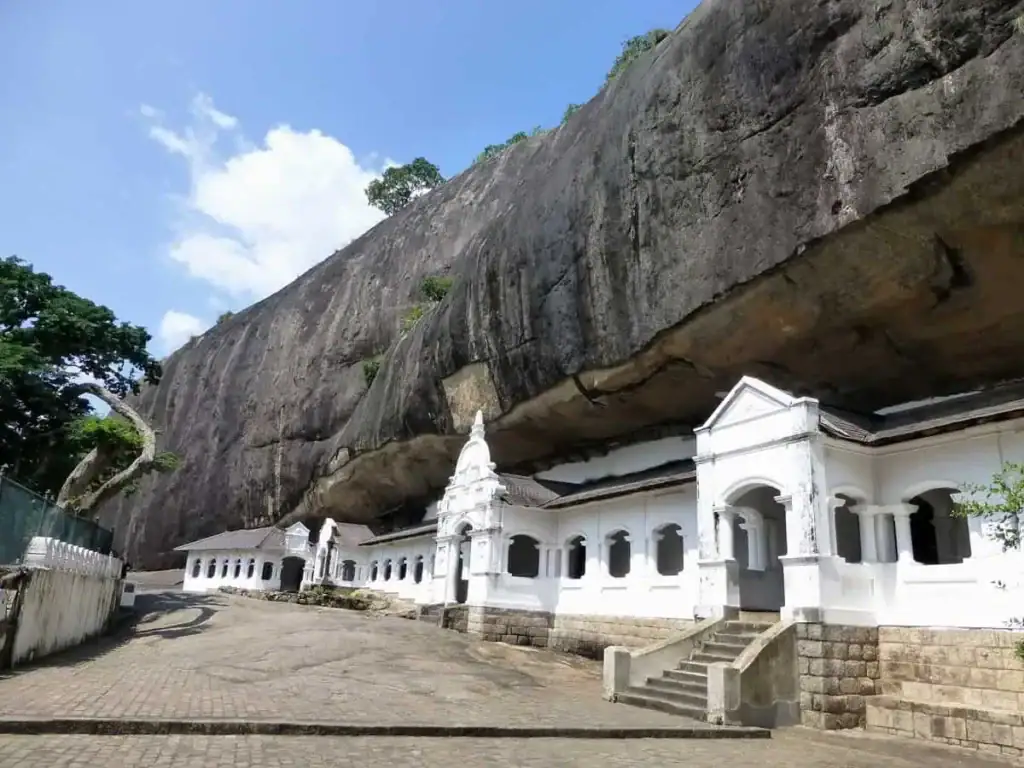
Rangiri Dambulla Cave Temple (Photo: Ji-Elle, CC BY-SA 3.0)
Morning
If you wake early and depart, you may reach the top before sunrise. Enter Sigiriya Rock Fortress when the gates open. Early timing avoids heat and crowds. The climb includes staircases, terraces, and shaded platforms. Allow two to three hours to explore the water gardens, fresco gallery, mirror wall, and summit ruins. Sigiriya Rock Fortress is one of the most recognised attractions in Sri Lanka. It is also a UNESCO World Heritage Site.
Opening hours of Sigiriya: From 5.00 am to 6.30 pm (every day), the Precos area closes at 5.45 pm.
- AllTrails Map – Sigiriya Rock (2.4 km)
Afternoon
Return to the hotel by late morning. Have a shower and rest. Enjoy lunch on site or nearby. In the afternoon, drive to Dambulla Cave Temple. The short climb leads to five cave shrines filled with Buddha statues and ceiling murals. Dambulla Cave Temple is another UNESCO World Heritage Site. It is one of the largest and best-preserved cave temple complexes in Asia. One to two hours suits most visitors.
Opening hours of Dambulla Cave Temple: From 7.00 am to 7.00 pm (every day).
Evening
Visit a spice garden near Dambulla or return to the hotel for swimming and rest. Choose an early dinner to recover from the climb.
Overnight
Stay in the same accommodation in Sigiriya or Habarana.
Local food
Hoppers with egg and onion sambol. Fresh mango or papaya juice.
Day 3: Minneriya National Park to Trincomalee
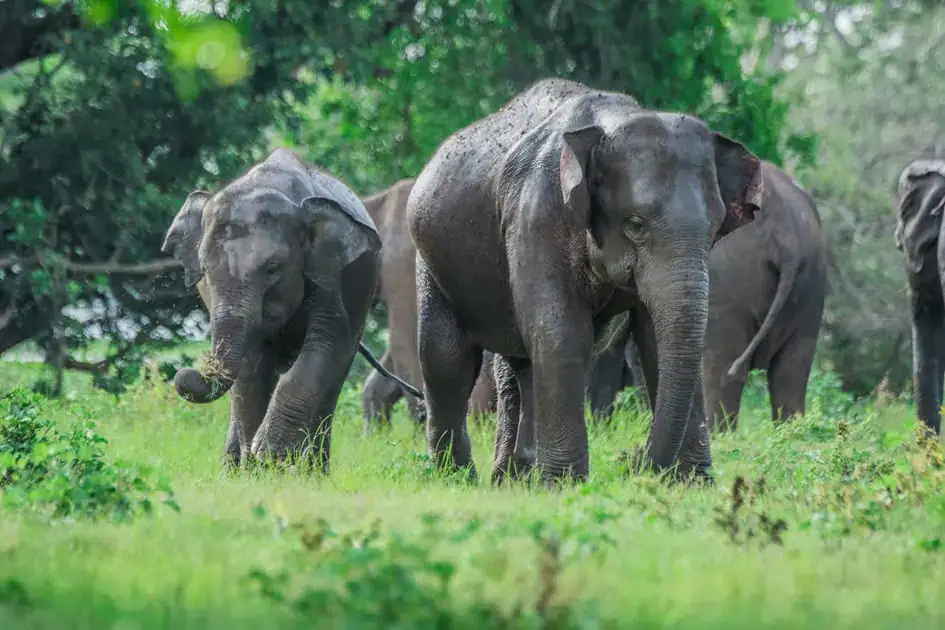
Elephants in Minneriya (Photos: Udara Karunarathna, via Unsplash)
Morning
Enjoy a relaxed breakfast. Use the morning for rest, reading, or a short walk. Prepare sun protection and water for the afternoon safari.
Afternoon
Depart for Minneriya or Kaudulla National Park around 2 pm. The safari lasts three to four hours. During this season, elephants gather in large numbers near reservoirs. You also see deer, birds, and open grassland landscapes. Jeep drivers follow park regulations and maintain distance.
Opening hours of Minneriya and Kaudulla National Parks: 6 am – 6 pm (every day).
Evening
After the safari, continue towards Trincomalee. The drive takes two to three hours. Arrive by evening. Check in and settle.
Overnight
Recommended area: Nilaveli or Trincomalee town.
- Luxury travellers suit beachfront resorts near Nilaveli.
- Families suit resorts with pools and easy beach access.
- Budget travellers suit guesthouses within Trincomalee town.
You need to go to bed early if you plan to go whale watching the next morning.
Local food
Grilled fish with lime and chilli. Coconut (Pol) roti with vegetable curry.
Day 4: Trincomalee and Nilaveli
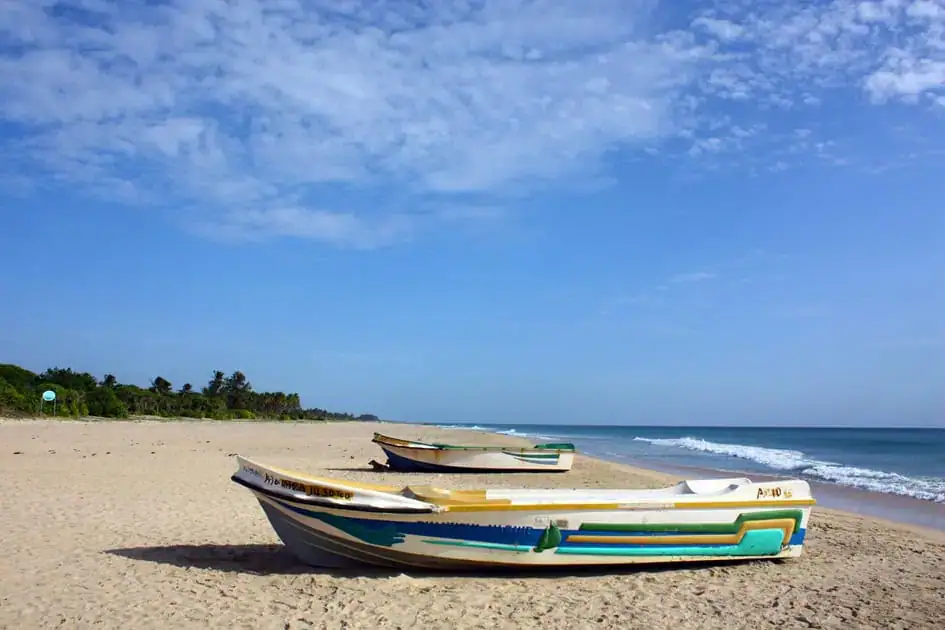
Nillaveli Beach (Photo: Anton 17, CC BY-SA 4.0)
Morning
Start before sunrise. Most boats leave between 6.00 and 6.30 am from Trincomalee harbour or Nilaveli. The trip lasts 3-4 hours. During this season, operators focus on blue whales, sperm whales, and dolphins. Seas are calmer on the East Coast during these months, which improves comfort and visibility.
Whale watching in Trincomalee remains seasonal and dependent on wildlife. Sightings vary by week. Choose operators who follow distance rules and limit the number of boats. Avoid tours that chase whales aggressively. Book through your hotel or a licensed provider.
Seasickness tablets help some travellers. Wear sun protection and bring water. Tours run only when sea conditions allow.
Late Morning and Afternoon
Return to shore by late morning. Rest under the shade. Enjoy a late breakfast or early lunch. Swim in calm water or relax on the sand.
Evening
Visit Fort Frederick and Koneswaram Temple. Walk through the fort grounds and climb to the temple overlooking the harbour. Sunset views stretch across the bay.
Overnight
Same accommodation in Trincomalee or Nilaveli.
Local food
Crab or prawn curry with rice. String hoppers with coconut sambol.
Day 5: Trincomalee to Passikudah
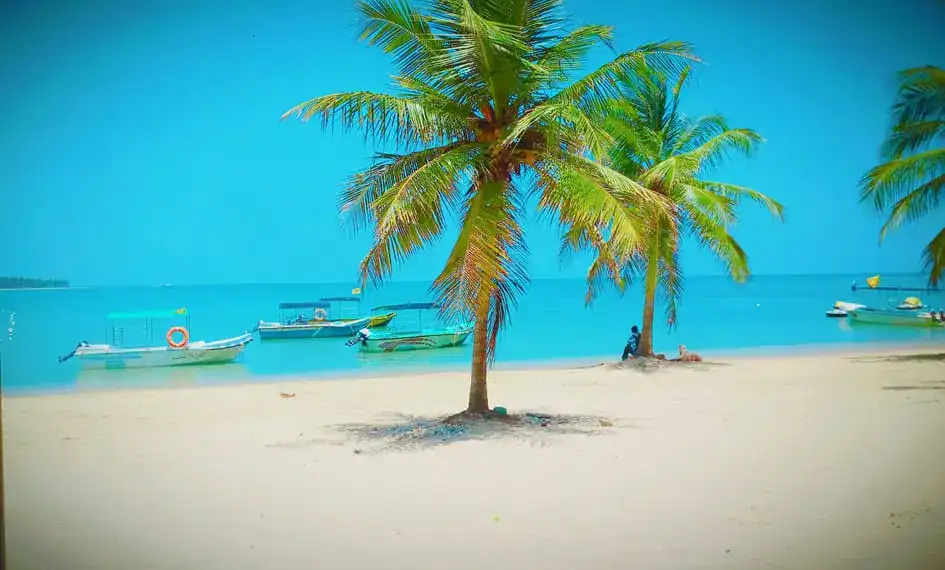
Passikudah Beach (Photo: Suren Stark, CC BY-SA 4.0)
Morning
Have breakfast and leave early for Nilaveli Beach. Board a boat to Pigeon Island National Park by 8 am. Snorkelling lasts around two hours. Coral reefs host reef fish, turtles, and occasional reef sharks. Visibility remains strong during this season.
Depart after the snorkelling session. Travel south along the coast. The road passes fishing villages, lagoons, and salt flats. Stop for King Coconut water or roadside snacks. Have lunch en route.
Afternoon
Arrive in Passikudah. Check in and rest. Spend the afternoon swimming in shallow water. The bay offers long walks along the shore and is ideal for a relaxed day at the beach.
Evening
Enjoy a quiet sunset walk and dinner by the beach.
Overnight
Recommended area: Passikudah or Kalkudah.
- Luxury travellers suit full-service beach resorts.
- Families benefit from calm resorts with wide beaches.
- Budget travellers suit small hotels near Kalkudah town.
Local food
Batticaloa-style crab curry. Fresh tropical fruit platters.
Day 6: Passikudah to Arugam Bay

Aerial View of Arugam Bay Beach (Photo: Etienne Boulanger, CC BY 3.0)
Morning
Depart early by 7 am. This day marks the longest travel day. Stop for breakfast and lunch along the way. The route passes forest edges, lagoons, and rural towns.
Afternoon
Arrive in Arugam Bay by mid-afternoon. Check in and rest. Walk through the village. Browse surf shops and small cafes.
Evening
Watch surfers at Sunset Point. Dine at a casual beachside restaurant. Music often fills the evening air during peak season.
Overnight
Recommended area: Arugam Bay or Whiskey Point.
- Luxury travellers suit boutique beach lodges.
- Families suit quiet guesthouses away from the main road.
- Budget travellers suit surf hostels in the village.
Local food
Kottu roti. Fresh fruit smoothies.
Day 7: Arugam Bay
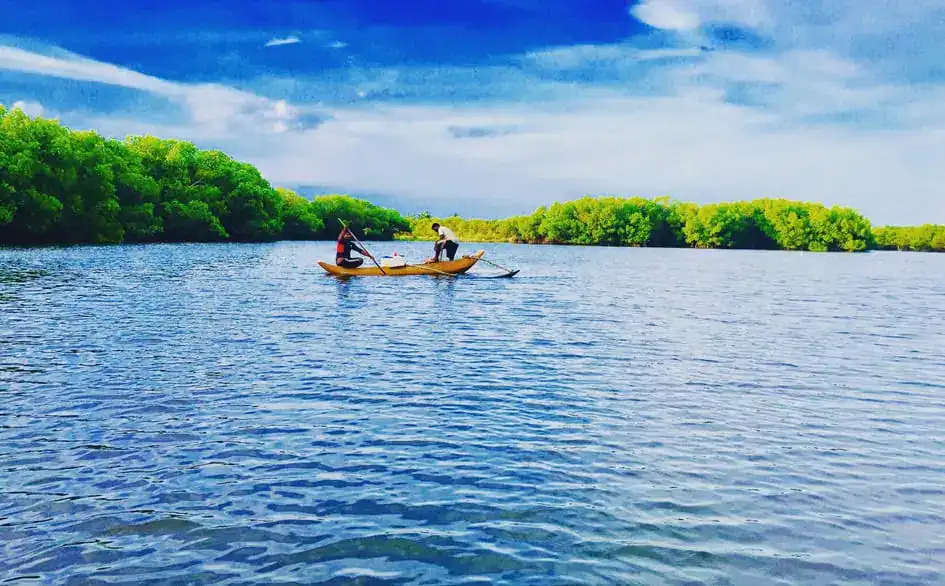
Fishermen in Urani Lagoon – Pottuvil (Photo: Milhan Meerasahib, CC BY-SA 4.0)
Morning
Wake early. Surf conditions are best in the morning. Beginners join lessons with local instructors. Non-surfers enjoy beach walks or quiet swimming.
Afternoon
Optional lagoon safari near Pottuvil. Boats move through mangroves rich in birdlife. Return for brunch, packing, and rest.
Evening
Plan onward travel or extend the stay by one night to slow the pace.
Overnight
An optional additional night in Arugam Bay.
Local food
Banana flower curry. Seafood rice with lime.
Accommodation Guidance Throughout This 7 Day Sri Lanka Itinerary
This 7 Day Sri Lanka Itinerary works best with two nights inland, two nights in the Northeast, one night on the Central East Coast, and one night in the Southeast. This balance limits long drives and protects energy levels. Inland accommodation focuses on nature, quiet, and space. East coast resorts emphasise beach access, whale watching, and water activities. Arugam Bay accommodation reflects surf culture with simple, social spaces.
Booking early is especially helpful during July and August. Look for places with backup generators, filtered water, and clear access roads. Family travellers benefit from properties with pools and on-site dining. Solo and budget travellers benefit from central locations near food options.

Surfing in Arugam Bay (Photo: Sylvester S., CC BY 2.0)
Dining and Food Experiences
Food changes by region. The Cultural Triangle highlights vegetable curries, freshwater fish, and rice-based meals. Trincomalee blends Tamil, Muslim, and Sinhalese cooking styles. Passikudah focuses on seafood with simple spice profiles. Arugam Bay offers a mix of Sri Lankan food and international menus.
Eat where locals gather. Choose places with high turnover. Keep meals lighter during midday heat. Drink filtered water or sealed bottles. Fruit juices and king coconut provide natural hydration.
Cultural and Local Experiences
Village walks near Sigiriya reveal the rhythms of farming and irrigation systems. Temple visits in Dambulla and Trincomalee show active worship practices. Vesak Poya events in May and Poson Poya events in June draw pilgrims and night processions. Early-morning fishing activities reveal coastal routines. Conversations with safari guides, drivers, and surf instructors add context and depth.
Flexibility and Optional Route Adjustments
This Sri Lanka Itinerary allows adjustment. Add extra nights in Trincomalee for marine focus. Skip Passikudah for more extended stays in Nilaveli. Add a second safari during the August peak elephant season. Replace Arugam Bay with Batticaloa for quieter travel. Each change preserves the eastward flow.
Practical Details and Entry Information
Entry Fees
Sigiriya, Dambulla, Minneriya, Kaudulla, and other national parks require tickets to be purchased at the gate. National parks require jeep hire too. Pigeon Island requires permits and boat fees. You can also book national park permits/tickets online through the Wildlife Park Permits Reservation eService.
Carry cash and a card.
See ticket prices for Sigiriya, Pidurangala Rock, and Dambulla Cave Temple.
Opening Hours
Temples and heritage sites open in the morning and close by sunset. National parks have fixed slots for jeep entry. Safaris run in the morning and afternoon. Pigeon Island trips operate in the morning.
Dress Code
Shoulders and knees must be covered inside temples. Remove shoes and hats near sacred spaces. Beachwear stays on beaches only.
Transport Tips
Start early on travel days. Carry water and snacks. Rely on local drivers for timing and road conditions. Private drivers help with flexible stops.
If you plan to visit Sri Lanka, it is advisable to read the Transport in Sri Lanka: The Best Guide.
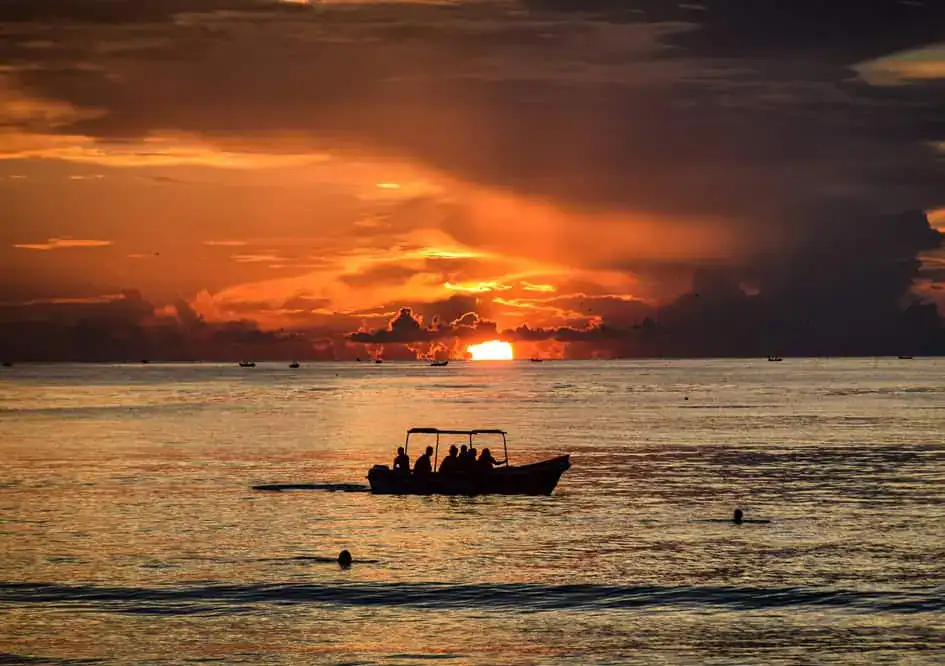
Sunrise in Trincomalee (Photo: Sandeepa05, CC BY-SA 4.0)
Weather and Packing Notes for May to September
Coastal temperatures along the east coast range from 27 to 33 degrees Celsius, with warm sea temperatures and low rainfall. Inland areas of the Cultural Triangle remain hot during the day, often reaching 32 to 35 degrees Celsius, with slightly cooler evenings. Nights along the coast stay warm and humid, while inland locations feel drier after sunset.
Packing Essentials
- Light cotton or linen clothing.
- Long-sleeve shirt.
- Modest temple attire (A scarf or shawl).
- Comfortable walking shoes.
- Swimwear and a quick-drying towel.
- Flip flops or sandals for the beach.
- Reef safe sunscreen.
- A wide-brimmed hat and sunglasses.
- A camera.
- Insect repellent.
- Reusable water bottles.
- Dry bag for boat trips.
If you plan to visit Sri Lanka, it is better to read up on the weather and the best time to visit Sri Lanka.
Safety and Health Information
Travel Insurance
Comprehensive travel insurance protects against medical and travel disruptions. Include evacuation coverage.
Local Safety
Sri Lanka remains safe for travellers. Wildlife rules must be followed strictly during safaris. Do not feed wild animals. Avoid swimming in rough seas. Use mosquito protection in the evenings. Use licensed operators for activities.
Hospitals
Major hospitals operate in Colombo and Trincomalee. Smaller hospitals serve other towns. Emergency numbers in Sri Lanka include 119 for police and 1990 for medical emergencies. Carry basic medication and prescriptions.
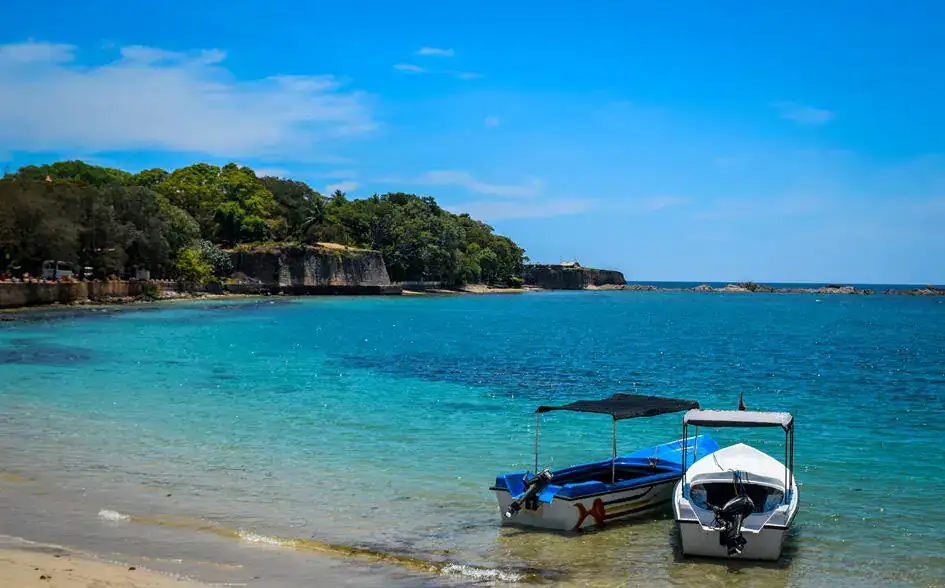
Dutch Bay Beach near Fort Frederick in Trincomalee (Photo: Sandeepa05, CC BY-SA 4.0)
Estimated Costs for a 7 Day Trip
Costs vary by travel style. Budget stays range from 25 to 40 USD per night. Mid-range stays range from 60 to 120 USD. Luxury stays rise above 150 USD. Meals range from 3 USD at simple cafes to 20 USD at restaurants. Transport by private car costs 45-60 USD per day. Train tickets vary by class. Entrance fees range between 10 and 65 USD. Entry fees, safari, and whale watching add optional costs. Longer stays help balance daily expenses by reducing rushed transfers.
* All prices are subject to change.
- Support small businesses, local guesthouses, and guides.
- Buy from local markets.
- Respect dress codes in sacred places.
- Dress respectfully in villages and temples.
- Use refillable bottles and say no to single-use plastic when possible. Many cafés and hotels on this route now offer refill points and rely less on small plastic bottles. Dispose of waste responsibly.
- In wildlife areas, choose operators with clear ethics. Look for park briefings, limits on the number of jeeps per sighting, and strong respect for animal space.
- Respect wildlife distance rules.
- Do not feed wild animals.
- Avoid touching coral.
- Choose whale watching operators who follow safe guidelines and respect marine life.
- Learn basic greetings in Sinhala and Tamil.
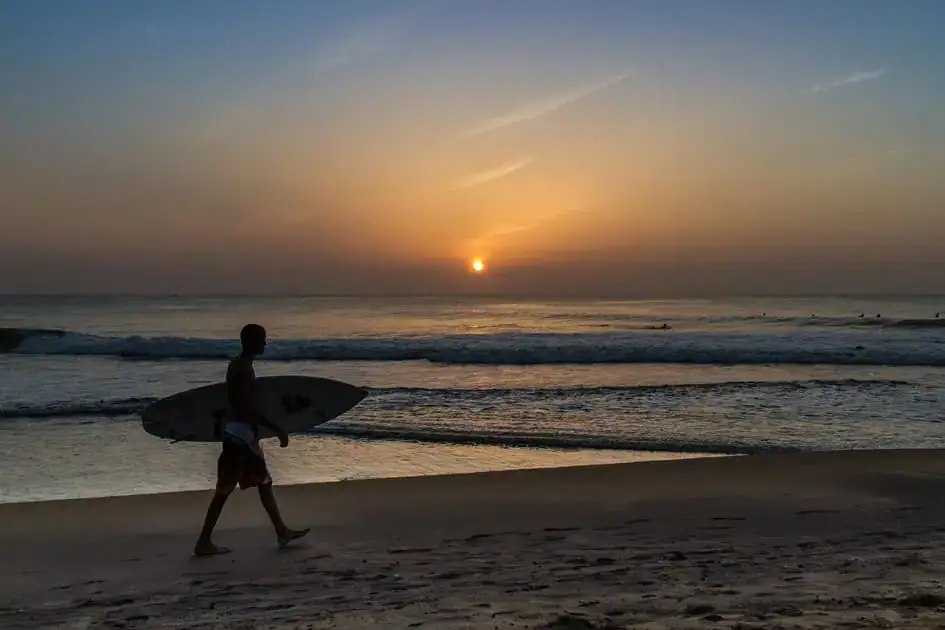
Sunrise in Arugam Bay (Photo: Sylvester S., CC BY 2.0)
Highlights Summary of This 7 Day Sri Lanka Itinerary
- Sigiriya Rock Fortress at sunrise.
- Dambulla Cave Temple in the afternoon.
- Elephant safari in Minneriya or Kaudulla National Park.
- Whale watching in Trincomalee and snorkelling at Pigeon Island
- Calm swimming in Passikudah
- Surf culture in Arugam Bay
- Regional food across the inland and the East Coast of Sri Lanka
This 7 Day Sri Lanka Itinerary brings together the strongest experiences available during the May to September season clearly and purposefully. You begin among ancient ruins and forested plains, where early mornings reward effort and patience. You then move east to calmer seas, living reefs, and wide beaches that invite slower days. Each highlight builds on the last, from wildlife encounters and cultural sites to food, surf, and simple coastal routines. The route respects the climate, distance, and energy, allowing you to visit Sri Lanka with focus rather than fatigue.
For travellers seeking a balanced view of things to do in Sri Lanka and things to see in Sri Lanka during this season, this itinerary offers structure, depth, and breathing space.
Map – 7 Day Sri Lanka Itinerary – May to September
Featured image: Paddleboarding in Trincomalee (Photo: Aditya Siva, via Unsplash)

I am a Sri Lankan medical doctor who spends my free time travelling, exploring new destinations, and documenting the beauty of the island I call home. I have journeyed across almost every corner of Sri Lanka with my wife and daughter — from wildlife parks and misty mountains to ancient cities, deep forests, rugged landscapes, and quiet beaches.
Travel is not just a hobby for me — it’s a way of life. I love nature, enjoy road trips, and find joy in wildlife photography. I also read widely about tourism, travel trends, and destination culture. Through my writing, I aim to help travellers experience Sri Lanka through real stories, meaningful insights, and honest recommendations — the same way I explore it with my own family.