
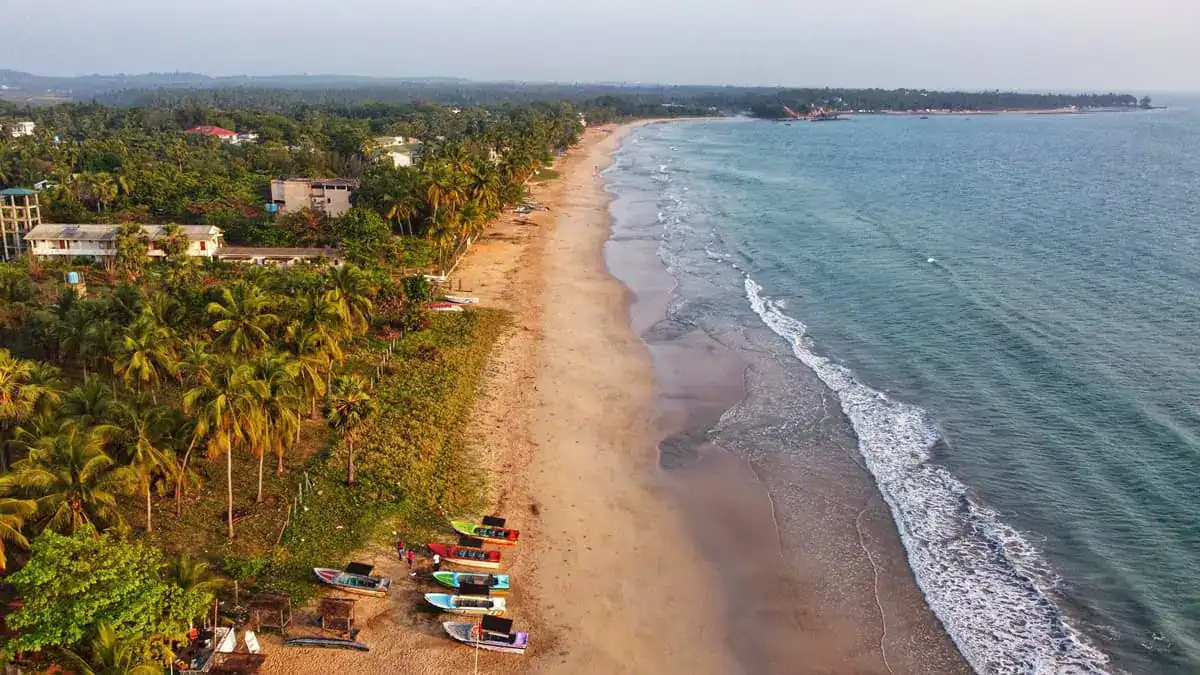

Trincomalee does not demand attention. It allows you to settle in first. Fishing boats leave the harbour before sunrise. Temples receive worshippers throughout the day. Beaches stretch wide, free of noise or pressure. Travellers who reach this part of Sri Lanka often notice a change in themselves before anything else. The pace slows. Space appears. Time feels manageable again.
Trincomalee rewards travellers who arrive with intention rather than urgency. During the East Coast season from May to September, calm seas and stable weather shape daily life. Nilaveli Beach and Uppuveli Beach are at their best. Marine life moves closer to shore. This guide presents Trincomalee as a destination that deserves time, structure, and respect, while helping you plan your visit to Sri Lanka with confidence.
What Is Trincomalee?
Trincomalee is a coastal city in Sri Lanka’s Eastern Province, anchored by one of the world’s deepest natural harbours. Geography shaped the town long before tourism existed. Traders arrived by sea. Pilgrims travelled by land. Colonial powers fought to control access. Each period left visible traces.
Today, Trincomalee remains a working city. Tamil, Sinhala, and Muslim communities live side by side. Languages shift between streets and markets. Food reflects shared influence rather than division. Religious practice continues without interruption. Visitors step into daily life rather than curated experiences.
Beyond the town centre, the wider district opens into beaches, lagoons, forests, and ancient religious sites. Trincomalee functions best as a base rather than a checklist destination. You stay in one place and explore outward at a measured pace.
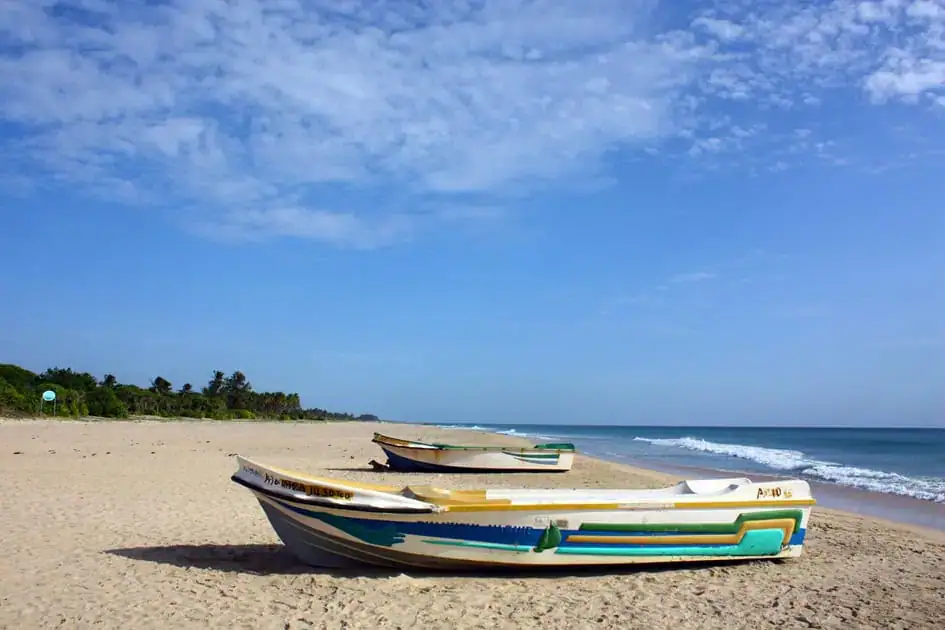
Nillaveli Beach (Photo: Anton 17, CC BY-SA 4.0)
Why Trincomalee Is Special
Seasonality defines Trincomalee’s strength. From May onward, the Southwest Monsoon affects much of Sri Lanka. Roads flood in the South. Seas turn rough along the West Coast. The East remains stable. Dry days dominate. Seas stay calm. Travel plans hold.
Nature remains close and accessible. Coral reefs sit minutes offshore. Lagoons support birdlife and fishing communities. Forest temples appear inland within short drives. You move between land and water without long transfers or rushed days.
Cultural continuity adds meaning. Temples, mosques, and churches remain active spaces rather than visitor attractions. Markets serve local needs first. Visitors observe life as it unfolds rather than in staged performances.
Recognition and Tourism Appeal
Travel research and visitor trends consistently place Trincomalee among the most valued East Coast destinations for foreign travellers. Nilaveli Beach and Pigeon Island National Park record strong seasonal demand. Whale watching in Sri Lanka often highlights Trincomalee because of its offshore migration routes. Reviews focus on calm beaches, respectful tourism, and room to breathe.
Nilaveli and Uppuveli Beaches, known for their crystal-clear waters, white sand, and beautiful coral reefs, are among the best beaches in Sri Lanka.
Unlike busier regions, Trincomalee has not been reshaped to meet mass tourism demand. This restraint strengthens its appeal among travellers seeking clarity rather than spectacle.
Location, How to Get There, Parking, and Getting Around
Trincomalee lies around 260 kilometres northeast of Colombo. Road travel takes 6-7 hours, depending on traffic and stops. Many travellers reach the city from the Cultural Triangle. The drive from Sigiriya or Habarana takes about 3 hours and passes through forest and farmland.
Train services connect Colombo to Trincomalee via central and eastern routes. The journey suits travellers who value slower movement and landscape views. Buses operate daily from major cities and towns.
Parking remains straightforward near beaches, temples, and town areas. Traffic stays light compared to the South Coast. Tuk-tuks cover short distances within town. A hired car suits travellers planning trips to archaeological sites and remote religious locations.
It will be easy to get to and around Trincomalee if you read up on and familiarise yourself with transport in Sri Lanka.
- Find the train schedule here.
- Book train seats via the Official Online Advance Train Seats Reservation eService.
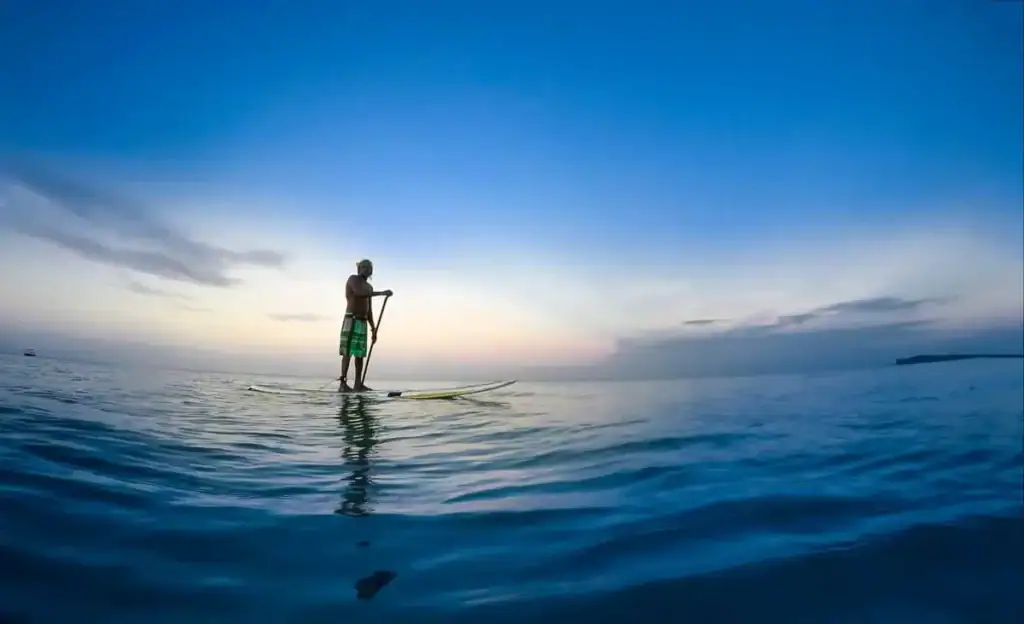
Paddleboarding in Trincomalee (Photo: Aditya Siva, via Unsplash)
Best Time to Visit and Why
The best time to visit Trincomalee is from May to September. Calm seas support swimming, snorkelling, and diving. Offshore visibility improves. Whale watching in Sri Lanka becomes more consistent during this window. Rainfall remains low and predictable.
From October to January, sea conditions change—rain increases. Marine activities are slow. Some travellers still prefer this period for quiet beach stays and minimal crowds, though water-based activities remain limited.
It is better to read up on the weather in Sri Lanka and the best time to visit before combining your Trincomalee visit with other destinations in Sri Lanka.
Current Weather and Weather Forecast in Trincomalee
Weather and Conditions
Daytime temperatures in Trincomalee range between 27 and 33 degrees Celsius. Coastal humidity remains moderate due to steady sea breezes. Inland areas feel warmer during midday. Evenings stay warm and comfortable. Sea temperatures support long swimming sessions without chill.
Best for Whom
Trincomalee suits travellers who value balance. Couples enjoy quiet coastal settings and open beaches. Families benefit from shallow waters at Nilaveli Beach. Solo travellers appreciate walkable areas near Uppuveli Beach with cafés and guesthouses. Nature-focused travellers gain access to marine parks and lagoons. Cultural travellers find depth through active temples and archaeological sites.
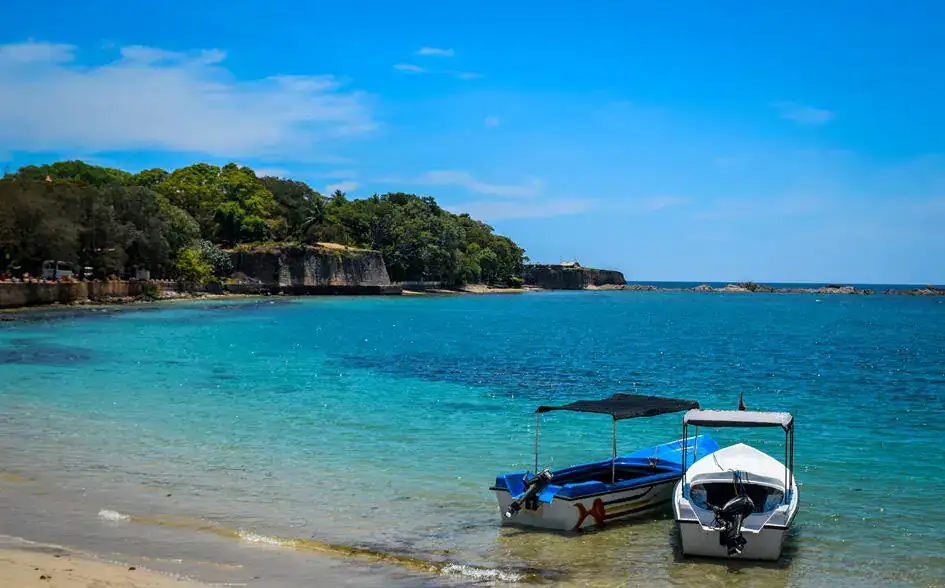
Dutch Bay Beach near Fort Frederick in Trincomalee (Photo: Sandeepa05, CC BY-SA 4.0)
Trincomalee for Every Budget
Budget travellers find guesthouses and small hotels near Uppuveli Beach and the town centre. These places focus on location, cleanliness, and simple comfort. Mid-range travellers choose beachfront hotels near Nilaveli Beach with pools and dining options. High-end travellers select resorts offering private beach access, wider grounds, and full services.
Compared with the South Coast, prices remain stable during peak months. The East Coast season spreads demand more evenly across accommodation types.
Popular Attractions, Experiences, Events, and Activities
Nilaveli Beach
Nilaveli Beach stretches north of Trincomalee town with wide sand and shallow water. The sea stays calm for much of the year, especially during the East Coast season. Swimming feels safe and unhurried. Boats depart from this beach towards Pigeon Island National Park each morning.
Travellers often spend full days here. Morning swims lead into long breaks under the shade. Vendors offer simple food and fresh king coconuts. The beach never feels compressed, even during peak months.
Pigeon Island National Park
Pigeon Island National Park protects coral reefs and marine ecosystems close to shore. Snorkelling reveals reef fish, turtles, and reef sharks in clear, shallow water. The park limits daily access through permits and regulated boat transfers.
Early morning visits provide the best visibility and calmer conditions. Rangers monitor activity to reduce reef damage. For many visitors, this becomes the highlight of their stay in Trincomalee.
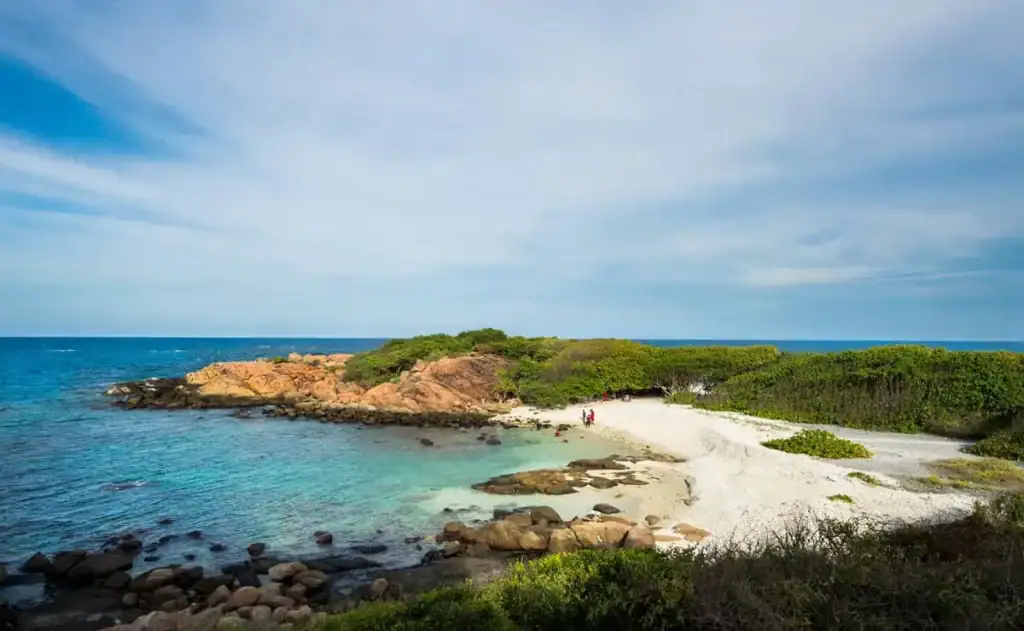
Pigeon Island National Park (Photo: Chiranmayu Medis, CC BY-SA 4.0)
Whale watching in Sri Lanka reaches peak conditions offshore from Trincomalee during the East Coast season. Boats depart early from the harbour, often before sunrise. Sightings include blue whales, sperm whales, and dolphin pods.
Calm seas improve comfort and reduce fatigue during longer trips. Responsible operators maintain distance and follow marine guidelines. Trips last several hours and require early nights before departure.
Uppuveli Beach
Uppuveli Beach sits closer to the town centre and offers easier access to services. Cafés, guesthouses, and beachfront restaurants line the shore. Travellers often choose this area for evening swims and relaxed dinners.
Sunset walks remain popular. Short tuk-tuk rides connect the beach with temples and the harbour. The atmosphere stays social without becoming loud.
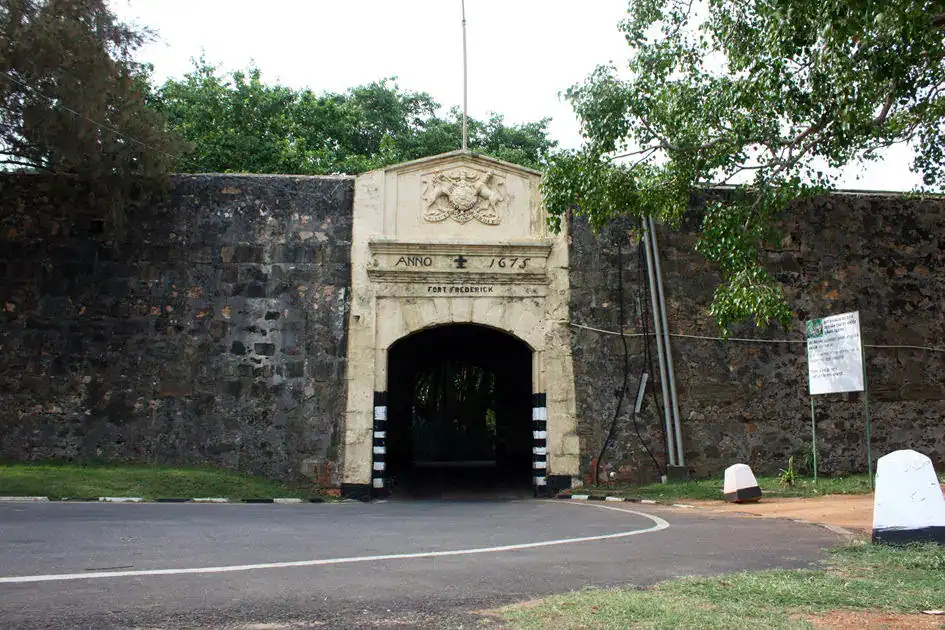
Fort Fredrick – Entrance (Photo: AntanO, CC BY-SA 4.0)
Fort Frederick
Fort Frederick guards the entrance to Koneswaram Temple. The colonial powers built the fort to protect the harbour and control access to it. Visitors walk the grounds at a relaxed pace. Deer move freely inside the fort area.
Viewpoints offer broad coastal perspectives. Many travellers combine this visit with temple exploration and sunset viewing.
Koneswaram Temple, Swami Rock Viewpoint, and Lover’s Leap
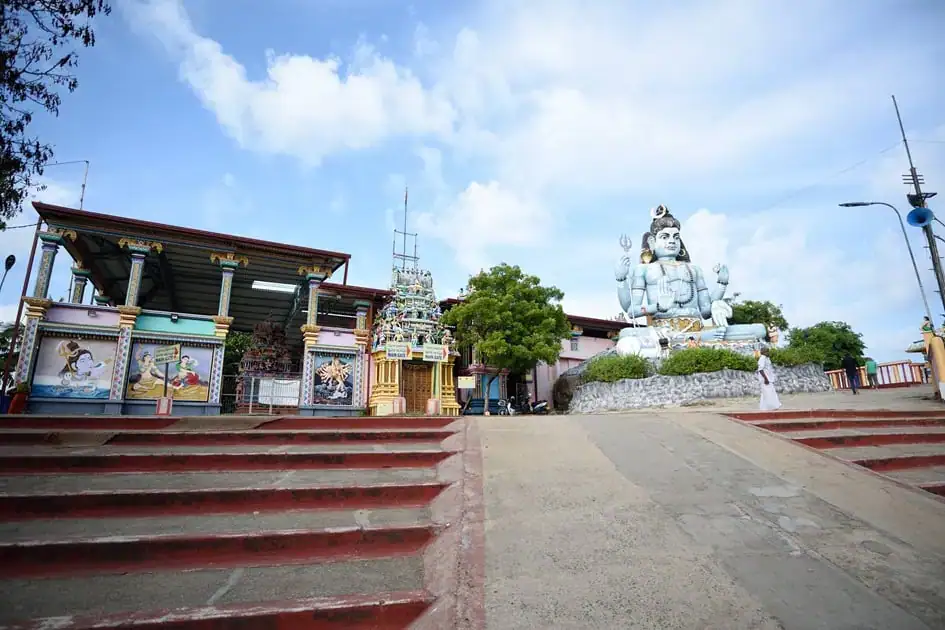
Koneswaram Temple (Photo: Nalaka Priyantha)
Koneswaram Temple rises above Swami Rock with uninterrupted views across the Indian Ocean. The temple holds deep spiritual significance for Hindu worshippers. Daily rituals continue throughout the year.
Nearby Lover’s Leap marks a dramatic cliff edge with substantial visual impact. Sunset visits attract photographers and worshippers alike. The atmosphere remains calm and respectful.
Gokanna Rajamaha Viharaya
Gokanna Rajamaha Viharaya represents an important Buddhist site linked to early coastal settlement. Pilgrims visit regularly. The setting supports quiet observation and reflection rather than spectacle.
British War Cemetery
The British War Cemetery in Trincomalee reflects a quieter layer of history. The site commemorates soldiers who lost their lives in World War Two in the region. The grounds remain carefully maintained, with aligned headstones and shaded paths. Visitors often arrive without expectations and leave with a deeper sense of the area’s global connections. The visit works well between beach stops, offering stillness and reflection rather than spectacle.
Marble Beach

Marble beach, Trincomalee (Photo: AntanO, CC BY-SA 4.0)
Marble Beach lies a short drive from the town centre. The shoreline features pale sand and clear, shallow water protected by the bay’s shape. Swimming remains calm and controlled, which appeals to families and travellers seeking easy beach time. Facilities stay limited, and that simplicity preserves a relaxed mood. Many visitors come for a short swim and photos before returning to town.
Marble Beach is known as one of Sri Lanka’s secret beaches — hidden stretches of coastline that locals love but seldom share.
Snorkelling and Scuba Diving Along the Trinco Coast
Snorkelling and scuba diving operate along the coast near Nilaveli Beach and the surrounding reefs. Local operators provide equipment rental, beginner instruction, and guided reef dives. Visibility improves during the East Coast season, and water conditions remain gentle. Beginners appreciate the shallow reefs, while experienced divers enjoy quieter sites beyond Pigeon Island. Diving here suits travellers who prefer slow exploration rather than high-adrenaline activities.
Kanniya Hot Water Springs
Kanniya Hot Water Springs consist of several shallow wells arranged in a small compound. Local visitors follow long-held bathing customs linked to health and ritual. Travellers observe these practices and take part with care and respect. The springs offer insight into daily tradition rather than a recreational attraction. Visits remain brief but memorable.
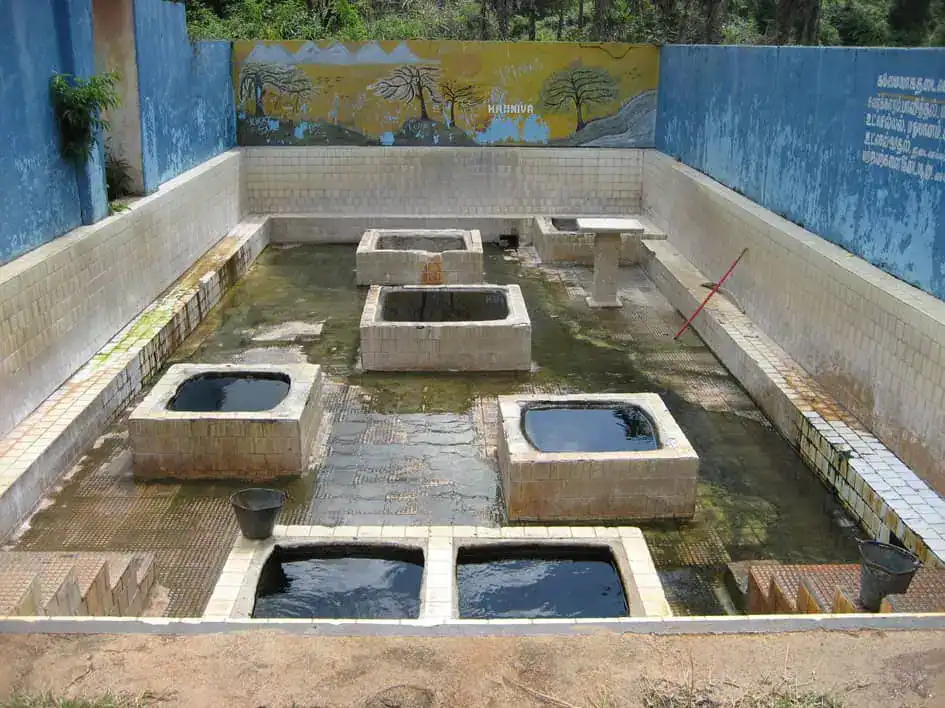
Kanniya Hot Water Springs – Trincomalee (Photo: Annette 777, CC BY-SA 2.0)
Trincomalee Harbour and Coastal Viewpoints
The harbour defines daily movement in Trincomalee. Fishing boats, naval vessels, and tour operators share the water. Walking along the pier in the early morning or late afternoon reveals working routines rather than staged scenes. Nearby coastal viewpoints offer wide angles for photography, especially during soft evening light. Seafood stalls and small eateries nearby serve fresh catches prepared simply.
Lagoon and Mangrove Experiences
Several lagoons surround Trincomalee, supporting birdlife, fishing communities, and mangrove forests. Boat trips move slowly through narrow channels. Guides point out birds, fish traps, and traditional fishing methods. These outings suit travellers who want time in the calm nature after busy days at sea. Early morning or late afternoon offers the best light and cooler conditions.
Velgam Vehera Rajamaha Viharaya
Velgam Vehera Rajamaha Viharaya stands as an ancient Buddhist archaeological site. Stone foundations and inscriptions remain visible across open ground. The site provides insight into early settlement patterns and religious practice in the region. Visits remain quiet, with few visitors at any given time. History feels close and tangible.
Kuchchaveli Samudragiri Pichchamal Viharaya
This coastal Buddhist temple near Kuchchaveli combines forest surroundings with views of the open sea. Access roads remain quiet and rural. The setting supports slow exploration and reflection. Many travellers reach the temple while travelling north or south along the coast, making the visit part of a broader journey.
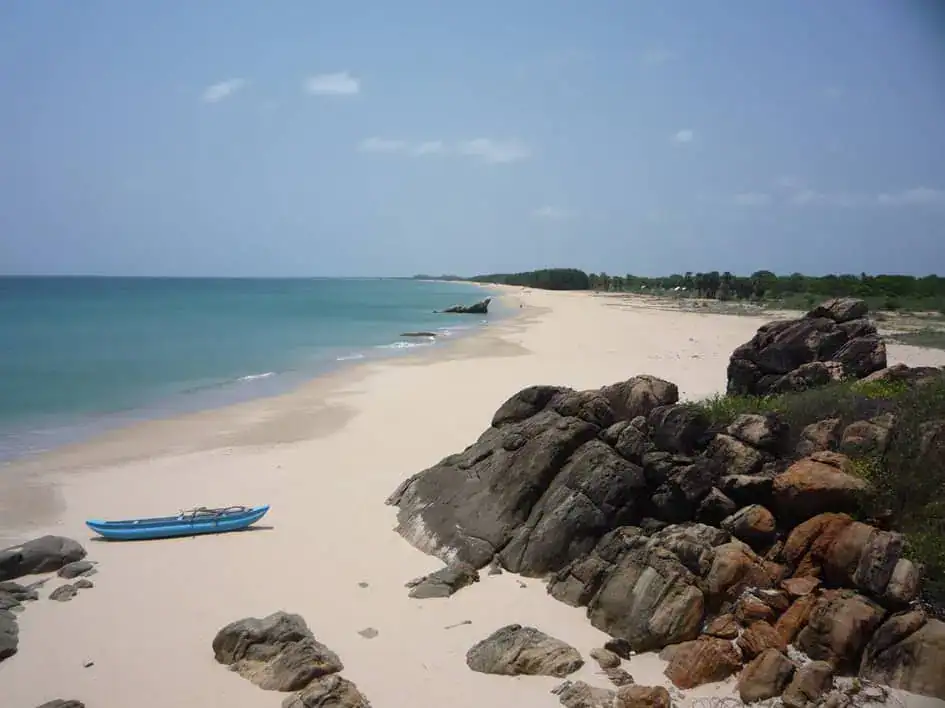
The View from Kuchchaveli Samudragiri Pichchamal Viharaya (Photo: Nalaka Priyantha)
Girihandu Seya and Archaeological Site
Girihandu Seya ranks among the earliest Buddhist stupas in Sri Lanka. The site lies inland from Trincomalee and requires planning to reach. Pilgrims and travellers visit for historical and spiritual reasons. The surrounding area feels remote, underscoring the site’s significance.
Seruwawila Rajamaha Viharaya
Seruwawila Rajamaha Viharaya draws pilgrims from across the island. The temple complex includes a large stupa set amid a forest. Visits often involve a longer drive, yet the atmosphere rewards the effort. Many travellers pair the visit with nearby heritage sites.
Somawathi Rajamaha Viharaya
Somawathi Rajamaha Viharaya is located in a wildlife-rich area. The journey combines forest travel with spiritual focus. Visitors often encounter birds and other wildlife, including elephants, along the way. Planning and daylight travel remain essential due to the location.
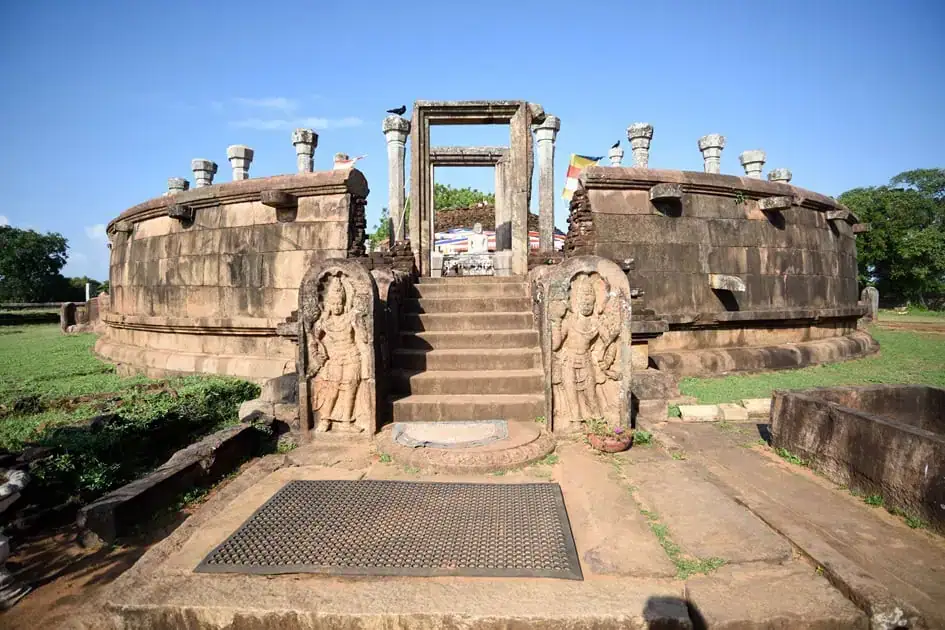
Girihandu Seya (Photo: Nalaka Priyantha)
Nearby Key Attractions to Pair With Trincomalee
Many travellers combine Trincomalee with the Cultural Triangle to balance beach time with inland heritage. Sigiriya, Polonnaruwa, and Anuradhapura connect well by road. These sites add archaeological depth to a coastal route.
Travellers following the East Coast further south often continue towards Passikudah or Arugam Bay. It creates a smooth coastal journey aligned with the dry season.
Culture and Local Life
Daily life in Trincomalee follows a routine rather than a performance. Markets open early. Fishing boats return by mid-morning. Religious activity continues quietly throughout the day. Hindu temples, Buddhist viharayas, mosques, and churches are located in proximity.
Visitors who observe patiently notice shared space and mutual respect. Food culture reflects this blend through seafood, rice dishes, and spice profiles. Social interaction values courtesy and restraint. Engagement grows naturally through small conversations rather than guided encounters.
Accommodation and Dining
Accommodation across Trincomalee ranges from simple guesthouses to full-service resorts. Guesthouses focus on location and personal interaction. Mid-range hotels offer beachfront access and pools. Resorts provide privacy, space, and on-site dining.
Dining centres around seafood, rice, and regional curries shaped by Tamil and Muslim traditions. Beach cafés serve light meals suited to warm weather. Many restaurants close early, reflecting local rhythm rather than nightlife focus.
If you are interested in Sri Lankan cuisine, read about popular dishes and drinks.
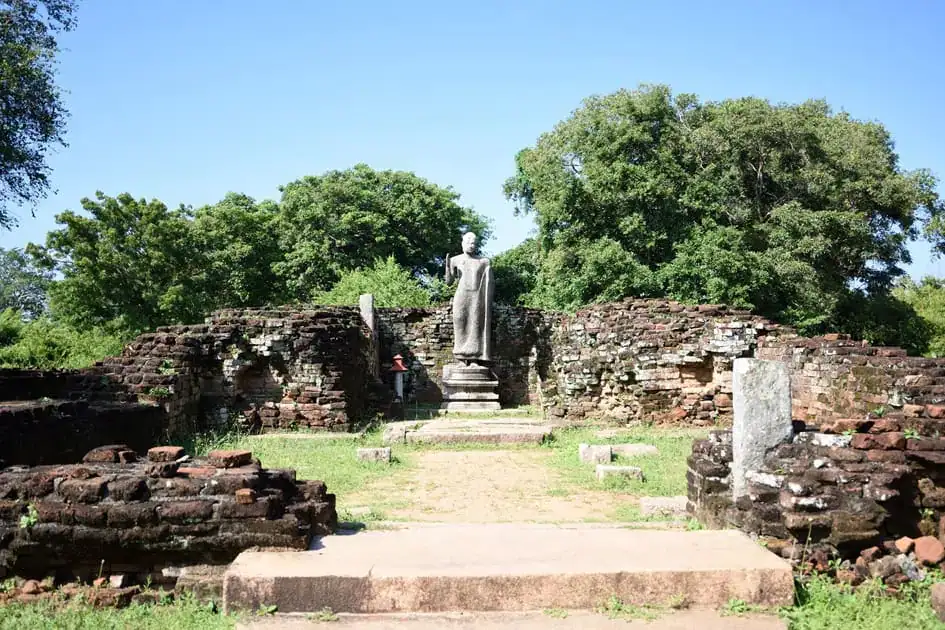
Ruins in Velgam Vehera Rajamaha Viharaya (Photo: Nalaka Priyantha)
What to Bring and Packing List
- Light cotton or linen clothing.
- Modest clothing (A scarf or shawl) for religious sites.
- Comfortable walking shoes.
- Swimwear and a quick-drying towel.
- Flip flops or sandals for beaches.
- Reef safe sunscreen.
- A wide-brimmed hat and sunglasses.
- A camera.
- Dry bag for boat trips.
- Reusable water bottle.
- Snorkelling gear, if preferred.
- Insect repellent.
Money, Services, and Connectivity
ATMs operate in the town centre and near major roads. Cash remains useful for small vendors and transport. Mobile networks provide stable coverage across most areas. Internet access supports remote work in many accommodations, especially near beaches.
What Not to Miss
- Early morning at Nilaveli Beach.
- Snorkelling at Pigeon Island National Park.
- Sunset views from Koneswaram Temple.
- Seafood dinner near the harbour.
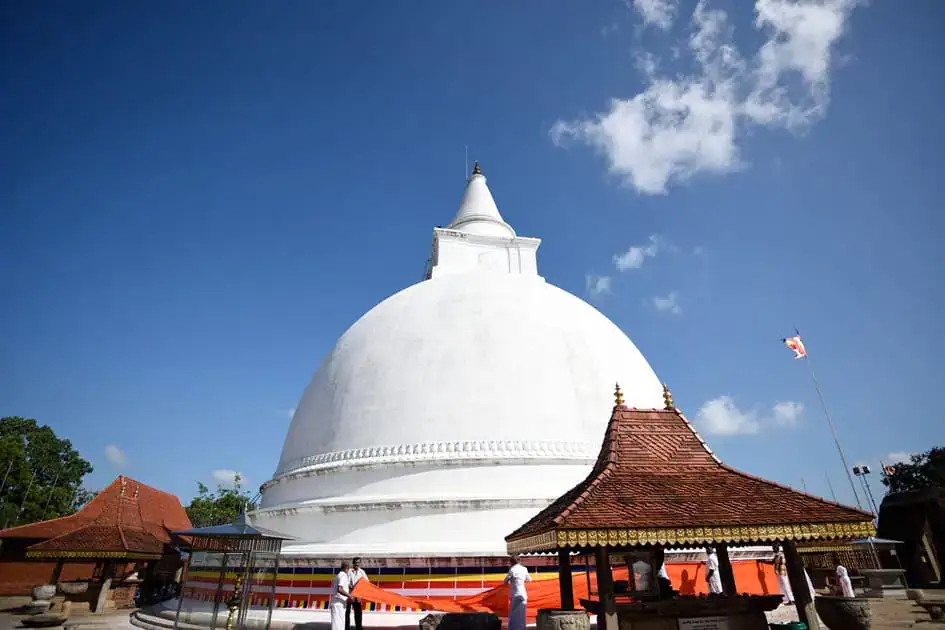
Seruwawila Rajamaha Viharaya (Photo: Nalaka Priyantha)
Dos and Don’ts
- Dress modestly at temples and religious sites in Sri Lanka.
- Follow marine park regulations.
- Avoid touching coral and marine life.
- Do not feed or touch wild animals.
- Respect local customs and routines.
Special Tips
- Start marine activities early for the best conditions.
- Book whale watching and snorkelling through licensed operators.
- Plan rest during midday heat.
Photography Tips
- Early morning light suits beaches and temples.
- Wide lenses capture coastal and harbour scenes.
- Seek permission before photographing people.
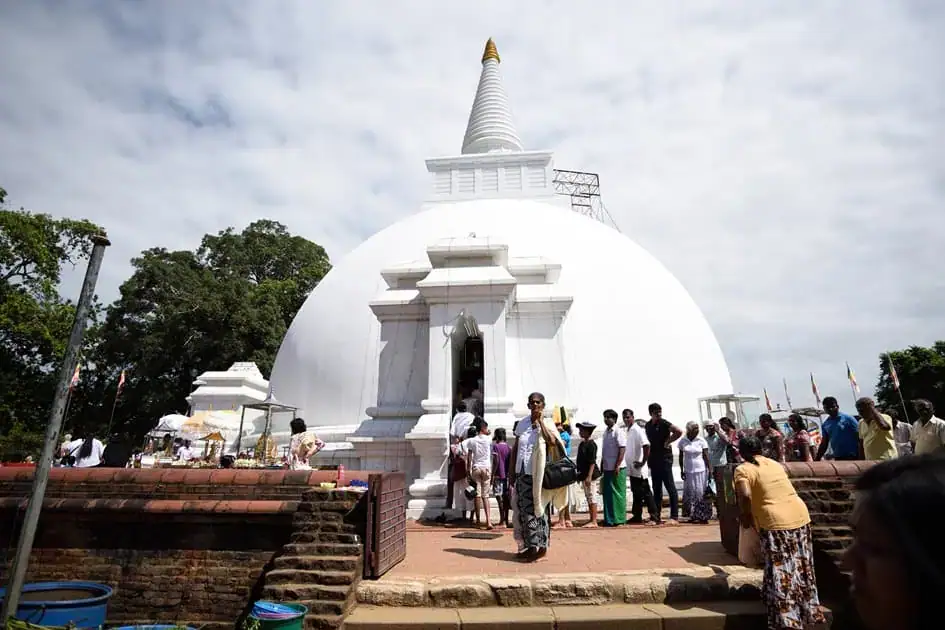
Somawathi Rajamaha Viharaya (Photo: Nalaka Priyantha)
Simple and Easy Plans
- Two nights suit travellers focused on beach time.
- Three nights balance marine activities and cultural sites.
- Four or more nights allow deeper exploration and a slower pace.
- Reduce plastic use during beach visits. Carry a reusable bottle.
- Dispose of waste responsibly.
- Support local guides, local guesthouses, boat operators, and family-run businesses.
- In wildlife areas, choose operators with clear ethics.
- Follow wildlife distance rules during marine and lagoon activities. Do not feed or touch wild animals. Avoid touching coral.
- Choose reef-safe sunscreen.
- Dress respectfully in villages and temples.
- Respect sacred spaces and daily routines.
- Learn basic greetings in Sinhala and Tamil.
Health, Safety, and Comfort
Carry travel insurance that covers medical care and activities. Stay hydrated throughout the day. Follow local advice on swimming conditions. Medical facilities and pharmacies operate in the town. Basic supplies remain easy to find.
Shopping and Souvenirs
Local markets sell spices, snacks, and household goods. Small stalls offer handmade items and practical souvenirs. Purchasing directly from community vendors supports local households and preserves traditional skills.
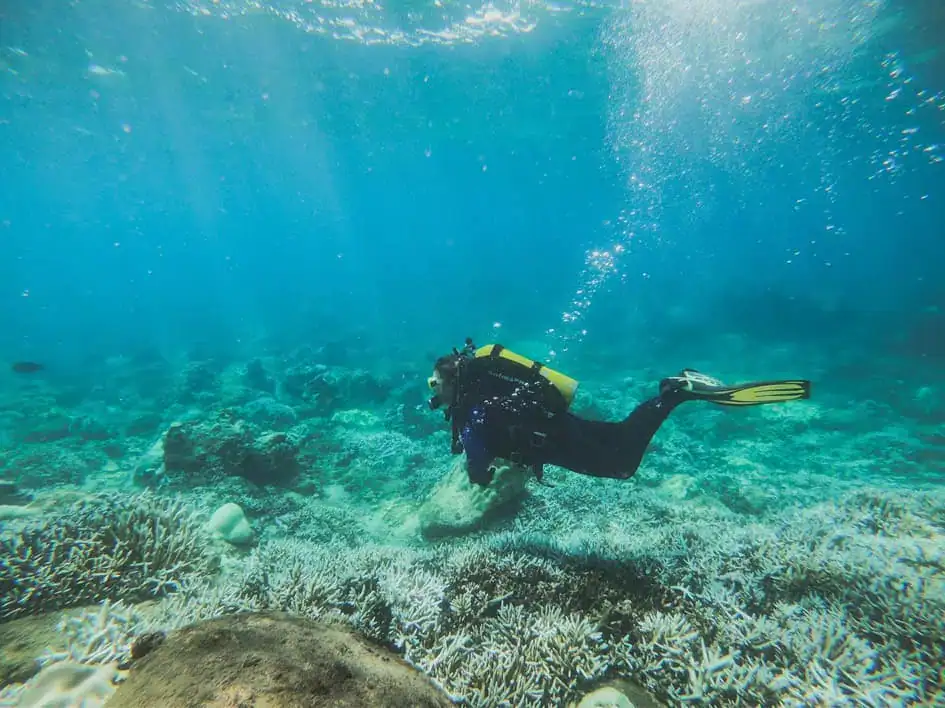
Diving – Pigeon Island National Park (Photo: Kalana Weeramuni, CC BY-SA 4.0)
Final Thoughts
Trincomalee rewards travellers who give it time and attention. The city does not compete for focus or demand constant movement. Days unfold through simple choices. A morning swim. A slow lunch. A temple visit as light fades. Beaches such as Nilaveli Beach and Uppuveli Beach remain open and calm. Marine experiences feel purposeful rather than rushed. This balance allows you to settle into the East Coast season without pressure while you visit Sri Lanka.
For many travellers, Trincomalee becomes a reference point rather than a highlight to tick off. The combination of space, faith, daily work, and calm seas creates reassurance. Whale watching in Sri Lanka, reef time, and quiet evenings by the harbour fit naturally into this rhythm. When the journey ends, the memory that stays often comes from how the place felt rather than what was done.
Trincomalee Map
Featured image: Uppuveli Beach – Trincomalee (Photo: Dennis Sylvester Hurd, CC0 1.0)

I am a Sri Lankan medical doctor who spends my free time travelling, exploring new destinations, and documenting the beauty of the island I call home. I have journeyed across almost every corner of Sri Lanka with my wife and daughter — from wildlife parks and misty mountains to ancient cities, deep forests, rugged landscapes, and quiet beaches.
Travel is not just a hobby for me — it’s a way of life. I love nature, enjoy road trips, and find joy in wildlife photography. I also read widely about tourism, travel trends, and destination culture. Through my writing, I aim to help travellers experience Sri Lanka through real stories, meaningful insights, and honest recommendations — the same way I explore it with my own family.