
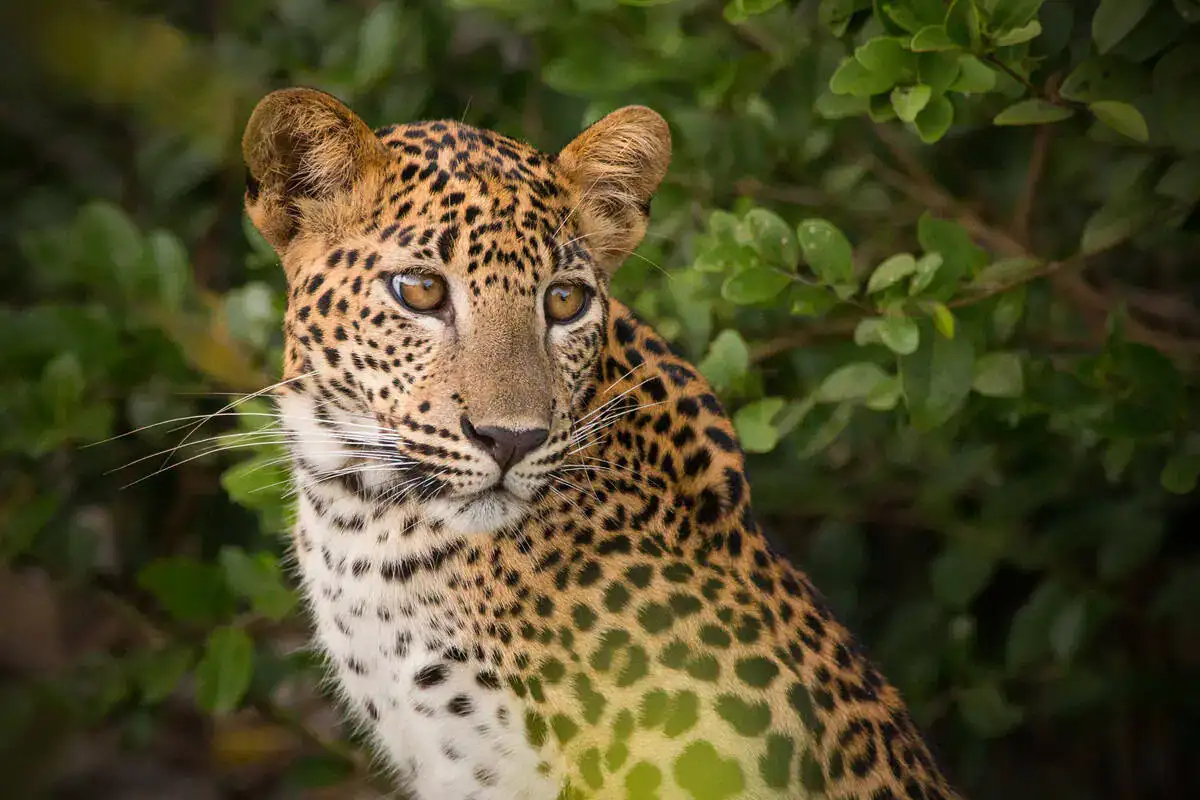

Wilpattu National Park stands as one of the most rewarding places for a wildlife safari in Sri Lanka. This vast reserve offers silence, space, and raw nature and wildlife encounters away from busy tourist routes. You enter a land shaped by forests, open plains, and natural lakes where animals move freely. The park attracts travellers who value patience, nature, and observation. Wildlife photography thrives here, especially for those seeking leopards in Sri Lanka in a calm setting. This guide walks you through every detail needed to plan a meaningful visit to Wilpattu National Park, from geography and wildlife to travel planning and safari preparation.
What Is Wilpattu National Park
Wilpattu National Park is one of the oldest protected areas among national parks in Sri Lanka. Authorities declared the area a sanctuary in 1905 and later upgraded the status to a national park. The park protects a large section of dry zone forest and grassland in the northwest of the island. Wilpattu is best known for its villus, which are natural rain-fed lakes scattered across the park. These water bodies shape animal movement and safari routes. The park offers a classic safari environment without artificial attractions or busy roads.
Why Wilpattu National Park Holds Special Status
Wilpattu National Park holds special status due to scale, ecosystem variety, and visitor experience. The park covers more land than any other national park in Sri Lanka. This space allows wildlife to spread naturally without constant vehicle pressure. Safari drives feel slow and deliberate rather than rushed. The villus support wildlife year-round and create reliable viewing zones. Leopards in Sri Lanka thrive here due to strong prey numbers and minimal disturbance.
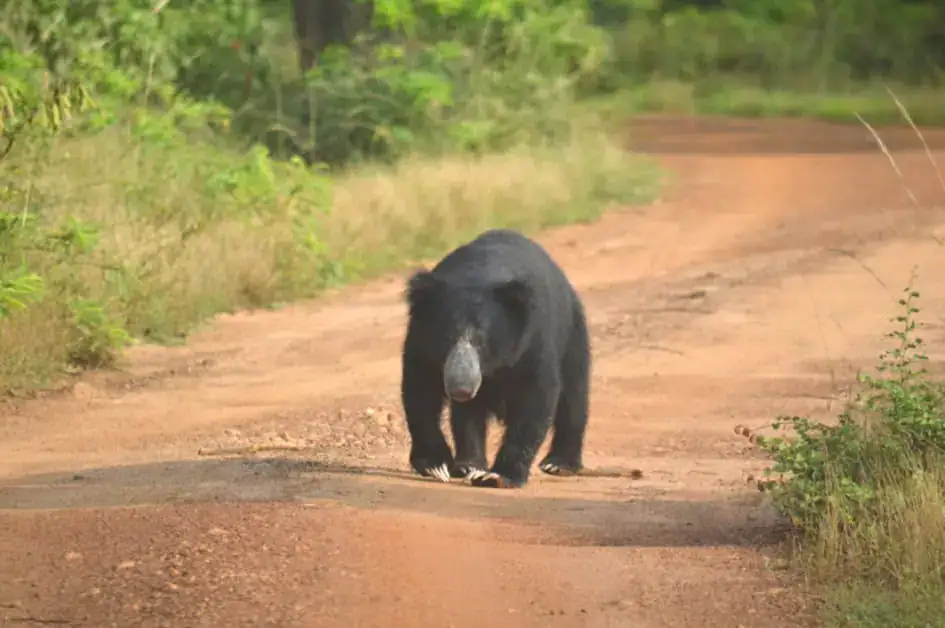
A Sloth Bear – Wilpattu National Park (Photo: Nalaka Priyantha)
Recognition and Tourism Appeal
Wilpattu National Park draws travellers who seek nature without noise. The park gained strong recognition among wildlife photographers and seasoned safari travellers. Bird watchers value the park for water birds and forest species. Conservation groups highlight Wilpattu as a successful example of habitat recovery. Tour operators promote the park for visitors who prefer long game drives with fewer vehicles. Reviews often note the sense of isolation and realism compared to busier parks.
Location and Geography
Wilpattu National Park lies in the northwest of Sri Lanka’s dry zone. The park stretches across the districts of Puttalam and Anuradhapura. The western boundary runs close to the coast, while the eastern side blends into forest reserves. The terrain stays mostly flat with gentle undulations. Forest cover includes dry monsoon forest, scrub, and open grassland. Villus form shallow lakes across the park and fill during monsoon rains. These water bodies attract wildlife and shape daily movement patterns.
Size of the Park
Wilpattu National Park spans roughly 1,317 square kilometres. This size makes Wilpattu the largest national park in Sri Lanka. The wide area reduces crowding and allows long safari routes. You may drive for extended periods without seeing another vehicle. Animals roam freely across large territories, which adds realism to the safari experience. The size rewards patience and repeated visits.
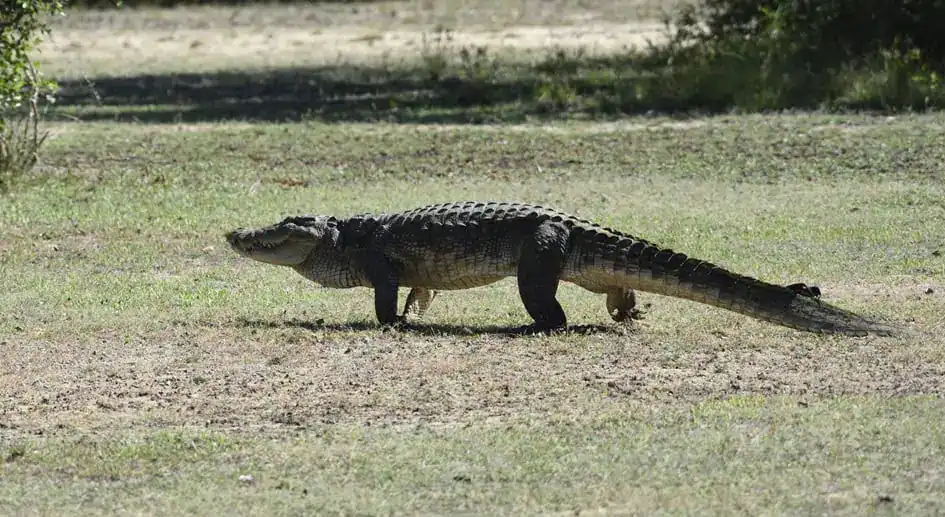
A Crocodile in Wilpattu National Park (Photo: Nalaka Priyantha)
Main Entrances
Wilpattu National Park has 2 main access points, depending on your route and accommodation. The Hunuwilgama entrance, the main entrance, serves visitors arriving from Anuradhapura, Puttalam, Negombo, or Colombo. The Eluwankulama entrance is suitable for travellers arriving from the West Coast, Colombo, and Puttalam. Each entrance has ticket counters, ranger offices, and basic facilities. Entry location affects travel time to key wildlife zones.
Pre-Booking Safaris
You should secure safari permits before arrival. The Sri Lanka Wildlife Department manages park entry permits. Online booking helps control visitor numbers and reduces gate delays. Most safari operators arrange permits as part of the booking. Confirm permit inclusion before final payment. Advance booking becomes important during school holidays and peak travel months.
- Pre-booking safari permits through the official Wildlife Park Permits Reservation eService.
How to Reach Wilpattu National Park and How to Move Around
How to Reach the Park
Most travellers reach Wilpattu National Park by road. From Colombo, the drive takes around 5 to 6 hours, depending on traffic. The route follows the West Coast before turning inland towards Puttalam or Anuradhapura. Visitors staying in Anuradhapura enjoy shorter travel times to eastern entrances. Private cars, taxis, and tour vehicles serve this route well. Public transport reaches nearby towns, though last-mile travel requires a private transfer.
It is advisable to read our Transport in Sri Lanka: The Best Guide if you plan to combine your visit to Wilpattu National Park with other destinations in Sri Lanka.
How Movement Works Inside the Park
Movement inside Wilpattu National Park happens only by safari jeep. Park rules restrict private vehicles and walking. Trained drivers and guides navigate designated dirt tracks. Vehicles stop near villus or animal sightings under the guide’s instruction. You stay inside the jeep throughout the safari. Rangers monitor routes and enforce speed limits. This system protects wildlife and visitor safety.
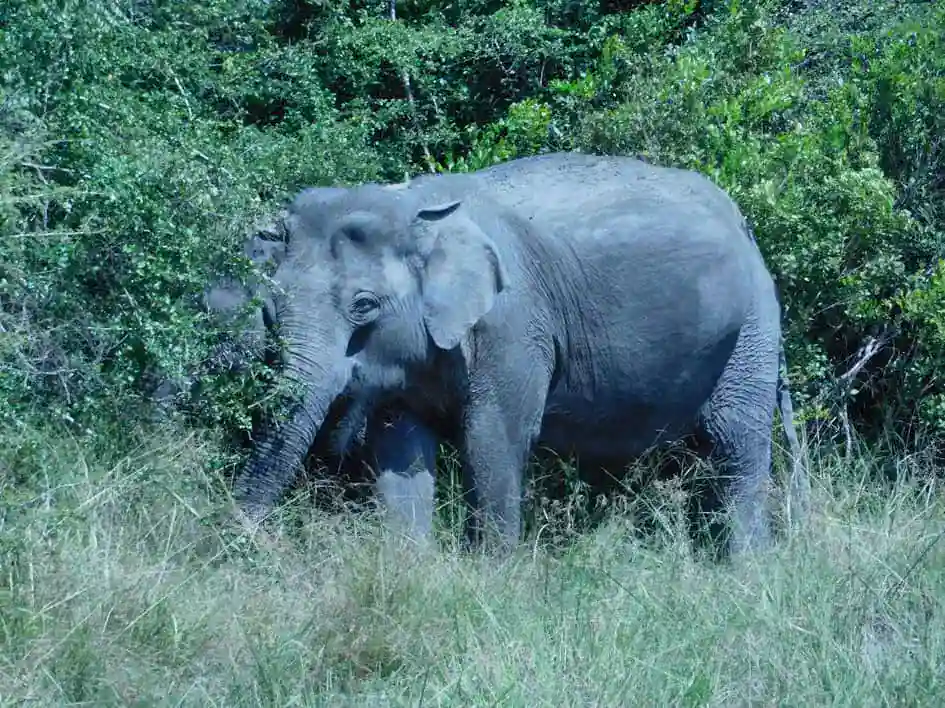
Elephants in Wilpattu National Park (Photo: Davidmalcolms, CC BY-SA 4.0)
Nature, Flora, and Fauna
Trees and Plant Life
Wilpattu National Park supports dry-zone vegetation adapted to heat and seasonal rainfall. Common tree species include palu, satinwood, weera, and ebony. Dense forest patches alternate with open grassland and scrub. Vegetation thins near the villus where grasses dominate. These plant zones support different animal groups and bird species. Seasonal changes affect leaf cover and visibility during safaris.
Mammals
Wilpattu hosts a wide range of mammals. Sri Lankan leopards rank among the main attractions. The park also supports Asian elephants, sloth bears, spotted deer, sambar deer, wild boar, and water buffalo. Smaller mammals include jackals, mongooses, and porcupines. Predators follow prey movement around water sources. Sightings vary daily, which keeps each safari unique.
We recommend reading “The Best National Parks to Spot Leopards in Sri Lanka“.
Birds
Birdlife remains strong across Wilpattu National Park. Water birds gather at villus, including painted storks, egrets, herons, and pelicans. Forest birds include owls, hornbills, and woodpeckers. Raptors patrol open areas during daylight hours. Bird activity increases during early morning and late afternoon. Seasonal migrants add variety during certain months.
Reptiles and Amphibians
Reptiles thrive in Wilpattu’s warm climate. Mugger crocodiles live in larger villus. Monitor lizards roam forest edges and open ground. Pythons and other snakes remain hidden in thick vegetation. Frogs and amphibians appear near water after rain. Guides often point out reptiles resting near tracks.
Invertebrates
Invertebrates play a vital role in the park ecosystem. Butterflies appear in large numbers near water and flowers. Dragonflies patrol villus edges. Ants, beetles, and spiders support the food chain. Observant visitors notice this smaller wildlife during quiet moments.
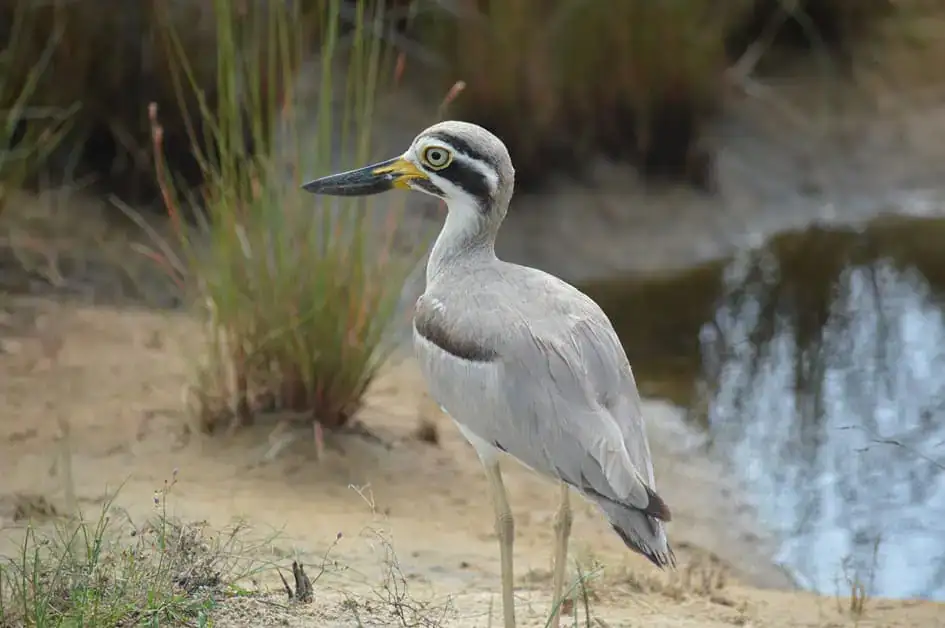
A Great Thick-knee (Photo: Nalaka Priyantha)
Best Time to Visit and Why
Timing shapes your safari experience at Wilpattu National Park. The months from May through September offer the best wildlife-viewing conditions during the dry season. Water sources shrink during these months, which draws animals towards the villus and remaining ponds. This concentration improves sightings of mammals and birds. Leopard activity increases during early morning hours along open tracks. February to April also works well, with greener scenery and fewer visitors. Heavy rains from October to January reduce access on some tracks and lower visibility due to thick vegetation.
It is recommended to read the weather and best time to visit Sri Lanka guides before you plan your trip.
Current Weather and Weather Forecast in Wilpattu National Park
Weather and Conditions
Wilpattu National Park is in Sri Lanka’s dry zone and experiences warm temperatures year-round. Daytime heat increases from March to June, with temperatures often rising above 30 degrees Celsius. Early mornings stay cooler and more comfortable for safari drives. Afternoon heat feels stronger in open grassland areas. Rainfall peaks between October and December. During wet periods, some roads become muddy and slow. Park authorities may close sections if conditions pose a safety risk.
Who Will Enjoy Wilpattu Most
Wilpattu suits travellers who value calm surroundings and long wildlife observation. Wildlife photographers enjoy extended viewing time without pressure from other vehicles. Bird watchers appreciate the diversity and quiet conditions. Nature-focused travellers prefer Wilpattu over busier national parks in Sri Lanka. Families with young children may find long drives tiring. Visitors seeking guaranteed big cat sightings should bring patience and realistic expectations.
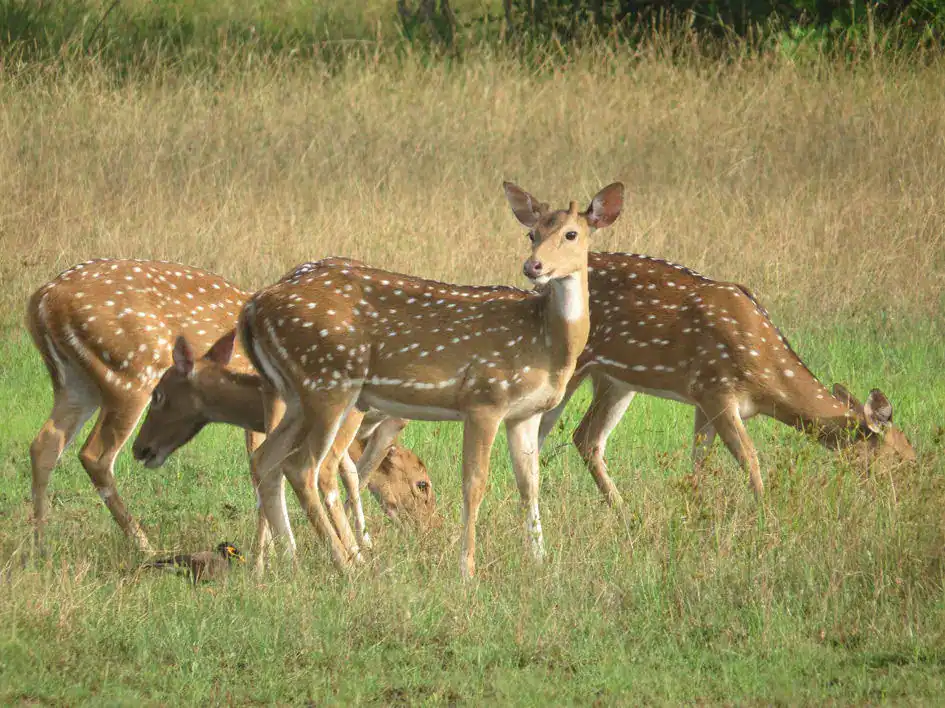
Deer in Wilpattu National Park (Photo: Nalaka Priyantha)
Preparing for Your Safari
Pick Your Safari Window
Choose between morning and afternoon safaris based on comfort and goals. Morning safaris begin before sunrise and offer cooler air and higher animal activity. Afternoon safaris start mid-afternoon and continue until sunset. Light conditions differ between sessions. Morning light suits soft wildlife photography. Afternoon light adds contrast and dramatic shadows.
Opening hours of Wilpattu National Park: From 6.00 am to 6.00 pm (every day).
Choose Your Vehicle Type
Select a well-maintained 4×4 safari jeep with open sides or a pop-up roof. Smaller group sizes allow better visibility and comfort. Confirm the experience level of your driver and guide. Guides familiar with the Wilpattu terrain improve wildlife spotting through knowledge of animal movement.
Confirm Your Pickup Time and Meeting Point
Confirm pickup details one day before your safari. Early pickups often start before 5.30 am. Late arrivals reduce time inside the park. Agree on meeting points if you stay outside nearby towns. Clear communication avoids delays at park entrances.
Plan Your Food and Water
Carry enough drinking water for the entire safari. Dehydration occurs quickly in dry conditions. Bring light snacks such as fruit, nuts, or energy bars. Full-day safaris require packed lunches. Avoid strong-smelling food inside the jeep.
Prepare Your Gear
Check cameras, lenses, and batteries before departure. Dust affects equipment during dry months. Pack lens cloths and protective covers. Binoculars help with distant sightings. Carry a compact backpack so your essential items stay within easy reach.
Learn Basic Behaviour Rules
Follow the guide instructions at all times. Remain quiet near animal sightings. Avoid sudden movements inside the jeep. Keep arms and cameras within vehicle boundaries. Respect wildlife space and allow animals to move freely.
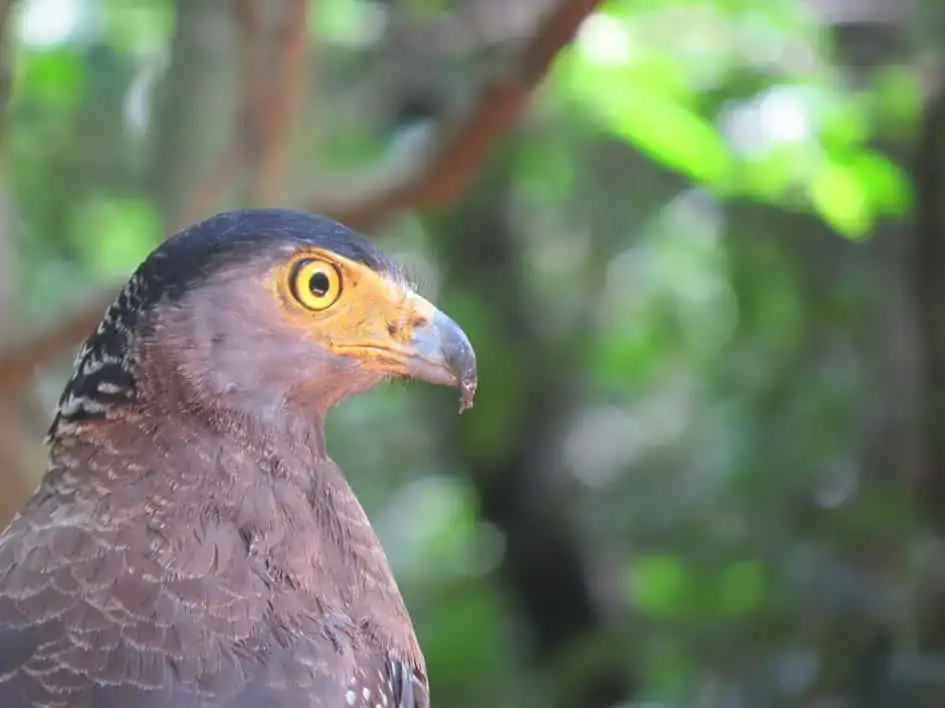
Crested Serpent Eagle in Wilpattu (Photo: Nalaka Priyantha)
What to Bring
Clothing and Comfort
Wear lightweight, long-sleeved clothing in neutral colours. Avoid bright shades and patterns. Comfortable trousers protect legs from the sun and insects. Closed shoes provide stability during bumpy rides. A hat shields your face during open drives.
Protection
Use sunscreen with high SPF. Apply insect repellent before entering the park. Sunglasses reduce glare during midday light. A scarf or face covering helps against dust.
Safari Essentials
Carry a camera with a zoom lens between 200mm and 400mm for wildlife photography. Binoculars enhance bird watching. Bring extra memory cards and batteries. A small towel helps manage sweat and dust.
Money and Documents
Carry Sri Lankan rupees for park fees, tips, and local purchases. Keep identification documents secure. Store valuables in sealed bags to protect them from dust.
Nearby Attractions
Several attractions surround Wilpattu National Park. Anuradhapura offers ancient ruins and sacred sites. The West Coast beaches near Kalpitiya offer dolphin-watching and quiet coastal stays. Local villages give insight into rural life and culture. These options allow balanced travel plans combining wildlife, culture, and relaxation.
Simple and Easy Plans That Work
A practical plan includes two or three nights near Wilpattu. Schedule one morning safari and one afternoon safari on separate days. Use rest time between drives to relax and review photos. Add a buffer day for weather or repeat safaris. This pace avoids fatigue and improves the chances of wildlife.
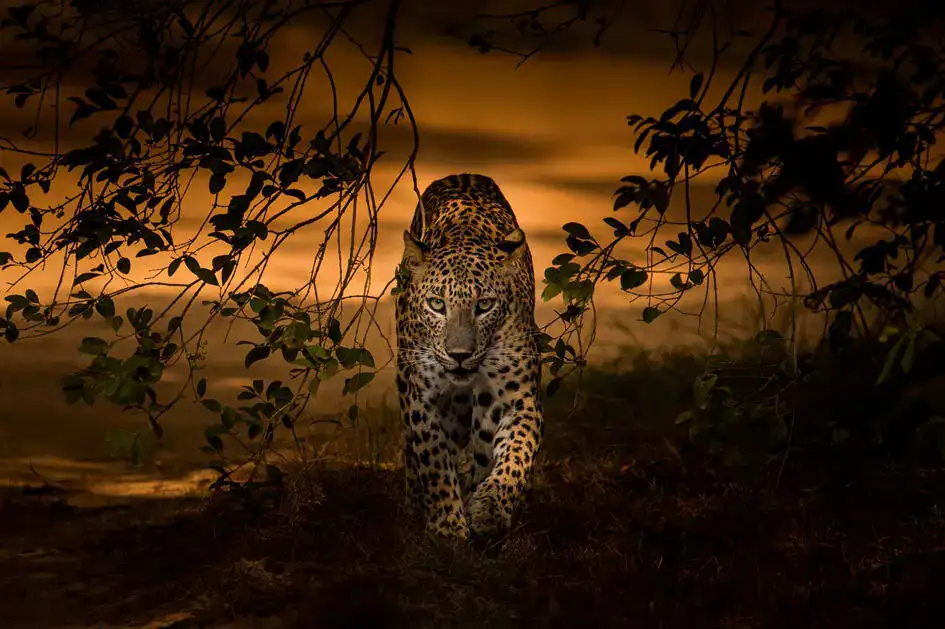
Another Leopard in Wilpattu (Photo: Senthiaathavan, CC BY 4.0)
Facilities
Facilities inside Wilpattu National Park remain basic. Entrance points offer restrooms and ranger offices. Inside the park, there are no shops or restaurants. Some designated stops provide shade and seating. Visitors should rely on personal supplies for comfort.
Camping Facilities
Formal camping inside Wilpattu National Park remains limited. Some licensed operators offer guided camping experiences near park boundaries. These camps provide tents, meals, and guided activities. Camping requires advance permission and adherence to strict rules. Night sounds and early morning wildlife movement create immersive experiences.
Accommodation and Dining
Accommodation near Wilpattu ranges from simple guesthouses to safari lodges. Most lodges sit outside park boundaries. Dining options focus on Sri Lankan cuisine with rice & curries, and fresh produce. Lodges often prepare packed meals for safari days. Advance booking helps during peak seasons.
Wildlife Bungalows and Nights Inside the Park
Selected wildlife bungalows in the park offer early access advantages. Staying inside the park reduces travel time to gates. An early start increases the chances of fresh animal tracks and sightings. Nights in the park bring natural sounds and cooler air. Availability remains limited and requires advance arrangements.
- Pre-book the wildlife bungalows through the official Wildlife Circuit Bungalows Reservation eService.
Best Places, Activities, and Experiences
Focus on the villus during early-morning drives. Watch animals approach water quietly. Observe bird activity near open water edges. Spend time tracking movement rather than rushing from one location to another. Each safari unfolds differently based on the weather and season.
Special Tips
Start safaris early to avoid the heat. Request experienced guides familiar with leopard territories. Carry patience and manage expectations. Wildlife sightings reward calm observation rather than constant movement.
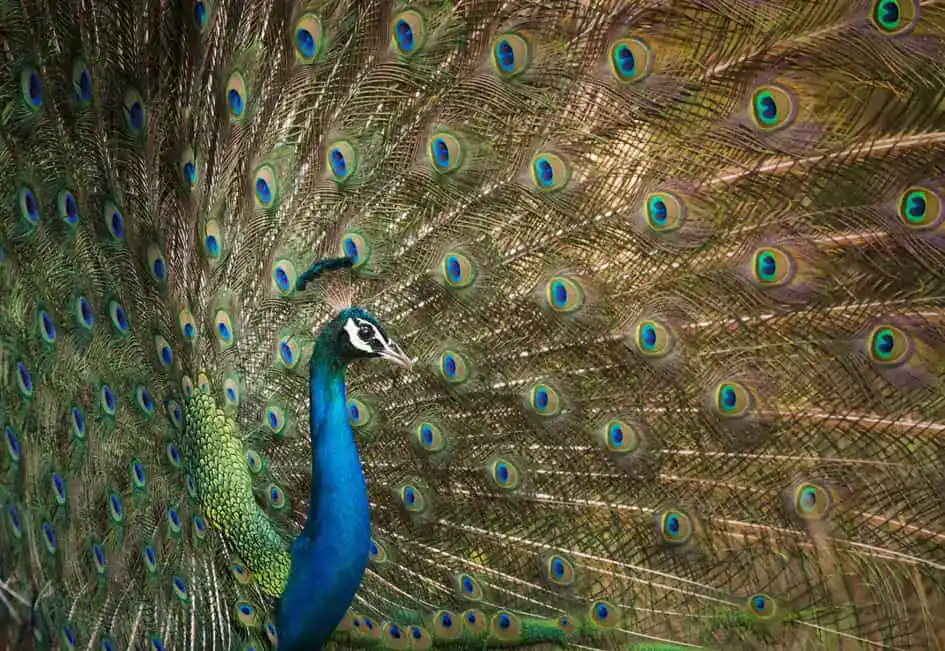
Indian Peafowl in Wilpattu (Photo: Senthi Aathavan Senthilverl, CC BY-SA 4.0)
Photography Tips
Settings and Technique
Use shutter priority mode for moving animals. Set fast shutter speeds above 1/1000 for action shots. Adjust the ISO gradually during low-light conditions. Continuous autofocus helps track moving subjects.
Composition
Frame animals with space in the direction of movement. Avoid cutting off limbs or tails. Use natural elements, such as trees or water, as background layers. Focus on eyes for emotional impact.
Light Management
Soft light appears during early morning and late afternoon. Avoid harsh midday sun when shadows dominate. Position the vehicle with the sun behind you when possible. Overcast conditions provide even lighting.
Gear Handling
Protect equipment from dust using covers. Change lenses carefully inside the vehicle. Secure gear during rough terrain. Clean lenses after each drive.
Do Not Miss
Watch for leopard tracks along sandy roads. Observe sloth bears near forest edges during early hours. Look for elephants near villus during dry months. Spend time watching birds rather than chasing big mammals alone.
Dos and Don’ts
- Do respect park rules and wildlife space.
- Do listen to guides and rangers.
- Do carry enough water.
- Do wear neutral clothing.
- Don’t feed animals.
- Don’t make loud noises.
- Don’t stand inside the jeep.
- Don’t use flash photography.
- Don’t litter inside the park.

Changeable Hawk-Eagle (Photo: Shaluka Herath, CC BY-SA 4.0)
Handling Animal Encounters
Stay calm during close encounters. Allow animals to pass without blocking paths. Trust your guide to manage distance. Avoid sudden movements or raised voices. Keep children seated and quiet.
Visitor Guide and Safety
Inside the Jeep
Remain seated during drives. Hold onto the rails during rough patches. Keep personal items secure. Follow all instructions given by your guide.
Health and Comfort
Drink water frequently. Protect skin from sun exposure. Inform guides about health concerns before the safari. Carry basic medication if needed.
Timing
Arrive at the gates early to maximise safari duration. Respect park closing times. Late exits result in penalties.
Ethics
Respect wildlife behaviour and natural processes. Avoid influencing animal movement for photos. Support ethical safari practices.
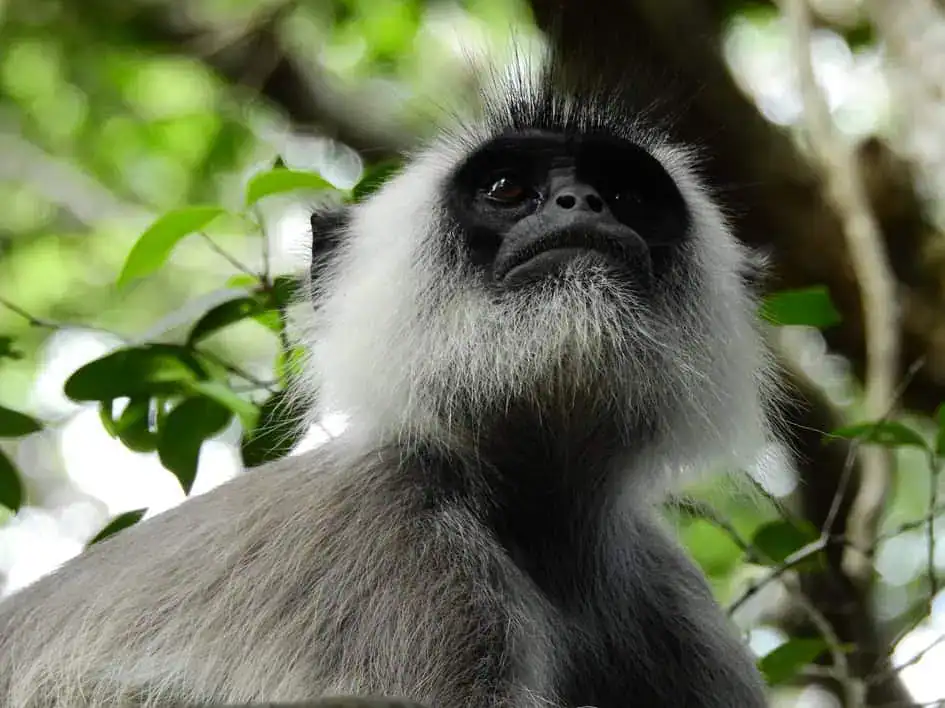
Tufted Grey Langur (Photo: Rehman Abubakr, CC BY-SA 4.0)
Choose Ethical Operators
Select operators who follow wildlife guidelines and speed limits. Ethical guides prioritise animal welfare over sightings.
Reduce Waste
Carry reusable water bottles. Avoid plastic packaging. Take all waste back with you.
Respect Wildlife
Maintain safe distances. Allow animals to behave naturally. Avoid crowding sightings.
Support Local Livelihoods
Hire local guides and drivers. Stay at locally owned lodges. Purchase local products and services.
Final Thoughts
Wilpattu National Park offers one of the most authentic safari experiences in Sri Lanka. The park rewards patience, respect, and preparation. Wide landscapes, natural lakes, and diverse wildlife create lasting memories. Leopards in Sri Lanka roam freely here, alongside elephants, birds, and countless other species. With thoughtful planning and responsible travel choices, your visit to Wilpattu National Park becomes more than a trip. It becomes a quiet encounter with nature at its own pace.
Map – Wilpattu National Park
Featured image: Sri Lankan Leopard in Wilpattu National Park (Photo: Senthi Aathavan Senthilverl, CC BY-SA 4.0)

I am a Sri Lankan medical doctor who spends my free time travelling, exploring new destinations, and documenting the beauty of the island I call home. I have journeyed across almost every corner of Sri Lanka with my wife and daughter — from wildlife parks and misty mountains to ancient cities, deep forests, rugged landscapes, and quiet beaches.
Travel is not just a hobby for me — it’s a way of life. I love nature, enjoy road trips, and find joy in wildlife photography. I also read widely about tourism, travel trends, and destination culture. Through my writing, I aim to help travellers experience Sri Lanka through real stories, meaningful insights, and honest recommendations — the same way I explore it with my own family.