
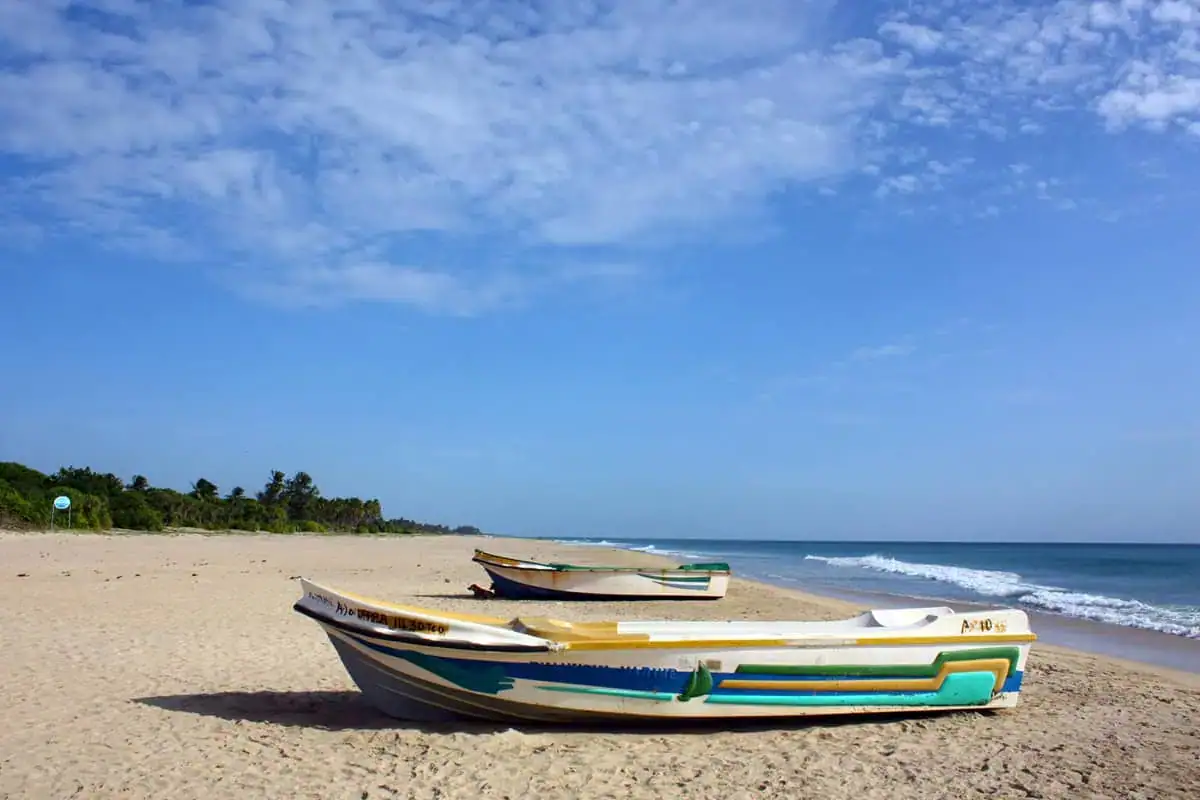

Nilaveli Beach leaves a strong first impression because nothing feels forced. The sand stretches wide and clean along Sri Lanka’s Eastern Coast. The sea stays calm for most of the year, showing layers of blue that change with the light. Life near Nilaveli moves at a steady pace shaped by fishing routines, daylight, and seasons rather than crowds or schedules. When you visit Sri Lanka with a focus on space, water, and clarity, Nilaveli Beach delivers a setting that feels balanced and honest.
Located north of Trincomalee, Nilaveli Beach avoids the dense development seen in other beach destinations. You hear waves more often than traffic. You notice fishermen pulling nets in the early morning and families walking along the shore in the evening. This beach works for travellers who want more than a quick stop. It supports long stays, repeat swims, and days without pressure to move fast. Among beaches in Sri Lanka, Nilaveli Beach holds a rare mix of accessibility and restraint.
This guide focuses on what makes Nilaveli special, who benefits most from visiting, how recognition shaped tourism, budget planning, timing your visit, understanding the physical setting, activities, Pigeon Island National Park, culture, logistics, sustainability, and practical travel details.
Why Nilaveli Beach Is Special
Nilaveli Beach stands out because of its consistency. The sand remains soft and light in colour along most of the shoreline. The water stays shallow close to shore, which supports safe swimming and long wades. Waves roll in gently during the dry season, making the sea approachable for many travellers. You do not need special skills or equipment to enjoy time in the water.
Space plays a major role. Nilaveli Beach stretches for several kilometres, spreading visitors across a wide area. Even during peak season, you rarely feel confined to one spot. This layout allows quiet walks, private swims, and time to sit without interruption. Many beaches in Sri Lanka struggle with crowding during high season. Nilaveli Beach avoids this problem through scale and planning.
Another defining feature lies offshore. Pigeon Island National Park, a short boat ride from the beach, protects one of the richest coral reef systems in Sri Lanka. The presence of this marine reserve shapes the entire coastal experience. Tour operators follow strict rules. Visitor numbers stay controlled. Reef health receives attention. This connection between beach and protected nature gives Nilaveli a clear identity beyond sun and sand.

Sunrise – Nilaveli (Photo: Alexey Komarov, CC BY-SA 4.0)
Recognition and Tourism Appeal
Nilaveli Beach gained steady recognition as travel returned to Sri Lanka’s East Coast after years of limited access. Travel publications and independent reviews often describe Nilaveli as one of the best beaches in Sri Lanka for swimming and snorkelling. The appeal does not rely on nightlife or luxury branding. Instead, it rests on water quality, open space, and access to marine life.
Tourism growth in Trincomalee supports Nilaveli without overwhelming it. Trincomalee functions as a service centre with transport, hospitals, banks, and markets. Nilaveli Beach benefits from this proximity while maintaining a quieter profile. Visitors stay near the beach and travel into town only when needed.
Pigeon Island National Park adds international attention. Marine biologists, conservation groups, and eco-focused travellers highlight the park as a critical reef system in the Indian Ocean. This attention increases awareness while reinforcing the need for responsible travel. Nilaveli Beach attracts visitors who value structure, rules, and long-term protection rather than unchecked development.
Do you know that Nilaveli Beach is among the most popular beaches in Sri Lanka?
Best for Whom
Nilaveli Beach suits travellers who prefer calm over stimulation. Families appreciate shallow water, clean sand, and space for children to move freely. Parents find comfort in the gentle sea and visible shoreline.
Couples often choose Nilaveli for quiet mornings and evenings. Long walks, shared swims, and simple meals shape the experience. The absence of loud nightlife supports conversation and rest.
Solo travellers feel comfortable due to the open layout and friendly local culture. Movement between the hotel, the beach, and the restaurant remains easy. Nature-focused travellers have strong reasons to stay, as snorkelling, birdlife, and marine observation are daily options.
Nilaveli Beach is not suited to travellers seeking constant entertainment, shopping centres, or party scenes. Other beaches in Sri Lanka better meet those needs. Nilaveli works best for people who enjoy repetition, routine, and time outdoors.
Nilaveli Beach for Every Budget
Nilaveli Beach supports flexible spending. Budget travellers find guesthouses offering clean rooms, fans or air conditioning, and breakfast at fair rates. Many guesthouses are within walking distance of the shore, eliminating the need for transport.
Mid-range hotels offer added comfort with private balconies, garden areas, and beach access. Prices remain reasonable compared to similar coastal destinations elsewhere in Sri Lanka. These properties often include restaurants that serve fresh seafood and local dishes.
Higher-end resorts operate farther along the coast. These properties focus on privacy, spa services, and curated dining. Prices increase during peak season but remain stable outside holiday periods.
Food spending stays manageable across budgets. Local restaurants serve rice and curry, seafood grills, and flatbreads at consistent prices. Portions remain generous. Street vendors sell fruit, snacks, and drinks throughout the day. You control daily costs through choice rather than compromise.
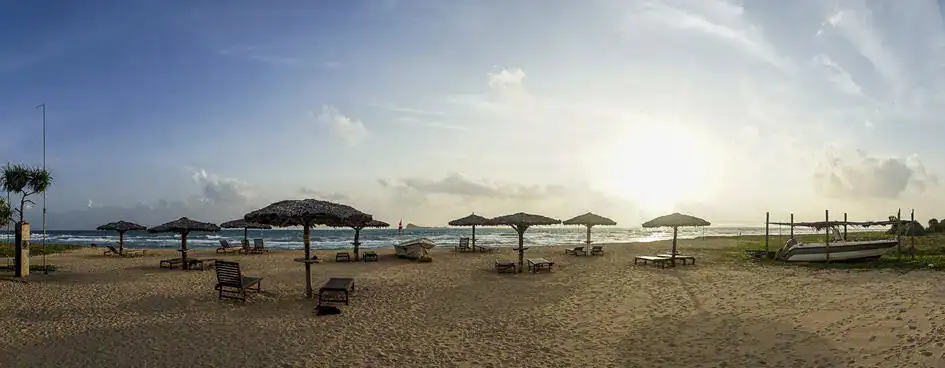
Sunny Nilaveli Beach (Photo: Eleleleven, CC BY-SA 2.0)
Best Time to Visit Nilaveli and Why
Nilaveli follows the East Coast climate pattern of Sri Lanka. The dry season runs from April through November. During this period, rain stays limited, and sea conditions remain calm. Water clarity improves, which benefits swimming and snorkelling.
The strongest months for marine activities fall between May and September. Snorkelling trips to Pigeon Island operate daily when weather permits. Visibility often reaches several metres, allowing clear views of coral and fish.
October and November bring occasional rain, but still support beach time. December through March marks the Northeast Monsoon. During these months, the seas turn rougher and visibility drops. Many boat tours pause, and some hotels close temporarily.
If your travel goals focus on Nilaveli Beach and Pigeon Island, planning for April through November increases your chances of success and comfort.
If you plan to visit Nilaveli and other destinations in Sri Lanka, it is advisable to check the weather and the best time to visit.
Current Weather and Weather Forecast in Nilaveli
Location and How to Get There
Nilaveli lies approximately 15 kilometres north of Trincomalee in Sri Lanka’s Eastern Province. The beach follows a coastal road connecting small villages and resorts. Trincomalee serves as the region’s main transport hub.
You reach Trincomalee by train from Colombo. The journey takes several hours and passes through inland plains and coastal zones. Buses operate daily from Colombo, Kandy, and other major cities. Private drivers offer direct routes for travellers who prefer flexibility.
- Check the train schedule.
- Online Ticket Booking: Online Advance Train Seats Reservation from the Sri Lanka Railways Official Page.
From Trincomalee town, tuk-tuks and local buses travel north towards Nilaveli. The journey usually takes about 30 minutes, though traffic conditions can affect the exact time. Clear signboards mark beach access points and hotel entrances along the road.
If you plan to visit Sri Lanka, it is advisable to read “Transport in Sri Lanka: The Best Guide.”
Transport, Getting Around, and Parking
Transport around Nilaveli remains straightforward. Many travellers walk between accommodation, the beach, and restaurants. Tuk-tuks provide short rides and remain easy to arrange. Agree on fares before travel to avoid confusion.
Scooter and bicycle rentals operate in Trincomalee and near Nilaveli. These options suit travellers who want freedom to explore nearby beaches and attractions at their own pace. Roads stay mostly flat and quiet, which supports relaxed riding.
Parking near Nilaveli Beach stays informal. Open spaces near beach entrances serve cars and vans. Hotels usually provide parking for guests. During peak season, arriving early helps secure convenient spots.
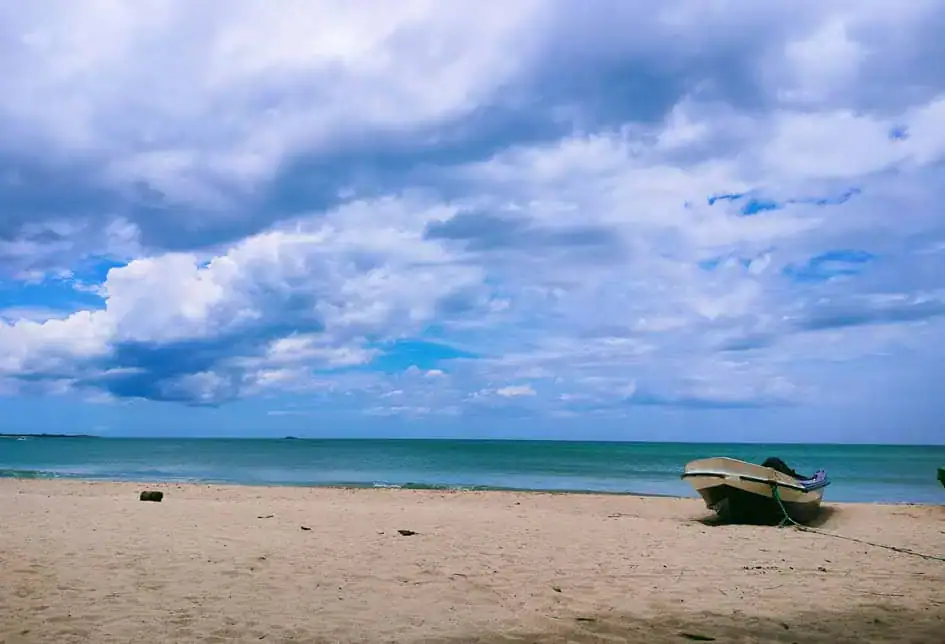
Another View of Nilaveli Beach (Photo: Sajeevan Balachandran)
Beach Layout and Conditions
Nilaveli Beach stretches for several kilometres along the Indian Ocean. The sand stays light and fine, making walking comfortable even for long distances. The shoreline slopes gently into the sea, which supports safe swimming close to shore.
Palm trees and low vegetation line parts of the beach, offering natural shade. Other sections remain open, which are suitable for sunbathing and wide-angle photography. Facilities remain minimal, so travellers should bring water and sun protection.
Sea conditions stay calm during the dry season. Small waves roll steadily, and currents remain mild near shore. During monsoon months, conditions change quickly. Local advice helps identify safe swimming areas.
Nature, Flora, and Fauna
Nilaveli Beach sits within a coastal ecosystem shaped by salt, wind, and seasonal change. Coconut palms, low shrubs, and dune grasses dominate the shoreline. These plants stabilise sand, reduce erosion, and create natural shade in some sections of the beach. Less developed areas show stronger plant cover, which helps maintain the open, clean feel of Nilaveli Beach compared to more built-up beaches in Sri Lanka.
Marine life defines the area’s natural value. Waters off Nilaveli Beach connect directly to the reef systems of Pigeon Island National Park. Snorkellers regularly see reef fish such as parrotfish, angelfish, butterflyfish, and surgeonfish. Sea turtles move through the area year-round, and blacktip reef sharks patrol sandy channels near coral zones. Their presence reflects healthy reef conditions and careful protection.
Birdlife adds another layer to the setting. Seabirds glide along the shore, while wading birds feed in shallow water near the tide line. Early mornings offer the best chance to observe these species before beach activity increases. Respect for wildlife, coral, and coastal plants helps preserve Nilaveli Beach as a balanced natural environment for future visitors.
If you are interested in nature and wildlife in Sri Lanka, it is advisable to read about wildlife safaris.
Pigeon Island National Park
Pigeon Island National Park sits about 2 kilometres offshore from Nilaveli Beach and holds national protected status. The park includes two small rocky islands surrounded by coral reefs. Authorities declared the area a marine national park to protect coral systems, reef fish, reef sharks, and sea turtles.
The reef system around Pigeon Island ranks among the healthiest in Sri Lanka. Studies and surveys report over 300 species of reef fish and more than 100 coral species. These reefs play a role in coastal protection and marine biodiversity. Strict visitor rules support reef recovery and limit damage from tourism.
Visitors enter the park only through licensed boat operators. Daily visitor numbers remain capped. Snorkelling zones follow clear boundaries. Rangers monitor behaviour in the water. Feeding fish, touching coral, and standing on reefs are prohibited. These rules protect both visitors and marine life.
Snorkelling at Pigeon Island works best between May and September when water clarity peaks. Visibility often reaches several metres during calm mornings. Sea turtles are frequently seen, and blacktip reef sharks move through sandy channels. These sharks pose no threat to swimmers and signal reef health.
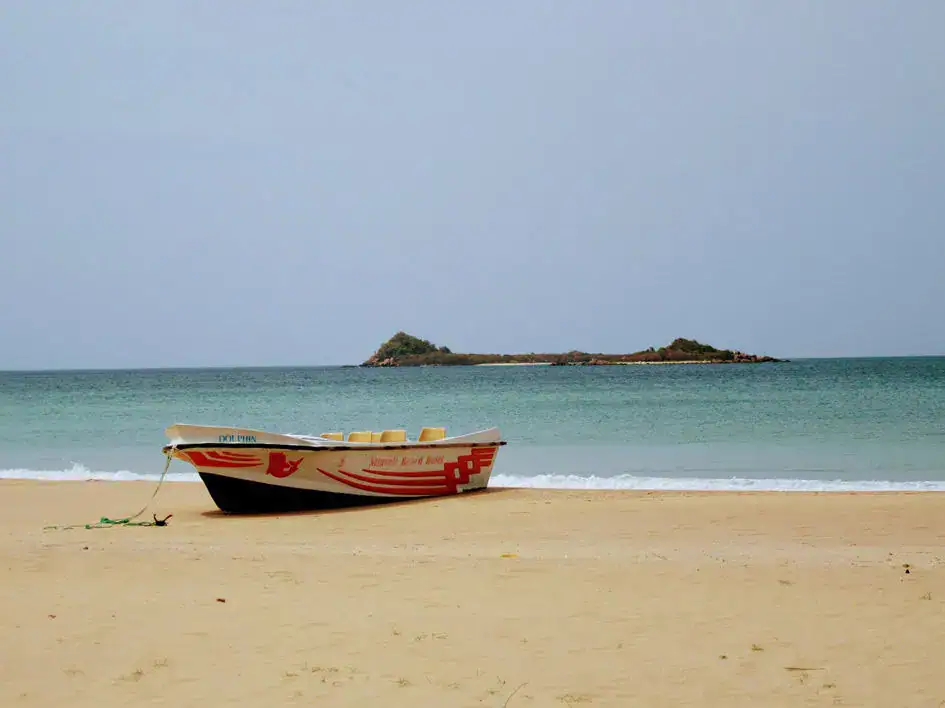
Nilaveli Beach and Pigeon Island (Photo: Amanda, CC BY 2.0)
Things to Do, Popular Activities, Experiences, and Events in Nilaveli
Daily life in Nilaveli centres on water and light. Swimming forms the foundation of most days. Early mornings bring calm seas and cooler air, which support long swims and floating sessions. Many visitors return to the water in late afternoon, when the heat drops.
Snorkelling trips to Pigeon Island represent the main organised activity. Tours usually depart in the morning. Guides provide equipment and safety briefings. Time in the water ranges from 1 to 2 hours, depending on conditions. Most tours include time to rest on the boat between swims.
Whale watching and dolphin trips operate seasonally from Trincomalee harbour. Blue whales, sperm whales, and spinner dolphins migrate through deeper waters offshore. These tours depend on the weather and sea state. Operators follow wildlife distance rules.
Quiet activities fill the rest of the day. Beach walking, reading, writing, and photography suit the calm setting. Some accommodations host yoga or stretching sessions in the early morning. Events remain limited and community-focused rather than commercial.
Nearby Key Attractions That Pair Well With Nilaveli
Trincomalee town offers several meaningful stops that pair well with days at Nilaveli Beach. Fort Frederick, perched on a hill above the harbour, reflects colonial history. Walking the fort grounds gives views of the sea and forested slopes.
Koneswaram Temple stands near the fort on a rocky headland. The temple is of religious significance and offers panoramic ocean views. Visitors should follow local customs and dress modestly when entering temple grounds.
Uppuveli Beach lies south of Nilaveli and offers a slightly busier atmosphere. Cafes and small beach bars provide lunch stops or evening meals. Many travellers visit Uppuveli during the day and return to Nilaveli for quieter nights.
Kanniya Hot Springs are inland near Trincomalee. The site includes several wells with warm water and cultural importance. Visits remain brief but add variety to a beach-focused stay.
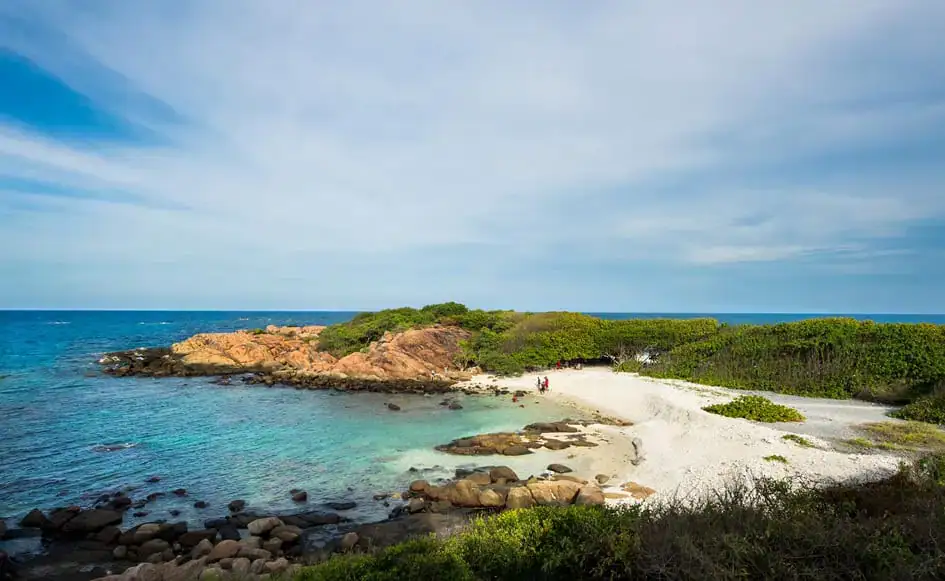
Pigeon Island – Trincomalee (Photo: Chiranmayu Medis, CC BY-SA 4.0)
Culture and Local Life
Local life near Nilaveli follows seasonal rhythms shaped by fishing and tourism. Early mornings bring boats back to shore with nets full of fish. Fish markets operate nearby, supplying households and restaurants.
Communities include Tamil, Sinhala, and Muslim families with long-standing ties to the region. Religious sites, mosques, and temples reflect this diversity. Respectful behaviour strengthens relationships between visitors and residents.
Tourism supports income through guesthouses, boat services, and food outlets. Many families balance tourism work with traditional livelihoods. Visitors who greet locals, respect customs, and shop locally contribute to a positive exchange.
Where to Stay and Dining
Accommodation near Nilaveli focuses on small-scale properties. Guesthouses dominate, offering simple rooms, gardens, and personal service. Many owners live on-site and provide local advice.
Mid-range hotels offer added comfort through private terraces, beach access, and on-site dining. These properties suit longer stays where rest and routine matter.
Dining centres on fresh ingredients. Seafood features heavily, including fish, prawns, and squid. Rice-and-curry meals include vegetables, lentils, and sambols. Breakfasts often include fruit, eggs, and bread. Menus shift based on daily catch and supply.
What to Bring and Packing List
Packing for Nilaveli Beach stays simple. Light cotton or linen clothing is suitable for hot, humid weather. Modest temple attire (a scarf or shawl) is required to cover the knees and shoulders when visiting temples and other religious landmarks. Swimwear, a hat, and sunglasses protect against sun exposure. Reef safe sunscreen supports marine protection. An insect repellent helps repel mosquitoes and other small insects.
A reusable water bottle reduces single-use plastic. Cash remains useful for small purchases. ATMs operate mainly in Trincomalee rather than near the beach.
A waterproof pouch protects phones and cameras during boat trips. Snorkelling gear is helpful if you prefer to use your own equipment. Comfortable sandals or flip flops are suitable for walking on sand and roads.
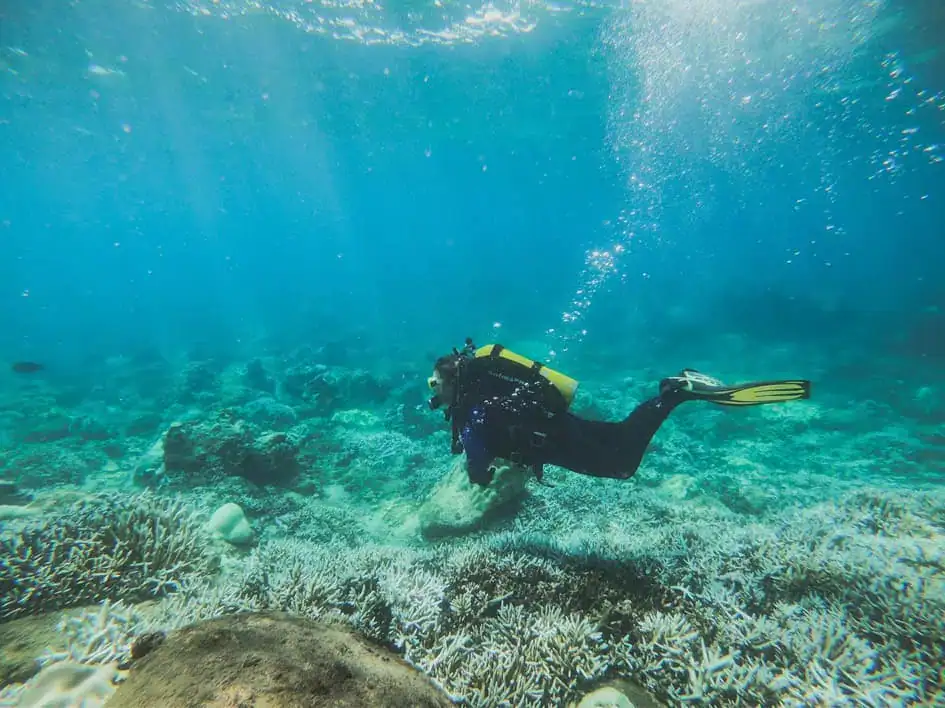
Diving – Pigeon Island (Photo: Kalana Weeramuni, CC BY-SA 4.0)
Simple and Easy Plans That Work
Structure days around the sun. Start early with swimming or snorkelling. Rest during midday heat. Explore nearby attractions in the late afternoon. Return to the beach for evening walks.
Plan Pigeon Island trips one day ahead during busy months. Leave one full day unplanned to adapt to weather and energy levels. This approach suits the pace of Nilaveli Beach.
Balance beach time with short cultural visits to Trincomalee. This mix prevents fatigue and deepens understanding of the region.
Do Not Miss
- Do not miss early morning swims when the sea stays calm and clear.
- Do not miss snorkelling at Pigeon Island under guided supervision.
- Do not miss fresh seafood prepared in the local style.
Dos and Don’ts
- Do follow the marine park rules during snorkelling.
- Do listen to guides and rangers.
- Do support local businesses and services.
- Do not touch coral or marine animals.
- Do not feed marine animals.
- Do not leave waste on the beach.
- Do not swim during rough conditions or strong currents.
Special Tips
Book licensed boat operators for Pigeon Island to ensure safety and compliance. Carry cash for tuk-tuk rides. Ask locals about daily sea conditions before swimming.
Photography Tips
Shoot beaches early in the morning or near sunset for softer light. Use wide frames to show space and scale. Underwater photography works best during calm seas with overhead sunlight.
Protect equipment from sand and salt with dry bags. Avoid disturbing wildlife while photographing marine life.
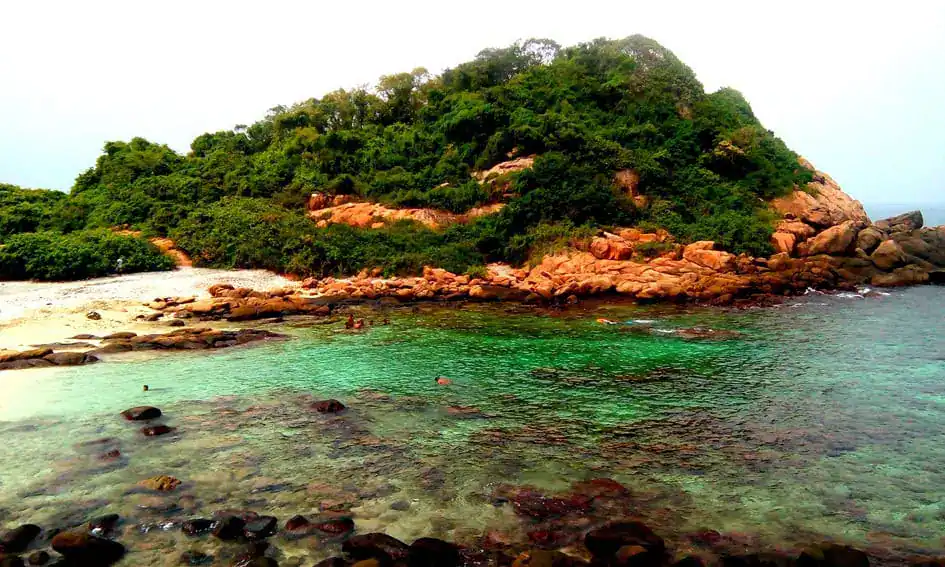
The Beauty of Pigeon Island (Photo: Mishen D.Perera, CC BY-SA 4.0)
Money, Services, and Connectivity
Cash remains essential for small shops and transport. Credit cards work at larger hotels. Mobile coverage stays stable near roads and buildings. Internet speeds vary, but support basic use.
Banks, pharmacies, and medical services operate in Trincomalee. Carry basic supplies when staying near the beach.
Fitness, Wellness, and Leisure
Nilaveli Beach supports natural movement. Long walks, swimming, and stretching form daily exercise. Some accommodations host yoga sessions during cooler hours.
The calm environment supports deep rest and sleep. Many travellers report improved sleep patterns due to reduced noise and routine exposure to daylight.
Health, Safety, and Comfort
Avoid prolonged sun exposure and stay hydrated during the midday hours. Wear protective footwear on rocky sections near boats. Follow local advice on swimming zones.
Medical facilities exist in Trincomalee for basic care. Travel insurance supports peace of mind for marine activities.
Nilaveli Beach depends on healthy ecosystems. Use reef-safe sunscreen. Reduce plastic waste. Dispose of waste responsibly. Respect wildlife and protected areas. Do not touch or feed wild animals. Avoid touching or stepping on coral reefs.
Support local businesses, guesthouses, and guides. Respect dress codes in temples and other religious places. Ask before taking photos of people. Choose operators who follow marine park regulations and clear ethics. Support accommodations that manage waste and water responsibly. Sustainable choices protect Nilaveli Beach for future visitors.
Shopping, Souvenirs, Evenings, and Nightlife
Shopping options remain small and practical. Souvenirs include handmade items, woven goods, and local crafts. Prices stay fair, and negotiation remains polite.
Evenings stay quiet. Dining and conversation replace nightlife. This calm atmosphere defines Nilaveli and supports rest.
Final Thoughts
Nilaveli Beach rewards travellers who value clarity, space, and rhythm. Among beaches in Sri Lanka, few places offer such a steady balance of calm water, protected marine life, and grounded local culture. Trincomalee provides support without intrusion. Pigeon Island National Park adds purpose and responsibility to every swim. When you visit Nilaveli with care and patience, you’ll find a complete experience shaped by nature rather than noise.
Nilaveli Map
Featured image: Nilaveli Beach – Trincomalee (Photo: Anton 17, CC BY-SA 4.0)

I am a Sri Lankan medical doctor who spends my free time travelling, exploring new destinations, and documenting the beauty of the island I call home. I have journeyed across almost every corner of Sri Lanka with my wife and daughter — from wildlife parks and misty mountains to ancient cities, deep forests, rugged landscapes, and quiet beaches.
Travel is not just a hobby for me — it’s a way of life. I love nature, enjoy road trips, and find joy in wildlife photography. I also read widely about tourism, travel trends, and destination culture. Through my writing, I aim to help travellers experience Sri Lanka through real stories, meaningful insights, and honest recommendations — the same way I explore it with my own family.