
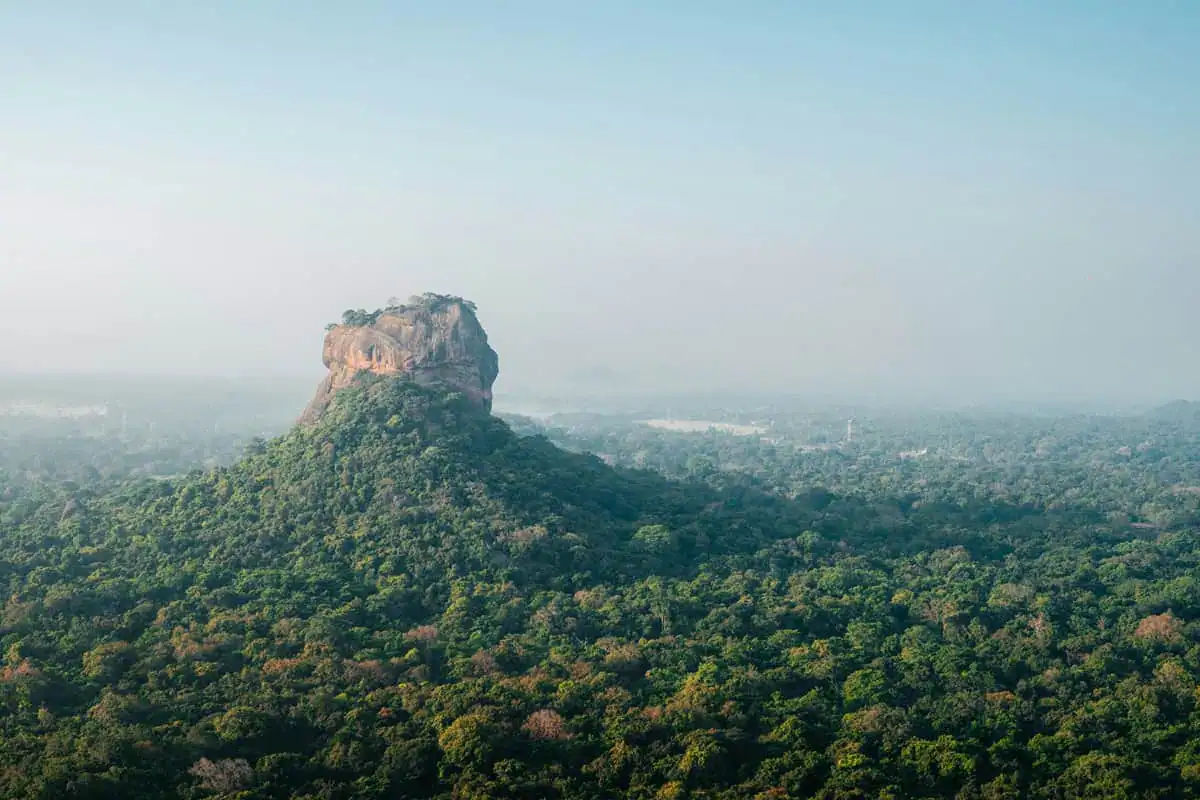

A Travel Itinerary for Sri Lanka between May and September works best when the weather, transport, and festival dates guide each move. This season brings Southwest Monsoon rain to Colombo and the South Coast. At the same time, the Cultural Triangle stays drier, and the East Coast sea stays calmer. You get strong cultural & heritage days, cooler hill-country mornings, reliable nature & wildlife viewing, and beach time when conditions suit swimming and surfing.
This Travel Itinerary for Sri Lanka follows a route that keeps travel time realistic and days enjoyable. You will visit places foreign travellers rate highly year after year, while also building space for Sri Lankan food, rest, and local life. You will also time key festival moments, including Vesak, Poson, and the Kandy Esala Perahera, to align with your trip.
Clear Overview of the Travel Itinerary for Sri Lanka
Title: 2 Week Travel Itinerary for Sri Lanka from May to September
Destination: Sri Lanka, starting from Negombo, Anuradhapura, Sigiriya, Dambulla, Kandy, Kandy to Ella scenic train ride, Ella, wildlife safari in Yala, Arugam Bay, Pasikudah, and finishing at Bandaranaike International Airport.
Total duration: 14 days, 13 nights
Theme and pace: Culture first, then mountains, wildlife, and East Coast beaches. The pace stays moderate. Long transfers appear only when the route gains value, such as a scenic train ride or a better climate zone.
What This Itinerary Covers
Ancient capitals and temples in Anuradhapura, Sigiriya, Dambulla, and Kandy. Hill country landscapes around Ella. A safari base near Yala. East Coast surf and calm bay swimming in Arugam Bay and Pasikudah.
Who This Suits
First-time visitors who want structure. Returning visitors who want a seasonal route. Couples, solo travellers, and small groups who prefer a steady plan with space for choices.
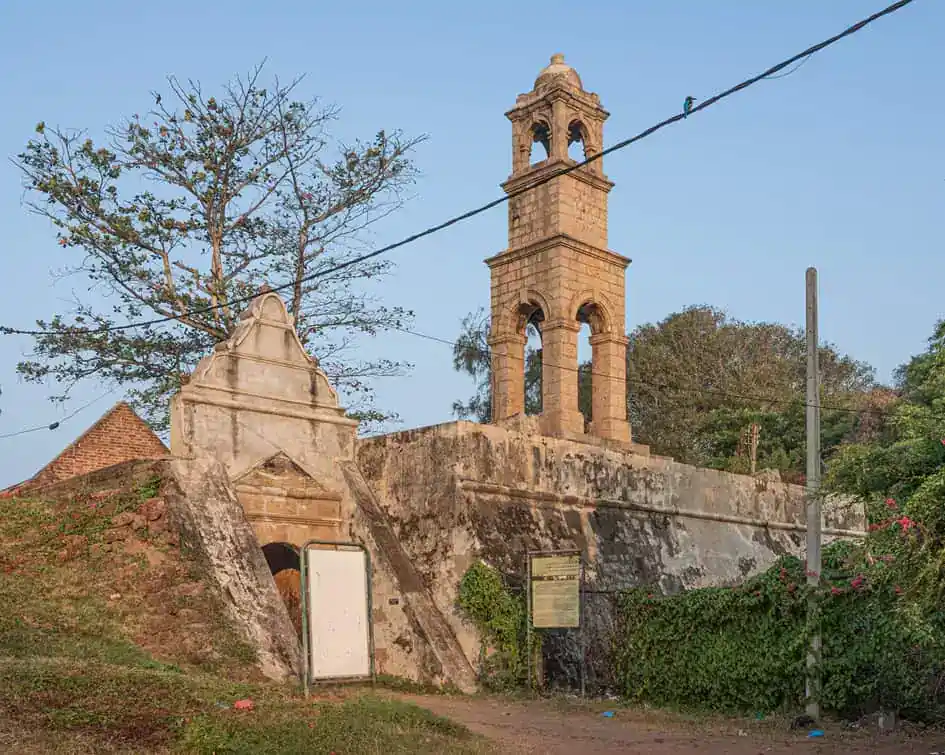
The Dutch Fort in Negombo (Photo: A.Savin)
Transport and Route Logic
This route follows seasonal weather patterns and reduces long backtracking days. You start close to the international airport, then move steadily North and East through the dry zone before climbing into the central hills. From there, the journey continues south for wildlife viewing. It finishes along the East Coast, where sea conditions are suitable for travel from May to September. Each transfer supports a clear purpose, whether climate comfort, scenery, or access to key sites.
Travel relies mainly on a private car with a driver for flexibility and time control. Short tuk-tuk rides handle local movement within towns. The Kandy to Ella train journey replaces a long road drive and adds a strong scenic element through tea estates, tunnels, bridges, and mountain valleys. Drivers meet you at major stations to continue the route without delays. Early departures shorten travel days, helping avoid traffic, heat, and late arrivals.
To get a basic idea of transport in Sri Lanka, it is advisable to read “Transport in Sri Lanka: The Best Guide.”
Route Snapshot by Day
- Day 1: Arrival and transfer to Negombo.
- Day 2: Negombo to Anuradhapura.
- Day 3: Anuradhapura Sacred City.
- Day 4: Anuradhapura to Sigiriya area.
- Day 5: Sigiriya Rock Fortress and Dambulla Cave Temple.
- Day 6: Sigiriya to Kandy via Matale.
- Day 7: Kandy.
- Day 8: Scenic train journey from Kandy to Ella.
- Day 9: Ella.
- Day 10: Ella to the Yala area.
- Day 11: Yala safari. Transfer to Arugam Bay.
- Day 12: Arugam Bay.
- Day 13: Arugam Bay to Pasikudah.
- Day 14: Pasikudah. Transfer to Batticaloa or Colombo for departure.
Approximate Road Times
- Airport to Negombo: Around 30 minutes.
- Negombo to Anuradhapura: Around 4 to 5 hours.
- Anuradhapura to the Sigiriya area: Approximately 2.5-3 hours.
- Sigiriya Rock Fortress to Dambulla Cave Temple: Around 30 minutes.
- The Sigiriya area to Kandy: Around 3 hours.
- Kandy to Ella (by train): Around 6 hours.
- Ella to the Yala area: Around 2.5 to 3 hours.
- The Yala area to Arugam Bay: Around 4 hours
- Arugam Bay to Pasikudah: Around 3.5 to 4 hours
- Pasikudah to Airport: Around 5.5 to 6 hours.
Day by Day Travel Itinerary for Sri Lanka
Day 1: Arrive and Reset in Negombo

Sunset – Negombo Beach (Photo: Florian Wehde)
Morning and Afternoon
Arrive at Bandaranaike International Airport. Immigration and baggage handling time often range from 45 to 90 minutes, depending on the flight’s origin. A pre-booked transfer to Negombo takes around twenty to thirty minutes. Negombo works well because the town sits close to the airport and offers an easy first night without a long road day.
After checking in, take a slow walk along the beach road or the lagoon edge. Your goal for day one stays simple. Eat, hydrate, and sleep. A short sunset walk helps with jet lag and sets the tone for the trip.
Evening
Choose a seafood dinner. Ask for grilled fish with lime and a mild curry. Add a side of pol sambol and rice. Keep spice levels low if your stomach needs time to adjust.
Where to Stay
- Negombo Beach Road for easy dining and beach access.
- Lagoon side stays for quieter evenings.
Food Stop
- A beach grill spot with fresh catch, or a hotel restaurant with seafood curry.
Day 2: Negombo to Anuradhapura, First Taste of the Dry Zone
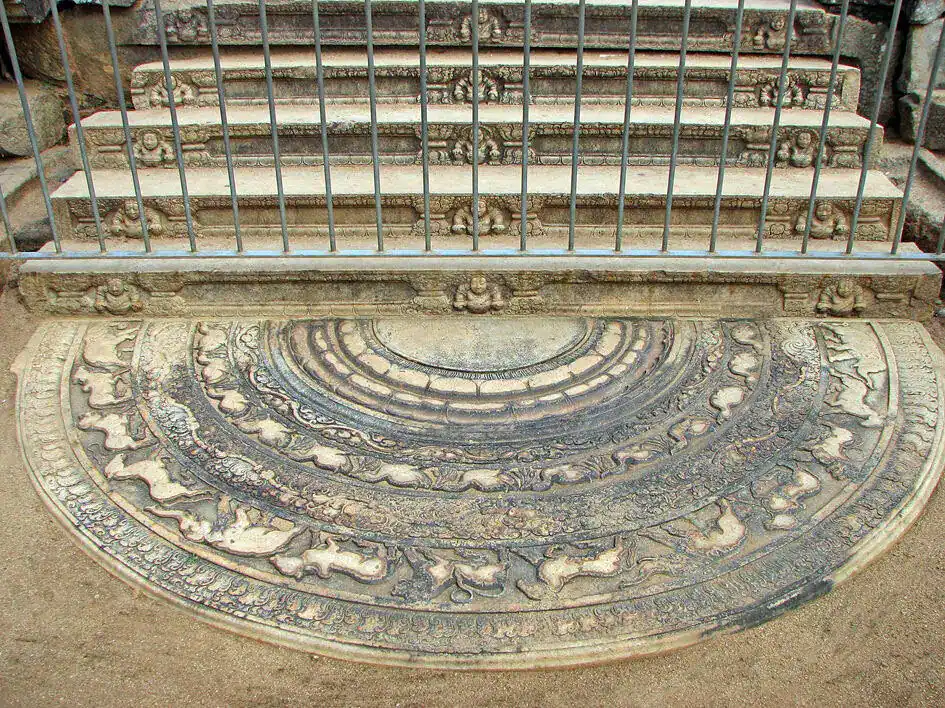
A Moonstone – Anuradhapura (Photo: Bernard Gagnon, CC BY-SA 3.0)
Morning
Leave after breakfast. The drive to Anuradhapura typically takes 4 to 5 hours, depending on roadworks, traffic, and stops. Plan one break for coffee and toilets. Keep water in the car.
Afternoon
Arrive, check in, and rest. Anuradhapura visits work best in the cooler hours, so schedule a shower, a meal, and a short reset for midday. Then head out for a gentle first visit.
Evening
Visit the Sri Maha Bodhi area near dusk. Pilgrims gather for offerings and prayers. The energy stays calm and focused. Dress modestly and remove shoes in temple zones. Spend time watching how families move through rituals. This moment sets the stage for the deeper heritage days ahead.
The Sacred City of Anuradhapura holds UNESCO World Heritage recognition for its historical and religious importance.
Where to Stay
- Anuradhapura town centre for easy access to shops and restaurants.
- A heritage-style hotel outside town for quieter nights.
Food Stop
- Rice and curry with dhal, jackfruit, and a fried fish side for seafood eaters.
Day 3: Full Day in Anuradhapura Sacred City
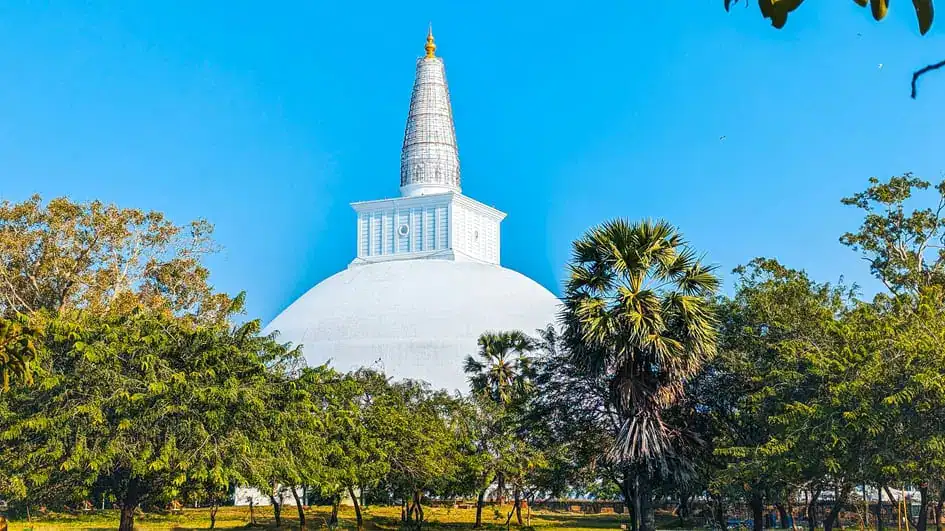
Ruwanweliseya Stupa – Anuradhapura (Photo: Ishan Kahapola Arachchi)
Morning
Start early. Rent bicycles if your fitness supports a full-day ride. A tuk-tuk with a local driver suits travellers who prefer shade and flexible pacing. Begin at Ruwanwelisaya, then move towards Thuparamaya. These sites sit among the most revered Buddhist monuments on the island, and early hours reduce heat and crowds.
Afternoon
Continue to Abhayagiri and the surrounding ruins. The scale feels vast, so plan a long lunch break. Choose a simple restaurant near the main road, then return to your hotel for a 1-hour rest. After resting, head back out for a late-afternoon loop.
Evening
Visit Jetavanaramaya near sunset. Light changes across the brickwork as day fades. This spot offers one of the best end-of-day atmospheres in the city. Return for dinner and early sleep.
Food Stop
- Curd and treacle as a sweet finish after dinner.
Flex Option
- Swap bicycles for a tuk-tuk if the heat rises. Your day stays better with comfort than with strain.
Day 4: Anuradhapura to Sigiriya, A Slow Afternoon in the Village Zone
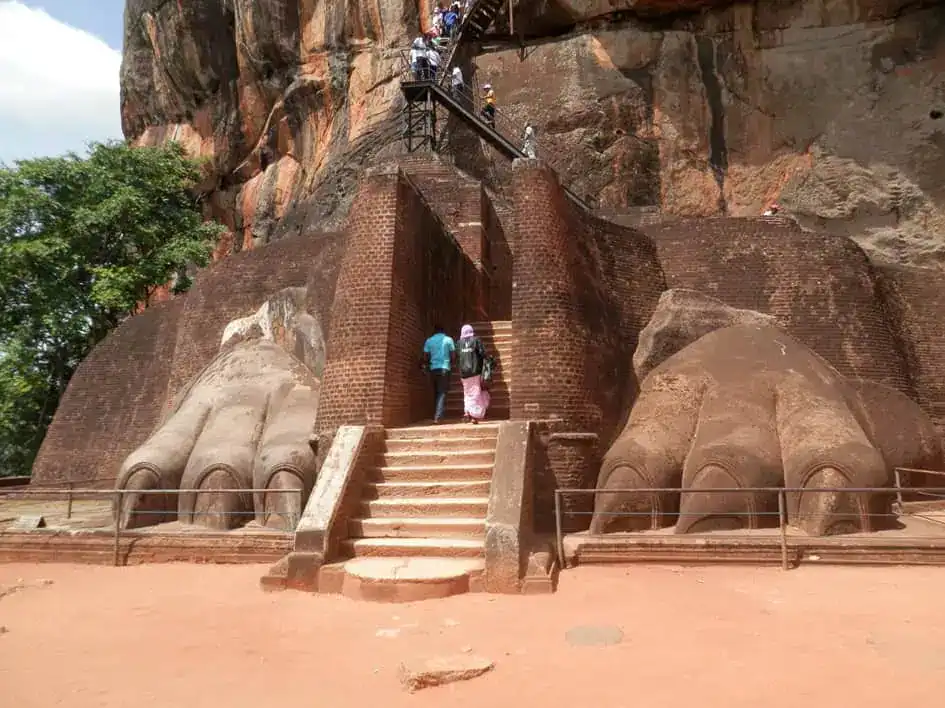
The Lion Gate in Sigiriya Rock Fortress (Photo: Gonzo Gooner, CC BY 3.0)
Morning
Leave after breakfast. The drive to Sigiriya often takes around 2.5 to 3 hours. The landscape shifts from ancient city roads into forest and farmland. When you approach Sigiriya, you will see rock outcrops rising from flat plains.
Afternoon
Check in, eat lunch, then choose a low-effort activity. A guided village walk works well here. Many tours include an ox cart ride, a canoe crossing, and a home-cooked meal. It supports local families and gives you a grounded look at rural life.
Evening
Head to a viewpoint for sunset, with Sigiriya Rock in front of you. Keep dinner simple after a travel day.
Where to Stay
- Sigiriya village for quick access to the rock.
- Forest lodges for quiet mornings and bird sounds.
Food Stop
- Clay pot rice, sambol, and fresh vegetables.
Day 5: Sigiriya Rock Fortress, Then Dambulla Cave Temple
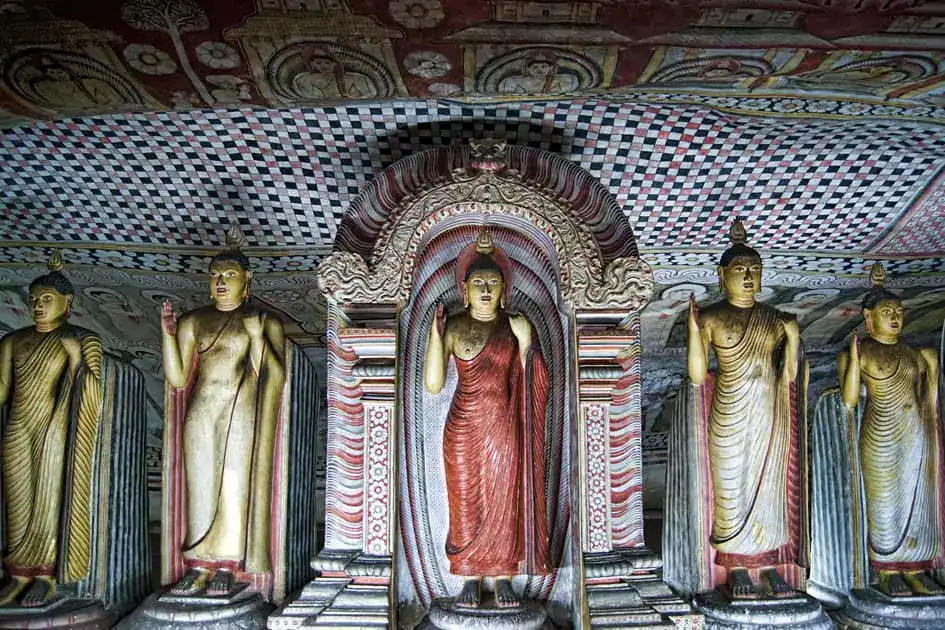
Buddha Statues – Dambulla Cave Temple (Photo: Philip Nalangan, CC BY 4.0)
Morning
Start early for Sigiriya Rock Fortress. An early entry helps you climb in cooler air. The climb includes ancient water gardens, steps, narrow passages, the prescos area, the mirror wall, ruins, and exposed sections. Take breaks, drink water, and avoid rushing. The summit ruins and views deliver the reward for the effort.
Sigiriya Rock Fortress ranks among Sri Lanka’s most recognised landmarks and is designated a UNESCO World Heritage Site.
Plan around three hours for the full complex, including the water gardens and museum areas, plus time for the climb. After descent, return to your hotel for a shower and lunch.
Opening hours of Sigiriya Rock Fortress: From 5.00 am to 6.30 pm (every day), the Precos area closes at 5.45 pm.
Trail Map:
Afternoon
Drive to Dambulla, around thirty minutes from Sigiriya. The cave temple requires climbing steps to reach the entrance. The main cave system (5 caves) holds statues and wall paintings. Dress codes apply. Cover shoulders and knees, and remove shoes at the entrance.
Dambulla Cave Temple is a UNESCO World Heritage Site and is one of the largest and best-preserved cave temple complexes in Asia.
Opening hours of Rangiri Dambulla Cave Temple: From 7.00 am to 7.00 pm (every day).
Evening
Return to Sigiriya for dinner. Choose an early night.
Food Stop
- Try egg hoppers for dinner with a mild curry.
Flex Option
- If rain is forecast, reschedule Dambulla to the next morning and replace the afternoon with a sheltered museum visit near Sigiriya.
Day 6: Sigiriya to Kandy via Matale Spice Region
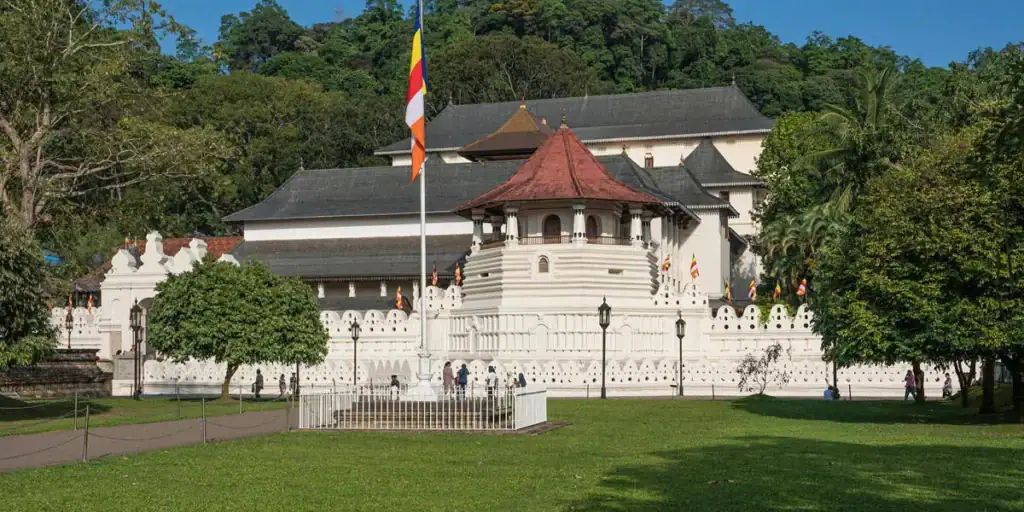
Temple of the Tooth, Kandy (Photo: A.Savin)
Morning
Leave after breakfast. The drive to Kandy takes around three hours, plus stop time. Stop in Matale to visit the National Spice Garden for a short guided walk. Guides explain the cultivation of cinnamon, pepper, nutmeg, and cloves. Skip any sales pressure and treat the visit as a learning stop.
Opening hours of the National Spice Garden, Matale: Monday from 12:00 pm – 4:00 pm, Tuesday-Friday from 8:30 am – 4:00 pm.
Afternoon
Arrive in Kandy, check in, and eat lunch. Then walk around the Kandy town market. Pick up snacks, spices, and fruit. Visit the lake path in the cooler hours.
Evening
Visit the Temple of the Tooth for the evening service. The temple stays open from early morning to evening, and service times follow a set schedule. Arrive early to move through security without stress. Keep shoulders and knees covered. Leave shoes in storage. The sacred city of Kandy is also a UNESCO World Heritage Site in Sri Lanka.
Opening hours of the Temple of the Tooth: From 5.30 am to 8.00 pm (every day).
Where to Stay
- Lake Road for central access.
- Hillside hotels for quiet views and cooler air.
Food Stop
- String hoppers with coconut sambol and chicken curry, or a vegetarian set meal.
Day 7: Kandy Gardens, Crafts, and Festival Planning

Kandy Esala Perahera (Photo: Omar AV, CC BY 3.0)
Morning
Visit the Royal Botanical Gardens at Peradeniya. Plan 2-3 hours. Walk slow. The garden offers shade, giant trees, orchids, and broad lawns. This visit provides a softer pace after several heritage days.
Opening hours of Royal Botanic Gardens, Peradeniya: From 7.30 am to 6.00 pm (every day).
Afternoon
Return to town for lunch. Then choose one cultural stop. Options include a craft centre, a gem museum, or a tea museum. For a richer local interaction, book a short cooking lesson in the afternoon. A host will show spice use, coconut prep, and curry timing.
Evening
Attend a cultural dance show if you want a structured evening. Then choose a quiet dinner.
Festival Focus
Vesak and Poson Poya Days shape the national calendar in May and June. Vesak and Poson public holidays fall around the full moon. If your trip overlaps, expect busier transport and more local travel. Book key hotels for those windows in advance and plan temple visits with extra time.
The Kandy Esala Perahera usually takes place in July or August. If your dates match, expect packed streets and high demand for seating.
Food Stop
- Try kottu roti at a clean, busy local spot. Ask for medium spice.
Flex Option
- Skip the dance show and take a sunset walk around the lake if you prefer a quiet evening.
Day 8: Kandy to Ella by Train, a Signature Travel Day
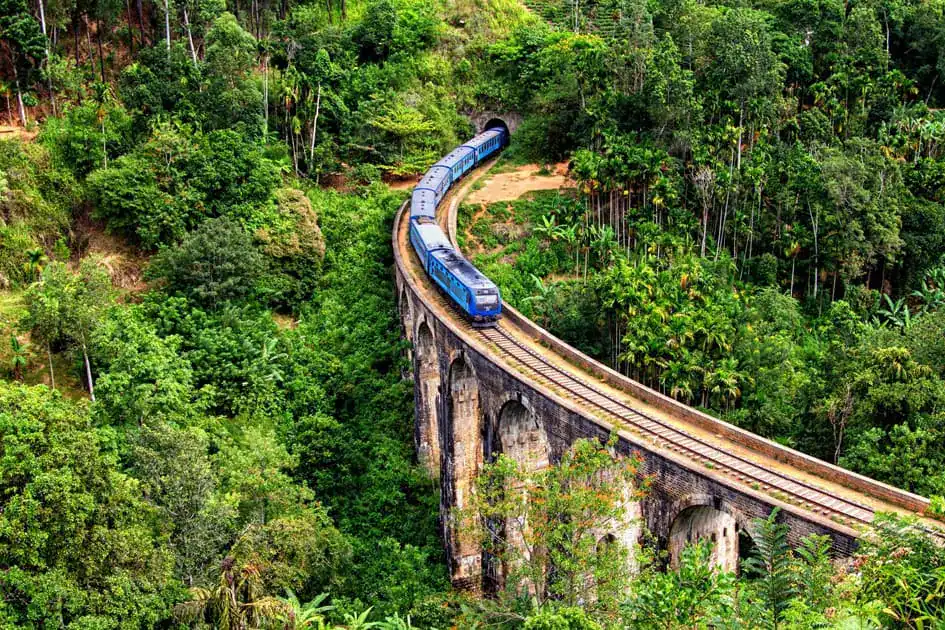
The Kandy to Ella Blue Train over the Nine Arch Bridge (Photo: Yves Alarie)
Morning
Board the train from Kandy to Ella. The ride often takes 6-7 hours. Book seats in advance for comfort. Second-class reserved seats offer open windows and strong views. Bring snacks, water, and tissues. Train vendors sell tea and snacks, but lines form during busy days.
The Kandy to Ella train ride is known as one of the most scenic routes in the world.
- Check the train schedule.
- Online Ticket Booking: Online Advance Train Seats Reservation from the Sri Lanka Railways Official Page.
Afternoon
Arrive in Ella and check in. Eat a late lunch near the main road, then take a short walk to loosen legs after the train ride. Ella has cafés, small shops, and viewpoints near town.
Evening
Keep the evening simple. A warm shower and an early dinner work well, since the next day includes walking.
Where to Stay
- Ella town for easy access to restaurants.
- Hillside stays for quieter nights and sunrise views.
Food Stop
- Vegetable roti, dhal curry, and fresh fruit smoothies.
Day 9: Ella Hikes, Bridge Views, and Local Food
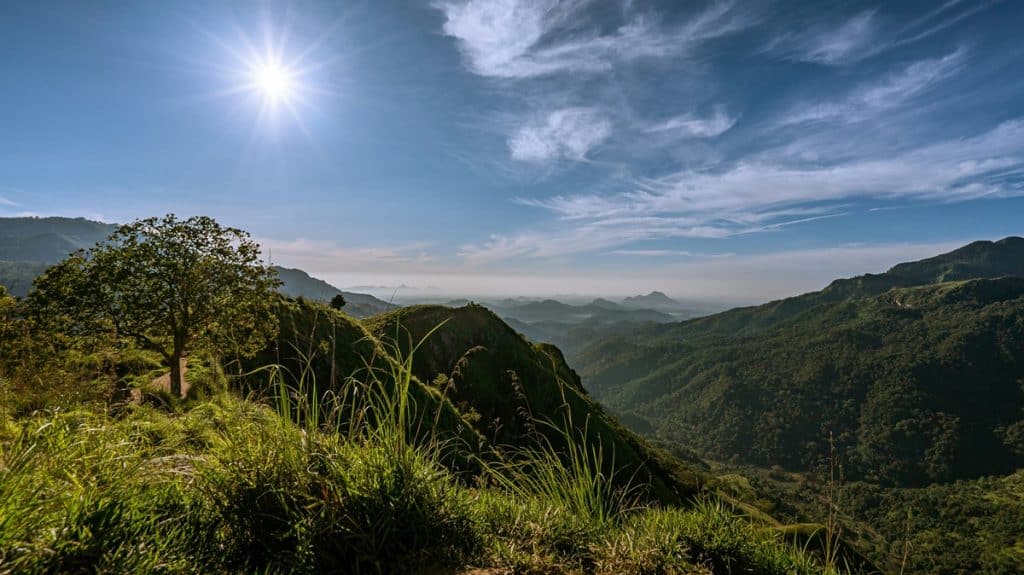
Little Adam’s Peak, Ella (Photo: Kevin Olson via Unsplash)
Morning
Start with Little Adam’s Peak. The hike usually takes 90 minutes round-trip for most travellers and involves a steady incline. Go early for cooler air. After the hike, head to the Nine Arch Bridge. Aim for a train crossing if timing allows, as the view is a highlight when a train passes.
Trail Maps:
- AllTrails Map – Little Adam’s Peak (1.4 km)
- AllTrails Map – Little Adam’s Peak and Lookout (2.9 km)
- AllTrails Map – Nine Arch Bridge from Ella Rd (1.9 km)
- AllTrails Map – Nine Arch Bridge (1.3 km)
Afternoon
Eat lunch near the bridge area or back in town. Then take a rest. Many travellers push too hard in Ella. A quiet hour in your room or at a café can improve your day.
Later in the afternoon, choose one optional activity. A visit to a tea factory offers insight into the region’s economy. A local cooking class offers hands-on learning and a full meal.
Evening
Dinner in town. Choose a simple curry set or grilled vegetable plates.
Food Stop
- Try hoppers for breakfast, then choose a lamprais-style lunch if available.
Flex Option
- If rain arrives, focus on the cooking class and cafés, then hike early the next morning.
Day 10: Ella to the Yala Area, Shifting Into the Wildlife Zone
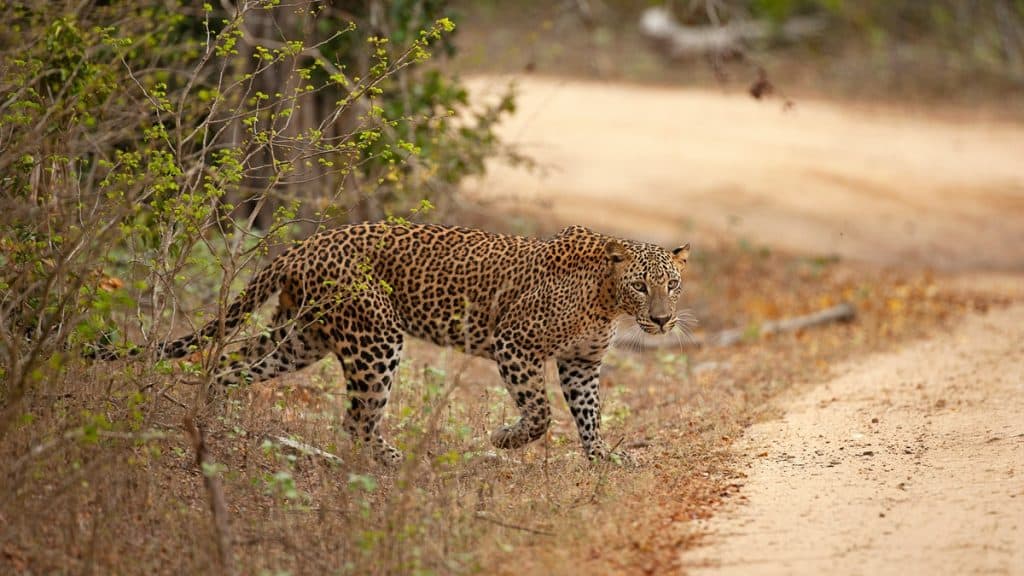
A Leopard in Yala National Park (Photo: Rohit Varma)
Morning
Leave after breakfast. The drive to the Yala region often takes about 3 hours, with the scenery changing from hills to drier scrub and flatlands. Plan one break stop.
Afternoon
Arrive near Tissamaharama or Kirinda, check in, and rest. Wildlife safari days start early, so sleep matters. Use the afternoon for a pool session, a short walk, or a nap.
Evening
Eat an early dinner. Many lodges serve Sri Lankan buffet-style meals. Choose lighter foods to feel better at the start of the day.
Where to Stay
- Tissamaharama for easy safari logistics.
- Kirinda for quieter beach edge stays and sunrise views.
Food Stop
- Rice and curry with a focus on vegetables and dhal.
Day 11: Yala Safari at Dawn, Then Travel to Arugam Bay
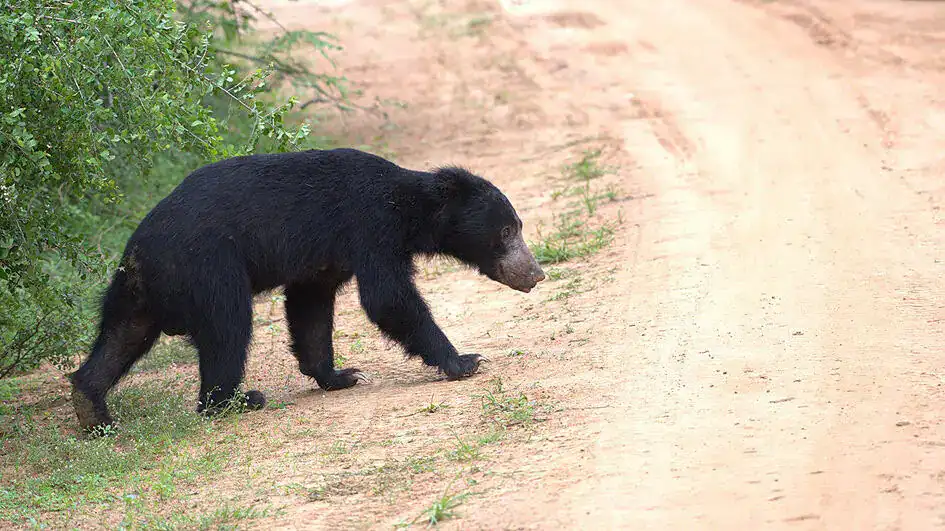
Sloth Bear (Photo: Nalaka Priyantha)
Morning
Start before sunrise. A safari jeep usually enters around early morning hours. The ride lasts three to four hours. Keep expectations realistic. Wildlife sightings depend on chance and timing. Look for leopards, elephants, crocodiles, deer, and birds. Ask your driver to maintain a distance and avoid crowding the animals. Ethical viewing improves the experience and reduces stress on wildlife.
Return for breakfast, then shower and pack.
Opening hours of Yala National Park: From 6:00 am to 6:00 pm (every day).
Afternoon
Drive to Arugam Bay. The transfer often takes around four hours. Road conditions vary, so plan for a slower arrival. Check in and rest.
Evening
Walk the beach at sunset. Order seafood or a simple rice bowl. Arugam Bay runs on a relaxed schedule, so shift into a slower rhythm.
Where to Stay
- Near the Main Point for surf access and dining.
- Quieter lanes slightly inland for better sleep.
Food Stop
- Grilled fish with lime, or a vegetable rice bowl with sambol.
Day 12: Arugam Bay Beach Day, Lagoon Wildlife, and Local Life
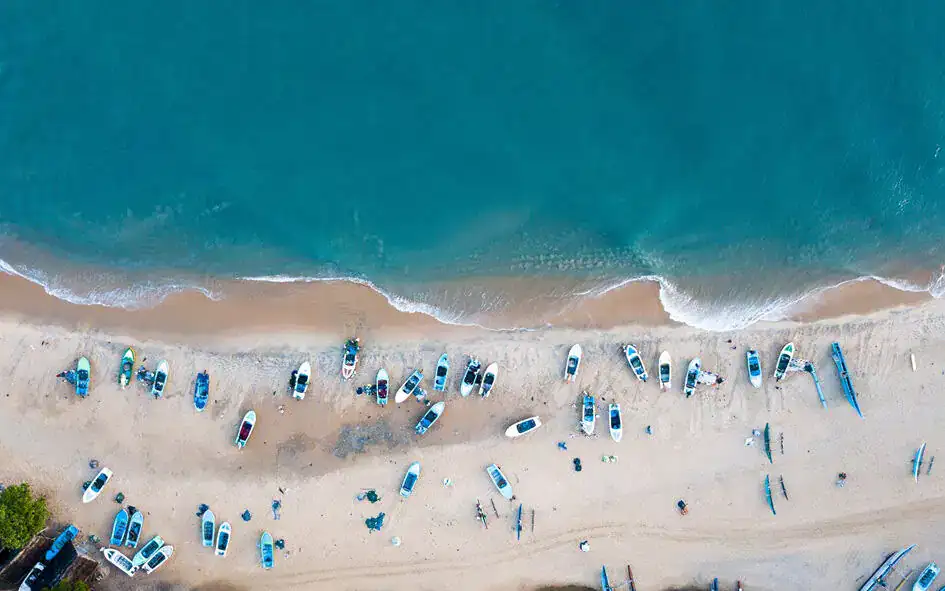
Aerial View of Arugam Bay Beach (Photo: Etienne Boulanger, CC BY 3.0)
Morning
Spend the morning in the water. Surf season peaks during this period, with consistent breaks and surf schools in town. Book a lesson if you want structure. If surfing feels too demanding, choose a calm swim in the morning hours when the sun is softer.
Afternoon
After lunch, take a lagoon safari at Pottuvil. The boat ride offers views of birdlife and, at times, crocodiles. Choose operators who keep a distance and avoid loud behaviour. Return for rest during the hottest hours.
Evening
Pick a simple dinner and a quiet evening walk. Many travellers treat the nights in Arugam Bay as party time. Your trip feels better with balance, especially before the next transfer day.
Food Stop
- Try a fresh fruit plate for breakfast, then a curry lunch with crab or prawns if available.
Flex Option
- Swap the lagoon safari for a day trip to nearby temples or a small village market if wildlife feels less important.
Day 13: Arugam Bay to Pasikudah, Calm Bays and Resort Rest
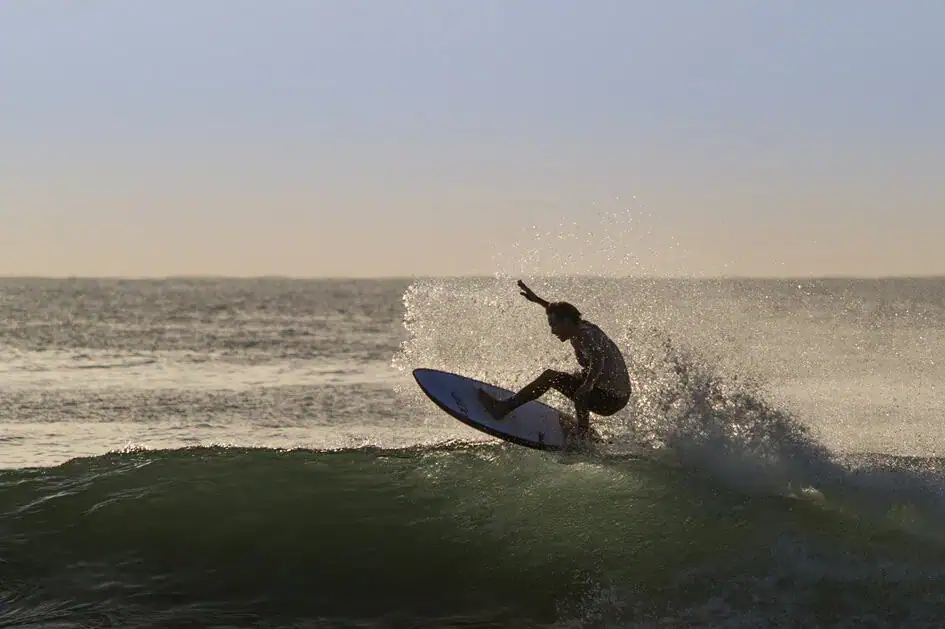
Surfing in Arugam Bay (Photo: Sylvester S., CC BY 2.0)
Morning
Leave after breakfast. The drive to Pasikudah often takes around 4 hours, depending on stops. Keep snacks and water in the car.
Afternoon
Arrive, check in, and eat lunch. Pasikudah is suitable for long swims and long walks. The bay stays shallow for a wide stretch, which supports relaxed time in the sea.
Evening
Swim near sunset when the heat drops. Then eat dinner at your hotel or a nearby restaurant.
Where to Stay
- Pasikudah beachfront resorts for easy sea access.
- Boutique stays slightly off the beach for quieter, more affordable pricing.
Food Stop
- Seafood curry with rice, plus a side of coconut roti if offered.
Day 14: Pasikudah Morning, Then Departure Planning
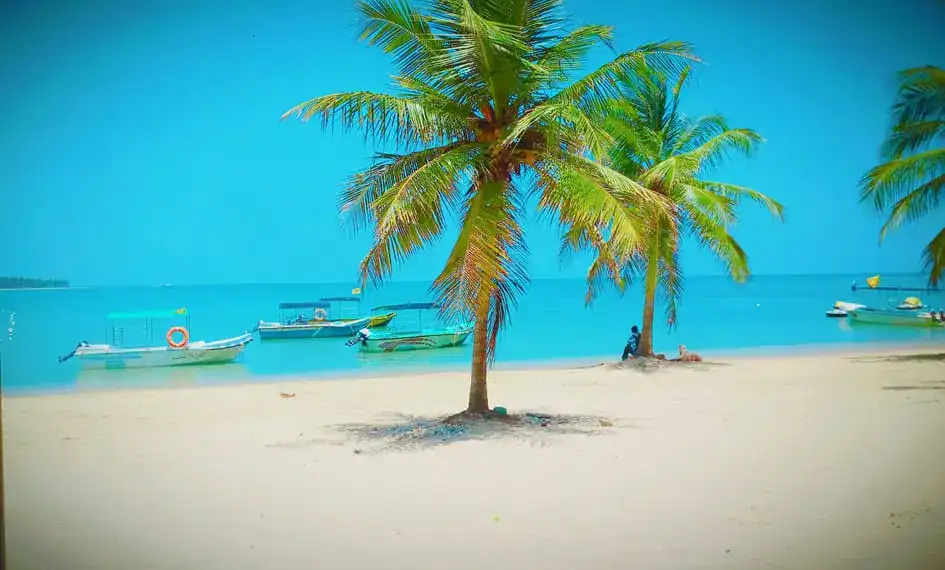
Pasikudah Beach (Photo: Suren Stark, CC BY-SA 4.0)
Morning
Use the final morning for a swim and a slow breakfast. If you want one last local stop, visit the Batticaloa Lagoon area before leaving. Keep travel timing realistic based on your departure plan.
Afternoon
Transfer for departure. Options depend on your schedule. Some travellers return by road to Colombo, which takes a long day. Some travellers use domestic flights when schedules align. Plan for traffic and weather contingencies.
Evening
If your flight departs late, book a day room near the airport or a short stay in Negombo to avoid the stress of driving.
Food Stop
- Choose a light lunch before travel, such as rice, vegetables, and grilled fish.
Accommodation Guidance Throughout This Travel Itinerary for Sri Lanka
This Travel Itinerary for Sri Lanka suits a wide range of travel styles and budgets. Budget travellers find good value in family-run guesthouses that offer clean rooms, breakfast, and local guidance. Couples and families benefit from mid-range boutique hotels with central locations, pools, and reliable transport access. Travellers seeking greater comfort find space and quiet at heritage hotels, eco lodges, and safari stays near national parks. Booking accommodation several weeks in advance helps secure better locations during the Vesak, Poson, and Kandy Esala Perahera periods, when domestic travel increases and availability tightens.
Dining and Food Experiences
Food shapes daily travel across this itinerary and reflects regional habits. Rice and curry anchor most meals, with local variations in vegetable and protein choices. The Cultural Triangle favours simple home-style dishes, while hill country towns serve lighter plates with roti, dhal, and fresh vegetables. East Coast stops focus on seafood prepared with minimal spice and fresh lime. Small local cafés and family-run restaurants deliver the most reliable flavours and better value than hotel dining.
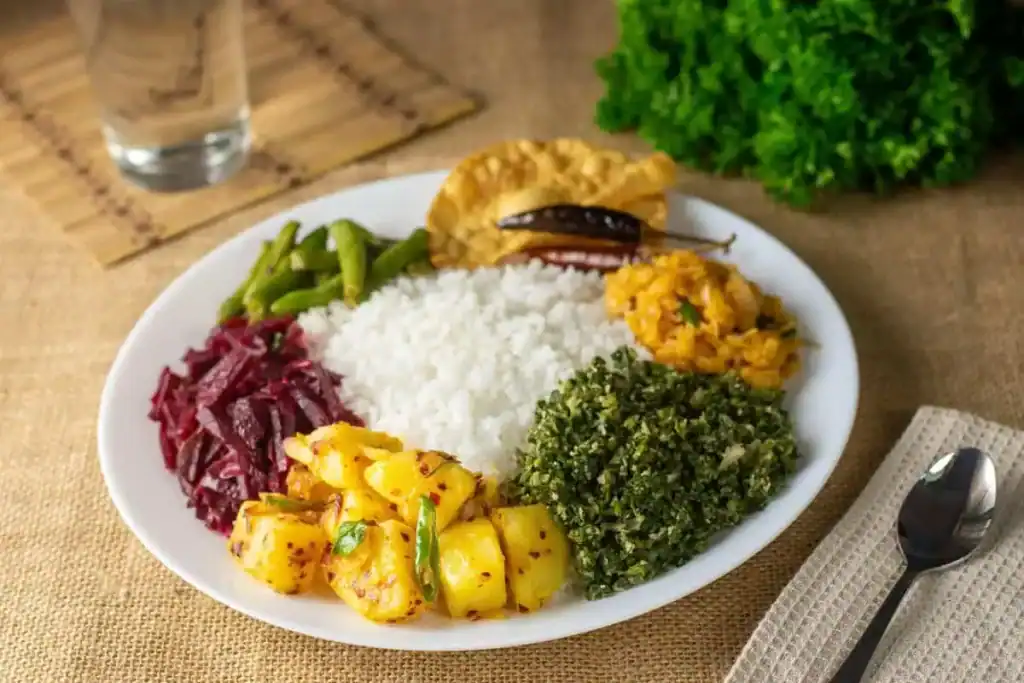
Rice and Curries (Photos: KavindaF via Pixabay)
Culture and Local Experiences
From May to September, cultural life follows the Buddhist calendar and regional traditions. Vesak in May fills towns with lanterns, temple visits, and food stalls, while Poson in June brings pilgrimages to sacred sites, especially in the North Central region. Kandy comes alive during the Esala Perahera period in July or August, with evening processions and strong local participation. Outside festival days, daily life unfolds through temple visits, village walks, market stops, spice gardens, and shared train journeys. Respect dress codes, expect slower movement on full moon days, and allow local routines to shape the experience.
Festivals and Events From May to September, and How to Use Them
Vesak Poya Day
Vesak marks a major Buddhist period with lanterns, temple visits, and food stalls. Public holiday dates align with the full moon, and many towns host displays. A State Vesak Festival can draw crowds and street events. If your dates fall in late May, book accommodation early in major towns and expect slower evening traffic.
Poson Poya Day
Poson centres on the arrival of Buddhism in Sri Lanka and often draws strong pilgrim travel, especially to Mihintale and Anuradhapura. Poson Full Moon Poya Day falls in June. If your trip overlaps, plan temple visits early in the day, and expect packed buses and busy roads near sacred sites.
Kandy Esala Perahera
This festival brings processions with drummers, dancers, and ceremonial traditions across multiple nights. Dates often fall in July or August. If you want to include a Perahera night, schedule Kandy on those dates and book seating early. Expect higher hotel rates and heavy evening traffic.

Decorations on the Vesak Poya Day (Photo: Samantha Weerasinghe)
Dining Plan, With One Clear Local Food Goal per Day
- Day 1: Seafood grill in Negombo, keep the spice low.
- Day 2: Rice and curry in Anuradhapura include jackfruit.
- Day 3: Curd and treacle after a long heritage day.
- Day 4: Village meal near Sigiriya: home-cooked curry.
- Day 5: Egg hoppers in Sigiriya, then a light dinner after Dambulla.
- Day 6: String hoppers in Kandy, plus a fruit market snack.
- Day 7: Kottu roti in Kandy, choose a clean, busy stall.
- Day 8: Train snacks, then roti and dhal in Ella.
- Day 9: Hoppers breakfast in Ella, then curry set for dinner.
- Day 10: Lodge buffet near Yala, with a focus on vegetables and dhal.
- Day 11: Post safari breakfast, then seafood dinner in Arugam Bay.
- Day 12: Fresh fruit breakfast, then a curry lunch with fish.
- Day 13: Pasikudah seafood curry; maintain high hydration.
- Day 14: Light lunch before departure, avoid heavy fried food.
Practical Details, Hours, Fees, Bookings, and Dress Codes
Entry Fees
Sigiriya, Dambulla, Temple of the Tooth, Peradeniya Royal Botanic Gardens, and Yala National Park require tickets/permits to be purchased at the gate. National parks require jeep hire too. You can also book national park permits/tickets online through the Wildlife Park Permits Reservation eService.
Carry cash and a card.
See ticket prices for Sigiriya, Pidurangala Rock, and Dambulla Cave Temple.
Ticket fees for the Temple of the Tooth: FAQ – Sri Dalada Maligawa – Temple of the Sacred Tooth Relic
Opening Hours
Temples and heritage sites operate from morning hours until sunset. National parks follow set entry times for jeeps. Safari drives take place during morning and afternoon sessions.
Dress Code
Cover shoulders and knees at temples. Remove shoes and hats before entry. Beachwear stays on beaches only.
Transport Tips
Start early on travel days. Carry water and snacks. Rely on local drivers for timing and road conditions. Private drivers help with flexible stops. Book trains early for reserved seats.
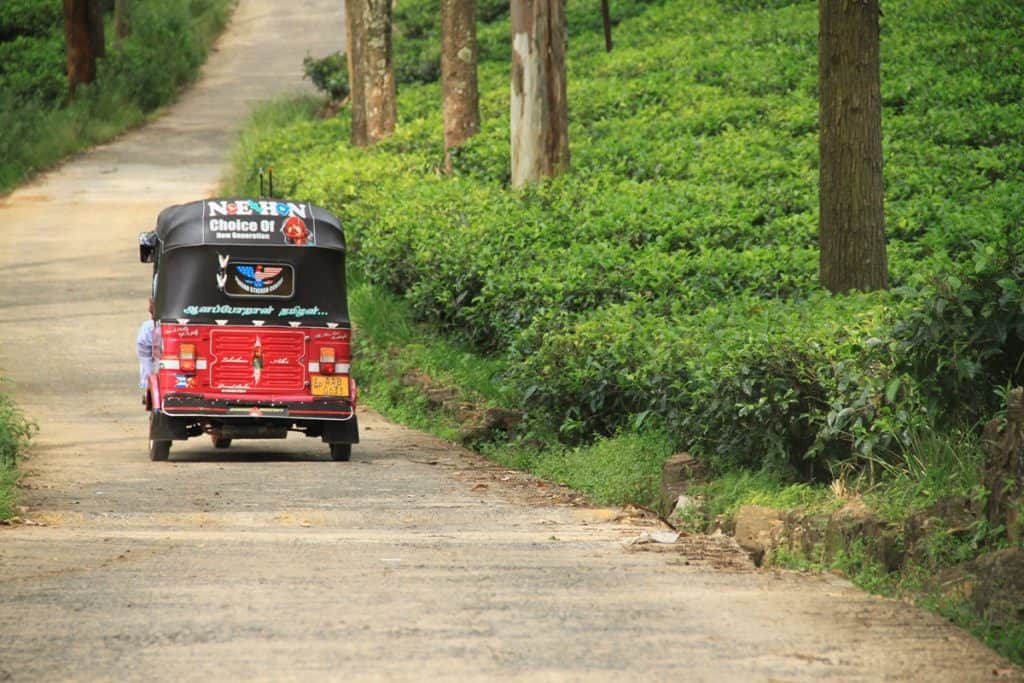
A tuk-tuk, one of the famous modes of transport in Sri Lanka (Photo: MadebyNastia)
Weather and Packing Notes for May to September
From May to September, weather conditions vary by region. The Southwest receives regular rain and higher humidity. At the same time, the Cultural Triangle stays warmer and drier with daytime temperatures often between 28 and 34 degrees Celsius. Hill Country areas such as Kandy and Ella remain cooler, especially in the mornings and evenings, with mist and light showers common later in the day. The East Coast experiences more stable weather during this period, with calmer seas and stronger sun, which are ideal for swimming, surfing, and snorkelling. Expect warm days overall, cooler nights in the hills, and occasional rain that typically lasts only a few hours.
Packing Essentials
- Light cotton or linen clothing for warm conditions.
- Modest temple attire, such as a scarf or shawl.
- A light long-sleeve shirt for sun protection and cooler evenings.
- Comfortable walking shoes with a good grip.
- A lightweight rain jacket.
- Swimwear and a quick-drying towel.
- Sandals or flip flops for beach areas.
- Sunscreen.
- A hat and sunglasses.
- Insect repellent.
- A reusable water bottle.
- A camera.
If you plan to visit Sri Lanka, it is better to research the weather and the best time to visit.
Flexibility and Alternative Routes
This Travel Itinerary for Sri Lanka offers a clear path while leaving room for personal choices.
Alternative to Yala
If your group prefers fewer crowds, choose Udawalawe National Park instead of Yala, then adjust the route towards the East Coast with a longer transfer day.
Alternative to Arugam Bay
If surf culture feels too active, replace Arugam Bay with Trincomalee or Nilaveli for calmer beach days during the same season.
Extra Rest Option
Add a second night in Ella by removing one night from Kandy. This suits travellers who want fewer hotel changes.
Safety, Health, and Comfort Notes
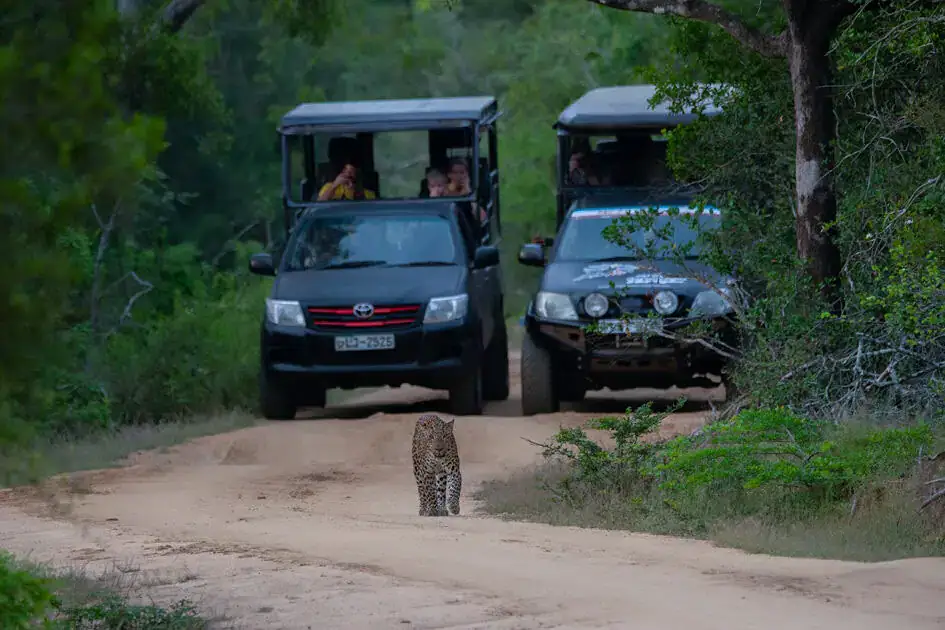
Safari Jeeps and a Leopard in Yala National Park (Photo: Thilina Kaluthotage, CC BY-SA 4.0)
Travel Insurance
Comprehensive insurance covering health, activities, and transport delays is essential.
Local Safety
Sri Lanka is considered safe for visitors. Follow all wildlife regulations during safaris. Never feed wild animals. Stay out of the ocean during rough conditions. Apply mosquito repellent in the evenings.
Hospitals
Major hospitals operate in Anuradhapura and Kandy. Smaller hospitals serve other towns. Emergency numbers in Sri Lanka include 119 for police and 1990 for medical emergencies. Carry your basic medication and prescriptions.
Estimated Cost Plan for 14 Days
Costs depend on your travel style. Budget accommodation usually falls between 25 and 40 USD per night. Mid-range hotels range from 60 to 120 USD, while luxury properties start at 150 USD. Meals cost around 3 USD at local cafés and rise to about 20 USD at established restaurants. Hiring a private car with a driver averages 45 to 60 USD per day. Train fares vary by class and route. Entrance fees typically range from 10 to 65 USD. Safari drives involve additional optional expenses. Staying longer at each location helps control daily spending by reducing the need for frequent, lengthy transfers.
* All prices are subject to change.
- Support local businesses, guesthouses, and guides.
- Buy from local markets.
- Respect dress codes in temples and religious landmarks.
- Dress respectfully in villages.
- Use refillable bottles and say no to single-use plastic when possible. Many cafés and hotels on this route now offer refill points and rely less on small plastic bottles.
- Dispose of waste responsibly.
- In wildlife areas, choose operators with clear ethics. Look for park briefings, limits on the number of jeeps per sighting, and strong respect for animal space.
- Respect wildlife distance rules.
- Do not feed wild animals.
- Learn basic greetings in Sinhala and Tamil.
- Ask before taking photos of people.
These habits protect the places you visit.
Highlights Section, Top Experiences From This Route
- Sunrise climb at Sigiriya & a full heritage loop through the fortress grounds, Dambulla Cave Temple afternoon climb.
- Evening worship atmosphere in the Anuradhapura sacred zones.
- Kandy temple service paired with market walks and garden time.
- Kandy to Ella train ride through the tea country.
- Ella viewpoints, Nine Arch Bridge timing, and slow café time.
- Dawn safari drive in the Yala region, with a wide variety of wildlife.
- East Coast surf and calm sea days in Arugam Bay and Pasikudah.
- Festival timing options for Vesak, Poson, and Kandy Esala Perahera during the season.
Final Thoughts
This Travel Itinerary for Sri Lanka provides a clear two-week route for travel conditions from May to September. You start close to the airport for an easy arrival. You move into the Cultural Triangle to visit dry-zone heritage sites and sacred cities. You shift to the hills for cooler air and the scenic train ride. You then travel to wildlife areas for an early morning safari. You finish on the East Coast, where the seas stay calmer during this season. Festival windows for Vesak, Poson, and the Kandy Esala Perahera add significant cultural value when the dates align. This Travel Itinerary for Sri Lanka keeps days realistic, supports adequate rest, and provides clear choices without sacrificing structure.
Map – 2 Week Travel Itinerary for Sri Lanka from May to September
Featured image: A View of the Sigiriya Rock Fortress (Photo: sander traa, via Unsplash)

I am a Sri Lankan medical doctor who spends my free time travelling, exploring new destinations, and documenting the beauty of the island I call home. I have journeyed across almost every corner of Sri Lanka with my wife and daughter — from wildlife parks and misty mountains to ancient cities, deep forests, rugged landscapes, and quiet beaches.
Travel is not just a hobby for me — it’s a way of life. I love nature, enjoy road trips, and find joy in wildlife photography. I also read widely about tourism, travel trends, and destination culture. Through my writing, I aim to help travellers experience Sri Lanka through real stories, meaningful insights, and honest recommendations — the same way I explore it with my own family.