
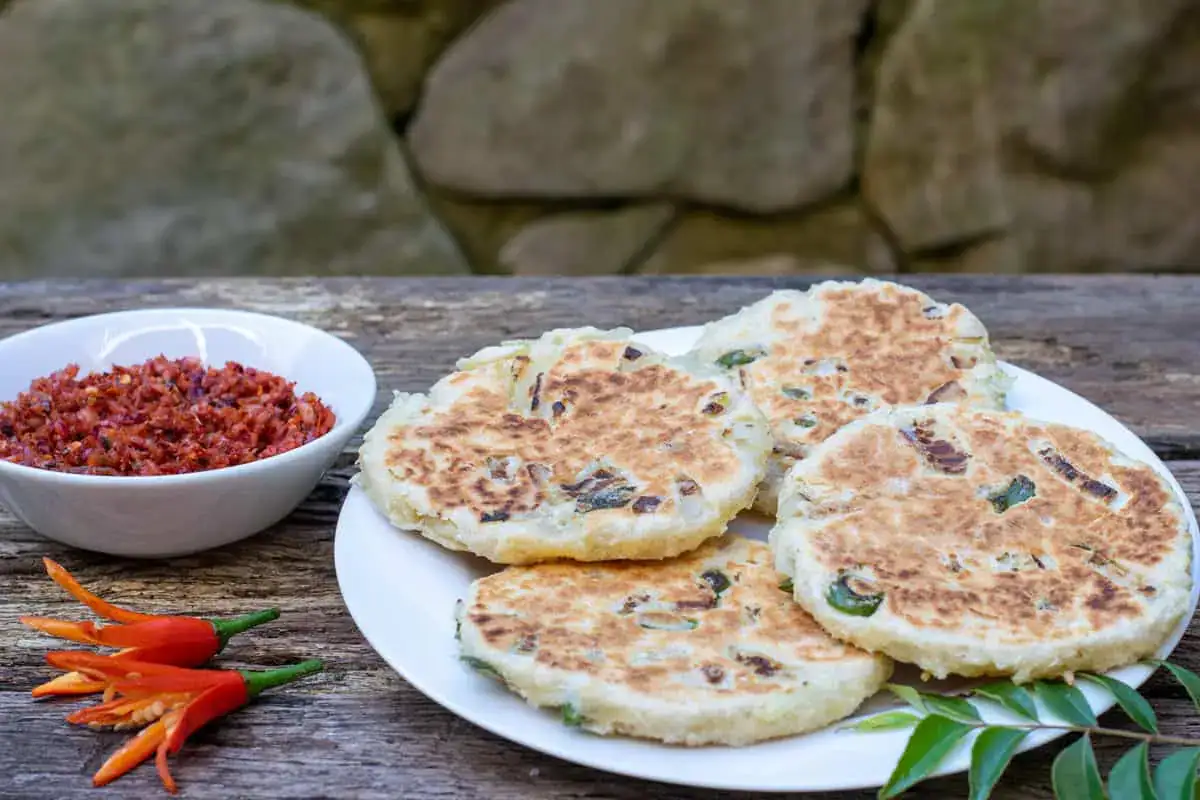

Pol Roti (Coconut Roti) lives quietly inside everyday Sri Lankan life. It does not announce itself with colour or ceremony. It does not arrive layered with garnish or shaped by a technique meant to impress. Instead, Pol Roti appears warm, modest, and familiar. You smell coconut before you see it. You hear the soft sound of dough touching a hot griddle. You feel hunger ease before the first bite. This coconut flatbread is served across Sri Lanka in homes, roadside stalls, and small neighbourhood eateries. It belongs to routine, memory, and shared space.
It is part of Sri Lankan cuisine in a way few dishes do. It fits into mornings shaped by work and school. It supports midday pauses. It settles evenings without weight. Coconut Roti moves easily between private kitchens and public streets, between quiet meals and shared plates. This dish reflects the values of Sri Lankan cuisine: clarity, balance, and practicality. It shows how food functions as nourishment and a source of connection rather than a display.
This article explores Coconut Flatbread in full. You will learn what defines the dish, how it is prepared, and why it remains essential across generations. You will understand how it fits into Sri Lankan street food, how regional habits shape small variations, and how to recognise a well-made version. You will also learn when to eat it, where to find it, and how to experience it with care and attention.
Pol Roti. What You Need to Know
Pol Roti refers to a traditional Sri Lankan flatbread made with grated coconut. The word “pol” means “coconut” in Sinhala. Roti refers to flatbread. The name explains the dish without ornament or exaggeration.
Classic Coconut Flatbread is made with wheat flour, freshly grated coconut, salt, and water. The dough contains no yeast and no chemical leavening. This choice keeps the bread dense, grounded, and filling. Cooks shape the dough by hand and cook it on a flat metal griddle heated over a fire or a gas burner. In many Sri Lankan kitchens, this griddle is used for daily cooking rather than as a special tool.
It cooks quickly. Each piece spends only a short time on the heat. The surface develops golden patches while the interior stays soft and moist. Coconut is distributed through the dough and creates texture rather than sweetness. The result feels hearty without heaviness and satisfying without excess.
People eat Pol Roti throughout the day. Breakfast remains the most common time, often paired with sambol and tea. Lunch and dinner also pair well with the dish, especially when served with light curries or vegetables. It can serve as a complete meal or as part of a broader spread, depending on the context and appetite.
Alternative Names
Pol Roti appears under several names depending on language and audience. Coconut Roti serves as the most common English translation. Some menus describe the dish as a coconut flatbread to help visitors understand the form. You might also encounter the spelling Pol Rotti in certain regions or publications.
These names change presentation rather than substance. The dish stays rooted in coconut and flour. Identity remains intact regardless of language.
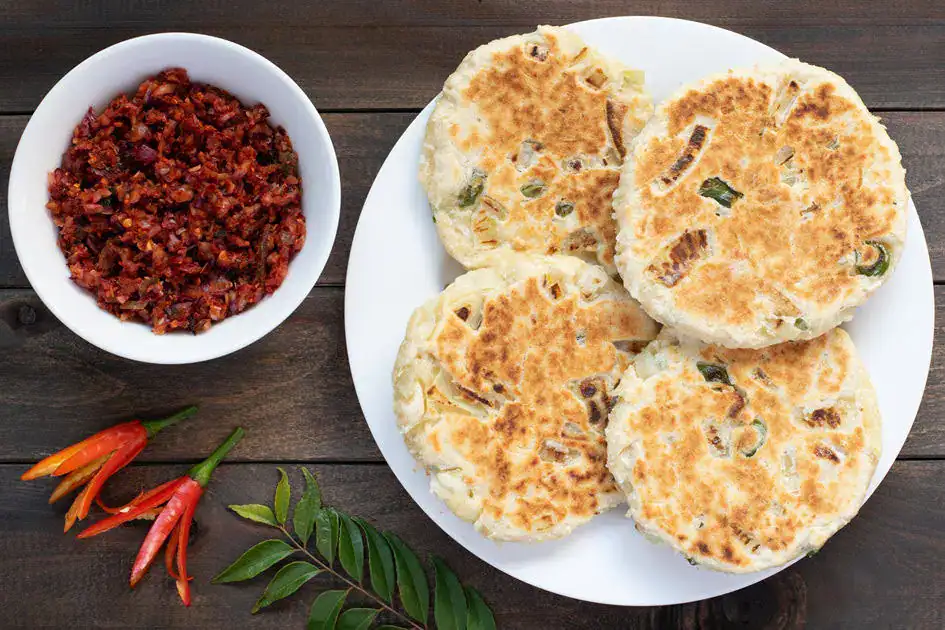
Pol Roti with the surface is evenly browned (Photo: Kavinda F, via Pixabay)
Why It Stands Out
Pol Roti stands out because of restraint. The ingredient list stays short. The method stays direct. Each component serves a clear purpose without overlap or excess.
Fresh coconut provides richness and moisture. Wheat flour offers structure and sustenance. Salt sharpens flavour without dominance. Heat transforms simple dough into food with depth. Nothing competes. Nothing hides. Each bite reflects balance rather than intensity.
This approach mirrors a wider pattern in Sri Lankan cuisine. Every day food values proportion rather than spectacle. Flavour grows from freshness and understanding rather than heavy seasoning or decoration. Pol Roti reflects this philosophy in its purest form.
Pol Roti also stands out because of its adaptability. You eat it plain. You eat it with sambols. You eat it with lentils, vegetables, or fish. The bread absorbs and supports flavour without losing its own character. This flexibility allows it to move easily across settings and meals.
In Sri Lankan street food culture, speed and reliability matter. Pol Roti cooks fast and satisfies hunger fast. Vendors trust it. Customers return to it. This cycle of trust keeps it relevant across generations.
Where It Sits in Sri Lankan Society
Pol Roti is for everyday use rather than special occasions. Families prepare Pol Roti at home when time feels limited, but nourishment still matters. The dough forms quickly. Cooking requires little equipment. Cleanup stays minimal. These qualities allow it to support busy routines without stress.
In rural areas, Coconut Flatbread often replaces rice as a main dish. Coconut trees grow throughout Sri Lanka, and fresh coconuts remain widely available. This access shapes food habits over generations. Coconut moves from tree to kitchen over short distances, reinforcing local food systems.
Pol Roti also plays a role during social visits. Hosts serve it with sambols and tea. Guests gather around shared plates. Eating blends into conversation without structure or formality. The food supports connection rather than distraction.
Street vendors sell Coconut Flatbread during busy hours. Workers stop for a quick meal. Students eat between classes. It supports movement and routine without interruption. It feeds people where they are rather than asking them to pause.
For visitors, Coconut Flatbread offers a direct way into Sri Lankan food culture. The dish feels approachable while remaining deeply local. It invites participation rather than observation.
Popular Varieties and Regional Differences
Pol Roti changes subtly across regions and households. These differences reflect taste, climate, and habit rather than strict rules or formal categories.
In southern coastal areas, cooks often add finely chopped onion and green chilli to the dough. This version tastes sharper and more savoury. The onion softens during cooking and blends with coconut, adding moisture and depth.
In inland and hill-country regions, Coconut Flatbread may contain less coconut. The bread turns firmer and denser. Cooler weather often favours this style, which holds heat longer and feels more substantial.
Urban cafés introduce additions such as garlic, curry leaves, or cumin seeds. These elements add aroma and warmth without altering the bread’s structure. The goal remains enhancement rather than reinvention.
Some families prepare stuffed Pol Roti filled with onion sambol or spiced coconut. This version feels heavier and often replaces a full meal. It reflects household creativity rather than regional identity.
Despite these variations, coconut remains central. Without coconut, it loses meaning and recognition.
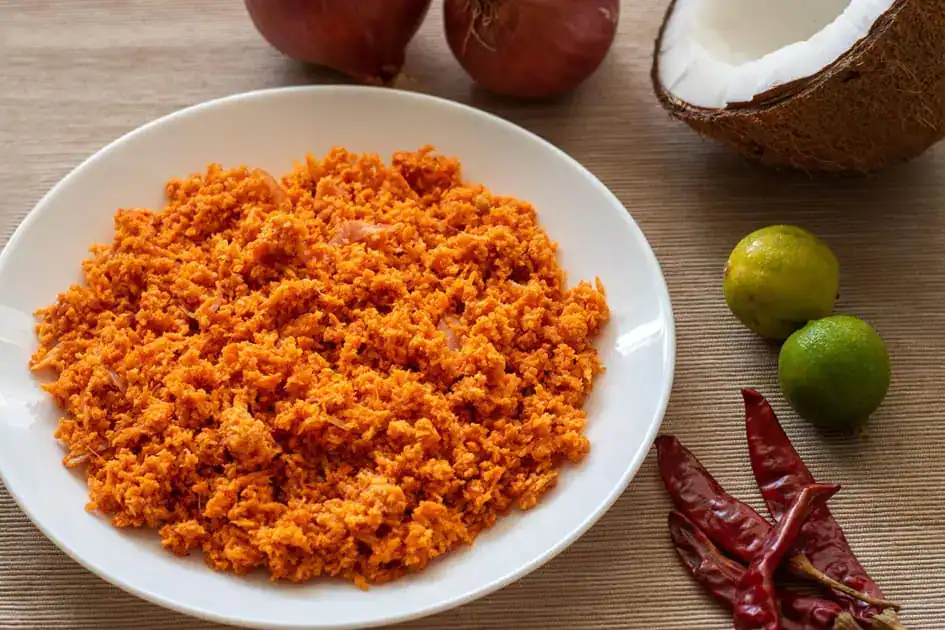
Pol (Coconut) Sambol is a good combination with Coconut Flatbread (Photo: Kavinda F, via Pixabay)
What Goes Inside
Classic Pol Roti relies on a small group of ingredients. Wheat flour forms the base. Freshly grated coconut provides texture and flavour. Salt balances taste. Water binds the dough.
Optional additions reflect household preference rather than tradition. Chopped onion adds sweetness and softness. Green chilli adds heat. Curry leaves add aroma. Cumin seeds add warmth. These elements remain secondary to coconut.
Fresh coconut plays the most important role. Desiccated coconut changes texture and dulls flavour. Many cooks insist on fresh grated coconut for depth and authenticity. The quality of the coconut often determines the quality of the final roti.
How Coconut Flatbread Is Made
Pol Roti preparation follows a clear and practical process rooted in repetition and touch. The method relies on hands-on rather than written instructions.
The cook combines flour, coconut, and salt in a bowl. Water enters slowly as you mix by hand. The dough forms into a soft, pliable texture without being overly sticky. Touch guides adjustment more than measurement.
The dough rests briefly to allow moisture to distribute evenly. This step improves texture and handling, though its effect is brief.
The cook divides the dough into small portions and, by hand, flattens each into a round shape. A rolling pin is not common in most kitchens. Hands control thickness and shape.
A flat griddle heats over a medium flame. The surface remains dry. Oil plays no role. Each roti cooks for several minutes on each side. Light brown patches appear. Coconut aroma rises as the heat works through the dough.
The cook removes the roti at the right moment. Timing matters. Overcooking dries the bread. Undercooking leaves raw flour. Experience guides judgment.
Serving Style and Temperature
Pol Roti tastes best when warm. Fresh cooking preserves softness and aroma. Time dulls both.
People serve it on plates or banana leaves. Diners tear pieces by hand. Cutlery rarely appears. This method encourages sharing and pace.
Side dishes arrive in small portions. Sambols, lentils, vegetables, or fish sit beside the bread. Sharing remains natural and expected, especially in home settings.
Cold Pol Roti loses appeal. Texture firms and flavour fades. Freshness defines quality more than presentation.
How to Spot a Great Version
A good Pol Roti reveals quality through simple signs. The surface is evenly browned, with no burn marks. The bread feels firm on the outside and soft on the inside. Coconut aroma smells clean and fresh. Salt supports rather than overwhelms.
Greasy surfaces suggest poor technique. Sour notes suggest old coconut. These signs guide judgment without complexity.
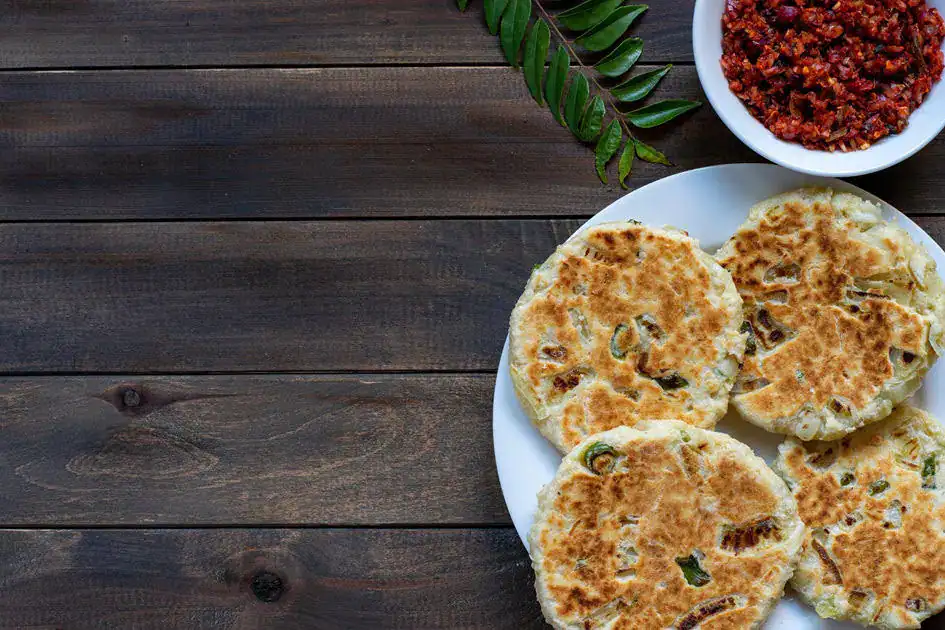
Artistic Coconut Flatbread (Photo: Kavinda F, via Pixabay)
Ordering Advice
When ordering Pol Roti at a stall or café, attention improves the experience. Asking for freshly made Pol Roti matters. Ordering sambol on the side preserves balance. Confirming the spice level avoids discomfort.
Observing the griddle helps. Steady turnover often signals freshness and trust built over time.
How to Taste the Best of It
Timing shapes quality. Morning hours often deliver the freshest Pol Roti, as vendors prepare new batches for breakfast crowds. Early cooking reflects care and rhythm.
Watching local behaviour provides clues. Busy stalls reflect consistency and reputation built through repetition rather than promotion.
Eating slowly matters. Tearing small pieces and tasting the bread alone first allows the coconut flavour to register before the spice comes in. This approach reveals balance.
Best Pairings
Pol Roti pairs naturally with several Sri Lankan sides. Lunu miris (chilli onion relish) adds heat and sharpness through chilli, onion, and lime. Pol sambol adds coconut texture and brightness. Seeni sambol brings gentle sweetness through slow-cooked onion. Dhal curry adds warmth and softness. Fish curries add depth for seafood lovers.
Plain black tea complements the meal without distraction and supports digestion.
When to Eat
Pol Roti is suitable for any time of day. Breakfast offers warmth and steady energy. Lunch provides nourishment without heaviness. Dinner pairs well with lighter sides. Travel days suit Pol Roti because of its familiarity and ease.
Where to Eat
Pol Roti appears across Sri Lanka. Street stalls in cities sell it during morning and evening hours. Small eateries near transport hubs serve it with sambols and curries. Coastal towns pair it with fish dishes. Hill country towns serve it with vegetables.
Home kitchens often produce the best versions. Guesthouses sometimes serve it for breakfast, offering visitors a taste of daily life rather than performance.
Energy and Nutrition Facts
Pol Roti provides balanced energy. Carbohydrates from flour fuel the body. Coconut adds fat and fibre. Coconut fat includes medium-chain triglycerides, which are digested faster than many other fats. Protein content remains modest. Sodium levels depend on salt and sambol use.
Compared to deep-fried Sri Lankan street food, Pol Roti feels lighter and steadier, supporting sustained energy rather than spikes.
Benefits of It
Pol Roti offers nourishment without excess. Ingredients remain simple and recognisable. Cooking avoids deep frying. The dish suits vegetarian diets. Coconut fibre supports digestion and satiety. Portion control happens naturally because the bread fills without weight.
Special Tips
Choosing fresh coconut improves flavour. Eating Pol Roti hot preserves texture. Pairing with sharp sambols balances richness. Drinking plain tea or water keeps focus on food rather than sweetness.
Dos and Don’ts
Eating Pol Roti fresh improves the experience. Using hands aligns with tradition. Tasting sambol before dipping prevents imbalance. Overloading with heavy curry reduces clarity. Rushing the meal removes pleasure and context.

Drinking a cup of tea just after having Pol Roti is another experience (Photo: Anastasiia Madiar)
Cooking Classes and Cultural Experiences
Many cooking classes in Sri Lanka include Pol Roti. These sessions teach coconut handling, dough shaping, and griddle control. Village experiences often include hand-grating coconut, which reveals the effort behind everyday food.
Learning Pol Roti connects you to Sri Lankan cuisine through action rather than explanation. The process builds understanding through repetition and attention.
Pol Roti and Memory in Sri Lankan Households
Pol Roti quietly carries a memory. Many Sri Lankans first encounter it at home, often made by a parent or grandparent, early in the morning. The smell of coconut warming on a griddle signals the start of the day. Children wait nearby, watching as the dough flattens and cooks. These moments repeat across years and across households, creating a shared experience that feels personal yet collective.
This sense of memory explains why Pol Roti endures even as food trends change. New dishes arrive. Cafés adapt menus. Global influences enter Sri Lankan cuisine. Pol Roti continues without adjustment because it already serves its purpose. It feeds people without strain. It uses ingredients close to home. It respects time rather than demanding it.
For many Sri Lankans living abroad, it becomes a dish tied to longing. People recreate it in unfamiliar kitchens using frozen coconut or substitutes. The texture shifts slightly. The flavour changes a little. Still, the act of making Pol Roti reconnects people with the rhythms and routines of home.
It also teaches restraint. The dish shows how food does not need constant reinvention to remain relevant. It relies on understanding ingredients and respecting balance. This lesson passes quietly from one generation to the next through hands rather than words.
Why You Should Taste It
It reflects Sri Lankan food values with honesty. The dish uses local resources with care. Coconut trees shape daily meals across the island. Flavour remains clear and direct. Texture remains grounded. Nothing distracts from purpose.
Eating Pol Roti places you inside daily life. You eat as families eat. You share food as people share time. The experience offers insight without explanation.
Final Thoughts
Pol Roti holds a steady place within Sri Lankan cuisine because it understands its role. The dish nourishes without excess. It supports daily life without demanding attention. Coconut defines flavour. Heat defines texture. Hands define form. Sharing defines meaning.
In a food culture rich with spice, colour, and variation, It offers clarity. It reminds you that Sri Lankan food values purpose as much as pleasure. When you eat Pol Roti, you participate in a daily rhythm shaped by land, habit, and care.
If you seek Sri Lankan food that feels grounded and honest, it offers a direct answer. Eat it warm. Pair it thoughtfully. Sit with it for a moment. Let simplicity hold its place.
Other Popular Sri Lankan Foods and Drinks:
- Hot Butter Cuttlefish
- Ceylon Tea
- Hoppers (Appa)
- King Coconuts
- String Hoppers
- Rice and Curries
- Kola Kanda
- Kottu Roti
Featured image: Pol Roti with Lunu Miris (Photo: Kavinda F, via Pixabay)

I am a Sri Lankan medical doctor who spends my free time travelling, exploring new destinations, and documenting the beauty of the island I call home. I have journeyed across almost every corner of Sri Lanka with my wife and daughter — from wildlife parks and misty mountains to ancient cities, deep forests, rugged landscapes, and quiet beaches.
Travel is not just a hobby for me — it’s a way of life. I love nature, enjoy road trips, and find joy in wildlife photography. I also read widely about tourism, travel trends, and destination culture. Through my writing, I aim to help travellers experience Sri Lanka through real stories, meaningful insights, and honest recommendations — the same way I explore it with my own family.