

Sri Lanka looks small on a map. When you start planning your trip, you quickly see how complex the choice becomes. Deciding where to stay in Sri Lanka shapes your whole experience. Popular beaches or mountains. Cultural sites or tea country. Luxury resort or family guesthouse. West Coast or East Coast, and at what time of year.
Many travellers underestimate how diverse this island is. You can swim in warm Indian Ocean waves in the morning and sit in cool mountain air by evening. You can watch elephants on safari one day and climb ancient rock fortresses the next. If you pick the wrong base, you face long drives, rough seas, or heavy rain. You risk missing the experiences you came for.
This Sri Lanka accommodation guide gives you a clear system. You will choose where to stay in Sri Lanka based on your travel style, season, budget, and priorities. Use this guide as a planning tool. Save the sections that match your trip. Then build your route with purpose.
First, Decide What Type of Trip You Are Taking
Before you choose a hotel, choose your experience. Sri Lanka rewards focus. If you try to see everything at once, you end up spending too much time in a car.
Beach Relaxation and Surfing
If your goal is sun, sand, and sea, look to the South or East Coasts.
On the South Coast, popular bases include Mirissa, Unawatuna, and Weligama. Mirissa offers whale watching trips and lively beach bars. Unawatuna, near Galle, features calm swimming bays. Weligama attracts beginner surfers with sandy-bottom breaks and surf schools on the beach.
The East Coast tells a different story. Arugam Bay ranks among Asia’s top surf spots. Experienced surfers visit between May and September for consistent right-hand point breaks. Pasikudah offers shallow, calm water and large beachfront resorts.
Ask yourself what you want from your beach stay.
If you want:
- Surf culture and nightlife, choose Weligama or Arugam Bay.
- Calm swimming and boutique stays, choose Unawatuna or Pasikudah.
- A mix of beach and access to historic Galle, choose the South Coast.
It is advisable to read “Top 10 of the Best Beaches in Sri Lanka You Should Visit“.
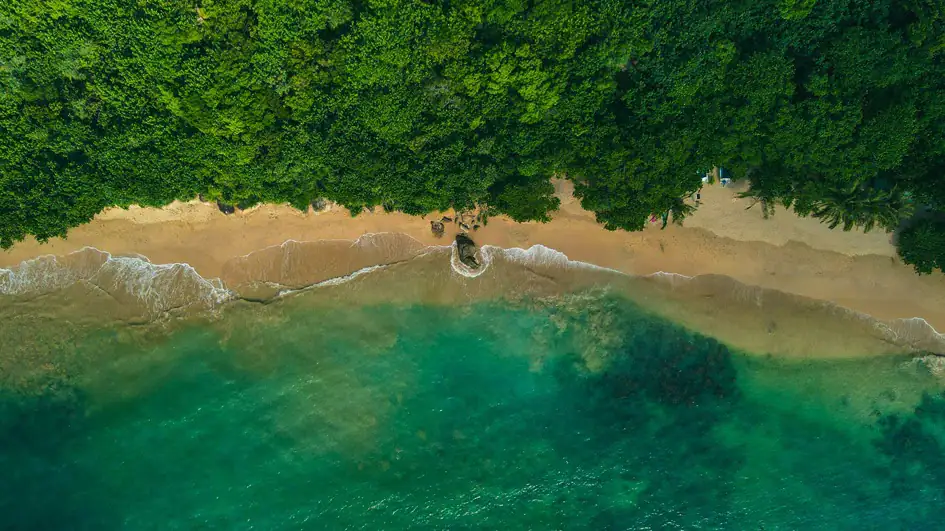
Aerial View of Rumassala – Unawatuna (Photo: Siarhei Palishchuk, via Unsplash)
If history pulls you in, head to the Cultural Triangle.
Stay near Sigiriya to climb the famous rock fortress at sunrise. Base yourself in Dambulla for access to cave temples and easy road links. Choose Anuradhapura or Polonnaruwa if you want fewer crowds and wider archaeological parks. Stay in Kandy to visit the Temple of the Tooth and experience hill country culture.
This route suits history lovers, photographers, and slow travellers. You wake early to explore ruins before the heat builds. You spend afternoons by the pool or cycling between ancient stupas. You learn context before moving on.
Nature, Tea Country and Cool Weather
The hill country offers cooler air and sweeping views. Towns such as Ella, Nuwara Eliya, and Haputale sit at high altitudes.
Wake up in Ella and look across layers of green hills. Walk to Little Adam’s Peak before breakfast. Take the train from Kandy to Ella, a route often listed among the most scenic rail journeys in the world. Nuwara Eliya feels different, with colonial-era buildings and tea estates. Haputale offers quiet viewpoints and fewer crowds.
Waking up above the clouds in Sri Lanka’s hill country feels nothing like beach life. You need a sweater at night. You drink fresh Ceylon tea at the source. If you want hiking, cooler weather, and landscape photography, choose this region.
Sri Lanka holds one of the highest leopard densities in the world, especially in Yala National Park. Udawalawe is known for large elephant herds. Wilpattu offers a quieter safari experience with natural lakes and fewer vehicles.
We recommend reading “The Best National Parks to Spot Leopards in Sri Lanka“.
You face a key choice here. Stay inside or outside the park.
Luxury safari lodges near Yala offer all-inclusive packages and guided drives. Prices rise during peak season. Budget travellers often stay in guesthouses outside the park and book shared jeep safaris.
If nature & wildlife sit high on your list, plan at least two nights. Early-morning and late-afternoon drives increase your chances of sightings.
National Parks in Sri Lanka require tickets or permits purchased at the gate. National parks require jeep hire too. You can also book national park permits/tickets online through the Wildlife Park Permits Reservation eService.
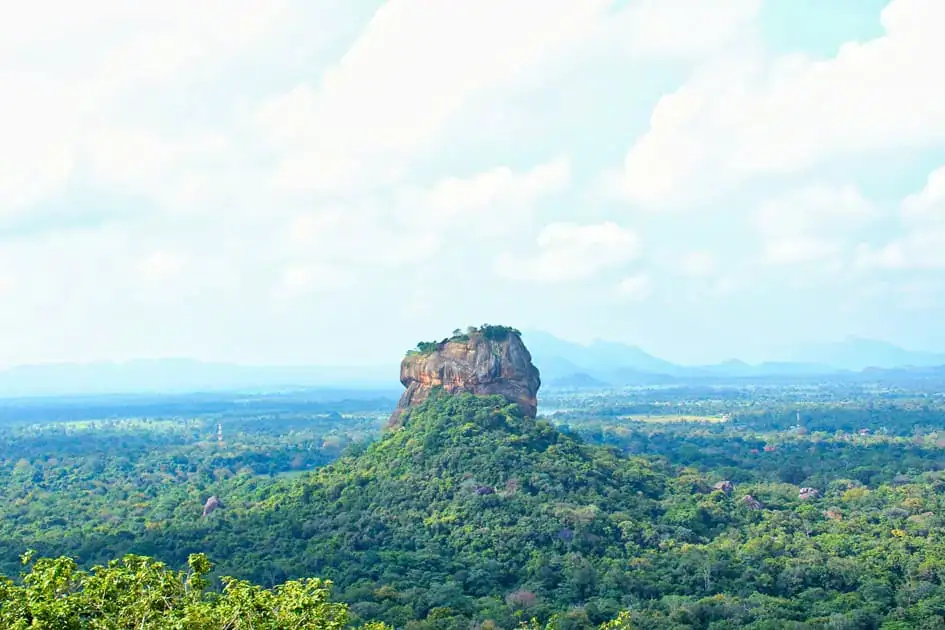
Sigiriya Ancient Rock Fortress (Photo: Chanaka Madushan Sugathadasa, via Pexels)
The Critical Factor Most Travellers Miss, The Monsoon Seasons
One of the most useful Sri Lanka travel tips involves timing. The island has two main monsoon systems.
The Southwest Monsoon affects the West and South Coasts from May to September. The Northeast Monsoon hits the East Coast from October to January.
This pattern creates a simple rule.
Visit the South and West Coasts between December and April for the best beach weather. Visit the East Coast between May and September.
Many travellers book flights without checking the Sri Lankan weather by month. They arrive on the wrong coast at the wrong time and face rough seas and grey skies. You avoid this mistake by aligning your route with the season.
If you plan to visit Sri Lanka in April or October, you’ll be visiting the shoulder season. You might see short rain showers, often in the afternoon. You also benefit from lower hotel rates and fewer crowds.
When deciding where to stay in Sri Lanka, always check the weather and the best time to visit your chosen region. A sunny beach on the correct coast feels like a different country from a stormy one.
How Long Are You Staying and Why It Matters More Than You Think
Sri Lanka looks compact, yet travel takes time. Roads wind through mountains. Traffic builds near cities. Trains move slowly.
If you have 5 to 7 days, focus on one or two regions. Combine the Cultural Triangle with Kandy. Or choose the South Coast and a nearby safari park. Do not attempt a full island loop in one week.
If you have 10 to 14 days, follow a classic route. Many travellers use a 10-day or 2-week itinerary for Sri Lanka as a base. A common loop runs from Colombo to Sigiriya, Kandy, Ella, Yala, and the South Coast before returning north.
If you have three weeks or more, slow down. Spend several nights in each stop. Add lesser-known beaches or smaller towns. Consider a digital nomad approach with longer stays at a single base.
It is advisable to read “The Best Sri Lanka Itinerary for Your Travel Season“.
Factor in Transport.
A private driver offers comfort and saves time. Public buses cost little but move slowly and fill up fast. Trains offer scenic views, especially between Kandy and Ella, but seats sell out during peak months.
Do not book one-night stays far apart unless you enjoy packing daily. You lose time and energy in transit. Choose fewer bases and explore deeper.
It is recommended to read about “Transport in Sri Lanka: The Best Guide“.
- Check the train schedule.
- Online Ticket Booking: Online Advance Train Seats Reservation from the Sri Lanka Railways Official Page.
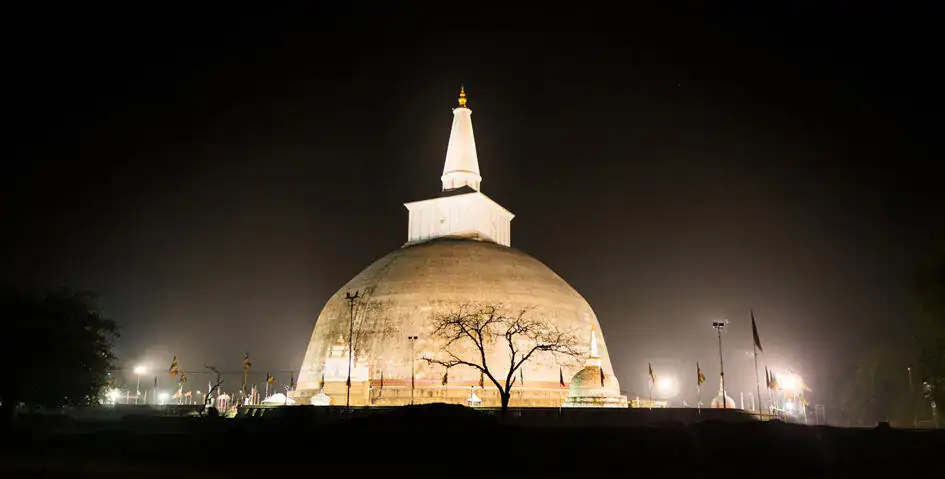
Night View of Ruwanweliseya Stupa – Anuradhapura (Photo: Iuherath, CC BY-SA 4.0)
Budget Breakdown, Where Your Money Goes Furthest
Sri Lanka offers options for almost every budget. You find everything from simple homestays to high-end beachfront villas.
Budget
If you search for budget hotels in Sri Lanka, you see a wide range of guesthouses and homestays. In many towns, family-run places offer clean rooms, home-cooked meals, and local advice. Surf hostels in Weligama or Arugam Bay create a social vibe for solo travellers.
Expect lower prices in inland towns and during the shoulder season. In peak beach months, even simple rooms increase in price.
Mid-Range
Boutique hotels in Sri Lanka attract couples and small groups. These properties often feature design-led rooms, small pools, and attentive service. Eco-lodges near Sigiriya or in the hill country blend into the surrounding landscape. Small villas offer privacy without resort scale.
Mid-range stays often give the best value. You enjoy comfort and character without luxury-level pricing.
Luxury
Luxury hotels in Sri Lanka include beachfront resorts with infinity pools, private pool villas, and tea estate bungalows in the hills. Safari lodges near Yala provide guided drives and fine dining.
If you plan to splurge, do so strategically. A safari lodge offers convenience and expert guides. A stay at a tea estate in Nuwara Eliya creates a unique memory. In transit towns or near airports, choose a simpler hotel and save your budget for standout experiences.
Transport and Accessibility: Avoid This Common Planning Mistake
Most international flights arrive near Colombo. Bandaranaike International Airport is located north of the city, near Negombo. From there, reaching the deep South takes several hours by car.
When you decide where to stay in Sri Lanka, map the distances. The drive from Colombo to Mirissa takes approximately 3-3.5 hours via the expressway. The journey from the South to Ella involves winding mountain roads.
The train from Kandy to Ella attracts global attention for its views. Book seats in advance during peak months. If you rely on public transport, build flexibility into your plan.
Hiring a private driver for part of your route often saves time. Many travellers combine train travel in the hills with private transfers elsewhere.
Think in clusters. Group nearby destinations together. Reduce backtracking. This approach lowers stress and gives you more time on the ground.
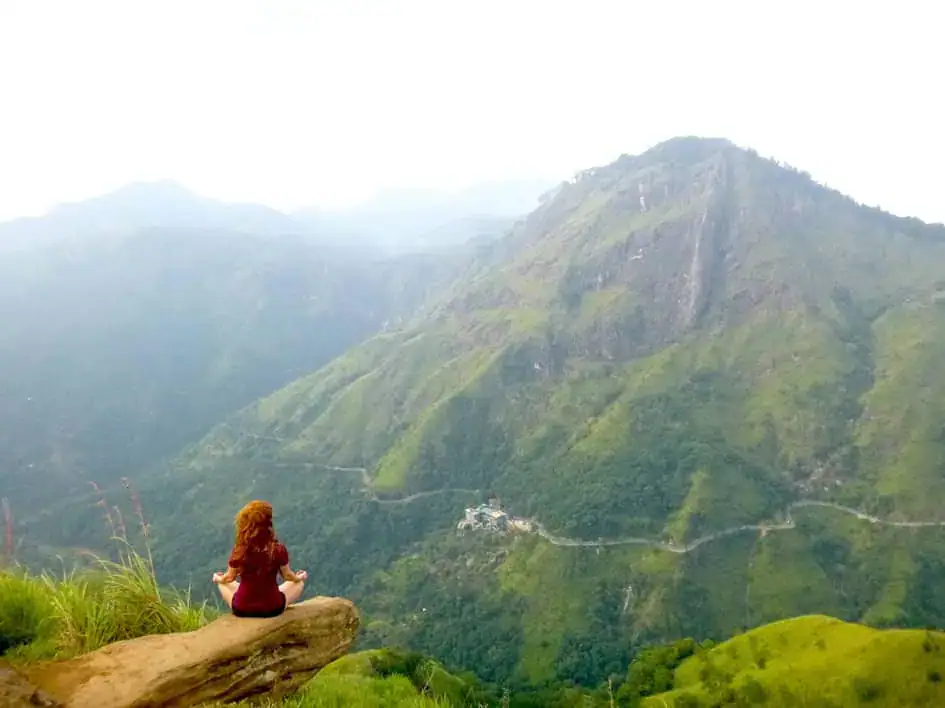
Ella Valley (Photo: Kirsty Barnby, via Unsplash)
Matching Accommodation Type to Experience
Where you stay influences how you feel in a place.
Beachfront hotel or inland guesthouse. A beachfront hotel gives you direct sea access and sunset views. An inland guesthouse often offers lower rates and a quiet garden setting. Decide whether you value convenience or budget.
Boutique villa or large resort. Boutique villas create intimacy and personal service. Large resorts offer facilities such as multiple restaurants and kids’ clubs. Couples often prefer smaller properties. Families might value resort amenities.
Eco-lodge or city hotel. Eco-lodges near Sigiriya or Udawalawe immerse you in nature. You hear birds at dawn. City hotels in Kandy or Colombo provide easy access to restaurants and transport hubs.
Think about atmosphere, privacy, social scene, and convenience. If you travel solo, a social guesthouse in Ella helps you meet others. If you travel for a honeymoon, a private pool villa on the South Coast suits your needs.
Quick Decision Framework: Where to Stay in Sri Lanka at a Glance
Use this simple guide to narrow your options.
- If you want beaches and nightlife, stay on the South Coast in Mirissa or Weligama.
- If you want elephants and a safari, stay near Udawalawe.
- If you want cooler weather and views, stay in Ella or Haputale.
- If you want ancient ruins and fewer crowds, stay in Anuradhapura.
- If you want beginner surf and social hostels, choose Weligama.
- If you want luxury beach resorts, look at Pasikudah or the Southern Coast near Tangalle.
This approach helps you align your priorities with the top accommodations in Sri Lanka.
Sample Popular Stay Combinations
Culture, Hills, and Beach
For a first visit, combine Sigiriya, Dambulla, Kandy, Ella, and the South Coast. Start with history in the Cultural Triangle. Move to Kandy for culture and train travel. Continue to Ella for hikes. Finish with beach time in Mirissa or Unawatuna.
Surf and Safari
Base yourself in Weligama or Arugam Bay for surfing. Then travel to Yala or Udawalawe for wildlife. This route balances ocean energy with the stillness of a national park.
Luxury Honeymoon Route
Choose a boutique hotel in Sigiriya. Stay in a tea estate bungalow in Nuwara Eliya. End with a private pool villa on the South Coast. Add a two-night stay at a high-end safari lodge near Yala.
Digital Nomad Slow Travel Route
Spend one week in Ella for hiking and cafés. Move to Weligama for surf and coworking spaces. Finish with a quieter stay in the hill country or near Tangalle. Longer stays reduce transportation costs and provide a routine.
We recommend reading about “Digital Nomads in Sri Lanka: The Complete Guide to Working Remotely in Paradise“.
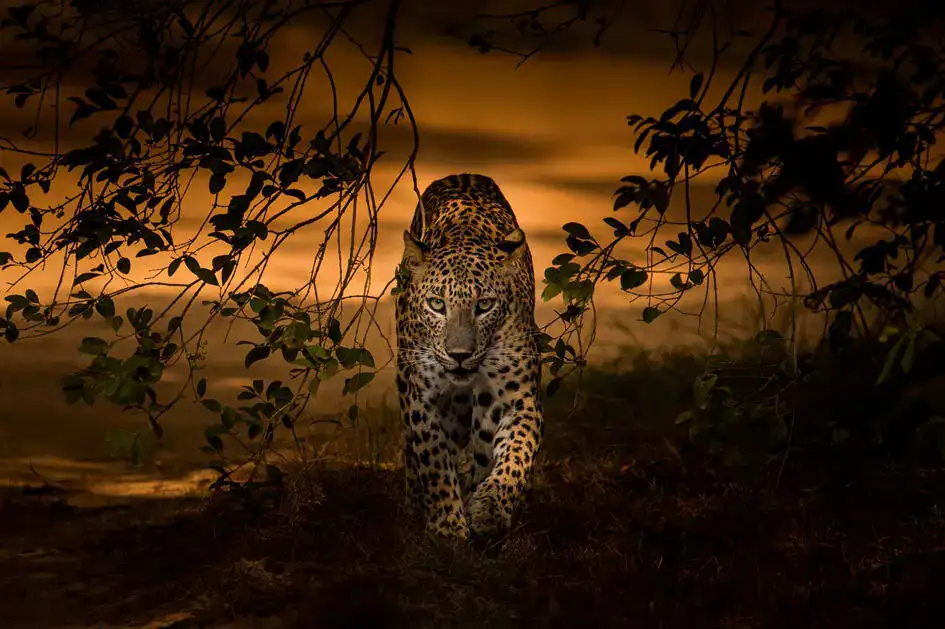
A Leopard in Wilpattu National Park (Photo: Senthiaathavan, CC BY 4.0)
Frequently Asked Questions
Where should I stay in Sri Lanka for the first time?
For a first visit, combine the Cultural Triangle, Kandy or Ella, and the South Coast. This route gives you history, landscapes, and beach time in one trip.
Is it better to stay on the East or West Coast?
The answer depends on the season. Visit the South and West Coasts from December to April. Visit the East Coast from May to September. Check the Sri Lankan weather by month before booking.
How many days do you need in Sri Lanka?
Ten to fourteen days allow you to see key highlights at a comfortable pace. One week works if you focus on one region. Three weeks support slow travel.
Is Sri Lanka good for luxury travel?
Yes. You find high-end beach resorts, private pool villas, tea estate bungalows, and safari lodges. Luxury hotels in Sri Lanka compete with top properties in Asia at competitive rates.
Read more answers to the frequently asked questions by travellers.
The Best Place to Stay in Sri Lanka Is the One That Fits Your Trip
There is no single answer to where to stay in Sri Lanka. The best choice depends on your travel style, season, budget, trip length, and transportation plan.
Start by defining your priorities. Check the monsoon pattern. Map realistic travel times. Choose accommodation types that match your goals. When you align these elements, your trip flows with purpose.
Use this Sri Lanka accommodation guide as your base. Save your preferred regions. Build your route step by step. If you plan to visit Sri Lanka soon, take time to match your stay to the season and your style.
Are you chasing sunsets, leopards, tea plantations, or all three?
Read Where to Stay in Sri Lanka.
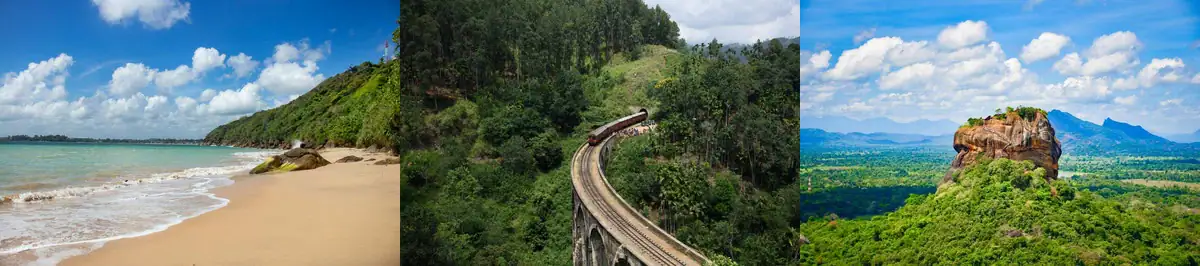
Featured image: Unawatuna Beach, Nine Arch Bridge – Ella, and Sigiriya Rock Fortress

I am a Sri Lankan medical doctor who spends my free time travelling, exploring new destinations, and documenting the beauty of the island I call home. I have journeyed across almost every corner of Sri Lanka with my wife and daughter — from wildlife parks and misty mountains to ancient cities, deep forests, rugged landscapes, and quiet beaches.
Travel is not just a hobby for me — it’s a way of life. I love nature, enjoy road trips, and find joy in wildlife photography. I also read widely about tourism, travel trends, and destination culture. Through my writing, I aim to help travellers experience Sri Lanka through real stories, meaningful insights, and honest recommendations — the same way I explore it with my own family.