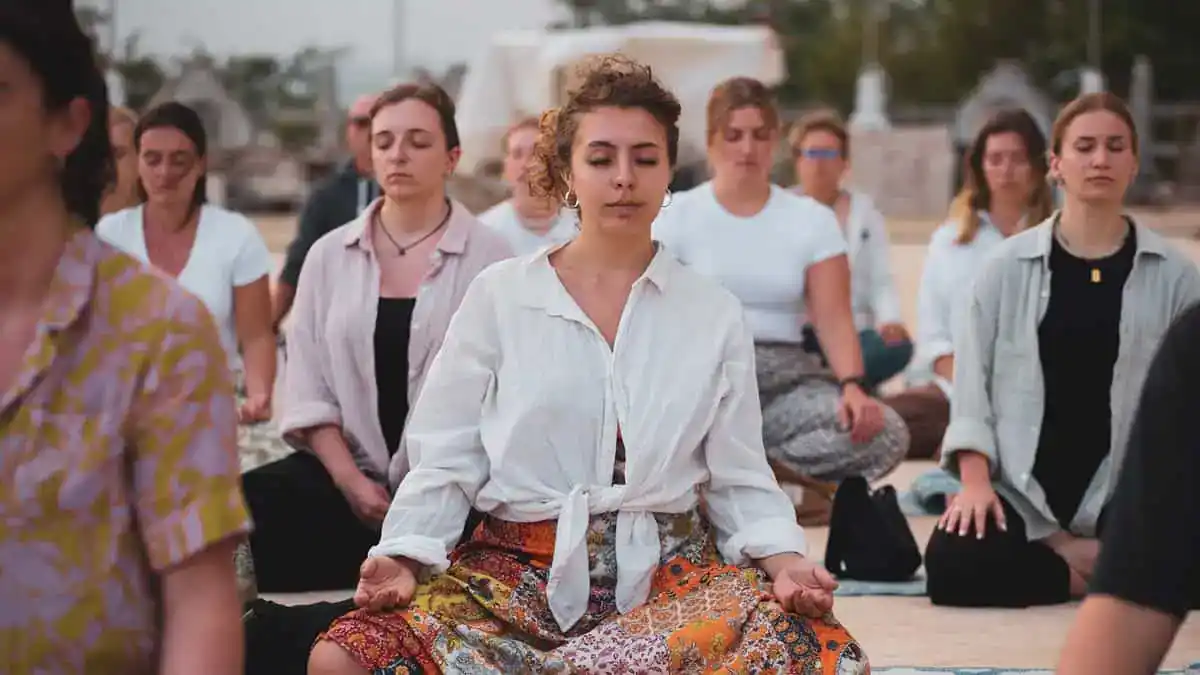

You feel the strain. Work piles up. Your mind races at night. You scroll more and rest less. Many people face this cycle. Meditation offers a way out, yet most people struggle to build a habit at home. It is where meditation in Sri Lanka stands apart. The island gives you space, structure, and silence. You step away from the noise and step into a setting built for focus.
Sri Lanka has drawn travellers for decades. Popular beaches and nature & wildlife bring crowds. A quieter movement now grows. People travel here to reset their minds. The country blends ancient Buddhist practice, natural calm, and simple routines. You do not need experience. You need time, a plan, and a place that supports your effort.
This guide gives you a clear path. You will learn why Sri Lanka works so well for meditation. You will see where to go, what to expect, and how to plan your stay. You will also see real numbers behind the rise of wellness travel in Sri Lanka. Use this as your starting point.
Why Meditation in Sri Lanka Attracts Global Travellers
Travel patterns have shifted. Many travellers now seek calm over crowds. Sri Lanka has moved in this direction. Data from tourism reports show steady recovery after recent downturns. The country welcomed over two million visitors in 2024. Tourism earnings crossed three billion dollars. A growing share of this market focuses on wellness.
Wellness travel brings higher spending and longer stays. Studies show that wellness travellers spend up to 50% more than average tourists. They stay for several days and focus on structured programs. Sri Lanka fits this demand.
The Sri Lanka Tourism Development Authority promotes high-value tourism. It includes wellness retreats, yoga programs, and meditation centres. The aim is clear. Attract travellers who seek depth, not volume.
You benefit from this shift. You find more retreat options. You find better facilities. You find trained teachers and structured programs.
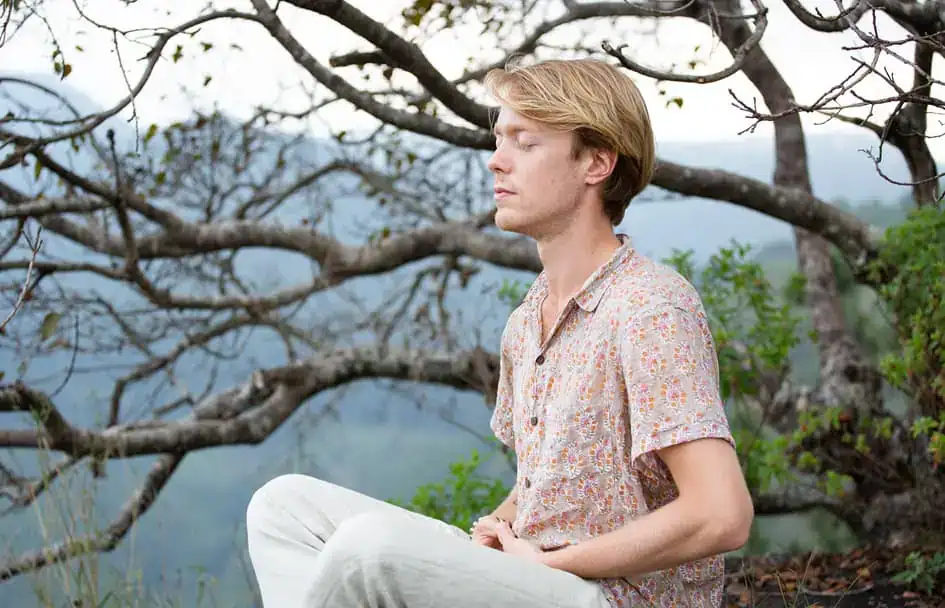
Meditation in Sri Lanka – Ella (Image by vined mind from Pixabay)
The Roots of Meditation in Sri Lanka
Sri Lanka holds a long Buddhist history. The island adopted Buddhism over two thousand years ago. Monks have practised meditation here since that time. Forest monasteries still exist. Many remain active today.
Meditation forms part of daily life in these communities. Monks follow strict routines. They wake early. They meditate for long hours. They eat simple meals. They keep silent for long periods.
You can observe or join parts of this lifestyle. Some monasteries allow foreign visitors. You follow rules. You dress modestly. You keep silent. You respect the schedule.
It is not a performance for tourists. It is a living practice. That gives Sri Lanka an edge over other destinations.
The Natural Setting Supports Your Focus.
Your environment shapes your mind. Sri Lanka offers strong support here.
You find dense forests in the hill country. You find quiet beaches in the South. You find lakes, rivers, and open skies across the island.
Nature reduces stress. Studies show exposure to natural settings lowers cortisol levels. It improves focus and mood. Sri Lanka provides this in abundance.
You wake to birds, not traffic. You walk on sand instead of concrete. You sit under trees instead of inside closed rooms.
These small shifts matter. They help you stay present.
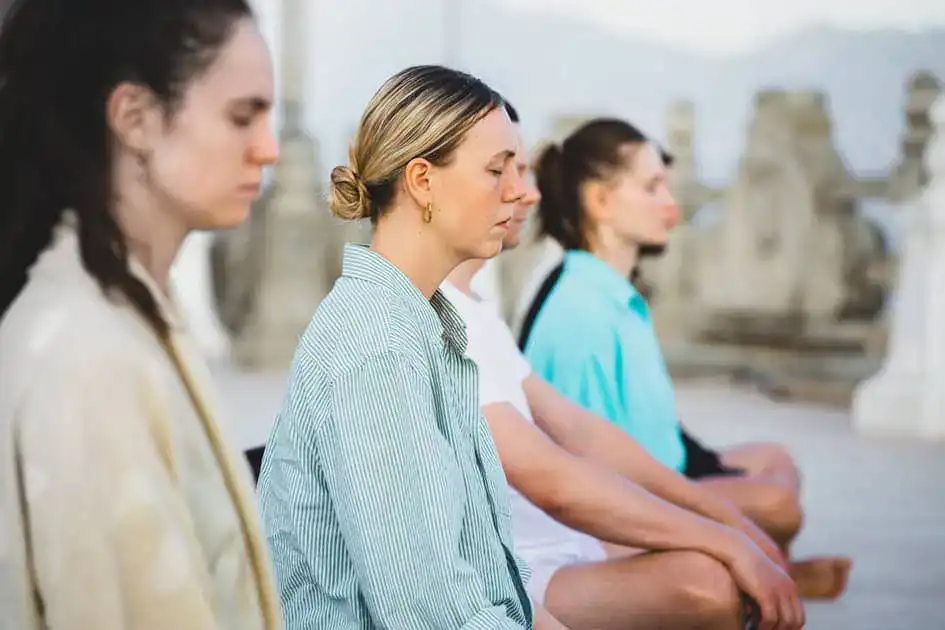
Focus, Calmness & Clarity – Meditation in Ella (Image by vined mind from Pixabay)
Health Benefits Linked to Meditation Retreats
Meditation offers clear benefits. Research links regular practice to reduced stress and improved emotional control. People report better sleep and sharper focus.
A study on wellness tourism in Sri Lanka found strong links between meditation activities and visitor satisfaction. Travellers who joined structured wellness programs reported higher levels of well-being. Many planned return visits.
You do not need long sessions to see results. Even short daily practice brings change. Retreats give you the time and support to build this habit.
Best Regions for Meditation in Sri Lanka
Sri Lanka offers diverse settings. Each region gives a different experience. Your choice depends on your goals.
Kandy and the Hill Country
Kandy sits in central Sri Lanka. The climate stays cool. Forests surround the area. This region holds strong spiritual value.
You find temples and monasteries here. You also find structured retreats in quiet locations.
This area suits longer stays. You focus on deep practice without distractions.
There are several popular meditation centres in Ella.
The Southern Coast
The South Coast attracts many first-time visitors. Towns like Galle and Weligama host several retreat centres.
You combine meditation with beach life. You join group sessions. You enjoy free time by the ocean.
This area suits beginners. You ease into practice while enjoying a relaxed setting.
The central plains include Sigiriya, Dambulla, and Anuradhapura. These areas hold ancient ruins and sacred sites.
You meditate near historical landmarks. You connect with the long history of Buddhism in Sri Lanka.
This area suits travellers who want both culture and meditation.
Colombo and Nearby Areas
Colombo serves as the main entry point. The city hosts several short programs.
You join weekend retreats or daily sessions. It works well if you have limited time.
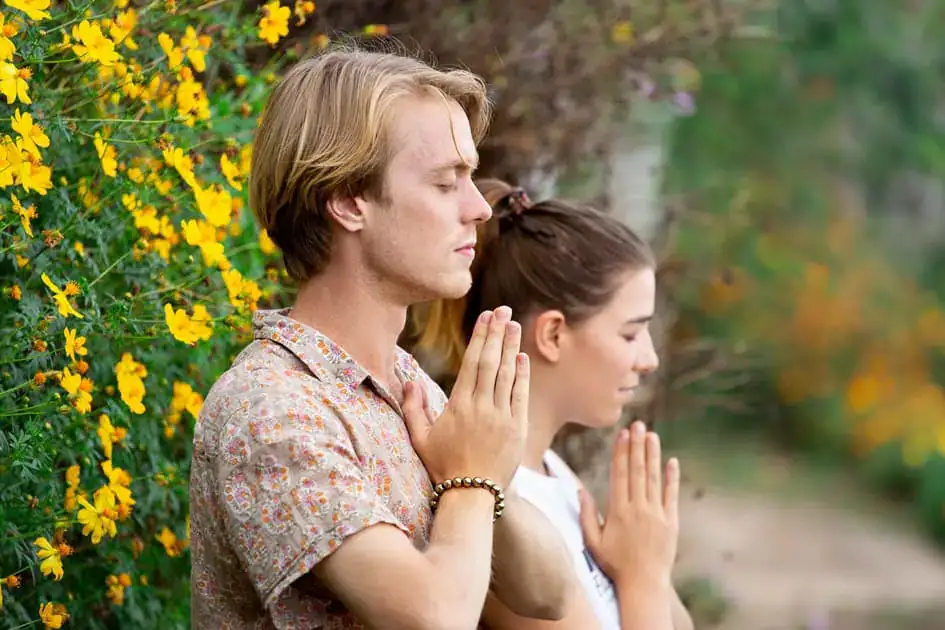
Practising Meditation (Image by vined mind from Pixabay)
Types of Meditation Retreats Available
You find a wide range of options in Sri Lanka. Each type suits a different level of experience.
Silent Vipassana Retreats
These retreats follow strict rules. You keep silent for the full duration. Programs often last ten days.
You meditate for many hours each day. You follow a fixed schedule.
It suits serious learners. You build strong discipline and focus.
Yoga and Meditation Retreats
These combine physical movement with mental training. You start your day with yoga. You follow with meditation sessions.
Meals often follow Ayurvedic principles. It supports your overall health.
It suits beginners and intermediate practitioners.
Luxury Wellness Retreats
These centres offer comfort and structure. You stay in private rooms. You receive guided sessions.
Programs include meditation, yoga, and spa treatments.
This suits travellers who want a balance between comfort and practice.
Monastery Stays
Some monasteries accept visitors. You live close to monks. You follow basic routines.
Conditions stay simple. Food stays basic. Silence forms part of daily life.
This suits travellers who seek an authentic experience.
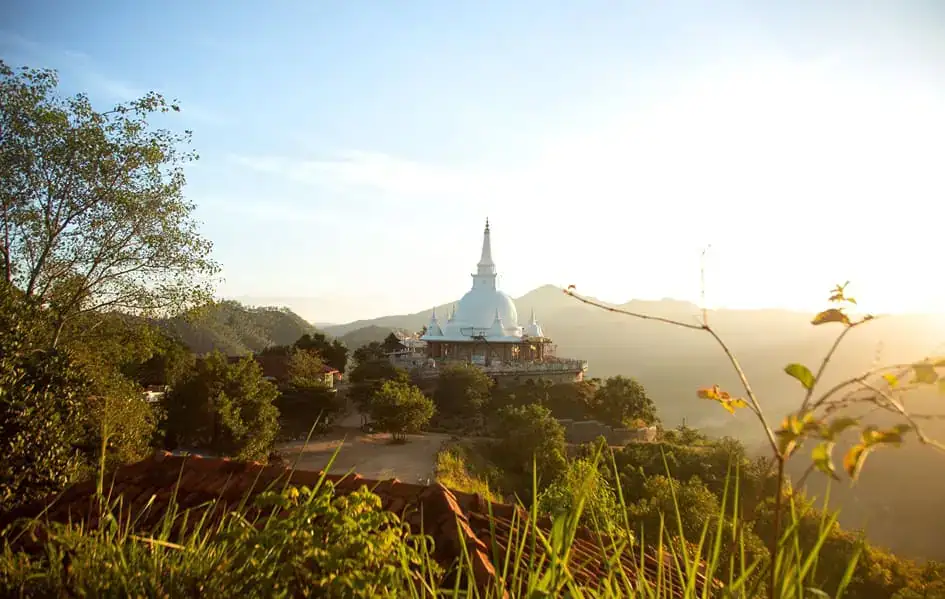
Mahamevnawa Buddhist Monastery in Ella (Image by vined mind from Pixabay)
A Sample 7-Day Meditation Retreat Plan
A clear plan helps you stay consistent. Here is a simple structure.
Day 1
You arrive and settle in. You meet your teacher. You learn the basic rules.
Day 2
You begin morning meditation. You learn breathing techniques. You attend short lectures.
Day 3
You increase your session time. You focus on posture and awareness.
Day 4
You deepen your practice. You reduce distractions. You spend more time in silence.
Day 5
You maintain long sessions. You reflect on your progress. You ask questions if needed.
Day 6
You prepare to transition back. You learn how to continue at home.
Day 7
You close the program. You review your experience. You plan your next steps.
Each day follows a routine. You wake early. You meditate. You eat simple meals. You rest. You repeat.
Structure builds discipline. Discipline builds results.
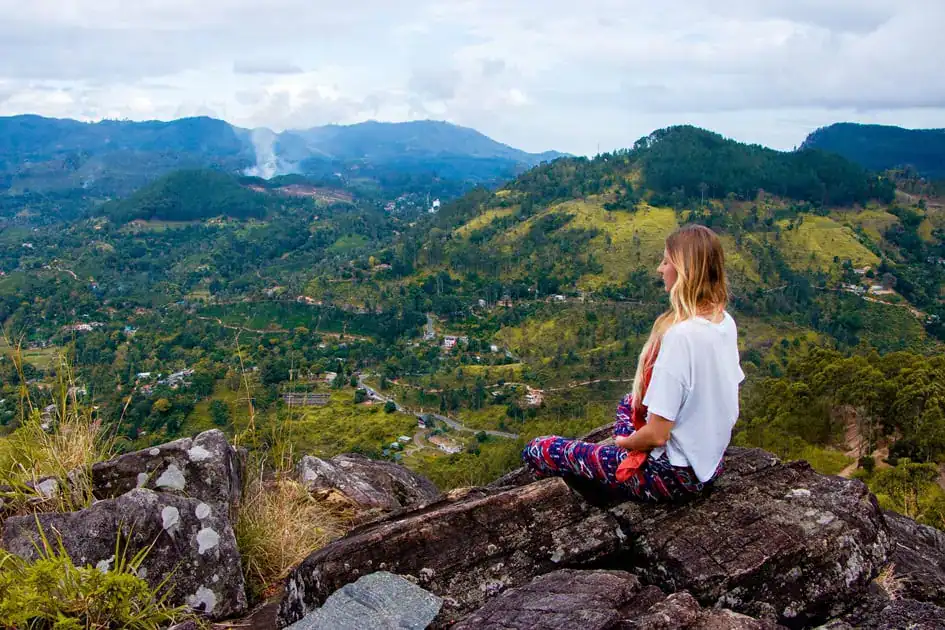
Meditation on A Rock in Ella (Image by vined mind from Pixabay)
Costs and Budget Planning
Sri Lanka offers options for every budget.
Budget stays cost between $20 and $50 per day. These include stays at monasteries and simple guesthouses.
Mid-range retreats cost between $80 and $150 per day. These include guided sessions and meals.
Luxury retreats cost between $200 and $500 per day. These include full wellness programs.
You choose based on your needs. A higher price often brings more comfort and guidance. Lower-cost options bring simplicity and focus.
Best Time to Visit for Meditation in Sri Lanka
Weather matters. Sri Lanka has two monsoon seasons.
Visit the South and West Coasts from December to April. The weather stays dry and warm.
Visit the East Coast from May to September.
The hill country stays cooler year-round. Rain varies but often does not disrupt indoor practice.
Choose your region first. Then pick your travel dates.
We recommend reading our guides on Sri Lanka’s weather and the best time to visit.
Travel Tips for a Smooth Experience
Certain travel tips make your experience smoother. Prepare before your trip. It helps you stay focused once you arrive.
Bring light clothing that covers your shoulders and knees, especially in temples and religious landmarks. Respect local customs.
Pack a journal. You will want to track your thoughts.
Limit digital use. Many retreats restrict phone access.
Stay hydrated. The climate can feel humid if you come from colder regions.
Follow the instructions from your teachers. Structure supports your progress.
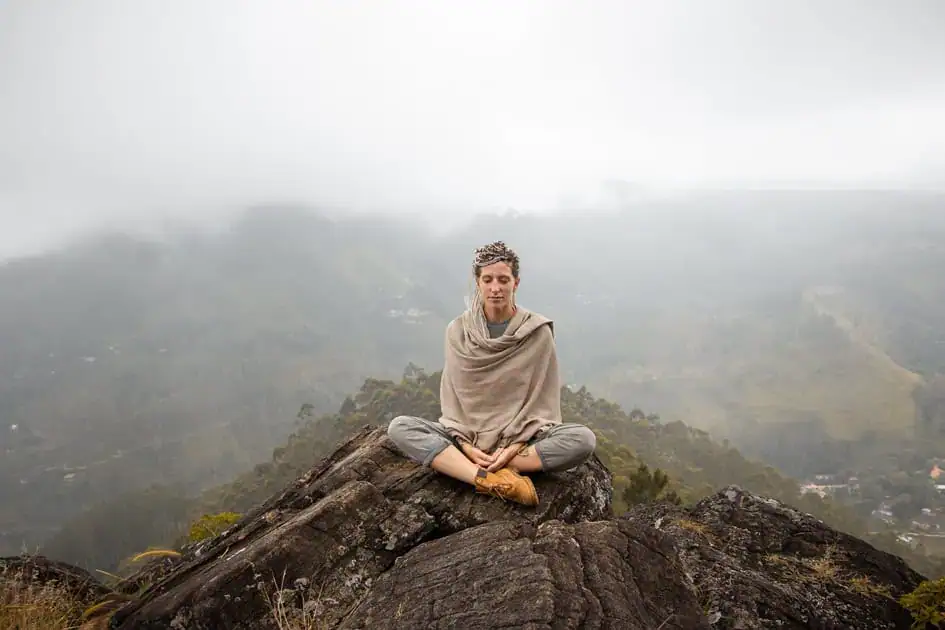
Meditating in Ella (Image by vined mind from Pixabay)
Sustainability and Responsible Travel
Sri Lanka promotes sustainable tourism. It includes wellness travel.
You support local communities when you choose local retreats. Many centres employ local staff and source local food.
Choose eco-friendly centres. Look for places that reduce waste and conserve water.
Respect local culture. Follow the rules in temples and monasteries.
Your actions shape your experience and impact the community.
Real Experiences From Travellers
Many travellers report great changes after meditation retreats in Sri Lanka.
Some speak of reduced stress. Others mention better sleep. Many say they feel more focused.
A common pattern appears. People arrive with tension. They leave with clarity.
Repeat visits show the impact. Travellers return to deepen their practice.
Daily Life During Meditation in Sri Lanka
You follow a simple rhythm. This rhythm supports your mind.
Most retreats start early. You wake around 5 or 6 in the morning. You begin with a silent session. You focus on your breath. You sit still. You observe your thoughts.
Breakfast comes after the first session. Meals stay light. Many retreats serve vegetarian food. Some follow Ayurvedic principles. Food supports your body, not distraction.
You return to practice after breakfast. Sessions last between 30 minutes and one hour. Some retreats increase session length over time.
You attend short talks. Teachers explain techniques. They answer questions. You learn how to handle distraction and discomfort.
Afternoons include more sessions. Some programs add walking meditation. You move slowly. You stay aware of each step.
Evenings bring reflection. You sit again. You review your day. You note changes in your thoughts.
Silence forms a key part of many retreats. You reduce speech. You avoid eye contact. It helps you stay focused.
You sleep early. Your body adjusts to the routine. Within days, your mind slows down.
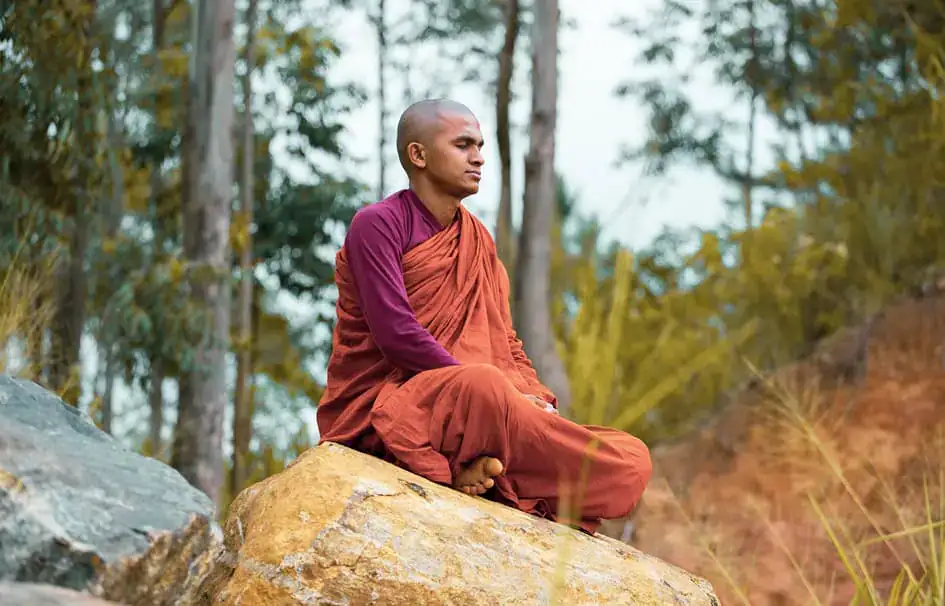
A Meditating Buddhist Monk (Image by vined mind from Pixabay)
What You Learn During Meditation Retreats
You build skills that stay with you after you leave.
You learn how to focus on your breath. It forms the base of most meditation methods.
You learn how to observe thoughts without reacting. It helps reduce stress in daily life.
You learn how to sit with discomfort. This builds patience.
You learn how to stay present. It improves your focus at work and in personal life.
Teachers guide you through these steps. They correct your posture. They help you adjust your method.
You do not aim for perfection. You aim for consistency.
Challenges You May Face and How to Handle Them
Meditation looks simple. Sitting still sounds easy. Reality feels different.
Your mind will wander. This is normal. You bring your attention back each time.
Your body may feel pain during long sessions. Adjust your posture. Use cushions if needed.
You may feel bored. Stay with the process. Boredom often fades after a few days.
Silence may feel uncomfortable. You are not used to it. Give yourself time.
Homesickness may appear during longer retreats. Focus on your routine. Stay engaged with your practice.
Each challenge forms part of the process. You do not avoid them. You work through them.
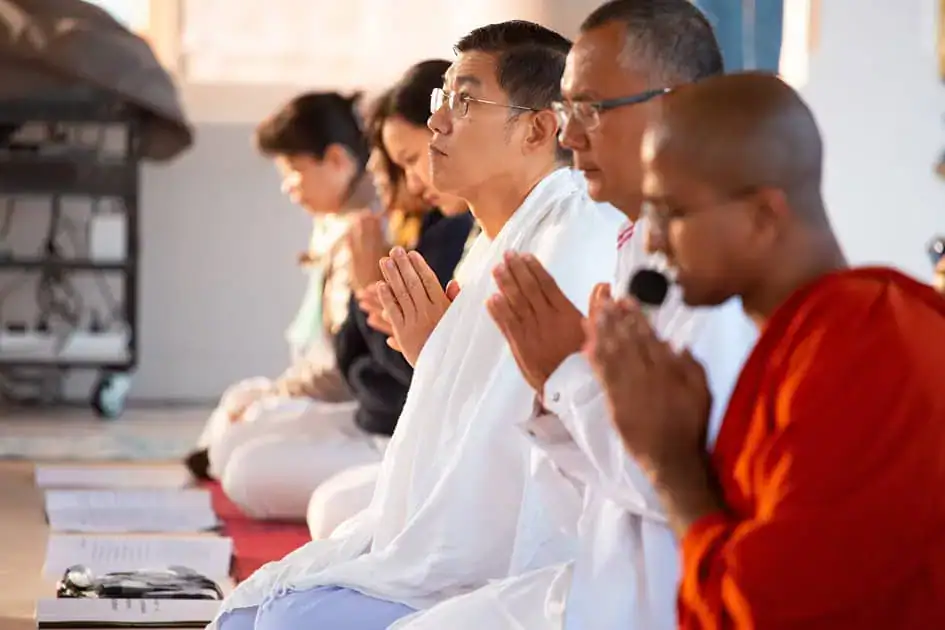
Practising with A Buddhist Monk (Image by vined mind from Pixabay)
How Meditation in Sri Lanka Compares to Other Destinations
You have many options for meditation travel. Countries like Thailand, India, and Indonesia offer retreats.
Sri Lanka stands out for several reasons.
You find less crowding compared to other popular destinations. It creates a calmer setting.
You find strong links to traditional Buddhist practice. It adds depth to your experience.
You find a balance between simplicity and comfort. You choose based on your preference.
Travel distances stay short. You move between regions without long journeys.
Costs remain lower than those in many Western wellness destinations. It makes longer stays possible.
These factors make Sri Lanka a strong choice for both beginners and experienced practitioners.
Combining Meditation With Travel in Sri Lanka
You do not need to limit your trip to one place. Sri Lanka allows easy movement between regions.
You start with a retreat in the hill country. You focus on deep practice. You build your routine.
You move to the coast after your retreat. You relax by the beach. You continue light meditation on your own.
You visit cultural sites. Places like ancient cities and temples offer quiet spaces for reflection.
You keep your practice simple. Short daily sessions help you maintain your progress.
This balance helps you enjoy your trip while staying focused.
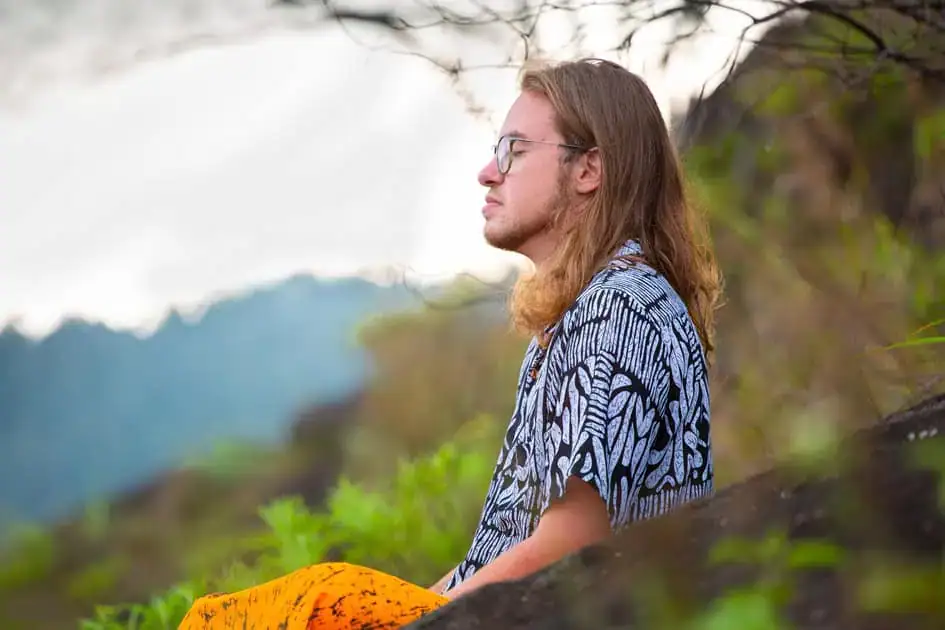
Inner Peace (Image by vined mind from Pixabay)
Practical Itinerary for a Two-Week Meditation Trip
A longer stay gives you more depth. Here is a simple plan.
Days 1 to 3
You arrive in Colombo. You rest and adjust to the climate. You join short sessions to ease into practice.
Days 4 to 10
You travel to the hill country. You join a structured retreat. You follow daily meditation sessions. You reduce outside contact.
Days 11 to 14
You move to the Southern Coast. You relax. You practice on your own. You reflect on your experience.
This plan gives you both structure and freedom.
Food and Nutrition During Your Stay
Food plays a major role in your experience.
Most retreats serve simple meals. These include rice, vegetables, and fruit.
Spices add flavour, but meals stay light. Heavy food can affect your focus during meditation.
Ayurvedic retreats follow specific diets. These aim to balance your body.
You may need time to adjust if you come from a different diet.
Stay hydrated. Drink water often. The climate can feel warm.
Avoid alcohol during your stay. Many retreats do not allow it.
Your diet supports your practice. Keep it simple.
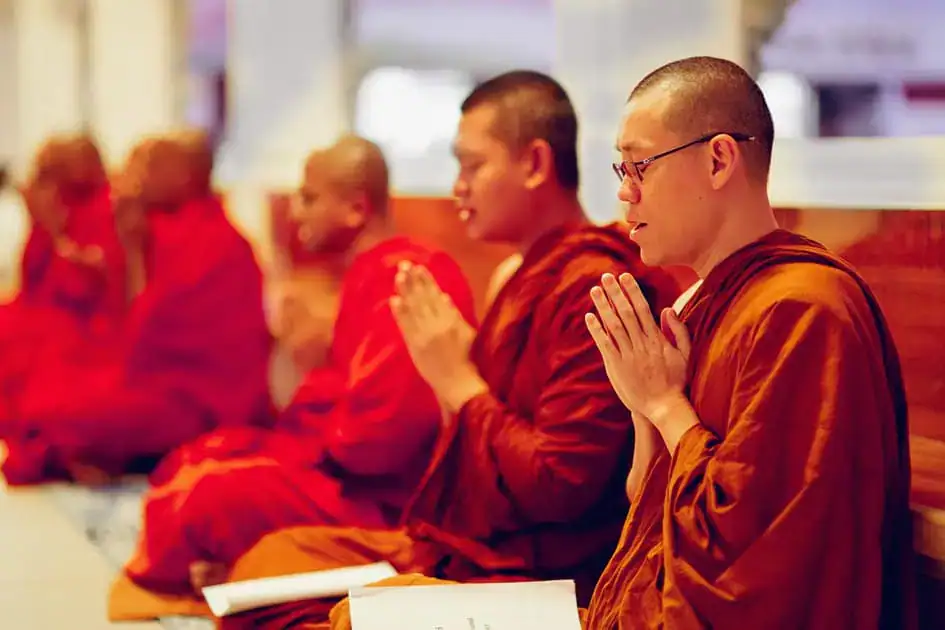
With Buddhist Monks (Image by vined mind from Pixabay)
Cultural Etiquette You Need to Follow
Sri Lanka has clear cultural norms. Respect them during your stay.
Dress modestly. Cover the shoulders and knees, especially in temples and religious places.
Remove your shoes before entering sacred spaces.
Avoid loud behaviour. Keep your voice low.
Do not take photos inside certain temples. Follow posted rules.
Respect silence in meditation areas.
Show respect to monks. A simple greeting works well.
These actions show respect and help you blend into the environment.
Safety and Travel Logistics
Sri Lanka remains a safe destination for travellers. Still, you need to plan well.
Arrange transport in advance. Use trusted drivers or services.
Keep copies of your documents. Carry a passport copy during travel.
Use bottled or filtered water.
Check travel advisories before your trip.
Book retreats in advance. Many popular centres fill quickly during peak seasons.
Planning reduces stress. You focus on your experience once you arrive.
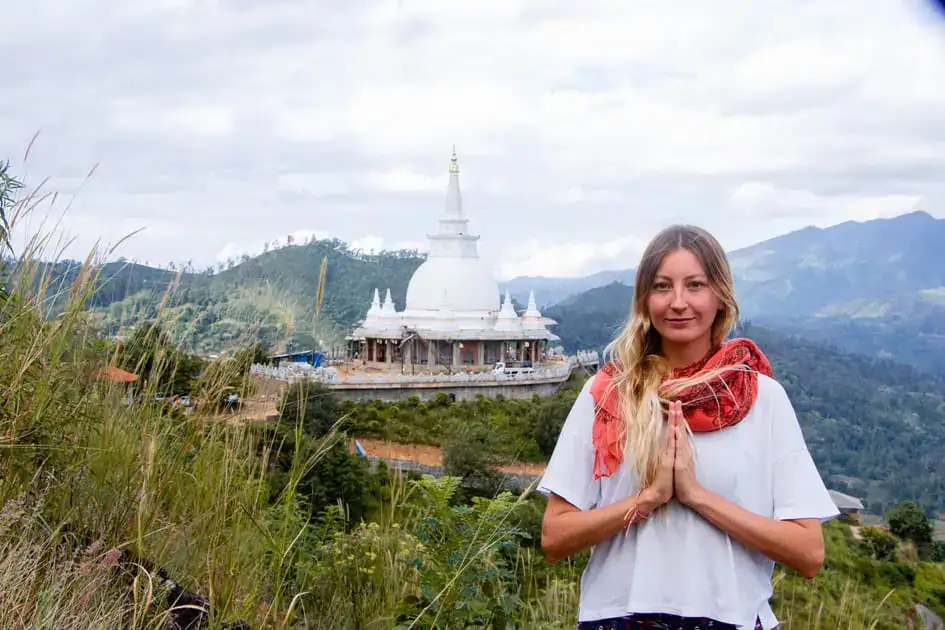
Mahamevnawa Buddhist Monastery (Image by vined mind from Pixabay)
How to Continue Meditation After Your Trip
Your retreat ends. Your practice should not.
Set a simple routine at home. Start with 10-20 minutes each day.
Choose a fixed time. Morning works well for most people.
Find a quiet space. Keep distractions low.
Use techniques you learned during your retreat.
Join local meditation groups if available.
Track your progress in a journal.
Consistency matters more than duration.
Your trip gives you a foundation. You build on it over time.
The Long-Term Impact of Meditation in Sri Lanka
Many travellers report lasting changes.
They feel calmer in stressful situations. They react less and observe more.
They improve their focus at work. They complete tasks with more clarity.
They sleep better. They reduce mental noise before bed.
They build stronger awareness of their thoughts and actions.
These changes do not come from a single session. They come from repeated practice.
Sri Lanka gives you the space to start this process.
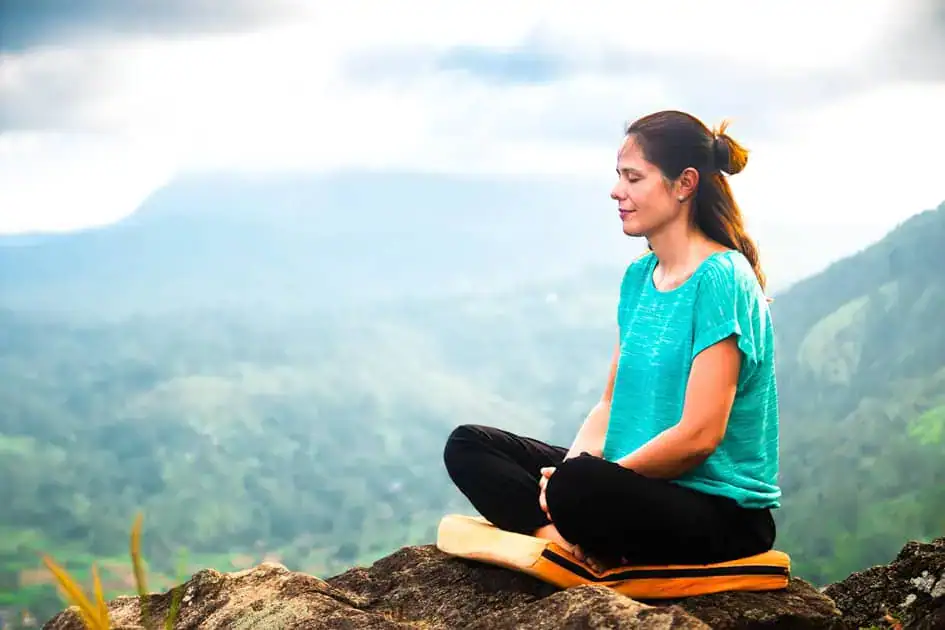
Meditation on A Misty Mountain (Image by vined mind from Pixabay)
Final Thoughts on Meditation in Sri Lanka
Meditation in Sri Lanka offers a clear path to reset your mind. The country combines tradition, nature, and structure. You step into an environment that supports focus.
You find options for every level. You choose between simple monastery stays and structured retreats. You select a region that fits your goals.
You follow a routine that builds discipline. You learn techniques that stay with you after your trip.
You return home with tools you can use each day.
If you feel overwhelmed or distracted, this path gives you direction. You do not need complex plans. You need time, effort, and the right setting.
Meditation in Sri Lanka gives you that setting.
Sources and References:
- Sri Lanka Tourism Development Authority. Tourism statistics and annual reports.
- Sri Lanka Tourism. Official travel information and wellness tourism insights.
- Global Wellness Institute. Global Wellness Tourism Economy Reports.
- World Tourism Organization. International tourism trends and data.
- ResearchGate. Economic and Health Impacts of Wellness Tourism in Sri Lanka (multi-region survey study).
- Asia Sustainable Travel. Sri Lanka tourism recovery and sustainability analysis.
- Sustainable Wellness Group. Reports on wellness tourism spending and development models.
- Gitnux. Yoga and wellness retreat industry statistics.
- Sri Lanka Embassy Russia. Wellness tourism overview and visitor motivations.
- National Center for Biotechnology Information. Studies on meditation, mindfulness, and mental health benefits.
Featured image: Meditating in Mahamevnawa Buddhist Monastery – Ella (Photo: by vined mind from Pixabay)
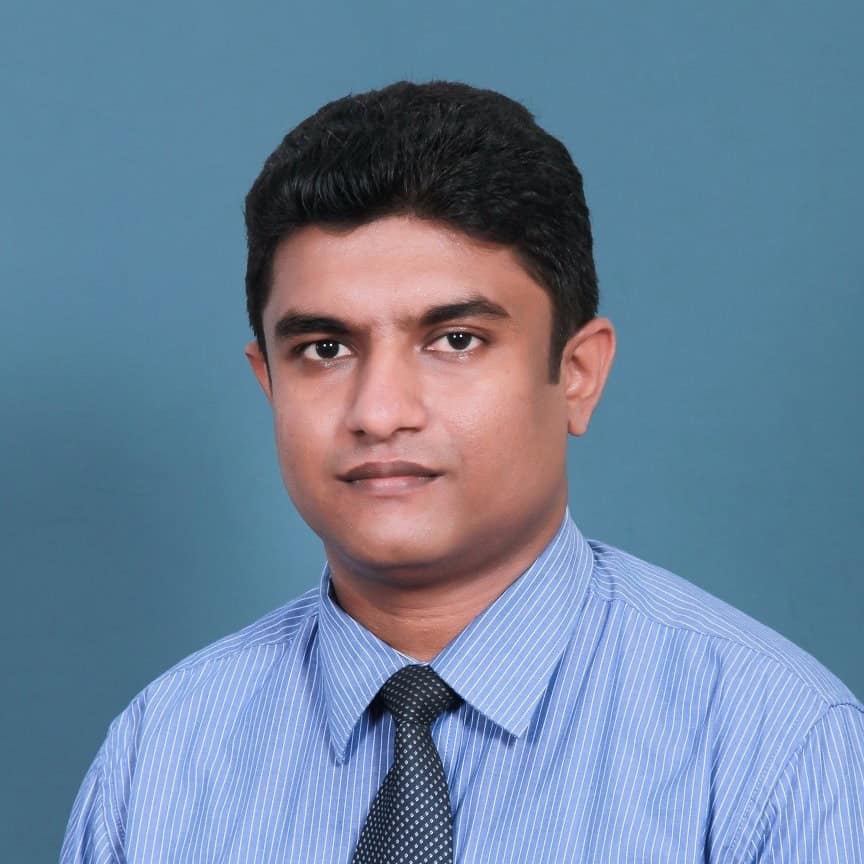
I am a Sri Lankan medical doctor who spends my free time travelling, exploring new destinations, and documenting the beauty of the island I call home. I have journeyed across almost every corner of Sri Lanka with my wife and daughter — from wildlife parks and misty mountains to ancient cities, deep forests, rugged landscapes, and quiet beaches.
Travel is not just a hobby for me — it’s a way of life. I love nature, enjoy road trips, and find joy in wildlife photography. I also read widely about tourism, travel trends, and destination culture. Through my writing, I aim to help travellers experience Sri Lanka through real stories, meaningful insights, and honest recommendations — the same way I explore it with my own family.