
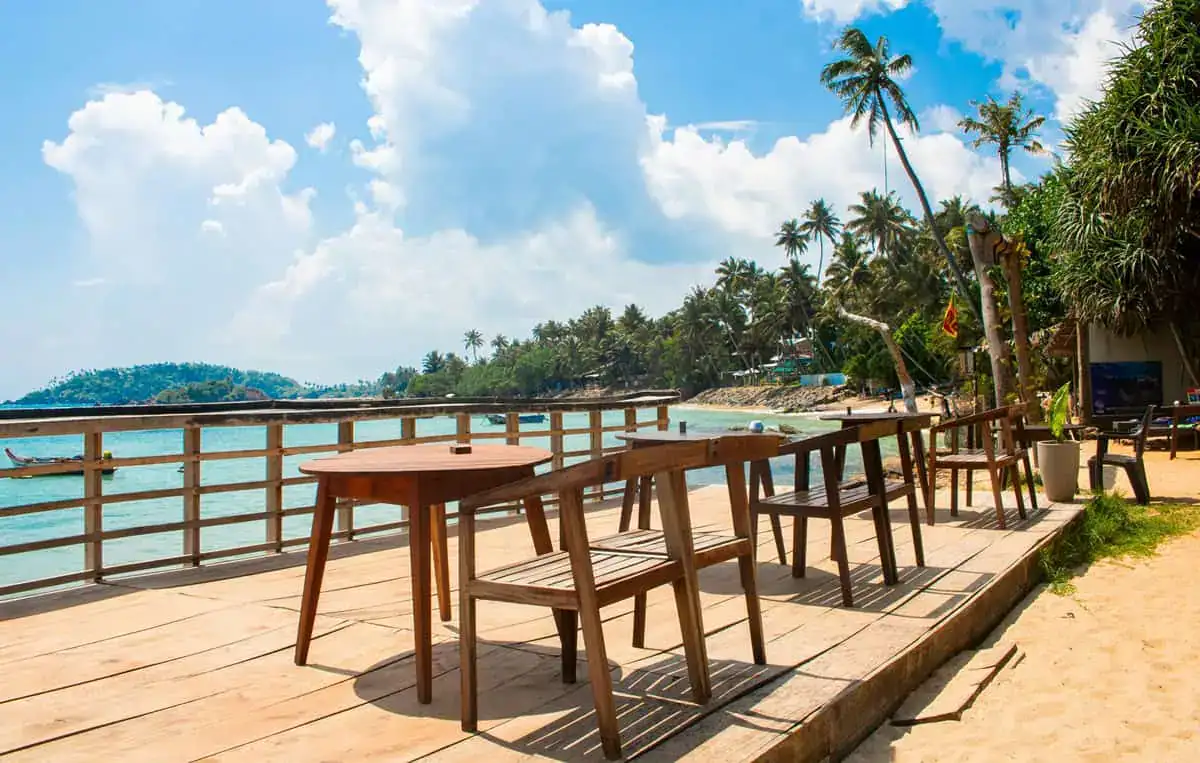

Sri Lanka draws travellers with popular beaches, nature & wildlife, and cultural heritage. Food often becomes the highlight. Many visitors arrive with one question. Where should you eat? The best restaurants in Sri Lanka range from small street stalls to world-ranked dining rooms. Choice feels overwhelming. Menus look unfamiliar. Locations are spread across cities, hills, and coastlines. You need a clear guide.
This post solves that problem. You will learn where to eat across the island. You will understand Sri Lankan cuisine before you order. You will find options for every budget. You will see how dining in Sri Lanka shapes your travel experience.
Tourism data from the Sri Lanka Tourism Development Authority shows steady growth in international arrivals over the past decade. Food ranks high among visitor interests according to Sri Lanka Tourism insights. Travellers now seek local food, scenic dining, and curated experiences. This guide follows that trend. Each section focuses on the places travellers visit most.
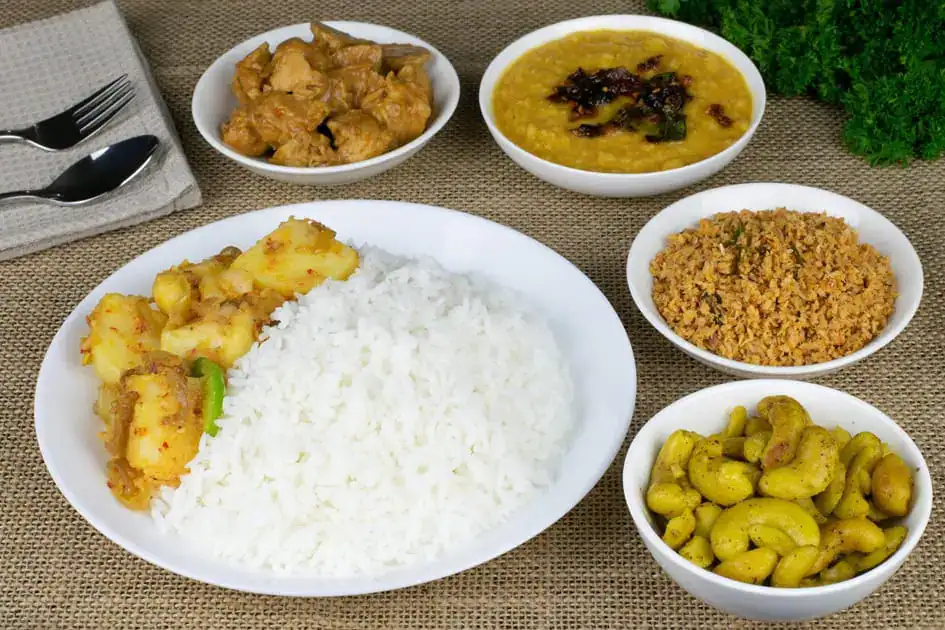
Rice and Curry Meal (Photo: KavindaF, via Pixabay)
Understanding Sri Lankan Cuisine
Sri Lankan cuisine builds on simple ingredients. Rice forms the base of most meals. Cooks add curries with vegetables, meat, or seafood. Coconut appears in many forms. Fresh milk, grated flesh, and oil shape flavour and texture. Spices drive the taste. Chilli, cinnamon, cardamom, and curry leaves create bold profiles.
You will notice regional variation. Coastal areas serve fresh fish, crab, and prawns. Inland regions focus on vegetables and lentils. Northern cuisine shows Tamil influence. Southern cooking uses more coconut and spice.
Start with these dishes:
You receive a plate with rice and several curries. Each curry offers a different flavour. Mix them as you eat.
These bowl-shaped pancakes come from fermented rice flour. You often see an egg in the centre. Eat them for breakfast or dinner.
Cooks chop flatbread on a hot grill with vegetables, eggs, and meat. The sound of metal blades hitting the grill defines Sri Lankan street food.
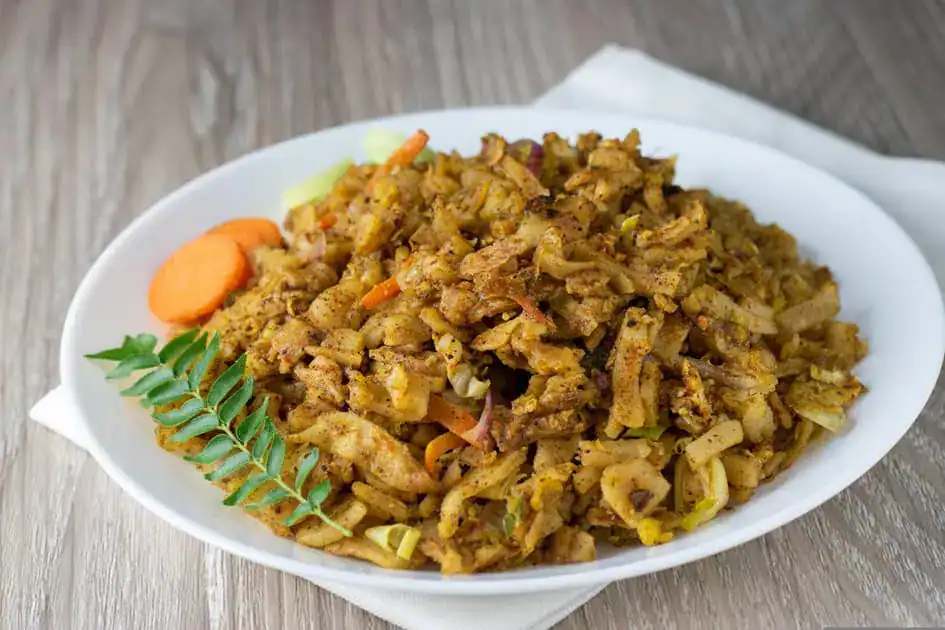
A Plate of Kottu Roti (Photo: KavindaF, via Pixabay)
These steamed rice noodles appear in bundles. Pair them with curry or coconut sambol.
Popular drinks matter too. Sri Lanka produces world-famous Ceylon Tea. You will find tea served fresh across the island. King coconut offers a sweet, natural drink. Arrack, a local spirit, appears in cocktails at many bars.
Once you know these basics, you will feel confident ordering in any restaurant.
Best Restaurants in Sri Lanka: Colombo Food Scene
Colombo acts as the food capital. You will find the widest range of dining in Sri Lanka here. Restaurants blend tradition with global influence. Many chefs trained abroad and returned with new ideas.
Start with fine dining.
Ministry of Crab stands among Asia’s top restaurants. The kitchen focuses on lagoon crab. You choose your crab size and cooking style. Garlic chilli crab remains a favourite. The restaurant sits in a restored Dutch hospital complex. Service runs with precision.
Nihonbashi offers Japanese cuisine. The chef built a strong reputation across Asia. You will find sushi, sashimi, and tasting menus. The quality matches global standards.
Move to mid-range spots.
The Gallery Café combines art and food. The building once served as an office for architect Geoffrey Bawa. Now you dine among sculptures and open courtyards. The menu mixes Sri Lankan and Western dishes.
Cafe Kumbuk attracts a younger crowd. The space feels casual. The menu includes healthy bowls, local coffee, and creative brunch options.
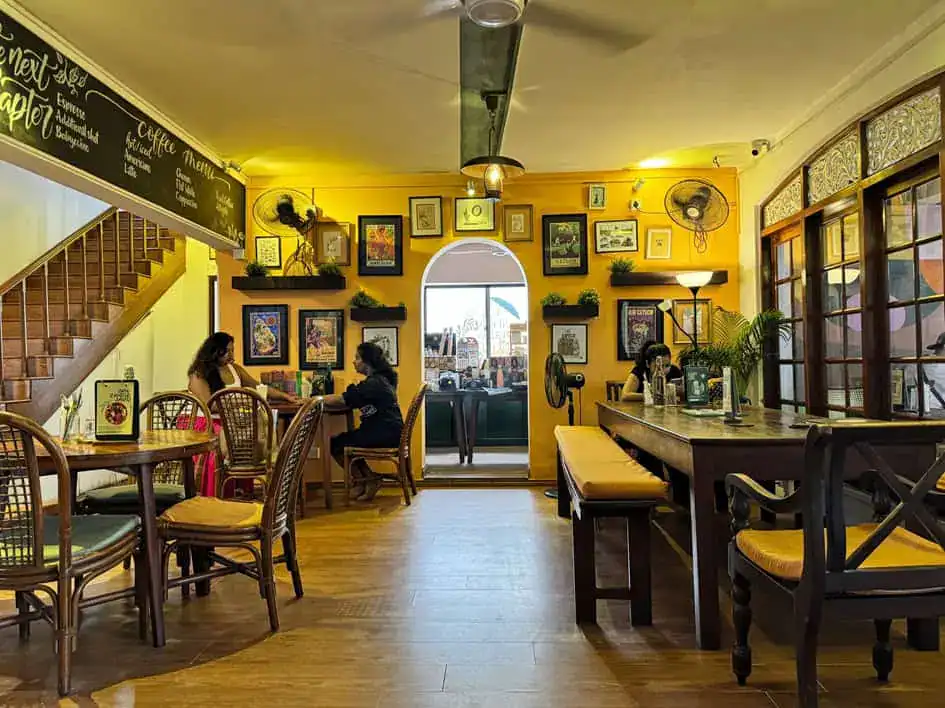
Cafe Kumbuk – Colombo (Photo: Bex Walton, CC BY 2.0)
Look for local food restaurants.
Upali’s by Nawaloka serves traditional meals in a clean setting. Order rice and curry. Expect balanced spice levels. Staff explain the dishes if you ask.
Pilawoos draws late-night crowds. The menu focuses on kottu and shawarma. The atmosphere feels busy and loud. That forms part of the experience.
Colombo shows how Sri Lankan cuisine adapts to modern tastes. You get variety without losing authenticity.
Best Restaurants in Kandy: Food Near Cultural Landmarks
Kandy sits in the hill country. Travellers visit temples and lakes. Dining reflects a slower pace.
The Empire Café stands near the Temple of the Tooth. The building shows colonial design. You sit inside or on the balcony. The menu includes Western comfort food and Sri Lankan dishes. Many travellers stop here after sightseeing.
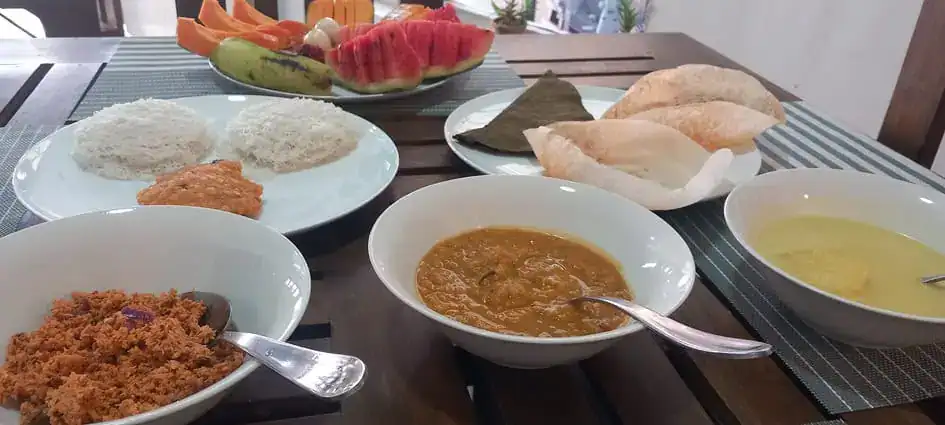
Breakfast in Kandy with String Hoppers, Hoppers, Kurakkan (Ragi Flour) Halapa, and Fruits (Photo: young shanahan, CC BY 2.0)
Slightly Chilled Lounge offers views over the city. The space feels relaxed. The menu includes Asian fusion and local food. You can enjoy both the sunset and your meal.
Buono serves casual meals. You find pizza, pasta, and simple Sri Lankan options. Prices remain affordable.
Kandy restaurants focus on comfort. You will not find many high-end venues. You will find consistent meals with good views.
Best Restaurants in Galle and the South Coast
Galle attracts travellers with its beaches and colonial history. Food here blends seafood with global styles.
The Tuna and The Crab come from the same team behind Ministry of Crab. The menu features seafood and Japanese techniques. Expect high quality and strong flavours.
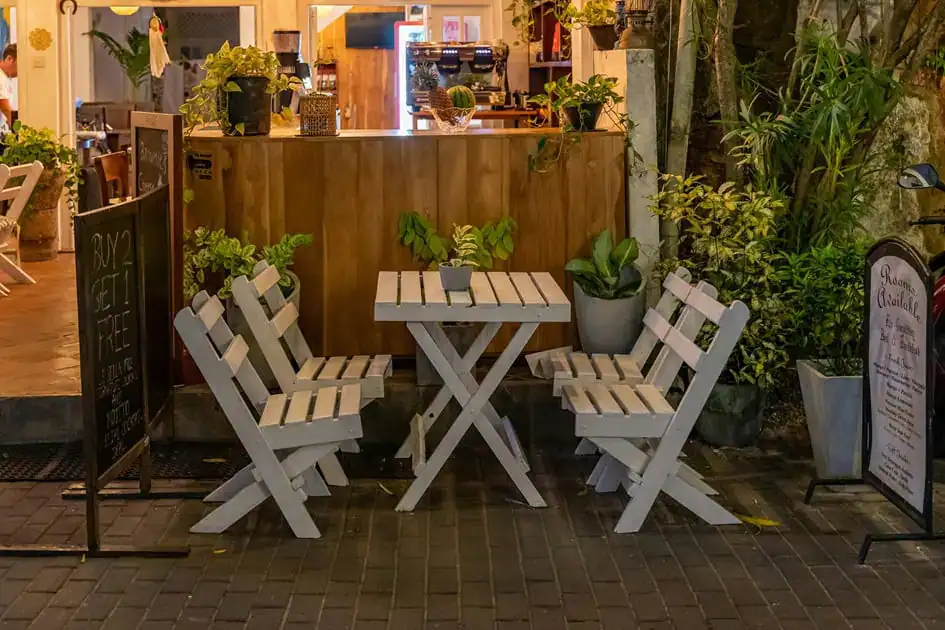
A Cafe in Galle Fort (Photo: Thilina Alagiyawanna, via Pexels)
Fortaleza sits inside Galle Fort. The restaurant serves fusion cuisine. The setting feels historic. You dine in a building from the colonial period.
Wijaya Beach Restaurant offers a beachfront setting. You sit steps from the ocean. The menu includes seafood and wood-fired pizza. Sea turtles often swim near the shore.
The South Coast offers more hidden spots. Small beach shacks serve grilled fish and rice. Prices stay low. Flavour stays strong.
Dining here connects with the environment. You eat with ocean views and a sea breeze.
Best Restaurants in Ella: Cafes and Views
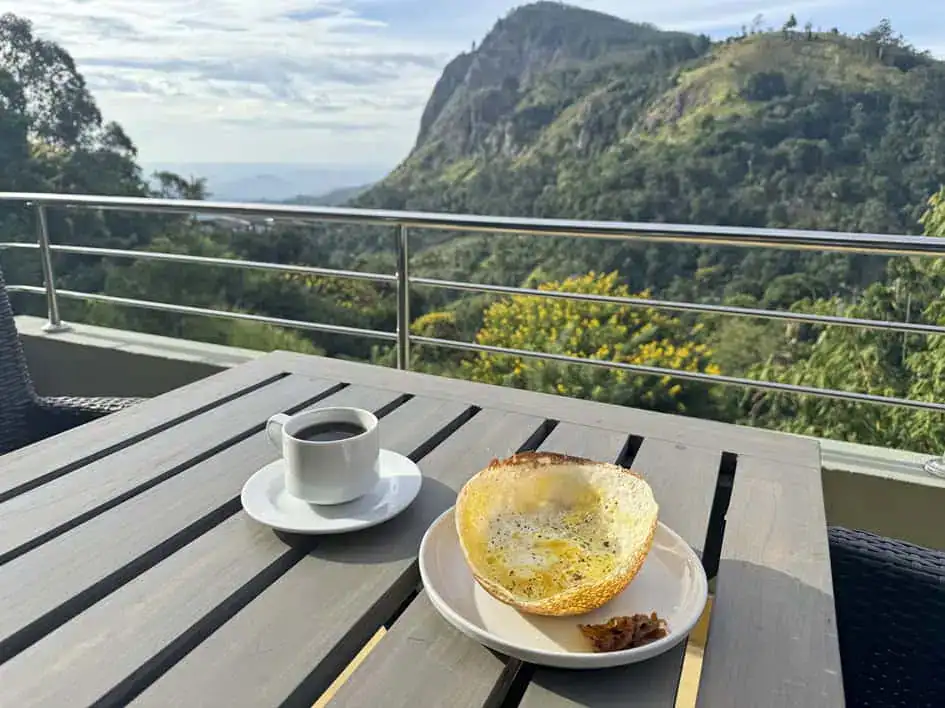
Would you like to taste Sri Lankan Egg hoppers and sip a cup of Ceylon Tea with a breathtaking view? Visit Ella City. (Photo: Bex Walton, CC BY 2.0)
Ella attracts backpackers and hikers. The town sits among hills and tea plantations. Food culture reflects a relaxed vibe.
Cafe Chill acts as a central meeting point. Travellers gather here throughout the day. The menu includes burgers, curries, and smoothies. Service runs fast despite crowds.
Matey Hut offers local food. The space looks simple. The food tastes rich and authentic. You get rice and curry with fresh ingredients.
Cafe UFO draws travellers with its lively setting. Guests stop by for casual meals and quick bites. The menu features local dishes, snacks, and fresh juices. Service stays efficient even during busy hours.
AK Ristoro brings Italian food to the hills. The owner focuses on fresh pasta and quality ingredients. You get a different option after days of local meals.
Ella shows how tourism shapes dining. Restaurants adapt to international visitors while keeping local elements.
Best Restaurants in Sigiriya, Dambulla, and Polonnaruwa: Local Dining
Sigiriya, Dambulla, and Polonnaruwa form part of the cultural triangle. Visitors come for ancient sites. Dining here focuses on local experiences.
Priyamali Gedara offers home-cooked meals. You eat in a village setting. The host explains each dish. You see how Sri Lankan food comes together.
RastaRant serves organic food with a relaxed atmosphere. The space includes outdoor seating and music. The menu focuses on fresh ingredients.
These areas highlight simple cooking. You will not find luxury dining. You will find authentic meals prepared with care.
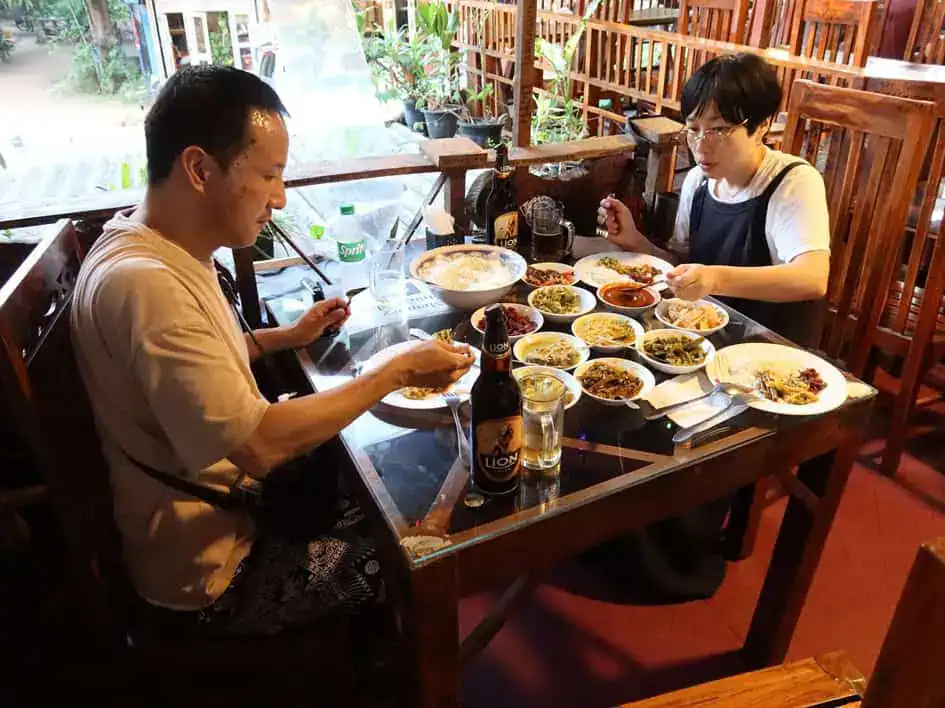
Alloro Chooti Restaurant, Sigiriya (Photo: ekkun, CC BY-SA 4.0)
Regional Food Variations Across Sri Lanka
Sri Lanka may look small on a map. Food changes across regions.
The South focuses on seafood. Expect spicy fish curry and coconut-based dishes.
The hill country uses more vegetables. Cooler weather supports different crops.
The North shows Tamil influence. Dishes include dosa, idli, and sambar.
The East blends seafood with lighter spices. Cooking styles differ from the South.
Understanding these variations helps you choose where to eat. Each region offers a different taste of Sri Lankan cuisine.
Budget Restaurants and Sri Lankan Street Food
Budget dining forms a key part of dining in Sri Lanka. You will find food everywhere.
Street food stalls serve kottu roti at low prices. Watch cooks prepare meals in front of you.
Local bakeries sell short eats. These include pastries filled with fish, chicken, or vegetables.
Small rice-and-curry shops offer full meals at low cost. Portions feel generous.
Follow these tips:
- Choose places with high turnover. Food stays fresh.
- Watch where locals eat. This signals quality.
- Check the cleanliness before ordering.
Budget food often delivers the most authentic flavours.
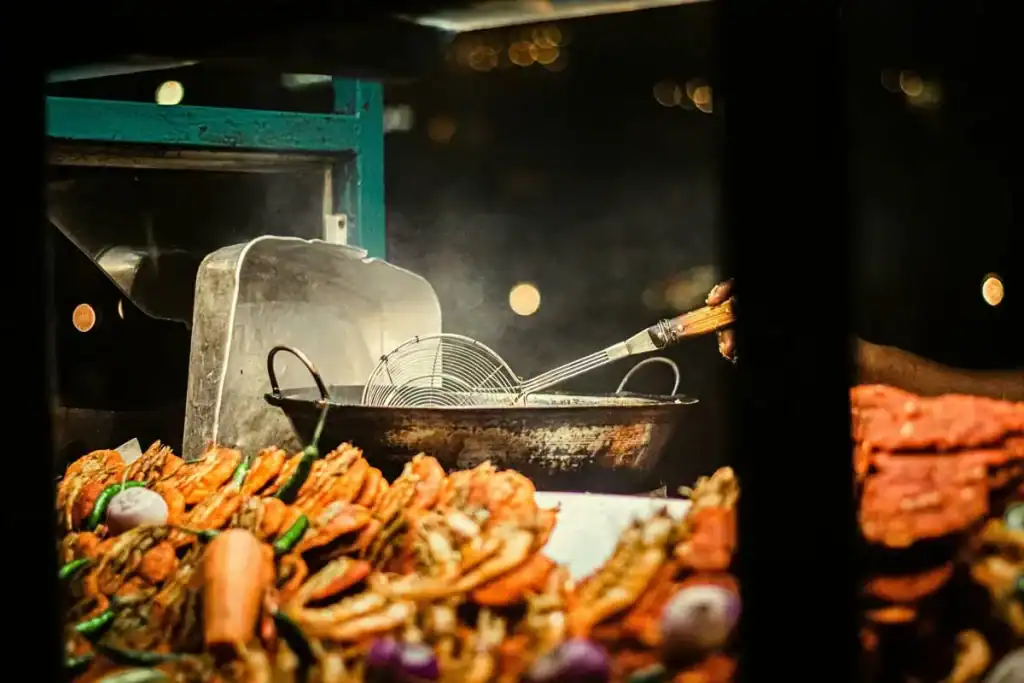
Sri Lankan Street Food in Colombo (Photo: Sandaru Muthuwadige via Unsplash)
Fine Dining and Luxury Experiences
Luxury dining grows across Sri Lanka. High-end hotels invest in food programs. Chefs create tasting menus and curated experiences.
You will find private beach dinners at resorts. Staff set tables on the sand. Menus include seafood and international dishes.
Tea plantations offer dining with views of the hills. Meals include local ingredients paired with tea.
Colombo leads in fine dining. Coastal resorts follow closely.
These experiences cost more. They add a different layer to your trip.
Unique and Scenic Dining Experiences
Dining in Sri Lanka often includes scenery. Restaurants use natural settings to enhance the dining experience.
You will find treehouse restaurants in jungle areas. You eat above ground among trees.
Beachfront dining remains popular. Sunset creates a strong visual setting.
Some cafes sit near train tracks in the hill country. You watch trains pass while you eat.
Bustaurant offers a moving dining experience between Dambulla and Sigiriya. You enjoy a curated meal while the bus passes rural landscapes, turning the journey into part of the dining experience.
These experiences create lasting memories. Food becomes part of the travel story.
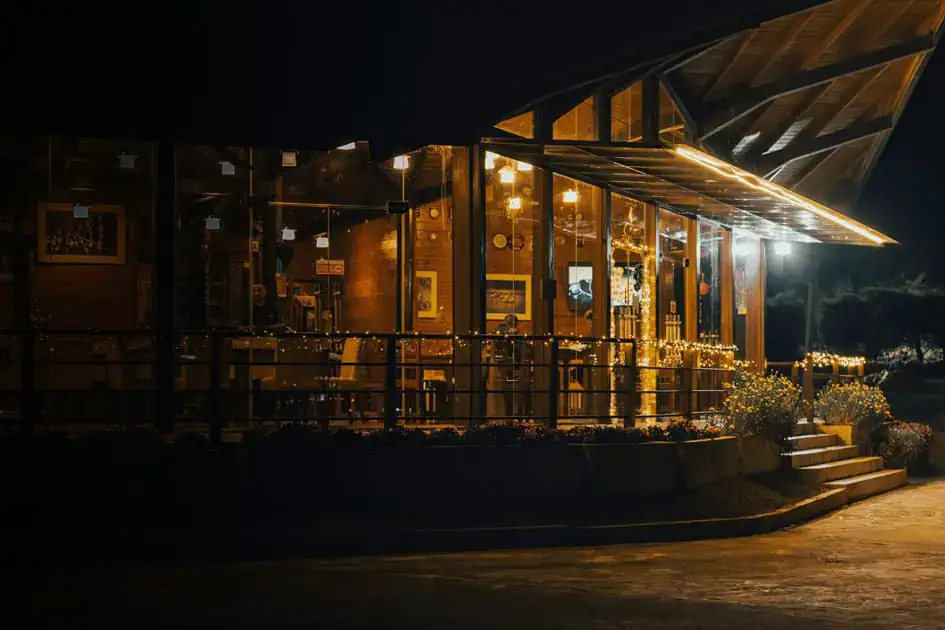
Mariners’ Restaurant, Gregory Lake, Nuwara Eliya (Photo by Prasad Madusanka on Unsplash)
Practical Tips for Dining in Sri Lanka
You will enjoy your meals more when you understand how dining works across the island. Small details shape your experience. These tips help you avoid confusion and make better choices.
Meal times differ from those in many Western countries. Breakfast is served between 7 am and 10 am. Lunch starts around 12 pm and ends by 3 pm. Dinner often begins after 7 pm. Some local restaurants close early. Plan ahead if you want a late meal outside major cities.
Tipping remains common but not fixed. Many restaurants add a service charge. Check your bill before you tip. If no charge appears, leave a small tip for good service. In small eateries, rounding up the bill works well.
Spice levels vary. Sri Lankan food often tastes hot. If you prefer mild dishes, ask before you order. Staff understand this request in most tourist areas.
Vegetarian and vegan options appear across the country. Many locals follow plant-based diets. You will find vegetable curries, lentils, and coconut-based dishes in most places. Vegan travellers find Sri Lanka easy to navigate.
Food safety matters. Choose busy restaurants with fresh turnover. Avoid food that sits uncovered for long periods. Drink bottled or filtered water. Peel fruits before eating.
Reservations help in popular spots. High-end restaurants in Colombo and Galle fill up fast. Book in advance during peak travel months from December to April.
Best Local Food and Drinks You Should Try
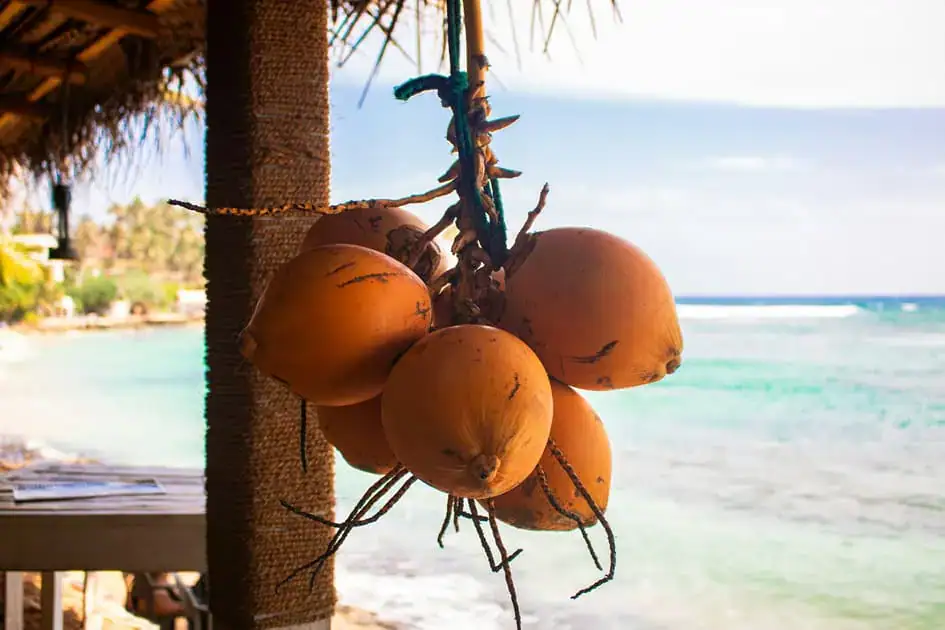
King Coconuts – Mirissa Beach (Photo by Zoshua Colah on Unsplash)
You cannot explore the best restaurants in Sri Lanka without trying key local dishes. Each meal gives insight into culture and daily life.
Start with rice and curry. Every region offers a different version. You will taste changes in spice, texture, and ingredients. Some curries feel creamy with coconut. Others taste sharp with chilli and tamarind.
Try kottu roti at least once. Street stalls prepare it fresh. The sound of chopping signals a good stall. Choose chicken, cheese, or vegetable versions.
Hoppers deserve your attention. Egg hoppers work well for breakfast or dinner. Pair them with spicy sambol or curry.
String hoppers often come with dhal curry and coconut sambol. The texture feels light. The flavours stay rich.
Seafood stands out along the coast. Grilled fish, hot butter cuttlefish, crab curry, and prawn dishes appear on most menus in Galle and the South.
Do not skip sambols. Coconut sambol blends grated coconut with chilli, lime, and salt. Onion sambol adds a sharper taste. These sides elevate any meal.
Move to drinks.
Ceylon tea forms a national symbol. Drink it plain or with milk. Visit tea-growing regions for a deeper experience of Sri Lanka’s tea heritage.
King coconut offers a natural drink sold at roadside stalls. Vendors cut the top and hand you a straw.
Arrack appears in many bars. This local spirit comes from coconut sap. Bartenders mix it with fruit juices or soda.
Fresh juices appear across menus. Mango, pineapple, and papaya remain popular.
These foods and drinks define Sri Lankan cuisine. You will see them across every region.
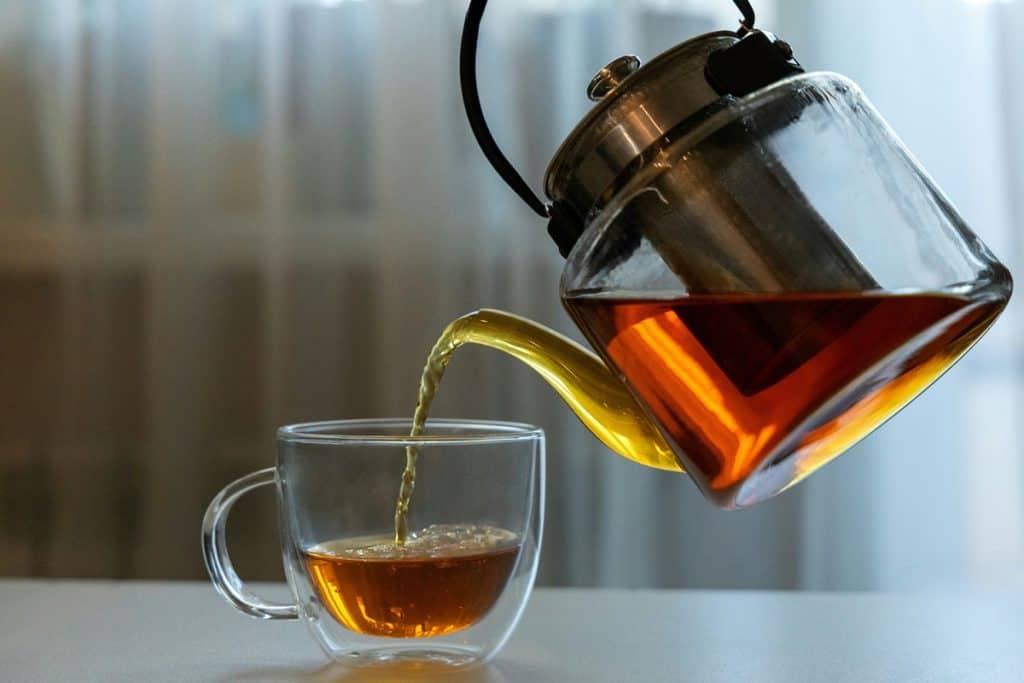
A Cup of Ceylon Tea (Photo: Anastasiia Madiar via Unsplash)
Dining Experiences by Travel Style
Your dining choices depend on how you travel. Sri Lanka caters to different types of visitors. You can match restaurants to your style.
If you travel on a budget, focus on local eateries. Small restaurants serve rice and curry at low prices. Sri Lankan street food offers quick meals. You will spend little and eat well.
If you prefer mid-range comfort, choose cafes and casual restaurants. These places offer clean settings, clear menus, and consistent quality. Colombo, Kandy, and Ella provide many options.
If you seek luxury, book high-end restaurants and resort dining. Colombo leads in fine dining. Coastal resorts offer private dining experiences. You pay more for service, presentation, and setting.
If you travel for food experiences, focus on local homes and cooking classes. Village dining in Sigiriya gives insight into daily life. Hosts explain ingredients and methods. You learn while you eat.
Each style offers value. Your choice depends on your priorities.
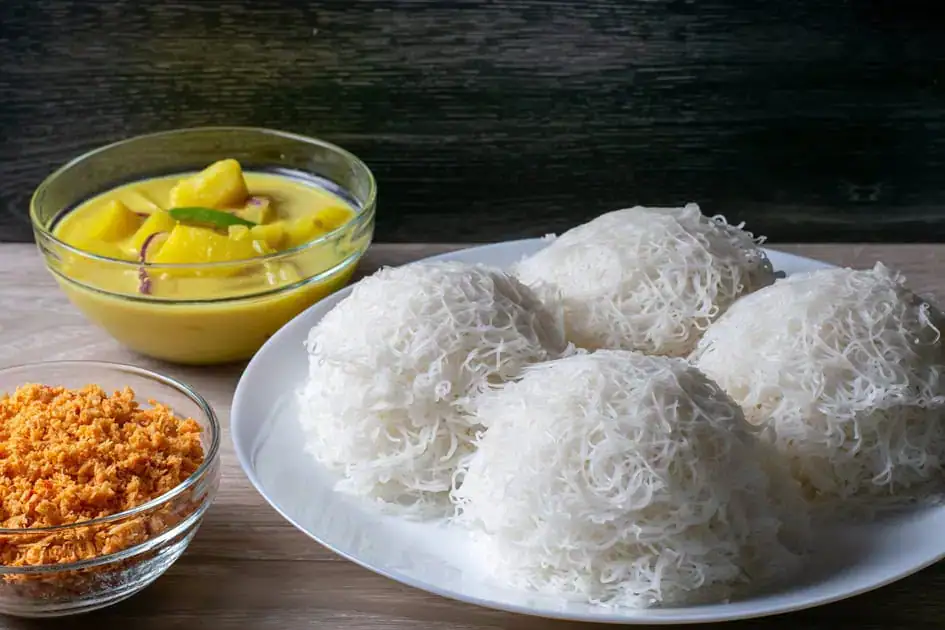
String Hoppers with Pol (Coconut) Sambol and Potato Curry (Photo: Kavinda F, via Pixabay)
How Tourism Shapes Dining in Sri Lanka
Tourism plays a strong role in the food scene. The Sri Lanka Tourism Development Authority’s data shows growth in visitor numbers before recent global disruptions. Recovery continues as more travellers return. Food plays a key role in this recovery.
Restaurants adapt to international demand. Many menus now include English descriptions. Chefs adjust spice levels for foreign guests. Some restaurants combine Sri Lankan and Western styles.
The Sri Lanka Tourism promotes food as part of the travel experience. Campaigns highlight local dishes, street food, and fine dining. This approach attracts food-focused travellers.
You will notice this shift in major destinations. Colombo offers global cuisine alongside local food. Galle blends seafood with international flavours. Ella caters to backpackers with diverse menus.
At the same time, traditional food remains strong. Local families run small restaurants. Recipes pass through generations. These places keep Sri Lankan cuisine rooted in its origins.
This balance benefits you. You get access to both tradition and innovation.
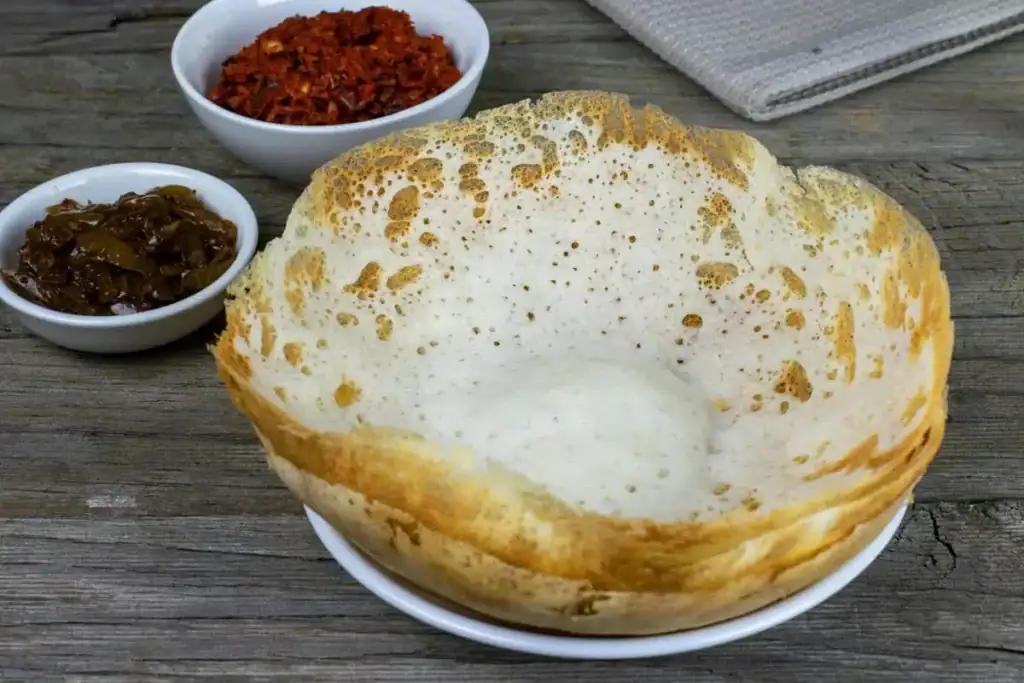
Sri Lankan Hoppers (Photo: Kavinda F, via Pixabay)
Planning Your Food Journey Across Sri Lanka
A structured plan helps you enjoy dining in Sri Lanka without stress. You can match destinations with food experiences.
Start in Colombo. Spend two days exploring restaurants. Try fine dining and local food. This city sets the tone for your trip.
Move to Kandy. Focus on relaxed meals with views. Use this stop to adjust to slower dining.
Travel to Sigiriya or Dambulla. Book a village meal. It adds depth to your understanding of Sri Lankan food.
Head to Ella. Enjoy cafes and casual dining. Use this time to rest and explore.
Finish on the South Coast. Galle and nearby beaches offer seafood and scenic dining. End your trip with relaxed meals by the ocean.
This route aligns food with travel flow. You avoid repetition and experience variety.
If you visit Sri Lanka for the first time, we recommend reading our complete Sri Lanka travel guide for first-time travellers and the best Sri Lanka itineraries for your travel season.
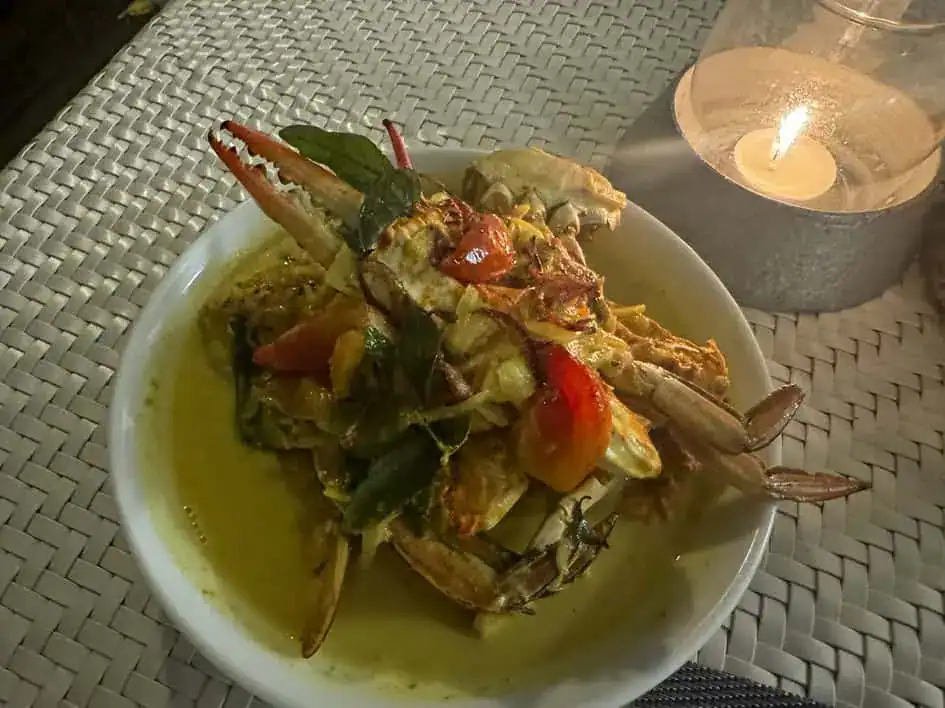
Crab Curry in Koggala (Photo: Bex Walton, CC BY 2.0)
Common Mistakes to Avoid When Dining in Sri Lanka
Many travellers make small mistakes when they first arrive. You can avoid them with simple awareness.
Do not expect fast service in every restaurant. Some places take time to prepare food. Plan your schedule with this in mind.
Do not ignore local dishes. Many travellers stick to Western food. You miss the essence of Sri Lankan cuisine if you do this.
Do not assume all food tastes the same. Regional variation plays a big role. Try dishes in different locations.
Do not forget to ask questions. Staff often explain dishes and ingredients. It helps you choose better meals.
Do not rely only on online reviews. Some of the best places do not appear on major platforms. Ask locals for recommendations.
These steps improve your dining experience.
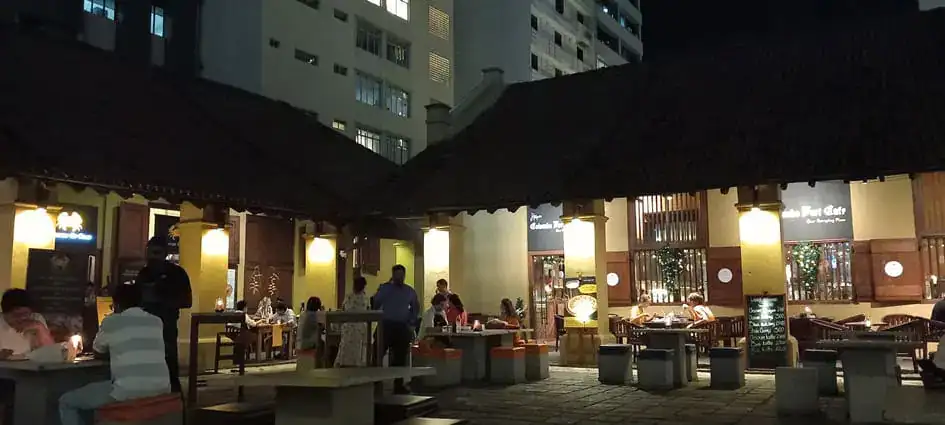
Restaurant Area – Old Dutch Hospital Complex, Colombo (Photo: young shanahan, CC BY 2.0)
Why Sri Lanka Stands Out as a Food Destination
Sri Lanka offers a diverse landscape in a compact space. You move from city to hills to coast within hours. Food changes with each setting.
Prices remain accessible. You can enjoy high-quality meals without spending large amounts.
Ingredients stay fresh. Many restaurants source food locally. It improves taste and quality.
Culture connects with food. Meals reflect history, religion, and daily life. You learn about the country through what you eat.
These factors make Sri Lanka a strong choice for food-focused travel.
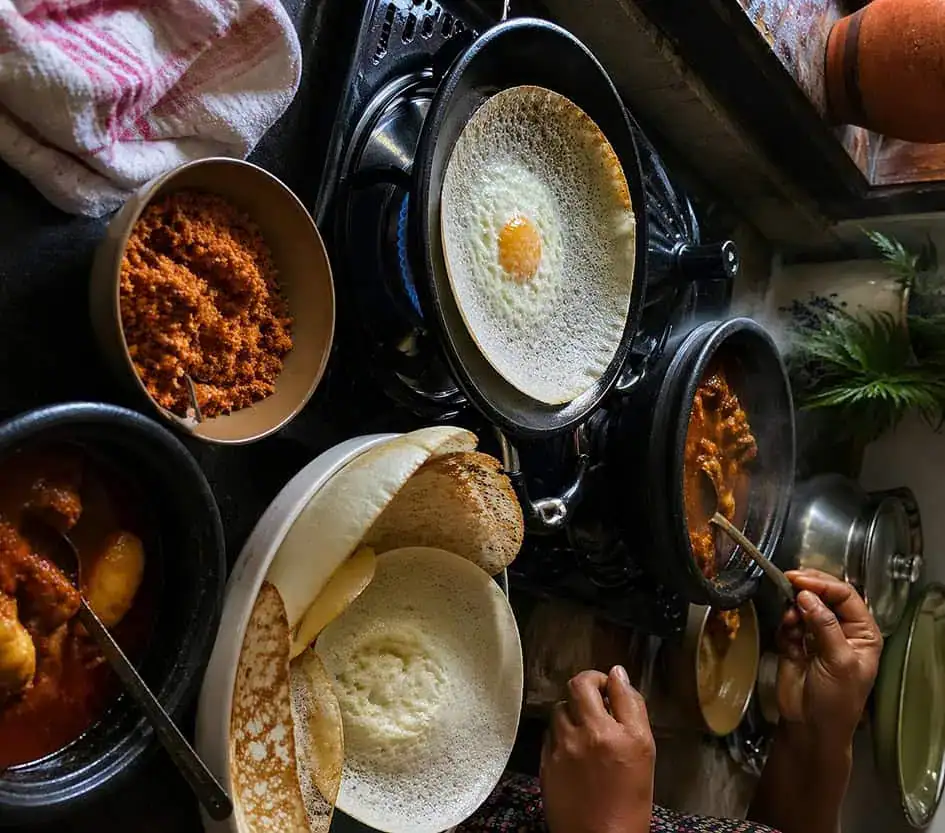
Making Delicious Hoppers and A Curry (Photo: Nandika Thejan via Pexels)
Final Thoughts: Best Restaurants in Sri Lanka and Your Next Trip
The best restaurants in Sri Lanka offer more than meals. They shape your travel experience. You will find variety across every region. Colombo delivers modern dining. Kandy offers relaxed settings. Ella brings casual cafes. Galle and the South Coast combine seafood with scenic views. Sigiriya and Dambulla show local traditions.
Sri Lankan food stands out through bold flavours and simple ingredients. Dining in Sri Lanka connects you with culture, people, and place. You can eat on any budget and still enjoy quality.
Plan your journey with food in mind. Choose restaurants based on location and experience. Try local dishes in every region. Speak with locals and explore beyond popular spots.
Your trip will feel richer when you focus on food. Which dish will you try first when you visit Sri Lanka?
Map of the Best Restaurants in Sri Lanka
Sources and References:
- Sri Lanka Tourism Development Authority, Official tourism statistics, visitor trends, and industry insights used to support claims about travel growth and dining demand.
- Sri Lanka Tourism, Destination guides, culinary tourism promotion content, and official travel recommendations.
- Tripadvisor, User reviews, rankings, and ratings for restaurants across Colombo, Galle, Kandy, and Ella.
- Lonely Planet, Travel insights, restaurant recommendations, and regional food guides for Sri Lanka.
- Condé Nast Traveler, Editorial recommendations on luxury dining, hotels, and food experiences in Sri Lanka.
- Eater, Global food trends and curated lists highlighting notable restaurants and chefs.
- Time Out, City-based dining guides and curated restaurant selections.
- World Travel Guide, Background information on Sri Lankan cuisine, dining customs, and regional food variations.
- BBC Travel, Articles on Sri Lankan food culture, traditional dishes, and culinary heritage.
- CNN Travel, Features on Sri Lankan cuisine, must-try dishes, and top dining experiences.
- Restaurant official websites and verified social media pages, Used to confirm menus, locations, and current offerings for featured restaurants such as Ministry of Crab, Nihonbashi, and The Gallery Café.
- Google Maps, Used for location validation, opening hours, and recent customer feedback.
Featured image: Secret Beach Mirissa – Outdoor Dining (Photo by Zoshua Colah on Unsplash)

I am a Sri Lankan medical doctor who spends my free time travelling, exploring new destinations, and documenting the beauty of the island I call home. I have journeyed across almost every corner of Sri Lanka with my wife and daughter — from wildlife parks and misty mountains to ancient cities, deep forests, rugged landscapes, and quiet beaches.
Travel is not just a hobby for me — it’s a way of life. I love nature, enjoy road trips, and find joy in wildlife photography. I also read widely about tourism, travel trends, and destination culture. Through my writing, I aim to help travellers experience Sri Lanka through real stories, meaningful insights, and honest recommendations — the same way I explore it with my own family.