
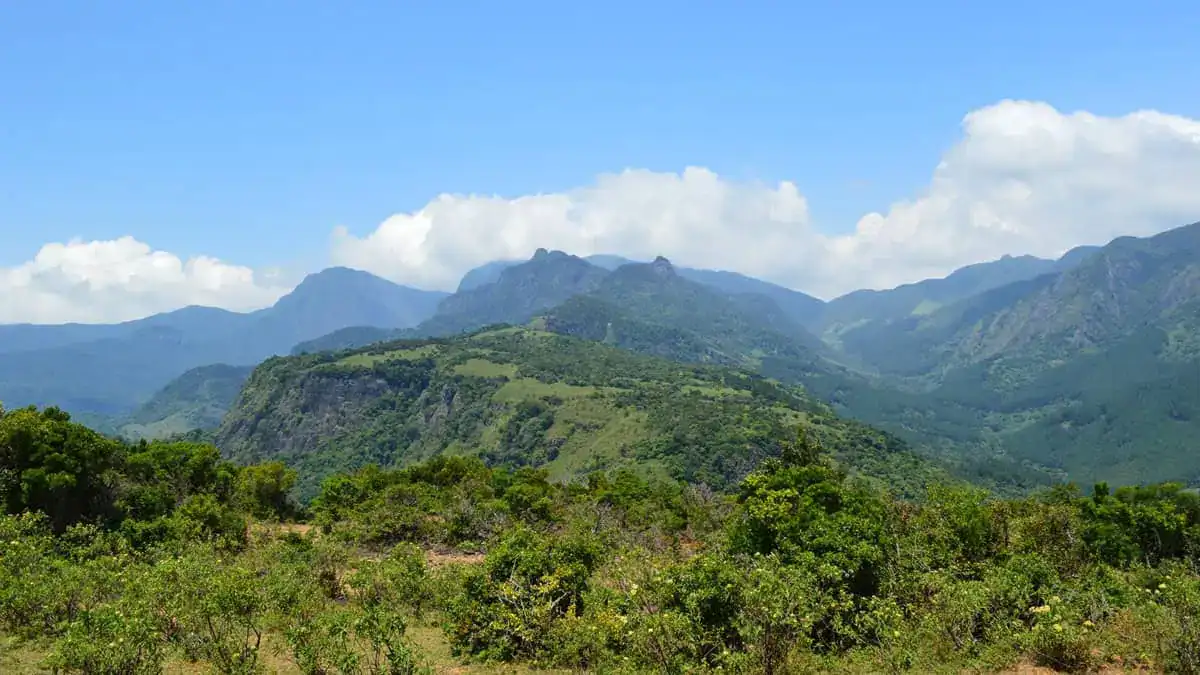

Introduction: Why the Knuckles Mountain Range Should Be on Your Travel List
Most travellers visit Sri Lanka for its popular beaches and ancient cities. Few step into the highlands beyond Kandy. The Knuckles Mountain Range offers a different experience. You find mist-covered peaks, deep forests, hidden waterfalls, and remote villages. You move along quiet trails rather than crowded viewpoints.
The Knuckles Conservation Forest protects one of the most diverse ecosystems in the country. The area is designated as one of the UNESCO World Heritage Sites in the Central Highlands of Sri Lanka. Despite this, visitor numbers stay low compared to Ella or Sigiriya. This creates a rare chance. You explore raw nature without heavy tourism.
This guide gives you a complete view of the Knuckles Mountain Range. You learn what makes the region special. You get clear advice on how to plan your visit. You see what to expect on the ground. If you want hiking, nature & wildlife, and real village life, this is the place.
If you’re visiting Sri Lanka for the first time, we recommend reading the ultimate travel guide for first-timers and the best Sri Lanka travel itineraries for your travel season.
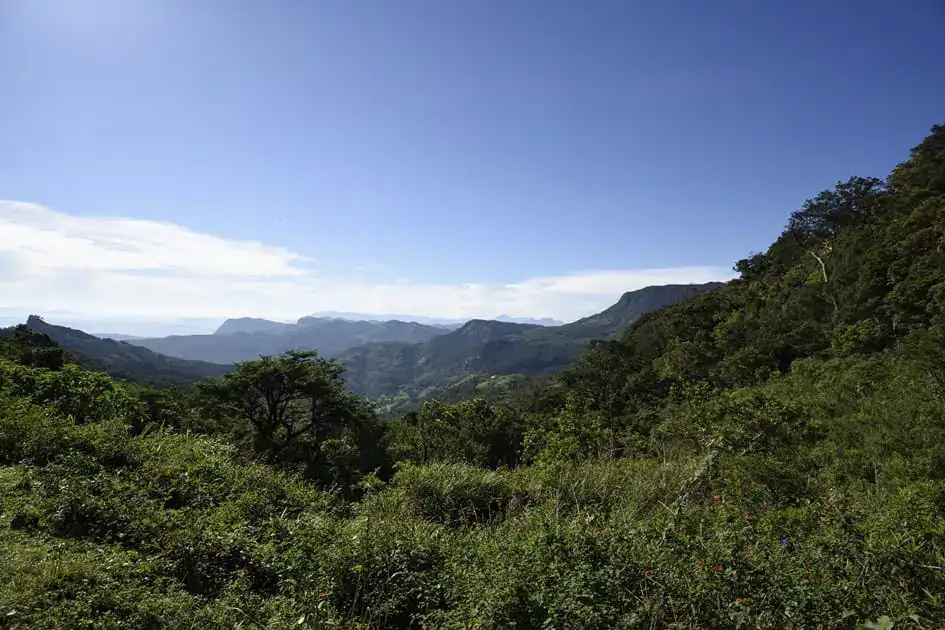
The View from Corbett’s Gap (Photo: Nalaka Priyantha)
What Is the Knuckles Conservation Forest and Why Does It Matter
The Knuckles Mountain Range sits northeast of Kandy in central Sri Lanka. Locals call it “Dumbara Kanduvetiya,” which means mist-laden mountain range. The English name comes from the shape of the peaks. From a distance, they look like a clenched fist.
The Knuckles Conservation Forest covers about 155 square kilometres. Elevation ranges from 900 metres to over 1,900 metres. This variation creates many microclimates. Each region supports different plant and animal life.
The Sri Lankan government declared this area a conservation forest to protect biodiversity. The region later gained global recognition as part of a UNESCO World Heritage Site. The Sri Lanka Tourism Development Authority promotes the area as a key eco-tourism destination.
Why this matters to you:
- You experience untouched ecosystems.
- You support conservation-focused tourism.
- You avoid crowded destinations.
- You see rare species found nowhere else.
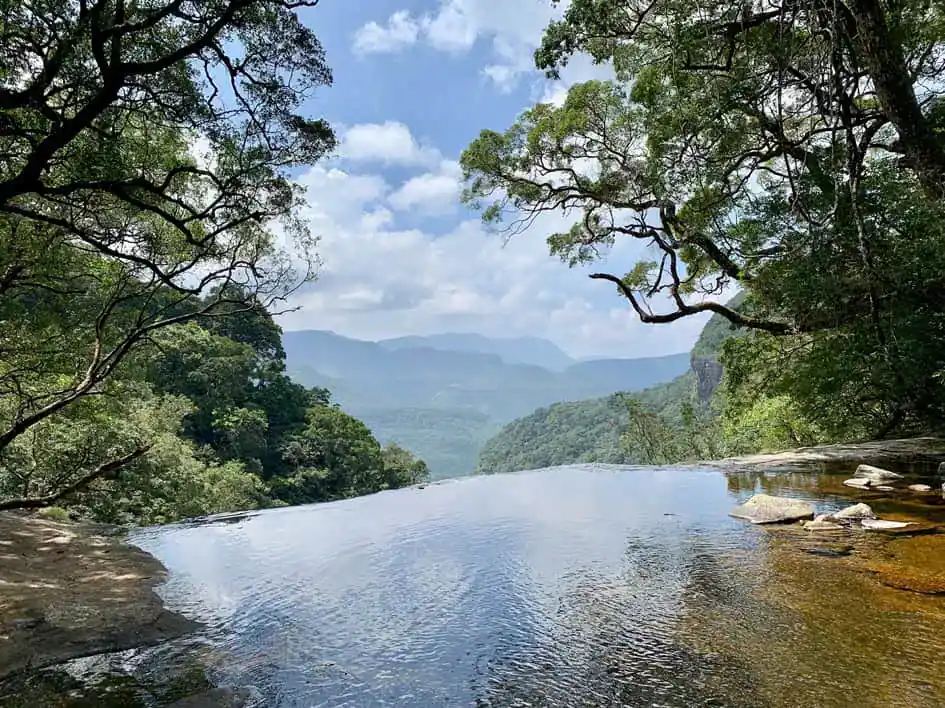
A Natural Infinity Pool – Duwili Ella Falls (Photo: Subhan Sanjaya, CC BY-SA 4.0)
The Landscapes of the Knuckles Mountain Range
The terrain changes fast in the Knuckles Mountain Range. You walk through cloud forests, open grasslands, river valleys, and rocky ridges within hours.
Key landscape features include:
- Steep mountain peaks with wide views.
- Dense forest cover with thick canopy.
- Fast-flowing rivers and streams.
- Waterfalls hidden inside forest paths.
- Grasslands with clear sky exposure.
One of the most famous viewpoints is Mini World’s End. You stand at a cliff edge and look over a deep valley. Early morning gives the best visibility. Mist often rolls in after noon.
Pitawala Pathana offers a different setting. You walk across open grassland with unusual rock formations. The path stays easy so that most travellers can manage it.
Corbett’s Gap is another highlight. This natural pass gives a clear view across both sides of the mountain range. On a clear day, you see far into the lowlands.
Hiking and Trekking in the Knuckles Conservation Forest

Pitawala Patana – Mini World’s End (Photo: Nalaka Priyantha)
Hiking defines the Knuckles experience. Trails range from short walks to multi-day treks. You choose based on your fitness level and the time available.
Beginner Trails
The Riverston area provides easy access. Trails stay short and well-marked.
- Pitawala Pathana walk
- Riverston viewpoint trail
- Small waterfall routes nearby
These routes suit first-time hikers. You enjoy views without long climbs.
Moderate Trails
- Meemure village trek
- Corbett’s Gap to the surrounding ridges
- Forest trails near Deanston
These routes require stamina. You walk through mixed terrain. Expect uneven ground and some elevation gain.
Advanced Treks
- Knuckles summit climbs
- Multi-day trekking routes across villages
- Remote jungle paths with river crossings
These routes demand preparation. You need a guide. Weather changes fast at higher elevations.
Guided trekking helps in many ways:
- Local guides know safe routes.
- They track weather conditions.
- They handle permits and logistics.
Some of the Trails:
- AllTrails Map – Knuckles 5 Peak Trail (7.7 km)
- AllTrails Map – Lebonon Estate to KMP Hut (5.8 km)
- AllTrails Map – Corbett’s Gap (11.3 km)
- AllTrails Map – Kandasamigala (5.1 km)
- Pitawala Pathana/Mini World’s End Trail
- Duwili Ella via Manigala
- Meemure Village Trail
- Gombaniya Peak Trail
- Dothalugala Nature Trail
- Mini World’s End (Deanston) Trail
- Nitro Caves Trail
- Heel Oya Trail
- High Knuckles Trek

The View of Lakegala from Meemure Village (Photo: Nalaka Priyantha)
Waterfalls and Rivers in the Knuckles Mountain Range
Water shapes the Knuckles Conservation Forest. Streams and waterfalls run through most valleys. Many stay hidden from main roads.
Popular waterfalls include:
- Bambarakiri Ella, located near Rattota. Easy access from the road.
- Huluganga Falls is set along a scenic route, surrounded by forest.
- Kosgama Ella Falls, near Huluganga Falls.
- Rathninda Ella Falls and Wedda Peni Ella Falls, near Pitawala and Maddeala, Riverston.
- Sera Ella Falls, near Ilukkumbura and Laggala.
- Wambatuhena Ella Falls, near Laggala.
- Duwili Ella Falls, Thattu Ella Falls, and Sansun Ella Falls, in the Knuckles Forest Reserve.
- Thaliya Wetuna Ella, in the Alakola Estate.
- Bambarella Saree Ella Falls, Lebanon Estate Falls, and Jodu Ella Falls, near the Lebanon Estate and Gomara.
- Diyakerella Ella Falls, near Meemure village.
You also find smaller, unnamed falls deep inside trekking paths. These require a guide.
River experiences:
- Natural pools for bathing
- Shallow crossings during hikes
- Fresh mountain water sources
Safety tips:
- Avoid swimming after heavy rain.
- Watch for strong currents.
- Wear shoes with grip near wet rocks.
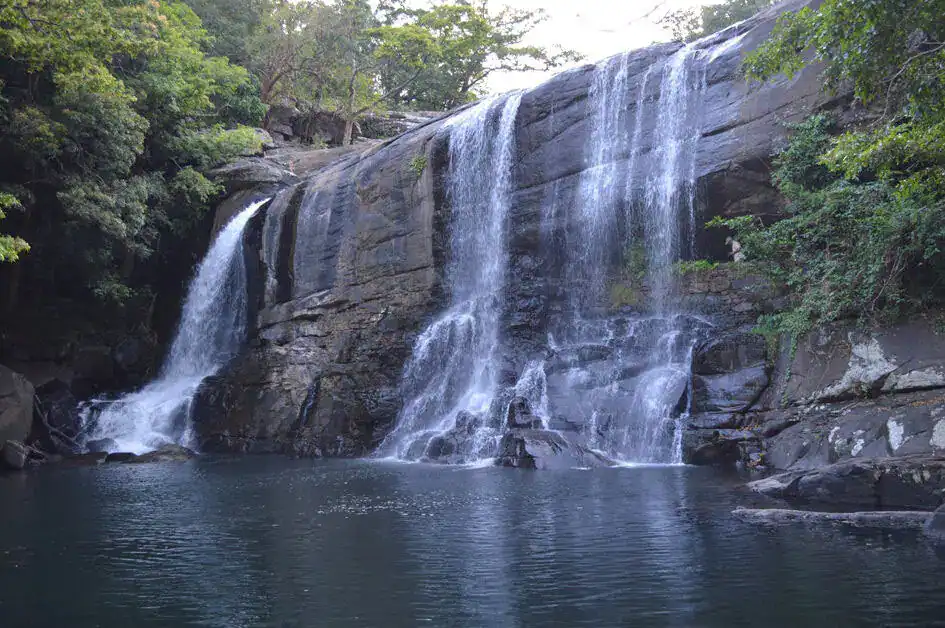
Sera Ella Falls (Photo: Nalaka Priyantha)
Flora and Fauna: Biodiversity in the Knuckles Conservation Forest
The Knuckles Conservation Forest ranks among Sri Lanka’s richest biodiversity zones. The wide altitude range supports many species.
Plant Life
You find over 1,000 plant species in the region. Many are endemic.
- Cloud forest trees with moss cover
- Medicinal plants used by local communities
- Orchids and ferns in shaded areas
Mammals
Wildlife sightings require patience.
- Purple-faced langur
- Giant squirrel
- Barking deer
- Occasional sightings of leopards in remote zones
Birds
The area attracts bird watchers.
- Sri Lanka wood pigeon
- Yellow-fronted barbet
- Layard’s parakeet
Reptiles and Amphibians
- Endemic frogs are found near streams.
- Small lizards adapted to forest conditions.
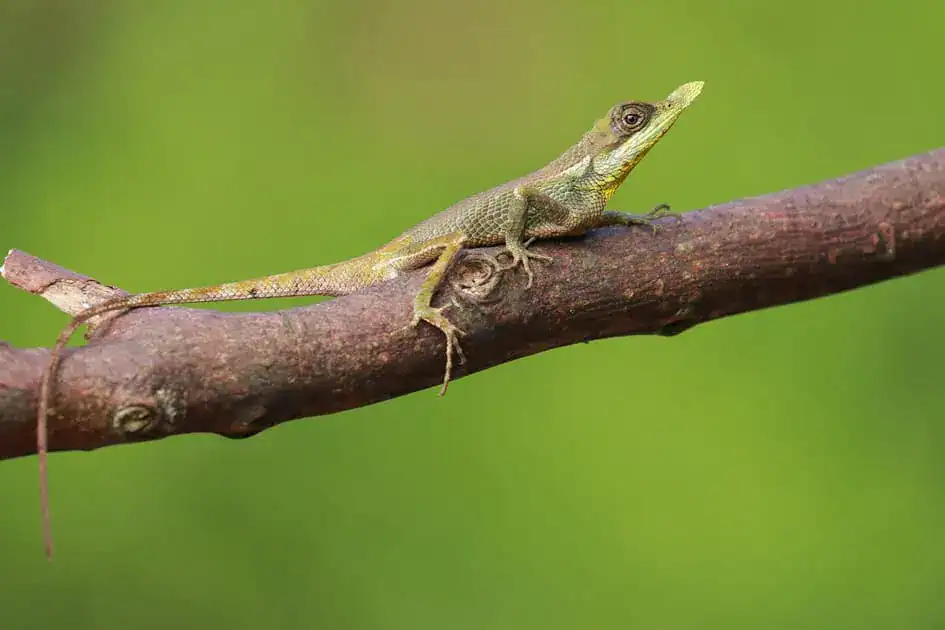
Tennent’s Leaf-Nosed Lizard, An Endemic Species (Photo: Rangana Abeyrathne, CC BY-SA 4.0)
Invertebrates
- Butterflies with bright colour patterns
- Rare insects found only in high-altitude zones
You should keep a distance from all animals. Do not feed wildlife. Respect their space.
Village Life Around the Knuckles Mountain Range
Remote villages surround the Knuckles Conservation Forest. Meemure is the most well-known.
This village sits deep inside the mountains. Roads stay rough. Mobile signal remains weak. Life follows traditional patterns.
What you see in villages:
- Small-scale farming
- Rice cultivation
- Home gardens with vegetables and herbs
- Simple houses built with local materials
Homestays give direct access to this lifestyle. You eat home-cooked meals. You join daily routines.
Cultural tips:
- Dress modestly.
- Ask before taking photos.
- Respect local customs.
Travellers often describe Meemure as quiet and authentic. You connect with people, not just places.
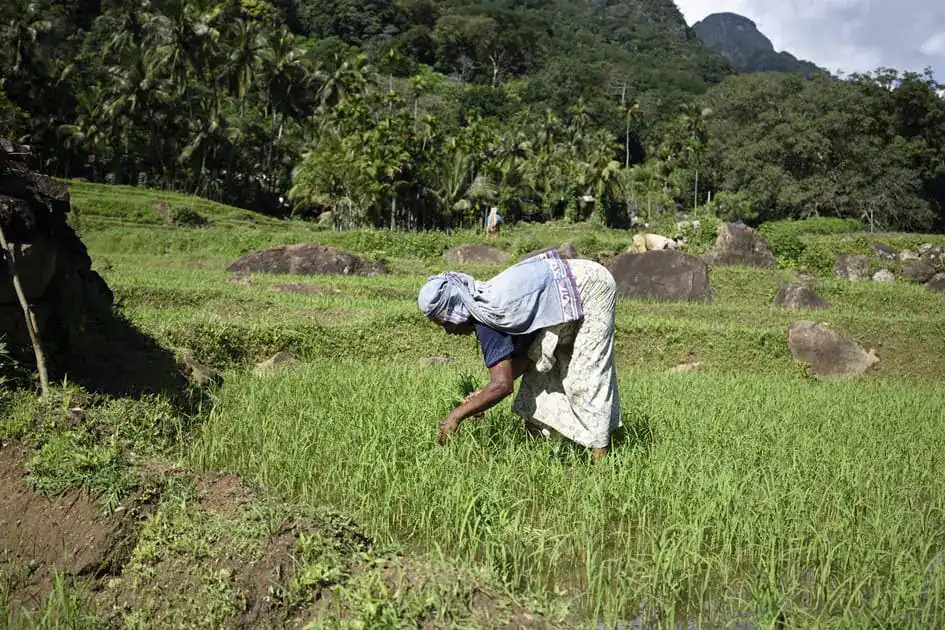
Traditional Farming – Meemure Village (Photo: Nalaka Priyantha)
Best Time to Visit the Knuckles Conservation Forest
The weather has a strong impact on your experience. The Knuckles Mountain Range receives rainfall from both monsoon systems.
Dry Months
- January to March
- Best for hiking and clear views
Inter-monsoon Period
- April and September
- Mixed weather conditions
Wet Months
- May to August and October to December
- Heavy rain and slippery trails
Early mornings give the best visibility year-round. Mist builds up later in the day.
If you are planning to combine your visit to the Knuckles Mountain Range with other destinations in Sri Lanka, we recommend reading about the weather and the best time to visit.
Current Weather & Weather Forecast in Knuckles
Weather and Conditions in the Knuckles Conservation Forest
The weather changes fast in this region. Therefore, conditions shift within hours.
Morning
Clear skies and cool air. Best time for hiking and photography.
Midday
Clouds build up. Visibility drops in higher areas.
Afternoon
Rain becomes common, especially in wet seasons.
Night
Temperature drops. Higher elevations feel cold.
You should check forecasts before travel. Still, you must prepare for sudden changes.
Trail conditions:
- The dry season gives stable paths.
- The wet season creates mud and slippery rocks.
- You must adjust plans based on the weather.
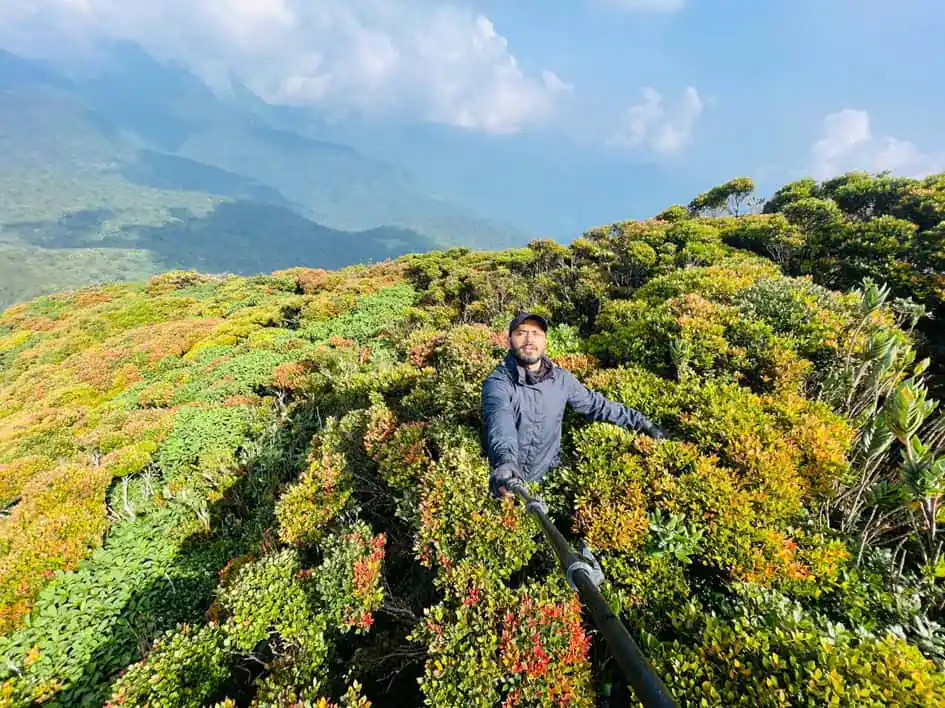
Thunhisgala Mountain, Knuckles Forest Reserve (Photo: Chathura Madushanka via Pexels)
How to Reach the Knuckles Mountain Range
You reach the Knuckles Conservation Forest from major cities like Kandy and Colombo.
Common routes:
- Kandy to Riverston via Matale
- Kandy to Meemure through narrow mountain roads
Transport options:
Private car with driver
This gives flexibility. A local driver helps navigate difficult roads.
Guided tour packages
Tour operators arrange transport and routes. It suits first-time visitors.
Limited public buses to nearby towns
Road conditions vary. Some areas require 4WD vehicles.
Main access points:
- Riverston area for easy entry and short hikes.
- Deanston Conservation Centre for permits and forest access.
- Meemure village for deep exploration.
You often need entry permits. Local guides help arrange them.
It is recommended to read about transport in Sri Lanka.
Preparing for Your Trip
You need proper preparation for the Knuckles Mountain Range. Conditions change fast.
What to bring:
- Hiking shoes with a strong grip
- Light rain jacket
- Reusable water bottle
- Snacks and energy food
- First aid kit
- Insect repellent
- Map or GPS device
- Offline maps for navigation
Pack light but plan well. You may not find shops in remote areas.

Trekking – Knuckles Mountain Range (Photo: Isuru flicker, CC BY-SA 4.0)
Who Will Enjoy the Knuckles Mountain Range
This destination suits specific types of travellers.
You will enjoy it if you:
- Like hiking and trekking.
- Prefer quiet locations.
- Want nature and wildlife.
- Value local culture.
You may not enjoy it if you:
- Seek luxury travel.
- Need constant connectivity.
- Prefer short, easy visits.
Who Should Avoid the Knuckles Conservation Forest
This destination does not suit every traveller.
You may face challenges if you:
- Prefer luxury hotels.
- Need stable internet.
- Avoid physical activity.
- Travel with tight schedules.
The Knuckles Mountain Range requires time and effort. You should plan with flexibility.
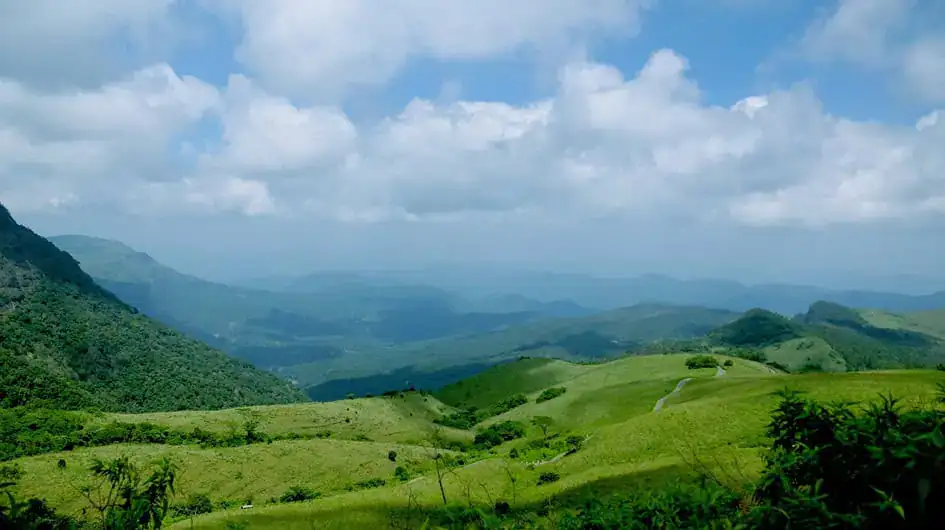
The Beauty of Knucles Mountain Range (Photo: Dilanthaonline, CC BY-SA 4.0)
Simple Travel Plan for First-Time Visitors
3-Day Short Trip Itinerary
Day 1:
- Travel from Kandy to Riverston.
- Visit viewpoints and short trails.
Day 2:
- Trek to waterfalls.
- Explore village areas.
Day 3:
- Sunrise hike.
- Return to Kandy.
This plan gives a balanced experience without rushing.
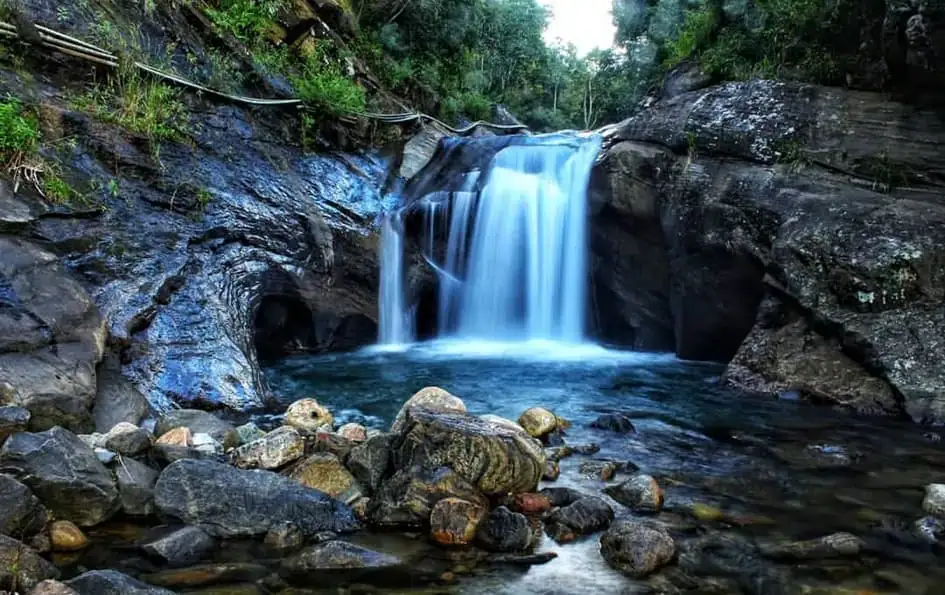
Bambarakiri Ella Waterfalls (Photo: Rafi Naushad, CC BY-SA 4.0)
Sample Extended Itinerary for the Knuckles Mountain Range
You can expand your trip for a deeper experience.
Day 1:
- Travel from Kandy to Riverston.
- Visit Pitawala Pathana.
- Stay in an eco-lodge.
Day 2:
- Hike to waterfalls.
- Visit Corbett’s Gap.
- Transfer to a village homestay.
Day 3:
- Trek to Meemure village.
- Join local activities.
- Stay overnight.
Day 4:
- Early morning hike.
- Return to Kandy.
This plan gives time for both nature and culture. You avoid rushing through key areas.
Nearby Attractions Worth Visiting
The Knuckles Mountain Range sits close to major destinations.
You can visit:
- Kandy for temples and cultural landmarks
- Sigiriya Rock Fortress for a historic climb and iconic views
- Dambulla Cave Temple for ancient cave art
These sites create a balanced travel plan. You mix nature, history, and culture.

Kandy Lake and the Temple of the Tooth – Arthur’s Seat View (Photo: A.Savin)
Where to Stay and Eat Around the Knuckles Mountain Range
Accommodation near the Knuckles Mountain Range stays simple. You do not find large resorts inside the forest. It keeps the environment intact and limits overdevelopment.
You choose from three main options.
Eco-lodges
These sit near entry points like Riverston and Deanston. They offer basic comfort with strong views of the hills. Many use solar power and local materials. Staff often come from nearby villages.
Homestays
You stay with a local family in villages such as Meemure. Rooms stay simple. Food is home-cooked using local produce. This option gives the best cultural experience.
Camping
Some travellers camp with guides. You set up tents in safe zones. Guides handle permits and safety. Nights feel quiet and dark, with clear skies when weather allows.
Food in the region stays traditional. Expect rice and curry, fresh vegetables, lentils, and seasonal fruits. Meat options remain limited in remote areas. You should inform hosts about dietary needs in advance.
Practical tips:
- Carry snacks for long hikes.
- Bring cash since card payments are rare.
- Confirm meals before arrival at homestays.
We recommend reading about authentic Sri Lankan food and dining in Sri Lanka.
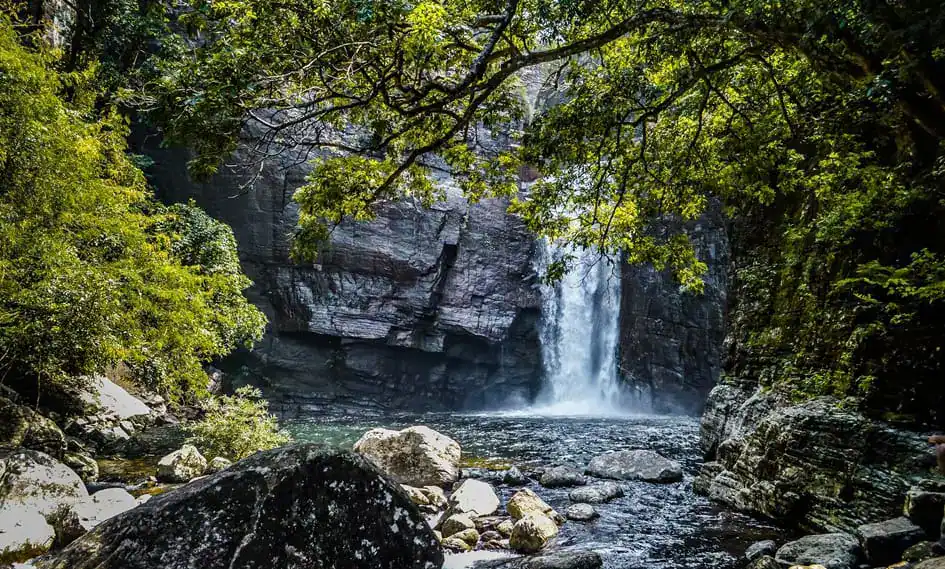
Dumbara Falls, Knuckles Mountain Range (Photo: Nish Gamage, CC BY-SA 4.0)
Moving Around the Knuckles Conservation Forest
Transport inside the Knuckles Conservation Forest requires planning. Roads remain narrow and uneven. Some routes turn steep and rocky.
Many areas require walking. Trails connect villages, waterfalls, and viewpoints.
You should confirm route conditions before travel. Heavy rain can block roads.
Activities Beyond Hiking in the Knuckles Mountain Range
You also find other activities that add depth to your visit.
The forest supports many endemic species. Early morning gives the best chance to spot birds. Bring binoculars and stay quiet.
Camping
Guided camping trips take you deeper into the forest. Nights stay cool. You hear forest sounds without city noise.
River walks
You walk along shallow streams. Some routes include crossing water sections. Wear proper footwear.
Nature observation
You spend time watching insects, plants, and small animals. It suits slow travellers who enjoy detail.
Cultural interaction
You join village routines.
These activities help you experience the Knuckles Conservation Forest beyond basic sightseeing.
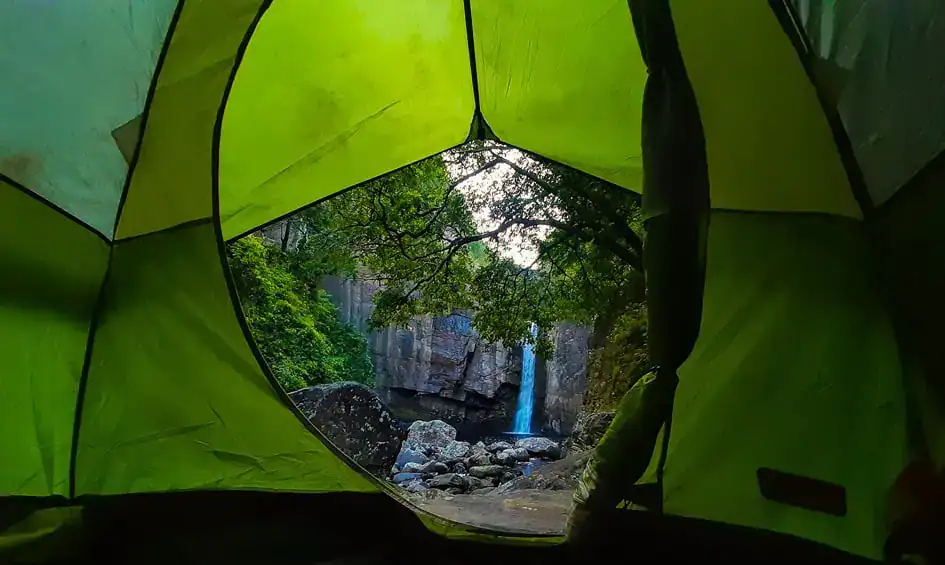
The View of Dumbara Falls (Photo: Venushka Fonseka, CC BY-SA 4.0)
Photography Guide for the Knuckles Mountain Range
The Knuckles Mountain Range offers stunning views. You need good timing and preparation.
Best times:
- Sunrise for clear skies and soft light.
- Early morning for mist over the valleys and avoiding fog in the surroundings.
- Late afternoon for warm tones when clouds clear.
Key locations:
- Mini World’s End for wide valley views.
- Pitawala Pathana for open grassland shots.
- Corbett’s Gap for layered mountain views.
Camera tips:
- Use a wide-angle lens for landscapes and viewpoints.
- Carry lens protection due to humidity.
- Keep batteries warm in cold conditions.
You should protect the equipment from rain. A dry bag helps.
Safety Tips, Responsible Travel, and Sustainability
The Knuckles Conservation Forest depends on careful tourism. Your choices affect the environment and local communities.
You should:
- Stay on marked trails.
- Respect wildlife.
- Not play loud music.
- Not remove plants, flowers, or rocks.
- Not enter restricted zones.
- Choose eco-friendly accommodation.
- Support local guides and businesses.
- Reduce plastic use, avoid littering, and carry your waste out.
- Carry reusable bottles.
- Hire local guides for long treks.
- Respect local customs.
- Ask before taking photos of people.
Wildlife lives across the Knuckles Mountain Range. Encounters remain rare but possible.
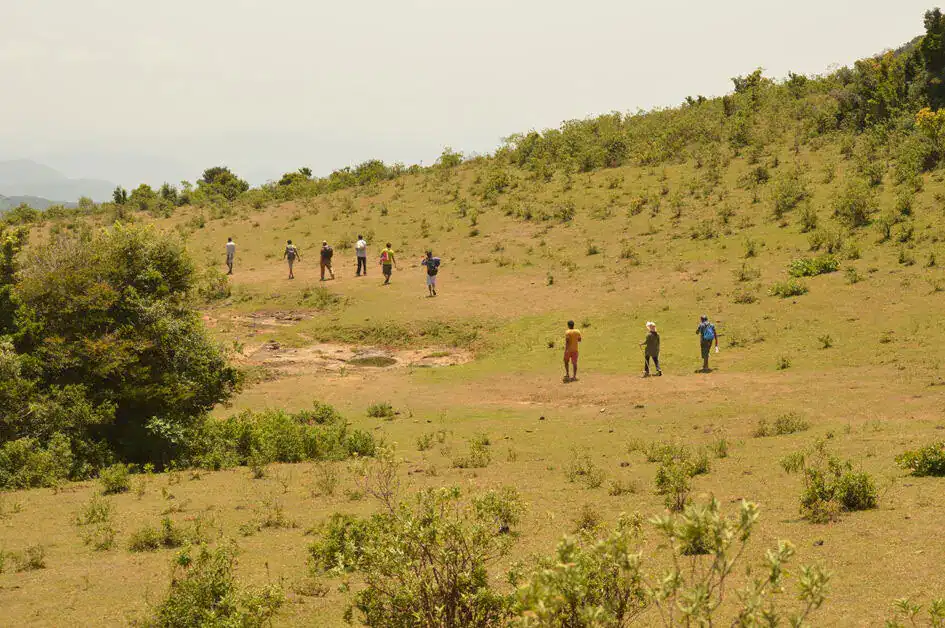
Along the Manigala Trail (Photo: Nalaka Priyantha)
If you see animals:
- Keep a distance.
- Stay quiet.
- Avoid sudden movement.
- Do not touch or feed them.
If you see monkeys:
- Do not feed them.
- Keep food packed away.
If you see snakes:
- Step back slowly.
- Watch your path carefully.
Guides help identify risks and safe behaviour. You should follow their instructions at all times.
The Sri Lanka Tourism Development Authority promotes sustainable tourism nationwide. The Knuckles region stands as a key example of this approach.
When you travel responsibly, you help protect biodiversity and support local livelihoods & conservation.
A Deeper Look at Biodiversity Value
The Knuckles Conservation Forest is globally important for its biodiversity. Scientists have recorded many endemic species here.
Key facts:
- High plant diversity across elevation zones.
- Unique amphibians adapted to cool, wet conditions.
- Bird species found only in Sri Lanka.
- Insect populations that support forest health.
Researchers study this region to understand climate patterns and ecological systems. The forest acts as a natural water source for the surrounding areas. Rivers that begin here support agriculture downstream.
This scientific value adds to the tourism appeal. You visit a place that supports both nature and research.
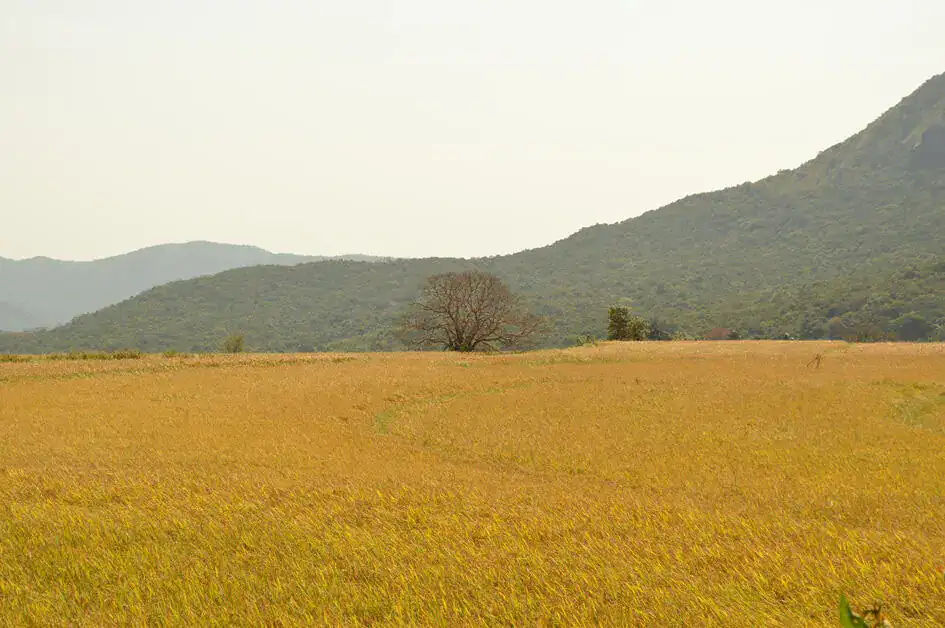
Paddy Fields in the Atanwala Village, Knuckles Mountain Range (Photo: Nalaka Priyantha)
Final Thoughts on Visiting the Knuckles Mountain Range
The Knuckles Mountain Range offers a rare mix of nature, culture, and adventure. You walk through forests that remain largely untouched. You see wildlife in natural habitats. You see landscapes that change with every turn. You meet communities that live close to nature.
The Knuckles Conservation Forest protects this balance. It limits mass tourism and helps maintain a stable environment. It creates a space where you experience nature in its original form. Your visit supports its future when you travel responsibly.
You need preparation, patience, and respect for the environment. In return, you gain quiet trails, clear air, and a real connection with the land.
If you seek a destination with depth and authenticity, the Knuckles Mountain Range deserves your attention.
Sources and References:
- Sri Lanka Tourism Development Authority. Official Tourism Statistics and Destination Insights.
- Sri Lanka Tourism. Travel Information and Destination Guides.
- UNESCO World Heritage Centre. Central Highlands of Sri Lanka (World Heritage Listing).
- Department of Forest Conservation, Sri Lanka. Knuckles Conservation Forest Management and Biodiversity Data.
- International Union for Conservation of Nature. Biodiversity and Conservation Reports on Sri Lanka’s Highlands.
- BirdLife International. Avifauna and Endemic Bird Data in Sri Lanka.
- World Bank. Sri Lanka Tourism and Sustainable Development Reports.
- Sri Lanka Institute of Tourism and Hotel Management. Tourism Trends and Industry Insights.
- Lonely Planet. Sri Lanka Travel Guide and Knuckles Region Insights.
- Rough Guides. Sri Lanka Travel Guide.
- Traveller reviews and route insights from platforms such as Tripadvisor and Google Maps.
Featured image: The View of Knuckles Mountain Range from Manigala (Photo: Nalaka Priyantha)

I am a Sri Lankan medical doctor who spends my free time travelling, exploring new destinations, and documenting the beauty of the island I call home. I have journeyed across almost every corner of Sri Lanka with my wife and daughter — from wildlife parks and misty mountains to ancient cities, deep forests, rugged landscapes, and quiet beaches.
Travel is not just a hobby for me — it’s a way of life. I love nature, enjoy road trips, and find joy in wildlife photography. I also read widely about tourism, travel trends, and destination culture. Through my writing, I aim to help travellers experience Sri Lanka through real stories, meaningful insights, and honest recommendations — the same way I explore it with my own family.