

Kumana National Park attracts travellers seeking a quieter wildlife safari in Sri Lanka. You step into a landscape where birds fill the sky, elephants move through wetlands, and lagoons stretch to the horizon. Kumana National Park sits on the island’s Southeast Coast. The park rewards patience. You do not rush here. You watch, wait, and connect directly with nature and wildlife.
What Is Kumana National Park
Kumana National Park stands as one of Sri Lanka’s key protected areas. The park is part of a wider ecosystem that connects to Yala National Park. While Yala draws heavy crowds, Kumana stays calm and open.
The park covers a mix of wetlands, forests, and coastal lagoons. These habitats support rich biodiversity. Large mammals, reptiles, and many bird species live here.
The Sri Lanka Tourism Development Authority lists Kumana as a prime bird sanctuary. Records show over 250 bird species. Migratory birds arrive between April and July. This seasonal movement turns the park into a nesting ground.
Why Kumana National Park Holds Special Status
Kumana places great value on conservation and research. The park protects fragile wetland systems. These wetlands act as breeding zones for birds and feeding grounds for many animals.
Some of the ancient cultural sites also exist within the park. Ruins linked to early Sri Lankan kingdoms add depth to your visit. You explore both nature and history in one place.
Kumana also supports species under threat. Conservation teams monitor animals such as elephants and leopards. The park plays a role in national wildlife protection plans.
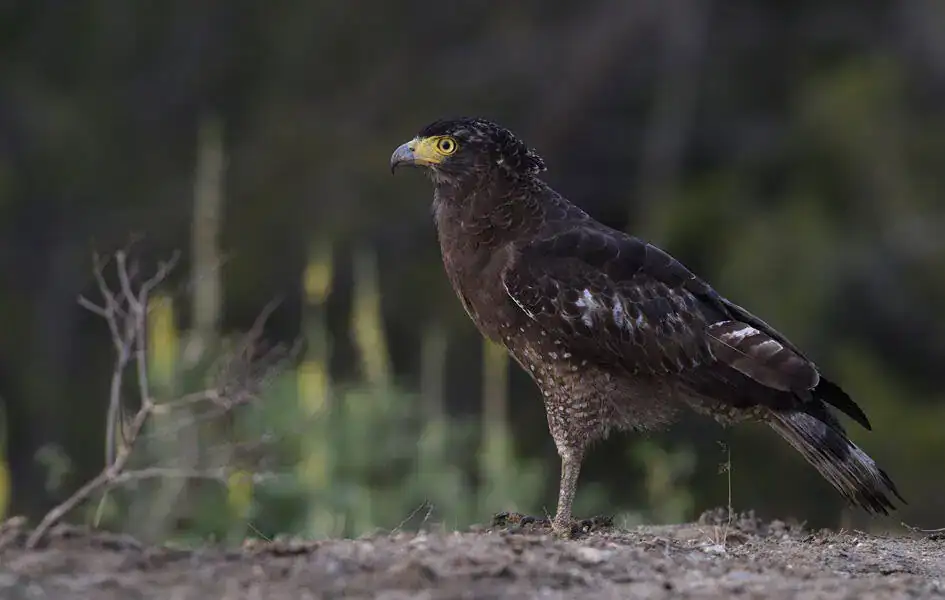
Crested Serpent Eagle – Kumana National Park (Photo: Nalaka Priyantha)
Recognition and Tourism Appeal
Tourism bodies in Sri Lanka promote Kumana as a low-impact safari option. Reviews on travel platforms show high satisfaction among visitors seeking quiet experiences.
You avoid long vehicle queues. You hear birds, wind, and distant animal calls instead of constant engine noise.
Travel guides rank Kumana among the top birdwatching sites in South Asia. BirdLife International identifies the park as an Important Bird Area. This label confirms global value.
Location and Geography
Kumana National Park lies in the southeastern part of Sri Lanka. The park sits near the town of Arugam Bay, a well-known surf destination.
The park borders the Indian Ocean. Coastal lagoons shape the landscape. The Kumana Villu, a large swamp lagoon, forms the heart of the park. This area attracts large numbers of birds.
Dry forests surround the wetlands. Seasonal rivers flow through the park. Rain patterns shape animal movement. During dry months, animals gather near water sources.
Size of the Park
Kumana National Park covers around 35,664 hectares. This size gives animals space to roam. You travel long distances during a safari.
The park is part of a larger protected zone when combined with nearby reserves. This network supports migration and genetic diversity among species.
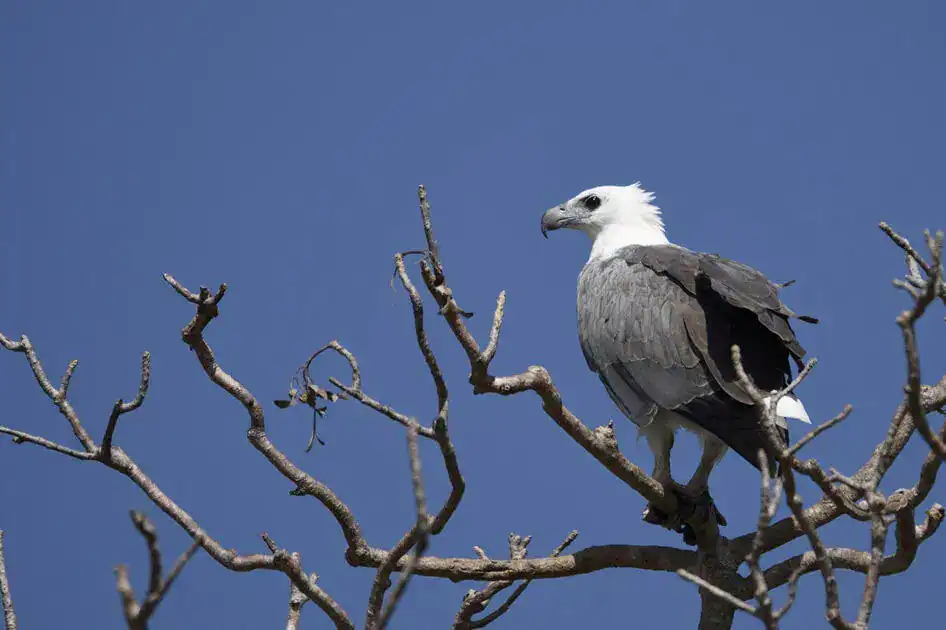
White-Bellied Sea Eagle (Photo: Nalaka Priyantha)
Main Entrances and Access
The main entrance sits near Panama, close to Arugam Bay. This entrance offers the most direct access for visitors.
Another route links from Yala. This route requires special permits and experienced guides. Most travellers use the Panama entrance for ease and safety.
Pre-Booking Safaris
You should book your safari in advance. Demand rises during peak bird season and holidays.
Safari operators offer half-day and full-day trips. A full-day safari gives more chances to see wildlife. Early morning and late afternoon drives work best.
The Department of Wildlife Conservation issues permits. Many operators include permits in their packages.
How to Reach Kumana National Park and How to Move Around
How to Reach the Park
You reach Kumana through several routes:
From Colombo: Travel by road for about 8 to 10 hours. You pass through Hambantota and the coastal regions.
From Arugam Bay: A short drive of about 1 hour takes you to the park entrance. This route suits most travellers.
From Ella: Travel through scenic roads towards the Southeast. The journey takes around 5-6 hours.
Public transport reaches nearby towns, but not the park gate. You will need a private vehicle or safari jeep for the final stretch.
We recommend reading about transport in Sri Lanka.
How Movement Works Inside the Park
You move inside Kumana in a safari jeep. Private vehicles are not allowed beyond the entrance.
A trained driver and guide lead your safari. Guides know animal patterns. They track footprints, sounds, and movement.
Roads inside the park are rough. Expect dust and uneven paths. Travel speed stays low to protect wildlife and ensure safety.
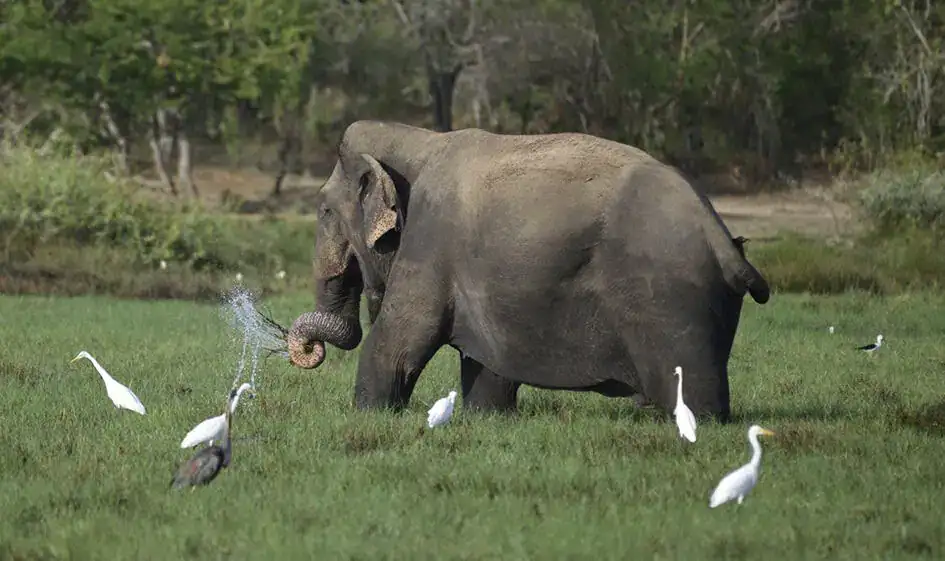
An elephant, having a meal – Kumana National Park (Photo: Nalaka Priyantha)
Nature, Flora, and Fauna
Trees and Plant Life
Kumana supports dry zone vegetation. Trees such as kumbuk, palu, and weera grow in these conditions. These trees adapt to heat and low rainfall.
Wetland plants grow near lagoons. Mangroves and reeds provide shelter for birds and fish.
Seasonal changes affect plant life. After the rains, the landscape turns green. During dry periods, the land appears brown and open.
Mammals
Kumana hosts several mammal species. You may spot elephants, which move in small herds. These animals often gather near water.
Leopards live in the park. Sightings are less frequent than in Yala, but they occur. Early morning drives increase your chances.
Other mammals include:
- Spotted deer
- Wild boar
- Golden jackal
- Sloth bear, though sightings remain rare
These animals follow natural cycles. Your guide helps locate them.
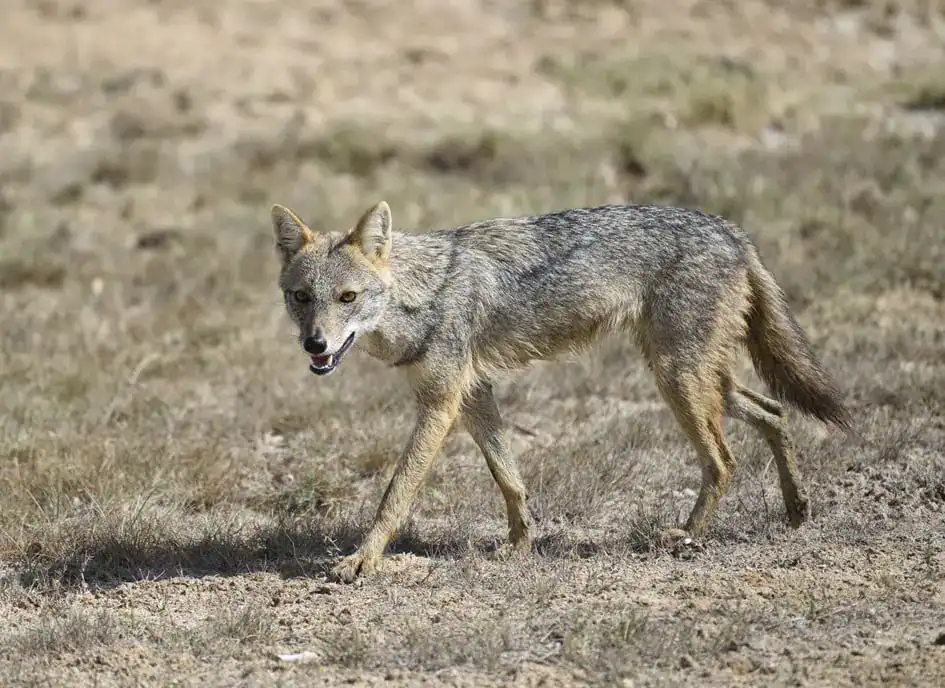
A Golden Jackal in Kumana National Park (Photo: Nalaka Priyantha)
Birds
Birdlife defines Kumana National Park. The park stands as one of the best birdwatching sites in Sri Lanka.
Common species include:
- Painted storks
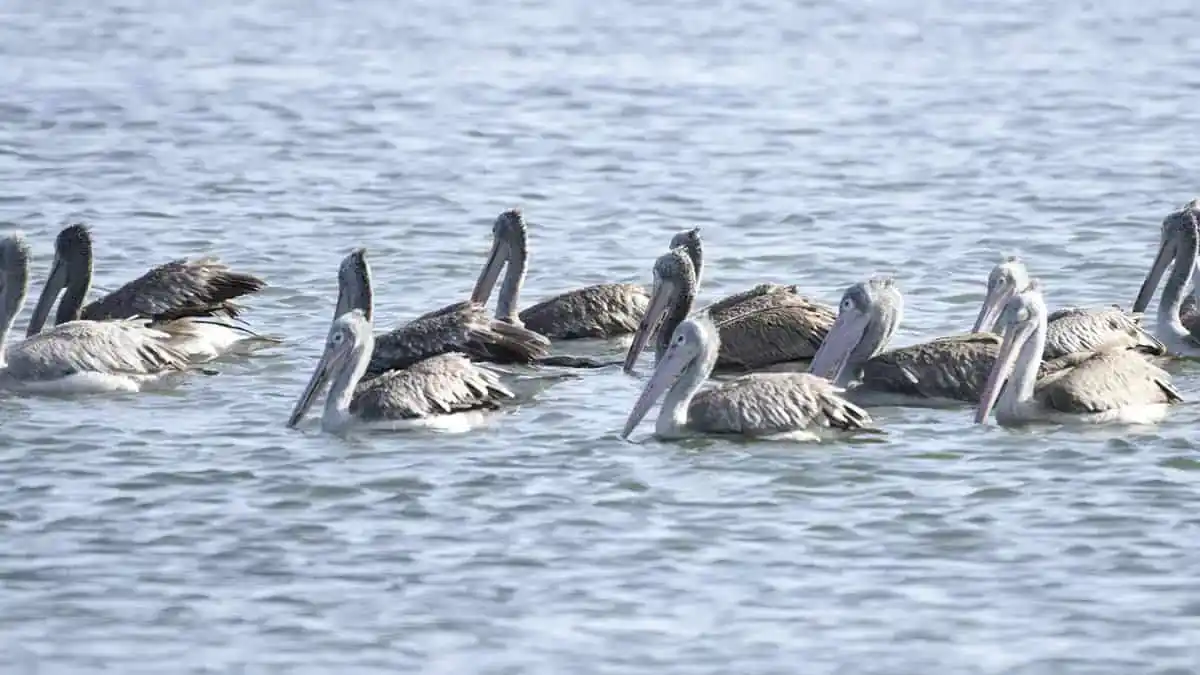
- Pelicans
- Egrets
- Herons
- Ibises
Migratory birds arrive during nesting season. Thousands gather in the Kumana Villu swamp.
Birds build nests, feed chicks, and move across the water. You hear constant calls and the beating of wings overhead.
This activity offers strong viewing opportunities.
Reptiles and Amphibians
Reptiles thrive in Kumana’s climate. You may see crocodiles in lagoons. These reptiles stay still for long periods.
Monitor lizards move across open land. Snakes live in forested areas, though sightings remain rare.
Amphibians appear during wetter months. Frogs and small species live near water bodies.
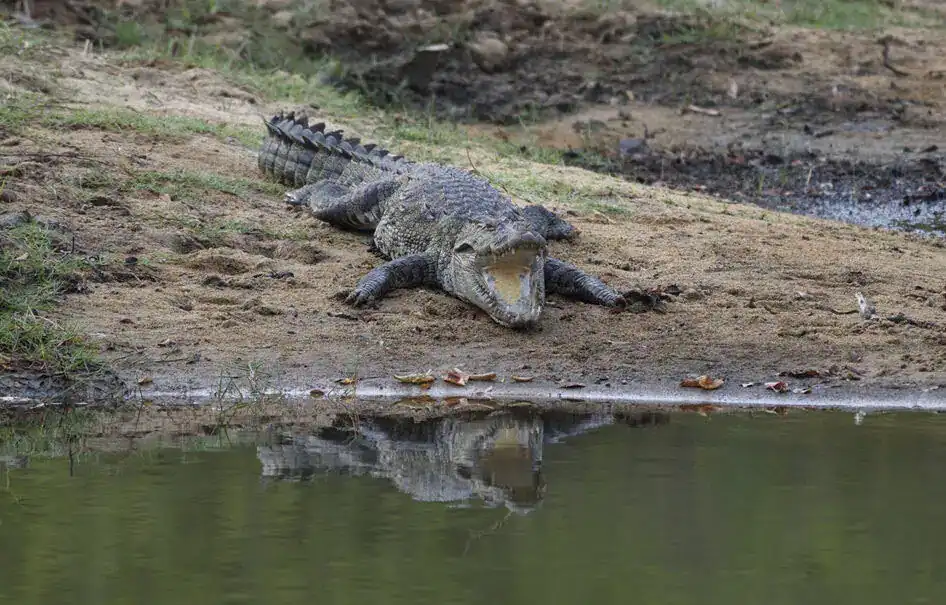
A Resting Crocodile (Photo: Nalaka Priyantha)
Invertebrates
Insects play a major role in the ecosystem. Butterflies, dragonflies, and beetles appear in large numbers.
These small creatures support the food chain. Birds and reptiles depend on them for survival.
Best Time to Visit and Why
The best time to visit Kumana National Park runs from April to July. This period marks the bird nesting season.
Water levels support breeding. Large bird colonies become active and visible.
The park also opens from February to September. During these months, roads stay accessible.
Avoid heavy monsoon periods. Rain affects visibility and road conditions.
If you plan to combine your visit to Kumana National Park with other destinations, we recommend reading about the weather and the best time to visit Sri Lanka.
Current Weather & Weather Forecast in Kumana
Weather and Conditions
Kumana has a dry climate. Temperatures range between 26°C and 34°C.
Rain falls during the Northeast Monsoon. This period runs from October to January. Some areas may flood.
Dry months offer better wildlife viewing. Animals gather near water sources. Vegetation becomes less dense.
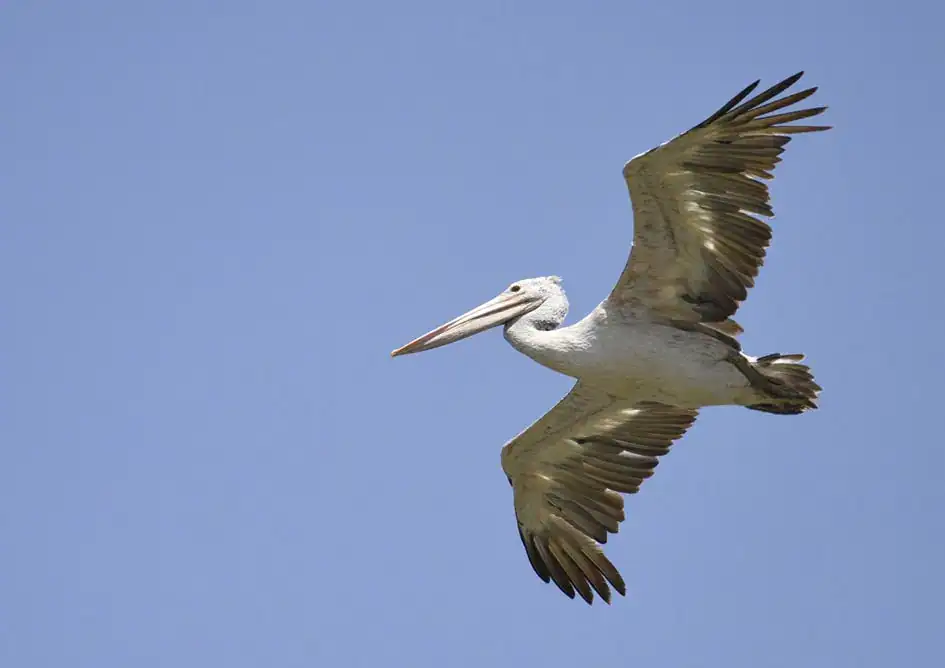
Spot-billed Pelican – Kumana National Park (Photo: Nalaka Priyantha)
Who Will Enjoy Kumana National Park Most
Kumana suits travellers who prefer calm environments. You will enjoy this park if you like:
- Birdwatching
- Nature photography
- Slow travel
- Quiet safaris
Families, solo travellers, and couples find value here. The park does not focus on fast-paced tourism. You need patience and an interest in nature.
Preparing for Your Safari
Preparation improves your experience. You should plan your visit with care.
Book a trusted safari operator. Check reviews and safety standards.
Choose early morning or late afternoon drives. Wildlife activity peaks during these times.
Stay hydrated. The climate stays hot and dry.
What to Bring for Your Visit
Bring items that support comfort and safety:
- Light clothing in neutral colours
- Hat and sunglasses
- Sunscreen
- Water bottles
- Binoculars for birdwatching
- A camera with a zoom lens
Avoid bright colours. These disturb animals.
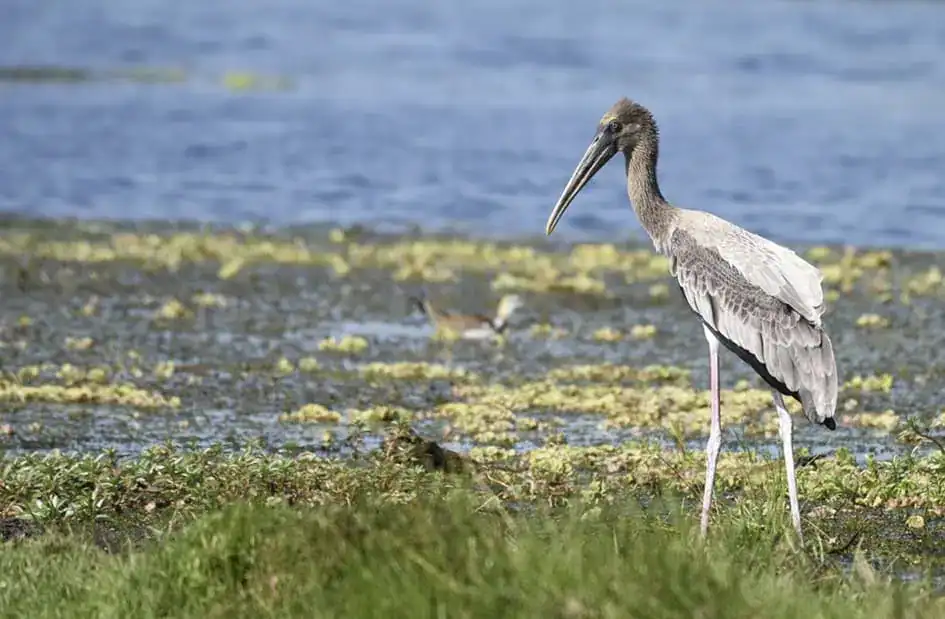
Blacked-Necked Stork (Photo: Nalaka Priyantha)
Nearby Attractions
Kumana sits close to several attractions. You can combine your visit with other stops.
Arugam Bay offers surfing and beach stays.
Lahugala Kitulana National Park provides another wildlife option.
Ancient temples and archaeological sites lie near the park. These locations add cultural value to your trip.
Simple and Easy Plans That Work
You can plan your visit with simple steps:
- Day 1: Arrive in Arugam Bay and rest.
- Day 2: Early morning safari in Kumana.
- Day 3: Explore nearby beaches or cultural sites.
This plan gives a balance between wildlife and relaxation.
Facilities Inside Kumana National Park
Facilities remain basic and limited by design. This approach protects the natural environment.
You will find:
- Basic rest areas at key points. These provide shade and space to relax.
- Designated viewing spots
- Park ranger stations
You will not find large visitor centres, restaurants, shops, or large buildings. This absence keeps the park quiet and natural.
Guides carry essential supplies. You should bring your own food and water for longer safaris.
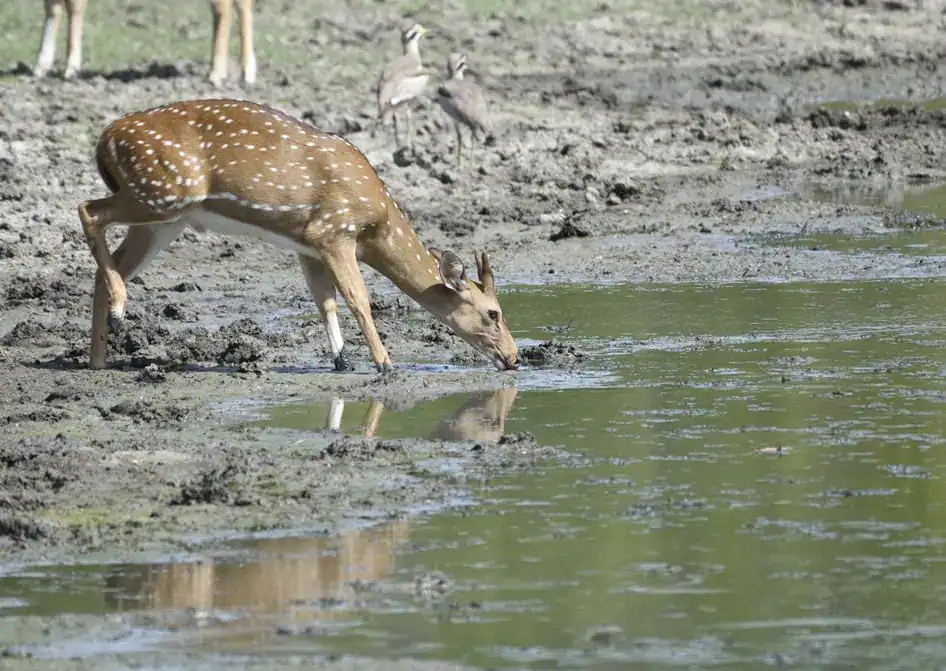
Drinking Water – A Ceylon Spotted Deer (Photo: Nalaka Priyantha)
Accommodation and Dining Near Kumana National Park
Accommodation options exist outside the park. Arugam Bay offers budget guesthouses, mid-range hotels, and eco lodges.
Dining options range from local Sri Lankan dishes like rice and curry and seafood to international dishes. Many places serve fresh seafood prepared daily.
You should confirm meal times if you plan early safaris. Some accommodations prepare packed breakfasts.
You can choose simple stays or higher-end lodges based on your budget.
Wildlife Bungalows and Nights Inside the Park
The Department of Wildlife Conservation manages a few bungalows inside protected areas. Availability remains limited. Bookings for wildlife bungalows require advance planning. You need to apply through the Department of Wildlife Conservation. Permits and fees apply.
- You can book wildlife bungalows via the official Wildlife Circuit Bungalows Reservation eService.
Staying inside a protected area changes your experience. It gives early access to wildlife. You hear natural sounds at night. You start your safari before other visitors arrive.
These stays suit travellers who want a deeper immersion in nature.
Best Places, Activities, and Experiences
Kumana National Park offers focused experiences. You do not rush from one sight to another. You spend time in key areas and pay close attention to details.
Kumana Villu stands as the most important site. This swamp lagoon attracts large flocks of birds. You see nesting colonies during peak season. Painted storks and pelicans gather in large numbers. The sound and movement create a strong scene.
Okanda Beach sits near the park boundary. The coastline feels untouched. You may see elephants moving near the shore. This location adds variety to your safari.
The Kudumbigala Monastery lies close to the park. This ancient site dates back over 2,000 years. You climb rock steps to reach the top. The view covers forest and coastline.
Popular activities include:
- Birdwatching in wetland zones.
- Full-day safari drives for deeper exploration.
- Photography sessions during early light.
- Short cultural visits to nearby temples and religious landmarks.
Each activity requires time and patience. You gain more by staying still and observing.
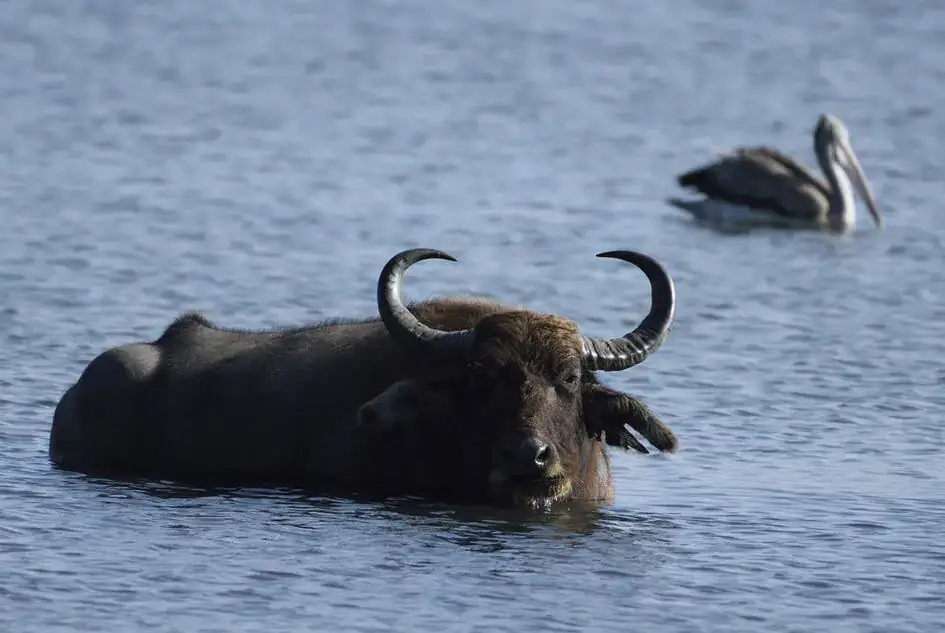
A Wild Water Buffalo and A Spot-Billed Pelican (Photo: Nalaka Priyantha)
Special Tips
You should follow simple steps to improve your visit:
- Book your safari with a licensed guide.
- Start early to avoid the heat and increase sightings.
- Choose a full-day safari if your schedule allows.
- Stay in Arugam Bay for easy access.
- Carry enough water and snacks.
Guides play a key role. A skilled guide reads animal behaviour, improving your chances of sightings.
Photography Tips
Kumana National Park suits wildlife photography. Light conditions change throughout the day. You need to plan your shots.
Use these tips:
- Shoot during early morning or late afternoon.
- Use a zoom lens for distant subjects.
- Keep your camera steady in the jeep.
- Focus on birds in flight near lagoons.
- Watch animal behaviour before taking shots.
Dust may affect your equipment. Keep your camera covered when not in use.
Do Not Miss
You should focus on key highlights during your visit:
- Kumana Villu bird colonies during nesting season.
- Elephants near water sources in dry months.
- Crocodiles resting along lagoon edges.
- Migratory birds between April and July.
These moments define the park experience. Missing them reduces the value of your trip.
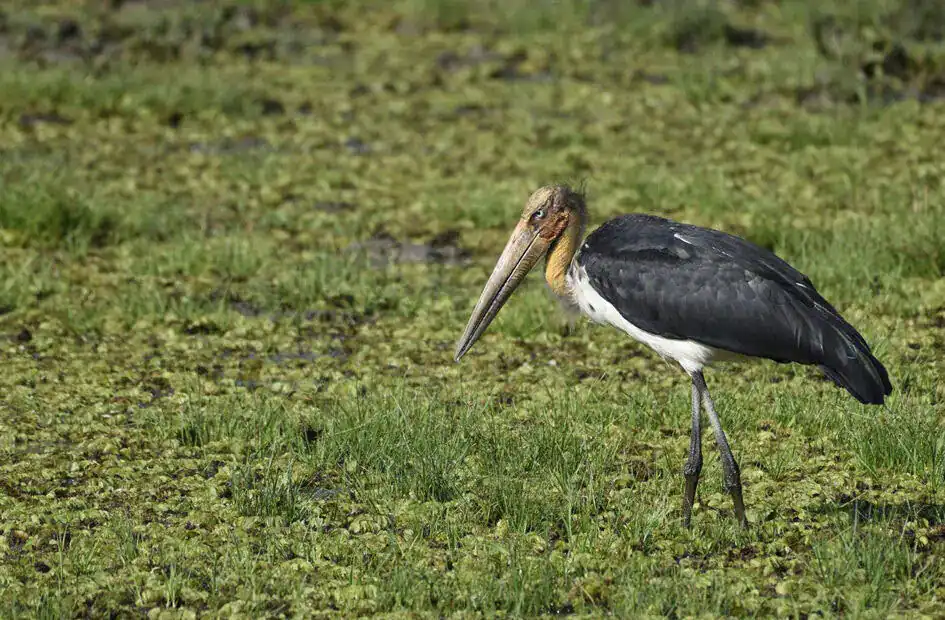
Lesser Adjutant (Photo: Nalaka Priyantha)
Dos and Don’ts
You must follow the rules inside the park. These rules protect wildlife and ensure safety.
Dos:
- Listen to your guide at all times.
- Stay inside the vehicle.
- Keep noise levels low.
- Respect animal space.
- Follow park timings.
Don’ts:
- Do not feed animals.
- Do not step out of the jeep without permission.
- Do not use flash for wildlife photography.
- Do not litter.
- Do not chase animals for closer views.
Respecting nature enhances your experience and protects the ecosystem.
Handling Animal Encounters
You may encounter wildlife. You need to stay calm and follow instructions.
If you see elephants:
- Keep a safe distance.
- Avoid sudden movement.
- Let the guide handle the situation.
If you spot a leopard:
- Stay quiet.
- Do not stand up in the vehicle.
- Allow the animal to move freely.
If you see crocodiles:
- Remain inside the jeep.
- Do not approach water edges.
Your guide understands these situations. Trust their experience.
Visitor Guide and Safety
Safety matters in Kumana National Park. The environment stays wild and unpredictable.
Follow these safety steps:
- Wear light clothing that covers your skin.
- Stay hydrated at all times.
- Use sunscreen to avoid heat exposure.
- Carry a basic first aid kit.
- Inform your accommodation about your travel plan.
Mobile network coverage stays limited inside the park. You should prepare for offline conditions.
Park authorities enforce rules. Rangers monitor visitor movement. These steps help maintain order and safety.
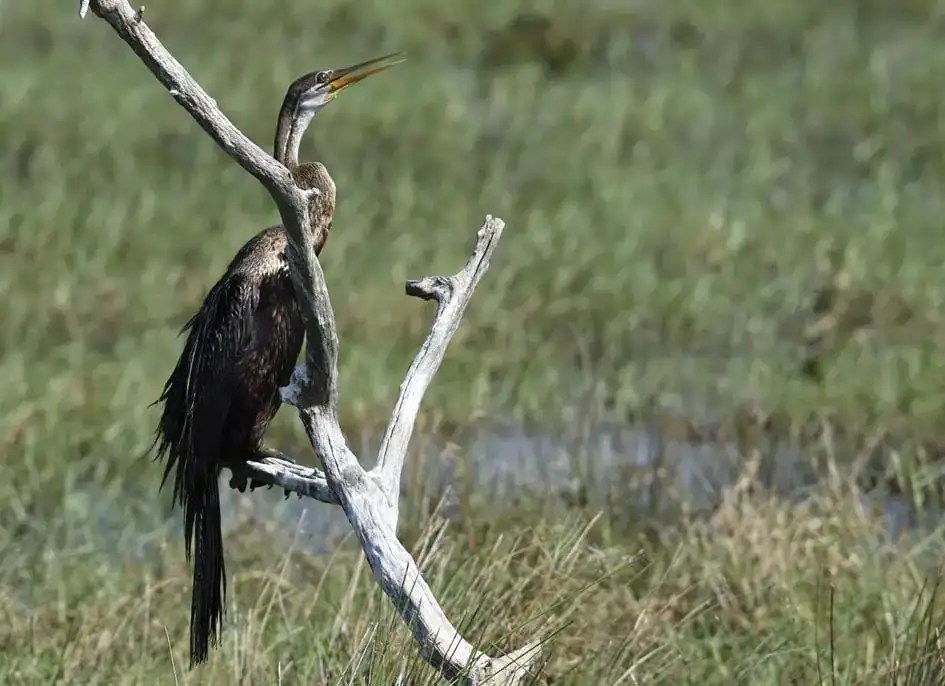
Indian Darter (Photo: Nalaka Priyantha)
Eco Travel, Responsible Tourism, and Sustainability
Kumana National Park depends on responsible travel. Your actions affect the ecosystem.
You should follow eco travel practices:
- Carry reusable water bottles.
- Avoid plastic waste.
- Support local guides and businesses.
- Respect wildlife and habitats.
- Stay on designated paths.
The Sri Lanka Tourism Development Authority promotes sustainable tourism. The Department of Wildlife Conservation manages park protection.
These organisations work to balance tourism and conservation. Visitor cooperation supports these efforts.
Local communities also benefit from tourism. Staying in local accommodations and hiring local guides supports the economy.
How to Move Around After Your Visit
After your safari, you can continue your journey through Sri Lanka.
You may travel to:
- Ella for mountain views.
- Mirissa for whale watching.
- Colombo for urban exploration.
Transport options include private cars, buses, and trains. Travel times vary based on distance.
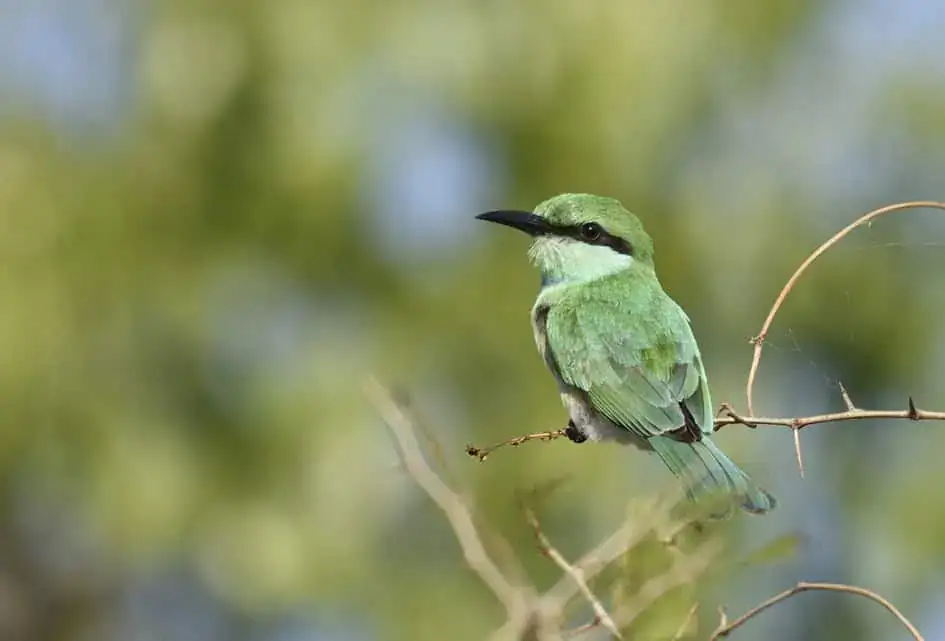
Little Green Bee-Eater (Photo: Nalaka Priyantha)
Simple Itineraries That Fit Different Travel Styles
Short stay plan:
- Day 1: Arrive in Arugam Bay
- Day 2: Morning safari in Kumana National Park
- Day 3: Relax at the beach
Extended plan:
- Day 1: Travel to Arugam Bay
- Day 2: Half-day safari
- Day 3: Full-day safari
- Day 4: Visit Kudumbigala Monastery and nearby sites
These plans suit different schedules. You can adjust based on your interests.
Read about finding the best Sri Lanka travel itineraries for your travel season.
Why Kumana National Park Stands Apart
Kumana National Park offers a different safari style. You do not deal with crowds. You do not rush through sightings.
You focus on detail. You observe bird behaviour. You watch animals in natural settings without pressure.
The park supports a strong ecosystem. Wetlands, forests, and lagoons work together. This diversity creates stable wildlife populations.
Data from tourism reports show growing interest in low-density parks. Travellers seek quiet and authentic experiences. Kumana fits this trend.
If you are new to Sri Lanka, read Sri Lanka Travel Guide: The Complete Planning Guide for First-Time Visitors.
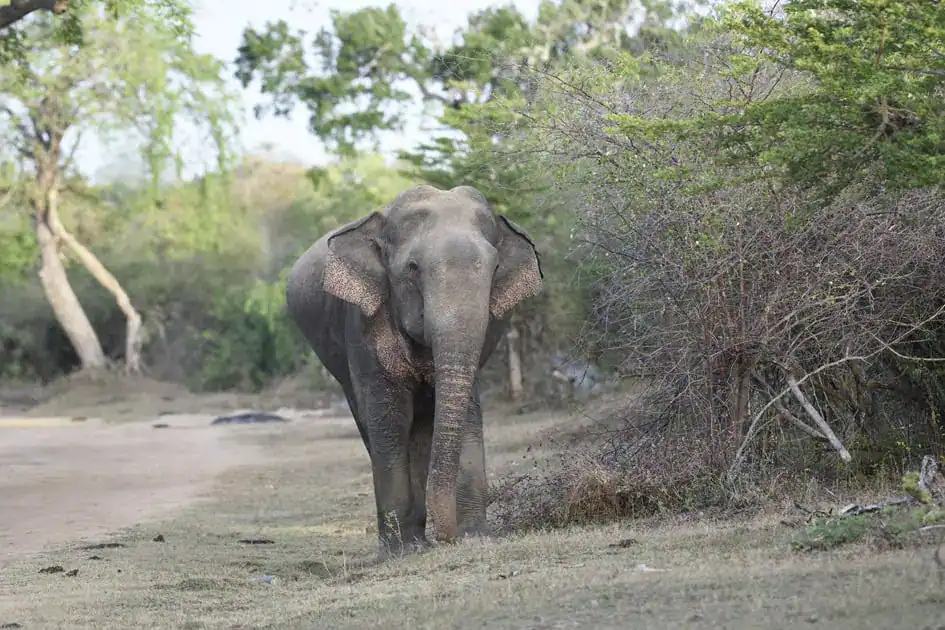
A Wild Elephant – Kumana National Park (Photo: Nalaka Priyantha)
Final Thoughts
Kumana National Park gives you a direct connection to Sri Lanka’s wild side. You step into a space where nature leads, and you follow. You see birds in large numbers, elephants near water, and landscapes shaped by seasons.
This park suits travellers who value patience and observation. You gain more when you slow down and watch. Each visit feels personal and grounded.
Kumana National Park offers a quiet safari with depth, space, and time to observe wildlife without pressure.
Sources and References:
- Sri Lanka Tourism Development Authority, Official tourism data, destination insights, and national travel guidelines.
- Sri Lanka Tourism, Official destination marketing content, travel information, and visitor resources.
- Department of Wildlife Conservation, Sri Lanka, Park regulations, permits, conservation policies, and wildlife management information.
- IUCN, Global conservation status, biodiversity frameworks, and ecosystem insights.
- BirdLife International.
- Lonely Planet, Travel insights, visitor experiences, and destination overviews.
- Rough Guides, Practical travel advice and regional context for Sri Lanka.
- Tripadvisor, User reviews and traveller experience trends related to Kumana National Park.
- World Tourism Organization, Tourism trends, including demand for low-density and sustainable travel.
Featured image: Spot-Billed Pelicans (Photo: Nalaka Priyantha)

I am a Sri Lankan medical doctor who spends my free time travelling, exploring new destinations, and documenting the beauty of the island I call home. I have journeyed across almost every corner of Sri Lanka with my wife and daughter — from wildlife parks and misty mountains to ancient cities, deep forests, rugged landscapes, and quiet beaches.
Travel is not just a hobby for me — it’s a way of life. I love nature, enjoy road trips, and find joy in wildlife photography. I also read widely about tourism, travel trends, and destination culture. Through my writing, I aim to help travellers experience Sri Lanka through real stories, meaningful insights, and honest recommendations — the same way I explore it with my own family.