
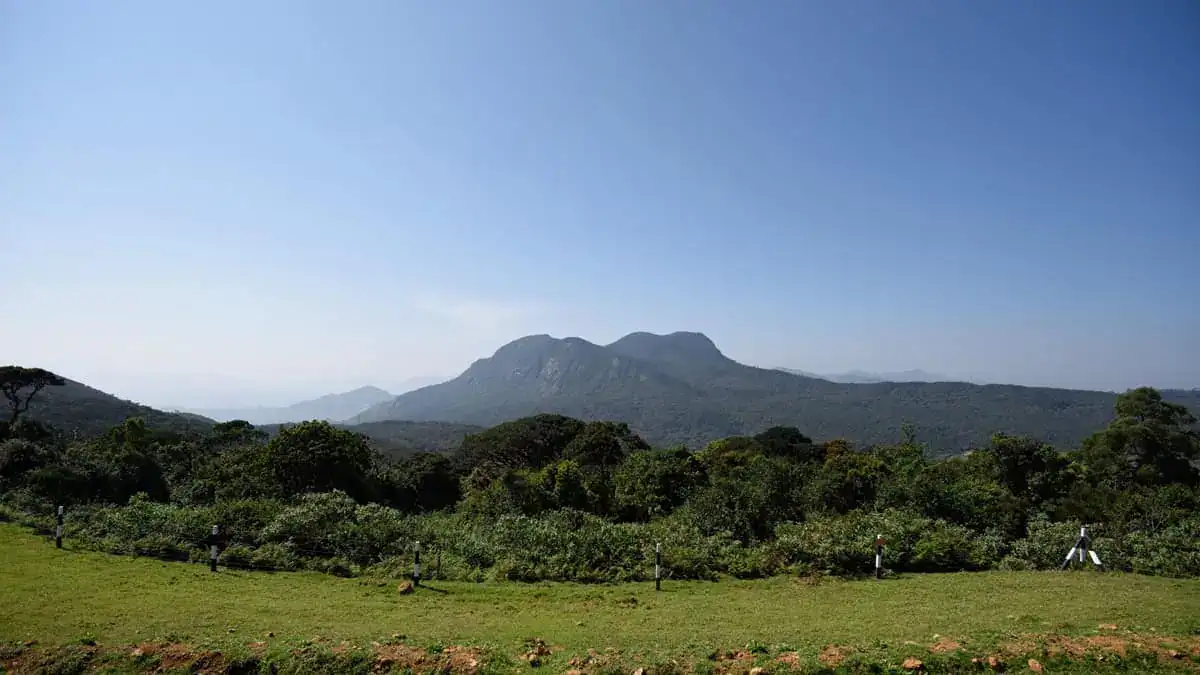

Sri Lanka attracts travellers who want variety without long travel days. You move from ancient ruins to tea hills, then to wildlife plains and popular beaches in a short time. Few countries offer this range in such a compact space. Landscapes in Sri Lanka shape the entire travel experience. They guide where you go, what you do, and how you feel during your trip.
The Sri Lanka Tourism Development Authority reported more than two million international arrivals in 2024. This steady growth shows a clear pattern. Visitors come for wildlife & nature, culture, and variety. Most travel routes combine several types of scenery rather than focusing on a single region.
If you are planning a trip, you will notice this quickly. You do not stay in one type of environment for long. Every few days brings a new setting. It keeps your trip engaging from start to finish.
This guide explains the most popular landscapes in Sri Lanka. It also introduces emerging regions that deserve attention. If you want to build a strong itinerary or create travel content, this breakdown helps you focus on what matters most.
If you are new to Sri Lanka, we recommend reading “The Complete Travel Guide for First-Time Visitors” and “Find the Best Sri Lanka Itinerary for Your Travel Season“.
Why Landscapes in Sri Lanka Attract Foreign Travellers
Sri Lanka stands out because of its density. You find multiple ecosystems within a few hours of travel. You do not need long domestic flights or overnight journeys.
You experience:
- Ancient cities surrounded by forests.
- Mountains covered in tea plantations.
- National parks with wild elephants and leopards.
- Beaches with calm water or surf breaks.
- Rainforests with dense biodiversity.
- Lagoons, wetlands, and river systems.
Most travellers build routes that combine four to five of these environments. Travel reviews often highlight how quickly the scenery changes. This variety reduces fatigue and keeps interest high.
For you, this means every few days feels different. You move from cultural sites to nature, then to relaxation. This balance creates a more complete travel experience.
Another factor is accessibility. Roads connect most major regions. Travel times remain manageable. You can plan a route without complex logistics.
Sigiriya and the Cultural Triangle: The Core of Sri Lanka’s Identity
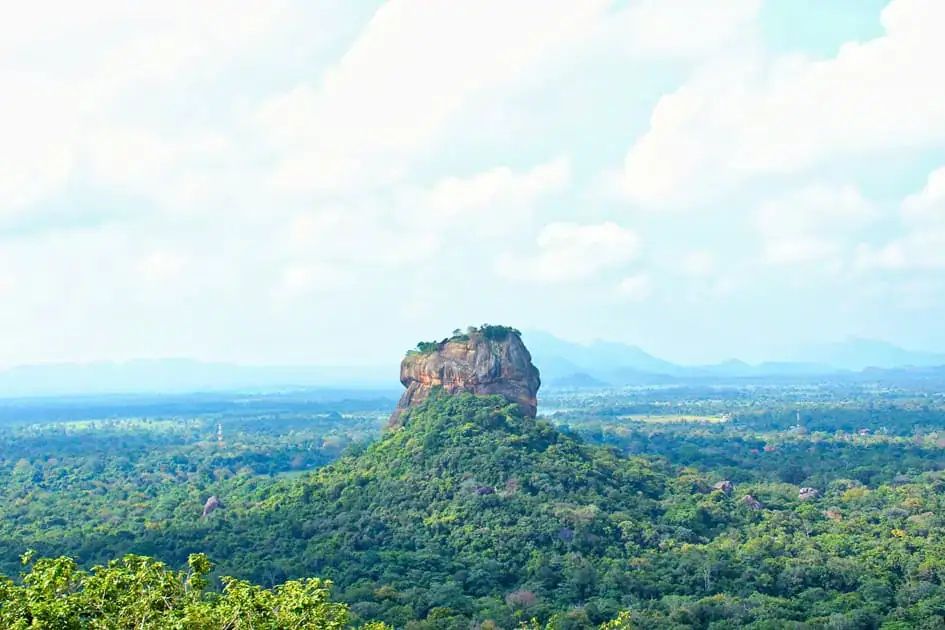
View of Sigiriya Rock from Pidurangala (Photo: Chanaka Madushan Sugathadasa, via Pexels)
If you ask first-time visitors about Sri Lanka, many mention Sigiriya. This rock fortress stands as one of the most recognised landmarks in Asia.
The Cultural Triangle includes:
These locations combine history with strong visual appeal. Sigiriya rises above the surrounding forest. The climb leads you past ancient frescoes and narrow stairways. At the top of Sigiriya, you see wide views across the plains.
Dambulla offers a different experience. You enter caves filled with statues and murals. The interior feels calm and enclosed. Outside, the landscape opens again. Dambulla Cave Temple is situated in proximity to Sigiriya.
Polonnaruwa and Anuradhapura spread across large areas. You travel between ruins by bicycle or vehicle. Trees, lakes, and open land surround these sites.
This region works well as a starting point. It gives you context. You begin to understand how past civilisations shaped the island.
You should consider this area if you:
- Visit Sri Lanka for the first time.
- Enjoy history and architecture.
- Want strong visual locations for photography.
- Prefer structured sightseeing.
Most itineraries spend two to three days here. It allows you to explore without rushing.
Southern and Western Beaches: Relaxation and Coastal Life
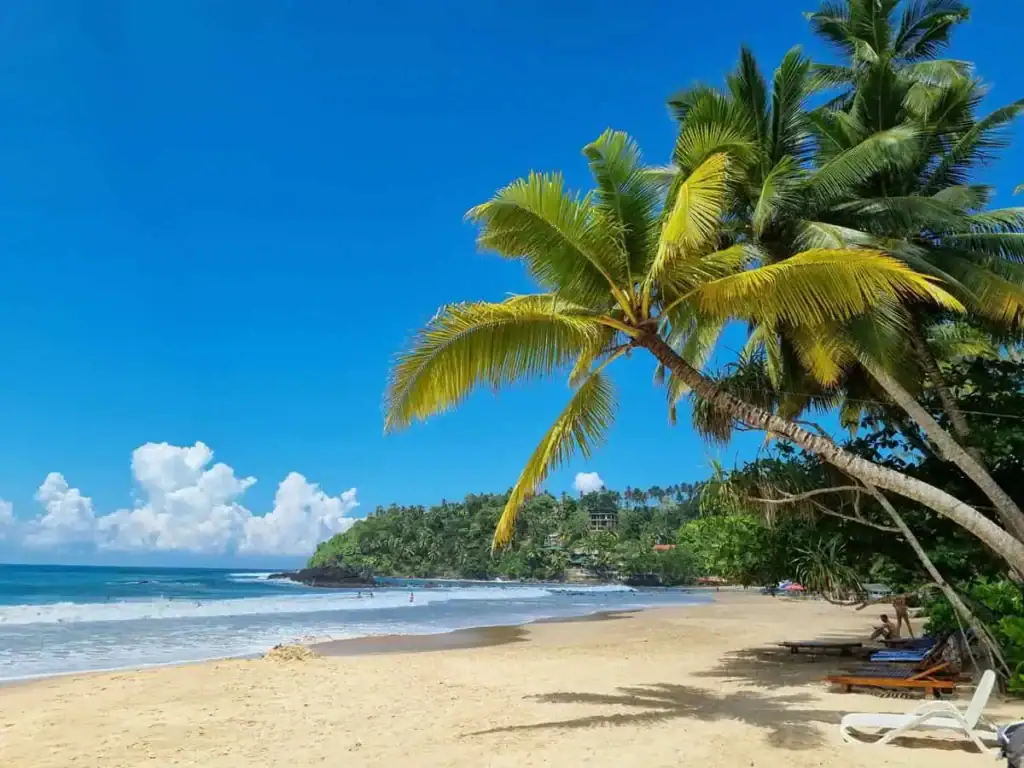
Sunny Day – Mirissa Beach (Photo: Tatiana Kachanovetskaia, via Unsplash)
After exploring inland regions, many travellers move to the coast. Southern and Western beaches offer relaxation and water-based activities.
Popular areas include:
These beaches attract visitors from Europe during the winter months. Warm temperatures and stable weather create good conditions for beach travel.
Mirissa stands out for whale watching. Boats leave early in the morning. Sightings include blue whales and dolphins.
Hikkaduwa attracts snorkellers and surfers. Coral reefs sit close to shore. It makes access easy for beginners.
Bentota offers a quieter setting. Resorts and river experiences create a more relaxed atmosphere.
Beach days follow a simple rhythm. You spend time in the water, eat local Sri Lankan food, and watch the sunset. This slower pace balances the more active travel on the inland route.
If you plan your route, place the beach section towards the end. It helps you recover from travel and enjoy a calm finish.
Hill Country and Tea Landscapes: Cool Air and Scenic Travel
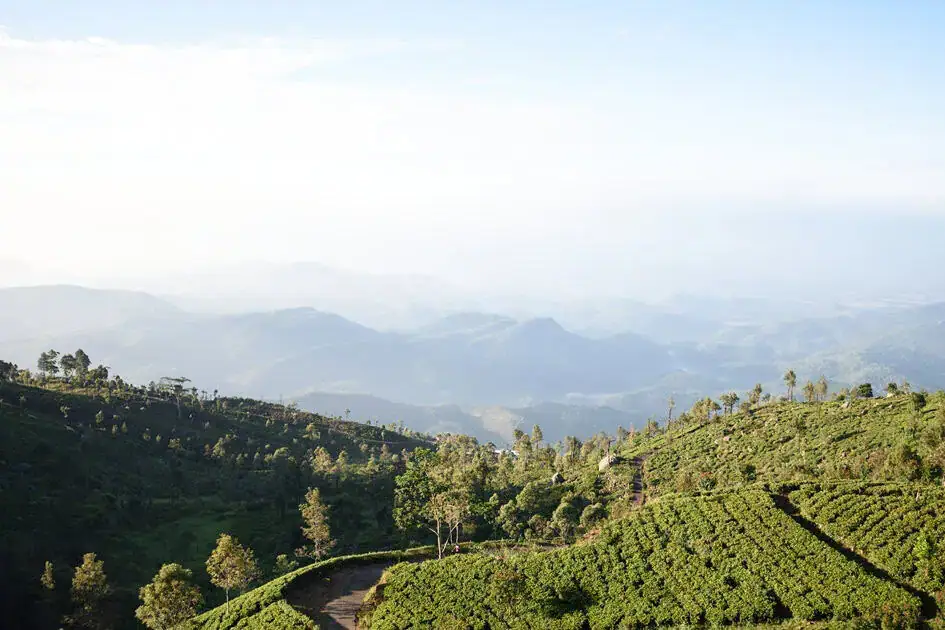
Tea Plantations and View of the Valley – Haputale (Photo: Nalaka Priyantha)
The hill country offers a shift in climate and scenery. Temperatures drop. Green hills replace dry plains. Tea plantations cover large areas.
Key regions include:
- Ella
- Nuwara Eliya
- Haputale
- Kandy surroundings
The train journey through the hill country ranks among the top experiences. You travel through forests, tea fields, and small towns. Many travellers sit by open doors to enjoy the view.
Ella draws large crowds, while Haputale offers a quieter experience in the same region. It offers easy access to viewpoints and short hikes. You can walk to Little Adam’s Peak or visit Nine Arch Bridge. Cafés and guesthouses overlook the valley.
Haputale offers a quieter alternative to Ella. The town sits on a ridge, offering wide views across valleys and tea plantations. You can visit Lipton’s Seat, where tea planter Sir Thomas Lipton once looked over his estates. Early morning views often include mist moving across the hills. Haputale attracts fewer visitors, which makes the experience calmer and more personal.
Nuwara Eliya presents a different setting. Colonial buildings and cooler weather define the town. Tea estates surround the area. You can visit factories to learn about tea heritage and production.
Kandy acts as a gateway to the hill country. It connects cultural travel with mountain scenery.
You feel a slower pace in this region. Activities focus on walking, sightseeing, and relaxing. The environment encourages longer stays.
This area suits:
- Couples.
- Solo travellers.
- Nature lovers.
- Travellers who prefer cooler weather.
- Those who want both popular spots like Ella and quieter places like Haputale.
Wildlife Landscapes: Safari and Nature Encounters

Playing Leopards – Yala National Park (Photo: Nalaka Priyantha)
Sri Lanka offers strong wildlife experiences. National parks provide access to animals in natural settings.
Key parks include:
Yala is known for leopard sightings. It has one of the highest leopard densities in the world. It attracts many visitors.
Udawalawe focuses on elephants. You often see large herds near water sources. The open terrain improves visibility.
Wildlife safari drives take place early in the morning or late in the afternoon. You travel in a jeep with a guide. The guide helps you spot animals and explains their behaviour.
You may see:
- Elephants
- Leopards
- Crocodiles
- Birds
- Deer
These encounters feel direct. You observe animals without barriers. It creates strong memories.
Wildlife landscapes add depth to your trip. They break the pattern of sightseeing and introduce active exploration.
Galle and the Southern Coastal Heritage
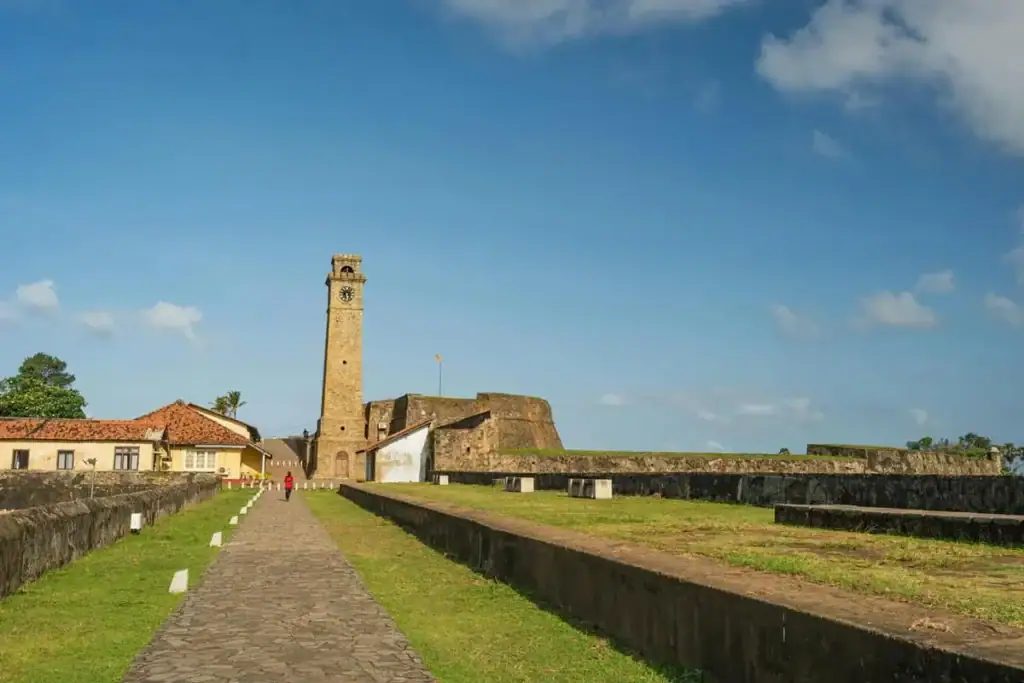
The Clock Tower – Galle Fort (Photo: Thilina Alagiyawanna, via Pexels)
Galle combines history with coastal scenery. The Galle Fort stands as a preserved colonial structure on the Southern Coast.
Inside the fort, you find:
- Narrow streets
- Historic buildings
- Cafés and small shops
- Ocean views along the walls
You can walk around the entire fort. The route takes you past lighthouses, churches, and old houses. The sea remains visible throughout.
This area feels structured and calm. It contrasts with open beaches and busy towns.
Galle works well for:
- Short cultural visits
- Photography
- Dining and shopping
- Relaxed walking
You can combine Galle with nearby beach destinations. It creates a mix of culture and leisure.
Sacred Landscapes: Kandy and Adam’s Peak
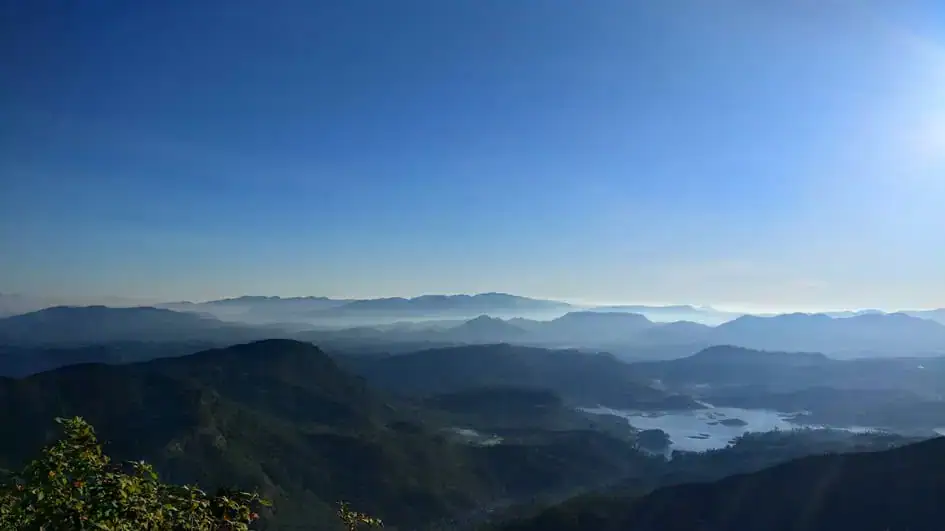
The Summit View – Adam’s Peak (Photo: MichaelJames2468, CC BY-SA 4.0)
Some landscapes in Sri Lanka carry spiritual meaning. Kandy and Adam’s Peak represent this category.
Kandy is home to the Temple of the Tooth Relic. The temple sits near a lake and hills. Visitors attend ceremonies and explore the surrounding area.
The town itself connects cultural travel with nature. Hills surround the lake. It creates a balanced environment.
Adam’s Peak offers a physical and spiritual journey. Travellers begin the climb at night. The path includes thousands of steps.
You reach the summit at sunrise. At the top, you see:
- Sunrise over the mountains
- A distinct mountain shadow
- Pilgrims and hikers gathered together
The climb requires effort. The reward feels personal. Many travellers consider this a highlight of their trip.
Rainforest Landscapes: Sinharaja and Biodiversity
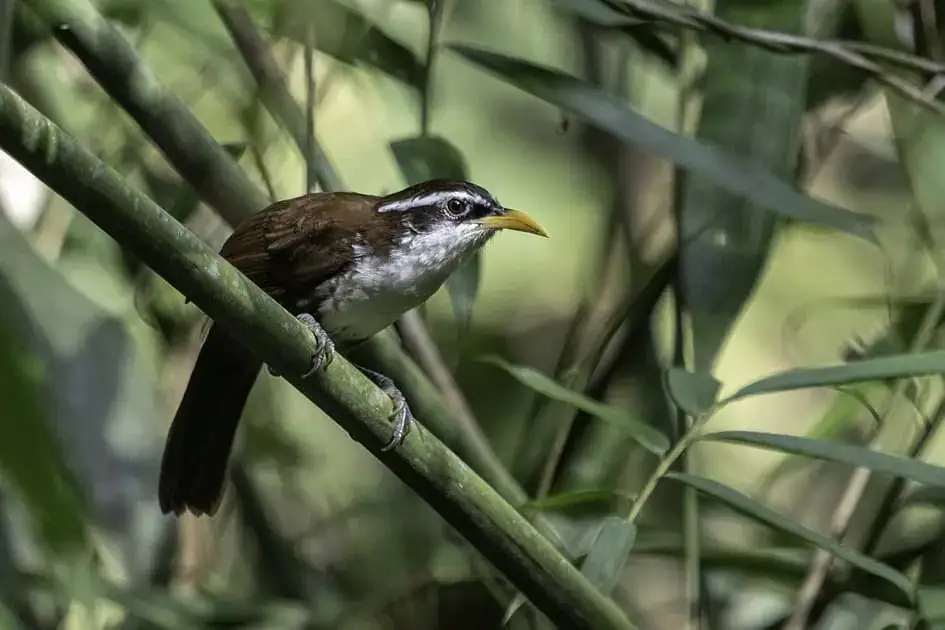
Sri Lanka Scimitar Babler (Endemic bird) – Sinharaja Rainforest (Photo: Punitha Satharasinnghe, CC BY-SA 4.0)
Sinharaja Forest Reserve offers a dense rainforest environment. It holds UNESCO recognition and protects many endemic species.
You walk through:
- Thick vegetation
- Streams and small waterfalls
- Bird habitats
Guides help you identify plants and animals. The forest feels active with sound. You hear birds, insects, and flowing water.
This region suits:
- Nature enthusiasts
- Bird watchers
- Travellers interested in ecology
Sinharaja differs from other parts of Sri Lanka. It feels enclosed. You do not see wide open views. You focus on details.
This change adds variety to your trip.
The Shift in Travel Trends: Moving Beyond the Usual Routes
Travel patterns in Sri Lanka are changing. More visitors now look for quieter locations. They want fewer crowds and more personal experiences.
The official tourism platform promotes regions outside the traditional route. The East Coast receives more attention due to better weather conditions during certain months and lower visitor density.
This shift creates new opportunities. Travellers gain access to less-explored areas. Local communities benefit from increased tourism.
If you plan your trip today, you have more options than before. You can follow the classic route or explore new regions.
Understanding both helps you design a better experience.
We recommend reading “Hidden Gems in Sri Lanka: Offbeat Spots and Untold Stories.”
Emerging Landscapes in Sri Lanka: Where Travel Is Heading Next
Sri Lanka’s classic travel route still works. Sigiriya, Ella, Yala, and the Southern Coast attract large numbers of visitors each year. These places offer strong experiences and remain important.
At the same time, travel patterns are changing. More travellers want space, quieter settings, and a deeper connection with local life. This shift creates demand for new regions. Landscapes in Sri Lanka now extend beyond the familiar route.
You can plan your trip to avoid crowded areas while still enjoying high-quality experiences. You can also explore regions that are gaining attention and will likely grow in the coming years.
East Coast Beaches: Cleaner Shores and Fewer Crowds
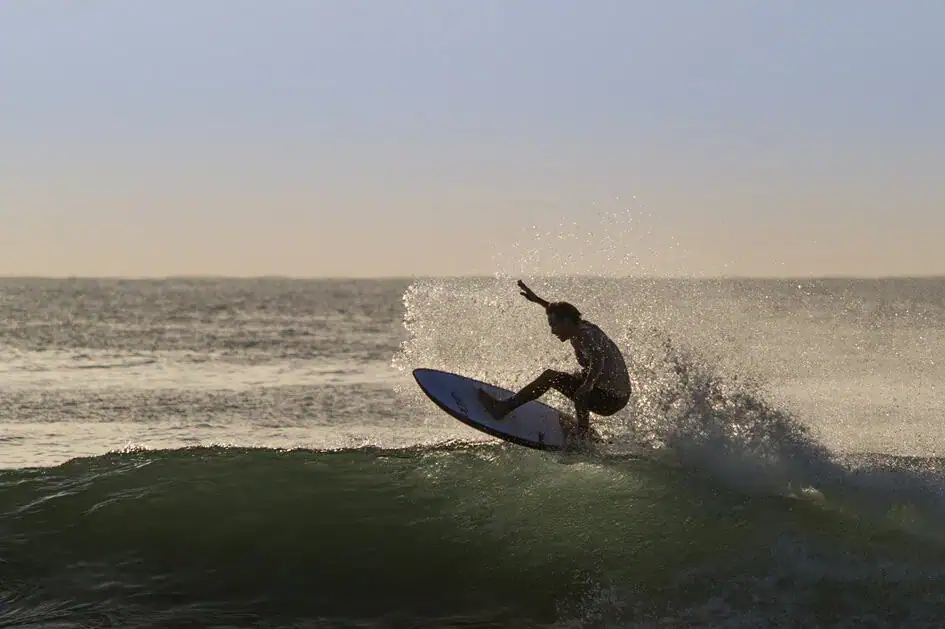
Surfing in Arugam Bay (Photo: Sylvester S., CC BY 2.0)
The East Coast has become one of the most important emerging regions. While the South Coast dominates during the winter season, the East Coast performs better during mid-year months.
Key destinations include:
- Arugam Bay
- Pasikudah
- Trincomalee
- Nilaveli
These areas offer wide beaches, clear water, and a more relaxed atmosphere. You will notice fewer crowds compared to the South.
Arugam Bay attracts surfers from around the world. It has consistent waves and a simple beach town feel. Many travellers stay for longer periods here.
Pasikudah stands out for shallow water. You can walk far into the sea without strong currents. This suits families and those who prefer calm conditions.
Trincomalee and Nilaveli offer a mix of culture and nature. You find temples, beaches, and boat trips to nearby islands.
The official tourism platform highlights the East Coast for its sunshine and calmer sea conditions during certain months. It supports a more balanced travel calendar across the island.
If you want a quieter beach experience, the East Coast provides a strong option.
Kalpitiya: Lagoons, Marine Life, and Coastal Variety

Kitesurfing – Kalpitiya Beach (Photo: Namal Siriwardana, via Pexels)
Kalpitiya sits on the Northwest Coast. It remains less developed than other beach regions. It gives it a different character.
You will find:
- Lagoons and mangroves
- Dunes
- Dolphin and whale activity
- Open beaches suitable for kitesurfing
Kalpitiya attracts travellers who want nature with fewer crowds. It also suits those interested in water sports.
The lagoon system supports boat trips and bird watching. The coastline remains wide and open.
You will not find the same level of infrastructure as in Bentota or Mirissa. It keeps the area quieter. It also means you should plan your stay in advance.
Kalpitiya fits well into itineraries that include the Cultural Triangle. Travel distance between these regions is manageable.
If you prefer less commercial destinations, Kalpitiya stands out.
The Pekoe Trail: Hiking Through Tea Country
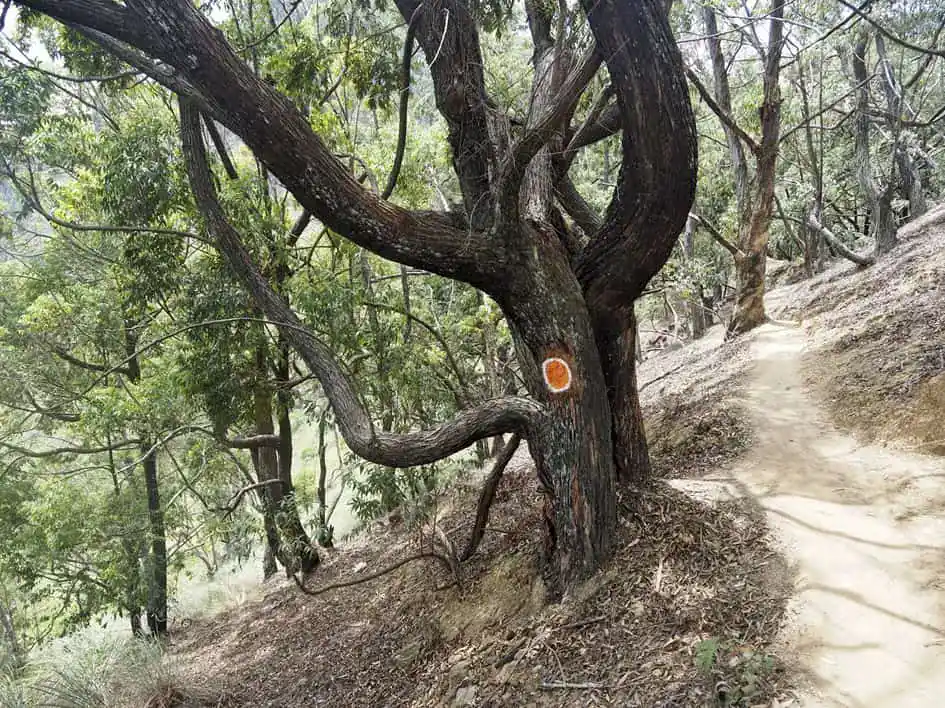
The Pekoe Trail in Ella (Photo: Bex Walton, CC BY 2.0)
Sri Lanka has begun promoting long-distance walking along the Pekoe Trail. This route connects tea estates and rural areas across the hill country.
The trail covers many stages. Each section offers:
- Tea plantations
- Small villages
- Mountain views
- Forest paths
You do not need to complete the entire trail. Many travellers select one or two stages.
This approach suits:
- Active travellers.
- Those who enjoy walking holidays.
- Travellers who want to slow down and spend more time outdoors.
The Pekoe Trail changes how people experience the hill country. Instead of short visits and viewpoints, you move through the environment step by step.
It creates a deeper connection with the region.
We recommend reading Hiking and Trekking in Sri Lanka: The Complete Guide to Hiking and Trekking Routes.
Northern Sri Lanka: Culture and Untouched Coastal Areas
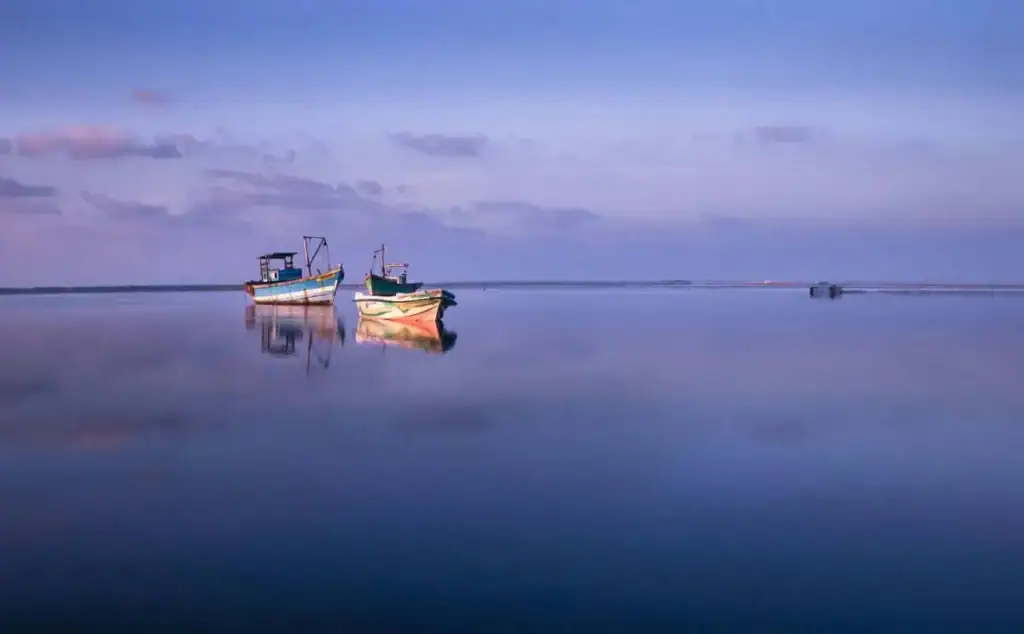
Calm water – Jaffna (Photo: Amith Anuradha, via Pexels)
Northern Sri Lanka offers a different perspective. The region has a strong Tamil identity. It feels distinct from the South and central areas.
Key places include:
- Jaffna
- Delft Island
- Nainativu
Jaffna provides a mix of culture, history, and food. You can explore temples, local markets, and coastal areas.
Delft Island stands out for its open land and wild horses. It feels remote and quiet.
Nainativu attracts visitors for religious reasons. Boat trips take you to the island.
The North has fewer tourists. It creates a more local experience. You interact more with residents and see daily life.
Infrastructure continues to improve. Access is easier than before.
If you want a different side of Sri Lanka, the North offers strong potential.
Rural and Village Landscapes: Everyday Life and Local Experiences

Lakegala from Meemure Village (Photo: Nalaka Priyantha)
Many travellers now seek experiences beyond major attractions. Rural landscapes provide this.
You will find:
- Rice fields
- Small villages
- Farming communities
- Local cooking traditions
You can join activities such as:
- Village tours
- Cooking sessions
- Farming experiences
These experiences give you insight into daily life. You see how people live and work.
Rural landscapes do not rely on large landmarks. They focus on connection and simplicity.
This type of travel supports local communities. It also adds meaning to your trip.
Wetlands, Lagoons, and River Systems: A Different Type of Nature
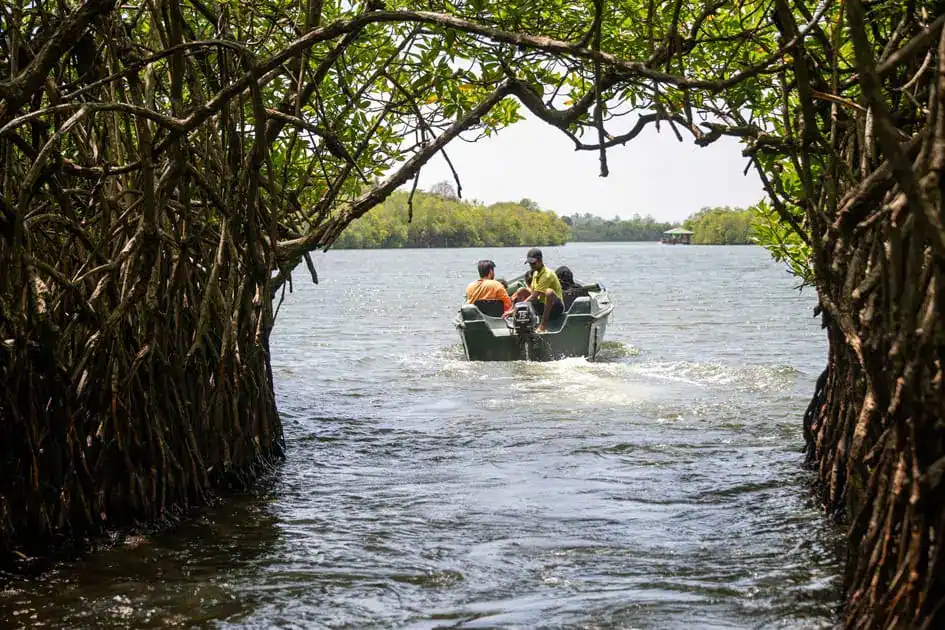
Through the Mangroves – Madu Ganga (Photo: Rod Waddington, CC BY-SA 2.0)
Sri Lanka offers more than mountains and beaches. Wetlands and lagoons create another layer.
Key areas include:
- Madu Ganga
- Mannar
- Negombo Lagoon
These regions support bird life and aquatic ecosystems. Boat rides take you through mangroves and waterways.
You may see:
- Birds
- Fish
- Small islands within lagoons
These areas feel calm. Movement is slower. You focus on observation rather than activity.
Wetland landscapes suit:
- Bird watchers
- Photographers
- Travellers who enjoy quiet environments
This category remains underdeveloped. It offers strong potential for future growth.
Wellness and Nature Retreats: Quiet Spaces in Natural Settings
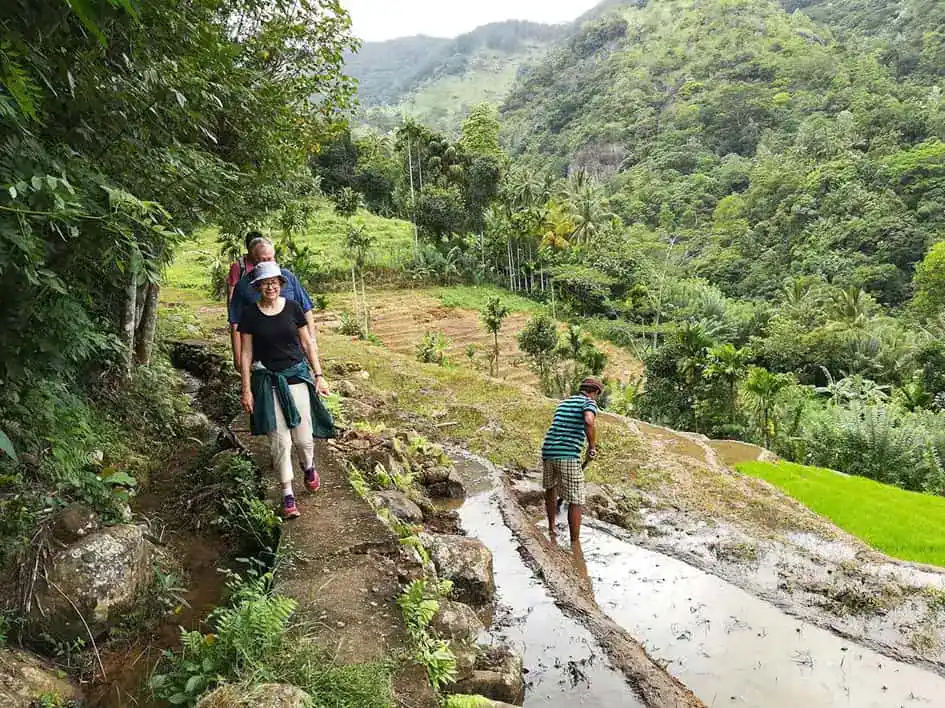
Nature Walk – Knuckles Mountain Region (Photo: guided-traveller, CC BY 2.0)
Wellness travel continues to grow worldwide. Sri Lanka has the natural settings to support this.
You find retreats in:
- Forest areas
- Hill country
- Near rivers or lakes
These places offer:
- Yoga sessions
- Spa treatments
- Nature walks
- Healthy food
Travellers choose these locations to rest and recover. The environment plays a key role.
Natural surroundings help create a calm atmosphere. It increases demand for such experiences.
As tourism grows, more properties will focus on wellness.
Knuckles Mountain Range: A Key Future Destination
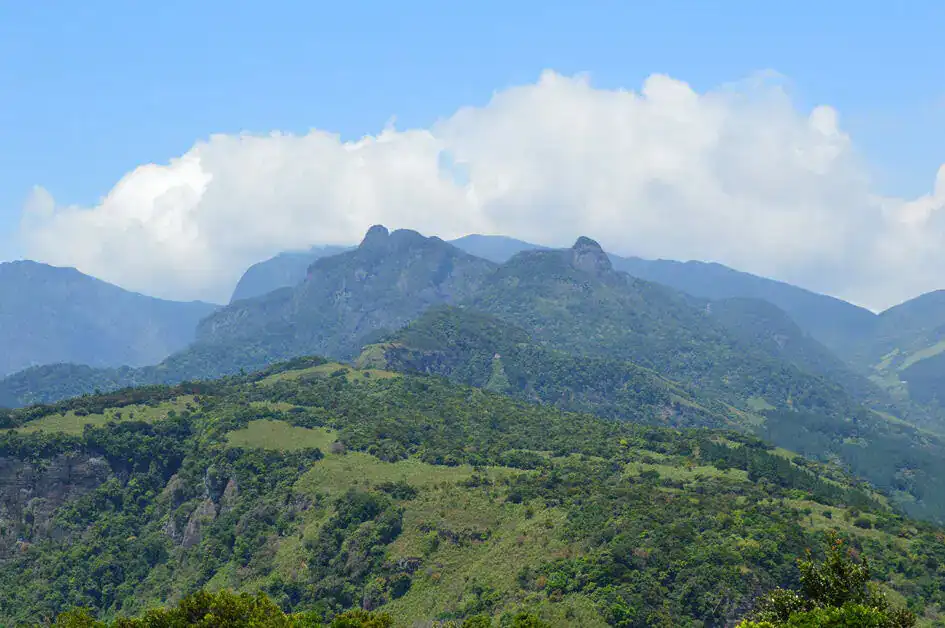
The View of Knuckles Mountain Range from Manigala (Photo: Nalaka Priyantha)
The Knuckles Mountain Range holds strong potential. It is part of Sri Lanka’s Central Highlands, which is recognised by UNESCO.
This region offers:
- Mountain peaks
- Cloud forests
- Rivers and waterfalls
- Remote villages
You can hike through different terrains. Trails vary in difficulty. Some require guides.
The environment feels less developed than Ella. You see fewer buildings and fewer visitors.
It creates a more natural experience.
Knuckles suits:
- Hikers
- Nature lovers
- Travellers who prefer quiet environments
It also supports eco-tourism. Low-impact travel works well here.
The region has not reached mass tourism levels. It makes it attractive for future promotion.
Riverston: Easy Access to Highland Scenery

Pitawala Pathana – Mini World’s End (Photo: Nalaka Priyantha)
Riverston sits on the edge of the Knuckles region. It offers a more accessible way to experience mountain scenery.
You will find:
- Scenic roads
- Viewpoints
- Grasslands such as Pitawala Pathana
- Cooler temperatures
The drive to Riverston becomes part of the experience. You pass through changing landscapes.
At viewpoints, you see clouds moving across valleys. Visibility changes quickly, which adds interest.
Riverston attracts both local and foreign travellers. It remains less crowded than Ella.
You can visit as a day trip from Kandy or Matale. You can also stay nearby for a quieter experience.
Riverston is a good introduction to the Knuckles region.
How to Plan Your Route Across Landscapes in Sri Lanka
You should plan your trip based on your interests. Sri Lanka allows flexible routes.
For first-time visitors, a classic route works well:
- Cultural Triangle
- Kandy
- Ella
- Safari park
- South Coast
It covers major highlights.
If you want fewer crowds, consider:
- Knuckles or Riverston instead of Ella
- East Coast instead of South Coast
- Kalpitiya, instead of the more developed beach areas
If you enjoy nature and walking:
- Add sections of the Pekoe Trail
- Visit Sinharaja
- Explore wetlands
If you prefer culture and local life:
- Include Jaffna
- Add village experiences
Mixing different landscapes creates a balanced trip.
Key Insights About Landscapes in Sri Lanka
You should keep these points in mind while planning:
Sri Lanka offers high diversity in a small area. You can experience multiple environments without long travel times.
Popular locations remain important. They provide strong first impressions and reliable experiences.
Emerging regions offer quieter alternatives. These areas will likely grow in the coming years.
Travel trends show a shift towards:
- Slower travel
- Nature-based experiences
- Less crowded destinations
You benefit from this shift. You have more choices and better control over your experience.
Final Thoughts: Why Landscapes in Sri Lanka Define the Travel Experience
Landscapes in Sri Lanka shape every part of your journey. They influence where you go, how you travel, and what you remember.
You move from ancient cities to tea hills, from wildlife parks to beaches, from forests to open plains. Each setting adds a new layer.
The country’s strength lies in this variety. You do not repeat the same experience. Each region offers something different.
If you plan your trip well, you can combine:
- Culture
- Nature
- Adventure
- Relaxation
You also have the option to explore beyond the main route. Regions such as Knuckles, Riverston, the East Coast, and the North offer new perspectives.
As tourism grows, these emerging areas will play a larger role.
Your next step is simple. Decide which landscape type suits your travel style. Build your route around it. Then add one or two contrasting regions.
This approach helps you experience Sri Lanka more deeply.
Sources and References:
- Sri Lanka Tourism Development Authority, tourist arrival statistics, tourism trends, and official reports.
- Sri Lanka Tourism, destination descriptions, regional promotion (east coast, cultural sites, beaches).
- UNESCO – Central Highlands of Sri Lanka, Knuckles Mountain Range, biodiversity, heritage recognition.
- The Pekoe Trail, Sri Lanka, hiking tourism, tea country travel, slow travel trends.
- TripAdvisor, traveller reviews, popularity of destinations, and activity rankings.
- Booking.com, traveller demand patterns, and regional accommodation trends.
- World Tourism Organization, global tourism trends (eco tourism, slow travel, wellness travel).
- Mastercard Economics Institute, travel demand trends, and regional tourism shifts.
- Lonely Planet, destination overviews, itinerary patterns.
- Rough Guides, regional descriptions, travel recommendations.
Featured image: The View from Moon Plains – Nuwara Eliya (Photo: Nalaka Priyantha)

I am a Sri Lankan medical doctor who spends my free time travelling, exploring new destinations, and documenting the beauty of the island I call home. I have journeyed across almost every corner of Sri Lanka with my wife and daughter — from wildlife parks and misty mountains to ancient cities, deep forests, rugged landscapes, and quiet beaches.
Travel is not just a hobby for me — it’s a way of life. I love nature, enjoy road trips, and find joy in wildlife photography. I also read widely about tourism, travel trends, and destination culture. Through my writing, I aim to help travellers experience Sri Lanka through real stories, meaningful insights, and honest recommendations — the same way I explore it with my own family.