
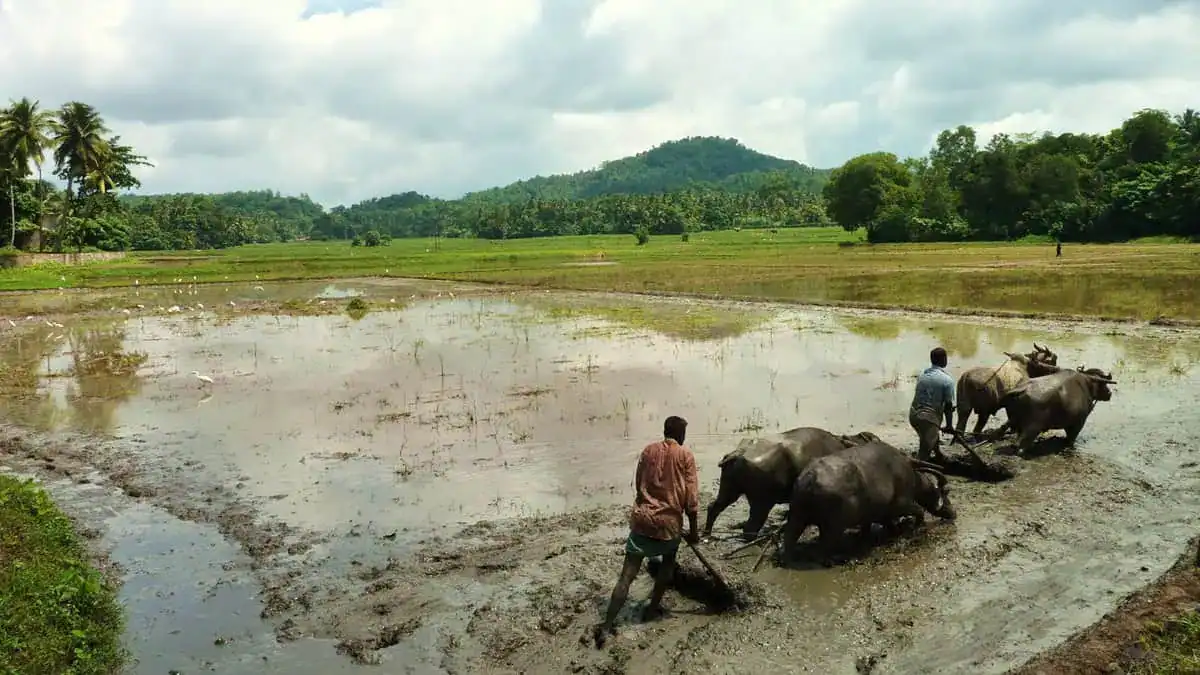

Sri Lankan village life gives travellers a side of the island many people never see. Most visitors arrive for popular beaches, wildlife parks, surf towns, and ancient cities. They often leave without stepping into the small farming communities that shape daily life across the country. Those villages hold Sri Lanka’s rhythm. Farmers walk into paddy fields at sunrise. Fishermen prepare nets near calm lakes. Women cook rice and curry over firewood stoves. Temple bells echo through the trees before dawn. Children ride bicycles along dusty roads lined with coconut palms.
Village life in Sri Lanka feels calm and grounded. People live close to nature. Families grow food in home gardens. Neighbours know each other well. Guests receive warm welcomes without effort or performance. A simple cup of tea often turns into a long conversation.
Rural tourism now attracts travellers who want local culture, nature, and meaningful experiences. Foreign visitors want more than hotel pools and guided bus tours. They want stories, people, food, and connection.
This guide explores the heart of Sri Lankan village life. You will learn about traditional farming, local food, fishing, handicrafts, temples & religious landmarks, and homestays. You will also learn where to experience village life in Sri Lanka and how to travel with respect.

Lakegala in the background and paddy fields in Meemure Village (Photo: Nalaka Priyantha)
What Makes Sri Lankan Village Life Special
Sri Lankan villages differ from region to region, yet many values stay the same across the island. Family stands at the centre of daily life. Religion shapes routines. Nature guides work and seasons.
Most villages sit near paddy fields, forests, lakes, rivers, or tea plantations. Farmers begin work early in the morning before the heat rises. Schoolchildren walk along narrow village roads together. Local shops open before sunrise. Elderly villagers gather near the tea stalls to discuss farming, politics, cricket, and the weather.
People in rural Sri Lanka live with fewer distractions. Daily routines follow practical needs. Villagers repair tools. They prepare meals from fresh produce. They clean their gardens and help neighbours during harvest seasons.
Hospitality holds deep roots in Sri Lankan culture. Visitors often receive food or tea without asking. Rural families treat guests with care and patience. Foreign travellers often speak about these moments after returning home. Many say the kindness of local people became the best part of their trip.
Sri Lankan villages also preserve old customs. Ancient farming methods still survive in many regions. Traditional dances, religious festivals, pottery making, and weaving continue across the countryside. Some villages still use hand tools and stone grinders passed down through generations.
The pace of village life also helps travellers slow down. You hear birds instead of traffic. You smell woodfire cooking instead of fuel. Nights feel dark and quiet. Morning mist rises over lakes and paddy fields.
Traditional Farming and Agriculture in Rural Sri Lanka
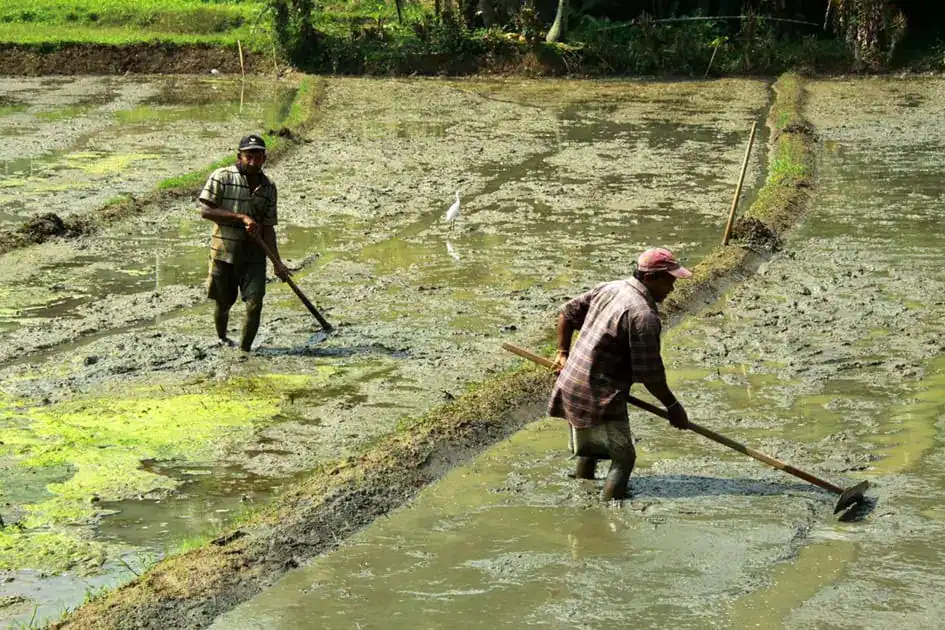
Farmers – Watapaluwa village (Photo: Denish C, CC BY-NC-ND 2.0)
Agriculture shapes village life in Sri Lanka. Farming supports millions of people across the island. Rice stands as the main crop in most rural districts. Many farming communities follow methods developed centuries ago.
Paddy cultivation forms the backbone of Sri Lankan village life. Farmers prepare fields before the rainy seasons begin. Water flows through irrigation channels connected to ancient reservoirs known as wewa. Kings built many of these reservoirs more than one thousand years ago. Some still support farming communities today.
Travellers who visit rural villages often see farmers planting rice by hand in muddy fields. Buffaloes help prepare the soil in some regions. During harvest season, golden rice fields stretch across the countryside.
Home gardens also play an important role in village life in Sri Lanka. Families grow banana, mango, papaya, jackfruit, coconut, chilli, pumpkin, beans, and herbs near their homes. Many villagers cook with ingredients picked fresh from their gardens.
Spices also grow across rural Sri Lanka. Villagers cultivate pepper, cinnamon, cloves, nutmeg, and cardamom. In the hill country villages near Kandy and Matale, spice gardens attract travellers seeking to learn about traditional medicine and cooking.
Traditional farming methods continue in many areas because families trust old techniques. Farmers often avoid heavy machinery in smaller villages. They rely on manual labour and community support during planting and harvest periods.
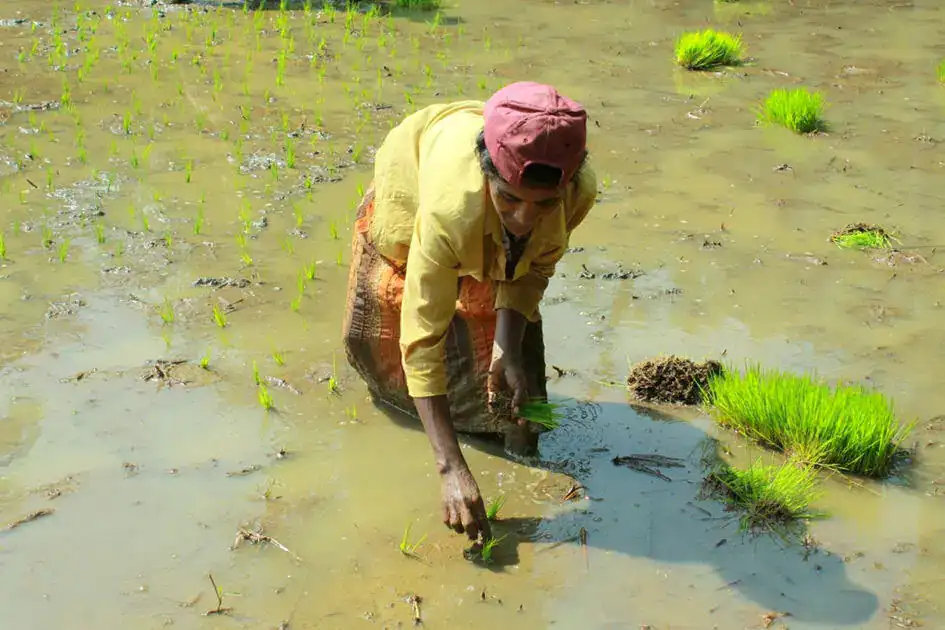
Hand Planting Rice Seedlings (Photo: Denish C, CC BY-NC-ND 2.0)
Kurahan Gala and Traditional Food Preparation
Many travellers never hear of the Kurahan Gala before visiting Sri Lanka. This traditional stone grinder plays a strong role in rural food preparation.
Villagers use the kurahan gala to grind grains such as kurakkan, also known as finger millet. Kurakkan grows well in the dry regions of Sri Lanka and has high nutritional value. Rural families use the flour to prepare roti, porridge, and local sweets.
The grinding process requires patience and physical effort. People turn the heavy stone by hand while feeding grains through the centre opening. Older villagers often teach younger family members how to use the tool.
Travellers who stay in village homestays sometimes receive the chance to try this process. The activity gives insight into older food traditions that survive outside modern cities.
The Sekkuwa and Traditional Oil Production
The sekkuwa forms another important part of Sri Lankan village heritage. Villagers once used this wooden oil press to extract sesame oil and coconut oil.
A large wooden beam rotates around a stone base. In earlier times, bullocks powered the system by walking in circles for hours. The process produced oil for cooking, medicine, and religious use.
Some rural villages still preserve working sekkuwa systems. Travellers who visit these villages learn how people produced oil before industrial machinery arrived.
These traditions show the practical knowledge held inside Sri Lankan villages. Rural communities built sustainable systems long before modern environmental movements began.
Fishing Traditions and Village Lake Culture
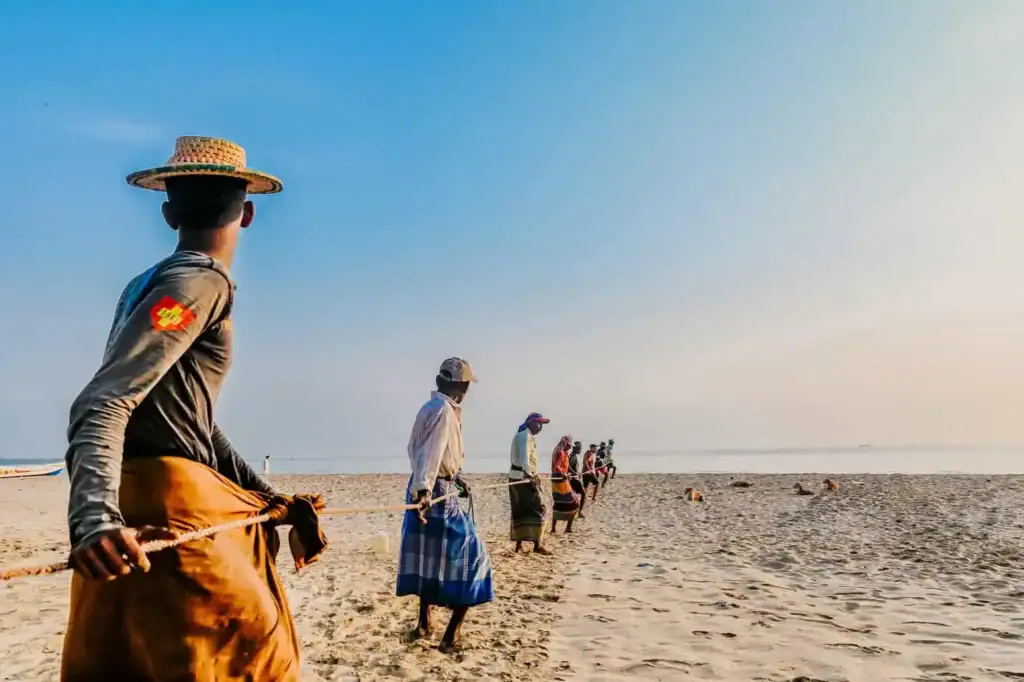
Traditional Fishing in Kuchchaveli (Photo: Charith Kodagoda, via Pexels)
Fishing supports many rural communities across Sri Lanka. Coastal villages depend on the ocean, while inland villages rely on lakes, rivers, and reservoirs.
Traditional fishing methods still survive in many parts of the island. Fishermen cast nets from wooden boats during sunrise and sunset. Some use handmade traps and lines passed down through generations.
In coastal regions, colourful fishing boats line sandy beaches before dawn. Villagers carry fresh fish to local markets each morning. Inland communities near reservoirs often fish for tilapia and freshwater species.
Village lake culture also attracts travellers who seek peaceful outdoor experiences. Many village tours include canoe rides across calm reservoirs surrounded by forests and paddy fields.
Habarana and Sigiriya stand among the best places for these experiences. Travellers ride catamarans or traditional canoes across lakes while local guides explain village history, farming systems, birdlife, and local plants.
These boat trips often begin early in the morning. Mist rises from the water while birds move through the trees. Fishermen prepare nets along the shore. The quiet atmosphere leaves a lasting impression on many visitors.
Village Food Culture and Home Cooking
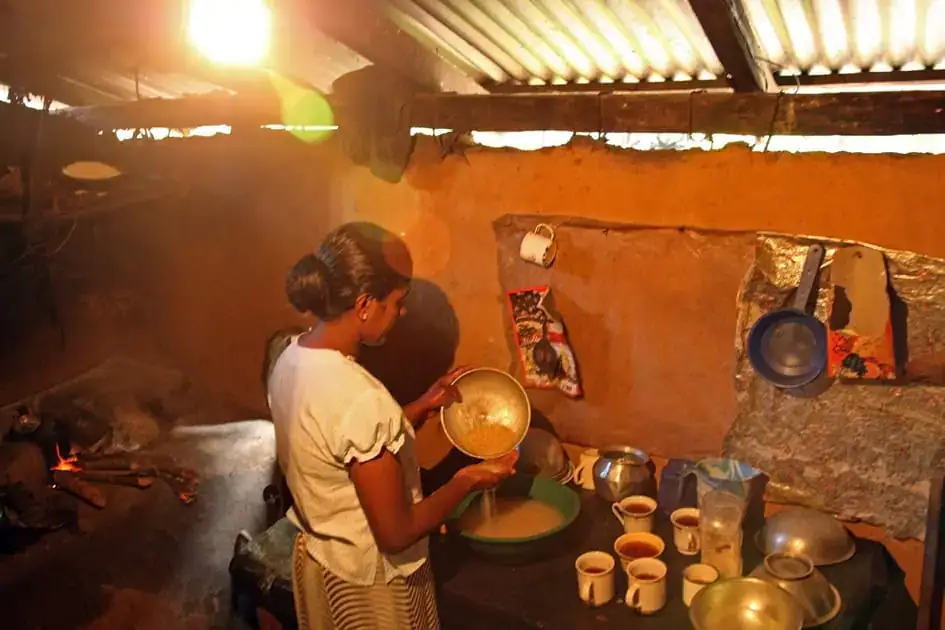
A village kitchen (Photo: World Bank Photo Collection, CC BY-NC-ND 2.0)
Food sits at the centre of Sri Lankan village life. Rural cooking uses fresh ingredients, simple methods, and family recipes passed down through generations.
Rice and curry form the foundation of most meals. Village families prepare several vegetable dishes alongside rice. Coconut appears in many recipes in the form of milk, sambol, or grated coconut.
Travellers who stay in village homes often eat food cooked over firewood stoves using clay pots. This cooking style adds rich flavour and aroma.
Village meals often include ingredients picked that day. Families collect vegetables from gardens and herbs from nearby land. Fish arrives fresh from lakes or coastal markets.
Common village dishes include jackfruit curry, dhal curry, coconut sambol, gotu kola salad, manioc, kurakkan roti, and spicy fish curry. Rural desserts often use treacle made from kithul palm sap.
Many travellers also enjoy buffalo curd served with treacle. Villagers prepare the curd in clay pots using traditional methods.
King coconuts are highly popular across Sri Lanka. These bright orange coconuts provide sweet, natural juice rich in electrolytes. Roadside vendors sell them across rural areas. Travellers often stop for king coconuts during long village drives.
Village food experiences offer more than taste. They create a connection. Guests often help chop vegetables, grind spices, or prepare coconut milk with local families. Meals become conversations.
Traditional Homes and Eco-Friendly Living
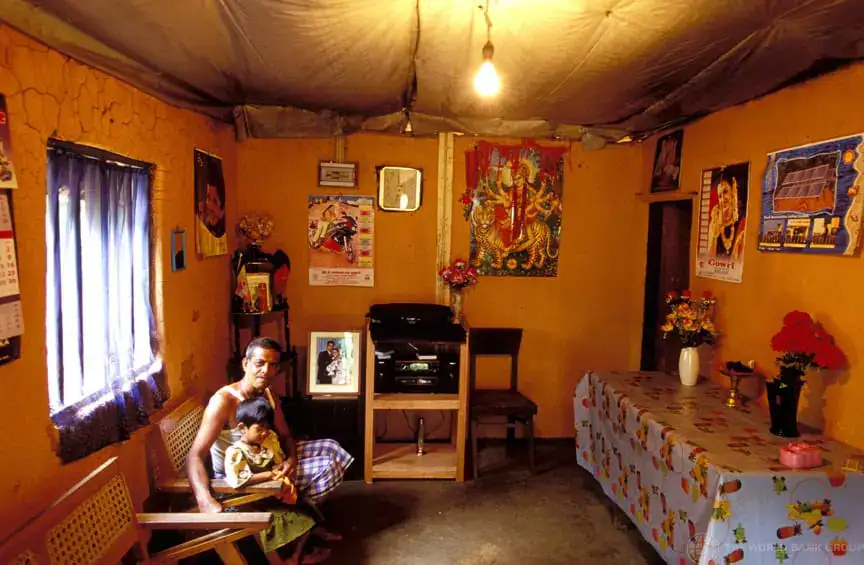
Inside a village house (Photo: World Bank Photo Collection, CC BY-NC-ND 2.0)
Traditional homes in rural Sri Lanka reflect the local climate and available materials. Older village houses often feature clay walls, woven coconut leaves, wooden frames, and thatched roofs.
These homes stay cool during hot afternoons because builders designed them for tropical weather. Open windows improve airflow. Shaded verandas create comfortable outdoor spaces.
Modern construction changes some villages today. But traditional homes still survive in many rural districts.
Village life in Sri Lanka also follows eco-friendly practices shaped through need and tradition. Families reuse materials, compost food waste, collect rainwater, and grow food close to home.
Many rural households use fewer resources than urban homes. Villagers repair tools rather than replace them. People walk or cycle short distances. Local food systems reduce transport and packaging waste.
Travellers interested in sustainable tourism often appreciate these lifestyles because they show practical environmental habits rooted in daily life.
Pottery Making and Weaving Traditions
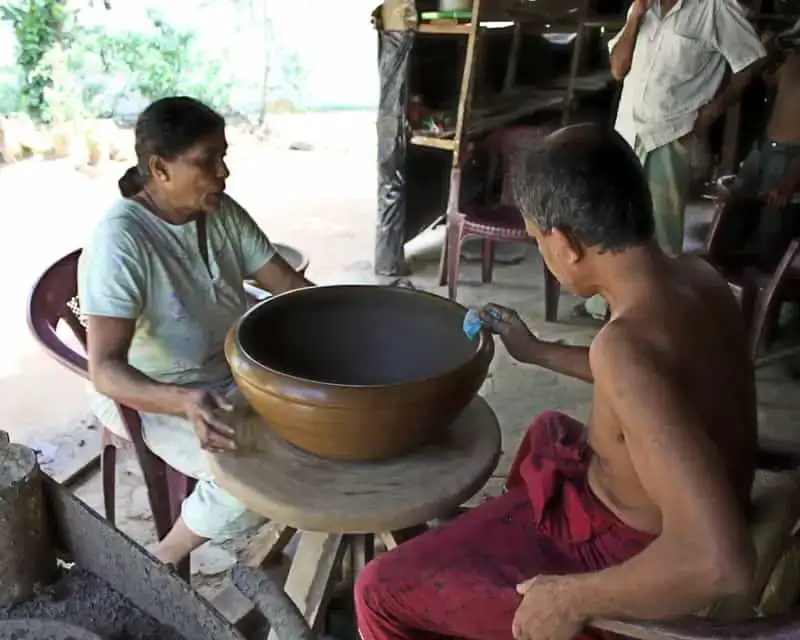
Pottery making (Photo: Denish C, CC BY-NC-ND 2.0)
Sri Lankan villages preserve many forms of traditional craftsmanship. Pottery and weaving stand among the most respected rural skills.
Pottery villages exist across several regions, including areas near Kandy and Kurunegala. Potters shape clay by hand before firing products in traditional kilns. Families create cooking pots, water vessels, decorative items, and religious objects.
Travellers who visit pottery villages often join short workshops. These sessions allow visitors to shape clay and learn about local techniques.
Weaving traditions also survive in many communities. Rural artisans create handloom textiles using wooden looms inside their homes. Villagers produce sarongs, table runners, bags, mats, and clothing using cotton and natural fibres.
Buying these products supports local families and keeps traditional skills alive.
Local boutiques and village craft shops also offer handmade souvenirs with cultural value. Visitors often prefer these products over factory-made items sold in larger tourist shops.
Unique Village Experiences Travellers Should Try
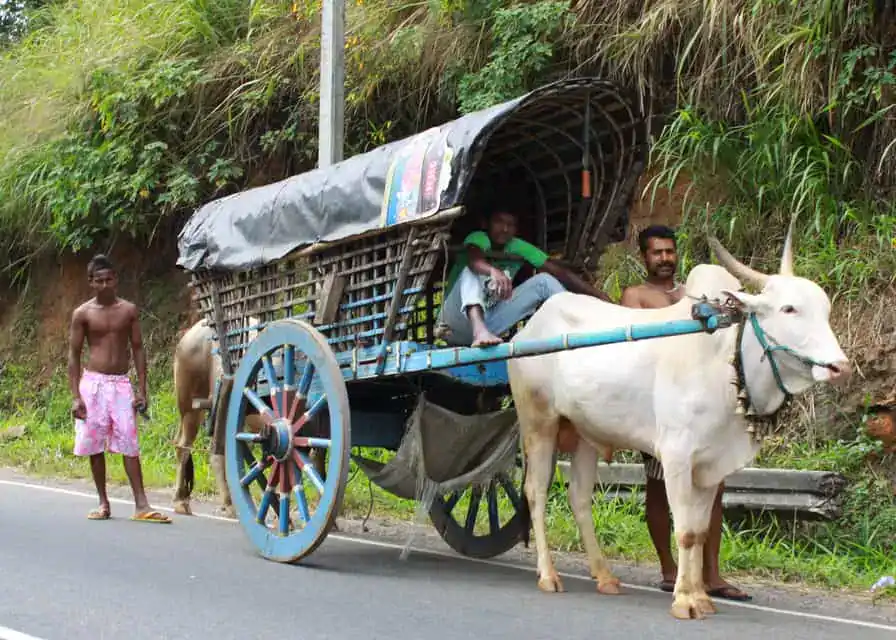
A Bullock cart (Photo: Denish C, CC BY-NC-ND 2.0)
Village tourism in Sri Lanka includes many hands-on experiences. These activities help travellers understand rural culture through direct participation.
Bullock cart rides stand among the most popular village activities. Visitors ride along dirt roads beside paddy fields while local guides explain farming traditions and village history. The slow pace allows travellers to observe daily life closely.
Village temple visits also provide insight into Sri Lanka’s spiritual life. Buddhist temples serve as places of worship, education, and community gatherings. Many villages centre around the local temple.
Travellers often hear temple drums and bells during early morning ceremonies. Monks lead religious activities and advise villagers on community matters.
Visitors should dress modestly during temple visits. Shoes must stay outside sacred areas. Respectful behaviour matters deeply in rural communities.
Forest walks form another memorable part of village life in Sri Lanka. Rural guides often lead travellers through forests filled with birds, butterflies, medicinal plants, monkeys, and small streams.
Many villages near Sigiriya, Knuckles, and Sinharaja offer guided nature walks connected with local culture.
Homestays provide the deepest village experience for many travellers. Guests stay with local families and join daily routines. They help prepare meals, visit farms, walk through forests, and learn local customs.
Community tourism projects supported by Sri Lanka Tourism and SLTDA continue to expand across rural districts. These programs support local income while protecting village culture.
Best Places to Experience Sri Lankan Village Life
Sri Lanka offers many regions where travellers experience authentic rural culture. Each area presents different landscapes, traditions, and lifestyles.
Sigiriya and Habarana
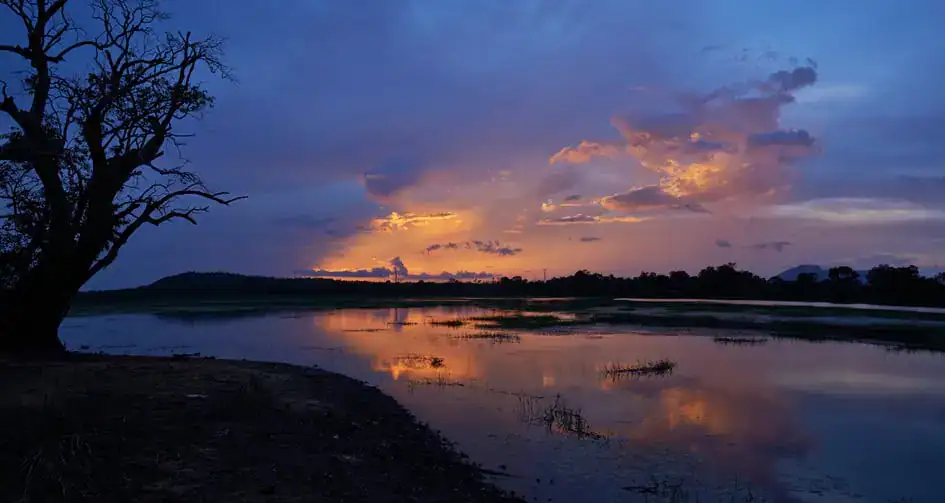
Sunset – Habarana Lake (Photo: llee_wu, CC BY-ND 2.0)
Sigiriya and Habarana rank among the best destinations for village tourism in Sri Lanka. These areas combine ancient history, farming communities, forests, lakes, and nature & wildlife.
Village tours often begin with a bullock cart ride through paddy fields. Travellers then cross lakes on traditional catamarans or canoes. Local families invite guests into village homes for cooking demonstrations and traditional meals.
Many travellers choose this region because the village experiences connect well with visits to Sigiriya Rock Fortress and nearby national parks.
The landscape changes throughout the year. During rainy seasons, rice fields turn bright green. Harvest periods bring golden colours across the countryside.
Habarana village tours often include:
- Canoe rides on reservoirs
- Traditional cooking sessions
- Fishing demonstrations
- Village farming walks
- Home garden visits
- Local craft experiences
Ella and the Hill Country
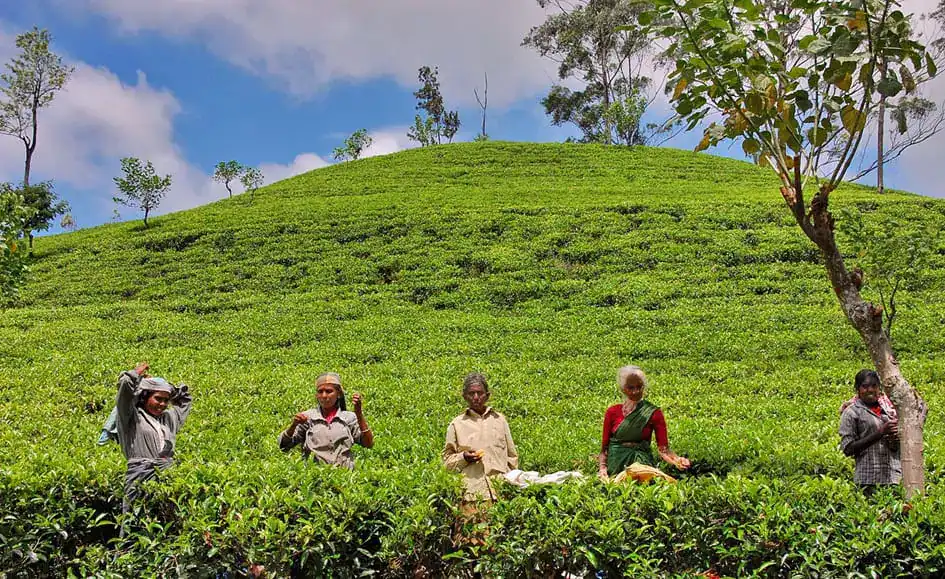
Workers – Tea plantations near Ella (Photo: Peter, CC BY-NC-ND 2.0)
The hill country presents a different side of village life in Sri Lanka. Tea plantations cover mountain slopes while mist moves through forests during the morning.
Villages near Ella, Haputale, Bandarawela, and Nuwara Eliya are connected to tea cultivation. Many rural families work in tea estates while maintaining home gardens and livestock.
Travellers often explore these villages through hiking trails, train journeys, and homestays. Rural roads pass waterfalls, vegetable farms, and small temples hidden among the hills.
Hill country villages also produce fresh vegetables for many parts of Sri Lanka. Farmers grow carrots, leeks, cabbage, potatoes, and beans in cool mountain climates.
Anuradhapura and Rural Dry Zone Villages
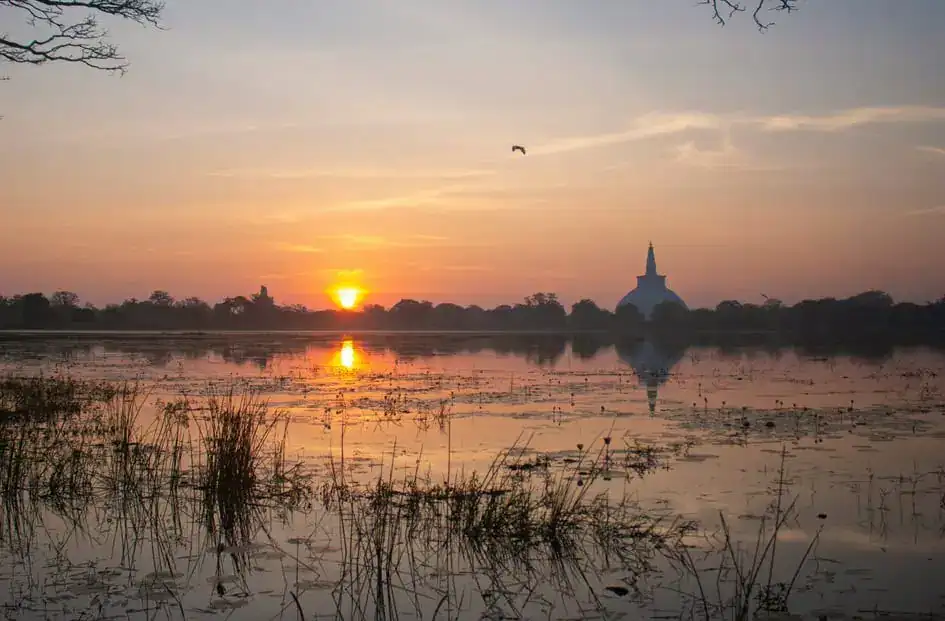
Sunset – Ruwanweli Seya and A Reservoir in Anuradhapura (Photo by Chathura Anuradha Subasinghe on Unsplash, cropped)
Anuradhapura offers one of the strongest connections between ancient civilisation and modern farming culture.
Large reservoirs built by ancient kings still support farming communities across the dry zone. Villagers depend on irrigation systems developed more than one thousand years ago.
Travellers who visit rural villages near Anuradhapura often learn about rice cultivation, water management, and Buddhist traditions.
These villages feel peaceful and spacious. Forests surround many farming communities. Wildlife often appears near reservoirs during sunrise and sunset.
Kandy and Surrounding Villages
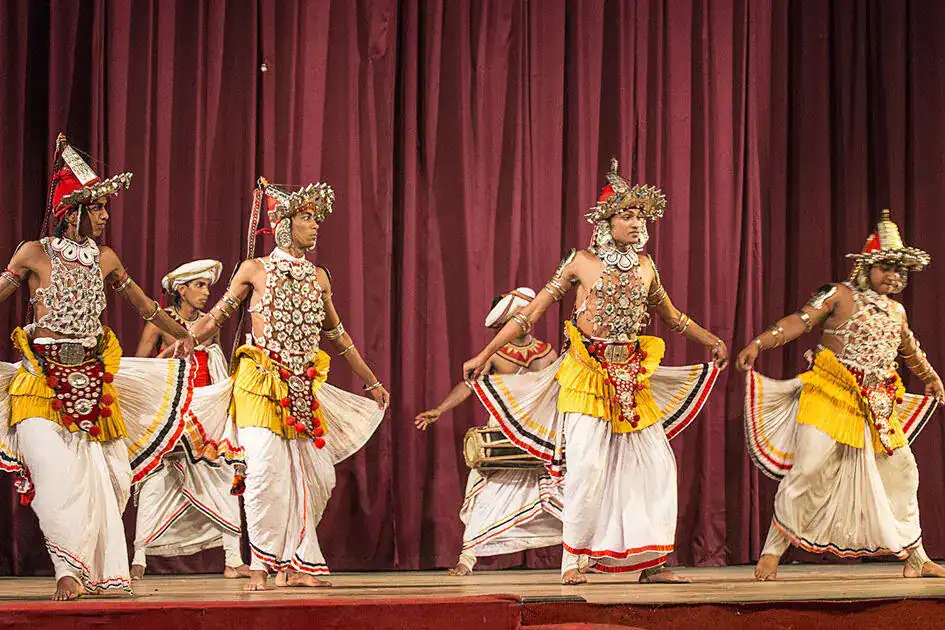
Traditional Dancing in Kandy (Photo: 123_456, CC BY-NC-ND 2.0)
Villages around Kandy preserve many Kandyan traditions. Rural communities near the city continue practices linked with dance, drumming, spice cultivation, and handicrafts.
Spice gardens attract many visitors to this region. Guides explain how villagers grow cinnamon, pepper, cardamom, turmeric, and cloves.
Travellers also visit small villages near rivers and forests surrounding Kandy. These communities offer cooking classes, forest walks, and cultural performances.
Southern Fishing Villages
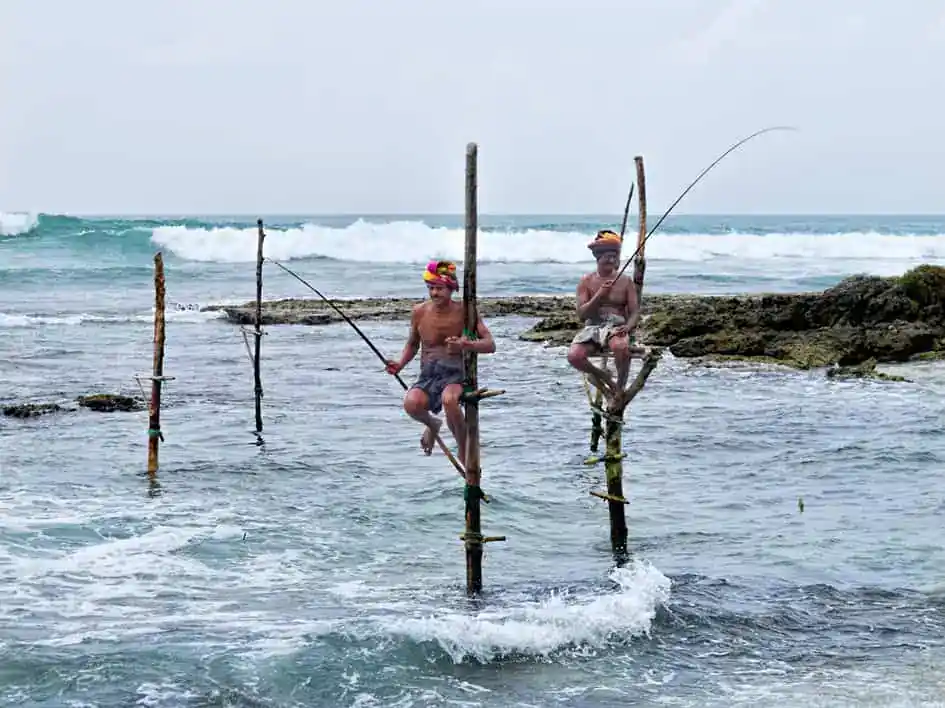
Stilt Fishermen in Ahangama (Photo: Dan Lundberg, CC BY-SA 2.0)
Southern Sri Lanka offers a distinct rural way of life. Fishing communities stretch along the coast from Tangalle to Mirissa, Matara, and Weligama.
Fishermen head into the ocean before sunrise. Colourful boats return later in the morning with tuna, sardines, and reef fish.
Some southern villages still preserve traditional stilt fishing methods. Travellers also join lagoon boat rides through mangroves and small fishing communities.
The Southern Coast combines beach culture with traditional village routines. Travellers often spend mornings in fishing villages before relaxing near the ocean during the afternoon.
How Village Tourism Supports Local Communities
Village tourism creates direct income for rural families. Homestays, guided tours, handicrafts, transport services, and food experiences provide financial support across small communities.
Sri Lanka Tourism and the Sri Lanka Tourism Development Authority continue to promote community tourism projects across the island. These programs encourage sustainable tourism while protecting local traditions.
Many rural tourism projects operate through family-owned businesses rather than large hotel chains. Travellers who choose these experiences help local communities keep more of the tourism income within the village.
This support matters after recent economic challenges in Sri Lanka. Tourism remains one of the country’s strongest industries. Rural tourism spreads those benefits beyond major tourist cities.
Village tourism also encourages younger generations to preserve traditional skills. Pottery, weaving, farming, and cultural performances survive when communities receive support from responsible visitors.
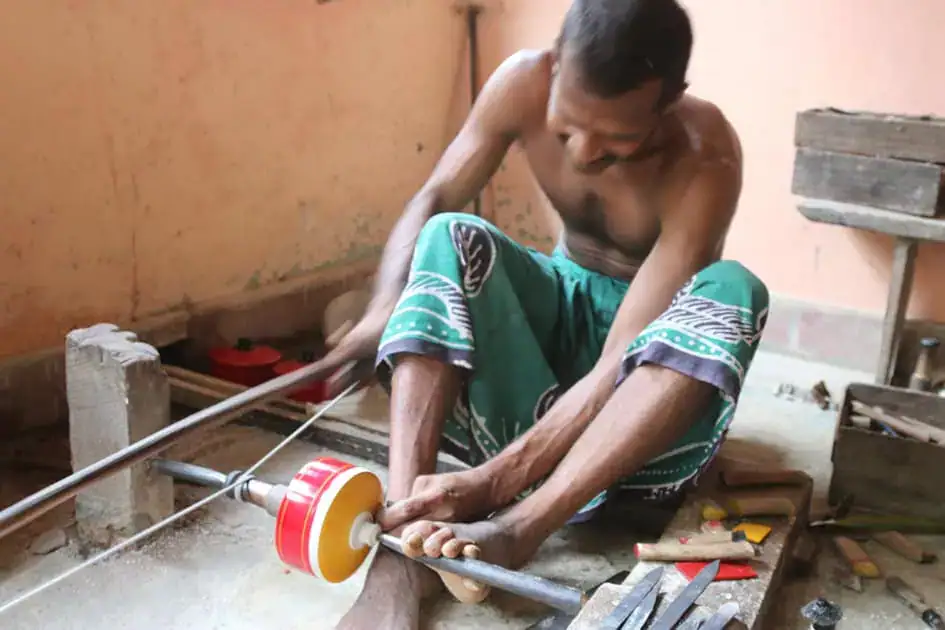
Making Traditional Lacware Pots – Hapuvida Village, Matale (Photo: Denish C, CC BY-NC-ND 2.0)
Responsible and Sustainable Travel in Sri Lankan Villages
Responsible travel plays an important role in village tourism. Rural communities welcome visitors warmly, yet travellers should respect local culture and daily routines.
Simple actions create a positive impact.
Choose family-run homestays when possible. Buy handmade products from local artisans. Eat local food prepared by village families.
Avoid creating waste during village visits. Carry reusable water bottles and reusable bags. Many villages lack strong waste management systems.
Respect also matters during photography. Ask permission before photographing people inside villages. Some elderly villagers feel uncomfortable with cameras.
Travellers should avoid loud behaviour near temples and religious sites. Modest clothing shows respect inside conservative communities.
Wildlife and forests also need protection. Stay on walking paths during nature tours. Avoid feeding wild animals.
Responsible tourism strengthens trust between visitors and local communities. This trust supports long-term tourism growth across rural Sri Lanka.
Dos and Don’ts for Travellers Visiting Sri Lankan Villages
Dos
- Dress modestly during village visits. Lightweight clothing that covers your knees and shoulders works well.
- Learn a few local greetings. Simple words such as “Ayubowan” create friendly interactions.
- Support small businesses and local guides.
- Remove shoes before entering temples and some village homes.
- Accept food and tea politely when offered.
- Listen carefully during conversations with villagers. Many people enjoy sharing stories about farming, religion, and family traditions.
Don’ts
- Do not photograph monks or villagers without permission.
- Do not wear revealing clothes during temple visits.
- Do not litter inside villages, forests, or lakes.
- Do not interrupt religious ceremonies.
- Do not treat villages like tourist exhibits. These communities represent real homes and daily lives.
- Do not bargain aggressively with small artisans and family businesses.
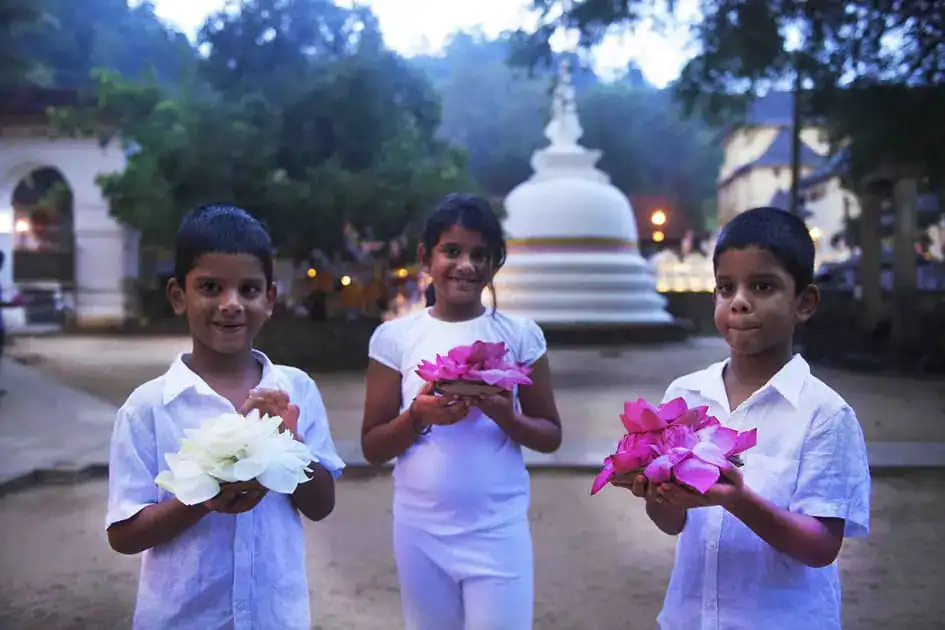
Kids at A Buddhist Temple (Photo: christophe_cerisier, CC BY-NC 2.0)
Special Tips for Foreign Travellers
Travellers who prepare well often enjoy stronger experiences in rural Sri Lanka.
Pack light cotton clothing, as village areas stay hot much of the year.
Bring footwear that is easy to remove during temple visits.
Carry mosquito repellent during evenings near lakes and forests.
Early mornings offer the best weather for village tours and photography.
Many village areas maintain limited mobile signal and internet access. Download maps and travel details before arriving.
Cash remains important in smaller rural areas because some villages lack card payment systems.
Travellers who spend more time in villages often build stronger connections with local people. One-night stays pass quickly. Two or three nights allow a deeper understanding of daily life.
What Travellers Should Never Miss
Several small moments often become the strongest memories during village travel in Sri Lanka.
Watching sunrise over paddy fields creates peaceful mornings filled with birdsong and cool air.
Sharing breakfast with local families reveals daily food traditions and warm hospitality.
Drinking fresh king coconut water beside village roads helps travellers cool down during hot afternoons.
Joining farmers during rice planting or harvesting provides insight into the physical work of rural life.
Listening to temple chants during dawn ceremonies creates a calm atmosphere across villages.
Walking through forests with local guides introduces travellers to medicinal plants and village folklore.
Sitting beside a lake at sunset offers quiet moments far from busy tourist centres.
These experiences stay with many visitors long after leaving Sri Lanka.
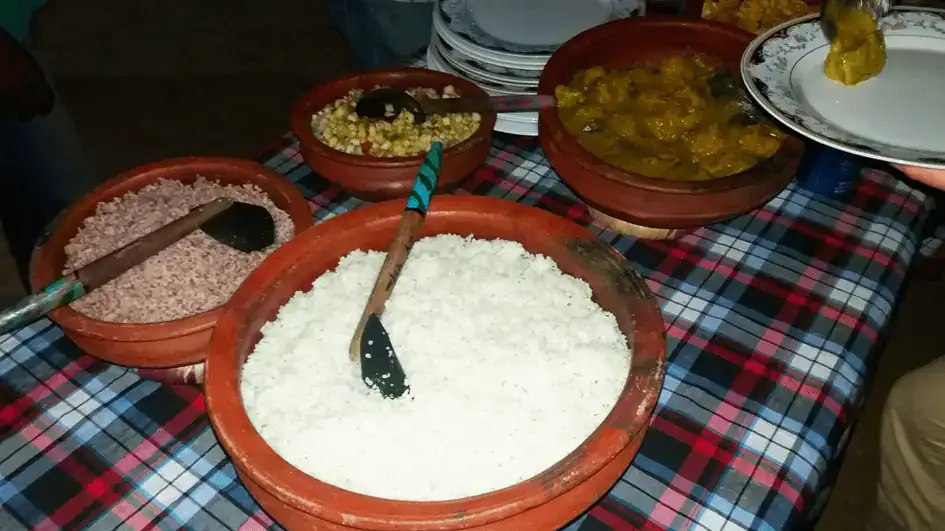
Rice and Curries for A Village Dinner (Photo: cvandega, CC BY-NC-ND 2.0)
A Simple Village Itinerary for Travellers
Travellers who want to experience Sri Lankan village life often ask how to include rural experiences in broader travel plans.
A three-day village itinerary works well for first-time visitors.
Day One
Arrive in Habarana or Sigiriya. Check into a village homestay. Spend the afternoon walking through nearby farms and lakes. Share dinner with the host family.
Day Two
Begin with a sunrise canoe ride across a reservoir. Visit paddy fields and learn about traditional farming methods. Join a village cooking session during the afternoon. End the day with a temple visit.
Day Three
Explore nearby forests with a local guide. Visit pottery workshops or weaving centres. Travel onwards to Kandy, Anuradhapura, or Ella.
Travellers with longer schedules often combine multiple village regions across Sri Lanka.
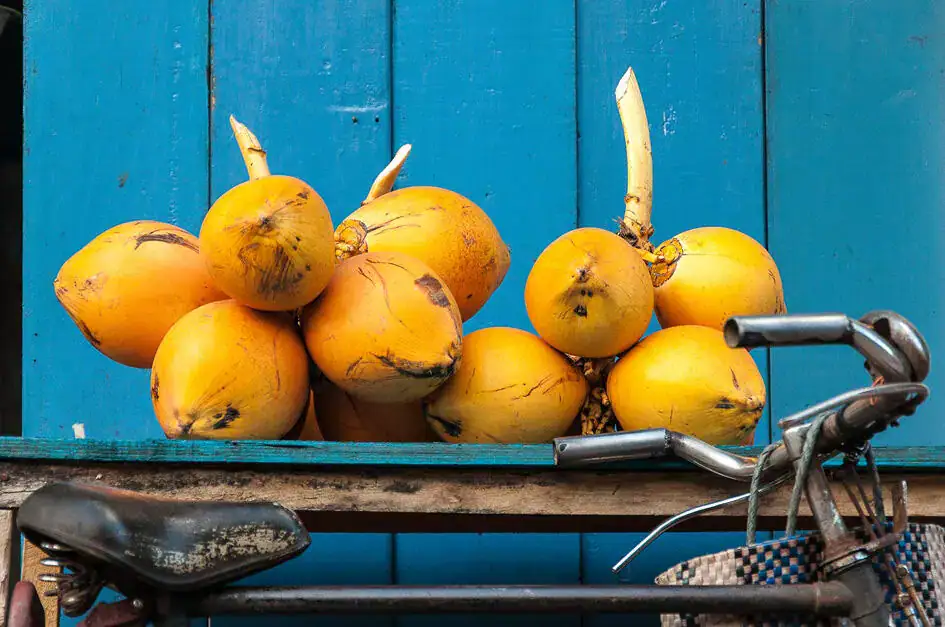
Don’t Miss to Taste King Coconuts (Photo: stefelix, CC BY-NC-SA 2.0)
Why More Travellers Choose Village Life in Sri Lanka
Travel trends continue to shift towards slower and more meaningful experiences.
Many visitors no longer want rushed itineraries filled with crowded attractions. They seek personal interaction, local knowledge, and peaceful environments.
Sri Lankan village life naturally offers these experiences.
Online travel reviews often describe village tours as highlights of Sri Lanka trips. Travellers frequently praise the kindness of local families, the freshness of food, and the calm atmosphere of rural communities.
Community tourism also supports sustainable travel goals. Smaller tourism models reduce pressure on crowded destinations while creating income across rural regions.
Sri Lanka holds strong potential for this type of tourism because village culture remains active across much of the island.
Foreign travellers often arrive with a limited understanding of rural Sri Lanka. They leave with deeper respect for local traditions, resilience, and hospitality.
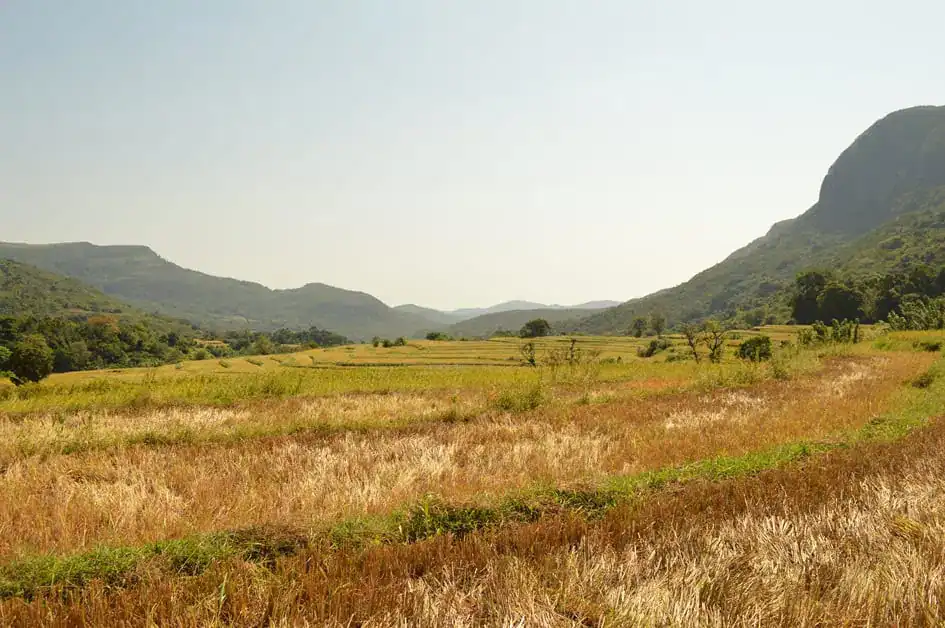
Paddy Fields and Mountains – Atanwala Village, Knuckles Mountain Range (Photo: Nalaka Priyantha)
If you’re visiting Sri Lanka for the first time, we recommend reading the ultimate travel guide for first-timers and the best Sri Lanka travel itinerary for your travel season.
Final Thoughts
Sri Lankan village life reveals the heart of the island. Rural communities preserve traditions, food culture, farming knowledge, craftsmanship, and spiritual values that have been shaped across generations.
Village life in Sri Lanka offers more than sightseeing. Travellers build human connections through shared meals, conversations, forest walks, farming activities, and homestays.
The experience feels personal because rural communities welcome guests into their daily lives rather than presenting staged performances.
From paddy fields near Sigiriya to fishing villages along the Southern Coast, each region presents unique stories and traditions. Travellers who step beyond major tourist towns often leave Sri Lanka with stronger memories and a deeper appreciation for the country.
Sri Lanka Tourism and the Sri Lanka Tourism Development Authority continue to support community tourism and sustainable travel experiences across the island. These efforts help protect village traditions while supporting local families.
Travellers who choose rural experiences directly support responsible tourism. Their visits help preserve handicrafts, farming traditions, cultural heritage, and local livelihoods.
Sri Lankan village life slows your pace and changes your perspective. You hear temple bells instead of traffic. You eat food grown nearby. You speak with people whose lives are closely connected to nature and community.
Those moments stay with you long after the journey ends.
Sources and References:
- Sri Lanka Tourism
- Sri Lanka Tourism Development Authority (SLTDA)
- Sri Lanka Tourism Alliance
- Department of Agriculture Sri Lanka
- Central Bank of Sri Lanka Tourism and Economic Reports
- UNESCO Sri Lanka Cultural Heritage
- Forest Department Sri Lanka
- Department of Wildlife Conservation Sri Lanka
- Responsible Travel Sri Lanka Experiences
- Tripadvisor Sri Lanka Village Tours and Reviews
- Lonely Planet Sri Lanka Travel Guide
- Rural Development and Community Tourism Research, ResearchGate
- World Bank Sri Lanka Rural Economy Reports
- FAO Sri Lanka Agriculture and Rural Livelihoods
Featured image: Farmers using bulls in a traditional paddy field in rural Sri Lanka (Photo: Giota Alevizou, CC BY-NC-SA 2.0)

I am a Sri Lankan medical doctor who spends my free time travelling, exploring new destinations, and documenting the beauty of the island I call home. I have journeyed across almost every corner of Sri Lanka with my wife and daughter — from wildlife parks and misty mountains to ancient cities, deep forests, rugged landscapes, and quiet beaches.
Travel is not just a hobby for me — it’s a way of life. I love nature, enjoy road trips, and find joy in wildlife photography. I also read widely about tourism, travel trends, and destination culture. Through my writing, I aim to help travellers experience Sri Lanka through real stories, meaningful insights, and honest recommendations — the same way I explore it with my own family.