

Dining in Sri Lanka offers more than a meal. You taste history, culture & heritage, and daily life in every bite. Many travellers plan trips around popular beaches or wildlife & nature, then leave talking about the food. That shift matters. Food shapes the travel experience in Sri Lanka in direct, memorable ways. If you seek bold flavours, fresh ingredients, and real local interaction, Sri Lanka delivers.
Tourism data supports this trend. The Sri Lanka Tourism Development Authority reports steady growth in visitor arrivals over recent years, with food experiences among international travellers’ key interests. The official body, Sri Lanka Tourism, also promotes culinary travel as a major reason to visit. You will not find staged experiences here. You sit with locals, eat what they eat, and learn through taste.
This guide shows you where to eat, what to order, and how to plan your trip around dining in Sri Lanka.
If you are new to Sri Lanka, it is recommended to read the complete Sri Lanka travel guide for first-time travellers and the best Sri Lanka itineraries for your travel season.
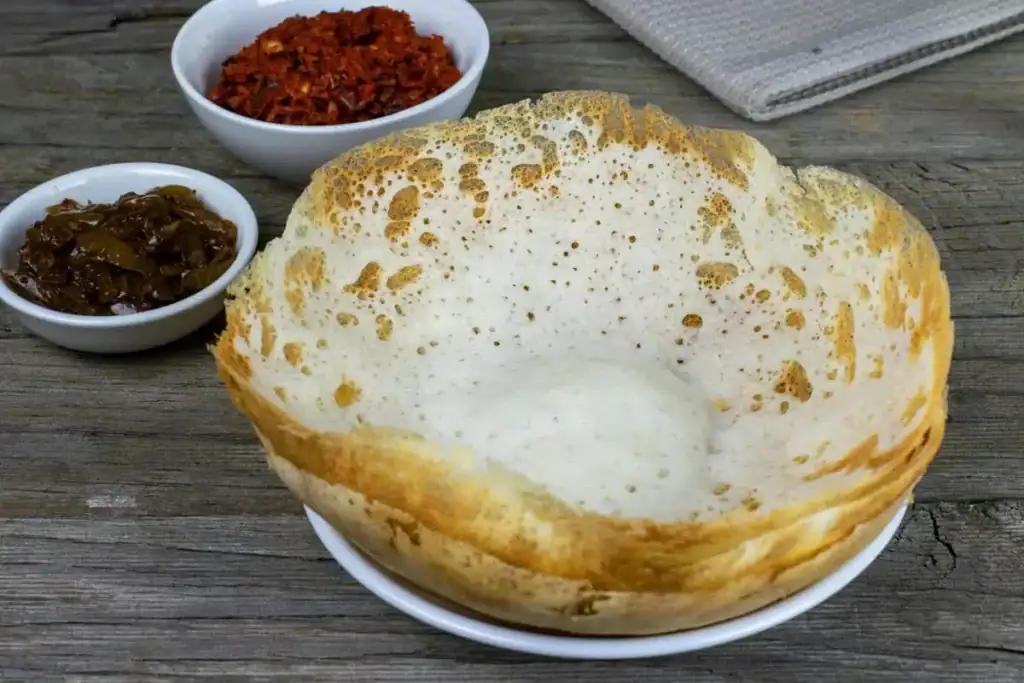
Sri Lankan Hoppers (Photo: Kavinda F via Pixabay)
What Makes Dining in Sri Lanka Unique
Sri Lankan food stands apart because of its depth and balance. Each dish layers spice, heat, and texture in a clear way. You taste each ingredient. You notice how coconut softens spice, and how lime sharpens flavour.
Spices define the cuisine. Cinnamon, cardamom, turmeric, curry leaves, and black pepper form the base. Sri Lanka produces some of the world’s best cinnamon. You will notice the difference in aroma and taste from your first meal.
Coconut appears in many forms:
- Coconut milk in curries
- Fresh coconut sambol with chilli and lime
- Coconut oil for cooking
Rice forms the foundation of most meals. You eat rice with several side dishes. Each dish adds a new layer of flavour. You mix them on your plate and control the taste.
Regional variation shapes the food scene. Coastal areas focus on seafood. Hill country offers lighter vegetable dishes and fresh greens. Northern regions feature stronger spice blends and Tamil influences.
Food also reflects history. Portuguese, Dutch, and British colonisation left clear marks. Malay traders introduced new spices and cooking styles. These influences blend into a cuisine that feels distinct.
You will not find uniform menus across the island. Each kitchen has its own style. That variation keeps dining in Sri Lanka fresh and engaging.
Must-Try Dishes Every Traveller Should Experience
Rice and Curry, The Core of Dining in Sri Lanka
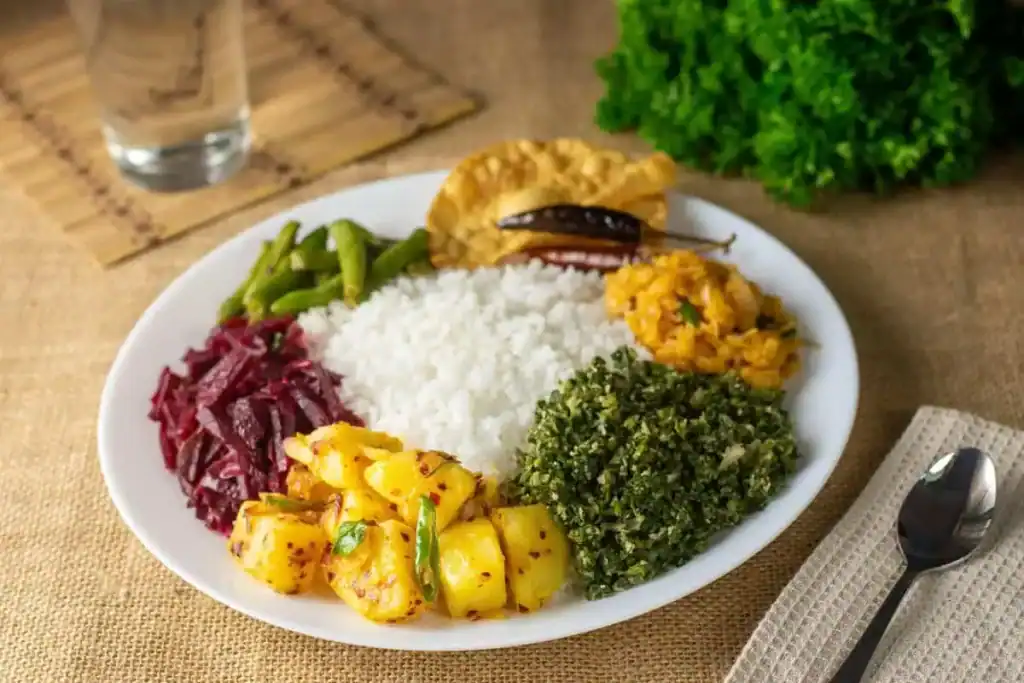
A Rice and Curry Plate (Photo: KavindaF via Pixabay)
Rice and curry define daily eating. You receive a plate with rice and several small dishes. These include lentil curry, vegetable curry, sambol, and often fish or chicken.
Each meal differs. One restaurant might serve pumpkin curry with coconut milk. Another might offer jackfruit curry cooked in spices. You never get the same plate twice.
Vegetarians find many options. Lentils, vegetables, and coconut form the base of many dishes. You do not need special requests. Many meals already suit a plant-based diet.
You eat with your right hand in many local settings. This practice connects you with the food. Restaurants also provide cutlery if you prefer.
Street Food Staples You Should Not Miss
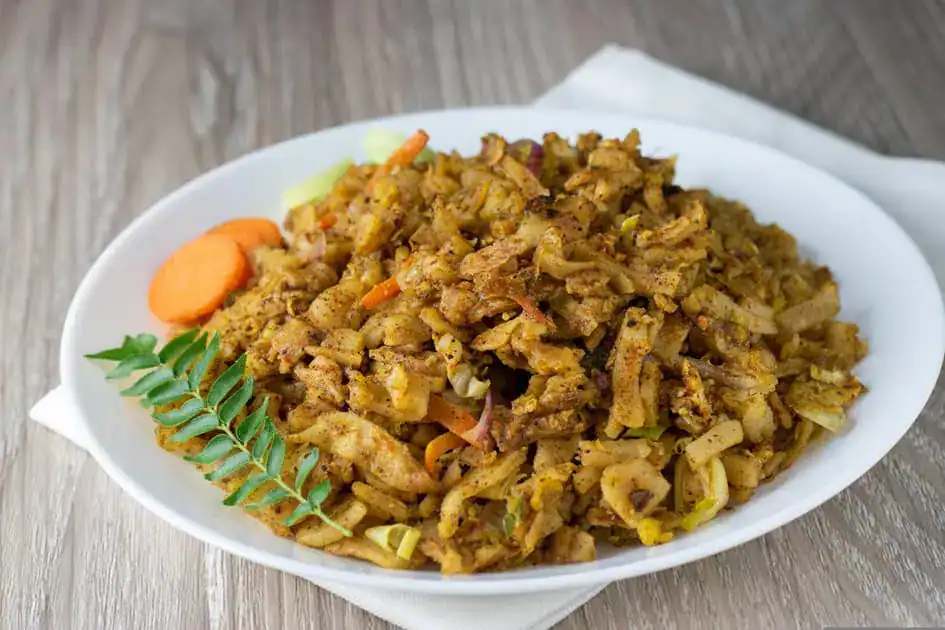
Kottu Roti – One of the Sri Lankan Street Foods (Photo: Kavinda F, via Pixabay)
Street food offers direct access to local life. You see food prepared in front of you. You hear the sounds of cooking and conversation around you.
Kottu roti stands out. Cooks chop flatbread with vegetables, egg, and meat on a hot griddle. The sound of metal blades hitting the surface fills the street. The dish arrives hot, filling, and rich in flavour.
Hoppers, known locally as appa, offer another must-try option. These bowl-shaped pancakes are made with fermented rice flour and coconut milk. You eat them plain or with an egg cooked inside.
Egg hoppers provide a crisp edge and soft centre. You pair them with sambol or curry for added flavour.
Street food remains affordable. A full meal often costs a fraction of what you pay in Europe or North America. It allows you to try more dishes without concern.
Seafood Along the Coast
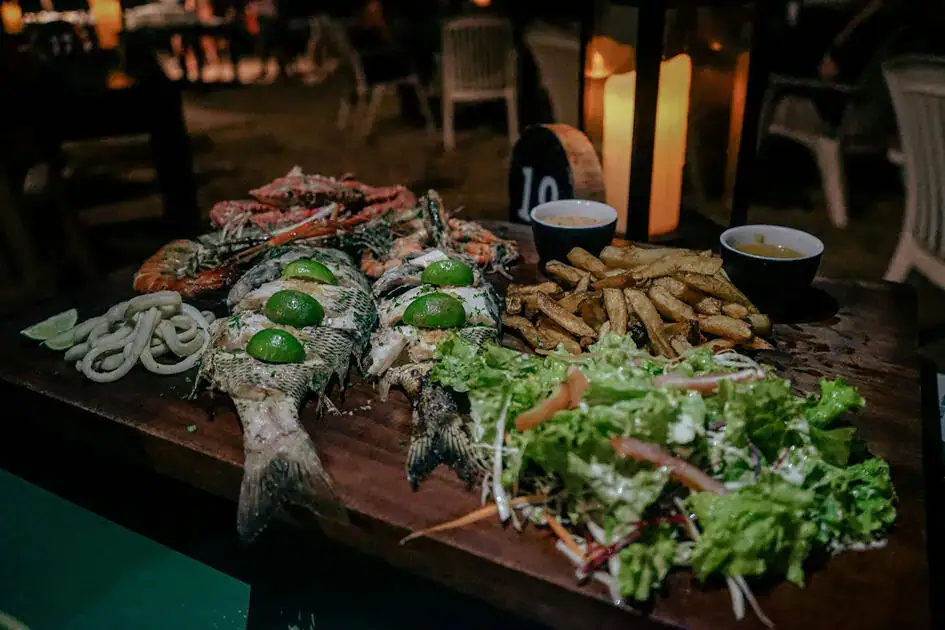
Seafood Platter on Mirissa Beach (Photo: Matt Dany on Unsplash)
Sri Lanka’s coastline supports a strong seafood culture. Fishing communities supply daily catches to local markets and restaurants.
In coastal towns like Galle and Negombo, seafood arrives fresh each day. You see crabs, prawns, tuna, and reef fish displayed outside restaurants.
Crab curry ranks among the most sought-after dishes. Chefs cook crab in a thick sauce with spices and coconut milk. The meat absorbs the flavour and remains tender.
Grilled fish offers a simpler option. You get fresh fish seasoned with spices and cooked over an open flame. Lime and chilli enhance the taste.
Many beachside restaurants allow you to choose your seafood before cooking. This direct approach builds trust and adds to the experience.
Sweet Treats and Desserts
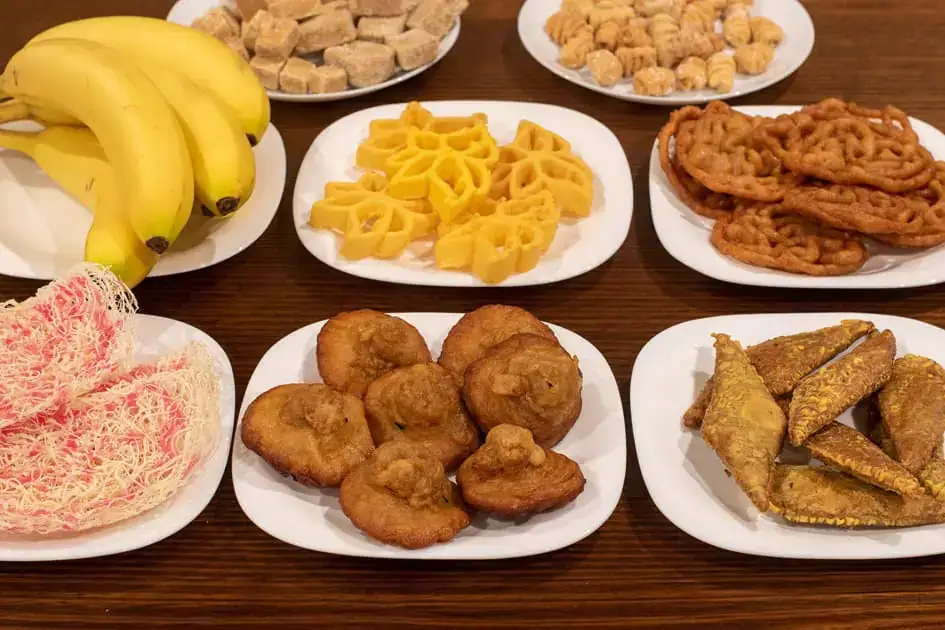
Traditional Sweet Treats During the New Year Festival (Photo: Kavinda F from Pixabay)
Sri Lankan desserts rely on coconut, jaggery, and rice flour. These ingredients create dense and rich sweets.
Watalappan stands out. This dessert blends coconut milk, jaggery, eggs, and spices into a soft pudding. The flavour feels deep and slightly smoky.
Kavum, a traditional oil cake, appears during festivals. The outer layer feels crisp while the inside remains soft.
Kokis is a light, crisp snack made from rice flour and coconut milk. Dutch influence shaped this treat, and you still see it in homes and bakeries.
These desserts give you a clear sense of local tradition. They also provide a break from spicy meals.
Where to Eat in Sri Lanka, From Street Stalls to Fine Dining
Colombo, The Food Capital
Colombo offers the widest range of dining options. You find street food vendors, mid-range restaurants, and high-end dining spaces within a short distance.
Food tours in Colombo gain strong reviews on platforms like TripAdvisor. Travellers highlight variety, safety, and local insight as key strengths.
Restaurants in Colombo serve both traditional and modern dishes. Some chefs reinterpret classic recipes with new presentation and technique. It adds depth to dining in Sri Lanka.
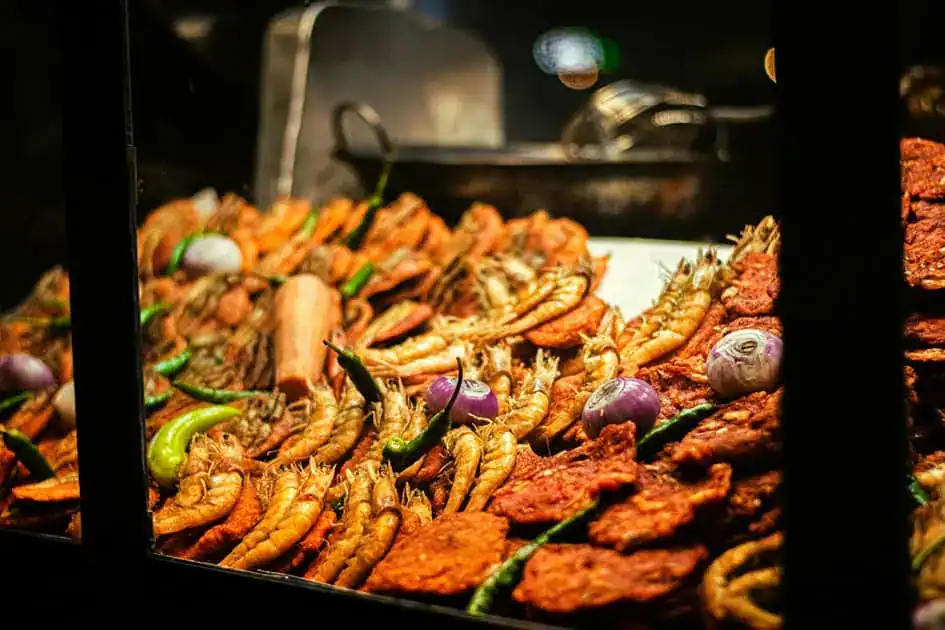
A Street Food, Isso Vadai (Photo: Sandaru Muthuwadige via Pexels)
Kandy, Culture and Tradition on Your Plate
Kandy provides a different experience. The city focuses on traditional meals and local cooking styles.
Many guesthouses offer home-cooked food. You eat meals prepared with ingredients from nearby markets. It creates a direct link between the land and the plate.
Buffet-style rice-and-curry meals remain common. These allow you to try multiple dishes in one sitting.
Galle and the Southern Coast
Galle blends history with modern dining. The old fort area includes restaurants with international menus and local seafood dishes.
You find rooftop dining spaces, beachside cafes, and small, family-run kitchens. Each offers a different view of Sri Lankan cuisine.
Negombo, Seafood and Coastal Flavour
Negombo sits close to the main airport. Many travellers start or end their trip here.
The city focuses on seafood. Lagoon fishing supports a steady supply of prawns and crab. Restaurants cook meals to highlight freshness.
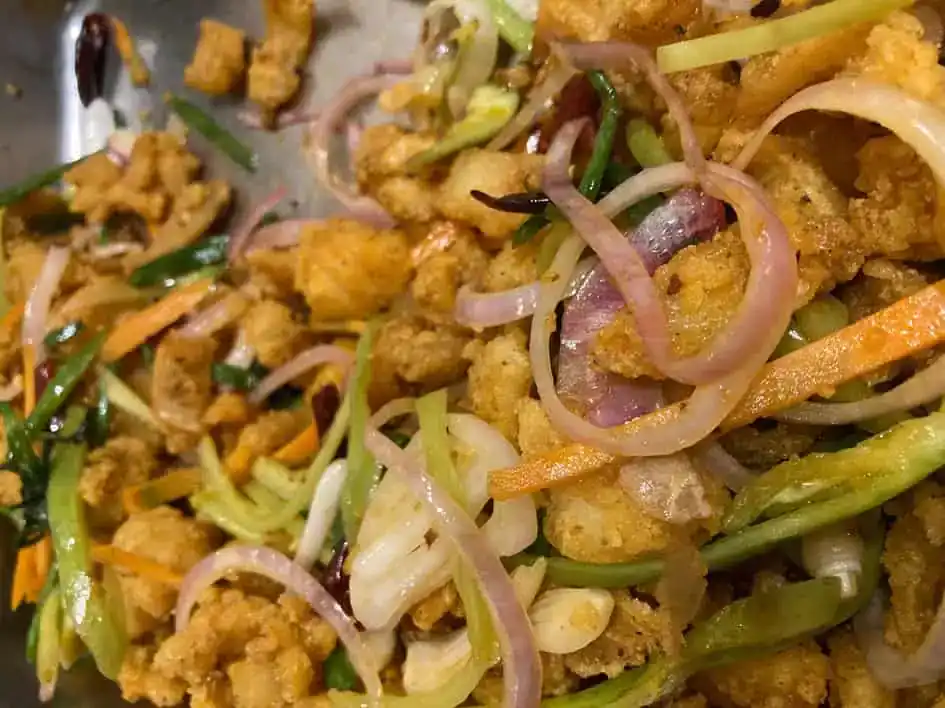
A Close View of Hot Butter Cuttlefish (Photo: Nanda Abeysekera, CC0 1.0)
Price Range and Value
Dining in Sri Lanka suits different budgets:
- Street food meals cost a few dollars.
- Mid-range restaurants offer meals at moderate prices.
- Fine dining remains more affordable than in Western countries.
This range allows you to explore freely. You do not need to limit your food experiences.
Food Experiences You Should Not Miss
Cooking Classes with Locals
Cooking classes provide hands-on learning. You visit local markets, select ingredients, and cook under guidance.
These sessions teach you how to balance spices and prepare traditional dishes. You leave with skills you can use at home.
Many classes take place in family homes. It creates a personal and direct experience.
Tea Plantation Dining
Sri Lanka ranks among the world’s top tea producers. Tea estates in the hill country offer dining experiences with views of plantations. The best place to explore Ceylon Tea heritage is the Hill Country.
You taste fresh Ceylon Tea and eat meals made with local produce. The setting adds a sense of calm and focus to the meal.
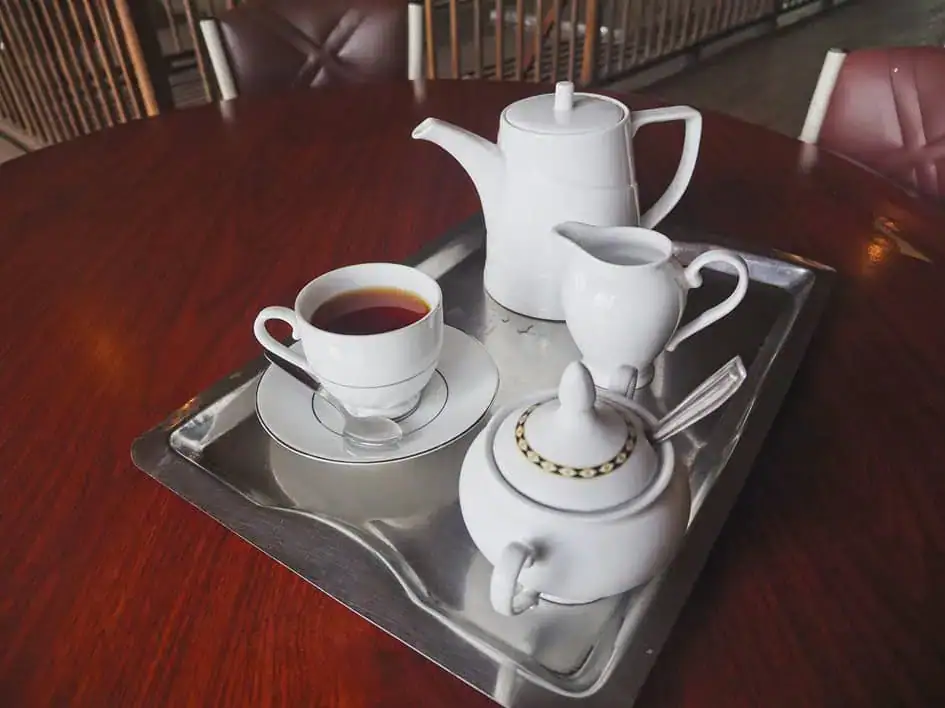
Tea Tasting at Ceylon Tea Museum (Photo: Bex Walton, CC BY 2.0)
Food Tours in Colombo
Guided food tours help you explore safely and efficiently. Guides explain dishes, ingredients, and cultural context.
These tours often include:
- Street food tastings
- Visits to hidden local spots
- Insight into cooking methods
Reviews show strong satisfaction among travellers. Many highlight food tours as a highlight of their trip.
Farm to Table Experiences
Some regions focus on fresh and organic food. Restaurants source ingredients directly from farms.
You taste vegetables and herbs picked the same day. This approach supports local farmers and improves quality.
The rise of such experiences aligns with global travel trends. Travellers seek direct and honest food sources. Sri Lanka meets this demand.
Transition to Practical Insights
Food alone does not define the experience. How you eat and interact matters as well. Now, you will learn practical tips, a detailed food itinerary, and why dining in Sri Lanka continues to grow in global interest.
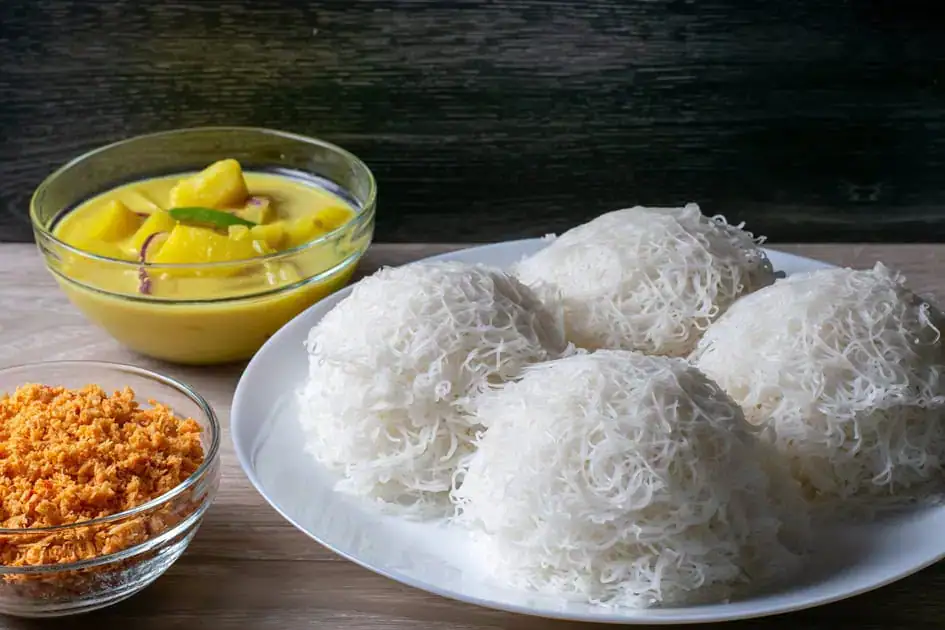
String Hoppers with Pol (Coconut) Sambol and Potato Curry (Photo: Kavinda F via Pixabay)
Practical Tips for Dining in Sri Lanka
Dining in Sri Lanka feels easy once you understand a few local habits. These small details improve your experience and help you avoid confusion.
Eating with your hand remains common in local settings. You use your right hand to mix rice with curry and bring food to your mouth. This method gives you control over flavour and texture. If you prefer cutlery, most restaurants provide it without issue.
Spice levels vary across dishes. Some meals carry strong heat. If you prefer mild food, ask for “less spicy” before ordering. Many kitchens adjust spice levels for visitors.
Hygiene standards differ depending on where you eat. Busy places with high turnover often serve fresh food. Look for clean preparation areas and active kitchens. Bottled water remains the safest choice for drinking.
Tipping stays modest. In restaurants, a service charge is often added to the bill. If not, a small tip shows appreciation. In local eateries, rounding up the bill works well.
Vegetarian and vegan dining feels simple in Sri Lanka. Many dishes rely on vegetables, lentils, and coconut. You find plant-based meals without effort. Always confirm ingredients if you follow strict dietary rules.
Meal timing also matters. Lunch is the main meal of the day. Many local spots offer the widest variety during midday. Dinner menus may feel smaller in some areas.
These simple steps help you enjoy dining in Sri Lanka with confidence.
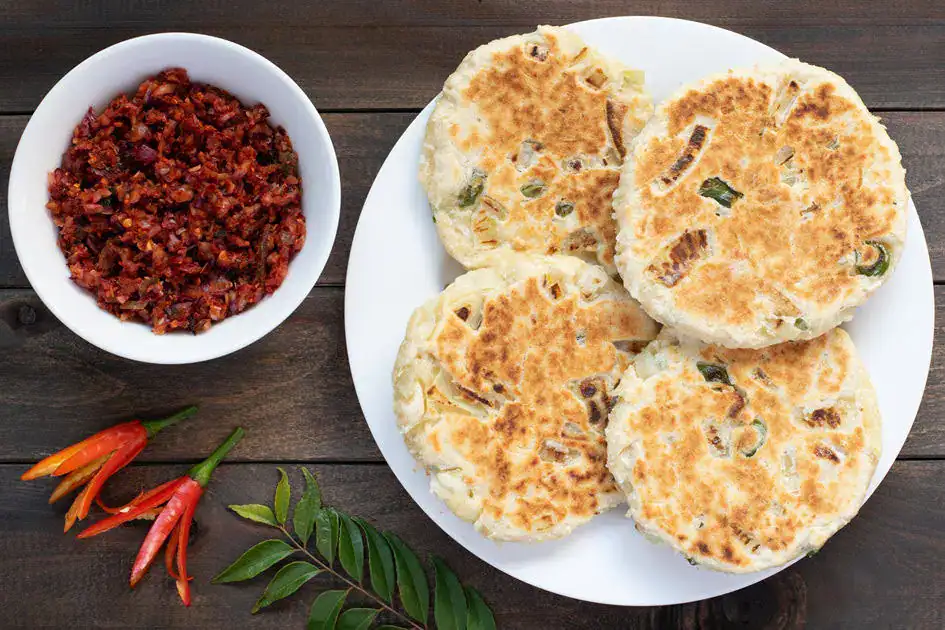
Pol Roti with the surface is evenly browned (Photo: Kavinda F, via Pixabay)
A 5 Day Food-Focused Itinerary for Sri Lanka
Planning your trip around food helps you experience the country in a structured way. This five-day itinerary focuses on flavour, culture, and variety. Travel times stay manageable, and each day introduces a new region.
Day 1: Colombo Street Food and City Dining
Start your journey in Colombo. The city offers the widest range of food options.
Morning begins with a local breakfast. Try hoppers with egg and sambol at a small café. Pair the meal with strong Ceylon tea.
Join a guided food tour in the afternoon. These tours take you through markets and street stalls. You taste kottu roti, short eats, and fresh juices. Guides explain ingredients and cooking methods.
Dinner takes place at a modern restaurant. Many chefs in Colombo present traditional dishes with a refined style. This contrast gives you a full view of dining in Sri Lanka.
The estimated daily food cost remains moderate. Street food costs little, while dinner at a high-end restaurant costs less than similar experiences abroad.
Day 2: Kandy and Traditional Rice and Curry
Travel to Kandy in the morning. The journey takes a few hours and offers scenic views.
Lunch features a traditional rice-and-curry meal. Choose a local restaurant or guesthouse. You receive multiple dishes with rice, including lentils, vegetables, and meat or fish.
Visit a local market in the afternoon. You see fresh produce, spices, and herbs used in daily cooking. This visit builds context for the meals you eat.
Dinner is often served at your accommodation. Many hosts prepare home-cooked meals. These meals feel simple and authentic.
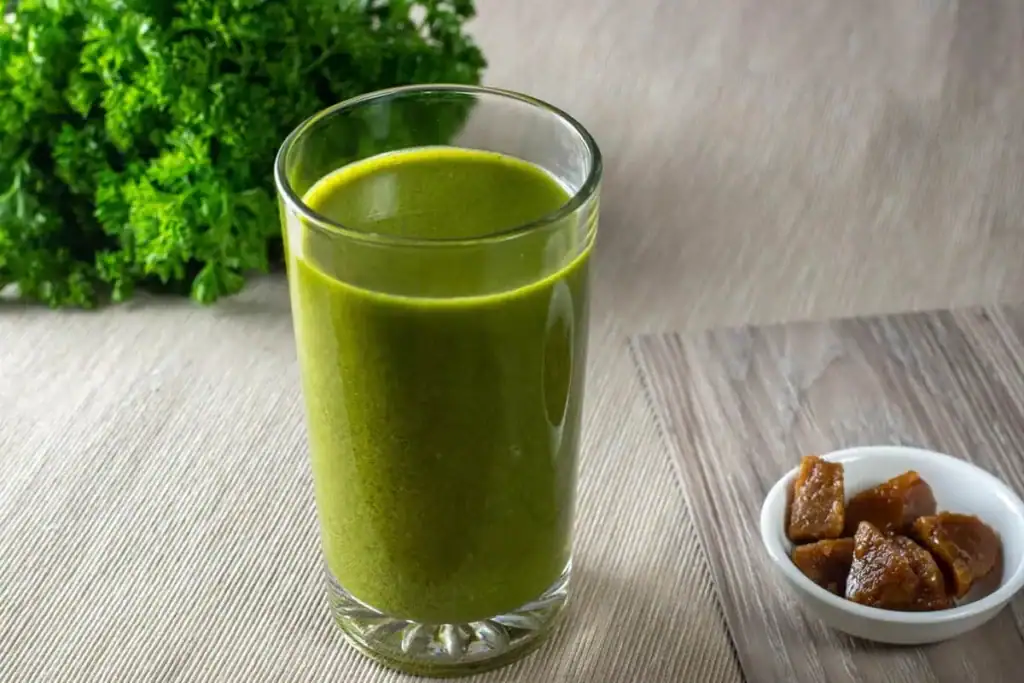
A Glass of Kola Kanda with Jaggery (Photo: KavindaF via Pixabay)
Day 3: Tea Country and Plantation Dining
Head into the hill country. Tea plantations cover the landscape. The air feels cooler, and the pace slows down.
Visit a tea estate and learn about production. Sri Lanka ranks among the world’s top tea exporters, and this industry shapes the region.
Lunch at a plantation bungalow offers a calm setting. Meals focus on fresh vegetables and light curries. Tea accompanies each course.
In the evening, enjoy a simple dinner with local ingredients. Many small hotels offer set menus featuring seasonal produce.
Day 4: Southern Coast Seafood Experience
Travel south to Galle. The coast brings a new focus on seafood.
Lunch features grilled fish or prawn curry at a beachside restaurant. Fresh catch arrives daily. You notice the difference in taste.
Spend the afternoon relaxing by the sea or exploring local markets. Many restaurants display seafood for selection before cooking.
Dinner includes crab curry or lobster. Pair the meal with rice and simple sides. The setting often includes ocean views.
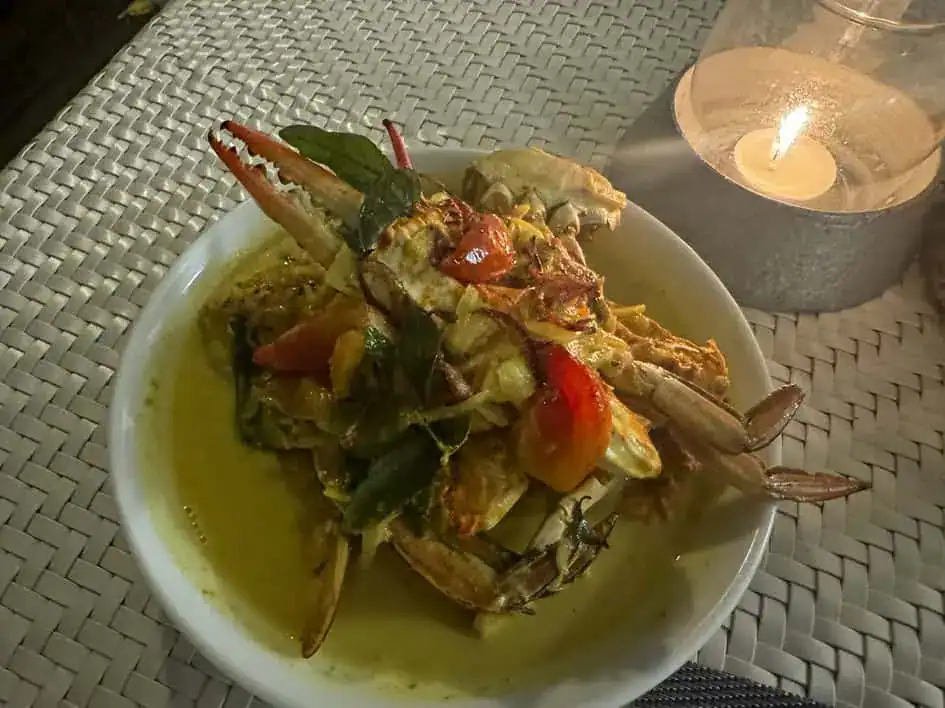
Crab Curry in Koggala (Photo: Bex Walton, CC BY 2.0)
Day 5: Negombo Cooking Class and Market Visit
Move to Negombo for your final day. The city sits close to the airport, making departure easy.
Start with a morning market visit. You select ingredients for a cooking class. Local instructors guide you through each step.
You prepare dishes such as dhal curry, sambol, and fish curry. Cooking your own meal helps you understand the balance of flavours.
Lunch consists of the dishes you prepare. This hands-on experience stays memorable.
In the evening, enjoy a final seafood dinner near the lagoon. Reflect on the variety you experienced during your trip.
Why Dining in Sri Lanka Continues to Grow in Popularity

Common ingredients, including spices, in Sri Lanka (Photo: Kavinda F via Pixabay)
Sri Lanka’s food scene attracts global attention. The Sri Lanka Tourism Development Authority’s data shows steady recovery and growth in visitor numbers after recent global disruptions. Food ranks among the top interests for travellers visiting the country.
The Sri Lanka Tourism promotes culinary travel through campaigns and partnerships. These efforts highlight local cuisine as a key attraction.
Several factors drive this growth.
First, affordability. Travellers find high-quality meals at lower prices compared to other destinations. It allows longer stays and more exploration.
Second, authenticity. Food remains rooted in local tradition. You eat dishes prepared with methods passed through generations.
Third, variety. The island offers coastal seafood, hill-country vegetables, and urban fusion cuisine within easy reach.
Fourth, accessibility. Food appears everywhere. You find meals on the streets, in homes, and in restaurants.
Reviews from travel platforms support these points. Many visitors rate food among the top highlights of their trip. Comments often mention freshness, flavour, and value.
Global food trends also play a role. Travellers now seek direct and meaningful experiences. Dining in Sri Lanka meets this demand through local interaction and simple presentation.

A Cup of Ceylon Tea (Photo: Anastasiia Madiar via Unsplash)
Final Thoughts on Dining in Sri Lanka
Dining in Sri Lanka gives you more than a list of dishes. You experience culture through taste, smell, and interaction. Each meal connects you with people and place.
You move from street stalls in Colombo to home kitchens in Kandy, then to seafood spots in Galle and Negombo. This range keeps your journey active and engaging.
The country offers strong value, clear flavour, and a real connection. You do not need complex plans to enjoy the food. You need curiosity and a willingness to try new dishes.
If you plan your next trip around food, place Sri Lanka high on your list. Taste each dish with attention. Speak with those who prepare your meals. Let the experience guide your journey.
Dining in Sri Lanka leaves a lasting impression. The question stays simple. When will you go and taste it for yourself?
Sources and References:
- Sri Lanka Tourism Development Authority, Annual Statistical Reports and Tourism Performance Reports. Visitor arrivals, travel trends, and food tourism insights.
- Sri Lanka Tourism, Official destination guides, culinary travel promotions, and regional food experiences.
- World Tourism Organization, Global tourism trends and reports on experiential and food tourism growth.
- Tripadvisor, Traveller reviews and ratings for restaurants, food tours, and dining experiences across Colombo, Kandy, Galle, and Negombo.
- Lonely Planet, Sri Lanka travel guide. Restaurant recommendations, street food insights, and regional food culture.
- BBC Travel, Articles on Sri Lankan cuisine, spice heritage, and cultural food practices.
- National Geographic, Features on Sri Lanka’s food culture, biodiversity, and regional culinary traditions.
- The Culture Trip, Guides to Sri Lankan dishes, dining etiquette, and local food hotspots.
- World Food Travel Association, Research and data on food tourism trends and traveller behaviour.
- Booking.com, Guest reviews and accommodation insights related to food experiences and dining availability.
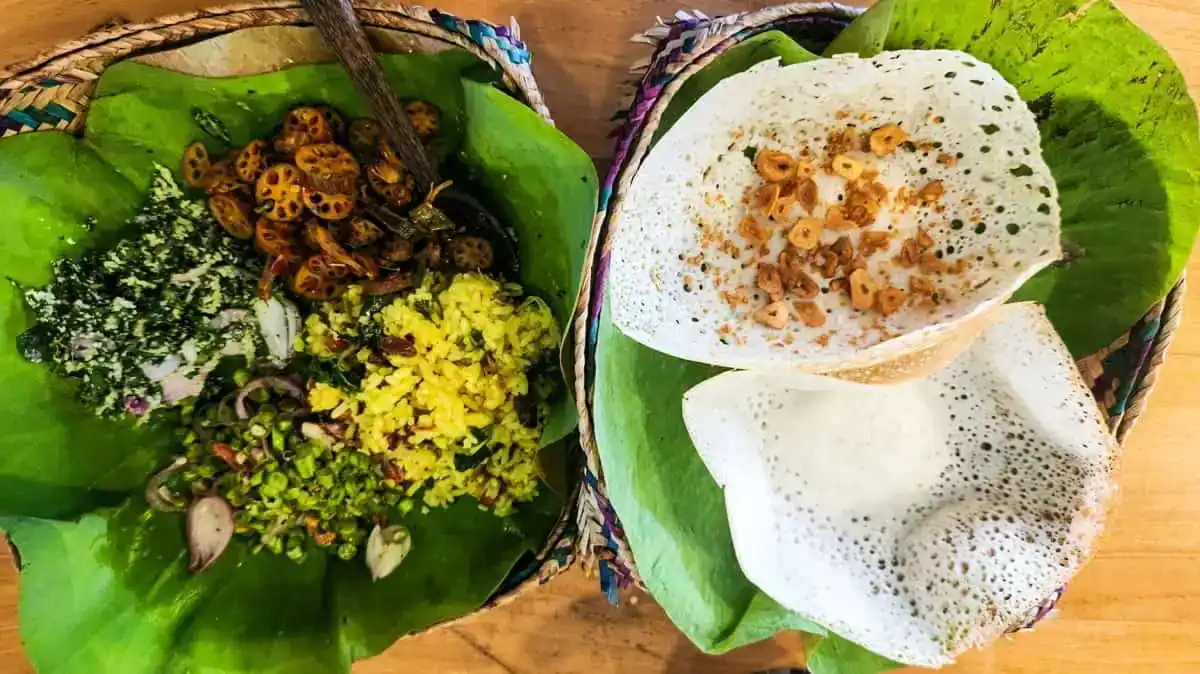
Featured image: Sri Lankan Vegan Rice & Curry and Hoppers on Lotus Leaves (Photo: Zoshua Colah on Unsplash)

I am a Sri Lankan medical doctor who spends my free time travelling, exploring new destinations, and documenting the beauty of the island I call home. I have journeyed across almost every corner of Sri Lanka with my wife and daughter — from wildlife parks and misty mountains to ancient cities, deep forests, rugged landscapes, and quiet beaches.
Travel is not just a hobby for me — it’s a way of life. I love nature, enjoy road trips, and find joy in wildlife photography. I also read widely about tourism, travel trends, and destination culture. Through my writing, I aim to help travellers experience Sri Lanka through real stories, meaningful insights, and honest recommendations — the same way I explore it with my own family.