
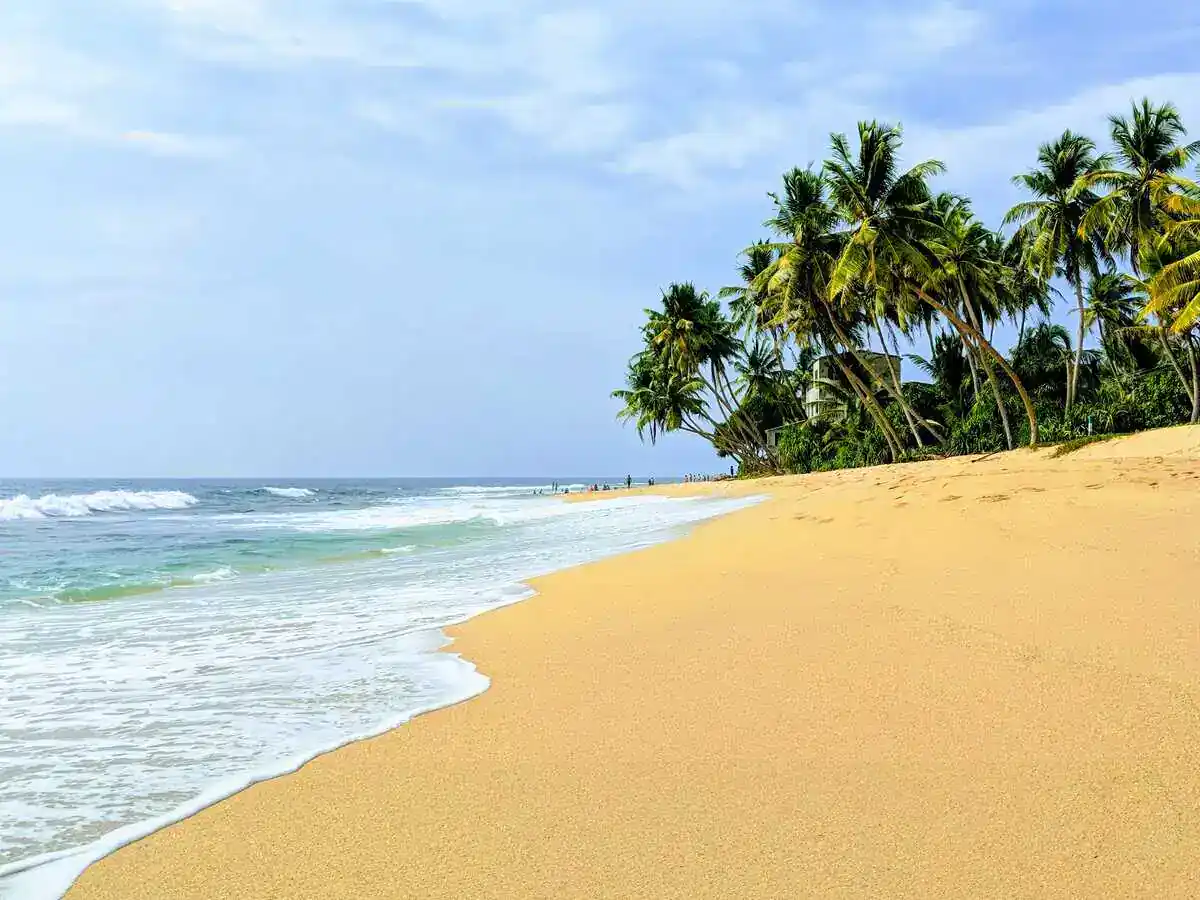

Hikkaduwa lies along Sri Lanka’s sun-warmed Southwest coast, about two hours south of Colombo. Hikkaduwa has evolved from a small fishing village into one of Sri Lanka’s most popular coastal destinations. Cafes open to the sand, surfers walk barefoot through the streets, and waves roll in steady rhythm all year round. The energy is constant but never overwhelming. You hear the sea, smell grilled fish, and see tuk-tuks flashing by in bright colours.
Unlike the quieter bays farther south, Hikkaduwa feels alive from morning to night. Beneath the sound of music and conversation is a natural world that keeps the town grounded: a thriving coral reef, nesting turtles, and fishermen who still head out before dawn. For travellers mapping out a Sri Lanka itinerary, Hikkaduwa balances the simple joy of beach life with cultural and marine encounters found nowhere else on the coast.
Location and How to Get There
Hikkaduwa is about 98 kilometres south of Colombo and 17 kilometres northwest of Galle. It lies along the coastal A2 highway and the Southern Railway line. Getting there is straightforward.
By Train:
Trains from Colombo Fort reach Hikkaduwa in roughly two to two-and-a-half hours. The line hugs the coast, offering constant sea views. Trains are inexpensive and scenic, though they fill up quickly on weekends and holidays.
By Bus:
Buses run frequently along the A2 route. They are the cheapest option but take longer and can be crowded. Air-conditioned express buses leave from Colombo and stop near the town centre.
By Private Transfer or Taxi:
Hiring a driver saves time and gives you flexibility for stops along the way. Many visitors book an airport transfer or combine a stay in Hikkaduwa with a day trip to Galle.
By Car or Scooter:
Self-driving is possible for experienced drivers familiar with local traffic. The coastal road is easy to follow but busy at peak times.
Once in town, most areas are walkable. The beach, main street, restaurants, and surf schools lie close together. Tuk-tuks remain the easiest way to move around, especially in the heat. Renting a scooter is an easy way to explore nearby coastal towns, including Ambalangoda and Balapitiya.
If you are planning your visit to Sri Lanka, getting around Hikkaduwa and other destinations, take a look at the guide to Transport in Sri Lanka.
Why Hikkaduwa Is Special
Hikkaduwa has a mix that keeps visitors coming back. The Hikkaduwa Beach stretch brings both calm and movement. You swim, surf, eat, shop, and talk with locals without feeling rushed. The water stays warm, and marine life starts only metres from shore.
The Hikkaduwa National Park protects a coral reef rich with colour and species. Snorkelling here means sharing space with turtles and schools of reef fish. The town’s surf breaks suit beginners and advanced riders alike, making it a key stop for anyone interested in surfing in Sri Lanka. The atmosphere is open and relaxed, attracting travellers from Europe, Australia, and across Asia.
Unlike some new beach destinations, Hikkaduwa already knows how to welcome visitors. The community rebuilt with strength after the 2004 tsunami and still honours that history through education and awareness. Today, the area feels both lived-in and cared-for. You sense heritage behind the tourism.
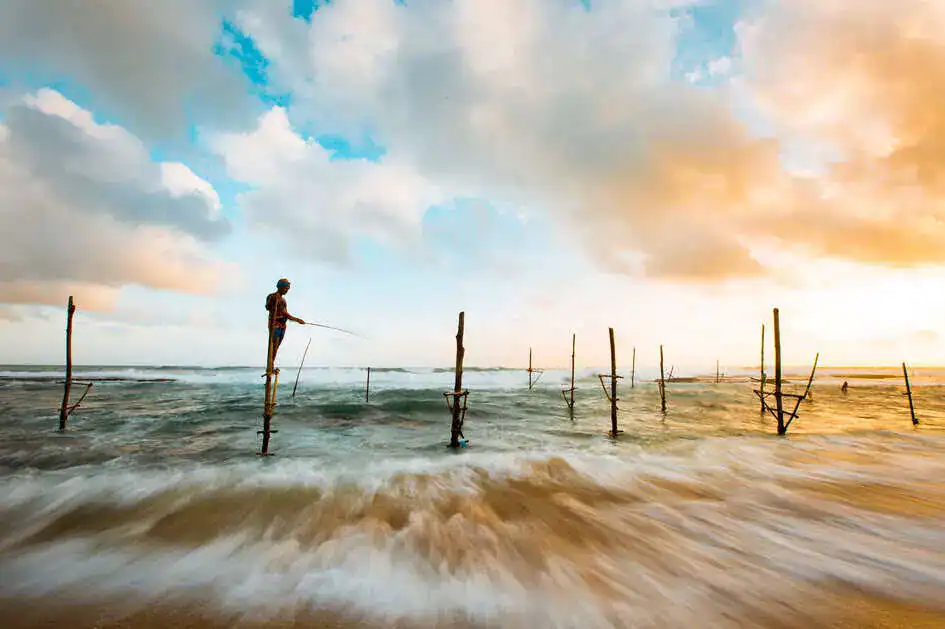
Stilt Fishing in Hikkaduwa (Photo: Aditya Siva)
Best Time to Visit
The weather defines your experience here. The dry and stable season on the Southwest coast runs from December to March. Those months bring calm seas, clear water, and the best light for photos and snorkelling.
The surf season peaks from November to March when waves are strong but clean. During the mid-year monsoon, rain falls often but not all day. You still get sunny breaks between showers. If you prefer quiet streets and lower hotel rates, travel during the shoulder months, such as April or October.
The temperature stays warm year-round, averaging 27 to 30 °C. Bring lightweight clothing and sun protection, whatever the month.
It is advisable to understand the weather patterns in Sri Lanka to determine the best time to visit various parts of the country before planning your trip to Hikkaduwa.
Current Weather and Weather Forecast in Hikkaduwa
Main Attractions and Things to Do
Hikkaduwa Beach
The heart of the town. This long, golden stretch faces west, so sunsets paint the entire horizon. The north end, near the coral sanctuary, is ideal for swimming and snorkelling. The south end near Narigama has surf schools and small bars. Early morning shows fishermen returning with their catch; evenings fill with visitors waiting for the sun to drop.
If you’re planning to explore more of Sri Lanka’s coast, take a look at our guide to the Most Popular Beaches in Sri Lanka. It highlights the best stretches of sand across the island.
Coral Reef and Marine Park
The coral reef begins about 100 metres offshore. Local guides offer glass-bottom boat rides, but snorkelling directly from the beach is easy if the water is calm. You see parrotfish, butterflyfish, and sometimes moray eels. Always use reef-safe sunscreen and keep fins off the coral. The reef is delicate and recovering after decades of use.
Turtle Encounters
Turtles appear near shore throughout the year, often at the north end of Hikkaduwa Beach. At sunrise or sunset, you can watch them feeding on seagrass. Several small turtle hatcheries around Hikkaduwa care for injured or rescued turtles. Choose those focused on rehabilitation and release, not handling for photos.
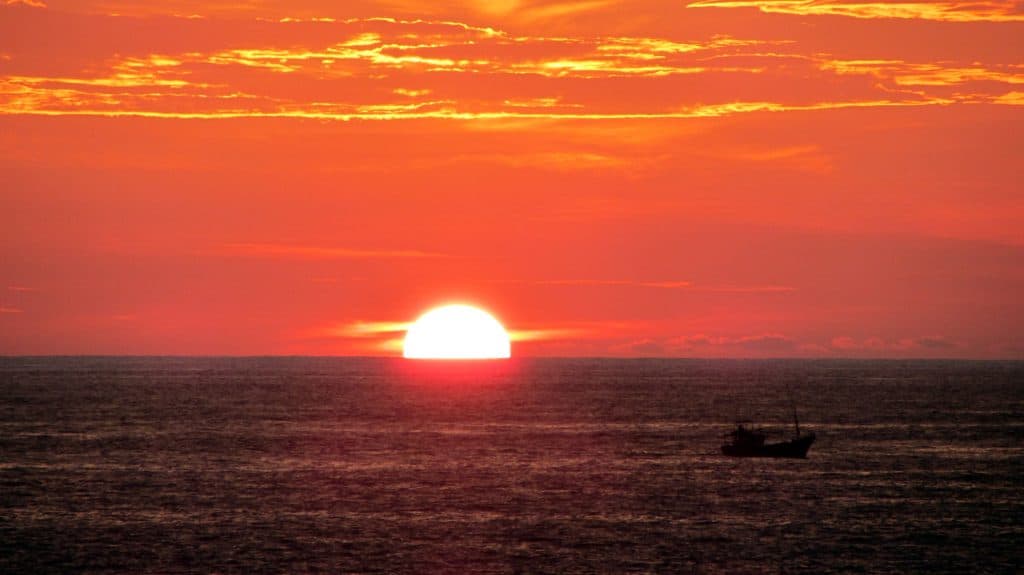
Sunset in Hikkaduwa, Photo: Rehman Abubakr, CC BY-SA 4.0 (via Wikimedia Commons)
Surfing
Hikkaduwa ranks among the best surfing spots in Sri Lanka. Waves break close to town, and surf schools line the beach with boards for hire. Beginners start on the soft whitewater near Narigama. Intermediate surfers move southwards to the reef points. Lessons run daily, and conditions stay consistent through the season.
Diving and Snorkelling
Local dive centres offer PADI courses and reef dives, plus trips to shipwrecks just offshore. Visibility improves in the dry months. Beginners can take a short discovery dive right from the beach.
Paddle-Boarding and Kayaking
For calm-water activity, paddle along the lagoon or try a short kayak trip on nearby lakes. Early morning trips bring still water and bird calls before the town wakes up.
Day Excursions
- Galle Fort: Only 30 minutes away. Walk the Dutch-era ramparts, cafes, and art galleries.
- Ambalangoda: 20 minutes north. Visit the mask museum and traditional mask-making workshops.
- Madu River Safari: About 40 minutes north near Balapitiya. Boat rides through mangroves, cinnamon gardens, and small temples.
- Tsunami Photo Museum: Located between Hikkaduwa and Peraliya. The museum shares the story of the 2004 tsunami through photographs and first-hand memories of those who lived through it.
Culture and Local Life
Hikkaduwa’s roots are still visible in its fishing culture. You see boats lined along the sand and hear auctions at the small fish market each morning. Buddhism shapes much of daily life. A few kilometres inland sits the Seenigama Vihara Temple, built on a tiny island. Locals visit to give thanks for safe journeys and good fortune.
If you visit in July or August, check the calendar for Hikka Fest, a beach festival with live music, cultural shows, and community events. It draws both locals and travellers for a few energetic days. Outside of festival time, evenings stay relaxed. Most visitors sit by the water, sip lime juice or a cocktail, and listen to the waves.
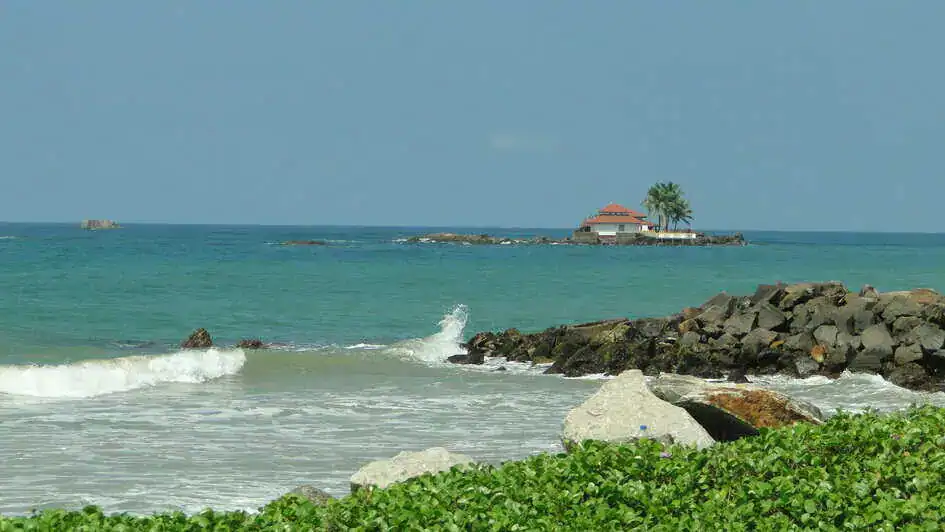
Seenigama Temple in Hikkaduwa, Photo: Ankur Panchbudhe, CC BY 2.0 (via Flickr)
Shopping, Food, and Nightlife
Shopping
Hikkaduwa has small shops selling hand-made jewellery, sarongs, wooden carvings, and surfwear. Visit Ambalangoda for traditional devil masks carved from local kaduru wood. Street markets sell batik clothing, coconut shell crafts, and paintings. Prices vary, so negotiate politely.
Food
Food is one of Hikkaduwa’s pleasures. You eat well, whether you prefer street snacks or restaurant dining.
Try:
- Fresh seafood grills at night along the beach.
- Rice and curry are served in small family cafes.
- Hoppers (bowl-shaped rice pancakes) at breakfast.
- Fresh fruit juice stands for papaya, mango, or lime.
Most restaurants face the ocean. For local flavour, look inland a few streets where small eateries serve traditional dishes at lower prices. International options include Italian, Thai, and vegan menus.
Nightlife
Hikkaduwa’s nightlife suits most moods. Beach bars play soft music at sunset and dance tracks later at night. Larger bars near Narigama host DJs during weekends. Many travellers sit by bonfires on the sand. Drinks are affordable, and the vibe is casual. Alcohol laws are moderate, but remember that loud parties near residential zones disturb locals. Keep noise low after midnight.
Accommodation and Stay Options
Hikkaduwa covers every budget.
- Budget: Guesthouses and hostels near the main road or Narigama Beach. Many include breakfast.
- Mid-range: Boutique hotels and small resorts along the main strip, often with sea-view balconies.
- Luxury: A few four-star resorts towards Thiranagama and Dodanduwa, offering pools and private beach fronts.
Book early during December – March when rooms fill fast. If you prefer quieter surroundings, choose accommodation south of the main beach or slightly inland near the lake.
For area picks and hotels by your budget, read our ‘Where to Stay in Hikkaduwa‘ guide and book the hotel that suits your trip.
Hikkaduwa’s coral reef and marine park need protection. Your behaviour as a visitor makes a difference.
Do:
- Swim without touching coral or feeding fish.
- Use reef-safe sunscreen.
- Take reusable bottles and bags.
- Support local restaurants and family-owned stays.
- Learn about turtle conservation before visiting hatcheries.
- Respect local customs—cover shoulders when entering temples.
Don’t:
- Step on coral or stand for photos.
- Buy shells, coral, or turtle-related souvenirs.
- Drop plastic on the beach.
- Ride or pose with captive wild animals.
- Disturb nesting turtles or use flash photography at night.
Hikkaduwa’s community works hard to balance tourism with ecology. Being mindful helps the reef recover and keeps the destination healthy for future generations.
Practical Tips and Packing List
What to Bring:
- Swimsuit, rash-vest, and quick-dry clothing.
- Flip-flops and one pair of walking shoes.
- Hat, sunglasses, and lightweight cover-up.
- Reef-safe sunscreen and insect repellent.
- Dry bag or waterproof pouch for phone and cash.
- Power adapter (Sri Lanka uses Type D, M, and G/British plug).
- Copy of passport and travel insurance info.
- Small medical kit and reusable water bottle.
Money and ATMs:
ATMs exist along the main road. Carry small notes for tuk-tuks and local shops.
Connectivity:
Local SIM cards (Dialog or Mobitel) offer good coverage. Wi-Fi in cafes is generally reliable.
Safety:
The beach is safe, but currents vary. Follow lifeguard flags. The community is welcoming.
Parking:
Public parking is available near the beach road. Ask hotels for secure parking if driving.
Suggested Hikkaduwa Itinerary
Day 1:
Arrive from Colombo or Galle before noon. Walk the main beach, take a short swim, and settle in. Watch the sunset from a cafe. Dinner: seafood grill near Narigama.
Day 2:
Morning surf lesson or snorkel at the coral reef. Visit the Tsunami Photo Museum in the afternoon. Shop for batik or masks in Ambalangoda. Evening beach walk.
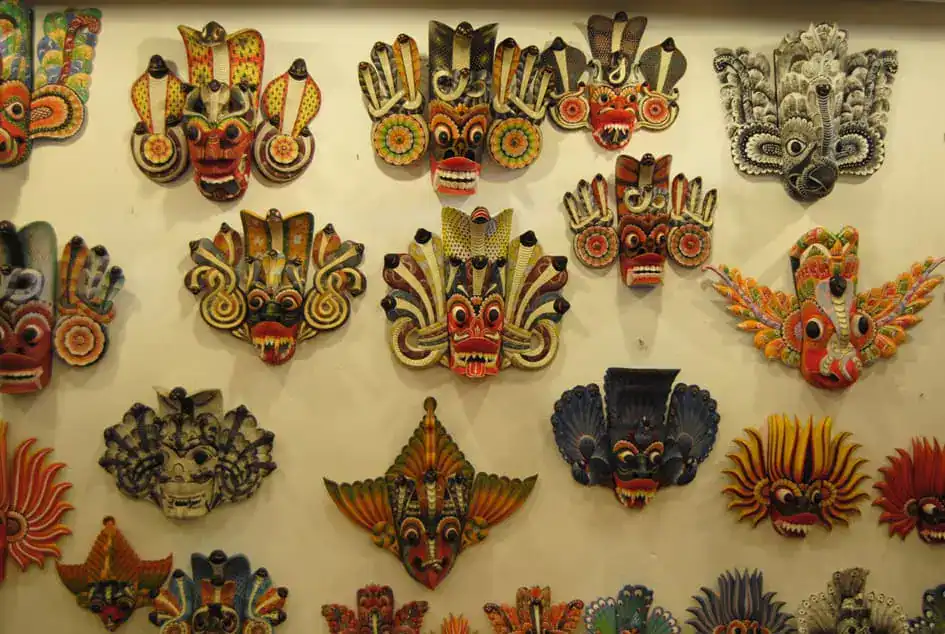
Ambalangoda Traditional Masks, Photo: Sarvodaya Shramadana Movement
, CC BY 2.0 (via Flickr)
Day 3:
Take a Madu River safari or explore Galle Fort. Return for sunset at Hikkaduwa Beach. Relax with a cocktail or a coconut by a beach bar.
Optional Day 4:
Visit the turtle hatchery and the Seenigama Temple. Spend the afternoon reading or swimming. Prepare for transfer to your next destination—Unawatuna, Ella, or Colombo.
This simple plan keeps days light while covering all key experiences.
Who Will Enjoy Hikkaduwa Most
- Surfers: Consistent waves and easy board rental.
- Couples: Romantic sunsets, seaside dinners, boutique hotels.
- Families: Calm swimming zones and turtle sightings.
- Solo travellers: Friendly local scene and budget stays.
- Cultural explorers: Mask museums, temples, and community stories.
Hikkaduwa fits well near the start or end of your Sri Lanka itinerary. It offers rest after exploring the hill country or adventure after the cultural sites.
Easy Planning and Travel Combinations
Combine Hikkaduwa with:
- Galle: for history and architecture.
- Unawatuna or Weligama: for more surf and beaches.
- Udawalawe or Yala National Park: for wildlife.
- Colombo: for urban culture and flights home.
Each link is under four hours by road, making route planning simple.
When arranging your schedule, keep one flexible day. Weather or tides might shift plans for surfing or snorkelling. Hikkaduwa works best with a slow pace.
For a complete overview of planning your first visit to Sri Lanka, read our Sri Lanka Travel Guide: The Complete Planning Guide for First-Time Visitors and How to Plan a Sri Lanka Trip Step by Step: Complete Travel Guide.
Why Hikkaduwa Belongs on Every Sri Lanka Itinerary
Hikkaduwa captures the essence of Sri Lanka’s coast: sun, sea, and warm human energy. The Hikkaduwa Beach stretch delivers both activity and calm. The coral reef offers a window into underwater life, only a short swim from shore. Surf breaks, turtle encounters, and cultural stops all fit into one small area.
Add to that the simple pleasures—fresh seafood, friendly faces, and sunsets over the Indian Ocean—and you understand why Hikkaduwa remains a top stop for travel in Sri Lanka. It feels lived-in, not staged. It rewards curiosity and respects nature. Whether you travel alone, with friends, or as a family, the town gives you space to breathe and experiences to remember.
Plan your stay with intention. Arrive early for the morning light, stay out late enough for the stars, and take time to watch the rhythm between people and sea. That rhythm is Hikkaduwa. It’s the sound of the Sri Lankan coast at its best.
The Map of Hikkaduwa
Featured image: Hikkaduwa Beach (Dinusha Chathuranga, CC BY-SA 4.0 via Wikimedia Commons)

I am a Sri Lankan medical doctor who spends my free time travelling, exploring new destinations, and documenting the beauty of the island I call home. I have journeyed across almost every corner of Sri Lanka with my wife and daughter — from wildlife parks and misty mountains to ancient cities, deep forests, rugged landscapes, and quiet beaches.
Travel is not just a hobby for me — it’s a way of life. I love nature, enjoy road trips, and find joy in wildlife photography. I also read widely about tourism, travel trends, and destination culture. Through my writing, I aim to help travellers experience Sri Lanka through real stories, meaningful insights, and honest recommendations — the same way I explore it with my own family.