
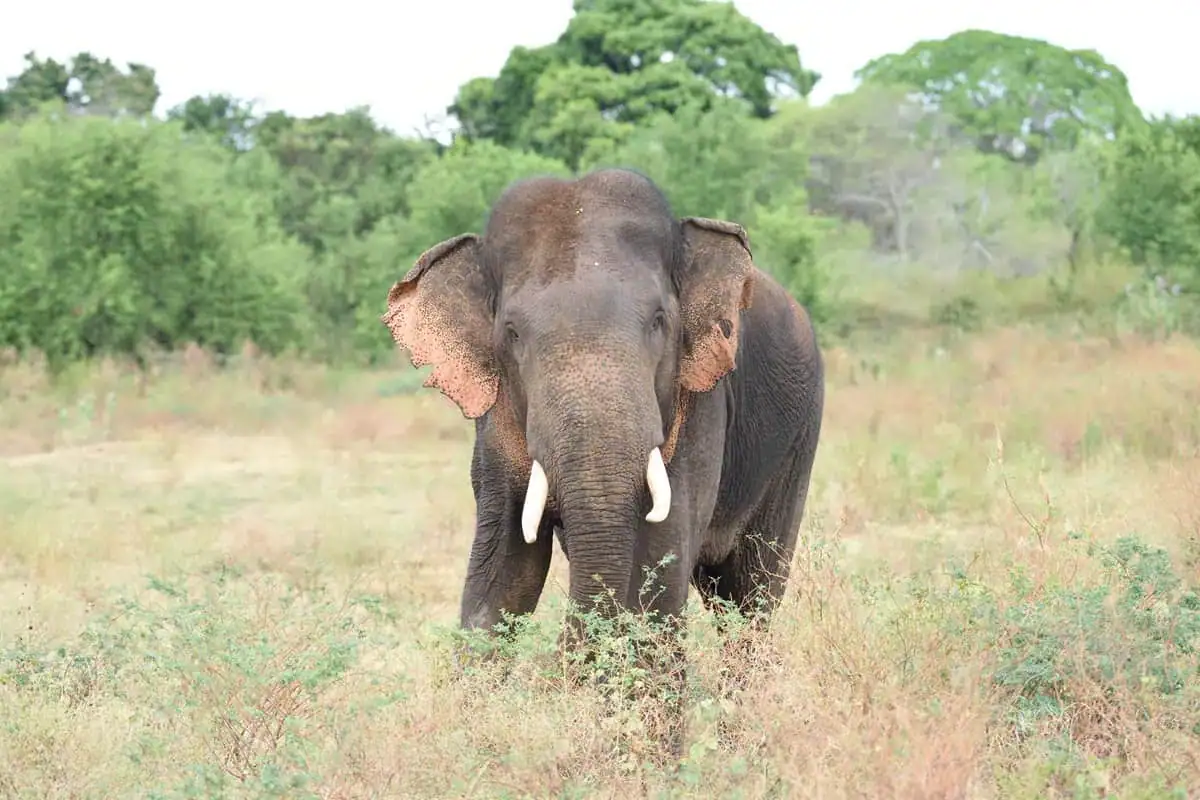

Udawalawe National Park gives you one of the clearest, most consistent wildlife and nature experiences when you visit Sri Lanka. The landscape stays open, the tracks remain wide, and elephants often appear within minutes of entry. You sit in a jeep, you scan the grass, and you start to understand why Udawalawe National Park ranks so high for a wildlife safari in Sri Lanka. This guide covers the whole trip, from planning and routes to wildlife, safety, photography, and responsible travel.
What Is Udawalawe National Park
Udawalawe National Park is a protected area in Southern Sri Lanka managed by the Department of Wildlife Conservation.
You experience a dry zone park with a strong water core. The reservoir shoreline, seasonal pools, and river edges attract animals year-round. Grasslands dominate large sections of the park, improving visibility and supporting grazing species.
Why Udawalawe National Park Holds Special Status
Udawalawe National Park holds a special status for one main reason. You often see elephants, and you see them well. Open plains reduce visual barriers. The reservoir and waterholes support daily movement patterns. Herds graze, drink, and cross tracks in front of vehicles.
The park also sits at the centre of a wider conservation story. The Udawalawe Elephant Transit Home rehabilitates orphaned elephant calves and releases them into the wild. This focus on rehabilitation and release shapes how many travellers think about ethics and elephants in Sri Lanka.
Recognition and Tourism Appeal
Udawalawe National Park attracts travellers who want a safari in Sri Lanka with strong odds of significant wildlife sightings. The park works well for short stays and for longer wildlife-focused itineraries. Many visitors pair it with the Southern Coast or with Ella due to the road links and manageable drive times.
Tourism operations remain structured. You enter in a licensed jeep with a driver. Rangers and park staff manage entry, tickets, and vehicle flow. Online permit reservations are available through a government eService that supports planning during peak periods.
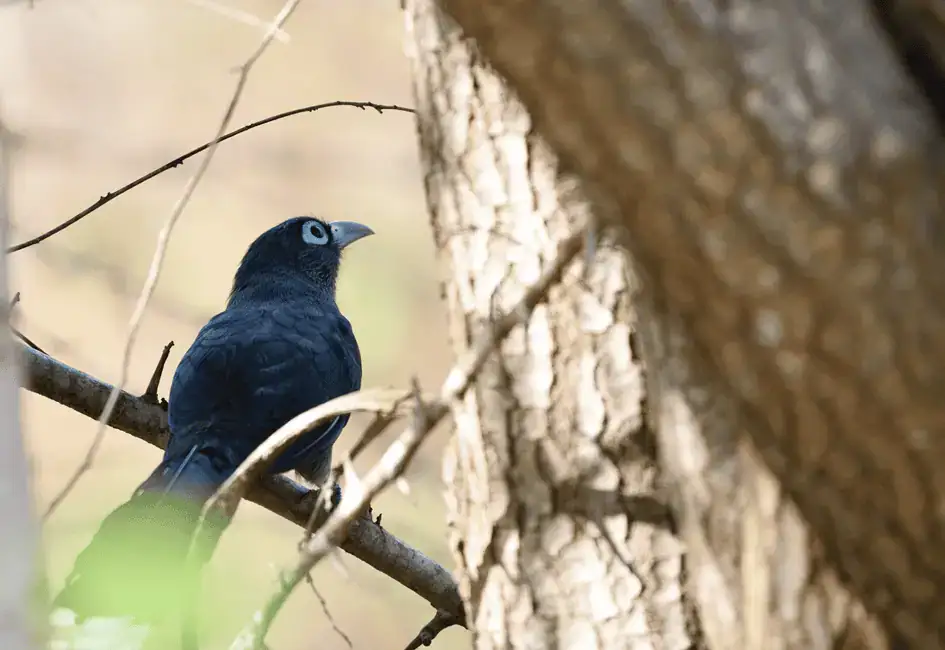
Blue-Faced Malkoha (Photo: Nalaka Priyantha)
Location and Geography
Udawalawe National Park lies on the boundary between the Sabaragamuwa and Uva provinces. Embilipitiya is the nearest central town listed on many maps and park references.
Geography drives the safari experience. You move through:
- Open grasslands near the reservoir
- Scrub and thorn forest patches
- Seasonal wetlands and water edges
- Rocky and sandy track sections
This blend supports many species and offers a variety of backgrounds for wildlife photography. You shift from open sky scenes near the water to dense green edges where birds and smaller mammals hide.
Size of the Park
Udawalawe National Park covers about 308.21 square kilometres.
This size matters for your planning. It supports large-animal movement and reduces crowding in many zones, though during peak season, jeep numbers remain high near prime water areas. A larger park also means different habitats. If you do only one safari, you will not cover every zone. If you do two or three drives, you improve variety.
Main Entrance
Most visitors enter through the main gate near Udawalawa town. This gate handles ticketing and vehicle entry procedures. Many safari operators base their pickups around this access point.
Plan for a short queue during peak mornings. Arriving early reduces time spent at the ticket counter and increases time spent wildlife viewing.
Adjoining National Parks
Udawalawe National Park sits within a broader southern protected area network. Travellers often combine Udawalawe with Yala National Park in a single itinerary, since both sit within the wider southern circuit of wildlife areas. You also find other protected lands nearby, though access and travel logistics vary by route and season.
If your trip goal includes big cats, Yala often takes priority. If your goal focuses on elephants in Sri Lanka and open viewing, Udawalawe usually delivers a smoother experience.
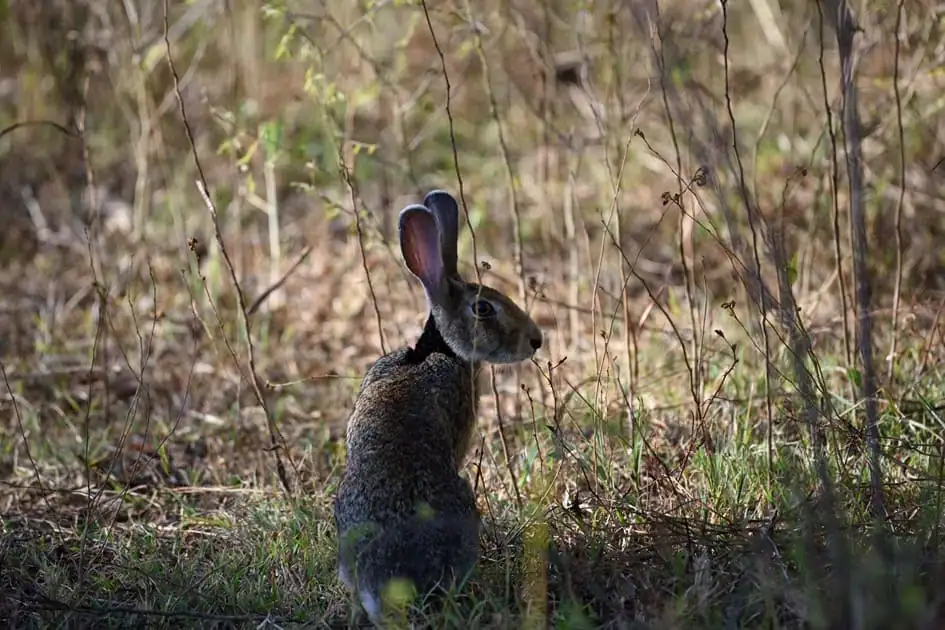
Blacked-Naped Hare (Photo: Nalaka Priyantha)
Pre-Booking Safaris
Pre-booking helps you control three key factors:
- Start time
- Vehicle quality
- Guide or driver experience
Government systems support online permit reservations for several parks, with a limit on the number of permits per date. This approach helps during peak travel periods.
You can book national park permits/tickets online through the Wildlife Park Permits Reservation eService.
If you stay near the park, your lodge often arranges the jeep and handles timing. If you arrive from Ella or the coast for a day trip, pre-booking matters more because of the tight time windows.
How to Reach Udawalawe National Park and How to Move Around
How to Reach the Park
From Colombo
Most routes go via Ratnapura or via expressway sections with inland connections. Expect a long drive and plan rest stops.
From Ella
Ella sits for around 2 hours by road. Many travellers move from Ella to Udawalawe for an afternoon safari, then continue towards the coast or towards Yala.
From the Southern Coast
Tangalle, Mirissa, Weligama, and nearby areas are connected by road. Many people plan to stop at Udawalawe for one night on the way between the popular beaches and the hill country.
It will be easy to reach and get around Udawalawe National Park if you are familiar with the transport in Sri Lanka guide.
How Movement Works Inside the Park
You enter Udawalawe National Park in a licensed safari jeep. Private vehicles do not operate as self-drive safaris. The driver follows park tracks and adjusts based on wildlife reports and conditions. This structure supports safety and reduces off-road damage.
You will notice a pattern. Most jeeps concentrate near water and open grass in the early hours, then spread out. A skilled driver knows when to leave a crowded sight and search quieter edges.
Nature, Flora, and Fauna
Udawalawe National Park rewards you with breadth. You will see iconic mammals, and if you slow down, you will also notice details.
Trees and Plant Life
The park has dry-zone vegetation, with grassland dominance. You see scattered trees and scrub, plus denser pockets around water and seasonal wet zones. Grass grows fast after rain. Dry season shortens the grass and increases visibility.
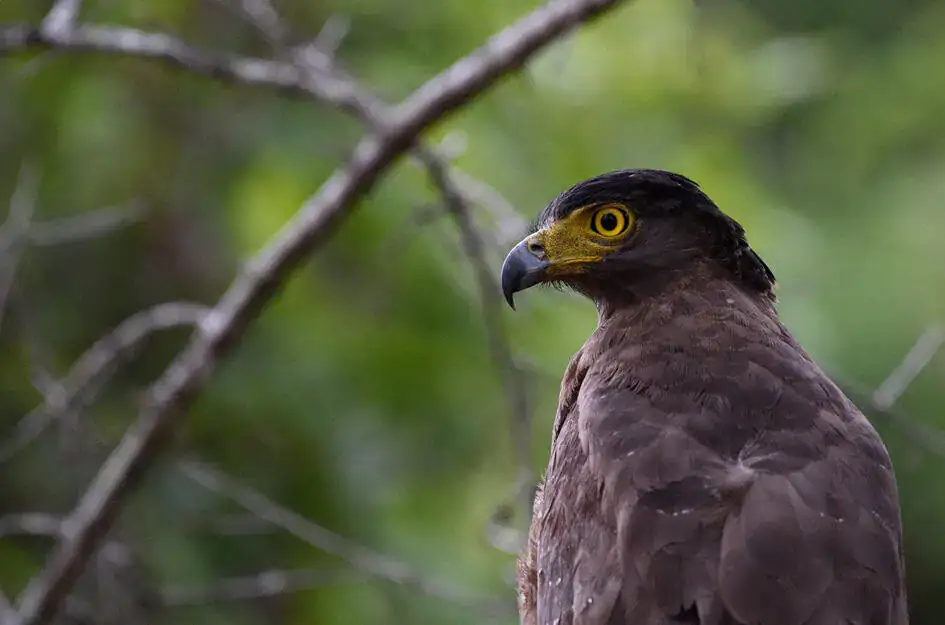
Crested Serpent Eagle (Photo: Nalaka Priyantha)
Mammals
Elephants define the park experience. You often see:
- Family groups grazing in open grass
- Single bulls near water edges
- Young elephants practising dominance behaviour
- Herds crossing tracks towards the reservoir
You also see water buffalo, spotted deer, wild boar, jackals, and monkeys. Leopard sightings occur but remain less consistent than at Yala. You should treat any leopard sighting as a bonus, not a goal.
We recommend reading “The Best National Parks to Spot Leopards in Sri Lanka“.
Birds
Udawalawe supports a high level of bird diversity due to its wetlands and open water. You often see raptors scanning from trees, waterbirds feeding along reservoir edges, and kingfishers near shallow pools. If you care about birds, request a driver who specialises in birding and bring binoculars.
Reptiles and Amphibians
Mugger crocodiles appear near the water’s edge, especially where banks remain open. Monitor lizards move across tracks and rest on warm surfaces. After rain, frogs and smaller reptiles become more active, though you often notice them only if you pause and listen.
Invertebrates
Butterflies, dragonflies, and beetles add motion and colour during warm hours. Dragonflies cluster near water. Butterflies appear along track edges and in flowering patches.
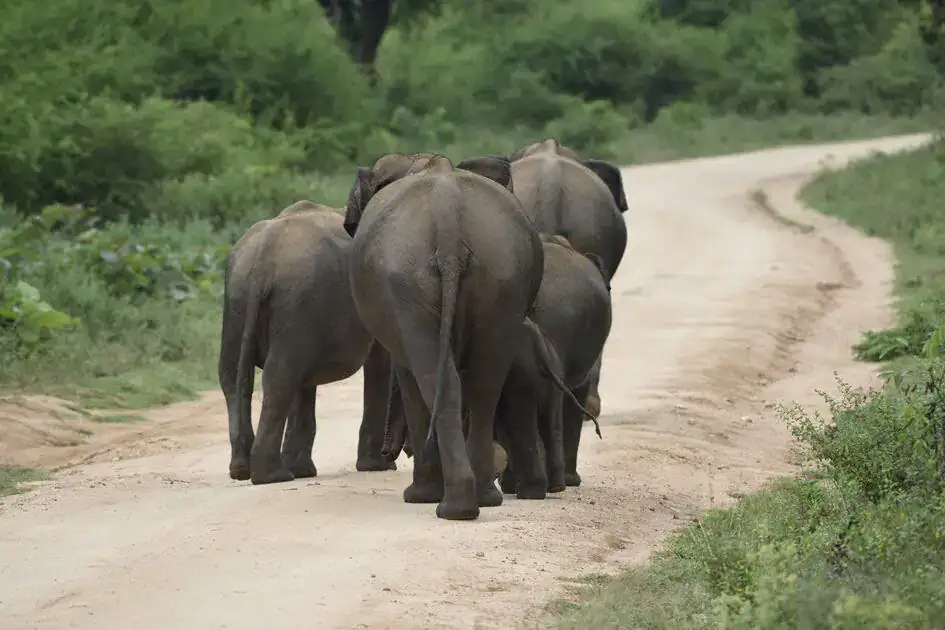
A Morning Walk (Photo: Nalaka Priyantha)
Best Time to Visit and Why
The best time to visit Udawalawe National Park often falls during the drier months, when animals gather near water and grass is shorter. Many travel sources describe May to September as a strong period for elephant-focused visits, due to dry-season conditions.
You should also think about your trip route. If you visit Sri Lanka in winter, Udawalawe still works well. Rain patterns shift across the island, and the park remains open year-round.
Before you plan your visit, it is better to read up on the weather in Sri Lanka and the best time to visit.
Best Time of Day
Early morning and late afternoon usually bring stronger animal activity. Light also suits wildlife photography during these hours.
If you want fewer vehicles, choose a later afternoon entry and ask your driver to focus on quieter zones away from the first main reservoir viewpoint.
The opening hours of Udawalawe National Park: From 6.00 am to 6.00 pm (every day).
Weather and Conditions
Udawalawe stays warm throughout the year. Heat rises quickly after sunrise, then peaks midday. Afternoon storms occur during wetter months, often short and intense.
Dry Season Conditions
- Dusty tracks
- Shorter grass
- High visibility
- More wildlife concentration near water
Wet Season Conditions
- Greener landscapes
- Softer light
- More insects
- Occasional track closures in low areas
Your comfort depends on sun protection, hydration, and dust control. A scarf and lens cloth help on dry days. A light rain jacket helps during inter-monsoon showers.
Current Weather and Weather Forecast in Udawalawe National Park
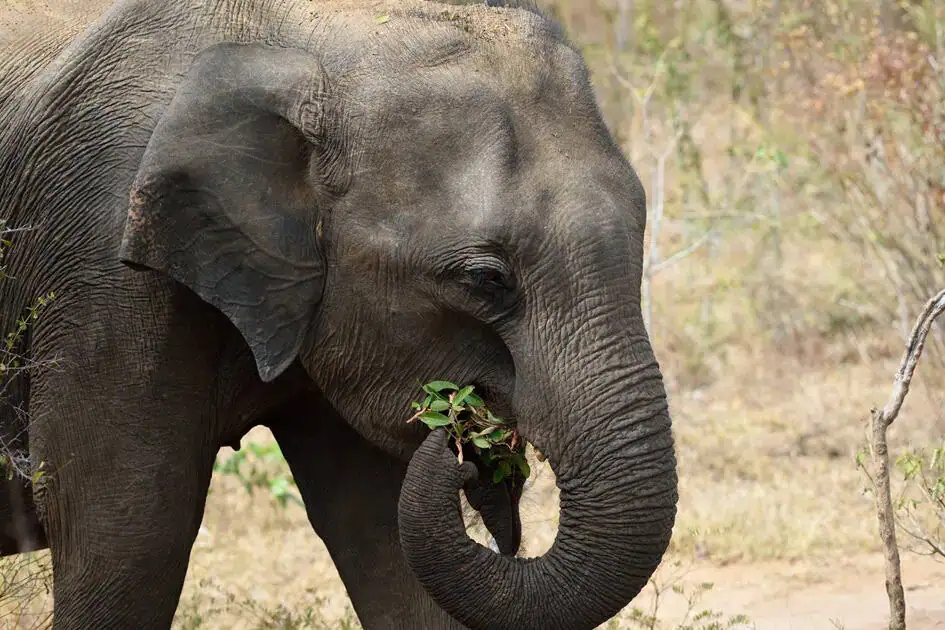
An elephant is having a delicious meal (Photo: Nalaka Priyantha)
Who Will Enjoy Udawalawe Most
Udawalawe National Park suits:
- First-time safari travellers who want consistent sightings
- Families who want a shorter, clearer safari experience
- Travellers focused on elephants in Sri Lanka
- Birders who enjoy wetlands and open country birds
- People who are serious about wildlife photography and prefer open backgrounds and clean sightlines
If you want nightlife, shopping, or a resort scene, you should treat Udawalawe as a focused nature stop rather than a lifestyle hub.
Preparing for Your Safari
Preparation sets the tone. You want to reduce friction and increase time in the park.
Step 1. Pick Your Safari Window
- A morning safari works well if you stay near the park.
- Afternoon safari works well if you arrive from Ella or the coast.
Step 2. Choose Your Vehicle Type
- Private jeep gives you control over stops and pace.
- Shared jeeps reduce costs but also reduce control.
Step 3. Confirm Your Pickup Time and Meeting Point
- Ask for a written message with time and location. It avoids confusion in early morning darkness.
Step 4. Plan Your Food and Water
- Eat before you enter. Carry water. Most safaris last 2 to 4 hours.
Step 5. Prepare Your Gear
- Charge your phone and camera.
- Pack a lens cloth and dust protection.
- Set camera settings before entry.
Step 6. Learn Basic Behaviour Rules
- Stay seated.
- Keep voices low.
- Avoid sudden movement.
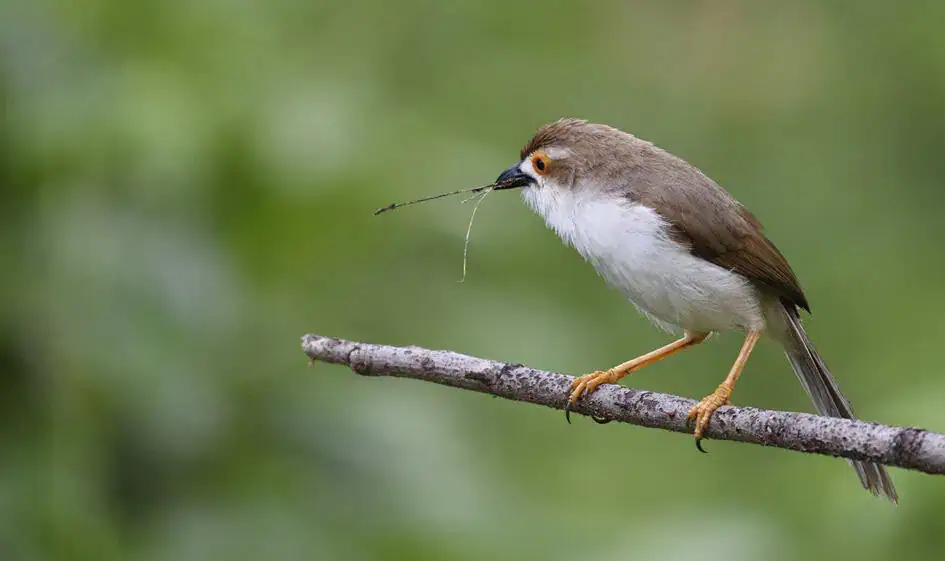
Working Hard for the Next Generation (Photo: Nalaka Priyantha)
What to Bring
Bring practical items that match the conditions.
Clothing and Comfort
- Neutral coloured shirt and light pants
- Closed shoes or sturdy sandals
- Hat with a brim
- Sunglasses
Protection
- Sunscreen
- Insect repellent
- Light rain jacket in wet months
Safari Essentials
- Water bottle
- Small snacks for kids
- Binoculars
- A camera with a telephoto lens, if you care about wildlife photography
- Power bank
- Lens cloth
- Scarf or buff for dust
Money and Documents
- Cash for small purchases outside the gate
- Booking details on your phone
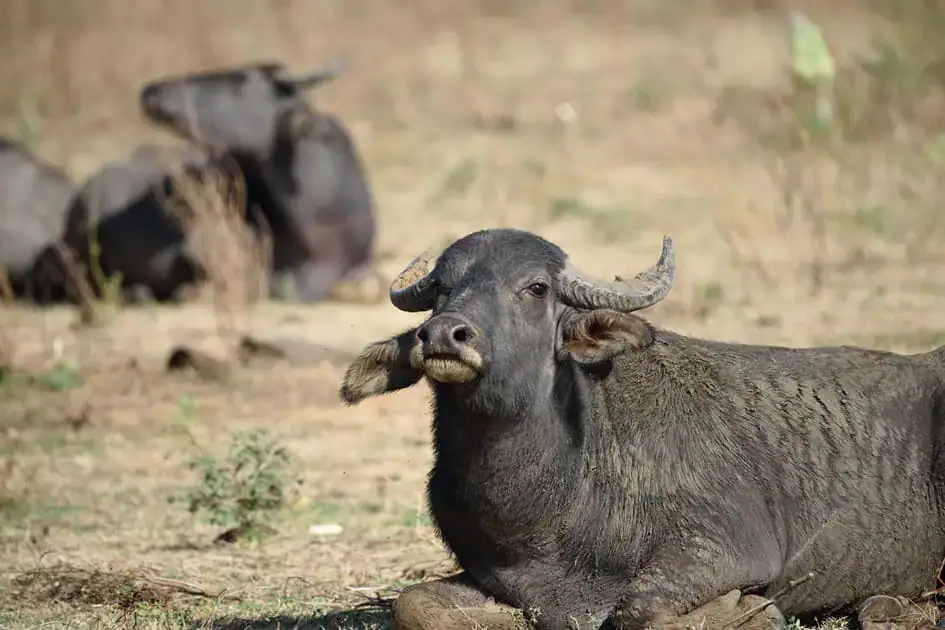
A Wild Buffalo in Udawalawe National Park (Photo: Nalaka Priyantha)
Nearby Attractions
Udawalawe works well as a base for short side trips. These attractions help you build a wider itinerary when you visit Sri Lanka.
Udawalawe Elephant Transit Home
This facility focuses on rehabilitation and release. Many travel references describe scheduled feeding sessions, often several times per day.
You watch from viewing areas. You do not touch animals. You do not pose for photos with calves.
Sri Sankapala Rajamaha Viharaya
This temple offers a quiet cultural stop in the region. Visit with modest clothing and a calm pace.
Wavulpane Limestone Cave
This cave system draws travellers interested in geology. You need sturdy footwear and a local guide.
- AllTrails Map – Wavulpane Caves (5.1 km)
Maduwanwela Walawwa
This historic manor gives insight into regional heritage and architecture.
Kirindi Ella Falls
This waterfall is a good half-day stop if you travel via Ratnapura.
This town is connected to the gem industry’s history and serves as a travel hub between regions.
Ella pairs well with Udawalawe for a hill-to-plains itinerary. Many travellers do Ella first, then an afternoon safari in Udawalawe.
Yala is a good choice if you want a higher chance of leopard sightings. Expect heavier jeep traffic in popular zones.
Southern Coast
After your safari in Sri Lanka, you can shift towards the coast for rest days. Many people combine a visit to Udawalawe with a trip to beaches in the South due to easy road access.
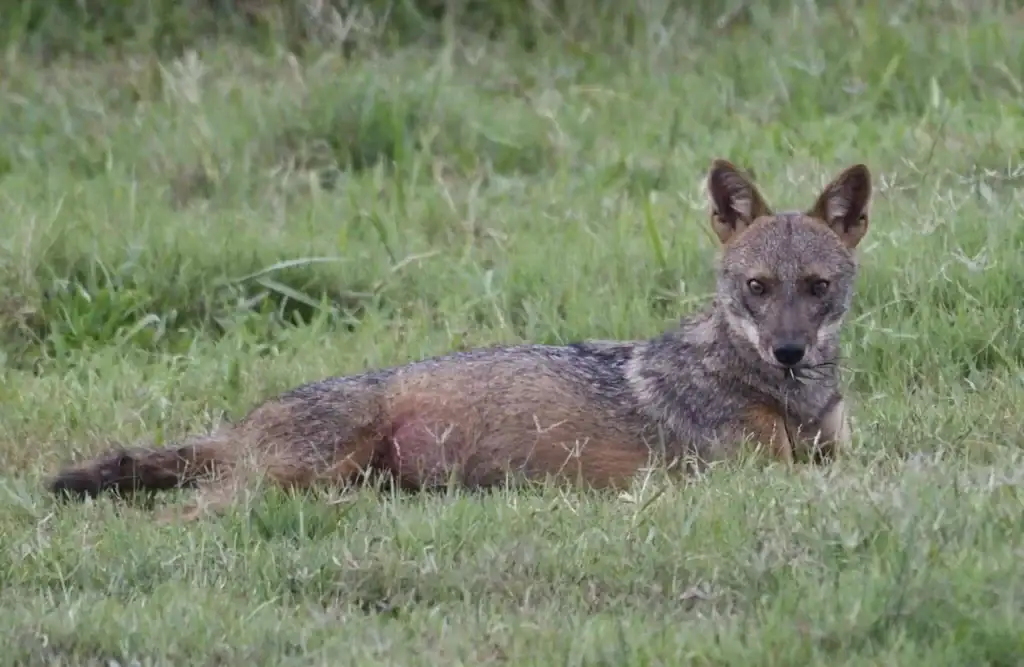
Are You Capturing Me? – Golden Jackal (Photo: Nalaka Priyantha)
Simple and Easy Plans That Work
Plan A. One Night, Two Safaris
Day 1
- Arrive from Ella or the coast.
- Do an afternoon safari.
- Sleep near the gate.
Day 2
- Do a sunrise safari.
- Visit the Elephant Transit Home after breakfast.
- Depart towards your next stop.
Plan B. One Safari Day Trip From Ella
- Early morning, depart from Ella.
- Arrive for an afternoon safari.
- Return late or stay one night.
Plan C. Family-Friendly, Relaxed Plan
Day 1
- Arrive midday.
- Rest and swim at your lodge.
- Do a late afternoon safari.
Day 2
- Do a short morning safari.
- Visit the Elephant Transit Home.
- Leave after lunch.
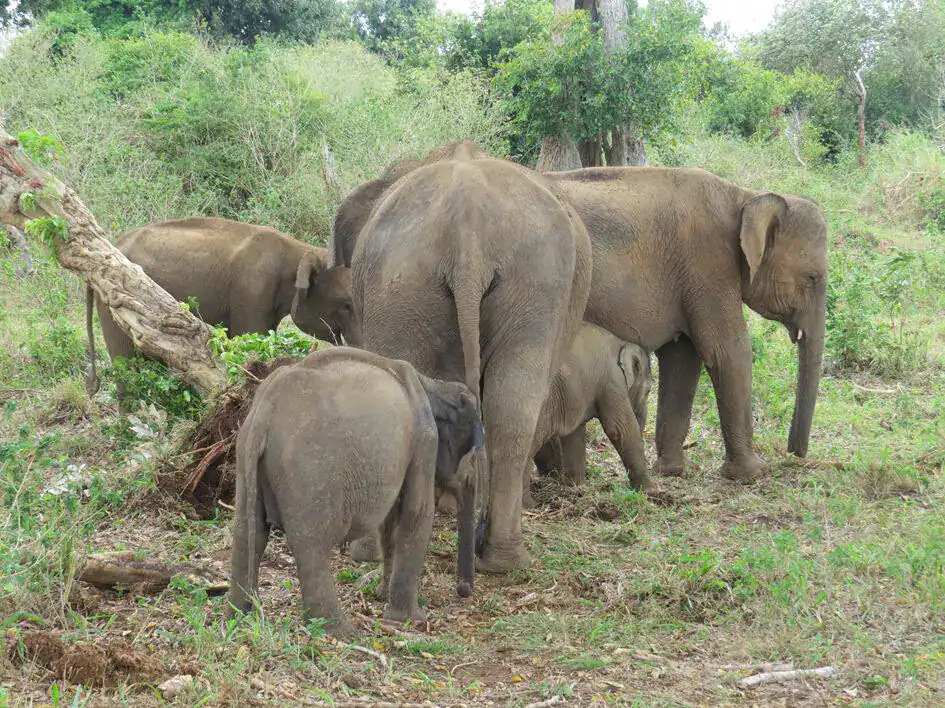
A Small Herd of Elephants (Photo: Nalaka Priyantha)
Facilities
You will find basic facilities near the entrance area. Ticket counters handle permits and fees. Small shops outside the gate sell drinks and snacks. Restrooms exist near entry points, though standards vary.
Inside the park, facilities remain minimal. You should assume there will be no restroom stops once you enter. Plan around this.
Camping Facilities
Udawalawe offers designated camping under official management and permits, though availability and rules change over time. If you want to camp, you should arrange through official channels or a reputable operator who follows park rules. You should avoid informal setups outside approved sites.
Camping works best for travellers who accept simple conditions and want early access and the sounds of nature at night. You should also take strict movement rules and ranger guidance.
Accommodations and Dining
Accommodation options cluster near the main gate and around Udawalawa town. You will find:
- Budget guesthouses with simple rooms
- Mid-range hotels with air conditioning and pools
- Eco lodges with nature-focused design
- Higher-end stays with larger grounds and better food options
Dining tends to follow lodge-based meals or small local restaurants. Rice and curry dominate menus. Fresh fruit and snacks are available at roadside shops. If you have dietary restrictions, let your lodge know in advance so staff can prepare suitable meals.
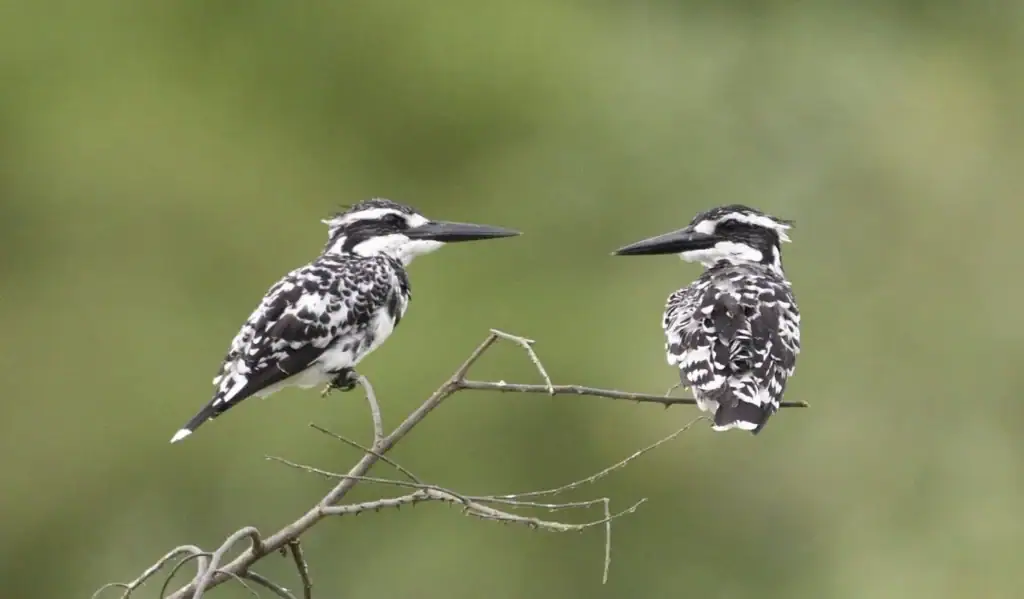
A Discussion – Two Pied Kingfishers (Photo: Nalaka Priyantha)
Wildlife Bungalows and Nights Inside the Park
Some wildlife department bungalows are located in national parks and park-edge zones. Availability changes, and demand stays high. If you secure one, you gain quiet surroundings and the advantage of an early departure. Expect simple facilities and strict rules.
Wildlife bungalows inside the park are limited, so booking through Wildlife Circuit Bungalows Reservation eService well in advance is essential. Planning early ensures availability during peak seasons, and bringing food or arranging catering through approved suppliers helps maintain smooth logistics during your stay.
If you stay outside the park, you can still reach the gate quickly for a sunrise entry, especially if you choose accommodation near Udawalawa.
Best Places, Activities, and Experiences
Udawalawe National Park revolves around the drive, but you control the style of your experience.
Reservoir Edge Drive
This route often produces elephant herds, water buffalo, crocodiles, and waterbirds. Light reflecting off water in the morning and late afternoon supports wildlife photography.
Open Grassland Tracking
This approach suits elephant viewing. You observe feeding behaviour and herd movement across open ground. You also see deer and boar in grass patches.
Birding-Focused Loops
Ask your driver to slow down near wetlands and trees. Raptors and waterbirds provide a substantial variety. Bring binoculars for distant perches.
Quiet Zone Strategy
Many drivers chase a popular sighting with a crowd. A different strategy often pays off. Leave the crowd. Drive slower. Search edges. It usually improves both sightings and the feel of the trip.
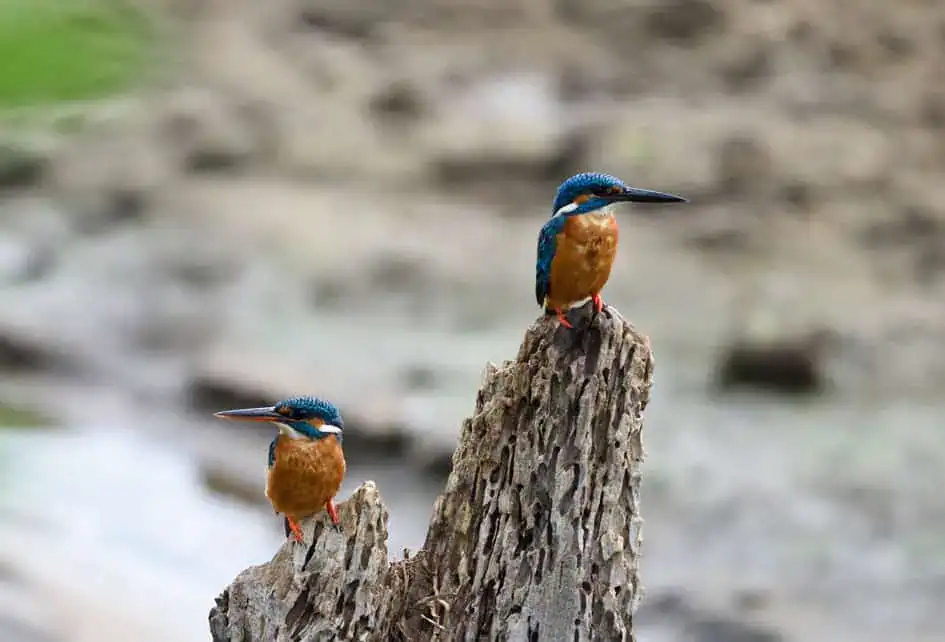
Two Common Kingfishers (Photo: Nalaka Priyantha)
Special Tips
Choose your driver carefully. A skilled driver:
- Reads animal movement patterns
- Avoids crowd pressure
- Communicates clearly
- Keeps safe distances
- Stops the engine during sightings when appropriate
Plan your light. If wildlife photography matters, aim for the golden hour.
- The first hour after sunrise.
- The last hour before sunset.
Control your expectations. Udawalawe often delivers elephants in Sri Lanka with ease, yet wildlife behaviour varies. You will enjoy the trip more if you accept the park as a living system rather than a checklist.
Photography Tips
Udawalawe National Park is well-suited to wildlife photography due to its open terrain. You still need good habits.
Settings and Technique
- Use a fast shutter speed for moving animals.
- Use continuous autofocus for walking subjects.
- Shoot in bursts during action moments.
- Increase ISO rather than risking blur in low light.
Composition
- Use grass and sky to show scale.
- Include calves with adults for the story.
- Watch backgrounds. Avoid placing animals in front of busy jeep lines when possible.
Light Management
- Morning light often looks softer.
- Late afternoon light often adds warmth.
- Midday light creates harsh shadows. Focus on behaviour and close portraits during midday.
Gear Handling
- Keep a lens cloth in hand.
- Protect your camera from dust with a simple cover.
- Avoid lens changes inside the park. Dust enters fast.
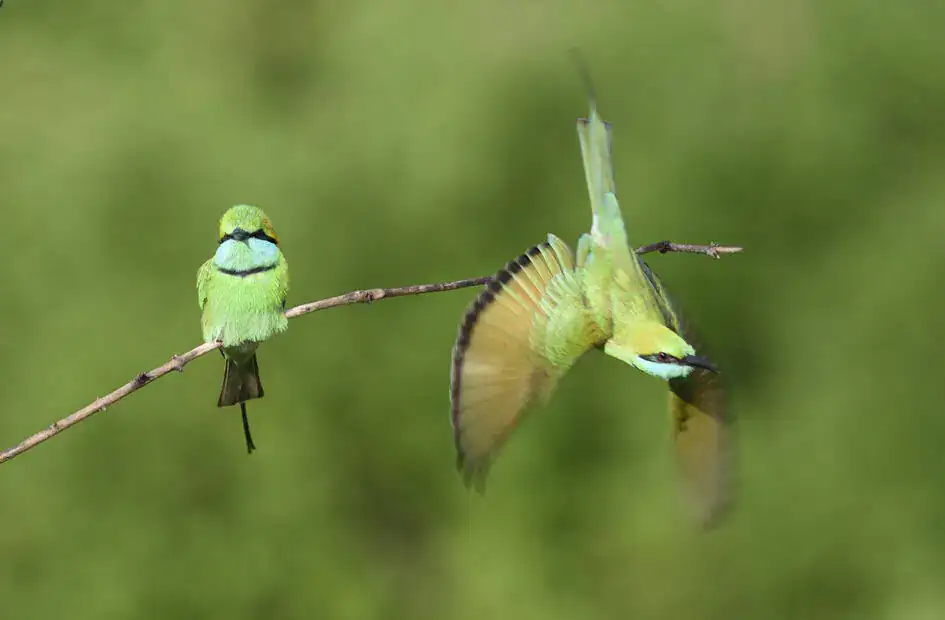
I am leaving – Two Green Bee-Eaters (Photo: Nalaka Priyantha)
Do Not Miss
- Sunrise entry with fresh tracks and cool air
- A calm elephant family group near water
- Crocodiles on open banks
- Large waterbird gatherings near the reservoir
- A visit to the Elephant Transit Home for the conservation context
Dos and Don’ts
Dos
Do stay seated in the jeep at all times.
Do speak softly and keep your movements slow.
Do ask your driver to keep a distance from animals.
Do keep your trash with you.
Do respect park staff instructions.
Don’ts
Do not feed animals.
Do not clap, shout, or play music.
Do not pressure the driver to approach too close.
Do not block tracks for long periods.
Do not throw food or plastic outside the vehicle.
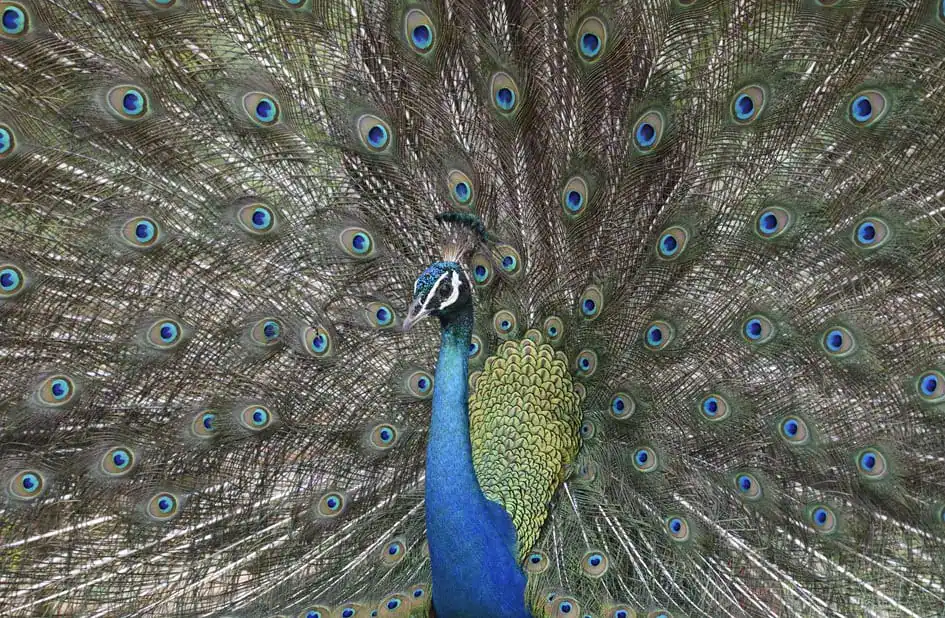
The Morning Dance of a Peacock (Photo: Nalaka Priyantha)
Handling Animal Encounters
Elephants in Sri Lanka deserve space. You will sometimes meet an elephant on the track. Your driver should stop at a safe distance. You should stay still and quiet.
If an elephant shows signs of stress, the driver should reverse slowly. Stress signs include:
- Head held high with a focused stare
- Ear spread and stiff posture
- Quick steps towards the vehicle
- Dust throwing or mock charge behaviour
You should never demand a closer view. Safety and animal welfare come first. Your best wildlife photography often comes from calm, natural behaviour at a respectful distance.
Visitor Guide and Safety
Follow these safety rules for a safer safari in Sri Lanka.
Inside the Jeep
- Stay seated.
- Keep your hands inside.
- Hold children close.
- Secure loose items.
Health and Comfort
- Drink water often.
- Use sun protection.
- Manage dust with a scarf.
- Carry motion sickness tablets if you need them.
Timing
- Avoid tight connections after a safari. Delays occur at the gate, and animals influence route speed.
Ethics
- Avoid operators who promise staged encounters.
- Avoid places that offer elephant performances or rides.
- Support ethical wildlife viewing and conservation.
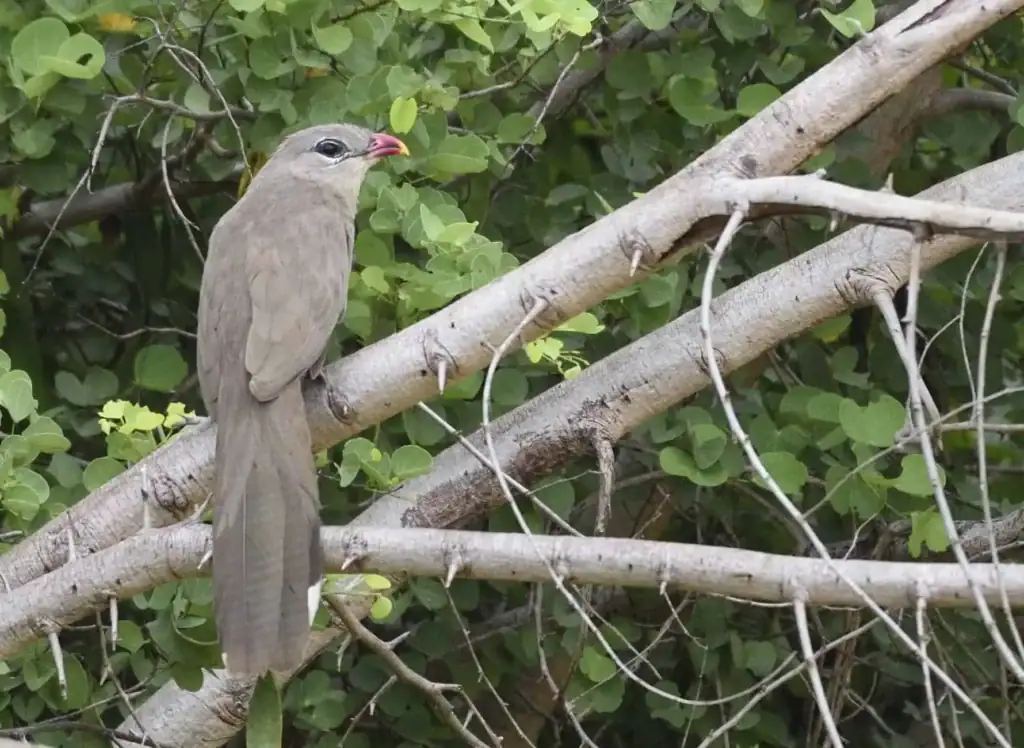
Sirkeer Malkoha (Photo: Nalaka Priyantha)
Udawalawe National Park survives through protection, funding, and community support. Your choices matter.
Choose Ethical Operators
- Select operators who respect distance rules and avoid crowd pushing.
- Ask if the driver follows park speed limits and track rules.
Reduce Waste
- Carry a reusable bottle.
- Refuse single-use plastics where possible.
- Take all trash out.
Respect Wildlife
- Do not demand risky approaches.
- Do not disrupt behaviour for photos.
- Keep voices low.
Support Local Livelihoods
- Eat at local restaurants outside lodge meals.
- Buy small items from local shops.
- Hire local guides for nearby cultural sites.
For a comprehensive insight into organising your first visit, check out our Ultimate Sri Lanka Travel Guide.
Final Thoughts
Udawalawe National Park offers a focused, high-value wildlife stop for travellers who want a safari in Sri Lanka built around visibility and respect. The open terrain provides clear views and clean backgrounds for wildlife photography. Most visits deliver memorable moments with elephants in Sri Lanka, along with birds, crocodiles, and the vast landscapes around the reservoir. If you plan well, choose an ethical operator, and travel with patience, Udawalawe National Park becomes one of the most rewarding parts of your Sri Lanka route.
Udawalawe Map
Featured image: An Elephant in Udawalawe National Park (Photo: Nalaka Priyantha)

I am a Sri Lankan medical doctor who spends my free time travelling, exploring new destinations, and documenting the beauty of the island I call home. I have journeyed across almost every corner of Sri Lanka with my wife and daughter — from wildlife parks and misty mountains to ancient cities, deep forests, rugged landscapes, and quiet beaches.
Travel is not just a hobby for me — it’s a way of life. I love nature, enjoy road trips, and find joy in wildlife photography. I also read widely about tourism, travel trends, and destination culture. Through my writing, I aim to help travellers experience Sri Lanka through real stories, meaningful insights, and honest recommendations — the same way I explore it with my own family.