
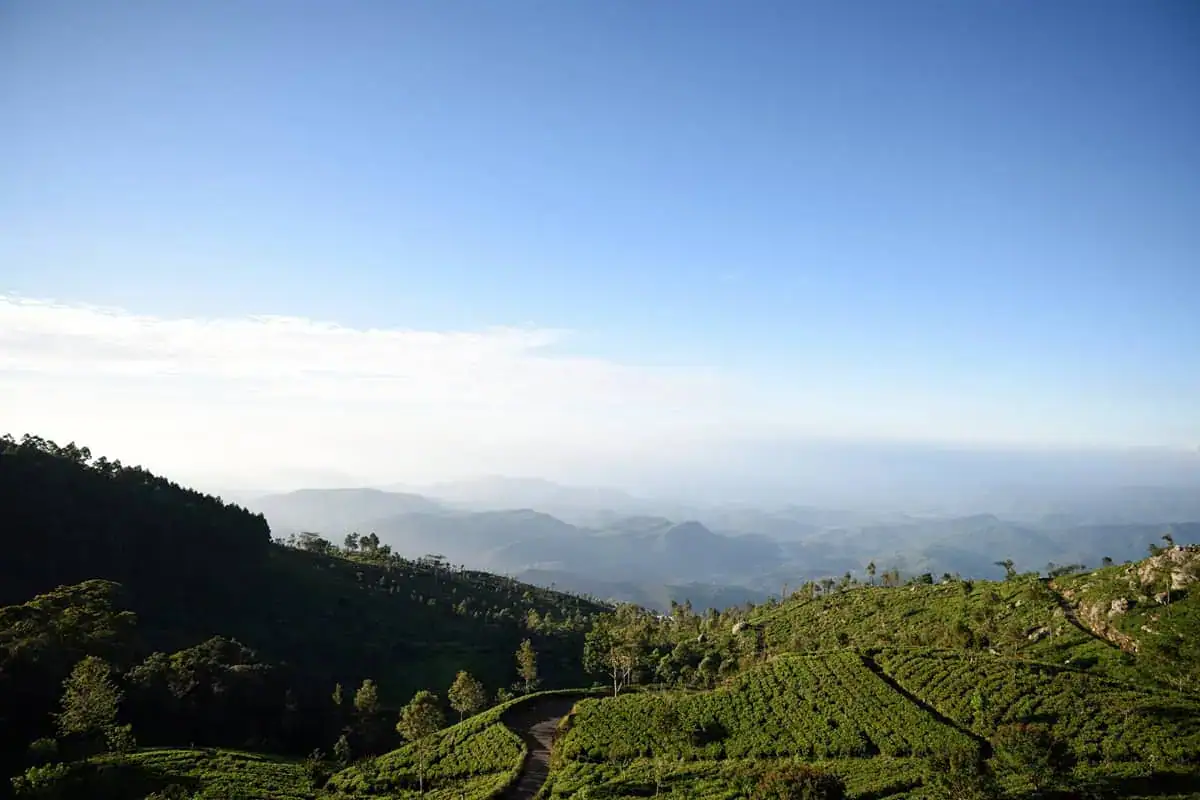

Haputale sits on a long ridge in Sri Lanka’s southern hill country, where tea estates spread across steep slopes and clouds drift through valleys below. The town feels calm from the moment you arrive. Trains pass slowly beneath the main road. Tea workers move through estates each morning with steady purpose. Air stays cool even under direct sunlight. Haputale appeals to travellers who prefer space, elevation, and routine over speed or spectacle. Many people who visit Sri Lanka plan only a short stop here and end up extending their stay.
The strength of Haputale lies in balance. The town remains well connected by rail and road, yet avoids heavy development. Walking routes begin close to town. Viewpoints sit within easy reach. Daily life continues around tea work rather than tourism schedules. It creates an experience that feels grounded and practical. Haputale rewards early starts, patience, and curiosity. This guide explains why the town matters, who it suits best, and how to plan time here with clarity.
If you are new to Sri Lanka and want a well-planned trip, use the Sri Lanka Travel Guide: The Complete Planning Guide for First-Time Visitors before you visit.
Why Haputale Is Special
Haputale stands between two geographic zones. To the North, the central highlands of Sri Lanka rise. To the South, land drops towards the Uva Basin and the dry plains beyond. This position gives the city wide views and shifting light throughout the day. Morning mist often settles along ridges. Clear skies appear by late morning. Evenings cool quickly once the sun drops.
Tea estates shape the land around Haputale and define daily rhythms. Roads follow estate boundaries. Workers begin early and finish before the afternoon cloud builds. Unlike larger hill towns, Haputale developed without resort blocks or dense commercial streets. Buildings stay low. Views remain open. Trails feel functional rather than staged. This restraint gives the town long-term appeal rather than short bursts of interest.
Recognition and Tourism Appeal
Tourism data from the Sri Lanka Tourism Development Authority places the Badulla District among established hill country destinations for registered accommodation and eco travel. Haputale contributes through guesthouses, small hotels, and access to outdoor experiences rather than mass tourism infrastructure. It keeps visitor numbers steady without pressure on land or services.
International itineraries often include Haputale for tea history, scenic rail travel, and ridge viewpoints. Travel reviews highlight sunrise trips, walking routes, and quieter conditions compared with Ella. The growing profile of the Pekoe Trail has also increased Haputale’s visibility among foreign hikers who visit Sri Lanka for structured walking experiences across tea country.

Sun Rise in Haputale (Photo: Samanmalie Herath)
Best for Whom
Haputale suits travellers who value calm surroundings and outdoor activities. Couples enjoy cool evenings and shared walks along the ridge. Solo travellers benefit from safety, walkability, and friendly local interaction. Photographers gain layered views, mist patterns, and shifting light throughout the day.
Haputale works best for people who enjoy mornings more than nightlife. The town is not suited to visitors who seek late nights, shopping streets, or constant activity. If you enjoy routine, walking, and early starts, Haputale fits well.
Haputale for Every Budget
Haputale supports a wide range of budgets. Guesthouses offer clean rooms, warm blankets for cool nights, and simple breakfasts. Many include balconies or shared terraces with views of the valley. Owners often live on-site and share practical local advice.
Mid-range hotels provide added comfort through heating, gardens, and dining areas with views. Prices stay moderate compared with busier hill towns. Food costs remain low. Local eateries serve rice and curry, roti, kottu, and bakery items. Tea shops and cafés line the main road. Daily spending stays predictable and controlled.
Best Time to Visit and Why
The best time to visit Haputale runs from January through April and from July through September. These periods bring clearer mornings and safer walking conditions. Sunrise viewpoints work best during these months due to reduced cloud cover.
October and November bring heavier rain and frequent mist. Trails turn slippery. Visibility drops. December brings mixed weather patterns. If hiking, viewpoints, and photography matter to you, plan your trip for drier months.
If you plan to visit Haputale and other destinations in Sri Lanka, it is advisable to check the weather and the best time to visit.
Current Weather and Weather Forecast
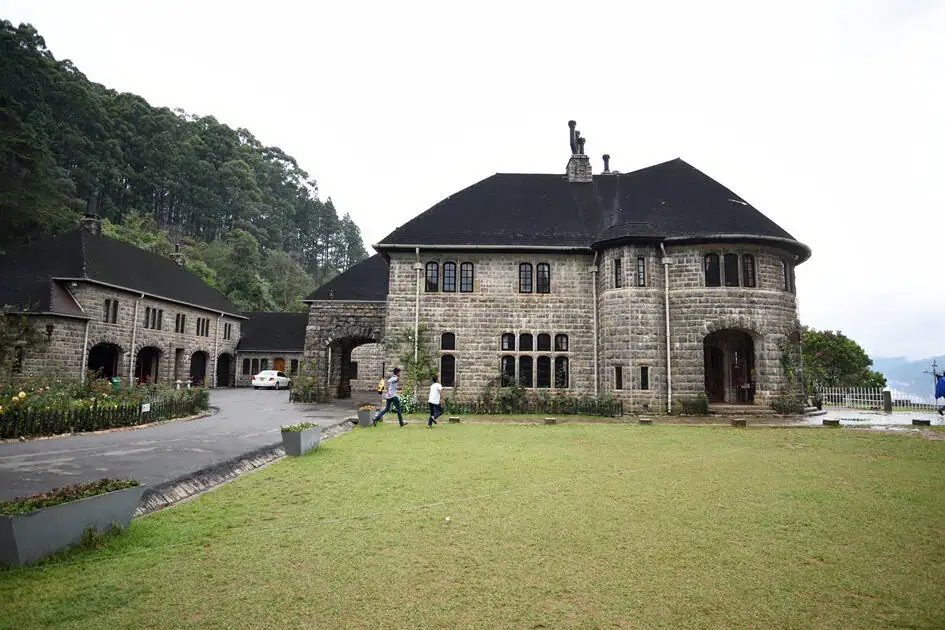
Adisham Bungalow (Photo: Nalaka Priyantha)
Location and How to Get There
Haputale lies in Sri Lanka’s Uva Province on the Colombo-Badulla railway line. Train travel offers the most scenic access, especially from Kandy, Ella, or Bandarawela. The rail segment near Haputale ranks among the most photographed in the country.
- Check the train schedule.
- Online Ticket Booking: Online Advance Train Seats Reservation from the Sri Lanka Railways Official Page.
Road access runs through Bandarawela and Haldummulla. Buses connect Haputale with Badulla, Ella, and Wellawaya. Travel times vary depending on weather and traffic, especially during rainy months.
If you plan to visit Sri Lanka, it is advisable to read “Transport in Sri Lanka: The Best Guide.”
Transport, Getting Around, and Parking
The town centre remains compact and walkable. Most guesthouses, cafés, and shops sit along the ridge road. Tuk-tuks serve nearby attractions and trailheads. Agree on fares before travel to avoid confusion.
Parking remains limited near viewpoints and the railway station. Space fills quickly during peak travel periods. Early arrival helps, especially for sunrise trips.
Layout and Conditions
Haputale stretches along a ridge, with side streets dropping down to estates and residential areas. The railway line runs below the main road, often hidden by vegetation. Pavements vary in condition. Sturdy walking shoes help on uneven surfaces.
The weather changes quickly due to elevation. Mornings feel cool—midday warms exposed areas. Evenings cool fast. Light layers work well year-round.
Nature, Flora, and Fauna
Tea bushes dominate the slopes around Haputale, arranged in tight rows that define the hills’ visual character. Shade trees break patterns and support soil health. Forest patches survive along ridges and protected zones.
Thangamale Sanctuary preserves native vegetation close to town. Bird species include bulbuls, flycatchers, and raptors. Butterflies appear during dry months along sunny trails. Early mornings offer the best wildlife observation.
Things to Do, Popular Activities, Experiences, and Events
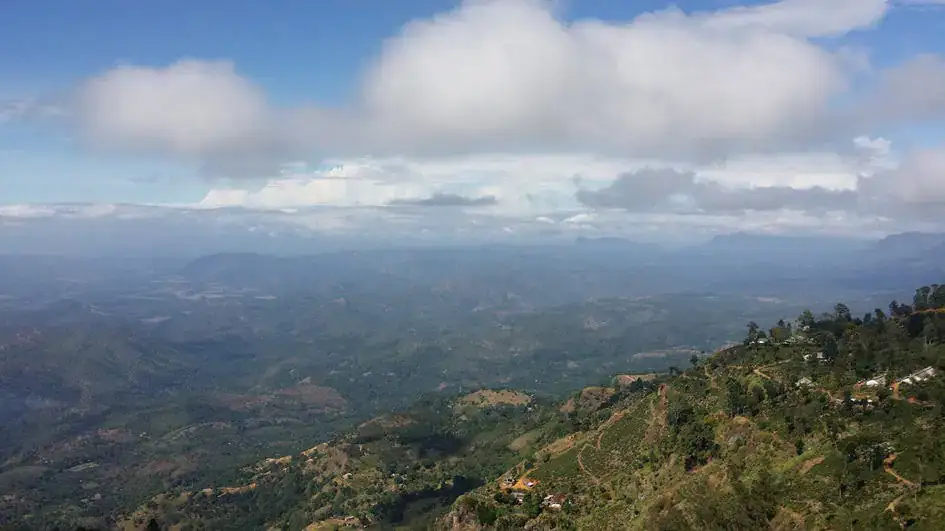
View from the Lipton’s Seat (Photo: Bajil1030, CC BY-SA 4.0)
Lipton’s Seat (Poonagala Area)
Lipton’s Seat is the most recognised attraction near Haputale and attracts foreign travellers year-round. The viewpoint sits high above rolling tea estates. On clear mornings, it opens views across the Uva Basin towards the southern plains. Sunrise visits remain the most popular because cloud movement is more predictable later in the day. Most visitors reach the viewpoint by tuk-tuk or private vehicle, while some choose to walk through tea estates for a slower approach. The area also holds historical significance linked to Sri Lanka’s tea industry, adding context beyond the view itself.
Trails from the Lipton’s Seat:
Dambatenna Tea Factory and Tea Estate
Dambatenna Tea Factory offers one of the most accessible tea learning experiences in the hill country. Guided tours explain each stage of tea production from leaf intake to grading and packing. Visitors often combine the factory visit with estate walks to understand plucking methods and worker routines. Tea tasting sessions follow the tour and help visitors recognise flavour differences linked to elevation and processing. The estate setting gives a clear picture of how tea shapes daily life around Haputale.
- Opening hours of Dambatenna Tea Factory: From 8:00 am to 12:30 pm and from 2:00 pm to 5:00 pm (every day).
If you are interested in Ceylon Tea, it is advisable to read about “Ceylon Tea: From Leaf to Cup“.
Exploring Ceylon Tea Heritage is a unique travel experience in Sri Lanka.
Adisham Bungalow (St. Benedict’s Monastery, Adisham)
Adisham Bungalow provides a quiet cultural contrast to outdoor activities. The former colonial residence now functions as a monastery and opens selected areas to visitors during fixed hours. Stone architecture, wood interiors, and surrounding gardens reflect early twentieth-century design adapted to hill-country conditions. Many travellers include Adisham as a short stop paired with nearby walks or viewpoints. Respectful dress and quiet behaviour remain essential during visits.
- Opening hours of Adisham Bungalow: From 9:00 am to 4:30 pm (every day).
St. Andrew’s Church
St. Andrew’s Church of Haputale remains an active place of worship and reflects the town’s colonial past. The stone building sits on an elevated site and offers calm views across the surrounding hills. Visitors often stop briefly to observe the architecture and enjoy the quiet setting, rather than for guided tours. The church adds historical depth to Haputale’s identity and pairs well with a slow walk through nearby streets.

Dambatenna Tea Factory (Photo: Nalaka Priyantha)
Thangamale Sanctuary and Ridge Walk
Thangamale Sanctuary serves as the closest nature reserve to Haputale town. The sanctuary protects native forest patches and ridgelines with open viewpoints. Walks through Thangamale attract hikers and birdwatchers who prefer quieter trails than those found in Ella. Visiting early in the mornings offers a better chance to spot birds and avoid the heat. Trails remain suitable for half-day walks without the need for transport.
Idalgashinna Railway Station and the Scenic Train Segment
Idalgashinna Railway Station sits along one of the most scenic rail segments in Sri Lanka. The station ranks among the highest in the country and provides sweeping views over valleys on both sides of the track. Many travellers plan train journeys specifically to pass through or stop at Idalgashinna for photography and short walks. The slow pace of rail travel enhances the experience and highlights Haputale’s role within the hill country rail network.
One of Sri Lanka’s famous trails is the railway walk from Idalgashinna to Haputale. If you are interested in hiking in Sri Lanka, it is advisable to read 10 Trails That Take You Off the Beaten Path.
Tea-country Sunrise and Viewpoint Runs
Sunrise trips form a core activity around the town due to consistent morning visibility. Popular viewpoints include Lipton’s Seat, Surungamuni Point, and St. Catherine’s Seat. These locations sit along ridges and tea estate roads, which remain accessible by tuk-tuk or foot. Early departures help avoid cloud cover and traffic. Many travellers plan multiple mornings to increase the chances of clear views.
Tea Immersion Experiences
Tea immersion experiences go beyond standard factory visits and focus on hands-on learning. Several estates near Haputale offer guided sessions where visitors observe plucking techniques, learn the basics of grading, and sample teas from different elevations. Dambatenna Tea Factory often anchors these experiences due to historical relevance. These sessions appeal to travellers interested in agriculture, trade history, and daily working life in tea country.
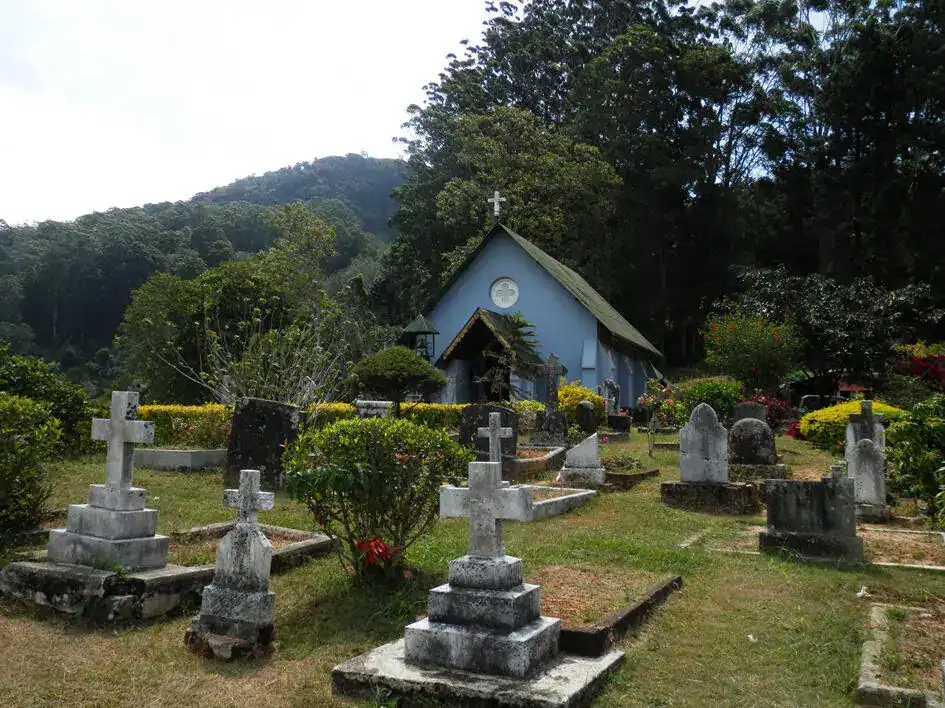
St. Andrew’s Church (Photo: Gonzo Gooner, CC BY 3.0)
Hill-country Hiking and Ridge Walks
Hiking remains one of the strongest reasons travellers choose Haputale. Estate roads, ridge paths, and forest trails provide varied walking options without heavy crowds. Many routes start close to town and pass through working tea fields and villages. The cooler climate supports year-round long walks, especially during the dry months.
If you are interested in hiking, trekking, and mountains, we recommend reading about the popular mountains in Sri Lanka.
Stages of the Pekoe Trail in and near Haputale
Pekoe Trail stages 11, 12, 13, and 14 pass through or near Haputale and connect estates, villages, and ridges. These stages attract international hikers who visit Sri Lanka for multi-day walking routes. Clear waymarking, moderate elevation change, and cultural interaction make these stages suitable for both experienced and intermediate walkers. Haputale works well as a base for tackling multiple stages.
Trail Maps:
- AllTrails Map – The Pekoe Trail Stage 11: Horton Plains To Udaweriya (13.2 km)
- AllTrails Map – The Pekoe Trail Stage 12: Udaweriya To Haputale (17.5 km)
- AllTrails Map – The Pekoe Trail Stage 13: Haputale To St. Catherine (13.7 km)
- AllTrails Map – The Pekoe Trail Stage 14: St. Catherine (Lipton Seat) To Makulella (9.5 km)
Devil’s Staircase and Viewpoints
The Devil’s Staircase route offers a rugged off-road experience, linking Haputale with views of the southern lowlands. The route includes steep descents, open viewpoints, and remote terrain. Most travellers explore this area with local guides due to road conditions and navigation needs. The reward comes from wide visibility and a strong sense of transition between the hill country and the lowlands.
Scenic Train Travel
Scenic train travel remains a defining experience around Haputale. Routes towards Ella, Bandarawela, and Badulla offer continuous views of tea fields, ridges, waterfalls, mountains, and valleys. Many travellers treat the train ride as an activity rather than transport. Open doors, slow speeds, and changing light conditions support photography and relaxed observation.
If you are interested in scenic routes, read about the Kandy to Ella Train ride, which is one of the most scenic routes in the world.
Nature and Birding
Nature observation appeals to visitors who prefer quiet exploration. Thangamale Sanctuary and estate edges support bird species adapted to hill-country forests and open land. Early mornings bring the most activity. Birding pairs well with walking routes and does not require special equipment beyond patience and timing.
Waterfalls Near the City
Waterfalls form a strong secondary attraction around Haputale. Lemastota Oya Ella, Galkanda Ella, and Haldummulla Ella sit within manageable driving distance. Diyaluma Ella, Lanka Ella, and Bambarakanda Ella attract longer day trips and often feature in popular itineraries. Best flow appears during and after rainy periods, while access improves during drier months.
Trails near Diyaluma Ella Falls:
- AllTrails Map: Diyaluma Falls (2.6 km)
- AllTrails Map: Diyaluma Falls Upper Trail (3.4 km)
- AllTrails Map: Upper Dayaluma Falls (4 km)

Idalgashinna Railway Station (Photo: Samantha Weerasinghe, CC BY 2.0)
Nearby Key Attractions That Pair Well With Haputale
Haputale pairs well with several nearby destinations due to short travel distances and contrasting environments. Ella lies east along the same railway line and offers cafés, social energy, and popular hikes, which contrast with Haputale’s quiet rhythm. Koslanda sits south of the city and provides access to waterfalls and warmer lowland conditions. Bandarawela supports markets, services, and transport links useful for restocking and logistics. These locations allow travellers to balance calm hill-country time with activity and variety without long or tiring transfers.
Culture and Local Life
Daily life in Haputale follows tea estate routines rather than tourism schedules. Workers begin early in the morning and finish before the afternoon cloud cover builds. Markets operate mainly in the morning hours, and the evenings remain quiet across the town. Haputale reflects Sinhala, Tamil, and Muslim communities living and working side by side. Visitors who move patiently and respectfully experience easy interaction through simple greetings and local purchases. Tourism fits into existing rhythms instead of reshaping them, which gives the town an authentic and stable character.
Where to Stay and Dining
Accommodation in the town consists mainly of guesthouses and small hotels positioned along the ridge road and nearby side streets. Views and location often matter more than luxury features. Many properties provide heating or extra blankets due to cool nights. Dining options focus on practical meals rather than variety, with local eateries, bakeries, and small cafés serving rice and curry, roti, and simple Western dishes. Booking accommodation in advance is helpful during peak travel months, while dining rarely requires planning.
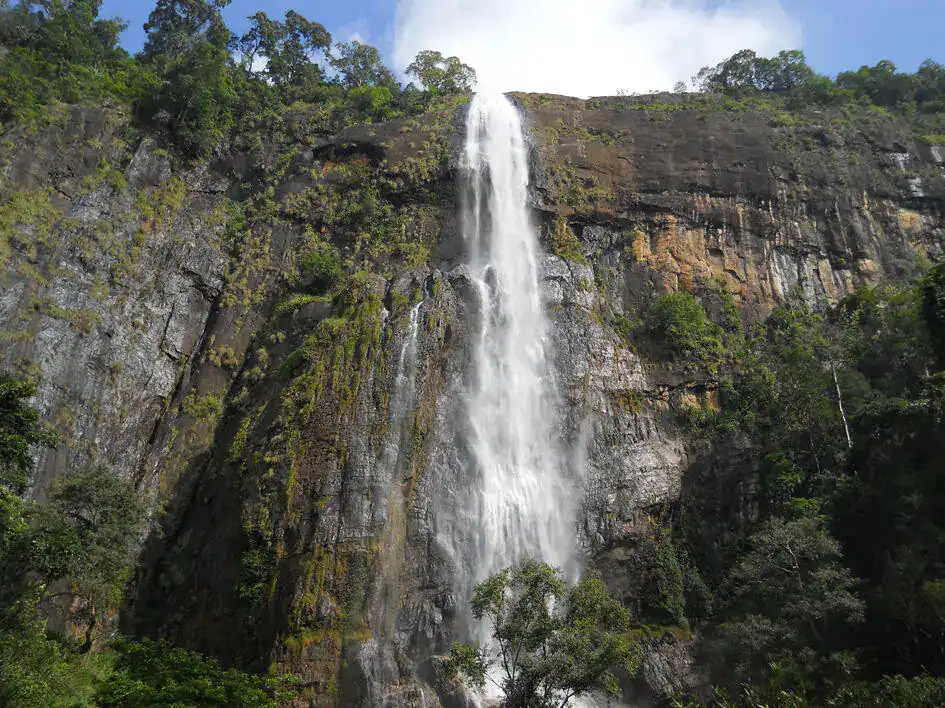
Diyaluma Ella Falls (Photo: Mahesh Malaka Udawatta, CC BY-SA 4.0)
What to Bring and Packing List
Packing for Haputale requires preparation for changing conditions rather than extremes. Light layers work best for cool mornings and warmer afternoons. A rain jacket remains essential year-round due to sudden showers. Sturdy walking shoes are suitable for estate roads and uneven pavements. Sun protection and drinking water remain important despite cooler temperatures. Carry cash for small purchases and transport, as card facilities stay limited. A torch helps during early starts and evening walks, while a reusable water bottle supports hydration and reduces plastic use.
Simple and Easy Plans That Work
A steady daily structure works best in Haputale. Plan sunrise viewpoints on clear mornings and schedule walks or hikes during late morning when visibility improves. Use early afternoon for rest, meals, or short town walks. Evenings suit quiet dining and planning for the next day. Leaving spare time between activities allows for adjustments to weather changes and avoids rushed movement. This approach aligns well with the town’s pace and reduces fatigue during longer stays.
Do Not Miss
Do not miss a sunrise visit to Lipton’s Seat during clear conditions. Do not miss at least one scenic train segment between Haputale and nearby stations. Do not miss walking through tea estates with time to observe daily work patterns. These experiences define the town more strongly than any checklist attraction and provide context for the town’s rhythm and setting.
Dos and Don’ts
Do start early to make the most of the weather and light. Do respect estate workers, private property, and working paths. Do check daily weather conditions before hiking. Do not litter or leave marked trails. Do not enter estate areas without permission. Following these guidelines supports safety, local relationships, and long-term sustainability.
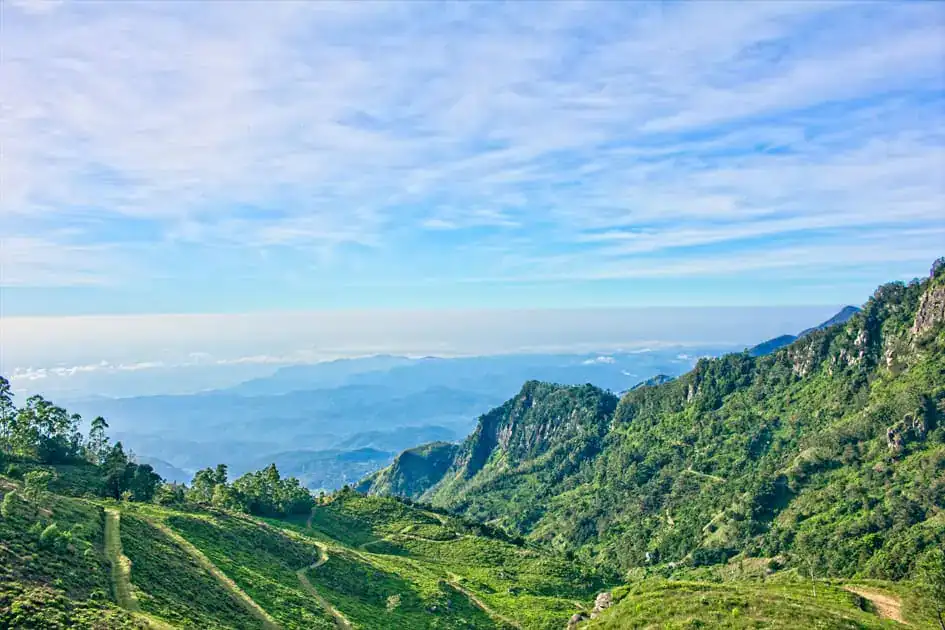
A View from the Devil’s Staircase Hiking (Photo: Samantha Weerasinghe, CC0 1.0)
Special Tips
Check train schedules at least a day in advance, as delays and changes occur. Hire local guides for longer hikes or remote routes such as Devil’s Staircase. Ask residents about cloud movement and trail conditions before sunrise trips. These small steps improve both safety and experience quality.
Photography Tips
Photography in Haputale works best during early morning hours when mist and layered light shape the hills. Wide lenses suit ridge views and tea estate patterns. Protect equipment from moisture and temperature change, as condensation forms quickly at elevation. Avoid blocking paths or disturbing workers while photographing estate areas.
Money, Services, and Connectivity
ATMs operate in Haputale town, though occasional outages occur. Mobile coverage remains reliable along the ridge and main roads. Internet speeds vary by provider and location, with stronger signals near town centres. Stock basic supplies before long hikes or remote excursions, as services remain limited outside the town area.
Fitness, Wellness, and Leisure
Haputale supports natural movement through walking and hiking rather than structured fitness activities. Daily walks along ridges and estate roads build endurance without strain. Cooler air improves sleep quality, while quiet evenings support mental rest. Many travellers report improved focus and a more consistent routine during extended stays due to reduced noise and a slower pace.
Health, Safety, and Comfort
Despite cooler temperatures, hydration remains essential during walking and hiking. Footwear with good grip reduces the risk on wet paths. Follow local advice on trail safety and weather changes. Basic medical services operate in nearby towns, so carrying personal medication remains advisable for longer stays.
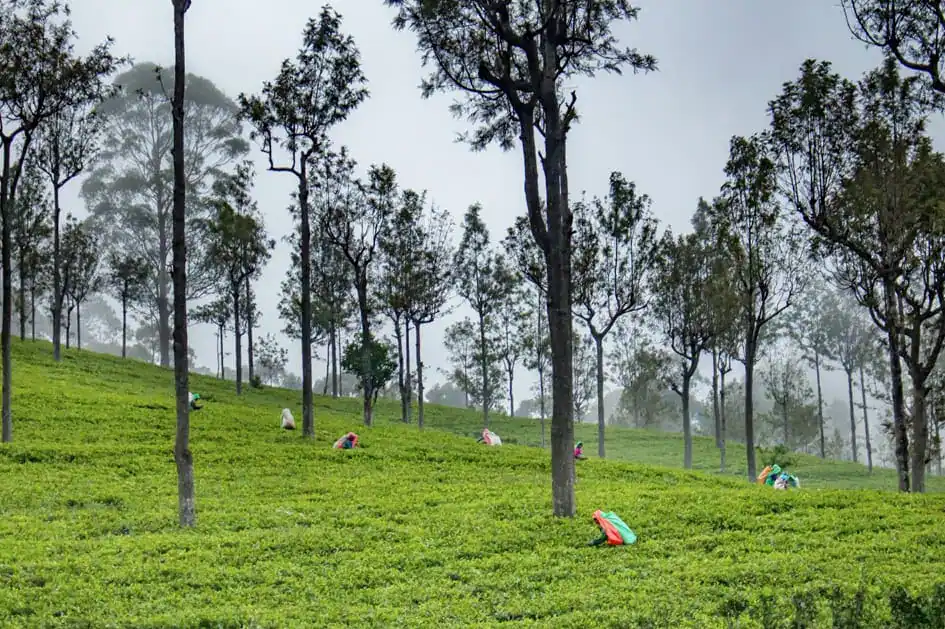
Tea Estates Between Pattipola and Idalgashinna Train Stations (Photo: Samantha Weerasinghe, CC BY 2.0)
Responsible Travelling, Sustainability, and Eco Mindset
Responsible travel matters in a working landscape such as Haputale. Support local guesthouses, guides, and eateries. Reduce plastic use and manage waste carefully. Respect tea estates, wildlife, and forest areas. Stay on marked trails to limit erosion and disturbance. These choices help preserve the environment and livelihoods tied to the land.
Shopping, Souvenirs, Evenings, and Nightlife
Shopping in the town remains limited to essentials, tea products, and small local crafts. Evening activity centres on dining and rest rather than nightlife. This quiet structure supports early mornings and outdoor focus. Travellers seeking nightlife usually combine Haputale with livelier destinations rather than expecting it locally.
For the best overview of planning your first Sri Lanka trip, read our Complete Sri Lanka Travel Guide for first-time visitors.
Final Thoughts
Haputale rewards consistency rather than speed. Tea fields, trails, trains, and viewpoints shape daily experience without pressure or noise. For travellers who visit Sri Lanka seeking depth, routine, and connection to working landscapes, Haputale offers lasting value grounded in elevation, climate, and daily life.
Haputale Map
Featured image: View of the Valley from Haputale (Photo: Nalaka Priyantha)

I am a Sri Lankan medical doctor who spends my free time travelling, exploring new destinations, and documenting the beauty of the island I call home. I have journeyed across almost every corner of Sri Lanka with my wife and daughter — from wildlife parks and misty mountains to ancient cities, deep forests, rugged landscapes, and quiet beaches.
Travel is not just a hobby for me — it’s a way of life. I love nature, enjoy road trips, and find joy in wildlife photography. I also read widely about tourism, travel trends, and destination culture. Through my writing, I aim to help travellers experience Sri Lanka through real stories, meaningful insights, and honest recommendations — the same way I explore it with my own family.