

Whale watching in Sri Lanka offers rare access to the largest marine mammals in the Indian Ocean within a short distance from shore. Deep ocean waters lie close to the coastline, and major migration and feeding routes pass along the island’s southern and eastern edges. Boats reach active whale zones in a matter of hours, rather than after long offshore journeys. This access makes whale watching in Sri Lanka popular and helps maintain high sighting rates during the right season for whale watching. This guide focuses on clarity, preparation, and responsibility. You will learn where to go, when to travel, and how to choose trips that respect both wildlife and local communities.
If you are a nature enthusiast and new to Sri Lanka, it is advisable to read about Nature and Wildlife in Sri Lanka, as well as the complete travel guide for first-time visitors.
Why Whale Watching in Sri Lanka Is Special
Sri Lanka lies along the continental shelf, where the ocean depth increases rapidly within a few nautical miles of the coast. This geographic structure supports feeding behaviour close to shore. Blue whales concentrate in these waters due to plenty of krill. Sperm whales follow deep water channels along the same routes. Dolphin species travel in large pods through these zones. Boats reach whale areas quickly, improving safety and reducing fuel use. This mix of easy access, marine life, and efficient travel makes whale watching in Sri Lanka one of the top experiences in Asia.
Recognition and Tourism Appeal
Marine research institutions have identified the waters around Sri Lanka as an important feeding and migration corridor for blue whales in the Northern Indian Ocean. Long-term monitoring and peer-reviewed studies document repeated sightings across many seasons. International travel publications and conservation groups often rank whale watching in Sri Lanka among the region’s top wildlife experiences. Coastal towns, especially Mirissa and Trincomalee, see steady seasonal demand. Reviews frequently mention high sighting rates, short boat trips, and good viewing conditions during peak months. National tourism authorities support whale watching through operator licensing and seasonal regulations.
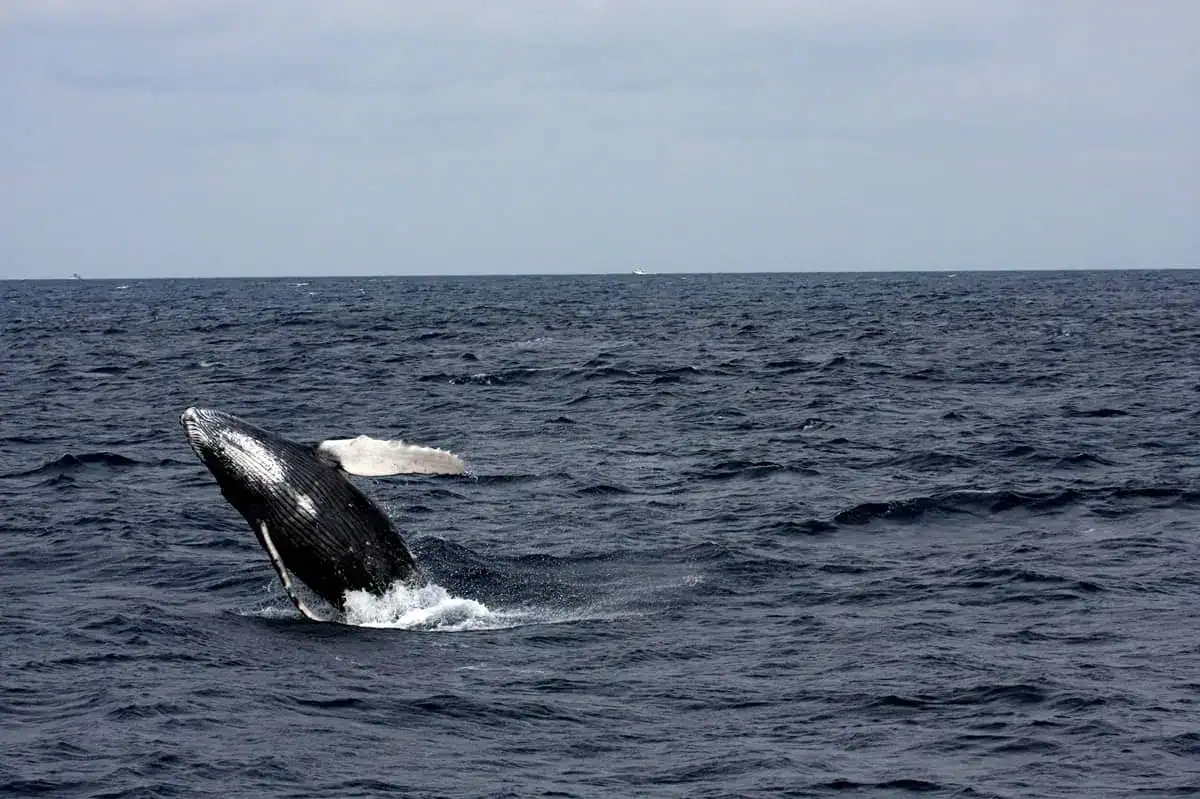
Whale Watching off the Southern Coast of Sri Lanka (Photo: José Ozorio, CC BY 2.0)
Best for Whom
Whale watching in Sri Lanka suits travellers with different interests and experience levels. Nature-focused visitors gain close exposure to marine biodiversity without extended offshore travel. Families enjoy shorter trips and predictable departure schedules. Photographers gain access to large subjects in favourable light during the early morning hours. Students and researchers observe active marine ecosystems along recognised migration routes. Travellers sensitive to rough seas can improve comfort by selecting destinations with calmer seasonal conditions.
The Benefits of Whale Watching
Whale watching delivers economic, educational, and conservation value when managed responsibly. Coastal communities benefit from seasonal income through boat operations, guiding services, transport, and accommodation. Visitor spending supports small businesses and local employment. The educational value remains high as travellers observe natural behaviour and learn about migration, feeding, and conservation challenges. Many visitors report increased awareness of marine protection after direct exposure. Responsible whale watching supports long-term sustainability when operators follow distance limits, speed controls, and time restrictions.
Best Locations to See Whales in Sri Lanka
Sri Lanka has three primary whale-watching regions. Each location aligns with different weather patterns and sea conditions.
Mirissa is the country’s most established whale-watching base. The harbour supports early-morning departures, which align with calmer seas and better light. Deep waters lie close to shore, increasing the likelihood of encounters. Blue whales appear frequently during the main season, along with sperm whales and several dolphin species. Mirissa offers a wide range of licensed operators, accommodation choices, and dining options. The town suits travellers visiting the South Coast during the dry season and those who want a structured whale watching setup with many service options.
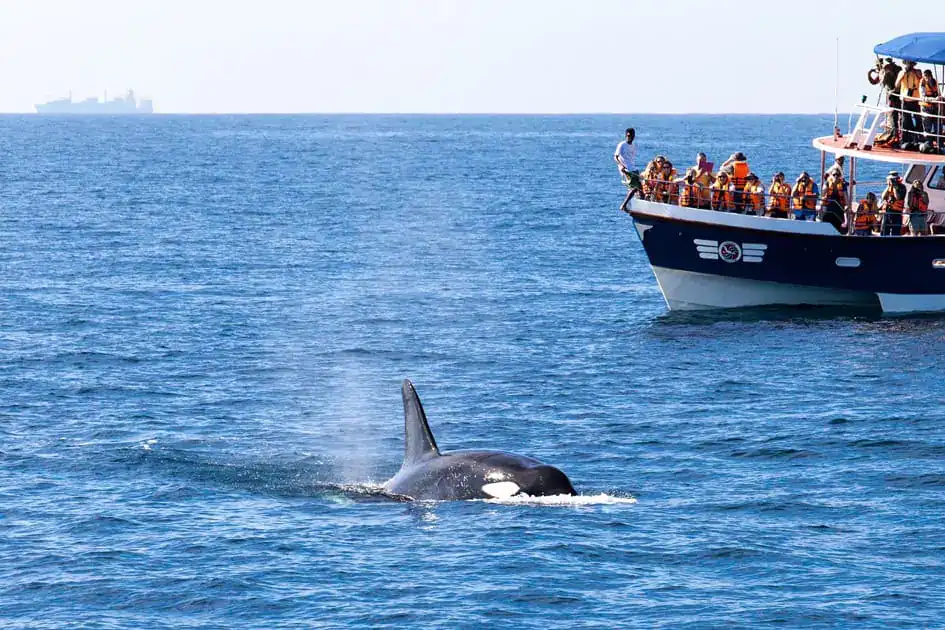
Whale Watching in Mirissa (Photo: José Ozorio, CC BY 2.0)
Trincomalee is the primary east-coast whale-watching hub. Sea conditions remain calmer from May to September, when the Southwest Monsoon affects much of the West and South. Blue whales feed near the coast during this period, resulting in consistent sightings. Dolphins often appear alongside whale encounters. The natural harbour enables smoother departures and reduced swell, improving comfort. Trincomalee suits travellers planning mid-year trips and who prefer a less crowded environment than the South Coast.
Kalpitiya
Kalpitiya is primarily known for dolphin watching, with large pods of spinner dolphins offshore. Whale sightings occur less frequently than in Mirissa or Trincomalee, though reports increase during calm conditions. The area suits travellers who prefer quieter surroundings, lagoon-based stays, and fewer tour boats. Dolphin activity peaks during the same season for whale watching near Mirissa.
How to Get There
Mirissa lies around 2.5-3 hours south of Colombo by road using the southern expressway. Trincomalee is a six- to seven-hour drive by road, or a combination of train and car. Kalpitiya is about 4 hours north of Colombo by road. Public buses and trains serve all three locations, though private transfers are preferred for early-morning departures and fixed schedules. Staying near the departure harbour reduces travel stress on the day of departure.
If you plan to visit Sri Lanka, it is advisable to read “Transport in Sri Lanka: The Best Guide.”
Best Time to Visit and Why
Timing shapes comfort, safety, and the probability of clear sight.
The season for whale watching near Mirissa runs from November to April. Sea conditions stay calmer along the South Coast during this period. Sightings peak between January and March, when blue whales feed actively near shore.
The season for whale watching near Trincomalee runs from May to September. East Coast waters remain calmer during these months because the Southwest Monsoon is affecting other regions. Blue whale sightings remain consistent due to the feeding behaviour in these waters.
Kalpitiya sees strong dolphin activity from November to April. Whale sightings remain less predictable and depend on daily sea conditions.
Planning travel within these windows improves safety, comfort, and observation success.
Current Weather & Weather Forecast in Mirissa
Current Weather & Weather Forecast in Trincomalee
Current Weather & Weather Forecast in Kalpitiya
If you plan to visit Sri Lanka, it is advisable to check the weather and the best time to visit.
Main Species and Occasional Species Seen
Blue whales are the most frequently observed and attract the greatest interest. These animals reach lengths exceeding thirty metres and feed on dense krill concentrations. Sperm whales follow deep water routes and appear regularly during peak seasons. Bryde’s whales appear less often but remain part of the regional species list. Pilot whales appear on occasion.
Dolphin species include spinner dolphins, bottlenose dolphins, and common dolphins. Large pods often surround boats and remain visible for extended periods, especially during calm seas.
Rare sightings include orcas and false killer whales. These encounters remain uncommon and unpredictable.
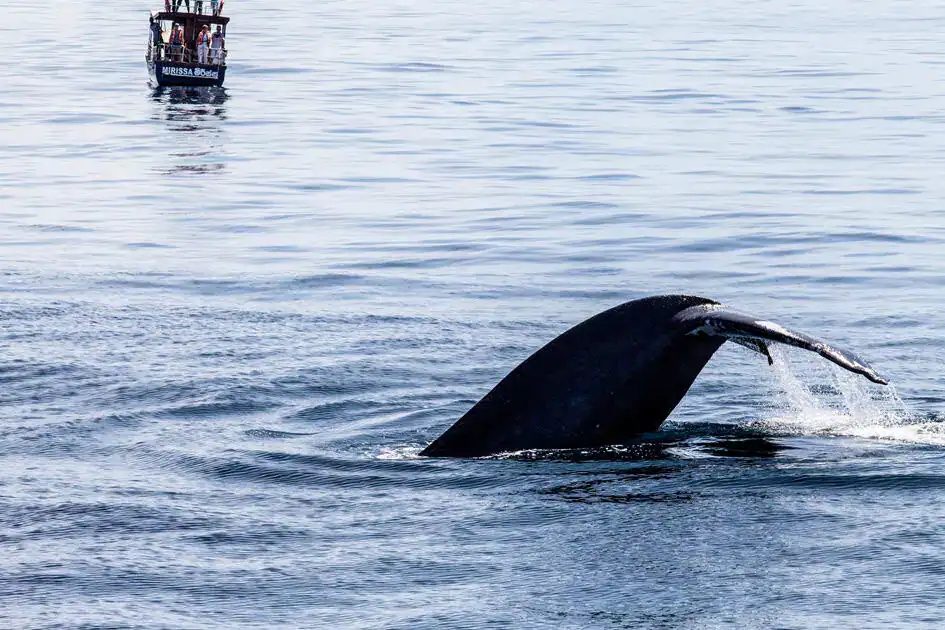
Beauty of Dolphins in Mirissa (Photo: Supun1991, CC BY-SA 4.0)
Types of Whale Watching
Most whale-watching trips operate as half-day excursions. Boats leave early in the morning because the seas are calmer and visibility is better. Shared boats dominate the market, helping keep costs lower for travellers. Private charters suit photographers, researchers, and visitors who want flexible pacing and positioning. Dolphin-focused trips operate shorter routes, especially near Kalpitiya.
How to Choose a Good Whale Watching Trip
Operator choice shapes the entire whale watching experience. Safety, ethics, and observation quality depend on crew behaviour and vessel standards. Licensed operators follow regulations issued by maritime and tourism authorities. These rules cover passenger limits, approach distances, and time spent near whales. Always ask whether an operator holds an official license for the current season.
A responsible operator limits the number of boats around a single whale. Crews slow engines near animals and avoid crossing movement paths. Boats maintain distance rather than circling or chasing. Crew members explain sightings and behaviour rather than rushing encounters. Reviews often reveal these details more clearly than marketing material. Look for comments about patience, safety briefings, and respect for wildlife.
Boat size also matters. Larger boats offer greater stability and space but can carry more passengers. Smaller boats move faster and feel more personal, but they are more responsive to waves. Choose based on comfort level and sea conditions. Early morning departures reduce swell and improve comfort across all vessel types.
What to Bring and Packing List
Preparation supports comfort and focus during the trip. Conditions involve sun exposure, wind, and salt spray.
Bring light clothing that dries fast. Add a wind layer for open water. Sun protection is important due to prolonged exposure on deck. Use reef-safe sunscreen when possible.
Carry drinking water and light snacks. Early departures limit access to food before boarding. Motion sickness medication helps many first-time visitors. Take medication well before departure for the best effect.
Protect electronics with waterproof bags or dry cases. Salt spray quickly damages lenses and phones. Secure straps prevent loss during sudden movement.
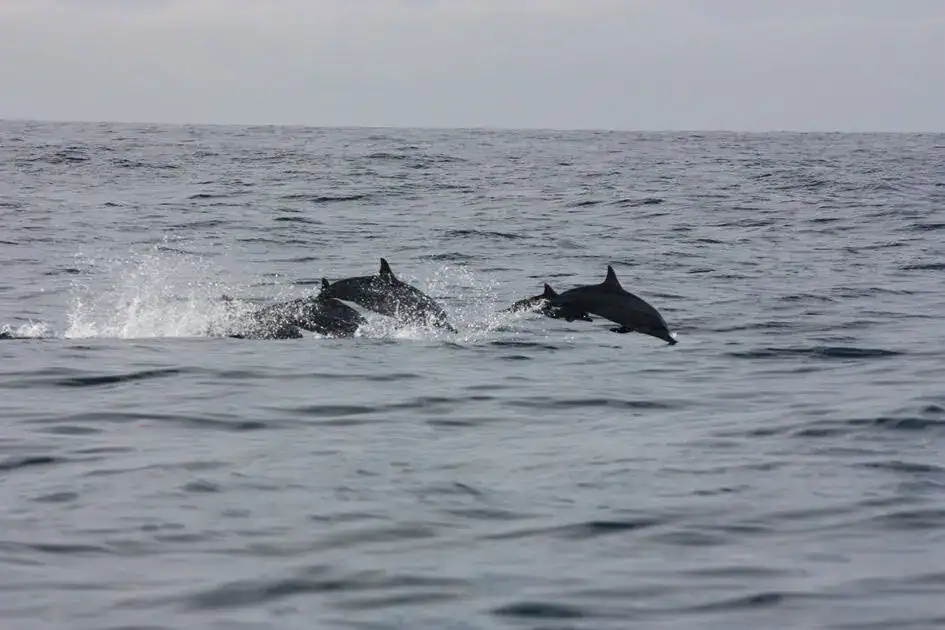
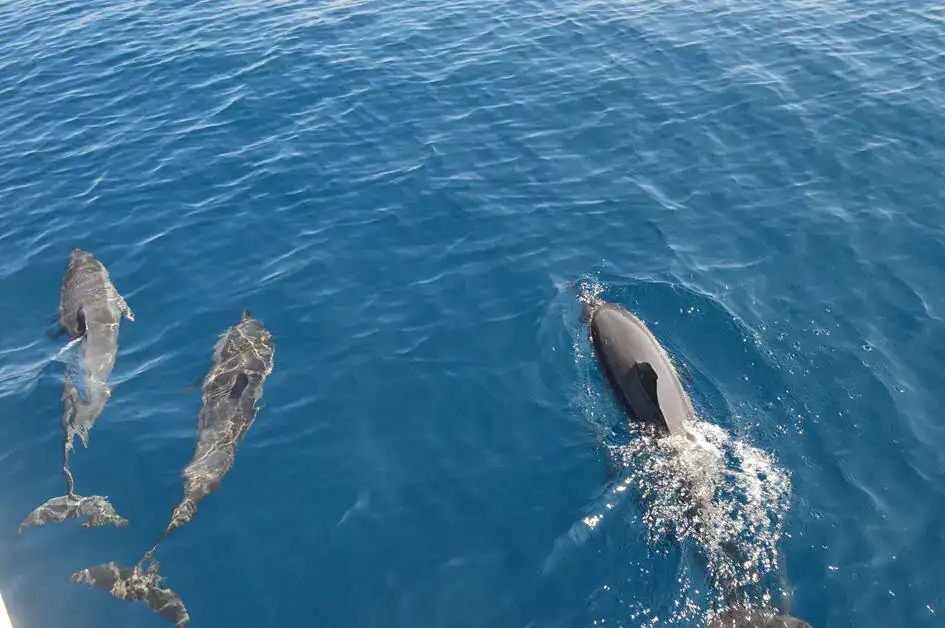
Playing Dolphins in Mirissa (Photo: Arian Zwegers, CC BY 2.0)
How to Prepare for the Trip
Good preparation starts the night before. Go to bed early to avoid fatigue on early departures. Eat a light breakfast. Heavy or oily food increases motion discomfort. Avoid alcohol the previous evening.
Arrive at the harbour early. It allows time for safety briefings and seating selection. Listen carefully to crew instructions. Follow guidance on seating, movement, and emergency procedures. Wear footwear with grip. Secure loose items before leaving the dock.
Mental preparation matters as well. Wildlife sightings involve natural conditions. Even during peak season, patience supports a better experience. Focus on observation rather than guaranteed outcomes.
Simple and Easy Plans That Work
Planning whale-watching early in your stay offers flexibility. Weather changes affect daily departures. Booking early in the trip allows rescheduling if the seas turn rough.
Choose accommodation close to the harbour. Early morning transfers add stress and reduce rest. Being within walking distance or a short drive improves comfort.
Keep the rest of the day free after the trip. Sun exposure and motion fatigue affect many travellers. A relaxed afternoon allows recovery and reflection.
Dos and Don’ts
- Do follow crew instructions at all times.
- Do respect wildlife distance rules.
- Do choose licensed operators with clear guidelines.
- Do remain patient during sightings.
- Do not touch or feed marine animals.
- Do not throw waste into the sea.
- Do not request closer approaches or faster speeds.
- Do not lean over rails or block crew movement.
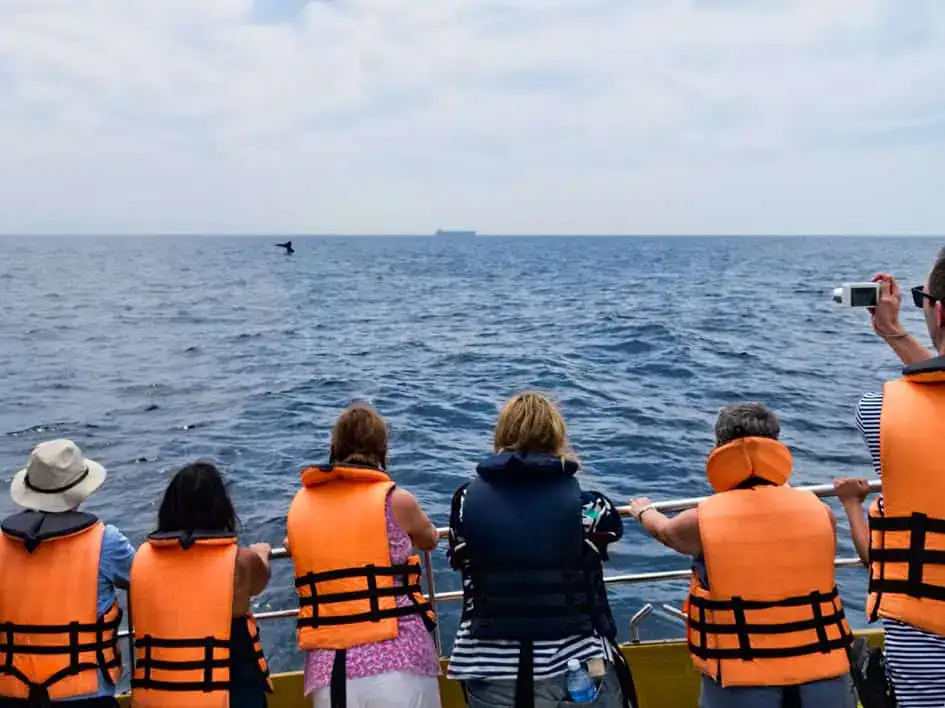
Whale Watching near the Southern Coast of Sri Lanka (Photo: Dan Lundberg, CC BY-SA 2.0)
Special Tips
Weekday departures often involve fewer boats. Reduced traffic improves observation quality. Early-season trips sometimes feel less crowded than peak holiday periods.
Local guesthouses often recommend operators with consistent safety records. Ask hosts where they would send visiting family members. This question often leads to reliable suggestions.
Weather forecasts offer useful guidance. Calm sea predictions increase comfort. Wind strength matters more than cloud cover.
Photography Tips
Photography during whale watching requires readiness and restraint. Using a faster shutter speed helps capture movement. Continuous shooting mode improves timing for breaches or tail dives.
Keep cameras ready before sightings. Whales surface briefly and unpredictably. Wide-angle lenses suit close encounters. Telephoto lenses are suited to distant surfacing or tail flukes.
Avoid leaning over rails for shots. Stability improves safety and image quality. Protect equipment from salt spray at all times. Wipe lenses often with a clean cloth.
Respect animals while photographing. Avoid flash. Do not request repositioning for photos. Observation always takes priority over images.
Health, Safety, and Comfort
Licensed boats carry safety equipment, including life jackets and communication devices. Wear life jackets when instructed. Sit near the centre of the boat for reduced motion.
Motion sickness affects many first-time visitors. Hydration helps. Fresh air helps. Fixing your gaze on the horizon reduces discomfort. Inform the crew if you feel unwell.
Sun exposure remains high on open water. Reapply sunscreen as needed. Drink water regularly. Seek shade when possible.
Inform the crew about medical conditions before departure. It allows preparation and appropriate seating.

Whales in Sri Lanka (Photo: rhythmicdiaspora, CC BY 2.0)
Responsibility, Sustainability, and Eco Mindset
Ethical whale watching protects marine ecosystems and animal welfare. Support operators who follow international whale watching guidelines. Distance, speed control, and limited interaction time reduce stress on animals.
Quiet observation supports natural behaviour. Avoid loud noises, music, or shouting near wildlife. Respect shared water space with other vessels.
Tourism revenue supports research, monitoring, and conservation when managed responsibly. Choosing ethical operators sends a clear message to the industry.
Travellers play a role beyond the trip. Share responsible practices with others. Promote awareness rather than sensational images. Respect local regulations and seasonal closures.
Final Thoughts
Whale watching in Sri Lanka offers close and meaningful encounters with marine life when approached with preparation and respect. Deep waters near shore, defined seasons, and established viewing areas support high-quality experiences. Mirissa, Trincomalee, and Kalpitiya each serve different travel windows and preferences. Planning around the optimal season for whale watching improves comfort and sighting success. Choosing ethical operators protects wildlife and supports coastal communities. With patience, awareness, and responsible choices, whale watching in Sri Lanka delivers lasting value for both visitors and the marine environment.
Best Locations Map for Whale Watching
Featured image: Whale Watching in Sri Lanka – Kalpitiya (Photo: Navodya Ekanayake, CC BY-SA 4.0)

I am a Sri Lankan medical doctor who spends my free time travelling, exploring new destinations, and documenting the beauty of the island I call home. I have journeyed across almost every corner of Sri Lanka with my wife and daughter — from wildlife parks and misty mountains to ancient cities, deep forests, rugged landscapes, and quiet beaches.
Travel is not just a hobby for me — it’s a way of life. I love nature, enjoy road trips, and find joy in wildlife photography. I also read widely about tourism, travel trends, and destination culture. Through my writing, I aim to help travellers experience Sri Lanka through real stories, meaningful insights, and honest recommendations — the same way I explore it with my own family.