
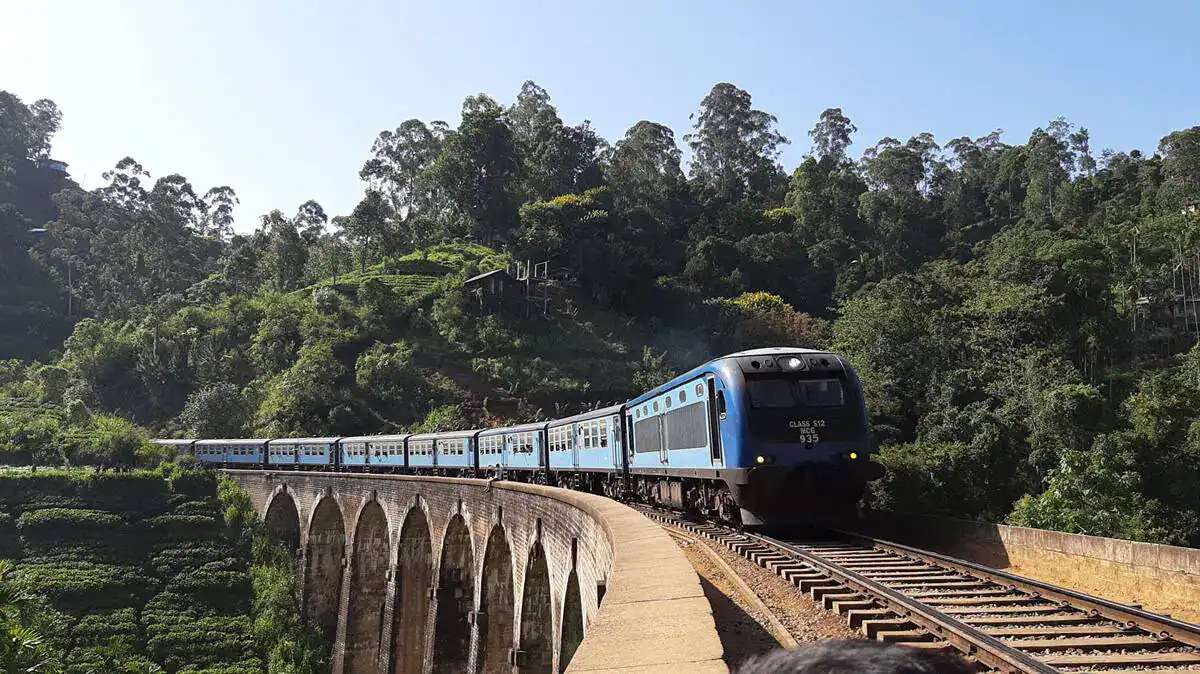

Backpacking in Sri Lanka attracts travellers seeking popular beaches, mountains, nature & wildlife, and cultural heritage in a single journey. Many arrive expecting ultra-cheap travel similar to parts of Southeast Asia, yet quickly realise costs rise when planning goes wrong. Transport choices, tourist pricing, and seasonal mistakes often push budgets higher than expected. The good news is simple. With the right strategy, you travel comfortably, experience more, and still keep daily spending under control. This guide explains how to visit Sri Lanka wisely, avoid common budget traps, and stretch every dollar while enjoying the country to the fullest.
Why Backpacking in Sri Lanka Works for Budget Travellers
Sri Lanka suits backpackers because distances remain short and experiences remain diverse. Within a few hours, you move from ancient cities to tea-covered hills or from jungle safaris to surf beaches. This variety reduces long travel costs compared with larger destinations.
Budget travel in Sri Lanka depends less on how much money you carry and more on how you move around the country. Travellers who slow down and follow local patterns often spend far less than those chasing fast itineraries.
Average backpacker costs remain reasonable. Many travellers spend between 30 and 45 USD per day on accommodation, food, and local transport. Costs rise when relying on taxis, private drivers, or tourist restaurants. Understanding where money goes helps you control spending from the start.
Understanding the Real Cost of Budget Travel in Sri Lanka
Sri Lanka offers strong value for travellers, with affordable food and transport across the island. Entrance tickets and certain attractions cost more, yet they support conservation and heritage preservation while delivering unique experiences.
Typical daily budget breakdown:
- Accommodation: 10 to 18 USD.
- Food: 8 to 12 USD.
- Transport: 5 to 8 USD.
- Activities: 5-15 USD, depending on the plans.
Dorm beds in hostels often start around 6 to 10 USD per night. Simple guesthouses cost slightly more but often include private rooms and breakfast.
Local meals remain one of the strongest advantages for budget travel in Sri Lanka. Rice-and-curry plates cost a fraction of the price of restaurant meals aimed at tourists. Choosing local eateries shapes your overall budget.
Before deciding how to travel in Sri Lanka, read our full guide to planning your Sri Lanka trip for a full planning overview.
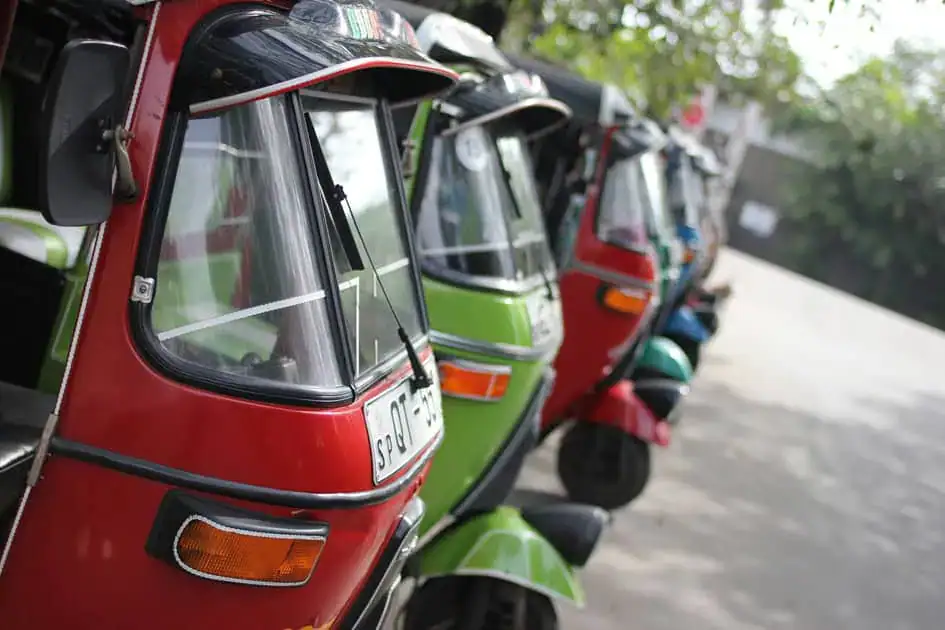
Tuk-tuks work well for short distances (Photo: Kultar Ruprai, via Unsplash)
Choosing the Right Backpacking Route Saves Money
Your route determines how much you spend. Poor planning results in frequent long transfers, which increase transport costs and reduce travel enjoyment.
The Classic Backpacker Loop
Many travellers follow a well-connected route because transport runs frequently and distances remain manageable.
This loop works because trains and buses efficiently connect all destinations. You avoid backtracking, saving time and money.
Alternative Low-Cost Routes
Some backpackers choose less crowded regions for lower prices.
The East Coast route during the dry season offers quieter beaches and lower room rates.
The Northern cultural route through Anuradhapura and Jaffna often offers lower accommodation costs and fewer crowds.
Moving slowly remains the biggest saving strategy. Every extra transport day increases expenses.
Finding Cheap Accommodation Without Sacrificing Comfort
Accommodation shapes your daily spending more than any other factor. Sri Lanka offers a wide range of budget stays suitable for backpackers.
Hostels appear across major backpacker hubs such as Ella, Mirissa, and Arugam Bay. Dorm rooms create opportunities to meet other travellers while keeping costs low.
Homestays provide strong value. Families often rent out spare rooms at affordable rates and offer local meals and travel advice. Many backpackers consider homestays the most rewarding option during budget travel in Sri Lanka.
Guesthouses remain common throughout the country. These small properties often include fans, private bathrooms, and breakfast for modest prices.
Smart booking tips:
- Stay slightly inland instead of directly on the beach. Prices drop quickly within walking distance.
- Ask for weekly discounts during longer stays.
- Contact properties directly through messaging apps rather than booking platforms when possible.
We recommend reading “How to Choose Where to Stay in Sri Lanka“.

Kottu Roti: One of the most delicious and affordable street foods (Photo: KavindF, via Pixabay)
Eating Like a Local Changes Your Budget Completely
Food becomes one of the easiest areas to save money. Local Sri Lankan meals remain affordable and filling.
Rice and curry appear everywhere across the island. A plate usually includes rice, vegetable dishes, lentils, and sometimes fish or chicken. Prices in local restaurants often range from 1 to 3 USD.
Street food options include:
- Hoppers & egg hoppers
- Kottu roti
- Vegetable rolls
- Short eats from bakeries
Tourist cafés charge several times more for Western meals. Eating locally for breakfast and lunch while enjoying occasional café dinners strikes a balance between comfort and budget.
How to identify local restaurants:
- Look for places crowded with locals.
- Menus displayed only in Sinhala or Tamil often indicate local pricing.
- Meals served quickly usually mean high turnover and fresh food.
Transport Hacks Every Backpacker Should Know
Transport choices strongly influence budget travel in Sri Lanka. Public transport remains cheap and widespread.
Local buses are the lowest-cost option. Fares often cost less than a few dollars, even for long journeys. Buses run frequently between towns, though they can get crowded during peak hours.
Sri Lanka’s train network offers one of the most memorable travel experiences in Asia. The Kandy to Ella train route passes through tea plantations and mountain scenery. Ticket prices remain low compared with the experience offered.
Train ticket booking is simple. You buy tickets at stations or book online through the Department of Railways website.
- Find the daily train schedule.
Tuk-tuks work well for short distances. Agree on the fare before your ride begins, or use ride-hailing apps in larger towns.
Money-saving transport rules:
- Travel early in the morning when buses and trains are less crowded.
- Avoid relying on taxis for long distances.
- Book train seats early for popular routes.
We recommend reading “Transport in Sri Lanka: The best Guide“.
Activities Worth Paying For and Those You Skip
Budget travel does not mean skipping experiences. The key lies in choosing carefully.
Free or low-cost highlights include:
- Beaches along the South and East Coasts
- Hiking trails near Ella
- Temple visits outside major tourist zones
- Local markets and town walks
Some attractions require higher entrance fees. Sigiriya Rock Fortress is one example, with an entrance fee of approximately 35 USD for foreign visitors. National park safaris also entail higher costs.
Smart backpackers choose one or two major paid experiences while balancing them with free activities. This approach keeps budgets stable while preserving memorable moments.

Unawatuna Beach (Photo: Chathura Anuradha Subasinghe)
Many backpackers lose money due to frequent movement. One-night stays incur recurring transportation costs, additional meals, and fatigue.
Staying at least 2 nights in each destination reduces costs and enhances the travel experience. You spend less time packing and more time exploring at your own pace.
Slow travel also leads to unexpected savings. Guesthouses often offer discounts for longer stays. Local friendships develop naturally when you remain longer in one place.
Best Time to Visit Sri Lanka on a Backpacker Budget
Weather patterns shape travel costs across the island. Sri Lanka experiences two monsoon seasons, affecting different regions at different times.
- The South and West Coasts remain the best between December and April.
- East Coast beaches remain ideal between May and September.
Travelling slightly outside peak seasons lowers accommodation prices and reduces crowds. Shoulder months often provide strong value for backpackers willing to accept occasional rain showers.
Choosing the wrong coast during the monsoon season leads to higher spending because you move more often in search of better weather.
We recommend reading “Weather in Sri Lanka“.
Sample Daily Budget for Backpacking in Sri Lanka
Understanding how money flows each day helps you stay in control of spending. Backpacking in Sri Lanka becomes easier once you see how small choices add up to your daily total.
Example backpacker budget per day:
- Dorm or budget guesthouse: 12 USD
- Local meals and snacks: 10 USD
- Transport: 6 USD
- Activities and entrance fees averaged daily: 8 USD
- Miscellaneous expenses: 4 USD
- Estimated daily total: 30 to 40 USD
Travellers who cook occasionally, choose slower routes, and avoid frequent taxis often spend even less. Those who mix budget travel with occasional comfort experiences remain within reasonable limits.
On a two-week trip, many backpackers spend between 450 and 650 USD excluding flights. Costs rise when adding multiple safaris or premium experiences, yet careful planning keeps overall spending balanced.
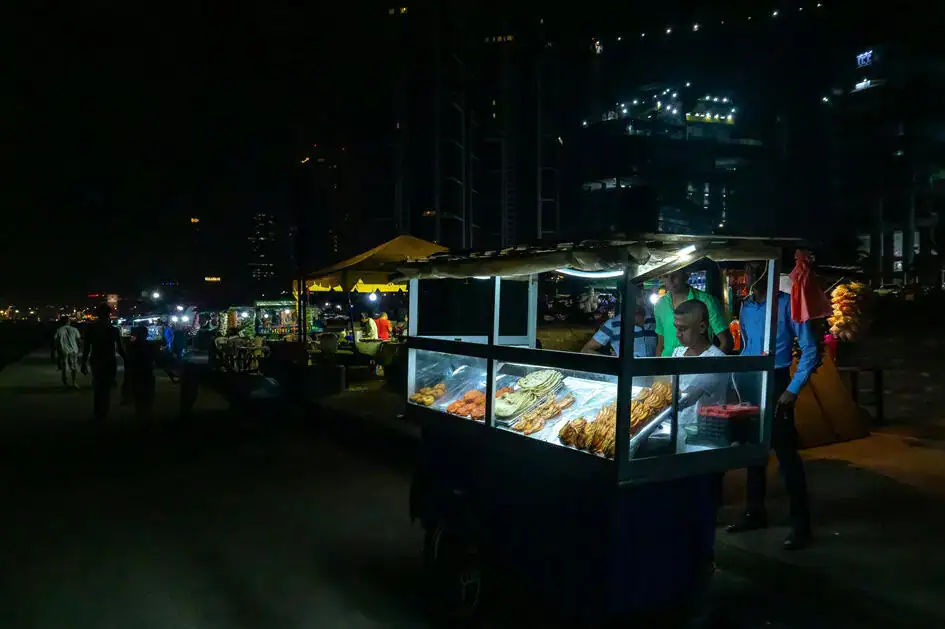
Street Food Stalls in Sri Lanka (Photo: Nisal Periyapperuma, via Unsplash)
Smart Backpacker Tips From Experienced Travellers
Experience often teaches lessons after mistakes happen. Learning from others helps you avoid unnecessary costs when budget-travelling in Sri Lanka.
- Carry small cash notes. Many small restaurants and buses do not accept cards.
- Withdraw larger amounts to avoid repeated ATM fees.
- Travel early in the day to avoid heat and crowded transport.
- Eat where locals eat, not just follow online restaurant rankings.
- Pack light. Frequent movement becomes easier with a smaller backpack.
- Use the best travel apps to make a complex trip smoother.
Many travellers notice spending drops naturally after the first few days once they adjust to local travel rhythms.
It is advisable to read about “important travel tips“.
Common Backpacking Mistakes That Increase Costs
Mistakes often happen because travellers try to do too much in a limited amount of time. Sri Lanka rewards slower travel.
Trying to visit too many destinations results in frequent transport costs. Long journeys also reduce the time spent enjoying each place.
Booking private drivers for convenience often multiplies travel costs compared with buses or trains. While comfortable, this approach quickly breaks a backpacker’s budget.
Choosing only popular tourist hotspots increases accommodation prices. Moving slightly away from main beach strips or busy centres reduces nightly costs without compromising the experience.
Ignoring seasonal weather patterns forces last-minute travel changes. Planning based on regional seasons prevents wasted transport costs.
How to Plan a Budget-Friendly Backpacking Route
Planning your route carefully keeps both costs and stress low. Sri Lanka’s compact geography enables efficient travel when destinations are connected logically.
Classic two-week backpacking route example:
- Day 1 to 2: Negombo or Colombo for arrival and rest
- Day 3 to 4: Sigiriya or Dambulla for cultural exploration
- Day 5 to 6: Kandy for temples and local markets
- Day 7 to 9: Ella for hiking and scenic train travel
- Day 10 to 14: South Coast beaches for relaxation
This route avoids unnecessary backtracking and uses well-connected transport lines.
Travellers staying longer often add national parks or the East Coast, depending on the season.
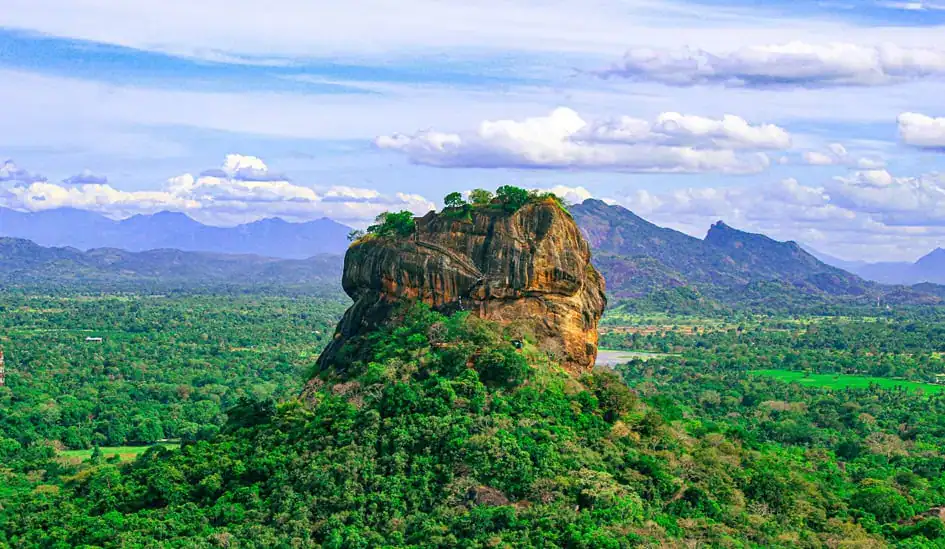
Sigiriya Rock Fortress (Photo: Chamixth, CC BY-SA 4.0)
Choosing Experiences Wisely During Budget Travel in Sri Lanka
Some experiences deliver strong value, while others quickly stretch budgets. Backpacking in Sri Lanka works best when you prioritise meaningful activities rather than trying to do everything.
Experiences worth budgeting for:
- One wildlife safari in Yala or Udawalawe
- The scenic hill country train journey
- Sigiriya or another historical site
- A surfing lesson or snorkelling experience
Experiences you often skip without regret:
- Multiple expensive safaris within one trip
- High-priced organised tours covering places accessible by public transport
- Luxury beach clubs charge premium entrance fees
Balancing paid and free experiences creates a richer journey while maintaining financial comfort.
Packing Smart for a Budget Backpacking Trip
Packing choices influence daily expenses more than many travellers expect. Buying forgotten items along the way quickly increases costs.
Essential packing advice:
- Lightweight clothing suitable for heat and humidity
- Reusable water bottle to reduce plastic purchases
- Basic first aid kit
- Quick-dry towel
- Power bank for long travel days
Laundry services remain affordable throughout Sri Lanka, so carrying fewer clothes works better than overpacking.
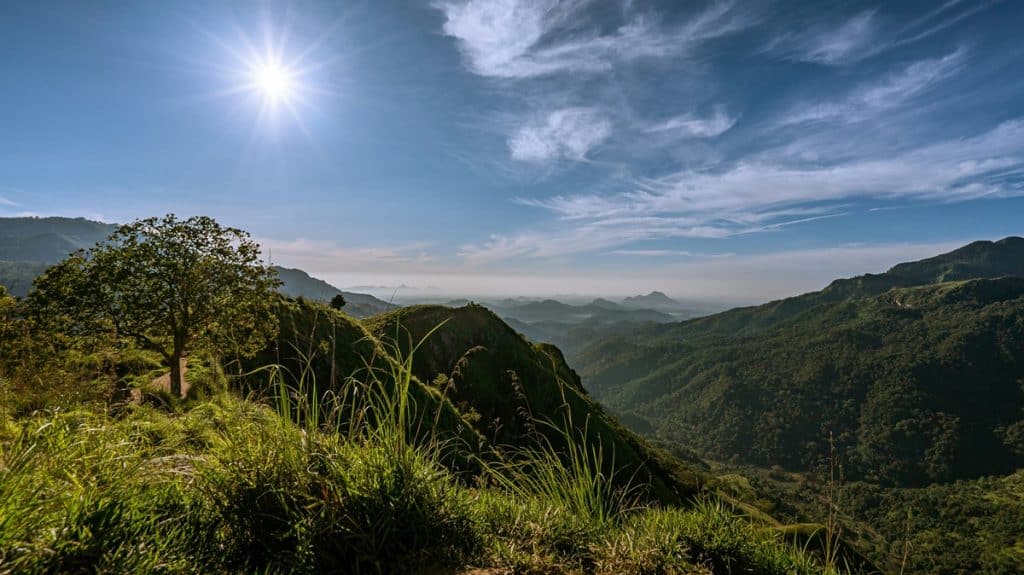
Little Adam’s Peak, Ella (Photo: Kevin Olson via Unsplash)
Safety and Practical Advice for Backpackers
Sri Lanka remains welcoming to travellers, but practical awareness enhances your experience.
- Use registered tuk-tuks or ride apps in larger towns.
- Respect temple dress codes by covering shoulders and knees.
- Drink bottled or filtered water.
Locals often help travellers willingly. Polite communication and patience go a long way when navigating unfamiliar situations.
Why Slow Travel Makes Backpacking in Sri Lanka Better
Many backpackers arrive with long destination lists. After a few days, most realise slower travel improves both budget and enjoyment.
Staying longer allows you to:
- Build connections with locals and other travellers
- Receive accommodation discounts
- Reduce transport spending
- Explore areas beyond tourist routes
Sri Lanka rewards curiosity and patience. Small towns reveal their character gradually rather than through rushed visits.
Understanding Transportation Rhythm Across the Island
Travel times appear short on maps, yet road conditions and traffic slow journeys. Accepting this rhythm helps you plan realistically.
A four-hour journey often fills most of a day once waiting times and transfers are included. Scheduling rest days between travel days prevents fatigue and unnecessary spending on convenience transport.
Trains offer comfort and scenery, while buses efficiently serve remote areas. Mixing both transport types provides flexibility without increasing costs.

A fruit stall in Kandy (Photo: Zoshua Colah)
How Backpacking in Sri Lanka Compares With Other Asian Destinations
Many travellers compare Sri Lanka with Thailand, Vietnam, or India. Sri Lanka sits in a unique position.
Food and transport prices remain affordable, like in parts of India. Tourist attractions and safaris resemble African or Southeast Asian pricing structures. The combination creates a balanced travel cost.
The advantage lies in diversity. Within a short timeframe, you experience beaches, wildlife, mountains, and historical sites without long internal flights. This efficiency helps maintain a manageable backpacking budget.
Building Meaningful Experiences Without Overspending
Budget travel does not mean limiting experiences. Backpacking in Sri Lanka is often memorable for simple moments rather than expensive activities.
- Watching fishermen return at sunrise.
- Sharing meals in family-run guesthouses.
- Talking with fellow travellers during train journeys.
- Exploring quiet village roads on foot.
These experiences cost little yet often remain the strongest memories.
If you want to be a smart backpacker, read our “The Best Travel Tips” guide.
Final Thoughts: Backpacking in Sri Lanka Rewards Smart Choices
Backpacking in Sri Lanka becomes affordable when you travel with intention. Costs remain manageable when you move slowly, eat locally, and rely on public transport. Planning routes logically reduces unnecessary expenses, while understanding seasonal weather prevents costly mistakes.
Budget travel in Sri Lanka succeeds through balance. Choose a few paid highlights, pair them with free experiences, and spend more time in each destination. Focus on connection rather than speed.
When you visit Sri Lanka with patience and awareness, your budget stretches further, and your journey feels richer. The question then becomes simple. What matters more to you, seeing everything quickly or experiencing each place fully while travelling smart on a budget?
Featured image: A train over the Nine Arches Bridge in Ella (Photo: Ravindu Thaksara, CC BY-SA 4.0)

I am a Sri Lankan medical doctor who spends my free time travelling, exploring new destinations, and documenting the beauty of the island I call home. I have journeyed across almost every corner of Sri Lanka with my wife and daughter — from wildlife parks and misty mountains to ancient cities, deep forests, rugged landscapes, and quiet beaches.
Travel is not just a hobby for me — it’s a way of life. I love nature, enjoy road trips, and find joy in wildlife photography. I also read widely about tourism, travel trends, and destination culture. Through my writing, I aim to help travellers experience Sri Lanka through real stories, meaningful insights, and honest recommendations — the same way I explore it with my own family.