
Introduction: Start Your Sri Lanka Travel With Clarity and Confidence
Planning the first trip to Sri Lanka can feel confusing at first. You see photos of popular beaches, ancient temples, wildlife safaris, and green tea hills, yet you struggle to understand how all these places fit into one trip. Many travellers ask the same questions. When should you go? How long should you stay? Which places deserve your time? This Sri Lanka Travel Guide answers those questions step by step.
Travelling in Sri Lanka offers a huge variety within a small island. You move from ocean waves to cool mountain air within a few hours. You walk through cities older than many countries, then watch elephants cross open grasslands on the same day. First-time visitors often try to plan everything at once, which can leave them overwhelmed. This guide gives you a clear structure. You will learn when to visit, where to go first, how to move around, and how to avoid common mistakes.
The goal is simple. After reading, you will know how to plan your first Sri Lanka travel experience with confidence.
Start Here: Plan Your Sri Lanka Travel in 5 Simple Steps
If this is your first time planning a trip to Sri Lanka, follow these steps in order. Each guide below helps you make one key decision before moving on.
- Step 1: Decide on the Best Time to Visit.
- Step 2: Pick the Right Itinerary for Your Travel Season
- Step 3: Learn How to Get Around the Island
- Step 4: Decide Where to Stay
- Step 5: Plan Your Must-Do Experiences
Why Sri Lanka Deserves a Place on Your Travel List
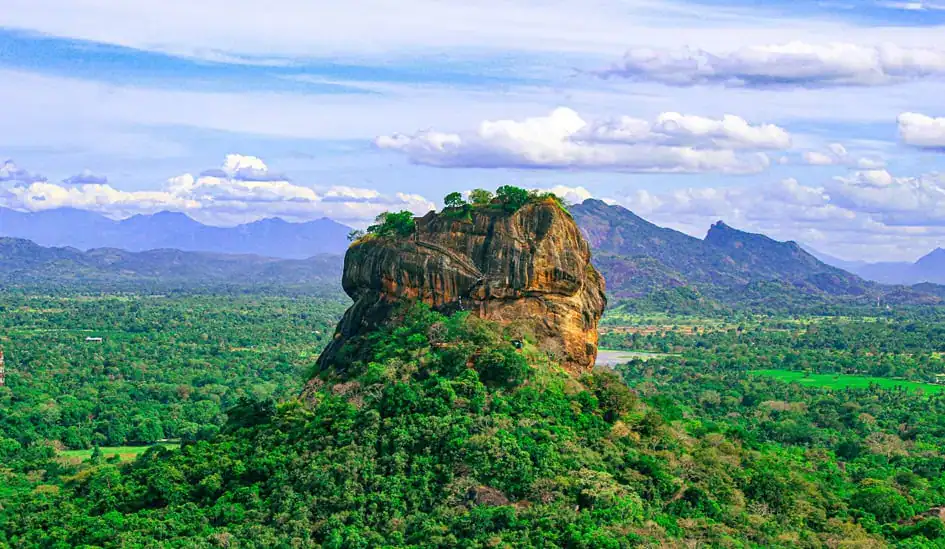
Sigiriya Rock Fortress (Photo: Chamixth, CC BY-SA 4.0)
Sri Lanka sits in the Indian Ocean, south of India. The island covers a small area (65,610 km2), yet the range of experiences feels vast. Visitor arrivals have steadily recovered in recent years, driven by the country’s cultural heritage, biodiversity, and warm hospitality, according to statistics from the Sri Lanka Tourism Development Authority.
You find eight UNESCO World Heritage Sites across the island. Ancient cities such as Anuradhapura and Polonnaruwa show over two thousand years of history. Sigiriya Rock Fortress rises above jungle plains and ranks among Asia’s most famous landmarks. Hill Country towns like Nuwara Eliya sit among tea plantations first planted during the colonial period.
Nature plays a strong role in Sri Lankan travel. Yala National Park is widely known for one of the highest leopard densities recorded in Asia, according to wildlife research cited by Sri Lanka Tourism. National parks such as Yala and Wilpattu attract wildlife lovers year-round. Blue whales appear off the Southern Coast near Mirissa, while dolphins gather near Trincomalee on the East Coast.
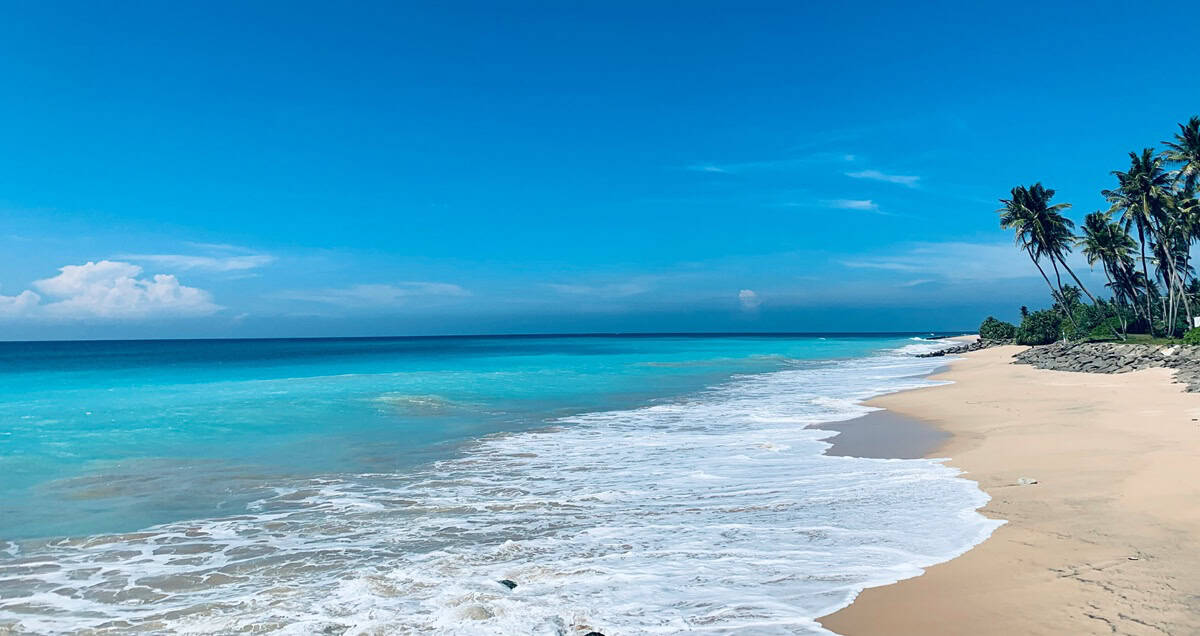
Beaches stretch along much of the coastline. You find surf towns such as Weligama Beach, calm bays like Nilaveli Beach, and relaxed coastal villages near Tangalle Beach. Each region offers a different pace.
Food also shapes the travel experience. Rice and curries form the daily staple. Street food stalls serve kottu roti, hoppers, and fresh seafood. Guides like Sri Lankan Street Food and Rice and Curries on Sri Lanka Travel Life help you understand what to try first.
This mix of culture, wildlife, and food explains why many visitors return more than once.
Quick Facts Every First-Time Visitor Should Know
Before planning routes or hotels, you need a few basics.
Location and Geography
Sri Lanka lies near the equator. The island includes coastal plains, central mountains, forests, and dry zones. Travel distances look short on a map, yet roads wind through hills and towns. Journeys take longer than expected.
Currency
The currency is the Sri Lankan Rupee (LKR). Cash remains important outside large cities. ATMs appear in most towns.
Languages
Sinhala and Tamil serve as official languages. English is widely spoken in tourist destinations, hotels, and transport hubs.
Visa Requirements
Most travellers apply online through the Official Electronic Travel Authorisation system before arrival. The page Sri Lankan Visa and Entry Requirements explains the process step by step.
Safety
Sri Lanka ranks as a welcoming destination for tourists. Crime levels towards visitors remain low. Standard travel awareness still matters. The Tourist Assistance and Emergency Contact Information page lists useful numbers.
Cultural Etiquette
Dress modestly at temples. Remove shoes and hats before entering religious sites. Respect local customs when photographing people or religious statues.
These basics remove much of the uncertainty first-time visitors feel.
Sri Lanka Travel Guide: Understanding the Best Time to Visit

Sunny Day – Mirissa Beach (Photo: Tatiana Kachanovetskaia)
The weather is the biggest source of confusion when planning a trip to Sri Lanka. The island experiences two monsoon seasons. Many travellers assume this means constant rain. The truth is simpler.
Different coasts receive rain at different times of the year. One side stays sunny while the other receives showers.
December to March
The West and South Coasts enjoy dry weather. Places like Galle, Mirissa Beach, Bentota Beach, and Unawatuna Beach see peak travel conditions. Wildlife viewing in Yala National Park also improves during dry periods.
May to September
The East Coast enters its best season. Trincomalee and Nilaveli Beach offer calm seas and clear water. Whale and dolphin sightings increase in this region.
April and October to November
These shoulder months bring mixed weather. Rain often arrives in short bursts rather than full-day storms. Fewer crowds appear, and prices often drop.
The detailed guides, The Best Time to Visit Sri Lanka and the Weather in Sri Lanka, break down monthly patterns in simple terms.
| How to Choose Your Travel Season • Want beaches and nightlife → Visit the South and West Coast from December to March. • Want calm water and fewer crowds → Visit the East Coast from May to September. • Want lower prices and fewer tourists → Travel in April or October to November. • Want wildlife safaris → Dry months improve animal sightings. |
A useful rule guides planning. Choose your preferred region first. Then choose your travel dates.
How Many Days Do You Need in Sri Lanka?
Sri Lanka rewards slow travel. First-time visitors often try to cover the entire island in one week. Long travel days replace meaningful experiences.
Seven Days
A one-week trip works best with a focused route. Many travellers combine the Cultural Triangle with one beach area. The guide, The Best 7-Day Sri Lanka Trip Itinerary for December to March, offers a balanced example.
Ten to Twelve Days
This timeframe suits most first-time visitors. You experience history, Hill Country scenery, wildlife, and beaches without rushing. Guides like The Best 12-Day Sri Lanka Itinerary for December to March show how to structure this route.
Two Weeks or More
Two weeks allow deeper exploration. You add quieter towns, hiking routes, or extra beach time. Slow travel improves the overall experience. The Perfect 2 Weeks in Sri Lanka: Classic Highlights Itinerary explains this pace well.
If you are planning a longer stay or working remotely while travelling, Sri Lanka is becoming popular with digital nomads. Coastal towns such as Weligama and Mirissa, as well as Colombo, offer good Wi-Fi, cafés, and community spaces. Read our guide to Digital Nomads in Sri Lanka for practical advice on visas, cost of living, and best places to stay.
Travel times shape your schedule. A three-hour distance on a map often turns into five hours on the road. Plan fewer stops and longer stays.
The Classic First-Time Sri Lanka Route
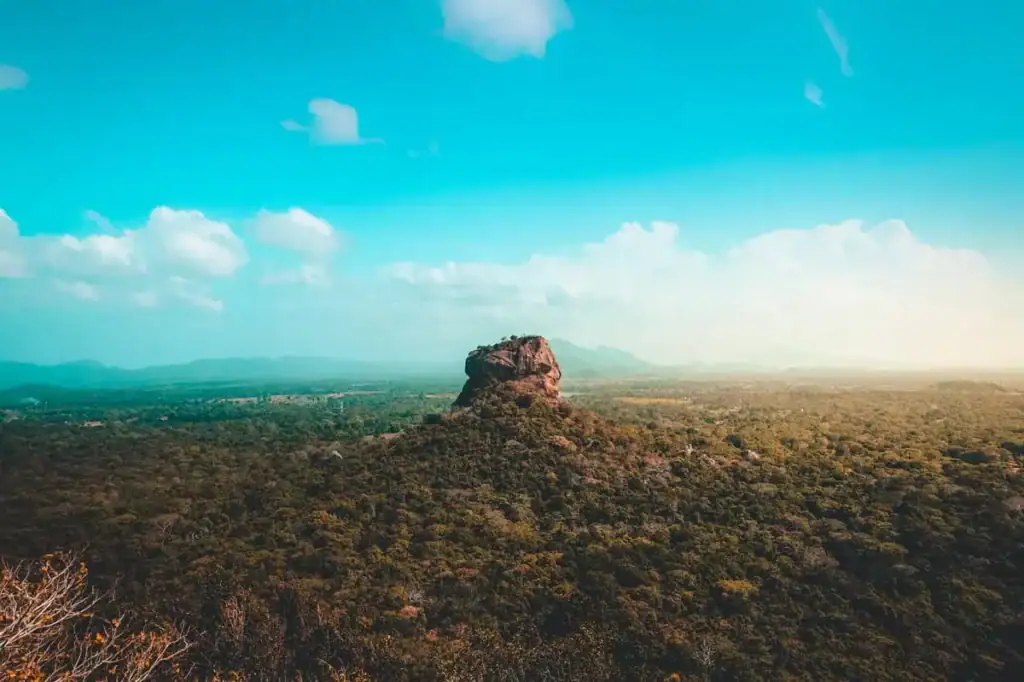
Sigiriya Lion’s Rock (Photo: Abishek Palraj, CC BY-SA 4.0)
Most successful Sri Lanka Travel itineraries follow a natural loop through the island. This route reduces backtracking and creates a smooth change of scenery.
Arrival: Colombo or Negombo
Many international flights arrive late at night. Travellers often stay near Negombo Beach to rest after arrival. Colombo offers museums, markets, and modern cafés. The Urban Experiences and Cities in Sri Lanka page gives helpful context for both.
The Cultural Triangle
The journey often begins inland. The Cultural Triangle includes Anuradhapura, Polonnaruwa, and Sigiriya Rock Fortress. These cities reveal the island’s ancient engineering and Buddhist heritage. The Dambulla Cave Temple adds another major highlight with painted cave shrines.
Kandy
Kandy City sits beside a lake and holds the Temple of the Sacred Tooth Relic. Cultural dance performances and botanical gardens add variety. The town also marks the gateway to the mountains.
The Train Journey to Ella
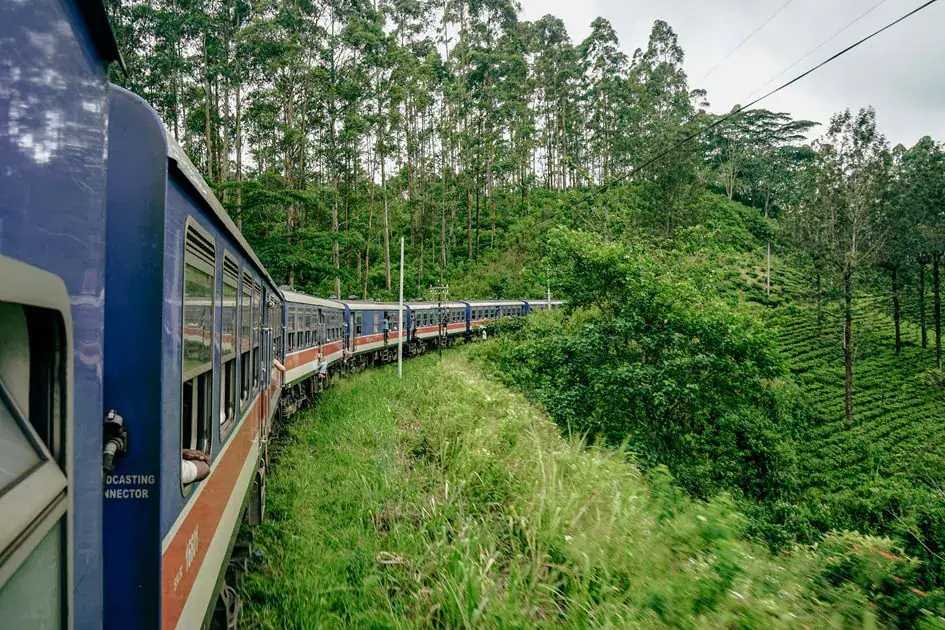
Kandy to Ella Train (Photo: Matt Dany via Unsplash)
The Kandy to Ella Train Ride ranks among the world’s most scenic rail journeys. Tea fields roll past open windows while mist covers distant hills. Many travellers name this journey as a favourite memory.
Hill Country
Ella City and nearby areas offer hiking and cooler air. Trails connect waterfalls, viewpoints, and tea plantations. Guides such as Hiking in Sri Lanka: 10 Trails That Take You Off the Beaten Path and The Pekoe Trail help travellers plan walks through tea country. Visits to tea factories explain the history of Ceylon Tea production.
Wildlife Safari
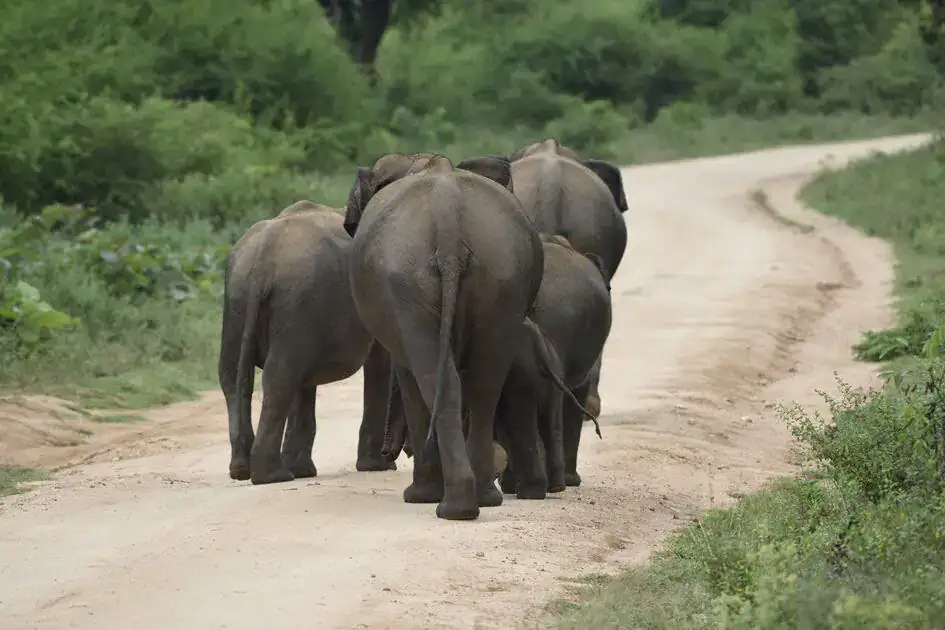
Elephants in Udawalawe National Park (Photo: Nalaka Priyantha)
Udawalawe National Park and Yala National Park provide strong chances to see elephants, crocodiles, and birdlife. The Wildlife Safaris in Sri Lanka guide explains how safaris work and what to expect.
South Coast Beaches
Trips often end along the Southern Coast. Mirissa Beach, Weligama Beach, and Hikkaduwa offer a relaxing beach experience after inland travel. Snorkelling and Whale Watching in Sri Lanka guides help travellers choose activities.
This route flows naturally from culture to mountains to coast. Each region feels different from the last, which keeps the journey fresh.
Getting Around Sri Lanka: Transportation Made Simple
Transport planning shapes your entire Sri Lanka travel experience. Movement across the island takes patience, yet the journey often becomes part of the adventure.
Trains
Sri Lanka Railways connects major towns. Trains move slowly but offer scenic views and local interaction. The Hill Country routes attract the most attention. Book reserved seats early during peak seasons.
- Find the train schedule via the official Sri Lanka Railways page.
- Book train seats via the official Online Advance Train Seats Reservation page.
Private Drivers
Many first-time visitors hire a driver for part or all of the trip. This option reduces stress and saves time. Drivers often share local knowledge and suggest food stops or viewpoints along the way.
Buses
Public buses reach almost every town. They remain the cheapest option. Local buses move fast and feel crowded. Air-conditioned intercity buses provide more comfort.
Tuk-Tuks
Tuk-tuks serve short distances well within towns. Agree on a price before starting or use ride apps in larger cities.
Domestic Travel Apps
Ride-hailing services, like PickMe and HelaGo, operate in Colombo and several tourist towns. Prices remain fair, and routes feel easy to manage.
The Transport and Getting Around in Sri Lanka page explains each option in detail and helps you decide what suits your travel style.
Travel times deserve attention. Roads pass through villages, markets, and mountain curves. Plan travel days carefully and avoid long back-to-back transfers.
Typical Travel Times First-Time Visitors Should Expect
- Colombo to Sigiriya: Around 4-5 hours
- Sigiriya to Kandy: Around 2.5-3 hours
- Kandy to Ella (train): Around 6-7 hours
- Ella to Yala or Udawalawe: Around 3-4 hours
- Ella to South Coast beaches: Around 4-5 hours
Where to Stay During Your Sri Lanka Travel
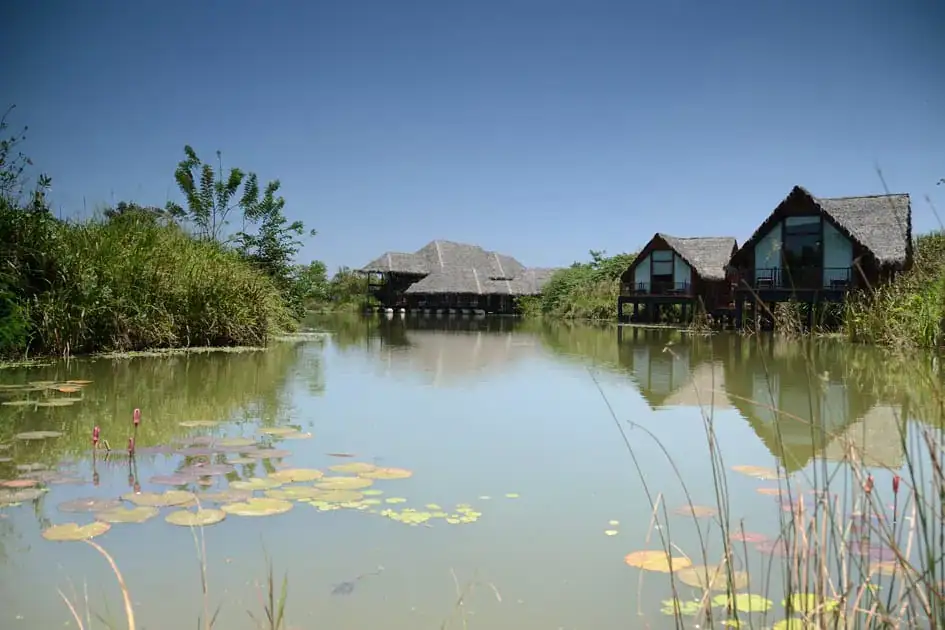
Jetwing Vil Uyana – Sigiriya (Photo: the very honest man, CC BY 2.0)
Accommodation shapes how you experience the island. Sri Lanka offers strong value across all budgets. You find family guesthouses, boutique hotels, eco lodges, surf hostels, and luxury resorts within short distances of each other.
Guesthouses and Homestays
Many first-time visitors choose small guesthouses. Families run these properties and often cook homemade meals. You gain local insight and personal service. This style suits cultural areas such as Sigiriya, Kandy, and Ella.
Boutique Hotels
Sri Lanka has built a good reputation for boutique stays. Many hotels are set in restored colonial homes or nature-focused settings. These stays balance comfort with local character.
Beach Resorts
The South and West Coasts offer resorts ranging from simple beachfront rooms to high-end properties. Areas like Bentota Beach and Unawatuna Beach attract travellers seeking easy access to the ocean.
Eco Lodges and Nature Retreats
Near national parks and Hill Country regions, eco lodges blend into forests or tea estates. These stays suit travellers focused on wildlife and quiet surroundings.
Budget Hostels
Backpackers find social hostels in Colombo, Mirissa, Ella City, and Arugam Bay during the East Coast season. The Backpacking in Sri Lanka guide explains how to plan a low-cost trip.
Choosing the right area matters as much as choosing the hotel. The guides “How to Choose Where to Stay in Sri Lanka” and “Where to Stay in Sri Lanka” help you match locations to your travel goals.
Experiences You Should Not Miss on Your First Visit

Let’s Pluck Tea Leaves – Nuwara Eliya (Photo: Sanjeewa Jayarathne)
Travel in Sri Lanka stands out because experiences feel varied within a short distance. First-time visitors often remember specific moments rather than entire destinations.
Climbing Sigiriya Rock Fortress early in the morning avoids heat and crowds. Ancient frescoes and water gardens show advanced engineering from over 1,500 years ago.
The Scenic Train Ride
The Kandy to Ella Train Ride passes tea estates, bridges, and small villages. Open doors provide clear views, making photography easier.
Sri Lanka is one of the best places in Asia for wildlife viewing. Yala National Park offers strong leopard sightings. Udawalawe National Park provides reliable elephant encounters. The guide to the Best National Parks to Spot Leopards in Sri Lanka explains where leopards are most commonly spotted.
- Reserve wildlife park tickets/permits online via the official Wildlife Park Permits Reservation eService.
Mirissa and Trincomalee are the main whale-watching hubs. Blue whales appear seasonally, often within short boat rides from shore.
Tea Plantation Visits
Visits to tea factories near Nuwara Eliya show how Ceylon Tea moves from leaf to cup. Tasting sessions help you understand flavour differences across altitudes.
Beach Time
Relaxed beach days balance active travel. Guides such as the Top 10 Best Beaches in Sri Lanka and Sri Lanka’s Secret Beaches help travellers choose quieter coastal spots.
Hiking and Pilgrimage Walks
Adam’s Peak attracts pilgrims during the season, while trails near Haputale and along the Pekoe Trail offer panoramic views across tea valleys.
These experiences give your itinerary structure and help prevent travel fatigue.
Sri Lankan Food Guide for First-Time Visitors
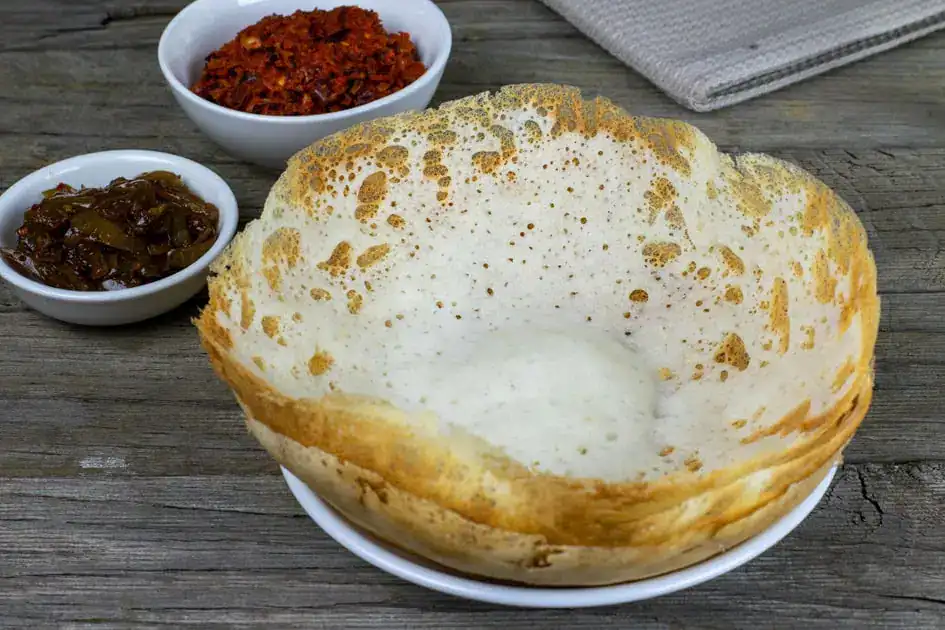
Sri Lankan Hoppers (Photo: Kavinda F)
Food plays a central role in travel in Sri Lanka. Meals feel fresh, flavourful, and deeply tied to local culture.
Rice and curries appear across the island. A typical meal includes rice served with several vegetable dishes, dhal curry, sambol, and sometimes fish or chicken. Each region prepares spices slightly differently. The Rice and Curries guide explains common variations.
Sri Lankan Hoppers resemble bowl-shaped pancakes made from fermented rice flour. Egg hoppers serve as a popular breakfast. String Hoppers appear as steamed rice noodles served with curry and coconut sambol.
Kottu Roti remains one of the most loved street foods. Cooks chop flatbread with vegetables, egg, and spices on a hot grill. The rhythmic sound of metal blades hitting the pan often signals dinner time. The Kottu Roti article explores its history.
Street vendors sell snacks such as hot butter cuttlefish, pol roti, and fresh king coconuts. The Sri Lankan Street Food guide helps you order with confidence.
Drinks and Local Specialities
Try kola kanda, a herbal porridge drink, or fresh tropical juices. Tea remains a daily ritual throughout the country.
Spice levels vary. Ask for mild versions if you prefer less heat. Most restaurants adjust dishes upon request.
Understanding Travel Costs and Budget Planning
Travelling in Sri Lanka offers strong value compared with many island destinations. Costs vary depending on comfort level and travel season.
Budget Travel
Guesthouses and local food keep daily spending low. Public buses and trains reduce transport costs. Backpackers often spend between 30 and 50 USD per day.
Mid-Range Travel
Private rooms, occasional drivers, and guided activities raise daily budgets to around 70-120 USD per person.
Luxury Travel
Boutique hotels, private transport, and curated experiences increase costs above 200 USD per day. Sri Lanka’s luxury sector focuses on personalised service and nature-based stays.
Typical Expenses
Accommodation forms the largest expense. Safari jeeps, whale-watching tours, and train tickets need advance booking during peak season. Food remains affordable, especially local meals.
Season also affects pricing. December to March sees higher demand along the South Coast. Shoulder seasons often bring better value.
What Increases Your Travel Budget Most
- Private driver instead of trains or buses
- Boutique or beachfront hotels
- Private safari jeeps
- Peak season travel (December to March)
Safety, Health, and Practical Travel Tips

In Kandy (Photo: Eddy Billard)
Safety remains a top concern for first-time visitors. Travelling in Sri Lanka feels comfortable for most travellers who follow basic safety precautions.
General Safety
Tourist areas maintain a strong security presence. Violent crime towards visitors remains rare. Keep valuables secure and use hotel safes when available.
Health Tips
Drink bottled or filtered water. Use mosquito repellent, especially near wetlands and national parks. Sunscreen is important due to the strong equatorial sun.
Temple Etiquette
Cover the knees and shoulders when you visit temples. Remove shoes before entering sacred areas. Avoid posing with your back towards Buddha statues when taking photos.
Solo Travel
Sri Lanka suits solo travellers, including women. Many choose guesthouses for added local support. Organised tours and shared safaris provide social interaction.
Emergency Help
The Tourist Assistance and Emergency Contact Information page lists police and tourism hotlines.
We also recommend reading our travel tips page.
Common First-Time Mistakes and How to Avoid Them
Many planning issues repeat among new visitors. Avoiding these mistakes improves your experience immediately.
Trying to See Too Much
Travellers often pack too many destinations into short trips. Choose fewer locations and stay longer.
Ignoring Weather Zones
Different coasts follow different seasons. Match your route with regional weather patterns using the Weather in Sri Lanka page.
Underestimating Travel Time
Mountain roads are slow journeys. Plan rest days between long transfers.
Skipping Rest Days
Sri Lanka feels intense due to the heat and activity. Beach breaks help maintain energy.
Not Booking Popular Experiences Early
Train seats, safaris, and whale watching tours sell out during peak months.
A Realistic First-Time Sri Lanka Travel Itinerary
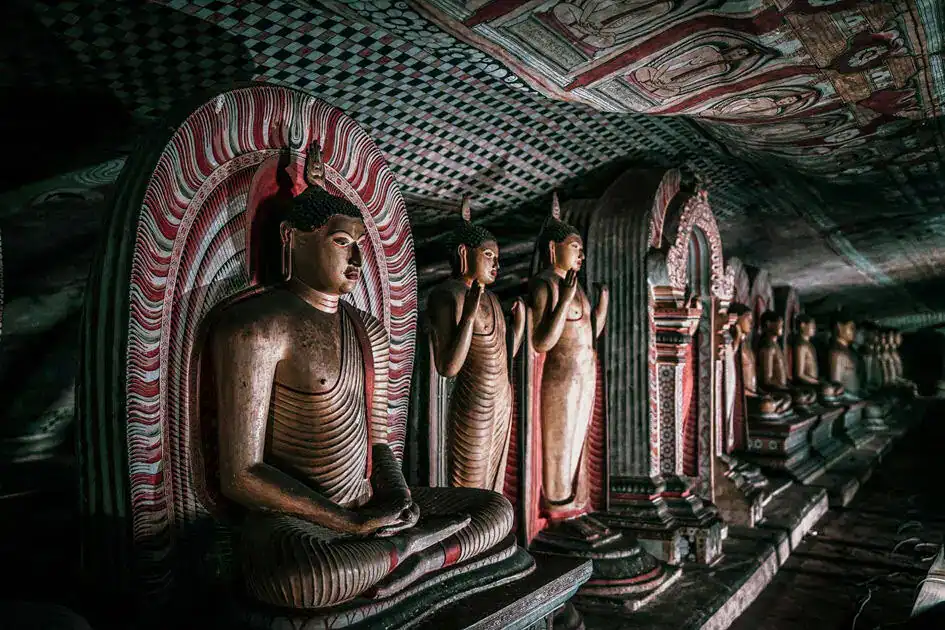
Inside the Dambulla Cave Temple (Photo: Agnieszka Stankiewicz, via Unsplash)
A balanced 12-day plan works well for most visitors.
Days 1 to 2: Arrival in Colombo or Negombo Beach. Rest and adjust to the climate.
Days 3 to 5: Cultural Triangle exploration. Visit Sigiriya Rock Fortress, Dambulla Cave Temple, and Polonnaruwa. Optional safari in nearby parks.
Days 6 to 7: Travel to Kandy City. Explore temples and cultural sites.
Days 8 to 9: Train journey into the Hill Country. Stay in Ella City. Hike viewpoints and visit tea plantations.
Days 10 to 11: Safari in Udawalawe National Park or Yala National Park.
Day 12 onwards: Relax along the South Coast. Choose Mirissa Beach, Weligama Beach, or Tangalle Beach depending on your preference.
Seasonal itinerary guides on the Find the Best Sri Lanka Itinerary for Your Travel Season page provide variations based on travel months.
If You Prefer Beaches First: Start on the South Coast, then travel inland to Ella, Kandy, and the Cultural Triangle.
If You Prefer Culture First: Follow the classic route from Colombo to the Cultural Triangle, then Hill Country, safari, and beaches.
Essential Packing List for Sri Lanka
Packing well improves comfort throughout your trip.
Clothing
Lightweight clothing suits warm coastal weather. Bring a light jacket for Hill Country evenings. Include modest outfits for temple visits.
Footwear
Comfortable walking shoes are helpful at archaeological sites and on hikes. Sandals work well for beaches.
Health and Essentials
Sunscreen, insect repellent, reusable water bottle, and basic medication remain useful.
Tech Items
Power adapters fit British-style plugs (Type G). A portable battery helps during long travel days.
Safari and Outdoor Gear
Neutral-coloured clothing works best for wildlife viewing. Binoculars improve safari experiences.
Frequently Asked Questions About Travelling in Sri Lanka
Is Sri Lanka suitable for families?
Yes. Many hotels welcome families, and wildlife safaris appeal to children.
Is Wi-Fi reliable?
Hotels and cafés offer stable connections in most tourist areas. Remote regions experience slower speeds.
Do credit cards work everywhere?
Cards work in cities and large hotels. Carry cash for smaller towns and markets.
Is tap water safe to drink?
Use bottled or filtered water instead.
What language should you speak?
English works well in tourist regions.
We recommend reading the “Frequently Asked Questions” page for answers to additional questions.
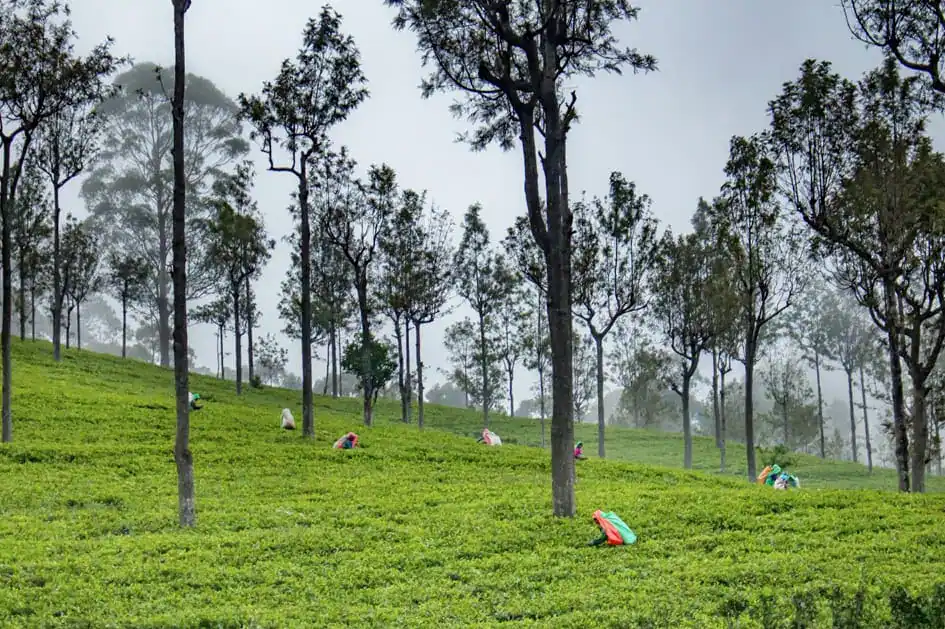
Tea Estates Between Pattipola and Idalgashinna Train Stations (Photo: Samantha Weerasinghe, CC BY 2.0)
Your Sri Lanka Travel Guide Summary
This Sri Lanka Travel Guide brings together the essential steps for planning your first visit. Travelling in Sri Lanka becomes simple once you understand seasons, travel routes, and pacing. Focus on one logical loop through culture, mountains, wildlife, and coast. Allow time between destinations. Choose experiences rather than rushing through locations.
Sri Lanka rewards curiosity and patience. Ancient cities reveal deep history. Train rides slow your pace. Wildlife safaris place you close to nature. Coastal towns provide rest after active travel days. From ancient stone cities to misty tea hills and quiet ocean evenings, Sri Lanka rewards travellers who move at the right pace.
Each journey across the island feels different, yet the planning foundation stays the same. Start with clarity, travel with purpose, and let Sri Lanka unfold one place at a time.
Your next step is simple. Go to the Find the Best Sri Lanka Itinerary for Your Travel Season page and choose the route that matches your travel dates. Once your route is clear, the rest of your Sri Lanka travel planning becomes much easier.
Sources and References: