


Sri Lanka built a global reputation on a simple leaf. Ceylon Tea anchors that story. You taste bright flavour, brisk energy, and a sense of place in every Cup of Tea. Tea in Sri Lanka reaches from misty hills to coastal towns, and each region adds its own note. If you seek clarity in the cup and clear steps on how to brew it well, this guide lays it out.
What Is Ceylon Tea
Ceylon Tea is tea grown, processed, and packed in Sri Lanka. The plant is Camellia sinensis. Elevation, rainfall, wind, and soil shape the flavour. High slopes bring lift and citrus. Lower slopes bring body and malt. The Sri Lanka Tea Board safeguards the origin and standards, ensuring buyers know what they are drinking.
The Tea Plant
All authentic tea comes from Camellia sinensis. Two main botanical lines thrive in Sri Lanka. Camellia sinensis var. sinensis is well-suited to the cool highlands. Camellia sinensis var. assamica is suited to warmer, lower regions. Estates propagate named clones that match local soils. Pruning keeps bushes waist-high for steady plucking. Healthy leaf growth depends on clean fields, balanced fertiliser plans, and careful shade management.
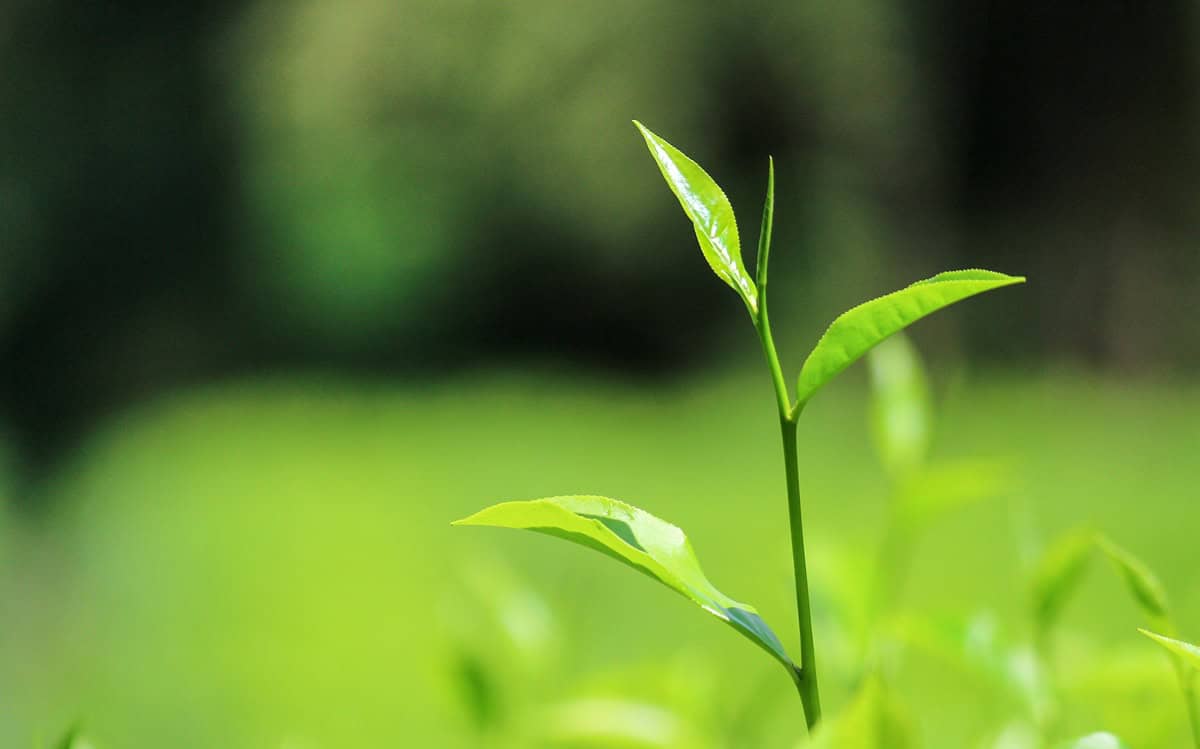
Tea leaves (Photo: Prabath Gunasekara)
A Short History
Tea in Sri Lanka rose after coffee failed in the 1860s. Planter James Taylor planted tea in Loolecondera in 1867 and set early factory methods. Exports climbed fast. Auctions in London prized the clean, brisk profile. Over time, the trade moved from colonial control to national hands. Today, large estates and smallholders supply tea leaves to modern factories that hold strict hygiene and quality checks.
Where Tea Grows
Tea stretches across the central highlands and the southern lowlands. Key areas include Nuwara Eliya, Dimbula, Uva, Uda Pussellawa, Kandy, Ruhuna, and Sabaragamuwa. Altitude drives style. High areas sit above roughly 1,200 meters. Mid areas sit between 600 and 1,200 meters above sea level. Low areas sit below 600 meters. Expect lighter liquor and citrus from high zones. Expect fuller body and sweet spice from low zones.
Why Ceylon Tea Is Special
Ceylon Tea stands out for clarity, freshness, and traceable origin. Pluckers select two leaves and a bud by hand, which protects quality. Factories sit close to fields, so fresh leaf reaches withering racks within hours.
Seasonal winds create distinct flavour windows, such as the Uva season, that experienced buyers track. Look for the Lion logo on packs. The mark signals pure origin and a licensed producer.
Cultivation and Plucking
Well-drained, acidic soils and steady rain support year-round growth. Contour planting reduces erosion. Mulch holds moisture. Shade trees protect young bushes from harsh sun. Pruning cycles keep the plucking table even. Skilled workers harvest two leaves and a bud. Even leaf size and gentle handling reduce bruising. Fresh leaf moves to the factory the same day. Speed preserves aroma and prevents grassy defects.
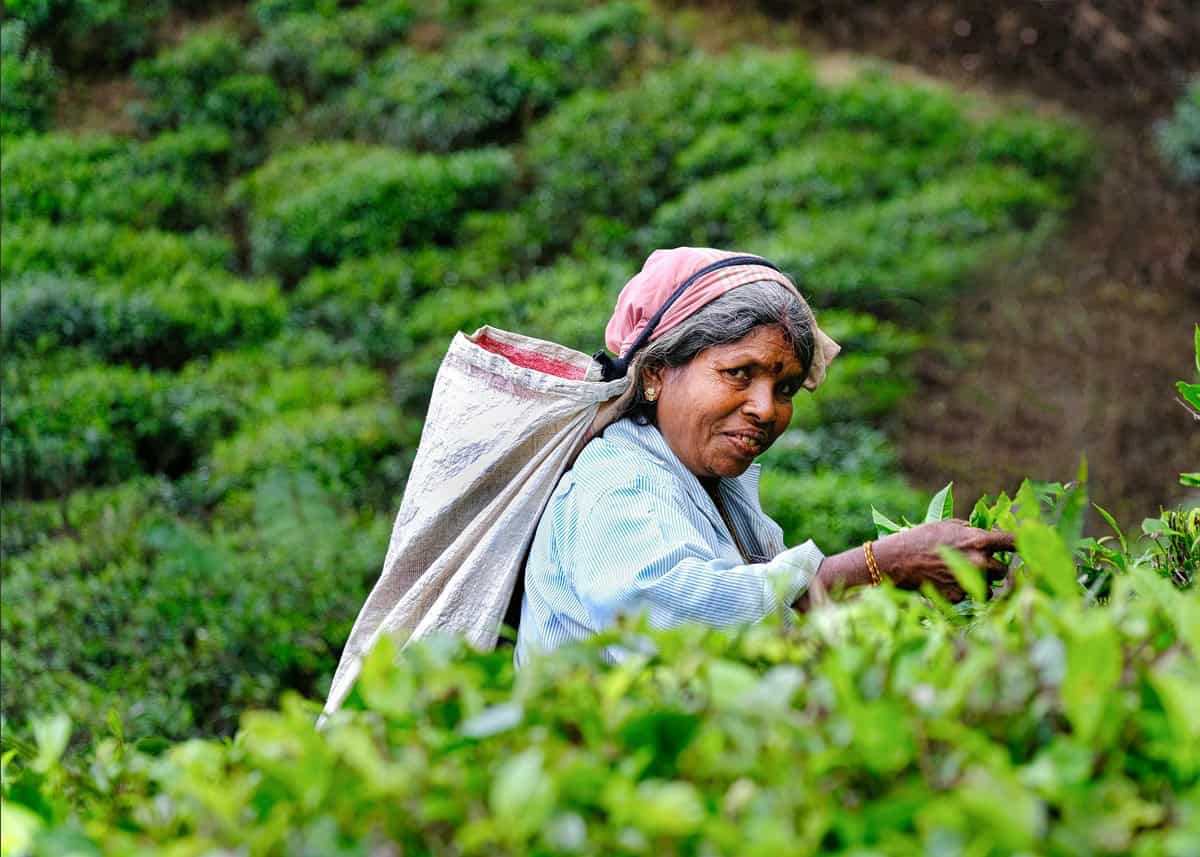
Plucking Tea Leaves in Haputale (Photo: Lyn Hoare)
From Field to Factory: How Ceylon Tea Is Processed
Black Ceylon Tea
Withering reduces moisture and concentrates the flavour precursors. Rolling twists the leaves and breaks cell walls. Oxidation follows. The leaf turns copper as enzymes transform catechins into theaflavins and thearubigins. Firing stops oxidation with hot air. Sorting and grading separate leaves by size. The cup exhibits a bright copper colour, a brisk structure, and a clean finish. Black Ceylon Tea is well-suited for both breakfast and afternoon service.
Green Tea
Heat stops oxidation at the start. Factories use pan firing or steaming. Rolling shapes the leaf. Drying locks in a fresh, grassy profile with pale green liquor. Cooler water and shorter steeps protect sweetness.
White Tea
Producers select unopened buds and the youngest leaves. Workers handle them with great care. Sun drying and gentle air drying set the leaf. No rolling. No deliberate oxidation. The liquor tastes light and sweet with a soft body.

Blue Fields Tea Factory – Ramboda, Nuwara Eliya (Photo: Dan arndt)
Main and Popular Varieties
Whole leaf styles include Orange Pekoe and Flowery Orange Pekoe. They give clarity and a layered aroma. Broken grades such as BOP and FBOP brew fast and deliver punch, which suits milk. Green teas from Uva and Kandy offer a floral lift when brewed cooler. White teas, often referred to as Silver Tips, are produced in small quantities and have a delicate character. Many drinkers keep one high-grown OP for a clear morning Cup of Tea and one low-grown BOP for milk tea.
How to Select Tea Leaves
Match the tea to your routine and taste.
• For quick mornings with milk, choose BOP or FBOP from Ruhuna or Sabaragamuwa.
• For a long, clear cup without milk, choose OP or FOP from Nuwara Eliya or Dimbula.
• For a gentle afternoon break, choose high-grown OP or a light green tea from Kandy.
• For gifts, choose single estate tins or Silver Tips in small packs.
Buy in modest amounts and restock often. Fresh stock holds top aroma. Check labels for region and pack date. Seek the Lion logo for origin assurance. Store in an airtight tin away from light and strong odours.
How to Make a Cup of Ceylon Tea
Water drives flavour. Use fresh, filtered water.
• For black tea, boil water to about 96 degrees Celsius.
• For green tea, cool water to about 80 degrees.
• For white tea, aim for about 85 degrees.
Preheat your pot or mug by giving it a quick rinse. Measure 2 to 3 grams of tea per 200 millilitres of water. Steep times:
• Black tea, 3 to 4 minutes.
• Green tea, 2 to 3 minutes.
• White tea, 3 to 5 minutes.
Strain on time. Oversteeping adds harshness. For a stronger body, use a touch more leaf rather than a longer time. For iced Black Ceylon Tea, brew double strength and pour over ice.
How to Taste the Best from Ceylon Tea
Set the cup in good light. Look at the liquor. High-grown black shows bright copper. Low grown shows deep amber. Inhale. Seek citrus, floral, malt, honey, or soft spice. Take a sip and let air in. Note body, briskness, and finish. Quality tea cleans the palate and leaves a gentle sweetness. Pair high-grown teas with light cakes and fruit. Pair low-grown teas with rich food or chocolate desserts.
Best With, Where to Drink, When to Drink
Best with
• Breakfast breads, jam, and eggs for low-grown black.
• Scones, biscuits, and citrus cakes for high-grown black.
• Salads, rice bowls, and mild seafood for green tea.
• Soft cheeses and fresh berries for white tea.
Where to drink
• Estate tasting rooms in Nuwara Eliya, Kandy, and Uva for guided flights.
• City tea rooms in Colombo for modern service and blends.
• Guesthouses near Ella, Hatton, and Bandarawela for views and fresh pots.
When to drink
• Morning for brisk Black Ceylon Tea.
• Midday for green tea with lunch.
• Late afternoon for a gentle high-grown OP or white tea.
• Early evening for decaf blends if caffeine disrupts sleep.
Benefits of Ceylon tea
Research links tea to measurable outcomes. Polyphenols show antioxidant activity in the body. Randomised trials have reported small reductions in blood pressure and LDL cholesterol with regular tea intake.
Certain studies have linked tea drinking with a lower cardiovascular risk over time. Caffeine and theanine support alertness and attention during tasks. Tea also supports hydration throughout the day. Balance still matters. Leave a gap of at least 2 hours between tea and iron-rich meals if your iron status is a concern. Sensitive drinkers sleep better with a caffeine cut-off in the afternoon. Follow medical advice during pregnancy.
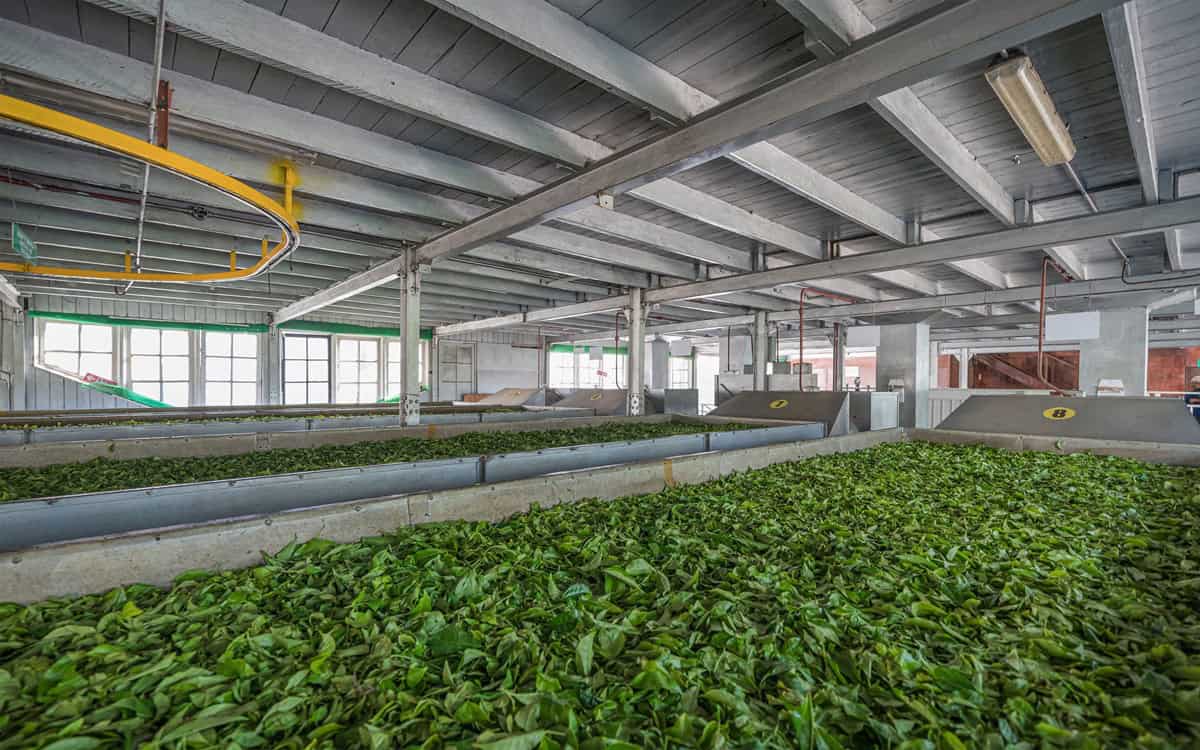
In the Damro tea factory in Nuwara Eliya (Photo: A.Savin)
Special Tips
• Use soft water for a brighter flavour. Hard water mutes aroma.
• Warm the pot to hold temperature during the steep.
• Taste at the midpoint of the steep and adjust time on the next brew.
• For milk tea, choose low-grown BOP or FBOP. Add milk after straining.
• For lemon, choose high-grown black without milk.
• Keep tasting notes. Record region, grade, water, time, and result.
Why You Should Taste a Cup of Ceylon Tea
Ceylon Tea offers origin, skill, and freshness in one cup. Seasonal winds, altitude shifts, and careful factory work build layers that you feel on the palate. A well-brewed Cup of Tea from Sri Lanka brings energy without a heavy finish. You also support rural jobs, field skills, and a proud food tradition. Share a pot with friends and compare regions side by side. The differences teach you more than any label.
Ceylon Tea: Final Sip
Ceylon Tea rewards clear choices and simple steps. Choose a tea style that matches your daily routine. Heat water to the right range. Measure leaf, time the steep, and strain on cue. Explore Tea in Sri Lanka by region, season, and grade. Keep one high-grown tea for clarity and one low-grown tea for depth. Enjoy the Benefits of Ceylon tea through calm focus and a steady daily rhythm. Start your day with Black Ceylon Tea or settle into the afternoon with a lighter brew. Your next Cup of Tea begins with fresh leaves, hot water, and a few mindful minutes.
Is Sri Lanka Worth Visiting? Yes, of course. There are many reasons to visit Sri Lanka. Ceylon Tea and the Sri Lankan tea heritage are definitely among them.
Other Popular Sri Lankan Foods and Drinks:
- Rice and Curries
- Hot Butter Cuttlefish
- Hoppers (Appa)
- King Coconuts
- String Hoppers
- Kola Kanda
- Pol Roti
- Kottu Roti
(Featured image by Anastasiia Madiar)

I am a Sri Lankan medical doctor who spends my free time travelling, exploring new destinations, and documenting the beauty of the island I call home. I have journeyed across almost every corner of Sri Lanka with my wife and daughter — from wildlife parks and misty mountains to ancient cities, deep forests, rugged landscapes, and quiet beaches.
Travel is not just a hobby for me — it’s a way of life. I love nature, enjoy road trips, and find joy in wildlife photography. I also read widely about tourism, travel trends, and destination culture. Through my writing, I aim to help travellers experience Sri Lanka through real stories, meaningful insights, and honest recommendations — the same way I explore it with my own family.