
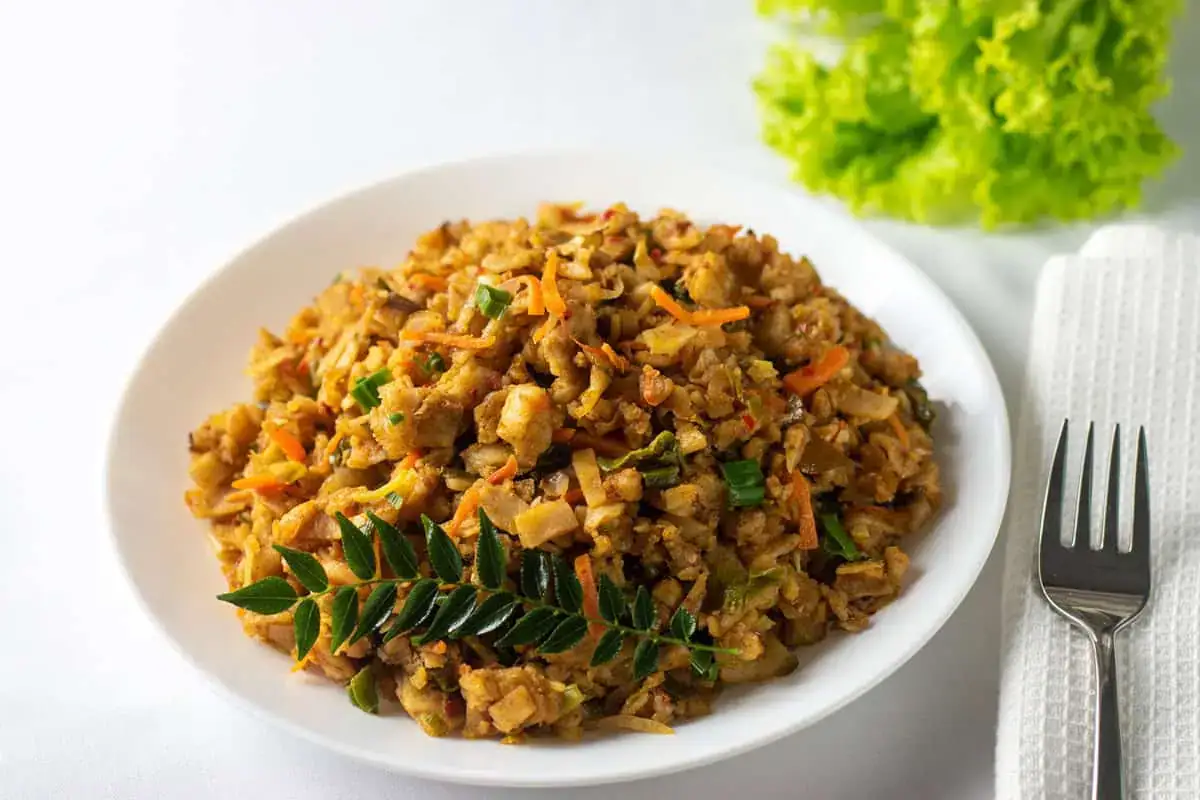

Walk through any town in Sri Lanka after sunset, and you will hear a sharp rhythmic sound echoing across the streets. Metal blades strike a hot griddle in a steady beat. Crowds gather nearby. Flames rise briefly as spices hit the pan. This sound signals one thing. Kottu Roti is being prepared. For many travellers, tasting Kottu becomes one of the most memorable food experiences during a journey through the island. This iconic dish represents more than a meal. It reflects street food in Sri Lanka, daily life, and the shared energy of Sri Lankan cuisine.
It sits at the centre of modern Sri Lankan food culture. Students eat it after classes. Families share large portions during evening outings. Night workers rely on it for energy after long shifts. Travellers searching for authentic Sri Lankan food quickly learn that this dish better represents the country than many guidebooks. Understanding Kottu Roti means understanding how Sri Lankan cuisine blends practicality, flavour, and community.
Kottu Roti. What You Need to Know
Kottu Roti began as a practical street meal made from leftover godamba roti, a thin flatbread influenced by South Indian parotta traditions. Street vendors chopped the bread into small pieces and cooked it with vegetables, eggs, curry gravy, and spices on a large iron griddle. Over time, cooks refined techniques and introduced new ingredients, turning a simple leftover dish into one of the most recognised foods in Sri Lanka.
Today, it appears across the country, from busy Colombo streets to small roadside cafés in rural towns. The dish adapts easily to personal taste. Vendors adjust spice levels, protein choices, and textures based on customer preferences. This flexibility helped Kottu Roti grow into a defining symbol of Sri Lankan cuisine.
The preparation method sets it apart. Instead of cooking quietly, chefs chop ingredients rapidly using two flat metal blades. The rhythmic sound draws attention and signals freshness. Many locals identify a good Kottu stall simply by listening to the cooking rhythm.
Why It Stands Out
Kottu Roti stands out for its combination of flavour, texture, and performance. Few dishes involve such visible cooking. You watch ingredients transform in real time. Fresh roti pieces absorb the curry gravy, while vegetables soften and spices release their aroma.
The dish balances multiple elements at once:
- Soft roti pieces absorb sauce.
- Crispy edges form through constant chopping.
- Spices deliver heat without overwhelming flavour.
- Egg or meat adds richness and protein.
Street food in Sri Lanka often focuses on speed and affordability. Kottu succeeds because it delivers both satisfaction and completeness. A single portion often feeds one person fully after a long day of travel or work.
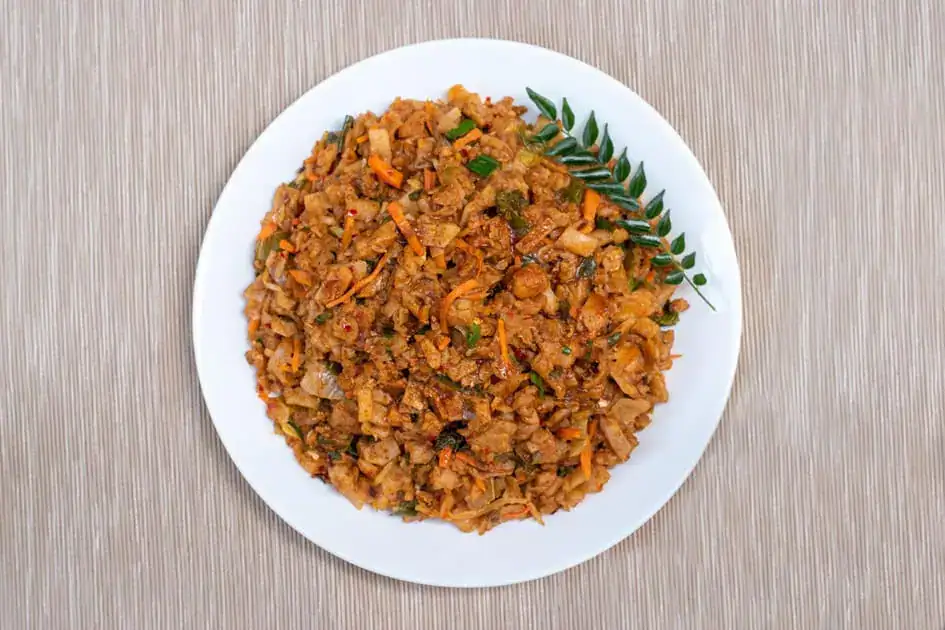
A Delicious Kottu Plate (Photo: KavindaF, via Pixabay)
Where It Sits in Sri Lankan Society
Kottu Roti holds a unique social position. Unlike formal rice-and-curry meals eaten at home, Kottu is served in shared public spaces. People gather around open kitchens, wait together, and talk while food cooks.
Late evening hours define its culture. Many Kottu shops open after sunset and stay active until midnight or later. Nightlife, casual conversations, and roadside dining connect strongly with this dish.
Students and young workers helped popularise Kottu during the late twentieth century. Affordable pricing made it accessible to nearly everyone. Over time, restaurants adopted the dish, yet the strongest experiences still happen at small street-side eateries.
Within Sri Lankan cuisine, Kottu represents urban energy. Rice and curry reflect tradition and home cooking. Kottu reflects modern life and movement.
Popular Varieties and Regional Differences
Across Sri Lanka, vendors create many variations of Kottu Roti. Each region adjusts spice blends and ingredients based on local preferences.
- Chicken Kottu remains the most widely ordered version. Tender chicken pieces are cooked in curry gravy with vegetables, creating a balanced flavour.
- Cheese Kottu gained popularity among younger diners. Melted cheese adds richness and soft texture.
- Egg Kottu offers a simpler option. Eggs are scrambled directly into chopped roti, producing a lighter yet satisfying meal.
- Vegetable Kottu suits vegetarian travellers. Cabbage, carrots, leeks, and onions form the base while spices deliver depth.
- Seafood Kottu is more common in coastal areas. Prawns or cuttlefish add ocean flavour.
- Mixed Kottu combines chicken, egg, and vegetables. Many locals consider this the classic combination.
- Beef Kottu is primarily available in Muslim-owned eateries, especially in urban areas.
- Mutton Kottu delivers a stronger flavour and richer texture.
- Dolphin Kottu refers to finely chopped, crispy pieces that are cooked for longer to achieve a crunchier texture.
- Masala Kottu features a heavier spice blend inspired by South Indian seasoning.
- Butter Chicken Kottu introduces creamy curry influence.
- Cheese Chicken Kottu combines protein with melted cheese for a richer version.
- Devilled Chicken Kottu includes a spicy-sweet sauce influenced by Chinese and Sri Lankan cooking styles.
- Nasi Goreng Style Kottu draws on Indonesian fried rice, showcasing how Sri Lankan cuisine absorbs global influences.
- String Hopper Kottu, also called Indi Appa Kottu, replaces roti with steamed rice noodles, creating a lighter texture.
Regional differences often appear in spice intensity. Southern regions favour stronger chilli heat, while the hill country often prepares milder versions.
What Is Inside
Despite many variations, most Kottu Roti shares a common foundation.
Main ingredients include:
- Godamba roti chopped into small pieces
- Eggs or chosen protein
- Cabbage and leeks
- Onions and green chillies
- Curry gravy or sauce
- Sri Lankan spice mixture
The spice blend often includes curry powder, chilli powder, pepper, turmeric, and garlic. Each vendor protects their exact seasoning balance. It explains why two Kottu dishes rarely taste identical even within the same town.
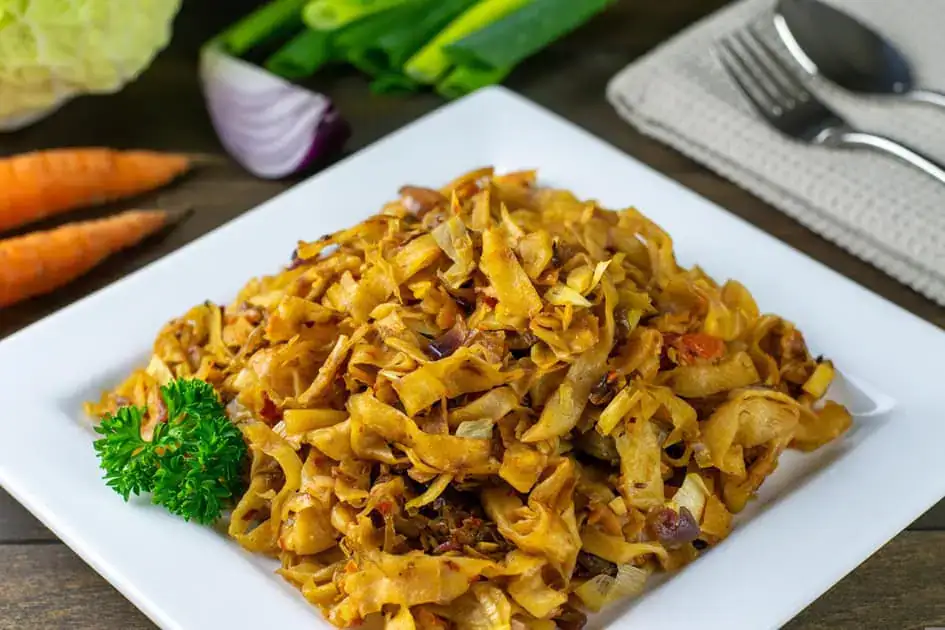
Another Plate of Kottu Roti (Photo: KavindF, via Pixabay)
How Kottu Roti Is Made
Preparation happens on a flat-iron griddle heated over a strong flame. The cook pours oil, adds vegetables, and quickly stir-fries them. Chopped roti follows, then eggs or meat. Curry gravy binds ingredients together.
The defining step involves rapid chopping using metal blades. Continuous movement prevents burning while creating a mixed texture. Experienced cooks maintain a steady rhythm for several minutes until the flavours fully combine.
Cooking usually takes less than ten minutes, making Kottu Roti ideal for busy street environments.
Serving Style and Temperature
Kottu Roti arrives hot, often straight from the griddle onto a metal plate or in a takeaway paper wrap. Heat remains essential because texture changes as the dish cools.
Many vendors serve extra curry sauce on the side. It allows diners to adjust the moisture and spice level while eating.
Portions tend to be generous. Sharing between two people works well when sampling multiple Sri Lankan food dishes during one evening.
How to Spot a Great Version of Kottu Roti
Not every plate of Kottu Roti delivers the same experience. Quality depends heavily on technique, ingredient freshness, and timing. Learning how to recognise a good version helps you enjoy Sri Lankan cuisine at its best.
First, listen before you order. Skilled cooks maintain a steady chopping rhythm. The sound stays fast and controlled rather than slow or irregular. Experienced vendors move confidently, with minimal pauses.
Second, observe ingredient preparation. Fresh vegetables should appear crisp before cooking. Meat should be cooked separately before mixing it into the roti. Overcrowded griddles often produce soggy results.
Third, notice the aroma. A balanced Kottu releases fragrance from spices and curry leaves rather than heavy oil. Excess oil often signals rushed preparation.
Texture provides the final clue. Good Kottu combines softness with slightly crisp edges. Each bite should feel layered, not mushy.
Ordering Advice
Ordering Kottu feels simple, but small decisions greatly improve the experience. Vendors typically ask a few quick questions, especially in busy towns.
You should decide:
- Protein choice: chicken, egg, vegetable, or mixed.
- Spice level: mild, medium, or spicy.
- Portion size if sharing.
If you are new to Sri Lankan food, start with medium spice. Local spice levels often exceed expectations for first-time visitors.
Useful ordering tips:
- Ask for less oil if you prefer a lighter texture.
- Request extra gravy separately if you enjoy saucy dishes.
- Choose mixed Kottu for a balanced first experience.
Many vendors prepare food immediately upon ordering, ensuring freshness.
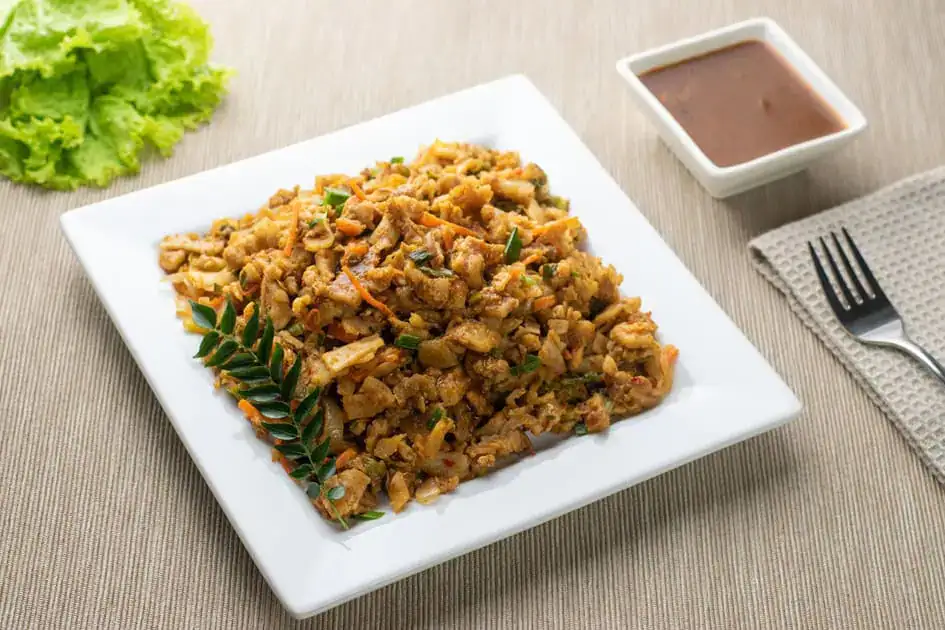
Kottu Plate with Gravy (Photo: KavindaF, via Pixabay)
How to Taste the Best of It
Eating Kottu Roti involves more than filling your plate. Locals approach it slowly despite the fast preparation.
Start with a few bites without added gravy to understand the base flavour. Then mix small amounts of curry sauce to adjust the taste gradually.
Pay attention to texture changes across the plate. Some parts remain soft, while the edges remain slightly crisp. This contrast defines authentic Kottu.
Sharing with friends often improves the experience. Ordering two different varieties allows you to compare them and explore Sri Lankan cuisine more deeply.
Best Pairings
Kottu Roti pairs well with drinks and side dishes that balance spice and richness.
Popular pairings include:
- Fresh lime juice for acidity.
- Faluda or sweet milk drinks for a cooling effect.
- Plain tea after the meal.
- Coconut sambol or chilli paste for extra heat.
Many locals prefer simple beverages rather than heavy drinks because the dish’s strong flavours already dominate.
When to Eat
Timing plays a major role in fully enjoying Kottu Roti. While available throughout the day in some cities, evening remains the ideal time.
Late afternoon through midnight represents peak hours. Fresh ingredients arrive, and vendors continue to cook. Busy stalls often produce better food because turnover stays high.
After long travel days, Kottu provides filling comfort. Night markets and roadside eateries create a lively atmosphere where food culture in Sri Lanka feels most vibrant.
Where to Eat
Kottu Roti appears everywhere, yet certain environments offer stronger experiences.
Street-side stalls often deliver the most authentic flavour. These locations focus on speed and consistency. Urban neighbourhoods in Colombo, Kandy, and Galle feature popular vendors known among locals.
Small family-run cafés also prepare excellent versions. These places balance hygiene, comfort, and traditional cooking.
Hotels and high-end restaurants sometimes serve Kottu, though street stalls usually maintain greater authenticity.
Look for signs of quality:
- Busy stalls with local customers.
- Fresh ingredients are visible near the cooking area.
- Continuous cooking activity.

Making Kottu Roti (Photo: Chamal N, CC BY-SA 3.0)
Energy and Nutrition Facts
Kottu Roti provides high energy due to its combination of carbohydrates, protein, and fats. A typical serving includes chopped flatbread, eggs or meat, vegetables, and oil, making it high in calories.
Average nutritional characteristics include:
- High carbohydrate content from roti.
- Protein from eggs, chicken, or seafood.
- Vegetables contribute fibre and micronutrients.
- Moderate fat levels, depending on oil use.
A single portion often supplies enough energy for several hours, which explains its popularity among workers and students.
Benefits of It
Kottu Roti offers several practical advantages within Sri Lankan food culture.
First, it reduces food waste. Early versions used leftover roti creatively, reflecting efficient cooking traditions.
Second, it delivers balanced nutrition from a mix of ingredients. Vegetables, proteins, and spices combine within one dish.
Third, it adapts easily to dietary needs. Vegetarian versions remain widely available.
Fourth, preparation remains fast. Travellers receive fresh hot meals without long waiting times.
These factors helped Kottu become a cornerstone of street food in Sri Lanka.
Special Tips for Travellers
Travellers enjoy Kottu more when they follow a few practical suggestions.
- Choose busy stalls in the evening for freshness.
- Watch the cooking process before ordering to assess cleanliness.
- Drink water or lime juice alongside spicy versions.
- Share large portions if you plan to try multiple Sri Lankan food dishes.
If spice sensitivity is a concern, ask for a mild preparation. Vendors usually adjust seasoning willingly.
Dos and Don’ts
Understanding local habits enhances your experience and demonstrates respect for food culture in Sri Lanka.
Do:
- Order confidently and wait patiently during busy times.
- Eat while hot for the best texture.
- Try different varieties across regions.
Do not:
- Expect identical flavour everywhere. Variation forms part of authenticity.
- Rush eating. The dish tastes better when enjoyed slowly.
- Judge a stall by appearance alone. Some modest locations produce exceptional food.
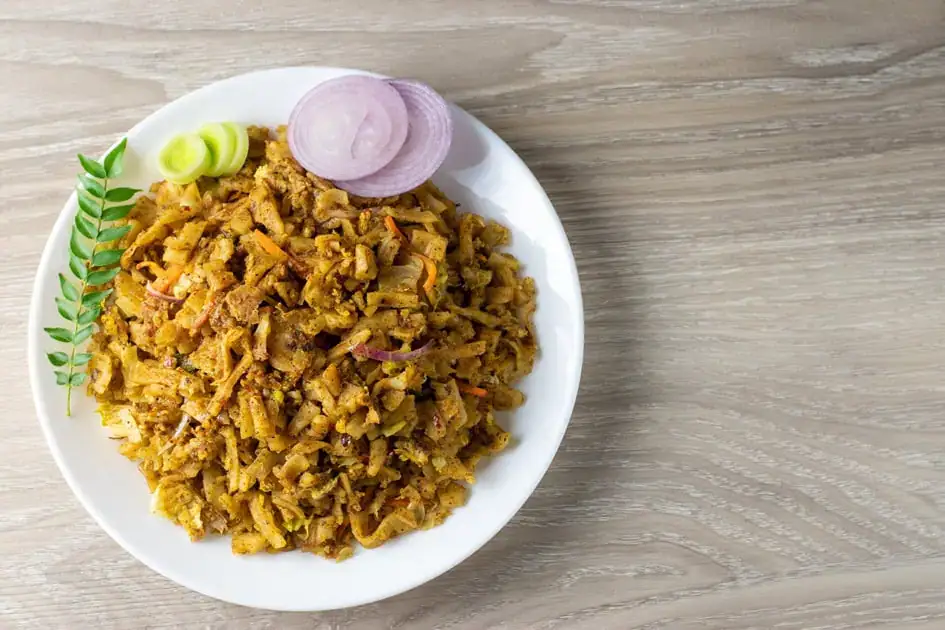
An Art of Serving (Photo: KavindaF, via Pixabay)
Why You Should Taste It
Kottu Roti represents more than flavour. It captures the rhythm of everyday life. The sound of metal blades, the heat of the griddle, and the gathering of people around food reflect community and shared experience.
Travellers who visit Sri Lanka often remember Kottu long after returning home because the dish connects taste with atmosphere. You stand near the cook, watch the preparation, and receive food made moments earlier.
Few dishes in Sri Lankan cuisine combine interaction, performance, and nourishment so naturally.
Final Thoughts on Kottu
Kottu Roti stands as one of the clearest expressions of Sri Lankan food culture. From humble street beginnings, it grew into a national favourite that bridges generations and social groups. Its adaptability allows endless variation while maintaining recognisable identity.
For anyone exploring street food in Sri Lanka, tasting Kottu becomes essential. The dish reflects creativity, efficiency, and shared enjoyment central to Sri Lankan cuisine. When you visit Sri Lanka, follow the sound of chopping blades after sunset. Sit among locals, order a plate, and experience how food connects people across cultures through flavour and tradition.
Other Popular Sri Lankan Foods and Drinks:
- Hot Butter Cuttlefish
- Ceylon Tea
- Hoppers (Appa)
- King Coconuts
- String Hoppers
- Rice and Curries
- Kola Kanda
- Pol Roti (Coconut Roti)
Featured image: A Plate of Kottu (Photo: KavindaF, via Pixabay)

I am a Sri Lankan medical doctor who spends my free time travelling, exploring new destinations, and documenting the beauty of the island I call home. I have journeyed across almost every corner of Sri Lanka with my wife and daughter — from wildlife parks and misty mountains to ancient cities, deep forests, rugged landscapes, and quiet beaches.
Travel is not just a hobby for me — it’s a way of life. I love nature, enjoy road trips, and find joy in wildlife photography. I also read widely about tourism, travel trends, and destination culture. Through my writing, I aim to help travellers experience Sri Lanka through real stories, meaningful insights, and honest recommendations — the same way I explore it with my own family.