
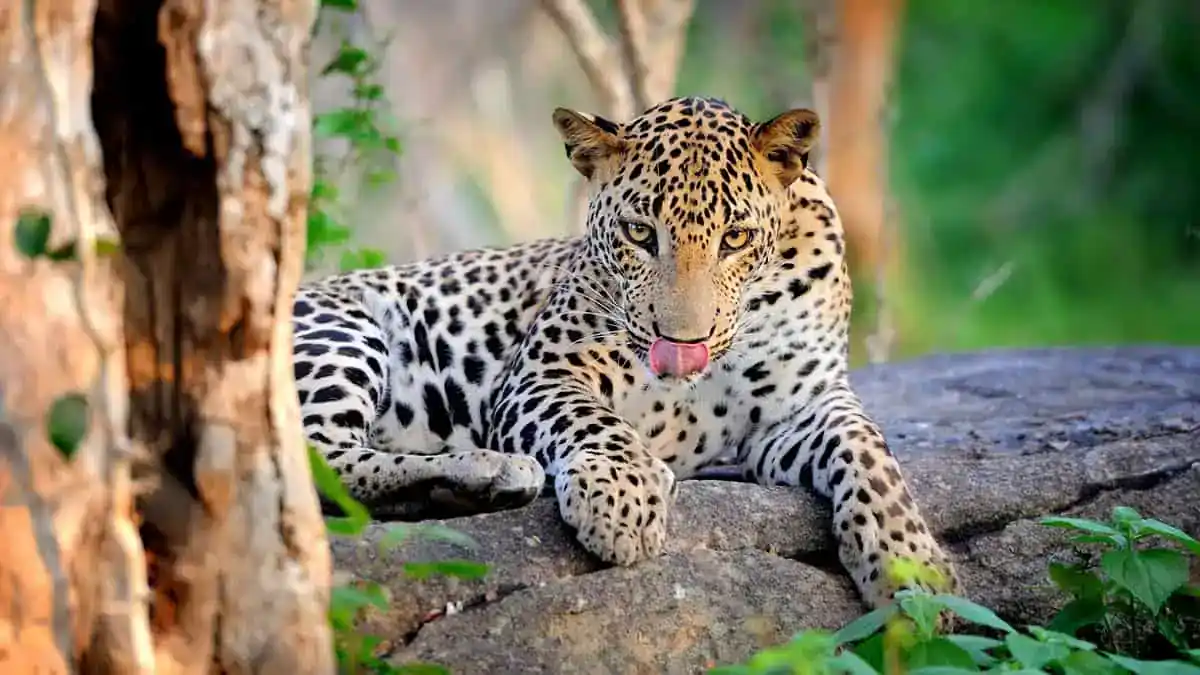

Sri Lanka offers one of the most accessible natural and wildlife experiences in Asia. You do not need to travel far or plan complex routes to see elephants, leopards, and birdlife in their natural habitat. National parks in Sri Lanka are close to main travel routes, making them easy to include in any itinerary. Yet many travellers face one problem. There are too many parks, and each offers a different experience. Choosing the right one becomes confusing.
This guide solves that problem. You will learn which national parks in Sri Lanka matter most, what you will experience in each one, and how to choose the right park based on your travel style. You will also see how to fit a wildlife safari or nature visit into your trip without wasting time. By the end, you will have a clear plan.
If you are visiting Sri Lanka for the first time, we recommend reading the complete Sri Lanka travel guide and the best Sri Lanka itineraries for your travel season.
Why National Parks in Sri Lanka Are a Must-Do
A visit to Sri Lanka feels incomplete without a wildlife experience. The island holds a high level of biodiversity for its size. You find elephants, leopards, sloth bears, crocodiles, and hundreds of bird species across different regions.
One key advantage stands out. You can reach most national parks within a few hours of major destinations. It reduces the effort required to travel and makes planning safaris easier.
You also get variety. Each park offers a different focus.
- In Yala, you track leopards across dry landscapes
- In Udawalawe, you see elephants in open grasslands
- In Minneriya, you witness large elephant gatherings
- In Horton Plains, you walk through a cloud forest and reach World’s End
- In Pigeon Island, you snorkel above coral reefs
This range of experiences makes national parks in Sri Lanka a core part of any trip.
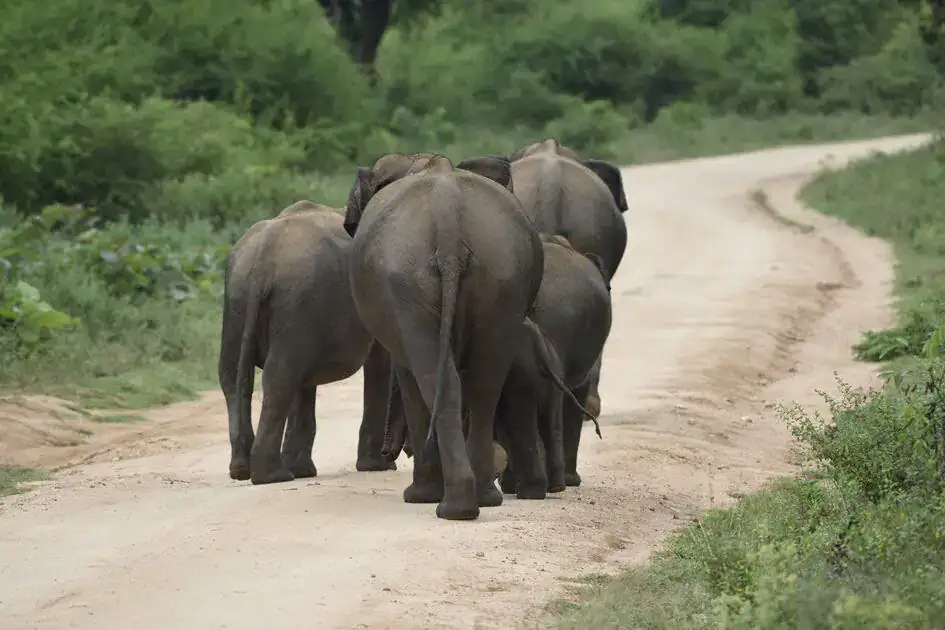
A Morning Walk – Elephants in Udawalawe National Park (Photo: Nalaka Priyantha)
Types of National Parks in Sri Lanka
Understanding the categories helps you choose the right experience. National parks in Sri Lanka fall into three main types.
Dry Zone National Parks
These parks dominate wildlife tourism. They lie in the South, North, and East of the island. Landscapes include grasslands, scrub forest, and lagoons. You visit these parks for safaris.
Main parks in this category include Yala, Udawalawe, Minneriya, Wilpattu, Bundala, Kumana, and Kaudulla.
These parks offer the best chance to see large animals.
Wet Zone National Parks
These parks lie in the central highlands. The climate stays cooler, and the landscape changes.
Horton Plains National Park is the key example. You do not use a jeep here. You walk through forest trails and open plains.
Marine National Parks
These parks focus on coastal and underwater life. You explore reefs and marine ecosystems.
Pigeon Island and Hikkaduwa fall into this category. These parks add variety to your trip and work well with beach stays.
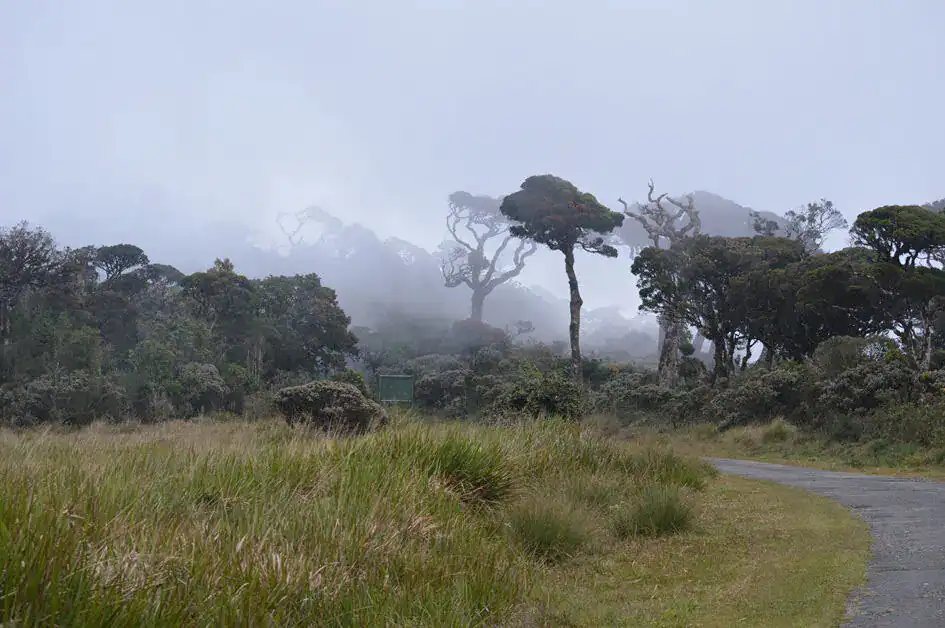
Misty Forest – Horton Plains National Park (Photo: Nalaka Priyantha)
Best National Parks in Sri Lanka
This section focuses on the parks that matter most for travellers. Each offers a clear, distinct experience.
Yala National Park
Yala is among the most visited national parks in Sri Lanka. It attracts the most foreign visitors each year. The park is known for its leopard population. Studies and safari reports show that Yala has one of the highest leopard densities in the world.
You explore the park in a jeep. The landscape includes dry forest, lagoons, and open land. Sightings include leopards, elephants, crocodiles, and birds.
Best for: Leopards
Why visit: High chance of leopard sightings
Time needed: Half or full day
Best base: Ella or South Coast
Pairs well with: Beach stays in Mirissa or Tangalle
We recommend reading our “The Best National Parks to Spot Leopards in Sri Lanka” guide.

Playing leopards – Yala National Park (Photo: Nalaka Priyantha)
Udawalawe National Park
Udawalawe offers one of the most reliable wildlife experiences in Sri Lanka. The park is known for elephants. You often see large herds in open areas, making them easy to view.
Research and visitor reviews indicate a high year-round success rate for elephant sightings. The Udawalawe Elephant Transit Home also adds value to the visit.
Best for: Elephants
Why visit: Consistent sightings
Time needed: Half day
Best base: South Coast or Ella
Pairs well with: Travel between the hill country and the beaches
Minneriya National Park
Minneriya is famous for a seasonal event known as the gathering. During the dry months, hundreds of elephants gather around the Minneriya tank. It is one of the largest gatherings of Asian elephants.
This park sits in the Cultural Triangle, which makes it easy to combine with Sigiriya and Dambulla.
Best for: Elephant gathering
Why visit: Large herds during peak season
Time needed: Half day
Best base: Sigiriya
Pairs well with: Cultural Triangle itinerary
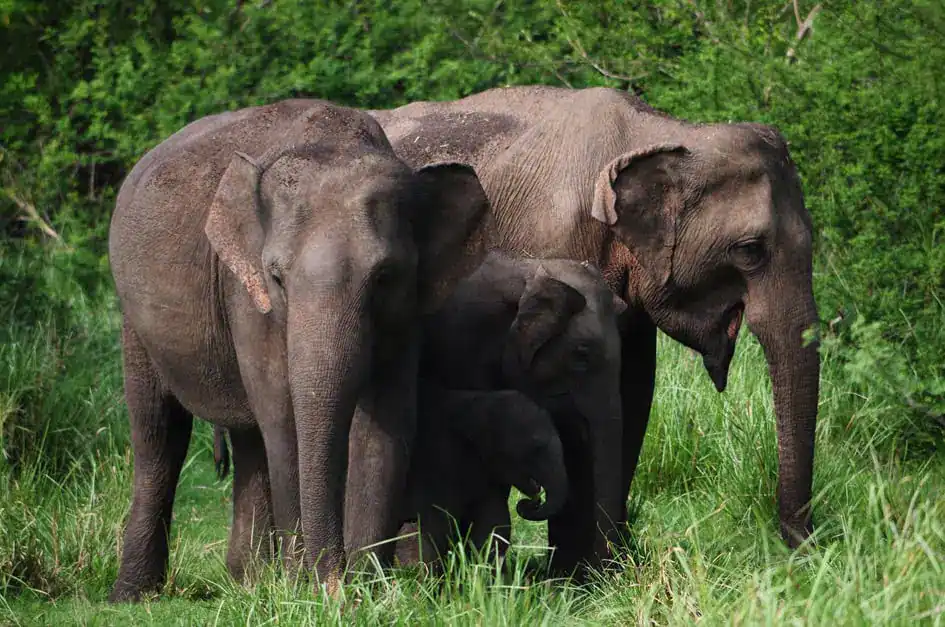
The Protection – An Elephant Family in Minneriya National Park (Photo: Ruchira Sanjeewa, CC BY-SA 4.0)
Wilpattu National Park
Wilpattu offers a quieter safari experience. Visitor numbers remain lower than at Yala. The park is known for its natural lakes and forest cover.
Leopard sightings occur here as well, though patience is required. Many experienced travellers prefer Wilpattu for its calm environment.
Best for: Fewer crowds and leopards
Why visit: More natural setting
Time needed: Full day
Best base: Anuradhapura
Pairs well with: Cultural Triangle or northern travel
Bundala National Park
Bundala is a wetland ecosystem. It is recognised as a Ramsar site due to its ecological importance. The park attracts migratory birds, including flamingos, during certain months.
Best for: Birdwatching
Why visit: Unique wetland habitat
Time needed: Half day
Best base: South Coast
Pairs well with: Yala safari
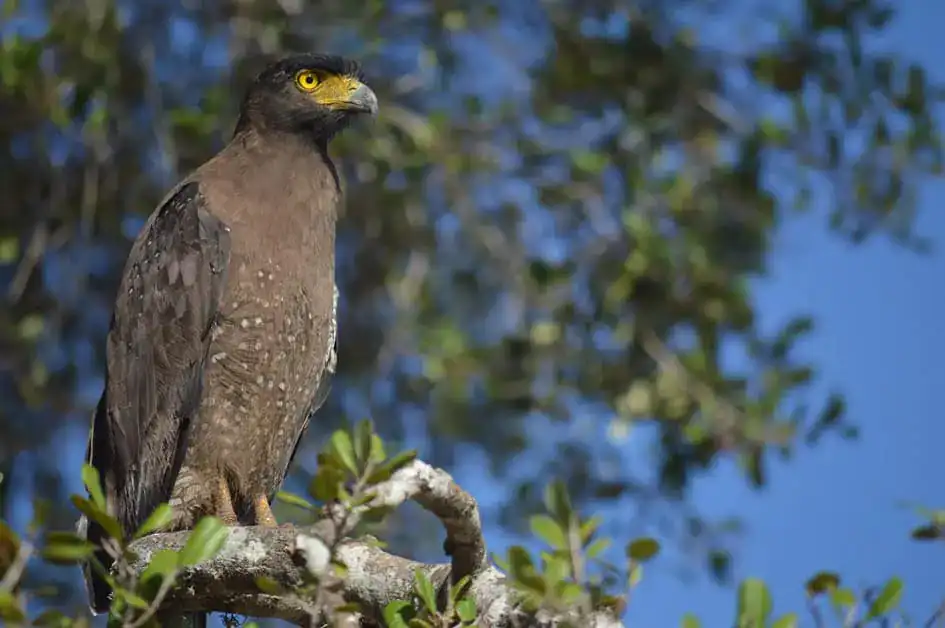
Crested Serpent Eagle – Bundala National Park (Photo: Nalaka Priyantha)
Kumana National Park
Kumana sits near the East Coast. It is known for birdlife and quieter safaris. Visitor numbers remain low, creating a peaceful experience.
Best for: Birds and quiet safaris
Why visit: Low traffic
Time needed: Half or full day
Best base: Arugam Bay
Pairs well with: East Coast trip
Kaudulla National Park
Kaudulla acts as an alternative to Minneriya. Elephant herds move between these parks based on water availability. This movement is known as the elephant corridor.
Best for: Elephants
Why visit: Alternative to Minneriya
Time needed: Half day
Best base: Sigiriya
Pairs well with: Cultural Triangle
Horton Plains National Park
Horton Plains offers a different experience. You walk instead of driving. The park sits at a high elevation, which creates cooler conditions.
The main highlight is World’s End, a cliff with a steep drop and wide views.
Best for: Hiking
Why visit: Unique landscape and viewpoints
Time needed: Half-day walk
Best base: Ella or Nuwara Eliya
Pairs well with: Hill country travel
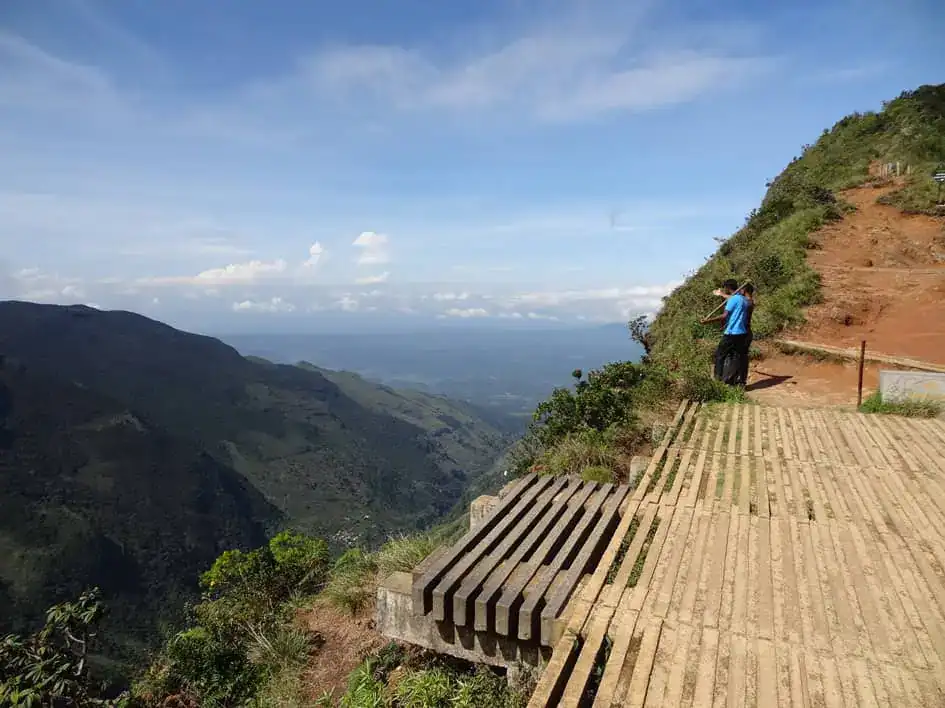
World’s End – Horton Plains National Park (Photo: Cherubino, CC BY-SA 3.0)
Pigeon Island Marine National Park
Pigeon Island lies off the coast of Nilaveli in Trincomalee. You reach the island by boat. The park is known for coral reefs and marine life.
Best for: Snorkelling
Why visit: Clear water and reef access
Time needed: Half day
Best base: Trincomalee
Pairs well with: East Coast beach stay
Hikkaduwa National Park
Hikkaduwa offers a simpler marine experience. You access the reef directly from the beach.
Best for: Easy snorkelling
Why visit: Accessible coral areas
Time needed: 1 to 2 hours
Best base: South Coast
Pairs well with: Beach travel
It is recommended to read “Snorkelling in Sri Lanka: The Complete Guide to Reefs, Seasons, Safety, and Coastal Life“.
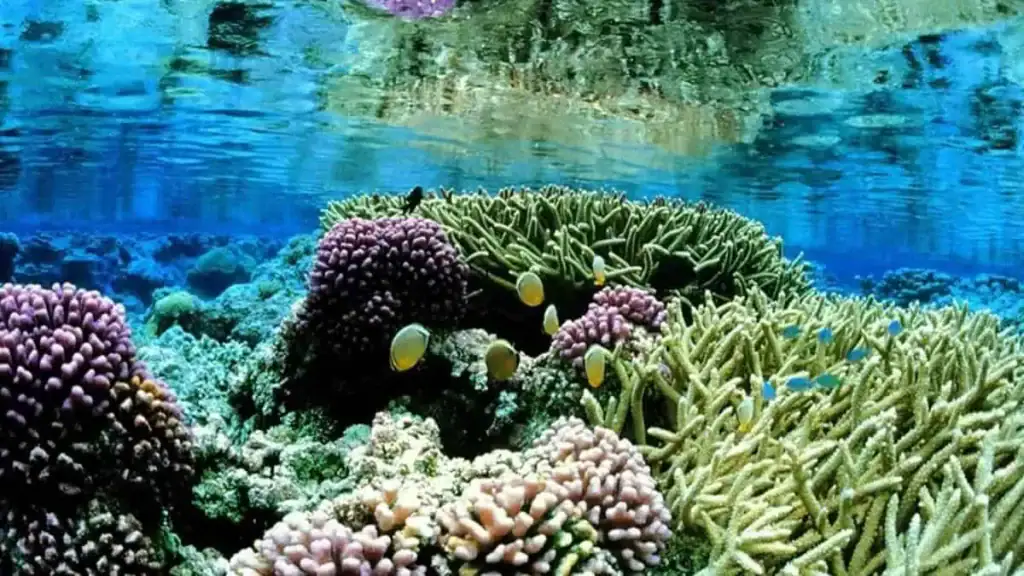
Coral Reef in Hikkaduwa (Photo: Amila Tennakoon, CC BY 2.0)
Quick Comparison of National Parks in Sri Lanka
Choosing between national parks in Sri Lanka becomes easier when you see them side by side. This simple comparison helps you match your interests with the right park.
| Park | Best For | Location | Time Needed |
| Yala | Leopards | South | Half or full day |
| Udawalawe | Elephants | South | Half day |
| Minneriya | Elephant gathering | Sigiriya | Half day |
| Wilpattu | Fewer crowds, leopards | Northwest | Full day |
| Bundala | Birds | South | Half day |
| Kumana | Birds, quiet safaris | East | Half or full day |
| Kaudulla | Elephants | Sigiriya | Half day |
| Horton Plains | Hiking, scenic landscapes | The Hill Country | Half day |
| Pigeon Island | Snorkelling | East Coast | Half day |
| Hikkaduwa | Easy snorkelling | South Coast | 1 to 2 hours |
This table gives a clear starting point. You focus on what you want to see and where you plan to travel.
How to Choose the Right National Park in Sri Lanka
Most travellers ask the same question. Which national park should you visit? The answer depends on your priorities.
Start with what you want to experience.
If you want to see leopards, choose Yala or Wilpattu. Yala offers higher sighting chances. Wilpattu offers fewer crowds.
If you want to see elephants, choose Udawalawe or Minneriya. Udawalawe offers reliable sightings year-round. Minneriya hosts large gatherings during the dry season.
If you want fewer crowds, choose Wilpattu, Bundala, or Kumana. These parks offer a quieter experience.
If you want to go hiking, choose Horton Plains. You walk through open landscapes and reach scenic viewpoints.
If you want snorkelling, choose Pigeon Island or Hikkaduwa. These parks focus on marine life.
Use this quick guide:
- Leopards: Yala, Wilpattu
- Elephants: Udawalawe, Minneriya, Kaudulla
- Quiet safaris: Wilpattu, Kumana, Bundala
- Hiking and scenic landscapes: Horton Plains
- Marine life: Pigeon Island, Hikkaduwa
- Birds: Bundala, Kumana
You do not need to visit many parks. One or two well-chosen parks give a complete experience.
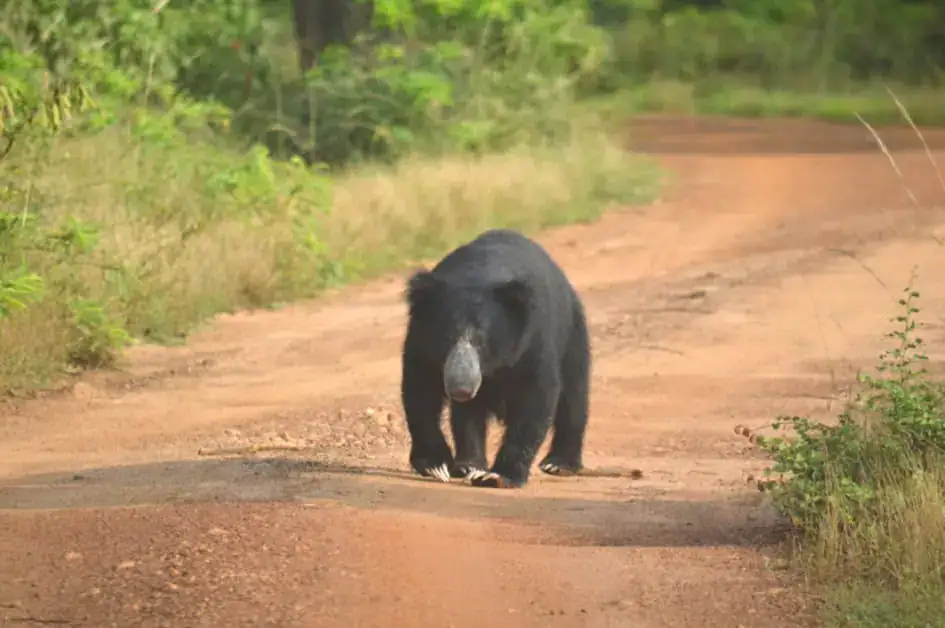
A Sloth Bear – Wilpattu National Park (Photo: Nalaka Priyantha)
When to Visit National Parks in Sri Lanka
Timing plays a key role in wildlife viewing. Dry conditions improve visibility. Animals gather near water sources, increasing the likelihood of sightings.
Each region follows a different seasonal pattern.
Yala works best from February to July. During this period, water levels drop, and wildlife becomes easier to spot.
Minneriya and Kaudulla work best from July to September. It is when the elephant gathering takes place.
Udawalawe works throughout the year. Elephant sightings remain consistent due to the reservoir.
Wilpattu works best from February to October. The park closes during heavy rains.
Kumana works best from May to September. It aligns with the East Coast season.
Horton Plains works best early in the morning. Clear views at World’s End depend on weather conditions.
Pigeon Island works best from May to September. Sea conditions stay calm on the East Coast.
Hikkaduwa works best from December to April. The South Coast stays dry during these months.
Plan your national park visit based on your travel route and season. It improves your chances of a good experience.
It is recommended to read our guides “Weather in Sri Lanka” and “The Best Time to Visit“.
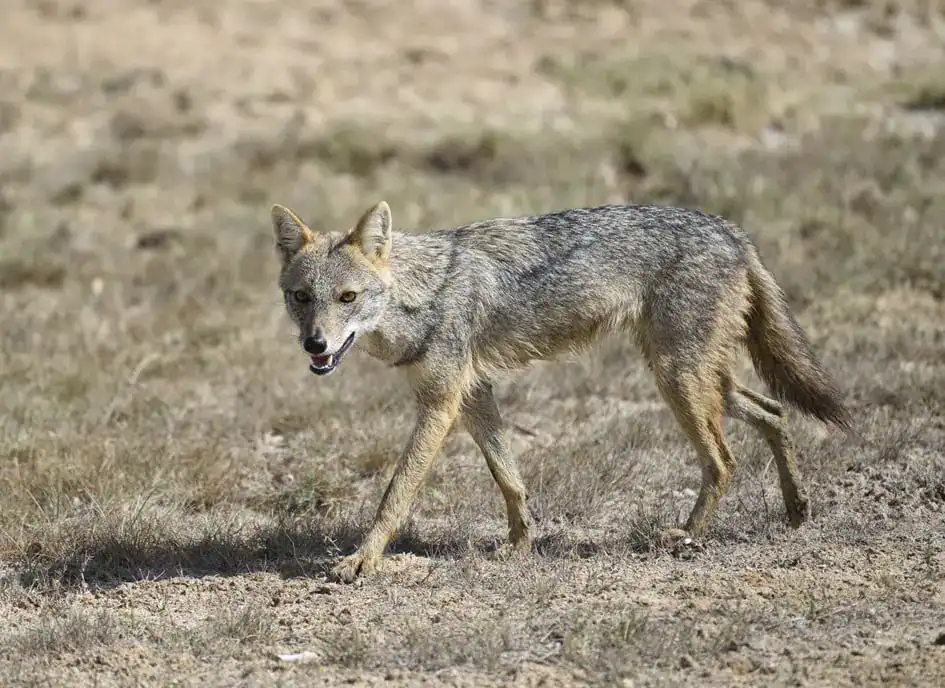
A Golden Jackal in Kumana National Park (Photo: Nalaka Priyantha)
How to Include National Parks in Your Sri Lanka Itinerary
National parks in Sri Lanka fit easily into most travel routes. You do not need separate trips for safaris. You combine them with your main itinerary.
Here is how you place them.
If you follow a South Coast route, include Yala or Udawalawe. You travel from Ella or the hill country towards the coast, stopping for a safari.
If you follow a Cultural Triangle route, include Minneriya or Kaudulla. These parks sit close to Sigiriya and Dambulla.
If you travel to the East Coast, include Kumana or Pigeon Island. These parks match well with Arugam Bay or Trincomalee.
If you visit the hill country, include Horton Plains. You reach the park from Ella or Nuwara Eliya.
Use this structure:
- Sigiriya route: Minneriya or Kaudulla
- Ella to South Coast: Udawalawe or Yala
- East Coast: Kumana or Pigeon Island
- Hill country: Horton Plains
This approach keeps travel efficient. You avoid long detours and save time.
Practical Tips for Visiting National Parks in Sri Lanka
A few simple steps improve your safari experience.
Book your wildlife safari in advance during peak season. Demand rises quickly for popular parks.
- You can book the wildlife park tickets through the official “Wildlife Park Permits Reservation eService“.
Choose morning or evening drives. Wildlife stays more active during cooler hours.
Carry water and sun protection. Most safaris take place in open vehicles, often in direct sunlight.
Follow park rules. Respect wildlife and keep a distance from animals. Do not touch or feed wild animals.
Use a local guide or driver with experience. It increases your chances of sightings.
Keep expectations realistic. Wildlife sightings depend on nature, not guarantees.
These small decisions make a big difference.
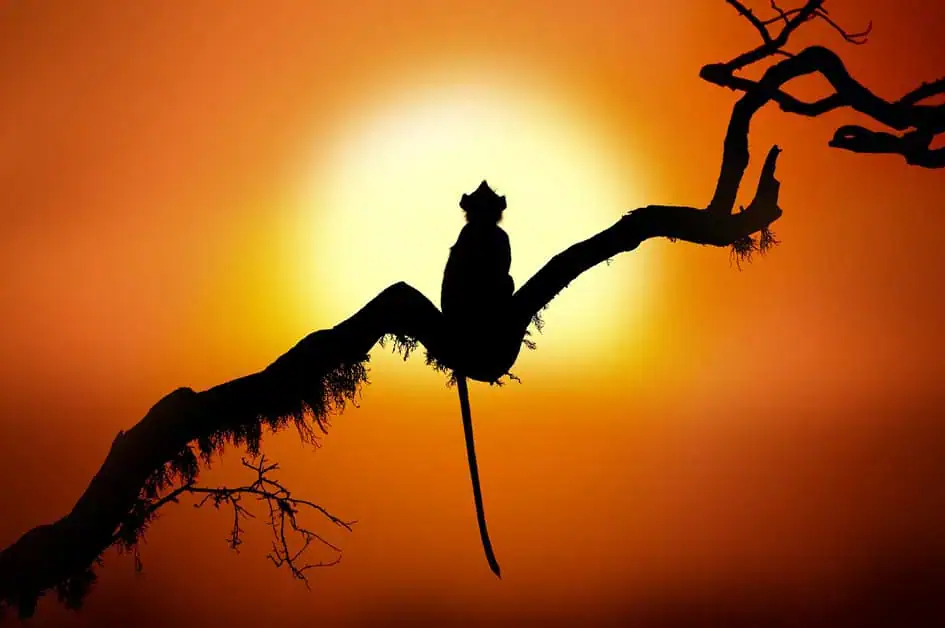
The end of a day – Yala National Park (Photo: Byrdyak, CC BY-SA 4.0)
Final Thoughts on National Parks in Sri Lanka
National parks in Sri Lanka offer one of the most accessible wildlife experiences in Asia. You can see elephants, leopards, birds, and marine life within a short travel distance. The key is not visiting many parks. The key is choosing the right one.
Start with your itinerary. Then choose the park that best fits your route and interests. This simple approach saves time and improves your experience.
Once you plan well, national parks in Sri Lanka become one of the most memorable parts of your trip.
Map of the National Parks in Sri Lanka
Sources and References:
- Sri Lanka Tourism Development Authority (SLTDA).
- Sri Lanka Tourism
- Department of Wildlife Conservation, Sri Lanka.
- Department of Meteorology, Sri Lanka.
- IUCN Sri Lanka.
- Marine Environment Protection Authority (MEPA).
- UNESCO World Heritage Centre.
Featured image: A Leopard – Yala National Park (Photo: Byrdyak, CC BY-SA 4.0)

I am a Sri Lankan medical doctor who spends my free time travelling, exploring new destinations, and documenting the beauty of the island I call home. I have journeyed across almost every corner of Sri Lanka with my wife and daughter — from wildlife parks and misty mountains to ancient cities, deep forests, rugged landscapes, and quiet beaches.
Travel is not just a hobby for me — it’s a way of life. I love nature, enjoy road trips, and find joy in wildlife photography. I also read widely about tourism, travel trends, and destination culture. Through my writing, I aim to help travellers experience Sri Lanka through real stories, meaningful insights, and honest recommendations — the same way I explore it with my own family.