
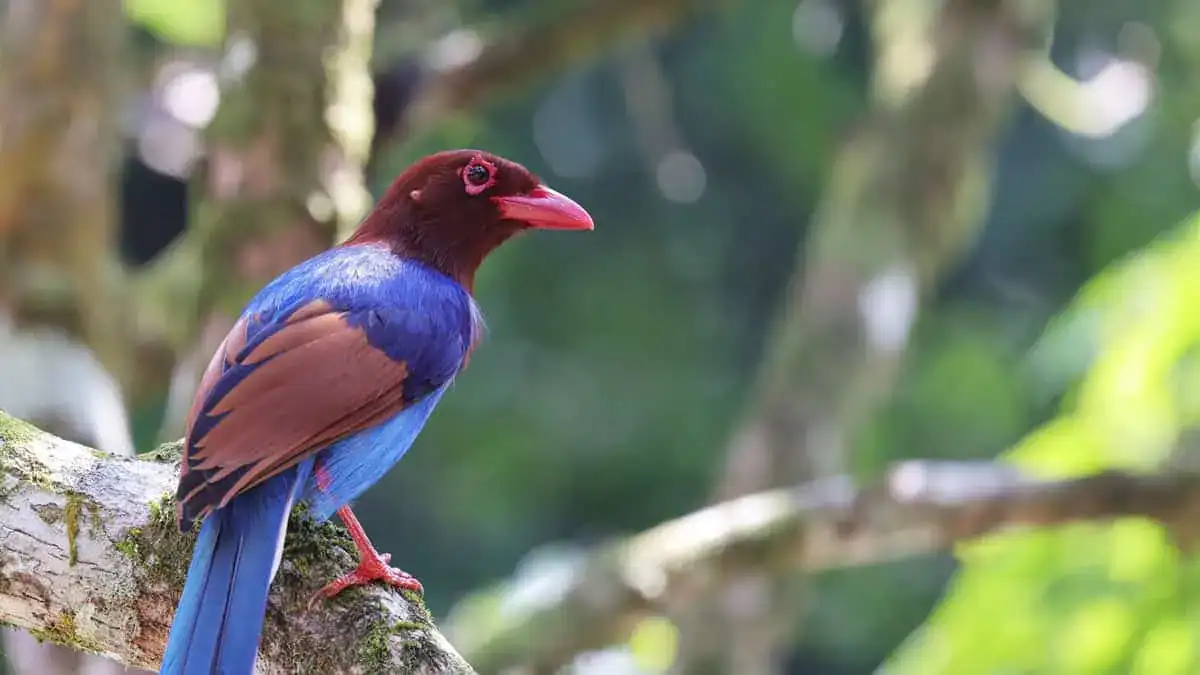

You wake before sunrise. The air feels warm and still. A call breaks the silence. Then another. Soon the forest fills with sound. This is birding in Sri Lanka. You stand in one of the richest bird habitats in Asia, with dozens of species within sight and sound. Many of them live only on this island.
Sri Lanka draws birders from across the world. The reason is simple. The island holds around 470-500 bird species in a compact area. Around 34 species exist only here. You travel from rainforest to wetlands to the central highlands in a few hours. Few countries offer this range in such a short distance.
This guide shows you where to go, what to expect, and how to plan your trip. You will learn how to find rare species, capture strong images, and make the most of your time. If you plan bird photography or want to build your life list, Sri Lanka offers strong value.
Why Birding in Sri Lanka Attracts Global Attention
Sri Lanka sits within one of the world’s key biodiversity hotspots. Conservation groups and local authorities, such as the Department of Wildlife Conservation, protect large areas of land. These include national parks in Sri Lanka, forest reserves, and bird sanctuaries. Each habitat supports a different group of species.
You benefit from three key advantages.
First, habitat diversity. Within a small radius, you find rainforests, dry scrublands, wetlands, lagoons, and montane forests. Each zone holds its own bird community.
Second, high endemism. Many birds evolved in isolation on the island. You find species such as the Sri Lanka blue magpie and the red-faced malkoha nowhere else.
Third, accessibility. Roads connect major birding sites. You reach most areas within a day’s drive. It reduces travel time and increases field time.
Sri Lanka Tourism promotes nature & wildlife, and birding as key travel themes. Birding tours now form a growing segment of the tourism market. International operators include Sri Lanka in Asia’s birding circuits due to its high species density and ease of travel.
Rainforests: The Heart of Endemic Birding
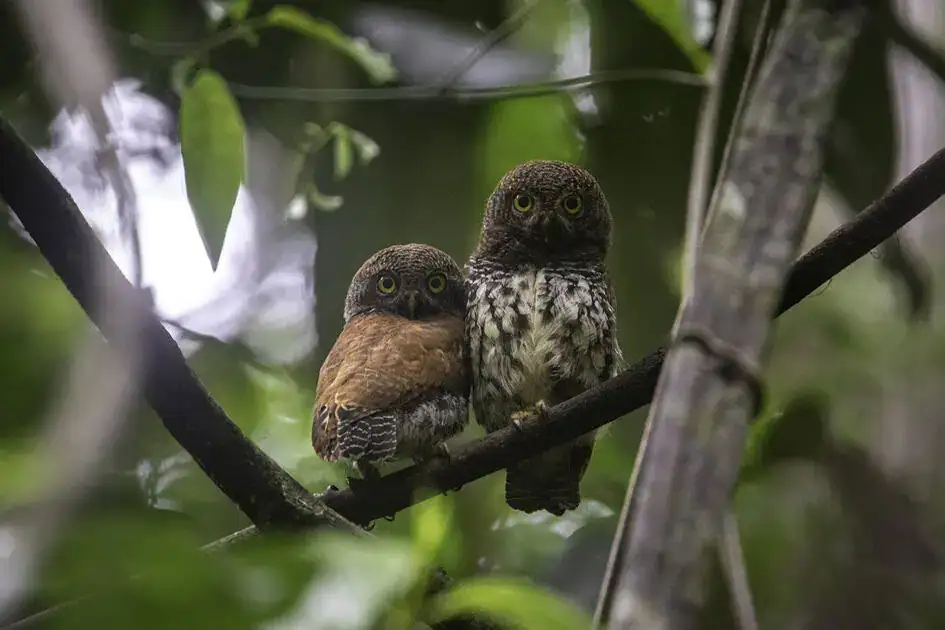
Chesnut Backed Owlet – Sinharaja Forest Reserve (Photo: Punitha Satharasinnghe, CC BY-SA 4.0)
Rainforests form the core of birding in Sri Lanka. These forests hold most endemic species. You will spend long hours walking trails and scanning the canopy.
Sinharaja Forest Reserve stands at the top of every list. UNESCO recognises this forest as a World Heritage Site. BirdLife International identifies it as a critical habitat for endemic birds.
You find almost all of Sri Lanka’s endemic species here. Mixed-species feeding flocks move through the forest. You follow these flocks to see multiple species in one place.
Key species in Sinharaja include:
- Sri Lanka blue magpie
- Red-faced malkoha
- Sri Lanka spurfowl
- Ashy-headed laughingthrush
- Green-billed coucal
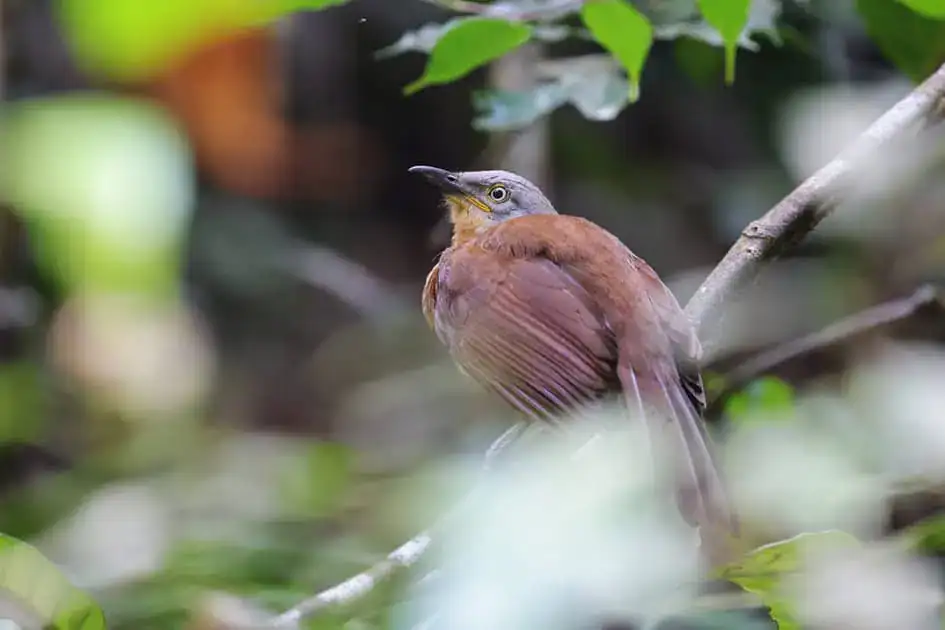
Ashy-Headed Laughingthrush – Sinharaja Forest Reserve (Photo: Yu Lian Sheng, CC BY-ND 4.0)
You need patience in this forest. Visibility stays low due to dense vegetation. Light levels change fast. A local guide improves your chances. Guides know flock movement patterns and call recognition.
Kitulgala offers a second rainforest experience. This site lies closer to Colombo. Many birders start their trip here. The forest feels less dense than Sinharaja, which makes bird photography easier.
You find species such as:
- Sri Lanka frogmouth
- Chestnut-backed owlet
- Indian pitta during migration
- Layard’s parakeet
Kitulgala works well for short stays. You can spend two days here and record a high number of species. Many birding itineraries begin in Kitulgala before moving to Sinharaja.
Wetlands and Lagoons: Where Numbers Rise
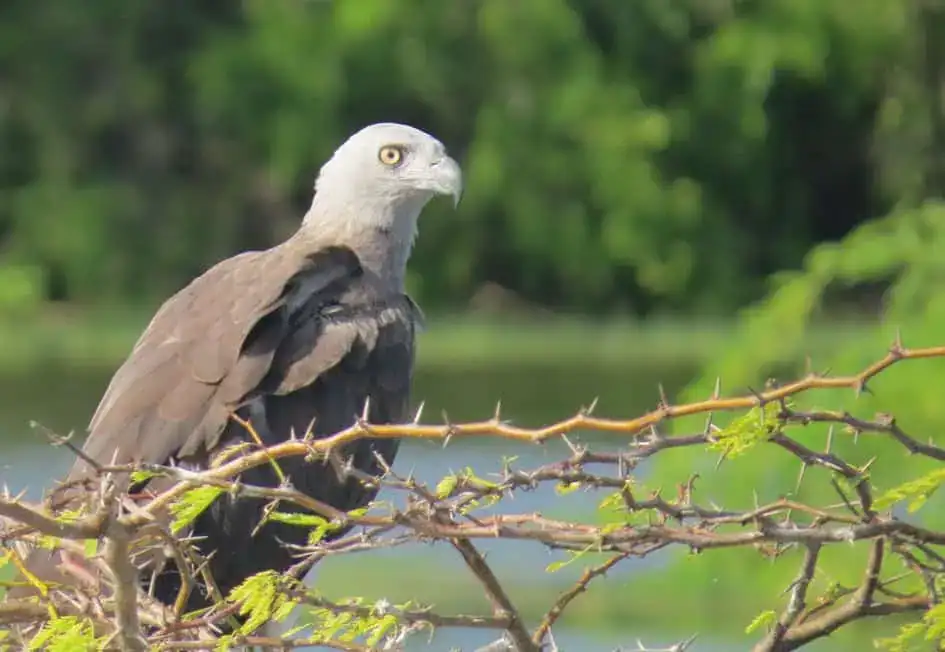
Gray-headed Fish-Eagle – Bundala National Park (Photo: Nalaka Priyantha)
Wetlands form a key part of birding in Sri Lanka. These areas attract large numbers of migratory birds. You see flocks that number in the hundreds or thousands. It creates strong conditions for bird photography.
Bundala National Park stands as one of the top bird sanctuaries in the country. The Ramsar Convention lists Bundala as a wetland of international importance. The park includes lagoons, salt pans, and scrubland.
Flamingos form the main attraction. Large flocks arrive during migration. You also find:
- Painted storks
- Eurasian spoonbills
- Black-headed ibis
- Terns and gulls
The open landscape helps photographers. You get clear lines of sight. You can track birds in flight without obstruction.
Kumana National Park lies to the east of Yala. This park focuses on birdlife rather than mammals. Seasonal water bodies known as villus attract nesting birds. During the breeding season, you see large colonies.
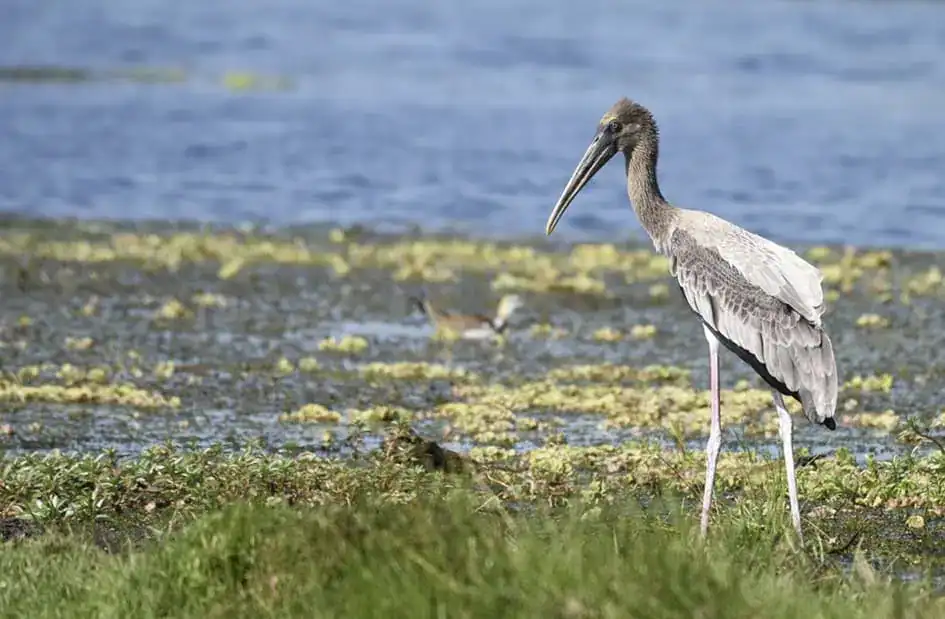
Blacked-Necked Stork – Kumana National Park (Photo: Nalaka Priyantha)
Species include:
- Pelicans
- Herons
- Egrets
- Openbill storks
The park offers a quiet setting compared to busier national parks in Sri Lanka. You spend more time observing birds in areas with less traffic.
Anawilundawa Bird Sanctuary offers another wetland system. This site sits along the Northwest Coast. The sanctuary includes a network of tanks and marshes.
You find:
- Migratory waders
- Kingfishers
- Cormorants
- Waterfowl
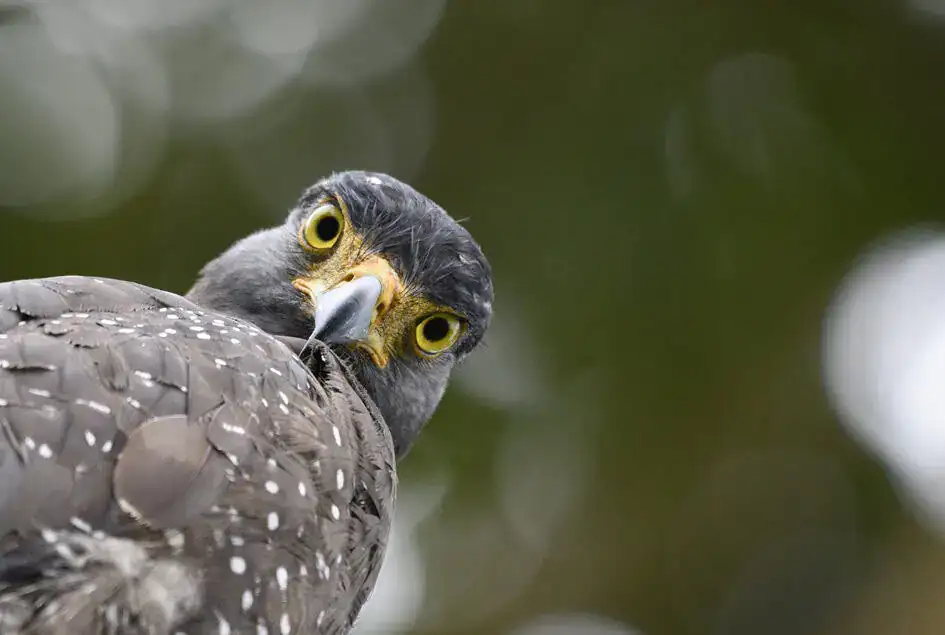
Crested Serpent Eagle – Anawilundawa Bird Sanctuary (Photo: Nalaka Priyantha)
This location works well for travellers who stay near Colombo or Negombo. You can still record a wide range of species on a day trip.
Kalametiya Bird Sanctuary lies in the South. The lagoon and mangrove system support many waterbirds. This area sees fewer visitors, so you get a quiet experience.
Highlands: Rare Species in Cooler Air
The central highlands present a different side of birding in Sri Lanka. Elevation changes the climate and vegetation. It creates a unique set of species.
Horton Plains National Park ranks as the top highland site. The plateau sits above 2,000 metres. Grasslands and cloud forests dominate the landscape.
You search for:
- Sri Lanka whistling thrush
- Yellow-eared bulbul
- Sri Lanka bush warbler
- Dull-blue flycatcher
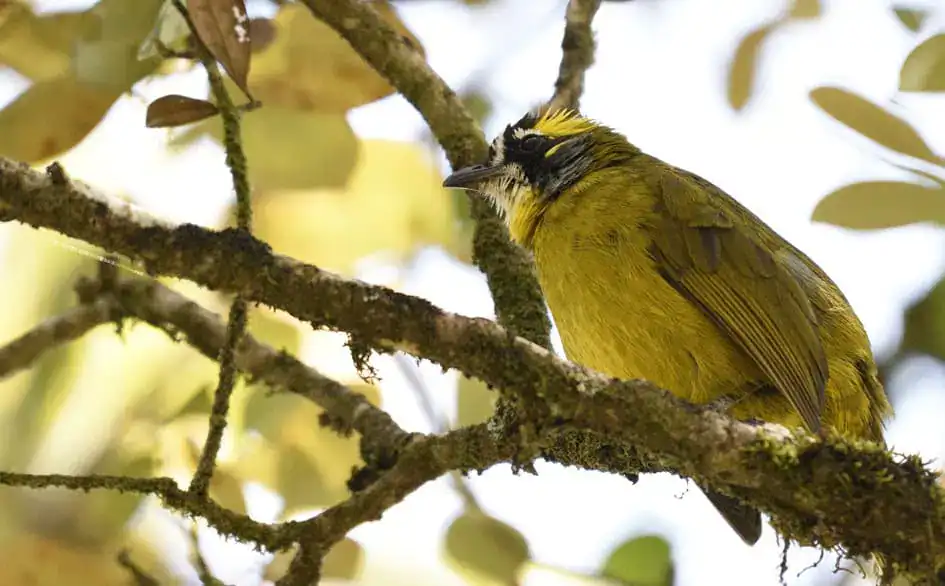
Yellow-Eared Bulbul – Horton Plains National Park (Photo: Nalaka Priyantha)
These birds stay elusive. You need early starts and careful observation. The open grasslands help with scanning. Forest patches hold secretive species.
Victoria Park in Nuwara Eliya offers a more relaxed setting. The park attracts migrants during the northern winter. Birders often record:
- Indian blue robin
- Kashmir flycatcher
- Pied thrush
Hakgala Botanical Garden provides another option. The mix of cultivated plants and forest edges attracts a range of birds. This site is suitable for beginners and photographers who want easy access.
National Parks in Sri Lanka: Birds and Big Game
Many travellers combine birding with wildlife safaris. National parks in Sri Lanka offer this mix. You see birds alongside mammals such as elephants and leopards.
Yala National Park draws the highest number of visitors. The park covers dry forests, lagoons, and grasslands. This variety supports a strong bird list.
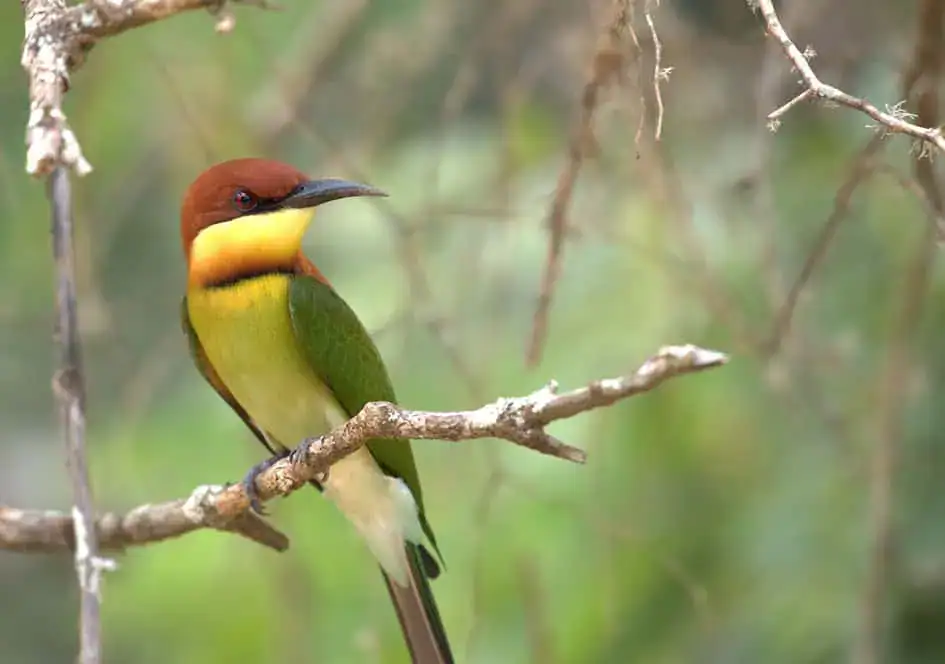
Chestnut-headed Bee-eater – Yala National Park (Photo: Nalaka Priyantha)
You can record:
- Crested serpent eagle
- Changeable hawk-eagle
- Bee-eaters
- Peafowl
Yala also holds one of the highest leopard densities in the world. It attracts photographers who want both birds and large mammals.
Udawalawe National Park offers a different experience. The park features open grasslands and a large reservoir. Elephants move freely across the landscape.
Birdlife includes:
- Grey-headed fish eagle
- Oriental darter
- Kingfishers
- Storks
The open terrain makes it easy to spot birds. This park is suited to beginners who want quick results.
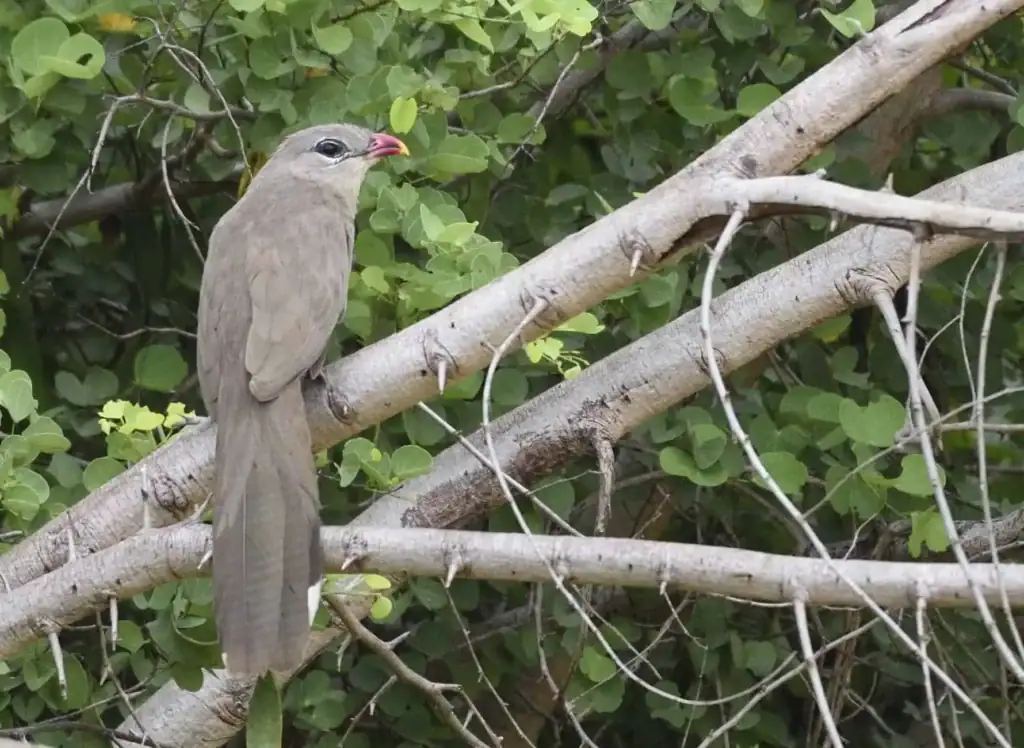
Sirkeer Malkoha – Udawalawe National Park (Photo: Nalaka Priyantha)
Wilpattu National Park lies in the Northwestern Part of the Country. The park contains natural lakes known as villus. These water sources attract birds year-round.
You find:
- Waterbirds around lakes
- Raptors in forest edges
- Forest species in dense zones
Wilpattu sees fewer visitors than Yala. It gives you more space and less disturbance.
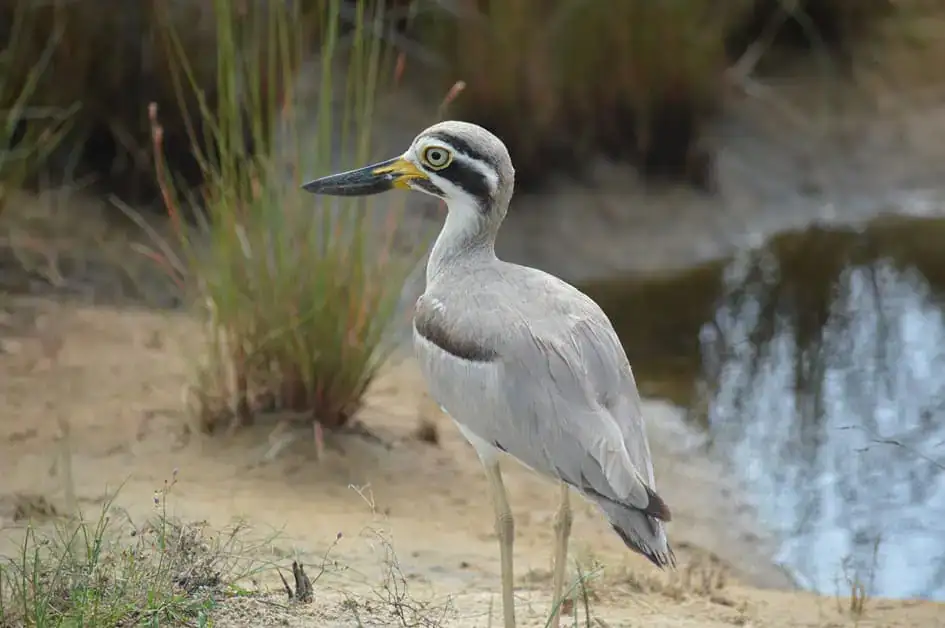
A Great Thick-knee – Wilpattu National Park (Photo: Nalaka Priyantha)
Minneriya and Kaudulla National Parks centre around large reservoirs. During dry months, water levels drop, exposing feeding grounds. Birds gather in large numbers.
You can see:
- Painted storks
- Pelicans
- Herons
- Egrets
These parks also host large elephant gatherings. It adds another layer to your photography experience.
Why Sri Lanka Works for Bird Photography
Bird photography requires access, light, and subjects. Sri Lanka meets these needs.
Access stays simple. Roads reach most birding sites. You spend less time travelling and more time shooting.
Light conditions remain strong. Tropical sun rises early and sets fast. You get soft light during morning and evening sessions.
Bird density stays high. You encounter multiple species in a short period. It increases your chances of capturing good images.
Different habitats offer different styles of photography.
Rainforests provide:
- Close shots in low light
- Behavioural shots in mixed flocks
Wetlands provide:
- Birds in flight
- Reflections in water
- Group compositions
Grasslands provide:
- Clear backgrounds
- Action shots
Many photographers combine bird photography with wildlife photography. It gives you a diverse portfolio from a single trip.
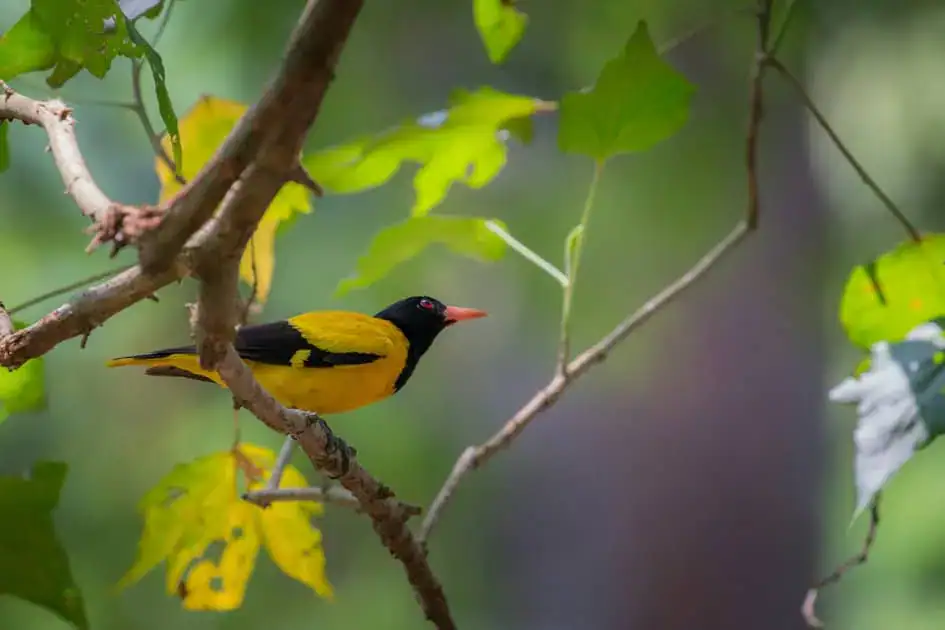
Black-hooded Oriole – Muthurajawela Wetland (Photo: Senthi Aathavan Senthilverl, CC BY-SA 4.0)
Planning Your Route: A Proven Birding Circuit
Most birding trips in Sri Lanka follow a similar route. This route covers key habitats and maximises species count.
A typical plan includes:
Days 1 to 2 in Kitulgala
You start with lowland rainforest species. You adjust to the climate and pace.
Days 3 to 5 in Sinharaja
You focus on endemic species. You spend full days in the forest.
Days 6 to 7 in Nuwara Eliya and Horton Plains
You move to the highlands. You target rare montane birds.
Days 8 to 10 in Udawalawe and Yala
You shift to dry zones. You combine birding with safari drives.
Days 11 to 12 in Bundala and Kumana
You focus on wetlands and migratory birds.
Optional extension to Wilpattu or Anawilundawa
You add more wetland and forest species.
This route follows guidance from local tour operators and aligns with recommendations from tourism authorities. It balances travel time and birding time.
You move through different ecosystems in a logical order. It helps you avoid long backtracking journeys.
This structure also matches seasonal patterns. You reach wetlands during peak migration and forests during active periods.
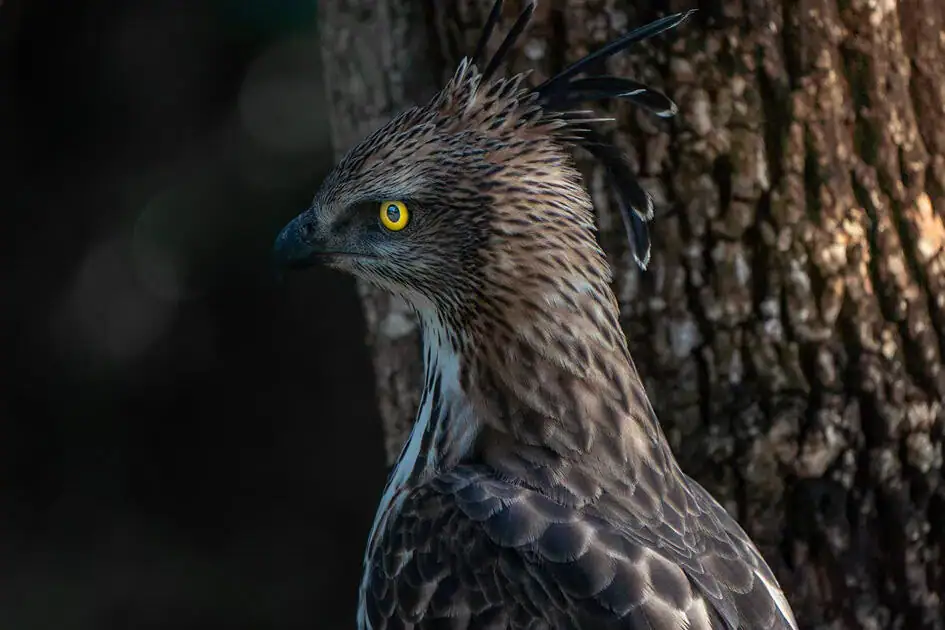
Changeable Hawk-Eagle – Wilpattu National Park (Photo: Shaluka Herath, CC BY-SA 4.0)
Best Time for Birding in Sri Lanka
Timing shapes your birding success. Sri Lanka supports birding year-round, yet seasons influence what you see.
The period from November to April marks the peak of migratory bird activity. Species from Europe, Central Asia, and Siberia arrive during this time. Wetlands fill with waders, ducks, and shorebirds. Bundala and Kumana show the highest activity.
If you want to photograph flamingos, plan your visit between December and March. Flocks gather in large numbers in southern lagoons.
Resident and endemic birds are present year-round. Rainforests such as Sinharaja and Kitulgala produce good sightings in most months. Early morning activity remains strong year-round.
The Southwest Monsoon affects Sinharaja between May and September. Trails turn wet and visibility drops. You can still bird during this period, though you need proper gear.
The highlands remain cool year-round. Mist and cloud cover often appear in Horton Plains. Early morning visits improve your chances of finding target species.
Sri Lanka Tourism and wildlife authorities recommend early starts. Birds stay active from dawn until mid-morning. Activity slows during midday heat.
We recommend reading about the weather and the best time to visit Sri Lanka.
Practical Tips for Birding and Bird Photography
You improve your results with preparation. Birding in Sri Lanka rewards those who plan well.
Hire a local bird guide. Guides know bird calls, habitats, and movement patterns. They help you find species you would miss on your own. Many guides work with tour operators and have years of field experience.
Choose the right gear. For bird photography, a telephoto lens between 400mm and 600mm works best. A fast autofocus system helps track moving birds. Carry extra batteries and memory cards.
Keep your setup light. In rainforests, you walk long distances. A heavy tripod slows you down. Many photographers prefer handheld shooting or use a monopod.
Wear neutral clothing. Bright colours disturb birds. Choose green, brown, or grey tones.
Start early. You need to reach sites before sunrise. It gives you time to set up and track early movement.
Stay quiet. Move slowly. Avoid sudden gestures. Birds respond to sound and motion.
Respect wildlife rules. Follow park regulations. Keep a distance from nesting birds. Do not play bird calls to attract species.
Transport plays a key role. Many travellers hire a private driver. It allows flexible travel between sites. Public transport does not suit tight birding schedules.
It is advisable to read “Transport in Sri Lanka“.
Carry essentials:
- Water and snacks
- Insect repellent
- Rain cover for camera gear
- Field guide or birding app
These simple steps improve both your sightings and your photographs.
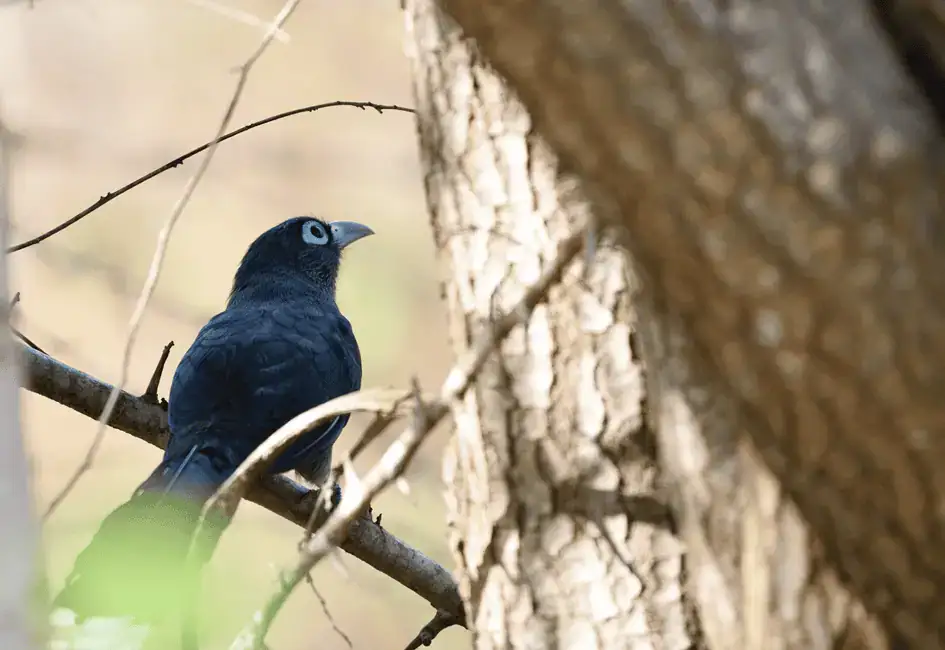
Blue-Faced Malkoha – Udawalawe National Park (Photo: Nalaka Priyantha)
Many visitors focus on Sri Lanka’s famous national parks. You gain more by adding quieter locations to your plan. These sites hold strong bird diversity and fewer crowds.
Muthurajawela Marsh sits close to Colombo. This wetland system supports a wide range of species. You find herons, kingfishers, and waders. Early morning boat rides give good access to birds.
Koggala Lake offers a mix of mangroves and open water. This area attracts:
- Terns
- Cormorants
- Purple herons
- White-bellied sea eagles
The lake remains calm, offering clear reflections for bird photography.
Surrey Bird Sanctuary, located in the hill country, offers a small yet productive site. The forest supports both resident and migrant birds. You can spend half a day here and record many species.
Gal Oya National Park provides a different experience. Boat safaris across the reservoir allow you to photograph birds from the water. This angle adds variety to your images.
The Eastern Coastline holds many lagoons and wetlands. Areas near Panama and Arugam Bay attract migratory birds. These regions see fewer tourists, which improves your field experience.
These lesser-known bird sanctuaries and wetlands help you avoid crowds. You spend more time observing and less time waiting.
Why Sri Lanka Stands Out for Global Birders
Birding destinations exist across the world. Sri Lanka holds a unique position for several reasons.
Compact geography reduces travel time. You move from rainforest to dry zone within hours. It increases your species count within a short trip.
High endemism gives you rare targets. Many birders travel long distances to see species found only here.
Strong infrastructure supports tourism. Hotels, guides, and transport services cater to wildlife travellers. Sri Lanka Tourism promotes sustainable & eco tourism, and birding routes.
Costs remain lower than in many African and South American destinations. You get high value for your travel budget.
Safety and accessibility matter. Sri Lanka offers a stable environment for travel. English is widely spoken, which helps with communication.
The mix of experiences adds appeal. You can combine birding with:
- Cultural sites such as ancient cities
- Popular beaches along the Southern Coast
- Tea heritage & plantations in the highlands
This variety makes Sri Lanka suitable for both serious birders and casual travellers.
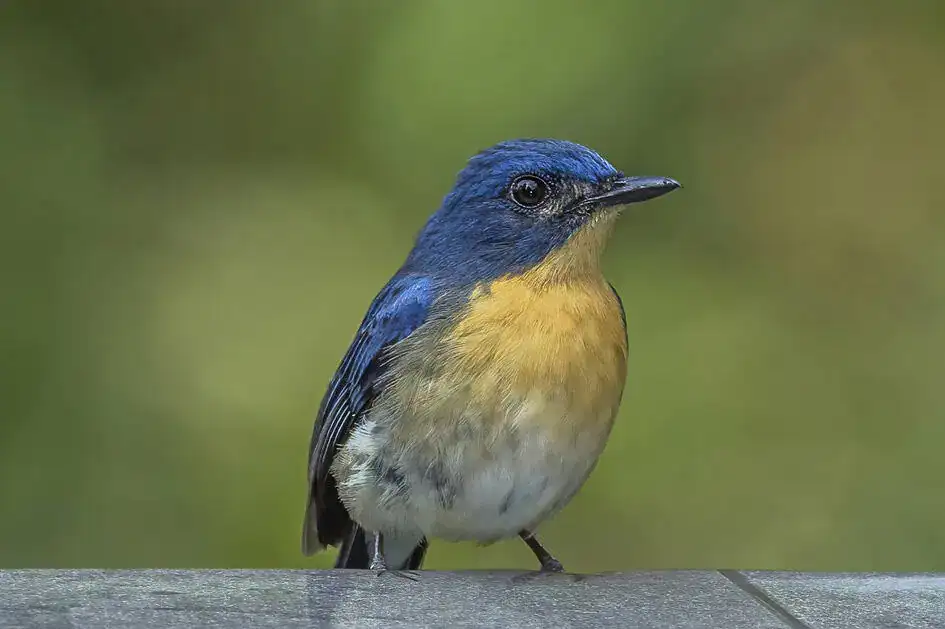
Tickell’s Blue Flycatcher – Koggala (Photo: Charles J. Sharp, CC BY-SA 4.0)
Common Mistakes to Avoid
Many travellers reduce their experience by making simple errors. You can avoid these with basic awareness.
Do not rush your itinerary. Spending one night at each location limits your sightings. Stay for at least 2 nights in key areas, such as Sinharaja.
Do not skip a guide in rainforests. Dense vegetation hides many birds. Guides increase your success rate.
Do not ignore weather patterns. Rain affects visibility and movement. Plan your route based on seasonal conditions.
Do not rely only on national parks. Bird sanctuaries and smaller reserves often produce better birding.
Do not expect quick results. Birding requires patience. You may wait long periods before seeing the target species.
Do not disturb birds for photos. Ethical practices protect wildlife and improve long-term conservation.
By avoiding these mistakes, you improve both your enjoyment and your results.
A Realistic Expectation of Your Birding Trip
You should set clear expectations before arrival. Sri Lanka offers high diversity, yet birding still requires effort.
Rainforests test your patience. You hear many birds before you see them. Light remains low under the canopy.
Wetlands offer easier viewing. You see birds in open areas. These sites suit beginners and photographers.
Highlands present a challenge. Many species stay hidden and move quickly.
A two-week trip allows you to record between 150 and 250 species, depending on your effort and timing. Experienced birders with guides often reach higher numbers.
Photography success varies by habitat. You capture more usable images in open areas such as Bundala and Udawalawe. Rainforest photography requires skill and fast reactions.
Sri Lanka rewards persistence. The more time you spend in the field, the better your results.
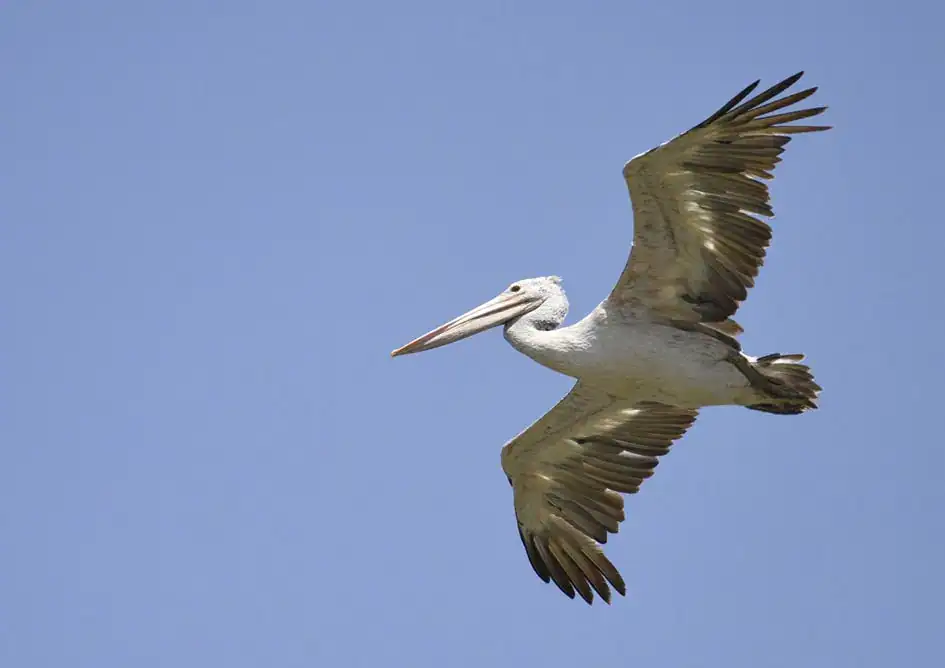
Spot-billed Pelican – Kumana National Park (Photo: Nalaka Priyantha)
Birding in Sri Lanka: Your Next Step
Birding in Sri Lanka offers a clear advantage. You experience a high number of species in a short time. You access multiple habitats with ease. You find endemic birds that exist nowhere else.
You walk through rainforest trails at dawn. You scan wetlands filled with migratory birds. You track raptors over dry plains. Each day brings a new setting and new species.
You also gain strong opportunities for bird photography. Light, access, and bird density work in your favour. You build a diverse portfolio from one trip.
Sri Lanka continues to grow as a birding destination. Conservation efforts by the Department of Wildlife Conservation and support from tourism authorities help protect key habitats. It ensures long-term opportunities for travellers and wildlife.
If you plan your trip with care, you will leave with strong memories and a long species list. Start with a clear route. Choose the right season. Work with experienced guides.
Your next birding journey can take place on this island. Which species do you want to see first?
Map – Birding in Sri Lanka
Sources and References:
- Sri Lanka Tourism Development Authority (SLTDA).
- Sri Lanka Tourism.
- Department of Wildlife Conservation, Sri Lanka (DWC). Source for national parks in Sri Lanka, protected areas, and conservation information.
- BirdLife International. referenced for Endemic Bird Area classification and global bird conservation data.
- Ramsar Convention on Wetlands. Used for information on Bundala and Anawilundawa as Ramsar wetland sites.
- UNESCO World Heritage Centre. Referenced for the Sinharaja Forest Reserve designation and ecological significance.
- eBird. Used for bird species distribution, sighting data, and seasonal patterns.
- Cornell Lab of Ornithology. Referenced for bird identification and global birding insights.
- Birdingplaces.eu. Referenced for location-specific birding information.
Featured image: An Endemic Bird – Sri Lanka Blue Magpie (Photo: Yu Lian Sheng, CC BY-ND 4.0)

I am a Sri Lankan medical doctor who spends my free time travelling, exploring new destinations, and documenting the beauty of the island I call home. I have journeyed across almost every corner of Sri Lanka with my wife and daughter — from wildlife parks and misty mountains to ancient cities, deep forests, rugged landscapes, and quiet beaches.
Travel is not just a hobby for me — it’s a way of life. I love nature, enjoy road trips, and find joy in wildlife photography. I also read widely about tourism, travel trends, and destination culture. Through my writing, I aim to help travellers experience Sri Lanka through real stories, meaningful insights, and honest recommendations — the same way I explore it with my own family.