

Sri Lanka draws travellers from around the world who seek warm beaches, green hills, historic cities, and nature and wildlife on a small, easy-to-explore island. Many arrive between December and March when the weather stays dry along the West and South Coasts and clear across most of the hill country. This season also brings steady sunshine to popular sites in the cultural triangle.
If you plan a journey that fits your time and travel style, this 2 week sri lanka itinerary helps you move through the island with comfort and clarity. You follow a route that blends culture, food, scenery, wildlife, and beach life. You explore busy towns and quiet villages. You take slow mornings and active days. You enjoy authentic local touches. This Sri Lanka Travel Itinerary includes the most popular things to do in Sri Lanka and highlights the key things to see in Sri Lanka during peak season.
You may be surprised to know that most travellers prefer the December to March season to visit Sri Lanka. You can understand the exact reason for that by reading about the weather in Sri Lanka and the best time to visit.
Introduction
Two weeks allow you to travel across the key regions in a steady flow. You see ancient cities, temples and religious landmarks, tea plantations, waterfalls, forests, and beaches. You take the scenic train ride from Kandy to Ella. You join wildlife safaris. You take part in food experiences. You explore the South Coast during its best season. Your journey begins on the West Coast, then heads to the Cultural Triangle, the Hill Country, and finally the South Coast. You stay in areas with strong visitor reviews and record-high satisfaction among foreign travellers. Your trip includes local food, cultural events, village walks, festivals, and scenic routes shaped by real travel data.
This 2 week Sri Lanka itinerary offers a structure that avoids rushed days. You travel in clear stages with realistic transfers. You get space to rest. You get views that stay sharp from December through March. You also get flexible options tailored to your pace and interests, so you can adapt your trip to what feels right for you.

Negombo Beach During Sunset (Photo: Nisal Rajapakshe)
Overview of the Trip
This journey lasts fourteen days. You stay for eight to fourteen nights, depending on flight times. You sleep in Negombo, Sigiriya, Kandy, Nuwara Eliya, Ella, Yala, and Mirissa. You visit Colombo and Galle as day visits or short stops. You balance culture, history, beaches, wildlife, food, and community visits. You learn about tea in the hill country and spice gardens in Matale. You visit temples in Kandy and caves in Dambulla. You walk through ruins in Polonnaruwa. You observe elephants in Minneriya. You track leopards in Yala. You watch whales near Mirissa. You relax on beaches during the prime season.
Why This 2 Week Sri Lanka Itinerary Works
This route follows popular patterns that match weather and visitor flow. Travellers tend to stay in places with dry conditions during these months. The route begins on the West Coast because it sits close to the airport. It continues to the cultural triangle, where mornings stay bright and ideal for outdoor visits to ancient sites. It rises toward the hill country where fresh air and green hills offer a slower pace. It then moves to the South Coast, where the peak beach season runs from December to March. You avoid areas with heavy rain on the East Coast. You follow a loop that avoids long detours. You enjoy scenic roads and trains along the way.
This order also lets your body adjust from warm coastal weather to cool hill country temperatures without sudden changes. It supports steady travel times and healthy daily routines.
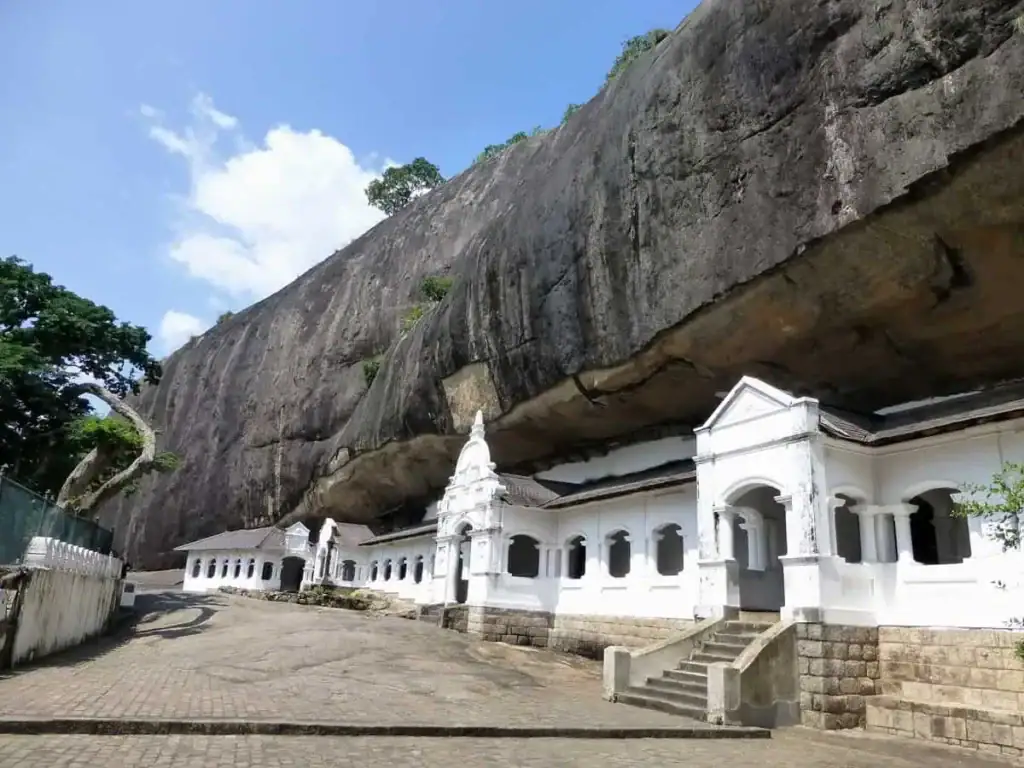
Rangiri Dambulla Cave Temple (Photo: Ji-Elle, CC BY-SA 3.0)
Day by Day 2 Week Sri Lanka Itinerary
Each day includes suggestions for the morning, afternoon, and evening. Travel times follow real seasonal traffic patterns. You may adjust each day if you want slower mornings or longer walks.
Morning
Arrive at Bandaranaike Airport and head to Negombo. The ride takes around thirty minutes. Negombo suits arrival days because it offers easy beach access, many hotel options, and minimal travel stress. Check in at a hotel near the beach.
Afternoon
Visit the Negombo Fish Market. Walk along the shore where fishermen prepare nets. Explore the old canal system and small churches along the road. Eat a simple lunch with seafood and rice.
Evening
Take a stroll on Negombo Beach. Taste fresh fruit juices or coconut water. Rest early to recover from your flight.
Suggested Hotel Areas
Beach Road, Poruthota Road, or the central beach strip. Hotels range from budget rooms to boutique resorts.
Transport Notes
Taxis operate at all hours. Prices remain stable during the season.
Day 2: Negombo to Sigiriya
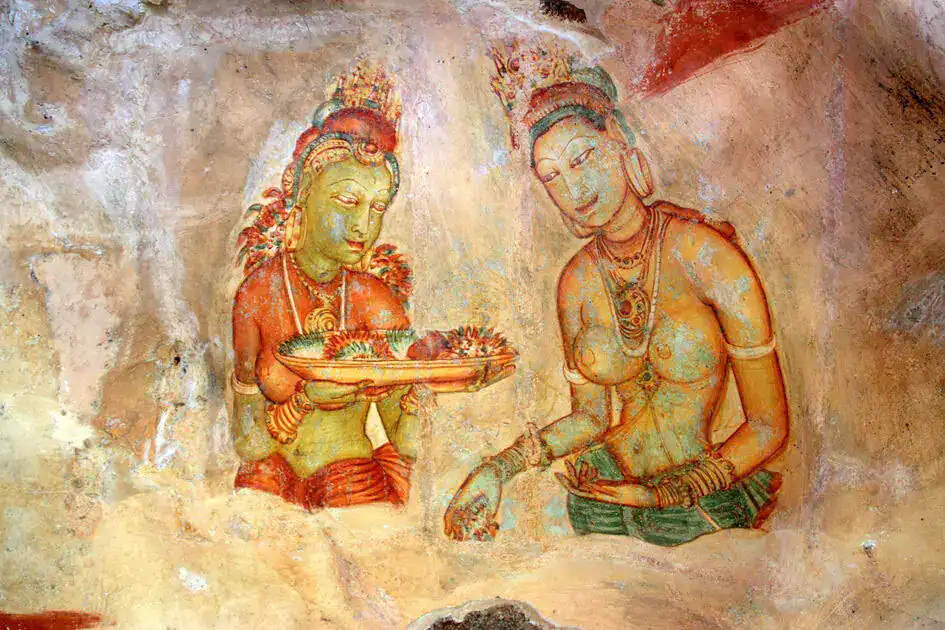
Frescoes in Sigiriya (Photo: Yves Picq, CC BY-SA 4.0)
Morning
Leave Negombo for Sigiriya. The drive takes about four hours. Roads stay dry during this season. Stop at roadside fruit stands for pineapple, banana, wood apple juice, or king coconut.
Afternoon
Check in at your Sigiriya hotel. Many travellers choose forest lodges for their natural surroundings. Walk around the village. Visit a small shop for snacks and spices. Have lunch made with rice, coconut, and vegetables grown in nearby gardens.
Evening
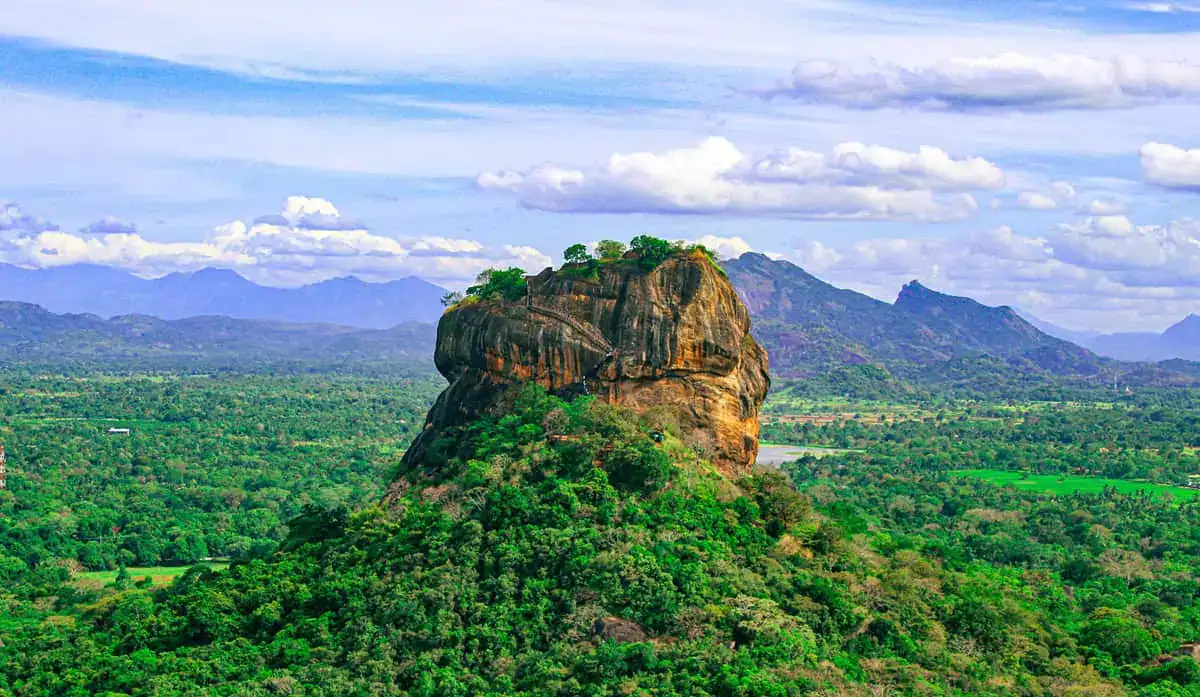
Climb Pidurangala for sunset. The hike takes around forty minutes. From the top, you see Sigiriya Rock above the forest and a wide orange sky during sunset.
Hotel Suggestions
Stay near Sigiriya Road, Inamaluwa, or Kimbissa for quick access to the sites.
Day 3: Sigiriya Rock and Dambulla Cave Temple
Morning
Climb Sigiriya Rock Fortress early. The sun grows strong after midmorning. The climb takes around two hours at a steady pace. You pass through water gardens, frescoes, mirror walls, and steep metal steps. The summit offers expansive views of lakes, jungles, and mountains. This site appears in most lists of top things to see in Sri Lanka.
Opening hours of Sigiriya: From 5.00 am to 6.30 pm (every day).
Afternoon
Visit Dambulla Cave Temple. The temple, which is one of the largest and best-preserved cave temple complexes in Asia, has five main caves filled with Buddha statues and painted ceilings. Spend one to two hours here. Dress with covered shoulders and knees.
Opening hours of Dambulla Cave Temple: From 7.00 am to 7.00 pm (every day).
Evening
Return to your hotel. Join a village cooking experience to learn how locals prepare curries in clay pots with fresh vegetables.
Transport Notes
The drive from Sigiriya to Dambulla takes 30 minutes by car.
Day 4: Polonnaruwa and Minneriya Safari
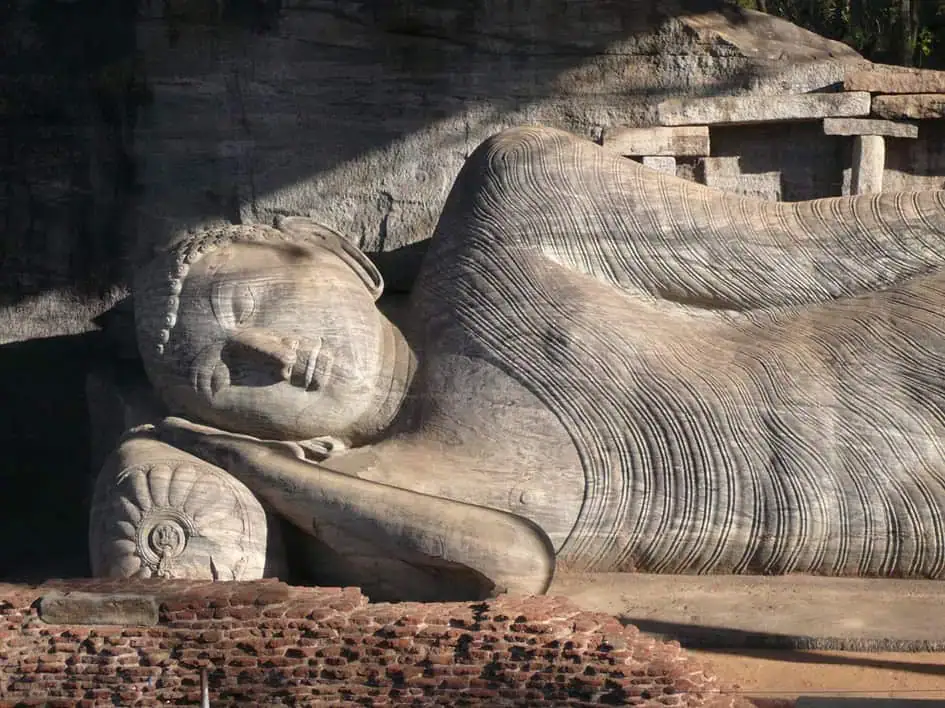
Buddha Statue Gal Viharaya – Polonnaruwa (Photo: Lankapic, CC BY-SA 3.0)
Morning
Head to Polonnaruwa, which was the second kingdom of Sri Lanka. The drive takes about 1 hour and 15 minutes from Sigiriya. Rent bicycles and explore the ancient city. Visit the Quadrangle, Gal Vihara, the Royal Palace, and several temples. The area remains flat, which makes cycling easy. Morning light enhances the stone carvings and ruins.
Afternoon
Join a jeep safari in Minneriya or Kaudulla. Drivers choose the best park based on elephant movement. From December to March, elephants gather in open grasslands, lakes, and forest patches. You may also see deer, monkeys, peacocks, and birds of prey.
Opening hours of Minneriya and Kaudulla National Parks: From 6.00 am to 6.00 pm (every day).
Evening
Return to Sigiriya. Relax with a simple meal of rice, dhal, and coconut sambol.
Day 5: Anuradhapura or a Rest Day
Morning
Take a full-day trip to Anuradhapura, which was the first kingdom of Sri Lanka, if you enjoy ancient sites. The drive takes about two hours. Visit Ruwanweliseya, Jetavanaramaya, Thuparamaya, and the sacred Bodhi tree. These sites hold spiritual value for locals. Dress modestly. Walk slowly around the stupas and observe daily rituals.
If you want a lighter day, stay in Sigiriya. Walk around lakes, take a bicycle ride, or enjoy a spa session.
Afternoon
Spend more time in Anuradhapura, or return to your hotel early for rest. Travellers often enjoy a break here because the following days include altitude changes.
Evening
Taste dishes like eggplant curry, jackfruit curry, or fried lake fish.
Transport Notes
The route between Sigiriya and Anuradhapura remains smooth with light traffic during this season.
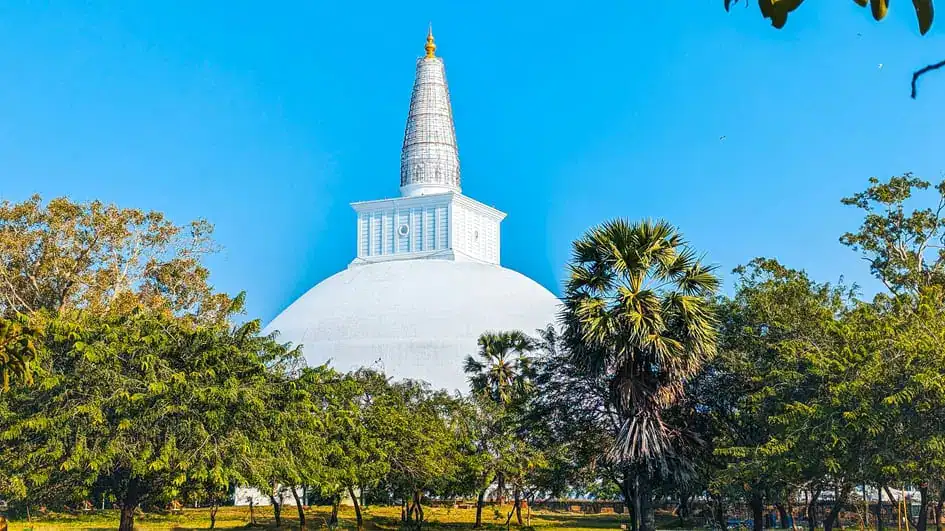
Ruwanweliseya Stupa – Anuradhapura (Photo: Ishan Kahapola Arachchi)
Day 6: Sigiriya to Kandy
Morning
Travel from Sigiriya to Kandy. The ride takes 2 hours and 45 minutes. Stop at Matale National Spice Garden and learn about cinnamon, nutmeg, pepper, cloves, and vanilla. Guides explain the uses of plants in cooking and wellness traditions.
Opening hours of the National Spice Garden, Matale: From 8.30 am to 4.00 pm (Monday to Friday)
Afternoon
Reach Kandy and check in near the lake or on a nearby hill. Visit the Temple of the Tooth. The shrine protects the sacred tooth relic of the Buddha, which has been housed in the royal complex since the Kandyan kingdom. Rituals run three times a day with drums and a conch. Explore the museum and the Royal Palace inside the temple complex.
Opening hours of the Temple of the Tooth: From 5.30 am to 8.00 pm (every day).
Evening
Watch a cultural dance show with drumming and traditional costumes. Walk around Kandy Lake at dusk. Eat dinner with hot soup, curries, and rice.
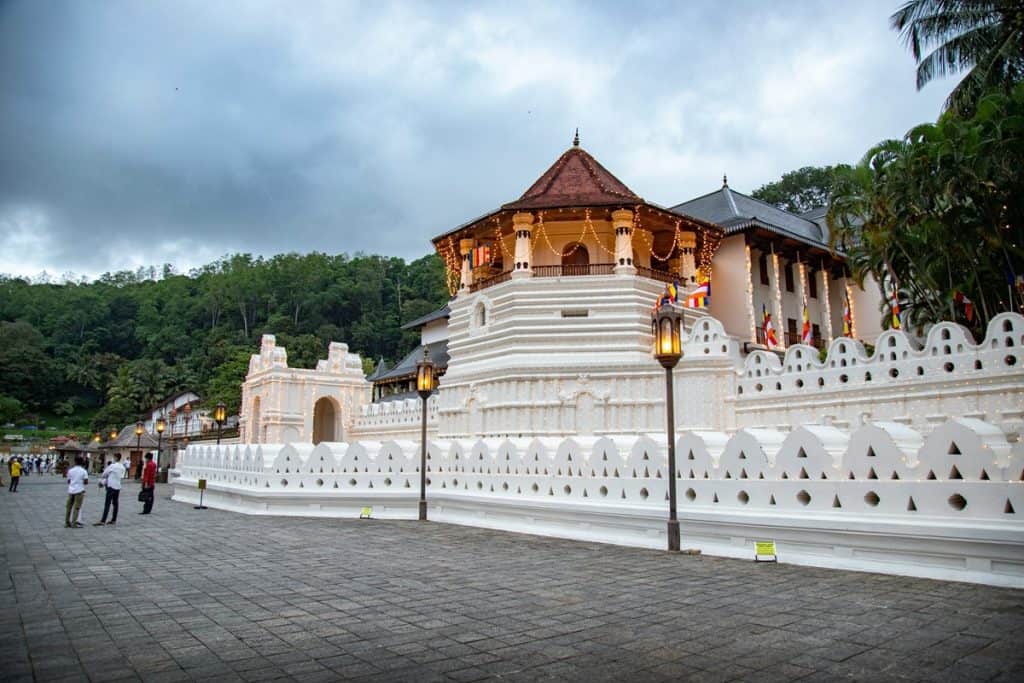
Temple of Tooth Relic, Kandy (Photo: Chathura Anuradha Subasinghe)
Day 7: Kandy City and Transfer to Nuwara Eliya
Morning
Walk through the Kandy Market. Buy spices, fruits, tea, sweets, and small gifts. Try local snacks such as curd with treacle or spicy vegetable rolls.
Afternoon
Travel to Nuwara Eliya by car or train. The route climbs through forests and tea plantations. Stop at viewpoints for photos. The drive takes about 2 hours and 45 minutes.
Evening
Arrive in Nuwara Eliya and check in at a hotel near Lake Gregory or the central town. The air feels cool. Wear warm clothing at night. Eat a simple dinner with bread, soup, or roast chicken.
Day 8: Tea Country and Horton Plains Option
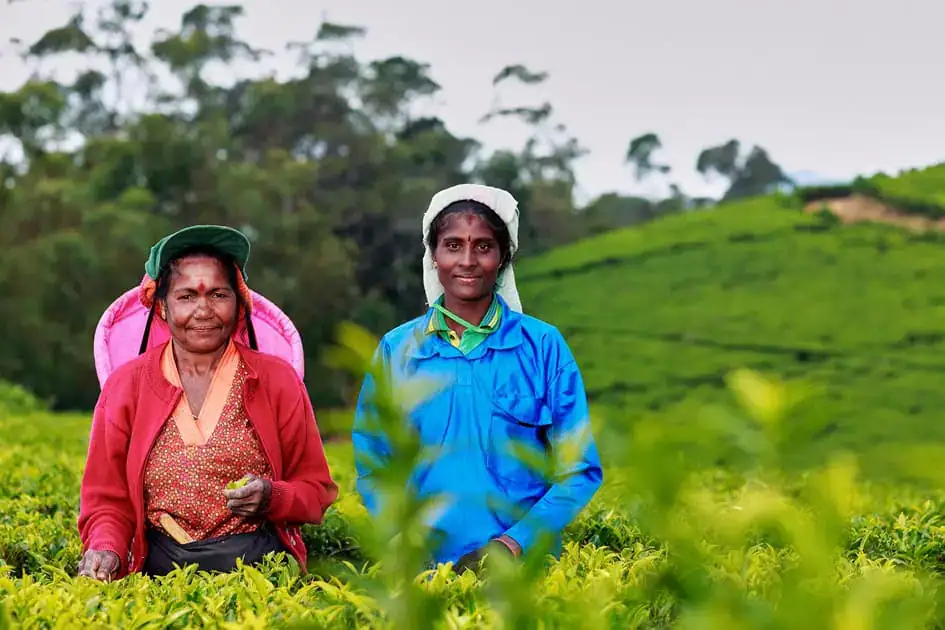
Tea Pickers, Nuwara Eliya (Photo: Curved.kiwix, CC BY-SA 4.0)
Morning
Visit a tea factory and learn how pluckers select tender leaves. Guides explain withering, rolling, oxidation, drying, and grading. Taste fresh Ceylon Tea while overlooking green hills. Visit the British-era post office and colonial-style buildings.
Afternoon
Choose between a slow walk around Lake Gregory or a visit to Horton Plains. Horton Plains offers a hike to World’s End that takes about 3 hours. The trail passes grasslands, small forests, and viewpoints. Start early before mist covers the cliffs.
Opening hours of Horton Plains National Park: 6.00 am to 6.00 pm (every day), ticket counters close at 4.00 pm.
Evening
Relax at the hotel. Drink hot tea in the garden and enjoy the quiet hill atmosphere.
Transport Notes
Hire a local taxi for short distances. Roads remain well-maintained in this region.
Day 9: Scenic Train Ride to Ella
Morning
Board the train from Nanu Oya or return to Kandy if you prefer the whole ride. Tickets are selling out early this season. The train moves through tunnels, tea estates, forests, and villages. Travellers often list this ride among the top things to do in Sri Lanka. The train ride from Kandy to Ella takes around 6 hours. It is known as one of the most scenic train rides in the world.
Book tickets early if you travel between December and March.
Online Ticket Booking: Online Advance Train Seats Reservation from the Sri Lanka Railways Official Page.
Afternoon
Arrive in Ella and check in at a hotel with mountain views. Walk to Nine Arches Bridge through a forest path. Watch the train pass.
Evening
Enjoy dinner on Ella’s main street. Try kottu roti, vegetable stir fry, rice dishes, or fresh juices.
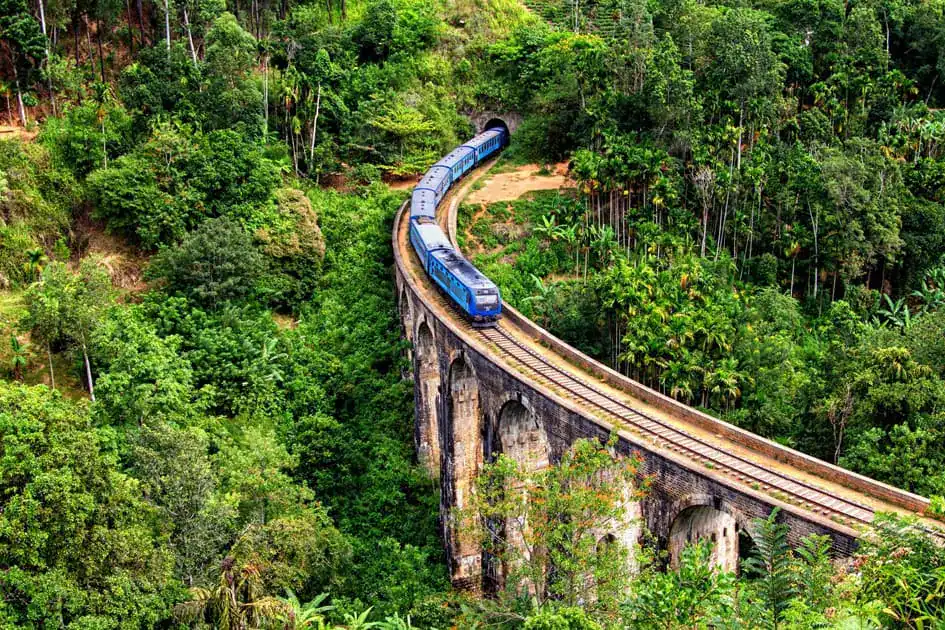
Kandy to Ella Scenic Train Ride – One of the Best in the World (Photo: Yves Alarie)
Day 10: Ella Hiking and Waterfalls
Morning
Hike Little Adam’s Peak. The trail stays gentle and offers panoramic views of valleys and tea estates. Many travellers begin the hike at sunrise.
Afternoon
Visit Ravana Falls. Spend time at Ella Gap, where the wind brings cool air from the valley. Visit cafes with open terraces that overlook the hills.
Evening
Join a cooking class. Learn how to prepare coconut sambol, dhal curry, and stir-fried vegetables with spices.
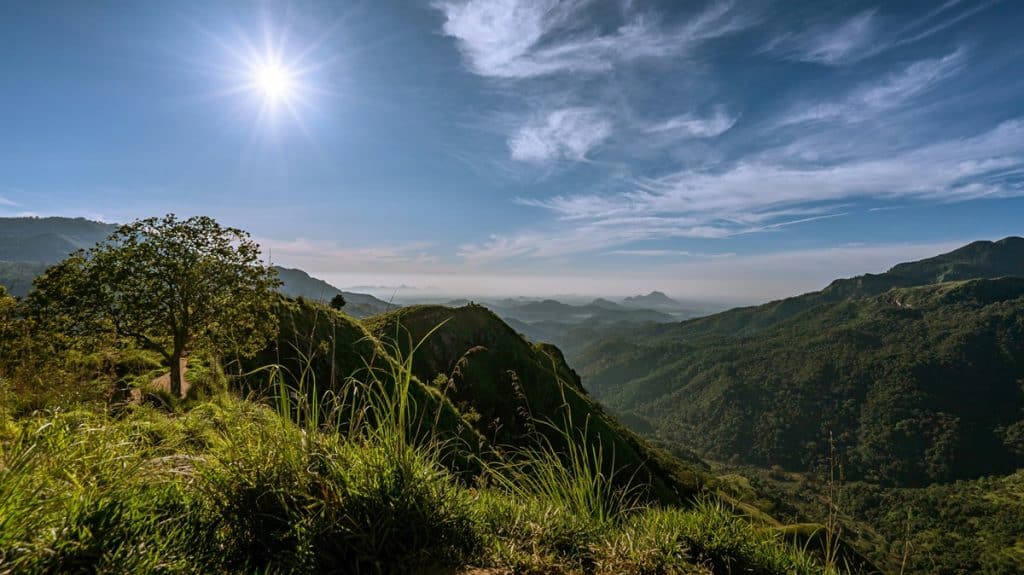
Little Adam’s Peak, Ella (Photo: Kevin Olson via Unsplash)
Day 11: Ella to Yala National Park
Morning
Travel from Ella to Yala. The drive takes about 2 hours and 45 minutes. The scenery shifts from hills to forests and dry plains. Check in at a safari lodge near the park entrance.
Afternoon
Join a jeep safari inside Yala National Park. The park includes grasslands, lakes, rocky areas, and forests. This season gives good visibility. Yala National Park holds the world’s highest density of leopards. You may spot leopards resting on rocks or walking near bushes. Guides track animal locations by listening for bird calls and watching footprints. You can also see other mammals such as elephants, buffalo, deer species, other herbivores, sloth bears, jackals, and other small carnivores. Visitors report sightings of eagles, owls, pelicans, herons, bee eaters, hoopoes, and many others. The park also supports crocodiles, monitor lizards, snakes, tortoises, and freshwater turtles.
Opening hours of Yala National Park: 6.00 am to 6.00 pm (every day).
Evening
Eat dinner outdoors. Listen to the sounds of the forest at night.
Safety Notes
Follow all instructions. Safari rules protect both travellers and animals.

Playing leopards – Yala National Park (Photo: Nalaka Priyantha)
Day 12: Yala to Mirissa
Morning
Leave Yala after breakfast. Drive to Mirissa. The ride takes around 2 hours and 30 minutes. Check in at a beachfront hotel.
Afternoon
Relax on Mirissa Beach. Swim in clear water. The sea stays calm from December to March. Book a whale watching tour for the next morning. Many tours operate from the main fishing harbour.
Evening
Walk along the sand at sunset. Eat grilled fish, prawns, or curry dishes in a beachfront restaurant.
Day 13: Whale Watching and South Coast Beach Time
Morning
Join a whale watching tour. Boats leave around sunrise. Blue whales, sperm whales, and dolphins pass through deep waters off the South Coast during this season. Tour guides explain movement patterns and safety practices.
Afternoon
Visit Coconut Tree Hill, which sits above the sea with tall palms. Visit Secret Beach for quiet swimming. Try snorkelling near reefs. Many surfers head to Weligama during this season for steady waves.
Evening
Dine at a local cafe with seafood, rice, and fresh juices. Walk along the beach under bright stars.
Day 14: Mirissa to Galle and Return to the West Coast
Morning
Drive to Galle in 45 minutes. Explore Galle Fort. Walk along historic streets that hold cafes, art shops, small bookstores, and galleries. Visit the lighthouse and the old ramparts. The fort balances culture and calm views of the ocean.
Afternoon
Continue to Colombo or Negombo. The ride takes around 2 hours and 30 minutes. Spend your final hours eating crab curry, kotthu, or fried rice. Buy tea and spice packs for home.
Evening
Prepare for your departure. Reflect on your journey.

Sunny Day – Mirissa Beach (Photo: Tatiana Kachanovetskaia)
Festivals and Events From December to March
December brings Christmas events across coastal towns. January hosts Thai Pongal, a Tamil harvest festival. Families prepare sweet rice and share it with neighbours. February holds the national Independence Day with parades and cultural programs. Many towns have outdoor concerts during this season. Travellers often enjoy temple events where drums, flowers, lamps, and chants add cultural depth.
Transport and Routes
Cars offer the easiest way to travel between major regions. Tuk-tuks serve short rides within towns. Trains offer scenic views but require advance booking. Buses operate on all major roads, but stay crowded during peak season. Private drivers provide flexibility. Many roads remain in good condition due to dry weather.
If you visit Sri Lanka, it is advisable to read the Transport in Sri Lanka: The Best Guide.
Accommodation Guidance
Negombo offers beach hotels for all budgets. Sigiriya offers forest lodges with views of the surrounding nature. Kandy offers hotels near the lake. Nuwara Eliya offers colonial-style guesthouses and modern hotels. Ella offers mountain view rooms. Yala offers safari lodges. Mirissa offers beachfront hotels, villas, and boutique rooms.
Dining and Food Notes
Try rice and curry, hoppers, string hoppers, wattalappam, coconut roti, buffalo curd, fish curry, prawn curry, and jackfruit curry. Coastal towns serve grilled seafood. Hill country towns serve warm soups and baked dishes. Tea country offers scones, cakes, and pastries.
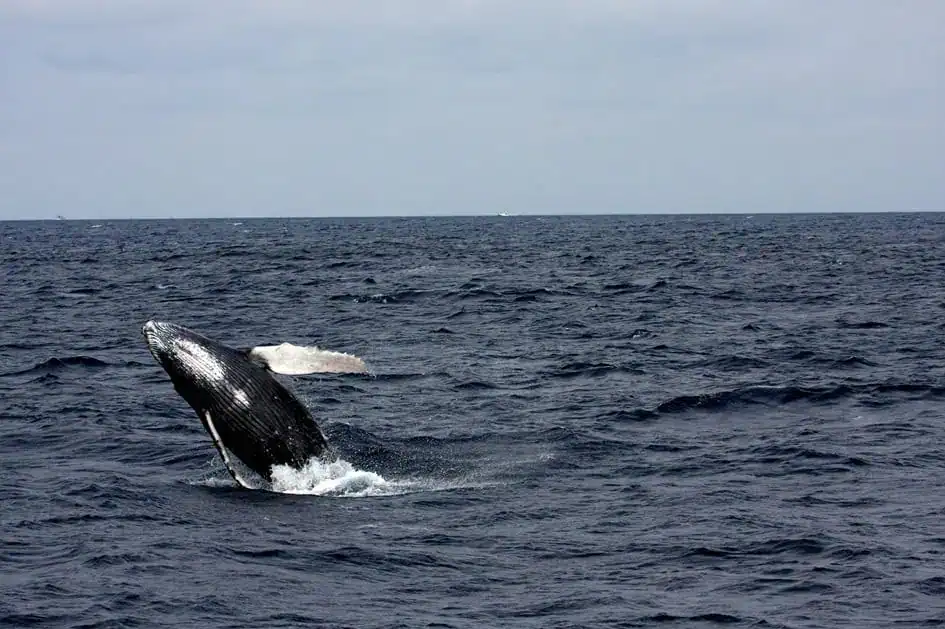
Whale Watching in Sri Lanka (Photo: Navodya Ekanayake, CC BY-SA 4.0)
Cultural Experiences
Visit markets, attend drumming shows, join cooking workshops, walk through village farms, visit temples, talk with local guides, and try traditional snacks. Respect local customs. Remove shoes in temples. Dress with covered shoulders and knees in sacred areas.
Flexibility in the 2 Week Sri Lanka Itinerary
You may add more beach days. You may remove Anuradhapura if you want slower travel. You may add Udawalawe National Park as an extra safari stop. You may shift between Mirissa, Weligama, Hiriketiya, or Unawatuna based on your preferred beach style.
Practical Details
Entry fees vary by site. Carry cash and cards. Safaris start early in the morning or in the afternoon. Use sunscreen, hats, and water bottles. Dress modestly at temples. Use tuk-tuks for short city travel.
Travel insurance is essential. It covers flight delays, medical care, and lost baggage.
National Parks (Yala, Minneriya, Kaudulla, etc.) require entrance tickets sold at official gates. You can also book national park permits/tickets online through the Wildlife Park Permits Reservation eService.
It is advisable to read our Travel Tips guide for more practical details.
Weather Notes
December to March brings clear skies to the West and South Coasts and cool weather to the hill country. Coastal temperatures range from 28 to 32 degrees Celsius. Hill country nights drop to 12-18 degrees Celsius. Pack cotton clothes, light jackets, hats, sunglasses, and swimwear.
Safety and Health
Drink filtered or bottled water. Wear sunscreen. Use mosquito repellent. Follow instructions during safaris. Keep copies of essential documents. Medical care remains available in main towns.
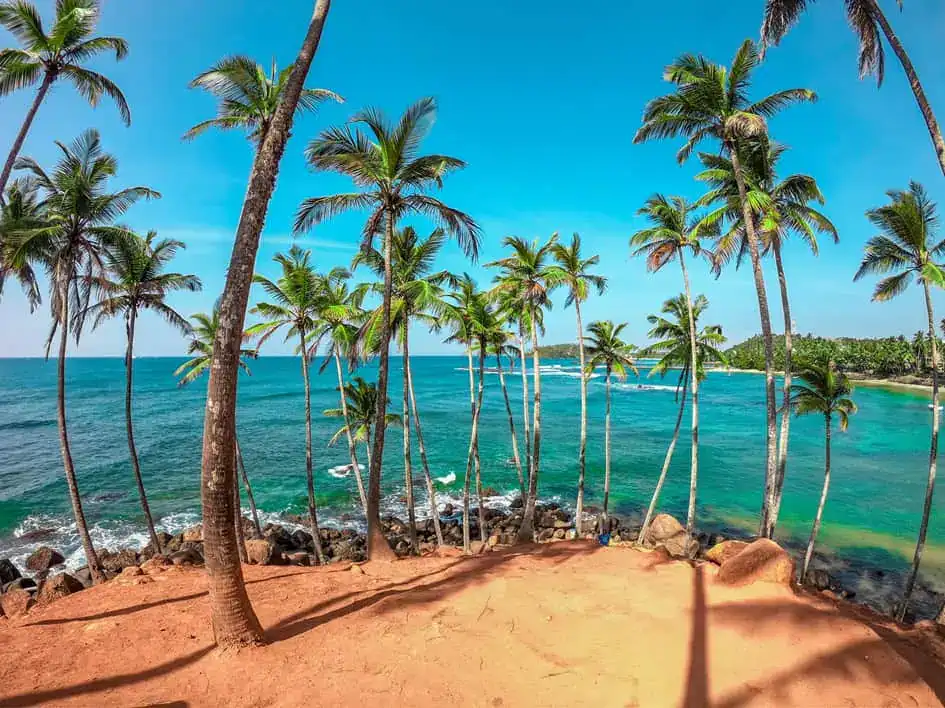
Coconut Tree Hill in Mirissa (Photo: Dinuka Lankaloka)
Estimated Costs
Budget stays range from 25 to 40 USD per night. Mid-range stays range from 60 to 120 USD. Luxury stays rise above 150 USD. Meals range from 3 USD at simple cafes to 20 USD at restaurants. Transport by private car costs 45-60 USD per day. Train tickets vary by class. Entrance fees range between 10 and 65 USD.
* All prices are subject to change.
Support local shops. Use reusable bottles and bags. Respect wildlife from a safe distance. Do not touch or feed animals. Follow instructions at heritage sites. Learn basic local phrases. Dispose of waste responsibly.
Final Thoughts
This 2 week sri lanka itinerary offers a potent mix of culture, nature, food, and relaxation. You climb Sigiriya Rock, explore Polonnaruwa (the 2nd kingdom of Sri Lanka), visit Dambulla cave temples, and observe ancient traditions in Anuradhapura (the 1st kingdom of Sri Lanka). You experience Kandy’s cultural life (Sri Lanka’s last kingdom) and travel through the bright tea country to Nuwara Eliya. You ride the scenic train to Ella. You hike peaks and visit waterfalls. You explore Yala’s wildlife and watch whales near Mirissa. You relax on the best beaches of the season. You walk the historic streets of Galle Fort. You enjoy a variety of dishes, local warmth, scenic roads, and calm evenings.
These experiences showcase the best things to see in Sri Lanka and help you visit Sri Lanka with confidence and comfort during the island’s most popular season.
Map of the 2 Week Sri Lanka Itinerary
Other Popular Sri Lanka Itineraries
- The Best 12-Day Itinerary for Sri Lanka in April
- The Best 12-Day Sri Lanka Travel Itinerary for May to September
- The Best 12 Day Sri Lanka Itinerary for October to November
Featured image: Sigiriya Rock Fortress (Photo: Chamixth, CC BY-SA 4.0)

I am a Sri Lankan medical doctor who spends my free time travelling, exploring new destinations, and documenting the beauty of the island I call home. I have journeyed across almost every corner of Sri Lanka with my wife and daughter — from wildlife parks and misty mountains to ancient cities, deep forests, rugged landscapes, and quiet beaches.
Travel is not just a hobby for me — it’s a way of life. I love nature, enjoy road trips, and find joy in wildlife photography. I also read widely about tourism, travel trends, and destination culture. Through my writing, I aim to help travellers experience Sri Lanka through real stories, meaningful insights, and honest recommendations — the same way I explore it with my own family.