
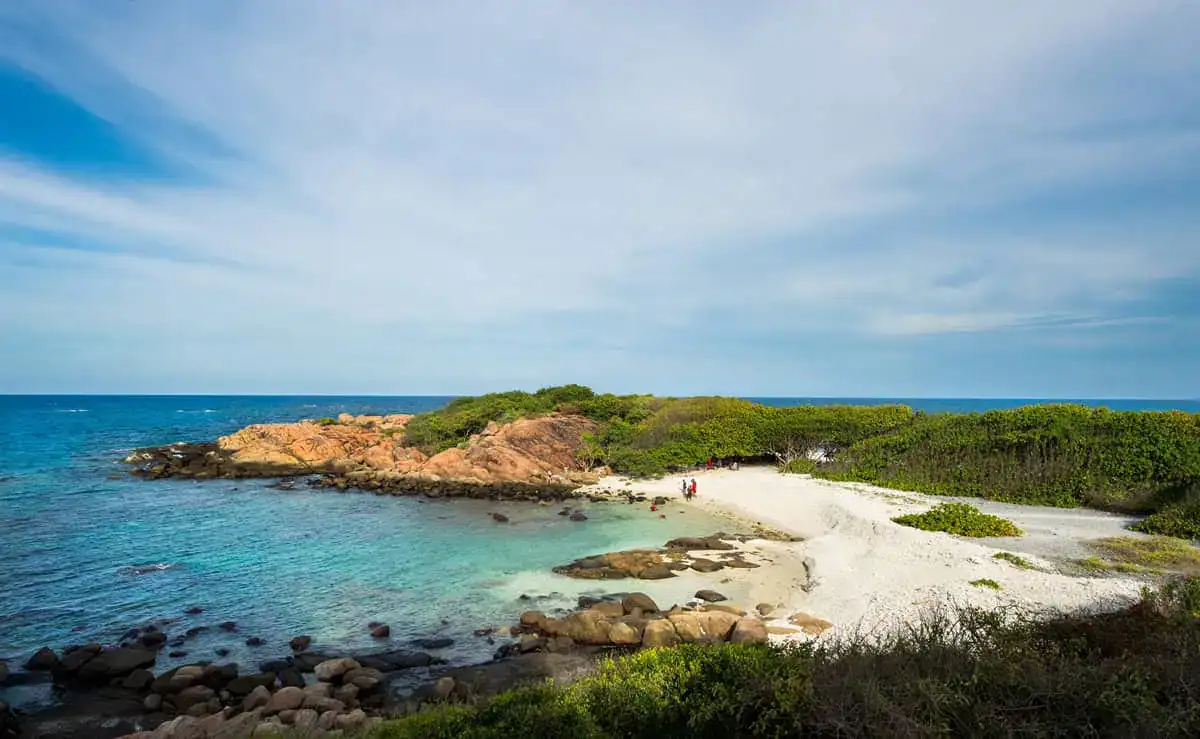

Warm seas on the East Coast, clear mornings over ancient stupas, and cool air in the Hill Country. That mix draws thousands of visitors between May and September every year. Seasonal guides agree that this period suits the North and East Coasts best, with Arugam Bay, Trincomalee, Nilaveli, and Passikudah at the heart of trip planning. A balanced Sri Lanka Travel Itinerary for this season sends you from temples & religious landmarks and nature & wildlife to surf and coral reefs, without lengthy backtracking or rushed days.
This guide brings those pieces together into one clear 12-day plan. You follow a loop that starts in Negombo and Colombo, moves through the Cultural Triangle and Hill Country, then finishes with long, dry days on the East Coast.
This Sri Lanka Itinerary is ideal for first-time visitors seeking a potent mix of culture, nature, and popular beaches. It also suits repeat travellers who wish to focus on the May to September East Coast season while still touching the main inland attractions in Sri Lanka. You receive exact-day plans, travel times, food ideas, and festival notes, so your decision-making stays light once you land.
Overview Of This 12-Day Sri Lanka Travel Itinerary
Title: The Best 12-Day Sri Lanka Travel Itinerary For May To September
Destination: Sri Lanka, round route from Negombo / Colombo to the Cultural Triangle, Hill Country, and East and Northeast Coasts.
Total Duration: 12 days and 11 nights.
Route Summary
- Day 1. Negombo or Colombo arrival.
- Day 2. Wilpattu National Park and Anuradhapura.
- Day 3. Mihintale and more of Anuradhapura (1st Kingdom of Sri Lanka), then Polonnaruwa (2nd Kingdom of Sri Lanka).
- Day 4. Polonnaruwa and Minneriya or Kaudulla, then the Sigiriya area.
- Day 5. Sigiriya Rock Fortress and Dambulla Cave Temple, then Kandy (The Last Kingdom of Sri Lanka).
- Day 6. Kandy, Temple of the Tooth, and Knuckles foothills option.
- Day 7. Kandy to Ella train ride through Nuwara Eliya and Haputale.
- Day 8. Ella and waterfalls, then travel to Passikudah and Kalkudah.
- Day 9. Passikudah bay time, then transfer to Trincomalee and Nilaveli.
- Day 10. Trincomalee, Uppuveli, Pigeon Island National Park, Marble Beach.
- Day 11. Travel to Arugam Bay, surf and lagoon safaris, and the Kumana wildlife option.
- Day 12. Morning in Arugam Bay, then return towards Colombo or Negombo.
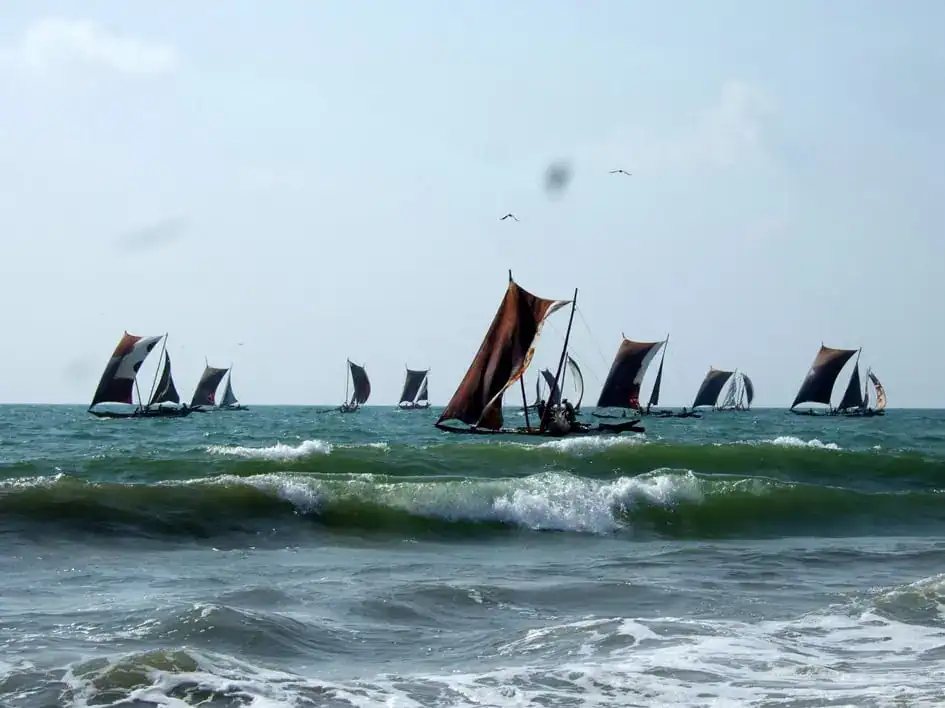
Traditional Fishing Boats in Negombo (Photo: Indi Samarajiva, CC BY 2.0)
Themes and Pace
This Sri Lanka Itinerary stays focused on four linked themes.
- Culture and heritage in the Cultural Triangle and Kandy.
- Hill Country views, tea, and rail.
- East Coast beaches and ocean life.
- Wildlife and birdlife in key parks.
Twelve days match this pattern and give space for three clear sections. High-energy days sit in the first week, with climbs, ruins, and early starts. Longer swims, surf sessions, and slower mornings arrive at the end.
Transport, Routes, and Travel Style
Main Transport
A private driver, with a car or van, keeps this loop smooth. Road quality along the main roads stays solid. Smaller tracks to parks or remote bays feel rough in parts, yet still safe with a local driver. Public buses run on all stretches, though average travel times increase.
Train
The signature Kandy to Ella train ride takes place on day 7. Travel writers and tour operators rank this among the best scenic train journeys in Asia, with tea fields, tunnels, and misty ridges along the way. You board in Kandy and step off in Ella, then meet your driver again.
Approximate Road Times
- Negombo to Wilpattu. Around 3 hours.
- Wilpattu to Anuradhapura. Around 1 hour.
- Anuradhapura to Polonnaruwa. Around 2 hours.
- Polonnaruwa to Sigiriya area. Around 1.5 hours.
- Sigiriya to Kandy. Around 2.5 hours.
- Kandy to Ella by train. Around 6-7 hours with slow sections.
- Ella to Passikudah. Around 4 hours via Bibile and Mahiyanganaya.
- Passikudah to Trincomalee. Around 2.5 hours.
- Trincomalee to Arugam Bay. Around 5 hours through the East.
- Arugam Bay to Colombo. Around 7 hours along the South and central roads.
Plan early departures for long travel days, especially in hot zones.
If you plan to visit Sri Lanka, it is advisable to read the Transport in Sri Lanka: The Best Guide.
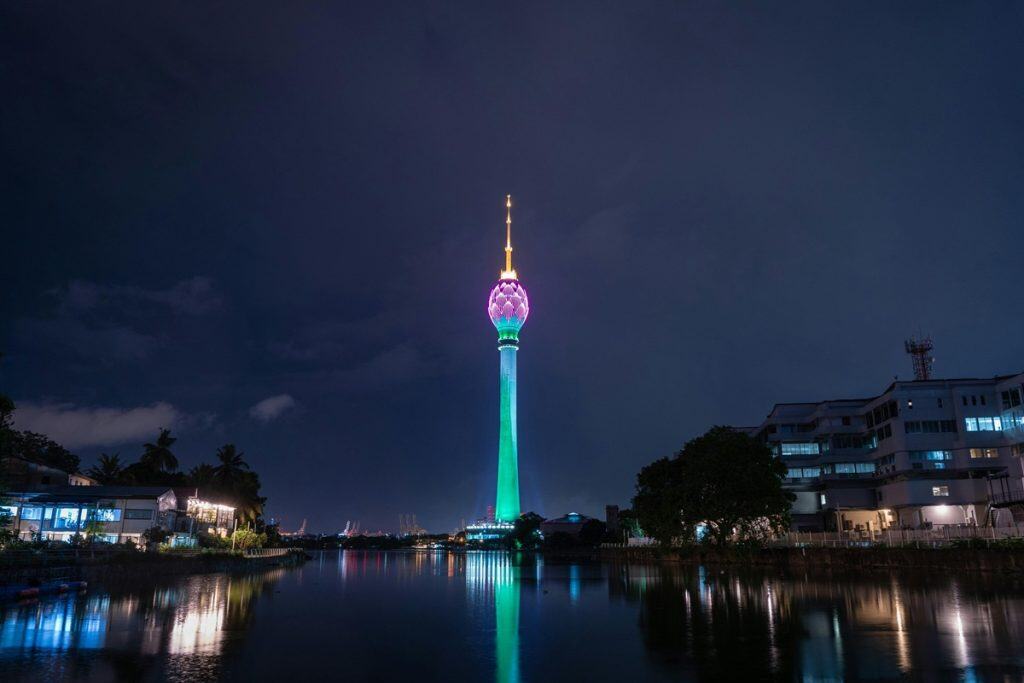
The Lotus Tower in Colombo (Photo: Thilina Alagiyawanna)
Where to Sleep
- Negombo or Colombo. Airport access plus beach or city streets.
- Anuradhapura and Polonnaruwa. Guesthouses and small hotels near the ruins.
- Sigiriya and Habarana. Nature lodges and eco hotels near lakes and paddy fields.
- Kandy. Lakeside hotels or hillside guesthouses.
- Ella. Small guesthouses and villas with valley views.
- Passikudah and Kalkudah. Beach resorts and boutique hotels along the bay.
- Trincomalee and Nilaveli. Guesthouses near Uppuveli and beach hotels around Nilaveli.
- Arugam Bay. Beach cabanas, surf hostels, and small hotels.
Families tend to prefer hotels with pools in the Cultural Triangle and on the East Coast during the heat. Solo travellers and couples often pick guesthouses with smaller dining rooms and shared terraces.
Weather and Season Basics for May to September
Two monsoon systems define Sri Lanka’s weather. The Southwest Monsoon brings wind and rain from May to September over the South and West Coasts, including Galle and Mirissa. The Northeast Monsoon brings rough seas from October to January over Trincomalee, Passikudah, and Arugam Bay. That pattern leaves May to September as the sweet spot for the East and Northeast Coasts.
During these months, you find,
- Dry, bright days on the East Coast.
- Warmer yet manageable heat in the Cultural Triangle.
- Cooler air in Kandy, Nuwara Eliya, Haputale, and Ella.
Pack light clothing, a hat, strong sunscreen, and one warmer layer for Hill Country nights. Rain appears in bursts. A compact umbrella or a light jacket keeps you moving without stress.
If you plan to visit Sri Lanka, it is better to read up on the weather and the best time to visit Sri Lanka.
Day by Day Sri Lanka Travel Itinerary

Sunset – Negombo Beach (Photo: Florian Wehde)
Morning
Arrive at Bandaranaike International Airport. Clear formalities and meet your driver. Many visitors go straight to Negombo for a short first leg. The town sits near the airport and offers a long beach, church spires, and a working lagoon. Others who prefer city life start in Colombo and spend the first day around Galle Face, Pettah, and Colombo Fort.
Afternoon
Check in around midday, adjust to the heat, and walk near the sea. In Negombo, you walk the beach and the Dutch Canal. In Colombo, you stroll Galle Face Green and watch kites over the water.
Evening
Eat your first plate of rice and curry. Choose fish or vegetable sets. Try hoppers with egg and lacy edges. This first day remains light for a reason. Travel fatigue fades, and your body clocks shift before long inland drives.
Accommodation and Food Notes
Negombo suits early or late flights, with many mid-range hotels and guesthouses near the beach. Colombo suits visitors who enjoy city markets and early access to urban attractions in Sri Lanka, such as Gangaramaya Temple or the National Museum.
Day 2. Wilpattu National Park and Anuradhapura
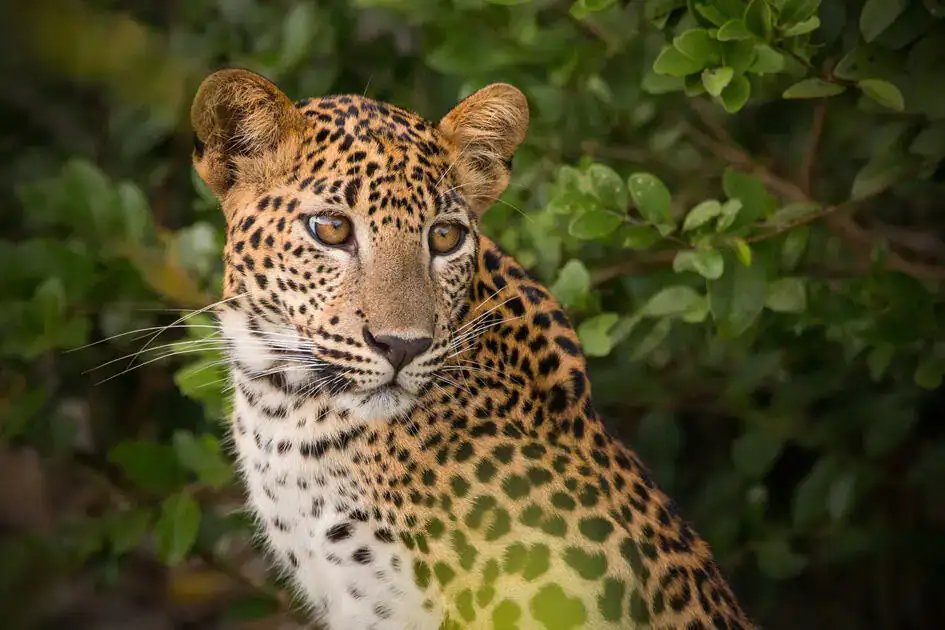
Sri Lankan Leopard – Wilpattu National Park (Photo: Senthi Aathavan Senthilverl, CC BY-SA 4.0)
Morning
Leave your first base early and drive towards Wilpattu National Park. The park sits northwest of Anuradhapura and ranks among the most visited wildlife zones in the country. Dry forests, lakes, and sandy paths provide habitat for leopards, sloth bears, elephants, deer, and a wide range of birds. This national park is a good start for wildlife safaris in Sri Lanka.
Aim for a late-morning or early-afternoon safari. Arrange park entry, jeep, and guide in advance through your hotel or a local operator. Safaris often last 3 to 4 hours. Drink plenty of water and wear neutral colours.
Opening hours of Wilpattu National Park: From 6.00 am to 6.00 pm (every day).
Afternoon
Finish the drive to Anuradhapura after the safari. Check into a guesthouse near the old city or the new centre. Eat a late lunch, then rest during the hottest slice of the day.
Evening
Join pilgrims at the Sri Maha Bodhi tree and the Ruwanwelisaya stupa near sunset. White clothing works best here. The light softens, drums echo around the site, and families bring flowers and lamps. UNESCO status and long history place Anuradhapura high on any list of things to do in Sri Lanka for travellers who care about Buddhist heritage.
Day 3. Mihintale, More of Anuradhapura, Then Polonnaruwa
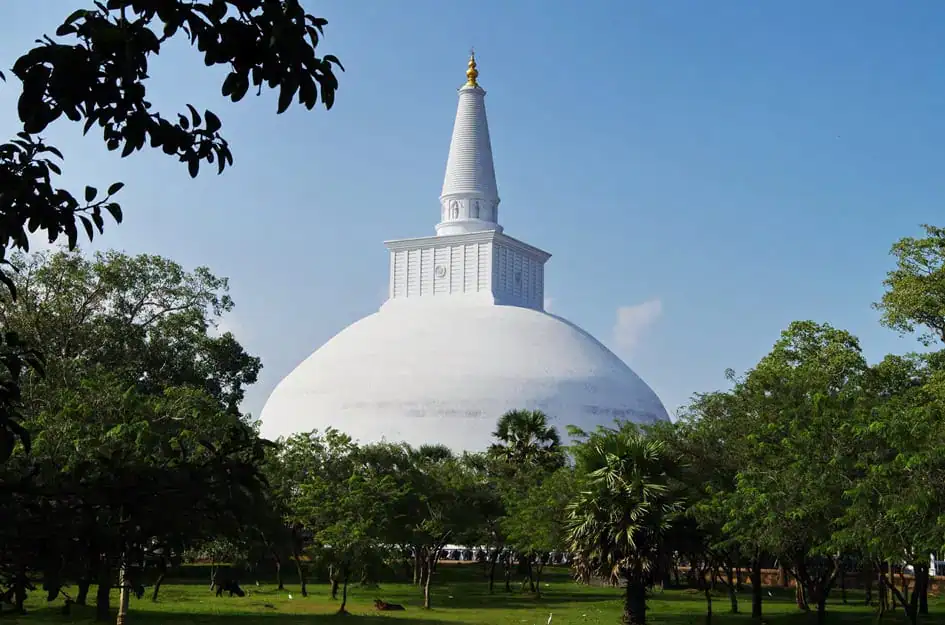
Ruwanweliseya Stupa – A Key Attraction in Anuradhapura (Photo: Balou46, CC BY-SA 3.0)
Morning
Drive to Mihintale before breakfast or soon after. Many guides suggest dawn visits, with expansive views over the plains and stupas catching low light. Mihintale marks the arrival of Buddhism on the island and hosts a cluster of stupas, stairways, and shrines on a rocky hill.
Return to Anuradhapura for a late breakfast. Visit one or two more major sites, such as Jetavanaramaya or Abhayagiri, during the cooler hours.
Afternoon
Drive to Polonnaruwa. The journey takes around 2 hours along dry plains and tanks. Check into your hotel near the lake. Eat lunch and rest.
Late Afternoon
Explore Polonnaruwa on foot or by bicycle. The site holds palace ruins, carved moonstones, shrines, and the Gal Vihara rock Buddha figures. Visitor statistics lists show Polonnaruwa among the main heritage draws for foreign travellers, alongside Sigiriya and Kandy.
Evening
Watch the sun drop over Parakrama Samudra, the large reservoir beside the city. Eat at a local restaurant that serves clay pot curries and coconut sambol.
Day 4. Polonnaruwa, Minneriya or Kaudulla, Then Sigiriya Area
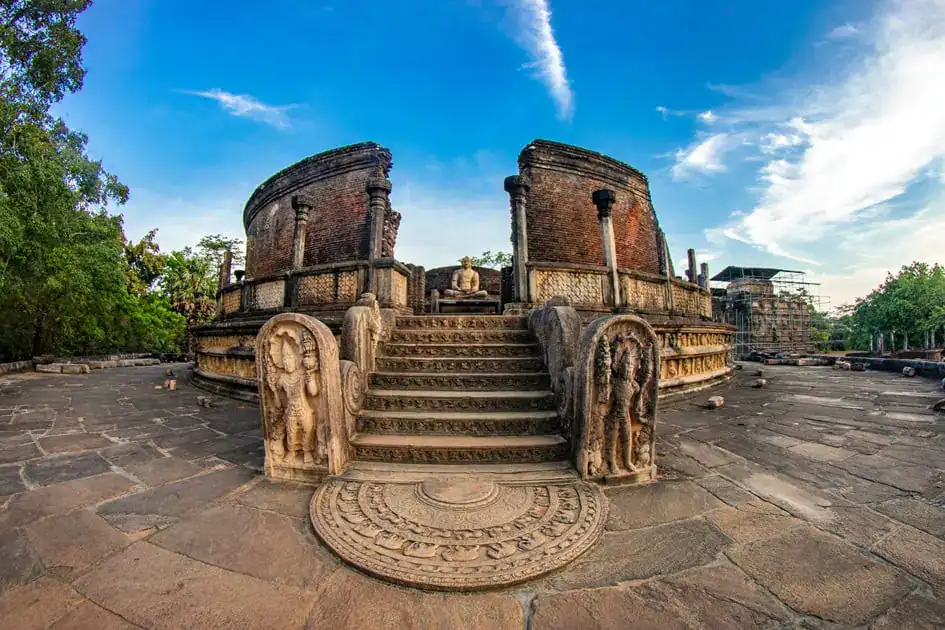
Vatadage (The Stupa House) – Polonnaruwa (Photo: Chathura Anuradha Subasinghe)
Morning
Spend a final hour or two at Polonnaruwa if you missed any sections the day before. Then drive towards Habarana and the Sigiriya area. Drop bags at your lodge or hotel near a lake, then prepare for a wildlife afternoon.
Afternoon
Head to Minneriya or Kaudulla National Park, depending on where guides report more substantial elephant numbers. This dry season, from June to September, brings one of Asia’s most famous wildlife gatherings. Herds of up to 300 wild elephants move around the Minneriya reservoir during some evenings. Guides and researchers call this Elephant Gathering one of the key attractions in Sri Lanka during these months.
Opening hours of Minneriya and Kaudulla National Parks: 6.00 am to 6.00 pm (every day)
Evening
Return to your lodge near Sigiriya. Swim in the pool or sit by the water with a lime juice or beer. Eat rice and curry, grilled chicken, or lake fish. Sleep early, ready for a sunrise climb.
Day 5. Sigiriya Rock Fortress, Dambulla Cave Temple, and Kandy
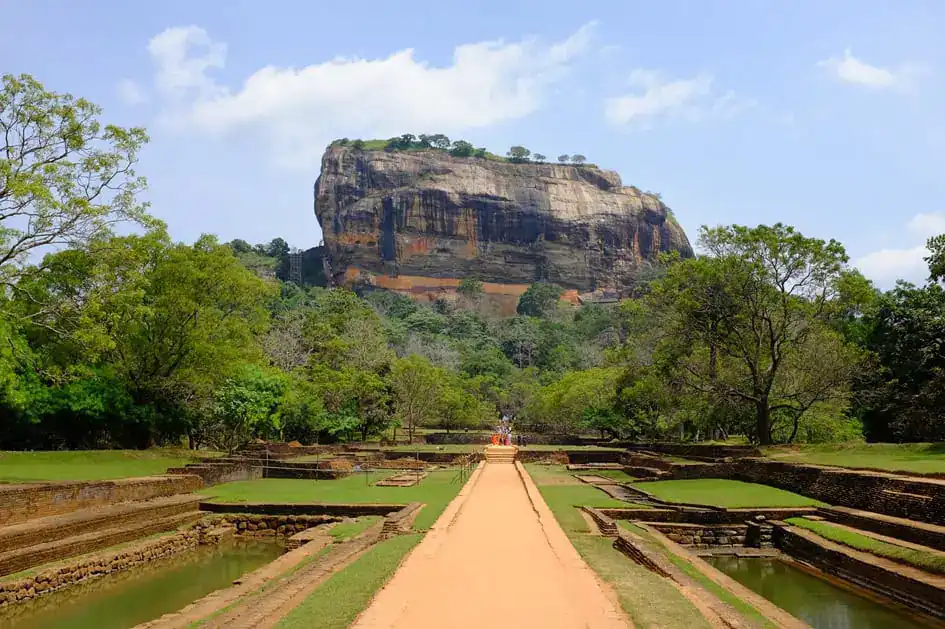
Sigiriya with the ancient garden (Photo: Wrobell, CC BY-SA 3.0)
Morning
Climb Sigiriya Rock Fortress as early as possible. The path moves through water gardens, frescoes, the mirror wall, and narrow stairways. At the top, you stand on the remains of ancient walls, halls, and pools. Sigiriya sits near the top of almost every global list of things to do in Sri Lanka.
Allow two to three hours for the visit. Carry water and wear a hat.
Opening hours of Sigiriya: From 5.00 am to 6.30 pm (every day), the Precos area closes at 5.45 pm.
Late Morning and Afternoon
Drive to Dambulla Cave Temple, around 30 minutes away. Climb the steps to the cave complex and walk through long halls of murals and Buddha statues. Dambulla shares UNESCO status with Sigiriya and forms a key pair inside any Cultural Triangle section of a Sri Lanka itinerary.
Opening hours of Dambulla Cave Temple: From 7.00 am to 7.00 pm (every day).
Eat lunch in Dambulla town or at a roadside café. Then drive towards Kandy. The journey takes around 2 hours through Matale and the hill slopes. Short stops at the National Spice Garden or Hindu temples break the trip.
Evening
Reach Kandy near late afternoon. Check in near the lake. Walk along the water towards the Temple of the Tooth. Join worshippers for one of the daily offerings with drums and conch shells. Esala Perahera, the major August procession that honours this relic, also centres on this temple and draws visitors from many countries.
Eat dinner in town, perhaps a rice-and-curry buffet or a kottu roti plate.
Day 6. Kandy, Botanic Gardens, and Knuckles Foothills Option
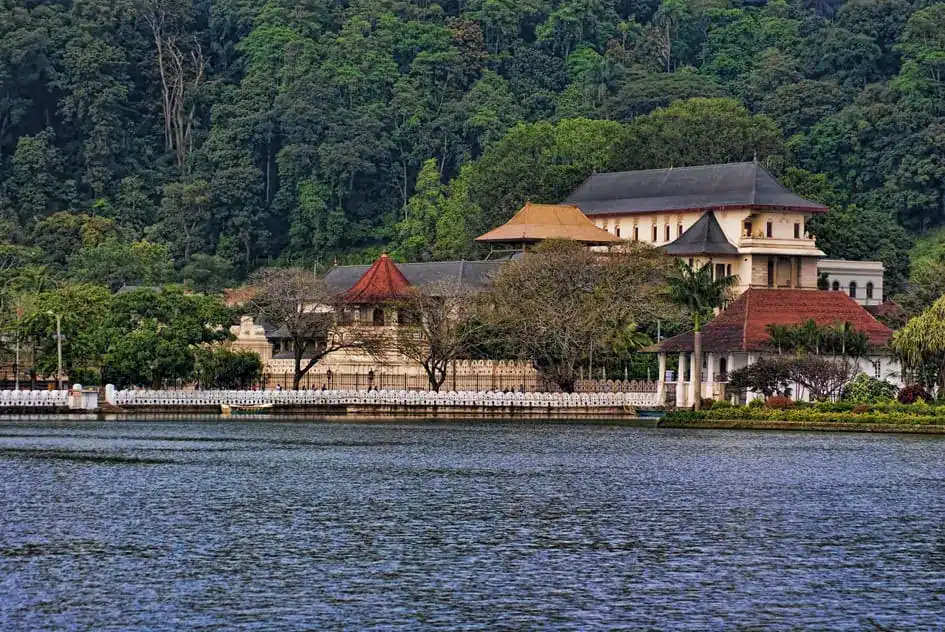
Temple of the Tooth Relic – Kandy (Photo: Philip Nalangan, CC BY 4.0)
Morning
Visit the Royal Botanic Gardens in Peradeniya, a short drive (15-30 minutes) from the city. Paths wind through palm avenues, orchid houses, and large trees beside the river. Many visitors count these gardens among the most pleasant green spaces in the country.
Afternoon
Return to Kandy for lunch. Walk through the central market and the old streets. Visit a local batik or woodcarving workshop. If you want more nature and hiking, arrange a short guided trip into the Knuckles Range foothills. Day hikes reach tea fields, small villages, and viewpoints over folded hills.
- AllTrails Map – Knuckles 5 Peak Trail (7.7 km)
- AllTrails Map – Corbett’s Gap (11.3 km)
- AllTrails Map – Lebonon Estate to KMP Hut (6.4 km)
- AllTrails Map – Kandasamigala (5.1 km)
Evening
During Vesak in May, the city glows with lanterns and street displays. During Poson in June, many travellers head to Mihintale and Anuradhapura for religious events, yet Kandy still hosts temple gatherings. During Esala Perahera nights in July or August, Kandy streets fill with processions of dancers and elephants. Book seats with a clear, ethical viewpoint and reach the city centre early.
Day 7. Kandy To Ella Train Ride Through Tea Country
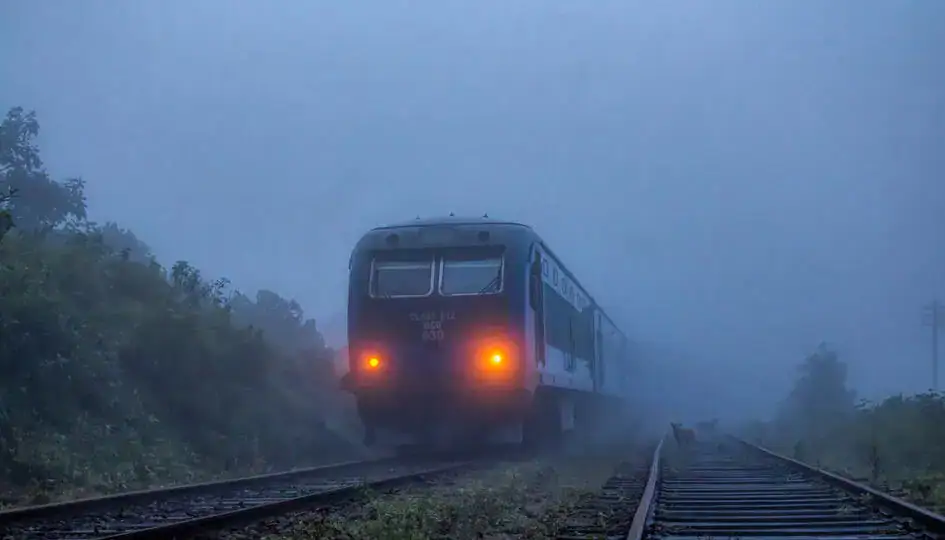
The Blue Train through the Mist (Photo: Samantha Weerasinghe, CC BY 2.0)
Morning
Board the early train from Kandy towards Ella. Reserve seats in advance in second or reserved third class for open windows, or first class for extra comfort. The line curves past tea estates, forests, and small stations such as Nanu Oya, Nuwara Eliya, and Haputale further along. Both Nuwara Eliya and Haputale are within easy reach of the line and feature in many walking- and tea-themed short stays.
Online Ticket Booking: Online Advance Train Seats Reservation from the Sri Lanka Railways Official Page.
Afternoon
Arrive in Ella in the afternoon. Meet your driver at the station. Check into a guesthouse with a terrace that looks out over the hills. Eat lunch in town, then walk to Nine Arches Bridge for a close view of trains on the viaduct.
Evening
Climb Little Adam’s Peak for sunset if you feel strong after the travel day. The path takes under an hour from the trailhead. Return to town for dinner and an early night. Ella holds a strong place among popular things to do in Sri Lanka, with repeat mentions in visitor surveys and travel blogs.
Day 8. Ella, Waterfalls, Then Passikudah and Kalkudah
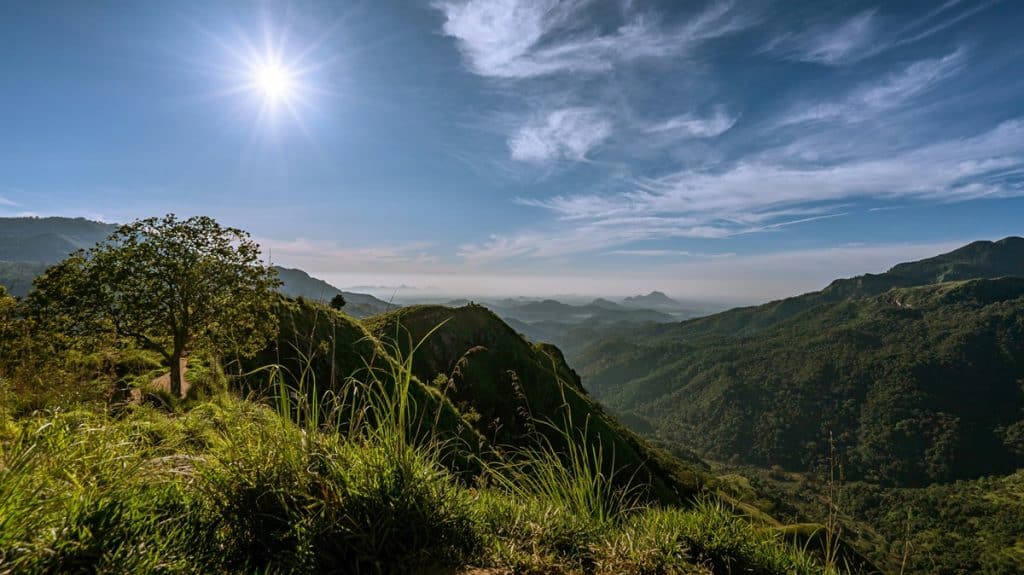
Little Adam’s Peak – Ella (Photo: Kevin Olson)
Morning
Visit Ravana Falls or another nearby waterfall after breakfast. Short walks lead to viewpoints where you watch water drop from cliffs into pools.
Late Morning and Afternoon
Begin the transfer from Ella to Passikudah. The road runs through Bibile and Mahiyanganaya, with views of farms, forests, and reservoirs. Expect a 4.5-hour drive with breaks. Check into a hotel on the bay. Passikudah and Kalkudah share one long curve of shallow water and pale sand. Seasonal guides praise this bay for family-friendly swimming during May to September, with warm water and small waves.
Evening
Swim before sunset or walk along the shore. Eat seafood at your hotel or a nearby restaurant. Grilled fish, prawns, and fresh salads appear on most menus.
Day 9. Passikudah And Kalkudah, Then Trincomalee and Nilaveli
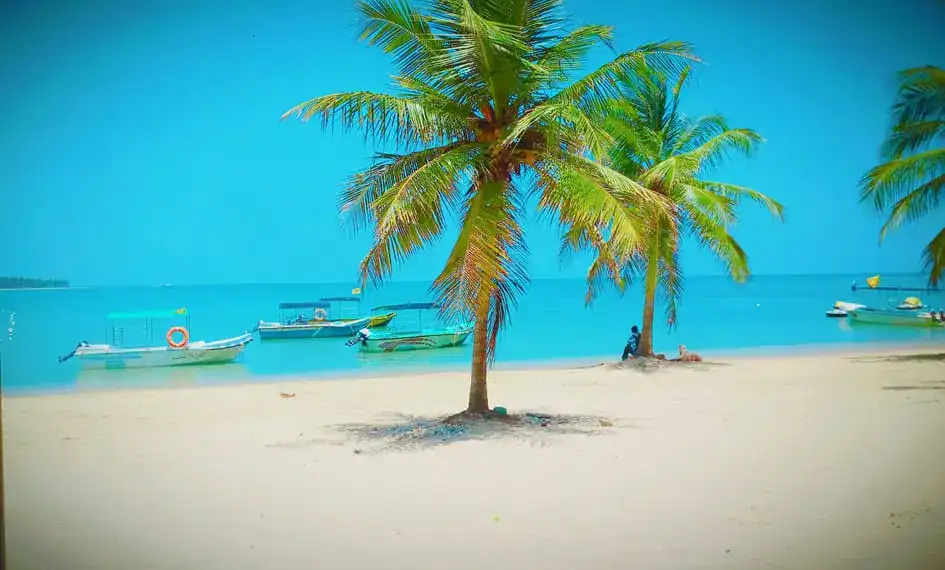
Passikudah Beach (Photo: Suren Stark, CC BY-SA 4.0)
Morning
Enjoy a relaxed morning in the bay. Swim, paddleboard, or walk in shallow water. Many resorts offer kayaks and stand-up boards. Beach staff often arrange short boat rides along the coast as well.
Afternoon
Drive from Passikudah to Trincomalee. The journey takes around 2.5-3 hours. Check into a guesthouse at Uppuveli or a hotel near Nilaveli. These two areas host many of the popular beach stays near Trincomalee and sit close to Pigeon Island National Park.
Evening
Walk Uppuveli beach and watch local football games and dogs in the shallows. Eat rice and curry, fried rice, or western plates at one of the small cafés. Plan your Pigeon Island and whale watching days with a local operator.
Day 10. Trincomalee, Pigeon Island, Uppuveli, and Marble Beach
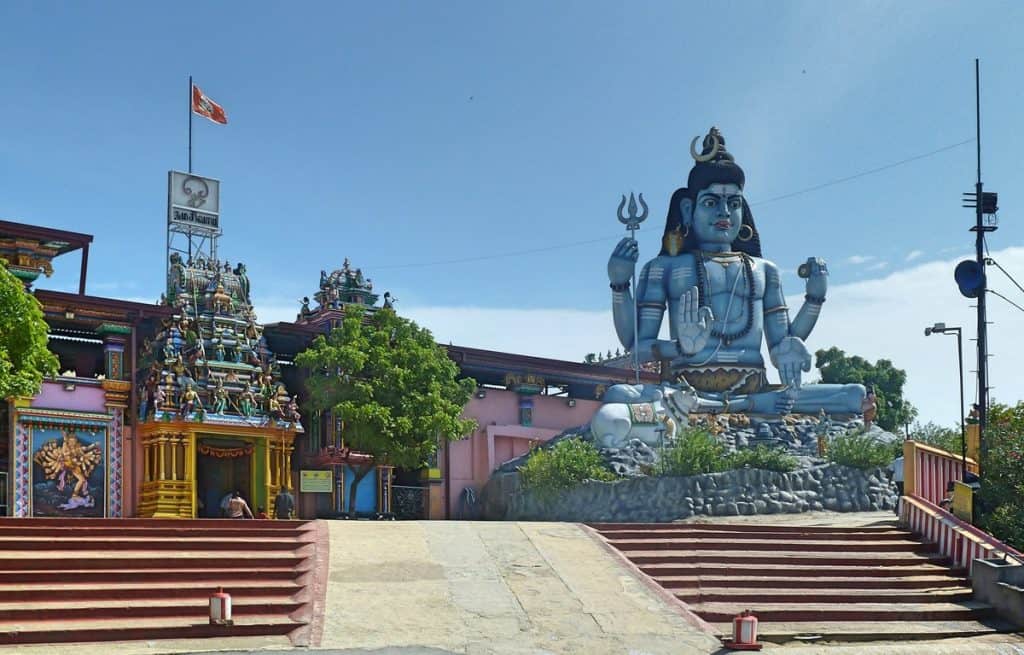
Koneswaram Kovil – Trincomalee (Photo: Pierre André Leclercq)
Morning
Join a boat from Nilaveli to Pigeon Island National Park. This small island, just offshore, offers coral reefs, reef fish, and frequent turtle sightings. Tour descriptions and marine guides mark March or April to August as the strong window here, with calm water during May to September.
Snorkel around the reef with a mask and life jacket. Respect coral and maintain distance from turtles. Back on the boat, enjoy the view of Nilaveli beach as you return.
Afternoon
Join a whale-watching trip from Trincomalee Harbour if sea conditions remain calm. Seasonal operators list May to October as the main whale watching period in this bay, with blue and sperm whales passing offshore. When your schedule does not align with a boat day, plan a visit to Marble Beach, south of the city. Clear water and calm conditions make this an easy swimming spot in this season.
Evening
Visit Koneswaram Temple on the headland above the bay. Watch the sun move towards the horizon. The view over the harbour and the ocean belongs on any list of attractions in Sri Lanka that blend culture and the sea.
Day 11. Trincomalee to Arugam Bay
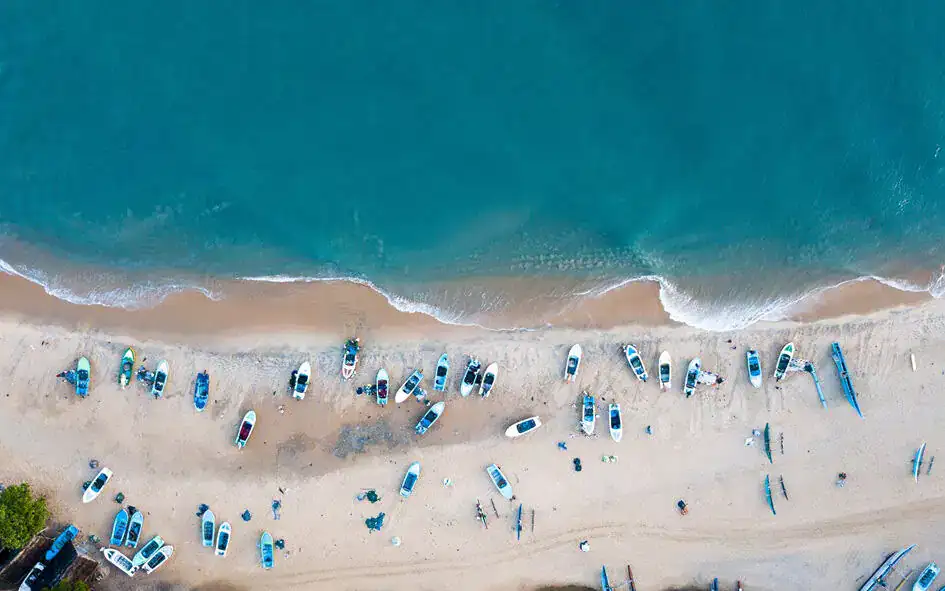
Aerial View of Arugam Bay Beach (Photo: Etienne Boulanger, CC BY 3.0)
Morning
Leave Trincomalee early and drive south along the East. The road passes rural towns, lagoons, and fields. Expect a 5-6 hour trip with pauses.
Afternoon
Arrive at Arugam Bay, the primary mid-year surf hub on the island. Surf blogs, tour operators, and seasonal guides all agree on May to September as prime time here, with peak waves from June to August. Check into a cabana or a guesthouse within walking distance of the main point.
Take a first swim or short surf lesson in the bay. Many schools rent boards and teach beginners in small white-water sections near the shore.
Evening
Eat dinner at a beach café, with rice and curry, roti, or fresh tuna steaks. Arugam Bay evenings feature drinks, music, and a relaxed surf crowd mixed with families and independent travellers.
Day 12. Arugam Bay Surf, Lagoon Safari, Kumana Option, Then Departure
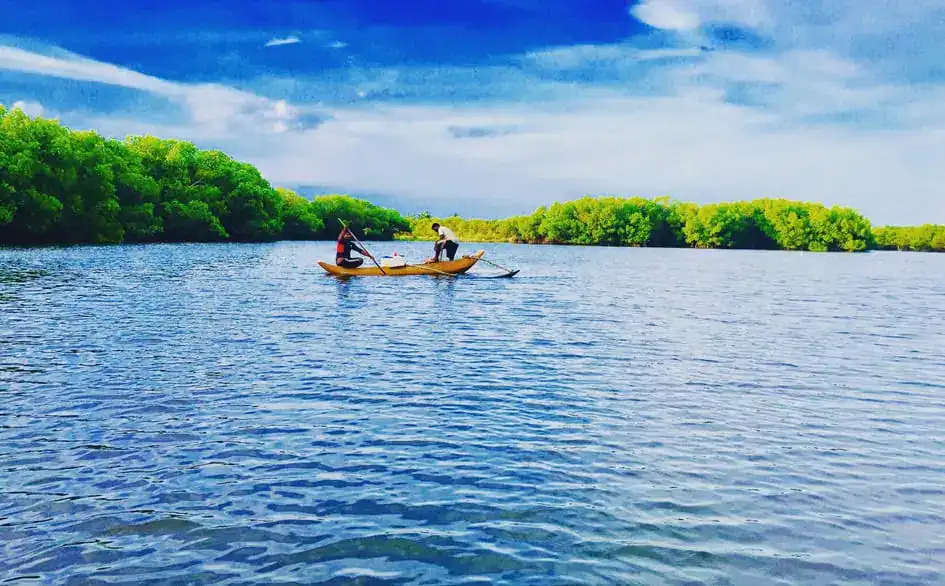
Fishermen in Urani Lagoon – Pottuvil (Photo: Milhan Meerasahib, CC BY-SA 4.0)
Morning
Spend sunrise at the point, watching surfers on long right-hand waves. Those who wish to surf arrange a dawn session. Others walk along the bay or sit with a cup of tea.
After breakfast, join a lagoon safari near Pottuvil or Panama. Flat-bottom boats move through mangroves, birdlife, and small crocodiles. Many visitors list these safaris among the gentlest things to do in Sri Lanka during a beach stay, with strong chances for bird photographs and quiet moments.
Midday and Afternoon
Those with a strong interest in wildlife add a half-day visit to Kumana National Park, east of Arugam Bay. This park extends from the Yala complex and offers elephants, crocodiles, and large bird flocks during the dry months. Arrange this through a local jeep operator.
Opening hours of Kumana National Park: From 6.00 am to 6.00 pm (every day).
Later in the day, start the long transfer towards Colombo or Negombo. Many travellers book a night in Colombo at the end and fly out on day 13. Shorter trips with night flights push the full drive into day 12.
Dining, Food, and Drink Along the Route
Each region adds a layer to your food memory.
- Negombo and Colombo. Lagoon crab, prawns, and street foods such as isso wade and isso roti near the beach.
- Cultural Triangle. Buffet-style rice and curry with pumpkin, beetroot, brinjal, and green leaves, often served on banana leaves.
- Kandy. Hoppers with spicy sambol for breakfast and sweet coconut pancakes at tea time.
- Hill Country. Vegetable soups, string hoppers, and Ceylon Tea with cake on cool evenings in Nuwara Eliya and Ella cafés.
- East Coast. Fresh fish and prawns in Passikudah, Nilaveli, and Uppuveli, with simple rice, coconut sambol, and salads. Tamil-style dosai and idlis in Trincomalee and Batticaloa towns.
- Arugam Bay. Roti, smoothie bowls, and grilled seafood at beach cafés, with international flavours mixed into menus.
Drink only safe water. Many hotels now offer refill stations, a trend that reduces plastic waste and supports responsible travel habits.
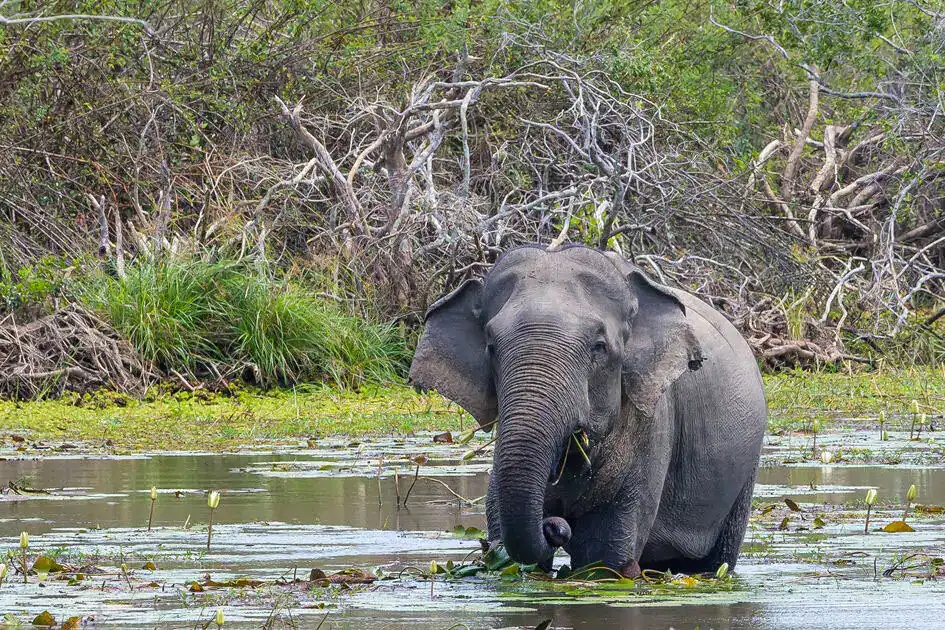
An Elephant – Kumana National Park (Photo: Naveen Naidu)
Cultural and Local Experiences Along the Way
Festivals Between May and September
- Vesak in May. Lanterns, free food stalls, and temple visits all over the country, strongest in Colombo, Kandy, and major towns.
- Poson in June. Primary focus at Mihintale and Anuradhapura, with crowds, almsgiving, and banners on roads.
- Esala Perahera in July or August. Ten nights of processions in Kandy with dancers, musicians, and elephants.
Other Experiences
- Markets. Kandy Market Hall, vegetable markets in Nuwara Eliya, and fish markets along the coast.
- Workshops. Batik, woodcarving, and drumming schools around Kandy and the Cultural Triangle.
- Local Guides. Village walks around Habarana, bird watching near tanks, and tea field walks near Haputale and Ella.
Flexibility and Alternative Routes
Twelve days offer a strong framework. Some readers prefer extra time on the East Coast; others want more in the hills or the North. Here are a few switches that keep the structure intact.
- For more beach time. Drop Wilpattu and add a second full day in Passikudah or Nilaveli.
- For more wildlife. Add Udawalawe or Yala between Ella and Passikudah and remove one cultural city. Both parks feature in many safari-focused itineraries and have strong reputations for elephants and leopards.
- For Jaffna and Delft Island. Replace Passikudah with a Jaffna train or flight, then explore the Jaffna peninsula and Delft as an East Coast and North combo. Visitor data and travel blogs show rising interest in Jaffna during the dry mid-year months.
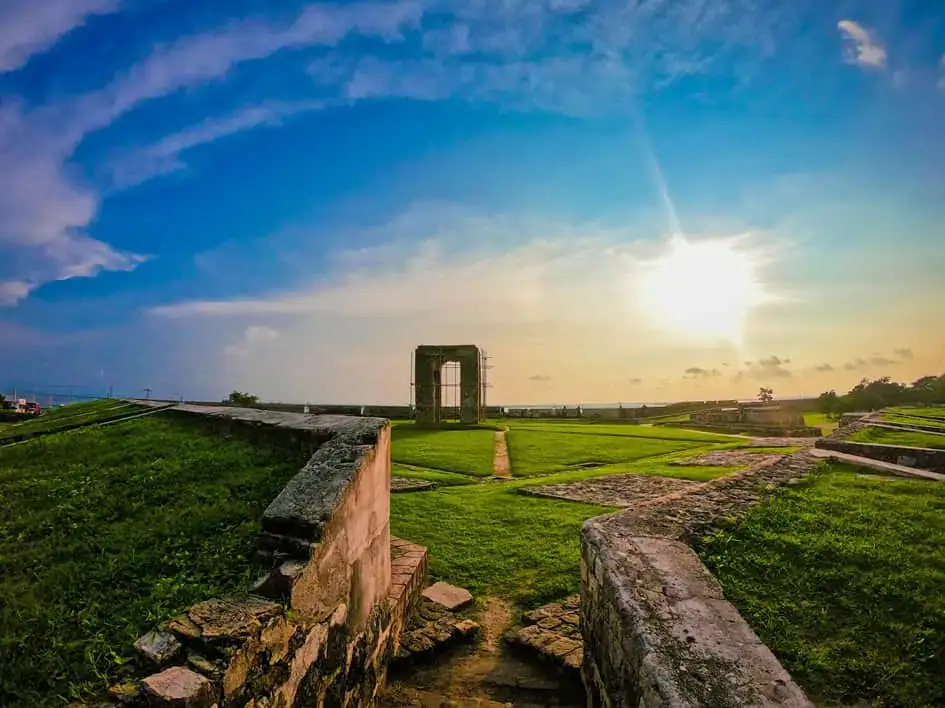
Jaffna Fort (Photo: Eshan Malaviarachchi)
Practical Details, Safety, And Costs
Entry Fees and Bookings
Budget for entrance to Anuradhapura, Polonnaruwa, Sigiriya, Dambulla, Temple of the Tooth, Minneriya or Kaudulla, Wilpattu, and Kumana when those parks are included in your personal plan. Ticket revenue reports place Sigiriya, Yala, and Polonnaruwa as primary foreign currency earners, with prices that reflect that status. Book train seats, festival seats for Esala Perahera, and popular East Coast hotels several months in advance during peak holiday periods.
You can pre-book wildlife safari tickets/permits through the official Wildlife Park Permits Reservation eService before you visit Sri Lanka.
Dress Codes and Customs
Temples require covered shoulders and knees. Scarves and light trousers work well. Remove shoes and hats at shrines. Avoid photos with backs turned against Buddha statues. Always ask before photographing people, especially children and monks.
Health and Safety
Carry travel insurance that includes medical cover and activity cover for snorkelling and surfing. Heat stays strong in many regions, so drink water often, rest at midday, and use sunscreen. Sri Lanka’s main emergency number is 119. Larger hospitals sit in Colombo, Kandy, and Galle, with smaller hospitals in many towns.
Estimated Costs
Budget stays range from 25 to 40 USD per night. Mid-range stays range from 60 to 120 USD. Luxury stays rise above 150 USD. Meals range from 3 USD at simple cafes to 20 USD at restaurants. Transport by private car costs 45-60 USD per day. Train tickets vary by class. Entrance fees range between 10 and 65 USD.
* All prices are subject to change.
Budget travellers who choose buses, guesthouses, and street food spend less. Luxury visitors who prefer five-star hotels and private safaris spend more.
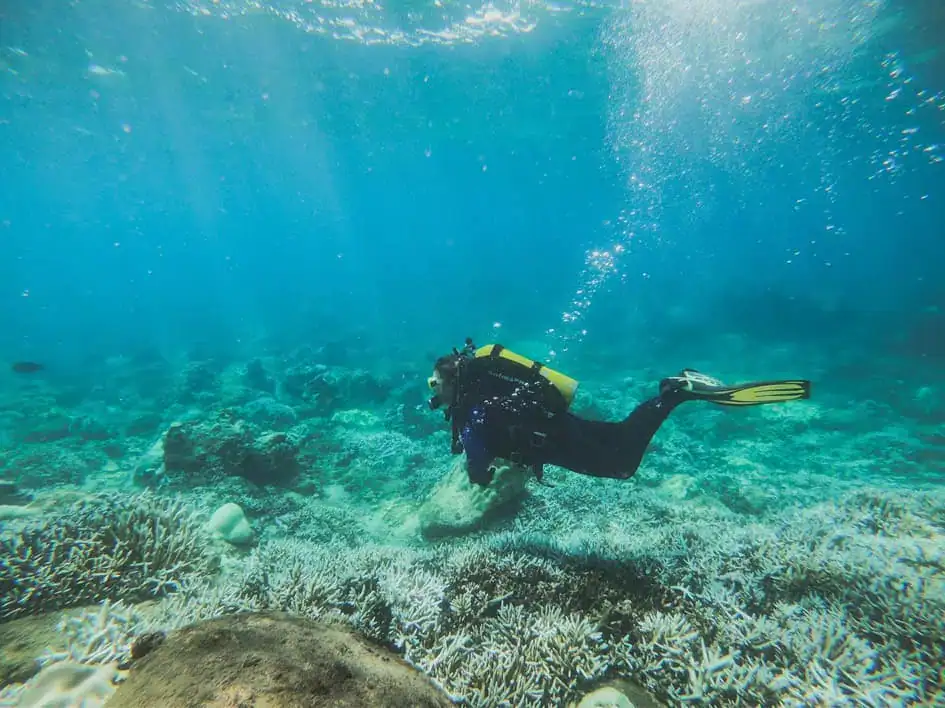
Diving – Pigeon Island National Park (Photo: Kalana Weeramuni, CC BY-SA 4.0)
Use refillable bottles and say no to small plastic bottles where possible. Dispose of waste responsibly. Stay on marked paths in parks and coral areas. Choose wildlife operators who respect distance rules and park guidelines. Support small guesthouses, family restaurants, and local guides to spread tourism income more evenly. Respect cultural norms at festivals, especially near Vesak lanterns and Esala Perahera processions.
Final Thoughts
This 12-day Sri Lanka Travel Itinerary for May to September reflects how visitors move during the dry East Coast season and what guides, surveys, and operators highlight as core experiences. You start with Negombo or Colombo, then move through Wilpattu, Anuradhapura, Mihintale, Polonnaruwa, Minneriya or Kaudulla, Sigiriya Rock Fortress, and Dambulla Cave Temple. Those days cover the Cultural Triangle and key heritage attractions in Sri Lanka with enough time to breathe.
You continue to Kandy and the Temple of the Tooth, walk in the Royal Botanic Gardens, and, during festival months, watch Vesak lights or Esala Perahera nights. A long rail day carries you through Nuwara Eliya and Haputale to Ella, where hill views and waterfalls bring a cooler rhythm. The final part of the route sends you to Passikudah and Kalkudah for shallow water and calm swims, then to Trincomalee, Nilaveli, Uppuveli, Pigeon Island National Park, and Marble Beach for snorkelling, whale watching, and coastal temples. Arugam Bay ends the trip with surf, lagoon safaris, and the option of a Kumana wildlife drive, all during the best months for this side of the island.
Use this Sri Lanka Itinerary as your working plan when you visit Sri Lanka between May and September. Adjust one or two nights to match your personal pace while keeping the overall loop. That way, you cover the most rewarding Things to do in Sri Lanka for this season, from ancient stupas and elephant gatherings to East Coast reefs and Arugam Bay lines, in a clear and balanced flow.
Map of the 12-Day Sri Lanka Itinerary for May to September
Other Popular Sri Lanka Itineraries
- The Best 2 Week Sri Lanka Itinerary for December to March
- The Best 12 Day Sri Lanka Itinerary for October to November
- The Best 12-Day Itinerary for Sri Lanka in April
Featured image: Pigeon Island National Park – Trincomalee (Photo: Chiranmayu Medis, CC BY-SA 4.0)

I am a Sri Lankan medical doctor who spends my free time travelling, exploring new destinations, and documenting the beauty of the island I call home. I have journeyed across almost every corner of Sri Lanka with my wife and daughter — from wildlife parks and misty mountains to ancient cities, deep forests, rugged landscapes, and quiet beaches.
Travel is not just a hobby for me — it’s a way of life. I love nature, enjoy road trips, and find joy in wildlife photography. I also read widely about tourism, travel trends, and destination culture. Through my writing, I aim to help travellers experience Sri Lanka through real stories, meaningful insights, and honest recommendations — the same way I explore it with my own family.