
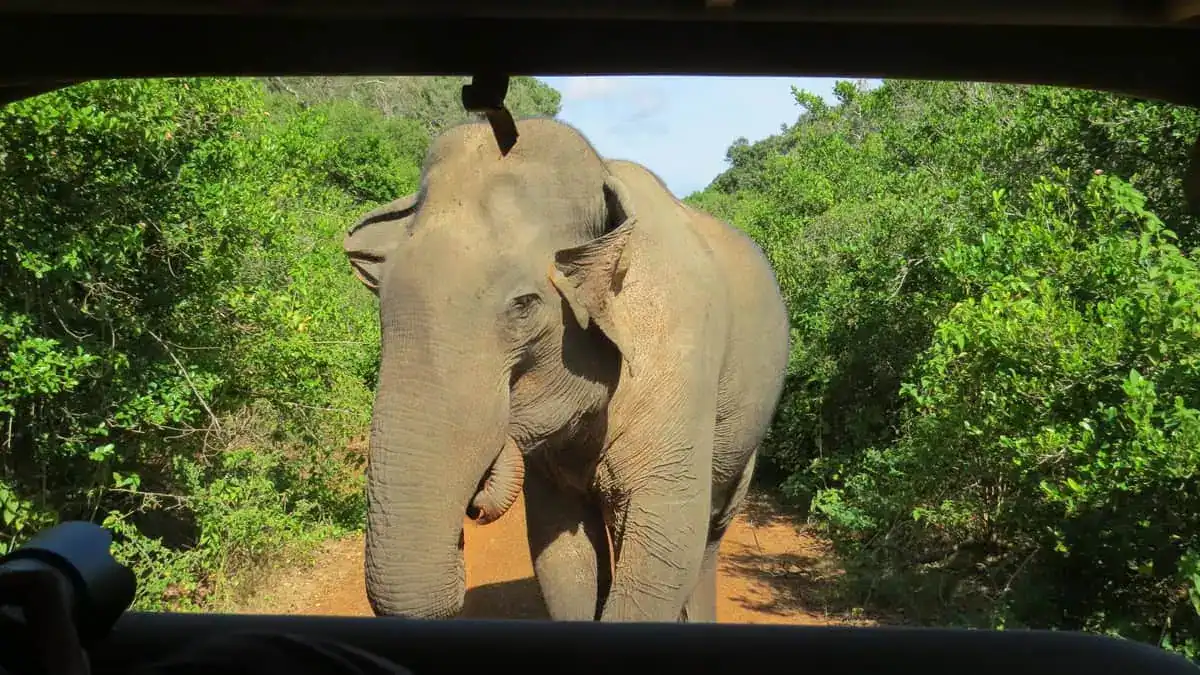

Bundala National Park offers one of the most rewarding nature & wildlife experiences in Sri Lanka. While many travellers head straight to Yala National Park in search of leopards, Bundala presents a different kind of adventure. This coastal sanctuary invites visitors into a world of wetlands, lagoons, migratory birds, quiet safari tracks, and landscapes shaped by wind and water. If you seek authentic wildlife encounters away from large crowds, Bundala National Park deserves a place on your itinerary.
Located along Sri Lanka’s southern coastline, this protected area has earned international recognition for its ecological value. Birdwatchers regard the park as one of the finest places for birding in Sri Lanka. Nature photographers appreciate the dramatic scenery and changing light. Families enjoy the calmer pace of the safari experience. Conservationists celebrate its role in protecting fragile wetland ecosystems. Every visitor leaves the country with a deeper appreciation for the diversity of wildlife in Sri Lanka.
This guide explores everything you need to know before visiting Bundala National Park. From its unique status as a Ramsar Wetland and UNESCO Biosphere Reserve to its famous flamingo gatherings, safari opportunities, and practical travel tips, you will gain the knowledge needed to plan a memorable visit.
What is Bundala National Park?
Bundala National Park is one of the protected wildlife reserves situated in the Hambantota District of southern Sri Lanka. The area was declared a wildlife sanctuary in 1969 and later upgraded to national park status on 4th January 1993. Today, the park is managed by the Department of Wildlife Conservation.
The park protects an extraordinary mix of habitats. Salt pans, lagoons, scrub forests, dunes, marshes, thorny vegetation, and coastal areas combine within a relatively compact landscape. These diverse environments hold a wide variety of species and create one of the country’s most important ecological zones.
Unlike many national parks in Sri Lanka that focus primarily on large mammals, Bundala National Park stands out because of its wetland ecosystems. Waterbirds dominate the landscape during migration periods. Yet the park also shelters elephants, crocodiles, monkeys, deer, reptiles, and countless smaller creatures.
For travellers interested in safaris in Sri Lanka, Bundala presents a quieter alternative. The safari routes often feel more intimate, allowing visitors to absorb the sounds and rhythms of nature without the constant flow of vehicle traffic.
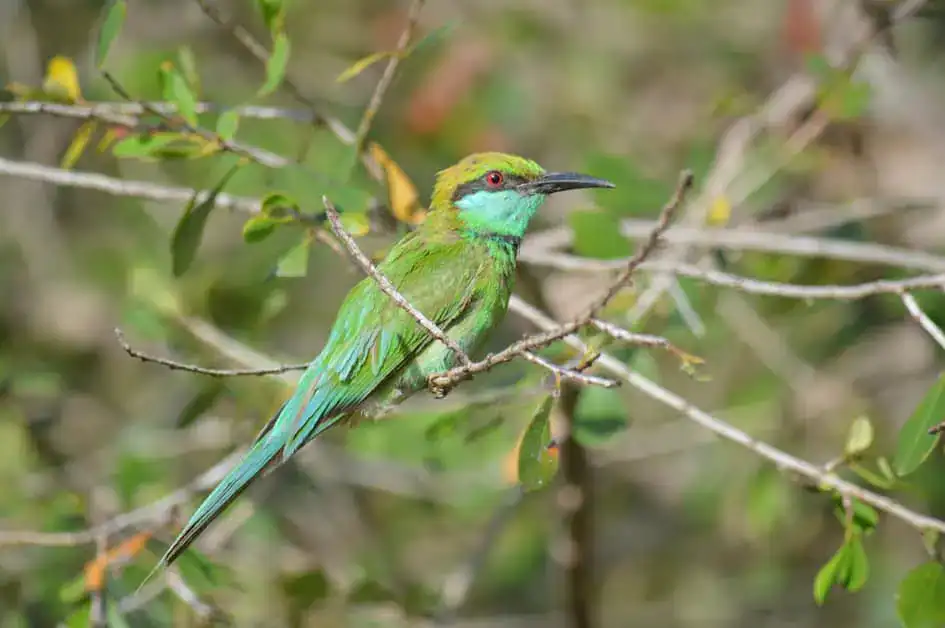
A Green Bee-Eater in Bundala (Photo: Nalaka Priyantha)
Why Bundala National Park Holds Special Status
Bundala National Park holds a special place in Sri Lanka’s conservation story. Its international recognition reflects decades of ecological importance.
In 1991, Bundala became the first wetland in Sri Lanka to receive Ramsar designation. The Ramsar Convention identifies wetlands of international importance, particularly those supporting waterbird populations. This status acknowledges Bundala’s critical role within migratory bird pathways.
The park received another distinction in 2005 when UNESCO designated Bundala as a Biosphere Reserve. UNESCO describes Bundala as Sri Lanka’s only coastal biosphere reserve. These reserves balance biodiversity conservation with sustainable human activities.
Bundala has also been recognised as an Important Bird Area by BirdLife International for its significance to resident and migratory bird species.
These achievements highlight the park’s global importance. Visitors who explore Bundala National Park witness an ecosystem valued far beyond Sri Lanka’s borders.
Recognition and Tourism Appeal
The official Sri Lanka Tourism Development Authority identifies Bundala National Park as one of the country’s notable wildlife attractions. According to tourism descriptions, visitors often encounter elephants, crocodiles, monkeys, and diverse birdlife during a relatively short safari experience.
Despite such recognition, Bundala attracts fewer visitors than some famous national parks in Sri Lanka. Many travellers view this as one of its greatest strengths. The quieter atmosphere creates a stronger sense of connection with nature.
Reviews frequently mention the peaceful environment, impressive bird diversity, and rewarding wildlife sightings. Travellers appreciate the absence of long vehicle queues that occasionally affect other safari destinations.
The park appeals strongly to those interested in birding in Sri Lanka. Enthusiasts travel from around the world to observe migratory species that arrive during the northern winter season.
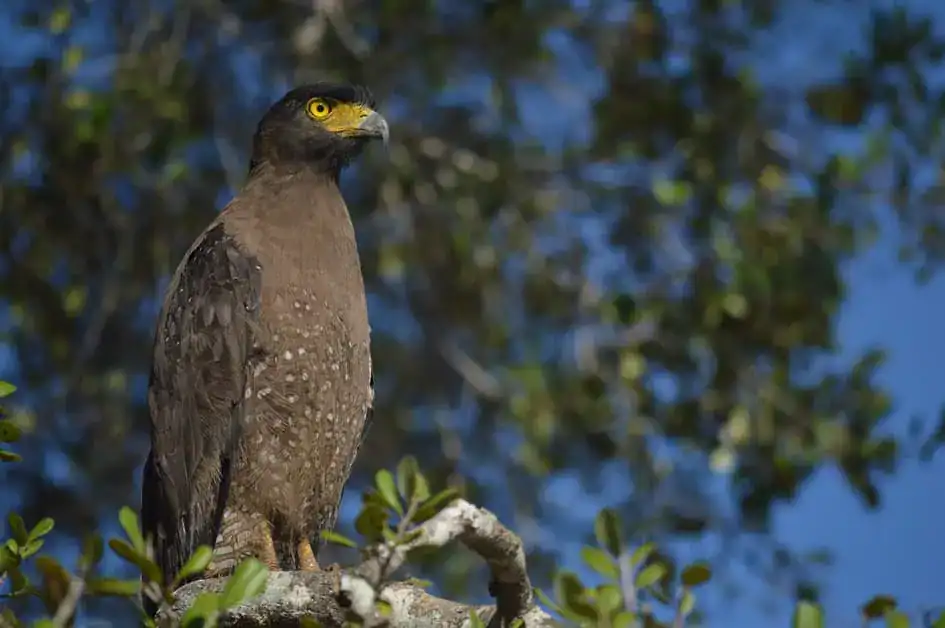
A Crested Serpent Eagle – Bundala (Photo: Nalaka Priyantha)
Location and Geography
Bundala National Park lies approximately 250 kilometres southeast of Colombo. The reserve stretches along Sri Lanka’s southern coastline near Hambantota.
Its location places the park within the country’s dry zone. The terrain remains mostly flat, with elevations ranging from sea level to around ten metres above sea level. The coastal setting introduces a fascinating combination of terrestrial and marine influences.
The landscape features several shallow lagoons interconnected by marshes and channels. UNESCO notes that four brackish lagoons form the core ecological zones within the reserve.
Dunes run parallel to sections of the coastline. Scrub forests occupy higher ground. Seasonal changes alter the appearance of wetlands throughout the year. This shifting mosaic of habitats supports extraordinary biodiversity.
Size of the Park
Bundala National Park originally covered approximately 6,216 hectares when it was granted national park status. Following later administrative adjustments, the protected area changed in size. Historical records indicate the original extent exceeded sixty square kilometres.
Although smaller than parks such as Yala or Wilpattu, Bundala’s ecological richness compensates for its modest scale. The concentration of habitats within a compact area increases wildlife viewing opportunities.
Visitors often complete a satisfying safari within half a day. This convenience suits travellers following broader southern Sri Lanka itineraries.
Entrances and Access
Several entry points serve Bundala National Park, depending on the direction of travel and safari arrangements.
Most visitors access the park from Hambantota or nearby towns such as Tissamaharama. Local safari operators usually coordinate transportation directly to the entrance gates.
Because Bundala receives fewer visitors than some neighbouring parks, entry procedures often progress efficiently. Pre-arranged safaris streamline the experience further.
Independent travellers should confirm opening hours and ticket requirements before arrival. Local guides and accommodation providers frequently assist with these arrangements.
Bundala National Park usually opens at 6:00 am and closes at 6:00 pm every day.
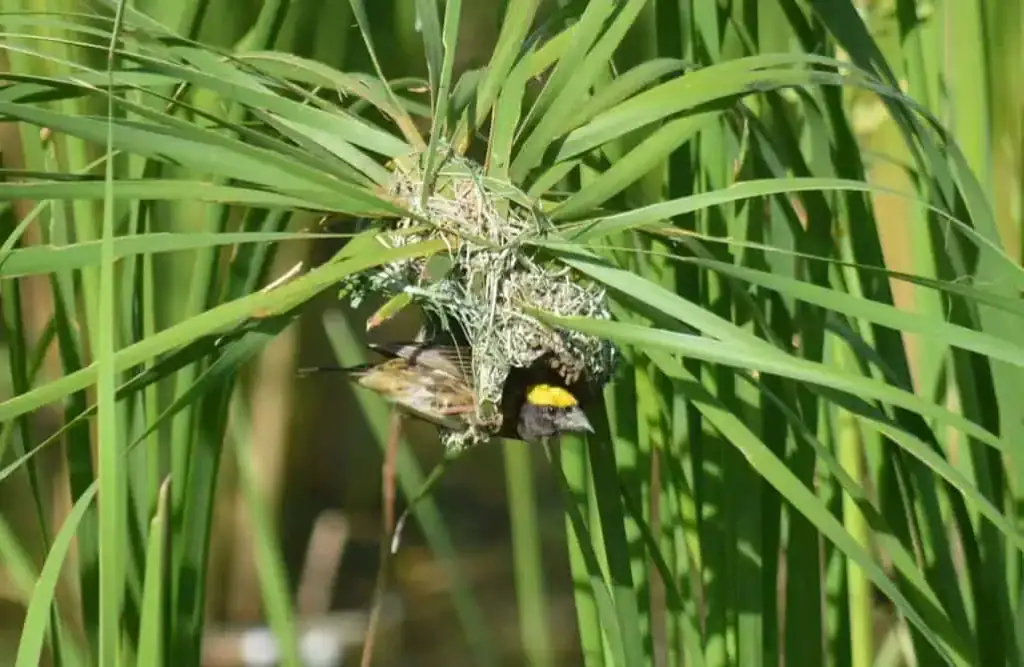
Building a nest (Photo: Nalaka Priyantha)
Pre-Booking Safaris
Pre-booking your safari provides practical advantages, particularly during peak travel seasons.
Many hotels in Hambantota, Tissamaharama, Tangalle, and nearby areas maintain relationships with experienced safari operators. These packages often include jeep transport, park entry assistance, and the services of knowledgeable drivers.
Birdwatchers benefit especially from specialised guides familiar with seasonal species distributions. Expert guidance increases the chances of identifying uncommon visitors among the wetlands.
Morning safaris attract strong demand because wildlife activity peaks during cooler hours. Reservations reduce uncertainty and support smoother travel planning.
How to Reach Bundala National Park and How to Move Around
Travellers reach Bundala National Park through several routes.
From Colombo, the Southern Expressway significantly shortens travel times. The journey normally takes around 4-5 hours, depending on the chosen route and traffic.
Visitors staying in Tangalle require approximately one hour to reach the park. Tissamaharama serves as another convenient base, with driving times often under 40 minutes.
Private vehicles offer flexibility. Organised tours simplify logistics. Public transport connects major towns, though additional transfers are required to reach the park entrance.
Inside Bundala National Park, four-wheel-drive safari jeeps remain the standard mode of exploration. These vehicles navigate sandy tracks and uneven terrain while providing elevated viewpoints for wildlife observation.
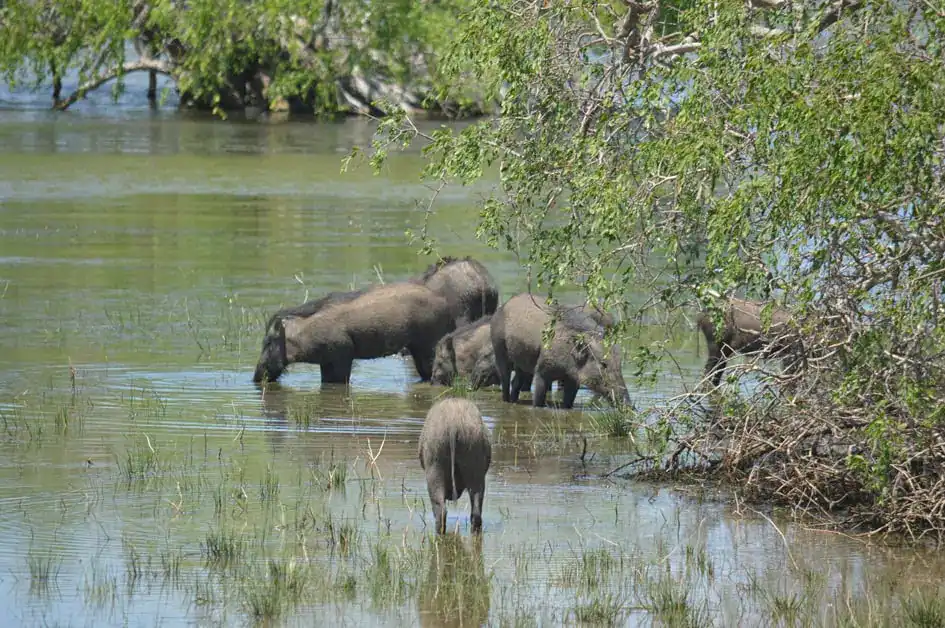
Wild boars in Bundala National Park (Photo: Nalaka Priyantha)
Nature, Flora, and Fauna
Bundala National Park protects a striking range of ecosystems within a relatively small area. Researchers have documented numerous habitat types, including wetlands, scrub forests, grasslands, salt pans, and coastal environments. This diversity supports an impressive variety of wildlife in Sri Lanka.
The interaction between freshwater and saline conditions shapes the park’s biological richness. Seasonal rainfall patterns influence water levels and food availability. Migratory birds respond to these cycles by arriving in substantial numbers during favourable periods.
For travellers interested in national parks in Sri Lanka, Bundala demonstrates how ecological diversity contributes to wildlife abundance.
Trees and Plant Life
The vegetation of Bundala reflects its dry zone climate and coastal setting.
Dry thorny scrub dominates large sections of the park. Hardy shrubs and drought-resistant plants thrive in intense sunlight and seasonal rainfall. Acacia species contribute to the structure of these habitats.
Reed beds flourish near marshes and lagoons. Water lilies appear in suitable aquatic environments. Salt-tolerant species occupy areas influenced by brackish conditions.
Scientific studies have documented hundreds of plant species within Bundala’s boundaries. The diversity of vegetation creates shelter, nesting sites, and feeding opportunities for many animal species.
Mammals
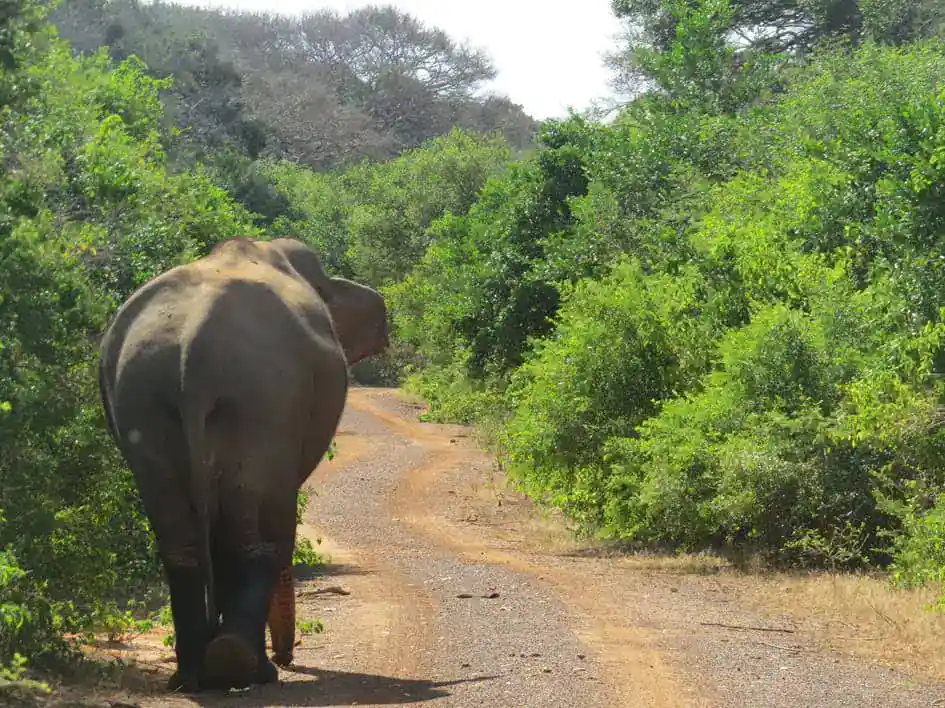
A roadblock… (Photo: Nalaka Priyantha)
Although birds often receive the greatest attention, Bundala National Park supports an interesting mammal community.
Asian elephants move through sections of the reserve. Their presence adds excitement to safari experiences. Spotted deer graze in open areas. Wild boar forage among scrub vegetation.
Visitors occasionally encounter grey langurs and toque macaques. Jackals patrol quieter regions of the park. Mongooses dart across safari tracks.
More elusive mammals include fishing cats and Indian pangolins. Sightings remain uncommon, though their presence highlights the ecological value of the reserve.
The mammal population enriches the safari experience and broadens the appeal of Bundala beyond birdwatching alone.
Birds
Birdlife defines the identity of Bundala National Park.
Nearly 200 bird species have been recorded within the reserve, including dozens of migratory visitors. Wetland habitats support around 100 waterbird species. Many arrive from distant breeding grounds across Asia and Europe.
Greater flamingos represent the park’s most celebrated attraction. Large flocks migrate from regions such as India’s Rann of Kutch and transform Bundala’s lagoons into scenes of extraordinary beauty. Some years bring gatherings numbering in the thousands.
Painted storks, pelicans, spoonbills, egrets, ibises, sandpipers, plovers, and herons contribute to the spectacle. Resident species enrich the experience further.
Birding in Sri Lanka reaches one of its highest points at Bundala. Enthusiasts often describe the park as an essential destination within the country’s birdwatching circuit.
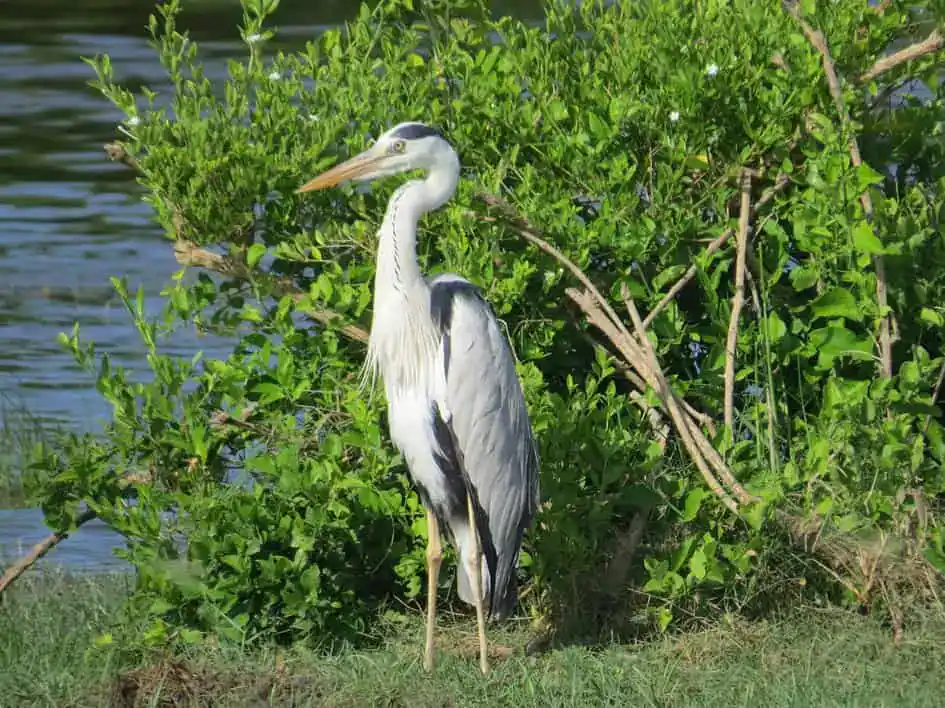
A Grey heron in Bundala (Photo: Nalaka Priyantha)
Reptiles and Amphibians
Bundala National Park supports an impressive range of reptiles and amphibians. The wetlands, lagoons, scrublands, and coastal habitats provide ideal conditions for species adapted to dry zone environments.
The mugger crocodile stands among the park’s most frequently observed reptiles. Visitors often spot these powerful animals resting along muddy banks or drifting silently through shallow waters. Their ability to remain almost motionless while waiting for prey demonstrates the patience of an apex predator.
The saltwater crocodile also inhabits parts of Bundala National Park. This species is the largest living reptile in the world. Although sightings are less frequent, their occurrence highlights the ecological importance of the reserve’s coastal ecosystems.
Water monitors and Bengal monitors roam through the park’s varied landscapes. These large lizards search for food near wetlands, open ground, and scrub forests. Their size and distinctive movements attract attention during many safari drives.
Several snake species inhabit the reserve. Most avoid human contact and remain hidden among vegetation. Amphibians become more active after rainfall, especially around temporary pools and marshy areas. Frogs contribute to the health of wetland ecosystems by helping regulate insect populations.
The presence of reptiles and amphibians reflects the ecological balance that Bundala National Park strives to protect. They are essential parts of the broader story of wildlife in Sri Lanka.
Invertebrates
Many visitors overlook invertebrates during safaris. Yet these small creatures form the foundation of healthy ecosystems.
Dragonflies patrol wetland areas throughout the park. Butterflies add movement and colour to the landscape. Beetles, ants, spiders, and aquatic insects support complex food webs that sustain larger animals.
Birds depend on insects as food sources. Fish populations benefit from nutrient cycles driven by aquatic invertebrates. Reptiles and amphibians also rely heavily on these smaller species.
Observing the finer details of Bundala National Park often reveals the interconnected relationships that define nature. Every creature plays a role, regardless of size.
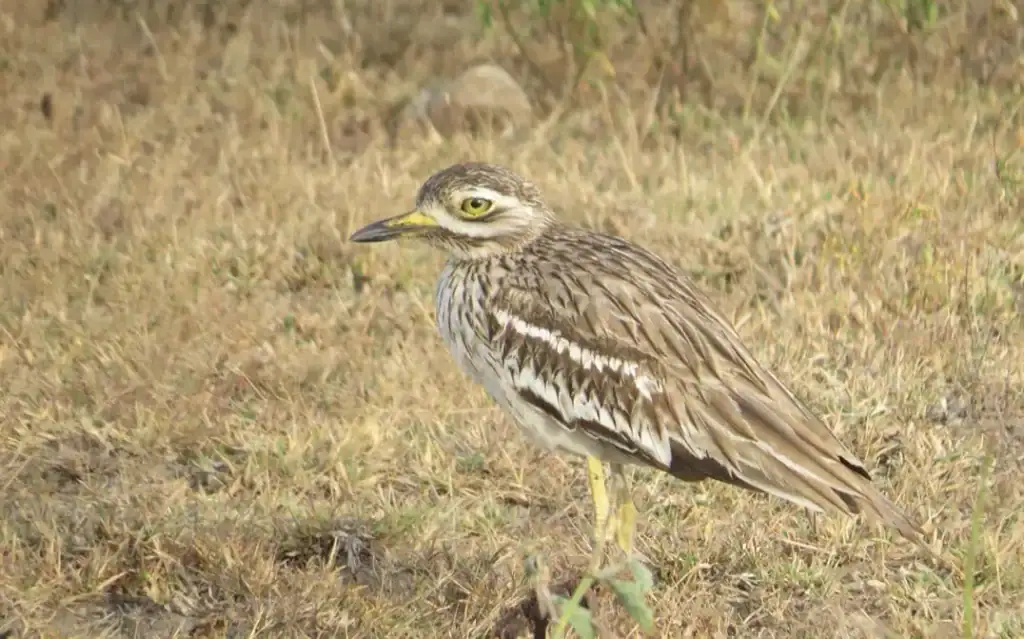
Indian Thick-Knee (Photo: Nalaka Priyantha)
Best Time to Visit and Why
The best time to visit Bundala National Park depends largely on your interests.
For birding in Sri Lanka, the period from September to March offers exceptional opportunities. Migratory birds begin arriving during the northern winter. Flamingos, waders, and other waterbirds transform the wetlands into one of the finest birdwatching destinations in South Asia.
January and February are particularly rewarding. Water levels support feeding activity, and large concentrations of birds gather across the lagoons.
Visitors interested in mammals and general safari experiences enjoy rewarding sightings throughout much of the year. Elephants, deer, crocodiles, and monkeys inhabit the park regardless of migration patterns.
Morning safaris provide the best conditions. Cooler temperatures encourage wildlife activity, while softer light improves photography opportunities.
If you need to combine your visit with other destinations in Sri Lanka, we recommend reading about the weather and the best time to visit.
Current Weather & Weather Forecast in Bundala
Weather and Conditions
Bundala National Park experiences a tropical dry zone climate.
Temperatures remain warm throughout the year. Average daytime temperatures range from approximately 28 to 34 degrees Celsius. The hottest conditions often occur between April and September.
Rainfall patterns follow the Northeast Monsoon, which usually affects the region between October and January. Short periods of intense rainfall replenish wetlands and influence animal movements.
Dry months present different advantages. Shrinking water sources concentrate wildlife, increasing viewing opportunities.
Visitors should prepare for strong sunlight year-round. Sun protection, hydration, and lightweight clothing are essential components of a comfortable safari experience.
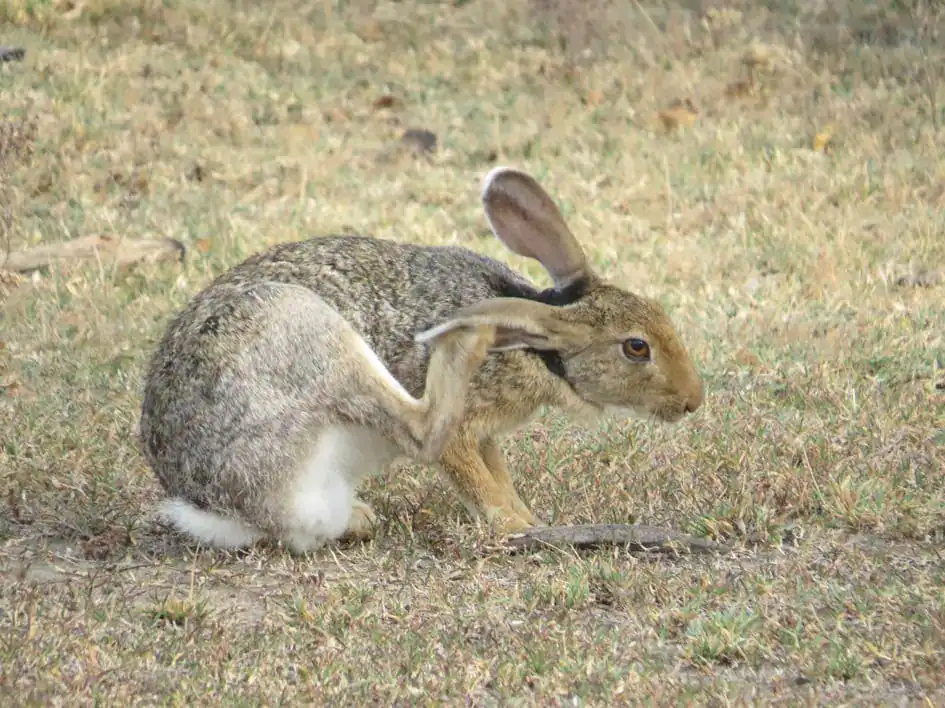
A Black-Naped Hare – Bundala National Park (Photo: Nalaka Priyantha)
Who Will Enjoy Bundala National Park Most
Bundala National Park appeals to a diverse range of travellers.
Birdwatchers often place Bundala at the top of their Sri Lankan itineraries. The variety of resident and migratory species creates outstanding opportunities for observation and photography.
Families appreciate the relatively relaxed atmosphere. Compared with some busier safari destinations, Bundala often offers quieter experiences with fewer vehicles.
Nature photographers value the park’s changing landscapes. Wetlands, lagoons, coastal scenery, and abundant wildlife create endless creative possibilities.
Travellers seeking alternatives to crowded attractions find Bundala refreshing. The reserve encourages slower exploration and deeper engagement with nature.
Anyone interested in wildlife in Sri Lanka gains valuable insights into ecosystems that extend far beyond forests and grasslands.
Preparing for Your Safari
Good preparation enhances the overall experience.
Choose an experienced safari operator familiar with Bundala National Park. Local knowledge improves wildlife sightings and provides context for what you observe.
Confirm departure times before your visit. Morning safaris often begin soon after sunrise.
Inform guides about specific interests. Bird enthusiasts benefit from drivers skilled in identifying species and locating seasonal visitors.
Carry enough drinking water for the duration of the safari. Warm conditions increase the importance of staying hydrated.
Check cameras, binoculars, and mobile devices before departure. Wildlife encounters often occur unexpectedly.
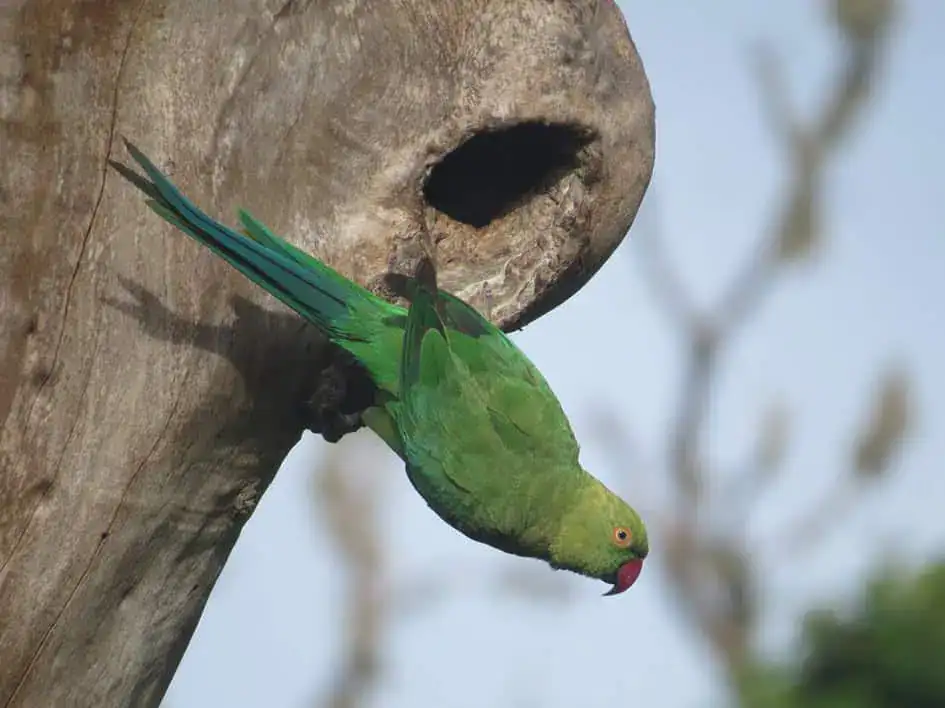
A rose-ringed parakeet (Photo: Nalaka Priyantha)
What to Bring for Your Safari
Packing carefully contributes to comfort and enjoyment.
Recommended items include:
- Neutral-coloured clothing.
- A wide-brimmed hat.
- Sunscreen.
- Sunglasses.
- Binoculars.
- A camera with spare batteries.
- Extra memory cards.
- Drinking water.
- Insect repellent.
- Personal medications.
- Closed footwear.
- A lightweight rain jacket during wetter periods.
Avoid brightly coloured clothing. Muted tones reduce disturbance to wildlife and improve photographic outcomes.
Nearby Attractions
Bundala National Park fits seamlessly into broader travel itineraries across southern Sri Lanka.
The sacred city of Kataragama lies within reasonable driving distance. Pilgrims representing multiple faith traditions visit this important religious centre throughout the year.
Yala National Park offers contrasting safari experiences, with a heavy focus on large mammals, particularly leopards. Combining both destinations provides a broader understanding of national parks in Sri Lanka.
The Rekawa Turtle Conservation Project introduces visitors to marine conservation efforts. Depending on the season, travellers witness turtle nesting activities under carefully managed conditions.
Tangalle’s beaches provide opportunities for relaxation after safari excursions. Palm-lined coastlines and quieter settings attract visitors seeking a balance between adventure and leisure.
Hambantota presents additional attractions, including bird-rich wetlands and coastal viewpoints.
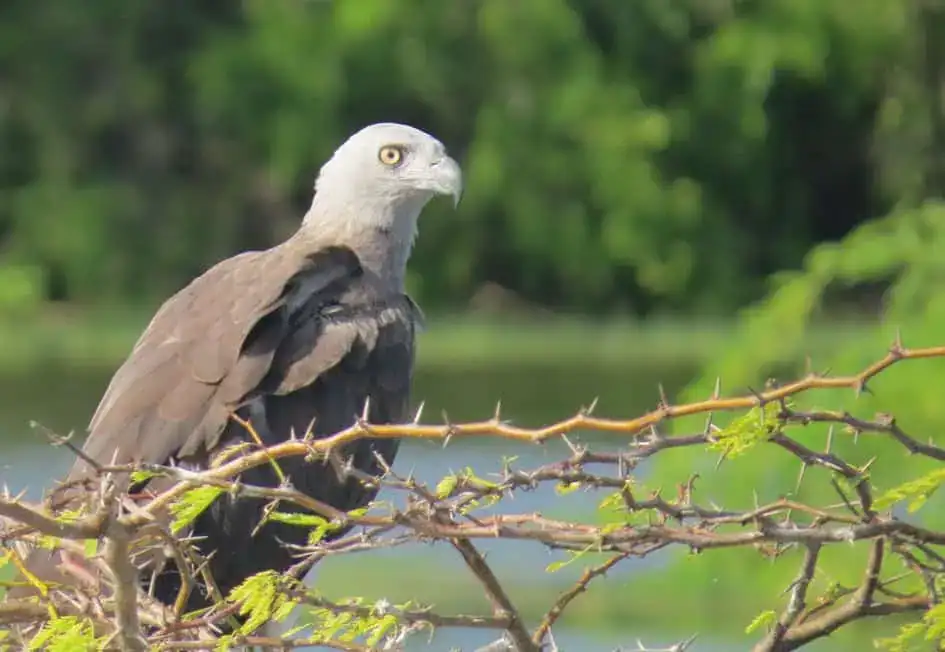
Gray-headed Fish-Eagle – Bundala National Park (Photo: Nalaka Priyantha)
Simple and Easy Plans That Work
Travellers with limited time benefit from straightforward itineraries.
A half-day safari works well for visitors staying in Hambantota or Tissamaharama. Early departures maximise wildlife sightings while leaving the remainder of the day free for other activities.
A two-day itinerary creates additional flexibility. Explore Bundala National Park during the first morning. Spend the afternoon visiting Rekawa or relaxing along the coast. Dedicate the following day to cultural attractions or another safari destination.
Birdwatchers often extend their stay. Consecutive mornings increase opportunities to observe changes in species composition and behaviour.
Families appreciate itineraries that balance wildlife experiences with periods of rest.
If you are new to Sri Lanka, it is recommended to read about the best travel itineraries for your travel season and our ultimate travel guide for first-time visitors.
Facilities Inside Bundala National Park
Bundala National Park prioritises conservation over commercial development.
Basic visitor services support safari operations. Entry procedures are managed through official channels supervised by the Department of Wildlife Conservation.
Safari jeeps remain the primary means of transportation within the reserve. Designated routes minimise environmental disturbance while facilitating wildlife viewing.
Visitors should not expect extensive tourism infrastructure within the park itself. The absence of large-scale facilities contributes to Bundala’s peaceful atmosphere.
The simplicity of the experience often becomes one of its greatest strengths.
Camping Sites and Nights Inside the Park
Few experiences compare with spending a night in the vicinity of protected wilderness.
Bundala National Park offers camping at designated sites, including Pathiraja and Thalgasmandiya. These facilities operate under the supervision of wildlife authorities.
Reservations are essential. Camping arrangements often require coordination with licensed operators familiar with permit procedures.
Evenings introduce entirely different dimensions of the natural world. Insects emerge from vegetation. Distant calls echo across the landscape. The rhythms of nocturnal life replace the activity of daytime species.
Responsible camping practices remain critical. Visitors must follow official guidance regarding waste disposal, food storage, and interactions with wildlife.
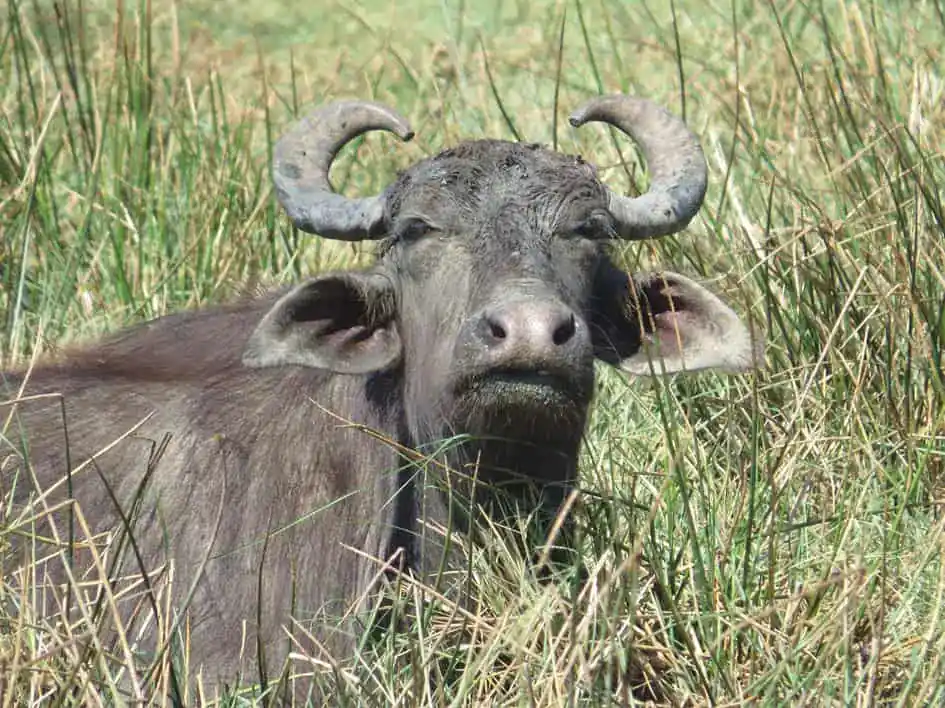
A water buffalo – Bundala (Photo: Nalaka Priyantha)
Accommodation and Dining Near Bundala National Park
Several nearby towns provide accommodation suited to varying budgets and travel styles.
Tissamaharama functions as a major safari gateway. Guesthouses, boutique hotels, and mid-range properties cater to independent travellers and organised groups.
Hambantota offers additional choices, including larger establishments with modern amenities.
Tangalle attracts visitors seeking coastal settings. Many properties combine beach access with convenient safari connections.
Dining options reflect regional culinary traditions. Rice and curry dishes feature prominently. Seafood remains popular in coastal areas. International cuisine is available through many hotels and resorts.
Choosing accommodation close to Bundala National Park reduces travel time and supports early safari departures.
Best Places, Activities, and Experiences
Every visit to Bundala National Park unfolds differently.
Watching flamingos feed across shallow lagoons ranks among the park’s defining experiences. Their elegant movements and striking colours leave lasting impressions.
Observing elephants in coastal ecosystems offers perspectives unlike those of forest-based encounters elsewhere.
Birdwatching sessions reveal extraordinary diversity. Painted storks, pelicans, spoonbills, ibises, and numerous waders demonstrate the richness of birding in Sri Lanka.
Photography enthusiasts appreciate the soft morning light reflected across wetlands.
Quiet moments also deserve attention. Listening to the sounds of nature without interruption often becomes one of the most meaningful aspects of the journey.
Special Tips
- Book morning safaris whenever possible.
- Allow extra time if birdwatching is your primary interest.
- Communicate expectations clearly with your driver or guide.
- Maintain patience. Wildlife experiences rarely follow predictable schedules.
- Remain attentive throughout the safari. Some memorable sightings occur between major attractions.
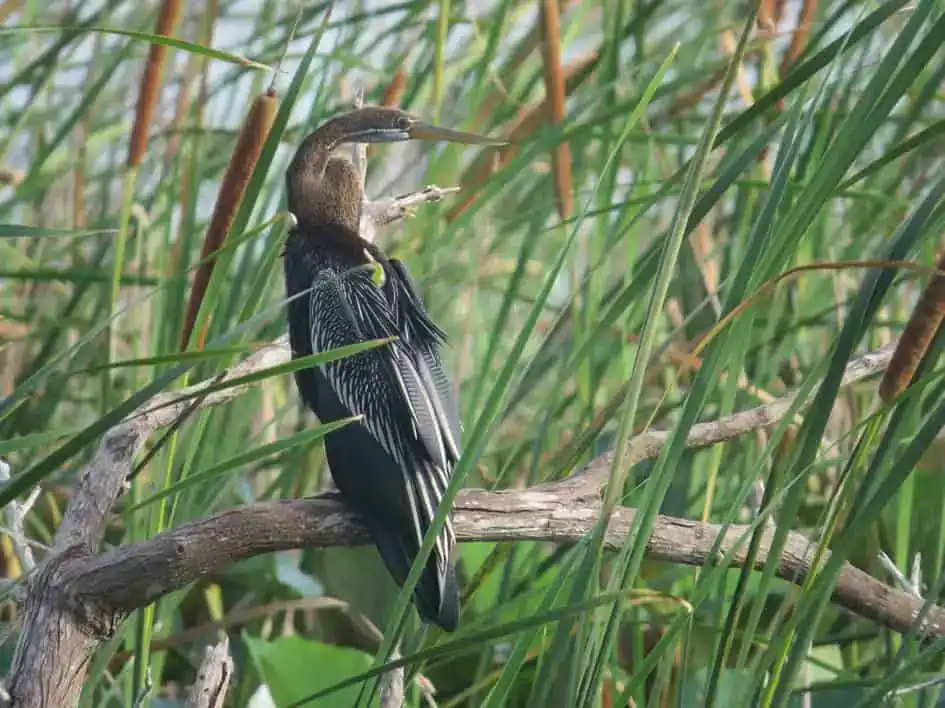
An Indian Darter (Photo: Nalaka Priyantha)
Photography Tips
Bundala National Park rewards thoughtful photography.
- Arrive early to benefit from softer lighting conditions.
- Use binoculars before raising cameras. Identifying movement often leads to better photographic opportunities.
- Capture environmental scenes alongside close-up wildlife portraits. Wider perspectives help tell richer stories.
- Avoid sudden movements within safari vehicles. Stability improves image quality.
- Respect ethical standards. Wildlife welfare should always take precedence over photographs.
Do Not Miss
Several experiences deserve special attention during your visit.
- Do not miss the flamingo gatherings during migration season.
- Do not overlook smaller bird species while searching for larger animals.
- Do not skip wetland sections of the safari routes.
- Do not underestimate the value of knowledgeable guides.
- Do not rush through the experience. Bundala rewards observation and patience.
Dos and Don’ts
Responsible behaviour protects both visitors and wildlife.
Dos
- Do follow the instructions provided by guides and park officials.
- Do remain inside designated vehicles.
- Do carry reusable water bottles whenever possible.
- Do support operators committed to sustainable tourism practices.
- Do respect speed limits and designated routes.
Don’ts
- Do not feed animals.
- Do not create unnecessary noise.
- Do not leave litter behind.
- Do not pressure drivers into unsafe approaches.
- Do not disturb nesting birds or sensitive habitats.
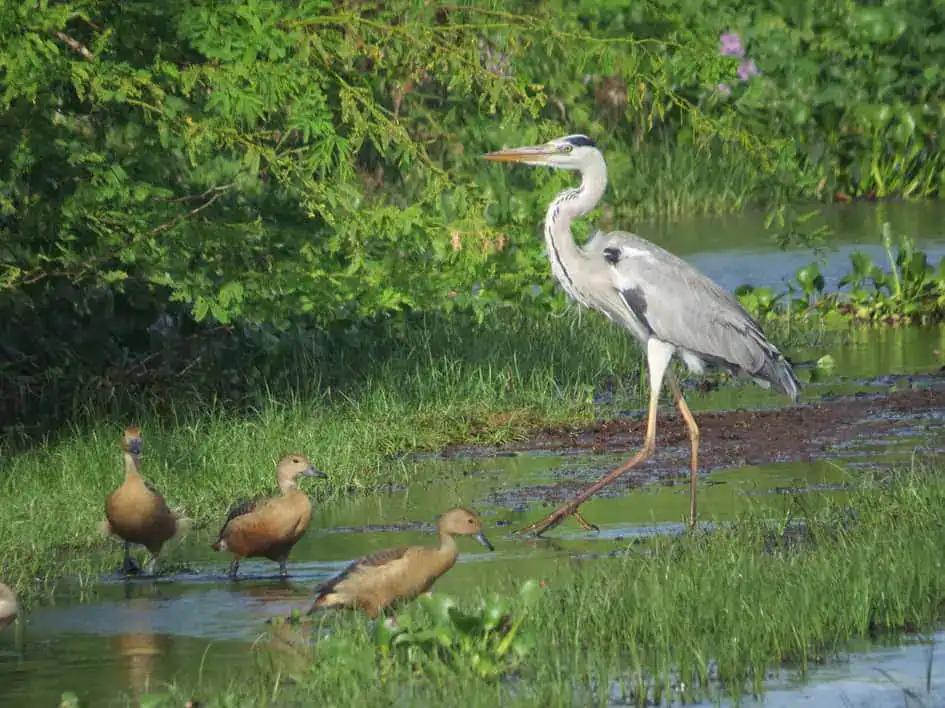
A grey heron with lesser whistling-ducks (Photo: Nalaka Priyantha)
Handling Animal Encounters
Wild animals deserve respect and space.
- If elephants appear near safari tracks, remain calm and let experienced drivers handle the situation.
- Observe crocodiles from safe distances. Avoid unnecessary movement near water bodies.
- Follow instructions without hesitation if guides request silence or repositioning.
Wildlife encounters become meaningful when approached with patience rather than urgency.
Visitor Guide and Safety
Preparation and awareness support safe travel experiences.
- Use licensed safari operators.
- Carry identification documents and emergency contact information.
- Stay hydrated throughout the excursion.
- Dress appropriately for changing weather conditions.
- Supervise children closely during wildlife activities.
- Listen carefully to instructions from guides and park authorities.
Most visits proceed smoothly when travellers prioritise common sense and respect for regulations.
Responsible Tourism and Sustainability
Bundala National Park illustrates the importance of conservation within a rapidly changing world.
Wetlands perform essential ecological functions. They support migratory birds, regulate water systems, and sustain countless species.
Responsible tourism contributes directly to these efforts. Visitors influence outcomes through everyday choices.
Selecting ethical operators, reducing waste, respecting wildlife, and supporting conservation initiatives strengthen the long-term future of protected areas.
Education also plays an important role. Learning about ecosystems encourages deeper appreciation and informed decision-making.
Future generations deserve opportunities to experience the beauty of Bundala National Park. Sustainability helps make that vision possible.
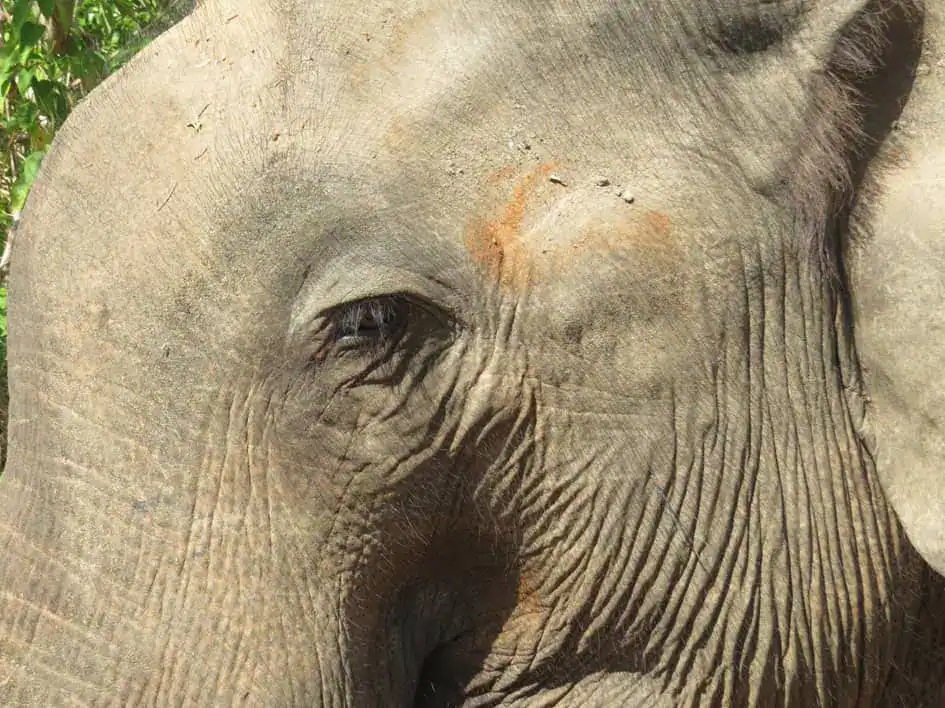
So close… (Photo: Nalaka Priyantha)
Final Thoughts
Bundala National Park reveals a side of Sri Lanka that many travellers overlook. Its quiet lagoons, expansive wetlands, and rich biodiversity create experiences rooted in observation rather than spectacle.
Birdwatchers consider Bundala one of the premier birding locations in Sri Lanka. Families appreciate its peaceful atmosphere. Photographers value its ever-changing landscapes. Nature enthusiasts recognise its global ecological importance.
Among the many national parks in Sri Lanka, Bundala National Park stands out. It protects internationally significant wetlands while offering rewarding safari experiences away from larger crowds.
A journey through Bundala reminds visitors that wildlife in Sri Lanka extends far beyond famous predators. Flamingos crossing shallow waters, crocodiles resting along muddy banks, elephants moving through scrub forests, and countless smaller creatures together create a landscape worthy of protection and admiration.
For travellers seeking authentic safaris in Sri Lanka, Bundala National Park delivers lasting memories grounded in nature, conservation, and discovery. The experience encourages you to slow down, observe, and appreciate one of the island’s most valuable natural treasures.
Map – Bundala National Park
Sources and References:
- Department of Wildlife Conservation, Sri Lanka. “Bundala National Park.”
- Sri Lanka Tourism Development Authority (SLTDA). Official tourism information and visitor guidance relating to wildlife attractions in Sri Lanka.
- Sri Lanka Tourism. Official Sri Lanka tourism website. Information on national parks, wildlife experiences, and travel planning.
- UNESCO Man and the Biosphere Programme. “Bundala Biosphere Reserve.“
- Ramsar Convention Secretariat. “The List of Wetlands of International Importance.” Information on Bundala as Sri Lanka’s first Ramsar Wetland.
- BirdLife International. Data and publications relating to Important Bird Areas and migratory bird conservation in South Asia.
- International Water Management Institute (IWMI). Research publications concerning the Bundala wetland system and lagoon ecosystems.
- Bambaradeniya, C.N.B. Studies on the biodiversity and conservation significance of Bundala National Park and Ramsar Wetland.
- Bellio, M.G., Dayananda, K., and Kotagama, S.W. Research publications on shorebird ecology and the National Bird Ringing Programme in Sri Lanka.
- Kotagama, S.W., Wijayasinghe, N., Rathnavira, G., and Abeykunawardana, B. Field Guide to the Birds of Sri Lanka. Colombo: Field Ornithology Group of Sri Lanka.
- Kotagama, S.W. and Fernando, P. A Field Guide to the Mammals of Sri Lanka.
- IUCN Sri Lanka. Publications and reports concerning protected areas, wetland conservation, and biodiversity management in Sri Lanka.
- Senaratna, P.M. Sri Lankawe Jathika Vanodhyana (National Parks of Sri Lanka). Sarasavi Publishers.
- Department of Census and Statistics, Sri Lanka. Regional demographic and geographical information relevant to Hambantota District.
- Environmental Foundation Limited (EFL). Conservation articles and reports relating to Bundala National Park and wetland protection initiatives.
- ResearchGate. “Biodiversity of the Bundala National Park and Ramsar Wetland.” Academic papers and biodiversity assessments relating to Bundala’s ecosystems.
- Field Ornithology Group of Sri Lanka. Publications relating to migratory birds, shorebird monitoring, and avifaunal studies.
- TripAdvisor. Visitor reviews and traveller experiences used to understand contemporary tourism trends and visitor perceptions of Bundala National Park.
- Experience Travel Group. Destination insights and wildlife travel information relating to Bundala National Park.
- Aqua-Firma Worldwide. Sri Lanka wildlife travel guides and conservation-focused destination information.
Featured image: An unforgettable close encounter with a wild elephant during a safari in Bundala National Park (Photo: Nalaka Priyantha)

I am a Sri Lankan medical doctor who spends my free time travelling, exploring new destinations, and documenting the beauty of the island I call home. I have journeyed across almost every corner of Sri Lanka with my wife and daughter — from wildlife parks and misty mountains to ancient cities, deep forests, rugged landscapes, and quiet beaches.
Travel is not just a hobby for me — it’s a way of life. I love nature, enjoy road trips, and find joy in wildlife photography. I also read widely about tourism, travel trends, and destination culture. Through my writing, I aim to help travellers experience Sri Lanka through real stories, meaningful insights, and honest recommendations — the same way I explore it with my own family.