
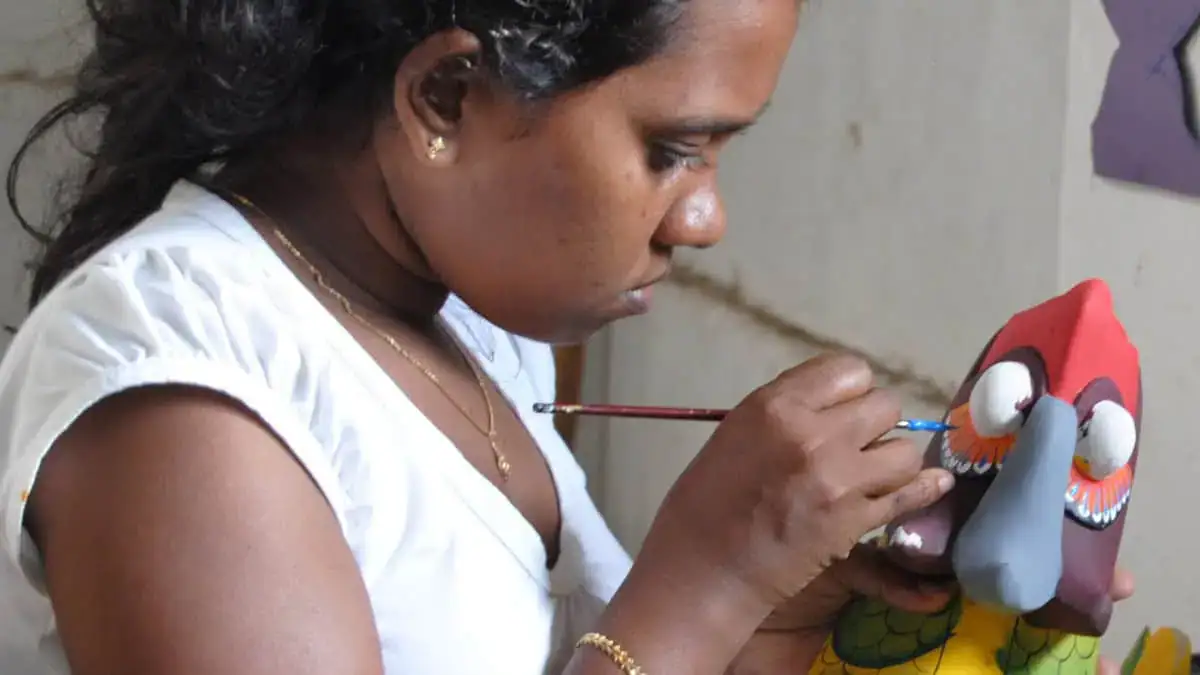

A narrow road winds through the coastal town of Ambalangoda. Wooden masks hang outside family workshops, their bright colours catching the afternoon light. Some feature fierce eyes and sharp fangs. Others display calm expressions framed by intricate patterns. Inside these workshops, artisans shape blocks of soft wood into symbols that have carried stories across generations.
Many travellers pass through southern Sri Lanka without stopping to learn about this tradition. They head towards famous beaches, colonial forts, and wildlife parks. Yet traditional masks in Sri Lanka offer one of the island’s most rewarding cultural experiences. These masks reveal how communities understood health, celebrated life, entertained audiences, and preserved local identity long before tourism became a major part of the economy.
Today, Sri Lankan masks continue to fascinate visitors from around the world. They attract photographers, collectors, history enthusiasts, and travellers searching for experiences beyond the typical tourist route. A closer look at these handcrafted creations reveals a rich heritage that remains alive in workshops and cultural centres across the Southern Coast.
If you plan to explore the many things to do in Sri Lanka, make room in your itinerary for this colourful tradition. The stories behind these masks provide a deeper understanding of the island and its people.
What Are Traditional Masks in Sri Lanka?
Traditional masks in Sri Lanka are hand-carved wooden masks associated with ritual healing ceremonies, folk theatre, and protective beliefs. These masks developed within the cultural traditions of the island’s southern regions and continue to hold an important place in Sri Lankan culture and heritage.
Most Sri Lankan masks originate from the Low Country tradition, which flourished in coastal communities. The town of Ambalangoda emerged as the centre of mask-making due to the presence of skilled artisan families who passed their knowledge from one generation to the next.
Each mask serves a specific purpose. Some represent demons believed to influence illness. Others portray characters from village dramas. Certain designs symbolise protection, prosperity, or wisdom. Together, they reflect the social and spiritual life of earlier communities.
Artisans traditionally use Kaduru wood because of its light weight and durability. After carving the basic form, they allow the wood to dry before applying layers of paint. Vibrant shades of red, green, yellow, black, and white bring the masks to life and help identify their symbolic meanings.
Modern visitors often encounter Sri Lankan masks in museums, workshops, and souvenir shops. While decorative masks have become popular among tourists, their cultural significance extends far beyond aesthetics. Understanding their origins adds depth to the travel experience.
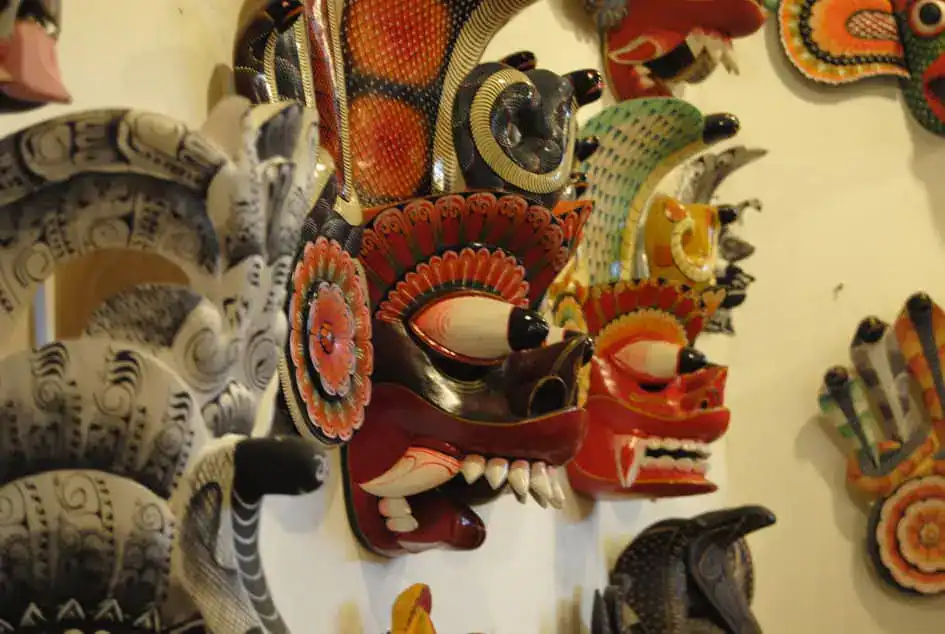
Traditional masks in Ambalangoda (Photo: Sarvodaya Shramadana Movement, CC BY 2.0)
The Fascinating History of Sri Lankan Masks
The history of traditional masks in Sri Lanka stretches back centuries. Although scholars debate their exact origins, most agree that mask traditions evolved through indigenous beliefs combined with influences from neighbouring regions.
In earlier times, communities lacked access to modern healthcare systems. Many people interpreted illness through spiritual frameworks. Diseases and unexplained conditions were sometimes linked to supernatural forces. Ritual specialists performed ceremonies intended to restore balance and promote healing.
These ceremonies often involved masks, music, dance, and dramatic storytelling. Performers assumed the identities of spirits or demons believed to affect human well-being. Through ritual action, communities sought relief from suffering and reassurance during difficult periods.
One of the best-known examples is the Sanni Yakuma tradition. According to historical belief, eighteen demons were responsible for specific illnesses. Ritual performances addressed these conditions through a sequence of dances and interactions involving carefully designed masks.
From a contemporary perspective, these traditions offer valuable insight into how societies understood health before scientific advances transformed medical practice. They also highlight the importance of communal support during periods of uncertainty.
Masks also featured in the village theatre known as Kolam. These performances combined humour, satire, and social commentary. Actors portrayed kings, queens, village officials, merchants, and mythical beings. Through entertainment, communities examined moral values and everyday relationships.
Sri Lanka’s colonial period brought social and political change. Portuguese, Dutch, and British administrations influenced many aspects of life across the island. Despite these transformations, artisan families continued to produce masks and preserve associated traditions.
Ambalangoda played a critical role in safeguarding this heritage. Local artisans dedicated themselves to teaching younger generations the techniques required for carving and painting masks. Their commitment ensured the survival of knowledge that might otherwise have disappeared.
Today, institutions such as the Ariyapala Mask Museum help preserve and promote awareness of this cultural legacy. Travellers who visit these spaces gain an appreciation for the dedication and skill required to sustain traditional practices.
The Three Main Types of Traditional Masks in Sri Lanka
Traditional masks in Sri Lanka fall into three major categories. Each category reflects a distinct aspect of cultural life and carries its own symbolism.
Raksha Masks, The Demon Protectors
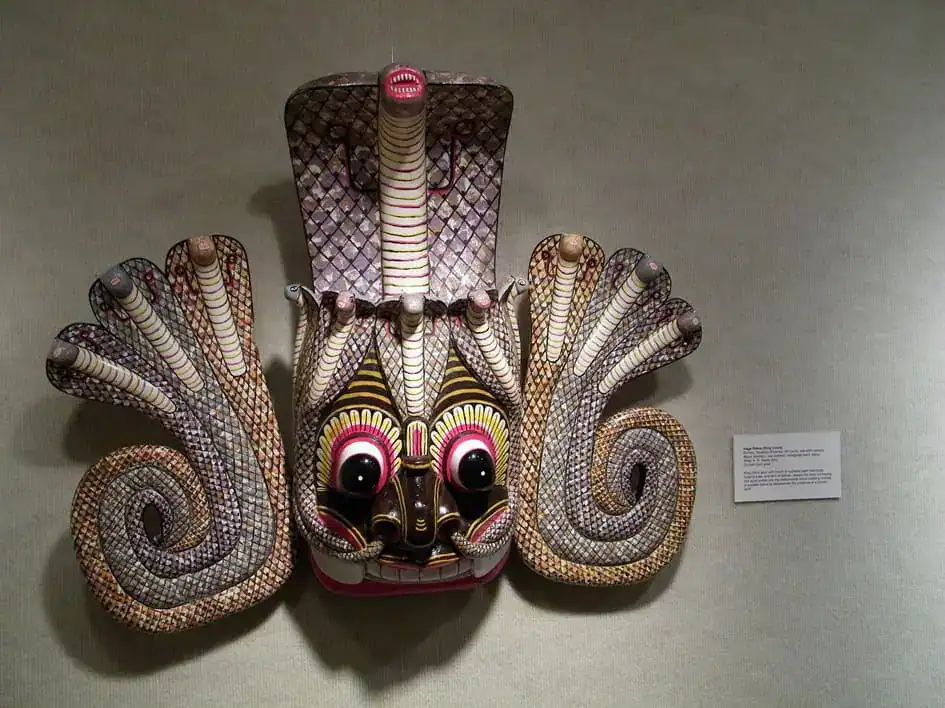
Naga Raksha Mask (Photo: Joel, CC BY-ND 2.0)
Raksha masks rank among the most recognisable Sri Lankan masks. Their dramatic appearance captures visitors’ attention almost immediately.
The term “Raksha” refers to protective beings rooted in mythology. Although these masks appear fierce, they often symbolise guardianship rather than malevolence. Large eyes, protruding tongues, elaborate crowns, and serpent motifs contribute to their striking visual identity.
Several Raksha masks possess specific meanings. The Naga Raksha incorporates cobra imagery associated with fertility and protection. The Gurulu Raksha features characteristics linked to wisdom and strength. The Ginidal Raksha features flame motifs that symbolise transformation and purification.
Today, Raksha masks remain popular decorative pieces among travellers. Their bold designs make them memorable souvenirs. Understanding their symbolic significance enhances appreciation for the artistry behind each piece.
Sanni Masks, Healing Through Storytelling
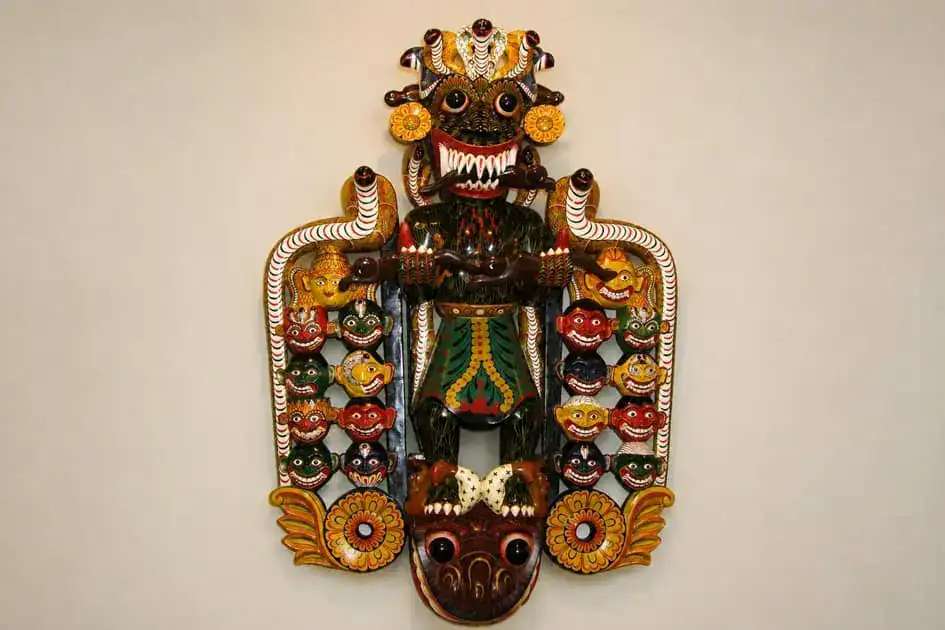
Maha Kola Mask with 18 sanni masks (Photo: Michael Gunther, CC BY-SA 4.0)
Sanni masks are part of one of Sri Lanka’s most intriguing ritual traditions. Historical belief linked eighteen demons, known as Sanni Yakku, to various illnesses and afflictions.
Each Sanni mask represented a specific condition. The Bihiri Sanniya is related to deafness. The Golu Sanniya symbolised muteness. Other masks addressed fever, digestive disorders, and emotional distress.
During Sanni Yakuma ceremonies, performers enacted elaborate sequences involving drumming, dance, dialogue, and ritual action. These events aimed to relieve suffering while reinforcing social bonds within the community.
Modern audiences often interpret these practices as expressions of historical understandings of health and healing. The masks themselves provide tangible links to these earlier worldviews.
For travellers interested in anthropology and cultural history, Sanni masks offer valuable insight into how communities sought meaning and support during challenging times.
Kolam Masks, Folk Theatre and Community Life
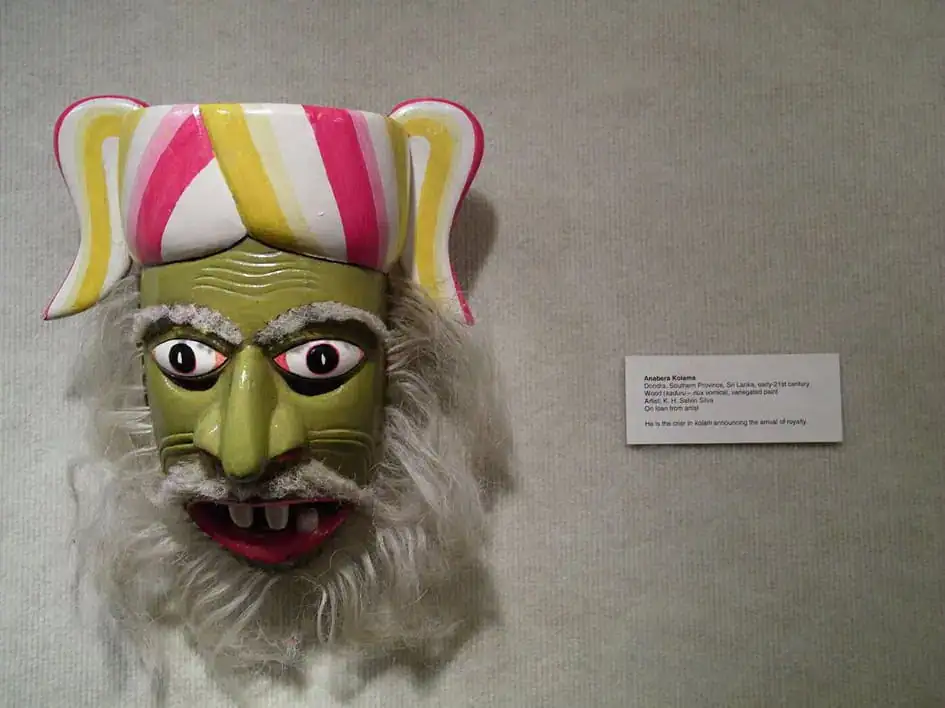
Anabera Kolam Mask (Photo: Joel, CC BY-ND 2.0)
Kolam theatre introduced another dimension to Sri Lankan mask traditions. Unlike healing rituals, Kolam focused on entertainment and social reflection.
Village performers adopted the identities of familiar characters through costume, dialogue, and masks. Kings, queens, villagers, merchants, and mythical figures appeared in stories designed to amuse audiences while encouraging reflection on human behaviour.
Humour formed an essential component of Kolam performances. Through exaggeration and satire, actors addressed social expectations and community relationships.
Kolam masks enhanced character recognition and contributed to the visual richness of each performance. Their expressions and decorative details reflected the personalities they represented.
Although authentic Kolam performances have become less common, cultural organisations continue efforts to preserve this important aspect of Sri Lankan heritage.
Why Traditional Masks Matter to Modern Sri Lanka
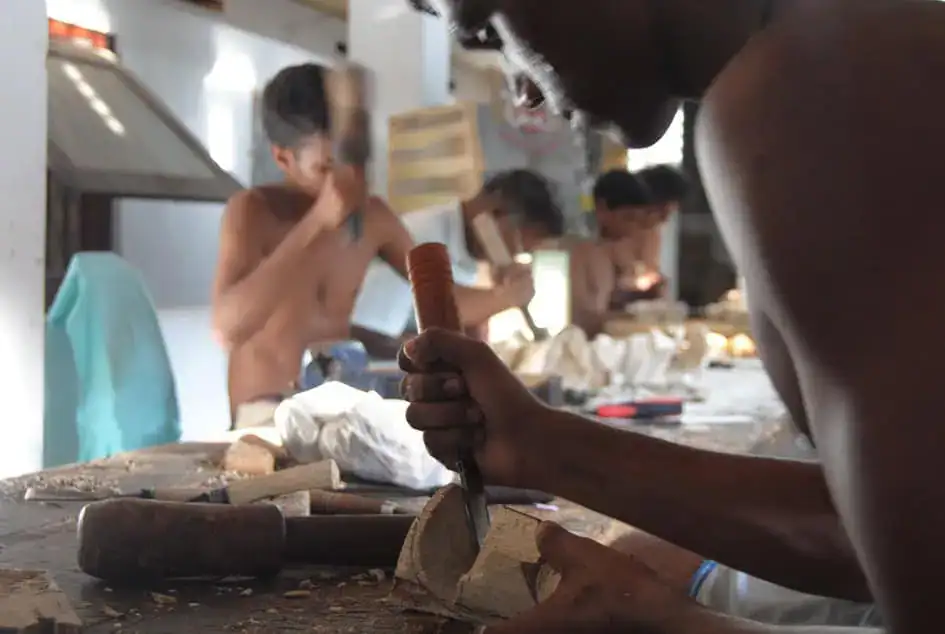
Working hard to make a mask (Photo: Sarvodaya Shramadana Movement, CC BY 2.0)
Traditional masks remain relevant within contemporary Sri Lankan society for several reasons.
First, they represent cultural continuity. Through mask making, communities preserve stories, practices, and artistic techniques developed over generations. These traditions strengthen connections between past and present.
Second, mask production supports local livelihoods. Artisan families rely on cultural tourism and craftsmanship to sustain their work. Visitors who purchase authentic masks help sustain these practices.
Third, traditional masks enrich the visitor experience. Modern travellers increasingly seek meaningful encounters that extend beyond sightseeing. Cultural experiences provide opportunities to engage with local communities and gain a deeper understanding of destinations.
Sri Lanka’s tourism authorities recognise the importance of heritage attractions in diversifying tourism offerings. Cultural experiences encourage visitors to explore lesser-known regions while supporting community-based initiatives.
Traditional masks also foster intercultural understanding. Visitors who learn about these practices gain appreciation for the creativity and resilience of the communities that sustain them. The masks reveal how art can educate, entertain, and preserve collective memory.
For many travellers, encounters with Sri Lankan masks become highlights of the journey. Conversations with artisans, visits to workshops, and participation in cultural experiences create lasting impressions.
As you explore the many things to do in Sri Lanka, consider the significance of these handcrafted creations. Behind every painted face lies a story shaped by generations of experience. The masks of southern Sri Lanka offer more than visual appeal. They invite reflection on the island’s cultural depth and enduring traditions.
Where to Experience Traditional Masks in Sri Lanka
Learning about traditional masks in Sri Lanka through books and museum displays provides valuable context. Seeing these traditions in person creates a different level of appreciation. Southern Sri Lanka offers several opportunities to explore this aspect of the island’s heritage through workshops, museums, and cultural performances.
Among the many things to do in Sri Lanka, visiting Ambalangoda stands out as an experience that combines history, art, and interaction with local communities. Unlike attractions where visitors remain passive observers, mask-making centres encourage conversation and participation. Travellers gain insight into the patience and dedication required to preserve traditions across generations.
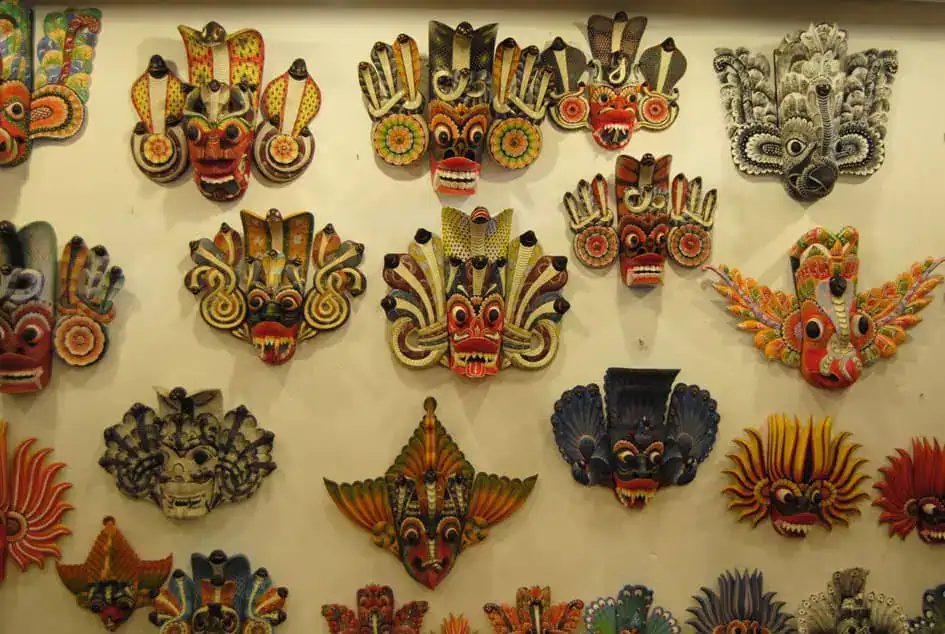
Various Raksha Masks in Ambalangoda (Photo: Sarvodaya Shramadana Movement, CC BY 2.0)
Ambalangoda, The Heart of Sri Lankan Mask Culture
Ambalangoda is a coastal town located in Sri Lanka’s Southern Province. Many travellers pass through the area on their way to Galle, Bentota, Mirissa, or Unawatuna. Yet few realise that this modest town is the country’s most important centre for traditional mask-making.
For generations, artisan families in Ambalangoda have preserved the techniques of Sri Lankan mask-making. Children often grow up watching parents and grandparents carve wood, prepare paints, and explain the stories behind each design. Skills develop gradually through observation and practice.
The town’s connection to mask-making extends beyond commerce. These traditions form part of community identity. Workshops serve as spaces where cultural knowledge is sustained through daily practice rather than formal instruction.
Adding Ambalangoda to your itinerary is straightforward. Travellers staying in Bentota can reach the town in less than thirty minutes. Visitors based in Galle often arrive within forty-five minutes. Those travelling from Colombo via the Southern Expressway typically complete the journey in approximately two hours.
This accessibility makes Ambalangoda one of the most rewarding cultural stops along Sri Lanka’s Southern Coast.
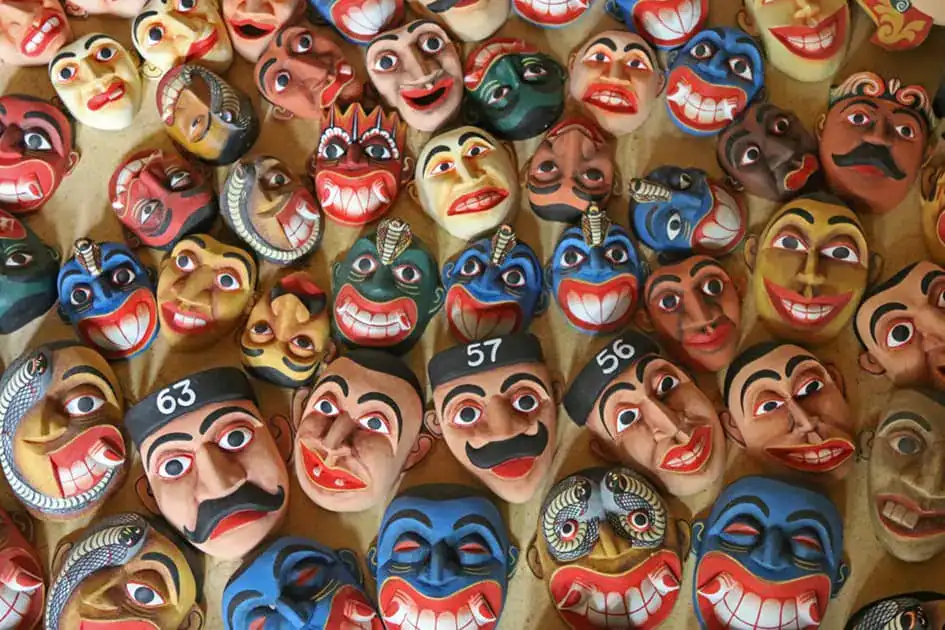
Traditional wooden masks in Ambalangoda (Photo: Denish C, CC BY-NC-ND 2.0)
The Ariyapala Mask Museum Experience
The Ariyapala Mask Museum remains one of the best places to understand the significance of traditional masks in Sri Lanka. Established by a family with deep roots in the mask-making tradition, the museum introduces visitors to the history and symbolism of various mask types.
Displays explain the distinctions between Raksha masks, Sanni masks, and Kolam masks. Visitors learn how these objects functioned within ritual healing ceremonies and theatrical performances. Information panels provide historical context without overwhelming guests unfamiliar with Sri Lankan traditions.
One highlight of the Ariyapala Mask Museum is the opportunity to observe artisans at work. Watching artisans shape raw materials into expressive faces enhances appreciation for the expertise required at every stage.
Traveller reviews frequently praise the museum’s educational value. Many visitors describe the experience as an unexpected highlight of their journey in southern Sri Lanka. Others note that the museum offers insight into aspects of Sri Lankan culture often overlooked in mainstream travel guides.
The museum also provides opportunities to purchase authentic Sri Lankan masks. Buying directly from reputable institutions supports heritage preservation while ensuring quality.
Exploring Local Family Workshops
While museums present structured interpretations of cultural traditions, family workshops offer intimate experiences grounded in everyday life.
Across Ambalangoda, artisans continue to produce masks in small studios connected to their homes. The atmosphere differs significantly from that of larger tourist attractions. Tools occupy well-used benches. Freshly carved masks await finishing touches. The scent of wood fills the air.
Visitors often enjoy conversations with artisans eager to explain their work. These interactions reveal the realities of sustaining traditional livelihoods in changing economic environments.
Many artisans describe learning their skills from parents and grandparents. They recall early experiences sanding wooden surfaces or mixing paint before progressing to more advanced tasks. Such stories highlight the dedication required to preserve specialised knowledge.
Purchasing masks directly from workshops contributes to household incomes and strengthens incentives for younger generations to continue these traditions.
How Traditional Masks Are Made
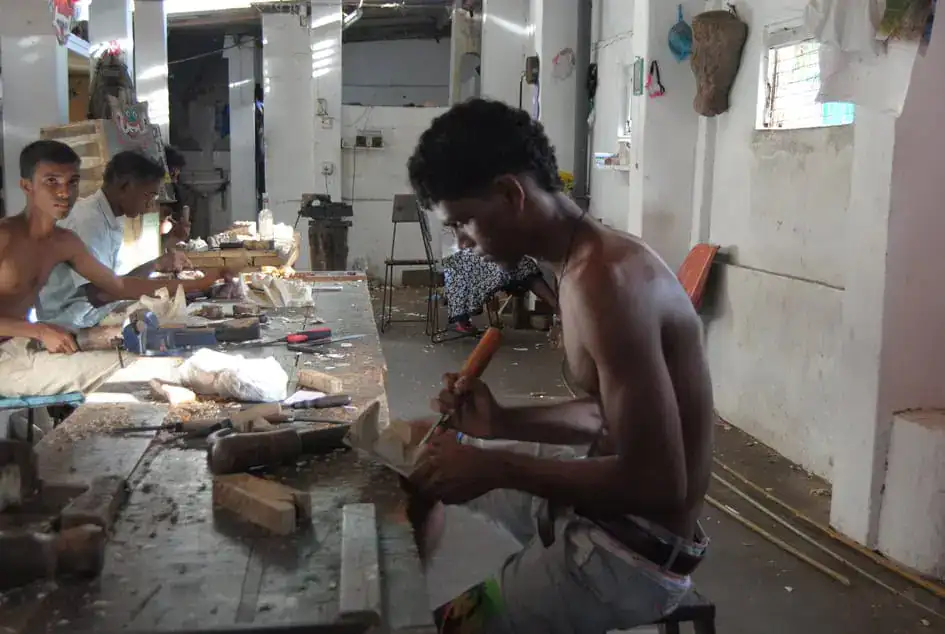
Carving the design of a mask (Photo: Sarvodaya Shramadana Movement, CC BY 2.0)
The production of Sri Lankan masks combines technical precision with artistic expression. Each stage requires patience and experience.
Selecting the Wood
Artisans commonly choose Kaduru wood due to its favourable characteristics. The material remains lightweight while allowing detailed carving.
After harvesting, artisans prepare the wood carefully to reduce moisture content and minimise cracking.
Carving the Design
The carving process begins with the mask’s outline. Artisans gradually shape facial features, decorative elements, and symbolic motifs using specialised tools.
This stage demands concentration and steady hands. Minor adjustments influence the expression and identity of the final piece.
Drying and Surface Preparation
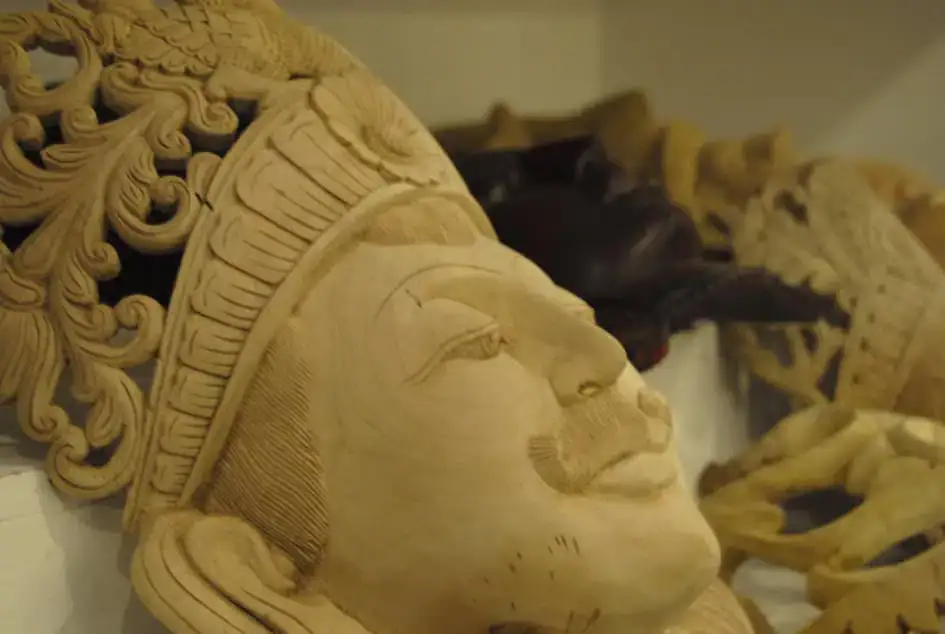
A mask before painting (Photo: Sarvodaya Shramadana Movement, CC BY 2.0)
Once carving is complete, masks undergo additional drying. Proper preparation improves durability and creates suitable surfaces for painting.
Artisans smooth imperfections before applying protective treatments.
Painting and Finishing
Painting transforms carved forms into vibrant works of art. Traditional colour schemes communicate symbolic meanings while enhancing visual impact.
Red often conveys energy and authority. White suggests purity. Green appears within specific character representations. Black creates contrast and depth.
The final result reflects both inherited tradition and individual interpretation.
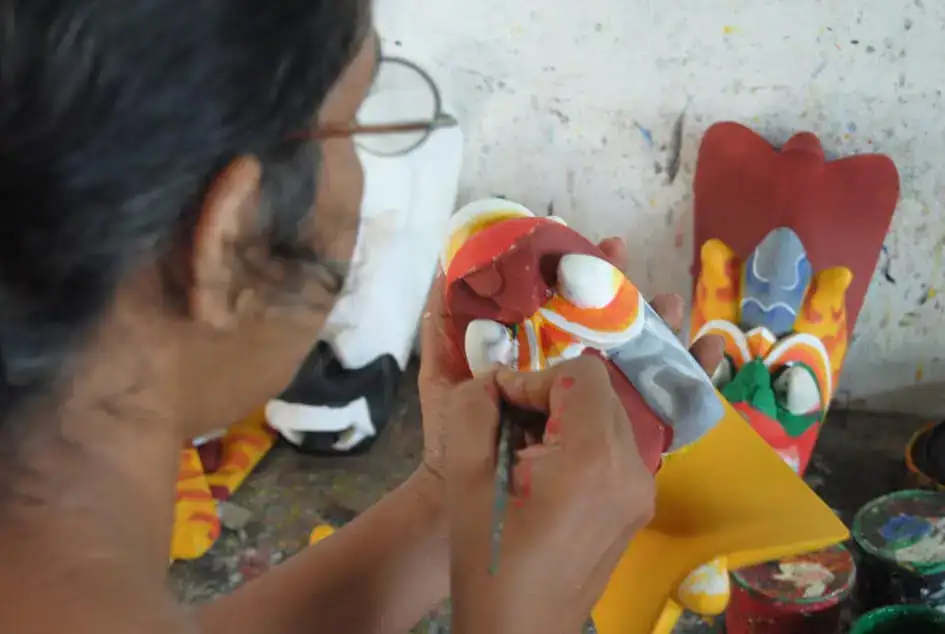
Painting a mask (Photo: Sarvodaya Shramadana Movement, CC BY 2.0)
Traditional Performances and Devil Dances
Masks achieve their fullest meaning when viewed within the context of performance. Ritual dances and theatrical productions reveal how these objects functioned within village life.
Low Country dance traditions incorporate masks into dramatic sequences accompanied by drumming and chanting. These performances preserve aspects of ritual practices associated with healing and spiritual protection.
Kolam theatre represents another important performance tradition. Through humour and storytelling, performers encourage audiences to reflect on social behaviour and relationships.
Travellers interested in witnessing such events should seek guidance from reputable cultural centres, tourism providers, or local experts. Authentic performances provide valuable opportunities to engage with Sri Lanka’s living heritage.
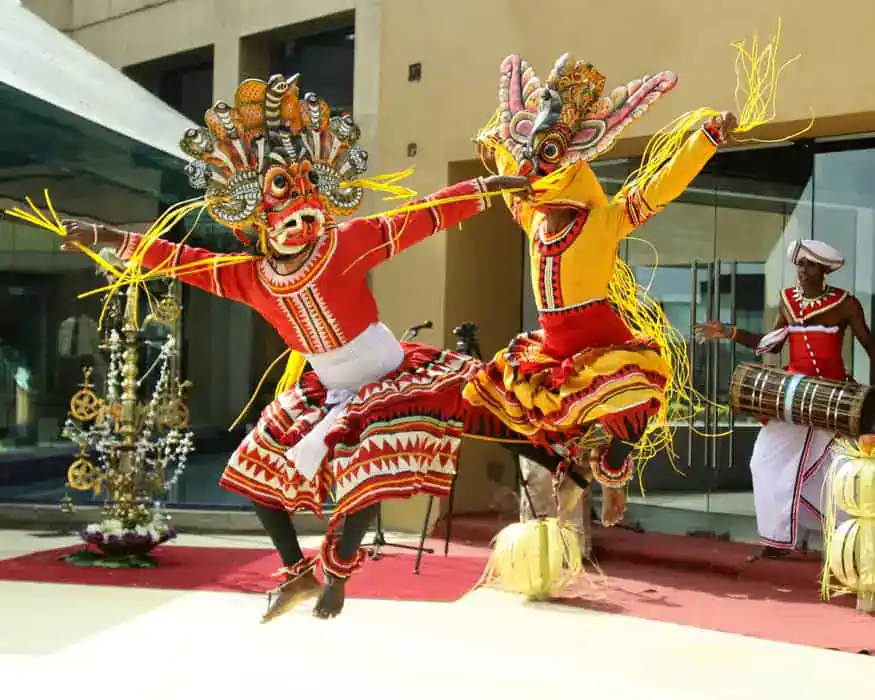
A Sri Lankan devil dance (Photo: Denish C, CC BY-NC-ND 2.0)
Buying Authentic Masks in Sri Lanka
Many visitors wish to take home reminders of their experiences in Sri Lanka. Traditional masks offer meaningful souvenirs that support local artisans.
Identifying Authentic Sri Lankan Masks
Handmade masks display subtle variations that distinguish them from mass-produced alternatives. Brushstrokes differ slightly. Carved details reveal individual craftsmanship.
Uniformity across multiple pieces sometimes suggests factory production. Purchasing through respected institutions or directly from artisans increases confidence in authenticity.
Understanding Price Differences
Prices vary according to size, complexity, and labour requirements.
Small decorative masks often appeal to travellers seeking affordable keepsakes.
Medium-sized pieces featuring detailed painting involve greater investment due to the time required for production.
Large ceremonial replicas command higher prices because of their scale and artistic complexity.
Supporting Cultural Preservation
Responsible tourism involves thoughtful purchasing decisions. Choosing authentic Sri Lankan masks supports families dedicated to preserving traditional knowledge.
Travellers gain distinctive souvenirs while contributing to the continuation of important cultural practices.
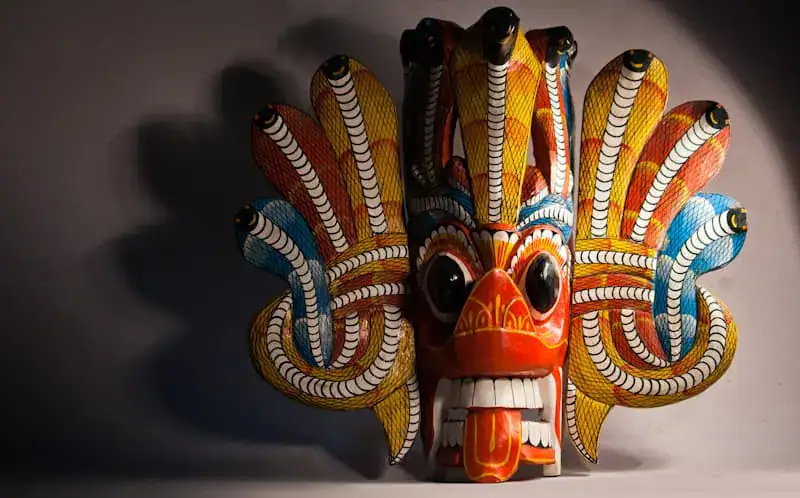
A Naga Raksha Mask (Photo: Dhammika Heenpella, CC BY-NC 2.0)
Including Ambalangoda in Your Sri Lanka Itinerary
Traditional masks in Sri Lanka fit naturally within broader travel plans. Ambalangoda’s location along the Southern Coast makes it easy to integrate into various itineraries.
One-Day Southern Coast Experience
Travellers departing Colombo can combine cultural exploration with coastal attractions.
Suggested route:
- Colombo.
- Ambalangoda.
- Galle Fort.
- Unawatuna.
This itinerary balances heritage, history, and relaxation within a manageable timeframe.
Seven-Day Southern Sri Lanka Journey
Visitors with one week available can incorporate Ambalangoda alongside other highlights.
- Days one and two. Bentota and nearby attractions.
- Day three. Ambalangoda and the Ariyapala Mask Museum.
- Day four. Galle Fort exploration.
- Days five and six. Mirissa beaches and whale watching opportunities.
- Day seven. Yala National Park safari.
This route introduces travellers to several popular things to do in Sri Lanka while encouraging cultural engagement.
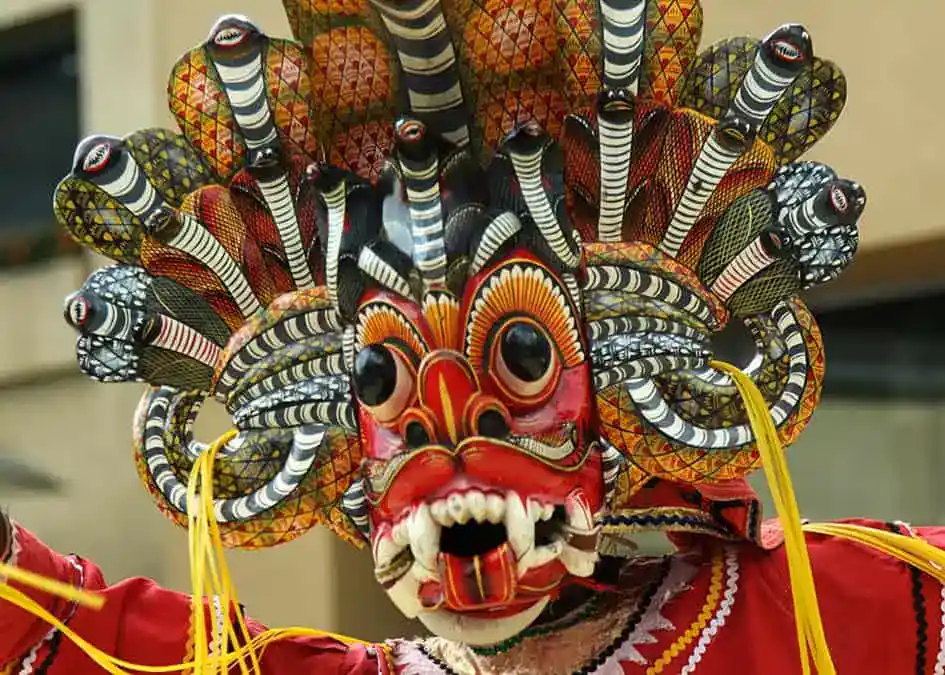
A Devil Dancer with a Naga (Cobra) Raksha Mask (Photo: Denish C, CC BY-NC-ND 2.0)
Two-Week Cultural Exploration
Longer holidays provide opportunities for broader discovery.
Suggested destinations include:
Combining these locations showcases the diversity of Sri Lanka’s landscapes and traditions.
Frequently Asked Questions About Traditional Masks in Sri Lanka
What are traditional masks in Sri Lanka used for?
Historically, masks featured in healing rituals, folk theatre performances, and protective ceremonies. Today, they also function as educational tools, artistic expressions, and cultural souvenirs.
Where can tourists see traditional masks in Sri Lanka?
Ambalangoda remains the leading destination for experiencing Sri Lankan masks. The Ariyapala Mask Museum and local workshops provide valuable insight into their history and production.
Are traditional masks still made today?
Yes. Artisan families continue producing masks using techniques passed down across generations.
What is the significance of demon masks?
Raksha masks often symbolise protection rather than evil. Their dramatic appearance reflects mythological traditions associated with strength and guardianship.
Can travellers buy authentic masks?
Yes. Reputable museums and family workshops throughout Ambalangoda offer authentic Sri Lankan masks for purchase.
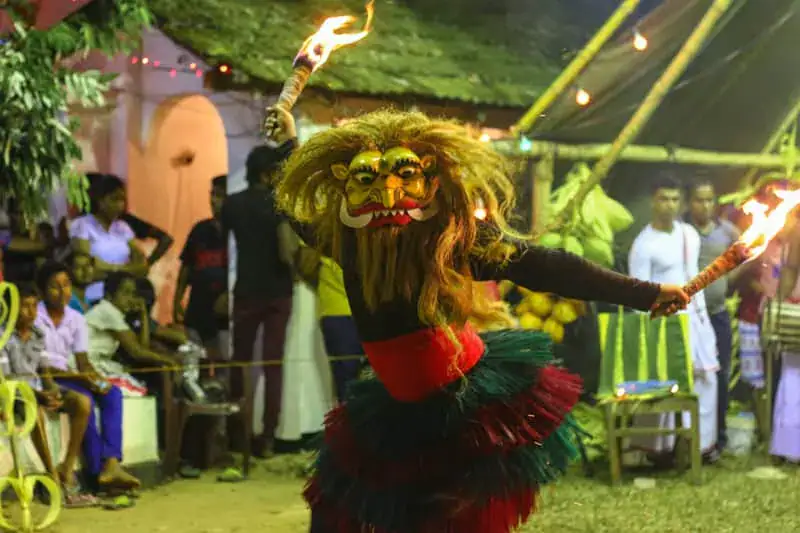
A Yak Netuma (Devil Dance) with a Raksha Mask (Photo: Priyantha de Alwis, CC BY 2.0)
Final Thoughts
Traditional masks in Sri Lanka reveal stories that extend far beyond their colourful surfaces. They preserve memories of healing rituals, village theatre, and community values shaped over centuries. Through the dedication of artisan families, these traditions continue to enrich Sri Lanka’s cultural landscape.
Travellers often focus on famous attractions during their first visit to the island. Ancient cities, nature & wildlife experiences, and beautiful beaches deserve their popularity. Yet cultural encounters frequently leave the strongest impressions. A conversation with a craftsman or a visit to a local workshop creates connections that standard sightseeing rarely achieves.
Among the many things to do in Sri Lanka, exploring the world of Sri Lankan masks offers insight into the creativity and resilience of the communities that sustain these practices. The Ariyapala Mask Museum, family workshops, and performance traditions invite visitors to engage with heritage in meaningful ways.
As you plan your journey through Sri Lanka, consider setting aside time for Ambalangoda. The masks you encounter there represent more than decorative objects. They embody generations of knowledge, artistic skill, and cultural identity. Long after your travels end, their stories may remain among your most treasured memories of Sri Lanka.
Sources and References:
- Sri Lanka Tourism Development Authority (SLTDA). Tourism Research and Statistics.
- Sri Lanka Tourism Development Authority (SLTDA).
- Sri Lanka Tourism. “The Masks of Ambalangoda: From Healing to Performance.“
- Sri Lanka Tourism. Tourist Shops Directory. Ariyapala Traditional Masks.
- Ariyapala Mask Museum. Official Website.
- Ariyapala Mask Museum. Contact and Visitor Information.
- Bradt Guides. “Ceylon unmasked: the real story behind Sri Lanka’s traditional masks.“
- Research publications and scholarly studies relating to Sri Lankan folk theatre traditions, Sanni Yakuma rituals, Kolam performances, and Raksha mask symbolism.
- Tripadvisor. Ariyapala Mask Museum Reviews.
- Sri Lanka Tourism. National Museum Information.
Featured image: Sri Lankan artisan painting a traditional mask in Ambalangoda (Photo: Sarvodaya Shramadana Movement, CC BY 2.0)

I am a Sri Lankan medical doctor who spends my free time travelling, exploring new destinations, and documenting the beauty of the island I call home. I have journeyed across almost every corner of Sri Lanka with my wife and daughter — from wildlife parks and misty mountains to ancient cities, deep forests, rugged landscapes, and quiet beaches.
Travel is not just a hobby for me — it’s a way of life. I love nature, enjoy road trips, and find joy in wildlife photography. I also read widely about tourism, travel trends, and destination culture. Through my writing, I aim to help travellers experience Sri Lanka through real stories, meaningful insights, and honest recommendations — the same way I explore it with my own family.