
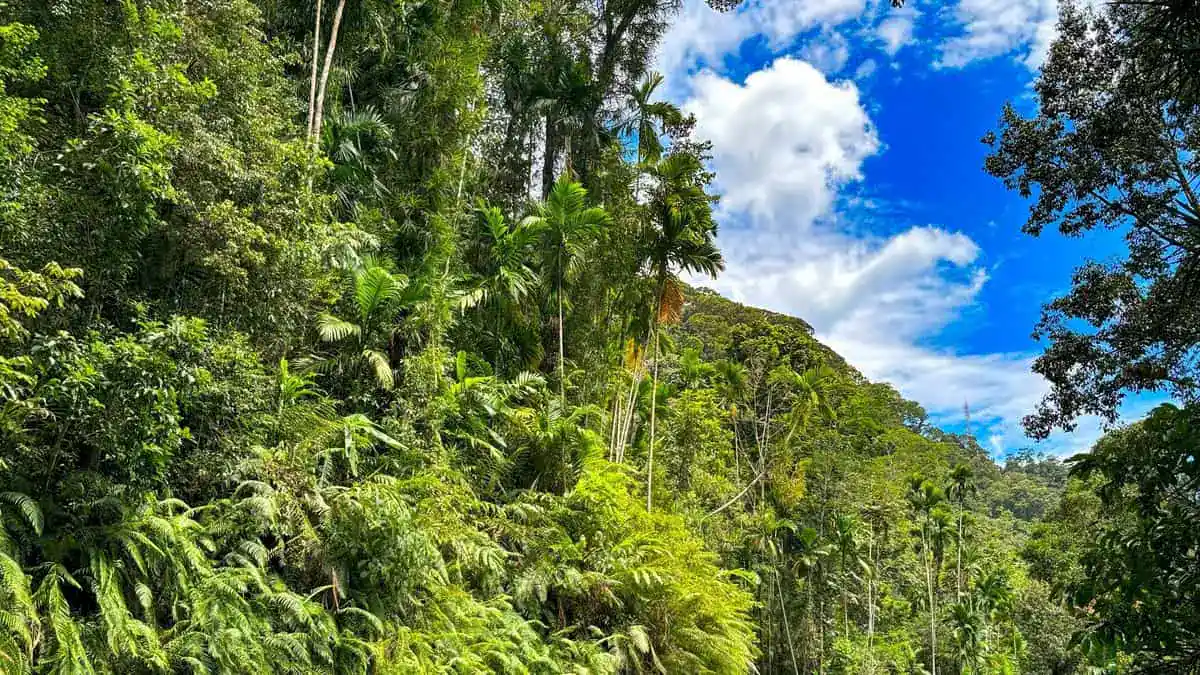

The first rays of sunlight rarely reach the forest floor in Sinharaja. High above, giant trees form a living roof that has sheltered countless species for thousands of years. Bird calls echo through the mist. Clear streams flow over moss-covered rocks. As the rain passes, the forest air carries the deep, earthy scent of the rainforest floor. Within moments of entering this ancient wilderness, you understand why many travellers describe the experience as one of the best highlights of their journey through Sri Lanka.
While popular beaches and cultural landmarks often dominate Sri Lankan itineraries, the Sinharaja Rainforest offers a different perspective on the island. It is a destination shaped by nature rather than human intervention. It invites visitors to slow down, observe closely, and appreciate the intricate balance of one of South Asia’s most important ecosystems. Whether you are an avid birdwatcher, a keen hiker, a wildlife photographer, or simply a traveller seeking authentic experiences, Sinharaja delivers something memorable.
Officially known as the Sinharaja Forest Reserve, this protected area stands among the most significant UNESCO World Heritage Sites in Sri Lanka. It preserves the country’s largest remaining tract of primary tropical rainforest and shelters a wealth of endemic species found nowhere else on earth. For travellers searching for meaningful encounters beyond the usual tourist trail, Sinharaja deserves serious consideration.
What Is the Sinharaja Rainforest?
The Sinharaja Rainforest lies within Sri Lanka’s southwestern wet zone and extends across the districts of Ratnapura, Galle, and Matara. Covering approximately 11,187 hectares, the reserve stretches across rolling hills, narrow valleys, ridges, and lowland areas shaped by centuries of uninterrupted ecological processes. Elevations range from around 300 metres above sea level to more than 1,100 metres, creating a variety of habitats that support extraordinary biodiversity.
The name “Sinharaja” translates from Sinhala as “Lion Kingdom.” Although lions have no historical association with this landscape, the title reflects the forest’s cultural significance within Sri Lankan tradition. Generations of local communities have lived alongside this wilderness, drawing both practical benefits and spiritual inspiration from its presence.
The importance of the Sinharaja Forest Reserve extends far beyond national boundaries. UNESCO first recognised Sinharaja’s ecological importance in 1978 by granting it Biosphere Reserve status. A decade later, UNESCO inscribed the Sinharaja Forest Reserve on the World Heritage List for its outstanding universal value. Today, scientists, conservationists, and travellers regard Sinharaja as one of the finest examples of a tropical rainforest ecosystem in Asia.
Sri Lanka Tourism identifies Sinharaja as a destination of exceptional ecological significance. The reserve attracts visitors from around the world who seek opportunities for hiking & trekking, birdwatching, wildlife observation, and environmental education. Despite this growing popularity, much of the forest retains a sense of remoteness that is increasingly difficult to find in modern travel.
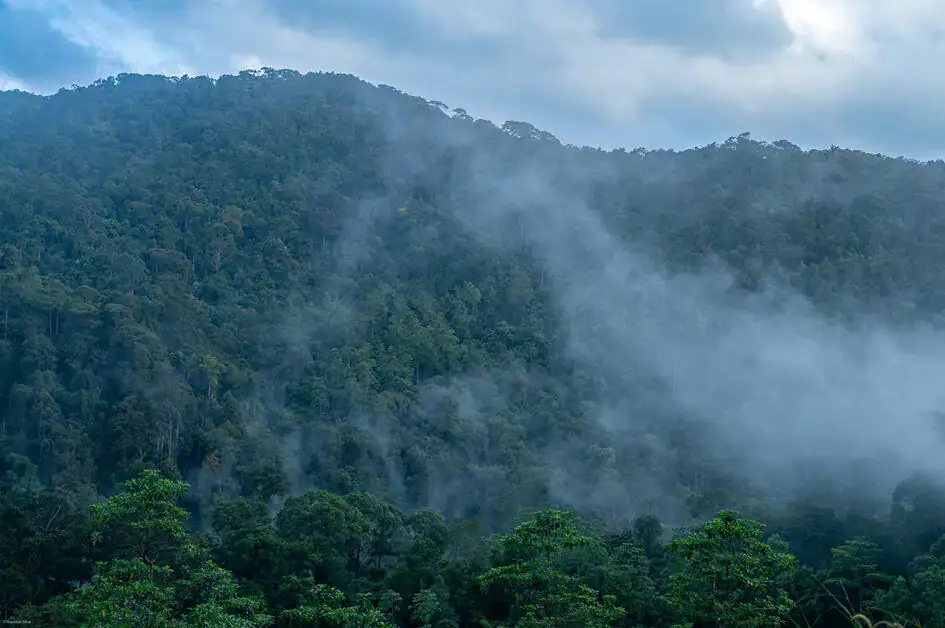
Mist covering Sinharaja Rainforest (Photo: Xiquinho Silva, CC BY 4.0)
Why the Sinharaja Rainforest Is a UNESCO World Heritage Site
Many protected areas boast scenic beauty. Sinharaja earned global recognition because of something deeper. Its value lies in its ability to preserve biological diversity on an exceptional scale.
UNESCO recognises the Sinharaja Forest Reserve as Sri Lanka’s last remaining area of primary tropical rainforest. According to information published by the World Heritage Centre, more than 60 per cent of the reserve’s trees are endemic to Sri Lanka. Many of these species are considered rare. The forest also provides habitat for a large proportion of the country’s endemic wildlife.
Birdlife offers one of the clearest examples of Sinharaja’s importance. UNESCO notes that approximately 95 per cent of Sri Lanka’s endemic bird species occur within the reserve. Endemism among mammals and butterflies is similarly impressive. These figures highlight the role Sinharaja plays in protecting species that have disappeared from many other areas of the island.
The reserve also contributes to environmental stability. Forest ecosystems regulate water cycles, reduce soil erosion, and influence local climate conditions. Rivers originating within the rainforest support agriculture and livelihoods in surrounding communities. In this sense, protecting Sinharaja protects far more than wildlife alone.
Its designation as one of the UNESCO World Heritage Sites in Sri Lanka has brought international attention to the importance of Sinharaja. Yet UNESCO status does not eliminate threats. Habitat fragmentation, climate change, and unsustainable practices continue to put pressure on ecosystems worldwide. Responsible tourism, therefore, plays an important role in supporting conservation efforts while providing economic opportunities for local communities.
What Makes the Sinharaja Rainforest Different From Other Rainforests?
Travellers familiar with tropical destinations often assume that one rainforest resembles another. Sinharaja quickly challenges that assumption.
Unlike many wildlife destinations where visitors observe nature from vehicles, exploration in Sinharaja takes place on foot. Trails wind through dense vegetation, over streams, and along forest ridges. The pace is slower. Attention shifts towards details that might otherwise go unnoticed. A guide pauses to identify the call of a hidden bird. Tiny frogs cling to leaves after rainfall. Butterflies gather beside damp patches of earth.
Another defining characteristic is the concentration of endemic species. Endemic animals and plants exist naturally in only one geographic region. Sri Lanka’s long geological history and relative isolation have encouraged the development of species found nowhere else. Sinharaja protects many of these biological treasures.
Birdwatchers frequently speak of mixed-species feeding flocks, often called bird waves. In Sinharaja, multiple bird species move together through the forest in coordinated groups. This phenomenon fascinates researchers because of the complex interactions involved. For visitors, witnessing such a gathering becomes one of the most memorable moments of a rainforest walk.
Accessibility represents another advantage. Although Sinharaja retains its wilderness character, travellers do not require specialised expedition equipment or advanced survival skills to experience it. Guided walks, eco-lodges, and established access routes allow visitors to enjoy the forest while minimising environmental impact.
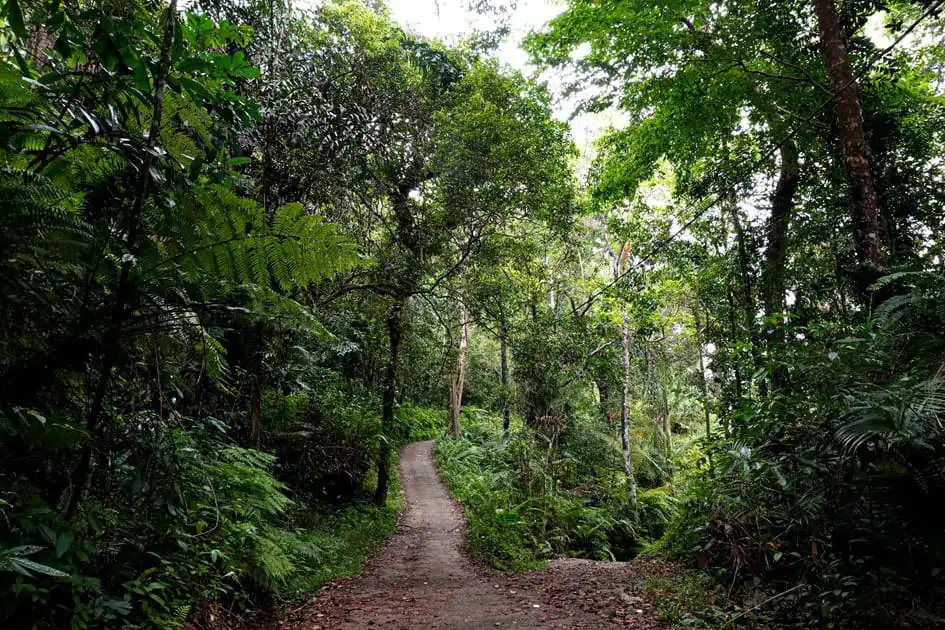
A trail – Sinharaja Rainforest (Photo: Thomas Landgren, CC BY-NC-ND 4.0)
The Landscapes of the Sinharaja Rainforest
Descriptions of Sinharaja often focus on its biodiversity, yet the landscape’s beauty deserves equal attention.
Towering trees dominate the skyline. Their broad crowns form layered canopies that filter sunlight into shifting patterns below. Tree trunks rise from slopes carpeted with ferns, mosses, and leaf litter. Climbing plants twist upward in search of light. Epiphytes attach themselves to branches high above the ground.
The terrain changes constantly. One section of the trail follows a gentle stream bordered by smooth boulders. Another ascends steep ridges that reveal sweeping views across uninterrupted forest. Early in the morning, mist drifts through the valleys, softening distant outlines. Following rainfall, water droplets cling to every surface, giving the vegetation a fresh appearance.
Numerous streams and rivers originate within the Sinharaja Forest Reserve. These waterways shape the ecosystem and support communities beyond the protected area’s boundaries. Their clear waters also provide welcome relief for hikers during warmer periods of the day.
The changing landscape contributes significantly to the visitor experience. Sinharaja never feels repetitive. Each bend in the trail introduces a new combination of textures, sounds, and colours.
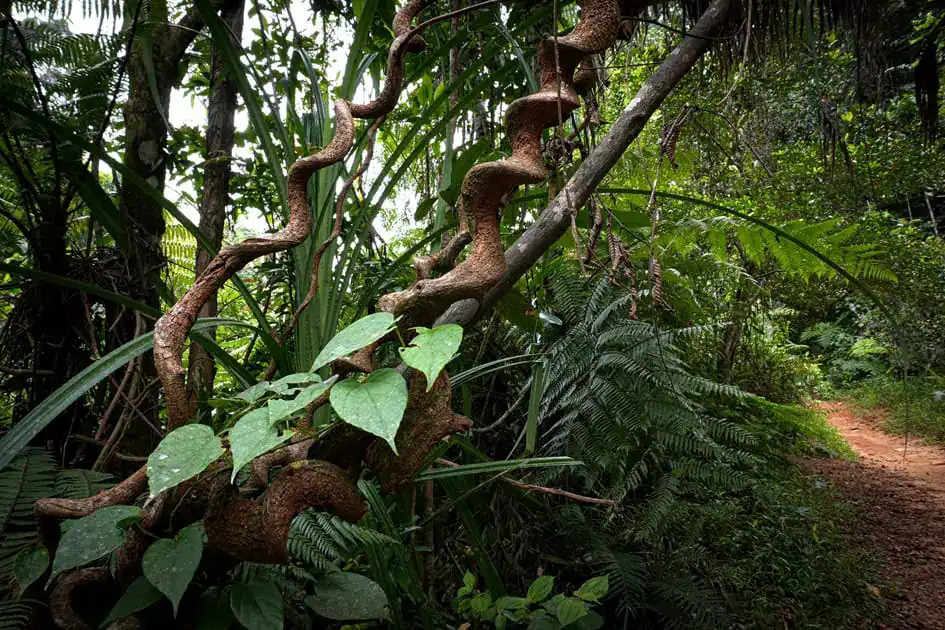
Trees and vines in Sinharaja Forest Reserve (Photo: Thomas Landgren, CC BY-NC-ND 4.0)
Flora and Fauna in the Sinharaja Rainforest
The Sinharaja Rainforest supports one of the richest biodiversity hotspots in Sri Lanka. Scientists continue to study its ecosystems, uncovering new information about species interactions and ecological processes.
Plant Life in the Rainforest
The forest’s plant diversity forms the foundation upon which all other life depends. UNESCO reports that Sinharaja contains a substantial proportion of Sri Lanka’s endemic trees and woody climbers. Many species belong to ancient lineages with restricted distributions.
Visitors encounter towering hardwood trees, delicate orchids, medicinal plants, and dense understory vegetation. Traditional knowledge associated with certain plant species persists among local communities, reflecting generations of close interaction with the natural environment.
Mammals of Sinharaja
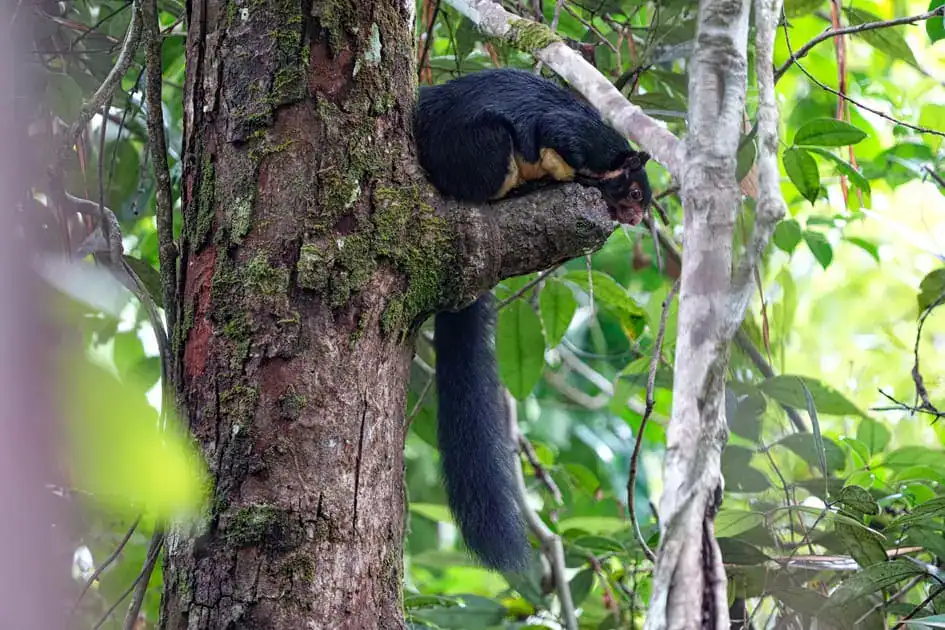
A Giant Squirrel in Sinharaja Rainforest (Photo: Thomas Landgren, CC BY-NC-ND 4.0)
Large mammals often attract attention in wildlife tourism, although Sinharaja rewards patience rather than expectation.
The purple-faced langur ranks among the forest’s most frequently observed mammals. These endemic primates move through the canopy in small groups, feeding on leaves and fruits. Toque macaques also inhabit the reserve and occasionally appear near trails.
Other residents include giant squirrels, golden palm civets, and the elusive red slender loris. The Sri Lankan leopard inhabits parts of the reserve. However, sightings remain rare due to dense vegetation and naturally low encounter rates.
Birdlife That Draws Visitors From Around the World
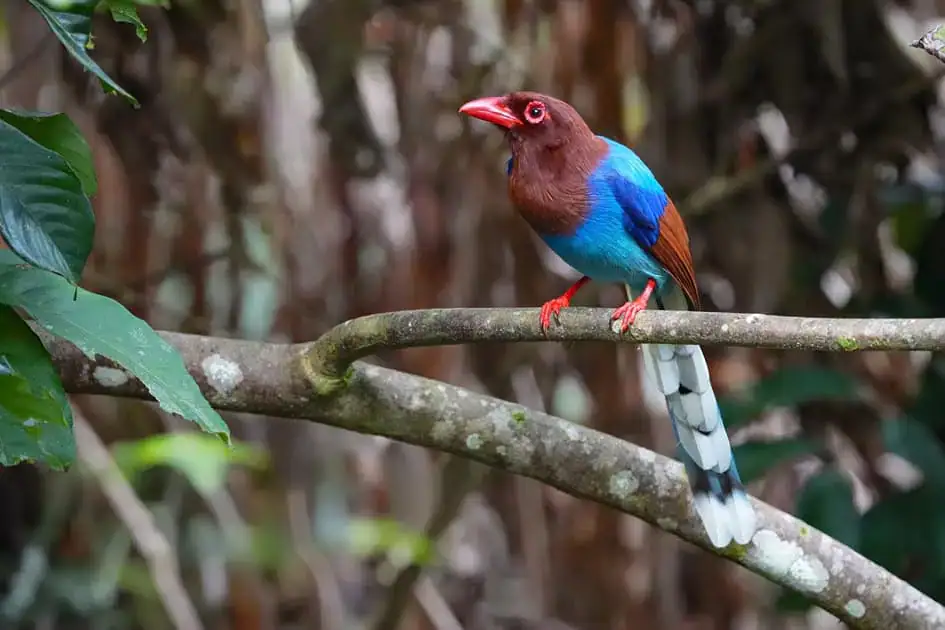
Sri Lankan Blue Magpie (Photo: Thomas Landgren, CC BY-NC-ND 4.0)
For birdwatchers, Sinharaja holds almost legendary status.
The reserve supports many of Sri Lanka’s endemic bird species. Among the most sought-after are the Sri Lankan blue magpie, red-faced malkoha, green-billed coucal, Sri Lankan spurfowl, and Sri Lankan junglefowl. The ashy-headed laughingthrush and Sri Lanka scimitar babbler further enhance the experience for dedicated bird enthusiasts.
Early morning offers the greatest activity. Forest guides often recognise species by sound long before visual confirmation becomes possible. The excitement builds gradually. A distant call leads to movement in the canopy. Binoculars focus. Cameras prepare. Suddenly, a flash of colour appears among the leaves.
For many visitors, these encounters become defining memories of the Sinharaja Rainforest experience.
Reptiles, Amphibians, and Smaller Wonders
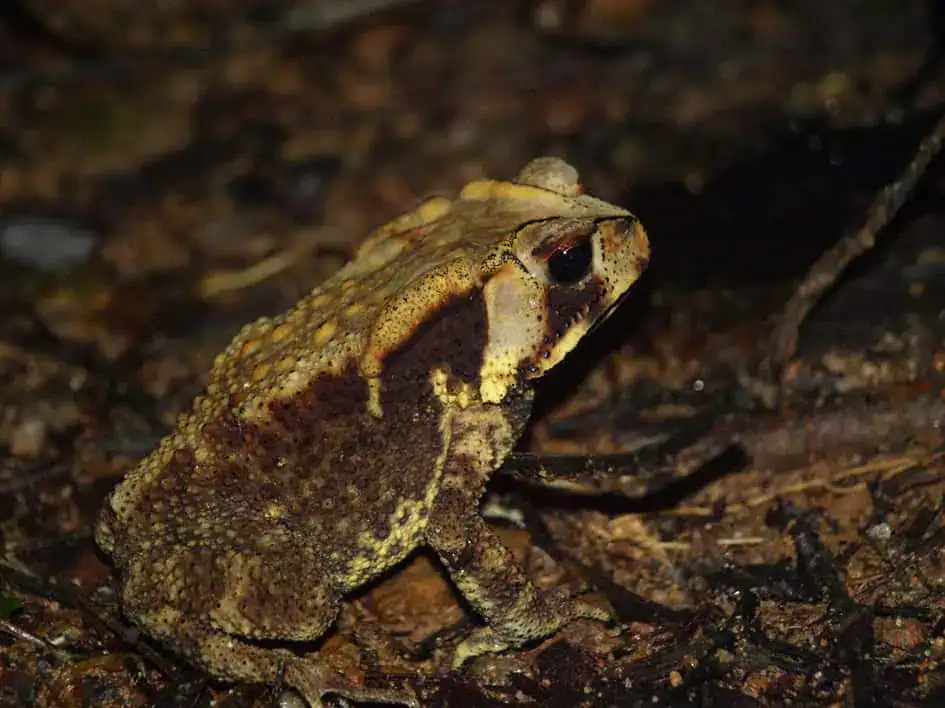
Noellert’s Toad in Sinharaja (Photo: Dinesh Heymaal, CC BY 2.0)
The rainforest’s smaller inhabitants contribute significantly to its ecological complexity.
Endemic lizards bask on sunlit rocks beside streams. Tree frogs emerge after rainfall, their calls echoing through the vegetation. Green pit vipers remain motionless among branches, blending seamlessly into their surroundings.
Butterflies add colour to the forest. Species such as the Sri Lankan birdwing capture attention as they move through open spaces between trees. Beetles, spiders, ants, and other invertebrates perform essential ecological functions that sustain the entire system.
Together, these organisms create a living network of extraordinary richness. Exploring Sinharaja, therefore, becomes an exercise in observation. The more carefully you look, the more the forest reveals.
Activities and Experiences in the Sinharaja Rainforest
A visit to the Sinharaja Rainforest is not about ticking off attractions from a list. The experience unfolds gradually. Every walk through the forest offers something different. Seasonal changes influence wildlife activity. Weather patterns shape the landscape’s mood. Even travellers following the same trail on different days often return with entirely different stories.
Guided rainforest walks remain the most popular activity. These walks range from short introductions lasting a few hours to full-day explorations that venture deeper into the forest. Local guides enrich the experience by identifying birds through their calls, explaining the medicinal uses of native plants, and sharing insights into the complex relationships that sustain rainforest ecosystems. Without this knowledge, many of the forest’s hidden details would pass unnoticed.
Birdwatching attracts visitors from across the globe. The opportunity to observe a concentration of endemic species within a relatively small area has earned Sinharaja an outstanding reputation among bird enthusiasts. Early mornings provide the best conditions. The forest stirs with activity as mixed-species feeding flocks move through the canopy. Even travellers with limited birdwatching experience often find themselves captivated by the energy and colour surrounding them.
Wildlife photography presents its own rewards and challenges. Unlike open grasslands, where animals stand in clear view, rainforest photography demands patience. Soft light filters through dense foliage. Subjects appear unexpectedly and disappear within seconds. Success depends less on expensive equipment and more on careful observation and timing.
Nature enthusiasts often enjoy simple moments as much as organised activities. Listening to rainfall moving through the canopy, watching butterflies gather near stream banks, or pausing beside a flowing river offers a welcome contrast to fast-paced travel.
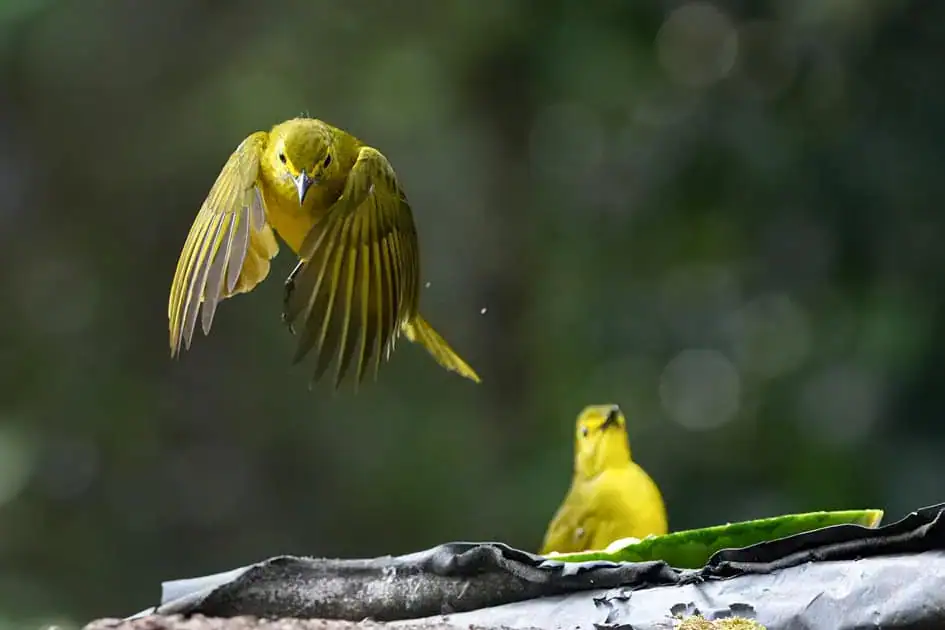
Yellow-browed bulbul in Sinharaja (Photo: Thomas Landgren, CC BY-NC-ND 4.0)
Recommended Hiking and Trekking Routes
The Sinharaja Rainforest caters to travellers with varying levels of fitness and outdoor experience. Whether you seek a gentle nature walk or a demanding full-day trek, the reserve offers options to suit.
Short walks near the main entrances provide an accessible introduction to the rainforest environment. These routes allow visitors to experience the atmosphere of Sinharaja without committing to strenuous activity. Families with older children often choose these trails.
Half-day hikes take travellers deeper into the forest. Along these routes, opportunities for birdwatching increase significantly. Guides frequently stop to interpret signs of wildlife activity, identify endemic plants, and discuss conservation efforts within the reserve.
Experienced hikers often favour longer treks that traverse more remote sections of the forest. Some routes lead towards Sinhagala, one of the highest points within the reserve. Reaching these elevated areas requires effort, yet the surrounding views reward persistence. Layers of forest extend towards the horizon, reinforcing the scale and importance of this protected wilderness.
Regardless of the chosen route, appropriate footwear remains essential. Trails often become slippery following rainfall. Visitors should also carry drinking water and prepare for changing weather conditions.
Waterfalls and Rivers in the Sinharaja Forest Reserve
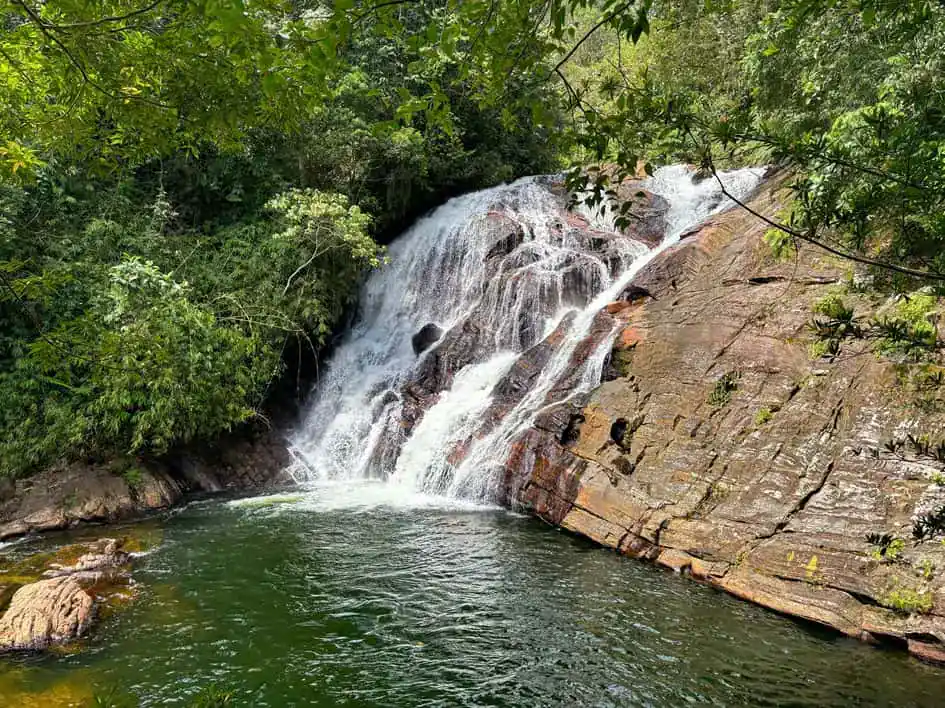
Brahmana Ella Falls, near Lankagama side (Photo by Sadeep Jayashankha on Unsplash)
Water shapes both the ecology and the visitor experience within Sinharaja. Numerous streams originate within the rainforest, feeding larger river systems that support agriculture and daily life in surrounding communities.
Several trekking routes pass natural pools and small cascades where visitors pause to rest. During warmer periods, the cool water provides welcome relief after long walks. The soothing sound of flowing streams also contributes to the sense of tranquillity many travellers associate with Sinharaja.
The Deniyaya side of the reserve offers access to several scenic waterfalls near the forest boundary. These sites often complement rainforest visits and provide additional opportunities for photography and relaxation.
Travellers should exercise caution around waterways, particularly after heavy rainfall. Water levels rise quickly, and rocks become slippery. Local guides remain the best source of information regarding safe conditions during your visit.
Village Life Around the Sinharaja Rainforest
The story of Sinharaja extends beyond the forest itself. Communities living near the reserve have developed close relationships with the surrounding environment over many generations.
Traditional livelihoods in these villages often centre on agriculture. Tea cultivation, cinnamon production, and home gardening contribute to household incomes. In recent decades, tourism has emerged as another important economic activity. Residents increasingly serve as guides, lodge operators, cooks, and drivers.
Visitors who choose locally owned accommodation gain valuable insight into everyday life in rural Sri Lanka. Home-cooked meals feature fresh ingredients and regional recipes passed down through families. Conversations with hosts often reveal perspectives on conservation, changing livelihoods, and the challenges associated with balancing development and environmental protection.
Responsible tourism strengthens these connections. By supporting local enterprises, travellers contribute directly to the well-being of communities that play an important role in protecting the Sinharaja Forest Reserve.

Enjoying Kekuna Ella Falls (Photo: Andreas, CC BY-NC-ND 2.0)
How to Reach the Sinharaja Rainforest
Planning transport forms an important part of any Sinharaja itinerary. While the reserve feels remote, access from major destinations remains straightforward with proper preparation.
Travellers departing from Colombo should expect a journey of approximately four to five hours by private vehicle, depending on the chosen entrance and traffic conditions. The Kudawa entrance is often the preferred option for visitors approaching from the capital.
Those travelling from Galle frequently access the reserve through Deniyaya. This route complements itineraries focused on Sri Lanka’s Southern Coast.
Visitors arriving from Ella, Kandy, or the Cultural Triangle should allow additional travel time due to winding roads through mountainous terrain. Hiring a private driver offers convenience and flexibility. Public transport options exist, although connections often involve multiple buses and longer travel durations.
We recommend reading our guide about transport in Sri Lanka.
Understanding the Main Entrances
Sinharaja offers several access points, each suited to different interests and travel styles.
The Kudawa entrance, near Ratnapura, attracts first-time visitors and serious birdwatchers alike. Established trails, experienced guides, and nearby accommodation contribute to its popularity.
The Deniyaya entrance appeals to travellers seeking scenic trekking opportunities and access to waterfalls. The surrounding region also supports a growing number of eco-lodges.
Pitadeniya provides a quieter alternative. Visitors interested in exploring less-frequented areas often favour this entrance, particularly when travelling with knowledgeable guides.
Choosing the right entrance depends on your priorities. Travellers who focus on birdwatching often prefer Kudawa. Those interested in longer hikes and broader exploration often consider Deniyaya.
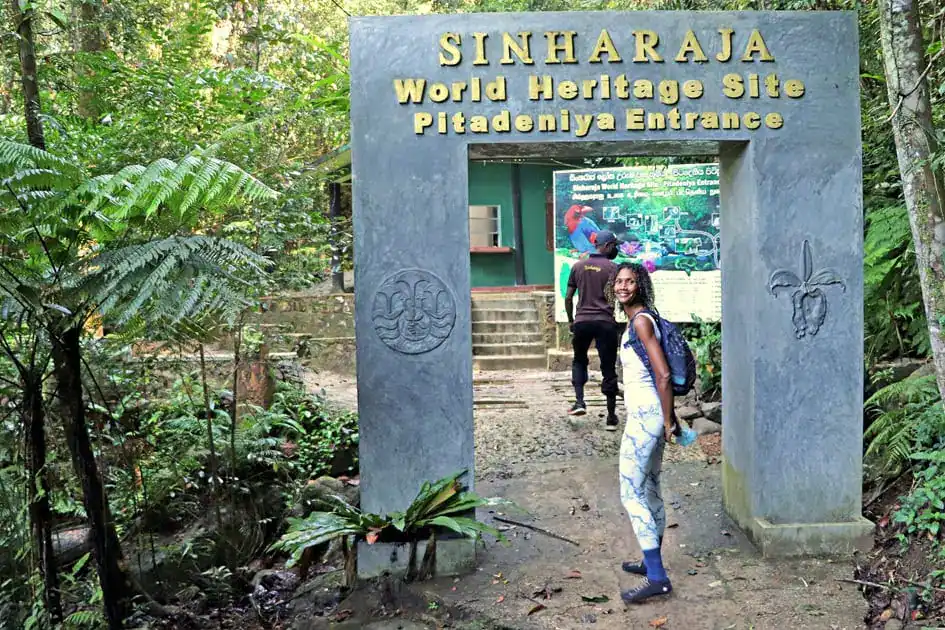
Pitadeniya Entrance – Sinharaja Forest Reserve (Photo: Andreas, CC BY-NC-ND 2.0)
Do You Need a Guide?
Technically, some sections of the reserve permit independent exploration. In practice, hiring a guide enhances nearly every aspect of the experience.
The rainforest conceals much of its wildlife. Birds call from hidden perches. Camouflaged reptiles remain motionless against tree bark. Without guidance, many visitors overlook the very species they travelled to observe.
Local guides possess extensive knowledge gained through years of experience. They interpret animal behaviour, identify endemic plants, and adapt routes according to weather conditions and visitor interests. Their contributions transform a simple walk into an educational experience.
Employing local guides also supports the livelihoods of communities connected to sustainable tourism. This economic benefit reinforces incentives for long-term conservation.
We recommend reading “How to Find a Reliable Tour Guide in Sri Lanka.”
Weather and Conditions in the Sinharaja Forest Reserve
The Sinharaja Rainforest experiences a humid tropical climate characterised by year-round rainfall. These conditions sustain the lush vegetation and extraordinary biodiversity that define the reserve.
Temperatures generally remain moderate due to forest cover and elevation. Daytime conditions often feel warm and humid rather than excessively hot. Rainfall patterns vary seasonally, but visitors should expect occasional showers year-round.
Humidity influences both comfort and equipment management. Lightweight, quick-drying clothing performs best. Waterproof protection for cameras and electronic devices also proves valuable.
If you combine your visit to Sinharaja Rainforest with other destinations in Sri Lanka, it is recommended to read about the best time to visit Sri Lanka and the weather.
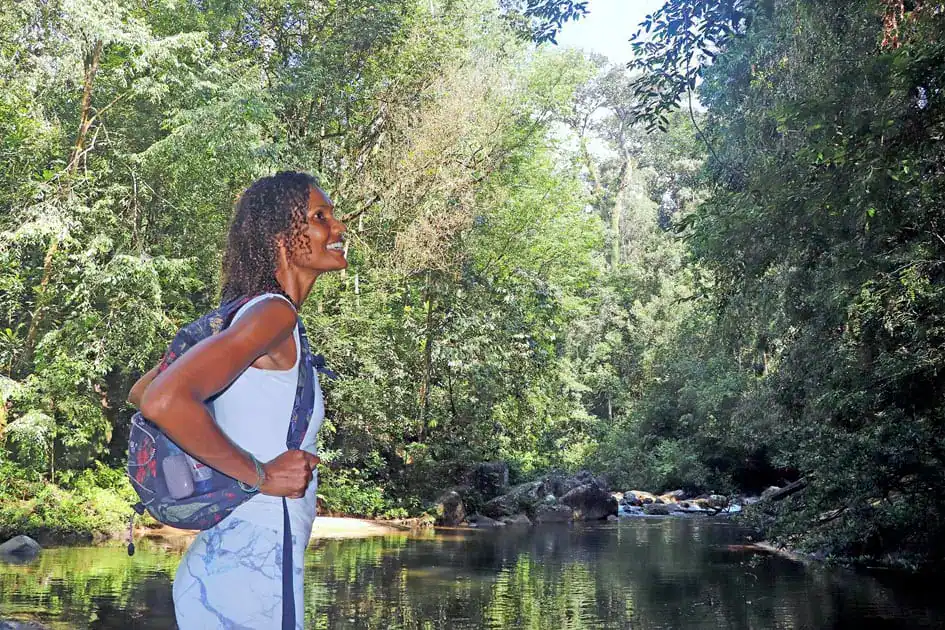
Enjoying the beauty of Sinharaja Forest (Photo: Andreas, CC BY-NC-ND 2.0)
Best Time to Visit the Sinharaja Rainforest
Many travellers consider the period between January and April favourable for visiting Sinharaja. Weather patterns during these months often support comfortable trekking conditions and productive birdwatching opportunities.
Visits during other periods still offer rewarding experiences. Rainfall contributes to the vitality of the rainforest. Streams flow strongly, vegetation appears particularly vibrant, and wildlife activity continues throughout the year.
Flexibility remains important when planning a rainforest visit. Conditions change quickly, and unexpected rain forms part of the experience rather than an inconvenience.
Who Will Enjoy the Sinharaja Rainforest?
Sinharaja appeals to a diverse range of travellers.
Birdwatchers rank among the most enthusiastic visitors due to the reserve’s concentration of endemic species. Wildlife photographers appreciate the challenges and variety of rainforest environments.
Nature enthusiasts seeking immersive outdoor experiences often place Sinharaja among the highlights of their Sri Lanka journey. Hikers enjoy the opportunity to combine physical activity with environmental exploration.
Families travelling with older children frequently value the educational aspects of guided walks. Slow travellers interested in rural culture and sustainable tourism also find meaningful connections within surrounding communities.

Enjoying Kekuna Ella Falls – Sinharaja Rainforest (Photo: Andreas, CC BY-NC-ND 2.0)
Preparing for Your Trip and What to Pack
Preparation contributes significantly to visitor comfort.
Lightweight clothing suited to humid conditions works best. Long sleeves and trousers provide additional protection against insects and vegetation. Wear hiking shoes with good grip, as sections of the trail often become muddy and slippery.
Visitors should carry drinking water, insect repellent, sun protection, and rain gear. Binoculars enhance wildlife observation. Photographers benefit from waterproof bags or protective covers for equipment.
Leeches occur naturally within rainforest ecosystems, particularly following rainfall. Wearing long socks and following the guide recommendations reduces concern. Most visitors quickly adapt to this aspect of the environment.
Photography Tips for Capturing Sinharaja
Rainforest photography rewards patience.
Soft morning light offers favourable conditions for bird and landscape photography. Raising camera sensitivity often proves necessary due to limited light beneath the canopy.
Photographers should move quietly and avoid disturbing wildlife. Ethical practices ensure that natural behaviours remain undisturbed.
Protecting equipment from moisture remains important. Dry bags and silica gel packets provide practical solutions during extended visits.
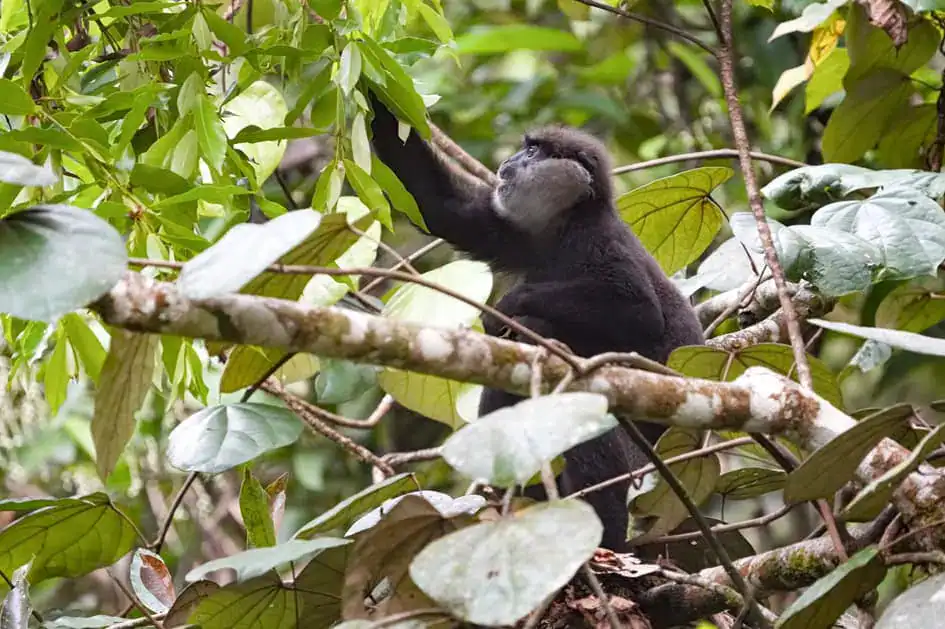
Purple-Faced Langur in Sinharaja Forest Reserve (Photo: Thomas Landgren, CC BY-NC-ND 4.0)
Nearby Attractions Worth Visiting
Sinharaja integrates easily into broader Sri Lanka itineraries.
Travellers often combine rainforest visits with stays in Deniyaya or Rakwana. Tea-growing regions nearby offer scenic drives and opportunities to learn about Ceylon Tea, one of the most famous exports.
Ratnapura, known as the “City of Gems,” lies within easy reach of Sinharaja and offers visitors the chance to explore Sri Lanka’s world-renowned gemstone industry. Gem museums, traditional mining sites, and local markets provide insight into a trade that has shaped the region for centuries.
Wildlife enthusiasts often continue their journey to Udawalawe National Park, one of the country’s best safari destinations. The park is famous for its large population of Asian elephants. It offers excellent opportunities to spot water buffalo, deer, crocodiles, and a variety of bird species in open grasslands and wetlands.
Those continuing towards the Southern Coast gain convenient access to destinations such as Mirissa, Tangalle, and Galle. This combination creates a rewarding contrast between rainforest exploration and coastal relaxation.
Simple Travel Plans
A one-day visit suits travellers with limited time. Early arrival, a guided trek, lunch near the reserve, and afternoon departure provide a satisfying introduction.
Two-day itineraries allow greater flexibility. Visitors can enjoy birdwatching at different times of day, engage with villagers, and explore further.
Three-day stays appeal to dedicated nature enthusiasts. Extended visits support slower travel and a deeper appreciation of the forest environment.
Accommodation and Dining Options
Accommodation near Sinharaja ranges from simple guesthouses to eco-lodges and boutique retreats.
Many properties emphasise sustainability through environmentally conscious practices. Family-run accommodations often provide the most authentic experiences.
Dining options typically feature traditional Sri Lankan cuisine prepared with fresh local ingredients. Rice and curry remain staples. Vegetarian choices are widely available.
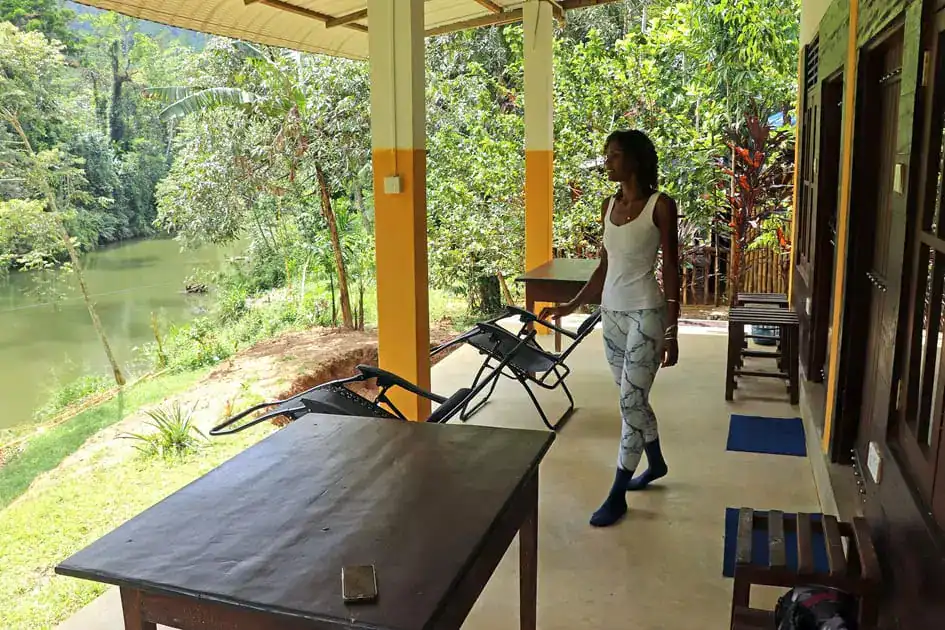
Vini Villa Lodge – Sinharaja (Photo: Andreas, CC BY-NC-ND 2.0)
Special Tips for Visiting Sinharaja
- Start activities early in the morning. Wildlife activity usually peaks during these hours.
- Carry sufficient cash, as card facilities remain limited in rural areas.
- Download offline maps before arrival if relying on mobile devices.
- Respect local customs and maintain flexibility within your schedule.
Dos and Don’ts
- Follow the guide instructions and stay on designated trails.
- Support local businesses whenever possible.
- Carry reusable water bottles and minimise waste.
- Avoid feeding wildlife.
- Do not remove plants, insects, or other natural materials from the reserve.
- Keep noise levels low to preserve the forest’s tranquillity and reduce disturbance to wildlife.
Safety Tips and Responsible Tourism Practices
Responsible travel protects both visitors and ecosystems.
Remain aware of trail conditions, particularly following rainfall. Stay hydrated throughout hikes and inform guides of any medical concerns before departure.
Choose operators committed to sustainable practices. Respect wildlife-viewing distances and avoid behaviours that encourage dependency or stress in animals.
Every responsible decision contributes to the long-term protection of one of Sri Lanka’s most valuable UNESCO World Heritage Sites.
If you visit Sri Lanka for the first time, it is recommended to read about the best travel itineraries for your travel season and our complete travel guide for first-time visitors.

An Art of Ferns in Sinharaja Forest Reserve (Photo: Thomas Landgren, CC BY-NC-ND 4.0)
Final Thoughts
The Sinharaja Rainforest offers something increasingly rare in contemporary travel. It provides an opportunity to engage with nature and wildlife on its own terms. Ancient trees, endemic wildlife, flowing rivers, and welcoming communities combine to create an experience rooted in authenticity.
Officially recognised as the Sinharaja Forest Reserve, this protected wilderness stands as a powerful reminder of the importance of conservation. Its status as one of Sri Lanka’s UNESCO World Heritage Sites reflects both its ecological significance and global responsibility.
If your vision of travel extends beyond photographs and checklists, Sinharaja deserves a place on your Sri Lanka itinerary. The forest rewards curiosity, patience, and respect. Long after the journey ends, the memory of mist drifting through the canopy and birds calling from hidden branches often stays with those fortunate enough to walk its trails.
Sources and References:
- UNESCO World Heritage Centre. “Sinharaja Forest Reserve.”
- UNESCO World Heritage Centre. “Sinharaja Forest Reserve: Documents.”
- Sri Lanka Tourism. “Sinharaja Forest Reserve.”
- Sri Lanka Tourism Development Authority.
- Sri Lanka Tourism Development Authority. “Sustainable Tourism.”
- Forest Department of Sri Lanka.
- Department of Wildlife Conservation, Sri Lanka.
- IUCN World Heritage Outlook. “Sinharaja Forest Reserve.”
- Smithsonian ForestGEO. “Sinharaja Forest Dynamics Plot, Sri Lanka.”
- Sri Lanka Ecotourism Foundation. “Sinharaja Rain Forest.”
Featured image: Sinharaja Rainforest (Photo by Sadeep Jayashankha on Unsplash

I am a Sri Lankan medical doctor who spends my free time travelling, exploring new destinations, and documenting the beauty of the island I call home. I have journeyed across almost every corner of Sri Lanka with my wife and daughter — from wildlife parks and misty mountains to ancient cities, deep forests, rugged landscapes, and quiet beaches.
Travel is not just a hobby for me — it’s a way of life. I love nature, enjoy road trips, and find joy in wildlife photography. I also read widely about tourism, travel trends, and destination culture. Through my writing, I aim to help travellers experience Sri Lanka through real stories, meaningful insights, and honest recommendations — the same way I explore it with my own family.