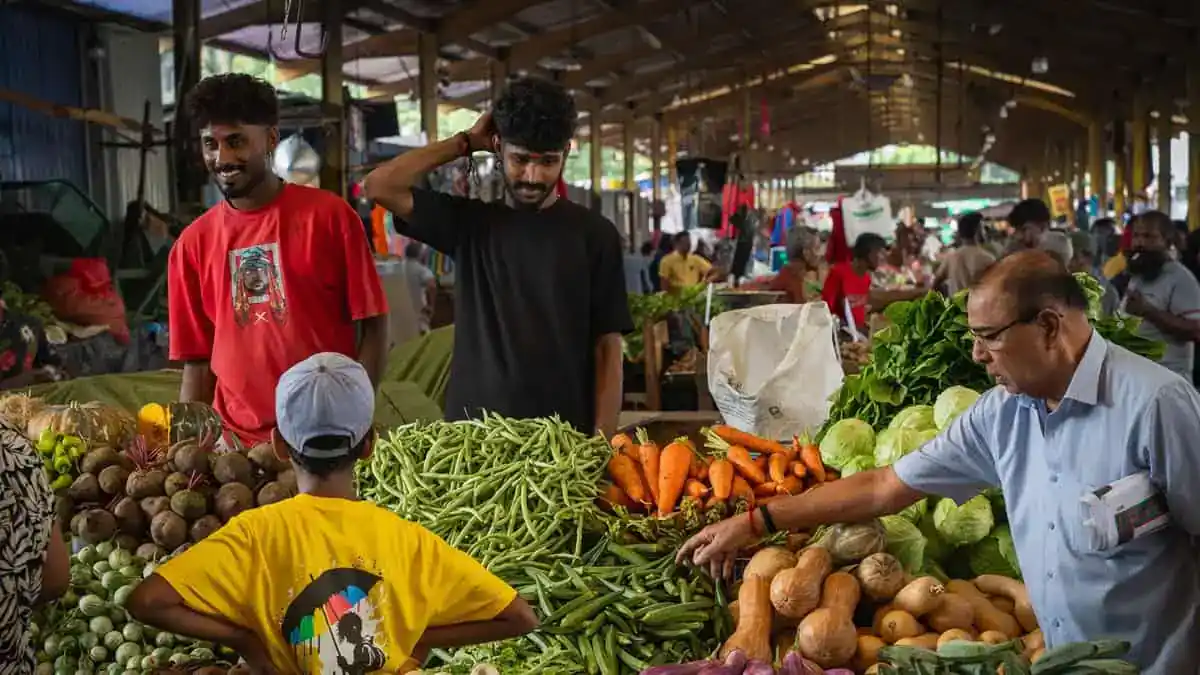

Sri Lanka draws travellers with its beaches, wildlife parks, tea-covered hills, and ancient cities. Yet many visitors return home talking about something else. They talk about the markets. They remember the sounds of traders calling out prices in Colombo. They remember the scent of cinnamon in Kandy. They remember fishermen unloading fresh tuna before sunrise in Negombo. They remember tasting fruits they had never seen before in Jaffna.
The best markets in Sri Lanka offer far more than shopping. They give you direct access to local life. They place you among farmers, fishermen, traders, artisans, and families going about their daily routines. A market visit often reveals more about a destination than a museum or guided tour.
It is one reason why markets continue to appear in travel itineraries promoted by Sri Lanka Tourism, tour operators, and travel writers. Colombo’s Pettah Market ranks among the most frequently recommended experiences in the capital. Food tours include visits to local markets. Cultural tours stop at spice markets and handicraft centres. Shopping itineraries often focus on tea, gemstones, batik, and traditional products linked to Sri Lanka’s heritage.
If you want to understand the island beyond its famous landmarks, these markets deserve a place on your itinerary.
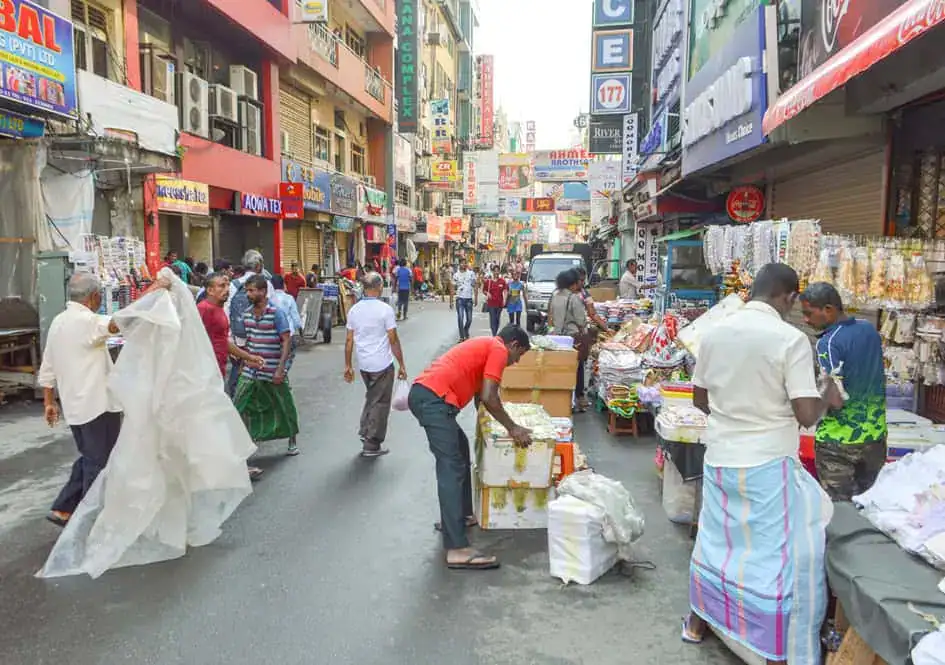
A Market Street in Pettah, Colombo (Photo: Francisco Anzola, CC BY 2.0)
Why Markets in Sri Lanka Matter to Travellers
Markets have always played an important role in Sri Lankan society. Long before modern supermarkets arrived, people bought fresh produce, seafood, spices, and household goods from local markets. Many of those traditions continue today.
For foreign travellers, markets provide something many destinations struggle to offer. They provide genuine interaction with local communities. There is no script. There is no performance designed for tourists. Life unfolds naturally around you.
Markets also reveal the diversity of Sri Lanka. Products, foods, languages, and customs vary from region to region. A market in Jaffna feels different from one in Colombo. A fish market in Negombo offers a different experience from a spice market in Kandy.
Each destination tells its own story.
Pettah Market, Colombo’s Living Commercial Heart
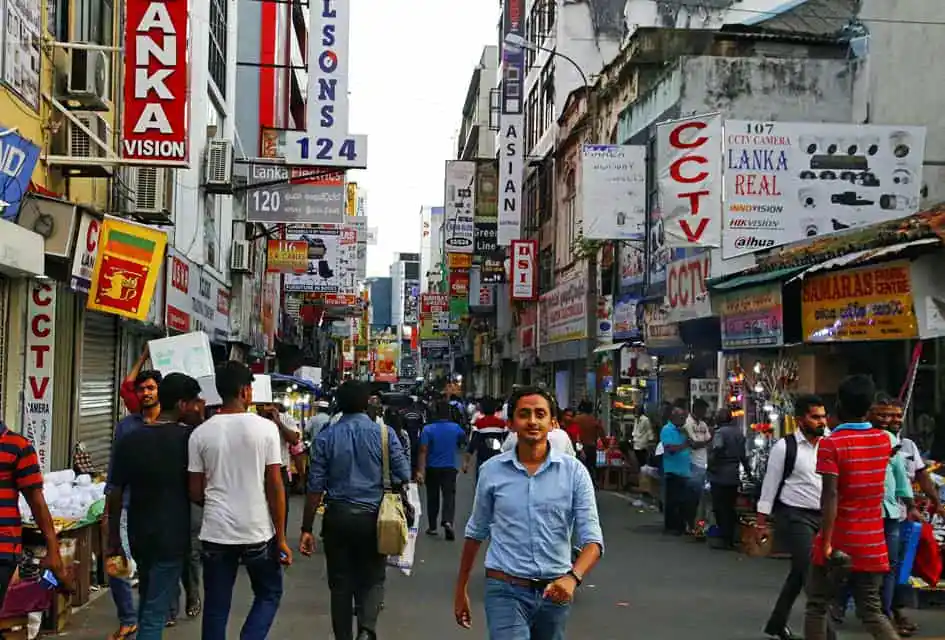
A Market Street – Pettah, Colombo (Photo: imke.sta, CC BY-SA 2.0)
Among all markets in Sri Lanka, Pettah Market stands out for its visibility, popularity, and cultural importance.
Located beside Colombo Fort, Pettah serves as the country’s busiest commercial district. Sri Lanka Tourism regularly highlights Pettah as one of the essential experiences in Colombo. Many city tours include a stop here because no other place captures the energy of urban Sri Lanka quite like this.
Your first impression will likely involve movement. People walk in every direction. Vendors arrange fresh produce. Porters push loaded carts through narrow streets. Shopkeepers negotiate with customers. Delivery trucks compete for space with tuk-tuks.
The district consists of streets dedicated to specific trades. One street focuses on electronics. Another specialises in textiles. Others focus on jewellery, spices, household goods, hardware, or fresh produce.
This structure gives Pettah a unique rhythm. Every turn introduces a new atmosphere.
Photographers often rank Pettah among Colombo’s best locations for street photography. The market presents endless scenes of daily life. Bright fruit displays sit beside historic buildings. Colourful signs compete for attention. Religious landmarks stand among commercial streets.
One of the district’s most famous landmarks is the Red Mosque, locally known as Jami Ul-Alfar. Its striking red-and-white exterior attracts visitors from around the world. Many travellers combine a visit to the mosque with a walk through the surrounding market streets.
Food lovers also find plenty to enjoy. Small vendors sell samosas, fresh fruit, traditional short eats, and local snacks. A simple walk through Pettah often becomes an informal food tour.
Pettah works best for travellers who enjoy culture, photography, Sri Lankan food, and authentic urban experiences. It is busy, crowded, and sometimes overwhelming. Those qualities also make it one of the most memorable places in the country.
Good Market, Colombo’s Sustainable Shopping Experience
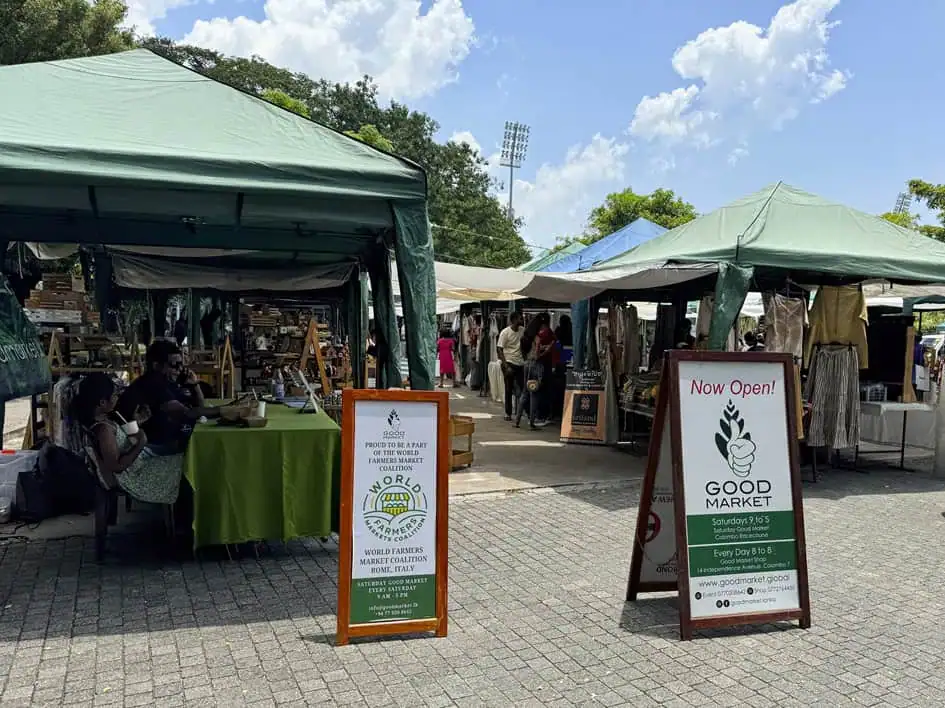
Good Market – Colombo (Photo: Bex Walton, CC BY 2.0)
After the intensity of Pettah, Good Market offers a completely different experience.
This community-driven marketplace has built a strong reputation among travellers interested in sustainability, ethical shopping, wellness, and local entrepreneurship. Many international visitors seek experiences that support local communities. Good Market meets that demand.
The atmosphere feels relaxed from the moment you arrive. Vendors focus on quality rather than volume. Conversations replace bargaining. Visitors browse handmade products, organic foods, natural cosmetics, artisan goods, and environmentally responsible products.
Many sellers represent small businesses and social enterprises. Their products often reflect local traditions while addressing modern concerns such as sustainability and fair trade.
The market attracts a diverse crowd. Local families shop for organic produce. Expats gather for weekend events. Travellers search for meaningful souvenirs with a clear local connection.
Food plays a major role here. Many visitors arrive for lunch and spend hours exploring. Vendors offer healthy meals, fresh juices, plant-based dishes, local snacks, and organic ingredients sourced from around the country.
The social value of Good Market extends beyond commerce. The market supports local producers and encourages responsible consumption. For travellers who want their spending to benefit local communities, this is one of the best shopping experiences in Colombo.
Pettah Floating Market, A Different Side of Colombo
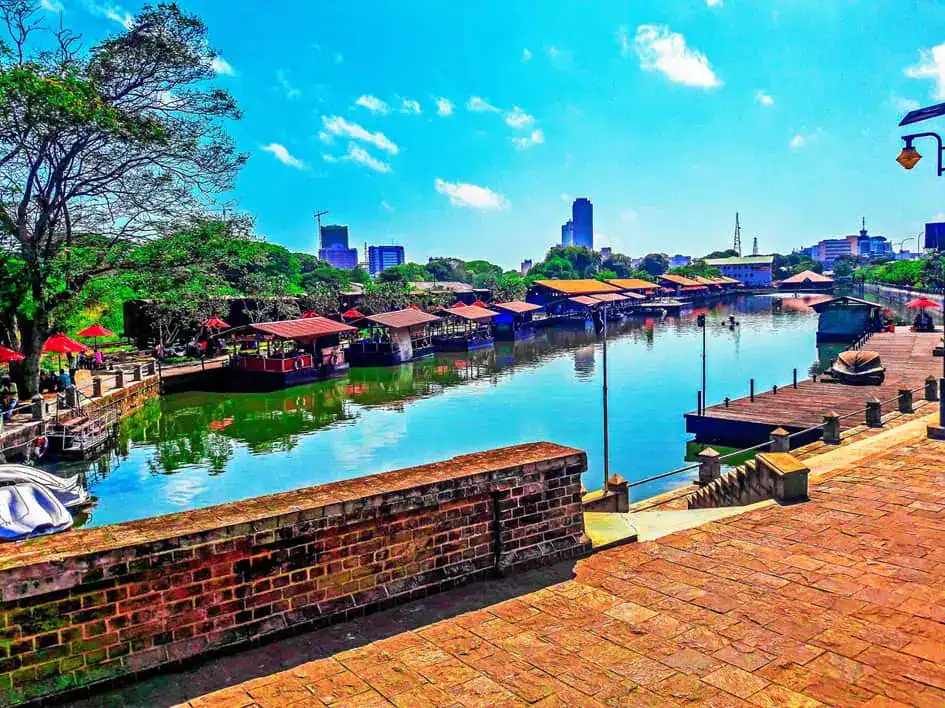
Floating Market Pettah (Photo: Heshan93, CC BY-SA 4.0)
The Pettah Floating Market offers another perspective on Colombo’s commercial life.
Built along the banks of Beira Lake, the market introduced a new concept to the city. Instead of crowded streets and dense traffic, visitors find walkways, open spaces, and waterfront views.
The setting creates a calm atmosphere that appeals to families, couples, and travellers seeking a slower pace.
The market originally formed part of broader efforts to improve public spaces. It strengthens Colombo’s tourism appeal. The result is a destination that combines shopping, leisure, and sightseeing.
Visitors stroll along wooden walkways. They browse shops that sell handicrafts, souvenirs, clothing, and locally produced goods. The water creates a pleasant backdrop for photography.
Many travellers visit the Floating Market after exploring Colombo Fort and Pettah. The contrast between the two locations highlights different aspects of the city. Pettah represents traditional commerce. The Floating Market represents a more modern approach to urban tourism.
Food outlets and cafés provide opportunities to rest while enjoying views across the water. Late afternoon often brings the most pleasant conditions. The light improves for photography, and temperatures become more comfortable.
The Floating Market suits travellers who enjoy casual exploration rather than intensive shopping. It offers a chance to slow down and appreciate a different side of Colombo.
Negombo Fish Market, Sri Lanka at Sunrise
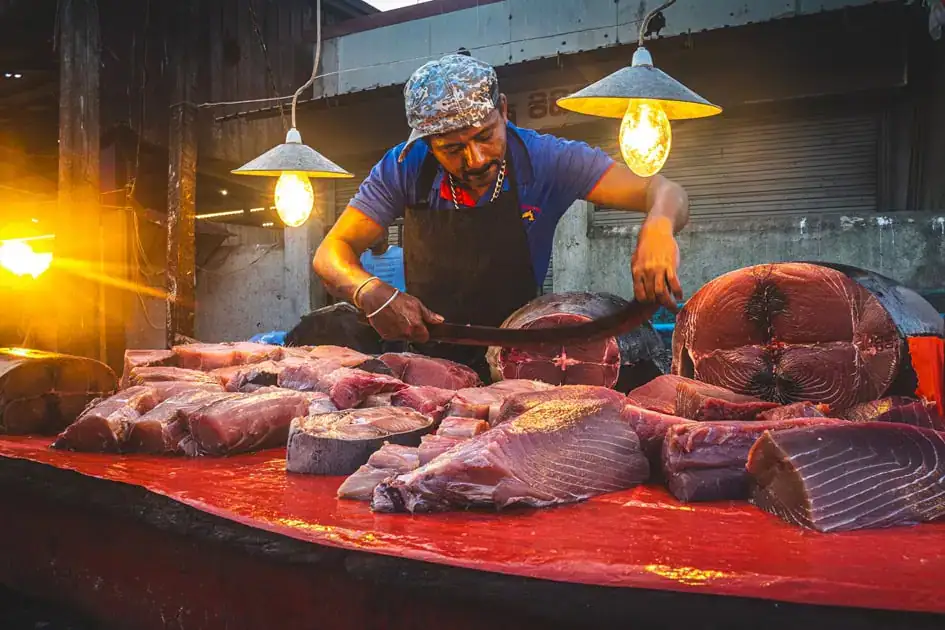
Negombo Fish Market (Photo: Nazly Ahmed, CC BY-NC-SA 2.0)
Few experiences feel more authentic than a visit to Negombo Fish Market.
Located near one of Sri Lanka’s most important fishing communities, this market begins its busiest period before many travellers wake up. Boats return to shore with their catch. Traders gather to inspect seafood. Buyers negotiate prices. Workers sort fish for transport across the country.
The scene unfolds with impressive speed.
Many travel writers describe Negombo Fish Market as one of Sri Lanka’s most photogenic locations. The combination of fishing boats, fresh seafood, hardworking crews, and coastal scenery creates endless photographic opportunities.
The market’s importance extends far beyond tourism. It serves as a major centre for the seafood trade. Local livelihoods depend on the activities that take place here each day.
Visitors often arrive before sunrise to witness the market at its peak. The early hours reward those willing to make the effort.
Beyond the fresh fish section, visitors also encounter large drying areas where fish are prepared using traditional methods. Rows of drying seafood stretch across open spaces near the coast. The sight offers insight into practices that have supported coastal communities for generations.
Food travellers find particular value in Negombo. Many seafood restaurants source ingredients directly from local fishermen. Visitors often combine a market visit with lunch at one of the town’s popular seafood establishments.
The market appeals to photographers, food enthusiasts, cultural travellers, and anyone interested in seeing a working market rather than a tourist attraction.
You leave with a stronger understanding of the connection between Sri Lanka’s coastal communities and the sea.
Jaffna Market, Northern Sri Lanka’s Cultural Showcase
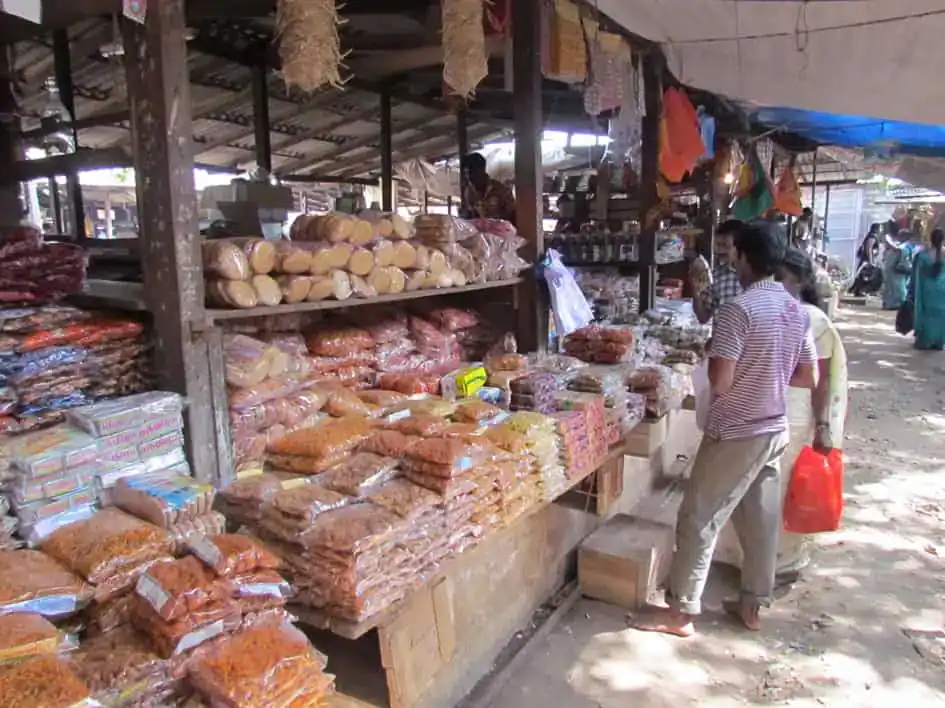
Jaffna Market (Photo: David Brewer, CC BY-SA 2.0)
Northern Sri Lanka continues to attract growing interest from international travellers. As more visitors venture beyond the traditional tourist circuit, Jaffna Market has emerged as one of the country’s most rewarding cultural experiences.
The market reflects the Northern Province’s unique identity. Tamil culture shapes the foods, products, languages, and traditions found throughout the area.
For many travellers, this difference forms part of the appeal.
Walking through Jaffna Market introduces products that rarely appear elsewhere on the island. Regional fruits, traditional ingredients, spices, and locally produced goods fill the stalls.
Food often becomes the highlight of the experience.
Jaffna’s cuisine enjoys a strong reputation among Sri Lankan food lovers. The market provides the best introduction to local ingredients and culinary traditions. Visitors encounter flavours shaped by centuries of regional history and cultural exchange.
Unlike heavily visited tourist destinations, Jaffna retains a strong local focus. Most shoppers come for practical reasons. They are buying food, household items, and daily supplies.
It creates a more natural atmosphere for visitors seeking genuine cultural interaction.
The market also serves as a valuable introduction to Northern Sri Lanka before exploring nearby attractions, temples, islands, and historical sites.
Travellers who enjoy food, culture, and less crowded destinations often rank Jaffna among their favourite experiences in Sri Lanka.
Kandy Central Market, The Gateway to Sri Lanka’s Spice Culture
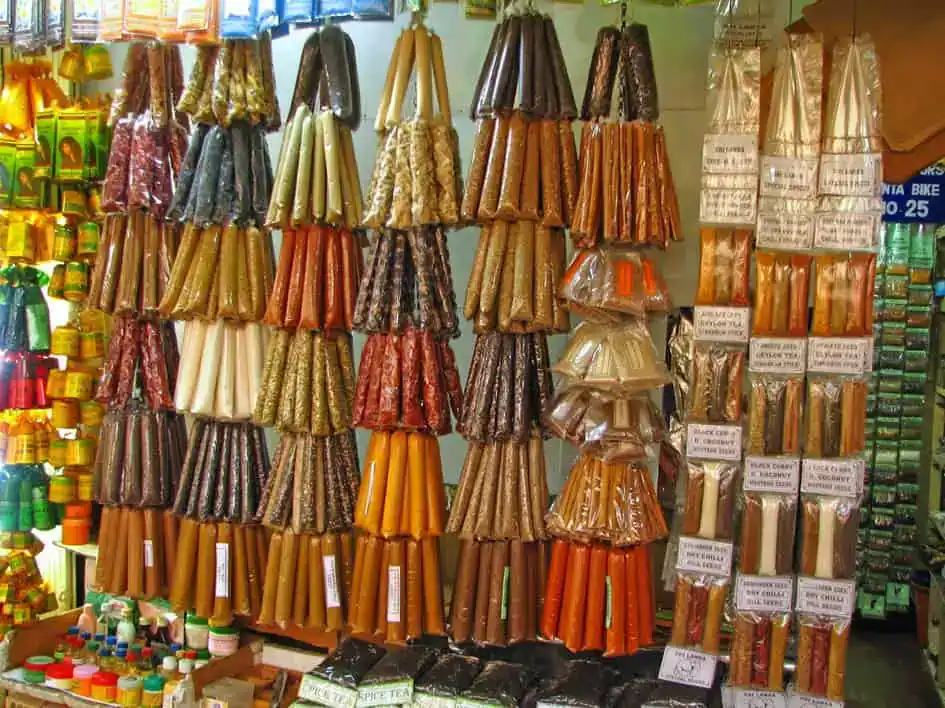
A Spice Shop – Kandy Central Market (Photo: McKay Savage, CC BY 2.0)
Many travellers visit Kandy to see the Temple of the Tooth Relic, stroll around Kandy Lake, and explore the surrounding hills. Yet one of the city’s most rewarding experiences lies at its heart. Kandy Central Market offers a close look at daily life in Sri Lanka’s cultural capital.
Unlike some tourist-focused shopping areas, this market exists first and foremost for local people. Residents visit each day to buy vegetables, fruit, spices, flowers, meat, and household goods. It gives the market an authenticity that many visitors appreciate.
The building itself has served the city for generations. Inside, narrow aisles lead visitors through sections filled with colour, aroma, and activity. Fresh produce arrives from nearby farming communities. Vendors arrange piles of tropical fruits and vegetables. Customers inspect quality and negotiate prices.
Spices attract many foreign visitors. Sri Lanka has earned a global reputation for cinnamon, cardamom, cloves, nutmeg, and pepper. Kandy Central Market provides an opportunity to see these products in the context of daily life rather than as packaged souvenirs.
The scent alone leaves a lasting impression.
Travellers interested in cooking often spend time speaking with spice vendors. Many sellers explain how local ingredients are used in Sri Lankan dishes. These conversations provide valuable insight into the country’s food culture.
The market also offers a useful contrast to Colombo’s larger commercial districts. Kandy feels more compact and easier to navigate. Visitors often find the atmosphere energetic without feeling overwhelming.
For travellers exploring the Cultural Triangle or heading into the hill country, Kandy Central Market serves as an excellent introduction to Sri Lanka’s agricultural traditions.
Tea, Spice, Craft, and Gemstone Markets Across Sri Lanka
Tea Markets and Tea Shopping Experiences Across Sri Lanka
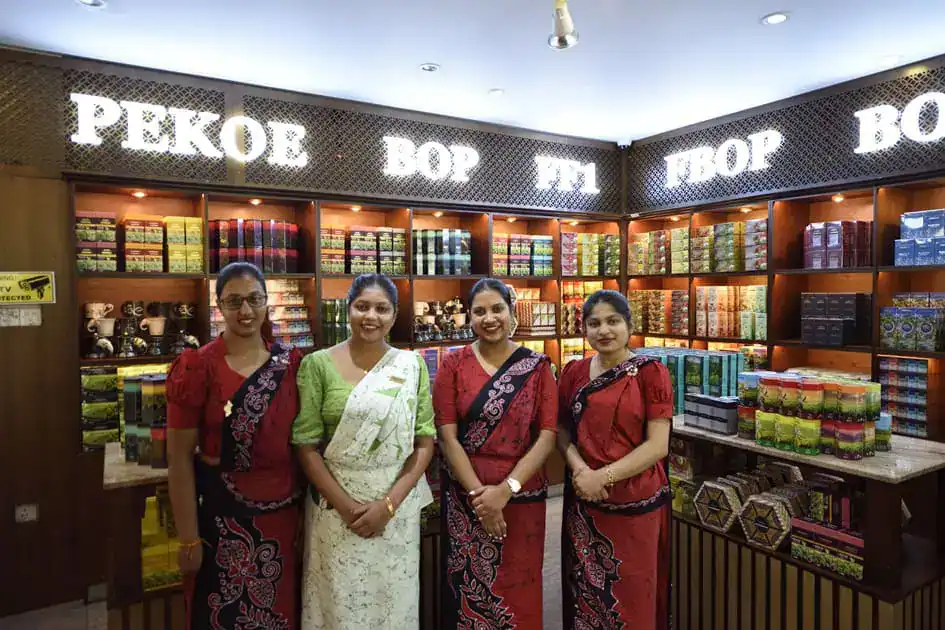
Labookellie Tea Lounge – Nuwara Eliya (Photo: Nalaka Priyantha)
Few products represent Sri Lanka more strongly than tea.
Tea remains one of the country’s most famous exports. For many visitors, buying authentic Ceylon Tea ranks among the top shopping priorities during their trip.
Rather than a single market, Sri Lanka’s tea experience unfolds across several regions. Each destination offers a different perspective on tea production and trade.
Nuwara Eliya stands at the centre of Sri Lanka’s tea country. Surrounded by rolling plantations and cool mountain air, the town attracts travellers from around the world. Tea boutiques, factory outlets, and estate shops provide opportunities to buy premium teas directly from producers.
Many visitors combine shopping with factory tours. These tours explain how tea leaves move from the field to the finished product. Seeing the process firsthand helps travellers appreciate the work that goes into every cup.
Hatton offers another important tea destination. Located among some of Sri Lanka’s most famous estates, the region offers access to high-quality teas grown at high elevations. Estate shops often stock varieties unavailable in regular retail outlets.
Ella has become one of Sri Lanka’s most popular tourist destinations. Alongside its scenic viewpoints and hiking trails, visitors find tea shops offering local blends and speciality products. Many travellers buy tea here before continuing their journey through the hill country.
Kandy also plays an important role in the tea trade. Many tea houses and specialist retailers operate throughout the city. These businesses allow visitors to compare different grades and styles from various growing regions.
Tea shopping in Sri Lanka goes beyond purchasing a product. Visitors learn about cultivation, processing, tasting, and grading. The experience connects agriculture, history, and tourism in a way few industries can match.
Spice Markets and the Flavours That Shaped Sri Lankan Cuisine
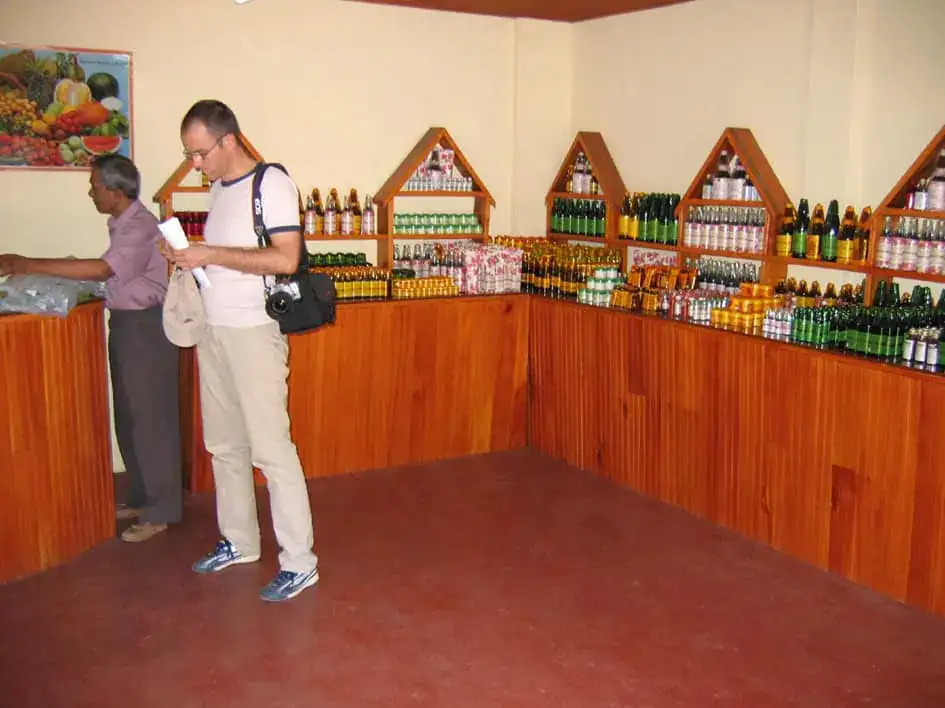
Shopping for Spices in Sri Lanka (Photo: Petr Kosina, CC BY-NC 2.0)
Sri Lanka’s spice heritage stretches back thousands of years. Traders crossed oceans to get the island’s cinnamon and other valuable spices. This legacy continues today.
For travellers, spice markets provide one of the most engaging shopping experiences in the country.
Kandy Central Market serves as one of the best urban locations for spice shopping. Yet the wider region around Matale is equally important.
Matale sits between Kandy and Dambulla. The area has become famous for spice gardens and agricultural production. Many tour itineraries include visits to spice gardens where travellers learn about cinnamon, pepper, cardamom, cloves, turmeric, and nutmeg.
These visits often include demonstrations and guided walks through cultivated gardens. Visitors see how spices grow and learn about their culinary and traditional uses.
The experience adds context to every meal enjoyed during a trip through Sri Lanka.
Many travellers buy spices directly from producers. Freshly harvested cinnamon and pepper remain among the most popular choices. Curry powders also attract interest because they allow visitors to recreate Sri Lankan dishes at home.
The popularity of spice-related experiences reflects broader travel trends. Modern travellers increasingly seek experiences linked to food, culture, and local production. Sri Lanka’s spice regions deliver all three.
Craft Markets and Traditional Handicrafts
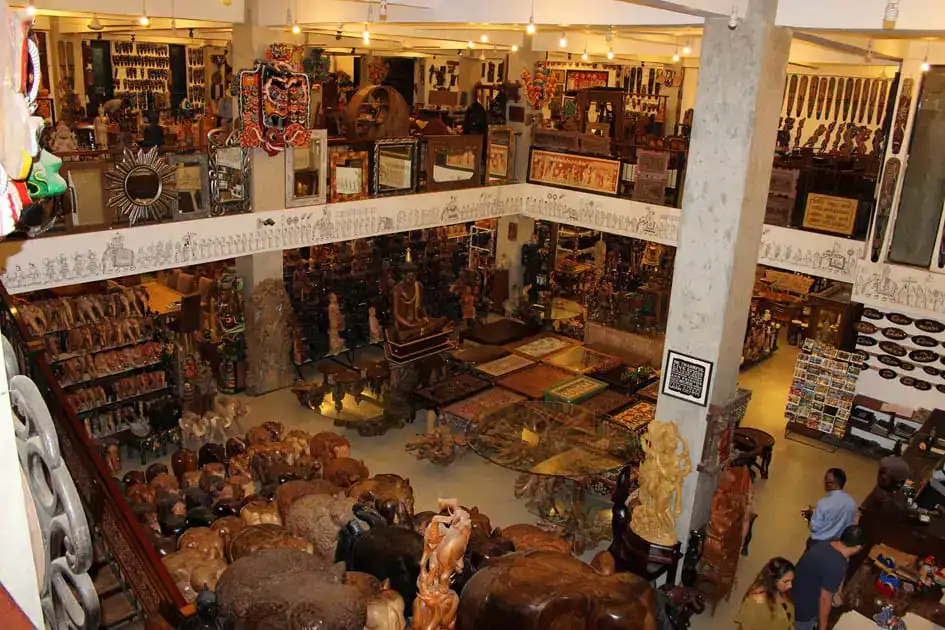
A Craft Market in Kandy (Photo: Trevor Claringbold, CC BY-NC 2.0)
Handmade products occupy an important place within Sri Lanka’s cultural identity.
Across the island, artisans continue traditions passed down through generations. Markets and handicraft centres provide opportunities to see these skills in action while supporting local communities.
Colombo offers several locations where travellers can buy handmade products. Good Market remains a leading destination for artisan goods produced by local makers. Visitors find handmade jewellery, textiles, natural products, artwork, and decorative items.
Kandy is also an important centre for handicrafts. Shops and market stalls offer products that reflect local traditions and regional craftsmanship.
The Cultural Triangle contains several villages known for traditional skills. Artisans produce wood carvings, brassware, pottery, handloom textiles, and decorative masks. Many workshops welcome visitors and show production techniques.
This interaction creates value for both travellers and artisans.
Rather than purchasing mass-produced souvenirs, visitors gain an understanding of the skills that go into each item.
Galle offers another excellent destination for handicraft shopping. The historic fort area contains galleries, boutiques, and specialist retailers featuring products created by local artists and craftspeople.
Batik deserves special mention among Sri Lanka’s traditional arts. This textile technique uses wax-resist dyeing to create intricate patterns. Batik workshops and retail outlets operate throughout the country, particularly in Colombo and Kandy.
Many travellers view handmade products as meaningful souvenirs. They do so because they reflect local culture and support small businesses.
Gemstone Markets and Sri Lanka’s Global Reputation for Precious Stones
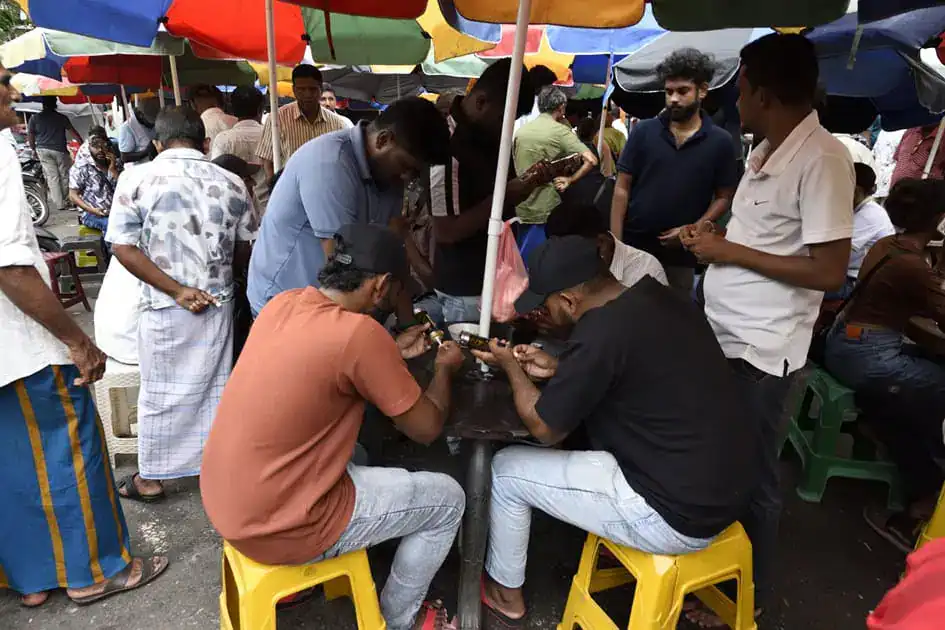
Gemstone Market in Ratnapura (Photo: Nalaka Priyantha)
Sri Lanka is home to one of the world’s richest gemstone traditions.
For centuries, the island has produced sapphires, rubies, garnets, topaz, and many other precious stones. International buyers have long travelled to Sri Lanka in search of exceptional gems.
Ratnapura stands at the centre of this industry. The city’s name translates to “City of Gems,” a title earned through centuries of gemstone mining and trade.
Visitors to Ratnapura gain insight into a sector that contributes significantly to Sri Lanka’s economy and international reputation. Gem museums, workshops, and retailers explain how stones are mined, processed, graded, and sold.
Many travellers visit local gem markets where traders conduct business much as they have for generations.
Watching experienced buyers evaluate stones offers a fascinating glimpse into a specialised world.
Colombo also plays an important role in the gemstone trade. The Sea Street area within Pettah Market has long been associated with jewellery and precious stones. Many retailers operate throughout the capital, offering certified gemstones and finished jewellery.
Travellers interested in purchasing gemstones should always choose reputable sellers and request certification. Established businesses welcome questions and provide information about quality and origin.
For many visitors, gemstone shopping combines cultural interest with the opportunity to get a lasting memento of Sri Lanka.
Which Market in Sri Lanka Matches Your Travel Style?
Every traveller seeks something different.
Some visitors enjoy crowded streets and spontaneous encounters. Others prefer slower experiences with opportunities to speak directly with local producers. Understanding your travel style helps you choose the markets that suit you best.
If this is your first visit to Sri Lanka, Pettah Market deserves a place on your itinerary. No other market captures the scale and diversity of Sri Lankan commerce quite so effectively.
Food lovers should prioritise Negombo Fish Market and Jaffna Market. Both destinations reveal important aspects of regional cuisine and local food culture.
Travellers interested in sustainability often prefer Good Market. Its focus on ethical production and community support aligns with responsible tourism values.
Photography enthusiasts frequently rank Pettah Market and Negombo Fish Market among the country’s strongest locations for documentary and street photography.
Those seeking souvenirs should explore tea shops, spice centres, handicraft markets, and gemstone retailers. These products maintain strong connections to Sri Lanka’s history and cultural identity.
Many visitors find value in experiencing several different markets during a single trip. Each location highlights a different side of the island.
Taken together, they provide a richer understanding of Sri Lanka than any single attraction could offer.
New to Sri Lanka? It is recommended to read about the ultimate travel guide for first-time visitors and how to find the best travel itineraries for your travel season.
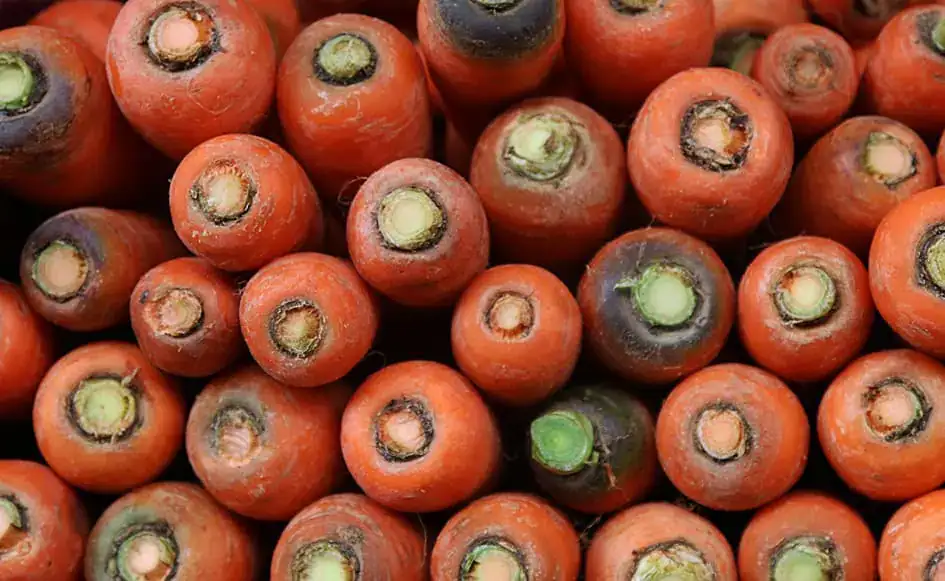
The Art of Carrots in the Kandy Market (Photo: Denish C, CC BY-NC-ND 2.0)
Final Thoughts
The most memorable markets in Sri Lanka offer much more than shopping opportunities. They provide access to the people, traditions, industries, and communities that shape everyday life across the island.
Pettah Market introduces visitors to the energy of Colombo’s commercial heart. Good Market reflects modern values centred on sustainability and local enterprise. The Pettah Floating Market presents a more relaxed urban experience beside the water. Negombo Fish Market reveals the rhythm of coastal life before sunrise. Jaffna Market introduces travellers to the distinct culture and cuisine of Northern Sri Lanka. Kandy Central Market connects visitors with the agricultural traditions of the hill country.
Beyond these individual destinations, Sri Lanka’s tea regions, spice centres, handicraft communities, and gemstone trading hubs tell stories that stretch back centuries. These industries continue to shape the country’s economy, identity, and tourism appeal.
Many travellers arrive in Sri Lanka expecting beaches, nature & wildlife, and ancient monuments. They leave with memories of conversations in markets, meals shared with local vendors, the scent of fresh spices, and the sight of fishermen unloading their catch at dawn.
Those moments often become the experiences people remember most.
If you want a deeper connection with the island, make time for the markets in Sri Lanka. They offer one of the most authentic ways to understand the country’s culture, history, and daily life. Whether you choose the bustling streets of Pettah Market, the seafood traditions of Negombo Fish Market, the northern character of Jaffna Market, or the many tea, spice, craft, and gemstone markets scattered across the island, each visit adds another layer to your understanding of Sri Lanka.
Map – Markets in Sri Lanka
Sources and References:
- Sri Lanka Tourism. Things to Do in Colombo, Tourist Attractions and Experiences in Sri Lanka, Colombo Visitor Information and Travel Guides.
- Sri Lanka Tourism Development Authority (SLTDA). Annual Tourism Industry Reports and Statistics.
- Sri Lanka Export Development Board (EDB). Ceylon Tea Industry Information.
- Sri Lanka Tea Board. Official Information on Ceylon Tea.
- National Gem and Jewellery Authority of Sri Lanka. Sri Lanka Gem Industry Information.
- Department of Export Agriculture, Sri Lanka. Spice Industry Information.
- Tripadvisor. Pettah Market, Colombo. Traveller Reviews and Visitor Experiences, Good Market, Colombo. Traveller Reviews and Visitor Experiences, Pettah Floating Market, Colombo. Traveller Reviews and Visitor Experiences.
- Lonely Planet. Sri Lanka Travel Guide and Destination Information.
- Rough Guides. Sri Lanka Travel Guide.
- Bradt Travel Guides. Sri Lanka Travel Guide.
- Eater. Sri Lanka Food and Culinary Travel Features.
- UN World Tourism Organization (UN Tourism). Global Tourism Trends and Cultural Tourism Research.
- World Travel & Tourism Council (WTTC). Sri Lanka Travel and Tourism Economic Impact Reports.
- Google Maps and Local Business Listings. Location verification and visitor information for Pettah Market, Pettah Floating Market, Negombo Fish Market, Jaffna Market, Kandy Central Market, and regional tea, spice, gemstone, and handicraft markets.
Featured image: Pettah Market (Photo by Thilina Alagiyawanna, via Pexels)

I am a Sri Lankan medical doctor who spends my free time travelling, exploring new destinations, and documenting the beauty of the island I call home. I have journeyed across almost every corner of Sri Lanka with my wife and daughter — from wildlife parks and misty mountains to ancient cities, deep forests, rugged landscapes, and quiet beaches.
Travel is not just a hobby for me — it’s a way of life. I love nature, enjoy road trips, and find joy in wildlife photography. I also read widely about tourism, travel trends, and destination culture. Through my writing, I aim to help travellers experience Sri Lanka through real stories, meaningful insights, and honest recommendations — the same way I explore it with my own family.