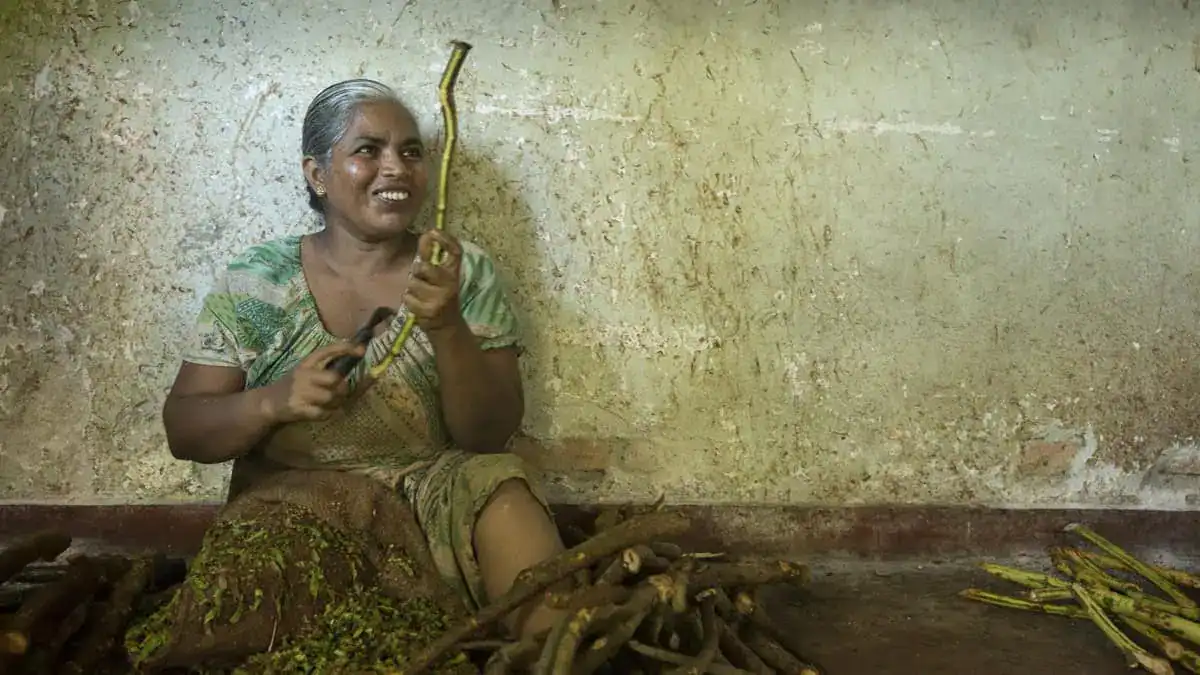

Ceylon Cinnamon sits in kitchens across the world, yet few people know where the spice begins. Visit Sri Lanka and the story becomes far more personal. You walk between small cinnamon trees under the tropical sun. A grower cuts a smooth young stem. A skilled peeler removes the outer bark, loosens the soft inner layer, and rolls thin pieces together by hand. Soon, the familiar cinnamon quill begins to take shape before you. The sweet scent feels softer and fresher than the smell from many supermarket jars. What looked like a simple brown stick now carries a story of land, skill, trade, food, and generations of Sri Lankan knowledge.
Sri Lanka offers the best place to follow this story from tree to finished quill. Ceylon Cinnamon comes from Cinnamomum verum, also known by the older botanical name Cinnamomum zeylanicum. The Sri Lankan Department of Export Agriculture describes cinnamon as indigenous to Sri Lanka. The Sri Lanka Export Development Board also identifies the country as the world’s leading source of pure Ceylon Cinnamon, with Sri Lankan suppliers accounting for about 90 per cent of the global market for true cinnamon.
For a traveller, those facts offer only the beginning. You also get the chance to visit growing areas, watch traditional peeling, taste cinnamon tea, learn how to recognise genuine quills, and take home one of Sri Lanka’s most meaningful food souvenirs. A cinnamon visit also fits well into a wider journey through Galle, Ahangama, Koggala, Weligama, Bentota, Colombo, or the island’s spice-growing regions.
What Is Ceylon Cinnamon?
It is produced from the inner bark of the Cinnamomum verum tree. Many people also call the spice True Cinnamon or Sri Lankan Cinnamon. The older scientific name, Cinnamomum zeylanicum, refers to Ceylon, the former name of Sri Lanka.
The word “true” often causes confusion. Several species within the Cinnamomum group enter international food markets as cinnamon. Cassia varieties have their own long culinary traditions and remain widely used. Calling Ceylon Cinnamon “true” does not turn every other cinnamon into a fake product. The name mainly reflects the botanical identity of Cinnamomum verum.
Ceylon Cinnamon usually looks lighter than common cassia sticks. A whole quill often has a pale tan or soft golden-brown colour. Look at the end of a quill, and you should notice many thin layers of bark rolled together. The structure resembles a tightly packed series of fine curls. Cassia often forms a thicker, harder piece of bark with fewer layers.
The flavour also differs. Ceylon Cinnamon often tastes mild, sweet, warm, and fragrant. Cassia usually gives a stronger and sharper cinnamon flavour. Neither profile suits every dish. The difference matters because many travellers arrive in Sri Lanka after years of using cassia, unaware that another type exists.
The Sri Lankan Department of Export Agriculture places special importance on the traditional quill. Its guidance states that making cinnamon quills represents a form of processing closely associated with Sri Lanka. Peelers roll pieces of peeled bark together before drying them into the long shape associated with Ceylon Cinnamon.
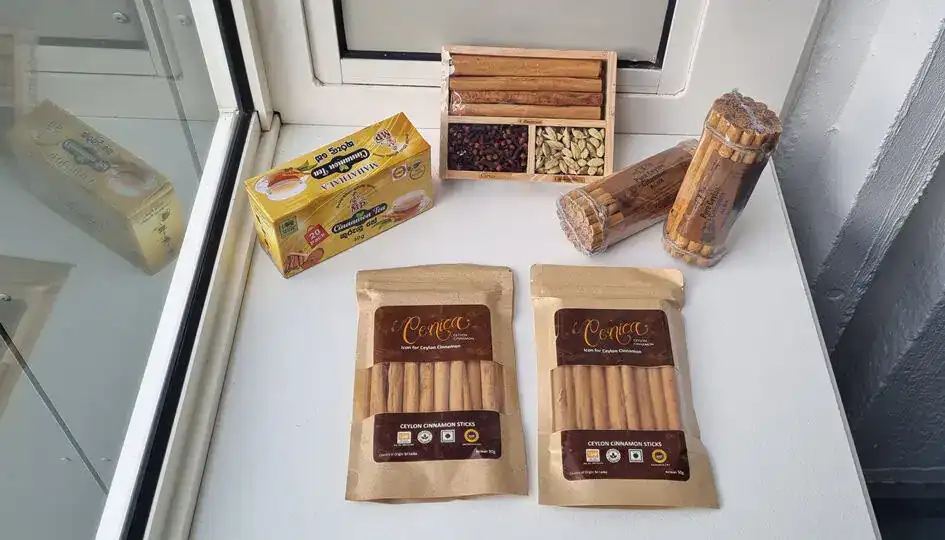
Ceylon Cinnamon Sticks and Other Cinnamon Products We Bought from Sri Lanka (Photo: Nalaka Priyantha)
Why Sri Lanka Has Such a Strong Link With True Cinnamon
Cinnamon and Sri Lanka share a relationship far older than modern tourism campaigns or branded spice packets. Cinnamomum verum grows naturally on the island, and people have worked with cinnamon for generations.
Today, major growing areas lie across the wet and intermediate zones, especially in the South and Southwest. Galle and Matara hold particular interest for travellers because both districts combine cinnamon country with some of Sri Lanka’s busiest coastal routes. Cinnamon also grows in other districts, including Kalutara and Hambantota.
The plant looks less dramatic than a mature coconut palm or a mountain covered with tea. Cinnamon growers often manage the crop as bushy groups of slender stems. Those stems hold the valuable bark. A plantation visit soon changes your view of the plant because you start looking at bark thickness, stem age, leaves, new growth, and the work involved in each finished quill.
Sri Lanka’s official tourism authorities also recognise spices as part of the country’s visitor experience. Sri Lanka Tourism promotes registered spice gardens where visitors learn about cinnamon, pepper, cardamom, nutmeg, and traditional herbs. The Sri Lanka Tourism Development Authority (SLTDA) describes spice gardens as agricultural, culinary, export, and agro-tourism spaces.
Those links between agriculture and tourism make cinnamon especially interesting. A beach gives you scenery. A historic fort gives you architecture. A cinnamon estate introduces you to a living product which still supports growers, peelers, traders, processors, and exporters.
The Spice Which Drew Foreign Traders to Sri Lanka
Cinnamon played a major role in Sri Lanka’s long relationship with overseas trade. The island sat along important Indian Ocean sea routes, where traders moved goods between South Asia, the Middle East, Southeast Asia, and markets farther west.
Cinnamon became one of the goods closely linked to the island. Traders valued the bark for flavour, fragrance, preservation, and other uses. Demand carried Sri Lankan cinnamon far beyond its place of origin.
Later, European powers sought control over coastal trade. The Portuguese established a presence during the sixteenth century. Dutch forces later displaced Portuguese control across much of the coast. The British followed near the end of the eighteenth century and later extended rule across the island.
Cinnamon held major commercial value during this period. Research on Dutch Sri Lanka describes cinnamon as one of the island’s most prized products. Dutch authorities sought strong control over production and sale, while earlier Portuguese rulers also pursued the spice trade.
This history gives a cinnamon tour extra depth. A visit no longer feels like a simple farm stop once you know foreign powers competed for access to the same spice growing around you.
The story also links well with Galle. Walk through Galle Fort, and you see streets, walls, churches, houses, warehouses, and other traces from centuries of coastal trade and colonial rule. Cinnamon belonged to the commercial world surrounding those ports.
A traveller spending two or three days around Galle therefore has an unusual chance. Spend one day exploring the fort and coast. Spend another morning inland among cinnamon trees. The two experiences help explain different sides of the same region.
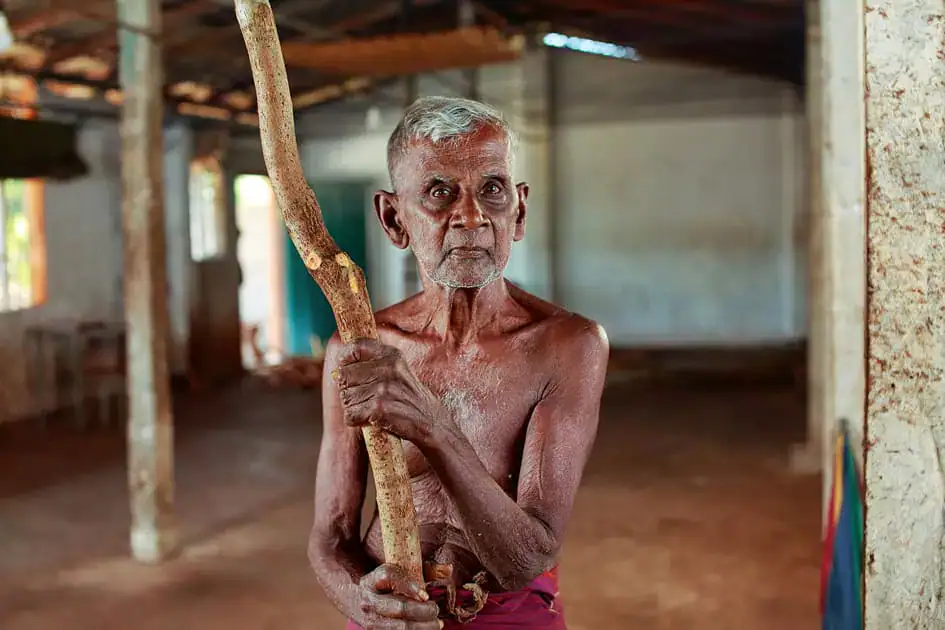
An Old Cinnamon Peeler (Photo: Curved.kiwix, CC BY-SA 4.0)
Ceylon Cinnamon and Cassia: What Is the Difference?
Many travellers first hear about True Cinnamon through comparisons with cassia. A clear explanation helps, especially if you plan to shop for cinnamon during your trip.
Ceylon Cinnamon comes from Cinnamomum verum. Cassia sold worldwide comes from several related species. Chinese cassia, Indonesian cinnamon, and Vietnamese cinnamon belong to this broader commercial group.
Start with appearance. A Ceylon Cinnamon quill usually contains many paper-thin layers. The bark feels fragile and breaks with less force. Cassia often looks thicker, darker, and harder. A cassia stick often curls inward along its sides rather than forming many fine layers.
Taste gives another clue. Ceylon Cinnamon tends to feel lighter and more delicate. Cassia tends to taste bolder and hotter. Personal preference still matters. Strong cassia suits some recipes, while the soft character of Sri Lankan Cinnamon works well in many foods, drinks, and desserts.
Coumarin creates another difference. Coumarin occurs naturally in several plants. Germany’s Federal Institute for Risk Assessment reports much higher coumarin levels in cassia cinnamon than in Ceylon Cinnamon. The institute advises people who consume large amounts of cinnamon often to choose low-coumarin Ceylon Cinnamon. The US National Centre for Complementary and Integrative Health also notes that only trace amounts are present in Ceylon Cinnamon.
For most travellers, the easiest lesson involves the quill. Look at the end. Many thin layers point towards Ceylon Cinnamon. One thick, hard roll points more towards cassia.
Whole quills also offer an advantage when shopping. Ground powder obscures the structure, making visual identification harder. If authenticity matters to you, buy whole labelled quills from a trusted producer or retailer.
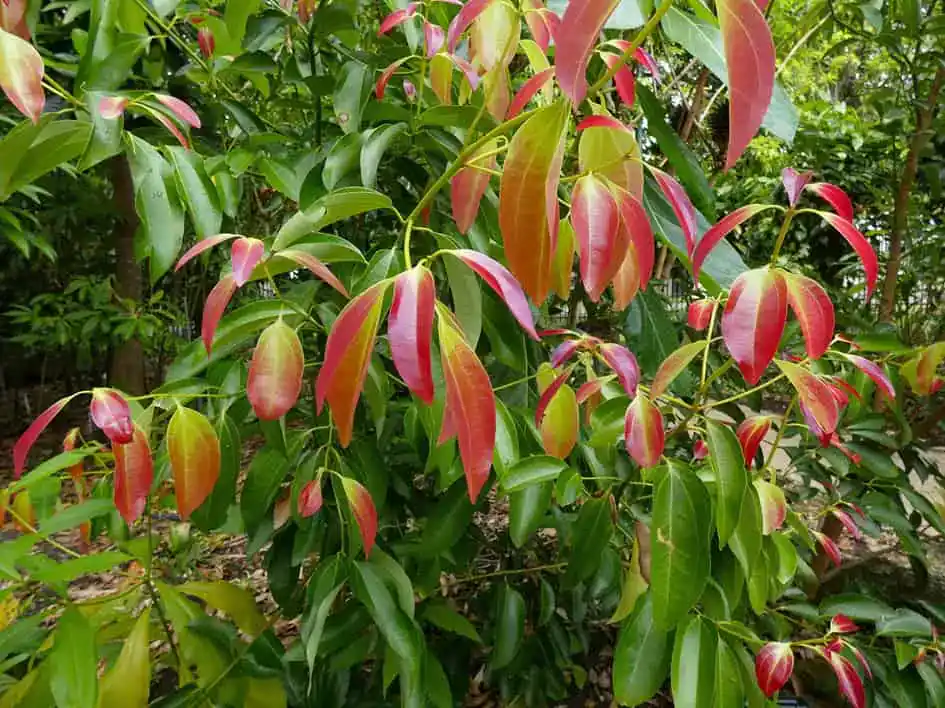
Cinnamomum verum plant (Photo: Steve Fitzgerald, CC BY-SA 4.0)
From Cinnamon Tree to Finished Quill
Seeing cinnamon production changes your understanding of the spice. A finished quill looks simple. Making one requires patience, control, and skilled hands.
Cinnamon grows as a tree in its natural form, although growers manage plants to produce suitable stems. After harvest, workers prepare selected stems for peeling.
The first visible step involves removing the rough outer surface. The valuable cinnamon sits beneath this outer layer. Once the stem is prepared, the peeler separates the inner bark.
This stage shows why experience matters. The bark needs to come away in long, thin sections. Poor technique damages the strip. A skilled worker knows how much pressure to use and how to follow the stem.
Fresh pieces begin curling after removal. The peeler then places smaller pieces inside longer sections to build the familiar quill. Drying completes the transformation.
Sri Lanka’s Department of Export Agriculture describes this quill-making process and notes its close association with Sri Lankan production. The country also operates a National Cinnamon Research Station and Training Centre, which studies cinnamon cultivation, processing, and quill quality. The department provides field training in peeling through skilled cinnamon workers.
Watch the process in person, and one point becomes clear. The value lies in more than a plant. Human skill shapes the final product.
This part of a plantation tour often becomes the moment visitors remember most. You hear the scrape of tools against fresh stems. You see bark lift away in a long strip. You smell cinnamon before anyone places a finished quill in your hand.
Some estates let visitors try parts of the process under guidance. Your first attempt often gives you more respect for experienced peelers. A movement which looks easy after years of practice feels far less simple in unfamiliar hands.
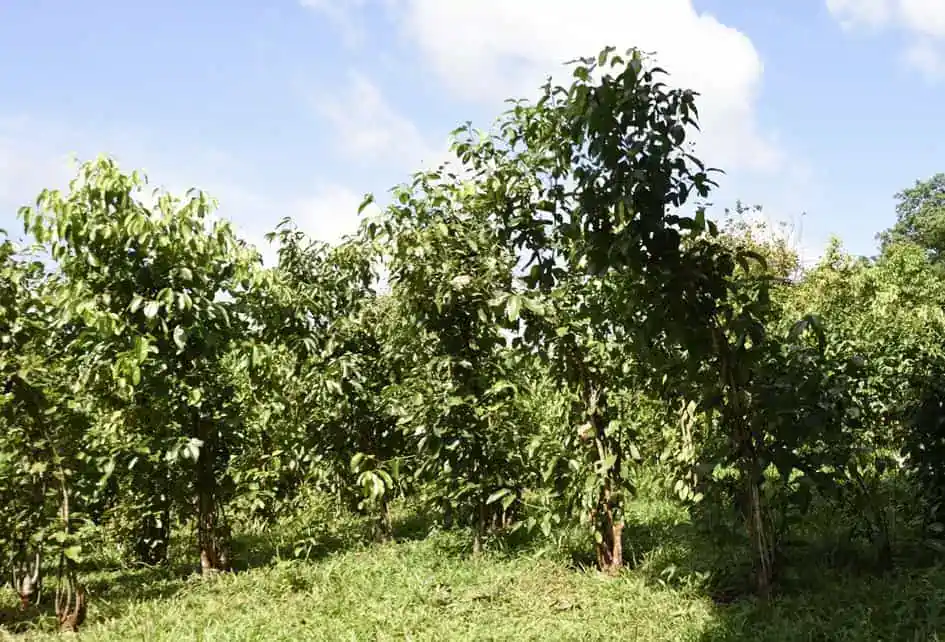
Cinnamon Plants in the National Spice Garden – Matale (Photo: Nalaka Priyantha)
What Fresh Ceylon Cinnamon Smells and Tastes Like
Many visitors expect a strong burst of cinnamon from the first sniff. Fresh Ceylon Cinnamon often gives a softer experience.
The aroma feels sweet and warm. Depending on the quill, you also notice light floral or citrus-like notes. The flavour often feels cleaner and less harsh than common cassia.
Freshly processed cinnamon also has a different presence from powder left in a cupboard for months. Smelling bark close to the source gives you a better idea of its natural character.
This difference makes cinnamon tea worth trying on an estate. Warm water gives the spice time to release aroma without hiding the flavour beneath sugar, milk, or a long list of other ingredients.
Some visitor experiences also include cinnamon-infused drinks, biscuits, desserts, or meals. Use these tastings as a chance to notice how Sri Lankan cooks pair cinnamon with both sweet and savoury flavours.
Cinnamon in Sri Lankan Food
Travellers from Europe or North America often link cinnamon with sweet dishes. Cinnamon rolls, apple desserts, porridge, hot chocolate, and winter baking shape this expectation.
Sri Lankan food offers a broader perspective.
Local cooks also use Sri Lankan Cinnamon in savoury cooking. A piece of cinnamon is often used with curry leaves, pandan, pepper, cardamom, cloves, chilli, turmeric, and other ingredients in curries or rice dishes. The goal is not always to make the food taste strongly of cinnamon. The bark adds part of a wider flavour base.
You might meet cinnamon in meat curries, rice dishes, spice mixtures, drinks, sweets, and desserts. Each use shows a different side of the ingredient.
This wider role also explains why learning about spices in Sri Lanka adds so much to a food-focused trip. Cinnamon makes more sense when you see the surrounding ingredients. Pepper grows as a climbing vine. Cardamom pods form near the ground. Nutmeg hides inside a fruit, wrapped with red mace. Cloves begin as flower buds.
A good spice garden introduces these plants while they are still alive and growing. A packet on a supermarket shelf never gives the same context.
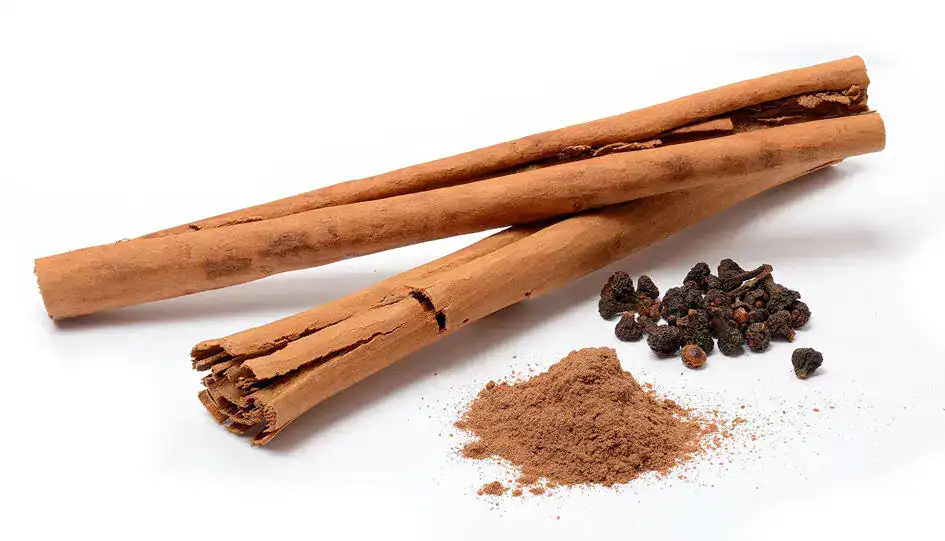
Ceylon Cinnamon Sticks, Powder, and Flowers (Photo: Simon A. Eugster, CC BY-SA 3.0)
Visiting a Cinnamon Plantation in Sri Lanka
A dedicated cinnamon estate gives you the deepest visitor experience. Most tours focus on cultivation, harvesting, peeling, quill making, and local uses.
A typical visit starts with a walk through the growing area. Your guide points out leaves, stems, new shoots, and harvest-ready plants. You then move towards a working or demonstration area where a peeler shows how the bark comes away.
Good tours give the process enough time. You should leave with a clear idea of how a growing stem becomes a quill.
Some estates add tea, food, or a meal. Others focus almost entirely on agriculture and production. Both formats work. Your best choice depends on whether you want a brief educational stop or a longer food-and-culture experience.
Several current tourism businesses around Galle and Ahangama offer dedicated cinnamon visits. Gradely Estate, for example, advertises plantation walks, harvesting information, quill grading, peeling demonstrations, and cinnamon tea. The Cinnamon Experience near Ahangama focuses on cultivation, harvesting, peeling, and the history of True Cinnamon. Current traveller reviews often praise the chance to see how much labour goes into cinnamon production.
Tour details change. Contact your chosen estate before travel. Ask about opening days, start times, transport, current prices, and whether peeling or harvesting will take place during your visit.
Where to Experience Ceylon Cinnamon in Sri Lanka
The South Coast offers the easiest route for many foreign travellers. Galle, Koggala, Ahangama, Weligama, and nearby inland areas sit close to established cinnamon country.
Galle works especially well as a base. The city already appears on most South Coast itineraries. You get Galle Fort, beaches, restaurants, small hotels, and road connections towards Colombo, Unawatuna, Ahangama, Weligama, and Mirissa.
Add a cinnamon estate visit during a morning or afternoon. You gain a rural experience without rebuilding your whole route.
Ahangama also works well. The coastal town sits close to several plantation experiences and offers easy access to Koggala. Travellers staying around Weligama or Mirissa also reach this area without a long cross-country journey.
Koggala offers a different style of cinnamon visit.
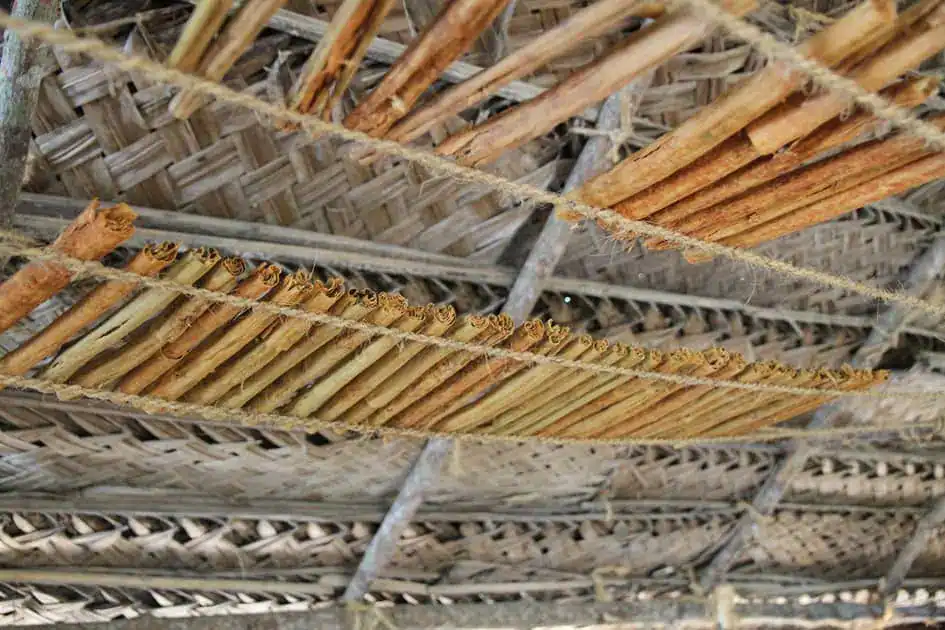
Keeping Prepared Cinnamon Quills to Dry (Photo: Peyman Zehtab Fard, CC BY 2.0)
Cinnamon Island on Koggala Lake
Koggala Lake sits close to the South Coast, east of Galle. Boat trips cross the lake and often include small islands, birdlife, and local stops.
Some trips visit a small cinnamon-growing island where residents demonstrate cinnamon preparation. Current Koggala Lake tours include visits to Cinnamon Island alongside wildlife viewing, and recent traveller feedback often highlights the cinnamon demonstration as one of the most interesting parts of the boat trip.
This option suits travellers who want a mix of experiences. You get a boat ride and a short introduction to cinnamon rather than a detailed plantation course.
Choose a dedicated estate if cinnamon forms the main reason for your outing. Choose Koggala Lake if you prefer a broader half-day experience with nature, local life, and a cinnamon stop.
Ask what your boat tour includes before paying. Tour names often look similar, while stops and visit lengths differ between operators.
Spice Gardens in Sri Lanka
A general spice garden offers another route into the subject.
Official Sri Lanka Tourism lists registered spice gardens and presents them as places where visitors see cinnamon, pepper, cardamom, nutmeg, and traditional herbs growing. SLTDA also recognises spice gardens within Sri Lanka’s agro-tourism sector.
Matale has long appeared on travel routes to Sri Lanka’s spice gardens. The location sits neatly between the Cultural Triangle and Kandy, making a garden stop easy for travellers moving through central Sri Lanka. Official tourism itineraries have included visits to Matale spice gardens for this reason.
A spice garden gives you breadth. A cinnamon estate gives you depth.
Choose the first if you want to learn about many spices in Sri Lanka during one stop. Choose the second if Ceylon Cinnamon interests you most.
Quality also varies between visitor gardens. Some places focus on education. Others focus heavily on retail sales.
Permit yourself to leave without buying anything. Ask questions about plant names, growing methods, harvest seasons, processing, and product origin. Treat sweeping medical claims with care. A strong guide should explain plants without pushing expensive treatments or making unsupported promises.
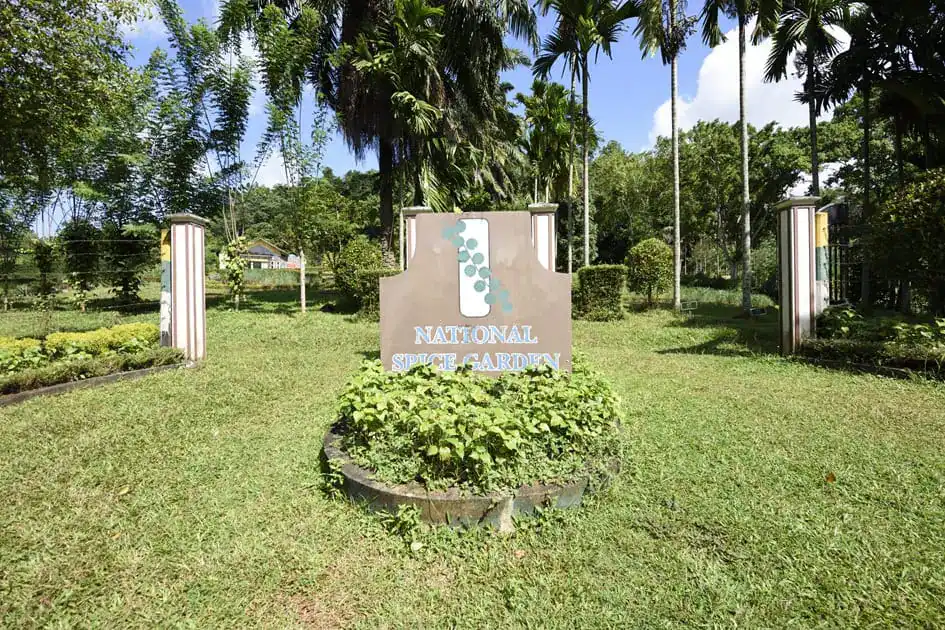
National Spice Garden – Matale (Photo: Nalaka Priyantha)
How to Fit a Cinnamon Visit Into Your Sri Lanka Route
You do not need a separate cinnamon holiday. A well-placed half day fits into several common routes.
If you travel along the South Coast, base yourself in Galle, Ahangama, Koggala, Weligama, or nearby areas. Visit an estate in the morning and spend the afternoon by the coast.
One simple route starts in Galle. Explore Galle Fort on your first day. Visit a cinnamon plantation inland on your second morning. Continue to Unawatuna or Koggala later in the day. Move towards Ahangama, Weligama, or Mirissa next.
A second option works for travellers moving south from Colombo or Bentota. Break the journey with a plantation experience before reaching Galle. This approach adds agriculture and local food culture to a route otherwise dominated by beaches and coastal towns.
Food-focused travellers have another option. Pair a cinnamon visit with a local market and a Sri Lankan cooking class. First see where cinnamon grows. Then see how traders sell spices. Finally, use some of those ingredients in a meal.
Central Sri Lanka offers a different route. A registered spice garden around Matale lies between Dambulla, Sigiriya, and Kandy. You will learn about cinnamon alongside cardamom, pepper, cloves, nutmeg, and other plants.
Whichever route you choose, avoid packing too much into one day. Plantation visits work best when you have time to talk with growers and watch the peeling process without watching the clock.
When Is the Best Time for a Cinnamon Plantation Visit?
Cinnamon estates operate year-round, but agricultural work follows local growing conditions, rainfall, stem maturity, and estate schedules.
Do not assume every visit includes active harvesting. Contact the estate first if seeing fresh peeling matters to you. Ask one direct question: “Will I see cinnamon being harvested or peeled on the day of my visit?”
Weather also matters. Southern and southwestern Sri Lanka receive rain across different parts of the year, with heavier periods linked to monsoon patterns. A wet morning does not always stop a visit, but rain can change walking conditions within an estate.
Morning visits often feel more comfortable because temperatures stay lower. Wear light clothing and footwear suited to uneven or damp ground. Carry drinking water. Mosquito repellent also helps in lush growing areas.
It is recommended to read about the best time to visit and the weather in Sri Lanka.
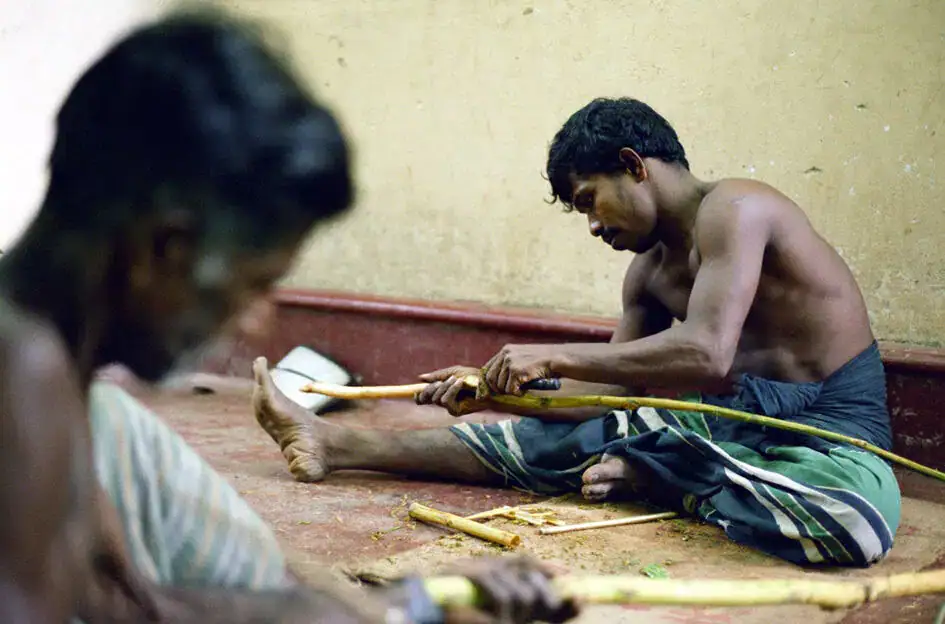
The Traditional Method of Peeling Cinnamon (Photo: Salix Oculus, CC BY-SA 4.0)
How to Recognise Authentic Ceylon Cinnamon
Shopping becomes easier once you know what to look for.
Start with the label. Look for “Ceylon Cinnamon,” “Sri Lankan Cinnamon,” or Cinnamomum verum. Check the country of origin.
Next, inspect whole quills. Genuine Ceylon Cinnamon usually shows many fine layers inside. The bark feels thin and brittle rather than thick and woody. Colour usually ranges from light tan to golden brown.
Aroma provides another clue, although smell alone gives less certainty. Ceylon Cinnamon often smells sweet and refined rather than hot and harsh.
Whole quills make identification easier than powder. A ground product removes the visual clues, so packaging and producer reputation matter more.
Sri Lanka’s Export Development Board (EDB) owns the Pure Ceylon Cinnamon certification mark. EDB states that licensed use applies to qualifying value-added packs containing 100 per cent Pure Ceylon Cinnamon produced in Sri Lanka.
The EU also granted “Ceylon cinnamon” Protected Geographical Indication status in February 2022. The registration formally entered the name into the European system for protected geographical indications.
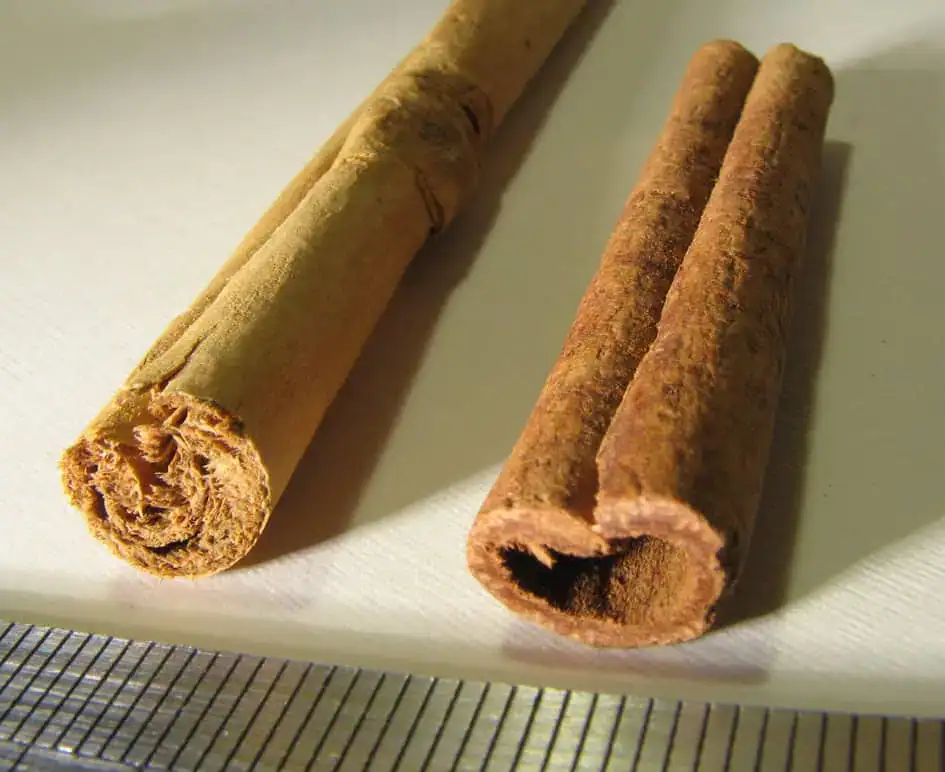
Ceylon Cinnamon (Left) vs Cassia (Right) – Scale shows millimetres (Photo: Antti Vähä-Sipilä, CC BY-SA 1.0 FI)
Why the Ceylon Cinnamon PGI (Protected Geographical Indication) Matters
A geographical indication links a product to a place and to qualities or a reputation tied to its origin.
For travellers, the idea feels simple. Ceylon Cinnamon belongs to Sri Lanka in a deeper sense than a brand name printed on a packet.
The European Commission entered Ceylon Cinnamon into its PGI register through Commission Implementing Regulation (EU) 2022/144 on 2 February 2022. The regulation appeared in the Official Journal on 3rd February 2022.
The protection also gives producers another tool for separating genuine Sri Lankan products from the misleading use of the Ceylon name in protected markets.
For shoppers, certification and clear origin information serve as useful indicators. They do not replace common sense, but they help you make a more informed choice.
Cinnamon Grades Explained Without the Confusion
Spend time in a specialist cinnamon shop, and you might see names such as Alba, C5 Special, C5, C4, M5, M4, H1, or H2.
These labels refer to commercial grades. The system looks intimidating at first, but an ordinary traveller does not need to memorise every code.
Higher grades often feature finer quills and stricter physical standards. Alba sits among the best-known premium grades. Exporter listings from Sri Lanka’s EDB show a wide range of commercial products, including Alba, C5 Special, C5, C4, M grades, and H grades.
Do not assume the most expensive grade automatically suits your kitchen best. Ask how you plan to use the cinnamon.
A fine whole quill makes an attractive gift. A good culinary grade works well for daily cooking. Powder offers convenience. Quill pieces work well in curries, rice, tea, and infusions.
A knowledgeable seller should explain the differences without pressuring you into the most expensive option.
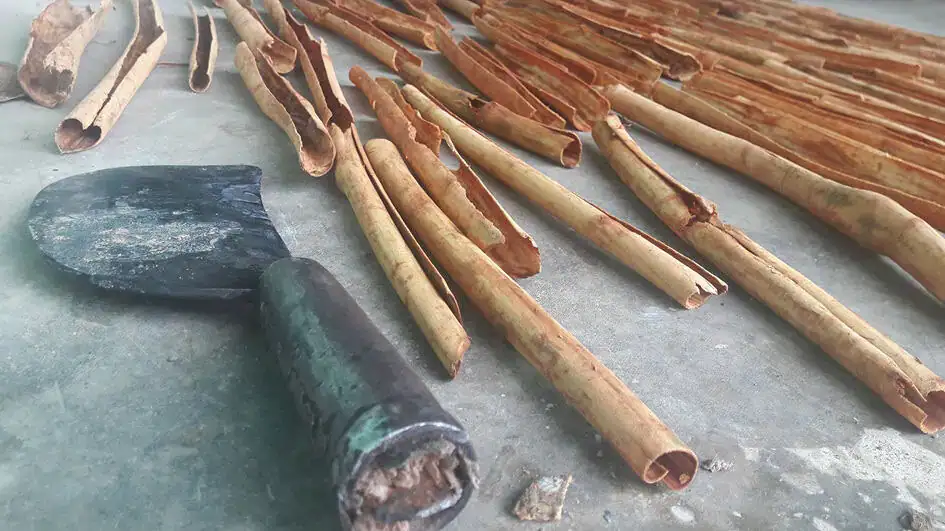
Peeled Cinnamon Sticks and the Knife They Used to Peel in Balangoda (Photo: Backbone DM, CC BY-SA 4.0)
Where to Buy Ceylon Cinnamon in Sri Lanka
Sri Lanka offers plenty of shopping options. Estates, specialist spice shops, supermarkets, export-oriented retailers, and tourist shops all sell cinnamon.
Buying from a working estate offers one clear advantage. You already know the source and have seen part of the production story. The packet also carries a memory linked with your visit.
Specialist spice stores offer more choice. Some stock several grades, powders, quills, cinnamon tea, oils, and gift packs.
Supermarkets work well if convenience matters most. Look for sealed packaging from an established Sri Lankan producer. Read the botanical or origin information where available.
Tourist markets require a little more care. A seller calling something “cinnamon” does not tell you the species. Ask for Ceylon Cinnamon and inspect the quills.
Avoid judging quality solely by price. Producing a neat Ceylon Cinnamon quill involves agricultural work and skilled peeling. A suspiciously cheap product deserves closer inspection.
What Ceylon Cinnamon Should You Take Home?
Whole quills make the most appealing choice for many travellers. They store well, retain their layered structure, and work well in drinks and cooking.
Powder suits travellers who use cinnamon often. Buy sealed packets from a trusted source, since powder offers fewer visual signs of authenticity.
Cinnamon tea makes an easy gift. Some producers mix cinnamon with Ceylon tea, while others sell herbal cinnamon infusions.
You will also see cinnamon biscuits, sweets, syrups, oils, soaps, and personal-care products.
Treat culinary products and essential oils differently. Cinnamon essential oil has a far higher concentration than a piece of bark used in food. Follow product directions and avoid treating essential oils as ordinary food ingredients.
Before flying home, check the customs and biosecurity rules for your destination country. Rules for plant and food products differ by country and change over time. Keep commercial products sealed and labelled when possible.
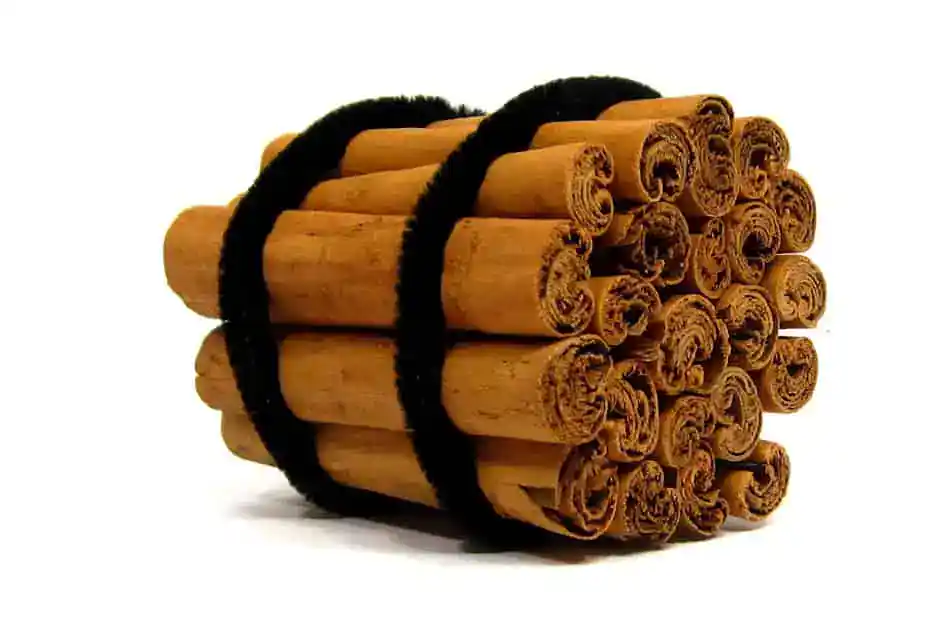
Ceylon Cinnamon Sticks (Photo: Cinnamon Vogue, CC BY-SA 2.0)
Ceylon Cinnamon and Health Claims
Cinnamon appears in a large amount of online health content. Claims often cover blood sugar, weight loss, inflammation, heart health, infections, and many other subjects.
Scientific research has examined several possible effects, but results do not support treating cinnamon as a replacement for medical care or prescribed medicine. The US National Centre for Complementary and Integrative Health states that research does not clearly support the use of cinnamon for any health condition.
The clearest practical difference for everyday consumers concerns coumarin. Cassia usually contains far more than Ceylon Cinnamon. Germany’s Federal Institute for Risk Assessment recommends Ceylon Cinnamon for people who regularly consume large amounts of cinnamon because of its low coumarin content.
For a traveller, there is little reason to turn a cinnamon plantation visit into a medical discussion. Focus on the plant, the food, the history, the skill, and the people behind the spice.
Beyond Cinnamon: Other Spices in Sri Lanka
Ceylon Cinnamon holds special status, but Sri Lanka’s spice story reaches much farther.
Pepper grows on climbing vines and has its own long trading history. Cardamom thrives in wetter highland conditions. Cloves come from dried flower buds. Nutmeg produces two spices from one fruit: nutmeg from the seed and mace from the bright covering around the seed.
Ginger, turmeric, curry leaves, pandan, chilli, coriander, cumin, and other ingredients also shape Sri Lankan cooking, although their agricultural histories differ.
Visiting spice gardens in Sri Lanka helps connect familiar pantry ingredients with living plants. The experience often surprises visitors. A nutmeg fruit looks like a jar of grated nutmeg. Clove trees look nothing like the dark dried buds sold in supermarkets.
This knowledge also improves meals later in your trip. Once you have smelled fresh curry leaves, cinnamon bark, cardamom, pepper, and cloves, you start noticing them more easily in curries and rice dishes.

Cinnamon, Other Spices, and Ingredients in Sri Lanka (Photo: KavindaF via Pixabay)
Responsible Cinnamon Tourism
Cinnamon tourism works best when visitors respect the people who produce the spice.
A skilled peeler has learned movements developed through years of work. Watch closely and ask before taking close photographs. Give workers space during active production.
Choose tours with a strong educational focus. Look for experiences that include guides explaining cultivation, harvesting, peeling, grading, and local livelihoods.
Buying directly from a producer offers another way to support the people behind the product. You also leave with a clearer story about where your cinnamon came from.
Be cautious around high-pressure sales. You do not owe anyone a purchase after a garden tour unless your booking terms say otherwise.
Responsible travel also means respecting agricultural land. Stay on paths, follow your guide, and avoid touching tools or young plants without permission.
A cinnamon estate gives you a chance to see Sri Lanka beyond famous cultural monuments and beaches. Treat the visit as a meeting with a working rural industry, rather than a staged photo stop.
Frequently Asked Questions About Ceylon Cinnamon
Is Ceylon Cinnamon the same as True Cinnamon?
Yes. True Cinnamon commonly refers to Cinnamomum verum, the species associated most strongly with Sri Lanka. Sri Lankan Cinnamon and Ceylon Cinnamon also refer to the same product in common trade and travel use.
Why is Ceylon Cinnamon called True Cinnamon?
The name comes from the botanical species Cinnamomum verum. “Verum” means true. Cassia varieties are related to other species and have long histories as culinary spices.
Does Ceylon Cinnamon come only from Sri Lanka?
Cinnamomum verum grows outside Sri Lanka as well. The name “Ceylon Cinnamon” has a special geographical link to Sri Lanka, and the EU protects “Ceylon cinnamon” through PGI registration under defined specifications. Sri Lanka also dominates (around 90%) the international true-cinnamon market.
How do I tell Ceylon Cinnamon from cassia?
Look at a whole quill. Ceylon Cinnamon usually contains many thin layers of bark and has a lighter colour. Cassia usually forms a thicker and harder roll.
Where does cinnamon grow in Sri Lanka?
Important production areas lie across southern and southwestern Sri Lanka. Galle, Matara, Kalutara, and nearby districts have strong links with commercial cinnamon cultivation.
Where should travellers experience cinnamon?
The Galle, Ahangama, and Koggala area offers several easy options for South Coast travellers. Dedicated estates provide deeper production tours. Koggala Lake trips offer shorter cinnamon demonstrations as part of a wider boat experience. Registered spice gardens elsewhere in Sri Lanka offer an introduction to cinnamon alongside other spices.
Are spice gardens in Sri Lanka worth visiting?
A good garden offers an easy introduction to several plants in one place. Choose registered or reputable gardens with an educational focus. Avoid making expensive purchases under pressure.
Is Ceylon Cinnamon a good souvenir?
Yes. Whole quills are light, useful, strongly linked with Sri Lanka, and easy to pack. Choose sealed, clearly labelled products from a trusted source.
Should I buy quills or powder?
Whole quills make identification easier and make good gifts. Powder offers more convenience for frequent cooking. Buying both works well if you enjoy using cinnamon at home.
What is the Pure Ceylon Cinnamon mark?
Sri Lanka’s Export Development Board owns the Pure Ceylon Cinnamon certification mark. Licensed qualifying value-added packs must contain 100 per cent Pure Ceylon Cinnamon manufactured in Sri Lanka in accordance with the scheme’s requirements.
Does Ceylon Cinnamon contain coumarin?
Ceylon Cinnamon contains lower or trace levels than cassia. Official food-risk guidance from Germany highlights this difference.
Should I book a tour of a cinnamon plantation before visiting?
Booking ahead makes sense, especially if you want to see peeling or harvesting. Agricultural work changes with estate schedules and conditions. Contact the estate and confirm what your visit includes.
Are you new to Sri Lanka? We recommend reading about the best travel itineraries for your travel season, as well as our ultimate travel guide for first-time travellers.
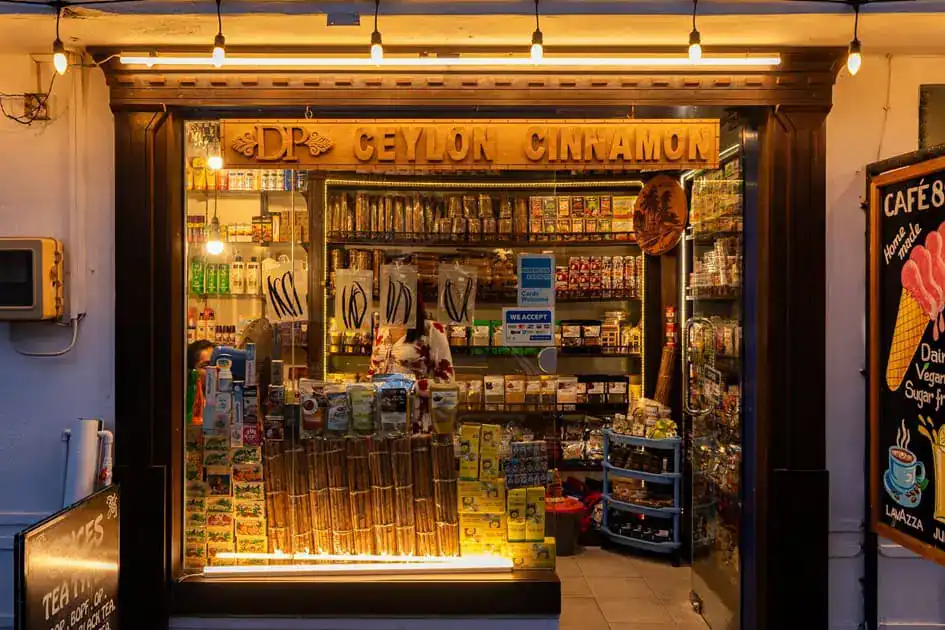
Cinnamon and Spice Shop – Galle Fort (Photo: Thilina Alagiyawanna, via Pexels)
Final Thoughts
Ceylon Cinnamon deserves more attention than a quick stop at a souvenir shop. Visit a working estate, and you start to understand why Sri Lankan Cinnamon holds such a strong identity. You see the tree behind the spice. You watch a skilled peeler remove thin bark from a fresh stem. You see those strips become layered quills. You smell cinnamon before grinding, packaging, shipping, or months of storage change its character.
The experience also connects several parts of Sri Lanka’s story. Cinnamon links the island’s natural environment with rural livelihoods, food, international trade, colonial history, and modern exports. Sri Lanka still holds a dominant share of the world’s market for True Cinnamon. At the same time, the EU’s PGI registration gives the name Ceylon Cinnamon formal geographical protection.
For travellers, the South provides one of the easiest places to explore this heritage. Spend time in Galle. Visit an estate around the wider Galle and Ahangama area. Take a boat across Koggala Lake if the route suits your trip. Stop at one of the registered spice gardens in Sri Lanka elsewhere on the island if you want to learn about several spices in Sri Lanka during one visit.
Then buy a few whole quills from a trusted source.
Months later, place one in a curry, a pot of tea, a rice dish, or a dessert at home. The smell will mean more once you know where the bark grew, how someone peeled the stem, and how much human skill sits inside each fragile roll.
Ceylon Cinnamon starts as a small tree on a tropical island. Following the journey from stem to quill gives you one of Sri Lanka’s most personal food and cultural experiences.
Sources and References:
- Sri Lanka Tourism. “Spice Gardens.” Information on spice gardens in Sri Lanka, agro-tourism, cinnamon, cardamom, curry leaves, and other Sri Lankan spices.
- Department of Cinnamon Development, Sri Lanka. Official information on Sri Lanka’s cinnamon sector, cultivation, processing, training, research, and development. The department was established in 2023, and the National Cinnamon Research and Training Centre was subsequently transferred to it.
- National Cinnamon Research and Training Center (NCRTC), Department of Cinnamon Development. Information on cinnamon research, cultivation, processing, post-harvest technology, cinnamon peeling, and industry training. The centre is located at Palolpitiya, Thihagoda, in Matara District.
- Department of Cinnamon Development. “Research Publications.” Scientific and academic research concerning cinnamon cultivation, germplasm, varieties, yield, processing, plant nutrition, and related subjects in Sri Lanka.
- Sri Lanka Export Development Board (EDB). Information on Pure Ceylon Cinnamon, Sri Lanka’s cinnamon industry, certification, geographical indication protection, exports, and the Pure Ceylon Cinnamon identity. The EDB also administers licensing for eligible stakeholders using the Ceylon Cinnamon PGI mark.
- European Commission, EUR-Lex. Commission Implementing Regulation (EU) 2022/144 of 2 February 2022. Official EU legislation registering “Ceylon Cinnamon” as a Protected Geographical Indication (PGI).
- National Center for Complementary and Integrative Health (NCCIH), U.S. National Institutes of Health. “Cinnamon.” Evidence-based information on cinnamon, research into proposed health effects, safety, cassia cinnamon, Ceylon Cinnamon, and coumarin.
- German Federal Institute for Risk Assessment (BfR). “FAQ on Coumarin in Cinnamon and Other Foods.” Scientific guidance concerning coumarin levels and the important difference between cassia cinnamon and low-coumarin Ceylon Cinnamon.
Featured image (cropped): A Sri Lankan Cinnamon Peeler (Photo: Brett Davies, CC BY-NC-SA 2.0)

I am a Sri Lankan medical doctor who spends my free time travelling, exploring new destinations, and documenting the beauty of the island I call home. I have journeyed across almost every corner of Sri Lanka with my wife and daughter — from wildlife parks and misty mountains to ancient cities, deep forests, rugged landscapes, and quiet beaches.
Travel is not just a hobby for me — it’s a way of life. I love nature, enjoy road trips, and find joy in wildlife photography. I also read widely about tourism, travel trends, and destination culture. Through my writing, I aim to help travellers experience Sri Lanka through real stories, meaningful insights, and honest recommendations — the same way I explore it with my own family.