
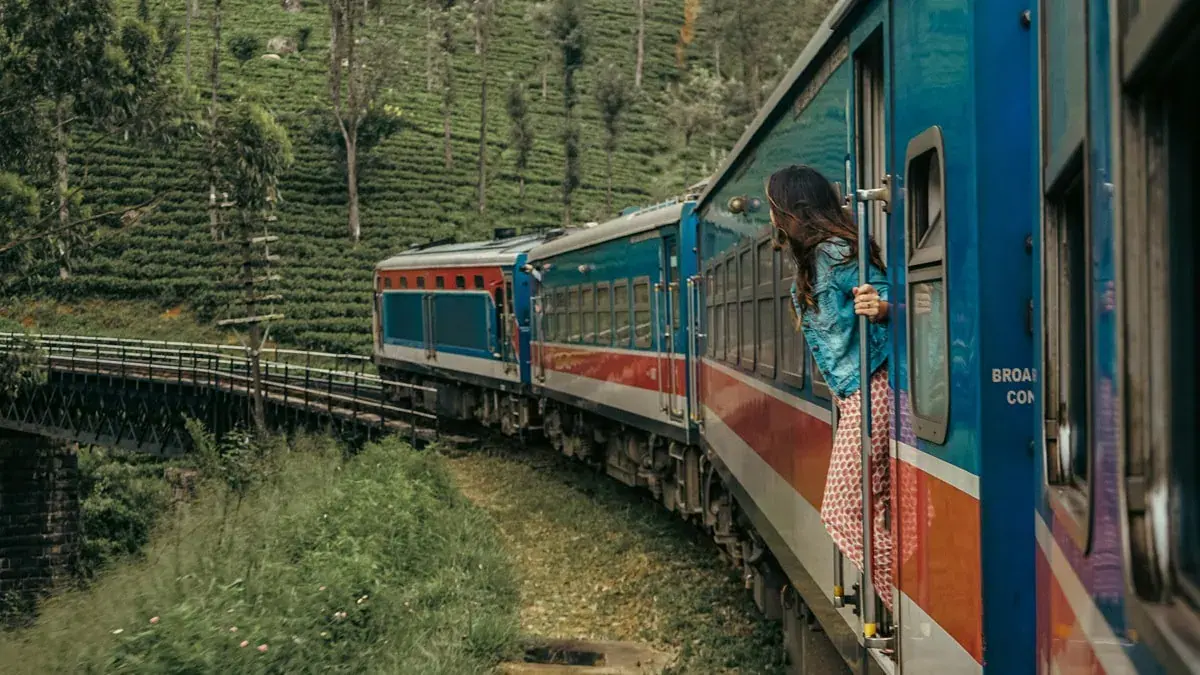

Sri Lanka looks compact on a map, and that is where many first trips start to go wrong. On paper, you can cross the island in a day. In practice, a hill-country drive can take most of an afternoon. The beach you pictured may be under monsoon clouds in the month you booked, and a temple visit can stall at the entrance because of a pair of shorts. Most of these problems are easy to avoid once you know about them. These Sri Lanka travel tips cover the 20 mistakes that most often cost visitors time, money or peace of mind, and what to do instead.
None of this should put you off. Sri Lanka rewards travellers who plan with a little realism. Fewer rushed transfers leave more time for an early climb at Sigiriya, a long rice and curry lunch, or the hill-country train ride so many visitors come for. Small decisions made before you book often shape the whole trip, such as which coast to base yourself on or how many nights to spend in Kandy.
Sri Lanka Travel Tips at a Glance
If you only have a few minutes, start here. The table below covers eight of the mistakes that cause the most disruption, along with a better approach for each. It isn’t a summary of all 20, and every point is explained in more detail further down. Treat it as a quick check against your current plans, especially if your flights are already booked and you are now shaping the route.
| Common mistake | Better approach |
| Booking the wrong coast for your travel month | Match your beach base to the season: South and West Coast, or East Coast |
| Squeezing too many stops into one trip | Choose fewer bases and stay at least two nights in most of them |
| Trusting map apps for road journey times | Treat app estimates as a minimum and build in a buffer |
| Assuming entry rules are the same for everyone | Check the ETA requirement for your nationality on the official site |
| Getting into a tuk-tuk without agreeing on the fare | Agree the total price first, or use a ride-hailing app where it’s available |
| Arriving at temples in beachwear | Cover shoulders and knees, and be ready to remove shoes and hats |
| Leaving popular train journeys to the last minute | Reserve early through official channels where seats can be booked |
| Getting too close to wild animals | Keep your distance, never feed wildlife, and use licensed operators |
Before You Travel: Five Planning Mistakes to Avoid
1. Assuming You Can Arrive Without Checking Visa Requirements
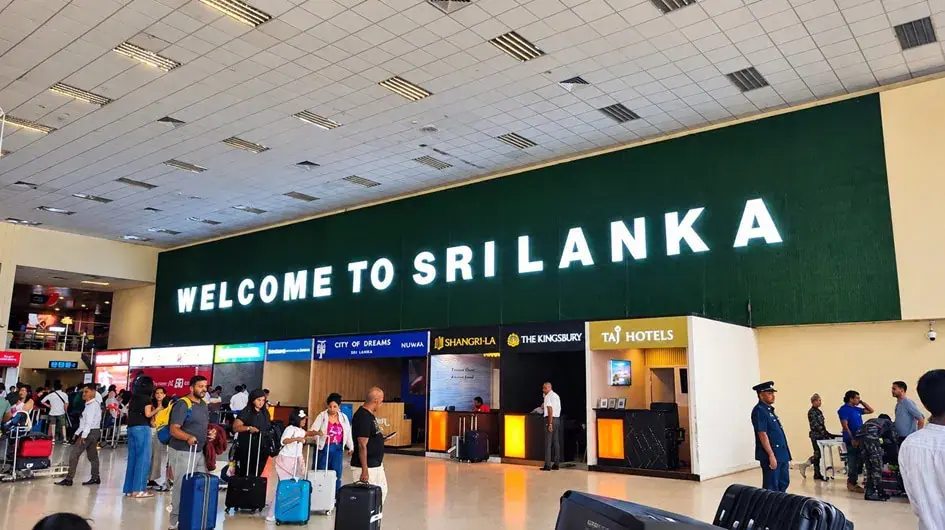
Bandaranaike International Airport (Photo: My wife, Ridmika Harshani)
Most foreign visitors need an Electronic Travel Authorisation (ETA) before they travel, and the rules depend on your nationality. Since 25 May 2026, nationals of 40 countries, including the UK, the US, Australia, Canada, Germany, France, India and Japan, can get a 30-day tourist ETA free of charge, with double entry allowed during that period. Free doesn’t mean automatic, though. You still need to apply and get approval before you arrive. Travellers from countries outside the scheme pay the standard ETA fee, and anyone wanting to stay longer than 30 days has to apply and pay for an extension.
The scheme was approved for a limited period, so check the current status on the official ETA website (eta.gov.lk) or the Department of Immigration and Emigration shortly before you travel. Be careful with search results. Several unofficial sites look very similar to the government portal and add a service charge to an application you could make yourself.
Check your passport too. Your own government’s travel advice will tell you how long it needs to be valid after you arrive. Six months is the usual guideline. Keep a copy of your ETA approval on your phone and on paper, as airlines may ask to see it at check-in.
Read our quick guide on Sri Lankan Visa and Entry Requirements.
2. Choosing the Wrong Coast for the Time of Year
Sri Lanka’s two main monsoons affect different parts of the island at different times, so it is often sunny somewhere. The mistake is assuming that somewhere is the beach you booked. As a broad pattern, the South and Southwest Coasts, around Bentota, Unawatuna, and Mirissa, are usually at their best from roughly December to April. The East Coast, including Trincomalee, Nilaveli, and Passikudah, tends to come into its own from around April or May to September.
These are tendencies, not guarantees. Rain can arrive early or linger, and the inter-monsoon months around October and November often bring unsettled weather to large parts of the island. Season affects the sea as much as the sky. Off-season beaches can have strong swells and rough water even on bright days, and some smaller beach businesses close for part of the year.
Start with your travel month, then choose the coast, not the other way round. Our best time to visit Sri Lanka and the weather guides explain the regional patterns in more detail, and the Department of Meteorology publishes forecasts and weather warnings closer to your trip.
Read our guide on the most popular beaches in Sri Lanka.
3. Trying to See Too Much in Too Little Time
Sigiriya, Kandy, Nuwara Eliya, Ella, Yala, Mirissa, and Galle in a single week looks exciting as a list. On the ground, it usually means a new hotel almost every night, early check-outs, and much of the trip spent watching the country through a car window.
A slower plan almost always feels richer. Group sights that sit close together and use one base for each group. The Cultural Triangle works well from a base near Sigiriya or Dambulla, for example, and the hill country from Kandy or Ella. Two or three nights in most places gives you time to unpack, recover from travel days, and enjoy something unplanned. If your trip runs longer than a week, a rest day or two makes a real difference, particularly in the heat.
You’ll probably leave something out. That’s fine. The places you skip will still be there next time, and many visitors find they want to come back. For realistic pacing, see our best Sri Lanka travel itineraries for your travel season.
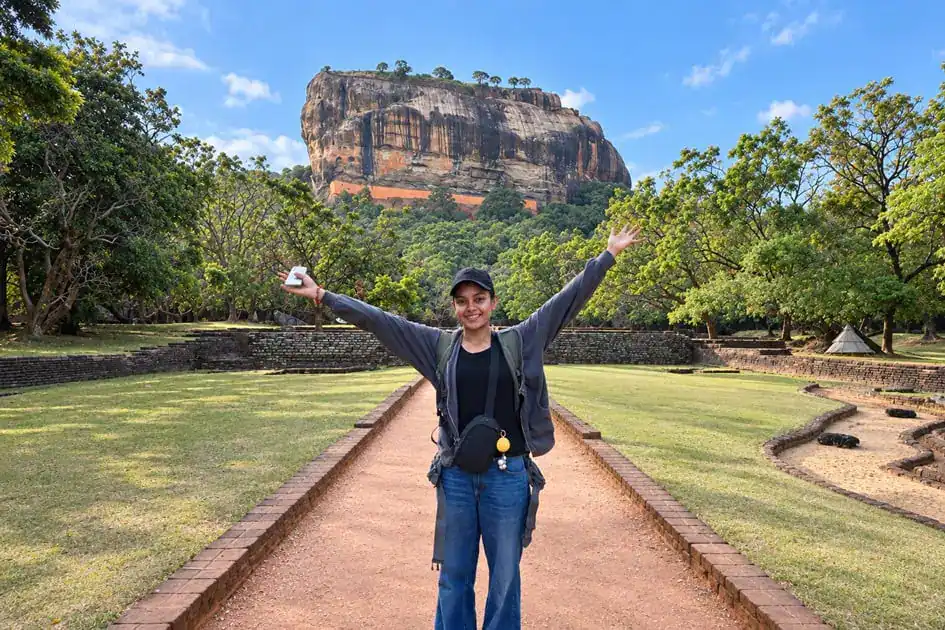
My daughter, Nethuli – Sigiriya Rock Fortress (Photo: Nalaka Priyantha)
4. Underestimating Travel Times Between Destinations
Distances in Sri Lanka are short, but journeys often aren’t. Hill-country roads wind slowly through tea estates, towns along the main roads create bottlenecks, and heavy rain can slow traffic or cause landslides in the highlands. Drivers also stop for meals, fuel, and the occasional viewpoint. Mapping apps rarely allow for all of this, so their journey times are best treated as a minimum.
Add a generous buffer to any road transfer, especially on the day of a flight, a train or a safari. Avoid planning a long drive straight after a long-haul arrival if you can. Also try not to drive after dark on unfamiliar routes. Many rural roads are unlit and shared with pedestrians, cyclists, fast buses and, in some areas, wild elephants. If a transfer would finish late, adding a night at a halfway point is usually the better choice.
5. Booking Accommodation Without Checking the Location
“Near Ella”, “close to Sigiriya” and “steps from the beach” can mean many things. A hotel described as near Ella may sit up a steep, narrow road that only a tuk-tuk can manage. Places around Sigiriya are spread across several villages, some a short ride from the rock and others much further away. On parts of the South Coast, a property listed as beachside may be across a busy main road or the railway line from the sand.
Before you book, look at the exact location on a map rather than relying on the listing description. Check the access road, how far it is to restaurants, and whether you’ll need transport every time you leave. Recent reviews often mention steep paths, long flights of steps, or difficult access after rain. This matters most if you’re travelling with young children, heavy luggage, or limited mobility. A slightly higher price for a better location often saves money on daily tuk-tuk rides.
Read our guide on how to choose where to stay in Sri Lanka.
Getting Around Sri Lanka: Four Transport Mistakes
6. Assuming Every Tuk-Tuk or Taxi Uses a Meter
Some tuk-tuks in Colombo and a few other large towns have working meters. Many elsewhere don’t. In practice, the price is usually whatever you and the driver agree before you set off. Problems tend to start when nobody settles the fare, and both sides arrive with different numbers in mind.
Before you get in, agree on the total fare for the whole group, not a per-person price. If you want the driver to wait while you visit a temple or eat lunch, agree that as well. Ride-hailing apps such as PickMe and Uber can make prices clearer, but coverage varies. They work well in Colombo and some larger towns and are patchy or unavailable in rural areas. When you do use an app, check that the vehicle number and driver match the booking. Your hotel can usually tell you a fair fare for common local trips. That’s useful to know, and it doesn’t mean every driver who quotes more is trying to cheat you.
Read our guide on tuk-tuk safaris in Sri Lanka.
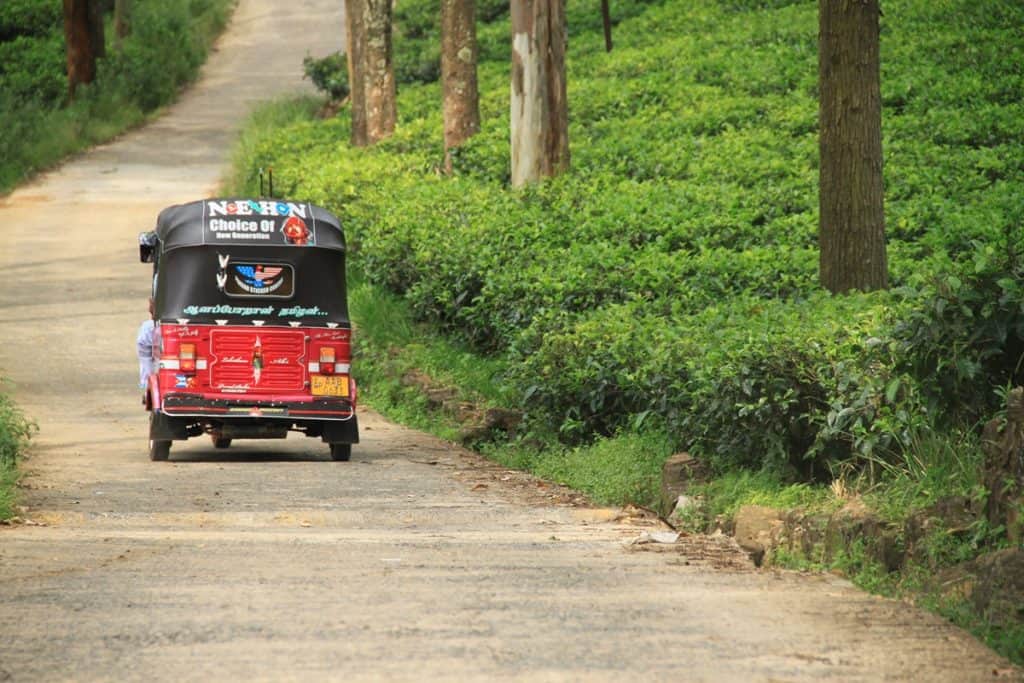
A tuk-tuk, one of the famous modes of transport in Sri Lanka (Photo: MadebyNastia, via Pixabay)
7. Leaving Popular Train Journeys Until the Last Minute
The hill-country railway is one of Sri Lanka’s best-loved journeys, and reserved seats on popular trains can sell out quickly. According to Sri Lanka Railways’ official booking site, you can make an advance reservation up to 30 days before your travel date. If your dates are fixed, book as soon as your window opens. Use the official seat reservation website or a reputable local agent rather than unofficial resellers. Unreserved tickets are sold at stations on the day. Still, they don’t guarantee a seat, and carriages can be very crowded.
Check the current service status before you build a trip around this train. Cyclone Ditwah in late 2025 badly damaged the hill-country line. Train services from Badulla to Nanu Oya resumed on 20th June 2026, after being limited to the section between Badulla and Ambewela. A recent traveller guide reported that no direct Kandy to Ella train was operating as of October 2026. Some visitors therefore travel to Nanu Oya by road and take the train from there. Repairs are ongoing, so check with Sri Lanka Railways or your hotel close to your travel date.
Read our guide on scenic train rides in Sri Lanka.
8. Renting a Scooter or Tuk-Tuk Without Understanding the Rules
Driving yourself around Sri Lanka can be fun, but the paperwork is easy to get wrong. A licence from home, even with an International Driving Permit (IDP), is not normally enough on its own. Foreign drivers generally need a Sri Lankan recognition permit or temporary licence as well. Visitors usually get one through the Department of Motor Traffic counter at the Arrival Walkway at Bandaranaike International Airport or at the Department of Motor Traffic. Tuk-tuks carry extra conditions. In 2025, the Department of Motor Traffic said that foreigners must take both a written test and practical training in Sri Lanka before they can get a temporary licence to drive tuk-tuks. Your licence must also cover the right vehicle category.
Rules and procedures have changed several times recently, so check the current requirements with the official bodies or a well-established rental company before you travel. Also make sure your travel insurance covers the vehicle you plan to ride. Many policies exclude motorbikes unless you hold a full licence and wear a helmet. Before you set off, check the brakes, lights, and tyres, and take photos of any existing damage. Sri Lanka drives on the left, and roads are shared with buses, dogs, cyclists, and pedestrians, so a short practice on quiet roads makes sense.
Read our guide on renting a car in Sri Lanka.
How to get a temporary driving license for international tourists at Bandaranaike International Airport.
9. Ignoring Public Transport Practicalities
Sri Lanka’s buses and trains are cheap and go almost everywhere. They can also be a good way to see everyday life up close. Before you rely on them, it helps to know how they work in practice. Buses are often crowded, may have little space for large suitcases, and some private buses are driven fast. Trains are calmer but can be delayed. Stations and buses aren’t always easy to use for travellers with limited mobility, and timetables in rural areas can be hard to find online.
Pick your transport to suit the trip. Backpackers with light bags often do well with buses and trains. Families, older travellers, and anyone on a tight schedule may prefer a private driver for the longer legs, and a train ride for the scenery. Many visitors combine all three. Carry small notes for fares, keep valuables on you rather than in overhead racks, and allow extra time on travel days.
Read our guide on transport in Sri Lanka.
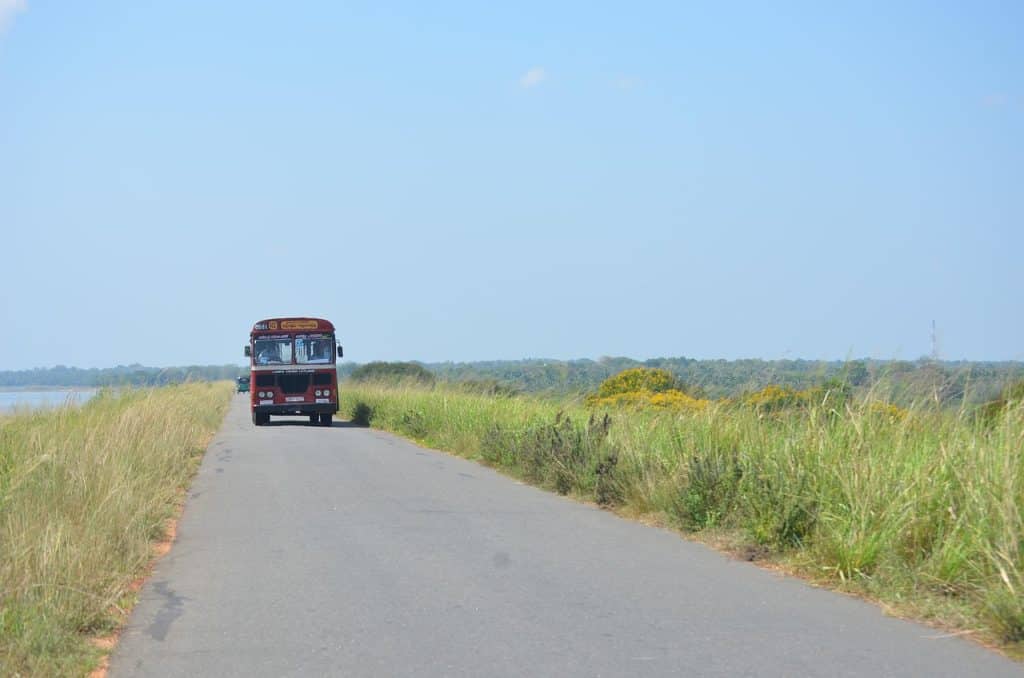
A bus in Sri Lanka (Photo: Navod Priyanka, via Pixabay)
Money, Shopping, and Everyday Costs: Three Mistakes
10. Relying Entirely on Credit Cards or Large Banknotes
Cards are widely accepted in larger hotels, upmarket restaurants and many shops in tourist areas. Away from them, much of daily life still runs on cash in Sri Lankan rupees. That includes tuk-tuk fares, roadside stalls, small guesthouses, temple donations, and bus tickets. Big notes can cause problems, as small vendors and drivers may not have change.
ATMs are easy to find in cities and towns, but less so in villages and near some national parks. Withdraw cash in larger towns before heading somewhere remote. Change money at banks or authorised exchange counters, and keep breaking larger notes into smaller ones whenever you pay at a bigger business. Carry a second card from a different bank in case one is blocked. Tell your bank you’ll be travelling, and keep some cash separate from your main wallet.
11. Paying for Tours or Purchases Without Clarifying the Price
Many disagreements over money come down to unclear details rather than dishonesty. Before you book a tour, ask exactly what the price includes: transport, entrance fees, a guide, meals and, on safari, both the jeep hire and the park tickets, which are often charged separately. Ask whether the price is per person or per vehicle and when you need to pay.
Some excursions stop at gem shops, spice gardens or batik workshops. These can be interesting, but there may be a sales pitch at the end. You’re never obliged to buy, and a polite “no, thank you” is enough. If you’re thinking about buying gems or other costly items, take your time, buy from established sellers and ask for a written receipt and any certificate. If you’d rather skip shopping stops altogether, say so when you book.
Read our guide on shopping in Sri Lanka.
12. Forgetting to Budget for Attraction Fees and Activities
Accommodation and transport are easy to price in advance. Activities are where budgets tend to slip. Several major sites, including Sigiriya and the ancient cities, charge foreign visitors considerably more than residents. Safari costs add up quickly once you include park entry, jeep hire, and tracker or service charges. Guides, temple donations, and short tuk-tuk rides between sites also add up over a trip.
Check current entry fees on official or operator websites when you plan, as they change and are often quoted in US dollars. Then keep a separate activities budget rather than treating these costs as small extras. This also makes it easier to choose. If two or three major cultural sites mean the most to you, giving them more time can work out better than paying to rush through six.
Read about ticket prices/entrance fees for major cultural sites in Sri Lanka.
Ticket fees – The Temple of the Tooth – Kandy.
Culture and Local Etiquette: Three Mistakes
13. Wearing Inappropriate Clothing at Temples and Sacred Sites
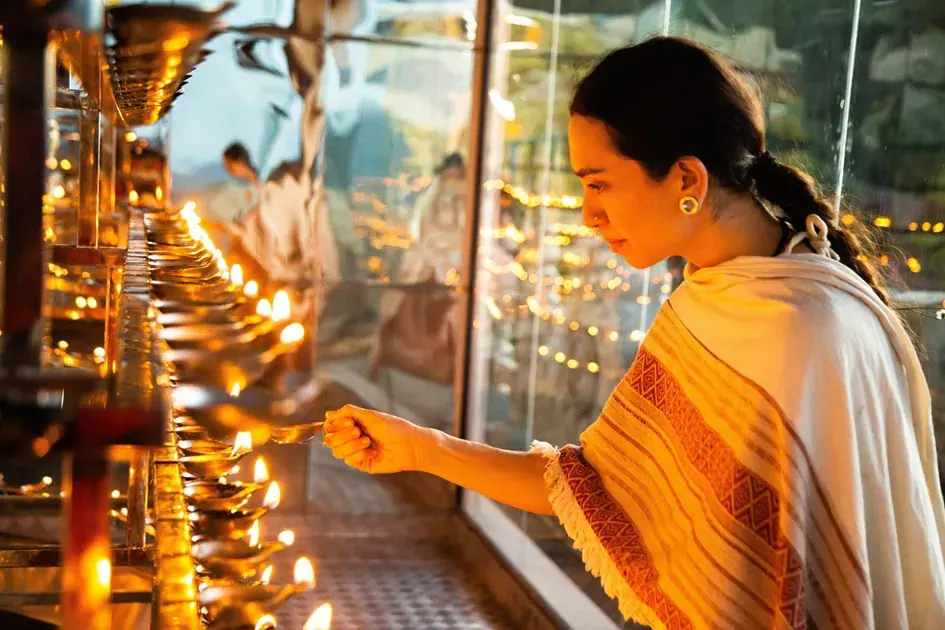
Lighting oil lamps at a temple, while covering the shoulders (Photo: vined mind from Pixabay)
Many of Sri Lanka’s most memorable sights are active places of worship, not just historic monuments. That includes the Temple of the Sacred Tooth Relic in Kandy, the cave temples at Dambulla and the stupas of Anuradhapura. Visitors are expected to dress modestly. Cover your knees and shoulders, remove your shoes and usually your hat before entering, and avoid clothing with prominent slogans or images. Staff may turn away anyone who arrives straight from the beach in a vest and shorts, and they are within their rights to do so.
The easiest fix is to carry a light sarong or scarf and a shirt with sleeves in your day bag. You can change in a minute without changing your plans. Shoes are often left at the entrance, and stone courtyards get very hot by late morning, so many visitors bring a pair of white or light-coloured socks. Some sites have their own rules, such as removing caps at the entrance or wearing white for certain ceremonies. Follow any signs or instructions from staff. Hindu kovils and mosques have similar expectations, and some mosques may ask women to cover their hair.
Read about our guide on religious landmarks and temples in Sri Lanka.
14. Taking Disrespectful Photographs or Ignoring Local Customs
Images of the Buddha are treated with deep respect in Sri Lanka. Posing with your back to a statue for a selfie, pretending to touch or “hold” it, or climbing on a statue or plinth will offend people and can get you in trouble with the authorities. Buddha images on clothing and visible Buddha tattoos have also caused problems for visitors in the past, so cover them up when you visit sacred places.
Think about people as well as places. Worshippers praying or making offerings are not part of the scenery, so ask before photographing anyone up close and accept a “no” gracefully. Some areas inside temples and museums ban photography, so look out for signs. Drones need particular care. Sri Lanka requires you to register your camera drone and apply for a permit from the Civil Aviation Authority (CAASL) before launching it. Officials have also said that you cannot bring a drone through the airport without prior permission. Sort this out well before you travel, or leave the drone at home.
15. Treating Sri Lanka as Though Every Region Has the Same Culture
Sri Lanka is a small island with a lot of variety. Most people are Sinhalese, and Buddhism is the largest religion. The country also has large Tamil communities, especially in the North, the East, and parts of the hill country, as well as Muslim, Burgher, and other communities. Hinduism, Islam, and Christianity are all part of everyday life. A trip that moves from Kandy to Jaffna or Trincomalee can take you through noticeably different languages, food, architecture, and festivals.
Take an interest without making assumptions. Don’t assume everyone you meet is Buddhist or speaks Sinhala, and avoid simple labels about any community. Learning a greeting or two goes a long way. “Ayubowan” is a common Sinhala greeting, and “vanakkam” is used in Tamil. Ask your guide or host about local festivals, and approach the country’s recent history with care in conversation. Many visitors find this variety one of the best parts of travelling around the island.
Food, Health, and Personal Safety: Three Mistakes
16. Avoiding Local Food Completely — or Ignoring Food Hygiene
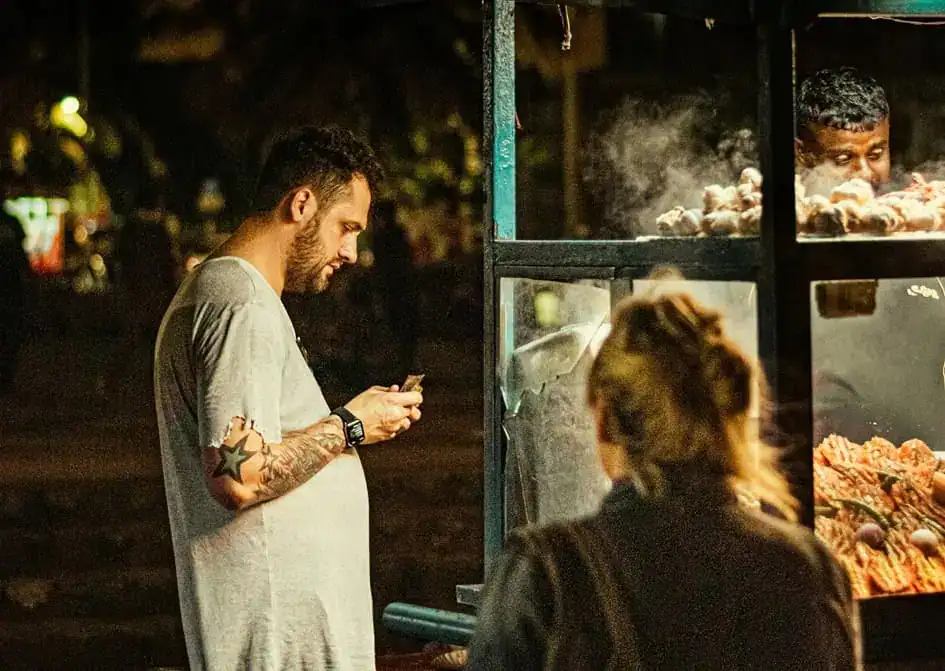
Exploring Street Food (Photo: Sandaru Muthuwadige, via Pexels)
Eating only at hotel buffets means missing one of the best parts of a trip to Sri Lanka. Rice and curry here usually comes as rice with several small dishes, perhaps dhal, a vegetable curry, a fish or chicken curry, a pol (coconut) sambol and a mallung of shredded greens. Hoppers are bowl-shaped pancakes, crisp at the edges, often with an egg cooked in the middle. Kottu roti is chopped flatbread stir-fried on a hot griddle, and you can usually hear it being made before you see it. Short eats, the savoury snacks sold in bakeries and cafés, make an easy lunch on the road.
Sensible habits matter more than avoiding local food altogether. Choose busy places where food is cooked fresh and served hot, and be more careful with dishes that have been sitting out for a long time. Drink bottled, boiled, or filtered water, and think twice about ice and raw salads at very basic places. If you have a food allergy, carry a written note explaining it, as nuts, seafood, and coconut appear in many dishes. If you can’t take much heat, ask for food to be cooked “less spicy”. Most kitchens are happy to help.
Read our guides on foods & drinks in Sri Lanka and exploring street foods.
17. Forgetting About Mosquitoes, Heat and Travel Health
Dengue fever is present in Sri Lanka, and cases often rise after rainy periods. The mosquitoes that spread it bite mainly during the day, not only at dusk. Use repellent throughout the day, wear light long sleeves when you can, and choose accommodation with screens, nets, or air conditioning. If you develop a fever during or after your trip, see a doctor and mention where you’ve been.
The heat catches many visitors out, especially at exposed sites such as Sigiriya and the ancient cities, where there is often little shade. Start early, carry water, wear a hat and sunscreen, and plan indoor or shaded activities for the middle of the day. Hill-country nights can be surprisingly cool by contrast. Around six to eight weeks before you travel, speak to a doctor or travel clinic about vaccinations and any personal health needs.
18. Underestimating Beach, Hiking and Wildlife Safety
Not all Sri Lankan beaches are safe for swimming, and conditions change with the season. Some stretches have strong currents and rip tides even when the sea looks calm from the sand. Swim where locals or lifeguards say it’s safe, follow any flags or warning signs, and stay out of the water after drinking. If you’re unsure, ask at your guesthouse. Staff usually know which beaches are best for swimming and which are better for walking.
On hikes such as Ella Rock, Little Adam’s Peak, or Adam’s Peak, wear proper footwear, start early, and allow time to come down before dark or before afternoon rain makes paths slippery. On wildlife safaris in national parks such as Yala, Udawalawe, or Minneriya, choose operators who keep a respectful distance from animals and don’t chase or crowd them. Never touch or feed wildlife, including the monkeys around temples and viewpoints. It harms the animals and can make them aggressive. The Department of Wildlife Conservation sets the rules for visitors in national parks, and good guides follow them even when other jeeps don’t.
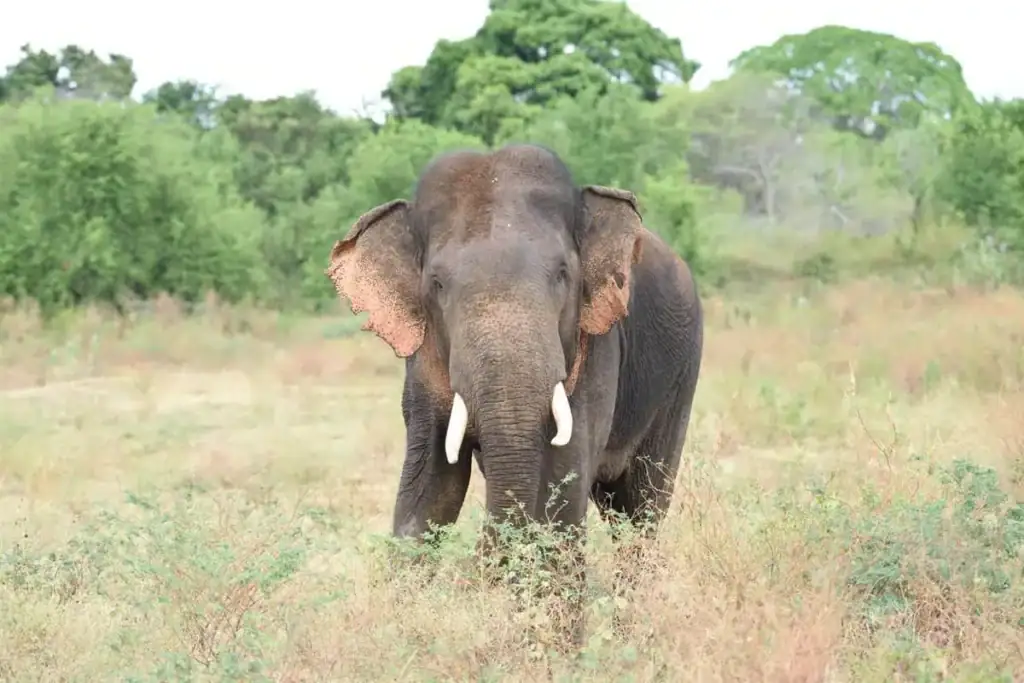
An Elephant in Udawalawe National Park (Photo: Nalaka Priyantha)
Two Often-Overlooked Mistakes That Can Spoil Your Trip
19. Travelling Without Suitable Insurance or a Backup Plan
Travel insurance is easy to buy and easy to forget about until you need it. Before you leave, read what your policy actually covers. Check medical treatment and emergency evacuation, as serious cases may need transfer to a private hospital in Colombo or overseas. Also check cancellation and disruption cover, and whether activities you have planned are included, such as scooter riding, surfing, whitewater rafting or hiking at altitude. Exclusions are where most unpleasant surprises hide.
Sri Lanka’s weather can also change plans. The damage to the hill-country railway after Cyclone Ditwah showed how heavy rain, flooding, or landslides can close roads and rail lines for a long time. Keep at least one flexible day in a longer trip, especially around flights. Know how you’d reroute if a key transfer fell through, and choose bookings with fair cancellation terms where you can. Save digital copies of your passport, ETA, insurance policy, and bookings somewhere you can reach them offline.
20. Spending the Entire Holiday Chasing Famous Attractions
Sigiriya, the Nine Arch Bridge, Yala and the beaches of the South Coast are popular for good reason, and few first-time visitors would want to skip them. A trip made up entirely of famous viewpoints can still start to feel like a checklist, though, often shared with a crowd at the same hour.
Leave room for ordinary Sri Lankan life. Walk through a morning market in Kandy or Galle. Take a cookery class and learn how a home kitchen makes curry. Visit a village craft workshop, or spend an afternoon in one place with nowhere else to be. A quieter tea estate, a lesser-known temple, or a slow lunch with your hosts are often what visitors remember most. Seeing a few headline sights well usually beats racing to see them all.
Read our guide on exploring village life in Sri Lanka.
A Simple Pre-Departure Checklist for Sri Lanka
Run through this list a week or two before you fly:
- [ ] Check that your passport is valid and confirm the current ETA rules for your nationality on the official site.
- [ ] Make sure your route matches the season on each coast.
- [ ] Build realistic travel times into your plans and book any reserved train seats.
- [ ] Confirm accommodation locations and airport transfers.
- [ ] Buy travel insurance and get any vaccinations or health advice you need.
- [ ] Pack temple-appropriate clothing and gear for both heat and rain.
- [ ] Organise cash, a backup card, mobile data, and offline maps.
- [ ] Save emergency contacts and check your government’s current travel advice.
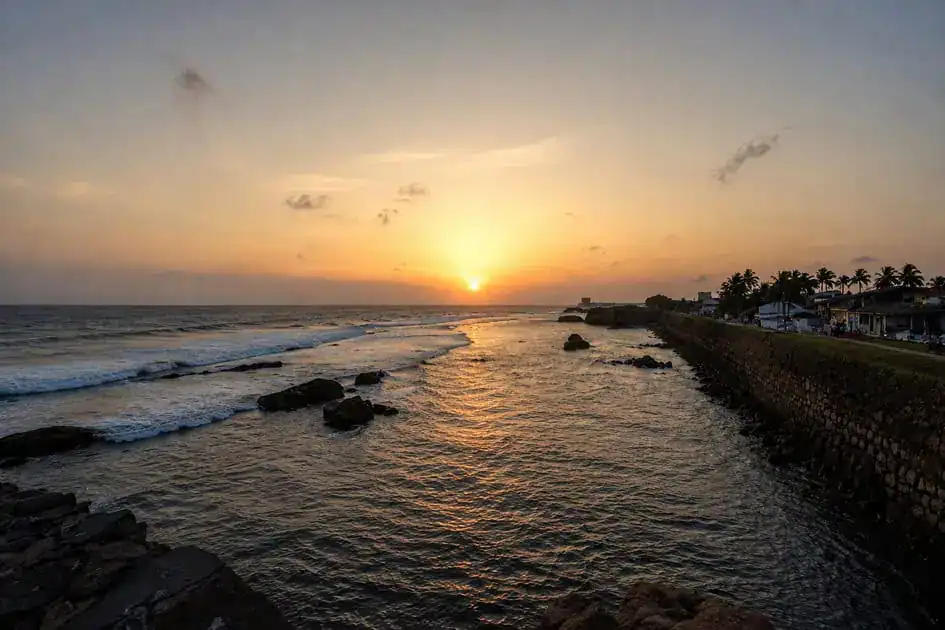
Sunset at the Flagrock Bastion, Galle Fort (Photo: Nalaka Priyantha)
Frequently Asked Questions About Sri Lanka Travel
What should I avoid doing in Sri Lanka?
Avoid disrespecting Buddhist images, such as posing with your back to a statue, and don’t wear revealing clothes at religious sites. Don’t get into a tuk-tuk without agreeing on the fare, feed wild animals or swim at beaches where locals say the currents are dangerous. Above all, don’t pack too many places into too few days, which is the planning mistake that affects the most trips.
Is Sri Lanka safe for first-time travellers?
Most visits go smoothly, and many first-time travellers find Sri Lanka welcoming and easy to enjoy. As anywhere, sensible precautions still matter. Road safety, swimming conditions, the heat, and petty scams are the most common practical risks. Check your own government’s current travel advice before you go, as conditions can change.
What is the biggest mistake tourists make in Sri Lanka?
There’s no official ranking, but trying to see too much in too little time is one of the most common planning mistakes. Underestimating travel times makes it worse. Together, they turn a holiday into a series of long transfers. Fewer bases and more realistic travel days usually make for a far more enjoyable trip.
How many days do you need to explore Sri Lanka?
A week is enough for one region or a focused loop, such as the Cultural Triangle and Kandy. With around ten to fourteen days, you can comfortably combine culture, the hill country, wildlife, and a beach stay at a more relaxed pace. There’s no single right number. Plan around your interests rather than trying to cover the whole island.
Is it better to travel around Sri Lanka by train, bus, or private driver?
Each has its strengths. Trains offer memorable scenery but can be crowded and are subject to disruption. Buses are cheap and frequent but less comfortable with luggage. A private driver costs more but is the most flexible option, especially for families or tight schedules. Many travellers combine all three.
What should I know before visiting Sri Lanka for the first time?
Check the ETA rules for your nationality, match your beach base to the season and allow more time for journeys than maps suggest. Carry some cash in small notes and dress modestly at temples. Protect yourself against mosquitoes during the day, and be open to the island’s mix of cultures, food, and everyday life beyond the famous sights.
If you are new to Sri Lanka, read our complete planning guide for first-time visitors.
Final Thoughts: Travel Smarter, Experience More
The best Sri Lanka travel tips aren’t about avoiding risk. They’re about giving yourself the time and space to enjoy what the island offers. Choose the right coast, plan journeys realistically and respect local customs, and much of the stress that can creep into a first visit goes away. That leaves more room for early starts at ancient sites, long lunches, slow train journeys, and unplanned conversations.
When you’re ready to put a route together, our Sri Lanka packing list and Sri Lanka destination guides can help you shape a trip that suits your pace and interests.
Sources and References:
- Sri Lanka Tourism – Official Travel Information. The official tourism website provides practical information for international visitors, including destinations, attractions, cultural experiences and travel planning.
- Department of Immigration and Emigration – Sri Lanka. Official information about entry requirements, visas, immigration regulations and permitted periods of stay.
- Electronic Travel Authorisation (ETA) – Government of Sri Lanka. The official portal for checking tourist ETA requirements, eligibility and application procedures before travelling.
- Department of Meteorology – Sri Lanka. Official weather forecasts, rainfall information, monsoon patterns and meteorological warnings relevant to seasonal travel planning.
- Sri Lanka Railways – Online Seat Reservation. The official railway reservation platform for checking and booking eligible train services, including popular journeys through the hill country.
- Sri Lanka Railways – Official Website. Information about Sri Lanka’s railway network, passenger services and railway operations.
- UK Foreign, Commonwealth & Development Office – Sri Lanka Travel Advice. Government travel guidance covering entry requirements, local laws, cultural etiquette, transport, road safety, swimming hazards, extreme weather and travel insurance.
- US Centers for Disease Control and Prevention (CDC) – Sri Lanka Traveller Health. Destination-specific health information covering recommended vaccinations, mosquito-borne diseases, food and water precautions, and other travel-health considerations.
- Department of Wildlife Conservation – Sri Lanka. Official information about national parks, protected wildlife, conservation responsibilities and responsible behaviour during wildlife encounters.
- Civil Aviation Authority of Sri Lanka – Official Website. Information about aviation regulations, including requirements relevant to operating drones in Sri Lanka.
- Disaster Management Centre – Sri Lanka. Official information about natural hazards, disaster warnings and emergency preparedness, particularly during periods of heavy rainfall and flooding.
Featured image: Traveller aboard a scenic train passing through tea plantations (Photo: Matt Dany on Unsplash)

I am a Sri Lankan medical doctor who spends my free time travelling, exploring new destinations, and documenting the beauty of the island I call home. I have journeyed across almost every corner of Sri Lanka with my wife and daughter — from wildlife parks and misty mountains to ancient cities, deep forests, rugged landscapes, and quiet beaches.
Travel is not just a hobby for me — it’s a way of life. I love nature, enjoy road trips, and find joy in wildlife photography. I also read widely about tourism, travel trends, and destination culture. Through my writing, I aim to help travellers experience Sri Lanka through real stories, meaningful insights, and honest recommendations — the same way I explore it with my own family.