

Sri Lanka offers far more than famous beaches, ancient cities, and mountain viewpoints. The island rewards travellers who slow down and spend time with local communities. One of the best ways to do this is through tuk-tuk safaris in Sri Lanka. A tuk-tuk safari is not about rushing between landmarks. It is about following quiet roads, visiting villages, stopping at family-run businesses, and seeing daily life from a local perspective. Large buses and ordinary cars often stay on the main roads. A tuk-tuk reaches narrow lanes, small plantations, hidden waterfalls, and peaceful countryside with ease. Every stop adds something new to your journey.
Many visitors hire a tuk-tuk for short rides between places. Few realise how enjoyable a full sightseeing trip becomes when the journey itself becomes part of the experience. Your driver knows local roads, scenic viewpoints, village cafés, and places where people still live much as they have for generations. You travel at a relaxed pace. You stop when something catches your eye. You speak with local people, taste fresh Sri Lankan food, and take photographs without feeling rushed. This guide explains everything you need to know before planning one of the best tuk-tuk safaris in Sri Lanka.
What Are Tuk-Tuk Safaris in Sri Lanka?
The word “safari” originates from the Swahili word for “journey.” In Sri Lanka, a tuk-tuk safari follows the same idea. The focus is on the journey itself rather than reaching one destination as quickly as possible. Instead of sitting inside a large vehicle, you travel in Sri Lanka’s famous three-wheeled tuk-tuk while exploring local roads, villages, tea estates, coastal communities, and scenic countryside.
This type of safari has nothing to do with wildlife safaris inside national parks. National parks such as Yala, Wilpattu, Udawalawe, Kumana, and Minneriya operate under their own regulations and use licensed safari vehicles. Tuk-tuk safaris concentrate on culture, landscapes, food, history, and local life. They allow visitors to experience the country from a fresh angle.
The open design of a tuk-tuk changes the way you travel. You hear the sounds of village life. You smell fresh spices drying outside family homes. You notice children walking home from school, farmers working in rice fields, fishermen repairing their nets, and women selling tropical fruit by the roadside. These small moments often become the strongest memories of a holiday.
The official Sri Lanka Tourism authorities continue to promote authentic travel experiences across the island. Alongside famous attractions, they encourage visitors to experience local culture, traditional villages, food, crafts, tea country, wellness, and community tourism. A tuk-tuk safari fits naturally into this style of travel because it supports local drivers, family businesses, and small communities while giving travellers a richer understanding of Sri Lanka.
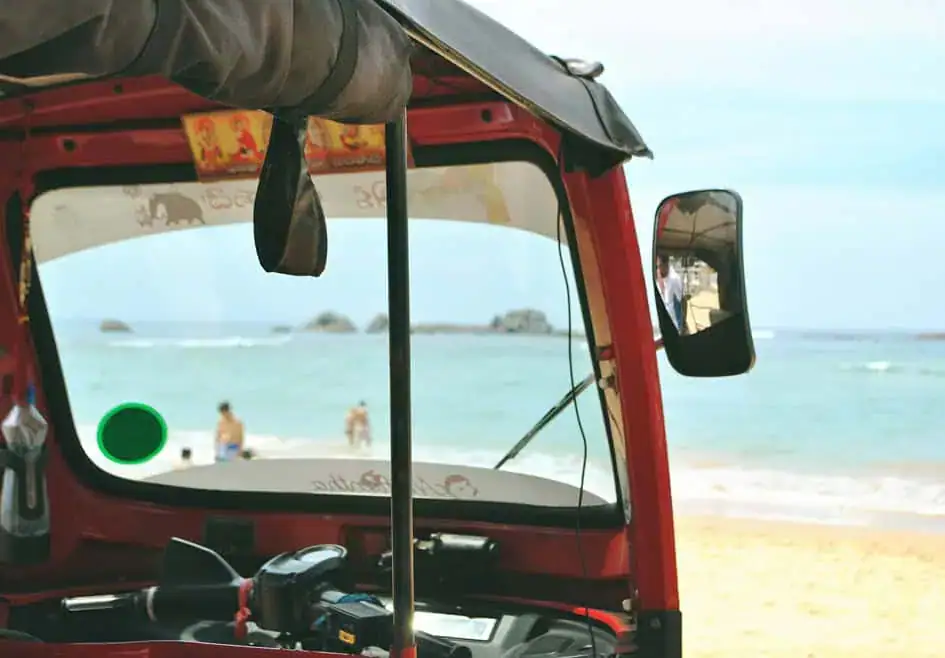
A tuk-tuk near Ahangama Beach (Photo: Drew Farwell on Unsplash)
Why Choose a Tuk-Tuk Safari?
Many forms of transport move quickly from one attraction to the next. A tuk-tuk encourages you to slow down. This slower pace creates more opportunities to notice details that many visitors miss.
One of the biggest advantages is flexibility. If you see a beautiful temple, a colourful fruit stall, or a quiet lake, your driver stops within seconds. There is no need to wait for a scheduled tour or search for a parking space. The journey adapts to your interests.
A tuk-tuk also reaches places that larger vehicles avoid. Across Sri Lanka, many roads leading to waterfalls, tea estates, cinnamon gardens, rubber plantations, village temples, and scenic viewpoints are narrow or uneven. These roads suit three-wheelers perfectly. You spend less time walking from distant parking areas and more time enjoying the destination itself.
Photography also becomes easier. Without large windows between you and the scenery, every view feels closer. The open sides give clear views of rolling hills, coconut groves, colonial buildings, colourful markets, and ocean landscapes. Sunrise and sunset become even more enjoyable because nothing blocks your view.
Cost is another advantage. Hiring a tuk-tuk usually costs less than hiring a private car with a driver for the same period. For couples, solo travellers, and small groups, this often provides excellent value.
The greatest benefit is the human connection. Tuk-tuk drivers often know their neighbourhood better than anyone else. They know which family produces the best buffalo curd, where local artisans still work by hand, which tea shop serves the freshest milk tea, and which viewpoint stays quiet even during the busiest holiday periods. These recommendations rarely appear in guidebooks.
The Best Places for Tuk-Tuk Safaris in Sri Lanka
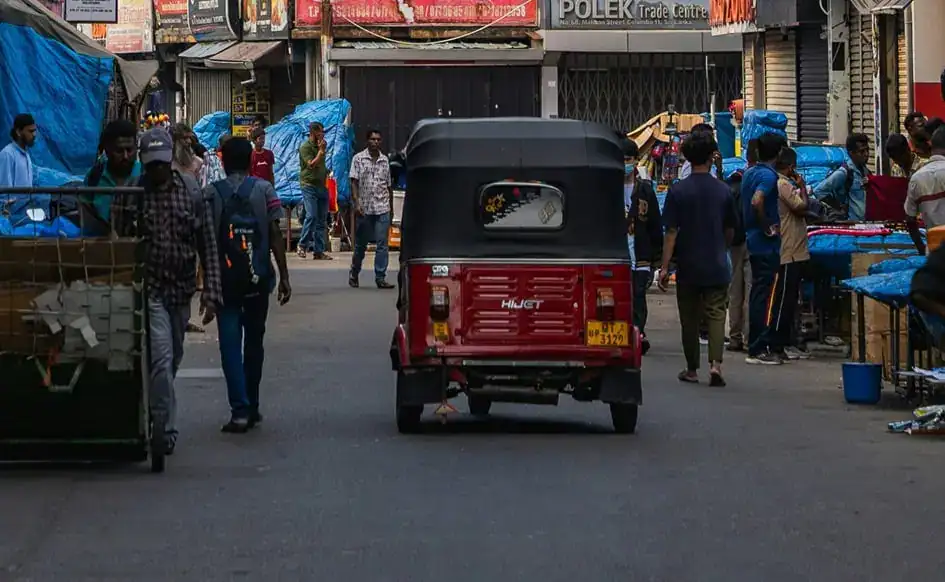
Along a busy road in Colombo (Cropped photo: Thilina Alagiyawanna on Unsplash)
Almost every region of Sri Lanka offers rewarding tuk-tuk safari routes. Each destination has its own character, culture, and scenery.
Colombo
Sri Lanka’s capital blends history, business, religion, and modern life. A tuk-tuk moves easily through streets where larger vehicles often become trapped in traffic. The experience changes from one neighbourhood to another within minutes.
Begin your journey around Independence Square before heading towards the colourful streets of Pettah. This busy commercial district bursts with activity from early morning until evening. Small shops, markets, food stalls, and historic buildings create endless opportunities for photography.
Continue towards the Old Parliament Building, Galle Face Green, the Dutch Hospital Shopping Precinct, and the quiet residential streets of Cinnamon Gardens. Along the way, stop for fresh king coconut, local snacks, or traditional Sri Lankan sweets.
Many visitors only see Colombo from inside taxis. A tuk-tuk safari reveals a more personal side of the city.
Galle
Galle combines colonial history with coastal charm. Most visitors spend their time inside Galle Fort. A tuk-tuk safari encourages you to explore far beyond its famous walls.
Drive through the narrow streets of the fort before continuing towards quiet fishing communities and hidden beaches. Visit Rumassala Hill for sweeping views across the bay. Continue through small residential roads lined with tropical trees before stopping at a family-owned cinnamon garden.
Small cafés, local art galleries, traditional homes, and peaceful temples appear throughout the route. Each stop offers another reason to spend a little longer in southern Sri Lanka.
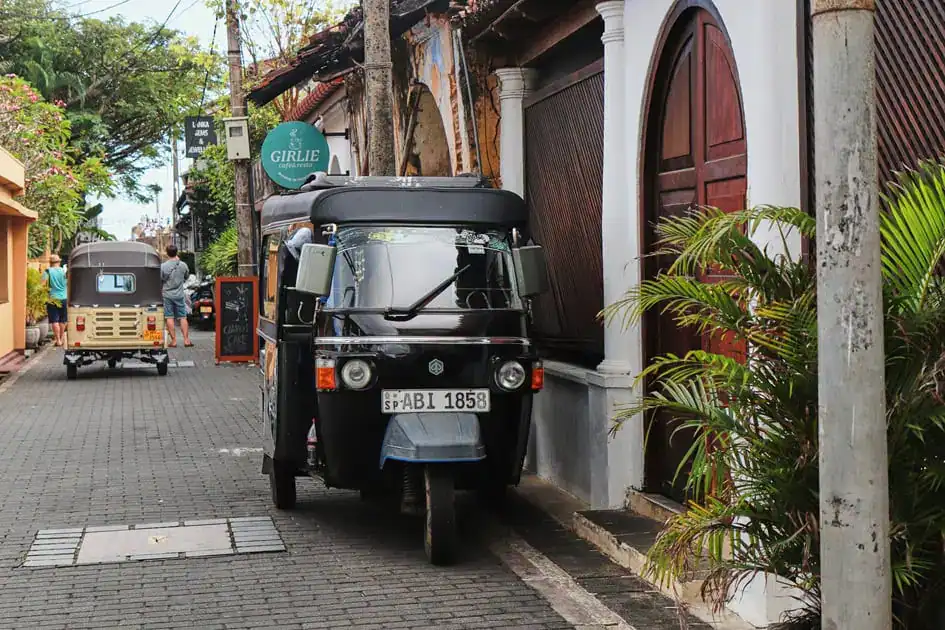
A narrow road – Galle Fort (Photo: Polina Kneis on Unsplash)
Ella
Ella attracts visitors with mountain scenery, tea plantations, and cool weather. Although many travellers arrive for the famous Nine Arch Bridge, the surrounding countryside deserves equal attention.
A tuk-tuk safari explores winding estate roads leading through endless tea fields. Workers pick fresh tea leaves while mist drifts across the hills. Drivers often know lesser-known viewpoints where crowds rarely gather.
Continue towards local villages where vegetable farms spread across the slopes. Visit family-owned cafés serving fresh Sri Lankan meals prepared with locally grown ingredients. Finish the day beside a peaceful waterfall reached by a quiet country road.
The tour’s slower pace allows you to appreciate the landscape without rushing between attractions.
Sigiriya
Many travellers visit Sigiriya only for its famous rock fortress. The surrounding countryside deserves much more attention.
A tuk-tuk safari passes through rice fields, lakes, village roads, and traditional farming communities. Farmers still prepare fields using methods passed through generations. Water buffalo graze beside quiet reservoirs while egrets search for food along the shoreline.
Local families welcome visitors into small craft workshops where traditional skills continue to this day. Pottery, weaving, wood carving, and food preparation all offer insight into rural life.
These experiences help visitors understand how communities have lived in the Sigiriya area for centuries.
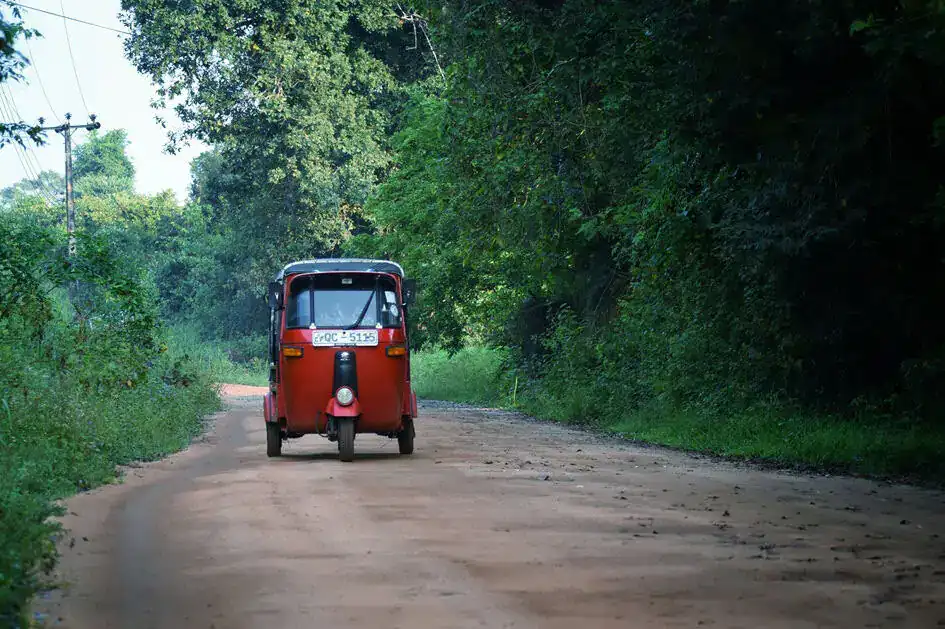
Along a village road near Sigiriya (Photo: Dumindu Jayamanna, via Pexels)
Kandy
Kandy combines culture, religion, history, and mountain scenery. Beyond the Temple of the Sacred Tooth Relic, many quiet roads lead towards peaceful villages and scenic hills.
Your route might include local markets, handicraft centres, spice gardens, and panoramic viewpoints overlooking the city. Along the way, stop for fresh tropical fruit or a cup of Ceylon tea prepared by local families.
The hills surrounding Kandy contain many small roads where tuk-tuks travel comfortably, while larger coaches rarely venture.
Nuwara Eliya
Known as Little England, Nuwara Eliya sits high in Sri Lanka’s central highlands. Tea estates surround the town in every direction.
A tuk-tuk safari explores winding estate roads lined with neatly trimmed tea bushes. Waterfalls appear around unexpected corners. Vegetable farms spread across rolling hills. Colonial buildings reflect the town’s unique history.
Many estates welcome visitors for tea tasting and factory tours. Reaching these estates by tuk-tuk is often part of the experience, as the roads pass through beautiful countryside.
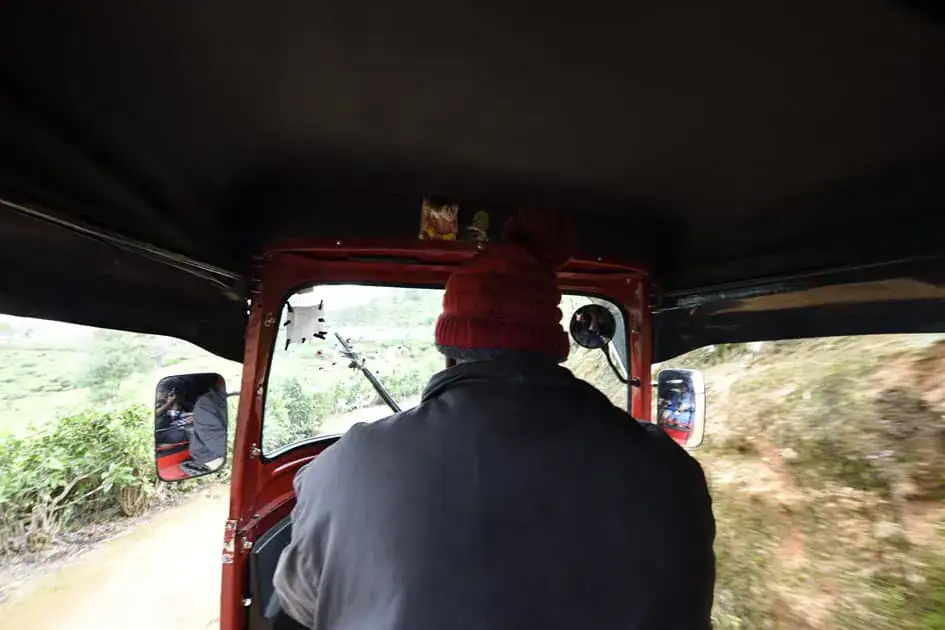
Through tea plantations to Lover’s Leap Falls, Nuwara Eliya (Photo: Nalaka Priyantha)
The Southern Coast
Sri Lanka’s southern coastline offers far more than beaches.
Begin near Hikkaduwa, then travel through fishing villages towards Unawatuna, Weligama, Ahangama, or Mirissa. Small coastal roads reveal colourful fishing boats, local temples, surf beaches, coconut plantations, and roadside cafés serving fresh seafood.
Drivers often know quiet beaches where visitors enjoy peaceful surroundings away from larger crowds. Along the way, stop at cinnamon plantations or family-run shops producing coconut products and traditional handicrafts.
Every section of the Southern Coast has its own character. A tuk-tuk allows you to experience each one at your own pace.
The greatest strength of tuk-tuk safaris in Sri Lanka lies in the places they reach with ease. Many memorable locations are off the main highways. Narrow village roads and estate tracks often discourage larger vehicles. A tuk-tuk moves through these roads comfortably.
Waterfalls provide a perfect example. Across the island, many beautiful waterfalls lie beyond small village roads. Reaching them often becomes as enjoyable as the waterfall itself. Along the route, you pass tea fields, fruit trees, family farms, and peaceful homes surrounded by colourful gardens.
Plantations also become easier to visit. Tea estates stretch across the central highlands, while cinnamon, coconut, rubber, and spice plantations appear throughout other regions. Many remain family businesses where visitors learn how local products are grown and prepared.
Village temples create another rewarding stop. These smaller temples rarely appear in travel brochures. Their peaceful surroundings, colourful murals, and friendly monks offer a quiet contrast to Sri Lanka’s busiest attractions.
Craft villages provide another highlight. Skilled artisans continue to produce pottery, wooden masks, woven products, brassware, batik textiles, and handmade souvenirs using traditional methods. Watching these crafts take shape offers greater appreciation for Sri Lanka’s cultural heritage.
Roadside cafés also deserve attention. Many serve recipes made with fresh, local ingredients rather than menus designed for international tourism. Fresh hoppers, string hoppers, rice and curry, coconut roti, tropical fruit juices, and milk tea taste even better after a morning spent exploring the countryside.
Many travellers remember these simple stops long after returning home. The experience feels personal because every journey unfolds differently. No two tuk-tuk safaris follow the same route.
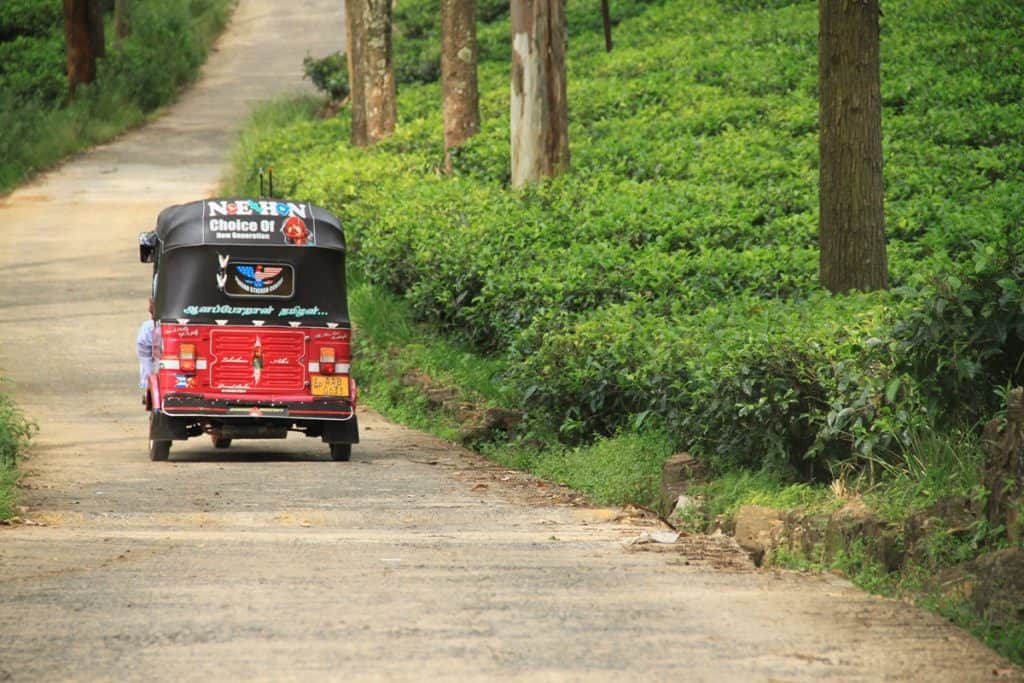
A tuk-tuk, one of the famous modes of transport in Sri Lanka (Photo: MadebyNastia, via Pixabay)
What You Will Experience During a Tuk-Tuk Safari
A full-day tuk-tuk safari fills the day with changing scenery and genuine local experiences.
Your morning often begins in quiet villages before daily life reaches its busiest point. Farmers head towards their fields. Shopkeepers arrange fresh produce outside their stores. School children walk together along shaded roads. The atmosphere feels calm and welcoming.
As the journey continues, you pass rice fields glowing under the morning sun, coconut groves moving gently in the breeze, and colourful temples standing above nearby homes. Every few kilometres, the landscape changes again.
Tea plantations offer another memorable stop. Walking through rows of tea bushes while learning about Ceylon tea deepens understanding of one of Sri Lanka’s most famous exports. Many estates also offer tasting sessions where visitors compare different grades of freshly brewed tea.
Food plays an important part throughout the day. Local drivers often recommend family restaurants rather than tourist venues. Fresh seafood along the coast, traditional rice and curry in village homes, or hot snacks from roadside bakeries provide an authentic taste of Sri Lankan cooking.
Markets add another layer to the journey. Colourful displays of tropical fruit, vegetables, spices, flowers, and handmade goods create a lively atmosphere. Local people shop, chat, and bargain while vendors greet familiar faces. Spending time in these markets offers insight into everyday life across the island.
Photography becomes effortless because the open sides of the tuk-tuk provide clear views in every direction. You stop whenever something catches your attention. A peaceful lake, an old colonial building, a smiling fruit seller, or a colourful temple all become part of your travel story.
By the end of the day, the journey feels much richer than a simple sightseeing tour. You leave with photographs, conversations, local flavours, and a stronger understanding of the people who make Sri Lanka such a welcoming destination.
Sample Full-Day Tuk-Tuk Safari Itineraries
Every region of Sri Lanka offers a different tuk-tuk safari. Your route depends on your interests, the season, and the amount of time available. A local driver often suggests small changes during the day based on weather, local events, or traffic. Those changes often improve the experience.
Galle Tuk-Tuk Safari
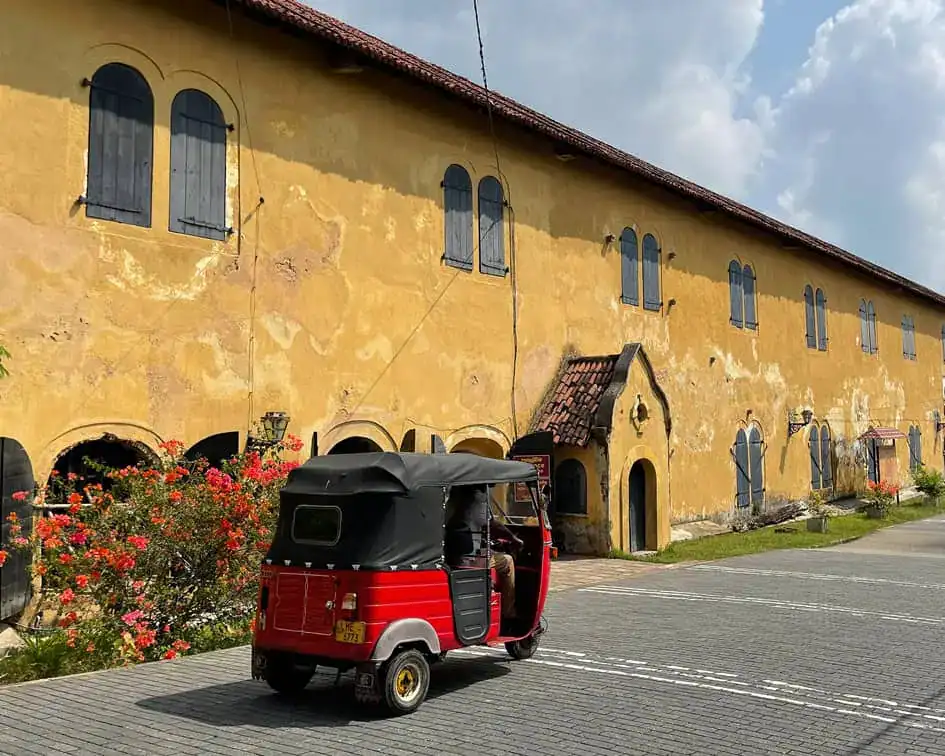
A tuk-tuk near the Maritime Archaeology Museum, Galle Fort (Photo: Heather Cowper, CC BY-NC 2.0)
Begin your morning inside the UNESCO World Heritage-listed Galle Fort. Walk through quiet streets before the crowds arrive. Visit the lighthouse, the old Dutch Reformed Church, and the historic ramparts overlooking the Indian Ocean.
Leave the fort and head towards the local market. Vendors sell tropical fruit, vegetables, spices, seafood, and flowers. This is a good place to see daily life.
Continue towards Rumassala. The winding road climbs through tropical vegetation before reaching viewpoints overlooking Galle Bay and Jungle Beach. Spend time enjoying the scenery before continuing to a family-owned cinnamon plantation. Learn how workers peel cinnamon bark and prepare one of Sri Lanka’s most famous exports.
Finish the afternoon by following quiet coastal roads towards Unawatuna. Stop for fresh seafood or a cup of Ceylon tea before watching the sunset beside the ocean.
Ella Tuk-Tuk Safari
Start early with a drive through the surrounding tea estates while the hills remain cool and clear. The roads pass tea pickers carrying baskets filled with fresh leaves.
Visit a tea factory to learn how green leaves become the black tea enjoyed around the world. Continue towards quiet viewpoints away from the busiest tourist areas.
After lunch, visit a hidden waterfall reached by a narrow estate road. Relax beside the water before driving through nearby villages where local families grow vegetables, spices, and fruit.
End your journey at a hillside café with panoramic views across the mountains.
Sigiriya Tuk-Tuk Safari
Begin with a sunrise view of Sigiriya Rock before travelling through nearby villages.
Visit rice fields and small reservoirs where farmers begin their work each morning. Continue to a pottery workshop where local artisans still use traditional methods.
After lunch, visit a family spice garden before travelling through peaceful countryside lined with coconut palms and tropical trees.
Complete the day with a quiet sunset beside one of the region’s lakes.
Colombo Tuk-Tuk Safari
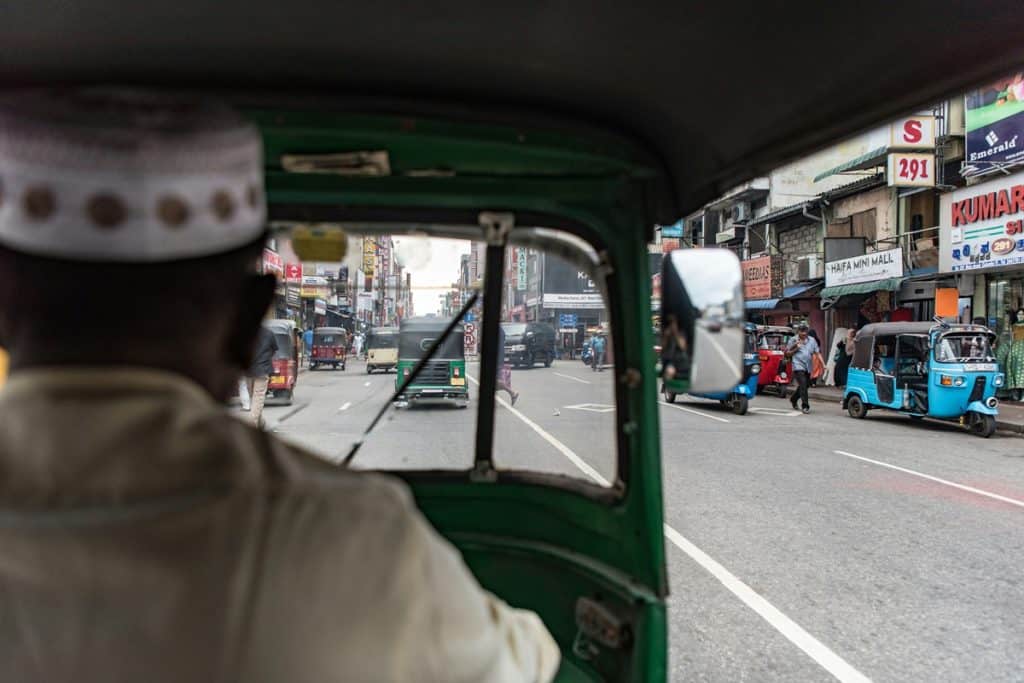
Tuk-tuk Ride in Colombo (Photo: Daniel Klein, via Unsplash)
A full day in Colombo reveals many sides of the capital.
Start at Independence Square before driving through Cinnamon Gardens and Colombo’s colonial district.
Continue towards Pettah Market, where colourful streets create endless opportunities for photography.
Have lunch at a local restaurant and visit the Dutch Hospital Shopping Precinct and the Old Parliament Building.
Spend the evening at Galle Face Green, where families gather beside the sea while food vendors prepare local street foods.
Guided or Self-Drive Tuk-Tuk Safaris
Many visitors choose between hiring a local driver and driving a rented tuk-tuk themselves. Both options offer different experiences.
A guided tuk-tuk safari is suitable for first-time visitors. Local drivers know the best roads, hidden viewpoints, and family businesses. They often introduce travellers to places that rarely appear in guidebooks. They also explain local customs, recommend restaurants, and adjust the route throughout the day.
A self-drive tuk-tuk safari offers greater independence. Several companies rent tuk-tuks to visitors who meet local licensing requirements. This option allows complete freedom to choose your own route and timetable.
Many travellers combine both experiences during a longer holiday. They hire local drivers while visiting busy cities and explore independently in quieter regions.
To drive a tuk-tuk or any other vehicle in Sri Lanka, a foreign traveller must possess one of the following documents.
- International Driving Permit (IDP)
- Sri Lankan Driving Permit issued to foreign residents
- Translated Foreign Driving Licence (Foreign travellers must submit their driving licence to the Department of Motor Traffic in Sri Lanka to obtain an official translation certificate at the office in Werahera or at the designated counter at the Bandaranaike International Airport.)
You should carry the following documents when you drive a tuk-tuk or any other vehicle in Sri Lanka.
- Passport
- Valid visa
- Home-country driving licence
- International Driving Permit (IDP) – if applicable
- Sri Lankan recognition permit or temporary licence
- Rental Agreement
- Vehicle registration and insurance documents, supplied by the rental company
We recommend reading about transport in Sri Lanka.
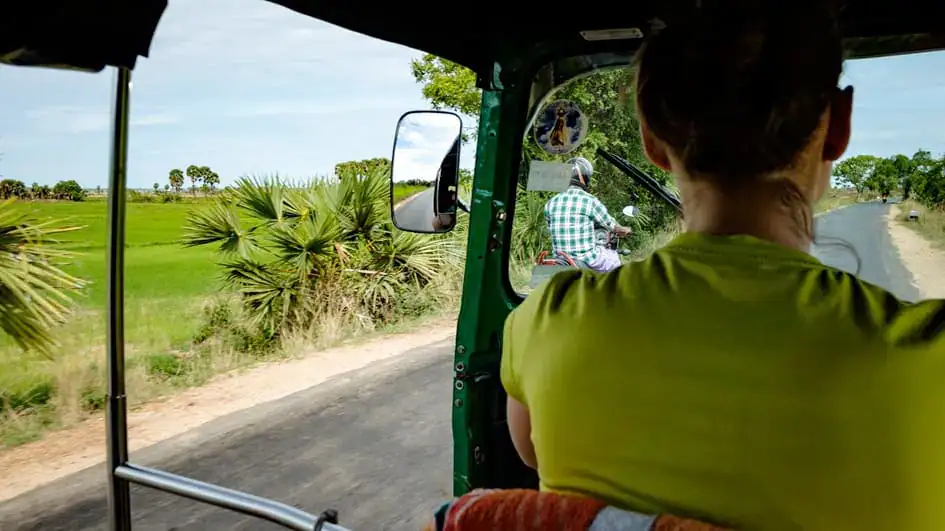
A self-drive tuk-tuk safari along a village road (Photo: Michal Bocek, CC BY 2.0)
How Much Does a Tuk-Tuk Safari Cost?
The cost depends on several factors.
The trip’s duration affects the total price. A two-hour city tour costs less than a full day in the countryside.
Distance also affects the cost. Longer routes require more fuel and more driving time.
Some tours include visits to tea factories, plantations, spice gardens, or cultural attractions. Entrance fees are often separate from transport costs.
Private tours usually cost more than shared tours. They also offer greater flexibility because the route follows your own interests.
Before you begin your journey, agree on the route, duration, and total price with your driver. This creates a smooth experience for everyone.
If you book through a hotel or licensed tour operator, ask what services are included before confirming your reservation.
Safety Tips for Tuk-Tuk Safaris
Tuk-tuks operate throughout Sri Lanka every day. Choosing a few simple precautions helps create a safe and enjoyable journey.
Choose a licensed driver with a well-maintained vehicle.
Discuss the route before departure. If you plan several stops, explain them clearly at the beginning.
Carry drinking water, sunscreen, and a hat during warm weather.
Keep cameras, mobile phones, and other valuables secure while travelling.
Wear comfortable clothing suitable for the local climate and for visiting religious sites.
Carry small amounts of cash for local cafés, shops, and entrance tickets.
Respect local customs and dress modestly when entering temples and removing your shoes where required.
Avoid littering. Sri Lanka’s natural beauty depends on responsible visitors.
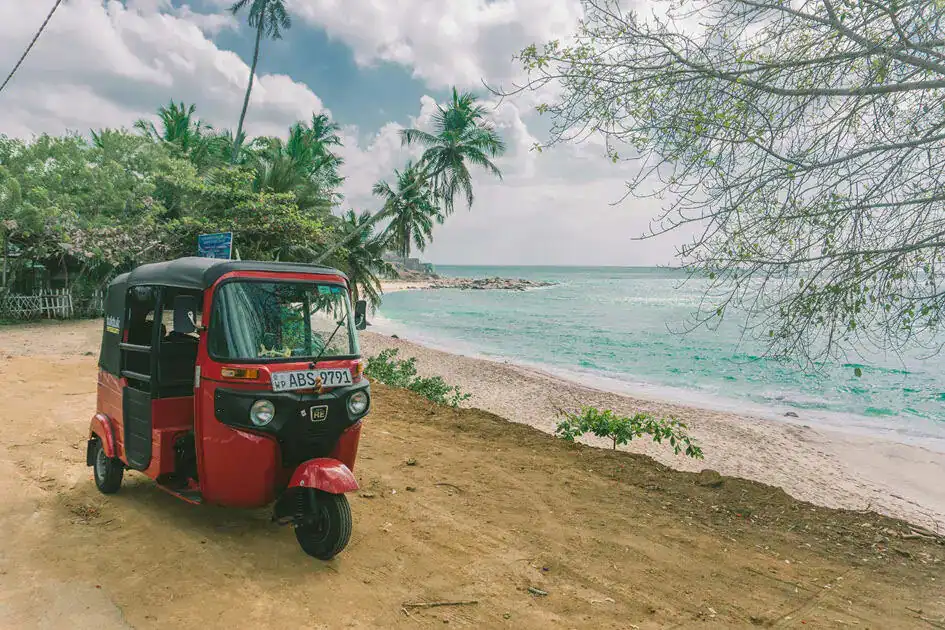
Tuk-tuk Safaris in Sri Lanka – One of the best ways to explore the island (Photo: Antonio Araujo on Unsplash)
Responsible and Sustainable Tuk-Tuk Tourism
Responsible and sustainable tourism benefits both visitors and local communities.
Hiring local tuk-tuk drivers supports small family businesses across the island. Many drivers work independently and depend on tourism for their income.
Choose locally owned cafés, restaurants, and guesthouses whenever possible. Buying food, handicrafts, and souvenirs from local producers helps village economies.
Respect the privacy of local people. Always ask permission before photographing individuals, especially children.
Avoid disturbing religious ceremonies or entering private property without permission.
Carry a reusable water bottle where possible. Reducing single-use plastic helps protect Sri Lanka’s countryside and coastline.
Support businesses that respect local traditions and protect the environment.
A responsible traveller leaves behind positive memories rather than waste.
Frequently Asked Questions
What is a tuk-tuk safari?
A tuk-tuk safari is a sightseeing journey that explores villages, plantations, scenic roads, coastal communities, historic streets, and cultural attractions by tuk-tuk.
Are tuk-tuk safaris in Sri Lanka suitable for families?
Yes. Families, couples, solo travellers, and small groups all enjoy tuk-tuk safaris. Children often enjoy the open views and slower pace.
Which destinations are best for tuk-tuk safaris in Sri Lanka?
Popular destinations include Colombo, Galle, Ella, Kandy, Sigiriya, Nuwara Eliya, and many parts of the Southern Coast.
How long does a tuk-tuk safari last?
Most tours last between two hours and a full day. Multi-day routes are also available.
What should I wear?
Wear light, warm-weather clothing. Bring comfortable walking shoes if your route includes short walks.
Is advance booking necessary?
During peak travel seasons, advance booking is recommended. Hotels and tour operators also arrange private tuk-tuk safaris.
What should I bring?
Carry drinking water, sunscreen, sunglasses, a camera, cash, and a light rain jacket if travelling during the wet season.
Are tuk-tuk safaris available throughout the year?
Yes. Weather conditions vary across different regions. Planning your route by season ensures the best experience.
Before you visit Sri Lanka for the first time, it is recommended that you read the best travel itineraries for your travel season and our ultimate Sri Lanka travel guide for first-time travellers.
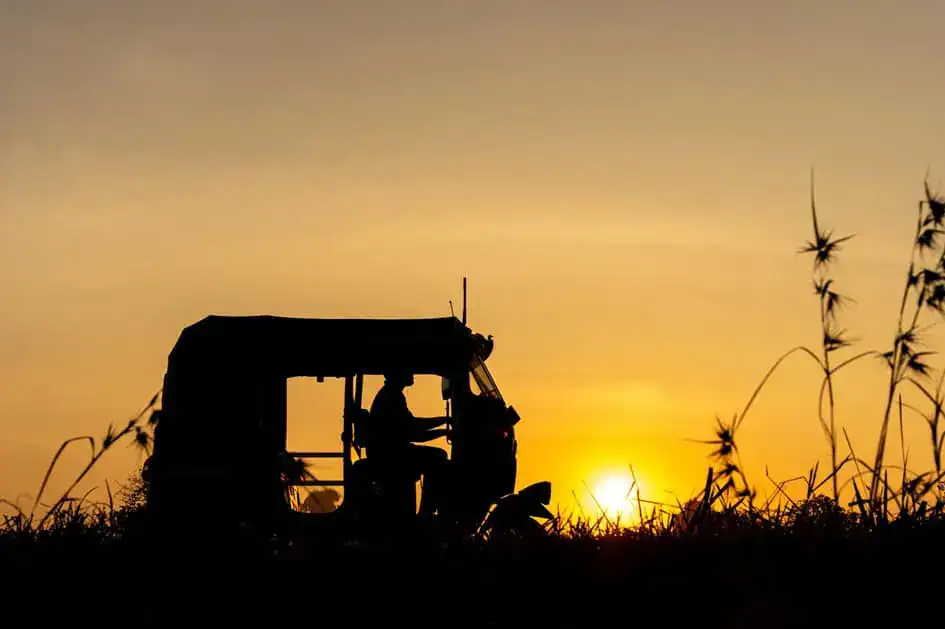
A tuk-tuk ride and sunset (Photo: Thilina Alagiyawanna, via Pexels)
Final Thoughts
Tuk-tuk safaris in Sri Lanka offer a different way to experience the island. Instead of following busy tourist routes, you spend time in villages, plantations, coastal communities, and quiet countryside where daily life continues at its own pace. The journey becomes part of the destination.
Every road tells a different story. One day, you might stop beside a tea estate in the central highlands. The next day, you might share fresh king coconut with a roadside vendor near the Southern Coast. Small moments like these often become the memories that last long after your holiday ends.
The official Sri Lanka Tourism authorities continue to encourage visitors to experience the country’s culture, food, heritage, landscapes, and local communities. A tuk-tuk safari brings these experiences together simply and enjoyably. You travel slowly, meet local people, support small businesses, and see places that many visitors overlook.
If you are planning your next holiday, add tuk-tuk safaris in Sri Lanka to your itinerary. You will return home with a deeper understanding of the island and a collection of experiences that extend far beyond its famous attractions.
Sources and References:
- Sri Lanka Tourism, Official Tourism Website. General destination information, itineraries, attractions, cultural experiences, tea country, villages, scenic routes, and travel planning.
- Sri Lanka Tourism, What To Do. Official information on experiences, cultural attractions, adventure activities, itineraries, and regional highlights.
- Sri Lanka Tourism, Scenic Beauty. Information about Sri Lanka’s hill country, tea plantations, waterfalls, viewpoints, and scenic landscapes.
- Sri Lanka Tourism, Island Essence. Information about Sri Lankan culture, local life, cuisine, crafts, hospitality, and community experiences.
- Sri Lanka Tourism Development Authority (SLTDA). Official tourism policies, destination development, sustainable tourism initiatives, and visitor information.
- UNESCO World Heritage Centre, Old Town of Galle and its Fortifications
- UNESCO World Heritage Centre, Ancient City of Sigiriya
- UNESCO World Heritage Centre, Sacred City of Kandy
- Department of Census and Statistics, Sri Lanka. Geographic, demographic, and national statistics where applicable.
- Department of Meteorology, Sri Lanka. Climate and seasonal travel information.
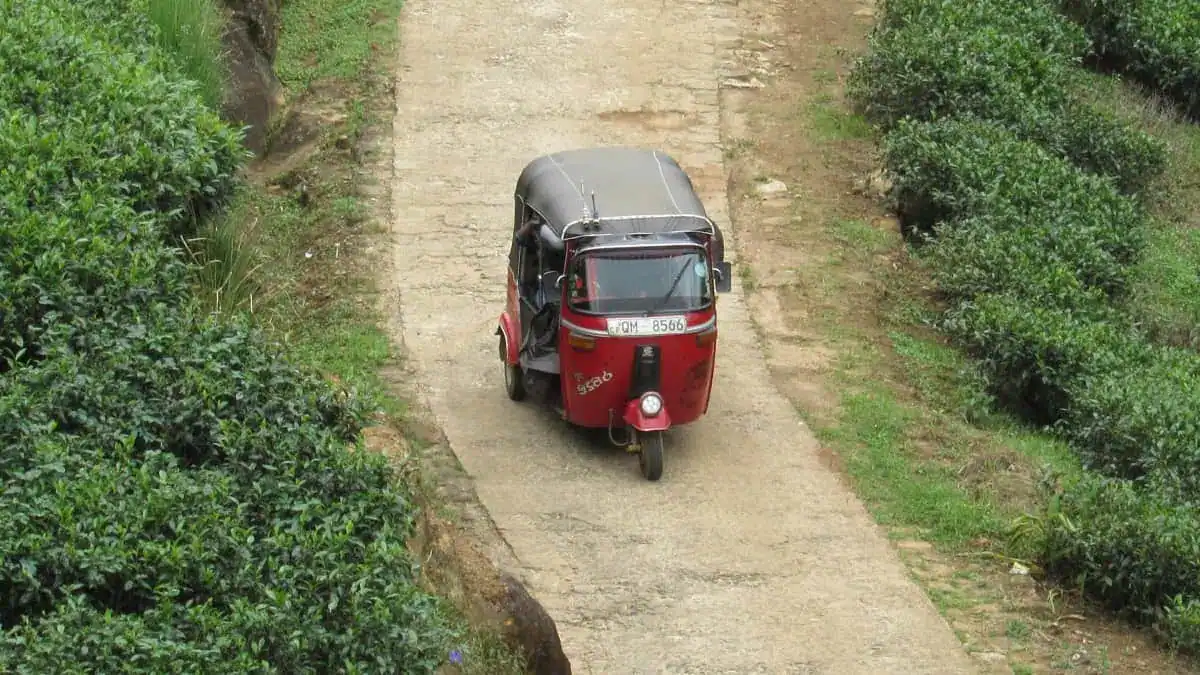
Featured image (cropped): A tuk-tuk through tea plantations (Photo: Manorie Kodithuwakku on Unsplash)

I am a Sri Lankan medical doctor who spends my free time travelling, exploring new destinations, and documenting the beauty of the island I call home. I have journeyed across almost every corner of Sri Lanka with my wife and daughter — from wildlife parks and misty mountains to ancient cities, deep forests, rugged landscapes, and quiet beaches.
Travel is not just a hobby for me — it’s a way of life. I love nature, enjoy road trips, and find joy in wildlife photography. I also read widely about tourism, travel trends, and destination culture. Through my writing, I aim to help travellers experience Sri Lanka through real stories, meaningful insights, and honest recommendations — the same way I explore it with my own family.