

Sri Lanka offers more ways to help protect its wildlife and nature than most visitors realise, but not all are the same. This is because the island’s conservation work runs from village farms to coral reefs, and a holiday visit fits some of it much better than others.
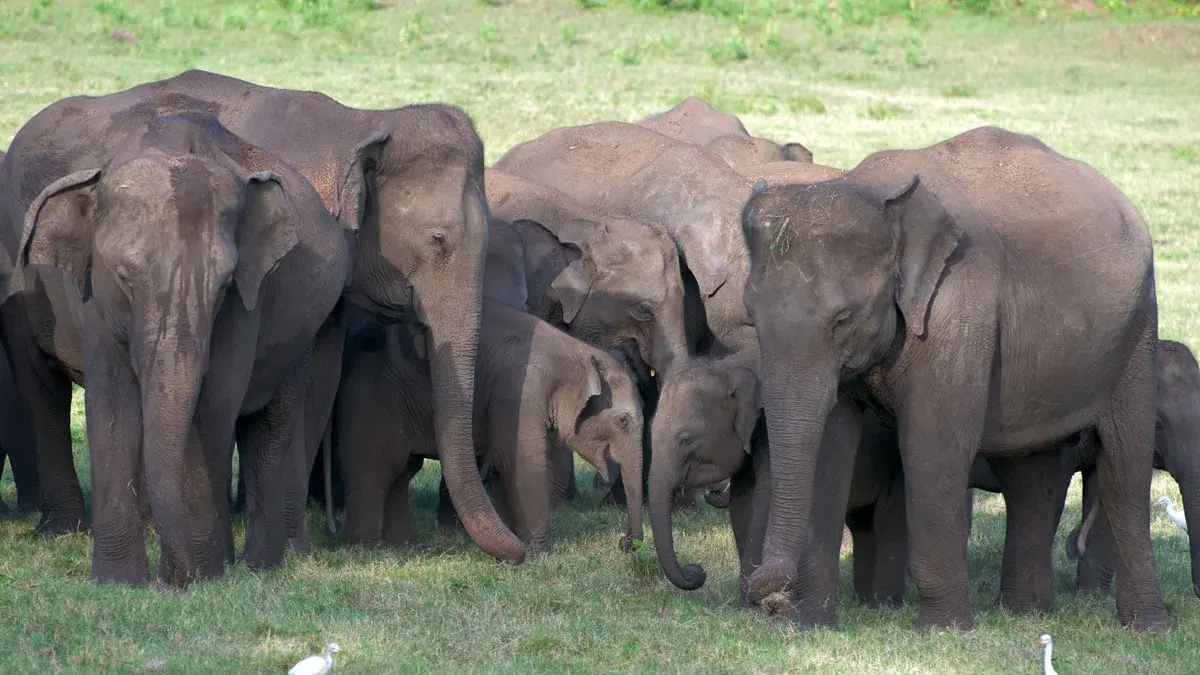
In the villages around Wasgamuwa National Park, people share their land with wild elephants every day. A corridor links the park to vital water sources, and daily encounters between elephants and people have created ongoing conflict and danger, especially for schoolchildren and villagers. Conservation here looks nothing like the elephant rides and photo opportunities sold elsewhere. It means walking transects, recording what elephants eat, counting birds at dawn and working with farming families to make coexistence safer.
That is the reality behind most conservation experiences in Sri Lanka. The island holds Asian elephants, leopards, nesting sea turtles, mangrove lagoons, coral reefs, and rainforest full of species found nowhere else, all in a country you can cross in a day. It also faces real pressures: lost habitat, conflict between farmers and wildlife, coastal development, plastic waste, and warming seas.
This guide sets out 15 meaningful ways to help. Some are supervised volunteer placements. Some are guided visits where your fee supports local protection. Others are research programmes that accept outside help only by direct approval. Each entry says plainly which kind it is, so you can choose something that suits your trip, your time, and your skills.
What Are Conservation Experiences, and Why Do They Matter in Sri Lanka?
The labels overlap, so it helps to separate them. Wildlife tourism simply means travelling to see animals. Ecotourism is nature travel that tries to limit its impact and benefit local people. Conservation tourism goes a step further: some of your time, money, or skills feeds directly into protecting a species or habitat. Voluntourism, which combines volunteering with travel, can belong to this group, but only when the work is genuinely needed, properly supervised, and would continue whether tourists arrive or not.
This guide uses three categories:
- Hands-on conservation: supervised fieldwork such as wildlife monitoring, biodiversity surveys, clean-ups, or research data processing, usually arranged in advance.
- Conservation education: guided walks, talks, or nest-watching led by people doing the work, where your fee or donation helps fund it.
- Responsible nature tourism: everyday travel choices, such as hiring local guides and watching wildlife respectfully, that reduce harm and put money into communities that protect habitats.
All three matter. Conservation in Sri Lanka depends on research funding, good data and support from people who live alongside wildlife. Visitor spending can help with each of these. But good intentions have limits. A two-week stay rarely saves a species by itself, and some attractions sold as conservation do more for tourists than for animals. Often the most valuable thing you can do is modest: pay a fair fee to a credible group, follow the rules, and leave the specialist work to trained staff.
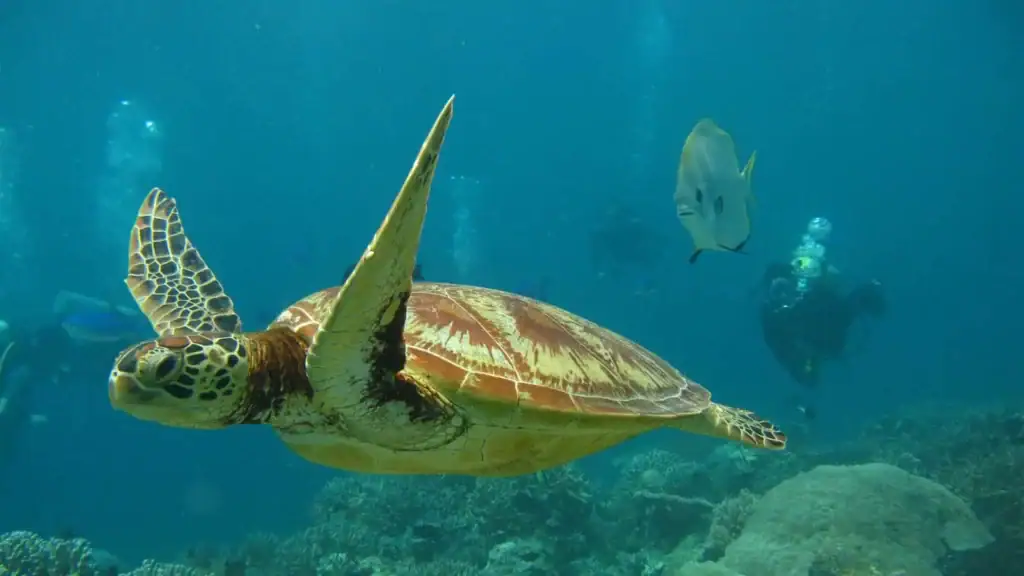
A Sea Turtle in Sri Lanka (Photo: FrontierEnviro, CC BY-SA 3.0)
Quick Comparison: 15 Conservation Experiences in Sri Lanka
Use this table as a starting point, not a booking list. Not every option is a regularly bookable experience. Several depend on dates, season, eligibility, or direct approval, so check with the organisation before planning around one.
| # | Experience | Main area | Experience type |
| 1 | Wild elephant monitoring | Wasgamuwa, central Sri Lanka | Hands-on (apply in advance) |
| 2 | Sea turtle nest protection | South and Southwest Coast | Education or hands-on; check operator ethics |
| 3 | Mangrove and coastal wetland restoration | Puttalam, Batticaloa, Trincomalee | Project-dependent; limited public role |
| 4 | Coral reef conservation | Trincomalee, East, and South Coasts | Qualified divers through authorised programmes only |
| 5 | Bird, butterfly, and biodiversity monitoring | Wasgamuwa | Hands-on (apply in advance) |
| 6 | Responsible turtle watching | Rekawa, South Coast | Conservation education (guided visit) |
| 7 | Beach clean-ups and marine plastic action | Coastal areas, scheduled events | Hands-on (scheduled volunteering) |
| 8 | Rainforest conservation walks | Sinharaja, Kanneliya, Knuckles | Conservation education |
| 9 | Urban wetland conservation | Colombo | Education and responsible nature tourism |
| 10 | Leopard conservation and wildlife corridors | Research sites vary | Research-led; learn and support |
| 11 | Elephant camera-trap research | Project sites vary | Limited placements by approval |
| 12 | Documenting lesser-known wild cats | Various habitats | Citizen science; research by approval |
| 13 | Volunteering with conservation organisations | Colombo-based, island-wide | Application-based; skills-dependent |
| 14 | Human–elephant coexistence | Villages around Wasgamuwa | Education and hands-on |
| 15 | Biodiversity research fieldwork | Varies by programme | Longer specialist placements by approval |
15 Meaningful Conservation Experiences in Sri Lanka
1. Help Protect Wild Elephants Around Wasgamuwa
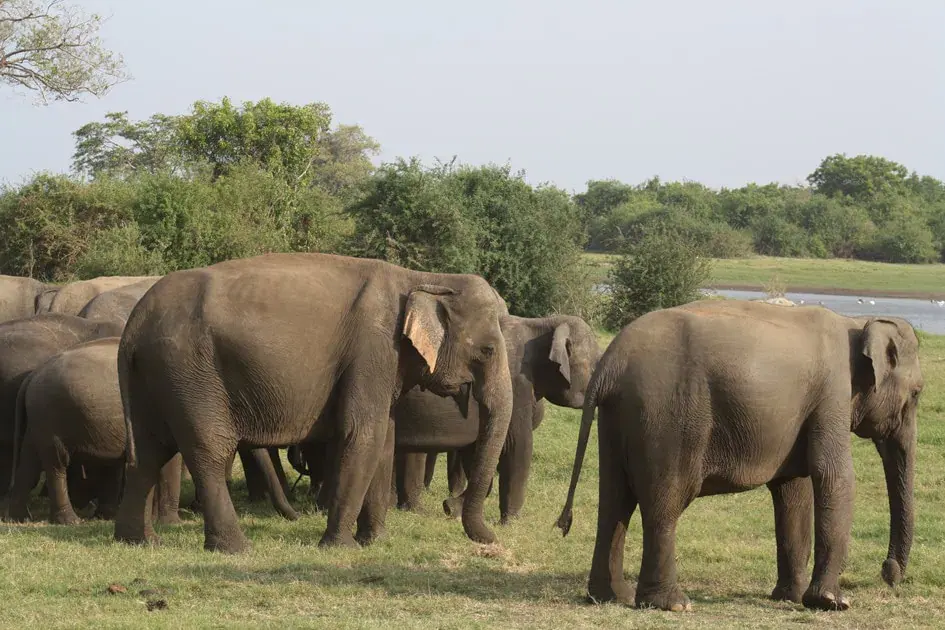
Grazing elephants in Wasgamuwa (Photo: shankar s., CC BY 2.0)
The Sri Lanka Wildlife Conservation Society (SLWCS) runs one of the island’s best-established volunteer programmes. Volunteers are based at the Pussellayaya Field House near Wasgamuwa National Park, where the society carries out its research and conservation work. The society has hosted volunteers since 2002, and they work alongside its scientists, educators, community partners, and local villagers.
The work centres on wild elephants living outside protected areas, where most human-elephant conflict occurs. One example is a foraging study that records what Asian elephants eat by following dung trails through the Weheragala Corridor. It is patient, unglamorous fieldwork, and it produces data that helps shape practical solutions. The surrounding region is also home to sloth bears, leopards, pangolins, and golden palm civets. However, no particular sighting can be promised.
This placement suits people who are comfortable with heat, early starts, simple rural living, and repetitive data collection. It does not involve touching, feeding, or bathing elephants. You watch them at a respectful distance, which is exactly how it should be.
Contact SLWCS directly to confirm current dates, minimum stay, costs, age limits, and what accommodation includes. The programme is also sold through outside volunteer agencies, so if you book that way, ask how much of your fee reaches the society. It is also sensible to ask how volunteers are registered and to check what your visa allows before you travel.
2. Support Sea Turtle Nest Protection on Sri Lanka’s Southern Coast
Five of the world’s seven sea turtle species are found in Sri Lanka’s waters: the green, leatherback, loggerhead, hawksbill, and olive ridley. The Southwest Coast around Kosgoda, between Bentota and Galle, has long been the centre of turtle hatchery tourism.
Hatcheries were set up to stop eggs being eaten or sold. Typically, eggs are moved from vulnerable nests and reburied in a guarded enclosure. Done well, this can help. The problem is how many hatcheries actually operate. The ethical approach is to release hatchlings into the sea as soon as possible, in the evening. Still, some hatcheries keep them for weeks, months, or even years so that tourists can pet and photograph them. There is little evidence that tanks improve hatchling survival. At the same time, the risk of disease is high, and deformities and even cannibalism have been recorded. Hatchlings that skip their own crawl to the sea may also fail to imprint on their home beach.
When choosing a hatchery, look for prompt night-time releases, no hatchlings kept in tanks, little or no handling, and staff with real turtle expertise. Caring for injured adult turtles that cannot survive in the wild is a different matter, and can be legitimate.
Hatchery operations and ownership change, and online listings are not always up to date. Confirm that a project is open and how it works before you go. If you want to see turtles nesting naturally on a protected beach, the community project at Rekawa (experience 6) offers a more natural alternative. Read more in our guide to turtles in Sri Lanka.
3. Restore Mangrove Forests and Coastal Wetlands
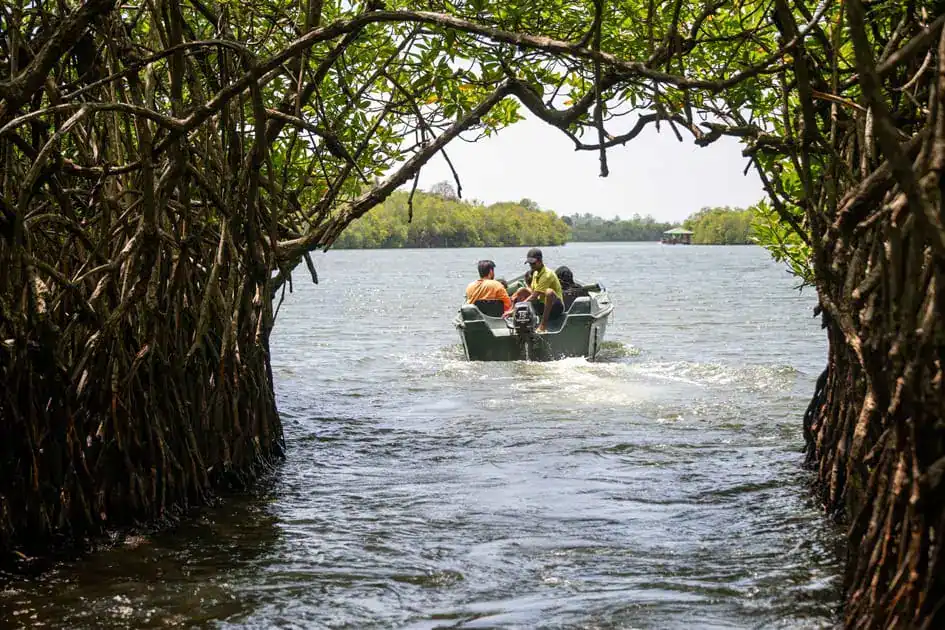
Through the Mangroves – Madu Ganga/River (Photo: Rod Waddington, CC BY-SA 2.0)
Mangroves protect coastlines, shelter young fish, and store large amounts of carbon. In 2015, Sri Lanka became the first country to give legal protection to all its mangrove forests. Most of them are found in the Puttalam, Jaffna, Trincomalee, and Batticaloa districts, and the island has more than 20 true mangrove species. Protection came late, though. More than half of Sri Lanka’s mangrove habitat has been lost to shrimp farming.
Good restoration takes more than planting seedlings. The best projects first restore the flow of tidal water, then use the native species suited to each site and monitor survival over several years. Badly planned planting often fails. The Ministry of Environment has published national guidelines for mangrove restoration, and experts warn against illegal and unscientific planting, partly driven by carbon-credit schemes.
A strong example is the five-year Anawilundawa project between Chilaw and Puttalam, designed by Wayamba University with the Department of Wildlife Conservation and the Ministry of Environment. The Marine Environment Protection Authority (MEPA) has also started mangrove restoration in several coastal districts, including Batticaloa, Trincomalee, and Puttalam.
For most travellers, direct involvement is limited. Agencies, researchers, and community groups do the long-term work. If you’re offered a planting day, ask who chose the site, which species are being used, and who will look after the plants afterwards. A guided lagoon trip with a local operator is often the better way to learn about mangroves and to support them.
4. Discover Coral Reef Conservation and Marine Restoration
Sri Lanka’s reefs have been hit hard by coral bleaching, pollution, and damaging fishing methods. MEPA has started coral restoration projects in Batticaloa, Trincomalee, and Matara. Earlier pilot projects using reef balls began at Kayankerni and Mirissa in 2017, with monitoring carried out afterwards. More recently, a Coral Conservation Centre and Laboratory has been under development at Nilaveli in Trincomalee, focusing especially on rare species such as black and red coral among the 245 coral species recorded along the Eastern Coast.
It is important to be realistic about what a visitor can do. Moving and replanting coral is specialist work that needs permits, scientific planning, and trained divers. Even experienced divers should not expect to take part unless an authorised programme accepts them. Unsupervised reef “gardening” can do real harm.
You can still make a difference. Tourism itself can damage reefs: MEPA lists marine pollution, poor waste disposal, illegal fishing gear, and unauthorised tourism as threats to the Kayankerni reef. Choose snorkelling and dive operators that brief you properly, avoid anchoring on coral, and stop guests from touching or standing on reefs. Use reef-safe habits in the water and carry your rubbish back out. If you are a qualified diver with a specific interest, ask dive centres on the East Coast whether they support any authorised monitoring. Before you go, see our guide to snorkelling in Sri Lanka.
5. Join Bird, Butterfly, and Biodiversity Monitoring Projects
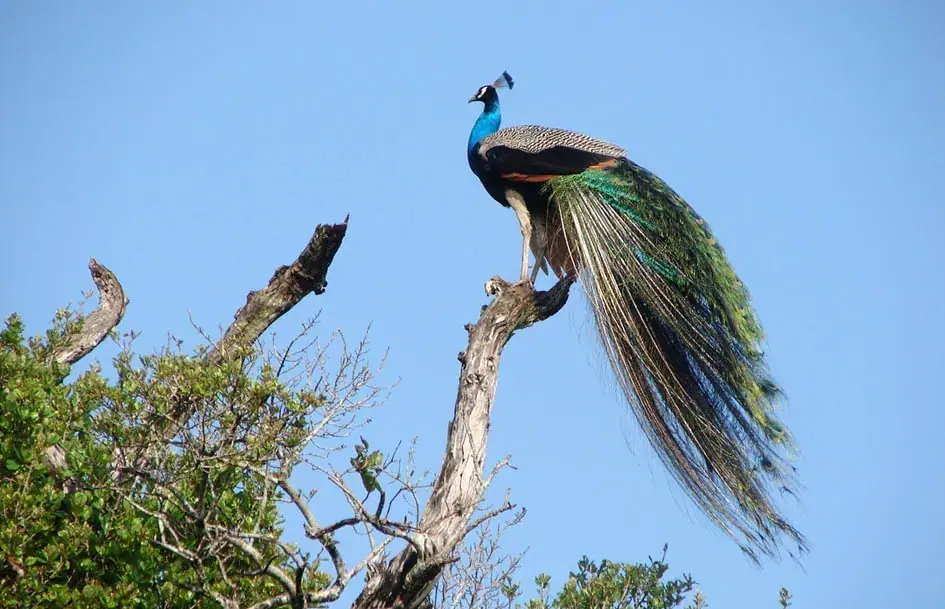
A Peacock – Wasgamuwa National Park (Photo: Chamara Ratnaweera)
Elephants get most of the attention around Wasgamuwa, but much of SLWCS’s fieldwork deals with smaller species. A butterfly study begun in 2023 surveys paddy fields, villages, and roadsides around Wasgamuwa, and has recorded 53 species, including eight endemics. Other projects include a seasonal survey of peafowl inside the national park and a study of birds nesting in village home gardens. The society says students and volunteers help collect the data.
This is citizen science in practice: counting, photographing, logging, and checking records so that researchers can track change over time. It suits birders, photographers, and anyone with a careful eye who enjoys routine as much as discovery. It can also be more rewarding than it sounds. Sri Lanka has 248 butterfly species, and 31 of them live nowhere else, so even a village edge can turn up something special.
These surveys run through the same advance-application volunteer programme as experience 1, so the same questions about dates, costs, and eligibility apply. Ask which projects are active during your stay, because survey work follows the seasons.
6. Watch Nesting Sea Turtles Responsibly at Rekawa Beach
Rekawa, near Tangalle on the South Coast, offers a very different experience from the hatcheries of the Southwest. In 1996, a nest protection project began here that employed former egg poachers as nest protectors, so that the eggs stay on the beach where they were laid. Five of the world’s seven marine turtle species nest at Rekawa, and the project is now run locally as Rekawa Turtle Watch, sometimes listed as Nature Friends of Rekawa.
Visits take place at night. You wait until a nest protector finds a turtle, then approach in a small group with a guide using red light. Flash photography and white torches disturb nesting females, so leave them off even if others do not. The group depends on ecotourism income to fund its round-the-clock beach patrols, so your fee directly pays for protection.
Be ready for a long wait, or for no turtle at all. Nesting happens at different times of year for different species, and sources disagree on the best months, so ask the project before you plan a special trip. This is a good choice for first-time visitors and older children who can stay up late and keep quiet.
7. Join Beach Clean-ups and Marine Plastic Conservation

MV X-Press Pearl ship – fumes from leaking nitric acid (Photo: Isuruhetti, CC BY-SA 4.0)
The Pearl Protectors, a youth-led marine conservation group set up in 2018, works to cut plastic pollution through volunteering, awareness, and advocacy. Its best-known campaign followed the 2021 sinking of the container ship MV X-Press Pearl, which spilt huge quantities of nurdles onto Sri Lanka’s West Coast. Nurdles are lentil-sized plastic pellets used to make plastic products. The Nurdle Free Lanka campaign aimed to clear them from the most affected shorelines using sieving and specially built equipment.
Clean-ups are scheduled events, not drop-in activities, so check the volunteer page or social media for dates close to your stay. The group’s own guidance stresses visiting sites beforehand, briefing volunteers and supervising them on the day, which is a good sign of a well-run event.
This option suits short-stay visitors, families, and anyone based near Colombo. It is honest, low-risk work that also adds to the data used for advocacy.
8. Explore Rainforest Conservation in Sinharaja, Kanneliya and Knuckles
Rainforest visits are conservation education, not volunteering, and they are still well worth doing. Sinharaja protects the last viable remnant of Sri Lanka’s tropical lowland rainforest. More than 30 of the island’s 33 endemic bird species occur there, along with three-quarters of its endemic mammals. It became a UNESCO World Heritage Site in 1988 and is managed by the Forest Department. Kanneliya, a UNESCO biosphere reserve in the Galle district, is smaller and closer to the South Coast. The Knuckles range in the central hills is part of the Central Highlands World Heritage Site.
Read more in our guide to the Hill Country of Sri Lanka.
Guides lead walks and follow set trails, and buying tickets from the Forest Department and hiring local guides helps show that standing forest is worth more than cleared land. Expect humidity, mud, and leeches, especially after rain. Endemic birds and reptiles are often heard before they are seen, and a good guide makes the difference. In Knuckles, IUCN has noted rising unregulated tourism and invasive plants such as lantana, so stick to authorised routes and guides. Read more in our guide to forests in Sri Lanka.
Read more about UNESCO World Heritage Sites in Sri Lanka.
9. Discover Urban Wetland Conservation, Around Colombo
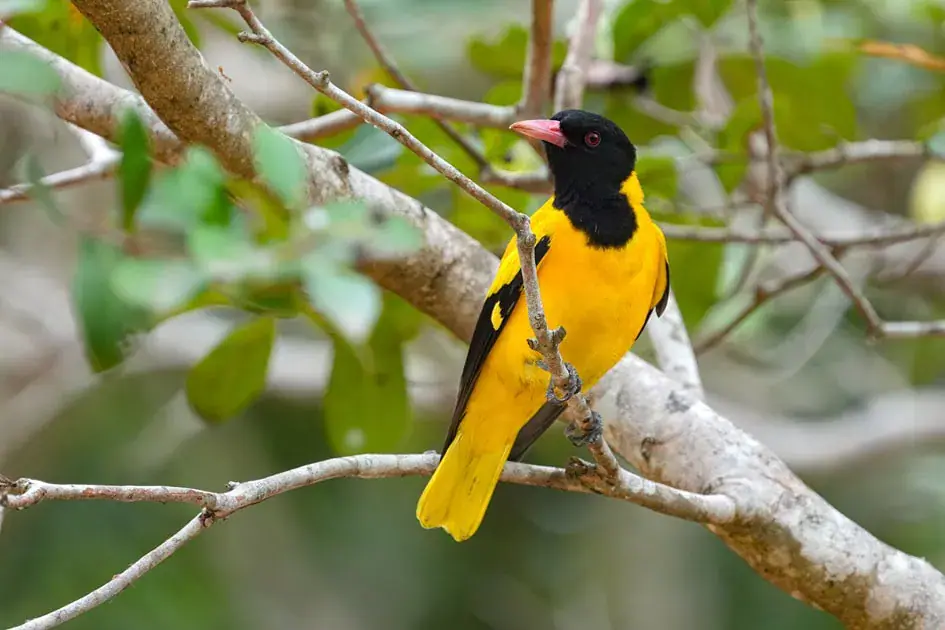
Black-Hooded Oriole – Diyasaru Park (Photo: Thomas Landgren, CC BY-NC-ND 4.0)
You don’t need to leave the capital to see conservation in action. Diyasaru Park, officially the Thalawathugoda Biodiversity Study Park, covers almost 60 acres of restored marshland near the Parliament complex in Sri Jayawardenepura Kotte. Nearby, the paddy fields and lake at Thalangama are popular with birders. These wetlands soak up floodwater for the city and provide habitat for herons, kingfishers, water monitors, and dragonflies.
Early mornings and late afternoons are the best times, and the November to March migration season is generally considered the best for birding at Thalangama. Private naturalist companies sell guided walks, and park-run programmes may be offered. Still, availability changes, so check before you go. This is an easy half-day for families or travellers with a spare morning before a flight. See our guide to birding in Sri Lanka.
10. Learn About Leopard Conservation and Wildlife Corridors
The Sri Lankan leopard is the island’s only large land predator, and it remains threatened, mainly because of habitat loss and fragmentation. The Wilderness & Wildlife Conservation Trust (WWCT) has studied leopards for many years, mostly using camera traps. Its Corridors for Conservation work in the southern Central Highlands began in 2016, after ten leopards died in wire snares set for other animals in the tea-growing landscape. After nine years of monitoring the Peak Ridge Forest Corridor, the trust reports that 15 to 17 leopards use it in any given year.
This is professional research carried out under permit, not a tourist programme, so don’t assume you can join a field trip. You can follow and fund the work, read the trust’s published reports, and choose leopard safaris with operators that keep a proper distance and don’t crowd animals. If you have relevant scientific skills, contact the trust through its website to ask whether it needs help. Our guide to wildlife safaris in Sri Lanka covers responsible viewing in more detail.
11. Contribute to Elephant Camera-Trap Research
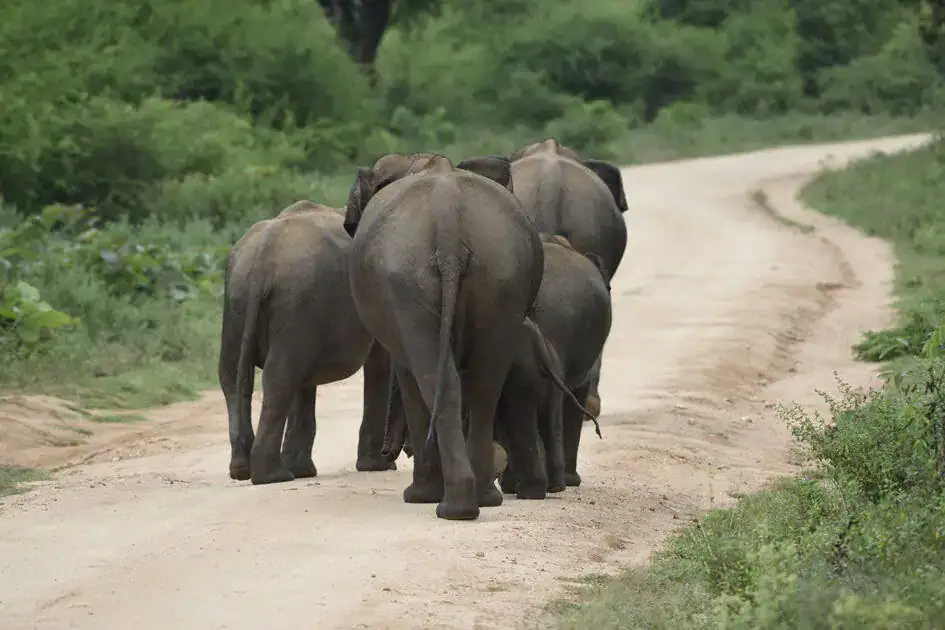
A Morning Walk – Udawalawe National Park (Photo: Nalaka Priyantha)
Camera traps let researchers watch elephants without disturbing them, and the work produces a huge number of images that need sorting. Trunks & Leaves, a conservation group led by elephant researcher Shermin de Silva, works with smallholder farming communities near Udawalawe National Park, using camera-trap observations and farmer feedback to study and scale practical solutions to conflict.
Help is mainly needed with research tasks such as tagging images, logging data, and supporting field staff. Placements are limited and depend on the group’s needs, so treat this as an enquiry rather than a booking. It suits students and early-career researchers who are careful, patient, and comfortable with screen-based work as well as fieldwork. Check eligibility, dates, and conditions directly before making plans.
12. Help Document Sri Lanka’s Lesser-Known Wild Cats
Leopards get most of the attention, but Sri Lanka has three smaller wild cats: the jungle cat, the fishing cat, and the rusty-spotted cat, the world’s smallest wild cat. Compared with the leopard, they remain among the island’s least studied and least protected mammals.
Small Cat Advocacy and Research (SCAR) works to change that. In December 2025, it launched a national Small Wild Cats Project with the Wildlife & Nature Protection Society, asking anyone who sees one of the three cats anywhere in Sri Lanka, whether on a village road, in a tea estate, or in a back garden, to log the sighting at save.cat.
This is citizen science anyone can join without signing up. If you see a small cat, note where and when, take a photo only if it doesn’t disturb the animal, and report it. Never follow, bait, or approach a cat to get a better view. Fieldwork with SCAR’s research team is a separate matter and needs direct approval.
13. Volunteer With Wildlife and Nature Conservation Organisations
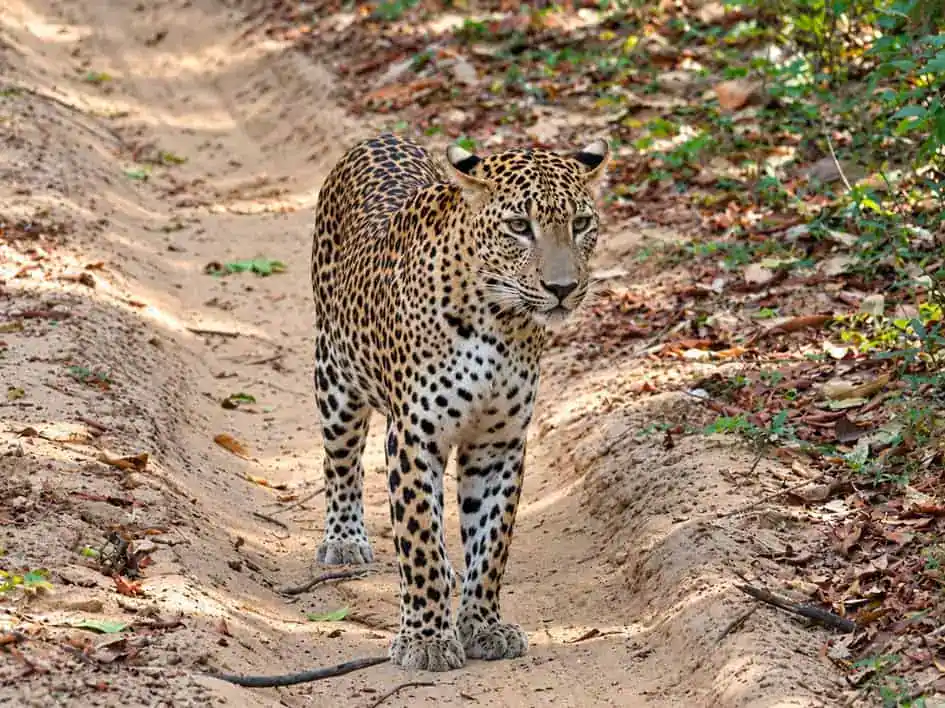
A leopard in Wilpattu National Park (Photo: Nalaka Priyantha)
Founded in 1894 as the Ceylon Game Protection Society, the Wildlife & Nature Protection Society (WNPS) played a key role in shaping Sri Lanka’s wildlife protection laws. Today it runs public lectures, a youth wing, and conservation projects, and it has a volunteer application process.
Opportunities depend on what the society needs and what you can offer. Skills in research, writing, design, photography, education, or fundraising are often more useful than general enthusiasm. Applying does not guarantee a placement, so apply well before your trip and be clear about your skills and availability. If you’re in Colombo, a WNPS monthly lecture is an easy way to learn about current conservation issues.
14. Understand Human–Elephant Coexistence With Rural Communities
Conflict between people and elephants is one of Sri Lanka’s biggest conservation problems. For farmers, it can mean losing a harvest, damage to their homes, or worse. The SLWCS project, Saving Elephants by Helping People, works on both sides of the problem. Through Project Orange Elephant, it helps farming families around Wasgamuwa grow citrus, which elephants tend to avoid, giving them extra income while reducing conflict. Since 2016, its EleFriendly Bus has carried local schoolchildren safely through the elephant corridor near the national park. The society reports that the Wasgamuwa region now accounts for less than 2% of national human–elephant conflict figures, which it credits to three decades of work in the area.
Volunteers on the SLWCS programme can learn about this side of conservation from villagers themselves. It is often the most eye-opening part of a placement, because it shows why elephant conservation depends on the people who live alongside the animals. See our guide to Sri Lankan village life.
15. Experience Biodiversity Research and Conservation Fieldwork
Some travellers want more than a short volunteer stay: a dissertation project, an internship, or several months of supervised fieldwork. These placements exist, but they are research positions, not holidays. SLWCS runs an internship programme alongside its volunteer scheme, and also accepts remote volunteers with skills such as database work, statistical analysis, report writing, or web design. Universities and NGOs also carry out field studies in national parks, under permits from the Department of Wildlife Conservation.
Expect clear requirements: a defined research question, academic or professional supervision, and the right visa status. You may also need relevant skills or study background. Organisations may set minimum stays or ask for references, and you should get any research permits through the host organisation rather than arranging them yourself. If you are a student, start with your university department, which may already have links with Sri Lankan partners.
How to Choose an Ethical Conservation Experience in Sri Lanka
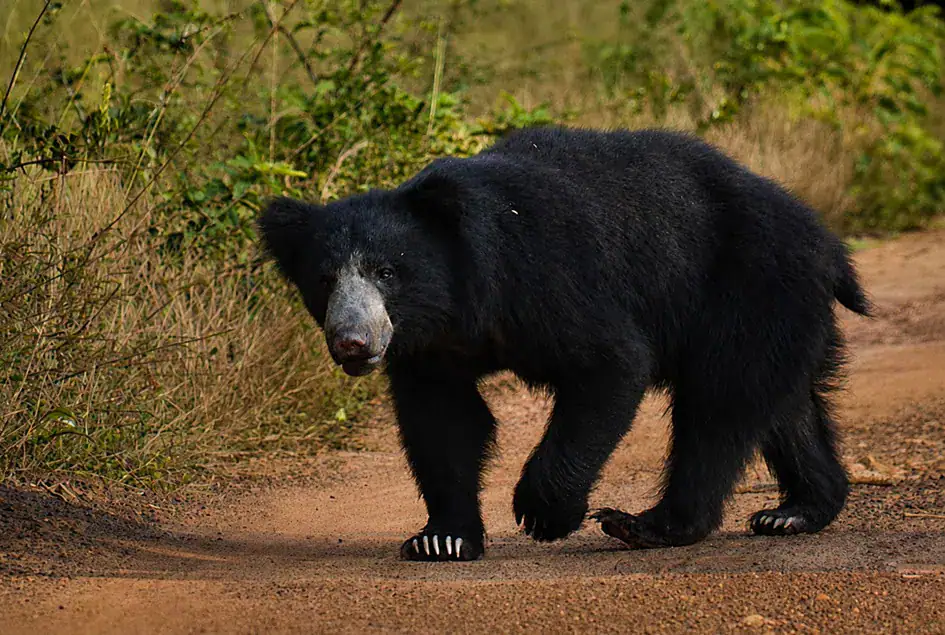
A Sloth Bear – Wilpattu National Park (Photo: Nalaka Priyantha)
Good conservation work is not always the most photogenic. The most reliable sign of a credible project is transparency. It should be able to tell you what it is trying to achieve, what it has achieved so far, how visitor money is spent, and what permissions it works under. Programmes inside protected areas need approval from the Department of Wildlife Conservation or the Forest Department, so it’s reasonable to ask which permits a project holds.
Animal welfare should come before the visitor experience. Any project that lets you handle, feed, or pose with wild animals is serving tourists, not conservation. Look also for real community benefit: local staff, local guides, and a role for nearby villages in decisions.
| Responsible practices | Warning signs |
| Observation from a distance; no handling of wild animals | Elephant rides, staged bathing or feeding, wildlife selfies |
| Natural nest protection; hatchlings released promptly at night | Hatchlings kept in tanks; tourist-led releases sold as a highlight |
| Qualified staff and supervision; clear safety briefings | Unsupervised coral planting or mangrove planting with no follow-up |
| Published reports, data, or research partnerships | Vague claims of “saving” animals with no evidence |
| Clear explanation of how fees are used | High fees with no breakdown; most money going to agents |
| Local employment and community involvement | No local staff; communities excluded from benefits |
| Honest about what you can and can’t expect to see | Guaranteed sightings or promised animal contact |
If a project’s answers are vague, or its marketing focuses on what you will touch rather than what you will learn, choose a different one.
Which Conservation Experience Is Right for You?
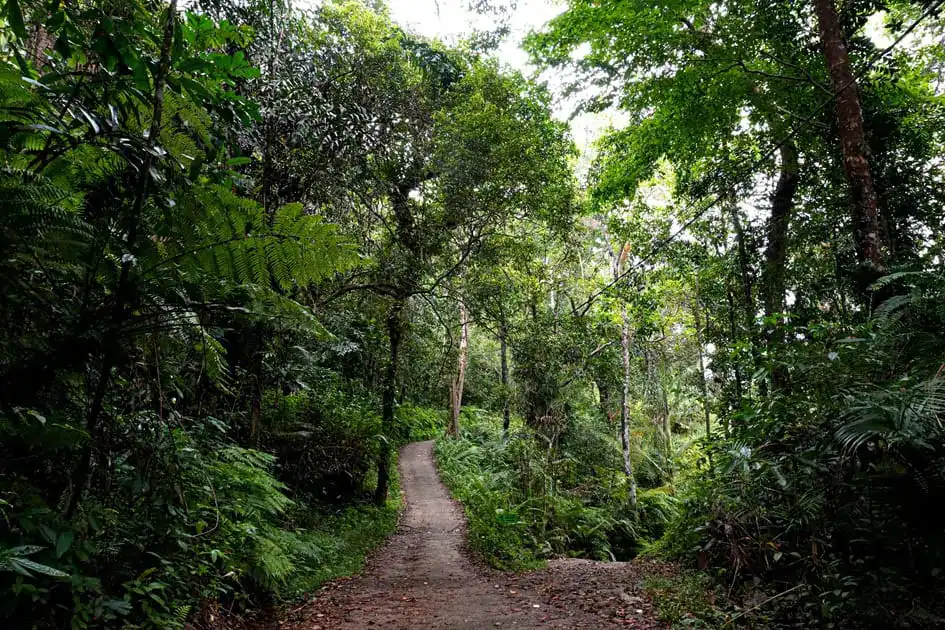
Sinharaja Forest Reserve (Photo: Thomas Landgren, CC BY-NC-ND 4.0)
The right choice depends on your time, interests, and skills. A short visit can be just as meaningful as a long placement if it supports credible work.
| Traveller type | Best starting point |
| First-time, short-stay visitor | Night turtle watching at Rekawa |
| Wildlife enthusiast with a week or more | SLWCS volunteer programme near Wasgamuwa |
| Marine conservation supporter | Pearl Protectors beach clean-ups |
| Birder or naturalist | Biodiversity surveys or guided rainforest walks |
| Family with children | Wetland walks in Colombo or guided rainforest visits suited to children’s ages |
| Colombo-based or transit visitor | Diyasaru Park and Thalangama wetlands |
| Student or early-career researcher | Camera-trap research or internships, by application |
| Long-stay volunteer | Supervised placements with established organisations |
Planning Your Conservation-Focused Journey in Sri Lanka
Most of these experiences fit into one of three regional groupings, which helps you avoid long backtracking journeys.
Southern coast and Rekawa. Stay around Tangalle for night turtle watching at Rekawa, and add a southwest beach stop for a carefully chosen hatchery visit or snorkelling with a responsible operator. Kanneliya and Sinharaja are both within reach of the South and West Coasts as separate outings.
Central and north-central Sri Lanka. Wasgamuwa is the base for SLWCS volunteering, which needs a multi-day commitment rather than a day trip. It combines naturally with Knuckles and the cultural sites of the north-central region.
Colombo. Use spare mornings for Diyasaru Park or Thalangama, and time your stay around a scheduled Pearl Protectors clean-up if you can.
Book volunteer placements and research enquiries weeks or months ahead. Guided walks and turtle watching usually need less notice, but check current arrangements. Also plan around the weather. The monsoons affect the Southwest and East Coasts at different times of year, which changes sea conditions for marine activities. Our guide to national parks in Sri Lanka helps with park-by-park planning.
Can You Participate in Conservation Activities Without Volunteering?
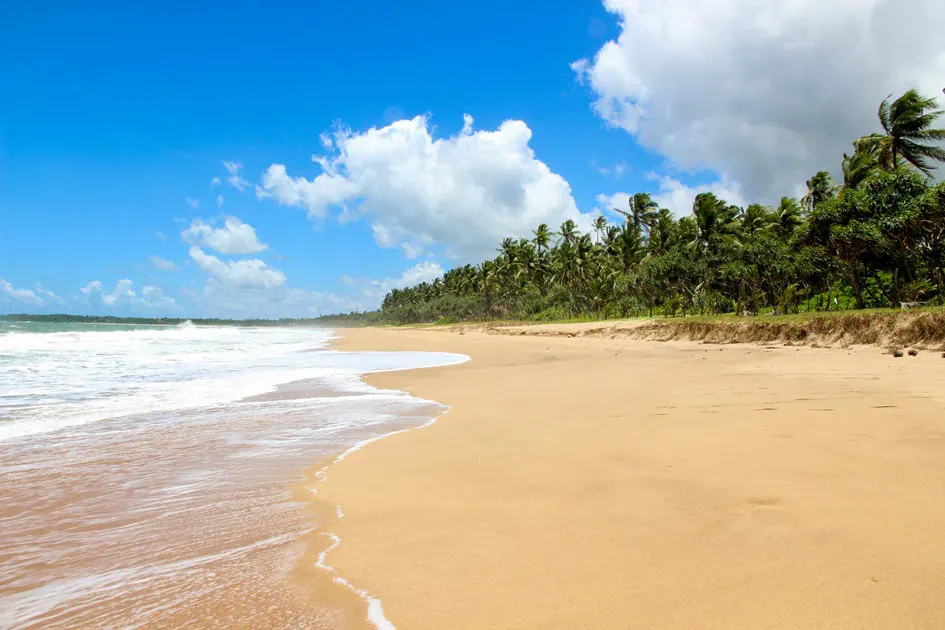
Rekawa Beach (Photo: LisArt, CC BY-NC-ND 2.0)
Yes, and for most travellers this is the most realistic way to help. Pay fair entrance and guiding fees to projects that use them for protection, as Rekawa does for its beach patrols. Hire local naturalists and stay in locally run guesthouses near forests and parks, so that standing forest pays for the communities around it. Donate to organisations that publish what they do, not to whoever has the most moving roadside sign. Report sightings of small wild cats through SCAR’s citizen-science platform.
Above all, watch wildlife respectfully. Keep your distance, don’t let drivers chase or crowd animals, and never feed, touch, or handle wildlife yourself, however harmless it seems.
Read about sustainable and responsible travelling in Sri Lanka.
Frequently Asked Questions About Conservation Experiences in Sri Lanka
What are the best conservation experiences in Sri Lanka for tourists?
For most short-stay visitors, night turtle watching at Rekawa, guided rainforest walks in Sinharaja or Kanneliya, and wetland birding in Colombo are the easiest options with genuine conservation value. If you have more time, the SLWCS programme near Wasgamuwa offers real fieldwork.
Can foreign travellers volunteer in wildlife conservation in Sri Lanka?
Yes. SLWCS, WNPS, and The Pearl Protectors all have ways for volunteers to take part. Check with the host organisation and Sri Lanka’s Department of Immigration and Emigration that your visa allows the activity you plan to do.
Are conservation volunteering programmes in Sri Lanka free?
Residential programmes usually charge fees to cover accommodation, food, supervision, and project costs. Community clean-ups may cost little or nothing. Always ask how fees are used.
Can children participate in wildlife conservation activities?
Often, yes, with the right choice of activity. Wetland walks, guided forest visits, turtle watching for older children, and supervised clean-ups all work well. SLWCS describes its programme as open to individuals and families, but age rules vary between activities, so confirm them first.
Where can I participate in elephant conservation in Sri Lanka?
The main options are the SLWCS field programme near Wasgamuwa and, for students, Trunks & Leaves’ research near Udawalawe. Respectful safaris also support wild elephants. See our guide to elephants in Sri Lanka.
Is turtle conservation volunteering in Sri Lanka ethical?
It can be, but practices vary widely. Choose projects that protect nests where they are laid or release hatchlings promptly at night, and avoid any that keep hatchlings in tanks or offer handling.
Can I help protect coral reefs or mangroves during my holiday?
Mostly indirectly. Restoration needs permits and experts. You can help by choosing reef-safe operators, never touching coral, and supporting well-run lagoon trips with local guides.
Do I need scientific qualifications to join conservation programmes?
Not for most volunteer programmes, guided visits, or clean-ups. Longer research placements and internships usually expect relevant study or skills.
How can I identify a trustworthy conservation organisation?
Look for published results, clear explanations of how fees are spent, the right permits, local staff, and no contact with wild animals. Vague claims and guaranteed sightings are warning signs.
Can I support wildlife conservation during a short Sri Lanka itinerary?
Yes. One night at Rekawa, a morning in a Colombo wetland or a guided rainforest walk fits easily into a short trip. Each one puts money into credible protection work.
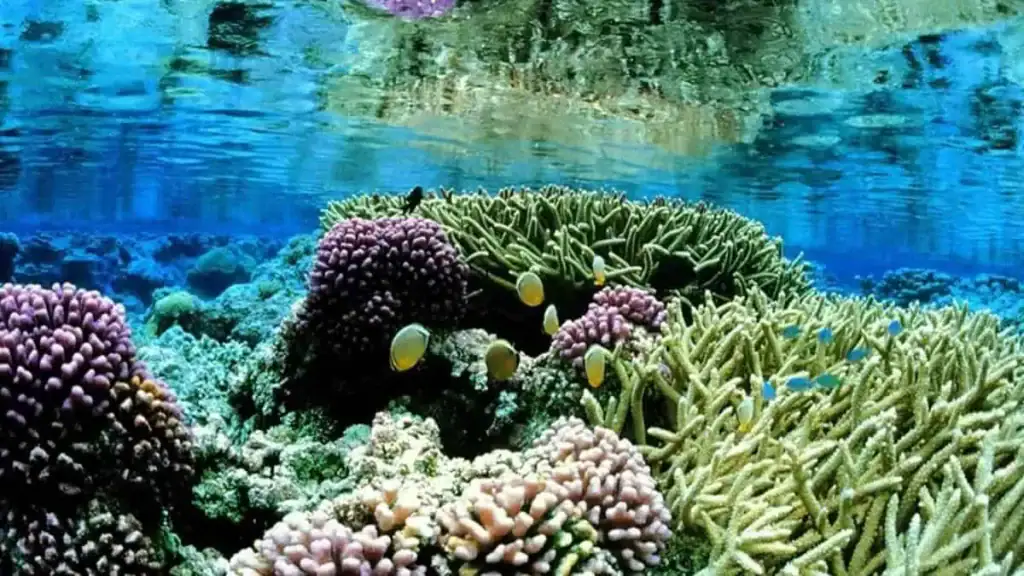
Coral Reef in Hikkaduwa (Photo: Amila Tennakoon, CC BY 2.0)
Final Thoughts: Leave Sri Lanka’s Natural Wonders Better Protected
The best conservation experiences in Sri Lanka rarely involve touching an animal. More often, they mean sitting quietly on a dark beach, recording butterflies at the edge of a paddy field, or listening to a farmer explain why oranges might keep elephants away. That is where the real work happens, and visitors can play a modest but genuine part in it.
Choose one or two experiences that suit your time and skills, ask good questions, and support the organisations that answer them openly. Sri Lanka’s wildlife is extraordinary, and much of its protection depends on local people. Travelling in a way that supports them is one of the best things you can bring home.
If you are new to Sri Lanka, read the complete travel guide for first-time travellers and learn how to find the best itinerary for your travel season.
Sources and References:
- Sri Lanka Wildlife Conservation Society (SLWCS) – Volunteer with Us. Information about wildlife conservation volunteering around Wasgamuwa National Park, including elephant monitoring, biodiversity research and community-based conservation.
- Sri Lanka Wildlife Conservation Society (SLWCS) – Volunteer Programme. Details of supervised fieldwork, elephant corridor monitoring, bird and butterfly surveys, and human–elephant coexistence activities.
- Ministry of Environment, Sri Lanka (2021) – National Guidelines for the Restoration of Mangrove Ecosystems of Sri Lanka. Official scientific guidance on mangrove conservation, ecological restoration, site selection and appropriate planting practices.
- Ministry of Environment, Sri Lanka – National Mangrove Conservation and Restoration Framework. Information about Sri Lanka’s national mangrove conservation strategy, restoration guidelines and environmental policy.
- Marine Environment Protection Authority (MEPA) – Ecosystem Restoration. Official information about mangrove and coral reef restoration initiatives in Sri Lanka’s coastal districts.
- Marine Environment Protection Authority (MEPA) – Restoration of Coral Reefs on the East and South Coasts of Sri Lanka. Information about coral restoration at Kayankerni and Mirissa, marine biodiversity and threats to coastal ecosystems.
- The Pearl Protectors – Nurdle Free Lanka. Information about marine plastic pollution, nurdle removal and community-based coastal clean-up initiatives following the MV X-Press Pearl disaster.
- Ministry of Environment, Sri Lanka – Biodiversity Publications. Official conservation publications, including national Red Lists of threatened birds, plants and freshwater fish, and mangrove conservation resources.
- Postgraduate Institute of Science, University of Peradeniya – The Forest Restoration Guidebook for Sri Lanka. Technical guidance on restoring degraded forest ecosystems, protecting biodiversity and managing ecological restoration responsibly.
- Ministry of Environment, Sri Lanka – Environmental and Wildlife Conservation Policies. National policies covering wildlife conservation, wetlands, mangrove ecosystems, forest management and environmental protection.
- Sri Lanka Wildlife Conservation Society (SLWCS) – Wildlife Conservation Adventures. Information about family-friendly conservation education, wildlife observation and community-based experiences in the Wasgamuwa region.
- Nature Friends of Rekawa – Turtle Watch. The community-operated turtle-watching programme, nesting-beach protection, visitor rules and the use of visitor fees to support conservation.
- UNESCO World Heritage Centre – Sinharaja Forest Reserve. Authoritative information about Sinharaja’s biodiversity, endemic species, protected status and conservation significance.
- Wildlife and Nature Protection Society (WNPS) – Volunteer with Us. Information about volunteering in wildlife conservation, research, environmental education and conservation advocacy in Sri Lanka.
- Small Cat Advocacy and Research (SCAR) – Publications. Scientific research on Sri Lanka’s lesser-known wild cats, including fishing cats and jungle cats, habitat use and citizen-science monitoring.
- Diyasaru Park – Thalawathugoda Biodiversity Study Park. Information about Colombo’s urban wetland conservation, biodiversity education and responsible nature-based visits.
Featured image: Wild elephants in Wasgamuwa (Photo: Jon Connell, CC BY 2.0)

I am a Sri Lankan medical doctor who spends my free time travelling, exploring new destinations, and documenting the beauty of the island I call home. I have journeyed across almost every corner of Sri Lanka with my wife and daughter — from wildlife parks and misty mountains to ancient cities, deep forests, rugged landscapes, and quiet beaches.
Travel is not just a hobby for me — it’s a way of life. I love nature, enjoy road trips, and find joy in wildlife photography. I also read widely about tourism, travel trends, and destination culture. Through my writing, I aim to help travellers experience Sri Lanka through real stories, meaningful insights, and honest recommendations — the same way I explore it with my own family.