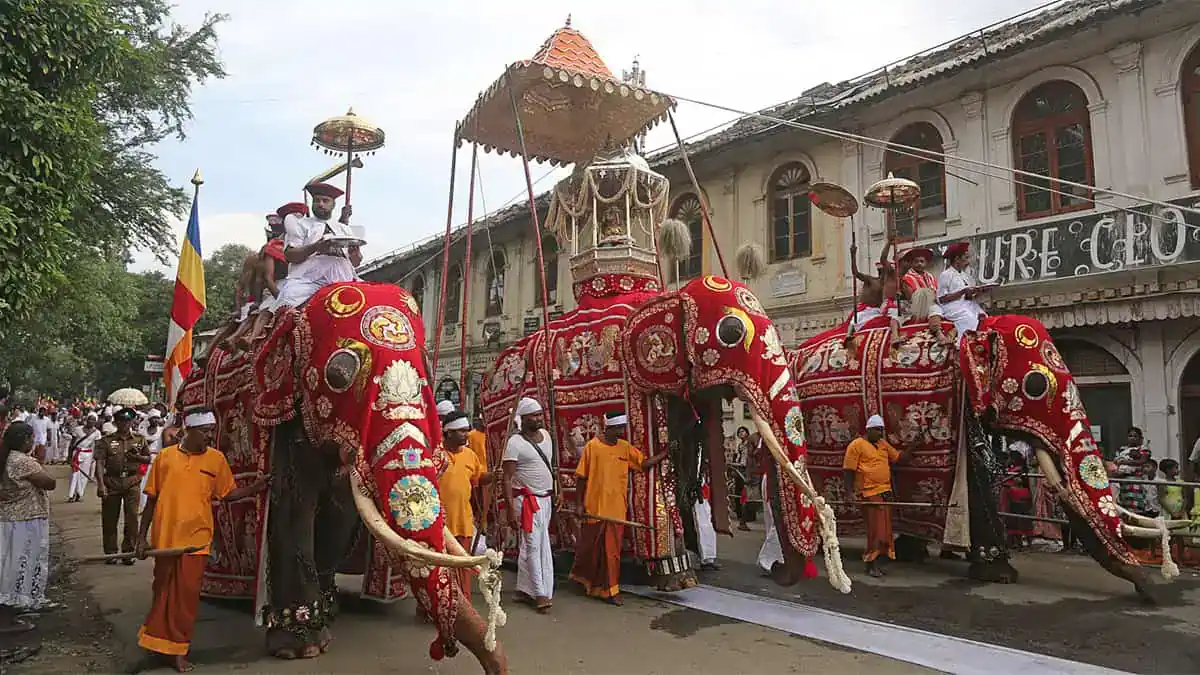

Sri Lanka draws travellers with golden beaches, wildlife safaris, ancient cities, and misty tea plantations. Yet many visitors leave the island without seeing one of its greatest cultural treasures. A Perahera in Sri Lanka offers something few destinations in the world still preserve. It brings together faith, history, music, dance, craftsmanship, and community in a living tradition that has survived for centuries. When the streets fill with drummers, dancers, pilgrims, torchbearers, decorated elephants, and temple chariots, you witness far more than a festival. You witness a cultural heritage that continues to shape daily life across the island.
For foreign travellers, a Perahera provides a rare opportunity to experience Sri Lanka beyond its beaches and famous landmarks. Each procession tells a different story. Some honour sacred Buddhist relics. Others celebrate Hindu deities. Some attract Catholic pilgrims from across the country. Together, these events reveal the diversity, devotion, and cultural richness of Sri Lanka. This guide explores the country’s most famous processions, explains their significance, and helps you choose the best festival for your journey.
What Is a Perahera?
The Sinhala word “Perahera” refers to a ceremonial procession. In modern Sri Lanka, the term usually refers to a religious pageant that moves through streets, accompanied by traditional performers, drummers, dancers, musicians, elephants, devotees, and religious officials.
Most visitors first encounter the term through the Kandy Esala Perahera. Yet Sri Lanka hosts dozens of processions throughout the year. They range from small village events to major national celebrations that attract hundreds of thousands of spectators.
A Perahera combines devotion and celebration. Participants honour sacred relics, deities, saints, or religious traditions while preserving performing arts that have passed from one generation to the next. These events serve as both spiritual ceremonies and cultural showcases.
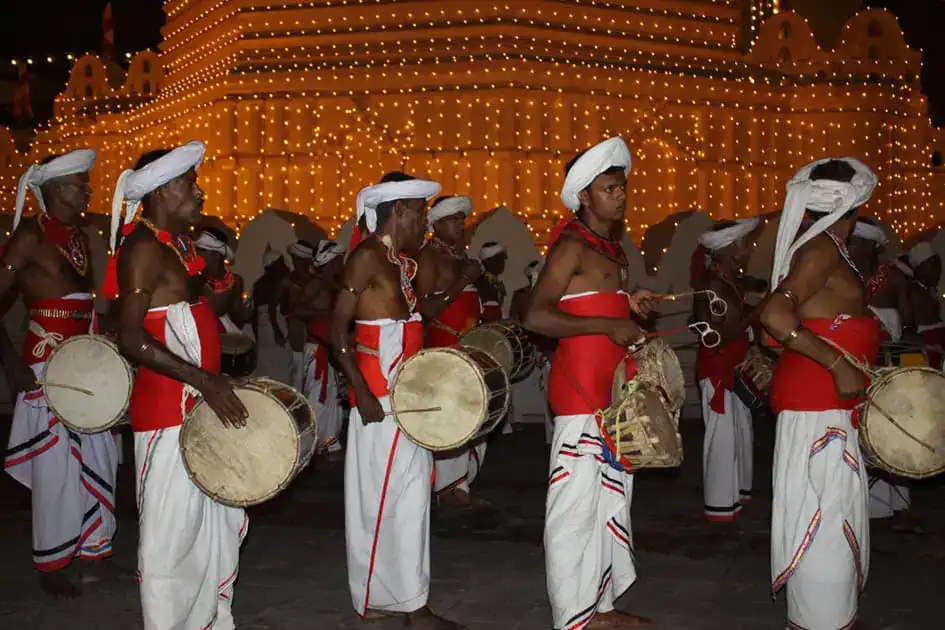
Traditional Drummers near the temple of the tooth, Kandy (Photo: Denish C, CC BY-NC-ND 2.0)
What Does “Perahera” Mean?
The roots of the Perahera tradition stretch deep into Sri Lanka’s history. Ancient kingdoms organised ceremonial processions to seek blessings for rainfall, agricultural prosperity, protection, and social harmony. Over time, Buddhist and Hindu traditions absorbed these customs and transformed them into religious festivals.
Many historians believe early forms of Peraheras existed long before the arrival of Buddhism on the island. As Buddhism spread across Sri Lanka, rulers integrated local customs into Buddhist practice. Hindu influences also shaped many processions, especially in regions with strong Tamil cultural traditions.
Today, Peraheras reflect centuries of cultural exchange. Buddhist temples, Hindu kovils, Catholic shrines, and multi-faith pilgrimage centres continue to organise processions that preserve ancient customs while remaining relevant to modern communities.
Why Peraheras Are Unique to Sri Lanka
Many countries host religious festivals. Few present them in the scale and form found in Sri Lanka.
A Perahera combines sacred rituals with traditional performing arts, remaining deeply connected to local communities. Dancers do not perform solely for tourists. Drummers do not play solely for entertainment. Temple officials, pilgrims, artists, and volunteers participate because these traditions remain important parts of their lives.
The visual spectacle also sets Sri Lankan processions apart. Kandyan dancers perform complex routines. Fire dancers create dramatic displays after sunset. Drummers maintain powerful rhythms for hours. Decorated elephants move through crowded streets carrying sacred objects. Temple chariots tower above thousands of devotees.
Sri Lanka Tourism regularly promotes major Peraheras as flagship cultural attractions because they offer visitors direct access to the island’s living heritage. The Kandy Esala Perahera in particular stands among the country’s most recognised cultural events and attracts visitors from around the world.
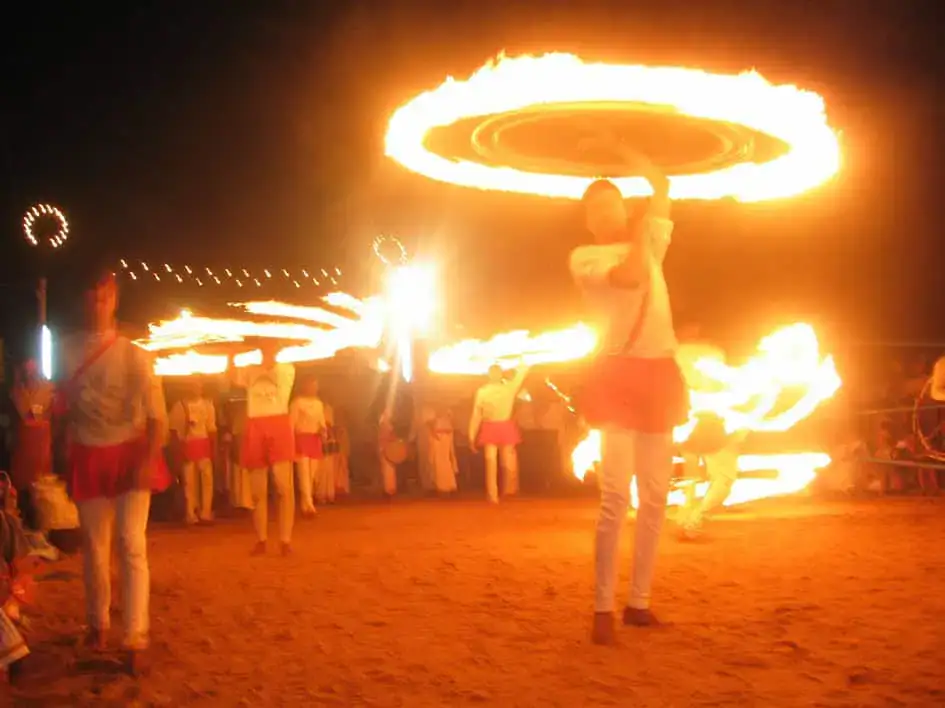
Traditional dancers with fire – Kataragama Esala Perahera (Photo: Mor, CC BY-NC 2.0)
The Cultural and Religious Significance of Peraheras
For Sri Lankans, a Perahera is not simply a public event. It represents devotion, gratitude, community identity, and cultural continuity.
Religious institutions preserve rituals that have survived political change, colonial rule, economic transformation, and social development. Families participate year after year. Traditional dancers inherit skills from their parents and grandparents. Temple communities spend months preparing for each procession.
Many Peraheras also support local economies. Hotels, restaurants, transport providers, guides, and artisans benefit from increased visitor numbers. Cultural tourism has become an important part of Sri Lanka’s tourism industry, and major festivals play a significant role in attracting international travellers.
The Most Famous Peraheras in Sri Lanka
Kandy Esala Perahera
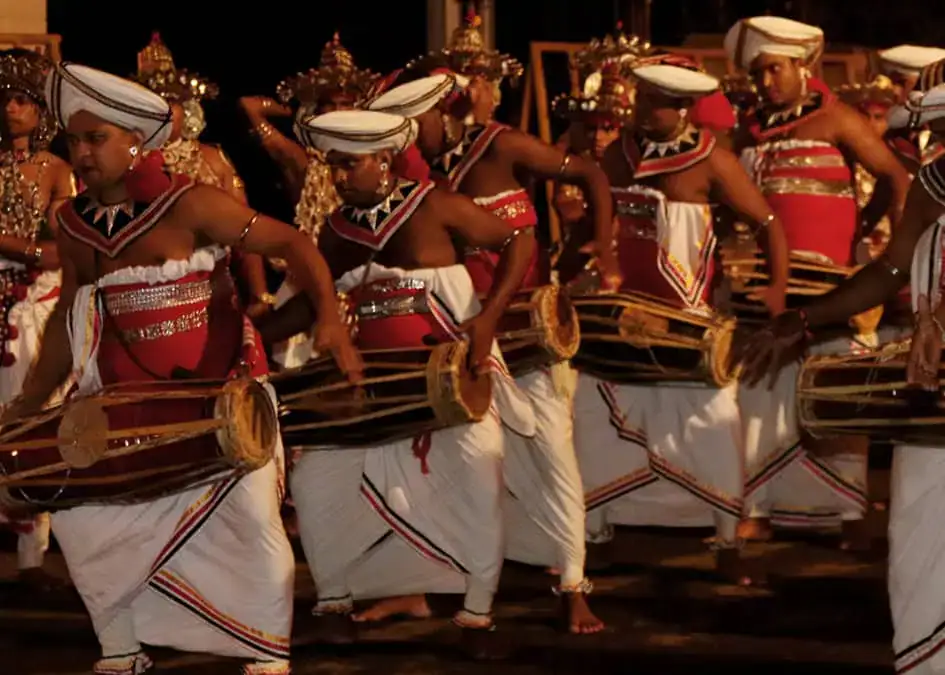
Traditional Drummers in Kandy (Photo: Denish C, CC BY-NC-ND 2.0)
Quick Facts
Location: Kandy
Tradition: Buddhist
Usual Month: July or August
Duration: 10-12 days
Best For: First-time visitors, cultural travellers, photographers, families, and history enthusiasts
Why Visit?
The Kandy Esala Perahera is the most famous Perahera in Sri Lanka and one of Asia’s best-known cultural festivals. Held in honour of the Tooth Relic of the Buddha, the festival combines religion, history, music, dance, and tradition in a spectacular public procession. For many travellers, it is the ultimate cultural experience in Sri Lanka.
What You’ll See
The streets of Kandy come alive with whip crackers, traditional drummers, Kandyan dancers, fire performers, torchbearers, and beautifully decorated elephants. The highlight is the Maligawa Tusker carrying a replica casket associated with the Sacred Tooth Relic. The final Randoli Peraheras feature the largest crowds and most elaborate performances.
Unique Features
The festival is closely linked to the Sacred Tooth Relic, one of Buddhism’s most revered relics. It showcases some of Sri Lanka’s finest traditional performers and preserves customs that date back centuries. The festival concludes with the Diya Kepeema, or Water Cutting Ceremony, an important ritual symbolising purification and renewal.
Travel Tips
Book accommodation several months in advance because Kandy becomes extremely busy during the festival. Arrive at viewing locations at least three hours early. Reserved seating offers better views and comfort. Wear light clothing and carry drinking water, especially during warm evenings.
Nearby Attractions
- Temple of the Sacred Tooth Relic
- Kandy Lake
- Royal Botanical Gardens, Peradeniya
- Bahirawakanda Buddha Statue
- Udawattakele Forest Reserve
Photography Opportunities
The best photographs are usually taken shortly after sunset when natural light mixes with torchlight and festival illumination. Dancers, drummers, fire performers, and decorated elephants provide excellent subjects.
Suggested Itinerary
Spend two to three days in Kandy. Visit Kandy Lake and the Temple of the Tooth during the day, attend the Perahera in the evening, and explore nearby tea estates or the Royal Botanical Gardens before continuing your journey.
Kataragama Esala Festival
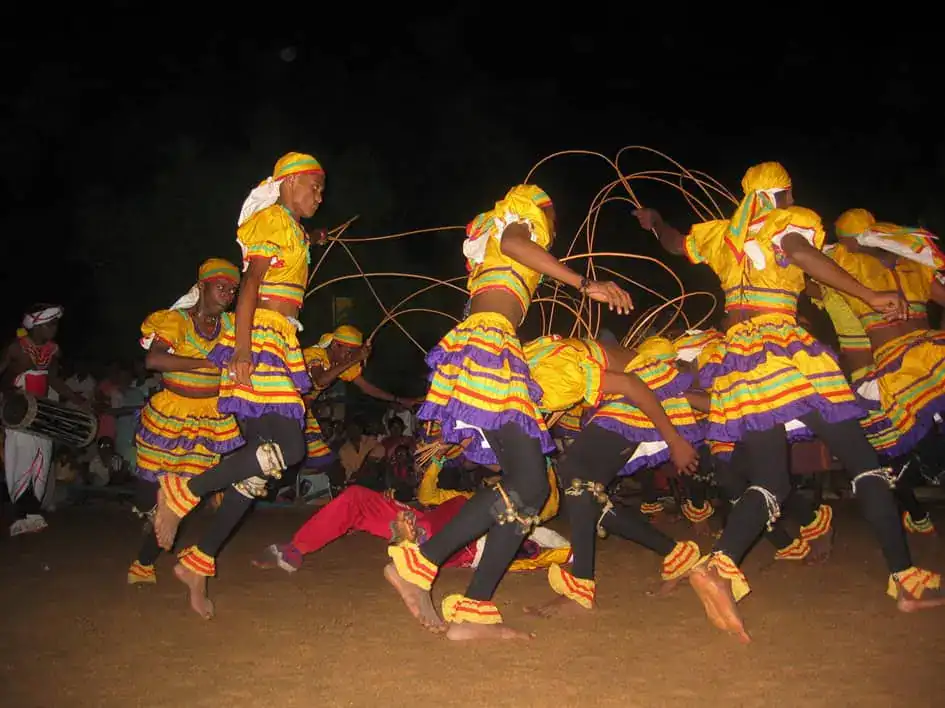
Rattan weaving dancers – Kataragama Esala Perahera (Photo: Mor, CC BY-NC 2.0)
Quick Facts
Location: Kataragama, Southern Province
Tradition: Multi-faith festival celebrated by Buddhists, Hindus, Muslims, and the indigenous Vedda community
Usual Month: July or August
Duration: Approximately two weeks
Best For: Spiritual travellers, cultural enthusiasts, photographers, pilgrims, and travellers combining culture with wildlife experiences
Why Visit?
The Kataragama Esala Festival is one of Sri Lanka’s most unique religious celebrations. Unlike most festivals, it brings together followers of different faiths in a shared tradition of devotion and pilgrimage. Held in the sacred town of Kataragama, the festival offers visitors a rare opportunity to experience Sri Lanka’s rich religious diversity and centuries-old customs.
What You’ll See
The festival features traditional drummers, dancers, torch-lit processions, and thousands of pilgrims who travel from across the country. Many devotees arrive on foot after long pilgrimages. Visitors may also witness Kavadi ceremonies, where Hindu devotees carry decorated structures as offerings, and fire-walking rituals that demonstrate deep faith and commitment.
Unique Features
The festival’s strongest distinction is its multi-faith character. Buddhists, Hindus, Muslims, and members of the Vedda community all share a connection to Kataragama. The event combines ancient pilgrimage traditions, devotional rituals, and cultural performances in a way that few festivals in Asia can match. Fire-walking ceremonies and Kavadi processions add a dramatic and spiritual dimension to the celebrations.
Travel Tips
Book accommodation early because Kataragama becomes extremely busy during the festival. Dress modestly when visiting shrines and sacred sites. Arrive well before major ceremonies to secure a good viewing spot and carry water due to the area’s warm climate.
Nearby Attractions
- Kataragama Sacred City
- Kirivehera Temple
- Yala National Park
- Bundala National Park
- Sithulpawwa Rock Temple
Photography Opportunities
Pilgrims, torch-lit processions, Kavadi rituals, and evening ceremonies provide outstanding opportunities for cultural and documentary photography. Respect worshippers and avoid disrupting religious activities while taking photographs.
Suggested Itinerary
Spend two days in Kataragama exploring the shrine complex and attending festival events. Add a safari in Yala National Park or a visit to Bundala National Park to combine culture with nature & wildlife experiences.
Nallur Kandaswamy Kovil Festival

The Chariot – Nallur Festival (Photo by Ajai S on Unsplash)
Quick Facts
Location: Jaffna, Northern Province
Tradition: Hindu (Dedicated to Lord Murugan)
Usual Month: Late July, August, or September
Duration: Approximately 25 days
Best For: Cultural travellers, photographers, history enthusiasts, spiritual travellers, and visitors exploring Northern Sri Lanka
Why Visit?
The Nallur Kandaswamy Kovil Festival is one of the largest and most important Hindu festivals in Sri Lanka. Held at the iconic Nallur Kandaswamy Temple in Jaffna, the festival attracts hundreds of thousands of devotees each year. It offers visitors a good opportunity to experience the rich traditions, religious practices, and cultural heritage of Sri Lanka’s Tamil community.
What You’ll See
The festival features daily religious ceremonies, devotional music, colourful processions, and thousands of worshippers dressed in traditional attire. The highlight is the famous Ther Festival, during which a massive wooden temple chariot is pulled through the streets by large crowds of devotees. Visitors will also see temple priests, drummers, musicians, flag bearers, and worshippers carrying offerings during the celebrations.
Unique Features
The festival lasts nearly a month, making it one of Sri Lanka’s longest religious celebrations. Its giant temple chariot procession is among the most impressive religious spectacles in the country. The event provides one of the best opportunities to experience authentic Tamil Hindu culture and traditions. The striking architecture of Nallur Kandaswamy Temple enhances the festival’s visual appeal.
Travel Tips
Book accommodation in Jaffna well in advance because visitor numbers increase significantly during the festival. Dress modestly when entering temple grounds and remove footwear before entering sacred areas. Carry water and sun protection when attending daytime events. Respect religious ceremonies and local customs while taking photographs.
Nearby Attractions
- Nallur Kandaswamy Temple
- Jaffna Fort
- Jaffna Public Library
- Nagadeepa Temple
- Casuarina Beach
- Delft Island
Photography Opportunities
The temple’s colourful architecture, devotional ceremonies, massive chariot procession, and crowds of worshippers create excellent photography opportunities. Morning and late afternoon light often provide the best conditions.
Suggested Itinerary
Spend three to four days in Jaffna. Attend major festival events, visit Jaffna Fort and the Public Library, and explore nearby attractions such as Delft Island, Nagadeepa, and Casuarina Beach.

Dancers at Navam Perahera (Photo: Steven dosRemedios, CC BY-NC-ND 4.0)
Quick Facts
Location: Colombo
Tradition: Buddhist
Usual Month: Late January or February
Duration: Two days
Best For: First-time visitors, travellers staying in Colombo, photographers, families, and cultural enthusiasts
Why Visit?
The Navam Perahera is one of Sri Lanka’s most accessible cultural festivals. Organised by the Gangaramaya Temple in Colombo, it brings together many of the traditional elements found in larger Peraheras while offering the convenience of a city-centre location. For travellers with limited time, it is one of the easiest ways to experience Sri Lankan culture, traditional arts, and Buddhist heritage.
What You’ll See
The procession features whip crackers, traditional drummers, Kandyan dancers, low-country dancers, fire performers, stilt walkers, musicians, and beautifully decorated elephants. Thousands of spectators line the streets as performers move through the city around the Gangaramaya Temple and Beira Lake. As darkness falls, illuminated costumes, torches, and city lights add to the atmosphere.
Unique Features
Unlike most major Peraheras, the Navam Perahera takes place in the heart of Sri Lanka’s capital city. It showcases cultural performances from across the country, making it an excellent introduction to Sri Lanka’s traditional performing arts. The contrast between centuries-old traditions and Colombo’s modern skyline creates a unique festival experience.
Travel Tips
Book accommodation in central Colombo for easy access to the procession route. Arrive at least two to three hours early because popular viewing areas fill quickly. Expect temporary road closures and heavy traffic around the city centre. Wear light clothing and carry drinking water, especially during warm evenings.
Nearby Attractions
- Gangaramaya Temple
- Beira Lake
- Colombo National Museum
- Independence Square
- Galle Face Green
- Pettah Market
Photography Opportunities
The combination of traditional performers, decorated elephants, torch-lit displays, and Colombo’s urban backdrop creates excellent photography opportunities. Beira Lake also offers attractive reflections during the evening procession.
Suggested Itinerary
Spend two days in Colombo. Visit Gangaramaya Temple, Beira Lake, and the Colombo National Museum during the day, then attend the Navam Perahera in the evening before exploring other city attractions.
Kelaniya Duruthu Perahera
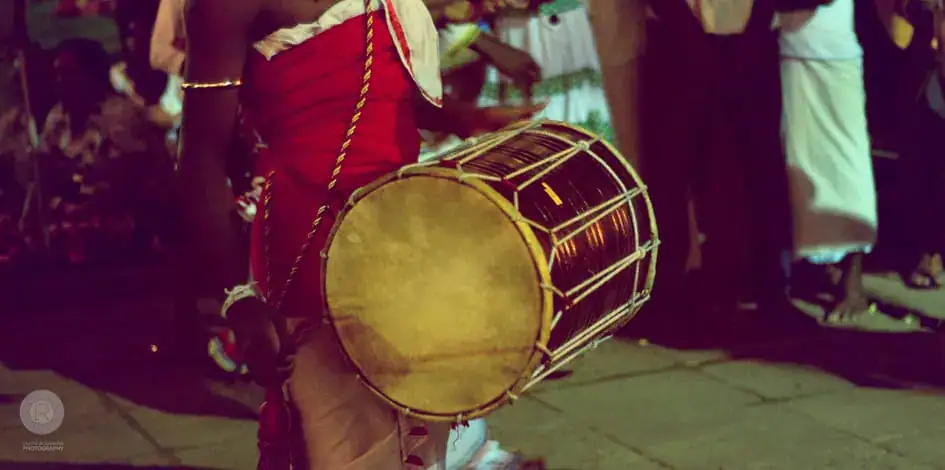
A traditional drum – Kelaniya Duruthu Perahera (Photo: Lasitha Rajakaruna, CC BY-NC-SA 2.0)
Quick Facts
Location: Kelaniya, Western Province
Tradition: Buddhist
Usual Month: January
Duration: Three days
Best For: History enthusiasts, cultural travellers, photographers, families, and visitors staying near Colombo
Why Visit?
The Kelaniya Duruthu Perahera is one of Sri Lanka’s oldest and most respected Buddhist processions. Held at the Kelaniya Raja Maha Vihara, the festival commemorates the Buddha’s traditional visit to Kelaniya. As one of the first major cultural festivals of the year, it offers visitors an authentic introduction to Sri Lanka’s Buddhist heritage and traditional performing arts without the crowds often associated with larger Peraheras.
What You’ll See
The procession features whip crackers, traditional drummers, Kandyan dancers, low-country dancers, torchbearers, flag bearers, and beautifully decorated elephants. Temple officials and devotees accompany the procession as it moves through the streets surrounding the historic temple. The final night usually attracts the largest crowds and showcases the most elaborate performances.
Unique Features
The festival’s connection to the Buddha’s traditional visit to Kelaniya gives it deep religious significance. It takes place at one of Sri Lanka’s most important Buddhist temples, known for its impressive murals and history. Compared with larger festivals, the Kelaniya Duruthu Perahera offers a more relaxed atmosphere and still provides a complete Perahera experience.
Travel Tips
Arrive at least two hours before the procession begins to secure a good viewing location. Visit the temple during the day to appreciate its architecture and artwork, then attend the evening festivities. Dress modestly when entering temple grounds and carry drinking water, particularly during warm weather.
Nearby Attractions
- Kelaniya Raja Maha Vihara
- Gangaramaya Temple
- Beira Lake
- Colombo National Museum
- Independence Square
- Galle Face Green
Photography Opportunities
The illuminated temple, traditional dancers, drummers, and decorated elephants provide excellent photography opportunities. Early evening light often creates the best balance between natural and artificial lighting.
Suggested Itinerary
Spend one day exploring Kelaniya Raja Maha Vihara and attending the evening procession. Combine your visit with a day in Colombo to explore major cultural attractions before continuing your journey through Sri Lanka.
Sabaragamuwa Maha Saman Dewala Perahera

A Young Dancer (Photo by Dinuka Gunawardana, via Pexels)
Quick Facts
Location: Ratnapura, Sabaragamuwa Province
Tradition: Buddhist and traditional deity worship
Usual Month: August or September
Duration: Approximately 13 to 15 days
Best For: Cultural travellers, history enthusiasts, photographers, and visitors seeking authentic local traditions
Why Visit?
The Sabaragamuwa Maha Saman Dewala Perahera is one of Sri Lanka’s oldest regional processions and a major cultural event in the Sabaragamuwa Province. Held at the historic Maha Saman Devalaya in Ratnapura, the festival honours Saman, the guardian deity of the region. While it receives fewer international visitors than the Kandy Esala Perahera, it offers a more authentic and less crowded experience that provides valuable insight into Sri Lanka’s religious and cultural traditions.
What You’ll See
The procession features traditional drummers, dancers, whip crackers, fire performers, stilt walkers, torchbearers, flag bearers, and decorated elephants as they move through the streets of the Sabaragamuwa Maha Saman Dewalaya premises. Cultural performers from the region showcase traditional dances and rituals that have been preserved for generations. Religious officials and devotees participate in ceremonies that reflect both Buddhist beliefs and ancient local customs.
Unique Features
The festival is dedicated to Saman, one of Sri Lanka’s most important guardian deities. It combines Buddhist traditions with indigenous beliefs that predate many modern religious practices. The Perahera also highlights the unique cultural identity of the Sabaragamuwa region and provides a more local atmosphere than some of the country’s larger festivals.
Travel Tips
Book accommodation early if you plan to visit during the festival period. Arriving before sunset can secure a good viewing location. Wear comfortable clothing and bring water, especially if attending outdoor events. Ratnapura experiences occasional rainfall, so carrying light rain protection is advisable.
Nearby Attractions
- Maha Saman Devalaya
- Ratnapura Gem Museum
- Sinharaja Forest Reserve
- Adam’s Peak region
- Bopath Ella Waterfall
Photography Opportunities
Traditional dancers, decorated elephants, torch-lit processions, and religious rituals provide excellent photography opportunities. Evening performances often create dramatic lighting conditions for cultural photography.
Suggested Itinerary
Spend two to three days in Ratnapura. Attend the Perahera in the evening, visit the Gem Museum during the day, and combine your trip with an excursion to Sinharaja Forest Reserve or nearby waterfalls.
Feast of Our Lady of Madhu
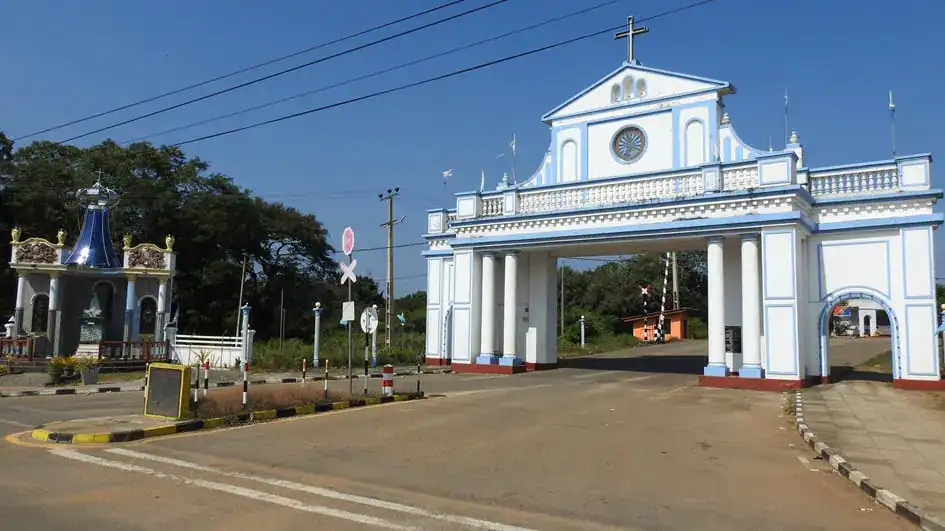
The Entrance – Madhu Church (Photo: Dennis Sylvester Hurd, CC0 1.0)
Quick Facts
Location: Madhu, Northern Province
Tradition: Catholic
Usual Month: 2nd July and 15th August
Duration: Several days, culminating in the main feast day
Best For: Spiritual travellers, cultural enthusiasts, pilgrims, and visitors interested in Sri Lanka’s religious diversity
Why Visit?
The Feast of Our Lady of Madhu is the most important Catholic pilgrimage in Sri Lanka. Centred on the historic Shrine of Our Lady of Madhu, the festival attracts hundreds of thousands of pilgrims from across the country. It is also regarded as a symbol of peace, unity, and reconciliation, drawing people from different ethnic and religious backgrounds.
What You’ll See
Pilgrims arriving on foot, large outdoor religious services, candlelit prayers, devotional processions, and gatherings of worshippers from all parts of Sri Lanka. The atmosphere is peaceful, spiritual, and deeply moving.
Unique Features
Unlike most Peraheras, the focus is on pilgrimage and prayer rather than cultural performances. The shrine has served as an important place of refuge and worship for centuries, making it one of Sri Lanka’s most significant religious sites.
Travel Tips
Dress modestly and prepare for large crowds, especially on the main feast day. Arrive early for religious services and carry water due to the warm weather.
Nearby Attractions
- Madhu Shrine
- Wilpattu National Park
- Mannar Island
- Thanthirimale
Photography Opportunities
Pilgrims, candlelit ceremonies, and devotional gatherings provide excellent opportunities for respectful documentary photography.
Suggested Itinerary
Spend one day at the shrine attending festival events, then combine your visit with a trip to Wilpattu National Park or Mannar Island.
Koneswaram Ther Festival
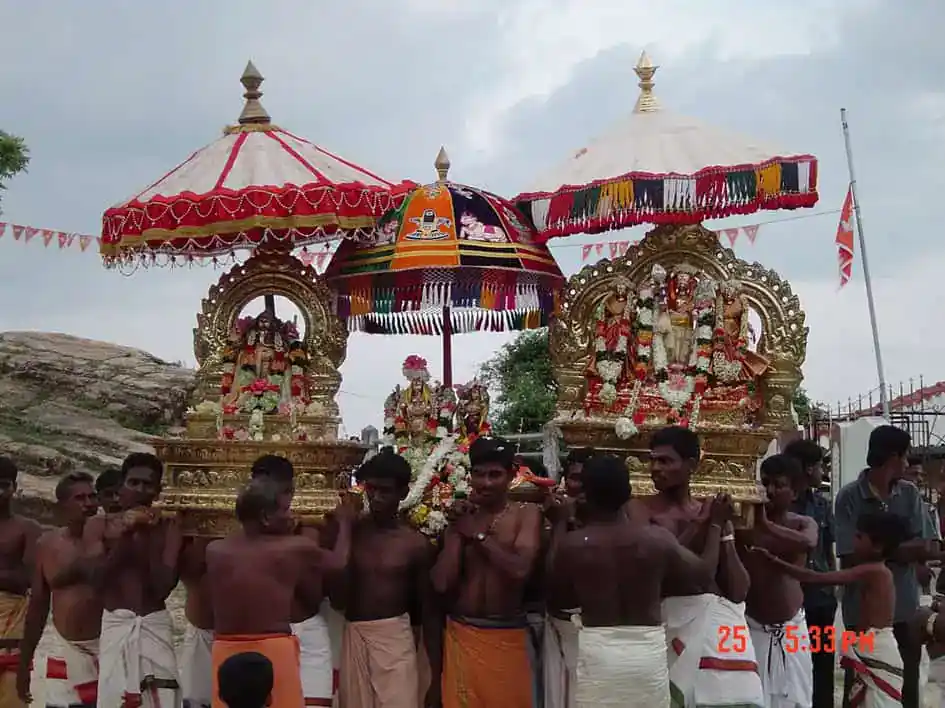
Koneswaram Ther Festival (Photo: Radhika, CC BY 2.0)
Quick Facts
Location: Trincomalee, Eastern Province
Tradition: Hindu (Dedicated to Lord Shiva)
Usual Month: April
Duration: 22 days
Best For: Cultural travellers, photographers, spiritual travellers, and visitors exploring Sri Lanka’s East Coast
Why Visit?
The Koneswaram Ther Festival is one of Sri Lanka’s most important Hindu celebrations. Held at the historic Koneswaram Temple, the festival combines religious devotion with one of the most spectacular settings in the country. Perched on Swami Rock high above the Indian Ocean, the temple provides a dramatic backdrop for the celebrations.
What You’ll See
The festival features colourful religious ceremonies, traditional musicians, devotional processions, and the famous Ther procession, during which a large temple chariot is pulled through the streets by devotees. Thousands of worshippers gather to honour Lord Shiva and participate in centuries-old rituals.
Unique Features
The festival’s cliff-top location overlooking the ocean makes it unlike any other religious celebration in Sri Lanka. The combination of sacred traditions, Hindu culture, and breathtaking coastal scenery creates a unique experience for visitors.
Travel Tips
Dress modestly when visiting the temple and remove footwear before entering sacred areas. Arrive early on major festival days to secure good viewing positions and avoid large crowds.
Nearby Attractions
- Koneswaram Temple
- Fort Frederick
- Pigeon Island National Park
- Nilaveli Beach
- Uppuveli Beach
- Marble Beach
Photography Opportunities
The temple’s colourful architecture, ceremonial chariot, and stunning ocean views provide exceptional photography opportunities.
Suggested Itinerary
Spend two to three days in Trincomalee. Attend festival events, visit Fort Frederick, and combine your trip with beach time or a visit to Pigeon Island National Park.
Munneswaram Festival
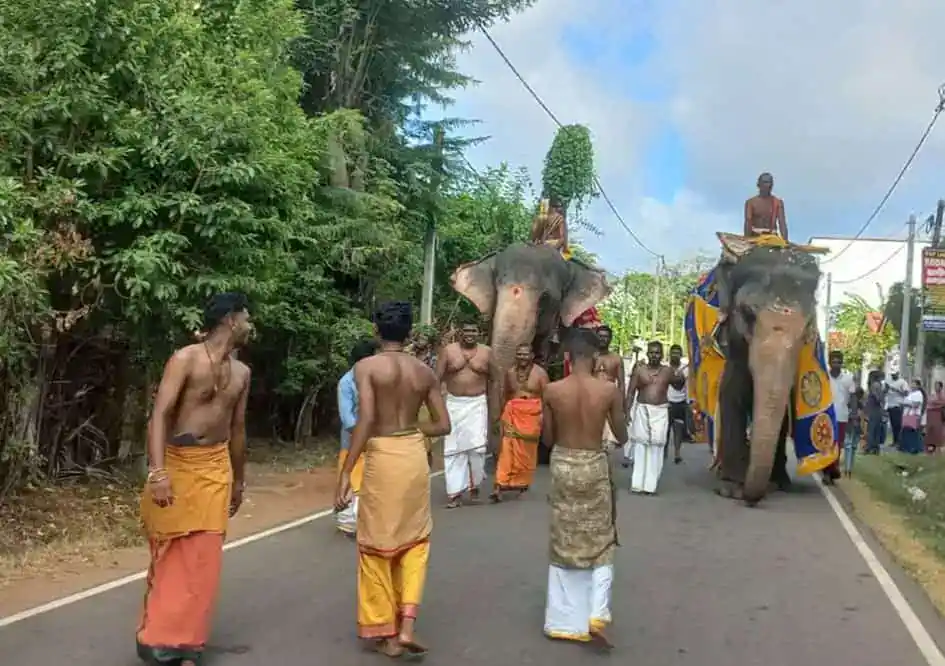
Munneswaram Festival (Photo: Mahadevalayam of Sri Munneswaram Devasthanam)
Quick Facts
Location: Chilaw, North Western Province
Tradition: Hindu
Usual Month: August or September
Duration: Approximately four weeks
Best For: Cultural travellers, spiritual travellers, photographers, and visitors seeking lesser-known festivals
Why Visit?
The Munneswaram Festival is one of Sri Lanka’s most important Hindu celebrations. Held at the historic Munneswaram Temple, which is believed to be over a thousand years old, the festival attracts many devotees from across the country. It offers visitors an opportunity to experience Hindu traditions, rituals, and community life in an authentic setting.
What You’ll See
The festival features daily religious ceremonies, devotional music, colourful processions, and large gatherings of worshippers. Highlights include the Ther procession, where a decorated temple chariot is pulled through the streets, and various rituals dedicated to the temple’s deities.
Unique Features
The festival takes place at one of Sri Lanka’s oldest Hindu temples. It is known for its strong connection to local traditions. Its long duration allows visitors to experience different ceremonies and processions throughout the celebration.
Travel Tips
Book accommodation in advance if visiting during major festival days. Dress modestly when entering temple grounds and remove footwear before entering sacred areas. Arrive early for key processions and ceremonies.
Nearby Attractions
- Munneswaram Temple
- Chilaw Beach
- Anawilundawa Wetland Sanctuary
- St. Anne’s Shrine, Talawila
Photography Opportunities
Temple architecture, colourful processions, devotional rituals, and the ceremonial chariot provide excellent photography opportunities.
Suggested Itinerary
Spend one to two days in Chilaw attending festival events, then explore Chilaw Beach, Anawilundawa Wetland Sanctuary, or the nearby St. Anne’s Shrine.
Bellanwila Esala Perahera
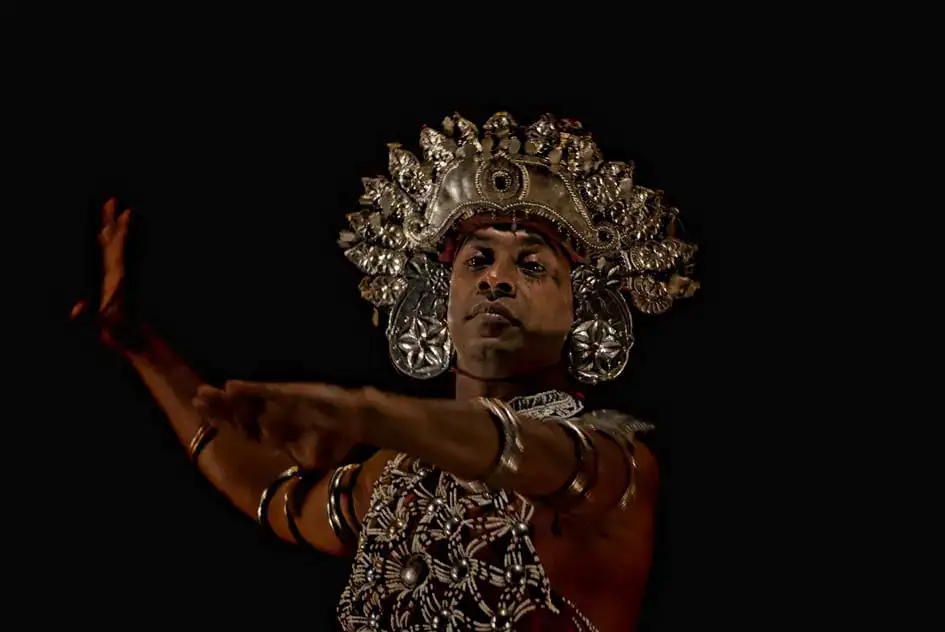
A Sri Lankan Traditional Dancer (Photo: Philip Nalangan, CC BY-SA 4.0)
Quick Facts
Location: Bellanwila, Dehiwala-Mount Lavinia, Western Province
Tradition: Buddhist
Usual Month: August or September
Duration: Around 8 days
Best For: Families, photographers, cultural travellers, and visitors staying in Colombo
Why Visit?
The Bellanwila Esala Perahera is one of the most popular Buddhist processions in the Colombo area. Organised by the Bellanwila Rajamaha Viharaya, the festival offers many of the traditions associated with larger Peraheras while remaining more accessible and less crowded. It is an excellent choice for travellers who want an authentic cultural experience without travelling far from the capital.
What You’ll See
The procession features traditional drummers, Kandyan dancers, low-country dancers, whip crackers, torchbearers, flag bearers, and decorated elephants. Hundreds of performers participate each evening, creating a colourful display of Sri Lanka’s traditional arts and religious customs.
Unique Features
Its location close to Colombo makes it one of the easiest Peraheras for international visitors to attend. The festival is known for its strong community atmosphere and its impressive showcase of traditional dance and music. Many families consider it one of the most enjoyable and accessible Peraheras in the country.
Travel Tips
Arriving early can secure a good viewing location, especially on the final nights. Wear light clothing, carry water, and expect traffic congestion around the temple during procession hours.
Nearby Attractions
- Bellanwila Rajamaha Viharaya
- Mount Lavinia Beach
- Dehiwala Zoo
- Colombo City
Photography Opportunities
Traditional performers, decorated elephants, torch-lit processions, and close viewing opportunities make this festival ideal for cultural photography.
Suggested Itinerary
Spend a day exploring Colombo and Mount Lavinia, then attend the evening procession. Extend your stay to visit nearby cultural and family attractions.
Devinuwara Esala Perahera
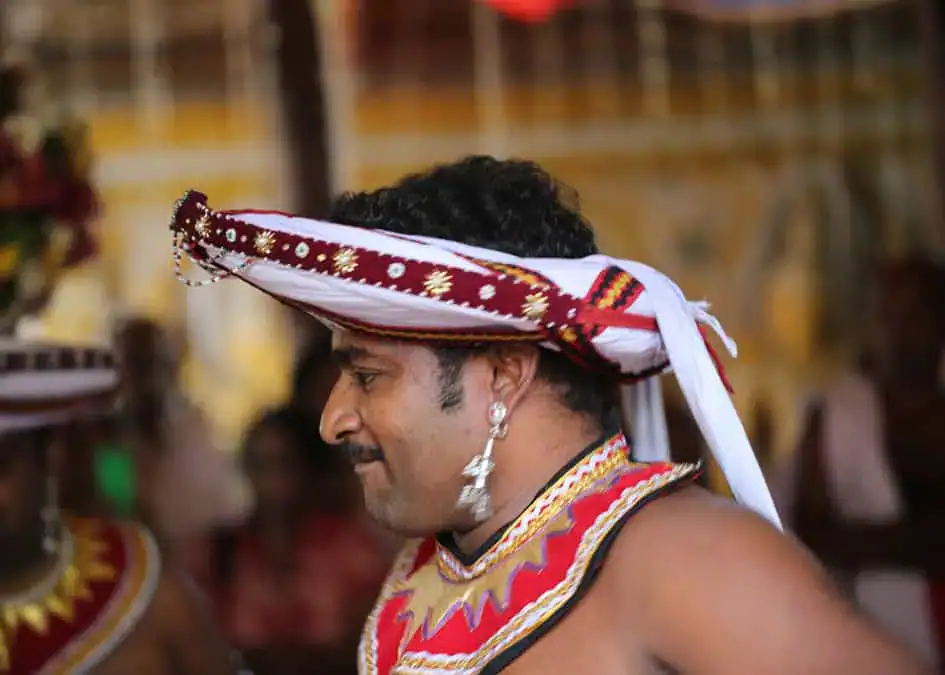
A Temple Drummer (Photo: Denish C, CC BY-NC-ND 2.0)
Quick Facts
Location: Devinuwara (Dondra), Southern Province
Tradition: Buddhist and traditional deity worship
Usual Month: July or August
Duration: Approximately one week
Best For: Cultural travellers, photographers, history enthusiasts, and visitors exploring Sri Lanka’s Southern Coast
Why Visit?
The Devinuwara Esala Perahera is one of the oldest religious festivals in southern Sri Lanka. Held in the historic town of Devinuwara, the festival honours Upulvan, a guardian deity traditionally associated with the island. Although less well known than the Kandy Esala Perahera, it offers a more authentic and less crowded experience while preserving centuries-old customs and rituals.
What You’ll See
The procession features traditional drummers, dancers, whip crackers, torchbearers, flag bearers, and decorated elephants as they move through the streets of Devinuwara. Religious ceremonies, cultural performances, and community participation create a vibrant atmosphere that reflects the region’s deep spiritual traditions.
Unique Features
The festival is closely linked to the historic Devinuwara shrine complex, which was once one of the most important religious centres in Sri Lanka. Its coastal setting and strong local character distinguish it from many other Peraheras across the island.
Travel Tips
Arrive before sunset for the best viewing locations. Accommodation along the Southern Coast provides easy access to the festival. Carry water and wear light clothing suitable for warm coastal weather.
Nearby Attractions
- Dondra Head Lighthouse
- Matara Fort
- Matara Star Fort
- Paravi Duwa Temple
- Mirissa Beach
- Polhena Beach
- Weligama Beach
Photography Opportunities
Traditional performances, illuminated processions, and the surrounding coastal scenery provide excellent opportunities for cultural and travel photography.
Suggested Itinerary
Spend one to two days in Devinuwara and Matara. Attend the evening procession and combine your visit with nearby beaches, historic sites, and coastal attractions.
Which Perahera Should You Visit?
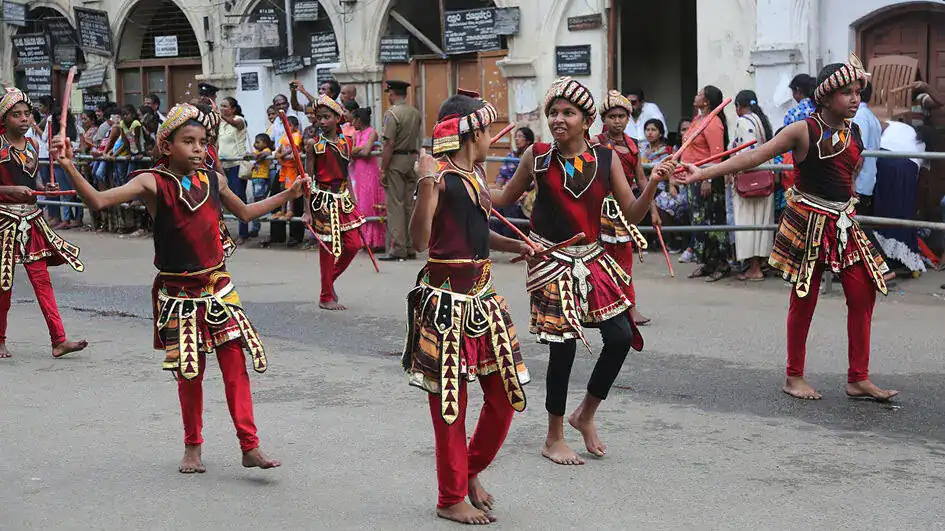
Stick Dancers in Kandy (Photo: Denish C, CC BY-NC-ND 2.0)
The answer depends on your interests.
Choose the Kandy Esala Perahera for Sri Lanka’s most famous cultural event.
Choose the Kataragama Esala Festival if you seek a spiritual experience and want to witness a multi-faith tradition.
Choose the Nallur festival if you want to explore Tamil culture and Hindu traditions.
Choose the Feast of Our Lady of Madhu if pilgrimage and religious devotion interest you.
Choose the Koneswaram Ther Festival if you want culture and beaches in one destination.
Choose Bellanwila or Kelaniya if you prefer smaller crowds and easy access from Colombo.
Perahera Calendar in Sri Lanka
| Month | Festival |
| January | Kelaniya Duruthu Perahera |
| Late January or February | Navam Perahera |
| April | Koneswaram Ther Festival |
| July to August | Kandy Esala Perahera Kataragama Esala Festival Devinuwara Esala Perahera |
| Late July, August, or Early September | Nallur festival |
| 2nd July or 15th August | Feast of Our Lady of Madhu |
| August or September | Bellanwila Esala Perahera Sabaragamuwa Maha Saman Dewala Perahera Munneswaram Festival |
Essential Travel Tips for Attending a Perahera in Sri Lanka
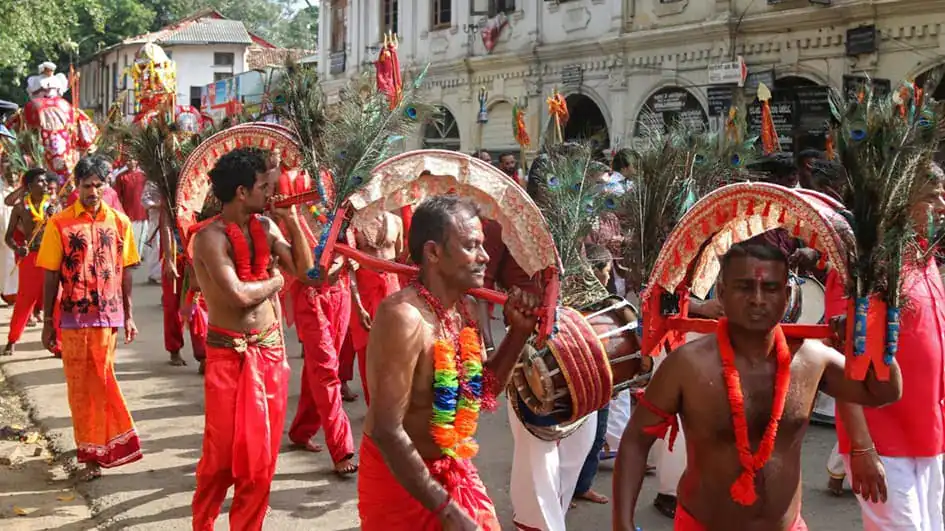
Kataragama Devalaya Devotees in Kandy Perahera (Photo: Denish C, CC BY-NC-ND 2.0)
Book accommodation early. Hotels near major festivals often reach full occupancy months before the events begin.
Arrive early. Popular viewing locations fill quickly. Three to four hours of advance arrival is common for major processions.
Dress respectfully. Shoulders and knees should remain covered when visiting religious sites and landmarks.
Carry water and light snacks. Some processions continue for several hours.
Respect local customs. Ask permission before taking close-up photographs of worshippers.
Keep cash available. Small vendors near festival routes often do not accept cards.
Frequently Asked Questions About Peraheras in Sri Lanka
What is a Perahera?
A Perahera is a religious procession that includes traditional performers, musicians, devotees, religious officials, elephants, and ceremonial displays.
Which Perahera is the biggest in Sri Lanka?
The Kandy Esala Perahera is widely regarded as the largest and most famous procession in the country.
Is it free to watch a Perahera?
Many public viewing areas are free. Reserved seating areas usually require payment.
When is the Kandy Esala Perahera held?
The festival is usually held in July or August, with the exact dates changing each year according to the lunar calendar.
Which Perahera is best for first-time visitors?
Most travellers choose the Kandy Esala Perahera because of its scale, history, and international reputation.
Can visitors take photographs?
Yes. Photography is generally welcome. Respectful behaviour remains important around religious ceremonies.
What should I wear?
Modest clothing is recommended. Cover your shoulders and knees when attending religious events.
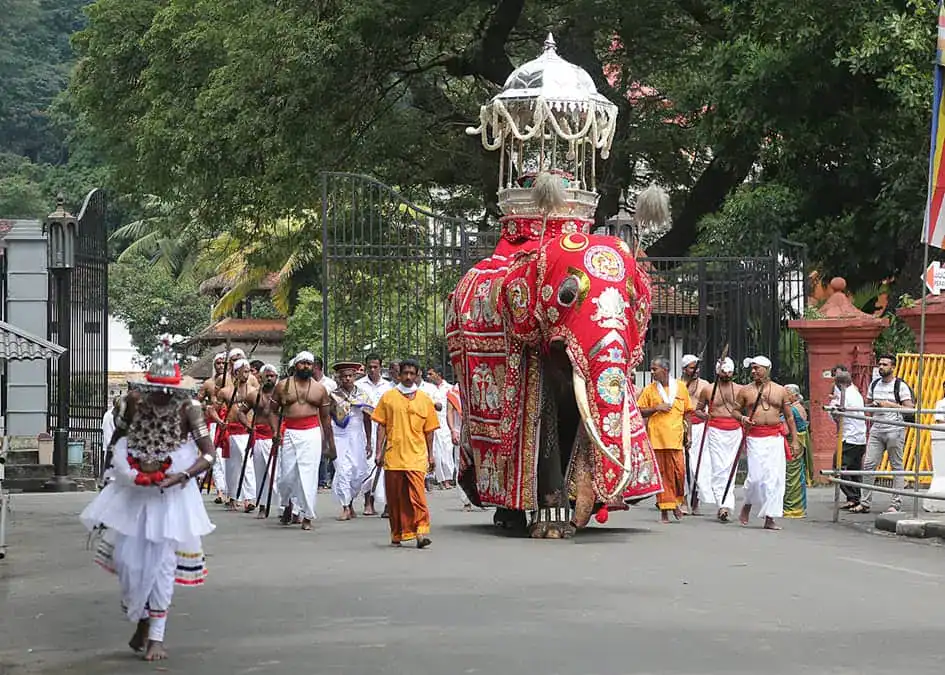
The ceremonial Tusker with the Buddha’s Tooth Relic casket in Kandy (Photo: Denish C, CC BY-NC-ND 2.0)
Final Thoughts
A Perahera in Sri Lanka offers far more than a festival experience. These processions reveal the traditions, beliefs, and cultural identity that have shaped the island for centuries. From the grandeur of the Kandy Esala Perahera to the spiritual atmosphere of the Kataragama Esala Festival and the vibrant celebrations of the Nallur festival, each event tells a different story. Together, they create one of Asia’s richest cultural calendars.
If your trip to Sri Lanka coincides with one of these processions, make time for it. You will hear the drums, see the dancers, watch the torchbearers, and stand among communities who continue to celebrate traditions passed down through generations. Long after the beaches, wildlife parks, and ancient ruins fade from memory, the sights and sounds of a Perahera often remain among the strongest memories of a journey through Sri Lanka.
Map – Perahera in Sri Lanka
Sources and References:
- Sri Lanka Tourism. Official tourism information, festival calendars, and cultural heritage resources.
- Sri Lanka Tourism Development Authority (SLTDA). Tourism statistics, cultural tourism resources, and visitor information.
- Temple of the Sacred Tooth Relic (Sri Dalada Maligawa). Information on the Kandy Esala Perahera and the Sacred Tooth Relic.
- Gangaramaya Temple. Information on the Navam Perahera and Buddhist cultural traditions.
- Kelaniya Raja Maha Viharaya. Information on the Kelaniya Duruthu Perahera and temple history.
- Nallur Kandaswamy Devasthanam. Information on the Nallur Kandaswamy Kovil Festival and temple traditions.
- Department of Archaeology, Sri Lanka. Historical and cultural information on religious sites and heritage monuments.
- Central Provincial Tourism Authority. Information on cultural events and the Kandy Esala Perahera.
- UNESCO. Information on Sri Lanka’s cultural heritage and traditional cultural practices.
- Encyclopaedia Britannica. Historical background on Sri Lankan religious traditions, Buddhism, Hinduism, and cultural festivals.
- Journal of the Royal Asiatic Society of Sri Lanka.
- Ceylon Journal of Historical and Social Studies
- Kataragama Dewalaya
- Koneswaram Temple
- Munneswaram Temple
- Bellanwila Rajamaha Viharaya
Featured image: The ceremonial Tusker carrying the Buddha’s Tooth Relic casket – Kandy Esala Perahera (Photo: Denish C, CC BY-NC-ND 2.0)

I am a Sri Lankan medical doctor who spends my free time travelling, exploring new destinations, and documenting the beauty of the island I call home. I have journeyed across almost every corner of Sri Lanka with my wife and daughter — from wildlife parks and misty mountains to ancient cities, deep forests, rugged landscapes, and quiet beaches.
Travel is not just a hobby for me — it’s a way of life. I love nature, enjoy road trips, and find joy in wildlife photography. I also read widely about tourism, travel trends, and destination culture. Through my writing, I aim to help travellers experience Sri Lanka through real stories, meaningful insights, and honest recommendations — the same way I explore it with my own family.