
Many travellers land in Colombo and leave within a day. They head straight to the popular beaches of the South Coast, the tea-covered hills of the central highlands, or the ancient cities of Sri Lanka’s Cultural Triangle. In doing so, they miss one of the country’s most fascinating destinations and many of the best things to do in Colombo.
Colombo is often misunderstood. At first glance, it looks like a busy commercial city. Spend a little time here, and a different picture emerges. You find historic streets, colourful markets, oceanfront promenades, hidden cafés, art galleries, rooftop bars, and some of the best food in Sri Lanka. You meet people from different cultures and backgrounds. You see old colonial buildings standing beside modern towers. You experience the rhythm of daily life in Sri Lanka’s largest city.
Today, Colombo attracts a growing number of travellers who seek authentic experiences rather than traditional sightseeing. Sri Lanka Tourism statistics show strong growth in international arrivals over the past few years. As tourism grows, more visitors choose to spend time exploring urban culture, local food, and creative neighbourhoods before moving on to other parts of the island.
If you are planning to visit Colombo, this guide covers everything you need to know. From famous landmarks and local markets to street food and nightlife, these experiences reveal why the city deserves more attention from international travellers.
New to Sri Lanka? First, we recommend reading our ultimate Sri Lanka travel guide for first-time visitors and about the best Sri Lanka itineraries for your travel season.

The Old Parliament Building – Colombo (Photo: Thilina Alagiyawanna, via Pexels)
What Is Colombo Like?
Colombo serves as Sri Lanka’s commercial capital and largest city. It is also the country’s most diverse urban centre.
The city brings together Sinhalese, Tamils, Muslims, Burghers, Malays, and expatriate communities. This diversity shapes everything from food and architecture to festivals and daily life. You can hear multiple languages on a single street. You can eat dishes influenced by different cultures within a few blocks of each other.
Unlike many Asian capital cities, Colombo does not feel overwhelming. The city spreads along the Indian Ocean coastline. Large green spaces break up urban areas. Tree-lined streets soften many neighbourhoods. The ocean remains visible from several parts of the city.
One reason travellers enjoy Colombo is its balance between tradition and modern life. You can walk through a centuries-old market in the morning and relax in a modern café in the afternoon. You can visit a Buddhist temple and then have dinner at a contemporary restaurant overlooking the ocean.
Many visitors arrive with low expectations. Many leave wishing they had spent more time here.
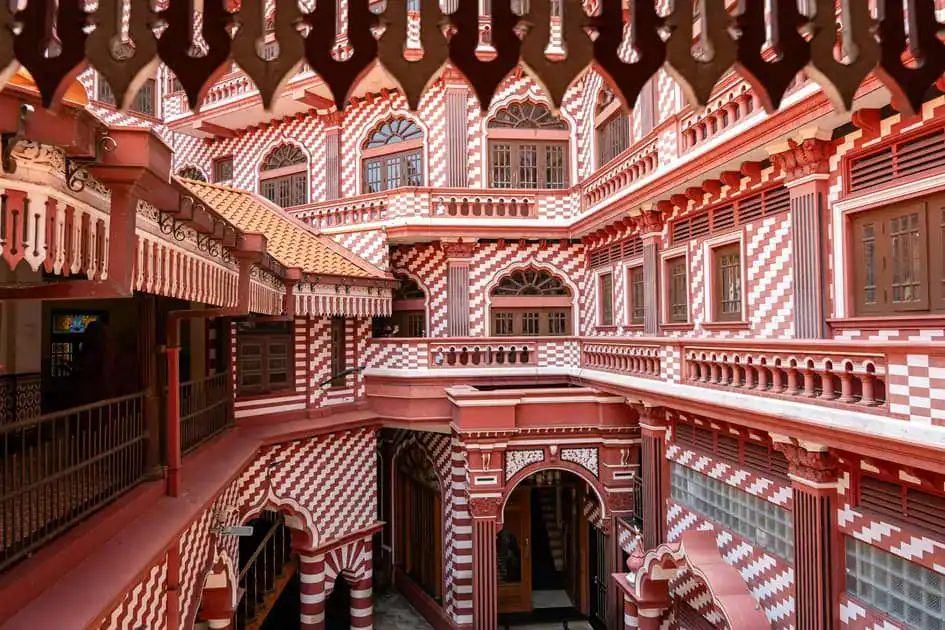
Jami Ul-Alfar Mosque (Red Mosque) – Colombo (Photo: Thilina Alagiyawanna, via Pexels)
Is Colombo Expensive?
Compared with many popular Asian destinations, Colombo offers good value.
Colombo offers accommodation options for every budget, from simple hostels and guesthouses to high-end luxury hotels. Mid-range hotels often provide excellent value compared with similar properties in Singapore or Hong Kong.
- Find where to stay in Colombo.
Dining costs differ across the city, depending on where you eat. Local restaurants and family-run eateries offer affordable meals. International restaurants and upscale dining venues charge more, though prices remain lower than in many Western countries.
Transportation costs are also reasonable. Ride-hailing apps make it easy to travel around the city. Tuk-tuks provide a fun and affordable way to explore shorter distances.
Compared with destinations such as Singapore, Dubai, or Tokyo, Colombo feels affordable. Compared with Bangkok, Bali, or Ho Chi Minh City, prices are slightly higher in some areas and lower in others. Overall, most travellers find that Colombo offers strong value for the experiences available.
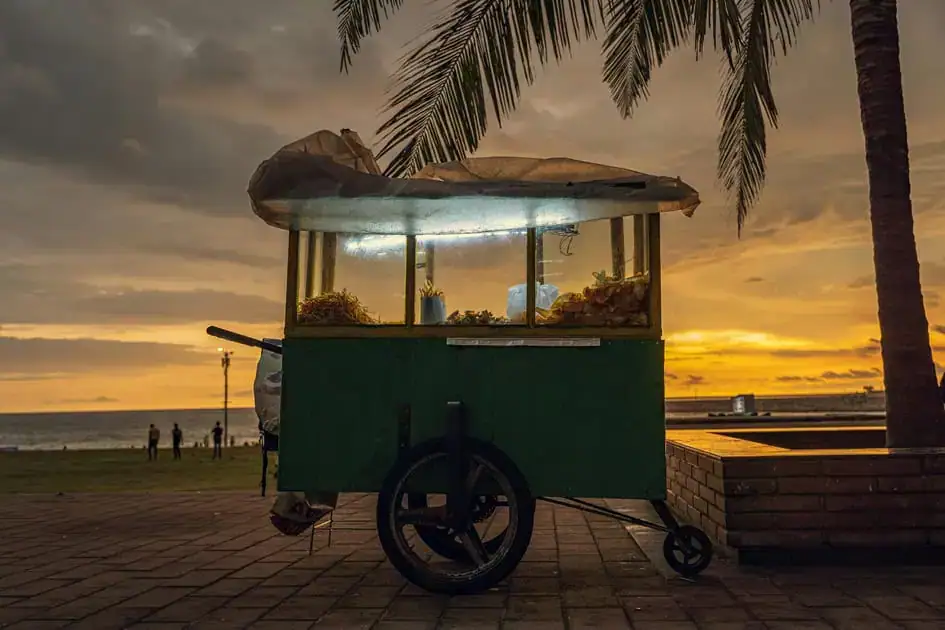
A Street Food Stall – Galle Face Green, Colombo (Photo: Thilina Alagiyawanna, via Pexels)
Things to Do in Colombo: Start at Galle Face Green
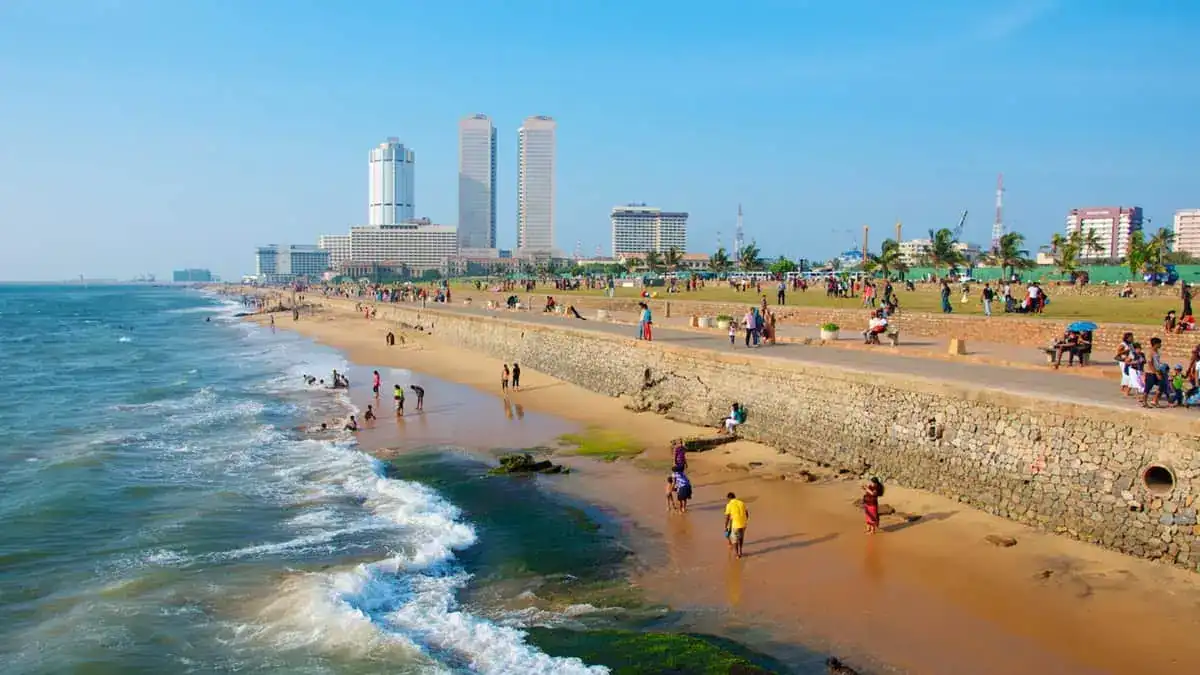
Among all the things to do in Colombo, few experiences capture the city’s character better than Galle Face Green.
This oceanfront promenade stretches along the coastline near the city’s business district. During the day, people walk, jog, and relax by the sea. In the evening, the area comes alive.
Families gather to enjoy the sunset. Children fly kites above the grassy open space. Street vendors sell local snacks. Friends meet after work. Couples sit along the seawall watching waves crash against the rocks.
Galle Face Green offers a simple experience, yet it reveals the social heart of Colombo. Unlike many tourist attractions, this space belongs to everyone.
Arrive before sunset. Walk along the waterfront. Watch the sky change colour above the Indian Ocean. Then sample local snacks from food stalls lining the promenade.
Many visitors remember this experience long after they leave Sri Lanka.
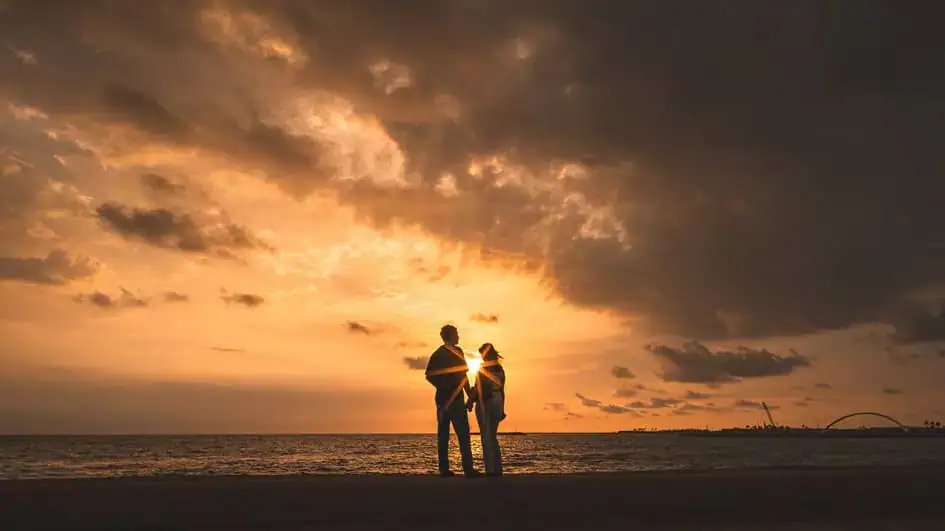
Sunset – Galle Face Green, Colombo (Photo: Nazly Ahmed, CC BY-NC-SA 2.0)
Explore Colombo’s Neighbourhoods
The best way to understand Colombo is to explore its neighbourhoods.
Each area has its own personality.
Fort
Fort stands at the historical centre of Colombo. During colonial times, this district served as the administrative and commercial heart of the city.
Today, visitors find government buildings, historic structures, luxury hotels, and modern office towers.
Walking through Fort reveals how Colombo evolved over centuries. Architectural styles reflect Portuguese, Dutch, British, and Sri Lankan influences.
Several restored buildings now house hotels, restaurants, and cultural spaces. The contrast between old and new creates one of the city’s most interesting urban landscapes.
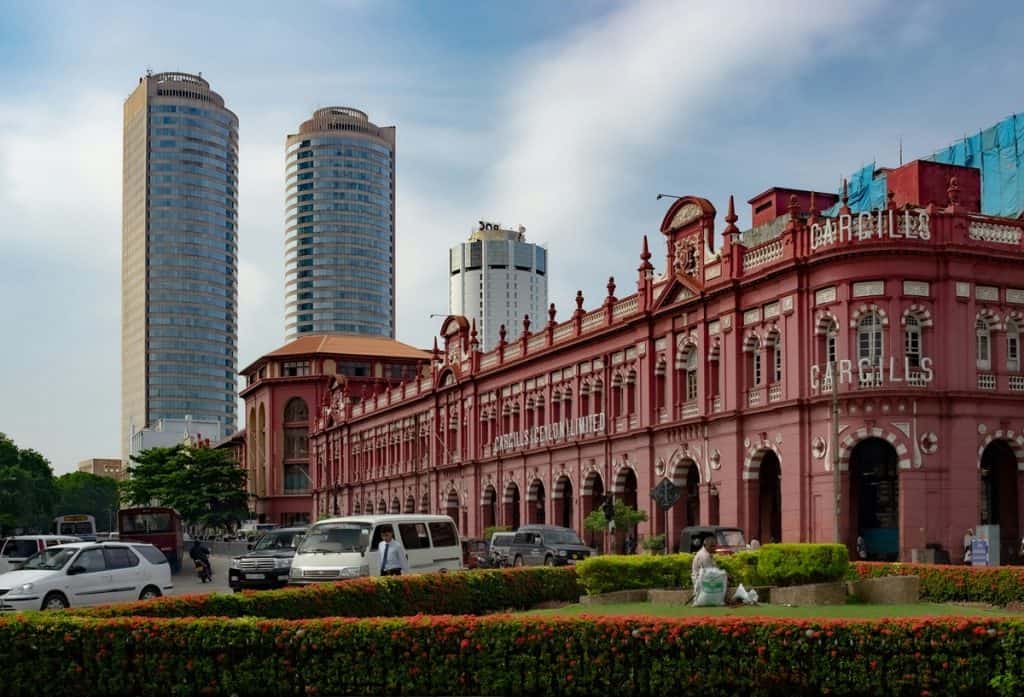
Cargill’s Main Store Building – 1906 (Photo: Vlada, via Unsplash)
Pettah
A short walk from Fort brings you to Pettah.
This district feels completely different.
Pettah is crowded, noisy, colourful, and energetic. Streets are lined with shops selling clothing, electronics, spices, jewellery, and household goods. Vendors call out to customers. Delivery carts move through narrow lanes. The scent of food drifts from small eateries.
Pettah provides one of the most authentic local experiences in Colombo.
Street photographers often spend hours here capturing daily life. Travellers interested in culture and local interaction find endless opportunities to observe how the city functions.
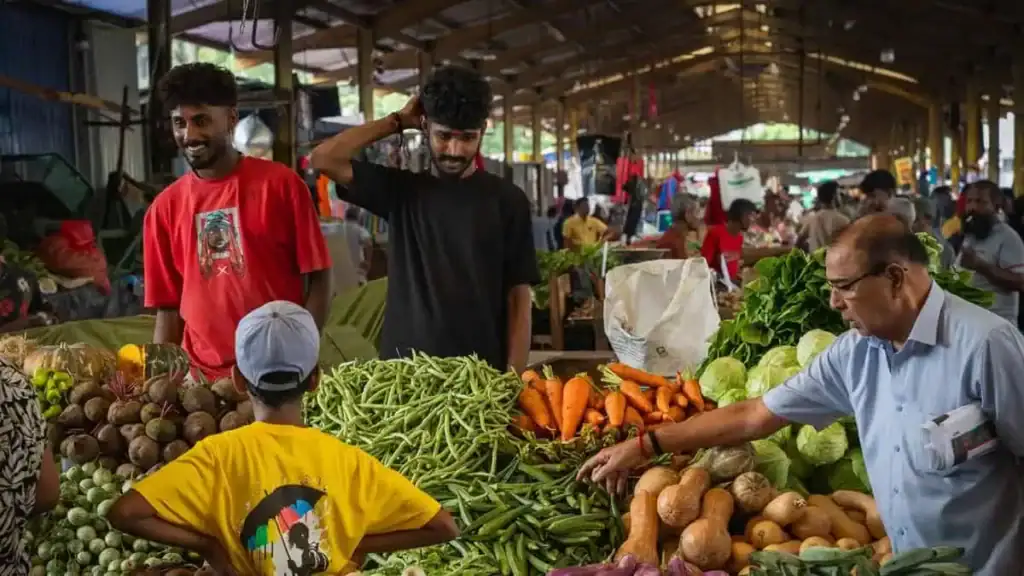
Pettah Market (Photo: Thilina Alagiyawanna, via Pexels)
Cinnamon Gardens
Cinnamon Gardens offers a calmer side of Colombo.
Wide roads, mature trees, embassies, cafés, and cultural institutions define this neighbourhood. Many of the city’s best coffee shops and restaurants are located here.
The area is ideal for slow exploration. Walk through quiet streets, stop for coffee, and visit nearby museums and galleries.
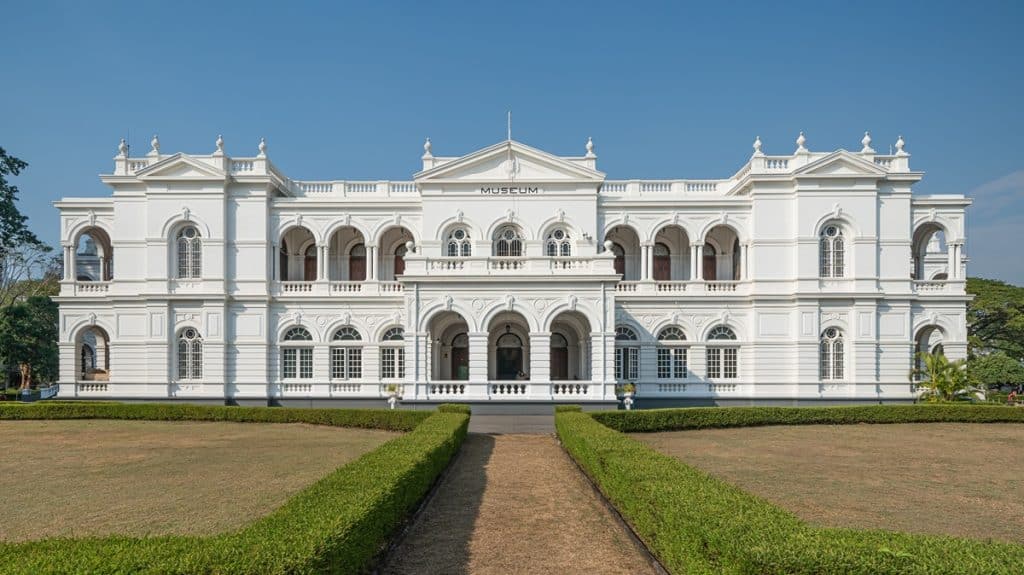
Colombo National Museum (Photo: A.Savin)
Food Culture in Colombo
Food ranks among the strongest reasons to visit Colombo.
Sri Lanka’s food scene reflects centuries of cultural exchange. Traders, settlers, and communities from around the world influenced local cuisine.
As a result, Colombo offers one of the most diverse dining scenes in South Asia.
Traditional dishes remain central to everyday life. Rice and curry remain the foundation of many meals. Different curries provide unique flavours depending on ingredients and regional traditions.
Hoppers remain a favourite breakfast choice. These bowl-shaped pancakes pair well with eggs, sambols, and curries.
String hoppers appear frequently on breakfast and dinner tables. Kottu roti remains one of the country’s most famous street foods.
At the same time, Colombo’s restaurant scene continues to evolve.
Young chefs experiment with local ingredients. Restaurants combine traditional flavours with modern techniques. International cuisine has also expanded across the city.
This combination of tradition and innovation makes Colombo one of the most interesting food destinations in Sri Lanka.
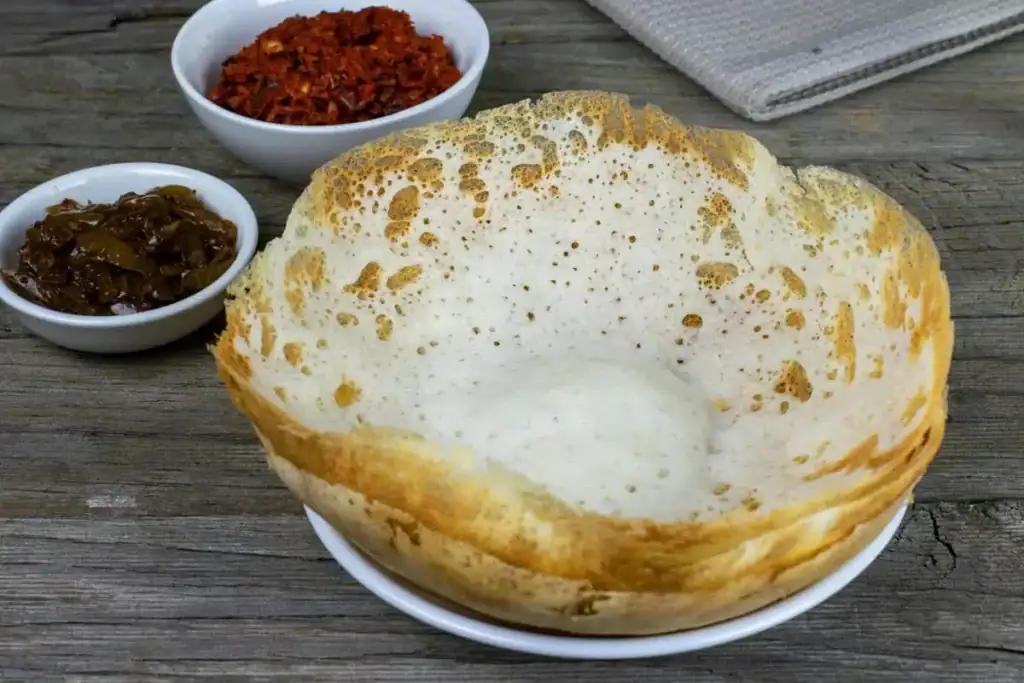
Sri Lankan Hoppers (Photo: Kavinda F, via Pixabay)
Street Food in Colombo
No guide to street food in Colombo would be complete without discussing kottu.
The sound often reaches you before the food itself.
Metal blades strike a hot griddle as cooks chop flatbread, vegetables, eggs, meat, and spices into a flavourful mixture. The rhythmic sound has become part of Colombo’s identity.
Kottu is popular across the country, yet eating it in Colombo carries a special atmosphere.
Another local favourite is isso wade. Vendors prepare these deep-fried lentil patties with prawns and spices. Many travellers try them for the first time along the Galle Face waterfront.
Fresh fruit vendors also offer mangoes, pineapples, and other tropical fruits throughout the city.
Achcharu provides another popular street snack. This spicy fruit pickle combines sweet, sour, and spicy flavours in a way that surprises many visitors.
Exploring street food in Colombo offers more than a meal. It creates opportunities to interact with locals and experience everyday life.
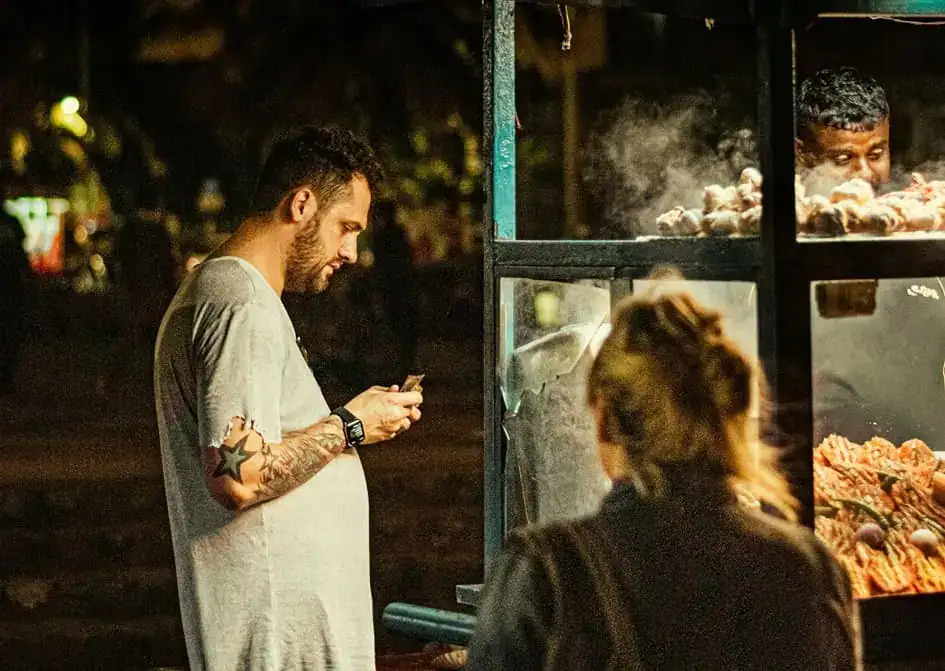
Exploring Street Food (Photo: Sandaru Muthuwadige, via Pexels)
The Rise of Colombo’s Café Culture
Coffee culture has grown rapidly across Colombo.
A decade ago, cafés played a smaller role in the city’s social scene. Today, independent coffee shops attract students, entrepreneurs, creatives, remote workers, and travellers.
Many cafés occupy beautifully restored buildings. Others feature modern interiors and minimalist design.
These venues serve as gathering places. People work on laptops, hold meetings, read books, and spend time with friends.
For travellers, café hopping provides an excellent way to experience modern Colombo.
You gain insight into how younger generations live, work, and socialise.
The quality of coffee has also improved significantly. Baristas focus on sourcing, roasting, and brewing methods. Several cafés now match standards found in established coffee destinations around the world.
For digital nomads and remote workers, Colombo’s café scene adds another reason to spend several days in the city.
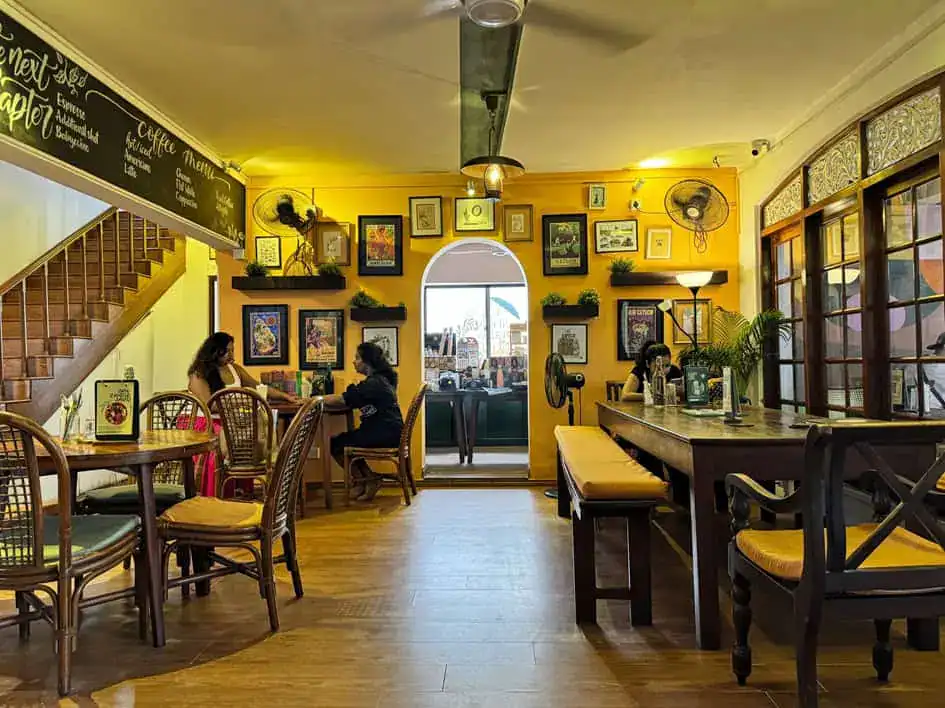
Cafe Kumbuk – Colombo (Photo: Bex Walton, CC BY 2.0)
Art, Culture, and Creative Spaces
Colombo has become a creative hub.
Artists, designers, photographers, writers, and entrepreneurs contribute to a growing cultural scene. Galleries showcase contemporary Sri Lankan art. Cultural centres host exhibitions, performances, and workshops.
This creative movement reflects broader changes taking place across the city.
Many visitors focus only on historic attractions. They miss the creative energy shaping modern Colombo.
Art spaces provide insight into contemporary Sri Lankan society. They reveal how artists respond to culture, history, identity, and social change.
For travellers interested in culture, these venues offer experiences that extend beyond traditional tourism.
The result is a deeper understanding of Colombo and the people who call the city home.
Admire Colombo’s Architecture on Foot
One of the best ways to appreciate Colombo is to slow down and walk.
The city tells its story through architecture. Each building reflects a different period in Sri Lanka’s history. Portuguese traders arrived first. Dutch settlers followed. The British later transformed Colombo into a major colonial port. Independent Sri Lanka then added its own layers to the urban landscape.
A walk through Fort reveals many of these influences. Historic government buildings stand beside modern office towers. Restored structures now house hotels, restaurants, and cultural spaces. The contrast creates a cityscape unlike any other in Sri Lanka.
Religious architecture also deserves attention. Buddhist temples, Hindu kovils, churches, and mosques stand throughout the city. These places of worship reflect Colombo’s cultural diversity and long history as a trading hub.
Gangaramaya Temple remains one of the city’s most visited religious sites. The temple combines traditional architecture with unique collections of artefacts. Nearby, Seema Malaka sits peacefully on Beira Lake, offering a quieter atmosphere.
Street photographers often find endless inspiration in Colombo. Historic facades, colourful markets, religious buildings, and daily life create strong visual opportunities throughout the city.
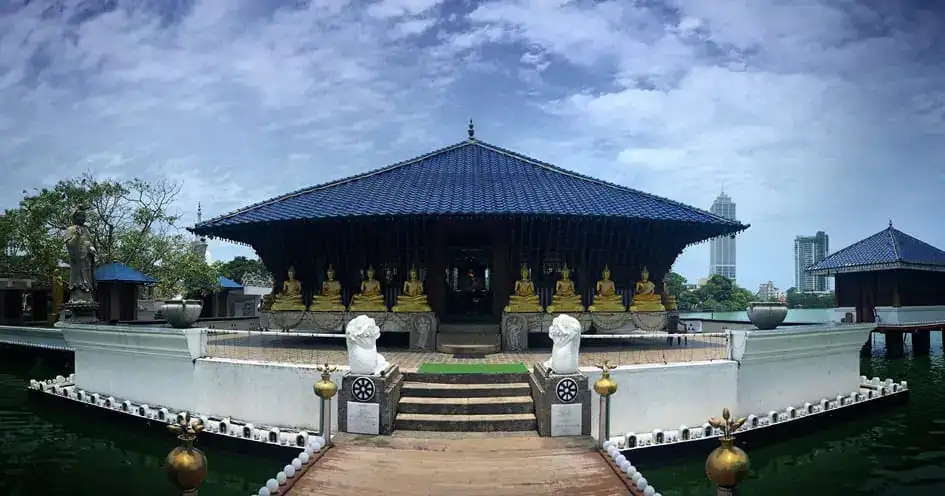
The Entrance – Gangaramaya Temple, Colombo (Photo: Sergei Gussev, CC BY 2.0)
Take a Tuk-Tuk Adventure Through Colombo
Many visitors view tuk-tuks as simple transportation.
In Colombo, they offer something more.
A tuk-tuk ride places you in the middle of city life. You move through busy streets, residential neighbourhoods, shopping districts, and waterfront areas while experiencing the city’s energy at street level.
Ride-hailing apps have significantly improved the experience. Visitors can compare prices, choose routes, and avoid language barriers.
- Read about the best travel apps for exploring Sri Lanka.
For a memorable experience, spend a few hours exploring different neighbourhoods by tuk-tuk. Move between Fort, Pettah, Cinnamon Gardens, Kollupitiya, and Bambalapitiya. Stop whenever something catches your attention.
Some of the best travel experiences happen between major attractions. A small tea shop, a local market, or a conversation with a friendly resident often becomes a highlight of the day.
Experience Authentic Daily Life in Colombo
Many travel guides focus on famous landmarks. Colombo rewards travellers who pay attention to ordinary moments.
Visit a local bakery early in the morning. Watch office workers stop for breakfast before heading to work. Observe vendors arranging fresh produce at neighbourhood markets. Listen to conversations taking place in small cafés.
These experiences reveal a side of Colombo that many visitors never see.
One of the city’s strengths is accessibility. Unlike larger Asian capitals, Colombo allows travellers to connect with local life without extensive planning.
Spend time in residential neighbourhoods. Visit smaller shops. Try local eateries where menus cater primarily to residents rather than tourists.
These simple experiences often create stronger memories than major attractions.
Many travellers arrive expecting a city filled with tourist sites. Instead, they find a city filled with people, routines, traditions, and stories.
That difference makes Colombo special.
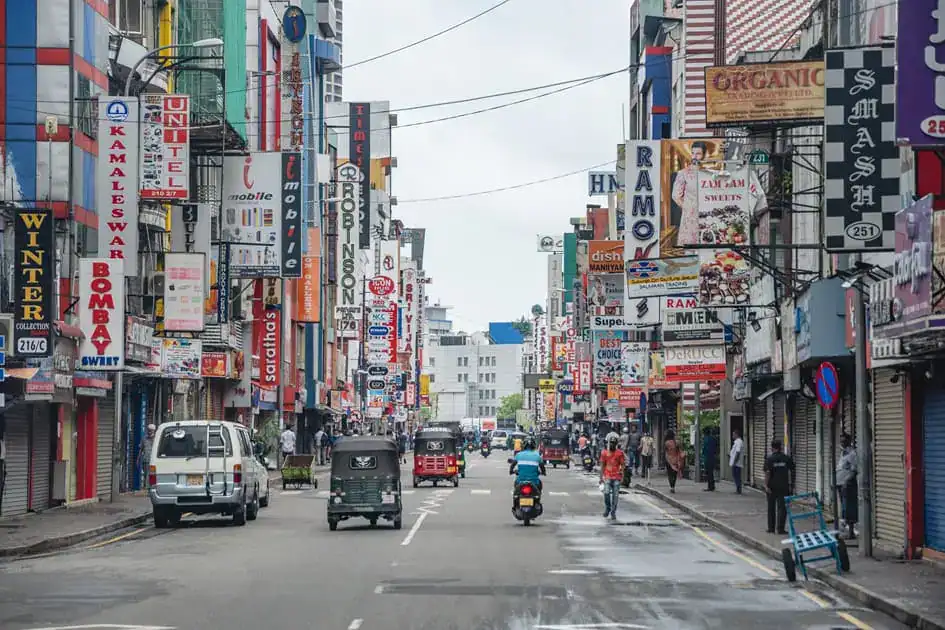
A Market Street in Colombo (Photo: Nazly Ahmed, CC BY-NC-SA 2.0)
Nightlife in Colombo
Nightlife in Colombo has grown significantly over the past decade.
The city does not compete with destinations such as Bangkok or Singapore in terms of scale. What it offers is a more relaxed and local atmosphere.
Rooftop bars rank among the most popular evening venues. Many provide views of the Indian Ocean, the city skyline, or both. Watching the sunset from a rooftop terrace has become one of the favourite activities for visitors and residents alike.
Several hotels feature rooftop venues that attract locals, expatriates, and travellers alike. These spaces often combine food, music, and city views in one setting.
Live music also plays an important role in nightlife in Colombo. Restaurants, bars, and entertainment venues frequently host local performers.
The city’s dining scene remains active after dark. Many restaurants stay busy well into the evening. Late-night food outings have become part of Colombo’s urban culture.
The waterfront around Galle Face Green continues to attract crowds after sunset. Street food vendors, families, and groups of friends create a lively atmosphere that feels distinctly local.
For travellers who enjoy evening exploration, Colombo offers plenty of options without feeling overwhelming.
Colombo for Digital Nomads
Remote work continues to shape travel trends worldwide.
Colombo has begun attracting more digital nomads seeking a balance between affordability, culture, and modern infrastructure.
The city offers reliable internet in most hotels, cafés, and coworking spaces. International flight connections make travel convenient. Daily expenses remain lower than in many major global cities.
Another advantage is variety.
Remote workers can spend the morning in a coworking space, enjoy lunch at a local restaurant, explore cultural attractions in the afternoon, and relax by the ocean in the evening.
This balance appeals to people who want more than a beach destination.
Colombo also serves as an excellent base for exploring the rest of Sri Lanka. Weekend trips to the South Coast, hill country, or cultural sites require relatively little travel time.
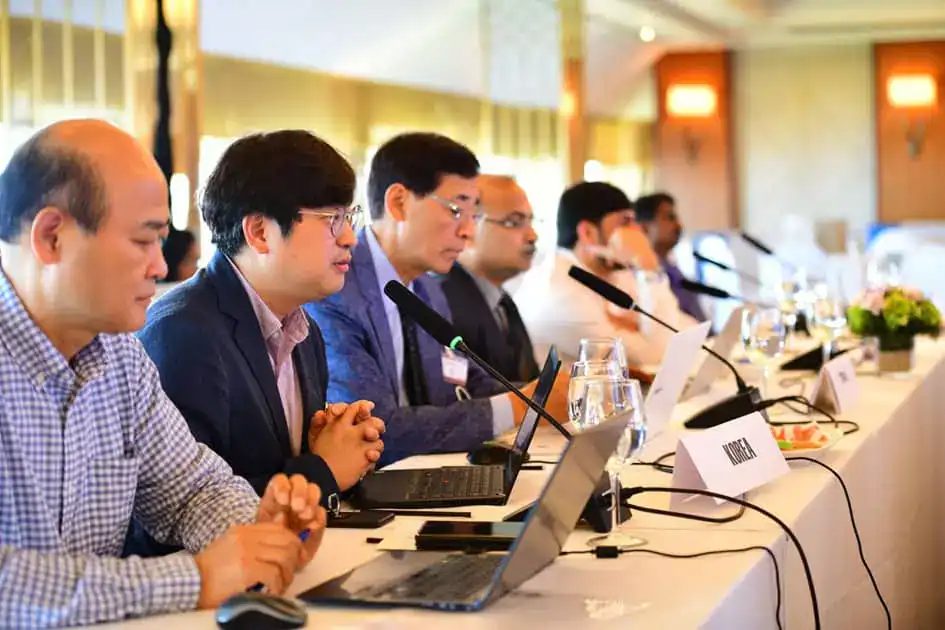
Meeting of ITU-T SG3 Regional Group for Asia and Oceania in Colombo (Photo: ITU Pictures, CC BY-NC-SA 2.0)
Coworking Spaces and Remote Work Culture
Coworking spaces continue to expand across Colombo.
Many offer modern facilities, meeting rooms, fast internet, and networking opportunities. Entrepreneurs, freelancers, startup founders, and remote employees often work side by side.
These spaces help visitors connect with local professionals and gain insight into Sri Lanka’s growing business community.
Several coworking hubs also host events, workshops, and networking sessions. It creates opportunities for meaningful connections during longer stays.
Combined with the city’s growing café culture, these spaces strengthen Colombo’s appeal as a destination for remote workers.
Shopping, Markets, and Local Finds
Shopping in Colombo ranges from traditional markets to modern retail centres.
Pettah remains the city’s most famous shopping district. The area offers a sensory experience unlike any shopping mall.
Narrow streets overflow with products. Traders negotiate prices. Delivery vehicles move through crowded lanes. Every corner presents something different.
Visitors often purchase spices, textiles, souvenirs, and local products here.
Modern shopping centres provide a different experience. Air-conditioned malls feature international brands, restaurants, and entertainment facilities.
For travellers seeking unique purchases, smaller boutiques often provide better options. Many local designers produce clothing, jewellery, home décor, and handcrafted items inspired by Sri Lankan culture.
Shopping becomes more rewarding when viewed as a cultural experience rather than a simple transaction.
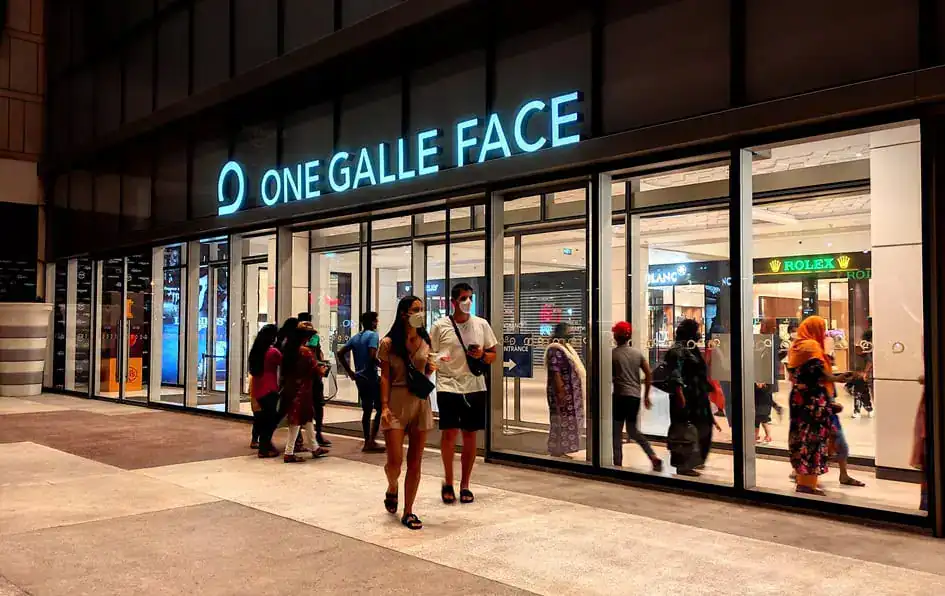
One Galle Face Shopping Mall, Colombo (Photo: TheSriLankaLK, CC BY-SA 4.0)
Getting Around Colombo
Transportation in Colombo has improved significantly in recent years.
Ride-hailing apps remain the easiest option for most visitors. They provide transparent pricing and reduce communication challenges.
Tuk-tuks work well for shorter distances and local exploration.
Trains offer another interesting experience. Coastal routes provide scenic views and insight into daily commuting patterns.
- Read about “scenic train rides in Sri Lanka: Best routes, tips, and how to choose the right journey“.
Buses connect most parts of the city. They are affordable but often crowded. First-time visitors usually find ride-hailing services more convenient.
Walking works well in specific areas such as Fort, Galle Face, and Cinnamon Gardens. Sidewalk conditions vary, so planning shorter walking routes often produces the best results.
Most travellers find that combining walking with tuk-tuks and ride-hailing apps provides the most efficient way to explore the city.
Is Colombo Safe for Tourists?
Safety is among the most common questions travellers planning to visit Colombo ask.
The city generally provides a safe environment for international visitors.
As with any major urban destination, basic precautions help reduce risks. Keep valuables secure. Stay aware of your surroundings. Use licensed transportation services.
Violent crime affecting tourists remains uncommon. Most visitors complete their trips without significant issues.
Traffic presents a greater challenge than crime. Traffic can be heavy at certain times of the day, particularly during peak hours. Always pay attention when crossing streets.
Solo travellers, including solo female travellers, regularly explore Colombo. Many report positive experiences and welcoming interactions with residents.
The city’s hospitality often leaves a lasting impression on visitors.
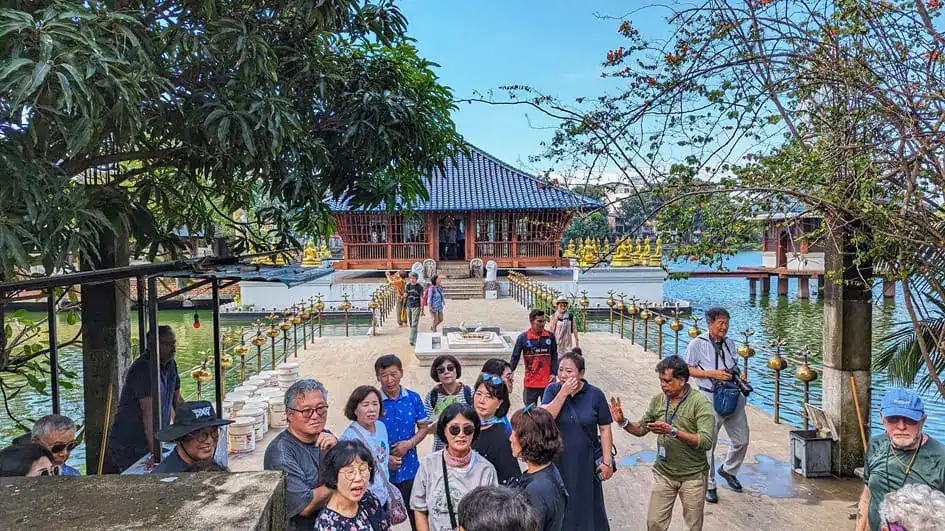
Travellers near the Gangaramaya Temple (Photo: Dennis Sylvester Hurd, CC0 1.0)
Suggested Colombo Itineraries
One Day in Colombo
Start the morning in Fort. Explore historic streets and colonial architecture.
Continue to Pettah and experience the city’s busiest market district.
Enjoy lunch at a local restaurant.
Spend the afternoon visiting cultural sites and cafés.
Finish the day at Galle Face Green and watch the sunset over the Indian Ocean.
Two Days in Colombo
Follow the one-day itinerary on the first day.
Use the second day to explore museums, art galleries, and residential neighbourhoods. Add time for café hopping and local dining experiences.
End the evening with nightlife in Colombo at a rooftop venue.
Three Days in Colombo
A third day allows deeper exploration.
Visit lesser-known neighbourhoods. Spend time in coworking spaces and creative districts. Explore local markets beyond the main tourist areas. Take your time with food experiences and cultural attractions.
Three days provide enough time to understand the city’s character rather than simply seeing its landmarks.
Why Colombo Is More Than a Stopover
Many travellers treat Colombo as a transit city.
They arrive at the airport and immediately continue to another destination.
This approach misses one of Sri Lanka’s most dynamic urban experiences.
Colombo offers cultural diversity, outstanding food, fascinating architecture, creative energy, and authentic local life. It presents a different side of Sri Lanka.
The city does not compete with the beaches of Mirissa or the landscapes of Ella. It offers something entirely different.
Colombo provides context.
It helps travellers understand modern Sri Lanka. It reveals how different communities live together. It showcases contemporary culture alongside historical influences.
For many visitors, this perspective becomes one of the most valuable parts of their journey.
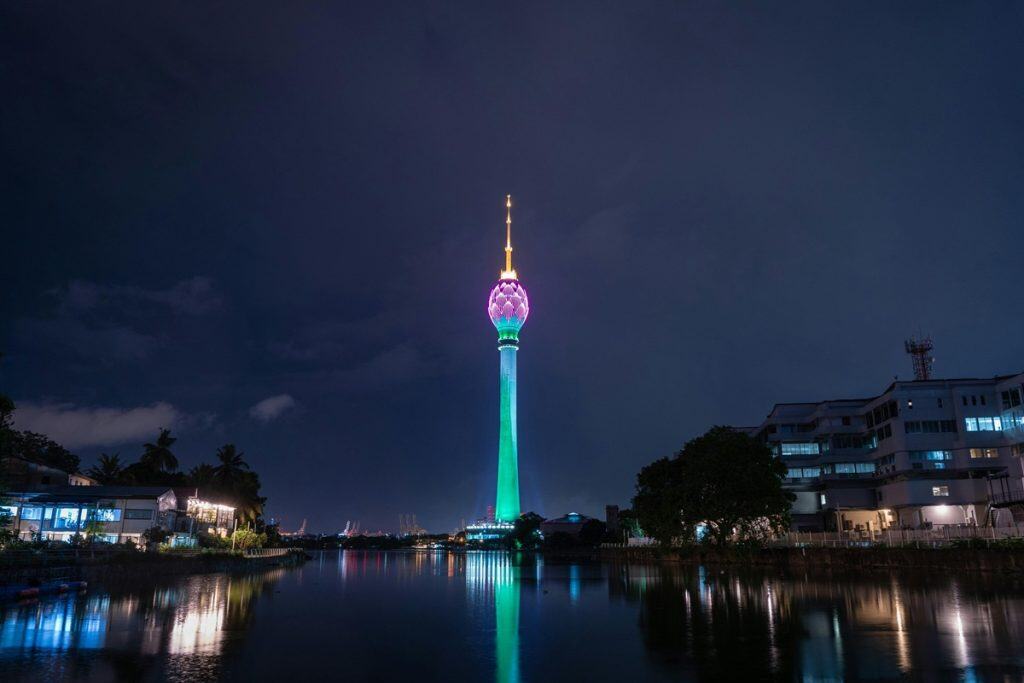
The Lotus Tower in Colombo (Photo: Thilina Alagiyawanna, via Pexels)
Final Thoughts
The best things to do in Colombo extend far beyond traditional sightseeing. The city’s appeal lies in the combination of experiences within a relatively compact area. You can explore historic districts in the morning, sample street food in Colombo during the afternoon, relax in a modern café, visit creative spaces, and enjoy nightlife in Colombo after sunset.
Colombo continues to evolve. New restaurants, galleries, cafés, and cultural venues appear each year. At the same time, local markets, religious sites, and neighbourhood traditions continue to shape daily life. This balance gives the city its identity.
If you plan to visit Colombo, give yourself time. Walk through different neighbourhoods. Talk with local people. Try unfamiliar foods. Sit in a café and watch the city move around you. Take a tuk-tuk ride without a strict itinerary. Spend an evening at Galle Face Green.
Many travellers arrive expecting a gateway to other parts of Sri Lanka. Many leave with a different opinion. They leave with memories of a city that combines culture, creativity, food, history, and everyday life in ways that few destinations in the region achieve.
Among all the things to do in Colombo, the most rewarding experience might be allowing the city to reveal itself at its own pace.
Sources and References:
- Sri Lanka Tourism.
- Sri Lanka Tourism Development Authority (SLTDA).
- SLTDA Annual Tourism Statistics Reports.
- Colombo Municipal Council.
- Sri Lanka Railways.
- Department of National Museums of Sri Lanka.
- Gangaramaya Temple
- Lonely Planet Sri Lanka.
- Condé Nast Traveller.
- National Geographic Travel.
- Tripadvisor Colombo Reviews
- UN Tourism (UNWTO).
Featured image: Galle Face Green – Colombo (Photo: Iris Liu, CC BY-NC-ND 2.0)

I am a Sri Lankan medical doctor who spends my free time travelling, exploring new destinations, and documenting the beauty of the island I call home. I have journeyed across almost every corner of Sri Lanka with my wife and daughter — from wildlife parks and misty mountains to ancient cities, deep forests, rugged landscapes, and quiet beaches.
Travel is not just a hobby for me — it’s a way of life. I love nature, enjoy road trips, and find joy in wildlife photography. I also read widely about tourism, travel trends, and destination culture. Through my writing, I aim to help travellers experience Sri Lanka through real stories, meaningful insights, and honest recommendations — the same way I explore it with my own family.