
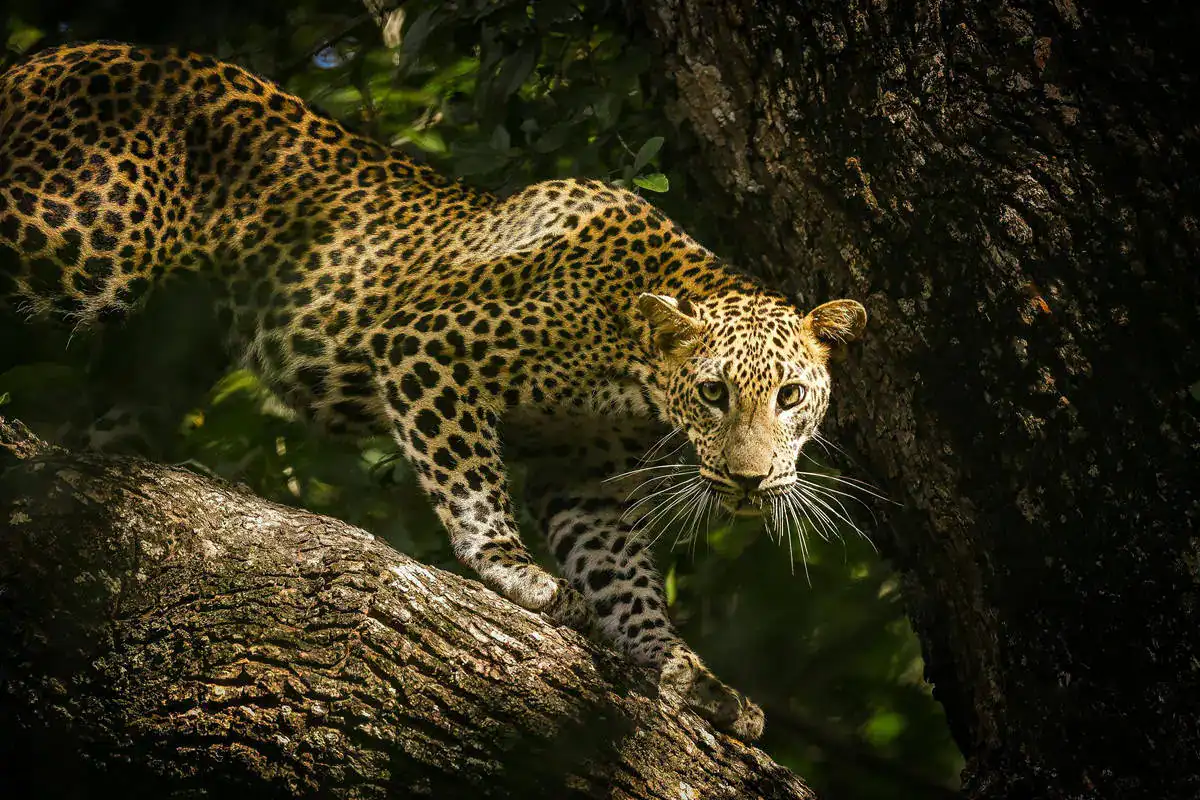

Safaris in Sri Lanka attract travellers who want strong wildlife sightings in compact landscapes. You can see elephants, leopards, sloth bears, crocodiles, deer, and rare birds within a short driving distance. You move through forests, plains, wetlands, and coasts with ease. You explore ecosystems shaped by centuries of local protection and long wildlife traditions. You meet guides with deep knowledge of tracks and movement. You follow short routes that reveal rich life with clear visibility. This combination makes Safaris in Sri Lanka one of the most efficient wildlife experiences in Asia.
Sri Lanka helps you plan with little pressure. You travel between regions in hours. You track seasonal changes with simple timing. You stay in towns close to park gates. You choose Jeep safaris, hikes, birding, snorkelling, and cultural stops. You pair wildlife with popular beaches, ruins, lakes, and the hill country. You adjust your plan without long transfers. This structure helps both short and long trips.
This guide explains how to plan the best wildlife journey. You learn why Sri Lanka holds substantial value as a wildlife destination. You learn how to move through parks. You learn how to prepare, what to bring, how to follow rules, how to stay safe, and how to photograph animals with care. You learn about each major national park with location notes, best seasons, highlights, and travel plans.
If you’re new to Sri Lanka, begin with our comprehensive Sri Lanka Travel Guide for a detailed step-by-step outline.
Why Sri Lanka Is Special as a Wildlife Destination
Sri Lanka has one of the strongest mixtures of wildlife and natural habitats in South Asia. Rainforest, dry forest, wetlands, grasslands, cloud forest, and coral reefs appear within a small radius. Large mammals live close to accessible routes. Elephants move through national parks and corridors that stretch across the island. Leopards live in several parks, not only in one region. Sloth bears survive in dry forest belts. Bird life remains strong due to wetlands, lagoons, rivers, and forest patches. Marine life adds further variety.
This density helps travellers move without stress. Many parks are located near main roads or town clusters. You reach gates without long drives. You see large mammals on short safaris. You do this in parks of different styles so that you can visit more than one region for broader coverage.
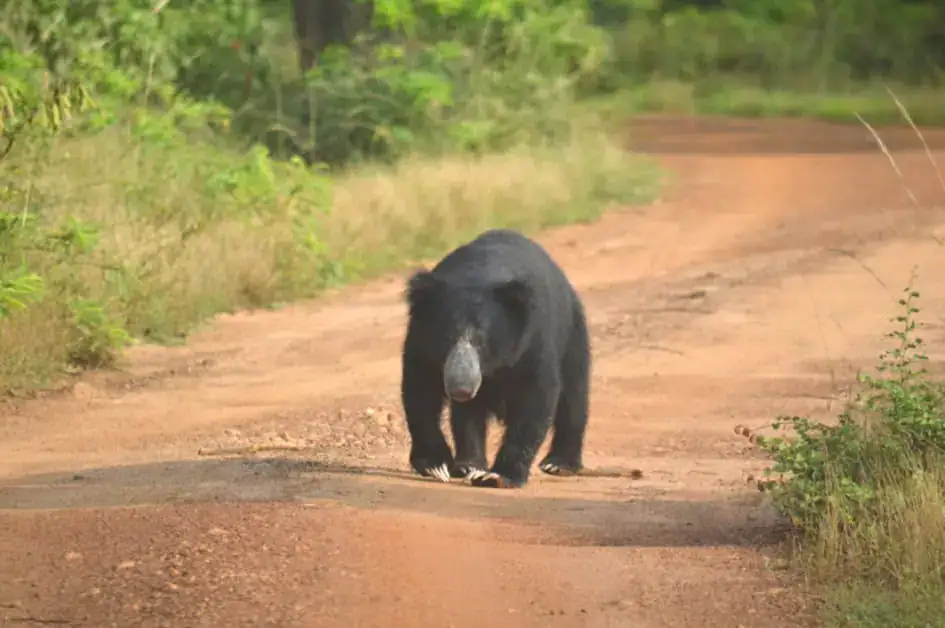
A Sloth Bear – Wilpattu National Park (Photo: Nalaka Priyantha)
Biodiversity in Sri Lanka
Sri Lanka sits within a global biodiversity hotspot. The island holds many endemic species of mammals, reptiles, amphibians, birds, and plants. The wet zone holds deep forest with high endemism. The dry zone holds grasslands with elephants and raptors. Mangroves and lagoons support migratory birds from distant regions. Coral reefs support reef sharks, turtles, rays, and other reef fish. Highland plateaus hold unique plants and cold-climate species.
These ecosystems help you view a wide range of life in a short time. You travel an hour and shift from grassland to rainforest. You travel two hours and reach coastlines with turtles and reef sharks. You travel three hours and stand in a cloud forest with sambar deer.
The Big Four of Sri Lanka
Many travellers aim to see the Big Four of Sri Lanka. Leopard. Elephant. Sloth bear. Blue whale. You see the first three on land. You see the fourth offshore during specific months. This mix creates a complete wildlife profile. You move from land to sea with simple transfers.
We recommend reading “The Best National Parks to Spot Leopards in Sri Lanka“.
Recognition and Tourism Appeal
Travel publications often list Sri Lanka as a wildlife destination. Yala National Park appears in global leopard lists because it has the highest leopard density in the world. Udawalawe National Park appears in elephant notes. Minneriya appears worldwide for the Gathering. Wilpattu National Park appears in top lists for quiet leopard parks. Bird experts value Bundala—hikers value Horton Plains. Marine travellers value Pigeon Island. These parks provide a comprehensive wildlife map of the island.
Why You Should Go on Wildlife Safaris in Sri Lanka
You gain high-value sightings quickly. You support national conservation work with fees. You move through protected landscapes with long histories. You learn about migrations, seasons, and feeding patterns. You learn how trackers read prints and behaviour. You enjoy a smooth blend of wildlife and culture.
What Safaris in Sri Lanka Are Like
You travel in rugged Jeeps with open sides or open tops. A tracker or guide sits near the front to scan for movement. Most parks open at sunrise. The first hour gives strong sightings because animals move before the heat rises. Afternoon drives offer soft light.
You follow set tracks. Drivers cannot cross barriers. Guides follow distance rules. Some parks feel busy during peak months, but drivers know alternative loops. Weather shifts fast in monsoon periods. Tracks may turn muddy, but Jeeps handle these surfaces.
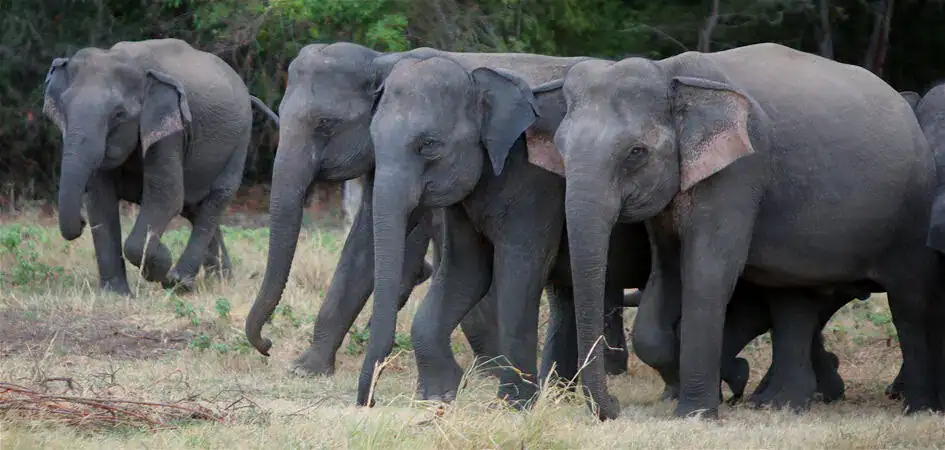
Wild Elephants – Minneria National Park (Photo: Al Jazeera English, CC BY-SA 2.0)
Whom Wildlife Safaris in Sri Lanka Are Best For
Safaris in Sri Lanka suit families, couples, solo travellers, photographers, students, and birders. Photographers value close distances and open plains. Families value short routes and simple access. Nature students value detailed ecosystems. Couples value varied trips and scenic stays.
What to Bring and Packing List
Wear neutral colours. Carry a hat, sunglasses, and sunscreen. Bring insect repellent. Bring a light jacket for early drives. Wear closed shoes. Bring water in a sturdy bottle. Carry binoculars. Bring a camera with a long lens for Wildlife Photography. Pack a rain cover for gear. Bring personal medication. Bring a small towel.
Entry Tickets and Bookings
Parks require entrance tickets sold at official gates. You can also book national park permits/tickets online through the Wildlife Park Permits Reservation eService. Foreign visitor prices differ from local prices. You pay for the Jeep hire separately. Many travellers book Jeeps through hotels. You confirm your driver’s experience before entry. Some drivers hold wildlife training certificates. They provide better guidance.
Wildlife bungalows inside parks are limited, so booking through Wildlife Circuit Bungalows Reservation eService well in advance is essential. Planning early ensures availability during peak seasons, and bringing food or arranging catering through approved suppliers helps maintain smooth logistics during your stay.
Dos and Don’ts
Remain inside your Jeep. Stay silent near wildlife. Speak softly with your guide. Keep a safe distance from animals. Do not feed any species. Do not throw food or litter. Do not ask drivers to rush or block animals. Respect all visitors. Follow gate timings.
Special Tips
Start at sunrise. Pick two drives for better chances. Stay near the park gates to avoid long morning travel. Visit parks in shoulder seasons for fewer crowds. Speak with rangers for fresh reports. Use binoculars for distant trees. Stay patient.
If you plan a visit to a national park in Sri Lanka, read up on the Weather in Sri Lanka guide and the best time to visit.

Leopards in Yala National Park (Photo: Nalaka Priyantha)
Rules and Regulations
Parks open and close at strict hours. Drivers must follow speed limits. Engines stay off near animals for long stops. Smoking is banned. Alcohol is not allowed inside parks. Flash photography is discouraged. Visitors must follow the ranger’s instructions if animals move close.
Wildlife Photography Tips and Drone Regulations
Use steady hand positions. Use a bean bag for stability. Raise ISO in low light. Use continuous focus for moving animals. Avoid loud clicks near elephants or leopards. Keep lens hoods on.
Drone use requires special clearance from the authorities. Most parks restrict drones due to the risk of disturbance. Travellers should not expect access to drones during safaris in Sri Lanka.
Camping
Some parks offer designated camping zones. You sleep in tents under ranger supervision or stay in wildlife bungalows. Nights feel loud because forests remain active. You bring your equipment or arrange packages through licensed operators. Rangers inspect campsites. Campers must follow fire rules and noise control.
Wildlife Safaris for Every Budget
Budget travellers stay in guesthouses and use shared Jeeps. Mid-range travellers use lodges near gates with meal plans. High-end travellers use boutique camps with private guides, skilled trackers, and comfortable tents. All levels get strong sightings.
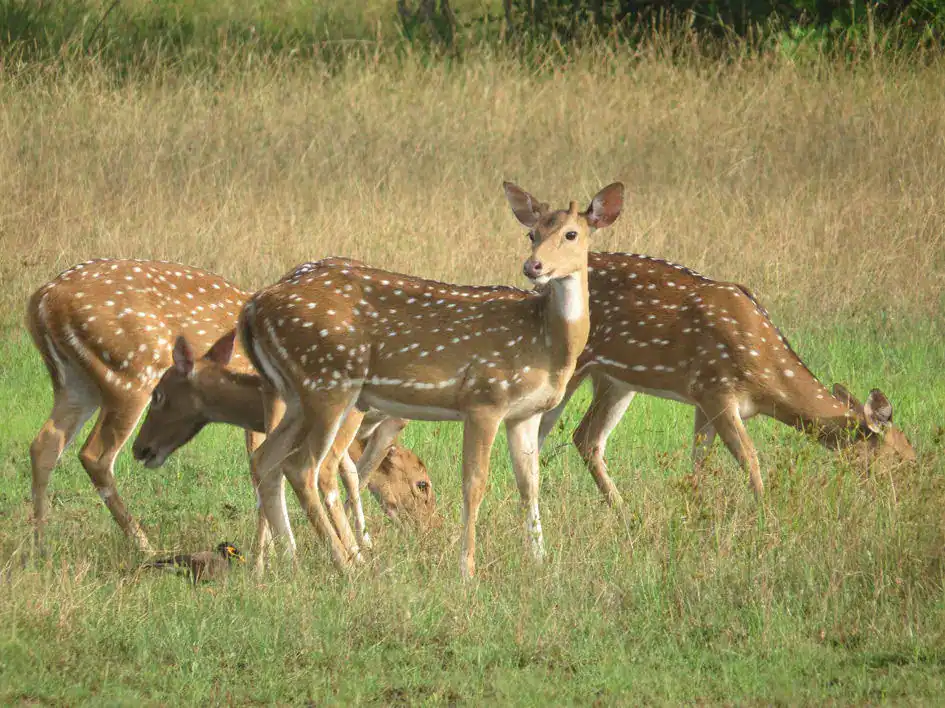
Spotted Deers – A common sighting when you go on safaris in Sri Lanka (Photo: Nalaka Priyantha)
Pick guides who respect rules. Use lodges with precise waste control. Carry reusable bottles. Support local projects. Avoid plastic inside parks. Travel during shoulder periods to ease crowds. Follow distance rules. Respect animal space. Avoid noise.
Health, Safety, and Comfort
Cover your skin. Drink enough water. Keep your body stable inside Jeeps. Follow all instructions during leopard or elephant stops. Keep gear clean. Bring medication for dust allergies. Prepare for heat.
National Parks of Sri Lanka
The island has many national parks that cater to different interests. The following sections explain each major park with full notes.
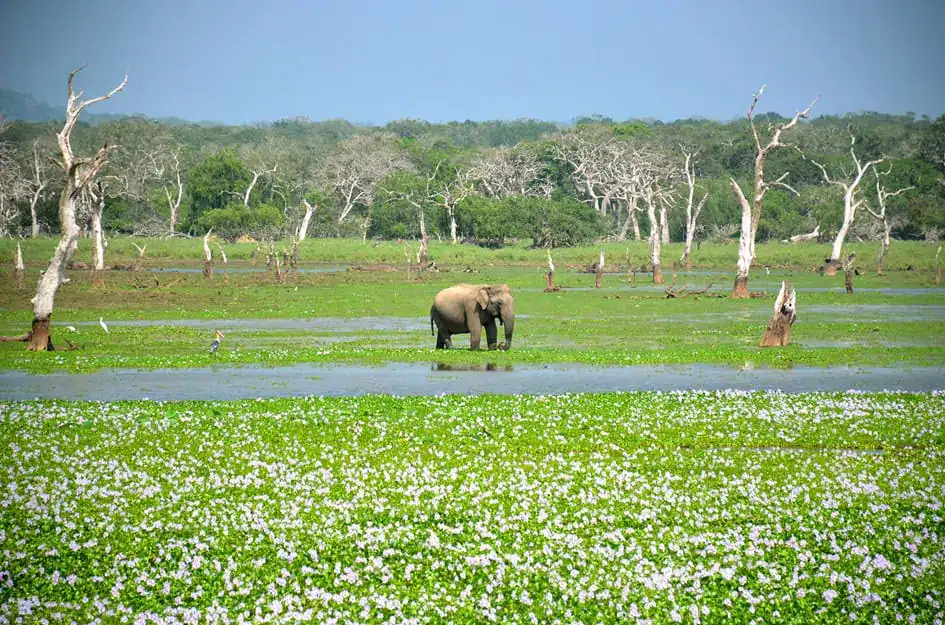
A Wild Elephant – Yala National Park (Photo: Indiwari, CC BY-SA 4.0)
Location and How to Get There
Yala National Park sits in the Southeast and links easily with Tissamaharama and Kirinda. The drive from Colombo takes about six hours on well-maintained roads. Travellers also reach the area by bus or private transfer. The final stretch passes through lakes, farms, and scrubland that set the tone for the safari ahead.
Layout and Conditions
The park holds a mix of scrub forest, grassland, rocky outcrops, and lagoons. Tracks run through open areas, making wildlife easier to see. Block 1 receives the most visitors, yet other blocks offer quiet routes with fewer Jeeps and broad views of the landscape.
Best Time to Visit
The dry months from June to September give the best visibility because animals gather around shrinking waterholes. February and March also provide clear weather with stable conditions.
Famous For
Leopard sightings and consistent encounters with elephants and sloth bears.
Special Features
The park includes a long coastline, ancient shrines, and scenic lakes. The rocky boulder formations create strong spots for wildlife photography.
Flora and Fauna
Yala National Park supports leopard, elephant, sloth bear, spotted deer, sambar, buffalo, jackal, boar, and macaque. Bird life includes peafowl, eagles, kites, owls, bee-eaters, storks, herons, and several endemic species. Reptiles include mugger crocodiles, pythons, cobras, and land monitors. Amphibians gather near pools and shaded streams.
Do Not Miss
Sithulpawwa temple inside the reserve, early morning leopard loops, and sunset light near coastal wetlands.
Popular Attractions
Leopard hotspots, elephant groups, and rich bird zones near lagoons.
Activities, Things to Do, and Experiences
Half-day safaris, full-day safaris, birdwatching, and nature walks on approved trails outside the park boundary.
Accommodation and Dining
Tissamaharama offers guesthouses, eco-lodges, boutique hotels, and luxury camps. Dining ranges from rice dishes and curries to grilled seafood and fresh fruit. Many lodges prepare early breakfasts for sunrise safaris.
Nearby Destinations Can Be Paired With
Kataragama, Bundala National Park, and Kirinda beach.
Simple and Easy Plans
Stay two nights near Tissamaharama. Book a morning and afternoon safari on separate days for balanced sightings.
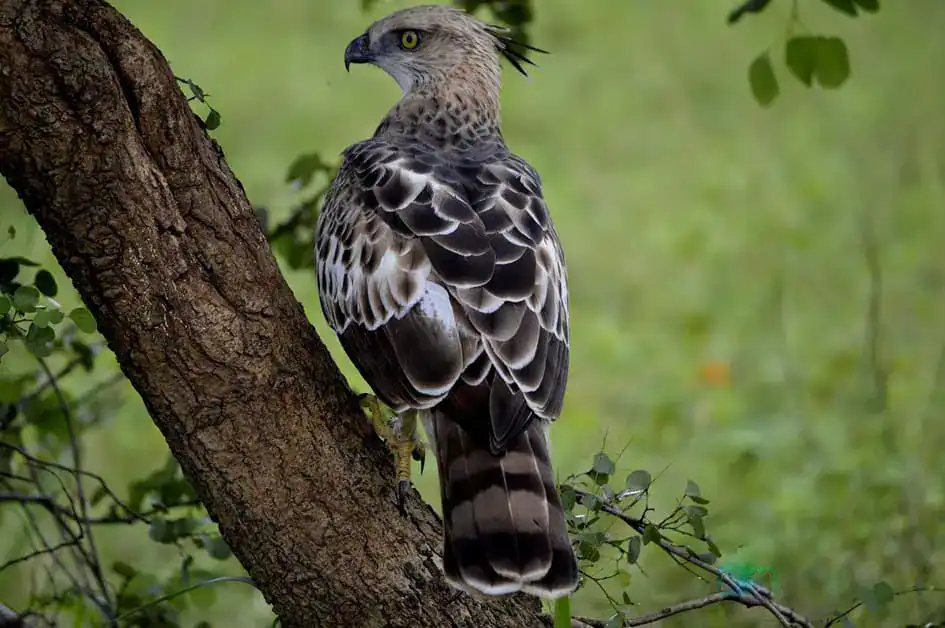
Crested Hawk Eagle in Udawalawa National Park (Photo: Chands99, CC BY-SA 4.0)
Location and How to Get There
Udawalawe National Park lies in the south-central region and is easily accessible from Embilipitiya. The journey from Colombo takes four to five hours. Buses reach Embilipitiya, and a short taxi ride leads to the main gate.
Layout and Conditions
The park features open grasslands, scrub forest, and a large reservoir that attracts wildlife year-round. Tracks provide wide visibility, which helps photographers and first-time visitors.
Best Time to Visit
Sightings remain strong across the year. Dry periods encourage elephants to gather near water, which improves viewing.
Famous For
Large herds of elephants and calves.
Special Features
The reservoir’s backdrop creates a striking setting at sunrise and sunset.
Flora and Fauna
The park is home to elephants, deer, buffalo, jackals, boar, and several small mammals. Bird life includes eagles, kites, owls, bee-eaters, and storks. Reptiles include crocodiles and land monitors.
Do Not Miss
The Elephant Transit Home, where rescued elephant calves receive care and training.
Popular Attractions
Elephant groups near the reservoir and bird activity along the water’s edge.
Activities, Things to Do, and Experiences
Half-day and full-day Jeep safaris, birdwatching, and photography of elephant behaviour.
Accommodation and Dining
Guesthouses, mid-range hotels, and eco-lodges surround the gate. Many properties offer breakfast packs and simple dining with local dishes.
Nearby Destinations Can Be Paired With
Ella, Ratnapura, and Yala National Park.
Simple and Easy Plans
Stay two nights near the gate and schedule both a morning and afternoon drive.
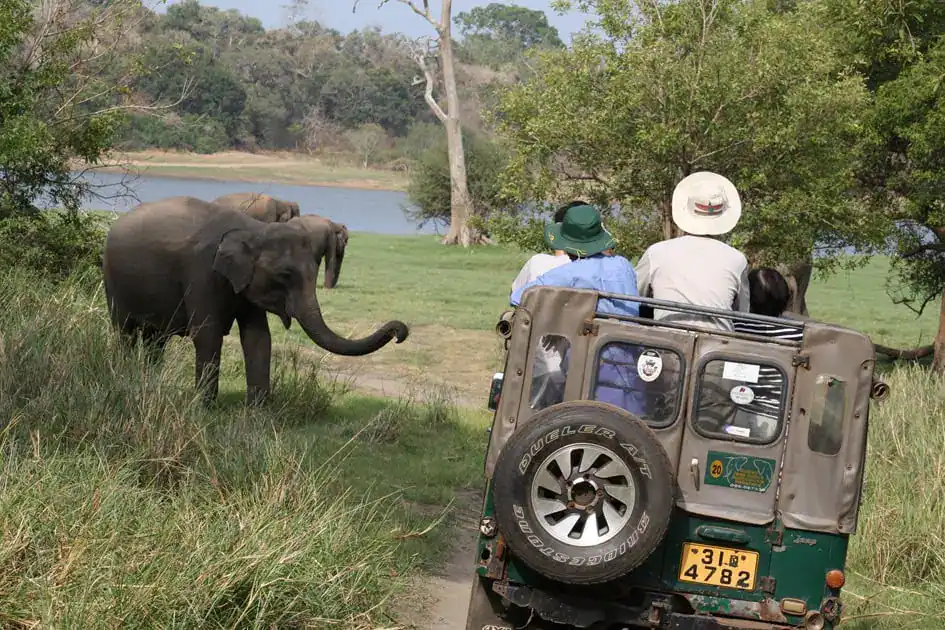
A Safari in Minneriya National Park (Photo: shankar s., CC BY 2.0)
Location and How to Get There
Minneriya sits near Habarana, close to Sigiriya Rock Fortress and Dambulla Cave Temple. The Colombo to Habarana route takes about 4 hours on smooth roads.
Layout and Conditions
A large reservoir lies at the centre of the park, with grasslands and forest creating an open ring around it. The layout helps visitors see wildlife at long range.
Best Time to Visit
July to October provides the famous Gathering, when elephants arrive in large numbers.
Famous For
One of the most impressive elephant gatherings in Asia.
Special Features
Sweeping plains that fill with elephants during the dry months.
Flora and Fauna
Elephants dominate sightings during peak months. Other mammals include spotted deer, monkeys, boar, and small predators. Birds include pelicans, storks, eagles, and kingfishers. Reptiles include monitors and aquatic snakes.
Do Not Miss
Evening views across the reservoir as elephants move towards the water.
Popular Attractions
The Gathering, raptors in flight, and waterbirds around the tank.
Activities, Things to Do, and Experiences
Elephant-focused safaris and birdwatching sessions.
Accommodation and Dining
Hotels in Habarana, Sigiriya, and Dambulla provide comfortable stays. Dining includes hotel buffets, rice dishes, and local curries.
Nearby Destinations Can Be Paired With
Sigiriya Rock Fortress, Polonnaruwa, and Kaudulla National Park.
Simple and Easy Plans
Spend one or two nights in Habarana and book a safari during the dry season.

Wild Elephants in Kaudulla National Park (Photo: David Stanley, CC BY 2.0)
Location and How to Get There
Kaudulla lies north of Minneriya. It sits within easy reach of Habarana and Polonnaruwa.
Layout and Conditions
Grasslands, woodland, and a central reservoir define the park. Conditions mirror Minneriya, which helps visitors plan between the two.
Best Time to Visit
From August to November, elephants shift between Minneriya and Kaudulla National Parks.
Famous For
Elephant gatherings later in the season.
Special Features
Substantial bird concentrations during early mornings and late afternoons.
Flora and Fauna
Elephants remain the primary attraction. Other species include deer, monkeys, raptors, reptiles, and waders.
Do Not Miss
Late afternoon safaris that catch elephants returning to the reservoir.
Popular Attractions
Elephant herds and bird clusters around the tank.
Activities, Things to Do, and Experiences
Half-day safaris and wildlife photography sessions.
Accommodation and Dining
Stay in Habarana or the Minneriya region. Dining includes hotel menus and small restaurants.
Nearby Destinations Can Be Paired With
Minneriya, Sigiriya Rock Fortress, and Polonnaruwa.
Simple and Easy Plans
Stay in Habarana for one or two nights, then book a safari based on elephant movement reports.
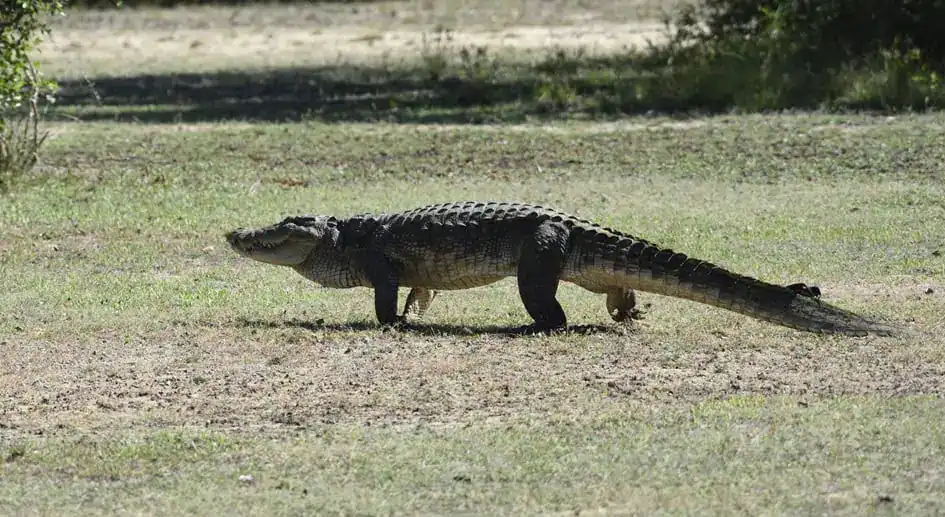
A Crocodile in Wilpattu National Park (Photo: Nalaka Priyantha)
Location and How to Get There
Wilpattu National Park lies in the Northwest and is easily accessible from Anuradhapura and Puttalam. The Colombo to Wilpattu National Park route takes about 5 hours. The gate area feels quiet and rural.
Layout and Conditions
The park contains natural lakes called villus that attract wildlife. Dense forest surrounds these water bodies, and long tracks create a sense of deep wilderness.
Best Time to Visit
February to October provides dry tracks and stable weather.
Famous For
Leopards, sloth bears, and calm safari conditions.
Special Features
Large villu systems, long forest corridors, and minimal crowd presence.
Flora and Fauna
Wilpattu National Park holds leopard, sloth bear, elephant, deer, boar, buffalo, monkeys, and small cats. Birds include owls, hornbills, eagles, and forest specialists. Reptiles include crocodiles, snakes, and land monitors.
Do Not Miss
Sunrise or sunset drives around the villus where wildlife gathers.
Popular Attractions
Leopard sightings near water, quiet trails, and bird activity in forest cover.
Activities, Things to Do, and Experiences
Half-day and full-day safaris, birdwatching, and nature walks near lodges.
Accommodation and Dining
Lodges near Hunuwilagama provide comfortable stays. Anuradhapura offers a wide range of hotels with larger dining options.
Nearby Destinations Can Be Paired With
Anuradhapura and Kalpitiya.
Simple and Easy Plans
Stay two or three nights with a mix of morning and afternoon drives.
Wasgamuwa National Park
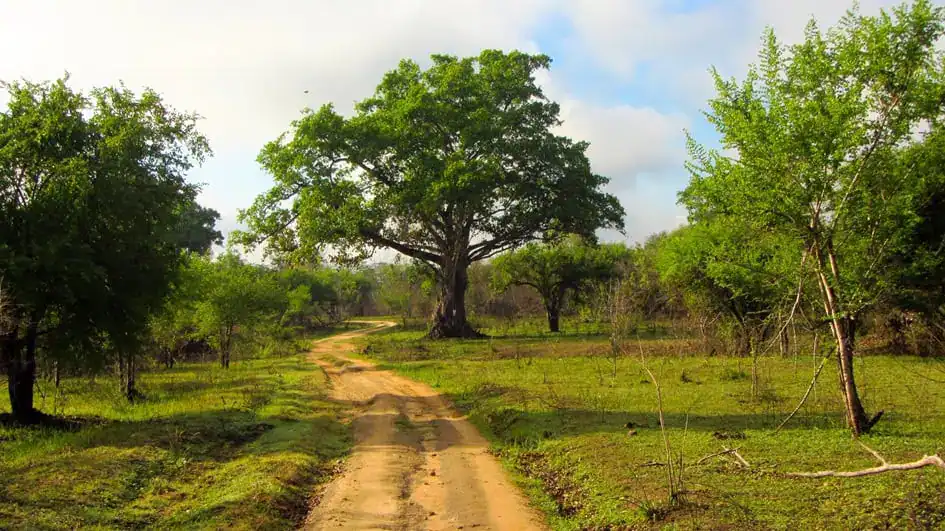
Wasgamuwa National Park (Photo: Rehman Abubakr, CC BY-SA 4.0)
Location and How to Get There
Wasgamuwa lies between Matale and Polonnaruwa. You reach it from Dambulla, Kandy, or Hettipola.
Layout and Conditions
Dry forest, open fields, and river edges shape the park. Tracks pass through shaded areas that protect wildlife during hot hours.
Best Time to Visit
June to September provides lower rainfall and easier track conditions.
Famous For
Elephants and high bird diversity.
Special Features
Rivers that draw wildlife during late afternoons.
Flora and Fauna
Elephants, deer, buffalo, monkeys, giant squirrels, and several reptile species. Birds include hornbills, eagles, owls, and many waterbirds.
Do Not Miss
Evening drives along riverbanks.
Popular Attractions
Elephant sightings and excellent birding sections.
Activities, Things to Do, and Experiences
Half-day safaris, birdwatching, and landscape & wildlife photography.
Accommodation and Dining
Small lodges sit near the main gate. The nearby town of Hettipola offers simple meals and local dishes.
Nearby Destinations Can Be Paired With
Knuckles Mountain Range and Polonnaruwa.
Simple and Easy Plans
Spend one or two nights in the area and schedule a single safari.
Horton Plains National Park
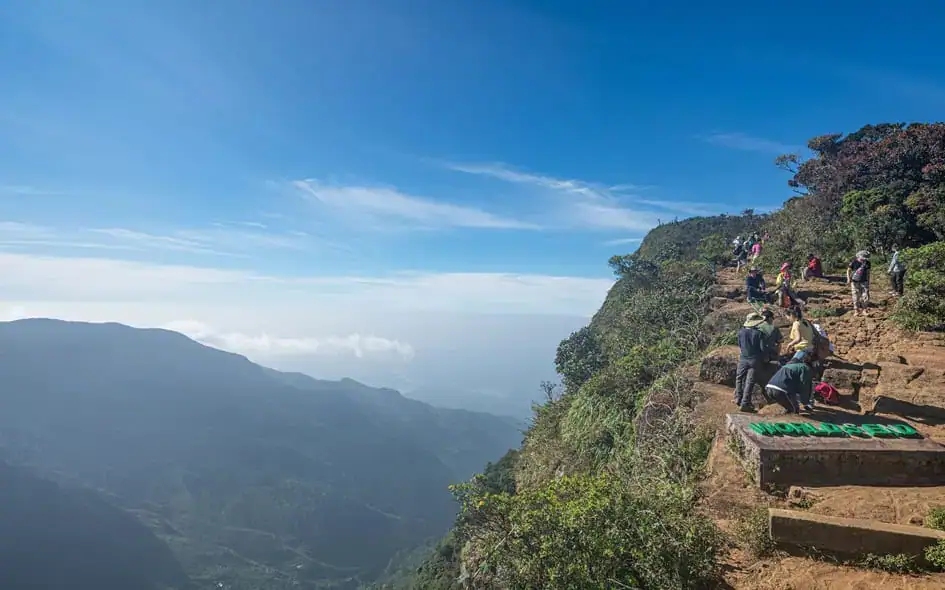
World’s End – Horton Plains (Photo: A.Savin)
Location and How to Get There
Horton Plains sits in the central highlands above Nuwara Eliya. Roads climb through tea estates and pine forests.
Layout and Conditions
The plateau holds grasslands and cloud forest with cool temperatures. Trails form loops that guide visitors past major viewpoints.
Best Time to Visit
January to March brings clear skies and strong visibility.
Famous For
World’s End viewpoint and sambar deer.
Special Features
High elevation, cold mornings, and mist-filled valleys.
Flora and Fauna
The park is home to rare plants, orchids, and shrubs. Mammals include sambar, otter, leopards, and several small species. Birds include the whistling thrush, bush warbler, and blue magpie.
Do Not Miss
Early morning walks to World’s End and Baker’s Falls.
AllTrails – Horton Plains World’s End Trail (8.4 km)
Popular Attractions
Scenic hiking trails (to Kirigalpoththa and Thotupola mountains) and highland birding spots.
- AllTrails Map – Kirigalpoththa Trail (10.8 km)
- AllTrails Map – Thotupola Mountain Trail (2.7 km)
Activities, Things to Do, and Experiences
Hiking, landscape & wildlife photography, and birdwatching.
Accommodation and Dining
Hotels in Nuwara Eliya offer warm rooms and early breakfast packs.
Nearby Destinations Can Be Paired With
Simple and Easy Plans
Stay in Nuwara Eliya and start your hike at sunrise.
Bundala National Park
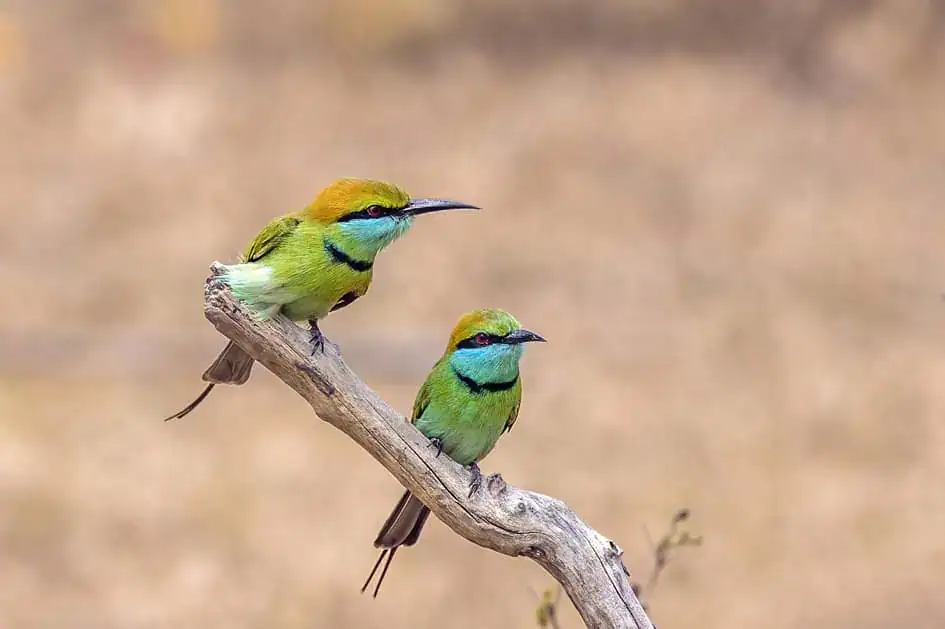
Green Bee-eaters in Bundala National Park (Photo: Charles J. Sharp, CC BY-SA 4.0)
Location and How to Get There
Bundala lies near Hambantota and Tissamaharama on the South Coast. The approach takes you through salt pans and lagoons.
Layout and Conditions
The park contains wetlands, mudflats, dunes, and scrub areas. Tracks remain accessible throughout the year.
Best Time to Visit
September to March brings migratory birds from distant regions.
Famous For
Flamingos (from November to April) and large flocks of waders.
Special Features
Ramsar wetland status and substantial bird concentrations.
Flora and Fauna
Birds include flamingos, pelicans, storks, gulls, terns, and herons. Reptiles include crocodiles, monitors, and snakes. Mammals include deer, boar, elephant, and jackal.
Do Not Miss
Sunrise drives along the lagoon edges.
Popular Attractions
Flamingo groups, crocodile sightings, and untouched wetland scenery.
Activities, Things to Do, and Experiences
Birding safaris and wildlife photography sessions.
Accommodation and Dining
Hotels in Hambantota and Tissamaharama provide easy access. Dining includes seafood, rice dishes, and hotel buffets.
Nearby Destinations Can Be Paired With
Yala National Park and Kirinda.
Simple and Easy Plans
Spend one night in Tissamaharama and take an early morning drive.
Pigeon Island National Park
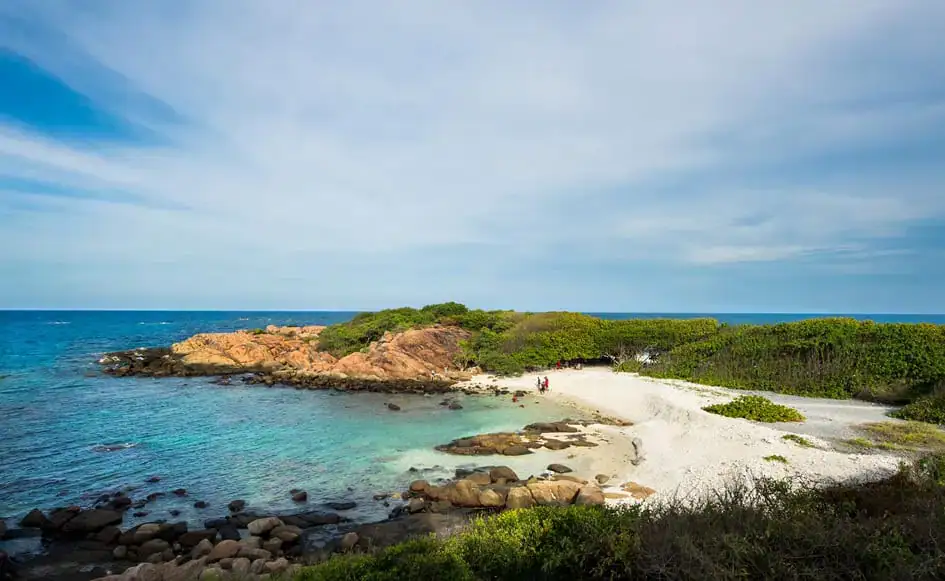
Pigeon Island National Park (Photo: Chiranmayu Medis, CC BY-SA 4.0)
Location and How to Get There
Pigeon Island sits off Nilaveli Beach on the Northeast Coast. Boats depart from the beach and reach the island in minutes.
Layout and Conditions
The island features clear reefs, shallow waters, and a rocky central section. Conditions remain calm during the seasonal months.
Best Time to Visit
April to September, when the seas settle, and visibility stays high.
Famous For
Blacktip reef sharks and turtles in shallow water.
Special Features
One of the easiest coral reef experiences in Sri Lanka.
Flora and Fauna
Marine species include reef sharks, turtles, rays, parrotfish, clownfish, butterflyfish, and coral colonies.
Do Not Miss
Morning snorkelling when crowds are low.
Popular Attractions
Shark encounters, coral gardens, and bright reef fish.
Activities, Things to Do, and Experiences
Snorkelling, swimming, freediving, and reef photography.
Accommodation and Dining
Nilaveli and Trincomalee offer hotels, guesthouses, and beach restaurants with fresh seafood.
Nearby Destinations Can Be Paired With
Trincomalee town, Kanniya hot wells, and Marble Beach.
Simple and Easy Plans
Stay two nights in Nilaveli and snorkel early on one of the mornings.
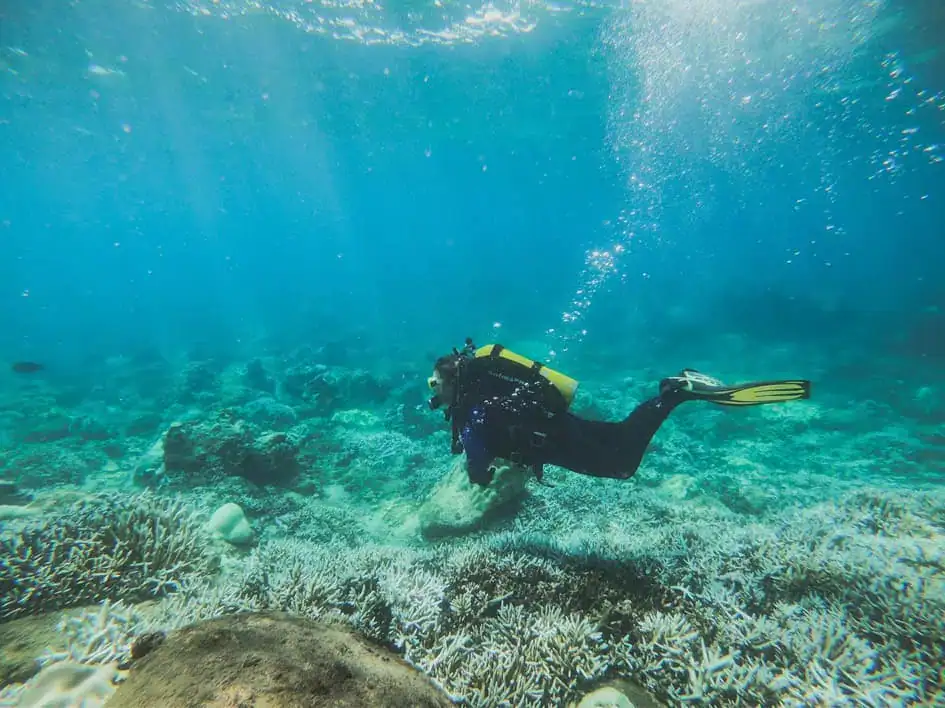
Diving – Pigeon Island National Park (Photo: Kalana Weeramuni, CC BY-SA 4.0)
Final Thoughts
Safaris in Sri Lanka give travellers a wide range of wildlife in short distances. You see elephants, leopards, sloth bears, reptiles, birds, and marine species in one trip. You move through parks that suit beginners and experts. You’ll find options for every budget and style. You learn about ecosystems with guides who know each zone. You follow routes that reward patience and respect. This island offers wildlife travel with substantial value, precise planning, and lasting experiences.
Map of the Popular National Parks in Sri Lanka
Featured image: A Leopard in Sri Lanka (Photo: Rajee Kumar)

I am a Sri Lankan medical doctor who spends my free time travelling, exploring new destinations, and documenting the beauty of the island I call home. I have journeyed across almost every corner of Sri Lanka with my wife and daughter — from wildlife parks and misty mountains to ancient cities, deep forests, rugged landscapes, and quiet beaches.
Travel is not just a hobby for me — it’s a way of life. I love nature, enjoy road trips, and find joy in wildlife photography. I also read widely about tourism, travel trends, and destination culture. Through my writing, I aim to help travellers experience Sri Lanka through real stories, meaningful insights, and honest recommendations — the same way I explore it with my own family.