
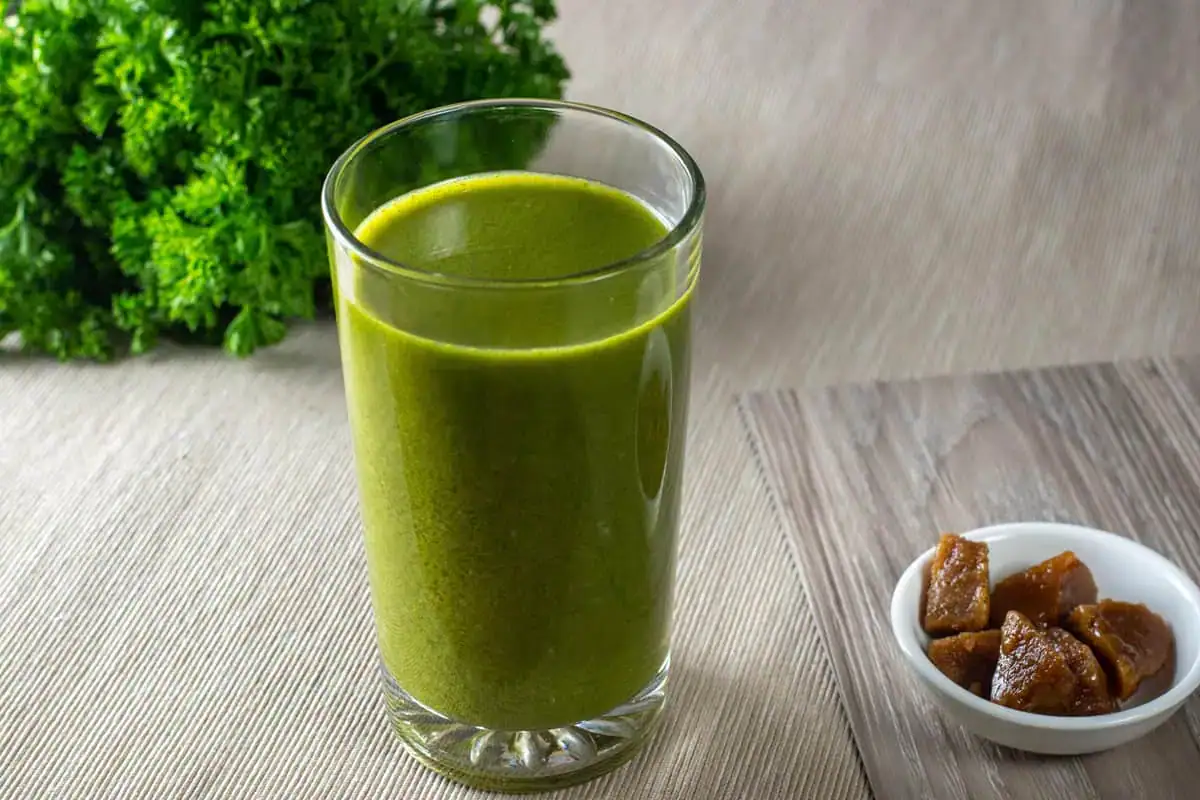

Kola Kanda stands as one of the most recognisable traditional drinks in Sri Lankan cuisine. Many visitors look for bold flavours in the country. Kola Kanda offers a steady and calm contrast. It tastes simple. It feels wholesome. It links generations. Locals drink it at dawn. Travellers order it to understand food culture in a direct and grounded way. This bowl of herbal congee holds stories, routines, and long memories. It also gives a clear window into how Sri Lankans use ingredients from their gardens and blend them with modest methods to support daily life.
This post describes how herbal congee supports morning routines, why it remains a trusted household dish, and how its ingredients fit into wider health practices. The post also shows why Kola Kanda stays relevant in modern homes.
Kola Kanda. What You Need to Know
Kola Kanda belongs to a long line of warm herbal porridges that appear across the island. It sits between a drink and a meal. The Sinhala term kola means leaf. The word kanda refers to a congee-like dish. Together, they form a name that sums up the entire idea. A blend of cooked rice and fresh greens. Thinned to a drinkable state. Served warm with a piece of jaggery on the side. It holds more liquid than many other porridges in the region. This places it squarely among the light and gentle drinks locals prefer in the morning in Sri Lanka.
Alternative Names
Many households use their own names. Some call it kola kandha. Others call it herbal congee. Tamil speakers often use herbal kanji. A few communities refer to it as green porridge. These names shift across language groups and regions. The base stays the same: rice, greens, coconut milk, salt, and jaggery.
Why Kola Kanda Stands Out
Kola Kanda stands out for its link to routine and heritage. It offers a warm start. It supports digestion in traditional practice. It carries no strong spices. It does not overwhelm the palate. It suits slow mornings and quiet hours before work. Grandparents pass it to grandchildren as part of learned habits. Street vendors sell it to busy workers who want a quick but sustaining breakfast. Nutritionists point to its vitamin-rich leaf base. It strengthens the role of Kola Kanda.
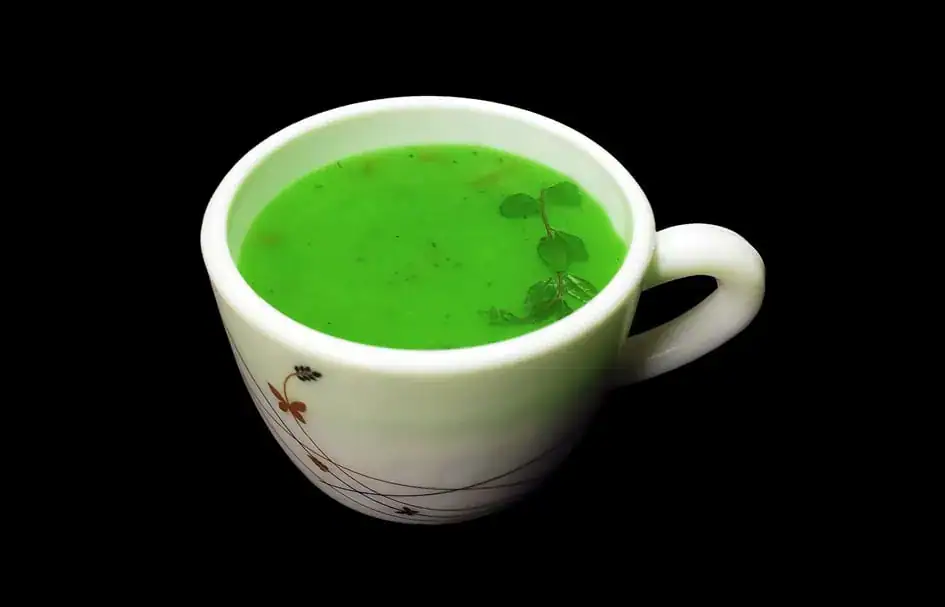
A Cup of Kola Kanda (Photo: AntanO, CC BY-SA 4.0)
Where It Sits in Sri Lankan Society
Kola Kanda crosses many borders in daily life. It appears in temple kitchens, where monks drink it before long schedules. It seems in small-town hotels that open early to serve workers. It sits at the centre of many rural breakfasts. It enters conversations about health and tradition in urban households. Herbal congee supports family structure. The act of preparing it teaches care and attention to simple tasks. Mothers often hand the job of grinding the greens to children. The smell of fresh herbs signals the start of the day.
Popular Varieties and Regional Differences
Sri Lanka holds deep regional diversity. It shows in food too. It also shows in Kola Kanda. Each province uses leaves that grow best in its climate. Popular herbs include gotu kola, mukunuwenna, karapincha (curry leaves), hathawariya, and ranawara leaves. Some grow in home gardens. Others grow wild near fields.
In the Western Province, cooks often produce a smooth and mild version. In the Southern Province, the drink grows thicker. In the hill country, the mixture usually tastes sharper because of the cooler climate greens. Tamil communities use their own blends. Many include small amounts of fenugreek in kanji. Visitors who travel across regions notice these changes. It helps them understand the range of drinks in Sri Lanka.
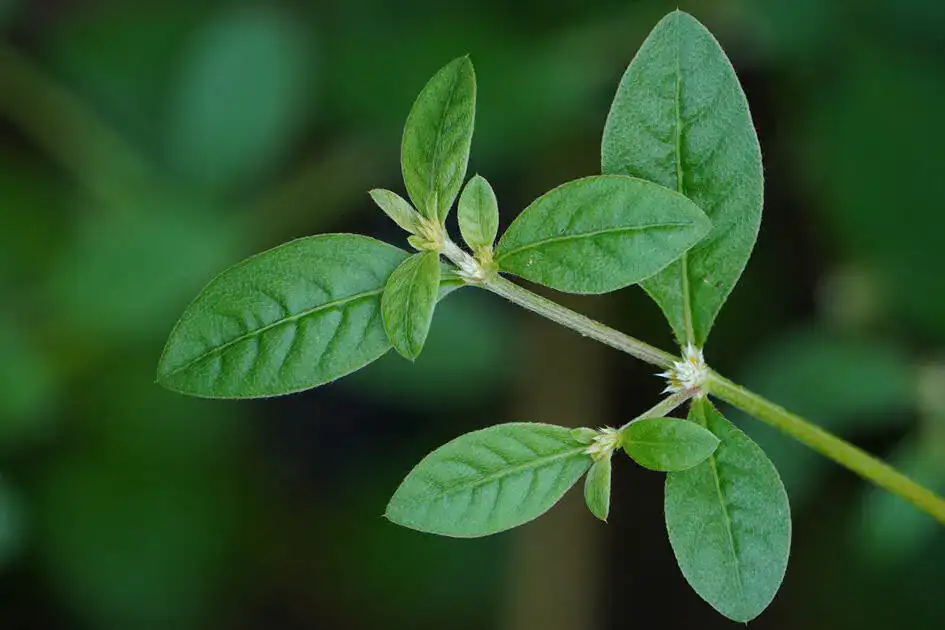
Mukunuwenna – Alternanthera sessilis (Photo: Vengolis, CC BY-SA 4.0)
What Goes Inside
The ingredient list stays short.
- Cooked rice, soft and ready to break down.
- Fresh leafy greens, cleaned and ground.
- Coconut milk, thin or thick, depending on preference.
- Salt, enough to balance the bitterness.
- Jaggery is placed on the side for controlled sweetness.
Some households add garlic or ginger. Others add pepper. These additions reflect personal taste or guidance from traditional health practice. Public health documents list these items as standard parts of morning meals in rural areas.
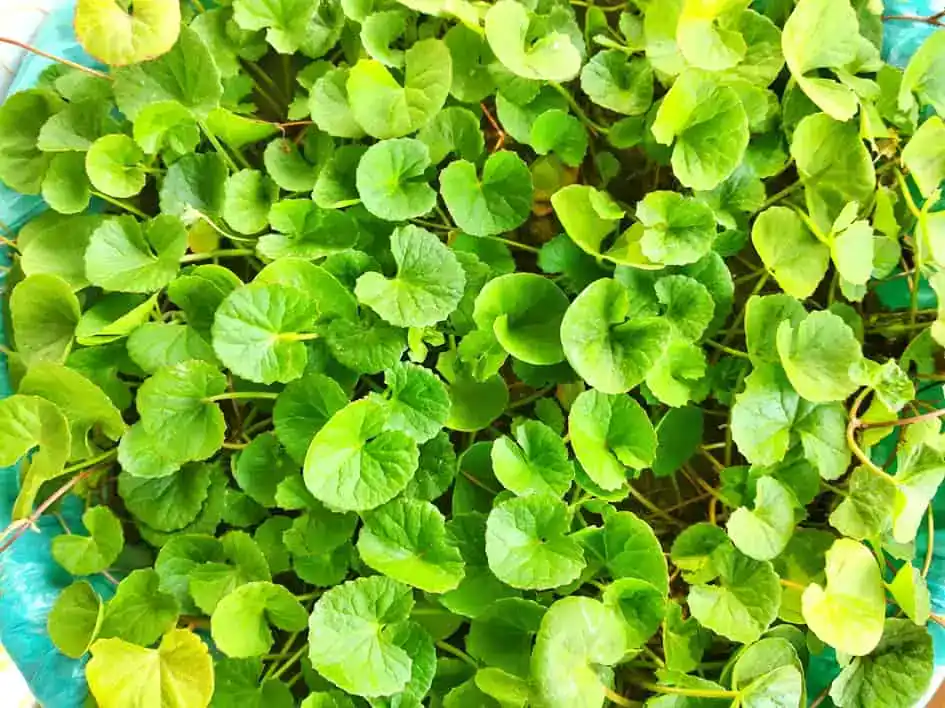
Gotukola – Centella asiatica (Photo: Shahidul Hasan Roman, CC BY-SA 4.0)
How Kola Kanda Is Made
The method follows a logical and simple order. Each step encourages slow handling.
- Boil rice until soft.
- Wash greens until clean. Remove tough stems.
- Grind the greens with a small amount of water. Many older cooks use a stone grinder. It creates a smoother flavour. Modern homes often use a blender.
- Strain the green paste through a fine cloth. Press hard to remove the liquid. Discard or compost the leftover pulp.
- Add the green liquid to the cooked rice in the pot. Stir until the mixture blends.
- Pour in coconut milk. Heat slowly. Add salt.
- Serve warm with jaggery.
The green extract enters near the end. It protects colour and vitamins.
Serving Style and Temperature
Kola Kanda tastes best when warm. Most Sri Lankan families drink it shortly after cooking. The texture sits between a broth and a thin porridge. The bowl usually comes with a piece of jaggery. Some homes add scraped coconut on the side. Restaurants in tourist towns often strain the mixture to meet visitor expectations. Rural homes preserve thicker textures because they depend on simple kitchen tools.
How to Spot a Great Version
A strong version holds a bright green shade. It signals fresh leaves and light cooking. The aroma should feel grassy. The taste should balance the slight bitterness with the smooth support of coconut milk. Rice grains should not stay clumped. They should blend into the liquid. The bowl should arrive with jaggery placed nearby, not stirred into the pot.
Ordering Advice
Order early. Many small eateries prepare only one batch each morning. Ask which herbs they used. Herbs shift with supply. If you want a lighter drink, request extra water or a smaller amount of coconut milk. If you want a richer version, request more rice. If you want a smoother texture, ask if they strain the mixture.
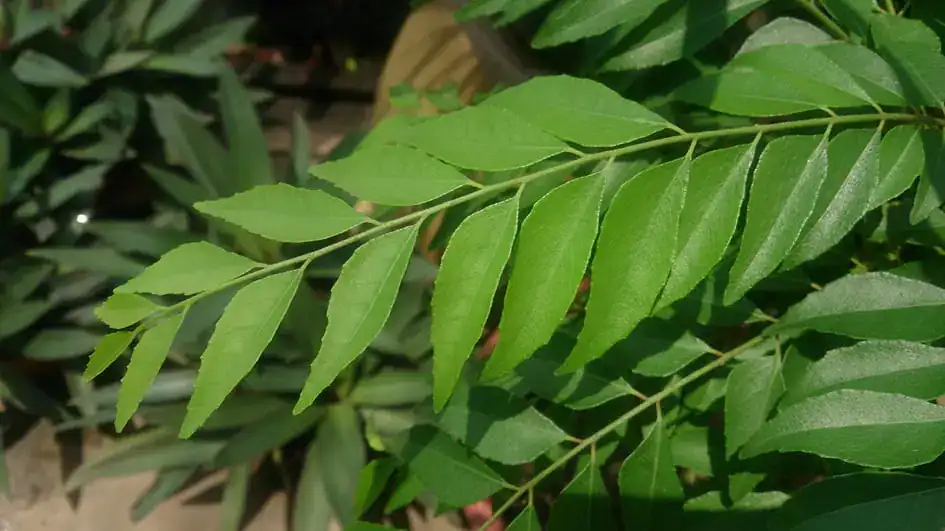
Karapincha (Curry Leaves) – Murraya koenigii (Photo: Mokkie, CC BY-SA 3.0)
How to Taste the Best of Kola Kanda
Start with a plain sip. It shows the natural flavour of the greens. Taste the jaggery. Then take another sip. It shows how sweetness changes the drink. Some people mix a small piece of jaggery into the bowl. Others alternate bites. Try both methods. Each approach highlights a different part of the flavour.
Best Pairings
Kola Kanda pairs well with simple foods.
- Fresh bananas.
- Boiled sweet potato.
- A slice of steamed jakfruit.
- Scraped coconut.
- A small piece of flatbread.
These sides match regional habits. They support slow digestion. They also help balance the drink’s mild flavour.
When to Drink
Morning stands as the ideal time for Kola Kanda. Traditional health guides claim warm herbal congee supports the stomach at the start of the day. Workers often drink it before long shifts. Students drink it before school. Some travellers choose it before long journeys. Locals rarely drink it in the evening because they prefer heavier dishes at night.
Where to Drink
- You find good versions in many places.
- Rural guesthouses in farming regions.
- Temple kitchens during morning routines.
- Small hotels along old main roads.
- Local homes that open rooms to guests.
- Cooking classes in Ella, Kandy, and Galle.
- Modern restaurants in Colombo have updated versions.
The experience shifts with each environment. Rural locations provide a grounded version with deep green tones. Restaurants provide a refined version with a smooth texture. Cooking classes offer both taste and instruction. These settings help visitors understand how Kola Kanda fits into Sri Lankan Cuisine.
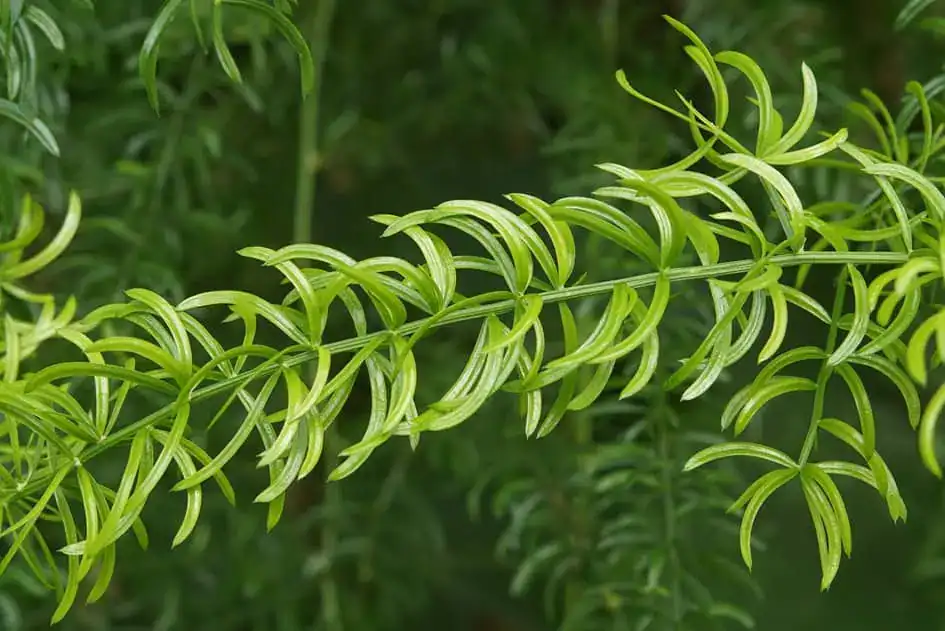
Hathawariya – Asparagus racemosus (Photo: Vengolis, CC BY-SA 4.0)
Energy and Nutrition Facts
Many Sri Lankan greens contain high levels of vitamin A, folate, calcium, and iron. Coconut milk supplies healthy fats. Rice provides carbohydrates. Jaggery adds iron and small amounts of minerals. A bowl ranges between 120 and 180 calories. It depends on the thickness of the coconut milk and the amount of rice. This range fits well into balanced morning meals.
Benefits of Kola Kanda
- Warm liquid supports digestion.
- Rice provides steady morning fuel.
- Leafy greens offer vitamins and minerals.
- Coconut milk provides healthy fats for energy.
- The drink supports hydration.
- The dish is suitable for vegetarian and vegan diets.
- The mild taste suits people who prefer gentle mornings.
- According to traditional health practice, it supports the body after illness.
Special Tips
Use fresh greens. It shapes colour and flavour. Do not boil greens for long periods. Add the green liquid near the end. This protects nutrients. If the mixture grows too thick, add warm water. If you want a smoother drink, strain the mixture twice. If you store leftovers, refrigerate them in a covered bowl. Reheat slowly on a stove. Avoid microwaving because it changes texture.
Dos and Don’ts
- Do taste before adding sweetness.
- Do ask about the herbs used.
- Do drink it warm.
- Do choose small places that prepare fresh batches.
- Do not mix jaggery into the pot.
- Do not judge quality by colour alone.
- Do not expect the same taste across regions.
- Do not rush the drinking. Slow sips show more detail.
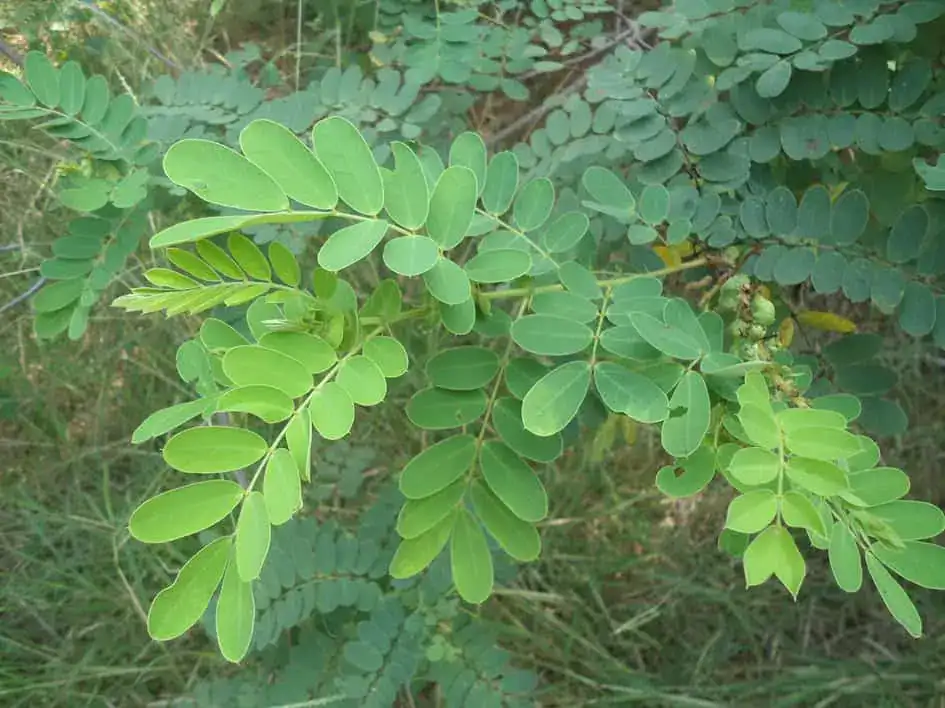
Ranawara Leaves – Senna auriculata (Photo: Adityamadhav83, CC BY-SA 3.0)
Cooking Classes and Cultural Experiences
Many cooking schools include Kola Kanda in their sessions. These classes often run in guesthouses or small learning kitchens. Instructors explain how to identify, wash, and grind herbs without losing flavour. Some classes include short walks into gardens where participants pick greens. It builds understanding of food culture. Students learn why households treat greens as valuable resources. They also learn older stone-grinding methods. These methods take effort. They also create a smoother texture.
A few cultural centres in the hill country include morning Kola Kanda sessions. These sessions combine food, light exercise, and education. Participants join locals for a short garden walk. After the walk, they prepare the drink together. These experiences help visitors develop a sense of the dish’s calm, steady nature.
Why You Should Taste Kola Kanda
Kola Kanda offers a direct link to Sri Lankan Cuisine and its focus on balance. It shows how families use garden produce with care. It presents a view of daily life that feels steady and grounded. The dish carries no complex technique. It uses affordable ingredients. It shapes many households’ mornings. It also opens a path into local food culture. Visitors who taste it often speak of its gentle nature. They describe how the drink changes their view of breakfast. They place it alongside other traditional drinks in their travel notes.
Kola Kanda remains a symbol of calm routine. It stands as a dish that brings families together. It instructs younger generations. It supports workers at sunrise. It reflects knowledge passed from one kitchen to another. Anyone seeking a clear, honest taste of Sri Lanka should include it in their trip. A warm bowl in the morning offers a grounding, nourishing experience.
If you are planning your first trip to Sri Lanka, our Complete Sri Lanka Planning Guide for First-Time Visitors explains how to combine culture, food, and travel routes.
Other Popular Sri Lankan Foods and Drinks:
- Hot Butter Cuttlefish
- Ceylon Tea
- Hoppers (Appa)
- King Coconuts
- String Hoppers
- Rice and Curries
- Pol Roti
- Kottu Roti
Featured image: A Glass of Kola Kanda with Jaggery (Photo: KavindaF)

I am a Sri Lankan medical doctor who spends my free time travelling, exploring new destinations, and documenting the beauty of the island I call home. I have journeyed across almost every corner of Sri Lanka with my wife and daughter — from wildlife parks and misty mountains to ancient cities, deep forests, rugged landscapes, and quiet beaches.
Travel is not just a hobby for me — it’s a way of life. I love nature, enjoy road trips, and find joy in wildlife photography. I also read widely about tourism, travel trends, and destination culture. Through my writing, I aim to help travellers experience Sri Lanka through real stories, meaningful insights, and honest recommendations — the same way I explore it with my own family.