


Planning a Sri Lanka trip feels simple at first. The island looks small on a map. Then the questions start. When should you go? Which coast should you choose? How do you move between places? Many travellers rush through these steps and end up with long travel days, missed highlights, and poor timing.
This guide gives you a clear path. You will learn how to plan a Sri Lanka trip step by step. Each step builds on the last. You avoid confusion and save time. By the end, you will have a plan that fits your travel style and your schedule.
New to Sri Lanka? It is better to start with the ultimate Sri Lanka travel guide for first-time travellers.
Decide When to Start Your Sri Lanka Trip
Your timing shapes your whole trip. Sri Lanka has two monsoon seasons. Each affects a different side of the island.
The South and West Coasts stay dry from December to April. It includes places like Galle, Mirissa, and Bentota. During these months, the sea stays calm, and the skies stay clear.
The East Coast stays dry from May to September. It includes Arugam Bay and Passikudah. The sea becomes calm during this period, which makes beach time more reliable.
If you choose the wrong season, you face rain, rough seas, and limited activities. You plan your Sri Lanka trip around the region you want to visit. This step avoids major problems later.
Here is a simple guide:
- December to April: South and West Coast
- May to September: East Coast
- October and November: Inter-monsoon with mixed weather
It is recommended to read about “the Weather” and “the best time to visit Sri Lanka” guides.

Unawatuna Beach (Photo: Chathura Anuradha Subasinghe, via Unsplash)
Decide How Many Days You Need
Trip length affects every decision. Sri Lanka looks small, yet travel takes time. Roads are narrow, and traffic slows you down.
You match your plan to your available days.
For a 7-day Sri Lanka trip, focus on key highlights. Choose one region and move steadily.
For 10 days, you cover more ground. You combine culture & heritage, the hill country, and popular beaches without rushing.
For 14 days, you see the full range. You include nature & wildlife, train journeys, and time to relax.
Use this structure:
- 7 days: 2 to 3 destinations
- 10 days: 3 to 4 destinations
- 14 days: 4 to 6 destinations
Avoid packing too much into your plan. Each travel day takes energy. A slower pace improves your experience.
Choose the Right Route for Your Sri Lanka Trip
Your route connects everything. Many travellers struggle here. They try to see too much or choose the wrong order.
Start with the three main routes.
The Cultural Triangle route focuses on history. You visit Sigiriya, Dambulla, and Polonnaruwa. This route works well for first-time visitors.
The South Coast route focuses on beaches. You visit Galle, Mirissa, and Unawatuna. This route suits travellers who want sea and relaxation.
The East Coast route offers a quieter beach experience. You visit Arugam Bay or Passikudah. This route works best during the East Coast season.
For a first Sri Lanka trip, follow this flow:
Colombo to Sigiriya to Kandy to Ella to the South Coast
This route avoids backtracking and keeps travel logical.
For a return trip, explore the East Coast or less-visited regions.

Little Adam’s Peak, Ella (Photo: Kevin Olson via Unsplash)
Build a Simple and Realistic Itinerary
Now you turn your route into a daily plan. Keep your structure clear and simple.
A strong itinerary follows a natural flow. You move from one region to the next without long detours.
Example 10-day Sri Lanka trip:
- Day 1: Arrive in Colombo or Negombo
- Day 2 to 3: Sigiriya and Cultural Triangle
- Day 4: Travel to Kandy
- Day 5: Explore Kandy
- Day 6: Train to Ella
- Day 7: Ella City
- Day 8 to 10: South Coast beach stay
This plan works because travel moves in one direction.
Keep these rules in mind:
- Limit hotel changes
- Avoid long backtracking routes
- Add rest time between travel days
A clear itinerary reduces stress. You spend more time enjoying each place.
Find the best Sri Lanka itineraries for your travel season.
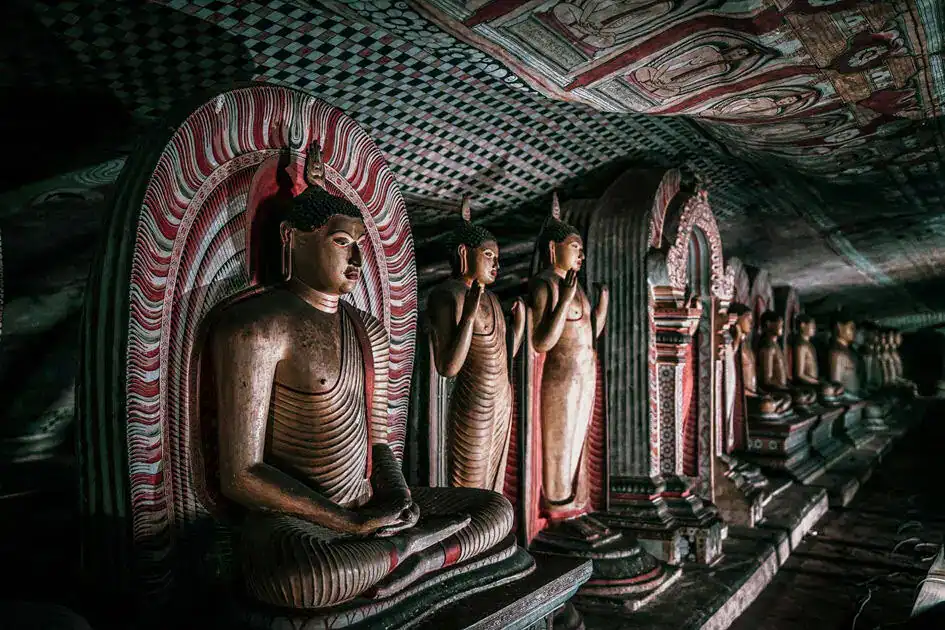
Inside the Dambulla Cave Temple (Photo: Agnieszka Stankiewicz, via Unsplash)
Book Flights and Check Entry Requirements
Once your plan is set, you handle entry details.
Most travellers need a visa to enter Sri Lanka. The process uses an online system called ETA. You apply before arrival. Approval often takes less than 48 hours.
Your passport must have at least six months of validity. You also need a return ticket or proof of onward travel.
Flight prices change based on season and demand. Booking early helps secure better rates, especially during peak travel months.
Flights usually land at Bandaranaike International Airport near Colombo. From there, you move to your first destination.
Choose Where to Stay
Your accommodation affects your daily experience. Location matters more than luxury.
In cities, stay close to main attractions. It reduces travel time.
In beach areas, choose properties with direct access to the shore. It improves convenience.
You choose from three main types:
- Budget guesthouses
- Mid-range hotels
- Luxury resorts
Guesthouses offer local interaction and lower prices. Hotels provide comfort and facilities. Resorts offer full service and privacy.
For a balanced Sri Lanka trip, mix different types of stays. It adds variety without increasing cost too much.
Read our guide “How to Choose Where to Stay in Sri Lanka“.
Plan Transport for Your Sri Lanka Trip
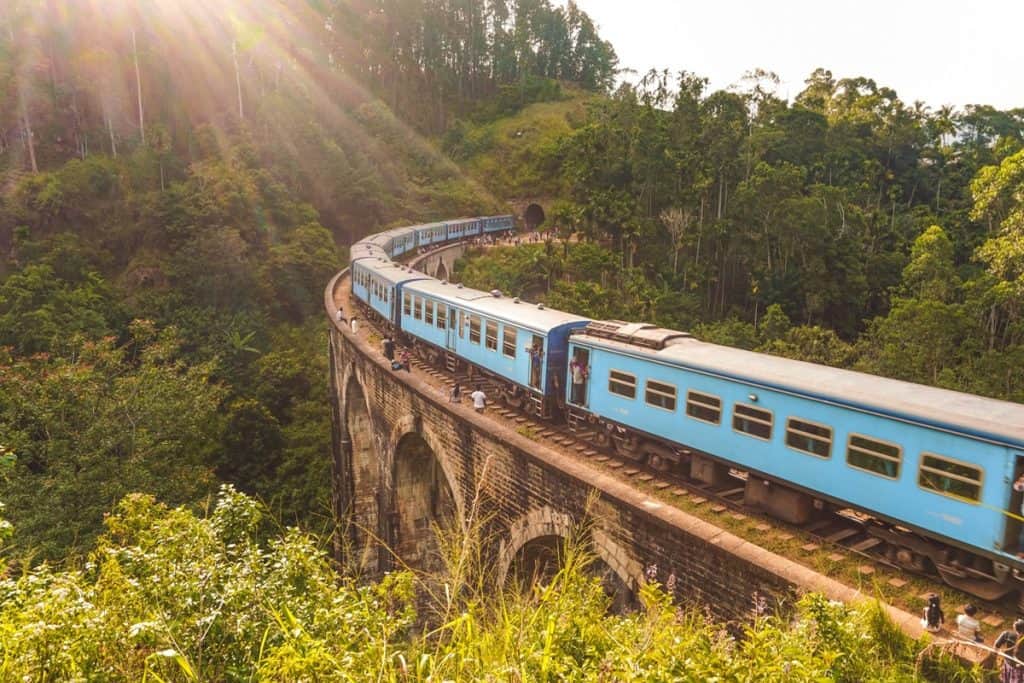
Nine Arch Bridge, Ella (Photo: Adam Vandermeer, via Unsplash)
Transport remains one of the most important parts of your Sri Lanka trip. Travel between destinations takes longer than expected.
You have four main options.
Private driver:
It is the easiest choice. You move at your own pace. You stop along the way. This option suits most travellers.
Train:
Sri Lanka train routes offer scenic views. The Kandy-Ella route stands out. Tickets sell out fast, so book early.
Find the train schedule and book train tickets via the official Online Advance Train Seats Reservation.
Tuk-tuk:
Use tuk-tuks for short distances. They are cheap and easy to find.
Bus:
Buses cover most routes. They cost less but feel crowded and less comfortable.
Most travellers combine these options. For example:
- Private driver for long routes
- Train for scenic journeys
- Tuk-tuk for local travel
This mix gives flexibility and comfort.
Read our “Transport in Sri Lanka – The Best Guide“.
Budget Your Sri Lanka Trip
A Sri Lanka trip offers strong value. Costs vary based on your style.
Budget travellers spend around 25-40 USD per day. It includes basic accommodation, local food, and public transport.
Mid-range travellers spend around 50-100 USD per day. It covers comfortable hotels, private transport, and good meals.
Luxury travellers spend 150 USD or more per day. It includes high-end resorts, private drivers, and curated experiences.
Break down your budget:
- Accommodation: highest cost
- Transport: varies based on choice
- Food: affordable in most areas
- Activities: entrance fees and tours
Plan your budget early. It helps you avoid overspending.
Plan Activities and Experiences

A leopard on a stone in Yala National Park (Photo: Byrdyak, CC BY-SA 4.0)
Activities shape your memories. Choose them based on your interests.
Popular experiences include:
- Sigiriya Rock Fortress climb
- Kandy to Ella train journey
- Safari in Yala or Udawalawe
- Beach time on the South or East Coast
Each activity requires time and planning.
Do not try to fit everything into one Sri Lanka trip. Focus on what matters to you.
If you enjoy history, spend more time in the Cultural Triangle.
If you enjoy nature, include a wildlife safari.
If you want relaxation, extend your beach stay.
Pack Smart for Your Sri Lanka Trip
Packing well makes your Sri Lanka trip easier from the start. The climate stays warm and humid across most of the island. You prepare for heat, sun, and occasional rain.
Choose light, breathable clothing. Cotton and linen work best. You also carry swimwear for beach areas and a light jacket for hill country regions like Ella and Nuwara Eliya, where temperatures drop at night.
You dress modestly when visiting religious landmarks and temples. It means covering the shoulders and knees. A light scarf or shawl helps with this.
Use this simple packing list:
- Light clothing for warm weather
- Comfortable walking shoes
- Sandals for beach areas
- Swimwear
- Sunscreen and sunglasses
- Insect repellent
- Light jacket for cooler areas
- Scarf or cover for temples
You pack only what you need. Smaller bags make travel between destinations easier.

A travel bag (Photo: Yaroslav Konyk, via Unsplash)
Stay Connected and Prepared
A few small steps improve your travel experience. You stay connected and ready for daily needs.
Buy a local SIM card on arrival. Providers like Dialog and Mobitel offer good coverage across the island. Data plans are affordable and reliable.
Carry local currency for daily expenses. Sri Lankan Rupees are used for most payments. ATMs are widely available in cities.
Keep both physical and digital copies of your documents. It includes your passport, visa approval, and travel insurance.
Focus on these essentials:
- Local SIM card for data and calls
- Cash for small purchases
- Backup copies of important documents
- Offline maps for navigation
Preparation reduces stress and helps you move smoothly through your Sri Lanka trip.
Common Mistakes to Avoid During Your Sri Lanka Trip
Many travellers make the same mistakes. You avoid them with a simple approach.
The most common issue is trying to see too much at once. A packed itinerary leads to long travel days and less enjoyment. You slow down and focus on fewer places.
Another mistake is ignoring travel time. Even short distances take hours. You plan realistic travel days and avoid tight schedules.
Choosing the wrong coast during the wrong season also affects your trip. You match your destination with the correct weather pattern.
Booking trains at the last minute creates problems as well. Popular routes sell out early. You book tickets in advance or use a travel agent.
Avoid these mistakes:
- Overloading your itinerary
- Underestimating travel time
- Visiting the wrong region in the wrong season
- Booking trains too late
- Skipping rest days
A clear plan helps you avoid these issues and improves your overall experience.
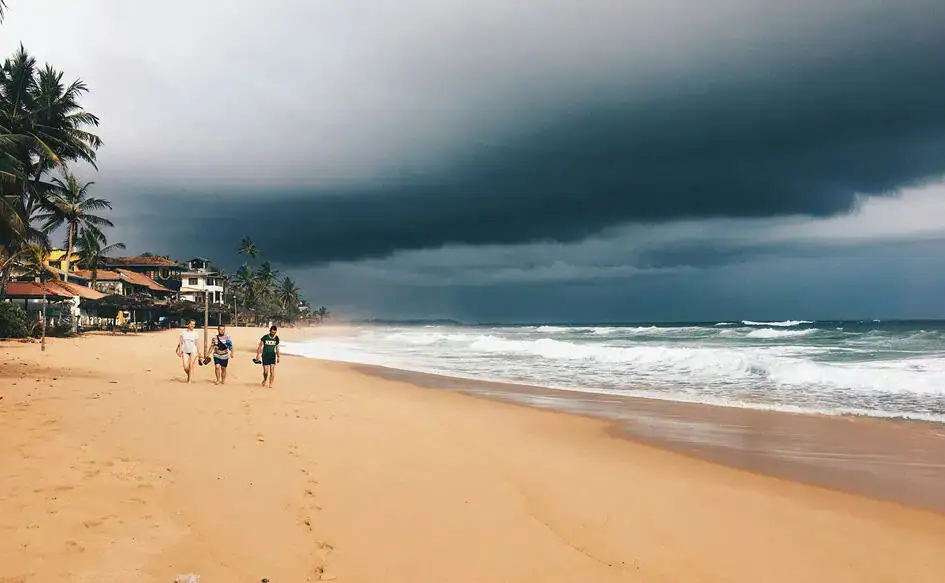
Wrong region in the wrong season, gloomy sky – Hikkaduwa Beach (Photo: Max Kukurudziak, via Unsplash)
Simple Daily Flow That Works
A good Sri Lanka trip follows a steady daily rhythm. You balance activity and rest.
Start your day early. Morning hours offer cooler weather and fewer crowds. You use this time for sightseeing or travel.
Take a break during midday. Heat levels rise, and energy drops. You rest, eat, or relax at your hotel.
Resume activities in the late afternoon. Light becomes softer, and temperatures drop. It is a good time for walks or local exploration.
End your day with a simple dinner and early rest. It prepares you for the next day.
This routine works well across all regions. It keeps your energy steady and your schedule balanced.
Adjust Your Plan Based on Your Travel Style
Your Sri Lanka trip should match your interests. There is no single perfect plan.
If you prefer culture, spend more time in Sigiriya, Dambulla, and Kandy. Explore temples, ruins, and historical sites.
If you prefer nature, include safaris and hill country regions. Visit national parks and tea plantations.
If you prefer beaches, focus on the South or East Coast. Stay longer in one place and reduce travel.
If you prefer a mix, combine these elements. Keep your itinerary simple and avoid rushing.
You shape your trip based on what you value most.
Make Your Sri Lanka Trip Smooth and Stress-Free
Small decisions create a better travel experience. You stay flexible and adjust when needed.
Book key services in advance. It includes accommodation and long-distance transport.
Keep some free time in your plan. It allows for changes in weather or personal preference.
Communicate clearly with drivers and hotel staff. It avoids confusion and saves time.
Respect local culture and customs. It improves your interactions and your experience.
Stay aware of your surroundings. Sri Lanka remains safe for travellers, yet basic awareness still matters.
These habits help you move through your trip with ease.
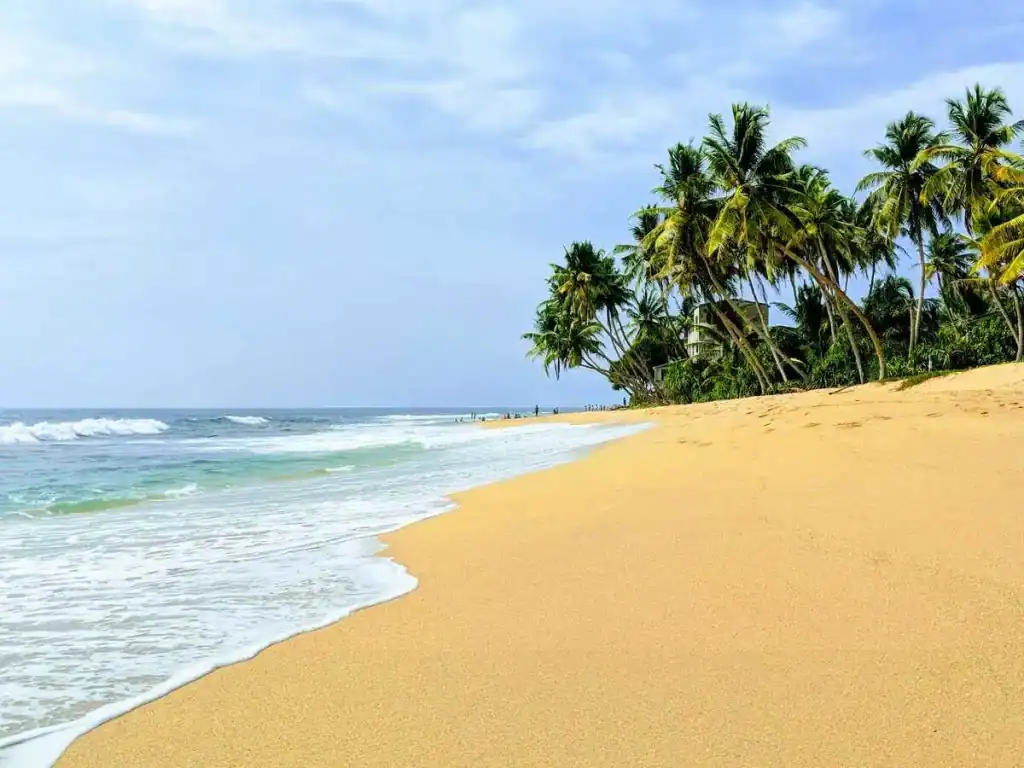
A sunny day – Hikkaduwa Beach (Photo: Dinusha Chathuranga, CC BY-SA 4.0)
Final Thoughts on Planning a Sri Lanka Trip
A Sri Lanka trip becomes simple when you break the process into clear steps. You choose the right time, build a logical route, and keep your itinerary realistic. You plan transport, accommodation, and activities with care. Each decision supports the next.
You do not need a perfect plan. You need a clear plan. When your structure is strong, your trip flows without stress.
Start with your travel dates. Then choose your route. Build your itinerary step by step. Once you follow this process, your Sri Lanka trip becomes easy to manage and far more enjoyable.
Sources and References:
- Sri Lanka Tourism Development Authority (SLTDA).
- Sri Lanka Tourism.
- Department of Meteorology, Sri Lanka.
- Road Development Authority, Sri Lanka.
- Google Maps.
- Immigration and Emigration Department, Sri Lanka.
- Bandaranaike International Airport.
- Department of Wildlife Conservation, Sri Lanka.
Featured image: Sigiriya View From Pidurangala (Photo: Keealbert, CC BY-SA 4.0)

I am a Sri Lankan medical doctor who spends my free time travelling, exploring new destinations, and documenting the beauty of the island I call home. I have journeyed across almost every corner of Sri Lanka with my wife and daughter — from wildlife parks and misty mountains to ancient cities, deep forests, rugged landscapes, and quiet beaches.
Travel is not just a hobby for me — it’s a way of life. I love nature, enjoy road trips, and find joy in wildlife photography. I also read widely about tourism, travel trends, and destination culture. Through my writing, I aim to help travellers experience Sri Lanka through real stories, meaningful insights, and honest recommendations — the same way I explore it with my own family.